Ancient Egypt Seals

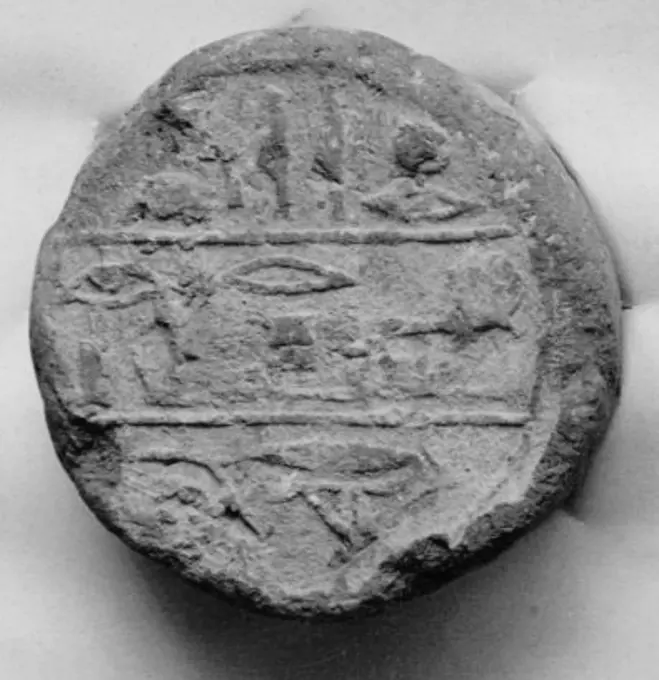
Artifacts featuring ancient sealings from Egypt, showcasing intricate designs and historical contexts from the Middle to New Kingdom.

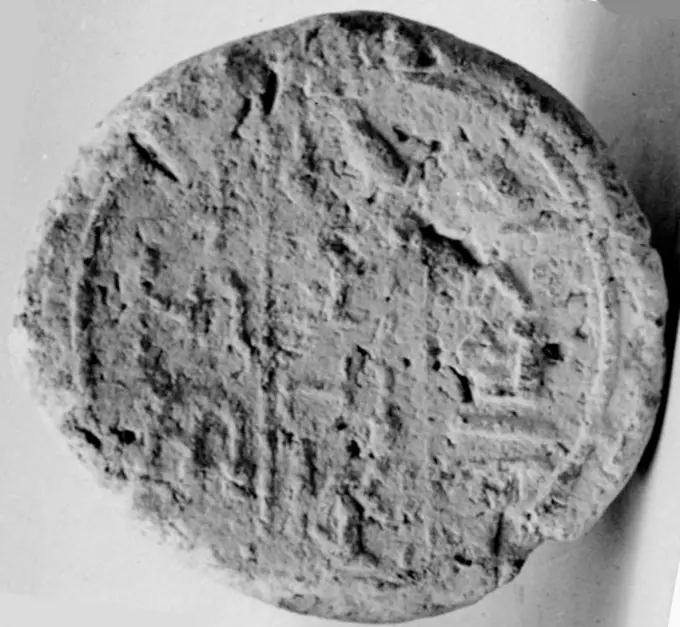
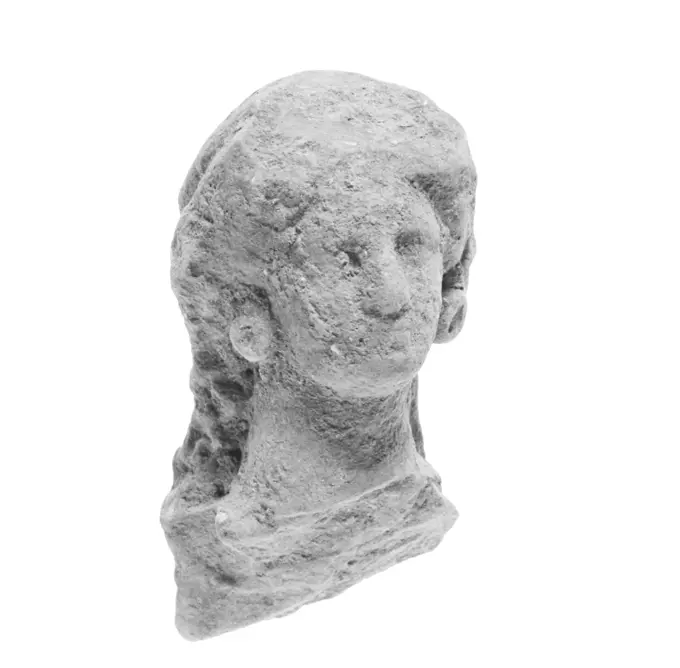
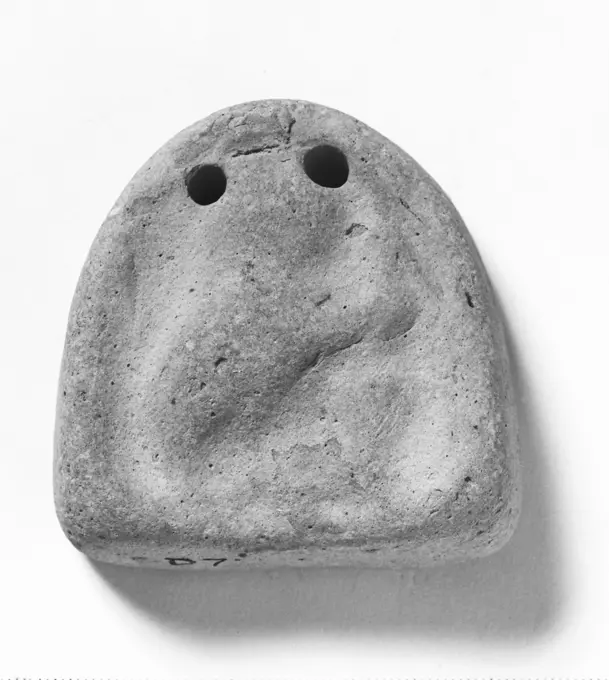
Finger. Unknown
Finger. Unknown
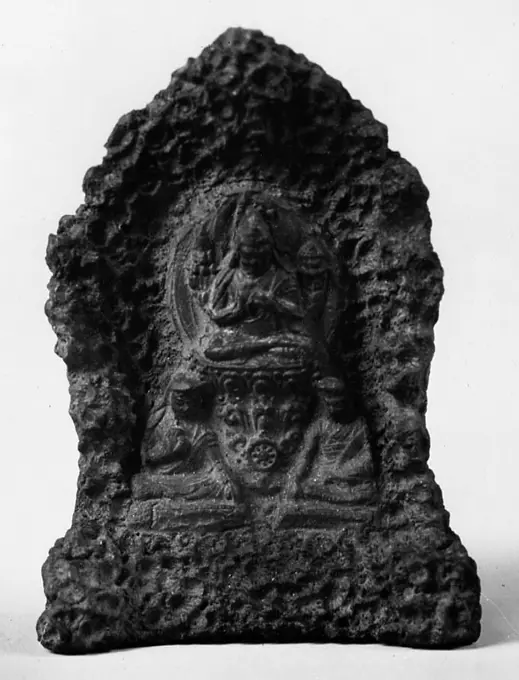
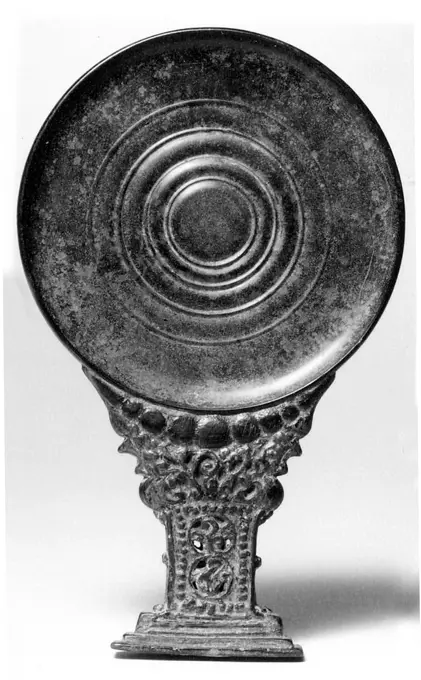
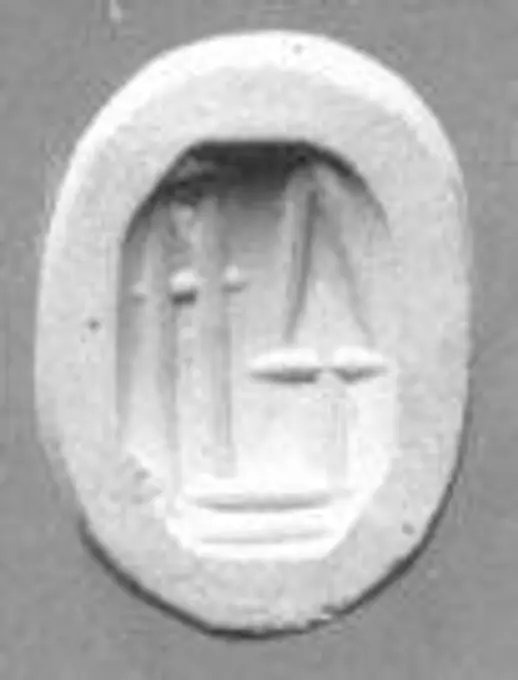
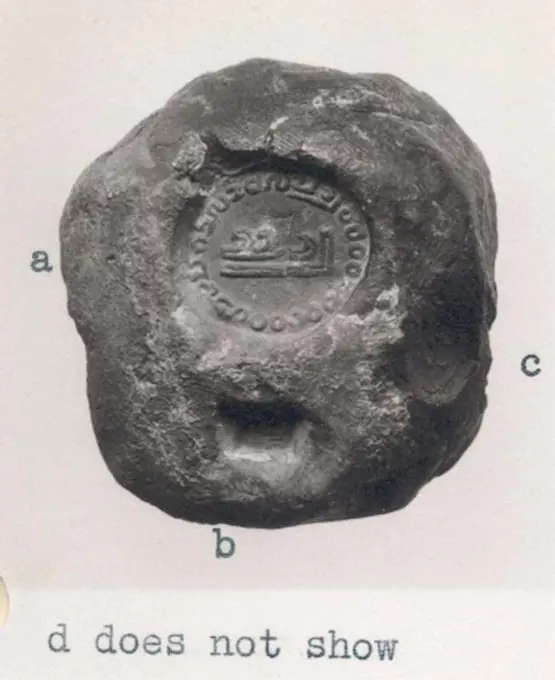
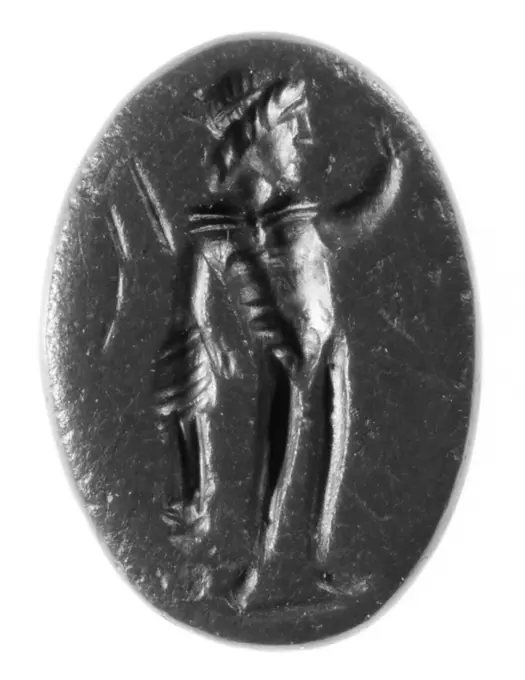
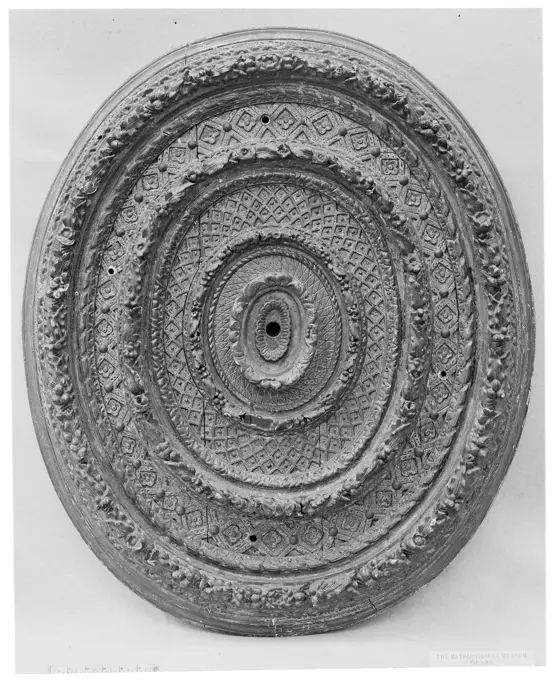
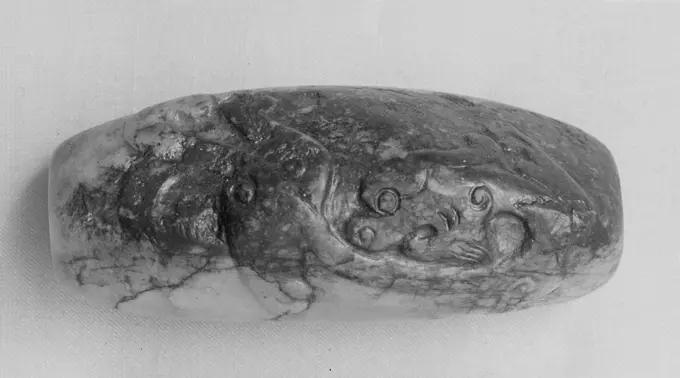
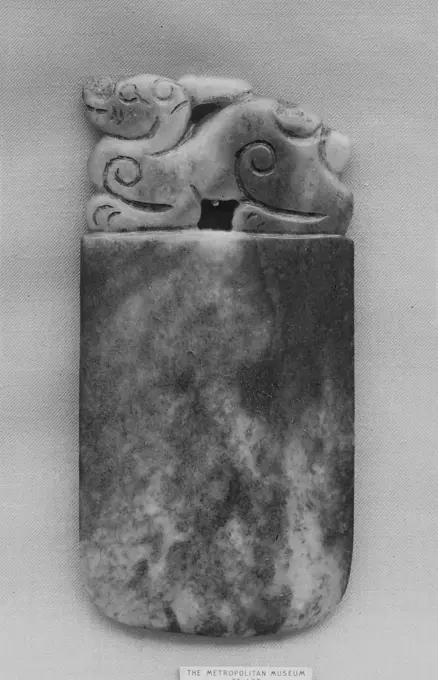
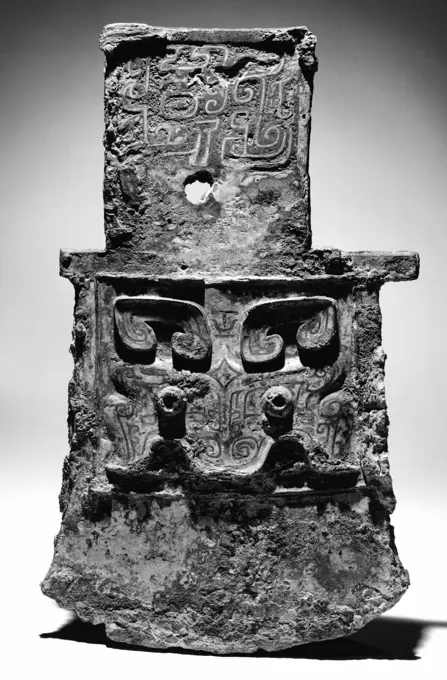
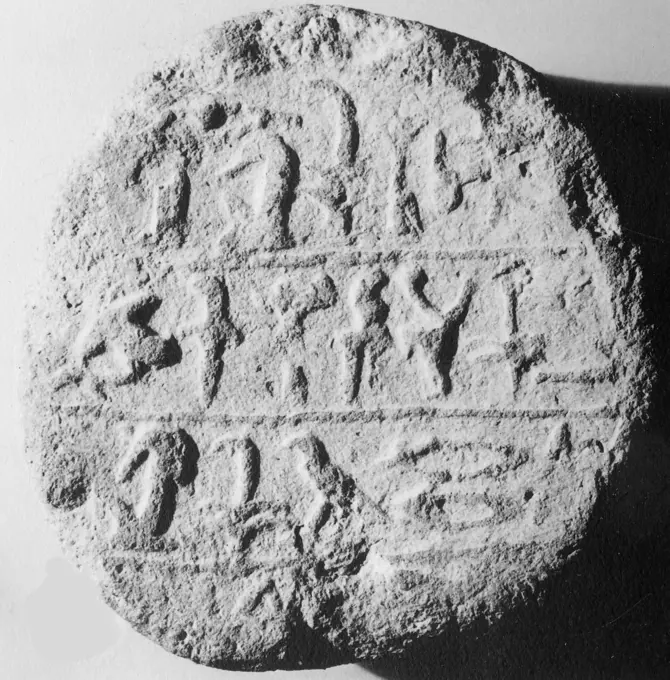
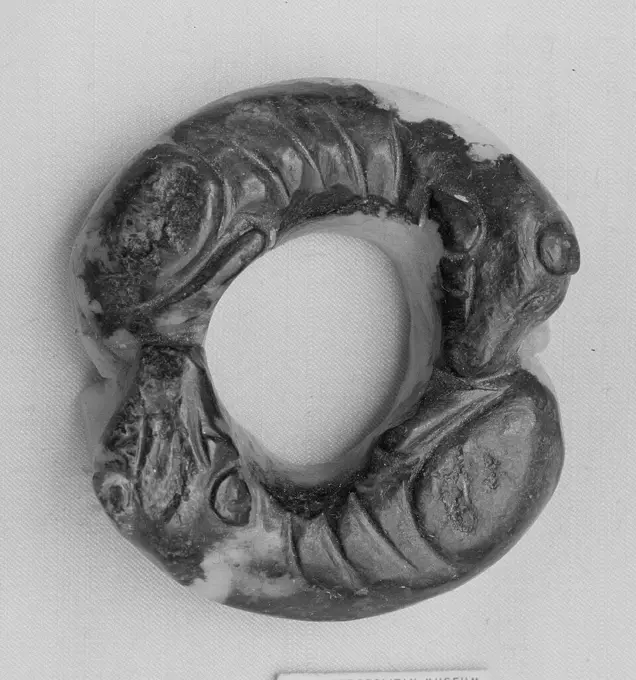
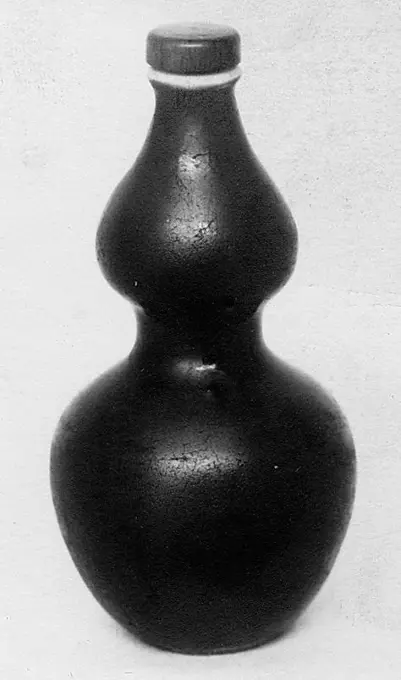
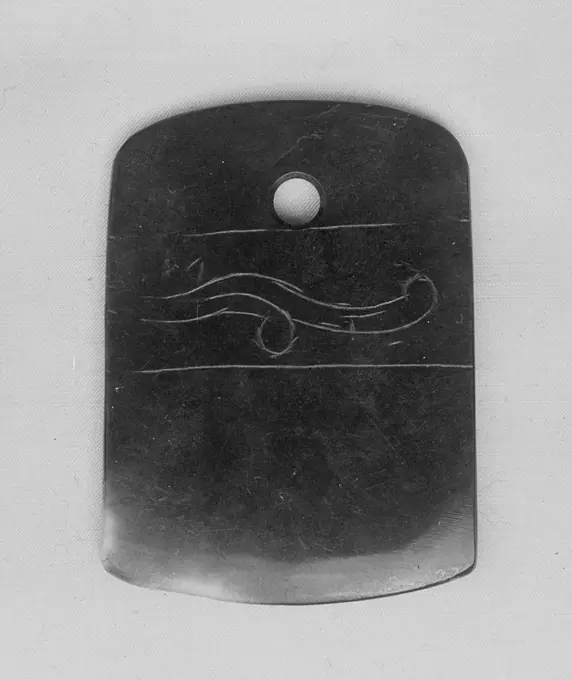
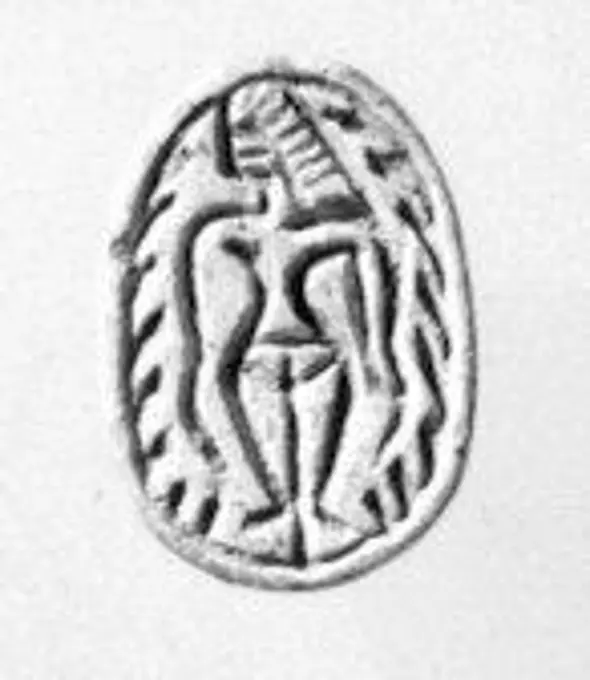
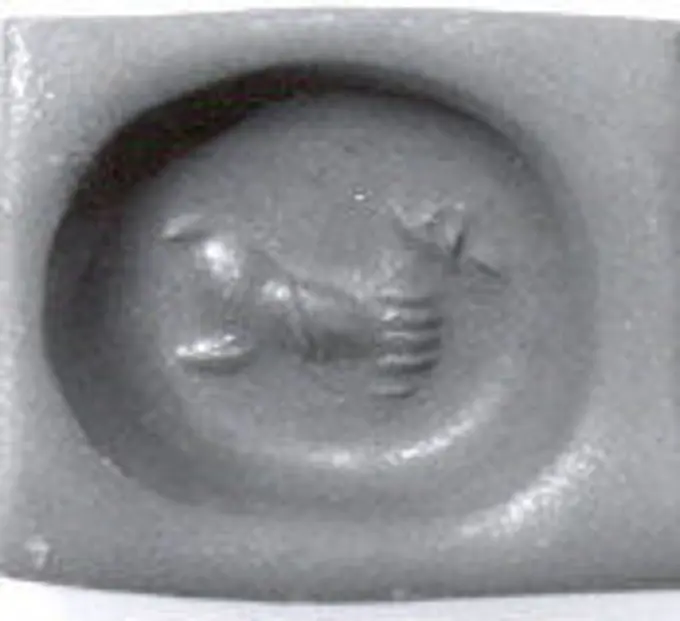
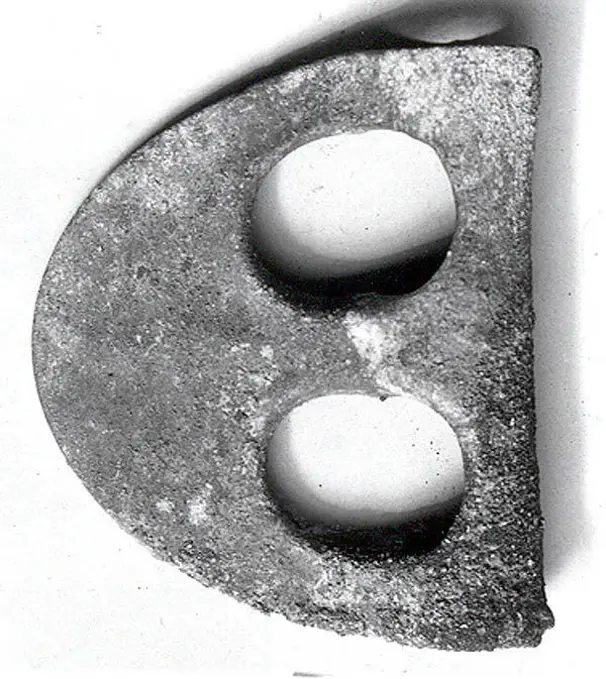
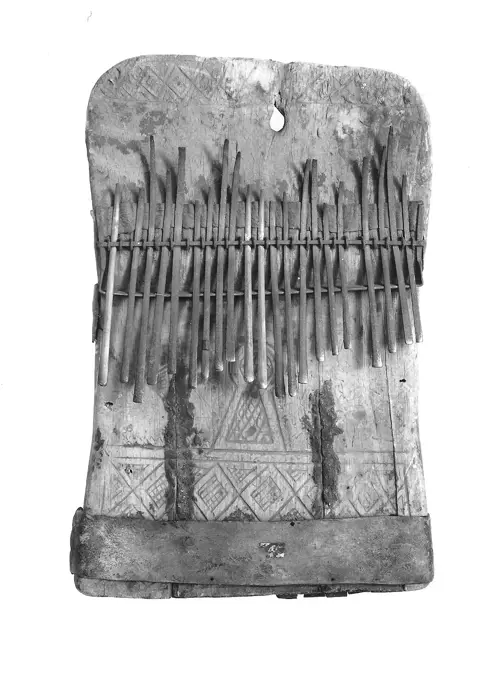
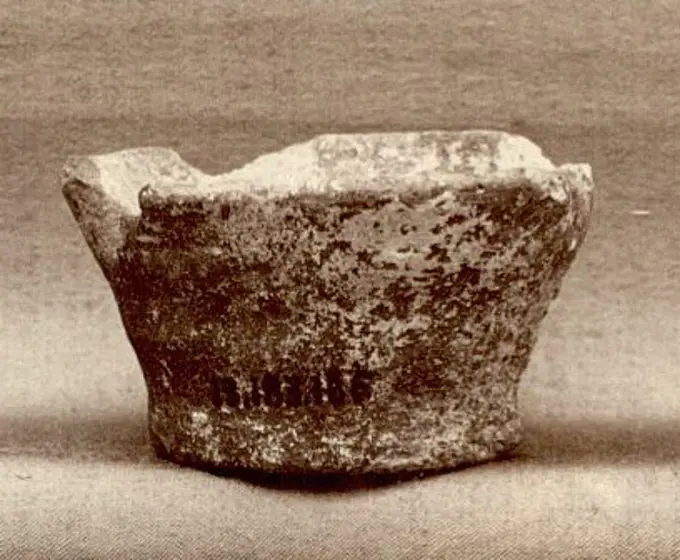
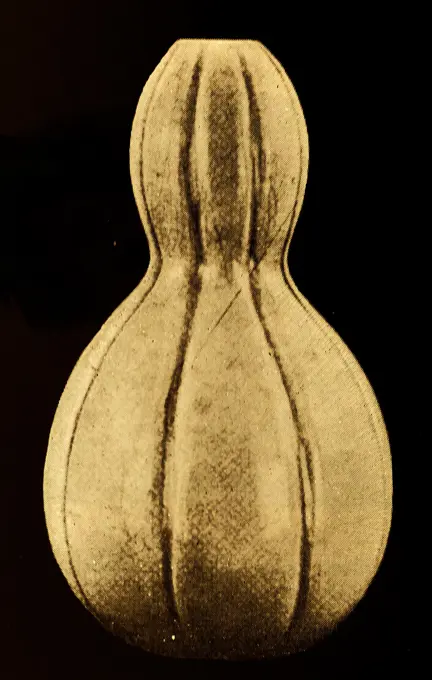
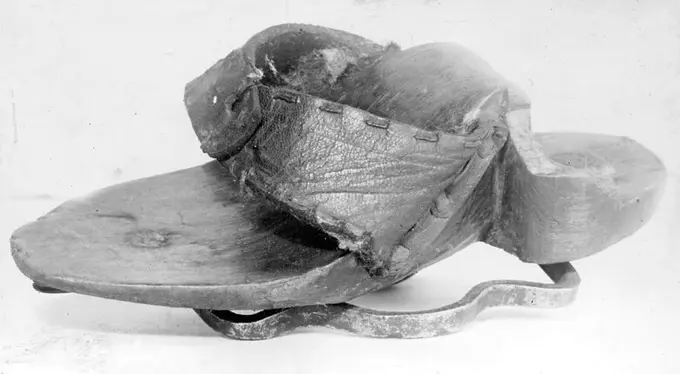
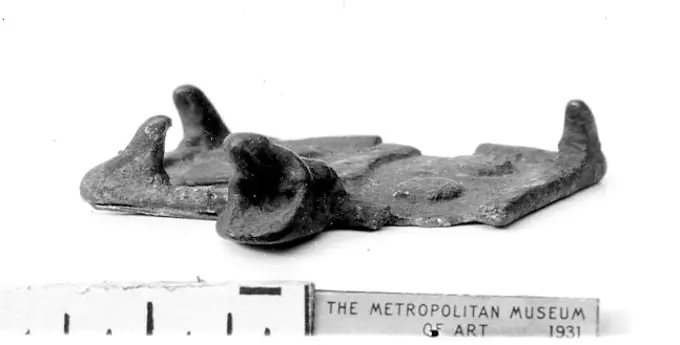
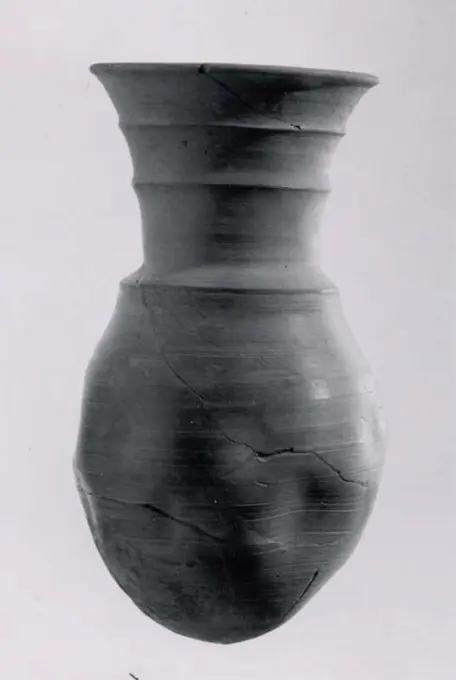
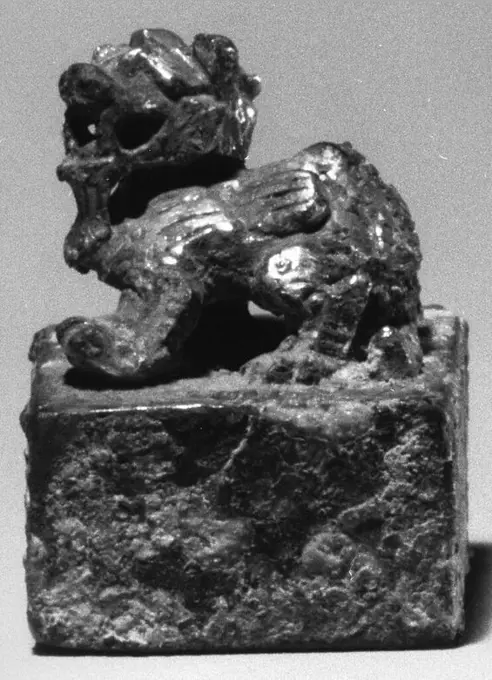
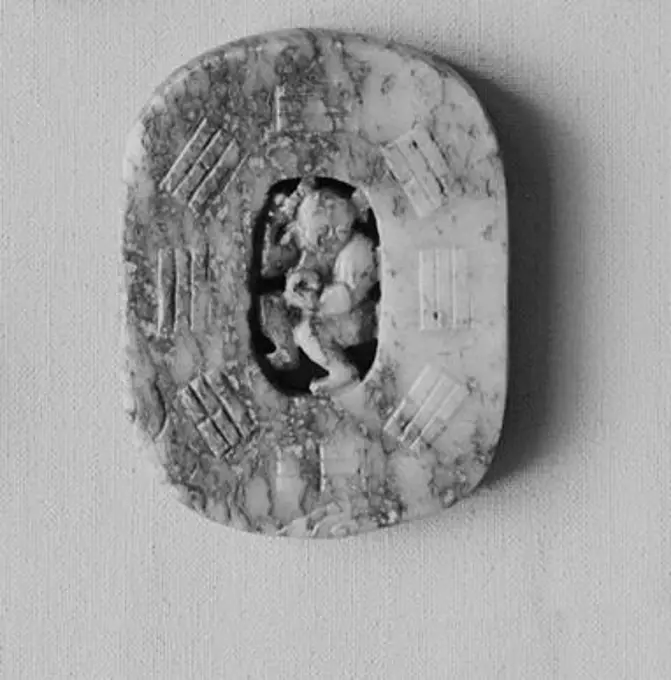
Funerary Cone of the Royal Scribe Tjanuni ca. 1400-1390 B.C. New Kingdom. Funerary Cone of the Royal Scribe Tjanuni. ca. 1400-1390 B.C.. Pottery. New Kingdom. From Egypt, Upper Egypt, Thebes, Sheikh Abd el-Qurna, near the Tomb of Dagi (MMA 807), MMA excavations, 1913-14. Dynasty 18Dancing youth mid-5th century B.C. Etruscan Nude youth with left arm raised.. Dancing youth. Etruscan. mid-5th century B.C.. Amber. Classical. Miscellaneous-AmberElement 11th-12th century. Element 453018Arrowhead 2nd-1st millennium B.C. Iran. Arrowhead 325372Gourd-shaped vase 19th century China. Gourd-shaped vase. China. 19th century. Porcelain with copper red glaze (jingdezhen ware). Qing dynasty (1644-1911). CeramicsPilgrim lead holy water Flask, 15th cent. England.Funerary Cone of the Overseer of the Seal Min ca. 1550-1295 B.C. New Kingdom. Funerary Cone of the Overseer of the Seal Min. ca. 1550-1295 B.C.. Pottery. New Kingdom. From Egypt, Upper Egypt, Thebes. Dynasty 18Lead figure of a warrior with a helmet and shield 6th-5th century B.C. Greek, Laconian Small flat votive figurines of cast lead have been found in great quantities at the ancient sanctuaries of Laconia; over one hundred thousand, dating from the seventh century B.C. to the Classical period, were dedicated to the goddess Artemis Orthia in Sparta.. Lead figure of a warrior with a helmet and shield 251633 Greek, Laconian, Lead figure of a warrior with a helmet and shield, 6th5th century B.C., Lead, Height: 2 1/8 in. (5.3 cm). The Metropolitan Museum of Art, New York. Gift of A. J. B. Wace, 1924 (24.195.67)Bowl 306-30 B.C. Ptolemaic Period. Bowl. 306-30 B.C.. Bronze. Ptolemaic Period. From Egypt, Upper Egypt, Thebes, Deir el-Bahri, Senenmut Quarry, MMA excavations, 1927-28Small Willendorf Clay Furnace, Brandenburg Province, Brandenburg Province, about 1/4 of the size, vintage engraved illustration. From the Universe and Humanity, 1910.Bell 19th century () European. Bell. European. 19th century (). Metal. Idiophone-Struck-bell-clapperSealing ca. 1981-1640 B.C. Middle Kingdom. Sealing 560427Fragment of a Sculpture: Animal Leg. UnknownBell ca. 3rd century B.C.-3rd century A.D. Parthian. Bell 325552Votive Plaque ca. 8th century or later Tibet. Votive Plaque. Tibet. ca. 8th century or later. Clay. SculptureMace head ca. 2700-2600 B.C.. Mace head 324121Group of a Roman Applique and a Stamp (2). UnknownMirror 10th-11th century () Indonesia (Java). Mirror. Indonesia (Java). 10th-11th century (). Bronze. Eastern Javanese period. MetalworkLoom-Weight. UnknownLazio Viterbo Viterbo Museo Civico71. Hutzel, Max 1960-1990 Views of paintings (Middle Ages through 18th c.), frescoes, a tabernacle, coffin, sculpture reliefs, portal fragments, busts, sculpture, tapestry found in the Pinacoteca, Second floor gallery and Second floor cloister sequences. Antiquities: Many views of Etruscan and Roman fragments, sculpture, sarcophagi, pottery, masks, jewelry and other objects found in the Storeroom sequence (inventory numbers on back of prints), and the Cloister, Second floor Cloister, Valle Giulia, Sala Romana and Sala Etrusca sequences. General Notes: There are eight separate numerical sequences for this location. The cloister as an architectural structure, rather than museum site, is documented in the record and file for S. Maria della Verita, Cloister, all views of which are stored in Medieval core collection. Five views from the Museo Civico Second floor cloister sequence are stored in Medieval. German-born photographer and scholar Max Hutzel (1911-Amphora China. Amphora 52923Sealing ca. 1981-1640 B.C. Middle Kingdom. Sealing 560423Trefoil vase 18th century China. Trefoil vase. China. 18th century. Porcelain with light green glaze (Jingdezhen ware). Qing dynasty (1644-1911). CeramicsStamp seal ca. 3rd-7th century A.D. Sasanian. Stamp seal. Sasanian. ca. 3rd-7th century A.D.. Chalcedony, brown. Sasanian. Iran or MesopotamiaStamp seal (octagonal pyramid) with divine symbols late 8th - 6th century B.C. Assyro-Babylonian. Stamp seal (octagonal pyramid) with divine symbols. Assyro-Babylonian. late 8th - 6th century B.C.. Flawed neutral Chalcedony (Quartz). Neo-Assyrian / Neo-Babylonian. MesopotamiaMace head ca. 2700-2600 B.C.. Mace head 324122Stamp seal (octagonal pyramid, worn) with cultic scene late 8th - 7th century B.C. Assyrian. Stamp seal (octagonal pyramid, worn) with cultic scene. Assyrian. late 8th - 7th century B.C.. Feldspar, gray. Neo-Assyrian. Mesopotamia or SyriaCampania Napoli Naples S. Lorenzo Maggiore10. Hutzel, Max 1960-1990 Medieval: Sculpture, architecture, architectural sculpture (including Roman spolia) 13-14th century Chapter house; sarcophagi, gravestones; wall painting. Fragment of mosaic; sculptural fragments in the Sala Capitolare. Post-medieval: Architecture, architectural sculpture, ceiling painting fresco cycle; prints depicting Venice c. 1845 (4), sculpture; life-size creche figures dressed in original Neapolitan costume Church restored in 1882, 1926, 1944; excavations under the transept undertaken between 1958-1962, and in the cloister in 1976, have revealed remains of a Roman macellum (market), street, and the paleochristian basilica of the 6th c. AD. Antiquities: Pottery: black-glazed, archaic banded, domestic wares, bucchero; architectural terracottas, statuettes, lamps, sculpture fragments Object Notes: 3 color negatives with no prints at the end. General Notes: Most objects/paintings/frescoes unidentified. Three batches Stamp seal (octagonal pyramid, worn) with cultic scene late 8th - 7th century B.C. Assyrian. Stamp seal (octagonal pyramid, worn) with cultic scene. Assyrian. late 8th - 7th century B.C.. Limestone, olive. Neo-Assyrian. MesopotamiaTextile Fragment 10th-11th century. Textile Fragment 452109Sealing ca. 7th century A.D. Sasanian. Sealing 323281Sealing ca. 7th century A.D. Sasanian. Sealing 323460Stamp seal ca. 3rd-7th century A.D. Sasanian. Stamp seal. Sasanian. ca. 3rd-7th century A.D.. Agate, gray white. Sasanian. Iran or MesopotamiaTray. Culture: China. Dimensions: W. 7 1/2 in. (19.1 cm); L. 11 in. (27.9 cm). Museum: Metropolitan Museum of Art, New York, USA.Female Head. UnknownEngraved Gem. UnknownTombstone, Ethiopian, Merkstein, National Museum of Ethiopia, Addis Ababa, Ethiopia, AfricaBody of a Flask (part of 79.AF.184.39). UnknownCeiling medallion late 17th-early 18th century French. Ceiling medallion. French. late 17th-early 18th century. Wood, gilt. WoodworkCow plaque ca. 1479-1458 B.C. New Kingdom This metal plaque depicts a cow with a sundisk between its horns, which is a common representation of the goddess Hathor. From the cow's neck hangs a lotos flower. The piece was excavated at Deir el-Bahari, close to a shrine for this goddess. Most likely the plaque had been deposited at this shrine, as a donation to the deity.. Cow plaque. ca. 1479-1458 B.C.. Copper. New Kingdom. From Egypt, Upper Egypt, Thebes, Deir el-Bahri, Hatshepsut Hole, Debris from the Hathor shrine, MMA excavations, 1923-24. Dynasty 18Cylinder seal ca. 14th-13th century B.C.. Cylinder seal 321407Bead China. Bead 43175Fragmentary haniwa cylinder. Culture: Japan. Dimensions: H. 16 1/2 in. (41.9 cm); Diam. 8 1/2 in. (21.6 cm). Date: 5th-6th century. Museum: Metropolitan Museum of Art, New York, USA.Pottery Rattle 1200-1521 Aztec Although numerous types of instruments survive from pre-conquest South and Central America, little is known of how they were used. Whistles, trumpets, and rattles in animal or human form probably had ceremonial functions or served as playthings. Smaller whistles in animal shapes, perhaps worn suspended from the neck, frequently have fingerholes that allow variation of pitch.. Pottery Rattle. Aztec. 1200-1521. Clay. Late Postclassic (Pre-Columbian). Mazapa, Texcoco District, Mexico. Idiophone-Shaken-rattleSealing with one circular seal impression ca. 18th century B.C. Old Assyrian Trading Colony. Sealing with one circular seal impression. Old Assyrian Trading Colony. ca. 18th century B.C.. Un-baked clay. Middle Bronze Age-Old Assyrian Trading Colony. Anatolia, probably from AcemhöyükChisel China. Chisel. China. Jade. probably Song dynasty (960-1279). JadeCoin 5th-14th century. Coin. 5th-14th century. Copper. Excavated in Iran, Nishapur. CoinsCoin 758-68. Coin 457096Axe 13th-12th century B.C. China. Axe. China. 13th-12th century B.C.. Bronze. Shang dynasty (ca. 1600-1046 B.C.). MetalworkFunerary Cone ca. 1550-1295 B.C. New Kingdom. Funerary Cone. ca. 1550-1295 B.C.. Pottery. New Kingdom. From Egypt, Upper Egypt, Thebes. Dynasty 18Girdle ring. Culture: China. Dimensions: Diam. 2 in. (5.1 cm); Th. 11/16 in. (1.7 cm). Museum: Metropolitan Museum of Art, New York, USA.Snuff Bottle China. Snuff Bottle. China. Porcelain. Qing dynasty (1644-1911), Kangxi period (1662-1722). Snuff BottlesBa bird 30 B.C.-A.D. 364 Roman Period. Ba bird. 30 B.C.-A.D. 364. Faience. Roman Period. From Egypt, Upper Egypt, Thebes, Deir el-Bahri, Tomb of Neferu (TT 319, MMA 31), MMA excavationsChisel China. Chisel 42767Man's Horned Toe Shoe. England. Date: 1501-1600. Dimensions: 24 × 10 × 5.5 cm (9 7/16 × 3 15/16 × 2 1/8 in.). Leather. Origin: England. Museum: The Chicago Art Institute, Chicago, USA.Unknown photographer, decorated door frame in Baalbek (without dat.): Detail. Photo, 20.2 x 20.2 cm (including scan edges) unbek. Fotograf : Verzierter Türrahmen in Baalbek (ohne Dat.)Figurine pendant 1st millennium B.C. Iran. Figurine pendant 325723Scarab seal ca. 1700-1560 B.C.. Scarab seal. ca. 1700-1560 B.C.. Stone, cream colored. Dynasty 15-17, 2nd Intermediate Period, Hyksos. Levant, Lachish (modern Tell ed-Duweir)Snuff Bottle 19th century China. Snuff Bottle 41755Ring 3rd-2nd century B.C. China. Ring. China. 3rd-2nd century B.C.. Bone. late Zhou (1046-256 B.C.)-early Han (206 B.C.-A.D. 220) dynasty. BoneRelief fragment, tomb of Meketre ca. 1981-1975 B.C. Middle Kingdom. Relief fragment, tomb of Meketre. ca. 1981-1975 B.C.. Limestone, paint. Middle Kingdom. From Egypt, Upper Egypt, Thebes, Southern Asasif, Tomb of Meketre (TT 280, MMA 1101), MMA excavations, 1920. Dynasty 12Figurine of animal (dog or mushhushshu) ca. late 7th century B.C. Assyrian. Figurine of animal (dog or mushhushshu) 324386Ear Plug with Kinnari (Half-Bird, Half-Female Creature) ca. 5th century India. Ear Plug with Kinnari (Half-Bird, Half-Female Creature) 38219Stamp seal (scaraboid) with animal ca. 9th-7th century B.C. Syro-Anatolian-Levantine or Neo-Assyrian. Stamp seal (scaraboid) with animal 326997Attic Black-Figure Nicosthenic Amphora Fragment. UnknownBag. England. Date: 1501-1600. Dimensions: 16 × 22 × 3.5 cm (6 5/16 × 8 5/8 × 1 3/8 in.). Tooled leather. Origin: England. Museum: The Chicago Art Institute, Chicago, USA.Compartmented stamp seal ca. late 3rd-early 2nd millennium B.C. Bactria-Margiana Archaeological Complex. Compartmented stamp seal 326701Girdle pendant China. Girdle pendant. China. Jade. Han dynasty (206 B.C.-A.D. 220). JadeHead. UnknownFragment 16th century. Fragment 450291Stamp seal (in the shape of a foot, with loop handle) with deities () and anthropomorphic figures 9th - 7th century B.C. Phoenician (). Stamp seal (in the shape of a foot, with loop handle) with deities () and anthropomorphic figures 321466Mortuary figure China. Mortuary figure 43199Figure 18th century Columbia River. Figure. Columbia River. 18th century. Bone. United States, Oregon, Columbia River region. Bone/Ivory-SculpturePendant 20th century China. Pendant. China. 20th century. Nephrite. JadeVase. Culture: Japan. Dimensions: H. 22 1/2 in. (57.2 cm); Diam. 10 5/8 in. (27 cm). Date: 1700. Museum: Metropolitan Museum of Art, New York, USA.Fragment of a Female Torso. UnknownOne of Three Hundred Sixty Heads, Five Molds, Fifteen Oscilla and Other Figural and Vase Fragments. UnknownStamp seal ca. 3rd-7th century A.D. Sasanian. Stamp seal. Sasanian. ca. 3rd-7th century A.D.. Hematite. Sasanian. Iran or MesopotamiaColumn with base 16th century Italian. Column with base 712259Cylinder seal ca. early 3rd millennium B.C.. Cylinder seal. ca. early 3rd millennium B.C.. Steatite. Early Bronze Age. SyriaFenestrated axe blade ca. early 2nd millennium B.C.. Fenestrated axe blade 322521Coin A.H. 203/ A.D. 818. Coin. A.H. 203/ A.D. 818. Copper. Excavated in Iran, Nishapur. CoinsIron vintage design element Iron vintage design element Copyright: xZoonar.com/StanislavxRishnyakx 2960341Fragment Russia (Siberia). Fragment 43535Zanze late 19th century Angolan. Zanze. Angolan. late 19th century. Wood. Metal bridge. 26 metal keys.. Angola. Idiophone-Plucked / DepressedMiniature vessel from Tomb of Perneb ca. 2381-2323 B.C. Old Kingdom Almost 400 miniature pottery vessels were found during the clearing of Pernebs tomb, the majority in the rubble fill of the interior chambers and shafts, with the rest picked up around the outside. It is likely that these came originally from the above-ground chapel, as they would have been used for the offering cult. Since this cult would have been celebrated repeated over time, large numbers of these vessels accumulated around the tomb. Mass-produced, they do have some interior volume and might have held small amounts of liquids or solid foodstuffs such as grain. Perneb could thus have partaken magically in whatever types of food and drink were offered. The shapes of these jars and bowls bear more resemblance in some cases to earlier vessels than to receptacles in daily use during Perneb's era. This example is a cup.. Miniature vessel from Tomb of Perneb. ca. 2381-2323 B.C.. Pottery. Old Kingdom. From Egypt, MemphitStamp seal ca. 3rd century A.D. Sasanian. Stamp seal 323736Wine Bottle, Koryo.. Celadon glaze; undecorated, Koryo (Goreyo) (Goreyo) Dynasty, Early 12th century Vase. Culture: China. Dimensions: H. 10 in. (25.4 cm); Diam. 2 1/2 in. (6.4 cm). Museum: Metropolitan Museum of Art, New York, USA.Ringed Patten (Overshoe). England. Date: 1660-1669. Dimensions: 16.6 × 8.1 × 5.6 cm (6 1/2 × 3 1/4 × 2 1/4 in.). Leather upper; stitched with wool and cotton in running stitches; lined with cotton and wool felt; wooden clog mounted on iron ring. Origin: England. Museum: The Chicago Art Institute, Chicago, USA.Campania Caserta Capua Museo Campano57. Hutzel, Max 1960-1990 Medieval: Byzantine architectural fragments; parchment fragments with miniatures (12th century) from Montecassino; painted wooden crucifix (13th century); Carolingian crucifixes; Bishop's miter (11th century) of gold and silver damask; fresco (13th century). Post-medieval: Architecture (15th century). Formerly the Palazzo Antignano. Unusual Catalan/Moorish-style portal; Paintings on panel and canvas (15th-18th centuries); marble intarsia (16th century); marble sculpture: busts of Christ and Mary (17th century); sculpture of saints in marble and in wood (15th century); painted and gilded sculpture in wood; marble grave sculpture (16th century); sarcophagus with allegorical carvings; gold reliquary "Rosa d'Oro"; crucifix made of elephant tusk Specific Location: Pianterreno Antiquities: Italic sculpture (seated women holding babies); inscription. Photo campaign #1: 533 photos. Roman relief and sculpture; cinerary urns; Greek anMiniature offering table 400-200 BC Late Period Miniature offering tables are a type of dedication to temples in the later periods. On this table loaves and a vessel are depicted in relief on the table itself. A jackal (or a falcon) sits at the forward corner and a second is missing, and two figures at the rear corners, although difficult to recognize, may represent baboons as known on other examples. A figure of a kneeling offerer would have sat at the rear of the table opposite the spout.The tables seem to have been closely associated with situlae (libation vessels), both from some evidence of finds and from their decoration. It has been suggested that liquid would have been poured from the situla onto the small table as part of a ritual offering.. Miniature offering table 552923Palace Ware beaker ca. 8th-7th century B.C. Assyrian. Palace Ware beaker 324348Seal with Knob in the Shape of a Chimera. Culture: China. Dimensions: H. 3/4 In. (1.9 cm) W. 9/16 in. (1.4 cm); D. 9/16 in. (1.4 cm). Date: ca. 3rd century. Museum: Metropolitan Museum of Art, New York, USA.Disk China. Disk 42868Textile Fragment 12th century. Textile Fragment 448076Bottle 9th-10th century. Bottle. 9th-10th century. Glass, greenish; blown. Excavated in Iran, Nishapur. GlassMagic wand ca. 2030-1640 B.C. Middle Kingdom. Magic wand 558368Unknown photographer, beam fragments in Baalbek (without dat.): View. Photo, 13.1 x 18.3 cm (including scan edges) unbek. Fotograf : Gebälkfragmente in Baalbek (ohne Dat.)Snuff Bottle China. Snuff Bottle 41304