Ancient Egypt Seals

Artifacts featuring ancient sealings from Egypt, showcasing intricate designs and historical contexts from the Middle to New Kingdom.

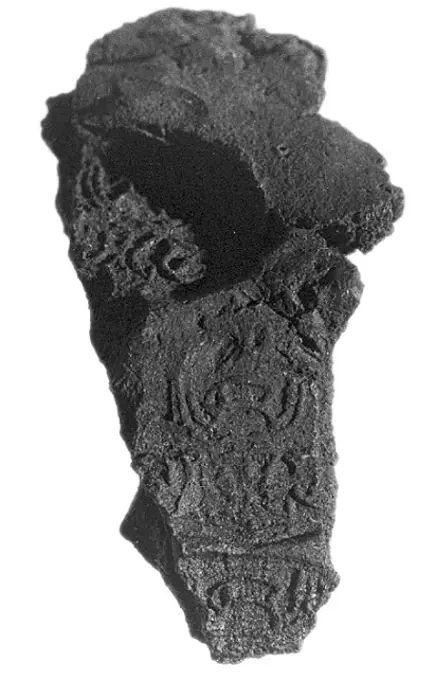
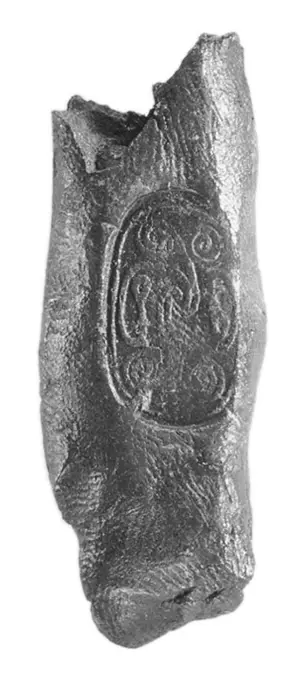
Finger. Unknown
Finger. Unknown
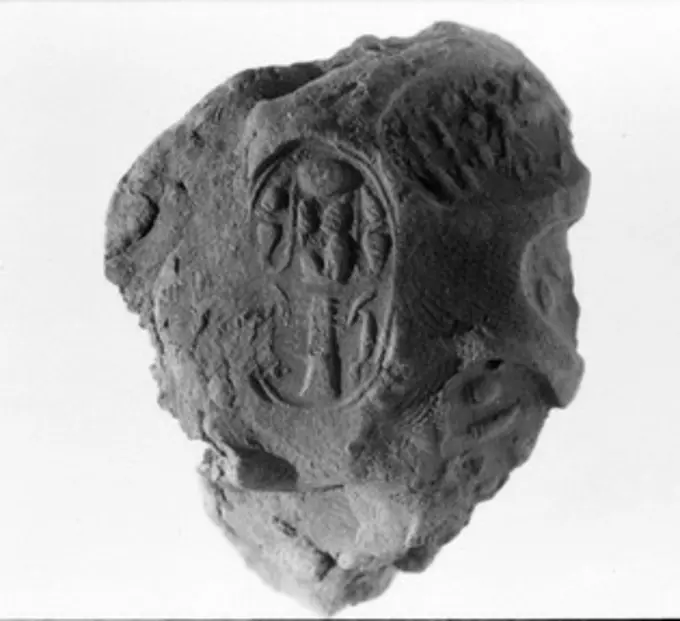
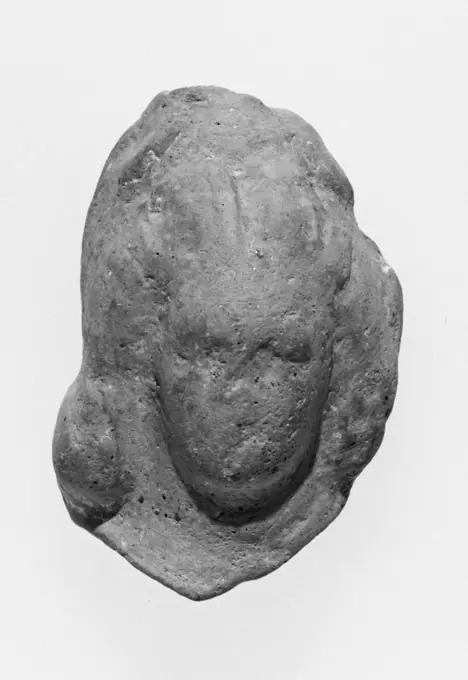
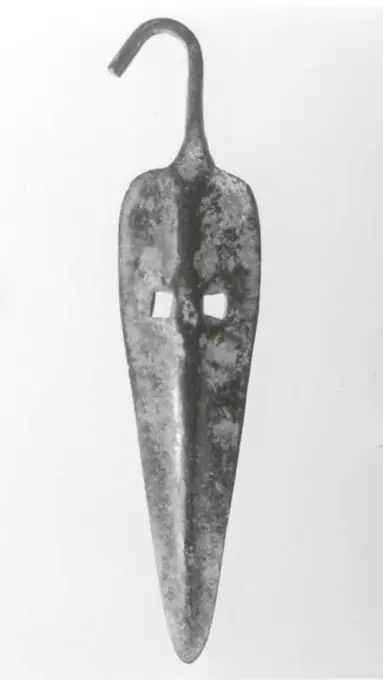
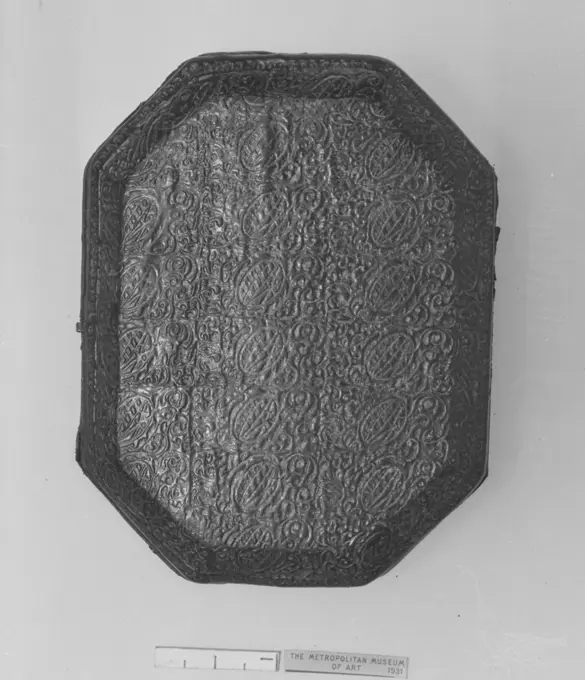
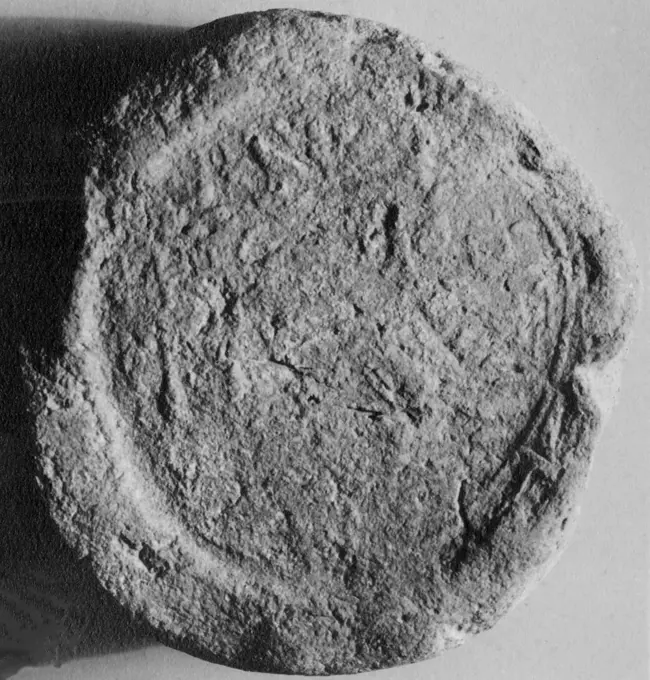
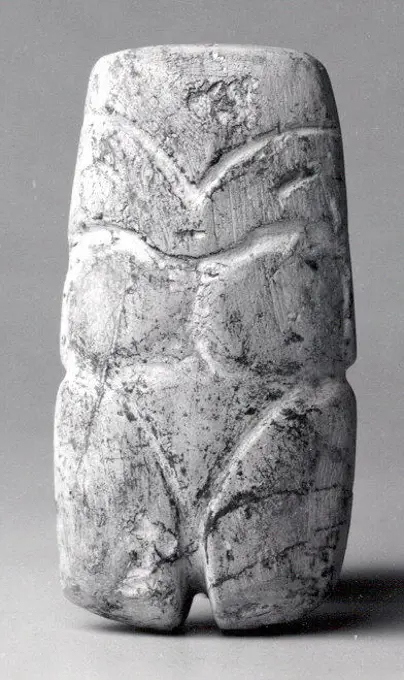
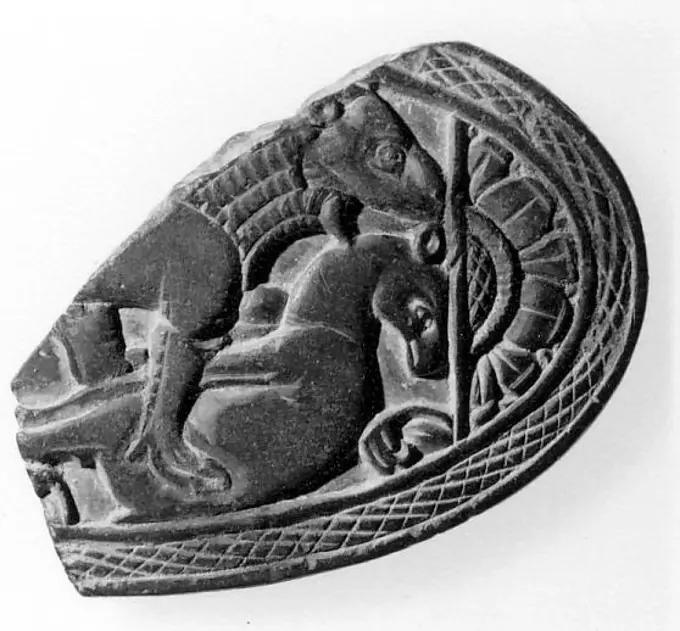
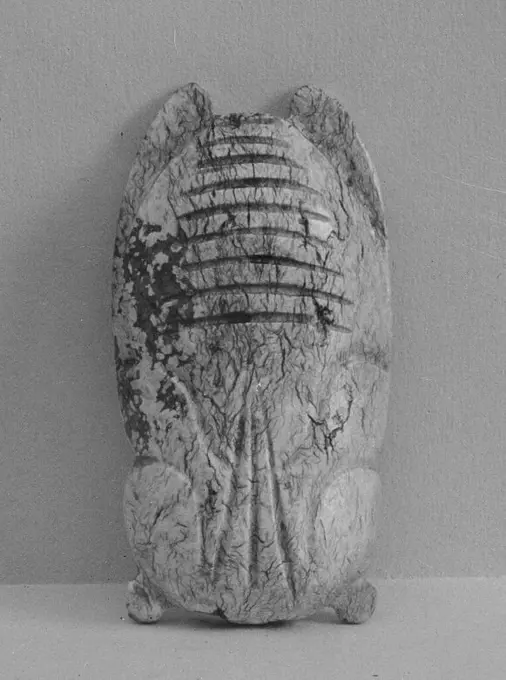
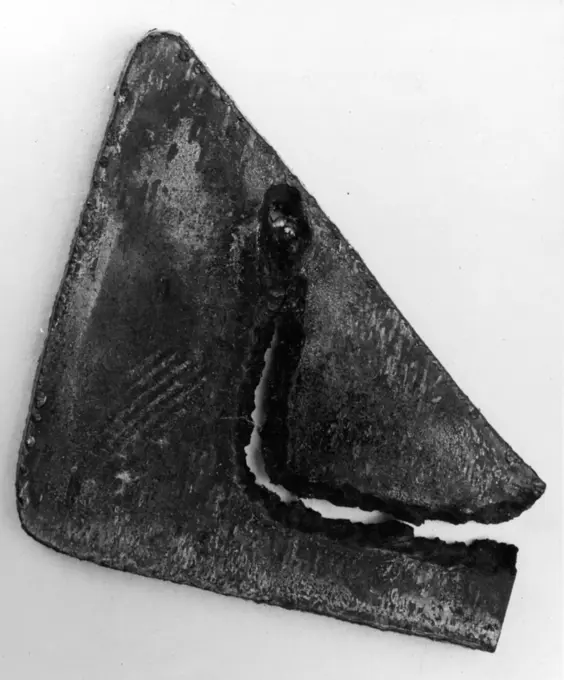
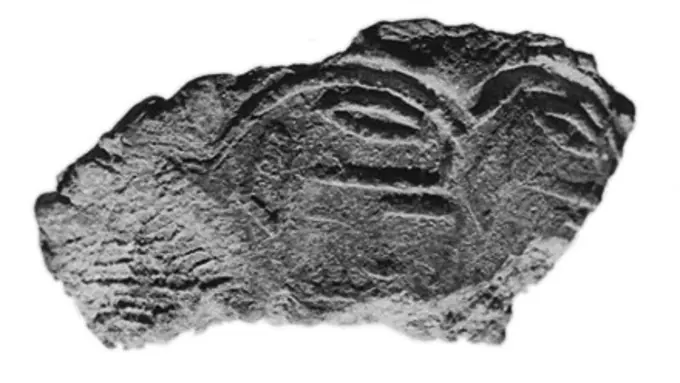
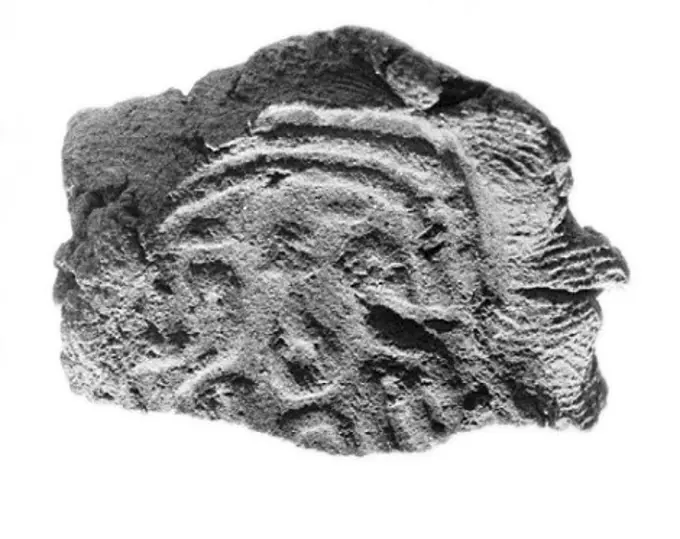
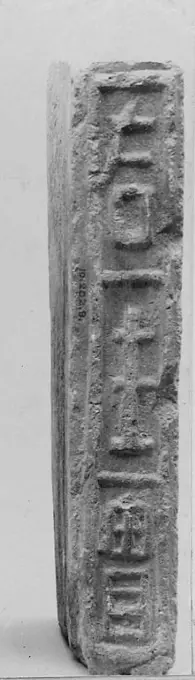
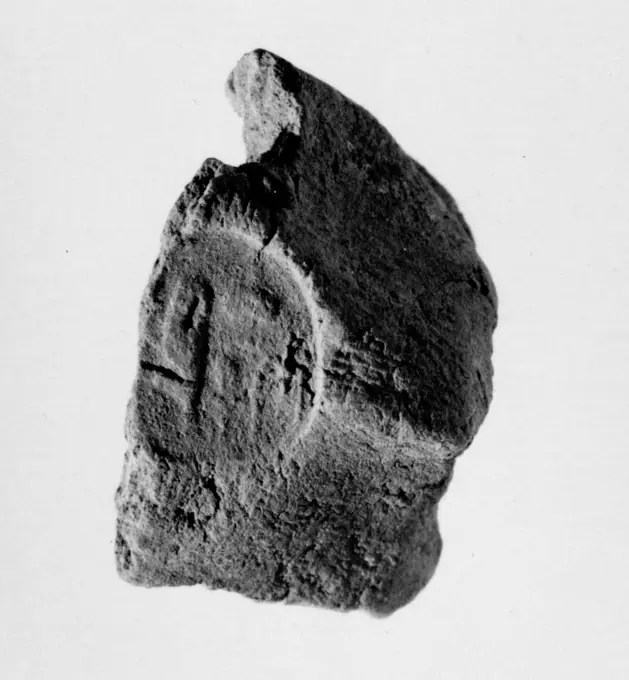
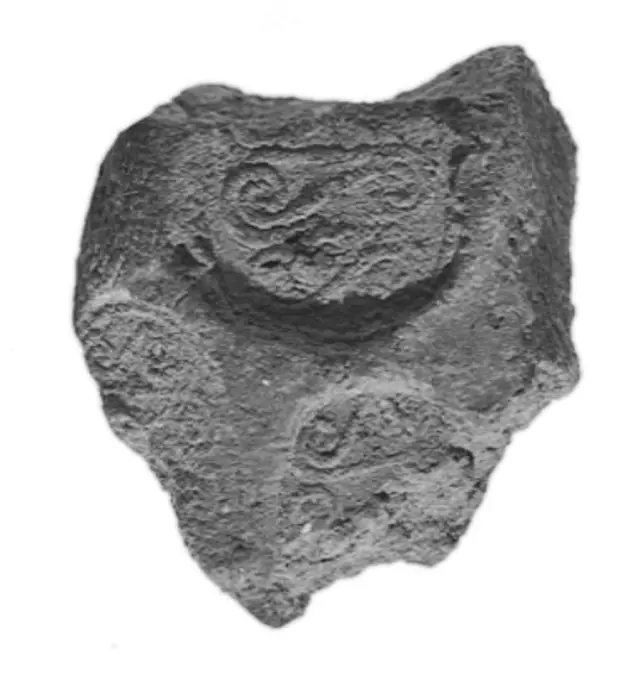
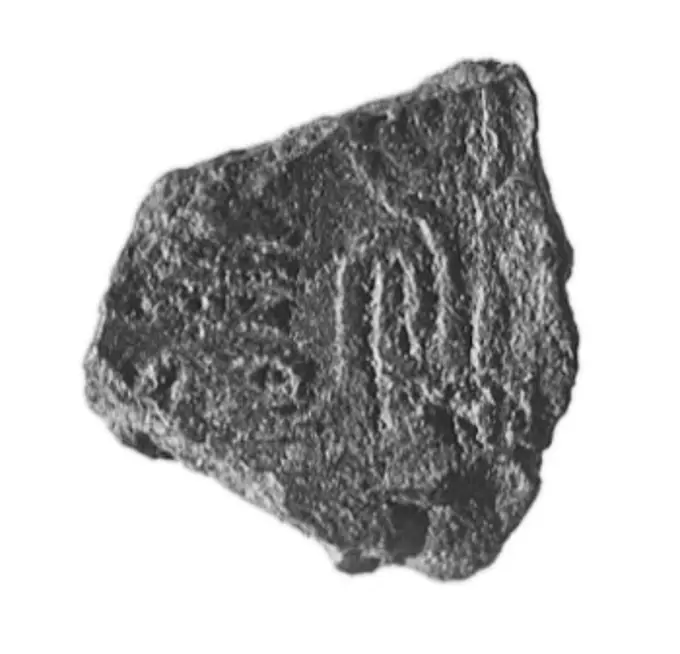
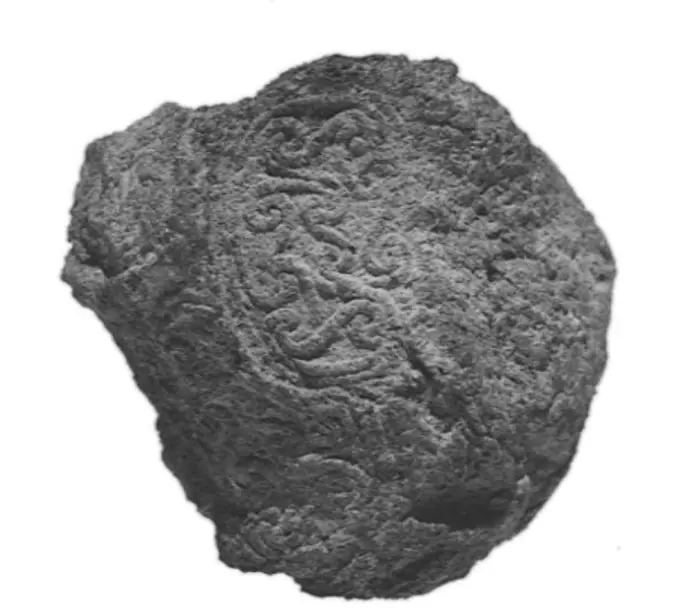
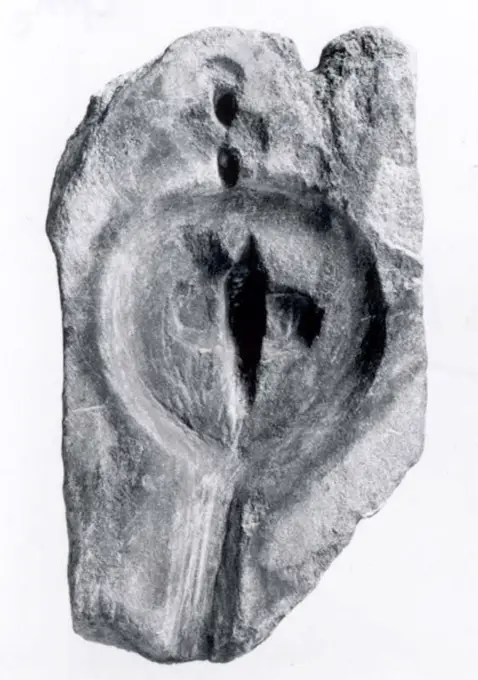
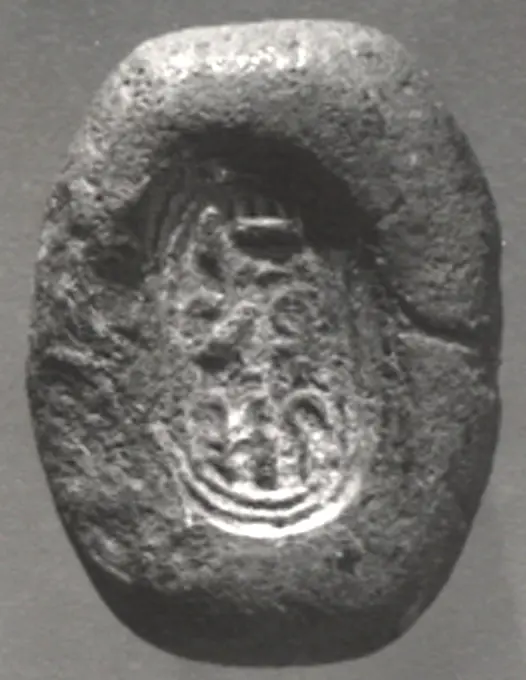
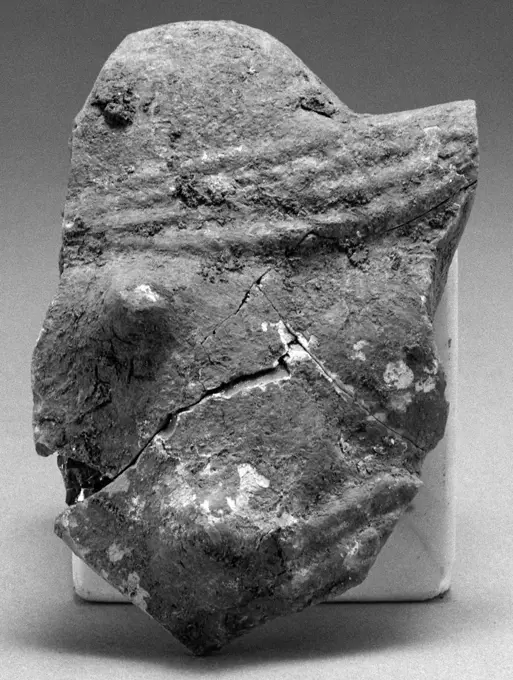
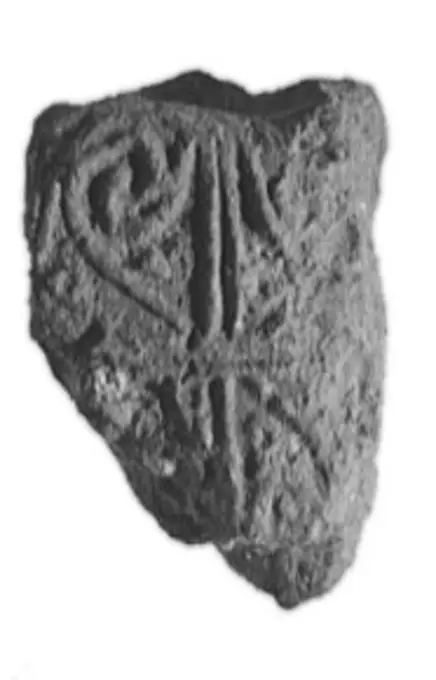
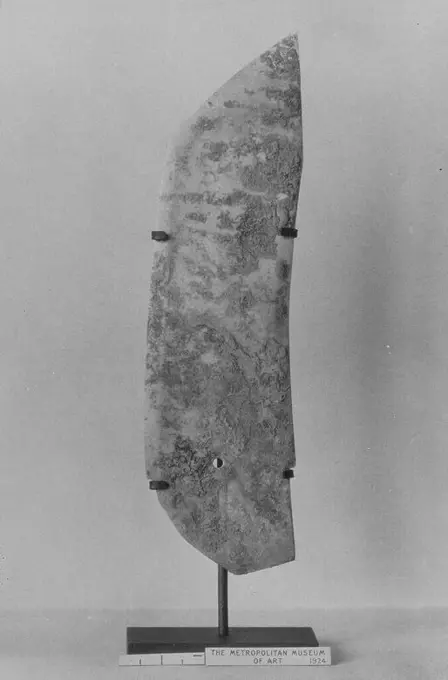
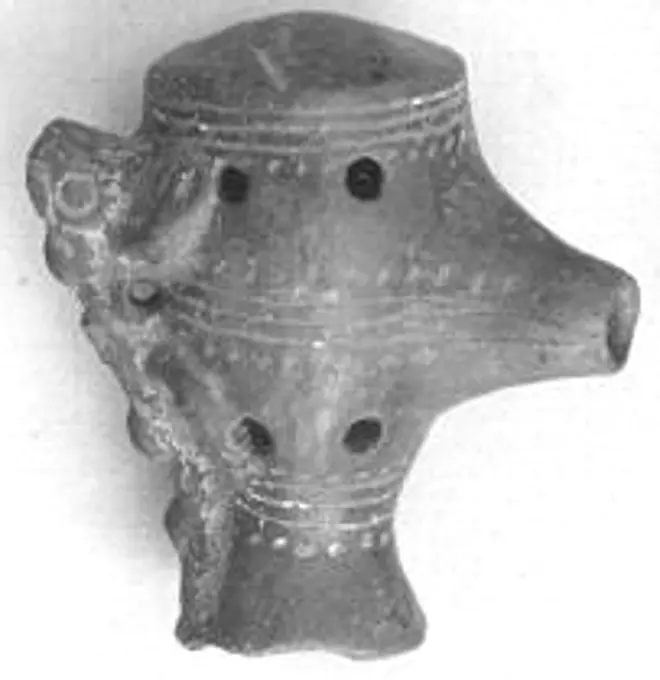
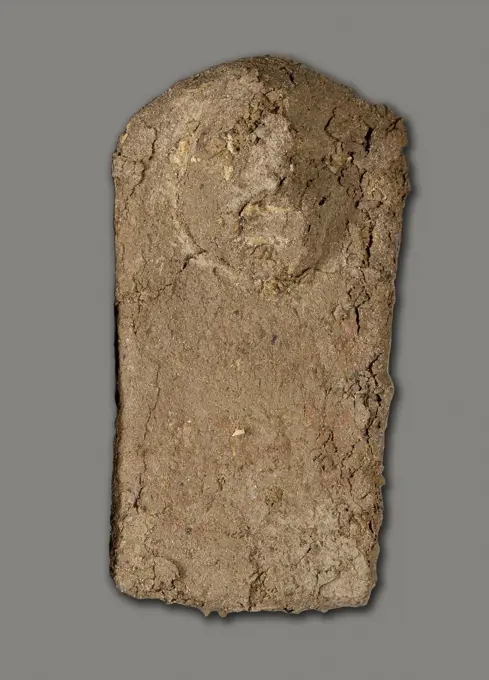
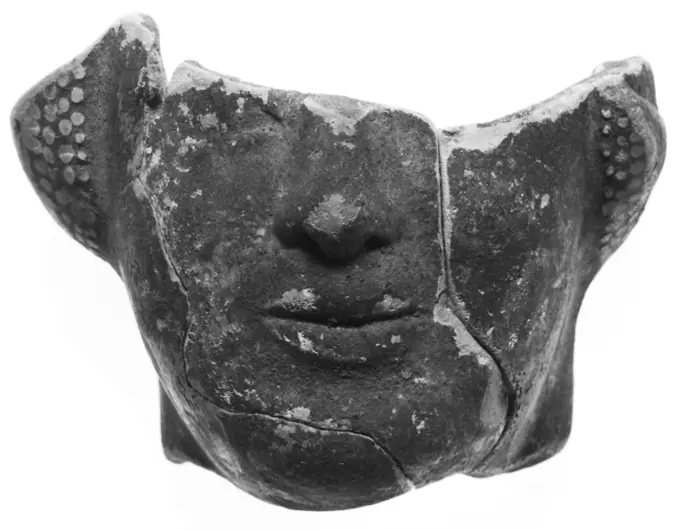
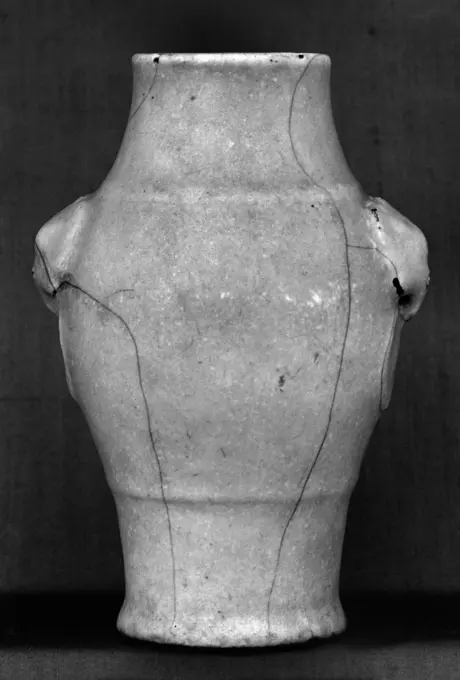
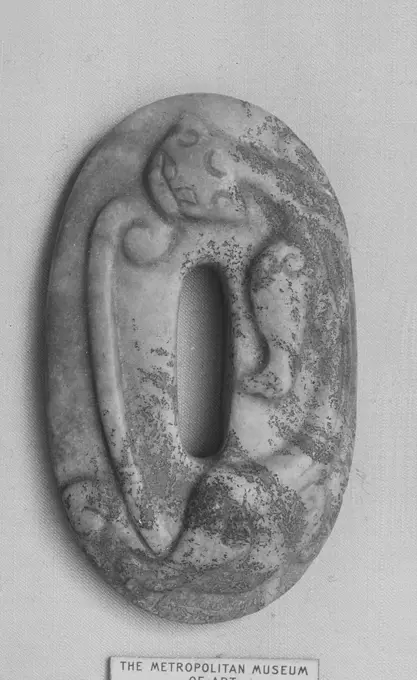
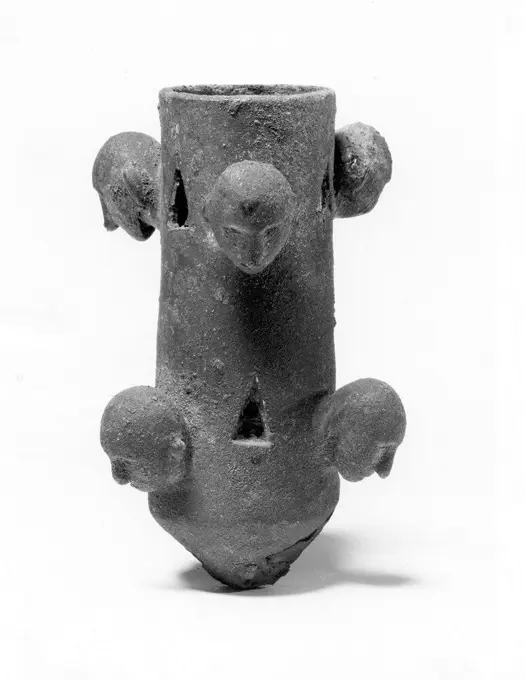
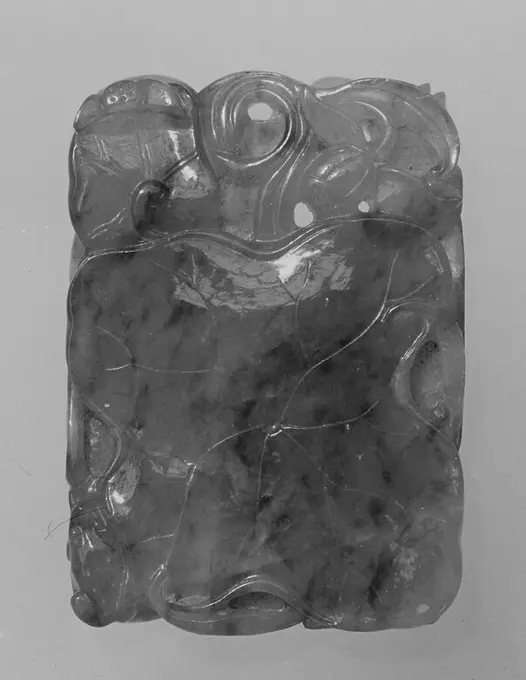
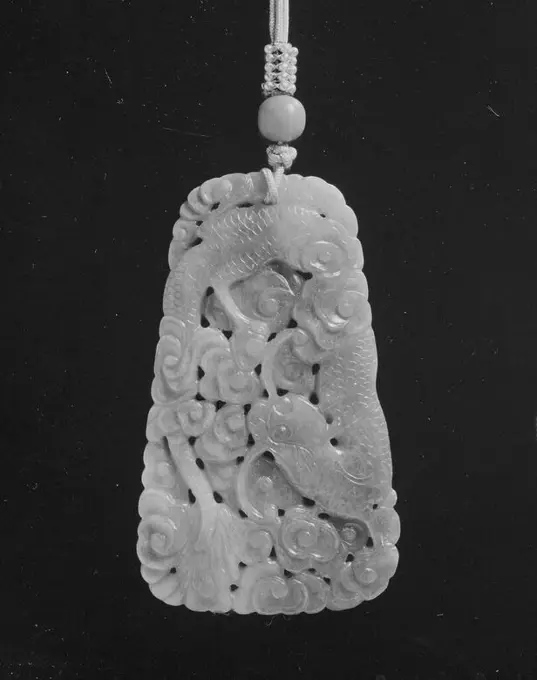
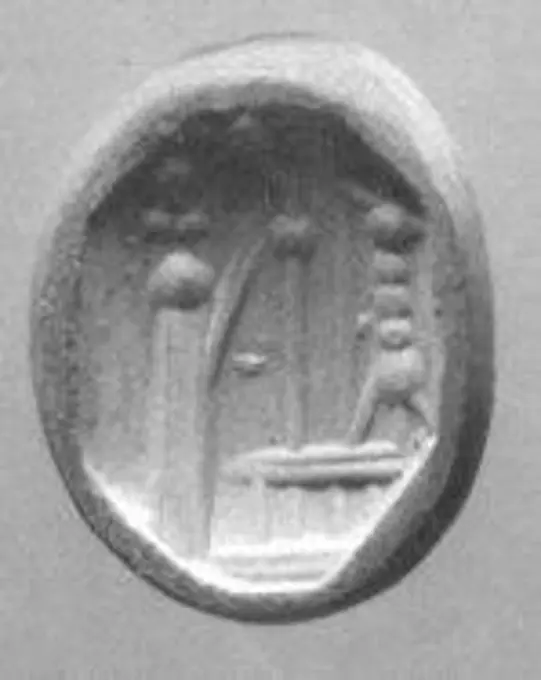
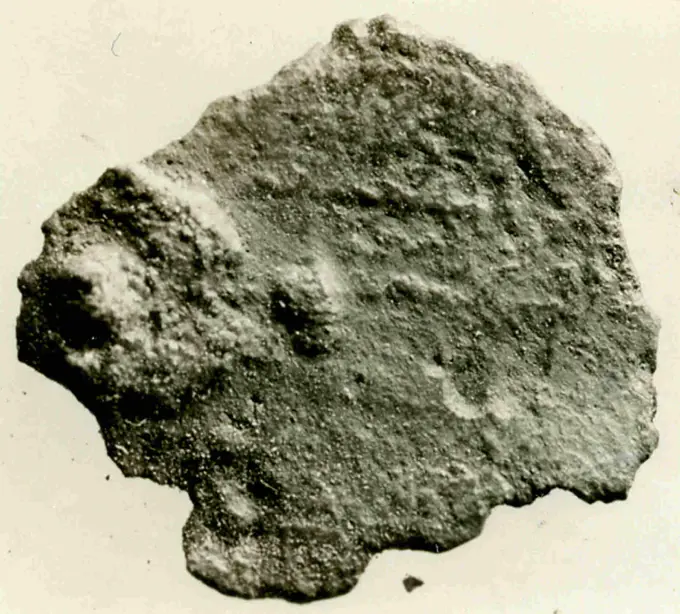
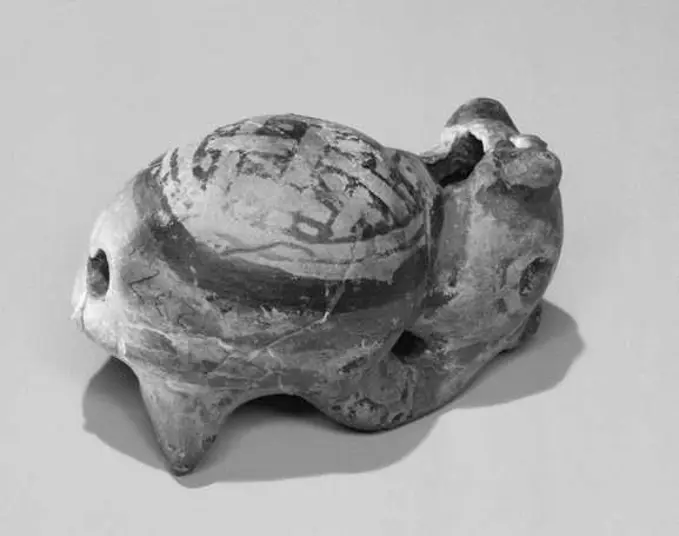
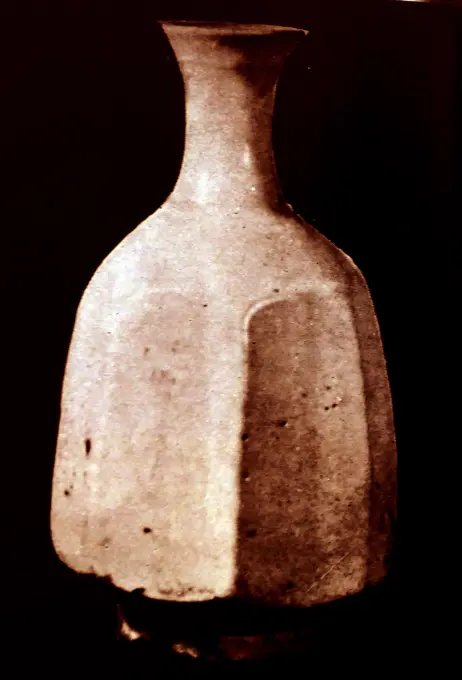
Sealing ca. 2030-1640 B.C. Middle Kingdom. Sealing 565373Document Sealing With Multiple Seal Impressions ca. 1390-1353 B.C. New Kingdom. Document Sealing With Multiple Seal Impressions. ca. 1390-1353 B.C.. Mud. New Kingdom. From Egypt, Upper Egypt, Thebes, Malqata, MMA excavations, 1910-12; Presumably from Middle Palace. Dynasty 18Finger. UnknownSealing ca. 2030-1640 B.C. Middle Kingdom. Sealing. ca. 2030-1640 B.C.. Clay (unfired). Middle Kingdom. From Egypt, Memphite Region, Lisht South, Pyramid complex of Senwosret I, north temple gateway, MMA excavations, 1913-14. Dynasty 12-13Sealing ca. 2030-1640 B.C. Middle Kingdom. Sealing 546592Female Head. UnknownSpearhead with bent tang and slotted blade ca. 2300-2000 B.C. Hattian. Spearhead with bent tang and slotted blade 324463Female Head. UnknownBox 17th century French This gilt leather and suede box was possibly intended for a mirror.. Box. French. 17th century. Leather, gilt, and suede. Natural Substances-LeatherworkPendant or seal 6th-5th millennium B.C.. Pendant or seal 321467Funerary Cone ca. 1550-1295 B.C. New Kingdom. Funerary Cone. ca. 1550-1295 B.C.. Pottery. New Kingdom. From Egypt, Upper Egypt, Thebes. Dynasty 18Sealing ca. 2030-1640 B.C. Middle Kingdom. Sealing 565426Sealing ca. 1981-1640 B.C. Middle Kingdom. Sealing 560334Figure 3rd millennium B.C. Valdivia. Figure. Valdivia. 3rd millennium B.C.. Stone. Ecuador. Stone-SculptureFemale Head. UnknownFemale Head. UnknownFragment of a Box Lid ca. 5th century Pakistan (ancient region of Gandhara). Fragment of a Box Lid 38692Cicada. Culture: China. Dimensions: H. 1 1/2 in. (3.8 cm); W. 13/16 in. (2.1 cm). Date: late 19th to early 20th century. Museum: Metropolitan Museum of Art, New York, USA.Engraved Gem. UnknownSweden, Blekinge, Blekinge, Karlskrona, Karlskrona, external marina (depicted, town).Sweden, Blekinge, Blekinge, Karlskrona, Karlskrona, External War Gogs (depicted, City)Sealing fragment ca. 1981-1640 B.C. Middle Kingdom. Sealing fragment. ca. 1981-1640 B.C.. Clay (unfired). Middle Kingdom. From Egypt, Memphite Region, Lisht South, South of the tomb of Imhotep, north of the royal causeway, MMA excavations, 1930-31. late Dynasty 12Sealing ca. 1981-1640 B.C. Middle Kingdom. Sealing 557538Coin A.H. 174/ A.D. 790. Coin 457660Sherd. Culture: China. Dimensions: 3 1/2 x 3 1/8 in. (8.9 x 7.9 cm). Museum: Metropolitan Museum of Art, New York, USA.Statuette of a Woman Holding a Young Child in Her Left Arm. UnknownFemale Head. UnknownTile China. Tile. China. Earthenware. Qin-Han dynasty (221 B.C.-A.D. 220). CeramicsDocument Sealing With the Name Ankhesenamun ca. 1390-1353 B.C. New Kingdom. Document Sealing With the Name Ankhesenamun. ca. 1390-1353 B.C.. Mud. New Kingdom. From Egypt, Upper Egypt, Thebes, Malqata, West Villas, West Villa B, MMA excavations, 1910-12. Dynasty 18Sealing ca. 2030-1640 B.C. Middle Kingdom. Sealing 565887Sealing ca. 2030-1640 B.C. Middle Kingdom. Sealing 546530Sealing ca. 2030-1640 B.C. Middle Kingdom. Sealing 565396Meiping vase late 17th-early 18th century China. Meiping vase. China. late 17th-early 18th century. Porcelain with copper red glaze (Jingdezhen ware), copper mouth rim). Qing dynasty (1644-1911), Kangxi period (1662-1722). CeramicsEtruscan Black-Figure Vase Fragment. UnknownTile China. Tile 51960Mold ca. 9th century B.C. Iran. Mold 325140Female Head. UnknownRing Bezel Mold with the Cartouche of Tutankhamun ca. 1550-1295 B.C. New Kingdom. Ring Bezel Mold with the Cartouche of Tutankhamun 558352Fragment of a Female Torso. UnknownSealing ca. 1981-1640 B.C. Middle Kingdom. Sealing. ca. 1981-1640 B.C.. Mud. Middle Kingdom. From Egypt, Memphite Region, Lisht North, Cemetery, MMA excavations, 1920-22. Dynasty 12-13Sealing ca. 2030-1640 B.C. Middle Kingdom. Sealing. ca. 2030-1640 B.C.. Clay (unfired). Middle Kingdom. From Egypt, Memphite Region, Lisht South, Pyramid complex of Senwosret I, north temple gateway, MMA excavations, 1913-14. Dynasty 12-13Sealing Middle Kingdom ca. 1981-1640 B.C. View more. Sealing. ca. 1981-1640 B.C.. Mud. Middle Kingdom. From Egypt, Memphite Region, Lisht North, Cemetery, MMA excavations, 1920-22. Dynasty 12-13Amulet. UnknownHeart amulet ca. 1070-664 B.C. Third Intermediate Period or later. Heart amulet. ca. 1070-664 B.C.. Green glass. Third Intermediate Period or later. From Egypt. Dynasty 21-25Etruscan Statuette. UnknownSealing ca. 1981-1640 B.C. Middle Kingdom. Sealing 560453Stamp. UnknownCoin A.H. 184/A.D. 800. Coin. A.H. 184/A.D. 800. Copper. Excavated in Iran, Nishapur. Mint Jay. CoinsFunerary Cone the Steward of Amun Sennefer ca. 1479-1400 B.C. New Kingdom This cone has the impression of a stamp seal inscribed for the mayor of Thebes (the southern city) Sennefer who owned Theban tomb 96 and was also steward and overseer of the cattle of the god Amun. For a drawing of this impression see http://www.funerarycones.com/, number 223.. Funerary Cone the Steward of Amun Sennefer Funerary Cone the Steward of Amun Sennefer ca. 1479-1400 B.C. New Kingdom This cone has the impression of a stamp seal inscribed for the mayor of Thebes (the southern city) Sennefer who owned Theban tomb 96 and was also steward and overseer of the cattle of the god Amun. For a drawing of this impression see http://www.funerarycones.com/, number 223.. Funerary Cone the Steward of Amun Sennefer. ca. 1479-1400 B.C.. Pottery. New Kingdom. From Egypt, Upper Egypt, Thebes. Dynasty 18Sealing ca. 7th century A.D. Sasanian. Sealing 323458Spearhead with bent tang and slotted blade ca. 2300-2000 B.C. Hattian. Spearhead with bent tang and slotted blade 324462Sealing ca. 2030-1640 B.C. Middle Kingdom. Sealing 546534Standing Figure with Snake Plaque. UnknownCoin A.H. 153/ A.D.770. Coin. A.H. 153/ A.D.770. Copper. Excavated in Iran, Nishapur. CoinsKnife. Culture: China. Dimensions: W. 1 5/8 in. (4.1 cm); L. 6 5/8 in. (16.8 cm). Museum: Metropolitan Museum of Art, New York, USA.Pottery Whistle ca. 800-1525 Linea Vieja Whistle in the shape of a vessel with an iguana on one side.Although numerous pottery instruments survive from pre-Conquest South and Central America, little is known of how they were used before Spanish invaders ravaged the native cultures. Whistles, trumpets and rattles in animal or human form probably had ceremonial functions or served as playthings. Smaller whistles in animal shapes, perhaps worn suspended from the neck, sometimes have fingerholes that allow variation of pitch.. Pottery Whistle 502969Sealing ca. 7th century A.D. Sasanian. Sealing 323429Pedestal with Yaksha and Two Lions 9th century India (Jammu & Kashmir, ancient kingdom of Kashmir). Pedestal with Yaksha and Two Lions 38406Female Head. UnknownFunerary Cones ca. 1550-1295 B.C. New Kingdom. Funerary Cones. ca. 1550-1295 B.C.. Pottery. New Kingdom. From Egypt, Upper Egypt, Thebes. Dynasty 18Female Head. UnknownFemale Head. UnknownRaised relief fragment 664-610 B.C. Late Period, Saite see 23.3.468. Raised relief fragment. 664-610 B.C.. Limestone. Late Period, Saite. From Egypt, Upper Egypt, Thebes, Deir el-Bahri, Tomb of Nespekashuty (TT 312, MMA 509), 1st chamber N. door, MMA excavations, 1922-23. Dynasty 26Jar ca. 9th century B.C. Iran. Jar 326220Magical Figure ca. 1802-1550 B.C. Late Middle Kingdom-Second Intermediate Period These tablets of unfired clay with attached crude faces were found as a group by the Museum's excavators at Lisht South in loose surface sand west of the mastaba of Senwosretankh, a high official and possibly the architect of the pyramid complex of Senwosret I (ca. 1961-1917 B. C.), east of which he erected his own very elaborate mastaba tomb (see acc. nos. 33.1.2 and other pieces). The mud figures and little coffin (acc. no. 33.1.66) that had contained some of them must have been buried, however, considerably later than the early twelfth dynasty tomb close to which they were found. In fact, during the thirteenth and following dynasties people deposited a number of objects in the by then sacred area around a legendary ruler's pyramid and its dependant monuments, believing conceivably that potent magical powers could thus be released. These flat mud figures, for instance, are inscribed in now much-faded redAttic Female Head Vase Fragment. UnknownVase with animal-masks 18th century China. Vase with animal-masks. China. 18th century. Porcelain with crackled glaze (Jingdezhen ware). Qing dynasty (1644-1911). CeramicsGirdle ring China. Girdle ring 42871Tubular object with projecting human heads and triangular cut-outs ca. late 2nd millennium B.C. Iran. Tubular object with projecting human heads and triangular cut-outs 327414Sealing ca. 1981-1640 B.C. Middle Kingdom. Sealing 560374Crescent-shaped axe head with an iron blade ca. early 1st millennium B.C. Iran. Crescent-shaped axe head with an iron blade 327327Vessel Foot. UnknownFunerary Cone ca. 1550-1295 B.C. New Kingdom. Funerary Cone. ca. 1550-1295 B.C.. Pottery. New Kingdom. From Egypt, Upper Egypt, Thebes. Dynasty 18Fragment of stela ca. 1981-1640 B.C. Middle Kingdom. Fragment of stela. ca. 1981-1640 B.C.. Limestone, paint. Middle Kingdom. From Egypt, Memphite Region, Lisht North, Cemetery, MMA excavations, 1906-07. Dynasty 12-13From the Vinca tell, Serbia, about 4500-4000 BC. (back) Large female figurine without head. (Left) female figurine fragment with incised decoration of clothing.Fragment of a Belt. UnknownCoin 5th-14th century. Coin. 5th-14th century. Copper. Excavated in Iran, Nishapur. Mint Iran, Nishapur. CoinsMolded Gem. UnknownGable seal 4th millennium B.C.. Gable seal. 4th millennium B.C.. Chlorite or steatite, black. Chalcolithic-Early Bronze Age. Northern Syria or southeastern AnatoliaAniconic Dedication to Zeus Meilichios. UnknownBottle 30 B.C.-A.D. 364 Roman Period. Bottle. 30 B.C.-A.D. 364. Glass. Roman Period. From Egypt, Middle Egypt, Oxyrhynchus (Bahnasa), EEF excavations 1896-97Tiger: emblem of the West China. Tiger: emblem of the West 42921Pendant. Culture: China. Dimensions: W. 1 7/16 in. (3.7 cm); L. 2 in. (5.1 cm). Date: 19th century. Museum: Metropolitan Museum of Art, New York, USA.Finial. UnknownCoin 758-68. Coin 457082Flamboyant marquee from the Cloister of Saint-Merri, end of the 15th century of the 16th century (Cat. 26) Anonymous. Flamboyant marquee from the cloister of Saint-Merri, late the fifteenth century-early sixteenth century (Cat. 26). Pierre.Pendant with dragon. Culture: China. Dimensions: H. 3 in. (7.6 cm); Gr. W. 1 5/8 in. (4.1 cm). Date: 20th century. Museum: Metropolitan Museum of Art, New York, USA.Stamp seal (octagonal pyramid) with cultic scene 7th - 6th century B.C. Assyro-Babylonian. Stamp seal (octagonal pyramid) with cultic scene. Assyro-Babylonian. 7th - 6th century B.C.. White Chalcedony (Quartz). Neo-Assyrian / Neo-Babylonian. MesopotamiaSealing ca. 2030-1640 B.C. Middle Kingdom. Sealing 546529Vase early 19th century Japan. Vase 47977Shard (Study Collection) China. Shard (Study Collection). China. Ceramic with dark blue glaze. Qing dynasty (1644-1911). CeramicsFemale Head (Fragment). UnknownMold ca. 1550-1295 B.C. New Kingdom. Mold 558443Coin 8th-9th century. Coin 457093Pottery Whistle ca. 800-1525 Costa Rican Whistle in the shape of a coatimundi.Although numerous pottery instruments survive from pre-Conquest South and Central America, little is known of how they were used before Spanish invaders ravaged the native cultures. Whistles, trumpets and rattles in animal or human form probably had ceremonial functions or served as playthings. Smaller whistles in animal shapes, perhaps worn suspended from the neck, sometimes have finger holes that allow variation of pitch.. Pottery Whistle 502726Lock Face Plate(). UnknownPestle Japan. Pestle. Japan. Stone. StoneApulian Polychrome Amphora. Attributed to the White Saccos-Kantharos Group (South Italian (Apulian), active about 320 B.C.)Ornament Korea. Ornament 57448Fragment imadła amfory ze stemplem. Kteson III (ca 280-ca 205 a.C.), potter's workshopFaceted Wine Bottle from Joseon, Korea. From the time of Joseon kingdom (1392 - 1910)