Ancient Egyptian Artifacts

Collection of seals, plaques, and cones from ancient Egypt, featuring intricate designs and inscriptions related to funerary and ceremonial practices.

Hearing stone with men's head and the letters V i in Lauwerkrans, c. 1575 - c. 1625 Hearing stone with men's head and the letters V i in Lauwerkrans, placed in profiled window. A double -headed eagle in the half windows on the sides. The half windows on the top and bottom are filled with half medallions with star motif. Southern Netherlands earthenware Hearing stone with men's head and the letters V i in Lauwerkrans, placed in profiled window. A double -headed eagle in the half windows on the sides. The half windows on the top and bottom are filled with half medallions with star motif. Southern Netherlands earthenware
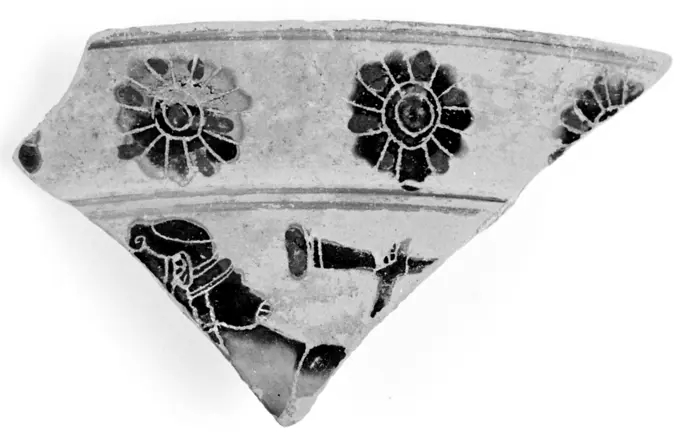
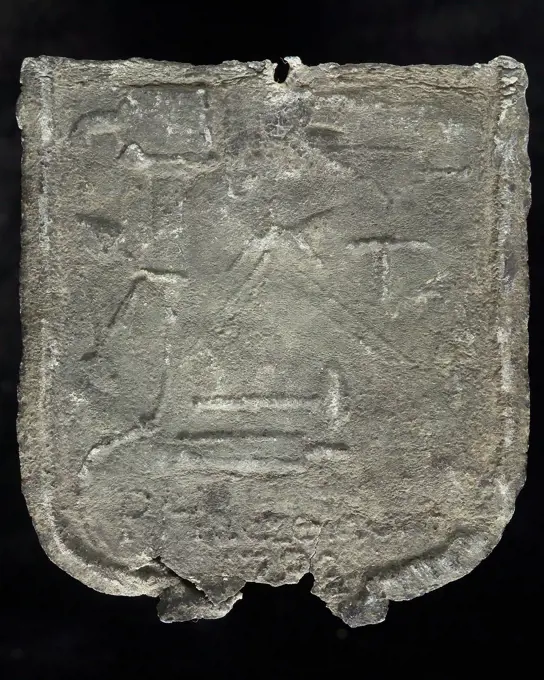
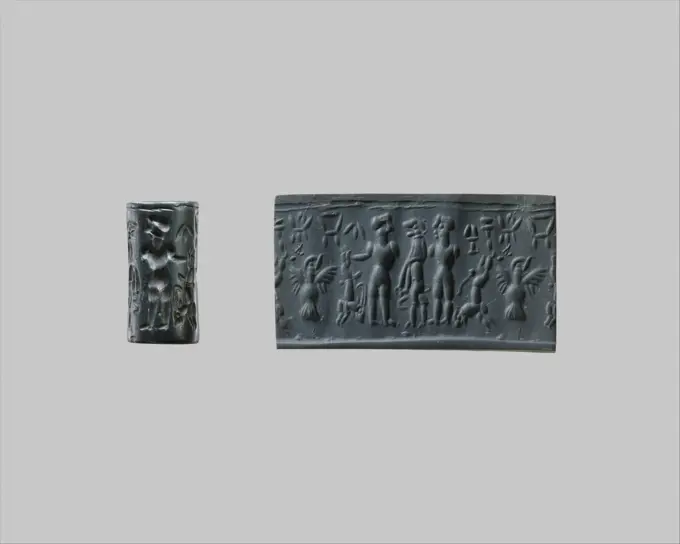
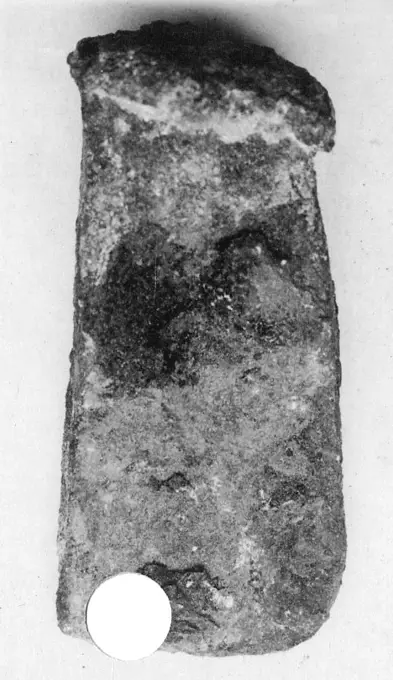
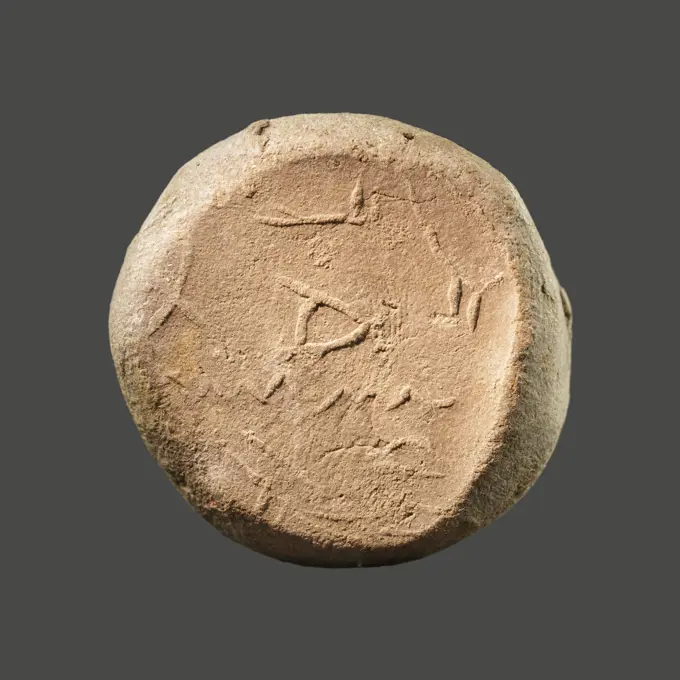
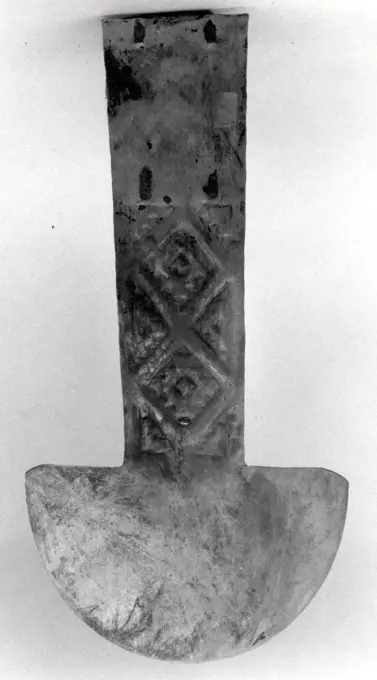
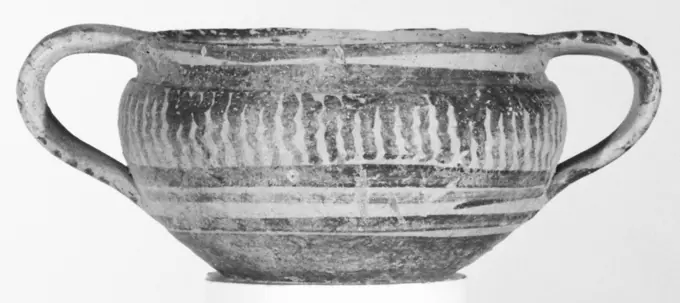
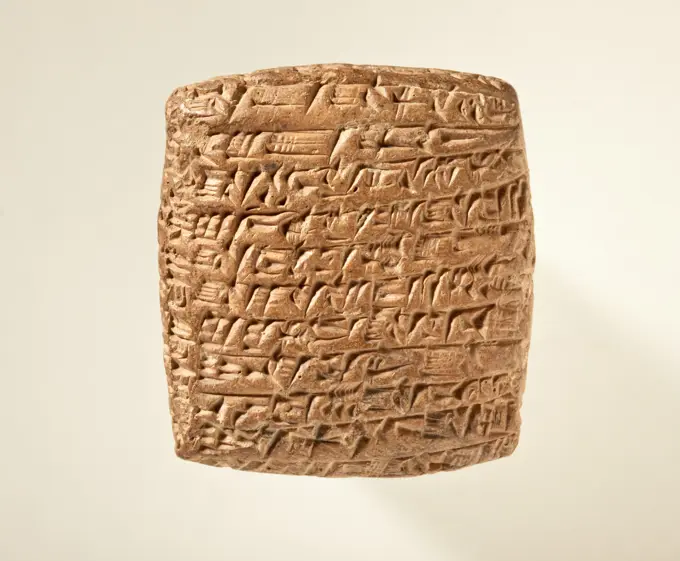
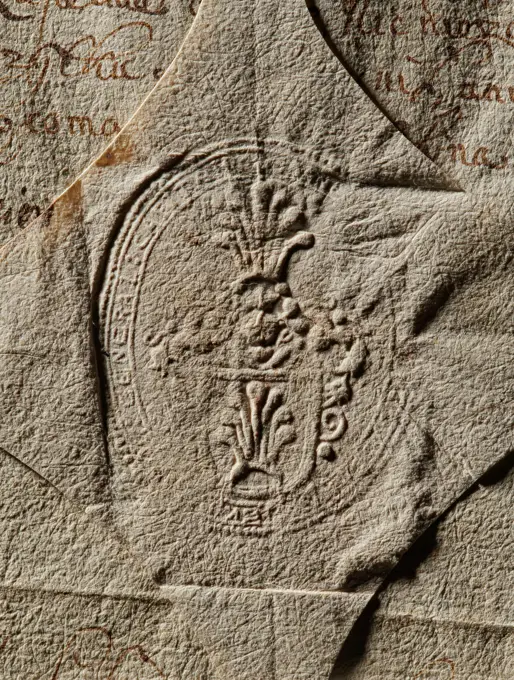
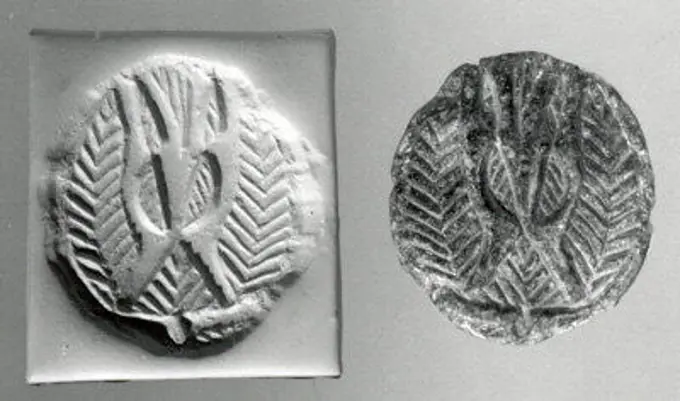
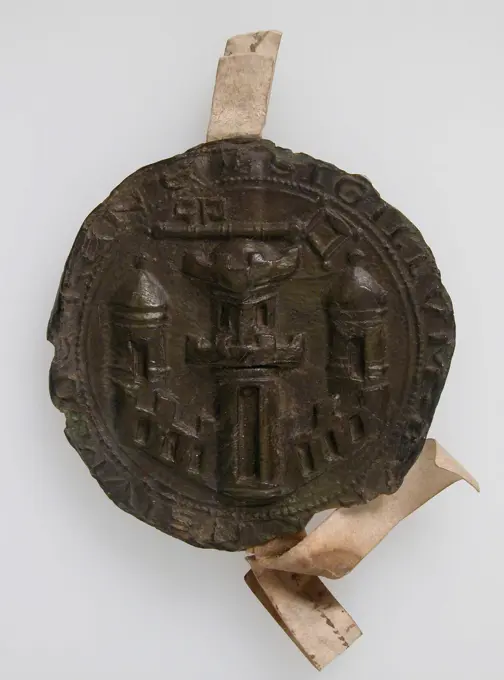
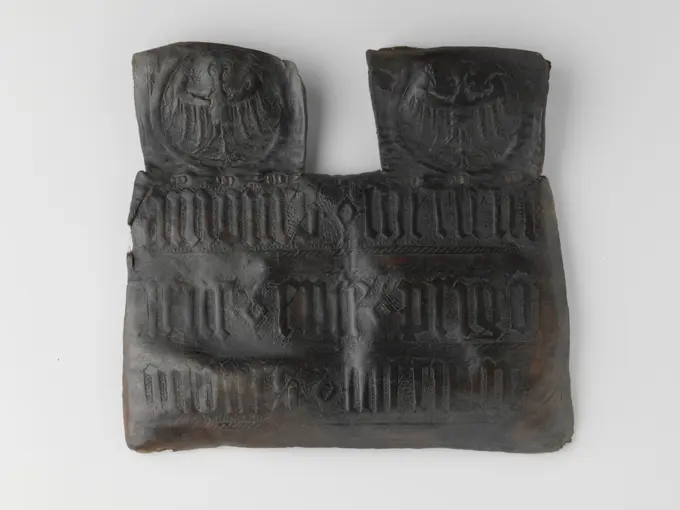
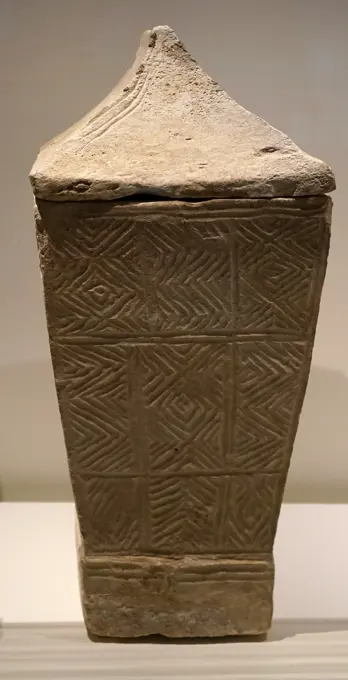
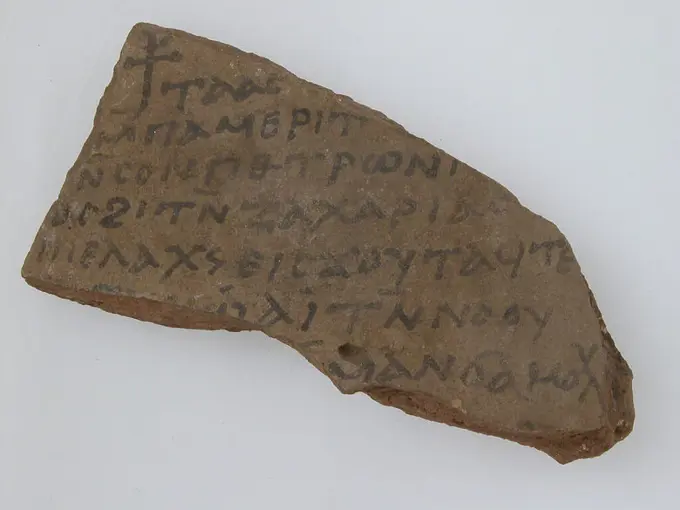
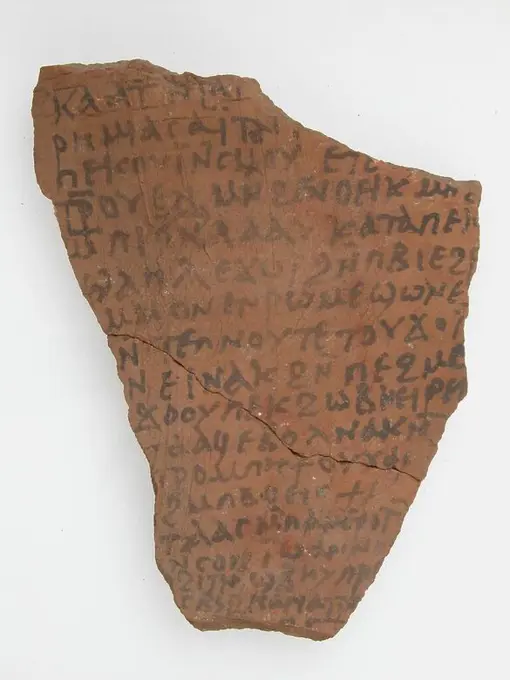
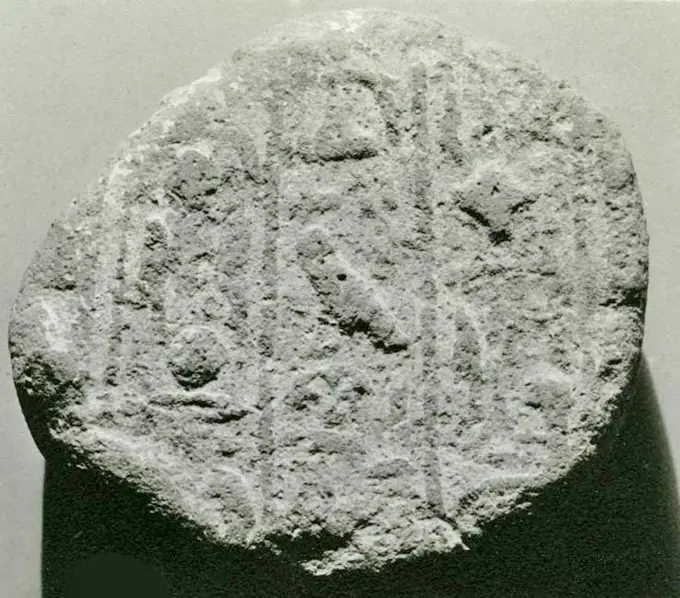
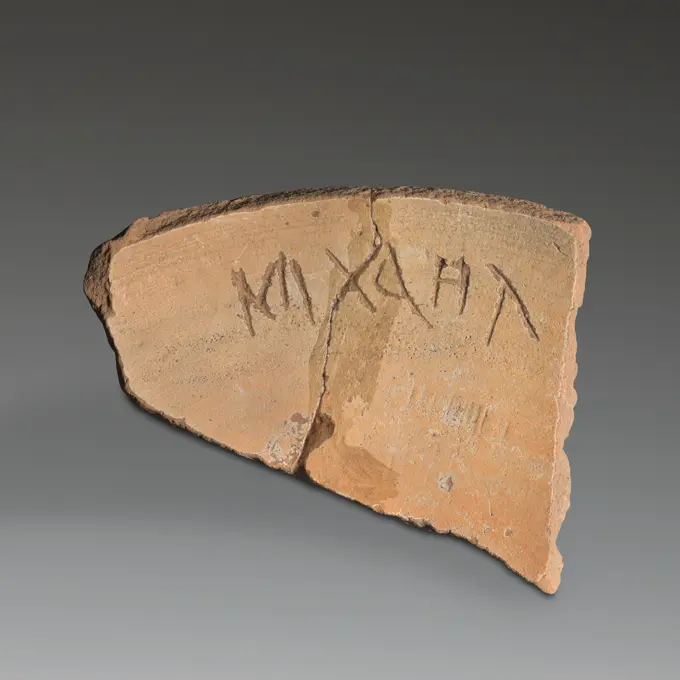
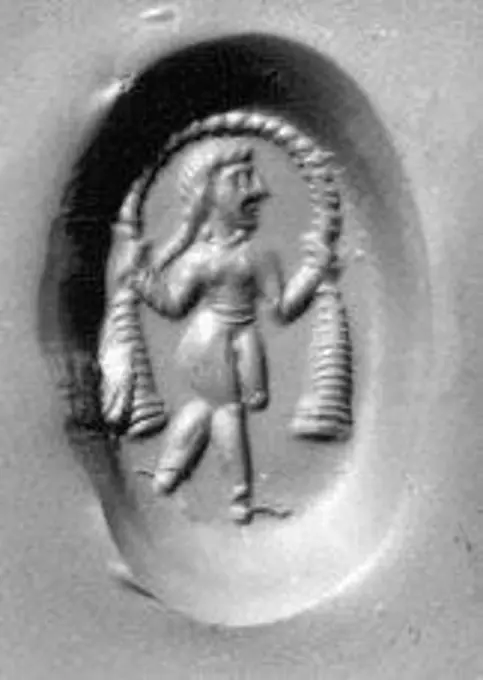
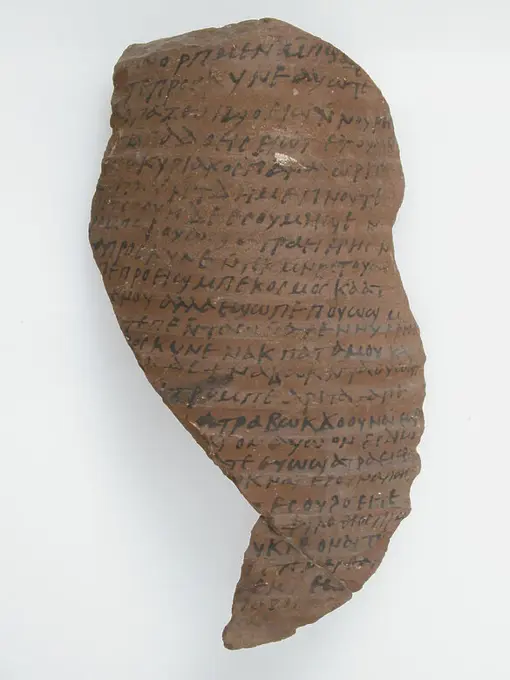
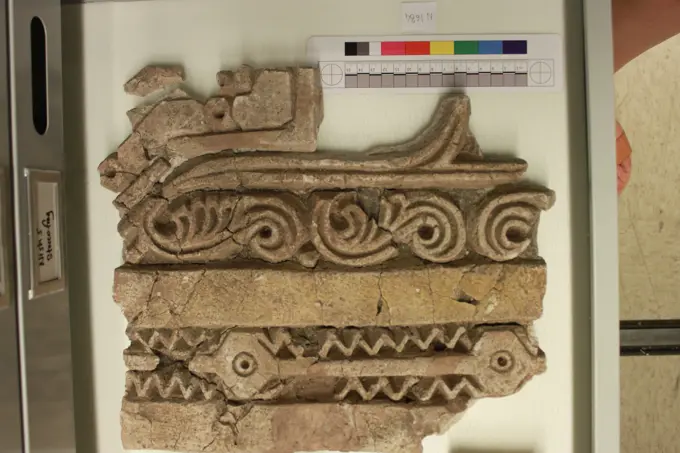
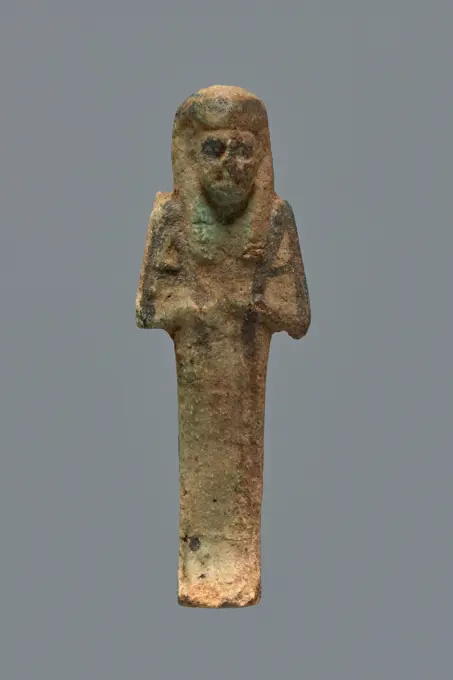
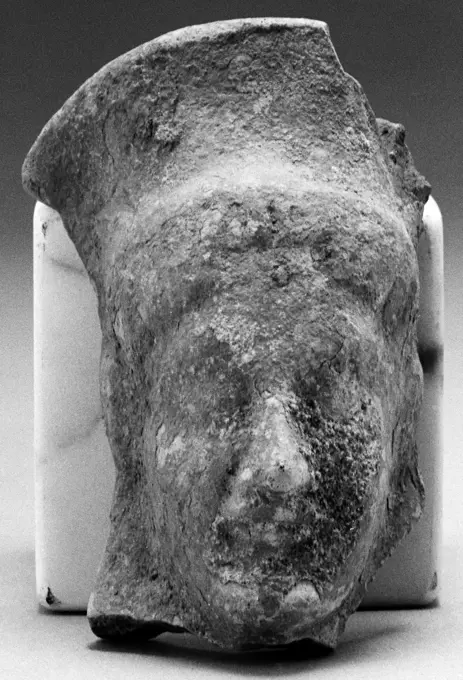
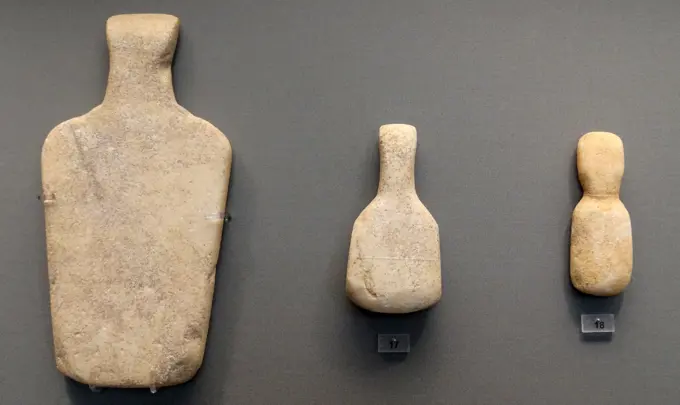
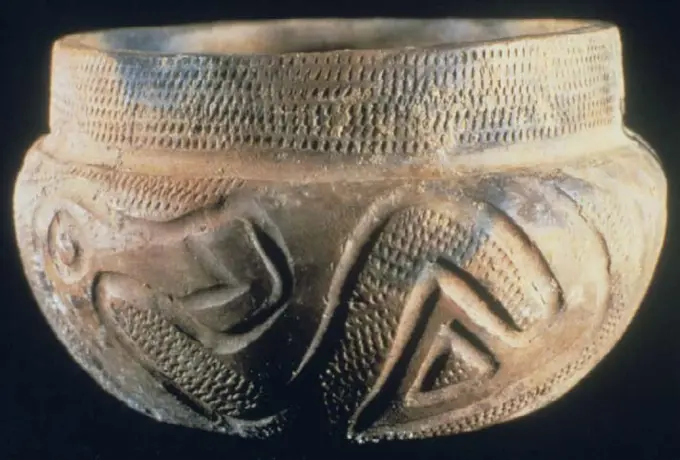
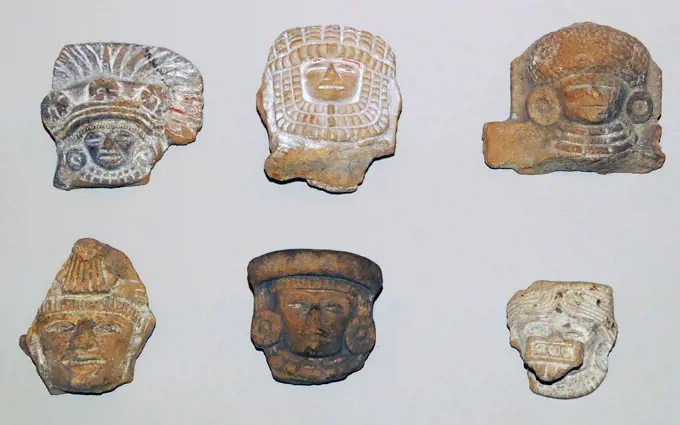
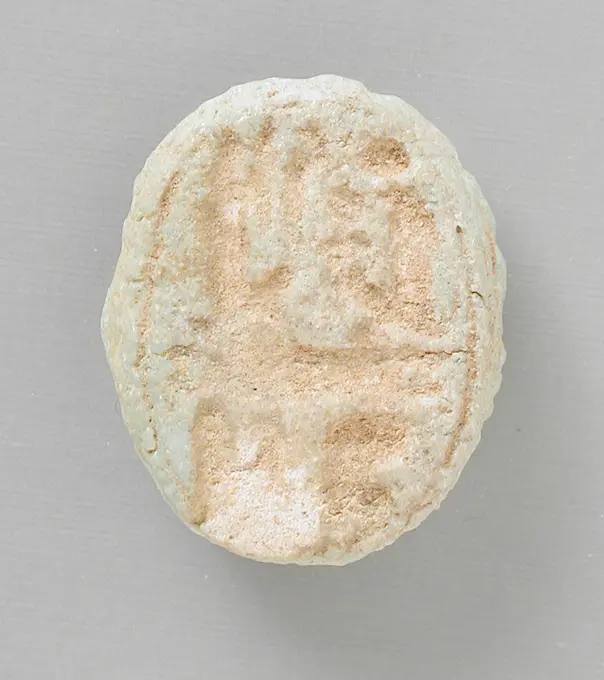
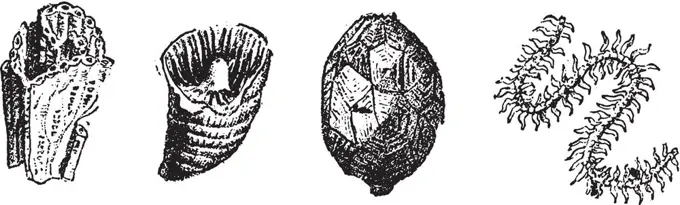
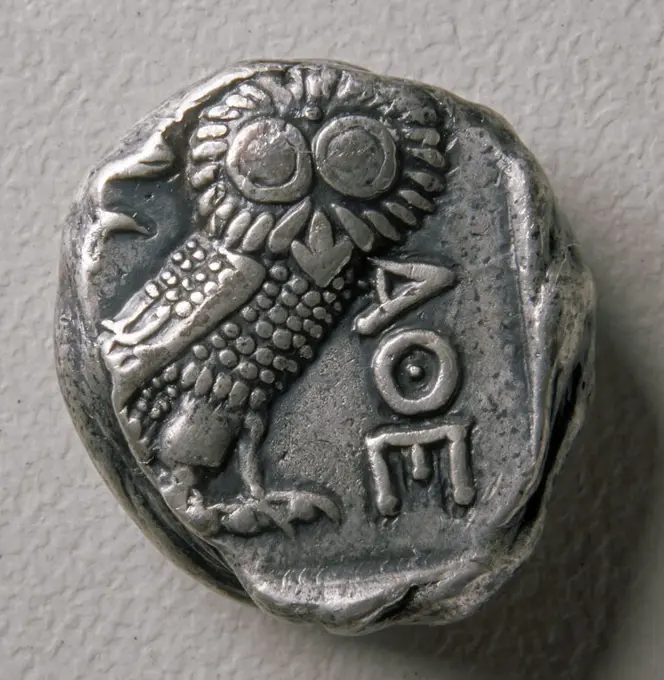
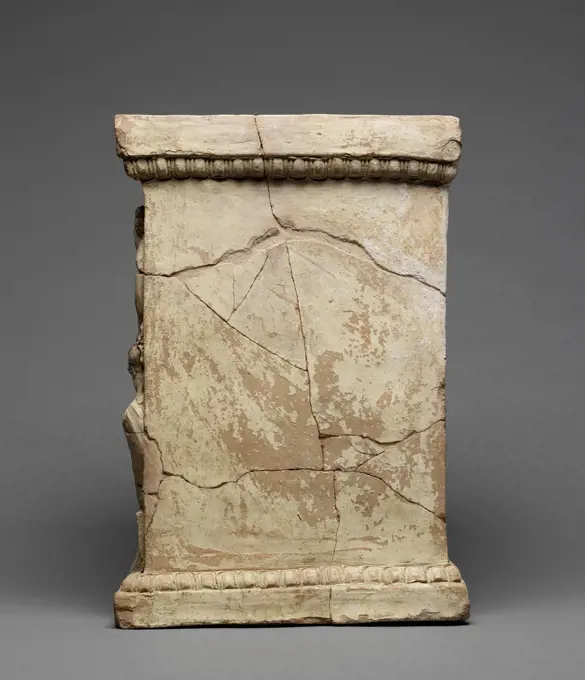
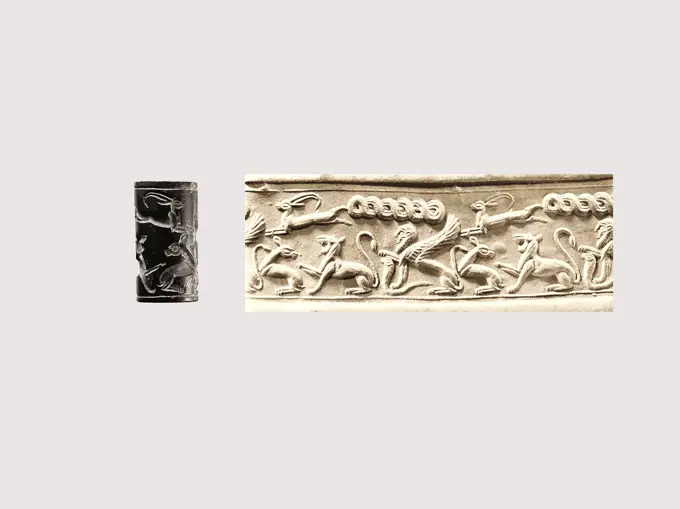
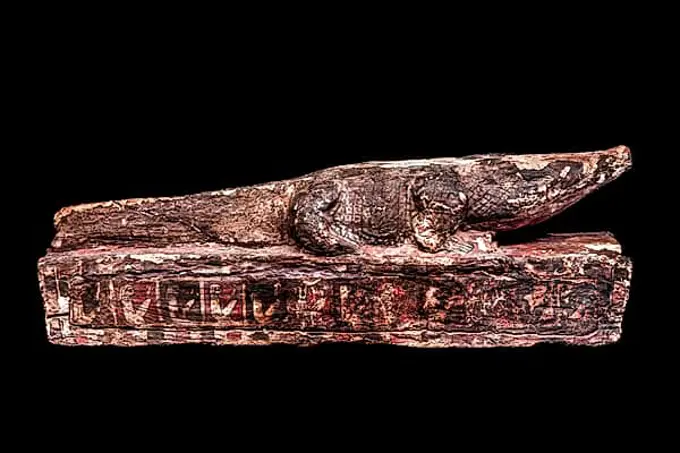
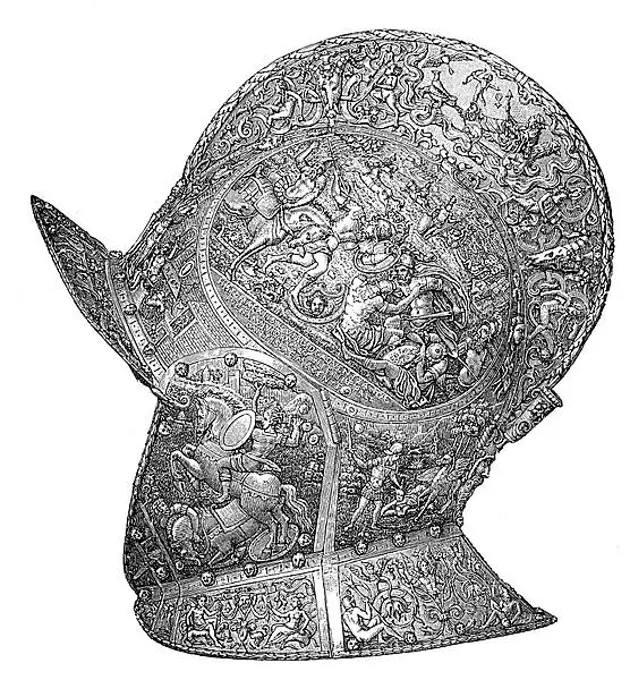
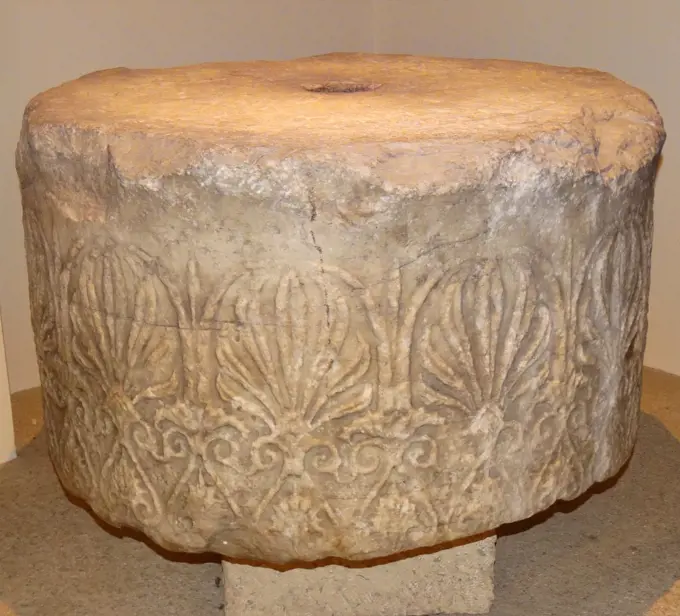
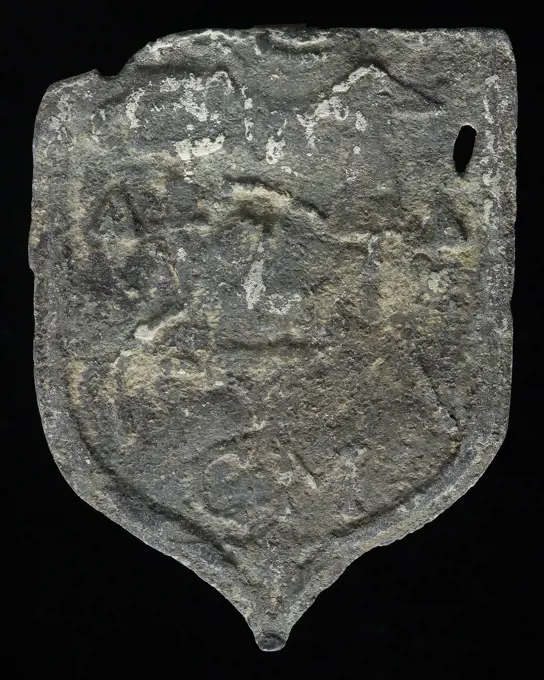
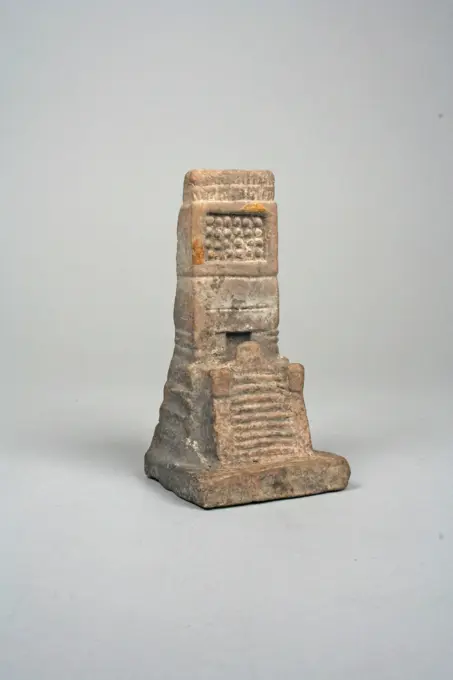
triens (aes grave). Anonimowy, monetary officer, Republika Rzymska, issuerAx head 30 B.C.-A.D. 364 Roman Period. Ax head. 30 B.C.-A.D. 364. Iron. Roman Period. From Egypt, Memphite Region, Lisht North, Cemetery, MMA excavations, 1913-14Offering table, Nefertiti cartouches ca. 1353-1336 B.C. New Kingdom, Amarna Period. Offering table, Nefertiti cartouches 549660Stamp Seal, Gabled with Rounded Back. Northern Syria or southeast Anatolia, circa 3500 - 3100 B.C.. Tools and Equipment; seals. Black chloriteReference sealing ca. 1961-1954 B.C. Middle Kingdom Small lumps of clay were often used to seal goods or documents. They are called sealings. On one side they often bear an impression of the seal used, while another side can show an impression of the object itself or of its closing mechanism (such as a string). This lump of clay bears a seal impression, but its conical shape suggests that it was never attached to an object. It can therefore be identified as a reference sealing, which was used to verify the authenticity of sealings that were attached to documents or goods. Or it could have been used as proof of authorization for certain dealings. This reference seal was found together with two others (25.3.267b, c) and a third one (26.3.282) was discovered in another area of the same tomb. The reference sealing here shows an impression from the same seal as 25.3.267c that reads "Storehouse of the Great (Goddess).". Reference sealing. ca. 1961-1954 B.C.. Mud. Middle Kingdom. From Egypt, Gold Tumi 12th-15th century Chimú. Gold Tumi 310263Stamp seal ca. 6th century A.D. Sasanian. Stamp seal. Sasanian. ca. 6th century A.D.. Chalcedony, jasper, red yellow. Sasanian. Iran or MesopotamiaAttic Geometric Two-handled Cup. UnknownTablet. Anatolia, circa 1900 B.C.. Tablets. Clayconmemorative scarab of Amenhotep III, steatite, Thebes, 18 Dynasty, reign of Amenhotep III, Gregorian Egyptian Museumn Musei Vaticani, State of the Vatican City, Roma, Lazio, Italia.seal of Starost of Lviv. starosta lwowski (ca 1674), signatoryMold for Making Ceramics 10th-11th century. Mold for Making Ceramics. 10th-11th century. Earthenware; incised decoration, unglazed. Found Iran, Nishapur. CeramicsCarinated lentoid seal ca. 4500-3600 B.C.. Carinated lentoid seal 326900Horse Bell 6th century Japan. Horse Bell 60101Engraved Gem. UnknownRoundel 5th-7th century. Roundel 445730Cuneiform tablet: receipt for silver, Egibi archive ca. 547 BC Babylonian. Cuneiform tablet: receipt for silver, Egibi archive 321526Scarab seal ca. 1700-1560 B.C.. Scarab seal. ca. 1700-1560 B.C.. Stone, white. Dynasty 15-17, 2nd Intermediate Period, Hyksos. Levant, Lachish (modern Tell ed-Duweir)Coin 8th-9th century. Coin 457088Roundel ca. 1300 B.C. Elamite. Roundel 325827Coin dated A.H. 376/ A.D. 986. Coin 457204Figurine Fragment of a Man's Head 306-30 B.C. Ptolemaic Period. Figurine Fragment of a Man's Head. 306-30 B.C.. Pottery. Ptolemaic Period. From Egypt, Upper Egypt, Thebes, Asasif, MMA excavationsFragment of a Votive Relief with Griffins. UnknownStamp Seal, Gabled. Northern Syria or southeast Anatolia, circa 3500 - 3100 B.C.. Tools and Equipment; seals. Black serpentineSeal Impression, City Gates ca. 1358 Netherlandish or South Lowlands (). Seal Impression, City Gates 466074 Netherlandish or South Lowlands (), Seal Impression, City Gates, ca. 1358, Brown wax, Overall (with parchment ribbons): 4 5/8 x 2 7/8 x 1/2 in. (11.7 x 7.3 x 1.3 cm) wax only: 2 7/8 x 1/2 in. (7.3 x 1.3 cm). The Metropolitan Museum of Art, New York. Gift of H.P. Kraus, 1981 (1981.534.1)seal of Wojciech Trojanowski, Starost of Dobrzyń Land. Trojanowski, Wojciech (fl.ca 1662), signatoryPurse 1400s French The wearer of this purse would have passed a girdle or belt between the two loops at the top. The inscription in French translates as, "Love holds me: Holds me in this prison: Love holds me.". Purse. French. 1400s. Tooled leather. LeatherworkGuatemala, AntiguaStamp seal (octagonal pyramid) with cultic scene Assyro-Babylonian 7th-6th century BCE View more. Stamp seal (octagonal pyramid) with cultic scene. Assyro-Babylonian. 7th-6th century BCE. Flawed neutral and white Agate (Quartz). Neo-Assyrian / Neo-Babylonian. MesopotamiaDough Board Scraper 1800-1830 American. Dough Board Scraper. American. 1800-1830. Iron. Made in Pennsylvania, United StatesStamp seal (octagonal pyramid) with cultic scene 7th - 6th century B.C. Assyro-Babylonian. Stamp seal (octagonal pyramid) with cultic scene. Assyro-Babylonian. 7th - 6th century B.C.. Flawed neutral Chalcedony (Quartz). Neo-Assyrian / Neo-Babylonian. MesopotamiaPlate ca. 18th century B.C. Old Assyrian Trading Colony. Plate 323595Fireplace, on which Maria receives the happy message. Fireplace, on which Maria receives the happy message. Of fine baked earth.Decorative ceiling, 11th century, from Castillo Formós (Balaguer). Museum: Museu Comarcal La Noguera, Balaguer, Lérida, Cataluña, España.Female Head. UnknownSealing ca. 7th century A.D. Sasanian. Sealing 323322Attic Black-Figure Komast Cup Fragment. UnknownP. Haazelhorst, Roof bonnet, shield-shaped cover plate with 1783, P. Haazelhorst and guide tool, plummet lead metal, Roof lead shield shaped cover of the nails embossed with various guide tools and the name of the plumber P. Haazelhorst and 1783 on plate: P. HAAZELHORST 1783Cylinder seal ca. late 2nd millennium B.C.. Cylinder seal. ca. late 2nd millennium B.C.. Copper alloy (leaded bronze). Late Bronze Age. LevantBliżej Kultury Władysław Jagiełło (CA 1351 1434), Mint of KrakówFragment Made 1000-1476 Peru. Cotton, plain weave with brocading wefts . ChancayFunerary urn characteristic of the Austronesian animistic culture. Dated 1st CenturyModel for a bracelet 1889 Medalist: Louis-Oscar Roty French. Model for a bracelet 187507 Artist: Medalist: Louis-Oscar Roty, French, Paris 18461911 Paris, Model for a bracelet, 1889, Silver, 7/8  7 7/16 in. (22  189 mm). The Metropolitan Museum of Art, New York. Gift of Samuel P. Avery, 1893 (93.10.13)Cylinder-Shaped Bead 4th-3rd century B.C. Northwest China. Cylinder-Shaped Bead 59509Shard: Torso with Flower ca. 4th-5th century Pakistan. Shard: Torso with Flower 51263seal of the customs house in Biała. komora celna, signatorySpringerle cookieSword pommel China. Sword pommel 42793Cylinder Seal. Iran, circa 1500-1300 B.C.. Tools and Equipment; seals. HematiteStamp seal ca. 12th-11th century B.C. () Cypriot. Stamp seal. Cypriot. ca. 12th-11th century B.C. (). green black steatite. Late Cypriot III (). CyprusFragment majolica dish, orange and blue on white, four-sided brushstroke decor with grid, dish crockery holder soil find ceramic earthenware glaze, baked Symmetric brushstrokes Italian decor Polychrome Highly layered pottery poorly mixed archeology Italy food serving decorateStamp seal ca. 3rd-7th century A.D. Sasanian. Stamp seal. Sasanian. ca. 3rd-7th century A.D.. Chalcedony, brown. Sasanian. Iran or MesopotamiaOstracon Inscribed with a Model Letter to the Vizier Paser. Egypt, New Kingdom, 19th Dynasty (1315 - 1201 BCE). Tools and Equipment; ostraka. LimestoneBarkcloth Fragment (Kapa) 19th century Hawai'i. Barkcloth Fragment (Kapa) 310424Rare Japan Gold Koban, One Ryo struck in Yedo (Tokyo) Tokugawa Shogunate 1837-1843 Ostrakon. Culture: Coptic. Dimensions: 4 13/16 x 3 3/8 in. (12.2 x 8.5 cm). Date: 7th century. Museum: Metropolitan Museum of Art, New York, USA.Shatamana from GhandaraKingdom, 600-500 B.C., Silver, 11.42g, Made in Ghandara Kingdom, Afghanistan,Indian, 6th century B.C., NumismaticsPair of keyhole escutcheons late 16th century German. Pair of keyhole escutcheons 186898Ostrakon. Culture: Coptic. Dimensions: Overall (joined with 12.180.119): 4 3/4 x 3 3/4 in. (12 x 9.5 cm)118 only: 3 3/4 x 3 7/8 in. (9.6 x 9.8 cm). Date: 7th century. Museum: Metropolitan Museum of Art, New York, USA.Funerary Cone of the Scribe Heriry ca. 1550-1295 B.C. New Kingdom This cone has the impression of a stamp seal inscribed for a scribe named Heriry who was also overseer of the double granary of Thebes (the Souther City). For a drawing of this impression see http://www.funerarycones.com/, number 149.. Funerary Cone of the Scribe Heriry Funerary Cone of the Scribe Heriry ca. 1550-1295 B.C. New Kingdom This cone has the impression of a stamp seal inscribed for a scribe named Heriry who was also overseer of the double granary of Thebes (the Souther City). For a drawing of this impression see http://www.funerarycones.com/, number 149.. Funerary Cone of the Scribe Heriry. ca. 1550-1295 B.C.. Pottery. New Kingdom. From Egypt, Upper Egypt, Thebes. Dynasty 18Fragment of a vessel with inscription; Unknown Nubian workshop; XI-XII century (1101-00-00-1200-00-00);Michael, inscribed ceramics, nubian ceramics, bowls, inscriptions, nubian vesselsStamp seal and modern impression: birds of prey, one subduing caprids early 2nd millennium B.C. Old Assyrian Trading Colony. Stamp seal and modern impression: birds of prey, one subduing caprids. Old Assyrian Trading Colony. early 2nd millennium B.C.. Steatite, light brown. Middle Bronze Age-Old Assyrian Trading Colony. Central AnatoliaWooden stilus-tablet with 'LONDINIO' inscribed. Dated 1st CenturyStamp seal ca. 3rd-7th century A.D. Sasanian. Stamp seal. Sasanian. ca. 3rd-7th century A.D.. Agate, banded. Sasanian. Iran or MesopotamiaOstrakon. Culture: Coptic. Dimensions: 4 13/16 x 8 3/8 in. (12.3 x 21.2 cm). Date: 600. Museum: Metropolitan Museum of Art, New York, USA.Stucco Fragment probably 8th-12th century. Stucco Fragment 741518Boat;  around 1069 945 BC ; 3rd passage period, 21 dynasty (-1069-00-00--945-00-00);Female Head. UnknownCycladic 'Apeiranthos style' figurine, from Naxos, Greece, Early Cycladic culture evolved in three phases, between c. 3300 - 2000 BCE, when it was increasingly swamped in the rising influence of Minoan CreteIllinois River Road - Ancient Clay Pot. This intricately designed clay pot is an artifact from the Dickenson Mounds Museum Collection. IllinoisSelection of pottery heads (Mayan) from Teotihuacan, Mexico 150 BC - 750 ADMolded Faience Plaque with Throne Name of Tawosret. Egypt, New Kingdom, 19th Dynasty, reign of Tawosret (1209 - 1201 BCE). Sculpture; plaques. FaienceBronze gate ornaments. Assyrian (circa 883-859 BC). From Balawat, near Nimrud. Embossed with scenes of warfare, prisoners and tribute bearers to represent the achievements of Ashurnasirpal II.Molluscs, vintage engraved illustration. From Natural Creation and Living Beings. in phaselis temple turkey asia old ruined column and destroyed stoneHead with Wreath. UnknownMONEDA-TETRADRACMA R(24.429)ATENAS-REVERSO-21,04 MM-LECHUZA DE ATENEA (ESCUDO DE ATENAS). Location: FABRICA NACIONAL DE MONEDA Y TIMBRE-COLECCION. MADRID. SPAIN.Discoid seal ca. 14th century B.C. (). Discoid seal. ca. 14th century B.C. (). Rock crystal. Late Cypriot. CyprusSection of a Coffin Platform: Dragon, 550-577. China, Northern Qi dynasty (550-577). Limestone; overall: 45.7 x 211.4 x 10.8 cm (18 x 83 1/4 x 4 1/4 in.); panel: 45.7 x 26.3 x 10.8 cm (18 x 10 3/8 x 4 1/4 in.).Altar with the Myth of Adonis; Calabria, Italy; 425 - 375 B.C; Terracotta with yellowish diluted clay, white slip and polychromy (red, green); 41.8 × 31.5 × 28.8 cm (16 7,16 × 12 3,8 × 11 5,16 in.)Cylinder seal and modern impression: animal combat and sphinx ca. early 2nd millennium B.C. Although engraved stones had been used as early as the seventh millennium B.C. to stamp impressions in clay, the invention in the fourth millennium B.C. of carved cylinders that could be rolled over clay allowed the development of more complex seal designs. These cylinder seals, first used in Mesopotamia, served as a mark of ownership or identification. Seals were either impressed on lumps of clay that were used to close jars, doors, and baskets, or they were rolled onto clay tablets that recorded information about commercial or legal transactions. The seals were often made of precious stones. Protective properties may have been ascribed to both the material itself and the carved designs. Seals are important to the study of ancient Near Eastern art because many examples survive from every period and can, therefore, help to define chronological phases. Often preserving imagery no longer extant inWooden coffin for a mummified crocodile from the exhibition: Ramses the Great and the Gold of the Pharaohs, Cologne, North Rhine-Westphalia, Germany, EuropePier Base Section. Culture: French. Date: ca. 1130-40. Museum: Metropolitan Museum of Art, New York, USA.Wooden Comb with Carved Decoration. Egypt or Eastern Mediterranean, Early Islamic. Wood. WoodDer Burgunderhelm von Karl V., Renaissance-era, early modern combat helmet, historical image or illustration, published 1890, digitally improved, the burgonet helmet or burgundian sallet of Karl V., Renaissance-era, early modern combat helmet, historical image or illustration, published 1890, digitally improvedNecking drum of an Ionic column from Halicarnassus. It was used as a mortar in the Castle of St Peter. from the Mausoleum at Halicarnassus About 350 BC. The Mausoleum at Halicarnassus or Tomb of Mausolus, was a tomb built between 353 and 350 BC at Halicarnassus (present Bodrum, Turkey) for Mausolus, a satrap in the Persian Empire, and Artemisia II of Caria, who was both his wife and his sister.CM, Roof bonnet, shield-shaped cover plate with guide tools and CM, Barrier lead hallmark metal lead, Roof lead shielded cover plate of the nails with embossed initials of the plumber C.M. and, underneath it, possible hanging tools at the top, suspension eye is attached., C.M. leaderCeramic Edge printed and incised decoration and boquique. 8 x 11 cms- Period Cogotas I, Second Iron Age from the archaeological site of "Ecce Homo" in Alcala de Henares - "Burgo de Santiuste Museum " (Madrid). SPAIN.Set of stones seashells and plants Hand drawn ocean shell or conch mollusk scallop Sea underwater animal fossil Nautical and aquarium, marine theme. Vector illustrationPectoral of Mutnefret New Kingdom, Ramesside ca. 1295-1070 B.C. This pectoral would have been placed over the chest of the deceased, and probably sewn to the mummys wrappings, as the pierced holes at its top and bottom suggest. The pectoral is shaped as a pylon with a cavetto cornice. The front panel shows two kneeling figures adoring a scarab and the reverse with a boat with twin Djed-pillars. In the middle, the scarabs back appears inscribed with a spell--often found in Books of the Deadthat addresses the deceaseds heart (see translation). View more. Pectoral of Mutnefret. ca. 1295-1070 B.C.. Faience. New Kingdom, Ramesside. From Egypt. Dynasty 19-20Ointment Jar from a Foundation Deposit of Hatshepsut ca. 1479-1458 B.C. New Kingdom. Ointment Jar from a Foundation Deposit of Hatshepsut. ca. 1479-1458 B.C.. Travertine (Egyptian alabaster), paint. New Kingdom. From Egypt, Upper Egypt, Thebes, Deir el-Bahri, Temple of Hatshepsut, Foundation Deposit 3 (C), MMA excavations, 1923-24. Dynasty 18Urban Bell (Junosz's Coat of ARMS)  Zygmuntów Tower, Wawel Cathedral, KrakowStamp seal ca. 3rd-7th century A.D. Sasanian. Stamp seal. Sasanian. ca. 3rd-7th century A.D.. Chalcedony, brown. Sasanian. Iran or MesopotamiaMorocco, Marrakech. Badii PalaceTemple Model 15th-early 16th century Aztec. Temple Model. Aztec. 15th-early 16th century. Ceramic. Mexico, Mesoamerica, Guerrero (), Balsas River region. Ceramics-SculptureStamp seal (scarab) with divine being 9th - 7th century B.C. Phoenician. Stamp seal (scarab) with divine being. Phoenician. 9th - 7th century B.C.. Black Steatite. Iron Age II. Northern Syria or southeastern AnatoliaCylinder seal and modern impression: combat between men and a lion ca. 14th century B.C. Cypriot Although engraved stones had been used as early as the seventh millennium B.C. to stamp impressions in clay, the invention in the fourth millennium B.C. of carved cylinders that could be rolled over clay allowed the development of more complex seal designs. These cylinder seals, first used in Mesopotamia, served as a mark of ownership or identification. Seals were either impressed on lumps of clay that were used to close jars, doors, and baskets, or they were rolled onto clay tablets that recorded information about commercial or legal transactions. The seals were often made of precious stones. Protective properties may have been ascribed to both the material itself and the carved designs. Seals are important to the study of ancient Near Eastern art because many examples survive from every period and can, therefore, help to define chronological phases. Often preserving imagery no longer extaRemains of a wooden sleigh, decorated with reliefs and silver and bronze nails. Found in the Tomb of the Boat of Oseberg, Norway. 9th century. Viking Ship Museum. Oslo. Norway.PTTK Mountain Tourist Badge  Big Gold unknown labelSilvered Plaquette from France of the Universal Exhibition of1900.  Artist: Heinrich Kautsch, Austrian, 1859-1943