Ancient Egyptian Artifacts

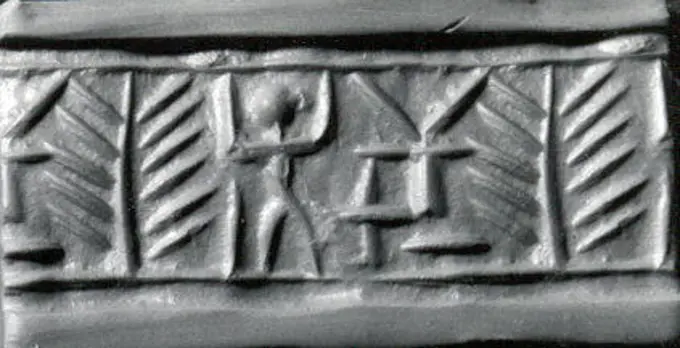
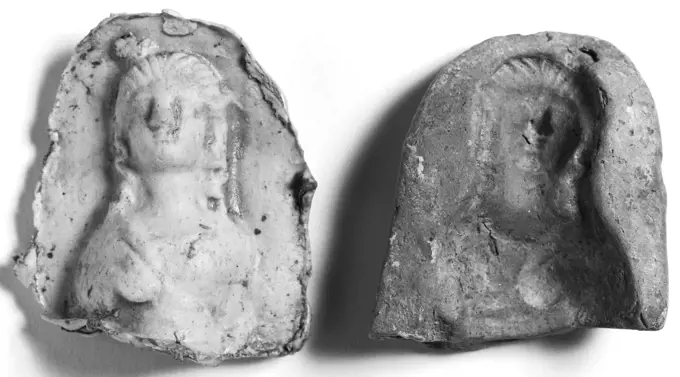
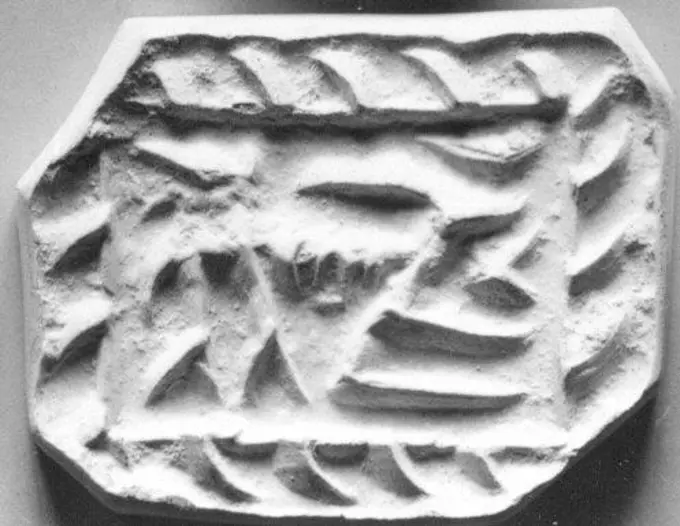
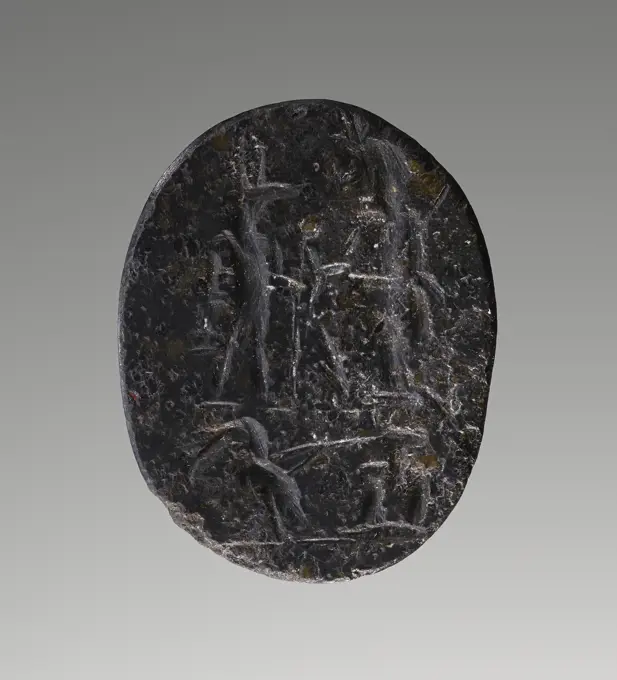
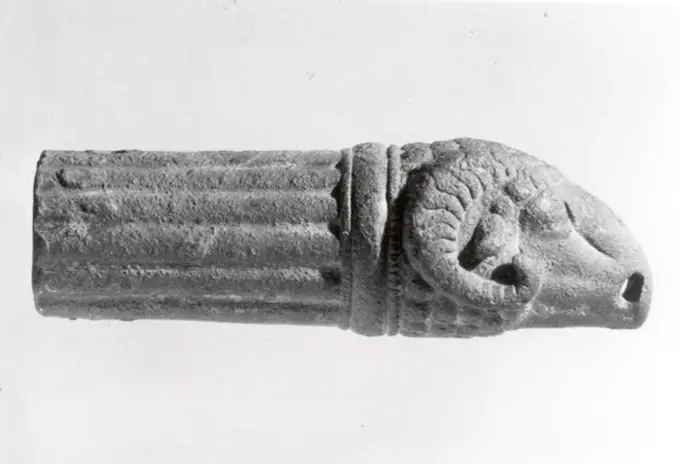
Collection of seals, plaques, and cones from ancient Egypt, featuring intricate designs and inscriptions related to funerary and ceremonial practices.

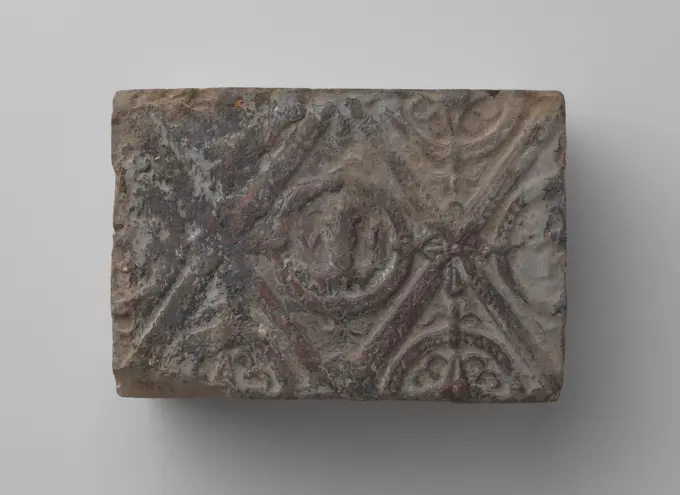
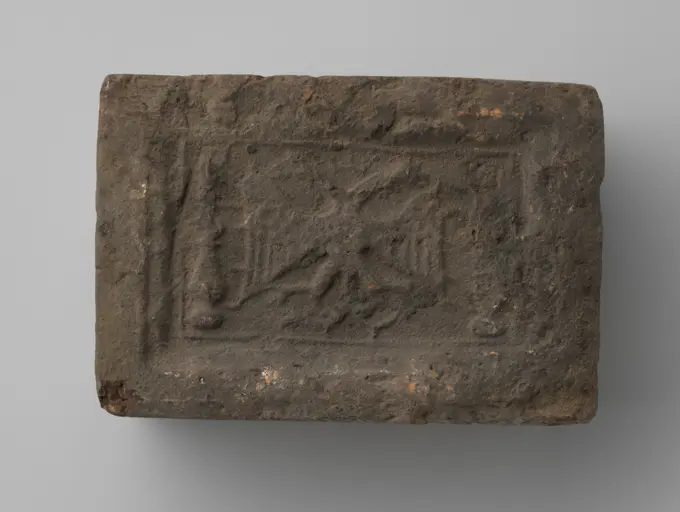
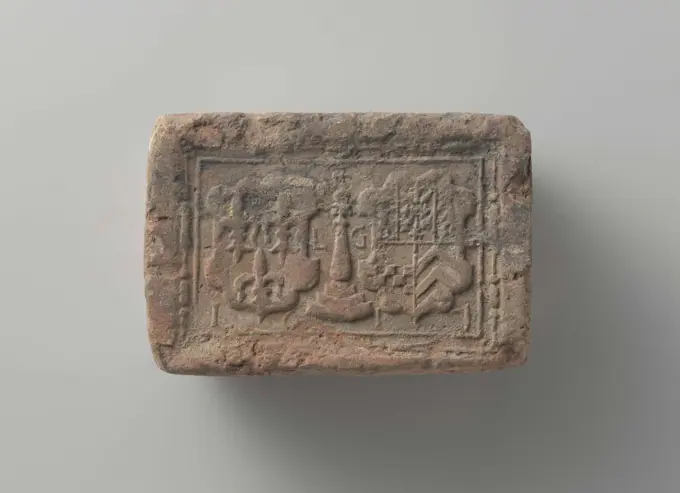
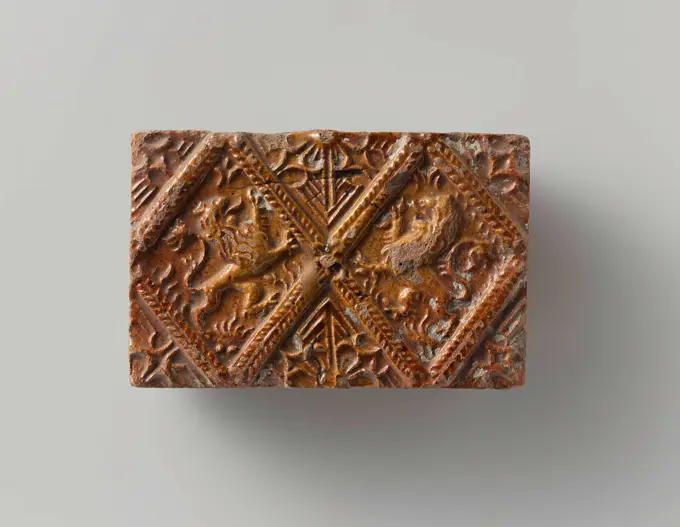
Hearing stone with men's head and the letters V i in Lauwerkrans, c. 1575 - c. 1625 Hearing stone with men's head and the letters V i in Lauwerkrans, placed in profiled window. A double -headed eagle in the half windows on the sides. The half windows on the top and bottom are filled with half medallions with star motif. Southern Netherlands earthenware Hearing stone with men's head and the letters V i in Lauwerkrans, placed in profiled window. A double -headed eagle in the half windows on the sides. The half windows on the top and bottom are filled with half medallions with star motif. Southern Netherlands earthenware
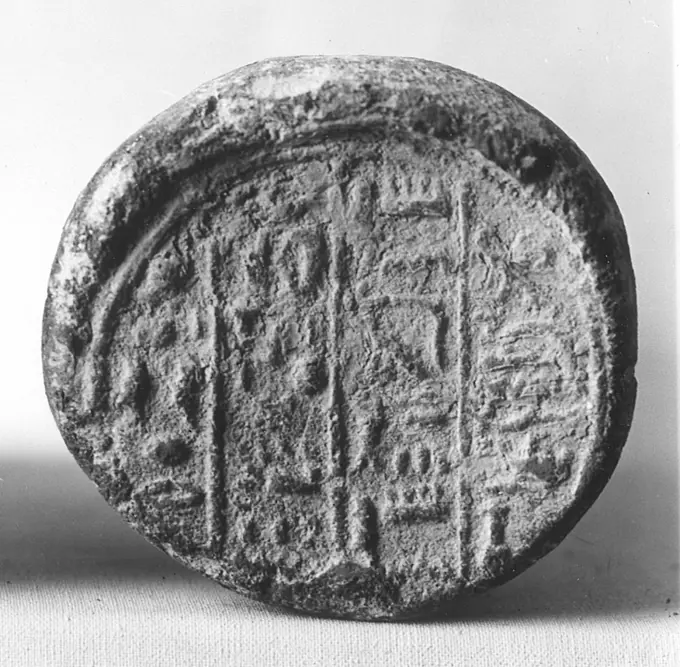
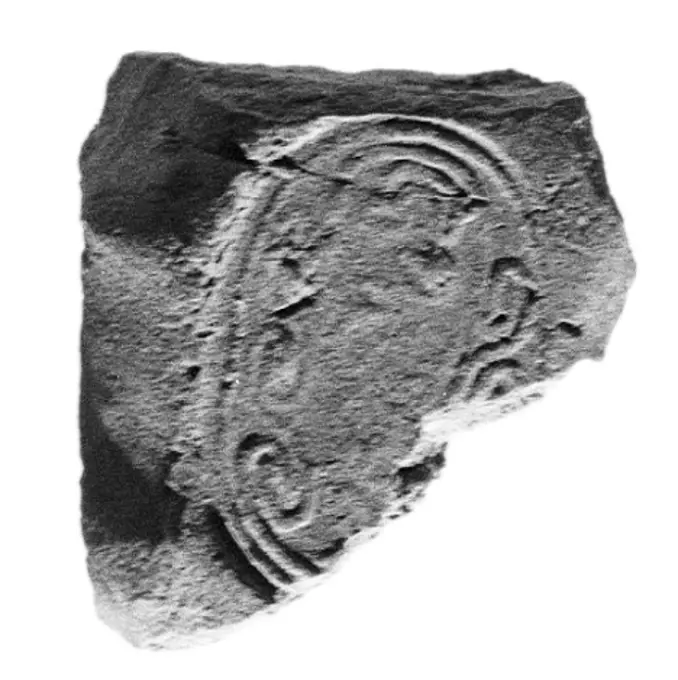
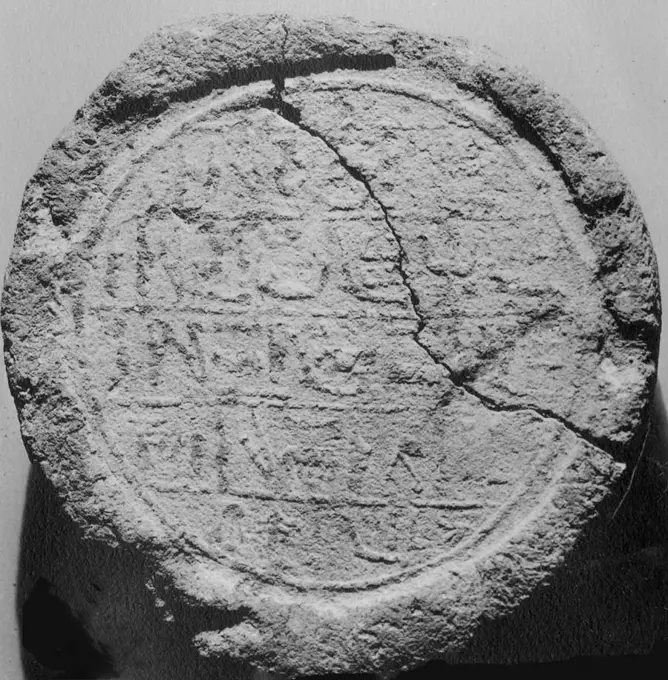
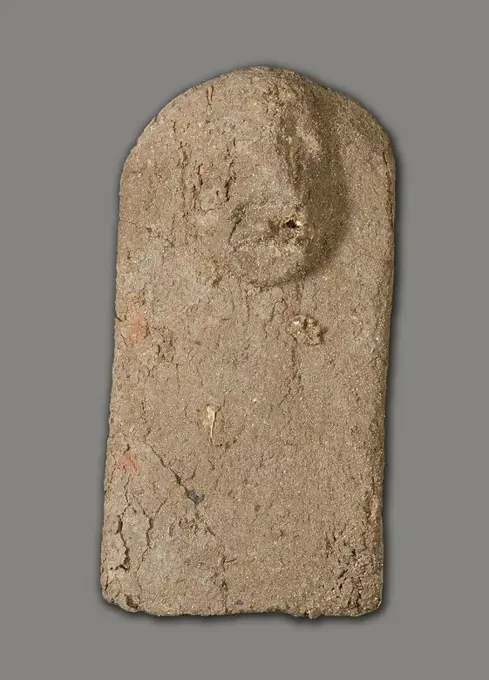
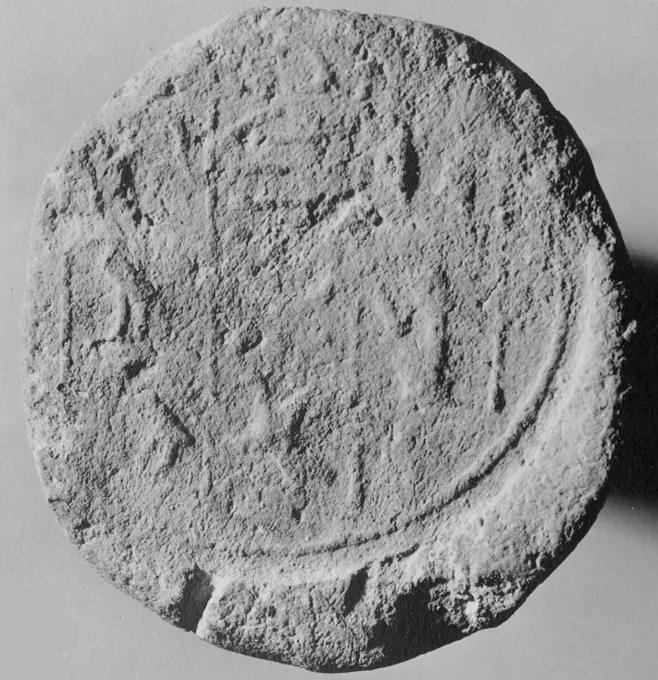
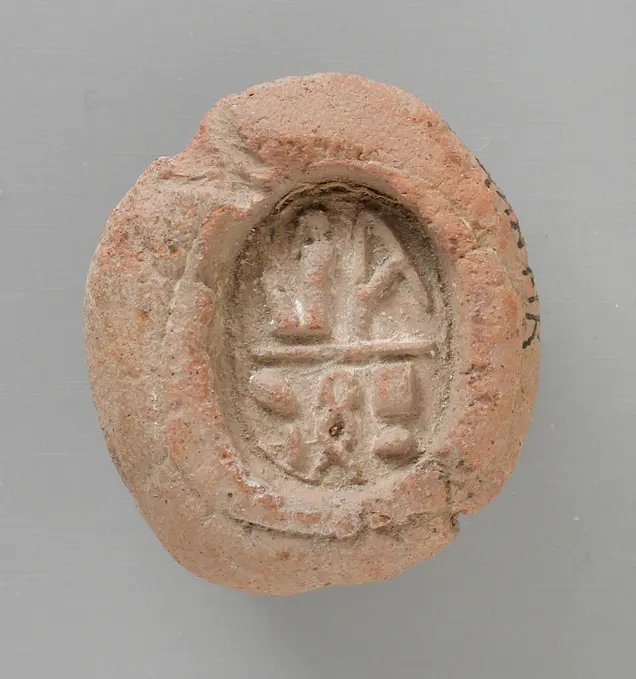
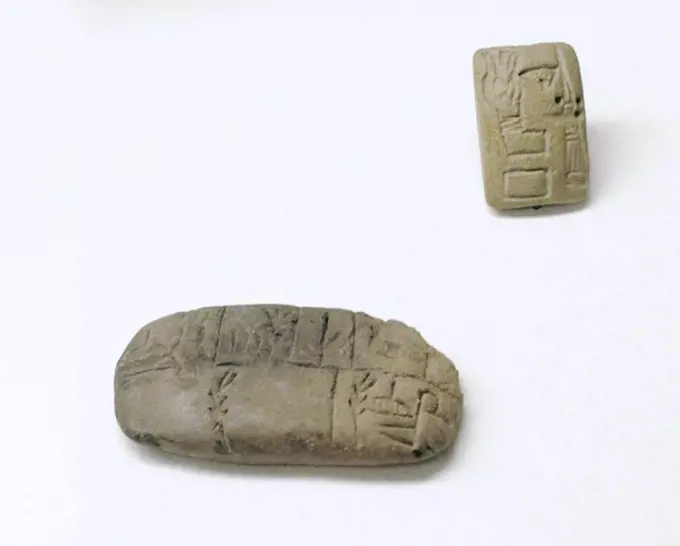
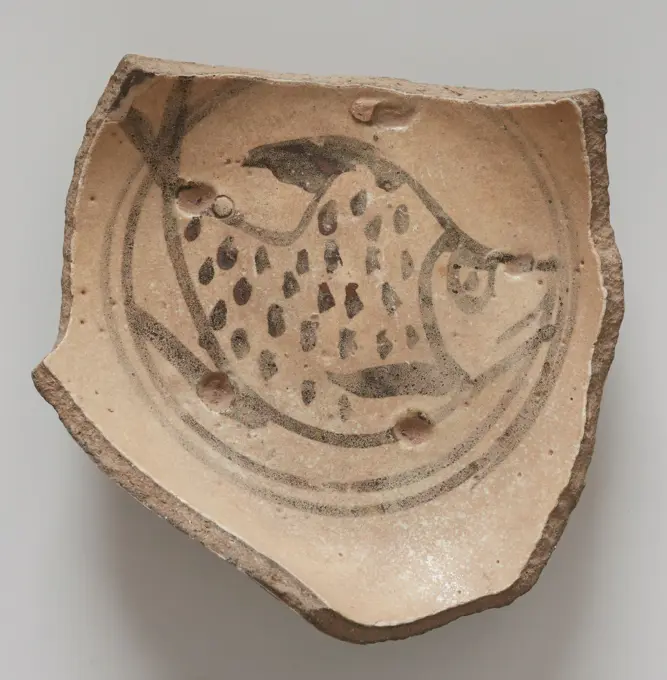
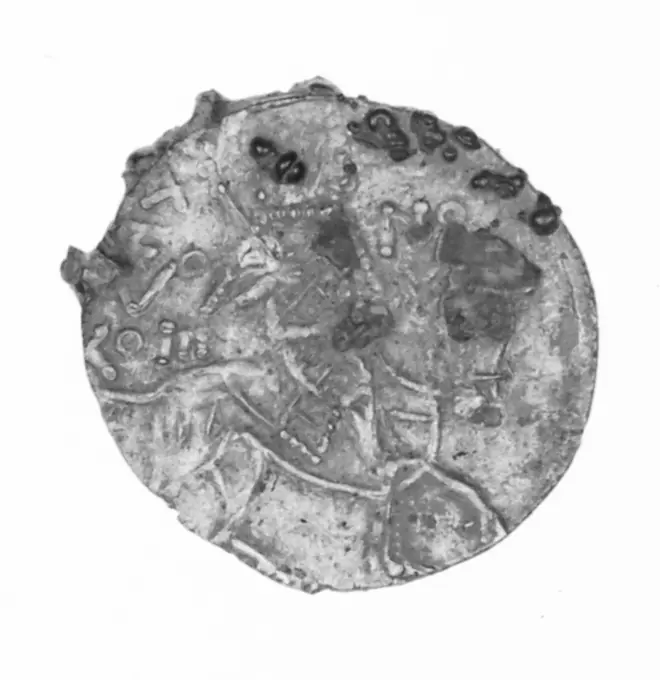
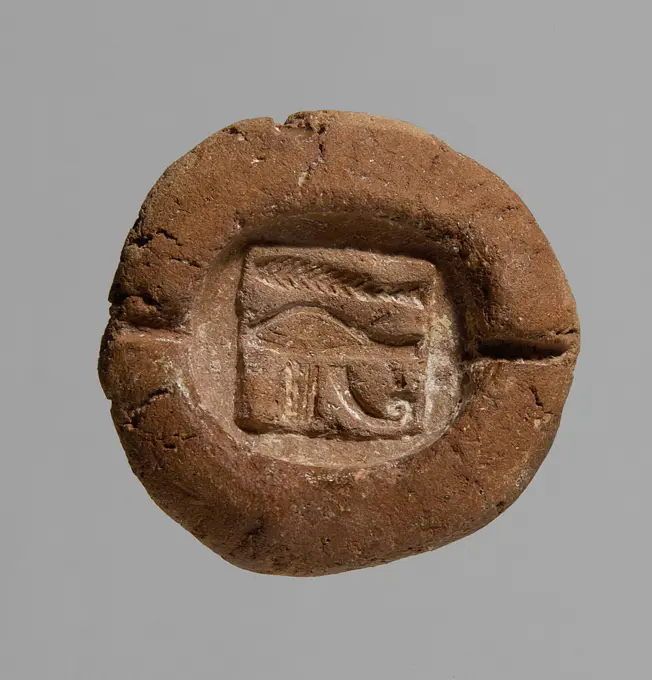
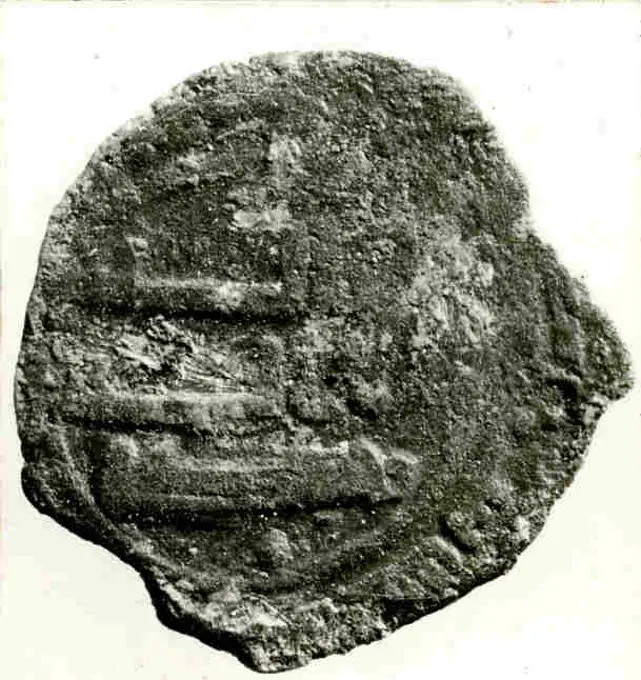
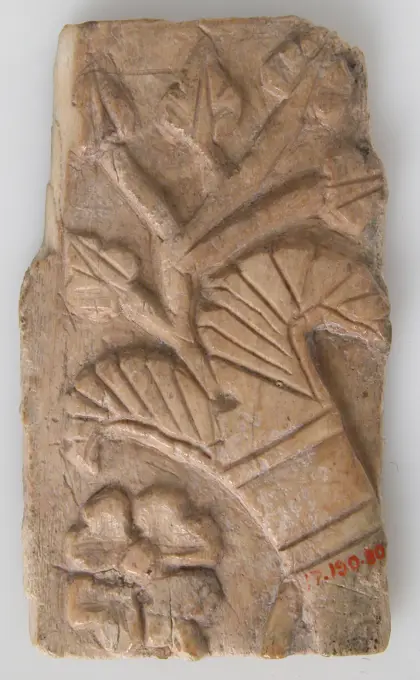
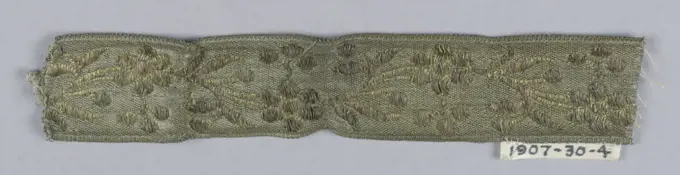
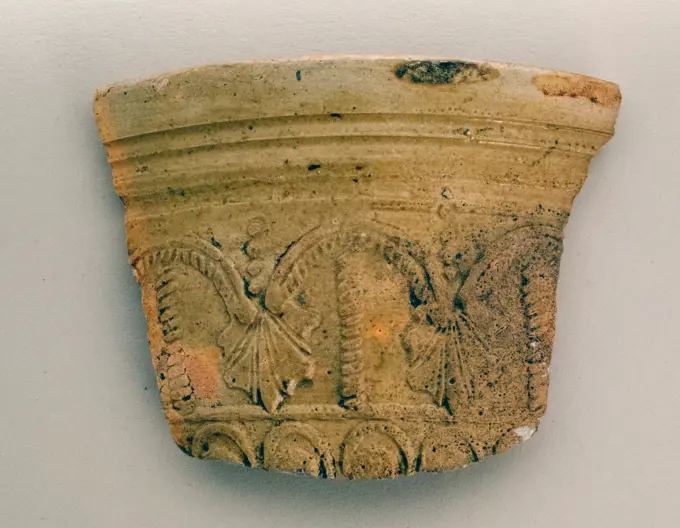
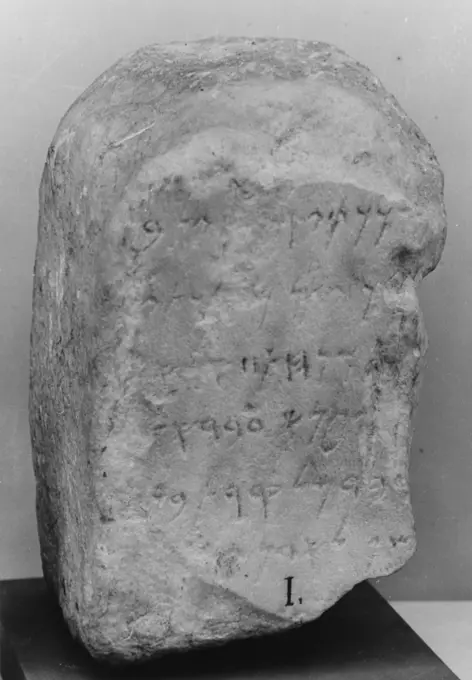
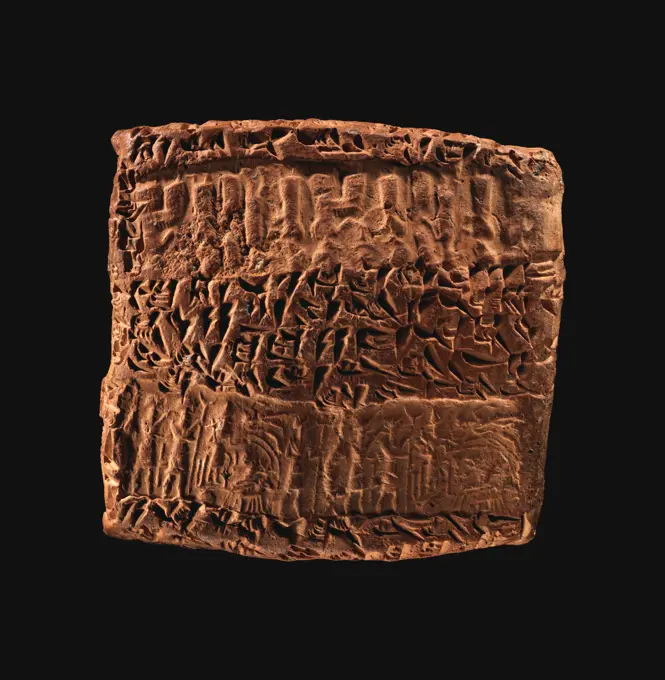
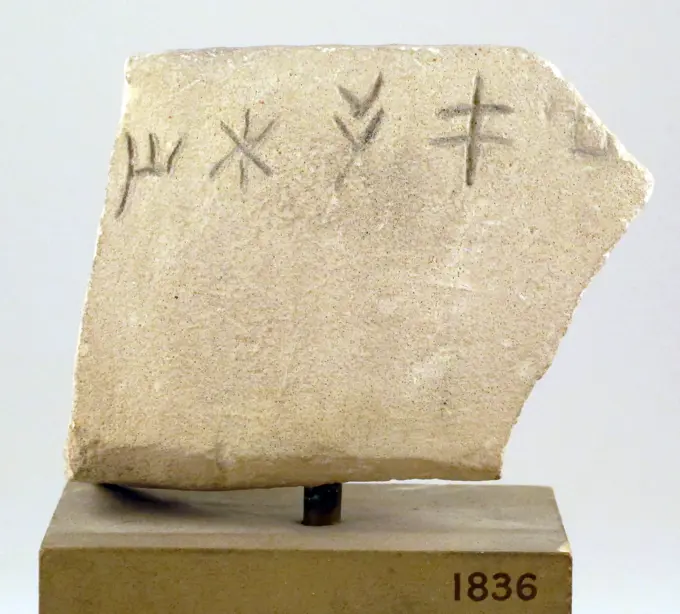
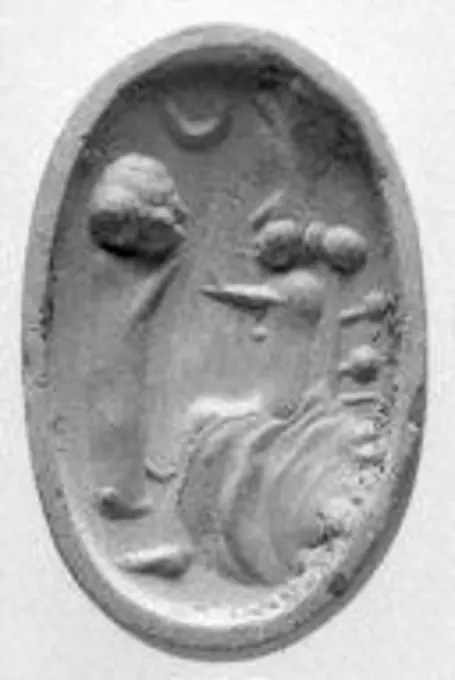
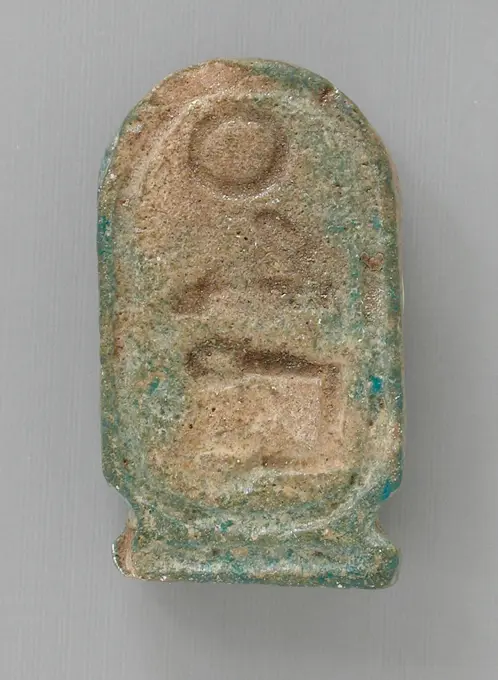
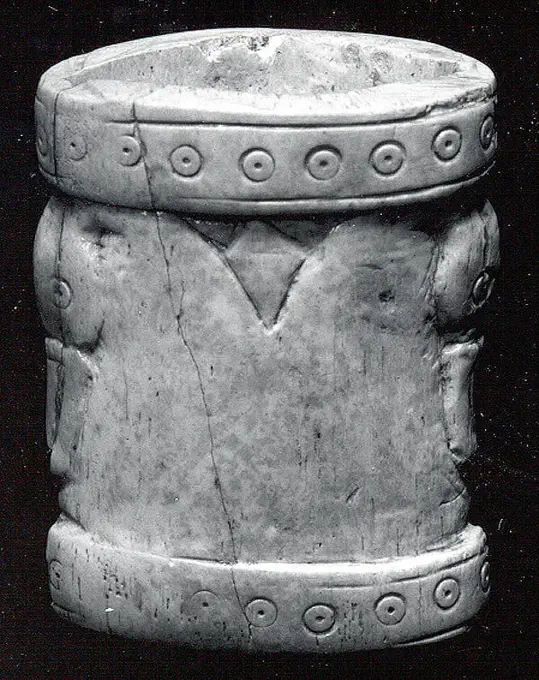
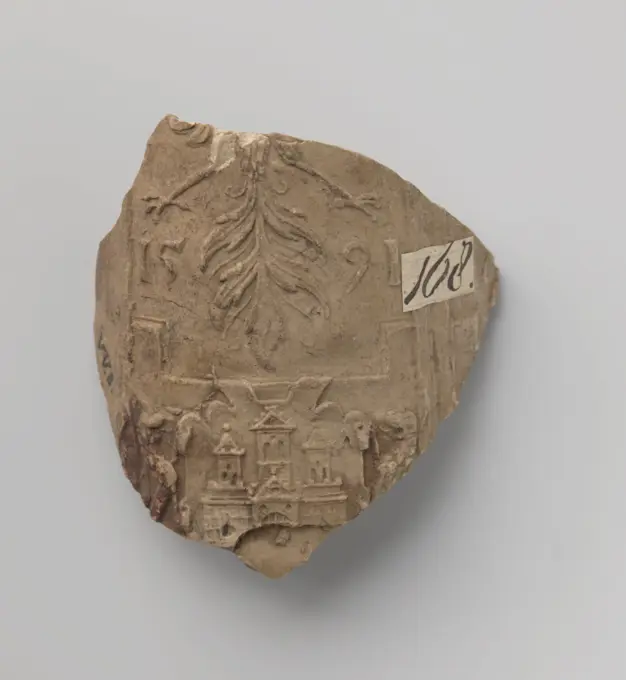
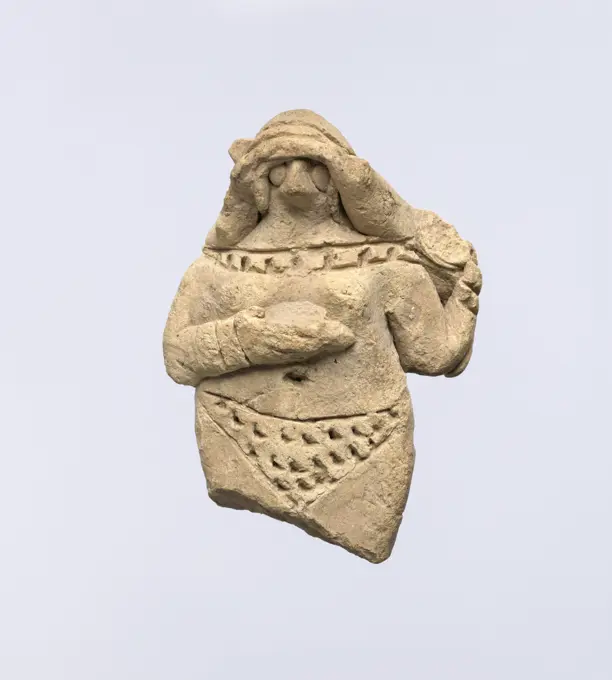
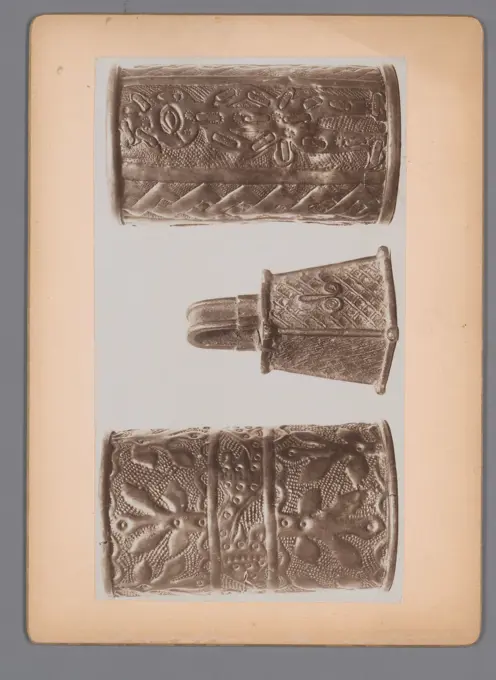
Sealing ca. 1981-1640 B.C. Middle Kingdom. Sealing 560313Hearing stone with men's head and the letters V i in Lauwerkrans, c. 1575 - c. 1625 Hearing stone with men's head and the letters V i in Lauwerkrans, placed in profiled window. A double -headed eagle in the half windows on the sides. The half windows on the top and bottom are filled with half medallions with star motif. Southern Netherlands earthenware Hearing stone with men's head and the letters V i in Lauwerkrans, placed in profiled window. A double -headed eagle in the half windows on the sides. The half windows on the top and bottom are filled with half medallions with star motif. Southern Netherlands earthenwareFoundation Deposit Plaque with the Throne Name of Ramesses III ca. 1184-1153 B.C. New Kingdom, Ramesside. Foundation Deposit Plaque with the Throne Name of Ramesses III. ca. 1184-1153 B.C.. Faience. New Kingdom, Ramesside. From Egypt. Dynasty 20Sealing Middle Kingdom ca. 1981-1640 B.C.Funerary Cone ca. 1550-1295 B.C. New Kingdom. Funerary Cone. ca. 1550-1295 B.C.. Pottery. New Kingdom. From Egypt, Upper Egypt, Thebes. Dynasty 18Umajjadzizhimzpanii, ʻabdalaḥmāni(138172ah=AD755788)/hišāmI(172180ah=Ad788796)/alḥakamI(180206ahID796822),Dirham(fragm.),[AlAndalus,[755822ABDAlRAMold with Cartouche of Ramses III (throne name). Egypt, New Kingdom, 20th Dynasty, reign of Ramses III (1198 - 1166 BCE). Tools and Equipment; molds. TerracottaMagical Figure. Dimensions: H. 7 cm (2 3/4 in.); W. 3.5 cm (1 3/8 in.). Dynasty: Dynasty 13-SIP. Date: ca. 1802-1550 B.C..These tablets of unfired clay with attached crude faces were found as a group by the Museum's excavators at Lisht South in loose surface sand west of the mastaba of Senwosretankh, a high official and possibly the architect of the pyramid complex of Senwosret I (ca. 1961-1917 B. C.), east of which he erected his own very elaborate mastaba tomb (see acc. nos. 33.1.2 and other pieces). The mud figures and little coffin (acc. no. 33.1.66) that had contained some of them must have been buried, however, considerably later than the early twelfth dynasty tomb close to which they were found. In fact, during the thirteenth and following dynasties people deposited a number of objects in the by then sacred area around a legendary ruler's pyramid and its dependant monuments, believing conceivably that potent magical powers could thus be released. These flat mud figures, for insStamp-cylinder seal (with loop handle) with hunting scene ca. 8th-7th century B.C. Urartian. Stamp-cylinder seal (with loop handle) with hunting scene. Urartian. ca. 8th-7th century B.C.. Limestone or calcite (). Iron Age II. UrartuFunerary Cone ca. 1550-1295 B.C. New Kingdom. Funerary Cone. ca. 1550-1295 B.C.. Pottery. New Kingdom. From Egypt, Upper Egypt, Thebes. Dynasty 18Arm at wrist, Aten cartouches ca. 1353-1336 B.C. New Kingdom, Amarna Period. Arm at wrist, Aten cartouches 549676Semi -round fire brick with the coat of Keizer Charles V, Anonymous, 1600 - 1650 Half of broken semicircular fire brick with the weapon of Emperor Charles V. White chalked. Southern Netherlands earthenware Half of broken semicircular fire brick with the weapon of Emperor Charles V. White chalked. Southern Netherlands earthenwareFunerary Cone of the King's Son of Kush Merymose ca. 1550-1295 B.C. New Kingdom. Funerary Cone of the King's Son of Kush Merymose. ca. 1550-1295 B.C.. Pottery. New Kingdom. From Egypt, Upper Egypt, Thebes. Dynasty 18Sealing fragment ca. 2030-1640 B.C. Middle Kingdom. Sealing fragment. ca. 2030-1640 B.C.. Clay (unfired). Middle Kingdom. From Egypt, Memphite Region, Lisht South, South of the tomb of Imhotep, north of the royal causeway, MMA excavations, 1930-31. Dynasty 12-13Cuneiform tablet impressed with seals: administrative document inscribed in Achaemenid Elamite ca. 500 B.C. Achaemenid This tongue-shaped clay tablet is round on one side and straight on the other. An Elamite cuneiform text covers much of the surface; impressions of cylinder seals appear on the reverse and flat sides of the tablet. The impression on the reverse shows a hero holding a winged lion creature on either side of him by its hind leg. The impression on the flat side is difficult to make out, but may show a bearded man with long hair.The Elamite text reads:60 rams, 75 ewes, 20 intermediate (yearling) ewes, 25 male lambs, 25 female lambs:altogether 205 head of small livestock, alive(as/for?) allocation by Hindušbalance of the 21st year.This tablet was excavated at Qasr-i Abu Nasr, an archaeological site at Shiraz, Iran in 1935. In form, shape, and language, it closely resembles the tablets of the Persepolis Fortification Archive, a vast archive of over 15,000 tablets discoveredFunerary Cone of the Chief Steward of the King Meryre ca. 1550-1295 B.C. New Kingdom This cone has the impression of a stamp seal inscribed for a man named Meryre who was chief steward of the king. For a drawing of this impression see http://www.funerarycones.com/, number 262.. Funerary Cone of the Chief Steward of the King Meryre Funerary Cone of the Chief Steward of the King Meryre ca. 1550-1295 B.C. New Kingdom This cone has the impression of a stamp seal inscribed for a man named Meryre who was chief steward of the king. For a drawing of this impression see http://www.funerarycones.com/, number 262.. Funerary Cone of the Chief Steward of the King Meryre. ca. 1550-1295 B.C.. Pottery. New Kingdom. From Egypt, Upper Egypt, Thebes. Dynasty 18Coin 8th-13th century. Coin 457404Highstone with representation of the two -headed eagle between the columns of Hercules, c. 1550 - c. 1600 Highstone with representation of the two -headed eagle between the columns of Hercules. Southern Netherlands earthenware Highstone with representation of the two -headed eagle between the columns of Hercules. Southern Netherlands earthenwareSealing ca. 2030-1640 B.C. Middle Kingdom. Sealing 546590Sealing ca. 7th century A.D. Sasanian. Sealing 323376Hearing stone with men's head and the letters V i in Lauwerkrans, c. 1575 - c. 1625 Hearing stone with men's head and the letters V i in Lauwerkrans, placed in profiled window. A double -headed eagle in the half windows on the sides. The half windows on the top and bottom are filled with half medallions with star motif. Southern Netherlands earthenware Hearing stone with men's head and the letters V i in Lauwerkrans, placed in profiled window. A double -headed eagle in the half windows on the sides. The half windows on the top and bottom are filled with half medallions with star motif. Southern Netherlands earthenwareFunerary Cone of the Overseer of the Seal Min ca. 1550-1295 B.C. New Kingdom This funerary cone is stamped with the impression of of a seal inscribed for a man named Min who was overseer of the seal. Funerary cones were used to decorate the facades of private tombs in western Thebes and multiple examples were made (see 15.2.47, .72; 15.10.39, .40; 28.3.31; 30.6.6). For a drawing of this impression see http://www.funerarycones.com/, number 499.. Funerary Cone of the Overseer of the Seal Min Funerary Cone of the Overseer of the Seal Min ca. 1550-1295 B.C. New Kingdom This funerary cone is stamped with the impression of of a seal inscribed for a man named Min who was overseer of the seal. Funerary cones were used to decorate the facades of private tombs in western Thebes and multiple examples were made (see 15.2.47, .72; 15.10.39, .40; 28.3.31; 30.6.6). For a drawing of this impression see http://www.funerarycones.com/, number 499.. Funerary Cone of the Overseer of the Seal Min. ca. 1550-Document Sealing ca. 1390-1353 B.C. New Kingdom. Document Sealing. ca. 1390-1353 B.C.. Mud. New Kingdom. From Egypt, Upper Egypt, Thebes, Malqata, West Villas, West Villa B, MMA excavations, 1910-12. Dynasty 18Fragment of the tile with a stamp imprint;  beginning of the second century (100-00-00-125-00-00);Female Head. UnknownFragment of a large vessel;  nichellenistic (0-00-00-0-00-00);The collection of ancient EgyptHighstone with representation of the two -headed eagle between the columns of Hercules, c. 1550 - c. 1600 Highstone with representation of the two -headed eagle between the columns of Hercules. Southern Netherlands earthenware Highstone with representation of the two -headed eagle between the columns of Hercules. Southern Netherlands earthenwareFireplace with image. Fireplace with the weapons of Liège and Bourbon separated by a candelab to me the year 1611 and the letters LG. Found in 1863 at the Roermond station.Fireplace with a weapon .. Hours with weapon and a cardinal hat.Sealing ca. 1981-1640 B.C. Middle Kingdom. Sealing 560316Fragment of a terracotta plaque. Culture: Greek, Cretan. Dimensions: 3 1/2 in x 4 in. (8.8 cm x 10.1 cm). Date: 7th century B.C..Upper body of a warrior carrying a shield (device, ram's head); arm and part of a spear. Museum: Metropolitan Museum of Art, New York, USA.Tabliczka klinowa z pokwitowaniem. nieznany urzędnik babiloński, authorTombstone ornament, Museum in Clonmacnoise Monastery, County Offaly, Leinster, Republic of Ireland, EuropePlate before 15th century South Highlands (). Plate 312251Sealing ca. 2030-1640 B.C. Middle Kingdom. Sealing 546558Mold with Cartouche bearing Birth Name of King Siptah. Egypt, New Kingdom, 19th Dynasty, reign of Siptah (1215 - 1209 BCE), years 2-6 of his reign (1214-1210 BCE). Tools and Equipment; molds. TerracottaFunerary Cone of Amenemopet called Tjanefer ca. 1550-1352 B.C. New Kingdom The end of this funerary cone has the impression of a round stamp seal inscribed for a man named Amenemopet (Amen-em-opet) who was also known as Tjanefer (Tja-nefer). He was a scribe of accounts of the grain of Amun, the principal god of ancient thebes. Amenemopet also had the title overseer of the fields and was the owner of Theban tomb 297 (TT 297).In 1909, the Museum acquired this cone and two others with the same stamp (09.185.12, .17), and in 1915, while excavating an uninscribed tomb near TT 297, Museum archaeologists uncovered five more (15.10.2-.4, .22, .23). The best preserved impression are on cones 15.10.2 and 15.10.23. (CHR). Funerary Cone of Amenemopet called Tjanefer. ca. 1550-1352 B.C.. Pottery. New Kingdom. From Egypt, Upper Egypt, Thebes, Sheikh Abd el-Qurna. Dynasty 18Cylinder Seal. Mesopotamia, 2500-1500 B.C.. Tools and Equipment; seals. StoneCoin uncertain, probably 488-590. Coin 457328Red Ware Pithos Fragment. UnknownNear East. Mesopotamia. Sumer. Archaic document. End of the 4th -beginning of the 3rd mill. BC. The State Hermitage Museum. Saint Petersburg. Russia.Decorative Roundel 12th-13th century Italian. Decorative Roundel 463195Funerary Cone ca. 1550-1295 B.C. New Kingdom. Funerary Cone. ca. 1550-1295 B.C.. Pottery. New Kingdom. From Egypt, Upper Egypt, Thebes. Dynasty 18Fragment with fish motif, kiln waster, 1st century BCE - 1st century CE, 2 15/16 x 6 3/16 x 6 in. (7.46 x 15.72 x 15.24 cm), Sukhothai ware Glazed ceramic, Thailand, 1st century BCE - 1st century CEUnattributed Trebizond Coin. UnknownSeal Impression with Shri Lakshmi Lustrated by Elephants (Gaja-Lakshmi). India, Bihar, Basarh, 5th century. Tools and Equipment; seal impressions. Ocher terracottaHearing stone with two lions in windows, anonymous, c. 1600 - c. 1625 Hearing stone with representation of two climbing lions in windows. The lave and quarter windows at the top and bottom are filled with a stylized floral pattern. Incomplete year ... 6 ... 1 .... Southern Netherlands earthenware Hearing stone with representation of two climbing lions in windows. The lave and quarter windows at the top and bottom are filled with a stylized floral pattern. Incomplete year ... 6 ... 1 .... Southern Netherlands earthenwareFemale Head. UnknownAmuletal form - eye thigh;  664-332 BC ; Half period (-664-00-00--332-00-00);Scenes.gal.eg., Eyes of pretense, purchase (provenance)Coin 8th-9th century. Coin. 8th-9th century. Copper. Excavated in Iran, Nishapur. CoinsCylinder seal ca. 13th-12th century B.C. Cypriot. Cylinder seal 321429Fragment wazy. warsztat nubijski, workshopFireplace with presentation of two climbing lions, placed in two windows. Fireplace with presentation of two climbing lions, placed in two windows.Mold of a Small Bust; Tarentum (Taras), South Italy, Europe; 350 - 340 B.C; Terracotta; 5.7 cm (2 1,4 in.)Document Sealing ca. 1390-1353 B.C. New Kingdom. Document Sealing. ca. 1390-1353 B.C.. Mud. New Kingdom. From Egypt, Upper Egypt, Thebes, Malqata, King's Palace, West magazine, MMA excavations, 1910-12. Dynasty 18Glazed fireplace. Glazed fireplace. The stone belongs to six equal stones (BK-NM-1642 to BK-NM-1648).A fragment of the udder of the vessel;  6,000 BC (-6000-00-00--5001-00-00);The collection of the ancient EastCoin A.H. 144/ A.D. 761. Coin. A.H. 144/ A.D. 761. Copper. Excavated in Iran, Nishapur. CoinsCoin 718-814. Coin. 718-814. Copper. Excavated in Iran, Nishapur. CoinsVotive Plaque 15th-17th century Tibet (Central Asia). Votive Plaque. Tibet (Central Asia). 15th-17th century. Clay. SculptureUnattributed Trebizond Coin. UnknownEngraved Gem. UnknownCylinder seal ca. 18th-17th century B.C. Syrian. Cylinder seal 327186Selection of scarabs depicting the goddess Ma'at as a component of the throne name of King Amenhotep III. From the 14th century.Gable seal 4000-3500 B.C.. Gable seal 321454Stamp Roller 9th-15th century Manteño. Stamp Roller. Manteño. 9th-15th century. Ceramic. Ecuador. Ceramics-ImplementsRelief Fragment with Rosette and Lotus Design 6th-7th century Coptic. Relief Fragment with Rosette and Lotus Design. Coptic. 6th-7th century. Ivory. Made in Byzantine Egypt. IvoriesTrimming, Medium: silk and metallic thread, Galloon with design of curving stem with flowers, leaves and fruit; furnishing trim, France, mid-19th century, trimmings, TrimmingPottery Fragment with Inscription. Culture: Coptic. Dimensions: Overall: 3 7/8 x 2 13/16 x 1 in. (9.8 x 7.2 x 2.6 cm). Date: 4th-7th century. Museum: Metropolitan Museum of Art, New York, USA.Cylinder seal ca. 16th-15th century B.C. Syrian. Cylinder seal 325832Coin probably 8th-9th century. Coin 457641Stamp seal (bull-shaped) with animal second half of 8th - 7th century B.C. Assyrian. Stamp seal (bull-shaped) with animal. Assyrian. second half of 8th - 7th century B.C.. Brecciated green, black, and beige Steatite. Neo-Assyrian. MesopotamiaTerracotta glazed bowl fragment ca. A.D. 20-70 Roman Greenish-yellow fragment of glazed bowl with raised leaf and rod pattern around shoulder.. Terracotta glazed bowl fragment. Roman. ca. A.D. 20-70. Terracotta; Central Gaulish glazed ware. Early Imperial, Julio-Claudian. VasesPara from Tunisia of Sultan Ahmed Vi Mohammed Khan, c. 1750 - c. 1850 coin Silver rectangular mint. Front: four -line inscription in Arabic letters. Reverse: five -line inscription in Arabic letters. Tunisia silver (metal) striking (metalworking)Marble cippus with Phoenician inscription ca. 362-312 B.C. Cypriot. Marble cippus with Phoenician inscription 241847Relief fragment, tomb of Meketre ca. 1981-1975 B.C. Middle Kingdom. Relief fragment, tomb of Meketre 562135Sealing ca. 1850-1750 B.C. Middle Kingdom. Sealing 560337Cuneiform tablet case impressed with four cylinder seals in Assyrian and Anatolian styles, for cuneiform tablet 66.245.17a: loan of silver ca. 20th-19th century B.C. Old Assyrian Trading Colony Kültepe, the ancient city of Kanesh, was a powerful and cosmopolitan city located in northern Cappadocia in central Anatolia. During the early second millennium B.C., it became part of the network of trading settlements established across the region by merchants from Ashur (in Assyria in northern Mesopotamia). Travelling long distances by donkey caravan, and often living separately from their families, these merchants traded vast quantities of tin and textiles for gold and silver in addition to controlling the copper trade within Anatolia itself. Although the merchants adopted many aspects of local Anatolian life, they brought with them Mesopotamian tools used to record transactions: cuneiform writing, clay tablets and envelopes, and cylinder seals. Using a simplified version of the elaborate cuWall Pocket (Switzerland); linenBox, inscribed Cypriot Fragment of a stone box with Cypriot inscription, dedicated to the Lady of Paphos.. Box, inscribed. Cypriot. Limestone. Cesnola InscriptionsStamp seal (grooved oval base with ribbed handle) with cultic scene 7th - 6th century B.C. Assyro-Babylonian. Stamp seal (grooved oval base with ribbed handle) with cultic scene. Assyro-Babylonian. 7th - 6th century B.C.. Neutral Chalcedony (Quartz). Neo-Assyrian / Neo-Babylonian. Levant or Mesopotamia ()Bath Scraper 12th-13th century Prolonged exposure to water and steam in a hammams hot rooms loosens dead skin and forces impurities out of the body, which are then wiped or scrubbed away with any number of exfoliating implements, such as a mitt or sponge. A group of ceramic scrapers similar to this one are believed to come from Iran. Their decoration includes a variety of animal, floral, and geometric patterns, suggesting customers could select their own designs.. Bath Scraper 447933A fragment of a magic wand illustrating a frog headed deity ca. 1981-1640 B.C. Middle Kingdom. A fragment of a magic wand illustrating a frog headed deity 557436Rectangular plaque seal ca. 3100-2900 B.C.. Rectangular plaque seal 326902Cylinder seal ca. 15th-13th century B.C. Cypriot. Cylinder seal 321420Hearing stone with representation of two climbing lions, c. 1875 - c. 1900 Hearing stone with representation of two climbing lions, placed in profiled window. The half windows at the top and bottom are filled with arrow pattern. Glazed. Netherlands earthenware vitrification Hearing stone with representation of two climbing lions, placed in profiled window. The half windows at the top and bottom are filled with arrow pattern. Glazed. Netherlands earthenware vitrificationDouble-sided Molded Faience Amulet with Illegible King's Name. Egypt, New Kingdom (1569 - 1081 BCE). Jewelry and Adornments; amulets. FaienceStatuette of a Goddess. UnknownFragment of a Sarcophagus with the Head of a Boar. UnknownHandle with two heads of ducks ca. 9th-8th century B.C. Assyrian This object was found in Fort Shalmaneser, a royal building at Nimrud that was used to store booty and tribute collected by the Assyrians while on military campaign. Many thousands of pieces of carved ivory, probably used as furniture decoration or luxury objects, were excavated from storage rooms in the building. While not as common, carved shell and bone items were also stored at Fort Shalmaneser. This roughly cylindrical object was carved from a piece of bone and decorated with back to back ducks heads in relief, with bills pointing down and held close to the breast. A circle with drilled dot at the center marks each ducks eye, and the motif is repeated as a border of circles and dots at the top and bottom. A hole runs through the piece lengthwise, perhaps for inserting a tang that belonged to the implement for which this served as part of a decorated handle.. Handle with two heads of ducks 325570Fragment of a 'schnelle' tankard with a coat of arms, anonymous, c. 1591 - c. 1610 Fragment of a jug (schnelle) of stoneware. On the shard in relief a part of a weapon with an eagle and below that a castle flanked by Leeuwen. In the profession of eagle the inscription '1591'. Siegburg. Siegburg stoneware. glaze vitrification Fragment of a jug (schnelle) of stoneware. On the shard in relief a part of a weapon with an eagle and below that a castle flanked by Leeuwen. In the profession of eagle the inscription '1591'. Siegburg. Siegburg stoneware. glaze vitrificationSherd Iran ca. 2700-2500 BCE This sherd is made of a buff clay, with brown painted decoration. It is typical of Namazga IV ceramics from Turkmenistan, dating to ca. 2700-2500 B.C. It was excavated in 1937 at a prehistoric site in the vicinity of Nishapur in northeastern Iran. While Nishapur itself was founded by the Sasanian king Shapur I (reigned ca. A.D. 241-272), this sherd shows that human habitation there goes back to the prehistoric period. Furthermore, the prehistoric pottery from Nishapur has close affinities with ceramic materials from Central Asia rather than with contemporary sites in Iran, meaning that in this period its inhabitants were likely culturally linked to their neighbors to the east. At the same time, Nishapurs location on what later became known as the Great Khorasan Road suggests that it was part of the trade network that facilitated the import of precious stones such as lapis lazuli, carnelian and turquoise from Central Asia to Mesopotamia. View more. Sherd. IFigurine ca. 2100-2000 B.C. Neo-Sumerian. Figurine. Neo-Sumerian. ca. 2100-2000 B.C.. Ceramic. Ur III. Mesopotamia, NippurEngraved Gem, Roman Empire; 2nd - 4th century; Indeterminate, basaltic stone; 2.5 x 2 x 0.6 cm (1 x 13,16 x 1,4 in.)Female Head. UnknownHandle ca. 1st century B.C.-1st century A.D. Roman. Handle 324196Fragment of a funerary monument from the Basilica of St Severin in Cologne, Germany, c. 1050. Limestone. Schnu_tgen Museum. Cologne, Germany.Fragment of a terracotta antefix (roof tile). Culture: Etruscan. Dimensions: 6 3/4 x 11 7/8 in. (17.09 x 30.2 cm). Date: late 6th century B.C..Head of a woman with diadem. Museum: Metropolitan Museum of Art, New York, USA.Hairstone with the Weapon Spell Plus Oltre from Karel V, 1590 Hearing stone with the weapon spell plus Oltre from Karel V and accompanied by the year 1590 (). Southern Netherlands earthenware Hearing stone with the weapon spell plus Oltre from Karel V and accompanied by the year 1590 (). Southern Netherlands earthenwareTwo arm rings and a bell from Bronze, Anonymous, 1880 - 1940 photograph   baryta paper. cardboard  bell ~ acoustic signalling. bracelet, wristlet