Ancient Egyptian Artifacts

Historical fragments from ancient Egypt, including seal impressions and document sealings, showcasing inscriptions and artistic details from the New Kingdom.

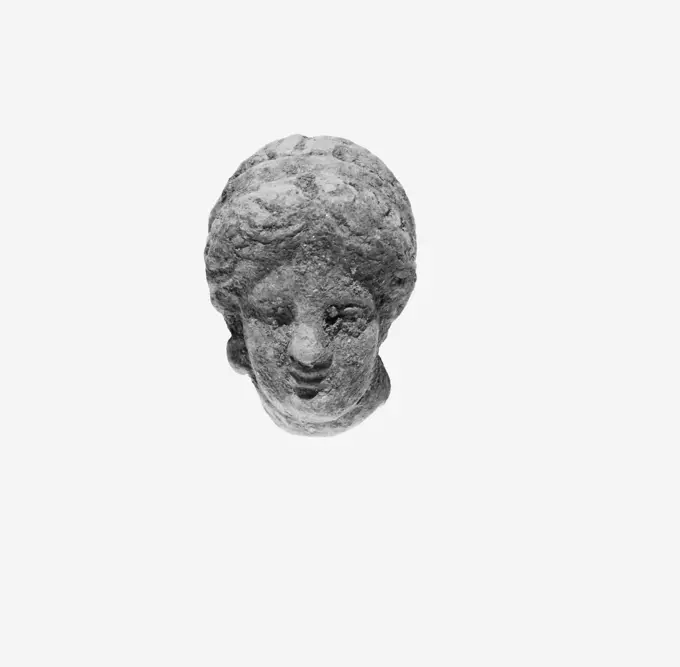
Female Head. Unknown
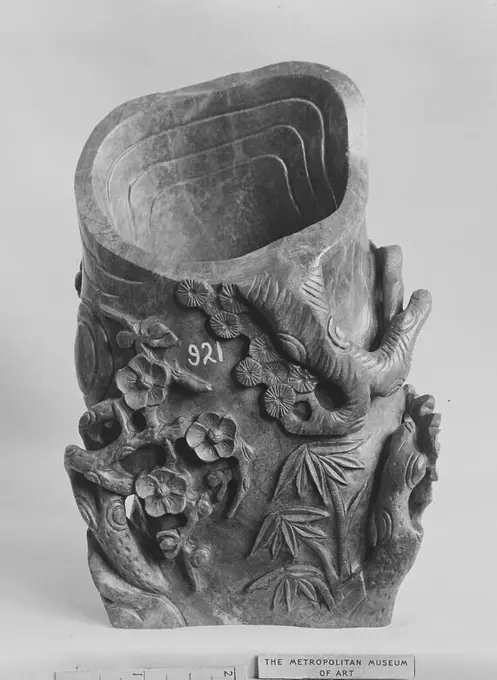
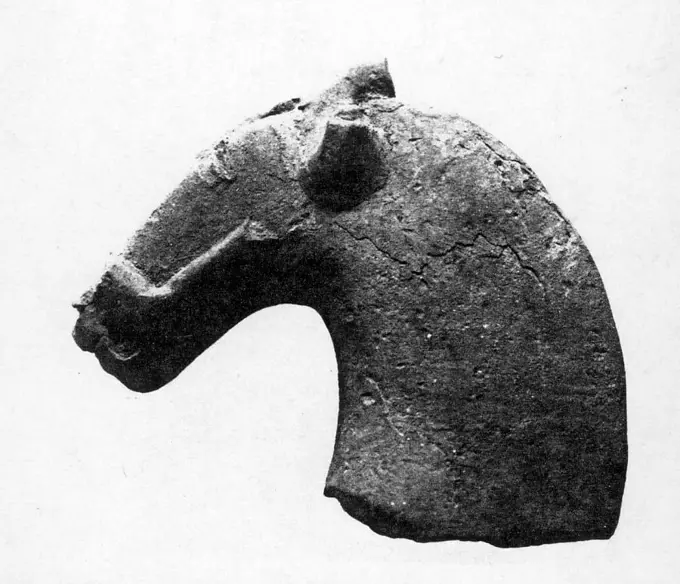
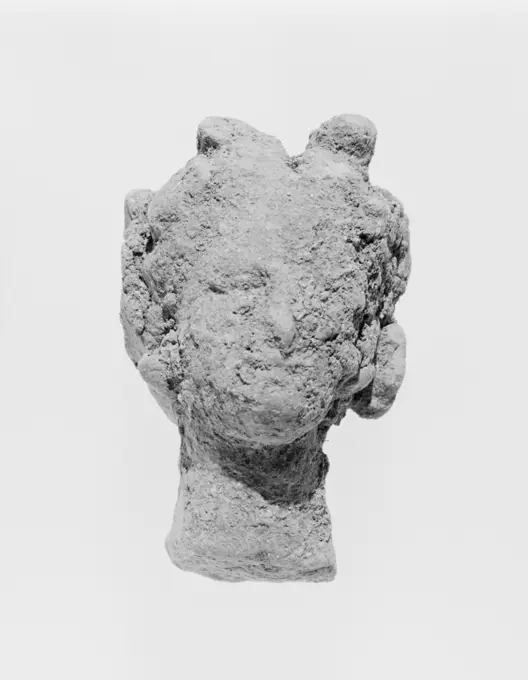
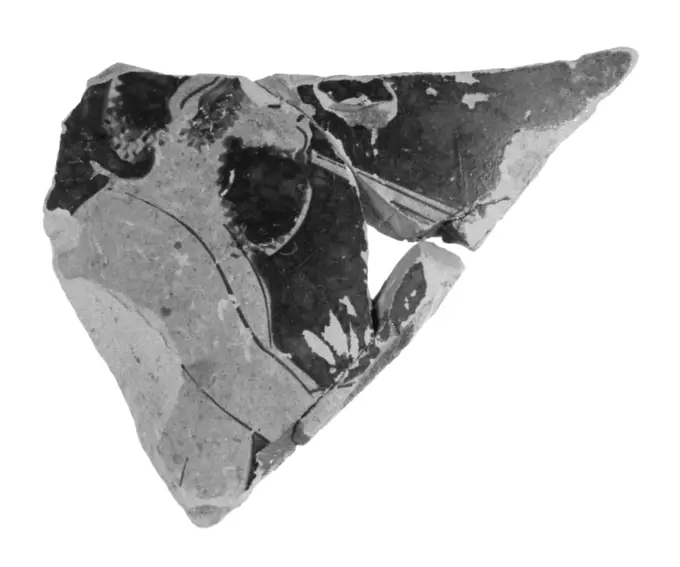
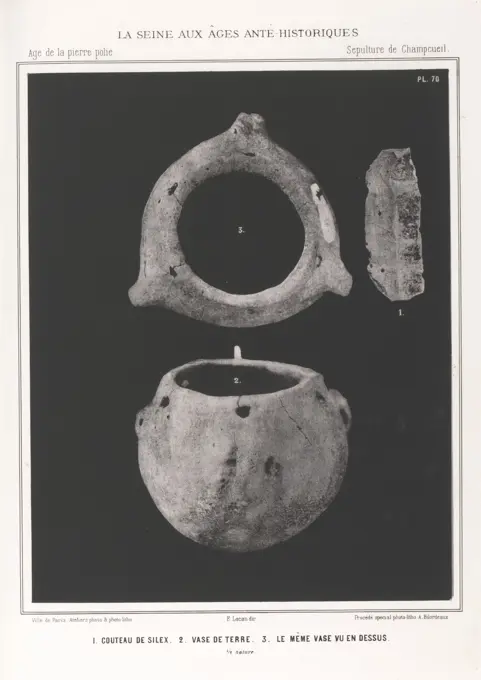
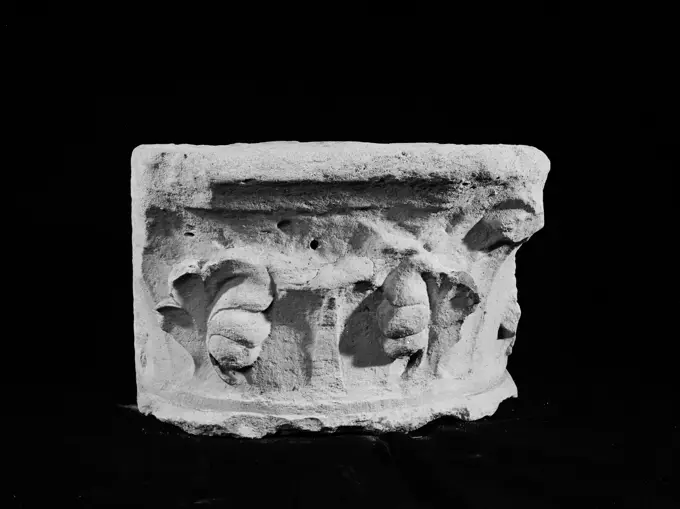
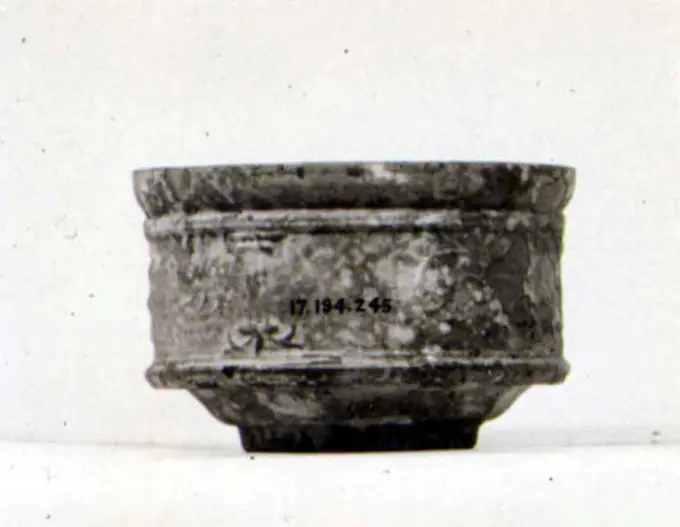
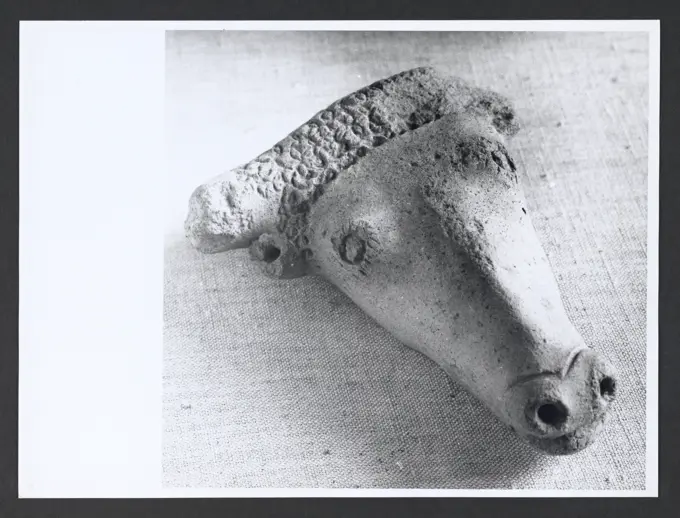
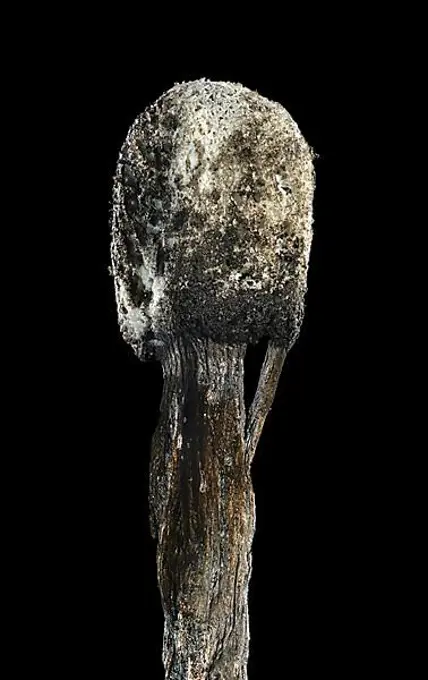
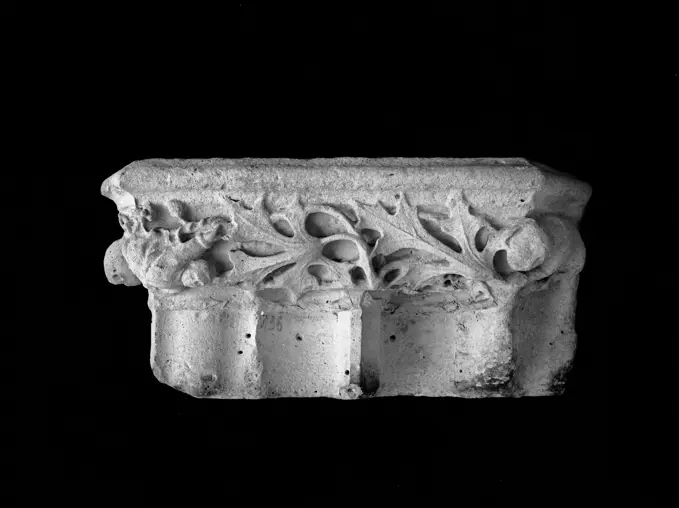
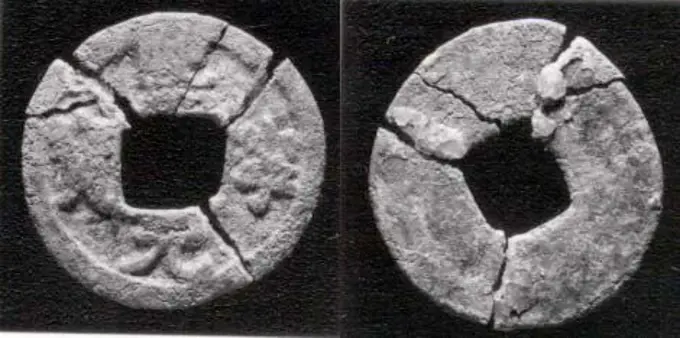
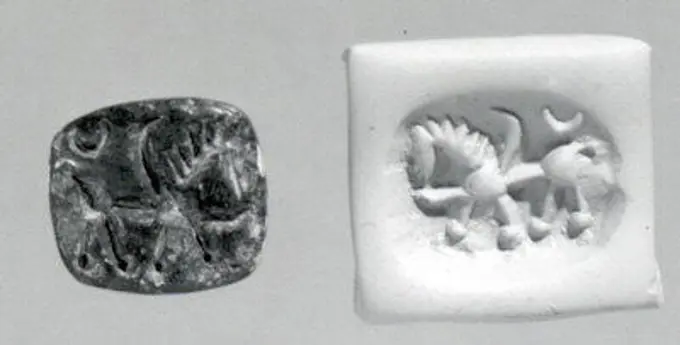
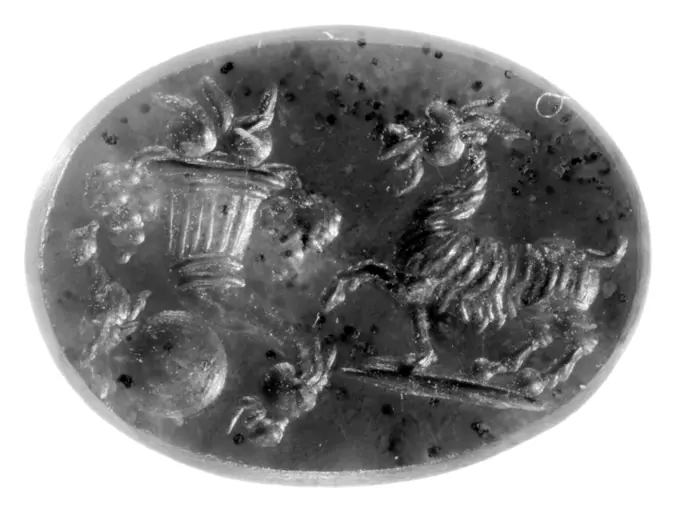
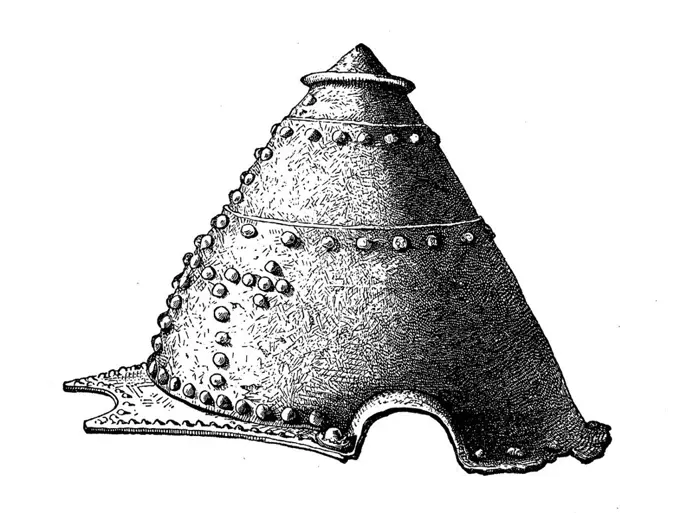
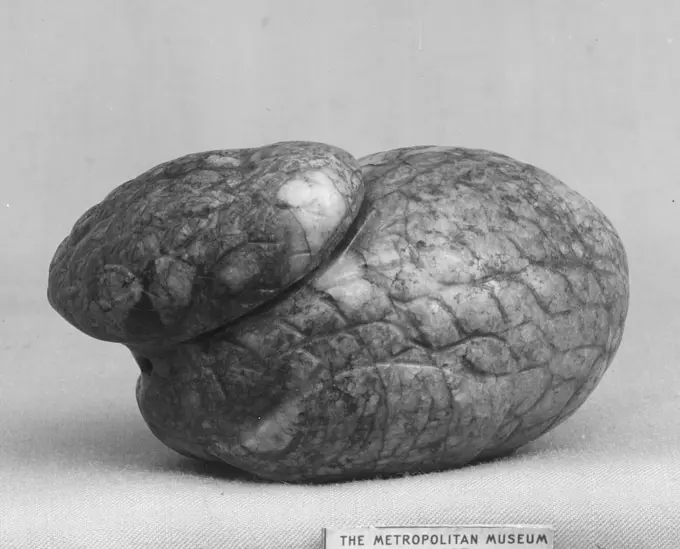
Sword handle 6th century Japan. Sword handle 60129Vase. Culture: China. Dimensions: H. 6 1/8 in. (15.6 cm). Date: 18th century. Museum: Metropolitan Museum of Art, New York, USA.Undecorated Base Fragment. UnknownJar stopper ca. 2051-2000 B.C. Middle Kingdom. Jar stopper. ca. 2051-2000 B.C.. Mud. Middle Kingdom. From Egypt, Upper Egypt, Thebes, Deir el-Bahri, Tomb MMA 101, MMA excavations, 1926-27. Dynasty 11Coin dated A.H. 181/ A.D. 797. Coin. dated A.H. 181/ A.D. 797. Copper. Excavated in Iran, Nishapur. CoinsSweden, Blekinge, Blekinge, Karlskrona, Karlskrona, external marina (depicted, town).Sweden, Blekinge, Blekinge, Karlskrona, Karlskrona, External War Gogs (depicted, City)Head with Melon Coiffure and Wreath. UnknownFragment of a Horse's Head 1st-5th century India. Fragment of a Horse's Head 38751Head with Melon Coiffure and Wreath. UnknownAttic Red-Figure Bell-Krater Fragment (comprised of 5 Joined Fragments). UnknownCuneiform tablet: unidentified fragment ca. late 1st millennium B.C.. Cuneiform tablet: unidentified fragment 321846Harness or bridle ornament () ca. 9th century B.C. Iran. Harness or bridle ornament () 326211Thule circulatory tank.Thule (depicted - name)Head with Wreath. UnknownFragmenary statuette of kneeling King Shabaqo ca. 712-698 B.C. Third Intermediate Period. Fragmenary statuette of kneeling King Shabaqo 544879Sweden, Blekinge, Blekinge, Karlskrona, Karlskrona, external marina (depicted, town).Sweden, Blekinge, Blekinge, Karlskrona, Karlskrona, External War Gogs (depicted, City)Lacan, E., Ville de Paris, Bilordeaux, Adolphe, Flint knife and two views of a pottery vase, recto - printed, photomechanical print, page, photos, photographically illustrated books, Procédé spécial photo-litho. A. Bilordeaux, 1, 2 nature, PL.70, 1. COUTEAU SILEX. 2. VASE DE TERRE. 3. LE MÊME VASE VU EN DESSUS., height 239 mm, width 189 mm, photographer, 1864 - 1869, paper, photolithography, French, 1807 - 1870, cliché maker, printer, supervisionCoin 5th-14th century. Coin. 5th-14th century. Copper. Excavated in Iran, Nishapur. CoinsSweden, Blekinge, Blekinge, Karlskrona, Karlskrona, external marina (depicted, town).Sweden, Blekinge, Blekinge, Karlskrona, Karlskrona, External War Gogs (depicted, City)Bell early 2nd century Italian (Ancient Roman). Bell 502511Stamp seal fragment: unicorn and incense-burner (), inscription ca. 2600-1900 B.C. Indus. Stamp seal fragment: unicorn and incense-burner (), inscription 324064Saucer. Culture: Korea. Dimensions: Diam. 4 5/8 in. (11.7 cm). Date: 13th century. Museum: Metropolitan Museum of Art, New York, USA.Sealing ca. 1981-1640 B.C. Middle Kingdom. Sealing 560406Female Head Fragment. UnknownHalf-Chapiteau decorated with disseminmetric leaves from the Hotel des Archeveques de Reims, XIII CENTURY (Cat 137) Anonymous. Half-capital decorated with disseminated leaves from the Hotel des Archbishus de Reims, 13th century (Cat 137). Pierre.Figure of Qebehsenuef. Dimensions: H. 8.8 cm (3 7/16 in.); W. 3.7 1 7/16 in.); D. 2.1 cm (13/16 in.). Dynasty: Dynasty 21. Date: ca. 990-970 B.C..This set of roughly-made figurines (25.3.155a-d) were found inside the mummy of Henettawy, a wealthy woman who lived during Dynasty 21. Each of the figurines represents one of the Four Sons of Horus, minor deities who protected the four internal organs that were removed during mummification. In Dynasty 21, when these figures were made, the Egyptians embalmed the lungs, liver, stomach, and intestines separately and then returned them to the body. Each organ was usually wrapped with a small wax or mud figure representing the son of Horus who protected it. Thus, the baboon-headed Hapy was wrapped with the lungs; the human-headed Imsety was wrapped with the liver; the jackal-headed Duamutef was wrapped with the stomach; and the hawk-headed Qebehsenuef was wrapped with the was wrapped with the intestines.Figure 25.3.155d represents Qebehsenuef, Whistle late 19th century Mexican. Whistle 501840Ring from buckle Japan. Ring from buckle 60127Silver pendant ring with scarab 6th-5th century B.C Cypriot Lotus design about a sacred beetle.. Silver pendant ring with scarab 243583Belt fragments ca. 9th century B.C. Iran. Belt fragments 324990libre. Location: -Sin documentar.Sweden, Blekinge, Blekinge, Karlskrona, Karlskrona, external marina (depicted, town).Sweden, Blekinge, Blekinge, Karlskrona, Karlskrona, External War Gogs (depicted, City)Campania Caserta Capua Museo Campano25. Hutzel, Max 1960-1990 Medieval: Byzantine architectural fragments; parchment fragments with miniatures (12th century) from Montecassino; painted wooden crucifix (13th century); Carolingian crucifixes; Bishop's miter (11th century) of gold and silver damask; fresco (13th century). Post-medieval: Architecture (15th century). Formerly the Palazzo Antignano. Unusual Catalan/Moorish-style portal; Paintings on panel and canvas (15th-18th centuries); marble intarsia (16th century); marble sculpture: busts of Christ and Mary (17th century); sculpture of saints in marble and in wood (15th century); painted and gilded sculpture in wood; marble grave sculpture (16th century); sarcophagus with allegorical carvings; gold reliquary "Rosa d'Oro"; crucifix made of elephant tusk Specific Location: Pianterreno Antiquities: Italic sculpture (seated women holding babies); inscription. Photo campaign #1: 533 photos. Roman relief and sculpture; cinerary urns; Greek anGlass cup 1st century A.D. Roman Opaque light blue.Plain unworked vertical rim, with everted, convex curving shoulder below; vertical side to cylindrical body; S-shaped undercurve; low base ring and slightly convex bottom. Three vertical mold seams run down sides through columns from rim to lower ridge, with a separate cup-shaped base section.On body, continuous central frieze bordered above and below by single prominent horizontal ridges, comprising three vertically-fluted columns with capitals and bases alternating with three disks decorated with radiating swirls; on bottom, base ring surrounding two fine concentric circles around edge and small dot in relief at center.Intact, but large weathered chip in rim; some pitting, dulling and iridescence, and much of surfaces covered in thick creamy brown weathering.. Glass cup. Roman. 1st century A.D.. Glass; blown in a four-part mold. Early Imperial, Julio-Claudian. GlassFunerary Cone of the Overseer of the Cattle of Amun Tjata ca. 1550-1295 B.C. New Kingdom This cone has the impression of a stamp seal inscribed for a man named Tjata who was overseer of the cattle of the god Amun. For a drawing of this impression see http://www.funerarycones.com/, number 106.. Funerary Cone of the Overseer of the Cattle of Amun Tjata Funerary Cone of the Overseer of the Cattle of Amun Tjata ca. 1550-1295 B.C. New Kingdom This cone has the impression of a stamp seal inscribed for a man named Tjata who was overseer of the cattle of the god Amun. For a drawing of this impression see http://www.funerarycones.com/, number 106.. Funerary Cone of the Overseer of the Cattle of Amun Tjata. ca. 1550-1295 B.C.. Pottery. New Kingdom. From Egypt, Upper Egypt, Thebes. Dynasty 18Abdominal Prop ca. 1000-950 B.C. Third Intermediate Period. Abdominal Prop 548258Imitation of the Cover for the Butt End of a Beam. UnknownSnuff Bottle 19th century China. Snuff Bottle 41758Funerary Cone of the Chief of the Medjay Didu ca. 1479-1400 B.C. New Kingdom. Funerary Cone of the Chief of the Medjay Didu. ca. 1479-1400 B.C.. Pottery. New Kingdom. From Egypt, Upper Egypt, Thebes, Khokha, Tomb MMA 828 ( 4), or Tomb TT 200, courtyard rubbish, MMA excavations, 1915. Dynasty 18Sampler 19th century German. Sampler 228608Campania Caserta Capua Museo Campano23. Hutzel, Max 1960-1990 Medieval: Byzantine architectural fragments; parchment fragments with miniatures (12th century) from Montecassino; painted wooden crucifix (13th century); Carolingian crucifixes; Bishop's miter (11th century) of gold and silver damask; fresco (13th century). Post-medieval: Architecture (15th century). Formerly the Palazzo Antignano. Unusual Catalan/Moorish-style portal; Paintings on panel and canvas (15th-18th centuries); marble intarsia (16th century); marble sculpture: busts of Christ and Mary (17th century); sculpture of saints in marble and in wood (15th century); painted and gilded sculpture in wood; marble grave sculpture (16th century); sarcophagus with allegorical carvings; gold reliquary "Rosa d'Oro"; crucifix made of elephant tusk Specific Location: Pianterreno Antiquities: Italic sculpture (seated women holding babies); inscription. Photo campaign #1: 533 photos. Roman relief and sculpture; cinerary urns; Greek anBurnt match head, symbolic image of burn-out, Germany, EuropeLabret. Culture: Mexico (Hill of Texcotzingo). Dimensions: H. 1 1/16 in. (2.7 cm); W. 9/16 in. (1.5 cm); L. 5/16 in. (0.8 cm). Museum: Metropolitan Museum of Art, New York, USA.Flamboyant marquee at the monkey from the Cloister of Saint-Merri, late the 15th century of the 16th century (Cat. 27) Anonymous. Flamboyant marquee at the monkey from the Cloister of Saint-Merri, end of the 15th century-early sixteenth century (Cat. 27). Pierre.Lampka. unknown, authorFemale Head Fragment. UnknownWeight ca. 1981-1640 B.C. Middle Kingdom. Weight. ca. 1981-1640 B.C.. Alabaster. Middle Kingdom. From Egypt, Memphite Region, Lisht North, Cemetery, MMA excavations, 1920-22. Dynasty 12-13Coin ca. A.D. 1068-77 Chinese. Coin 323504Funerary Cone of Sheshonq 664-525 B.C. Late Period. Funerary Cone of Sheshonq. 664-525 B.C.. Pottery. Late Period. From Egypt, Upper Egypt, Thebes, Deir el-Bahri, Egypt Exploration Fund excavations. Dynasty 26Stamp seal (pyramid) with monster ca. 9th-7th century B.C. Syro-Anatolian-Levantine. Stamp seal (pyramid) with monster. Syro-Anatolian-Levantine. ca. 9th-7th century B.C.. Steatite. Iron Age II. Northern Syria or southeastern AnatoliaAbruzzo, L'Aquila, S. Giuliano (L'Aquila environs), Museo, Italy, 20th century, photo, photography, EuropeLid with dragon 1st-2nd century China. Lid with dragon 48322Limestone cippus of Philokypros. Culture: Roman, Cypriot. Dimensions: H.: 17 1/2 x 10 3/8 in. (44.5 x 26.4 cm). Date: ca. 2nd-3rd century A.D..The Greek inscription reads: "Good Philokypros, farewell!". Museum: Metropolitan Museum of Art, New York, USA.Engraved Gem. UnknownFish. Culture: China. Dimensions: 2 5/8 x 1 1/2 in. (6.7 x 3.8 cm). Museum: Metropolitan Museum of Art, New York, USA.Attic Red-Figure Kylix Fragment. UnknownStamp seal ca. 3rd-7th century A.D. Sasanian. Stamp seal. Sasanian. ca. 3rd-7th century A.D.. Hematite. Sasanian. Iran or MesopotamiaMolded Gem. UnknownSeal China. Seal 41017Seven-cup offering bowl. Dimensions: H. 2 1/4 x Diam. 3 1/2 in. (5.7 x 8.8 cm). Date: ca. 17th century B.C.. Museum: Metropolitan Museum of Art, New York, USA.Unknown photographer, beam fragment in Baalbek (without dat.): View. Photo, 20.1 x 20.2 cm (including scan edges) unbek. Fotograf : Gebälkfragment in Baalbek (ohne Dat.)Stove with figures ca. late 5th-early 6th century China. Stove with figures. China. ca. late 5th-early 6th century. Stoneware with green glaze. Southern Dynasties (420-589). Tomb PotteryStamp seal (octagonal pyramid) with deity () second half of 8th - 7th century B.C. Assyro-Babylonian. Stamp seal (octagonal pyramid) with deity (). Assyro-Babylonian. second half of 8th - 7th century B.C.. Banded and flawed blue Chalcedony (Quartz). Neo-Assyrian / Neo-Babylonian. Iran or MesopotamiaStamp seal (ovoid) with animals 9th - 7th century B.C. Syro-Anatolian-Levantine. Stamp seal (ovoid) with animals. Syro-Anatolian-Levantine. 9th - 7th century B.C.. Hematite, black. Iron Age II. Northern Syria or southeastern AnatoliaStamp seal ca. 3rd-7th century A.D. Sasanian. Stamp seal. Sasanian. ca. 3rd-7th century A.D.. Rock crystal. Sasanian. Iran or MesopotamiaStamp seal ca. late 4th century A.D. Sasanian. Stamp seal. Sasanian. ca. late 4th century A.D.. Carnelian. Sasanian. Iran or MesopotamiaChondrodite. minerals. North America; USA; New York; Putnam County; Brewster; Tilly Foster MineStamp seal ca. 3rd-7th century A.D. Sasanian. Stamp seal. Sasanian. ca. 3rd-7th century A.D.. Onyx, sardonyx. Sasanian. Iran or MesopotamiaTomb figure China. Tomb figure 62963Crouching Tiger Figure China. Crouching Tiger Figure 61189Seville, 1958. Carambolo Treasure, pieces of amphorae and charred earth indicating the presence of a burial tomb by incineration.The "Culligan" Diamond, as found on January 26, 1905, in Pretoria, by the Englishman MF Wells. It weighed 3,024 carats 3/4 carats.Temple Bell dated 1762 China. Temple Bell. China. dated 1762. Gilt bronze. Qing dynasty (1644-1911), Qianlong period (1736-95). MetalworkErode hardwood mask, unknown provenance (Cat 244) Anonymous. Eroded hardwood mask, unknown provenance (Cat. 244). Pierre.Bronze helmet of the Corinthian type. Culture: Greek, Corinthian. Dimensions: H. 8 1/2 in. (21.6 cm). Date: late 7th-6th century B.C..This helmet belongs to a group that features very finely executed decorative borders, notably a band of spirals. Museum: Metropolitan Museum of Art, New York, USA.Imperial seal China. Imperial seal 41020Stamp seal (oval conoid) with divine symbols 7th - 6th century B.C. Assyro-Babylonian. Stamp seal (oval conoid) with divine symbols. Assyro-Babylonian. 7th - 6th century B.C.. White Chalcedony (Quartz). Neo-Assyrian / Neo-Babylonian. MesopotamiaSeal China Han dynasty (206 BCE-220 CE)Haniwa Head of Boar 2nd-3rd century Japan. Haniwa Head of Boar 62462Drop bead 30 B.C.-A.D. 364 Roman Period. Drop bead. 30 B.C.-A.D. 364. Agate. Roman Period. From EgyptHelm aus der Zeit von Alfred der Große, 880, gefunden in Oxford, digital restaurierte Reproduktion einer Originalvorlage dem 19. Jahrhundert, DänemarkAnkle Boot. England. Date: 1501-1600. Dimensions: 22.5 × 7.5 × 9 cm (8 7/8 × 2 15/16 × 3 1/2 in.). Leather. Origin: England. Museum: The Chicago Art Institute, Chicago, USA.Female Head with Knidian Coiffure. UnknownSandal, vintage engraved illustration. Dictionary of words and things - Larive and Fleury - 1895.treasure gold set hand drawn. box adventure, illustration vector, money antique treasure gold vector sketch. isolated black illustration. treasure gold set sketch hand drawn vectorButton China. Button. China. Jade. Han dynasty (206 B.C.-A.D. 220). Jade