Ancient Egyptian Artifacts

Fragments of ancient Egyptian reliefs and plaques from varying periods, showcasing intricate carvings and inscriptions from significant tombs and sites.

Goldschmiedeform Goldschmiedeform Copyright: xZoonar.com/BartomeuxBalaguerxRotgerx 22556654
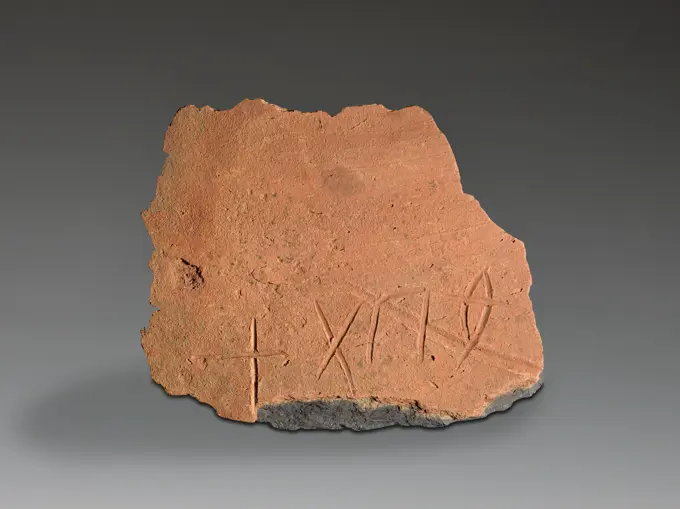
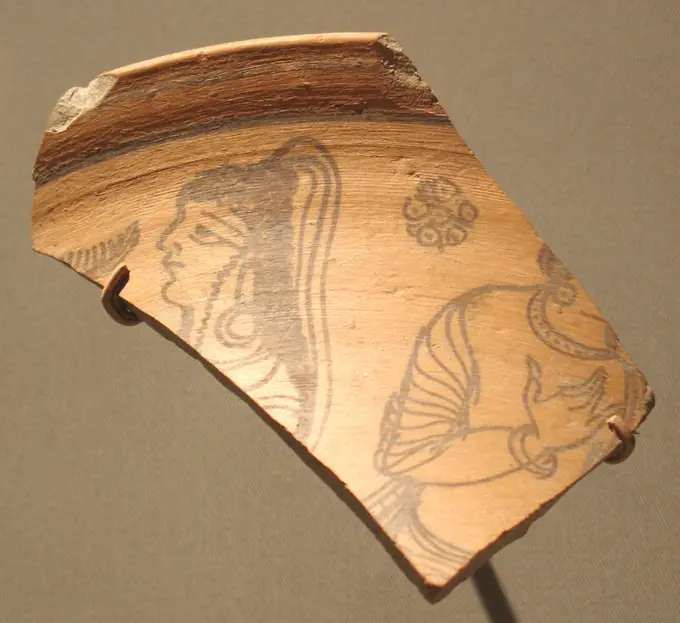
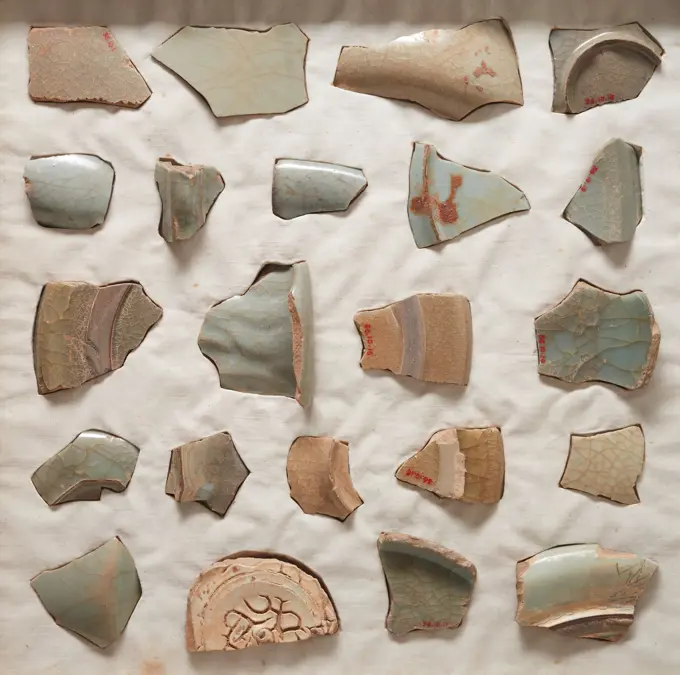
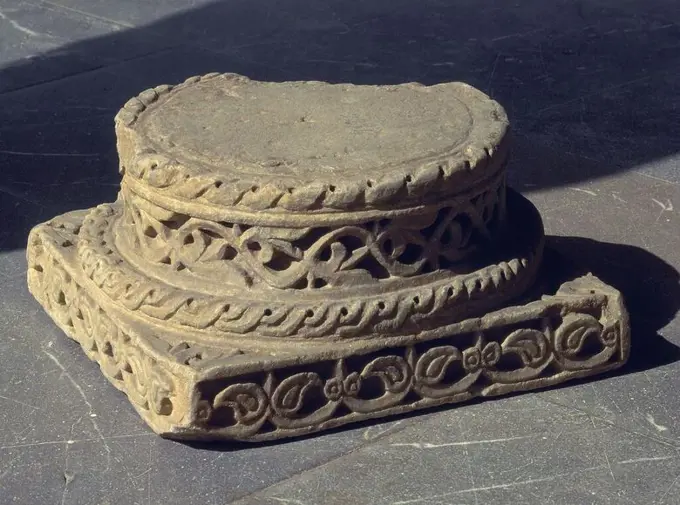
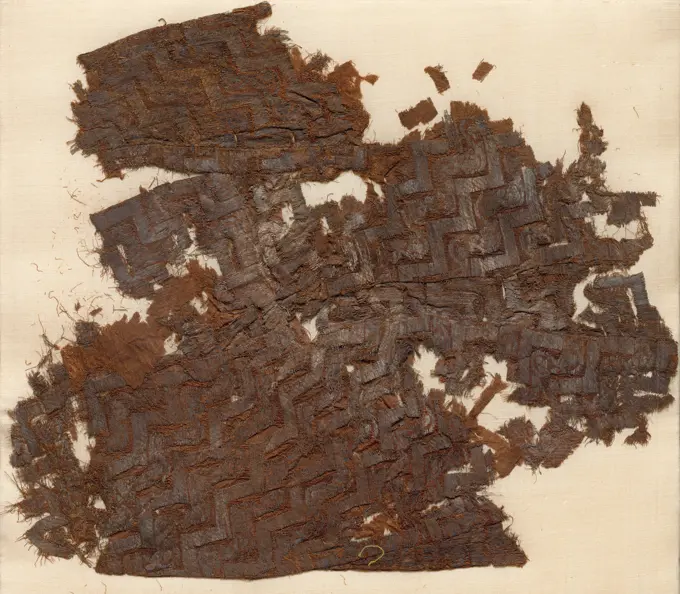
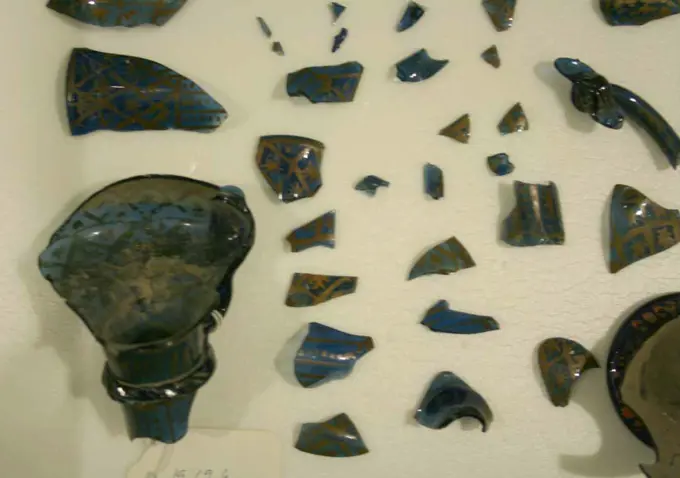
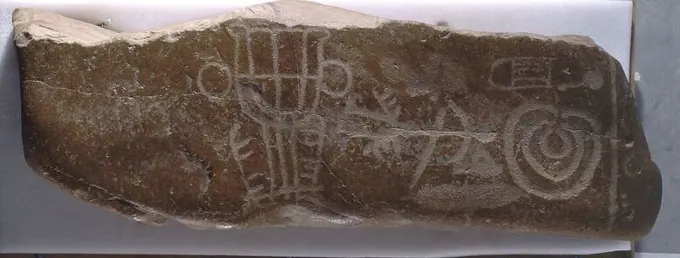
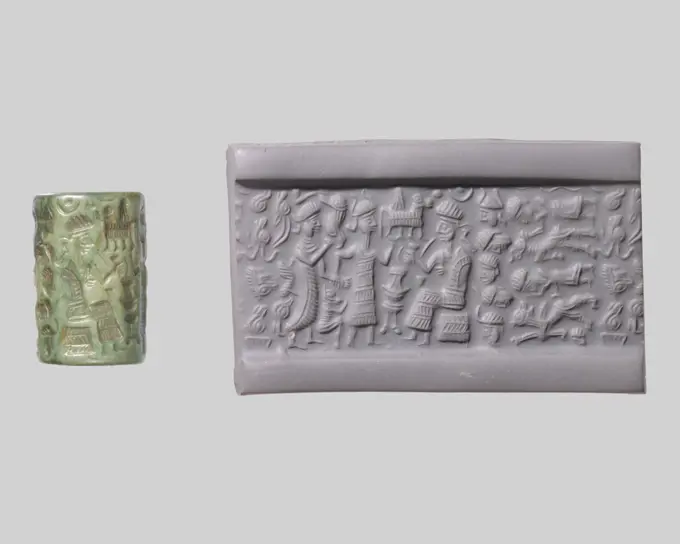
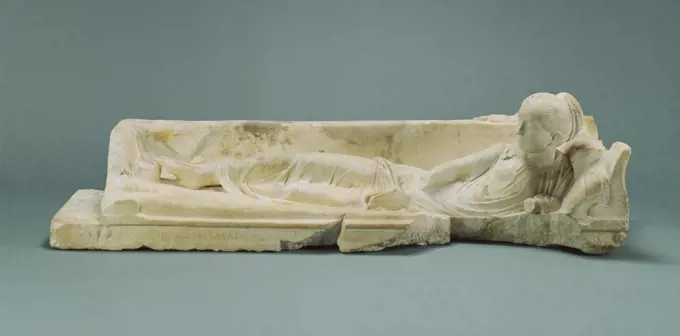
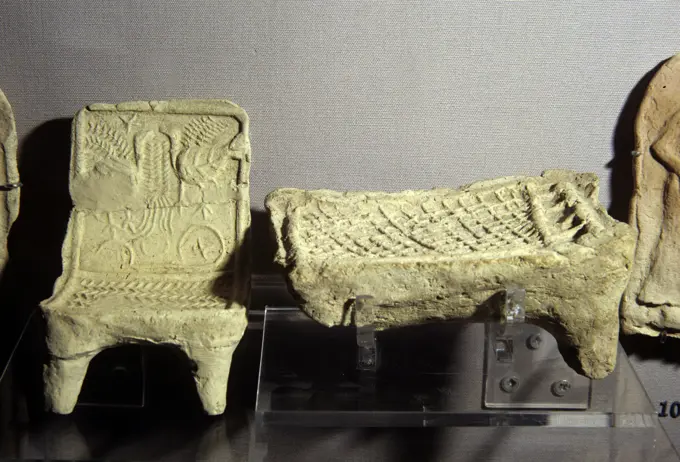
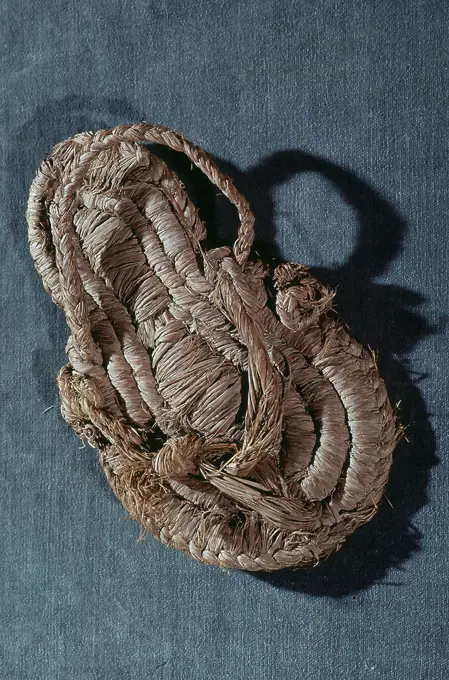
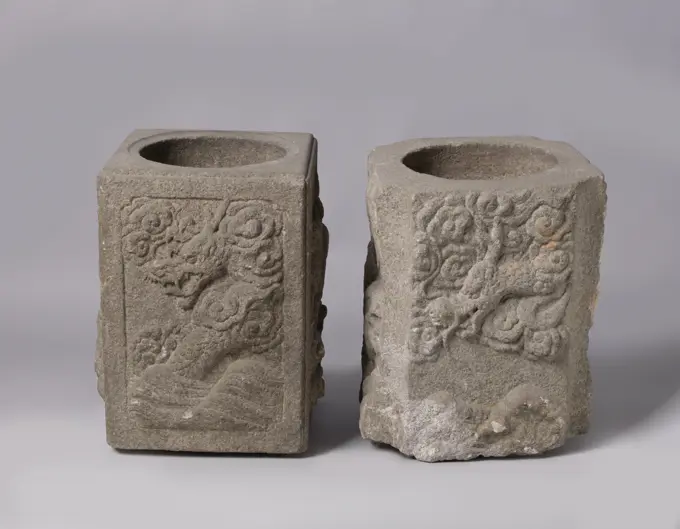
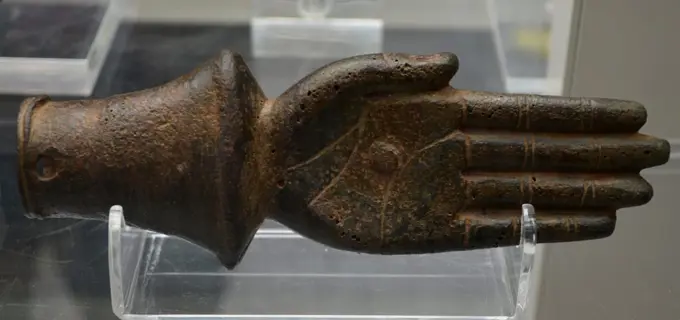
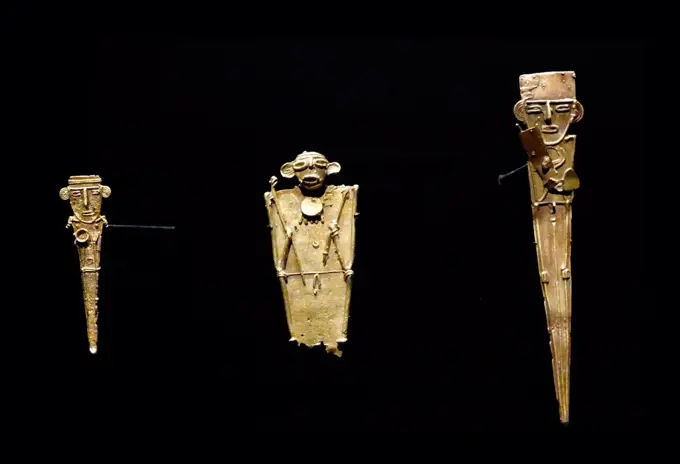
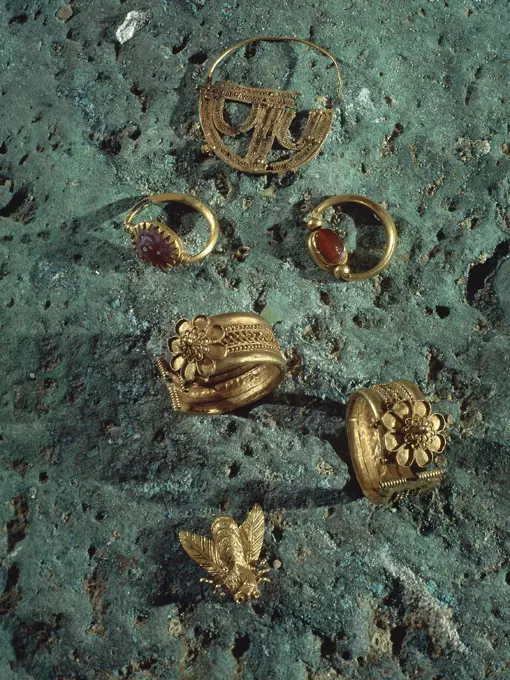
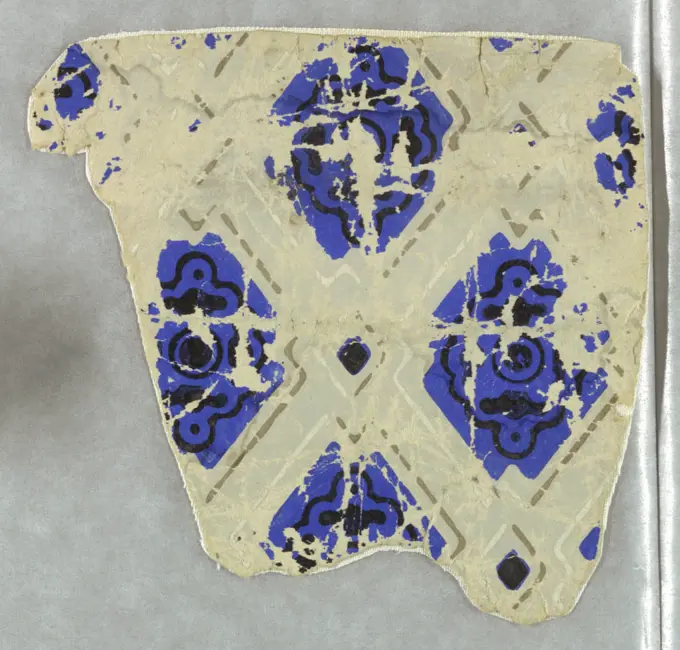
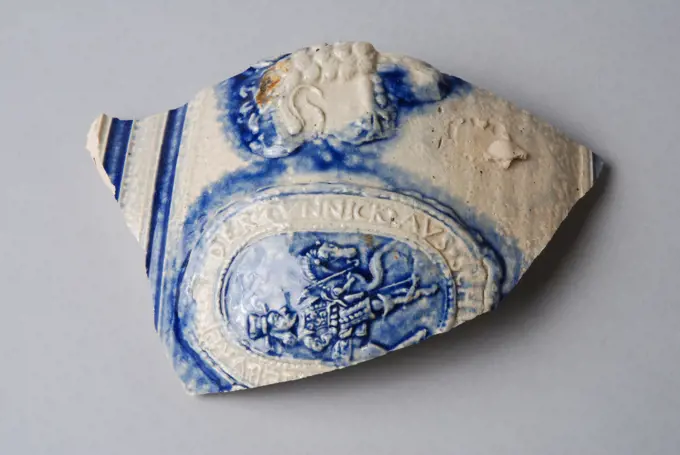
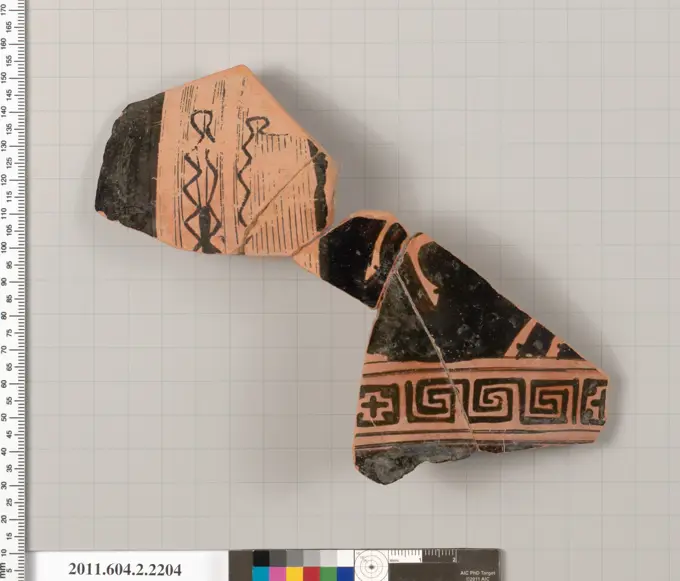
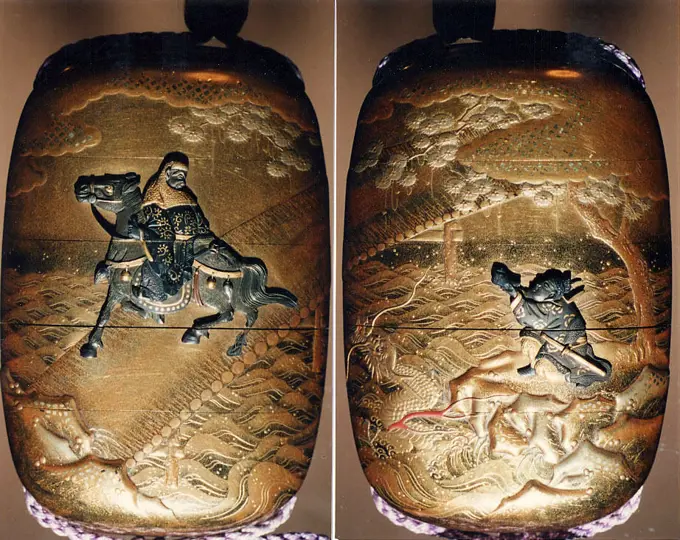
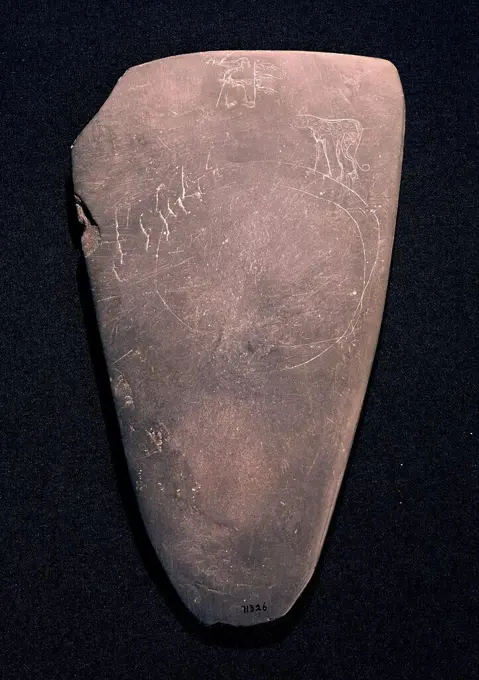
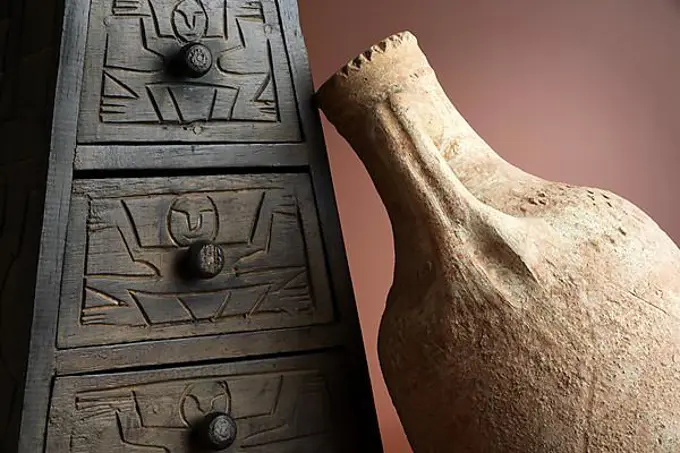
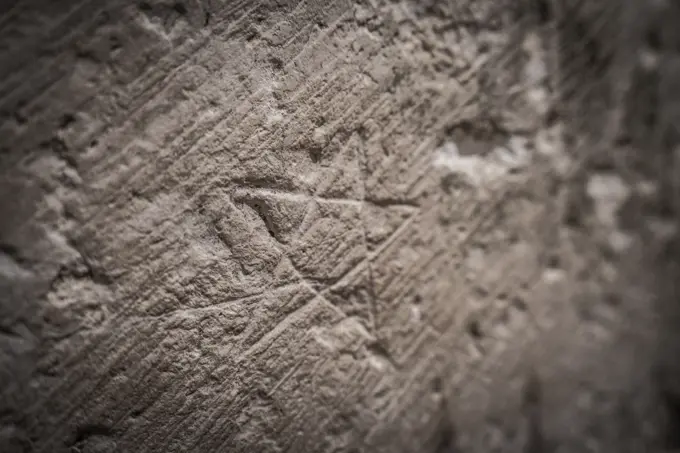
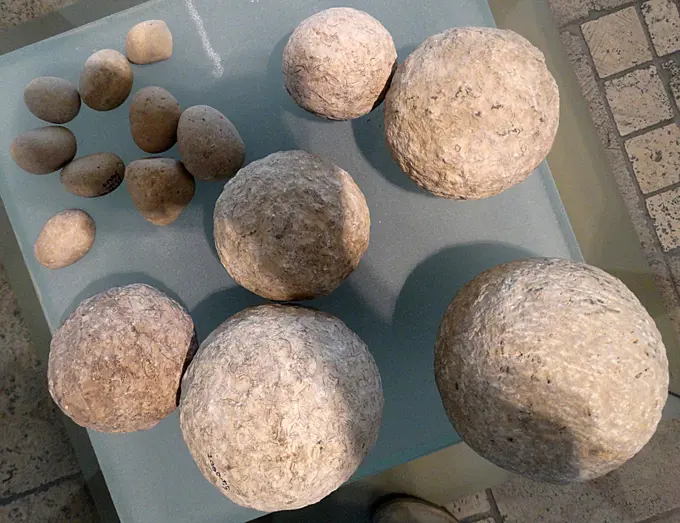
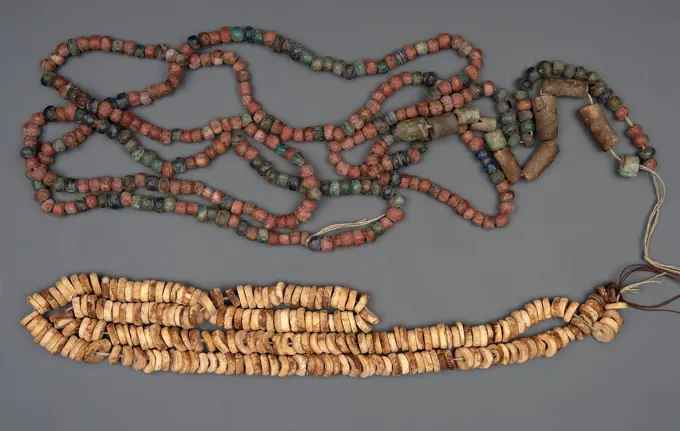
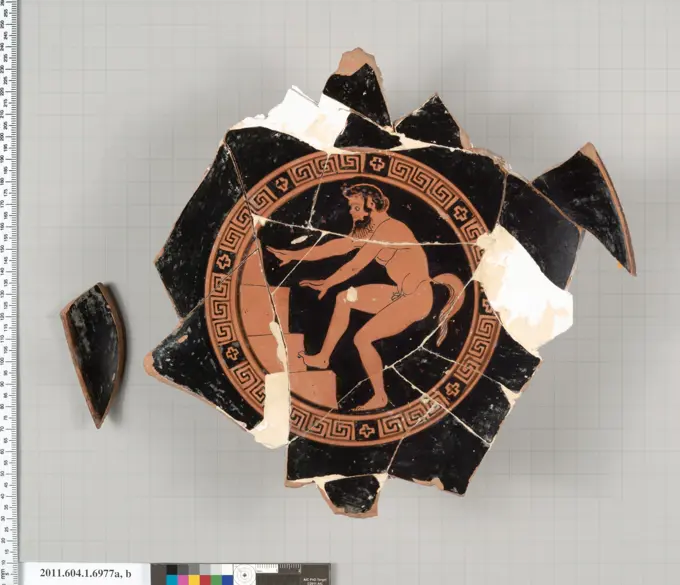
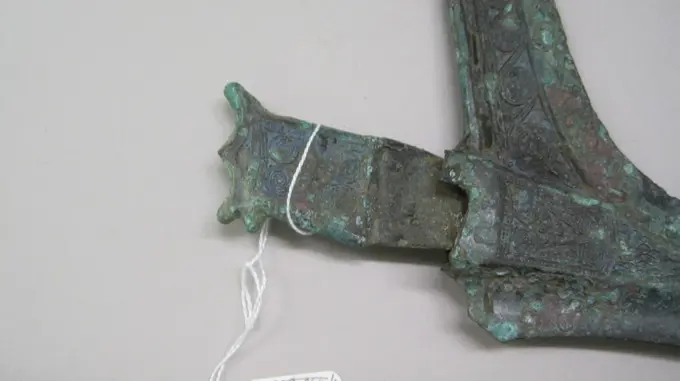
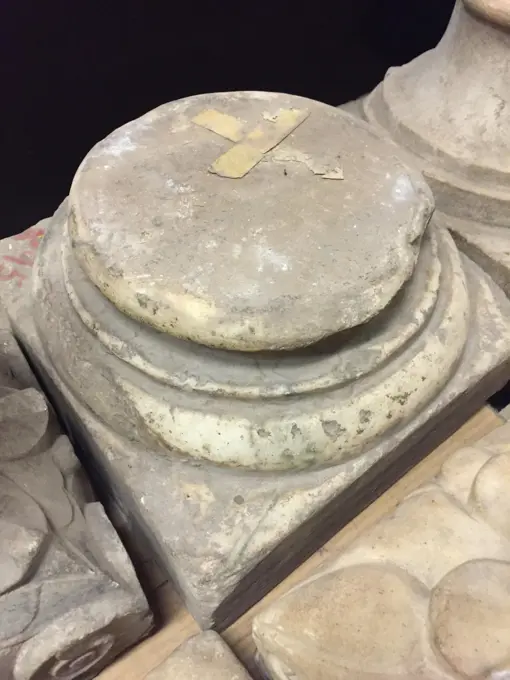
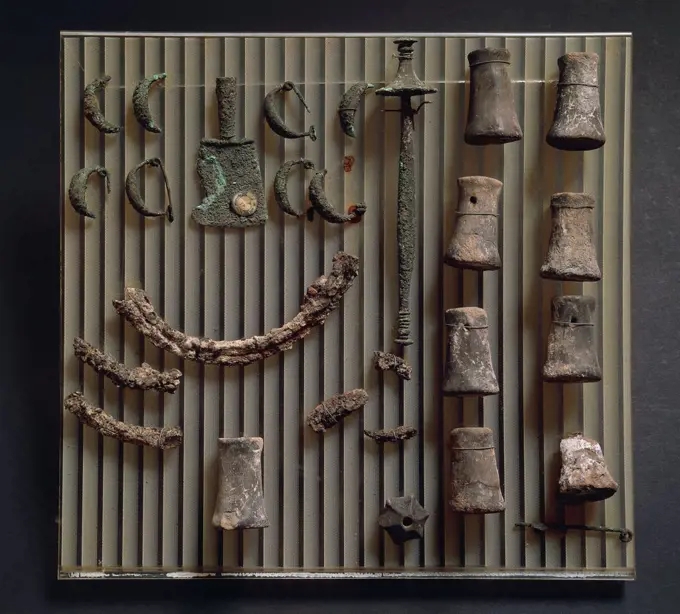
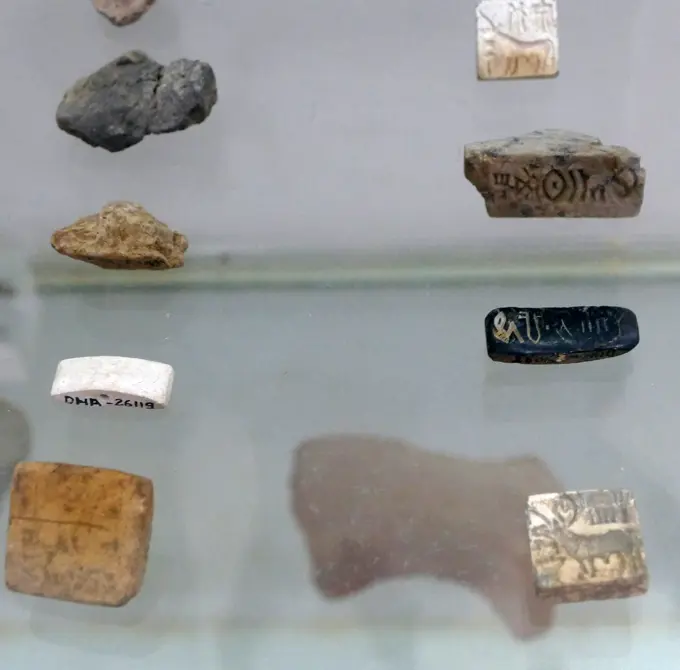
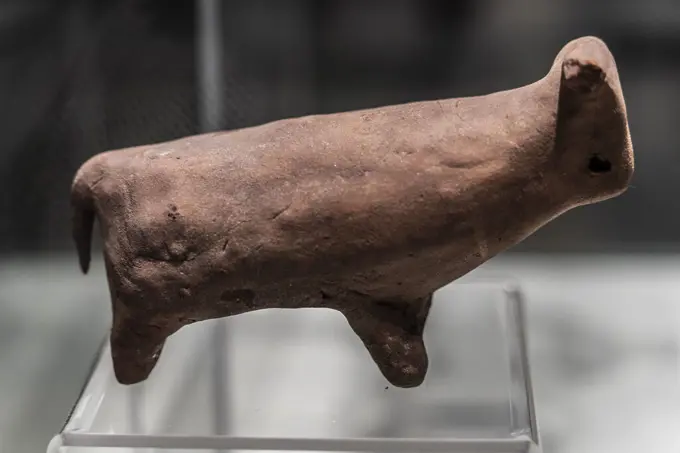
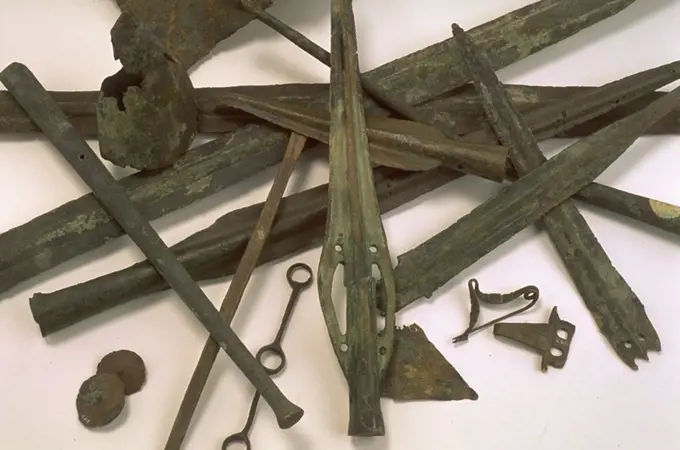
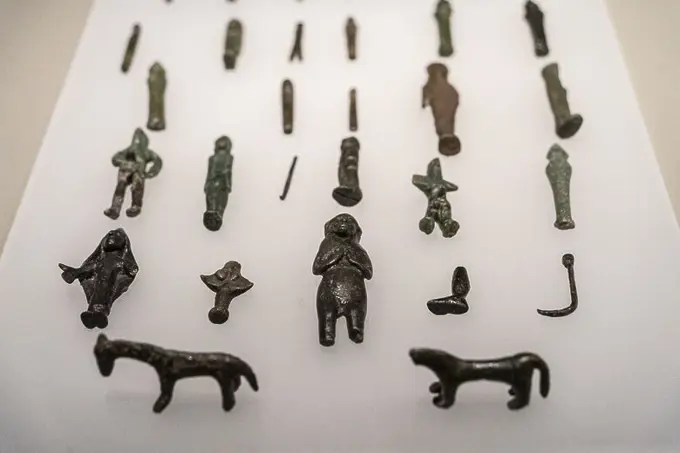
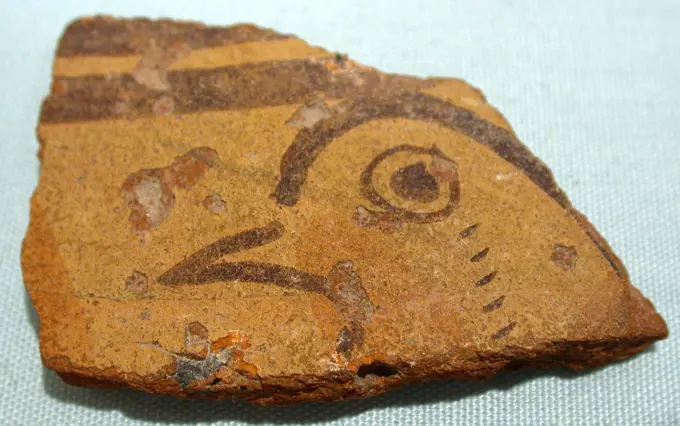
Decorated Jar Fragment 6th-10th century Early Byzantine Charles D. Kelekian purchased this charming ceramic fragment at the age of 5. The first object in his collection, this fragments style, iconography, and materials, is typical of decorated vessels in the Byzantine period of Egypt. Similar pottery types were also produced in Christian Nubia.. Decorated Jar Fragment 329983leuchtet leuchtet Copyright: xZoonar.com/TOLOxBALAGUERx 22568809Belt Hook () Undetermined Inuit. Belt Hook () 312234Fragment of a vessel with inscription; Unknown Nubian workshop; 2. PO. IX-XI century; Classic Christian period (851-00-00-1100-00-00);Michał (Saint), Old Dongola (Sudan), amphora, inscribed ceramics, Nubian ceramics, cryptogram, Nubian vessels, Polish excavations in Old DongolaMORTERO PARA TRITURAR Y EXTRAER METAL PROCEDENTE DE RIOTINTO (HUELVA) - SIGLO VIII AC. Location: MUSEO ARQUEOLOGICO-COLECCION. Sevilla. Seville. SPAIN.Menatse (Box drum) 19th century Native American (Kwakiutl). Menatse (Box drum) 502116Shard with Figural Decoration ca. 4th-5th century Pakistan. Shard with Figural Decoration 44693Fragment, 1127-1279, H.1-1/2 x W.1 in, glazed pottery, China, 12th-13th centuryBowl 12th-13th century. Bowl 445950Bird, before 1500, 7/16 x 1 x 7/16 in. (1.11 x 2.54 x 1.11 cm), Ivory, United States, 15th centuryPrehistory, Italy, Bronze Age. Axes. From Friuli-Venezia Giulia Region.BASA DE CAPITEL HISPANO MUSULMAN. Location: MUSEO ARQUEOLOGICO-COLECCION. CORDOBA. SPAIN.Stamp seal ca. 3rd-7th century A.D. Sasanian. Stamp seal 324983Fragment, before 1968. Unassigned, Probably Modern. overall: 26 x 22.7 cm (10 1/4 x 8 15/16 in.).CULTURA DE LOS CASTROS - COANA. Location: MUSEO ARQUEOLOGICO-COLECCION. Oviedo. ASTURIAS. SPAIN.Ewer probably 18th-19th century. Ewer 447076ESTELA ZARZACAPILLA - PIEDRA (MOJADA). Location: CASA DE CULTURA. DON BENITO. Badajoz. SPAIN.Italy, Pompei: signpost on the pavementCylinder seal and modern impression: goddess leading a worshiper to a seated deity; bull god ca. 20th-19th century B.C. Old Assyrian Trading Colony Although engraved stones had been used as early as the seventh millennium B.C. to stamp impressions in clay, the invention in the fourth millennium B.C. of carved cylinders that could be rolled over clay allowed the development of more complex seal designs. These cylinder seals, first used in Mesopotamia, served as a mark of ownership or identification. Seals were either impressed on lumps of clay that were used to close jars, doors, and baskets, or they were rolled onto clay tablets that recorded information about commercial or legal transactions. The seals were often made of precious stones. Protective properties may have been ascribed to both the material itself and the carved designs. Seals are important to the study of ancient Near Eastern art because many examples survive from every period and can, therefore, help to define chronologiKline Monument with a Reclining Girl; Unknown; 120 - 140; Marble; Object: H: 38 x W: 47 x L: 141 cm (14 15/16 x 18 1/2 x 55 1/2 in.), Couch: H: 26 cm (10 1/4 in.); , Top of head: H: 38 cm (14 15/16 in.)Scribe's cloth 664-332 B.C. Late Period Discovered in the debris from the forecourt of a tomb at Thebes, this group of objects would have belonged to a scribe. Included here are a wooden palette (containing an unused cake of black ink) (a) and three reed brushes (b-d); a skein of thread (e); several sheets of papyrus (h1-3, i); a string to bind the papyrus (f); another stringto tie the papyrus to the palette (g); and linen cloth that had been wrapped around the entire set (j).. Scribe's cloth 552620Historic, Babylon. Babylonian model bed and chair, Ur, 2000-1750 BC, terracottaALPARGATA-FIBRA VEGETAL-SEPULCRO MURCIELAGO,ALBUÑOL(GRANADA) PALEOLITICO. Location: MUSEO ARQUEOLOGICO NACIONAL-COLECCION. MADRID. SPAIN.Anklets, 1800s. India. Silver;top view white stone collectionStone Zoomorphic Figure 11th century Tiwi people (). Stone Zoomorphic Figure 309559Plaque from a bracelet ca. 1390-1352 B.C. New Kingdom. Plaque from a bracelet 554646Garden vase, square with relief decoration on the four sides with, among other things, tigers and dragons ,, 1700 - 1800 Garden vase, part of a few, square. Solid, only spherical eroded at the top. The vase wears a relief decoration on the four sides. On two adjacent sides, a tiger in the midst of bamboo, on the other two adjacent sides, a dragon in the midst of clouds. Both performances are interrupted by the round grooves that have been applied to the raised edges. NOTE: VAAS B Different from decoration. Note: from the collection Mr R.H. Erdman, Terra Nova estate in Loenen a/d Vecht. Previously from the country houses built by Reinhard van Scherenberg in Baarn in Chinese style called Beijing (1791) and Canton (1793). The building materials and garden decorations were imported directly from China. The villas were resp. demolished in 1890-1891 and 1910. If the vases came into the hands of Erdmann and which of which of the two villas they came, could not be checked. China granite (rock)Head 2; earthenwareTricorne. Culture: Italian. Date: mid-18th century. Museum: Metropolitan Museum of Art, New York, USA.Feather Box, 19th century, 4-1/2 x 4-1/4 x 17 in. (11.4 x 10.8 x 43.2 cm), Wood, shell, Aotearoa (New Zealand), 19th centurylead bag, Iberian culture, Archeological Museum. Úbeda, Jaén province, Andalusia, Spain.Lipsanoteca, chest to keep relics, inscription in Visigothic characters, collegiate church of Santa Maria de Lladó, Alt Empordà, Girona art museum, Girona, Catalonia, Spain.Fragments Pipe states and fragment pipe head with concretion from the wreck of the East India Hollandia.Pipe, voice; Fragments.Funerary sarcophagus made of oak wood, Museum of the Monastery of Lluc, Escorca, Sierra de Tramuntana, Mallorca, Balearic Islands, Spain.Bronze Incense-burner in the form of a human hand 400 B.C.polished axes and crushers, Archeological Museum. Úbeda, Jaén province, Andalusia, Spain.Flat-lined harpoons, Arenaza cave, Galdames, Arkeologi Museoa, Museo Aqueologico, Bilbao, Bizkaia, Pais Vasco, Spain.gold alloy, copper and silver votive figurines. MexicanPillow: Wazhaping ware, 906-960. China, Hunan province, Changsha, Five dynasties (907-960). Glazed stoneware; overall: 8.6 x 12.4 x 18.4 cm (3 3/8 x 4 7/8 x 7 1/4 in.).Box. Culture: Tolita-Tumaco. Dimensions: H. 1 1/2 x W. 4 1/4 in. (3.8 x 10.8 cm). Date: 1st-5th century. Museum: Metropolitan Museum of Art, New York, USA.ANILLOS PENDIENTES Y BROCHES FENICIOS HALLADOS EN UNA TUMBA FENICIA - SIGLOS VIII-VII AC. Location: MUSEO DE CADIZ-ARQUEOLOGIA.Four fragments of braided cup wall, drinking cup drinking vessel holder soil find glass, hand-blown in the mold-blown glass application Four fragments of wall of braid cup in clear colorless glass On wall is (from bottom to edge) continuous rotating colorless convex glass wire laid in mold blown out Wall almost horizontally upwards and widens about 2.0 cm from edge archeology Rotterdam rail tunnel drinking beer Soil discovery: rail tunnel Rotterdam.Museo de Luxor.HACHAS PLANAS TIPO DUYOES. Location: MUSEO ARQUEOLOGICO-COLECCION. Oviedo. ASTURIAS. SPAIN.second Lombera stele, giant disc-shaped Cantabrian stele, 1st century BC. C., Corrales de Buelna, Lombera, Museum of prehistory and archeology (MUPAC), Santander, Cantabria, Spain.Tomb of a sailor of a sailor, 1842, Cemetery of Palma, opened in 1821, Palma de Mallorca, Mallorca, Balearic Islands, SpainBronze Age terracotta model of a ploughing scene. Vounous, 1900 BC . CYPRUS.Roman wine press. 1st century. From Mas Cartella. Wine Museum. Vilafranca del Penedes, Barcelona, Catalonia, Spain.Conch sea snail white shell black backgroundFresco Fragment. UnknownSidewall, Block-printed, Formerly in a house at Marblehead, Massachusetts. Shows the deep cobalt French Blue. Gray diagonal bands divide the design into diamond shaped lozenges colored blue with a fine filigree design in black. Printed in violet-blue, black and gray., USA, 1800-1850, Wallcoverings, SidewallFragment stoneware chamber pot, decorated with lion and cartouche with rider, pot holder sanitary soil find ceramics pottery glaze salt glaze, hand turned stamped glazed glazed fried Belly fragment of stoneware chamber pot on which part of oval cartouche to the right of it lion's head In the cartouche horseman with hat around text Incidentally blue with cobalt enamel around the cartouche for so far present text: ... BURE DER KUNNICK AUS SCH ... archeology underground pit Rotterdam City Triangle Groenendaal indigenous pottery import drains night sleeping room hygiene Soil discovery underground pit Groenendaal (canal dredger) 1976- 08.Fragments of Romanesque decorative stuccoes, after restoration, recto, basilica of Santa Maria Maggiore, Lomello, Lombardy. Italy, 11th century.ABRIGO DEL POLLO. DETALLE DEL PANEL SIGUIENTE DESPUES DE UN TRECHO VACIO. FOTO CONJUNTO. CORRESPONDE A LO SITUADO CERCA DEL ZOCALO.Border fragment Werra plate, mirrored horse with rider, light yellow and green glaze, plate crockery holder earth discovery ceramic earthenware glaze, Red earthenware with drawing in light yellow and green glaze archeologyAnglo-Saxon sandstone shaft from a cross. From Lowther, Cumbria, England, reputedly from the churchyard. Late 8th to early 9th century AD.Terracotta fragment of a pot; unglazed on the inside Greek, Attic second quarter of the 5th century BCE Part of a draped woman to right (Artemis); legs and hoofs of a deer to left; below, meander and cross squares View more. Terracotta fragment of a pot; unglazed on the inside. Greek, Attic. second quarter of the 5th century BCE. Terracotta; red-figure. Classical. VasesCase (Inrō) with Design of Chōryo and Kosekiko with the Shoe and the Dragon 19th century Japan. Case (Inrō) with Design of Chōryo and Kosekiko with the Shoe and the Dragon 58863Water Bottle, 19th century, 10 5/16 x 13 1/2 x 12 1/4 in. (26.19 x 34.29 x 31.12 cm), Ceramic, United States, 19th centuryFish Ornament. Culture: Peru; central coast (). Dimensions: L. 1 3/8 in. (3.5 cm). Date: 11th-12th century. Museum: Metropolitan Museum of Art, New York, USA.Chair of power made from Pedra stone, Ecuador. Dated 7th CenturyPALETA DE FORMA ESCUTIFORME. EGIPTO NAGADA III 3000 A.C. PROCEDE DE ABU-UMURI. Location: EGYPTIAN MUSEUM. KAIRO. EGYPT.Wooden pyramide and terracotta water bottleStonemasons in the form of a fifteen star stonemason sign in the form of a fifteen starForty -three floor tiles, anonymous, c. 1500 - Before 1800 Forty -three green and red glazed square tiles, presumably floor tiles. Netherlands (possibly) earthenware. lead glaze   Kessel Forty -three green and red glazed square tiles, presumably floor tiles. Netherlands (possibly) earthenware. lead glaze   KesselChariot or cart burial from Somme-Bionne. La Tene I period. Reconstructed. FRANCE.Broken and dusty leather briefcaseEmbossed armour discs, Italy. Piceno Civilization, 7th-6th Century BC.ABRIGO DE LOS HORCAJOS. GRABADOS Y PINTURAS.Slingshots and Ballista balls used during the Great Revolt on Masada. Masada is an ancient fortification in the Southern District of Israel situated on top of an isolated rock plateau on the eastern edge of the Judean Desert, overlooking the Dead Sea Dated 73 BCNecklace;  IV-VI century; Postmeroic period (301-00-00-600-00-00);Collection of ancient Egypt, message, rescue excavations, IV Qatracta, SudanTerracotta fragments of a kylix (drinking cup) 490-470 B.C. Greek, Attic Interior, wreathed satyr to left mounting a stepped structure (altar); on the structure, MOLS; in the tondo, seven letters of an inscription; Obverse, handle palmette; youth with his himation draped over his head and around his body, with shod feet, leaning on a stick; lower drapery and legs of a male to left; drapery and legs of a male to left with shod feet, and a knobby stick; part of a handle palmette; Reverse, youth with his himation draped over his head and around his body, with shod feet, leaning on a stick; lower drapery and legs of a male to left; drapery and legs of a male to left with shod feet, and a knobby stick. Terracotta fragments of a kylix (drinking cup). Greek, Attic. 490-470 B.C.. Terracotta; red-figure. Late Archaic/Early Classical. Vasesset of weights for a net, 4th-2nd century BC, Castellones de Ceal, Hinojares, Iberian Museum of Jaén, Andalusia, Spain.Sweden, Island of Gotland, Visby. Detail from Viking carved rune stones in the Historical Museum of GotlandDagger-Axe or Halberd with Whorl Decoration Dian. Dagger-Axe or Halberd with Whorl Decoration, 5th century B.C.E.-early 1st century C.E. Bronze, 12 x 6 in. (30.5 x 15.2 cm).   Asian Art 5th century B.C.E.-early 1st century C.E.Plinth 14th century. Plinth 454645Skull trophy from the Tugeri Tribe, Fly River, New Guinea. Dated 1894China, Xian. Pottery figures excavated at the Han Tombs in Xian, discovered in 1990.Juffer block from v.O.c.-ship the 'white lion'. Juffer block from v.O.c.-ship the 'white lion'.huesos de animales , Museo arqueologico Son Fornes, sala de época talayótica (1300-123 a. C.), Montuiri, Comarca de Es Pla, Mallorca, Spain.Model of a Scribe's Palette Inscribed for Amenhotep ca. 1390-1352 B.C. New Kingdom This funerary model of a scribe's palette is inscribed for the royal scribe and chief steward in Memphis, Amenhotep, who lived during the reign of Amenhotep III.. Model of a Scribe's Palette Inscribed for Amenhotep. ca. 1390-1352 B.C.. Travertine (Egyptian alabaster). New Kingdom. Probably from Memphite Area, Saqqqara; From Egypt. Dynasty 18Italic civilizations, Piceni, 9th century b.C. Funerary objects from the tomb of a woman, spindle and spools. From the necropolis of Novilara, province of Pesaro-Urbino.France, Bouches-du-Rhone, Marseille. Stone tomb lid with inscriptions and figurine in the crypt of Abbaye St-VictorDe izquierda a derecha. Diente de cachalote grabado (S. XIX. Diente de cachalote del siglo XX. Deutsches Technikmuseum. Berlin. Alemania.Bronze seals from the Indus Valley Civilisation at Mohenjo-Daro, Pakistan. The Indus Valley Civilisation was a Bronze Age culture, (33001300 BCE; mature period 26001900 BCE) mainly in the north-western regions of South Asia, extending from what today is northeast Afghanistan to Pakistan and northwest IndiaButton (France); brassChina, Ningxia Province, Yinchuan, museum at the Western Xia TombsPulsnitz gingerbread factorybovine zoomorphic figure, clay, Chalcolithic, fifth millennium BC, Bulgarian National Archaeological Museum, Sofia, Republic of Bulgaria, Europe.Ancient hand operated millstone on  pavementLion amulet ca. 2110-2030 B.C. Old Kingdom-First Intermediate Period. Lion amulet. ca. 2110-2030 B.C.. Ivory. Old Kingdom-First Intermediate Period. From Egypt. Dynasty 8-11Cover with Supralibros by Johannes HessESPADAS HALLADAS EN LA RIA DE HUELVA. BRONCE AJUAR. (DEPOSITO: MUSEO ARQUEOLOGICO NACIONAL).Textile Fragment 6th century. Textile Fragment 444298Shipwreck No 4 (type A, troop transporter), oak, Museum of Ancient Seafaring (Museum fuer Antike Schiffahrt), Mainz, Rhineland-Palatinate, Germany. Roman civilization, 4th century AD.set of Iberian bronze votive offerings, Iberian Museum of Jaén, Andalusia, Spain.Roman steles. Stone. From Oriental Necropolis, Tarragona, Spain. National Archaeological Museum, Tarragona. Spain.Close-up of dried ginger for sale at the marketphallic amulets, Conimbriga Monographic Museum, city of the Conventus Scallabitanus, Coimbra district, Portugal.