Ancient Egyptian Artifacts

Fragments of ancient Egyptian reliefs and plaques from varying periods, showcasing intricate carvings and inscriptions from significant tombs and sites.

Goldschmiedeform Goldschmiedeform Copyright: xZoonar.com/BartomeuxBalaguerxRotgerx 22556654
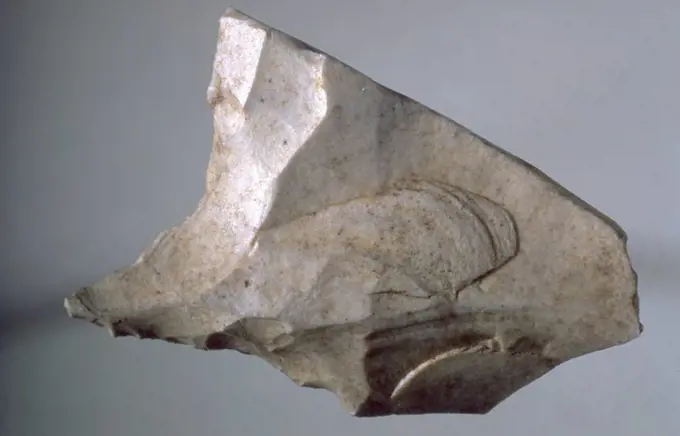
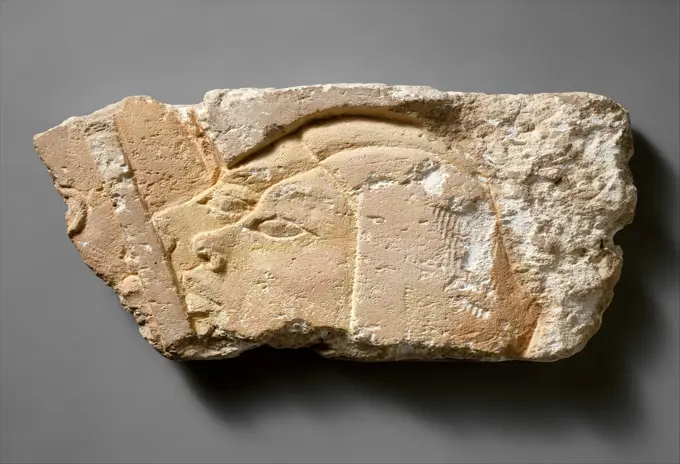
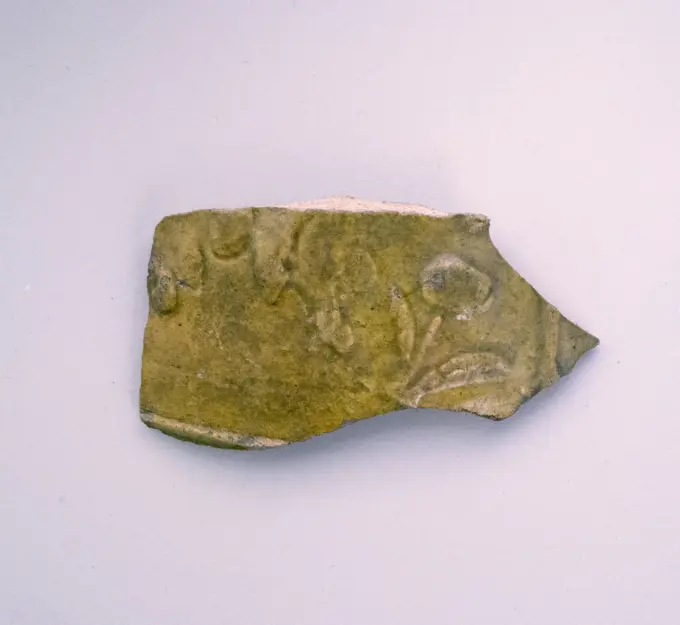
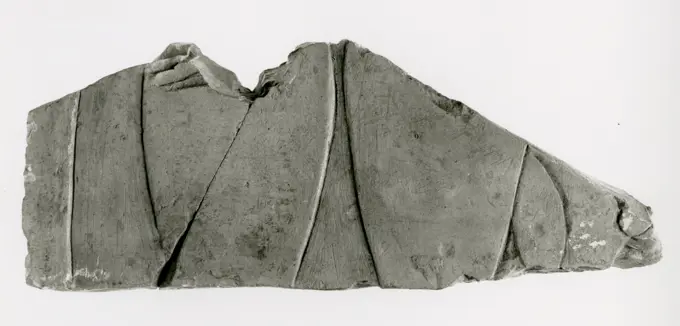
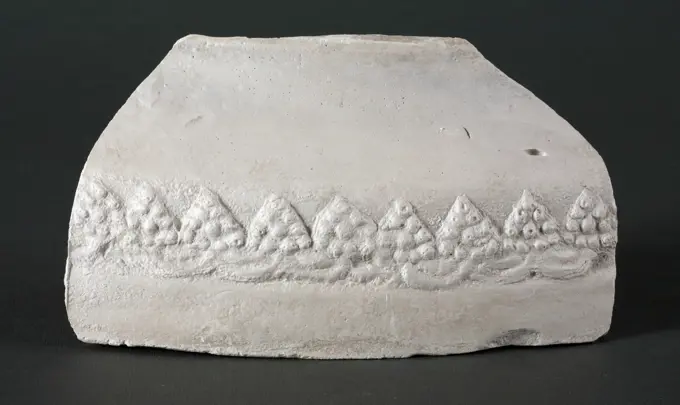
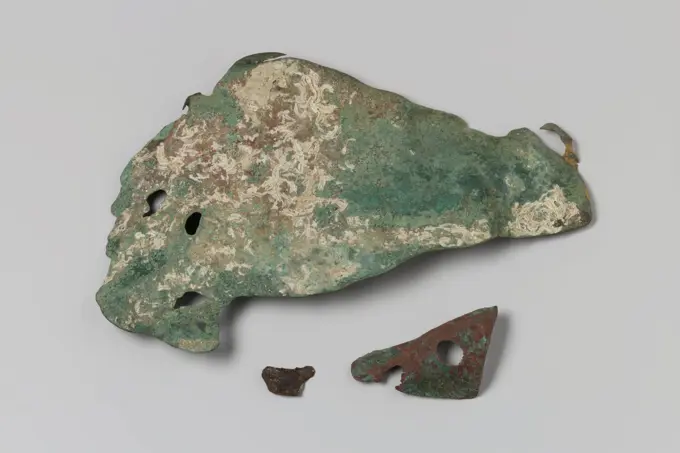
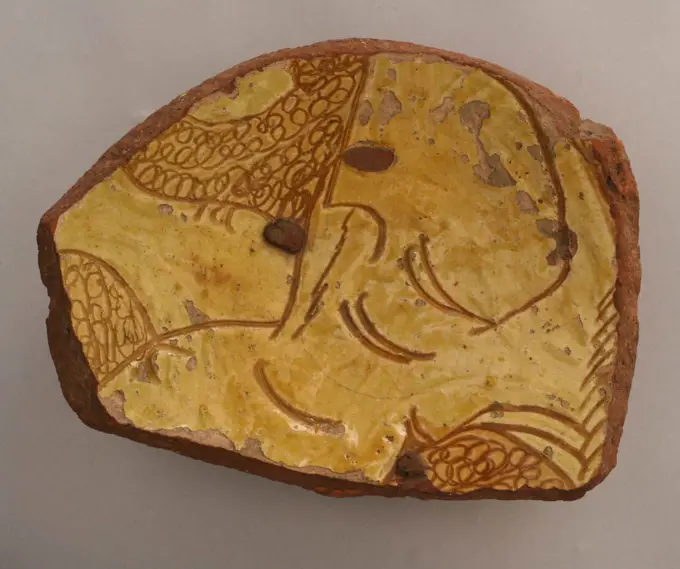
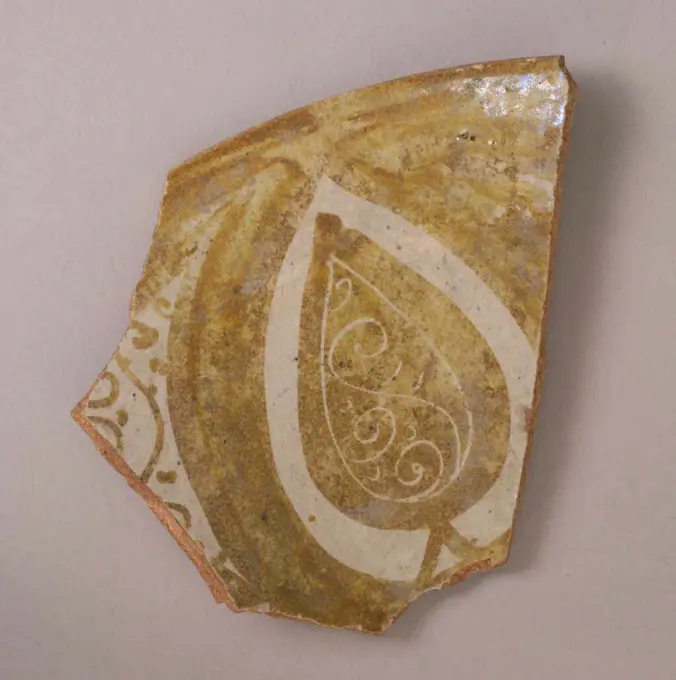
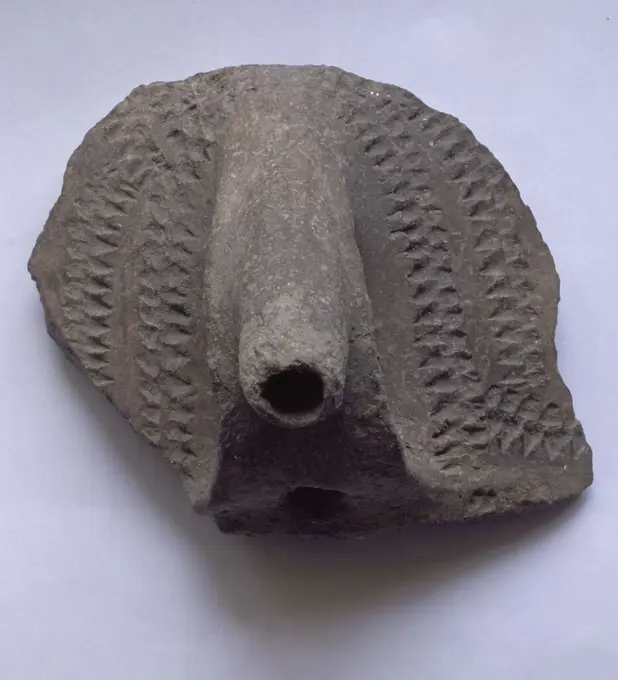
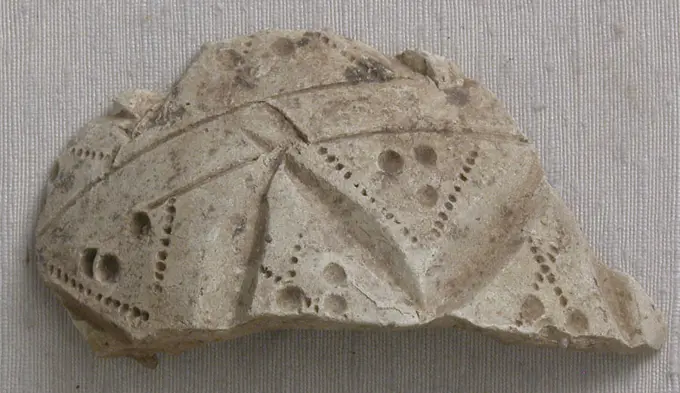
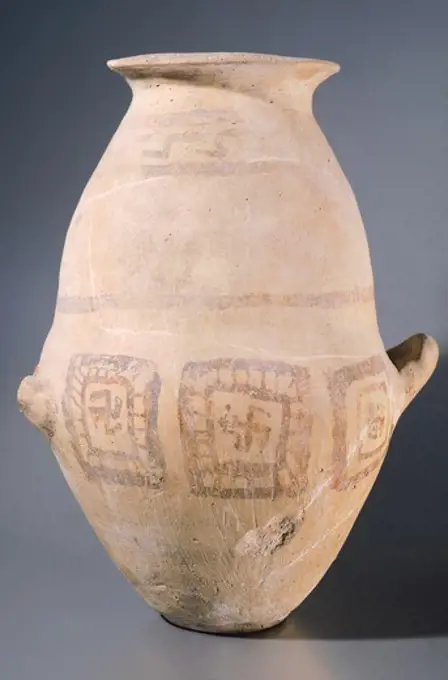
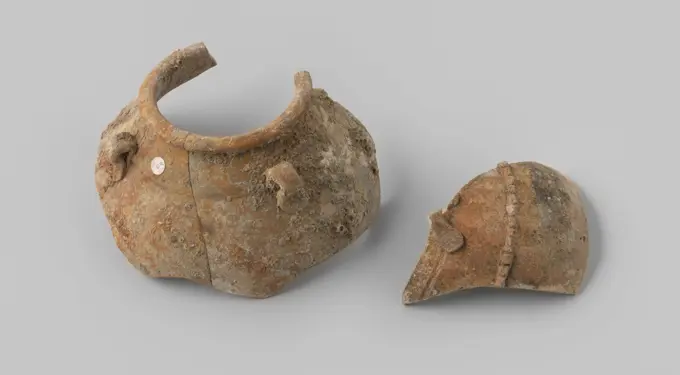
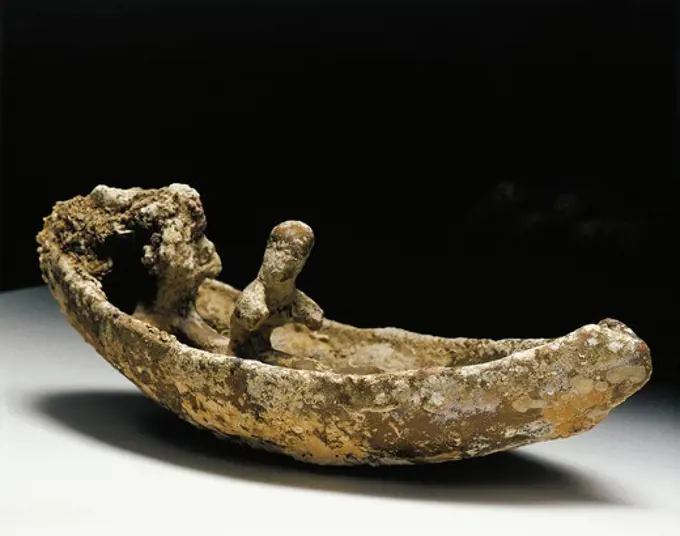
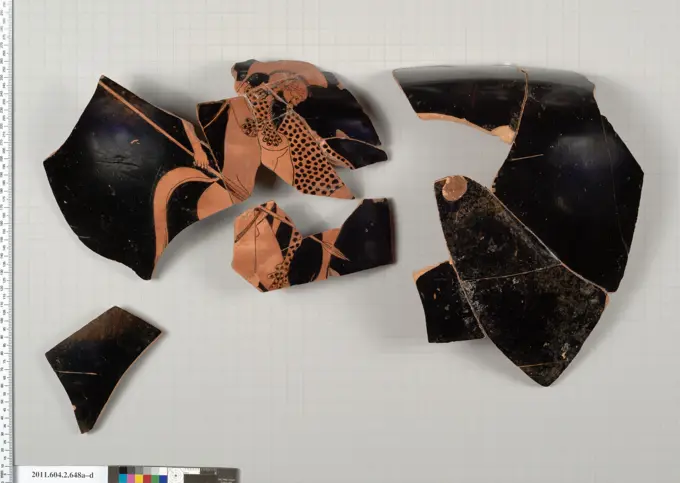
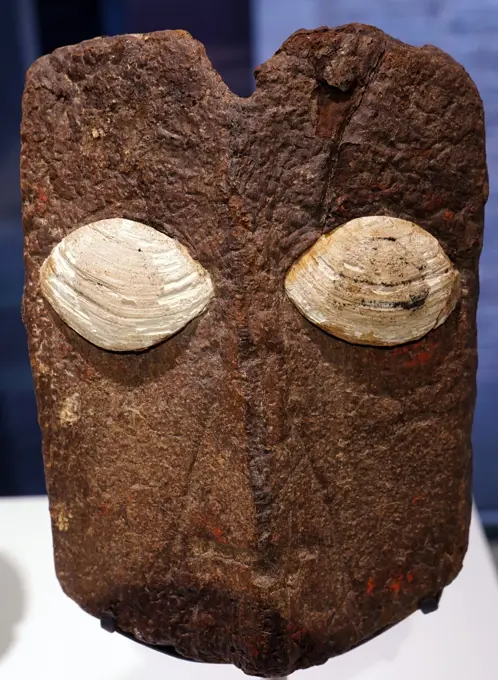
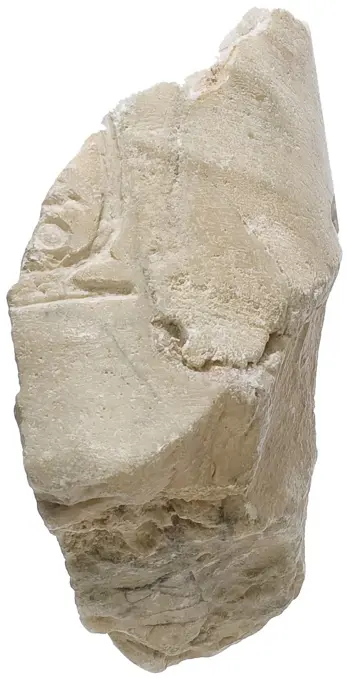
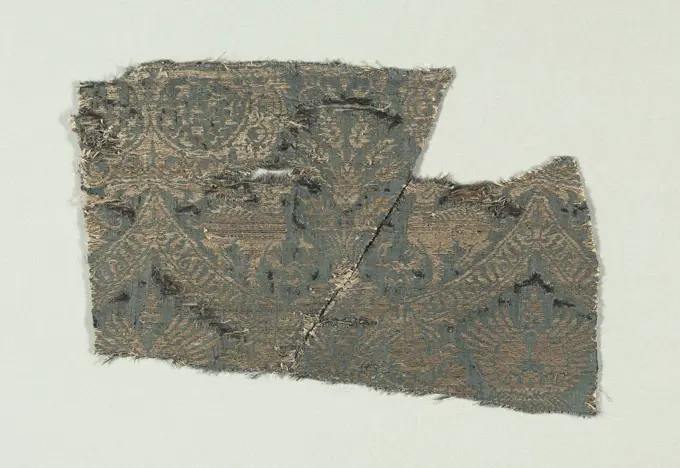
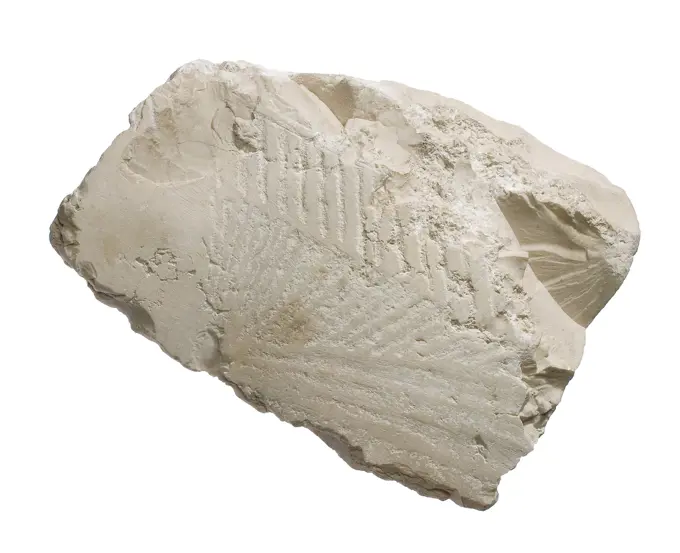
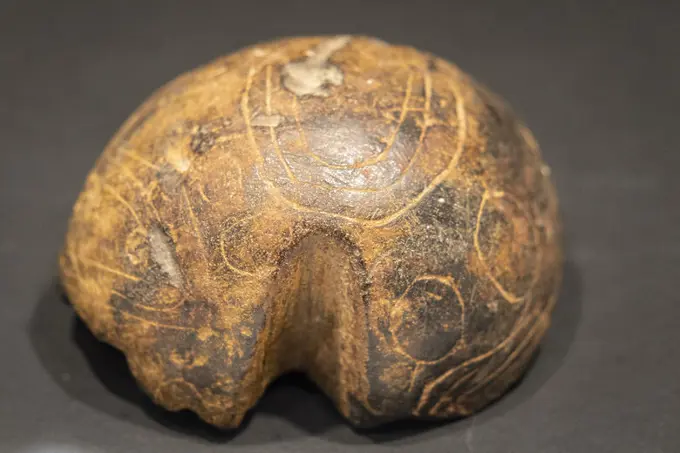
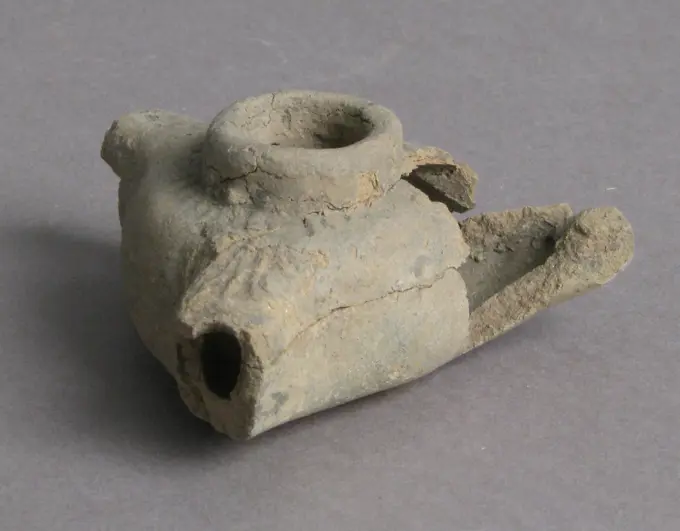
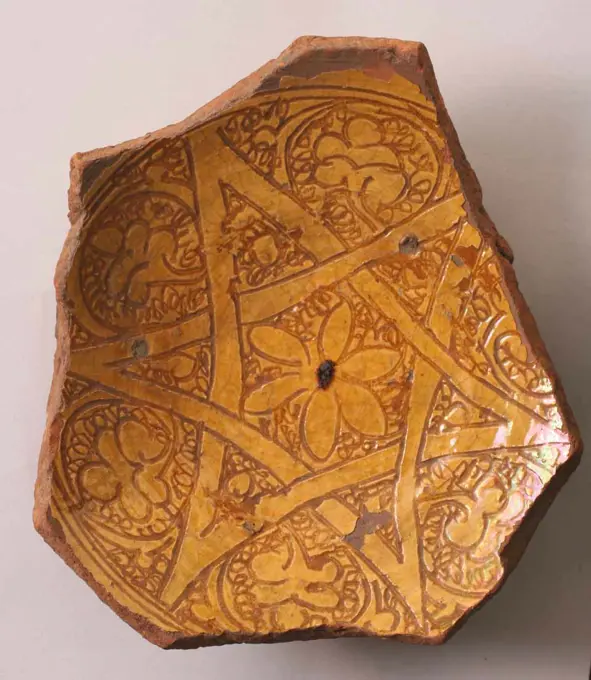
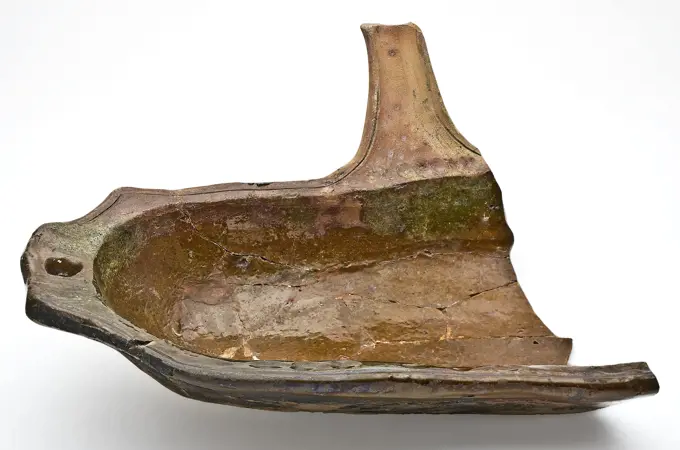
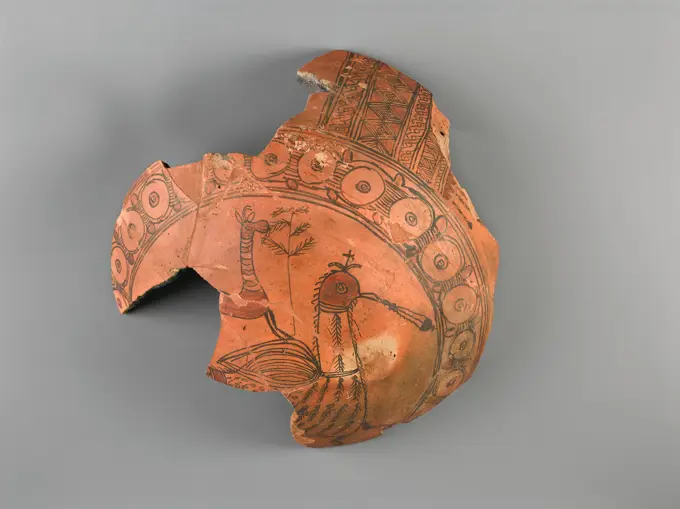
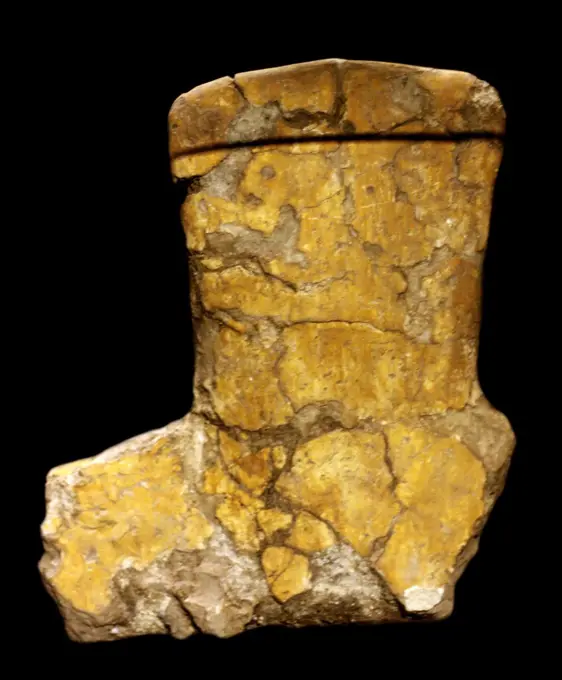
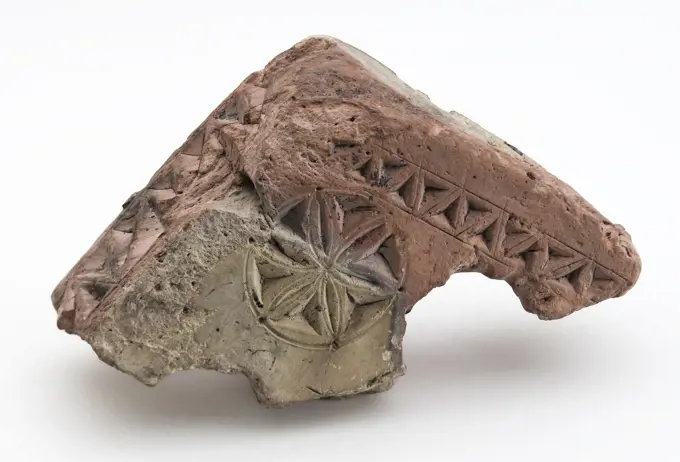
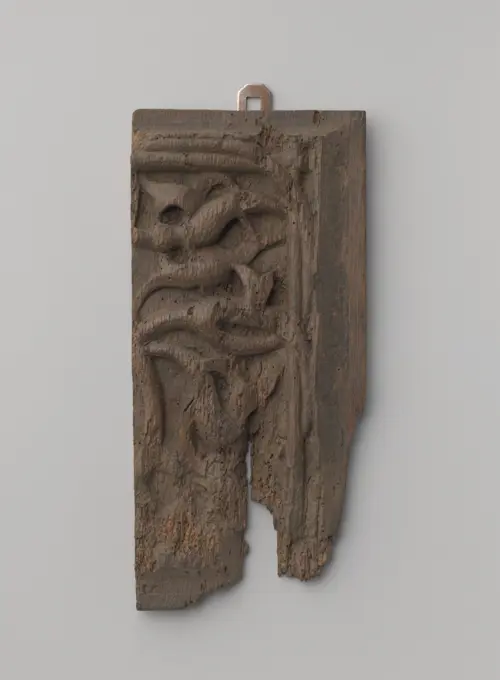
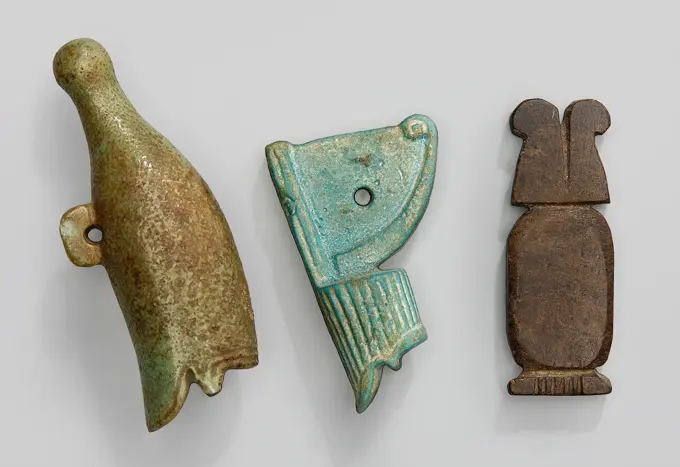
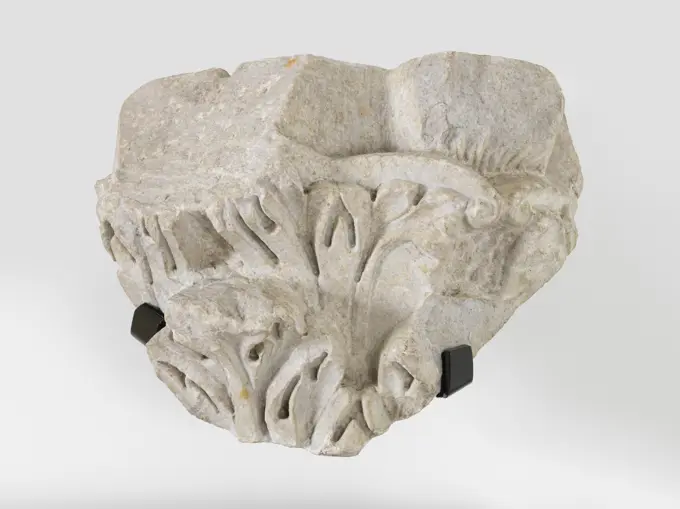
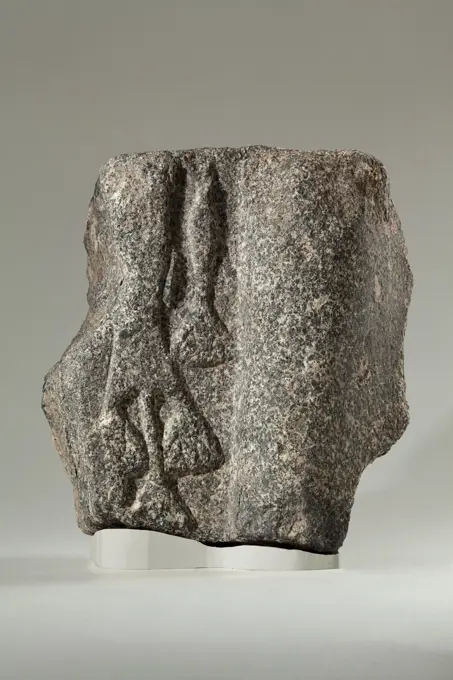
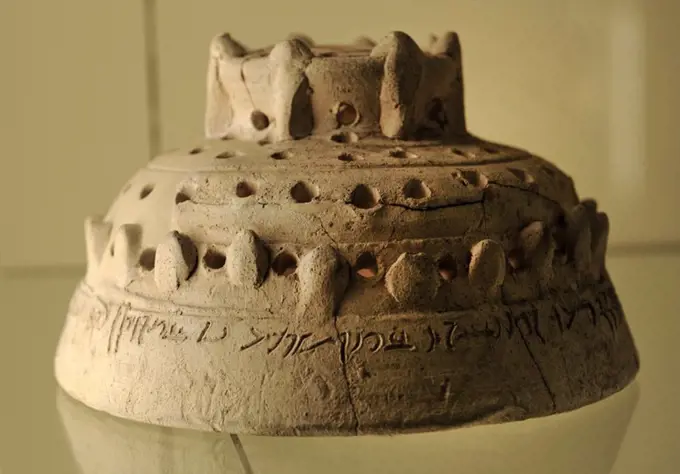
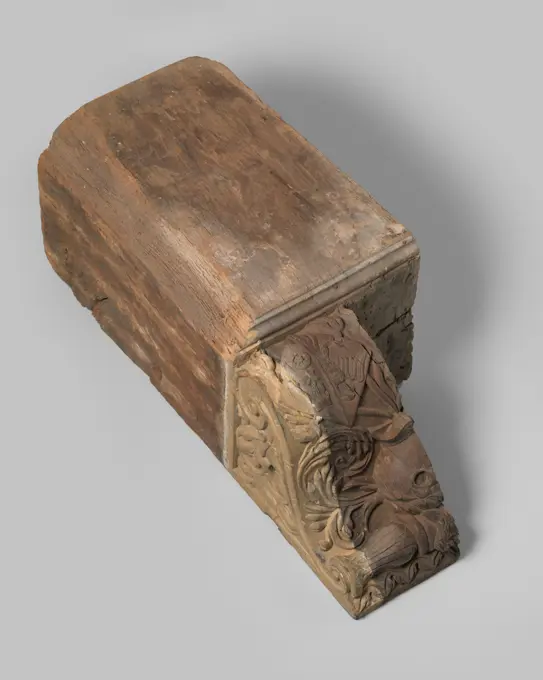
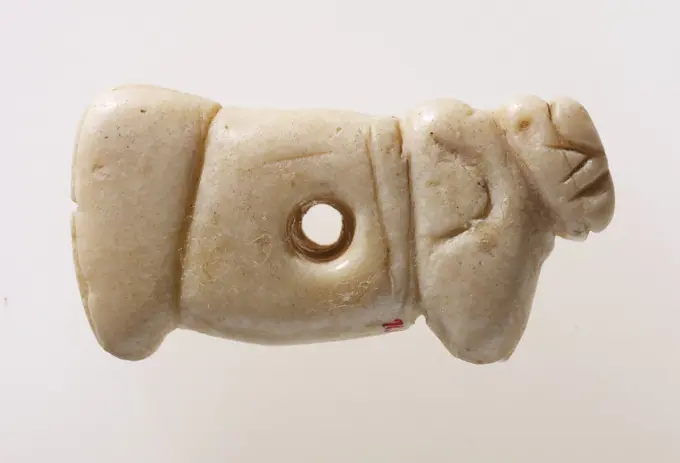
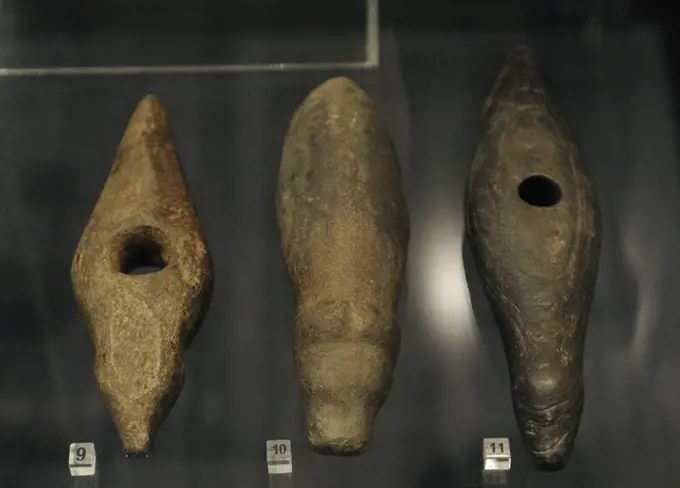
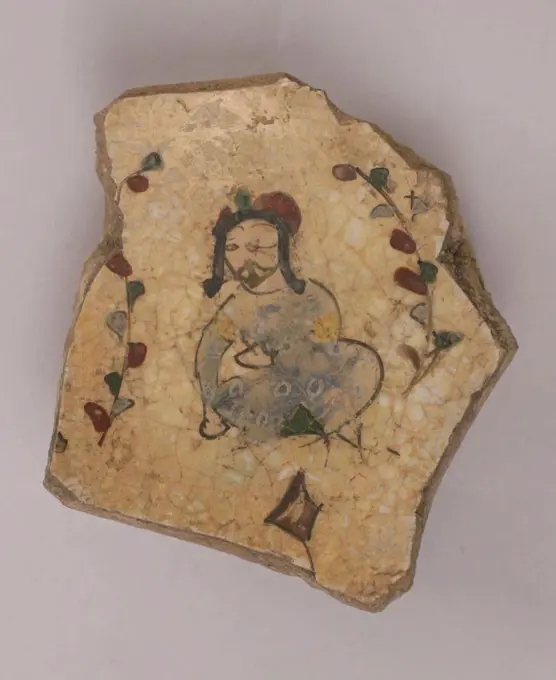
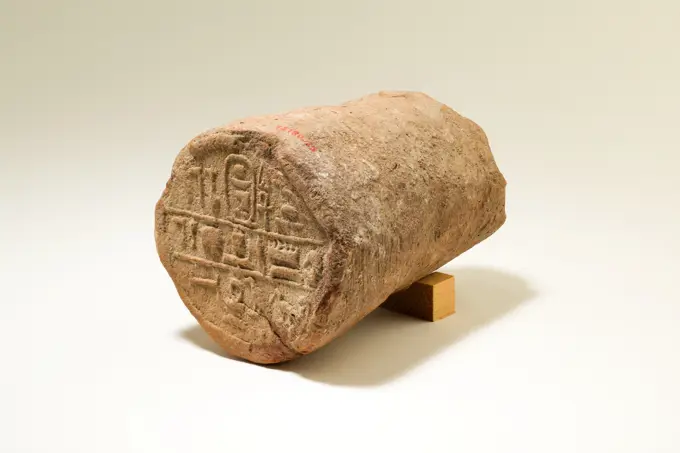
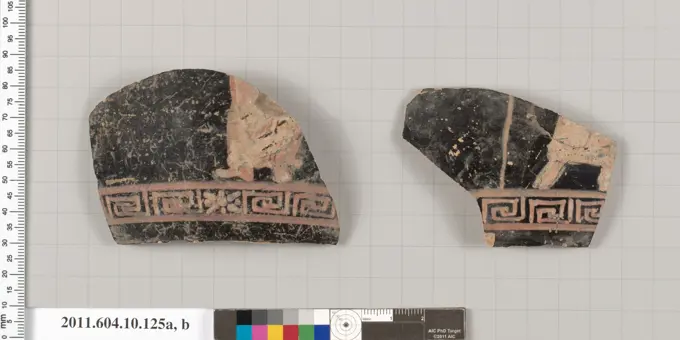
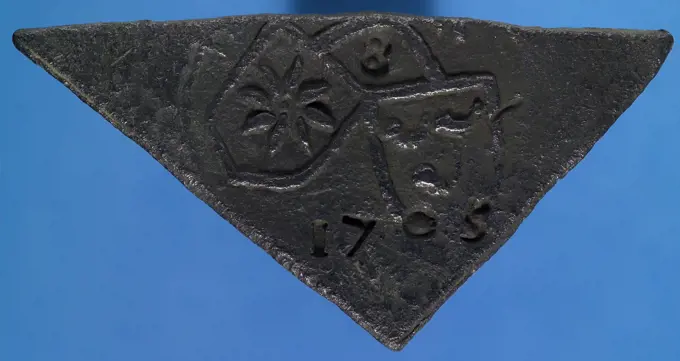
Plaque ca. 18th century B.C. Old Assyrian Trading Colony. Plaque 323596Relief fragment, tomb of Meketre ca. 1981-1975 B.C. Middle Kingdom. Relief fragment, tomb of Meketre. ca. 1981-1975 B.C.. Limestone, paint. Middle Kingdom. From Egypt, Upper Egypt, Thebes, Southern Asasif, Tomb of Meketre (TT 280, MMA 1101), MMA excavations, 1920. Dynasty 12BURIL. PALEOLITICO. (DEPOSITO: MUSEO ARQUEOLOGICO NACIONAL).Heads of Two Nubians ca. 1353-1336 B.C. New Kingdom, Amarna Period The two Nubians depicted in this fragments are probably soldiers of the king's bodyguard.. Heads of Two Nubians 544891Raised relief fragment 664-610 B.C. Late Period, Saite see 23.3.468. Raised relief fragment. 664-610 B.C.. Limestone. Late Period, Saite. From Egypt, Upper Egypt, Thebes, Deir el-Bahri, Tomb of Nespekashuty (TT 312, MMA 509), Undetermined, MMA excavations, 1922-23. Dynasty 26Vase fragment Roman Fragment of a brownish glazed vase; leaves and fruit.. Vase fragment. Roman. Terracotta. VasesRaised relief fragment 664-610 B.C. Late Period, Saite see 23.3.468. Raised relief fragment. 664-610 B.C.. Limestone. Late Period, Saite. From Egypt, Upper Egypt, Thebes, Deir el-Bahri, Tomb of Nespekashuty (TT 312, MMA 509), 1st chamber N. door, MMA excavations, 1922-23. Dynasty 26Goldschmiedeform Goldschmiedeform Copyright: xZoonar.com/BartomeuxBalaguerxRotgerx 22556654Fragment of the shell out of the vessel;  1. PO. 2 thousand BC (-2000-00-00--1501-00-00);The collection of the ancient EastRaised relief fragment 664-610 B.C. Late Period, Saite see 23.3.468. Raised relief fragment. 664-610 B.C.. Limestone. Late Period, Saite. From Egypt, Upper Egypt, Thebes, Deir el-Bahri, Tomb of Nespekashuty (TT 312, MMA 509), 1st chamber E. wall; 6th-8th regis.(7th likely), MMA excavations, 1922-23. Dynasty 26Fragments of a Canopic Jar Belonging to Senimen ca. 1479-1458 B.C. New Kingdom Fragments of several canopic jars, including a fragmentary human-headed lid, were uncovered during the Museum's excavations in the vicinity of Theban tomb (TT) no. 252, the tomb of a man named Senimen. A high official during the reign of Thutmose II and the joint reign of Hatshepsut and Thutmose III, Senimen was the steward and tutor of Princess Neferure, Thutmose II and Hatshepsuts daughter.The purpose of canopic jars in ancient Egypt was to hold and protect the viscera removed from the deceaseds body during the mummification process. They traditionally came in sets of four, as the liver, lungs, stomach and intestines were embalmed and stored individually. The four containers were usually put inside a chest and placed in the tomb chamber.Three fragments could be joined together to restore the front of a jar bearing an inscription that invokes the deity Imsety, one of the four Sons of Horus. Although SenimEpitaaf, representing the crucifixion, excavated in Utrecht at the old minor brothers monastery (fragments), Anonymous, c. 1500 - c. 1525 Thirteen fragments of an image group that probably stood in the epitaph. Dark red colored. The group must have proposed a crucifixion. The largest fragment states for Johannes Maria -lending, right of this in the background warmen on horseback. Dug up in Utrecht at the old Minderbroederklooster. Utrecht sandstone   Minderbroedersklooster Thirteen fragments of an image group that probably stood in the epitaph. Dark red colored. The group must have proposed a crucifixion. The largest fragment states for Johannes Maria -lending, right of this in the background warmen on horseback. Dug up in Utrecht at the old Minderbroederklooster. Utrecht sandstone   MinderbroederskloosterBell (fragment; frieze with vine)  auxiliary church of the parish church in Muszyna Złock, Szczawnik near MuszynaFragments of sheet metal from the wreck of the East Indians Hollandia, 1700 - in or before 1743  Parts of artefacts; eroded fragments: materials; copper. Netherlands copper (metal)   SecondPlaca decoración. Museu Nacional Arqueològic de Tarragona.Fragment węgara. unknown, authorFragment of a Misfired Vessel Base (Waster) 11th-12th century This fragment of a base of a vessel shows a charcoal-dark body and an overburnt glaze, suggesting that it was dramatically overfired. Its finding spot at a kiln site in Nishapur further suggests that the object was likely considered a waster that never made it to the market. At the ceramic workshop, however, it may well have had an alternative use, such as a stand or separator during the manufacture of other ceramics.. Fragment of a Misfired Vessel Base (Waster) 450790Fragment 14th century. Fragment 445448Fragment of a Dish 11th-12th century. Fragment of a Dish 446499CERAMICA DECORADA DE NERJA. Location: ARCHAEOLOGICAL MUSEUM. Malaga. SPAIN.Fragment of the carton;  Ptolemean period-Roman period (-332-00-00-395-00-00);Fragment 8th-9th century. Fragment 448875Sherd ca. 6th-8th century A.D. Sasanian or Islamic Broken pieces of ceramics, or sherds, are used by researchers to understand the dates and extent of archaeological sites. During the Ctesiphon Expedition many sherds were collected from the various areas and sub-sites for inclusion into a study collection of sherds. Sherds are usually selected for diagnostic characteristics such as distinctive shapes or decorations. These sherds are likely not from original deposits but instead are usually found lying directly on the modern surface. This example was collected from the area of West Mound near the Taq-I Kisra.The city of Ctesiphon was located on the east bank of the Tigris River, 20 miles (32 km) south of modern Baghdad in Iraq. It flourished for more than 800 years as the capital of the Parthians and the Sasanians, the last two dynasties to rule the ancient Near East before the Islamic conquest in the seventh century. Systematic excavations in the Ctesiphon area were undertaken by an exBiconical cinerary. Geometric pottery from the Necropolis of Valle Fata, Veio (Lazio). Etruscan Civilization, 9-8th Century BC.Fragment of a Dish 11th-12th century. Fragment of a Dish 446491Cut Glass Fragment 9th century. Cut Glass Fragment 447637Yellow-gray brick from bastion on the south side of the Oostpoort, brick building material soil find ceramics pottery, made in form baked brick from the bastion on the south side of the Oostpoort. Yellow earthenware archeology underground pit indigenous brick building defense Rotterdam City Triangle Oostplein Oostpoort walled city wall Soil found Rotterdam underground pit Oostplein found 08031976.Shards of Martavanen from V.O.C. ship De 'Witte Leeuw', Anonymous, Before 1613  Shards of Martavanen from V.O.C. ship De 'Witte Leeuw'. southeast Asia stoneware. porcelain   Sint-HelenaChess Piece, Pawn 9th-11th century. Chess Piece, Pawn 452341Lamp in the Form of a Mask 1st century B.C.-1st century A.D.. Lamp in the Form of a Mask 444792Vase fragment East Greek/Sardis, Lydian Basket pattern.. Vase fragment 252688 East Greek/Sardis, Lydian, Vase fragment, Terracotta, Overall: 3 5/8 x 3in. (9.2 x 7.6cm). The Metropolitan Museum of Art, New York. Gift of The American Society for the Excavation of Sardis, 1926 (26.199.120)Votive model boat with crew, from Neheme Tabet, LebanonTerracotta fragment of a hydria: kalpis (water jar) 490-480 B.C. Attributed to the Berlin Painter Ithyphallic satyr to right, wearing a helmet, with a feline pelt tied around his neck, holding a spear in his right hand; two black glaze fragments. Terracotta fragment of a hydria: kalpis (water jar). Greek, Attic. 490-480 B.C.. Terracotta; red-figure. Late Archaic. VasesFragment of a Dish 14th-15th century. Fragment of a Dish 447228Wooden mask from Central Peru. Dated 11th CenturyFragment of a Bowl 14th-15th century. Fragment of a Bowl 445518Arm, with garment, Aten cartouche ca. 1353-1336 B.C. New Kingdom, Amarna Period. Arm, with garment, Aten cartouche 549783Chess Piece, Pawn 8th-9th century The dot-in-circle motif recalls designs presumed to be of magical significance, most likely an abstract eye to ward off the evil-eye, which serve an apotropaic function. Easily reproduced with a tool and visible in many cultures and times, this symbol may have lost its meaning, and become simply a decorative pattern, or may have one that we have not yet discovered. Chess Piece, Pawn 452620Rim sherd ca. 8th-7th century B.C. Assyrian. Rim sherd 324656Silk with Dogs and Arabic Script in Swaying Bands, 1370-1400. Italy, last third of 14th century. Silk and silver thread; a combination of two weaves, 2/1 twill and 1/5 twill (lampas); overall: 22.2 x 30.5 cm (8 3/4 x 12 in.); mounted: 46.4 x 69.2 cm (18 1/4 x 27 1/4 in.).Round Seal. Eastern Anatolia, 4th-3rd millenium B.C.. Tools and Equipment; seals. StoneFragment of a Bowl 12th-13th century. Fragment of a Bowl 447199Breast () garment fringe, pleating ca. 1353-1336 B.C. New Kingdom, Amarna Period. Breast () garment fringe, pleating 549806fragment of ovoid idol with incised decoration and central groove, Chalcolithic, III BC, El Pozuelo, Zalamea la Real, Huelva Museum, Huelva, Andalusia, Spain.Foot from aStatue, late 2nd to 3rd century A.D., Bronze, 4.7 × 12 × 17 cm (1 7/8 × 4 3/4 × 6 11/16in.), Yale-French Excavations atDura-Europos, Excavated in Dura-Europos, Syria, Syrian,Dura-Europos, Roman, SculptureOil Lamp 4th-7th century Coptic. Oil Lamp 478710Fragment of a Bowl 14th-15th century. Fragment of a Bowl 455197Fragment 14th-15th century. Fragment 445179Piece of woodDouble Column Base 13th-14th century French. Double Column Base. French. 13th-14th century. Limestone or sandstone. Made in Bonnefont, France; Made in Bonnefont, France. Sculpture-ArchitecturalRelief fragment from the tomb of Meketre. Dimensions: H. 7.6 cm ( 3 in.); W. 9.5 cm ( 3 3/4 in.); D. 2.3 cm ( 7/8 in.). Dynasty: Dynasty 12. Reign: reign of Amenemhat I, early. Date: ca. 1981-1975 B.C.. Museum: Metropolitan Museum of Art, New York, USA.Fragment of earthenware spit dish, stem, stand lobe and suspension eye, grease trap baking utensil holder soil find ceramic earthenware glaze lead glaze, hand turned molded glazed baked Fragment of earthenware spit dish. Red shard internal glazed Elongated saucer with slant directed upwards On the flat outer edge is decorated in the form of finger impressions and whips next to the hanging eye On the handle side one stand lobe. Roetsporen on the underside archeology Capelle aan den IJssel House in Capelle castle indigenous pottery grilling baking frying tableware grease fat oil Soil discovery: house in Capelle ± 1395-1500 Capelle aan den IJssel 1963.Plaque with Dragon Design. China. Date: 1100 BC-900 BC. Dimensions: 2 15/16 × 1 1/8 × 3/16 in. Jade. Origin: China. Museum: The Chicago Art Institute, Chicago, USA.Appliqué for a funeral couch. UnknownFragment of a pilgrim cylinder; Unknown Nubian workshop; 2. PO. IX-1. after. 10th century; Classic Christian period (851-00-00-950-00-00);Faras (Sudan), cylinders, nubian ceramics, figural decorations, geometric decorations, nubian vessels, painted nubian vessels, braid, images of birds, Polish excavations in Faras (Sudan)Fragment majolica dish, blue on white, with Chinese in the mirror, dish crockery holder earth discovery ceramic earthenware glaze, Cooked on wrinkled gray lead glaze on the bottom archeology decorate food China Rotterdam City Triangle Delftware Soil discovery of the partial reclamation of the Delftse Vaart here for the purpose of making the lift over the Vaart in the summer of 1928.Statuette fragments from Jericho, 7500-6500 BC These fragments were originally part of two human-shaped figures made from sun-baked clay. They represent, at around half-life size, a head and shoulders (top) and part of a torso with traces of red paint (below).Parts Click sprayer from the wreck of the East Indians Hollandia, Anonymous, 1700 - in Or Before 1743  Tools and instruments, medical, enema syringe; fragm, corroded: finial, spherical with engraved concentric circles on top, hollow shaft underneath, broken off: fragm of lower end of shaft, hollow, with remains of piston: fragm of needle, id. NG 1980-27H1632: fragm of needle, straight tapering tube, flanged end with linear concentric engravings, internally threaded: fragm of needle, id. NG .1980-27H1456: fragm of perforated disc, broken, 4 circular holes. Netherlands tin (metal)   SecondFragment 14th century. Fragment 446313Fragment earthenware spit semi-trailer, triangular model with carving trim, spit trailer lower found ceramic earthenware, hand shaped baked carved Fragment earthenware spit trailer decorated with kerfsneewerk. Triangular model with two or three recesses to insert the spit Fragment consists of the upper part of the object Decoration consists of series in turn inverted recessed triangles in different sizes Also two in circle cut out floral motifs For the shape of the flower circle is probably stamp used archeology indigenous pottery hearth food prepare kitchen fryingFunerary Cone of Pa-ba-sa Late Period ca. 712-525 B.C. View more. Funerary Cone of Pa-ba-sa. ca. 712-525 B.C.. Pottery. Late Period. From Egypt, Upper Egypt, Thebes. Dynasty 25-26Bird Plaque Ornament. Culture: Vicús. Dimensions: H. 2 x W. 2 in. (5 x 5 cm). Date: 3rd century B.C.-A.D. 2nd century. Museum: Metropolitan Museum of Art, New York, USA.Bowl Fragment 4th-7th century Coptic. Bowl Fragment 478435Door of a cupboard, c. 1500   wood (plant material)   wood (plant material)Electrolysis, Chelsea Water Works, 6-inch hydrant pipe injured by electrolysis, Chelsea, Mass., Jan. 1905 , waterworks, pipes conduits, electrolysisAmulet - white crown, amulet - red crown, amulet - cartouche with two feathers;  664-525 BC ; Half period, 26 dynasty (-664-00-00--525-00-00), 664-332 BC ; Half period (-664-00-00--332-00-00);Scene.gal.eg., Power amulets, cartouches, crowns, purchase (provenance)bone compressor engraved with horse, upper Magdalenian, San Pantaleón cave, Escobedo, Museum of prehistory and archeology (MUPAC), Santander, Cantabria, Spain.Shards of Martavanen from V.O.C. ship De 'Witte Leeuw', Anonymous, Before 1613  Shards of Martavanen from V.O.C. ship De 'Witte Leeuw'. southeast Asia porcelain   Sint-HelenaCorinthian marquee (title awarded). White marble. Carnavalet museum, history of Paris. There is only part of the basket and two rows of acanthus leaves. Rather antiquating type.Statue fragment ca. 1981-1640 B.C. Middle Kingdom. Statue fragment. ca. 1981-1640 B.C.. Granitodiorite. Middle Kingdom. From Egypt, Memphite Region, Lisht North, Cemetery, MMA excavations, 1906-07. Dynasty 12-13Fragment of a VesselDouble Bat-Head Figure Pendant 13th-16th century Diquís. Double Bat-Head Figure Pendant 313158Mesopotamia. Ceramic lid of an incense burner with inscriptions written in Aramaic. Dated between 1st century B.C. and 2nd century B.C. Pergamon Museum. Berlin.Ancient Egypt. Funerary cones made of clay. The name and titles of the deceased were inscribed on the base. Embedded in rows on the outer facades of the tombs, only the inscription was visible, so that they constituted a mark of ownership of the 18th-Dynasty tombs in Thebes. From left to right, and from top to bottom: cone of Totemhab (scribe of the Southern City), cone of Tchai (with the offerings formula), cone of Senhotep (scribe of the House of Life), cone of Amenemenka (Second Prophet of Menkheperre, and his wife Merytre, Singer of Amun) and cones of Djeho (son of Ankhhor, son of Djehor the nobleman, the prince, the great chief of the Meshwesh, leader of the prophets of Banebdjed. His mother was Shepensopdet). National Archaeological Museum. Madrid. Spain.Corme with the family captains Dekema and Camstra, Anonymous, 1600 Korbeel of oak. Probably from corners from corners, since the day side - with the family weapons Dekema and Camstra, a helmet and a helmet sign a lion - for three -quarters. Coming from the stins demolished in 1887 in Franeker. (See also inv.no. BK-16706-A to -I) Northern NetherlandsNetherlands wood (plant material). oak (wood) Korbeel of oak. Probably from corners from corners, since the day side - with the family weapons Dekema and Camstra, a helmet and a helmet sign a lion - for three -quarters. Coming from the stins demolished in 1887 in Franeker. (See also inv.no. BK-16706-A to -I) Northern NetherlandsNetherlands wood (plant material). oak (wood)Bowl 9th century. Bowl 449795Old, Dry Paper With Torn Edges Curled Isolated on a White BackgroundColumn base. Granite. From the Roman Villa of O Cantn Grande (La Coru–a, Galicia, Spain). Archaeological and History Museum (San Anton Castle). A Coru–a, Galicia, Spain.Urartu civilization. Remains probably of a decorated armor. From Tushpa or Toprakkale. 7th century B.C. Turkey. Pergamon Museum. Berlin. Germany.Standing Bovine, c. 3000 BCE, 3/4 x 1 3/8 x 1 3/8 in. (1.91 x 3.49 x 3.49 cm), Marble, Iraq, 31st-30th century BCEBottle 10th-12th century. Bottle 442904Pottery shards showing typical Zhizo period ( circa AD 900-1000) decorations. Pieces on left and centre show comb stamping while piece on richt has pattern of bead impression. Collected at Mmamagwa iron and stone age site. This area has been occupied but both iron age and stone age people for about the last 50 000 years. Mashatu Game Reserve. Nothern Tuli Game Reserve. Botswana.Fragment 8th-9th century. Fragment 448882Prehistory. Northern Europe. Early Stone Age. Axes decorated with carved animal heads. Bear, elk, duck. The National Museum of Finland. Helsinki.Oil Lamp. Syria or Egypt, 7th-8th century. Ceramics. Earthenware, moldedVessel Foot in Form of a Lion. Iran, 1000-1250. Metal. MetalworkFireplace with presentation of two climbing lions, placed in two windows. Fireplace with presentation of two climbing lions, placed in two windows. The half windows at the top and bottom are filled with diamond-shaped flowers.Belt Fittings 9th century. Belt Fittings 453052Tłok pieczętny. unknown, craftsmanRelief with Head of a King (Seti I) ca. 1295-1294 B.C. New Kingdom, Ramesside A head of a king, his visible hand raised in a gesture of prayer. This comes from the Chapel of Ramesses I in the temple of Seti I at Abydos, and likely represents Seti I performing rituals for the benefit of his father.. Relief with Head of a King (Seti I). ca. 1295-1294 B.C.. Limestone. New Kingdom, Ramesside. From Egypt, Northern Upper Egypt, Abydos, Temple of Sety I, north of NE corner, Chapel of Ramesses I. Dynasty 19Old tattered book coverLamella. UnknownEarly medieval brooch of Santa María de Hito, X century, Valderredible. Museum of prehistory and archeology (MUPAC), Santander, Cantabria, Spain.Pół głowicy maczugi dyskowatej. unknown, authorCapital, c. 1400 - c. 1950 A large capital for coverage of four linked columns. Decorated with pointed leaf ornament.  .   Sint-Odiliënberg A large capital for coverage of four linked columns. Decorated with pointed leaf ornament.  .   Sint-OdiliënbergFragment of a Bowl 12th-13th century. Fragment of a Bowl 447214Inscribed fragment ca. 1353-1336 B.C. New Kingdom, Amarna Period. Inscribed fragment. ca. 1353-1336 B.C.. Indurated limestone. New Kingdom, Amarna Period. From Egypt, Middle Egypt, Amarna (Akhetaten), Great Temple of the Aten, pit outside southern wall, Petrie/Carter excavations, 1891-92. Dynasty 18Funerary Cone of Djehuty ca. 1550-1525 B.C. New Kingdom. Funerary Cone of Djehuty 559230Terracotta fragments of a closed shape late 5th century B.C. Etruscan One fragment has the lower legs and feet of a draped male with a staff; below, meander; the second fragment has the lower legs and feet of a draped male to the left; below, meander to right interrupted by a dotted St. Andrews cross. Terracotta fragments of a closed shape. Etruscan. late 5th century B.C.. Terracotta; Praxian technique. Classical. VasesTriangular plate of lead with coats of arms and 1705, emergency currency currency exchange medium foundry lead metal, Triangular plate lead with the point facing down Two coats of arms with star in the left and in the right three horns archeology Rotterdam rail tunnel pay heraldry Soil discovery: trajectory rail tunnel Rotterdam.