My Boards
View Pictures
  • My Boards
← Artworks

Ancient Egyptian Artifacts

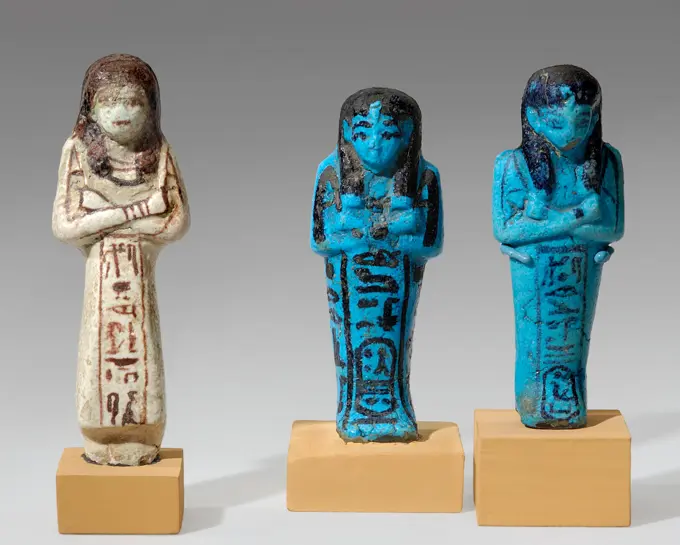
Statues and ushebtis from the 18th Dynasty of Egypt, showcasing religious and royal figures with intricate details and historical significance.
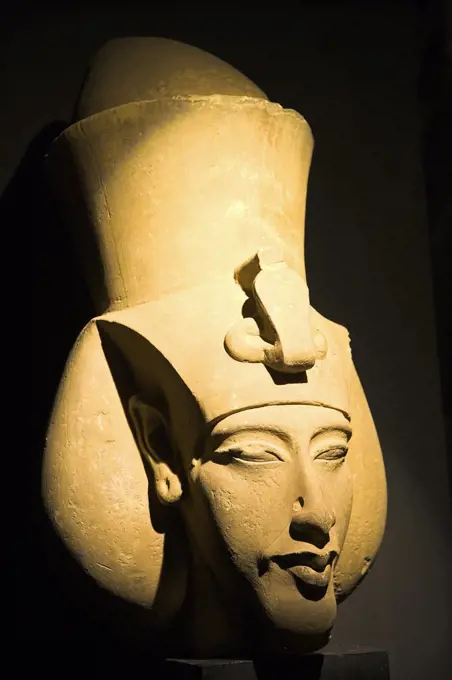
A bust of the 18th dynasty pharoah Akhenaten (also known as Amenhotep IV) in the National Museum in Alexandria, Egypt.
187 assets in this story
1746-19679350
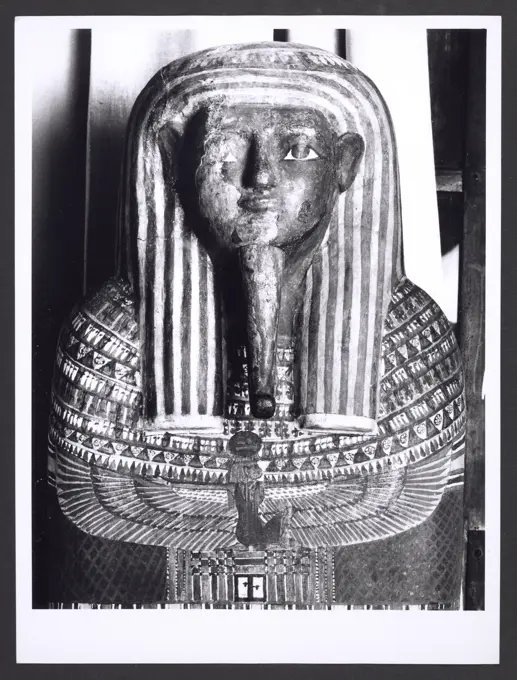
Painted Wooden Coffin of a Young Woman 18th Dynasty.
4292-159352
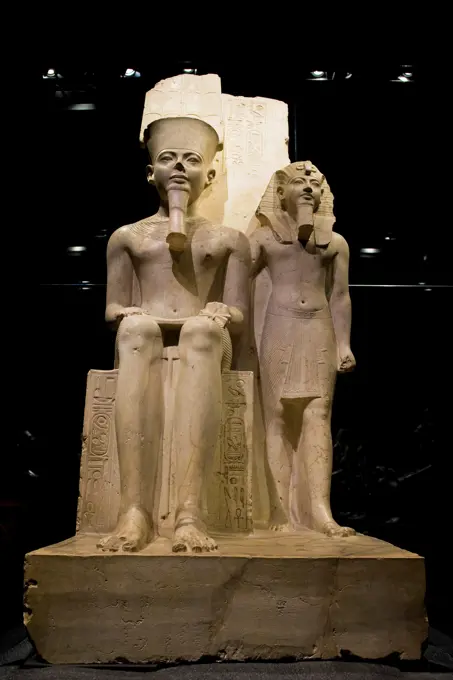
Italy, Piedmont, Turin, Egyptian Museum, Statuary room, the God Amon with pharaoh
4443-28732820
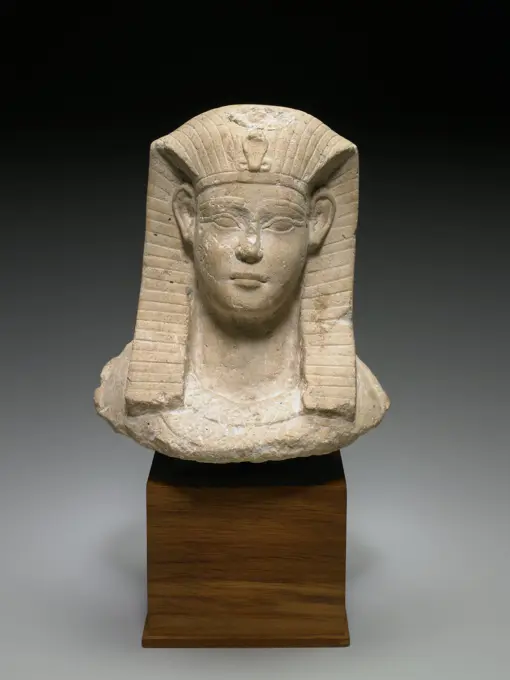
Head of a Young Pharoah (Sculptor's Model), 1st century BCE, 9 1/2 in. (24.1 cm), Limestone, Egypt, 1st century BCE
1788-2391
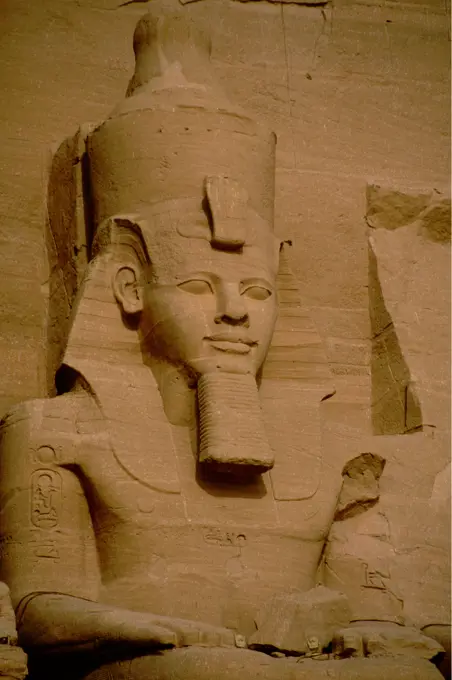
Egypt - Ancient Thebes (UNESCO World Heritage List, 1979). Luxor. Temple of Amon. Colossal statue of Ramses II, 1290-1224 BC. Detail image
7012-69849242
Africa, Egypt, Abu Simbel, Detail of Ramses II and hieroglyphics
4409-17355088
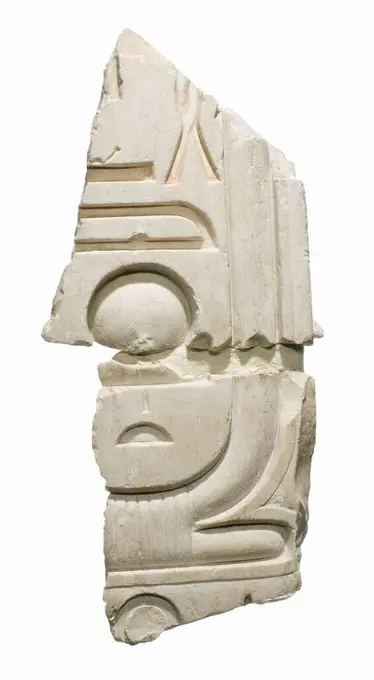
Arm or hand holding stela with Aten cartouche. Dimensions: H. 23 × W. 10.5 × D. 6 cm (9 1/16 × 4 1/8 × 2 3/8 in.). Dynasty: Dynasty 18. Reign: reign of Akhenaten. Date: ca. 1352-1336 B.C.. Museum: Metropolitan Museum of Art, New York, USA.
6145-29166063
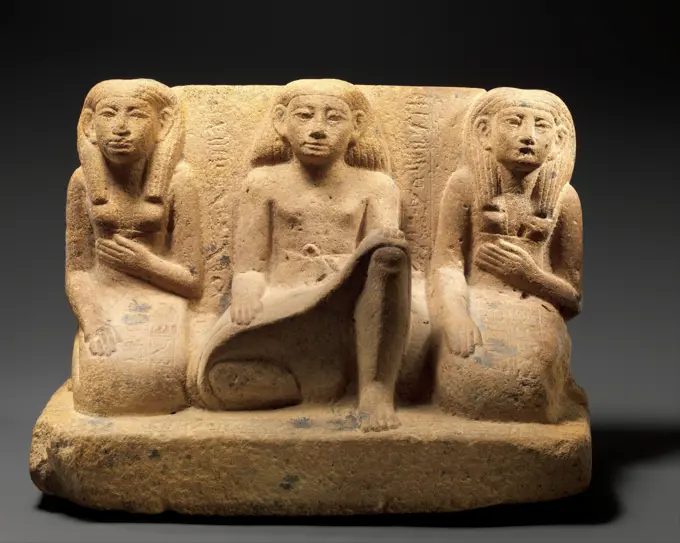
Statue of the Overseer of Stonemasons Senbebu and Family ca. 1981-1802 B.C. Middle Kingdom Senbebu, the central figure of this group, was an overseer of stonemasons, a title indicating that he supervised quarrying and/or stonecutting, professions also held by his father and son. Abetib on the left was likely Senbebus wife, while Peryt on the right was either another wife or perhaps a sister-in-law. During the Middle Kingdom, mid-level officials such as Senbebu were increasingly able to commission commemorative monuments of respectable quality.. Statue of the Overseer of Stonemasons Senbebu and Family 544181
6176-67078017
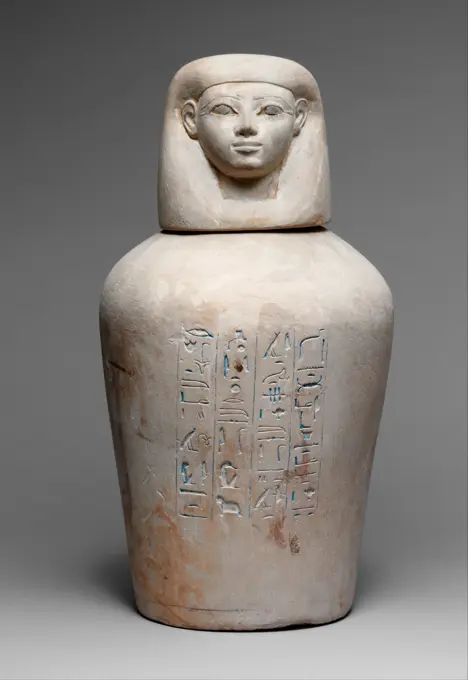
Osiris Canopic Jar, 22nd Dynasty, c1550BC-1069 BC. Artist: Unknown.
4409-17287332
INTERIOR - PABELLON DE LOS PAISES ARABES - ESCULTURA EGIPCIA. Location: EXPO-92. Sevilla. Seville. SPAIN.
1848-49878610
Horus statue, Edfu temple, Horus temple, Edfu, Egypt, Africa
1885-29328
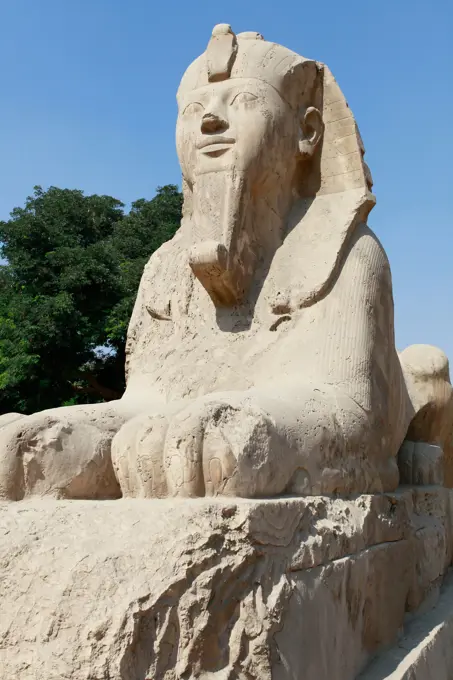
Egypt, Cairo, Alabaster Sphinx at Memphis
6145-29709676
Canopic Jar of Manuwai ca. 1479-1425 B.C. New Kingdom At some time during his reign, Thutmose III acquired three wives from the area of modern Syria, probably for political reasons. These women were sent to Egypt and were absorbed into the royal court. They seem to have died at about the same time, and all three were buried in the same cliff tomb deep in the wadis southwest of the Valley of the Kings in the Theban necropolis (on the west bank of the Nile, opposite modern Luxor). With few exceptions-notably, a glass vessel that one of the women may have brought as part of her dowery (26.7.1175)-the objects associated with their burials are typically Egyptian. Only the women's names, which were translated phonetically into the Egyptian language, identify their non-Egyptian origins.Each of the wives was buried with a complete set of four canopic jars, which were used to store the four internal organs removed during mummification. This jar is inscribed for Manuwai. The lid, in the shape of
6145-29707489
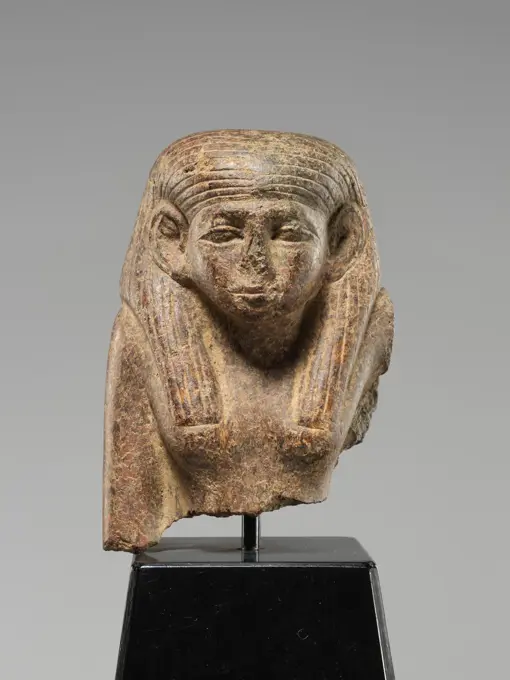
Upper half of a woman from a pair or group statue ca. 1850-1650 B.C. Late Middle Kingdom Preserved is the top part of a woman with a long, striated tripartite wig and prominent large ears. Her upper right arm (the lower part is missing) is held against the side of her torso. Only a small part of her upper left arm is preserved, but the remains extend horizontally, which indicates that her arm was placed around another person and that this piece is part of a pair or group statue. The same is shown by the position of a thick back support that only begins in the center of the figure and then extends to the womans proper left side.. Upper half of a woman from a pair or group statue. ca. 1850-1650 B.C.. Granite (?). Late Middle Kingdom. From Egypt. Late Dynasty 12-13
1746-29955178
King Menkaure flanked by Hathor and a Goddess. 2490-2472 BC; Statue in relief, from Giza, Egypt
4435-3647
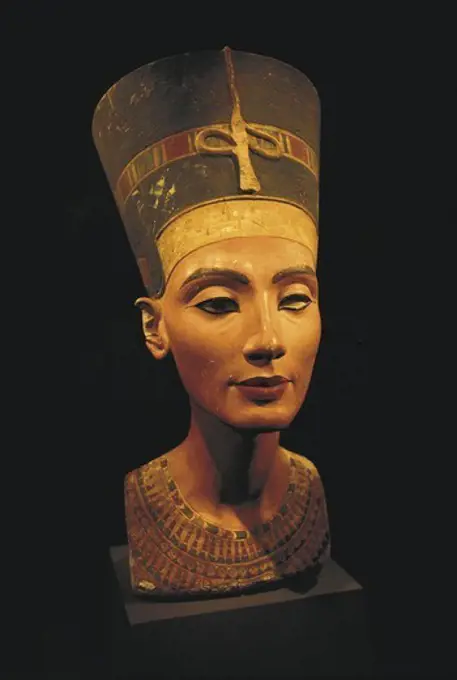
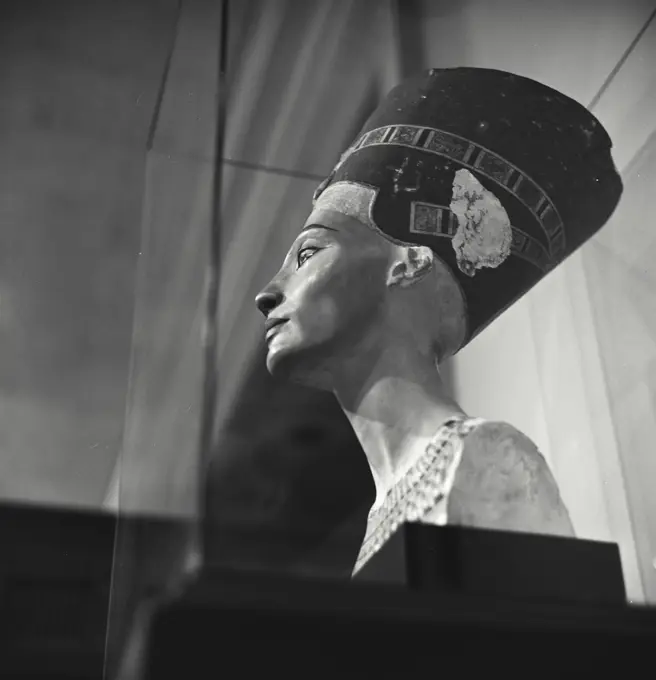
Bust of Nefertiti. s.XIV BC. 19th Dynasty. Polychromatic head. Egyptian art. New Kingdom. Sculpture on rock. GERMANY. BERLIN. Berlin. Altes Museum. Proc: EGYPT. MENIA. Amarna.
6145-50565414
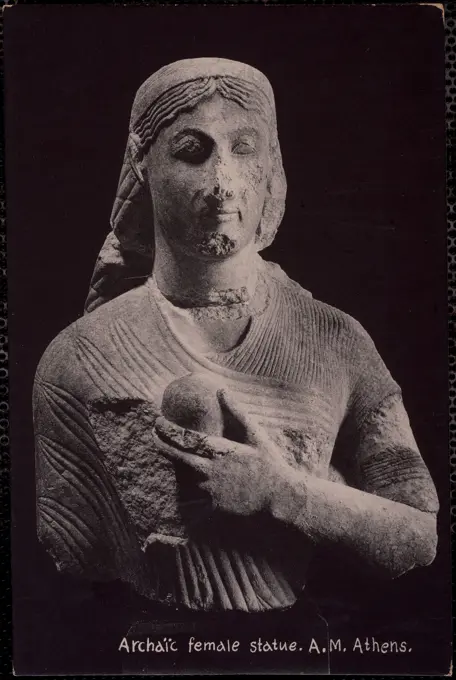
Archaïc female statue. A.M. Athens , Sculpture, Antiquities. Nicholas Catsimpoolas Collection
6188-77267842
Löwengöttin Sekhmet Statue der Löwengöttin Sekhmet im Totentempel des Ramses III. in Medinet Habu, Theben-West bei Luxor, Ägypten, Afrika Lion godess Sekhmet Statue at the Mortuary Temple of Ramesses III in Medinet Habu, Thebes near Luxor, Egypt, Africa *** Lion goddess Sekhmet Statue of the lion goddess Sekhmet in the Mortuary Temple of Ramesses III in Medinet Habu, Thebes West near Luxor, Egypt, Africa Lion godess Sekhmet Statue at the Mortuary Temple of Ramesses III in Medinet Habu, Thebes near Luxor, Egypt, Africa
1746-29955377
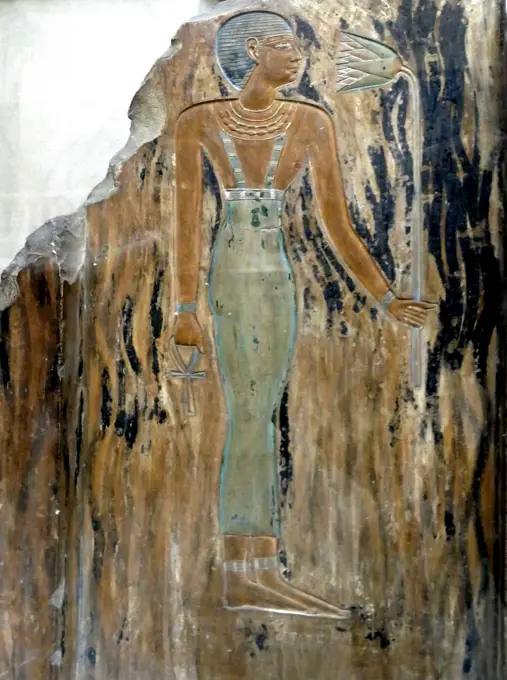
painted limestone relief, from the Shrine of Princess Ashayt, one of the wives of king Mentuhotep II, the founder of 11th dynasty. She held many titles such as: king's beloved wife and priestess of Hathor. Middle Kingdom; XI dynasty; Deir Bahari, Temple of Nebhepetre Mentuhotep II (reigned c. 2061 BC  2010 BC) was a Pharaoh of the 11th Dynasty who reigned for 51 years. Around his 39th year on the throne he reunited Egypt, thus ending the First Intermediate Period. Consequently, he is considered the first pharaoh of the Middle Kingdom.
4409-17323911
ESTATUA DE PENANHURT. IMPERIO NUEVO. DINASTIA XVIII 1437-1410 A.C. VISTA POSTERIOR. Location: EGYPTIAN MUSEUM. KAIRO. EGYPT.
1746-29955183
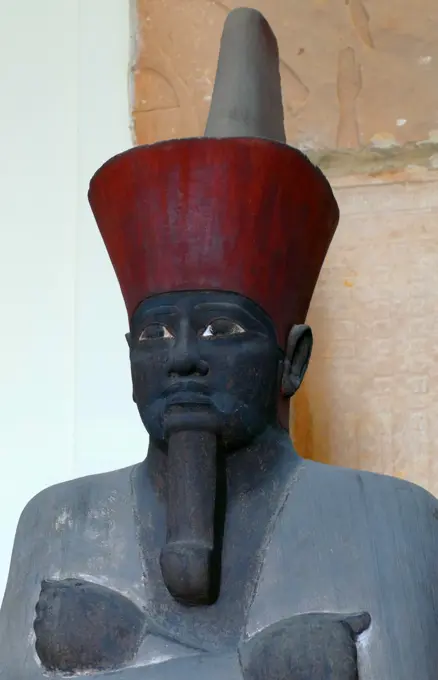
Painted sandstone sculpture of King Nebhepetre Mentuhotep II (reigned c. 2061 BC  2010 BC) was a Pharaoh of the 11th Dynasty who reigned for 51 years. Around his 39th year on the throne he reunited Egypt, thus ending the First Intermediate Period. Consequently, he is considered the first pharaoh of the Middle Kingdom.
4176-8648
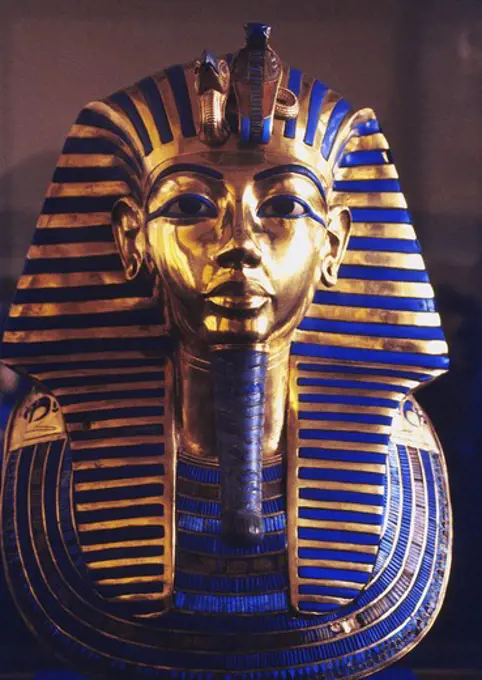
Tutanchamons dodsmask i guld i Kairos historiska museum
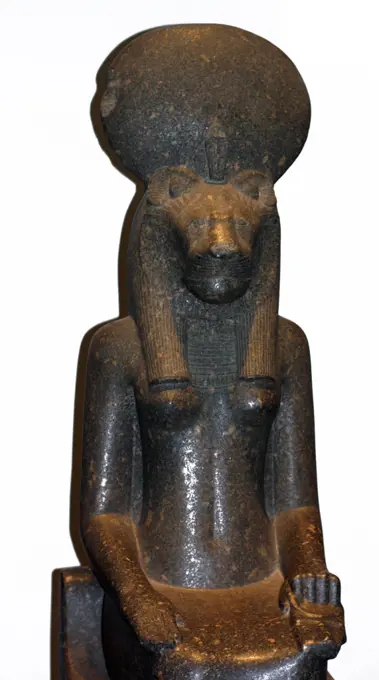
1746-19669899
18th dynasty seated statue of the goddess Sekhmet, from Thebes, Egypt. (approx. 1350 BC). Egyptian. Black Granite.
1788-19112
Statue of Senusret
7001-69544847
Egyptian figures drawn on souvenir shop wall, Luxor, Egypt (Editorial Usage Only)
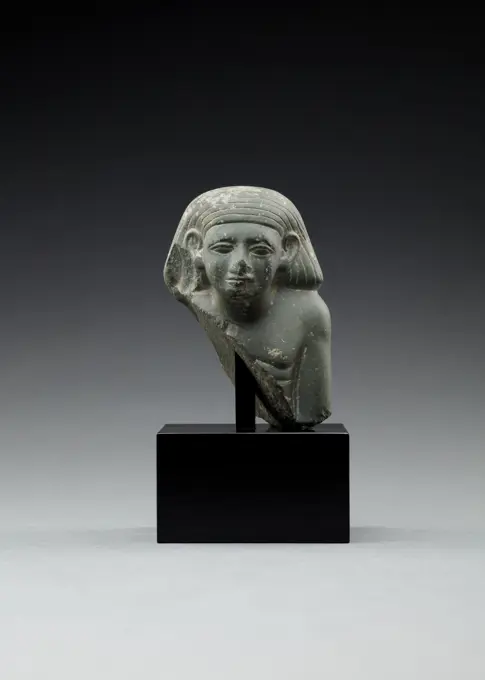
6145-29716607
Upper part of a male seated figure ca. 1800-1650 B.C. Middle Kingdom This head and half of a torso preserves the upper part of the figure of a seated official. The full sculpture would likely have shown the man with his legs folded in front of him and his hands resting on his lap. The officials age and status are indicated by his soft musculature and underscored by the rolls of fat visible on his chest. It is possible that the statue was deliberately broken, with the eyes, nose, and mouth mutilated to ritually "deactivate" it.. Upper part of a male seated figure. ca. 1800-1650 B.C.. Fine-grained grey stone (graywacke?). Middle Kingdom. From Egypt. late Dynasty 12-Dynasty 13
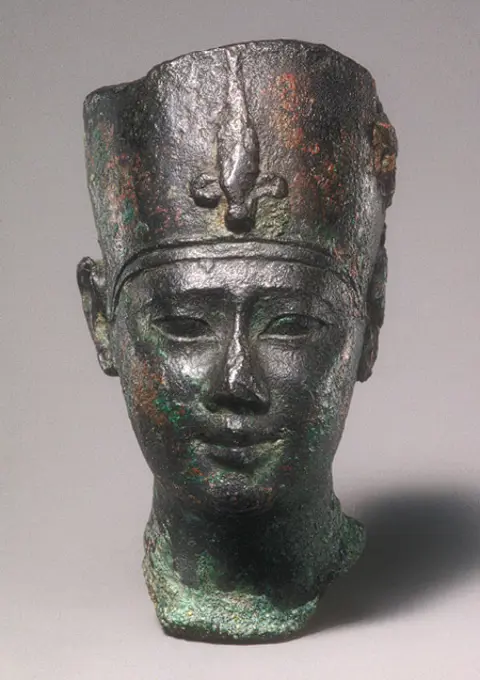
6145-29825889
Head of Ptolemy II or III 246-222 B.C. Ptolemaic Period Only the head of what was once a rather large bronze statuette is preserved. Examination has shown that the material is a black bronze, an ancient patination that would heighten precious metal inlays, and that the statue had an iron armature.The king has the single-arc brow line and a generally idealized appearance that is found for kings of the fourthe century through at least Ptolemy II. However, compared to fourth century kings, the wider eyes and somewhat thicker and flatter lips represent new tendencies best understood in the context of changes happening in the period of Ptolemy II and III.. Head of Ptolemy II or III 547773
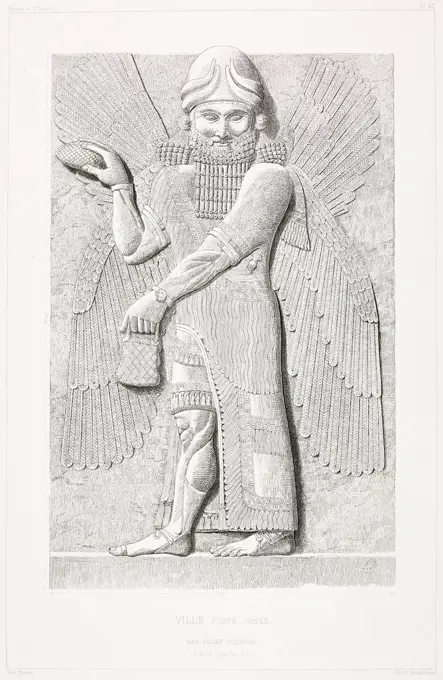
1788-111119643
Bas-relief depicting King Sargon II, Khorsabad, Mesopotamia, Iraq, engraving from Ninive et l'Assyrie (Nineveh and Assyria), by Victor Place and Felix Thomas, 1867-70, Paris.
6145-29781871
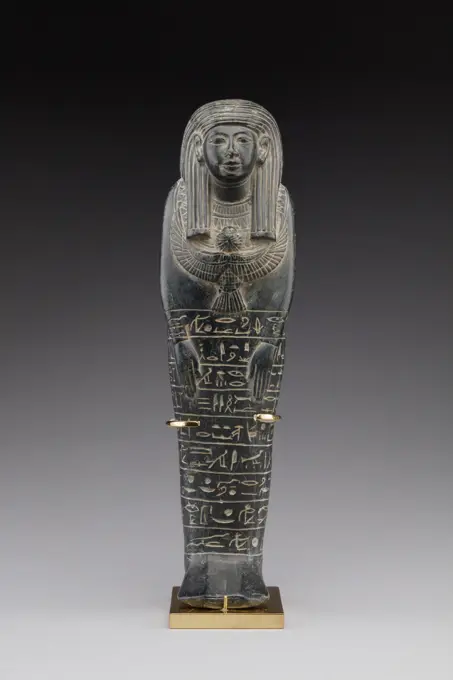
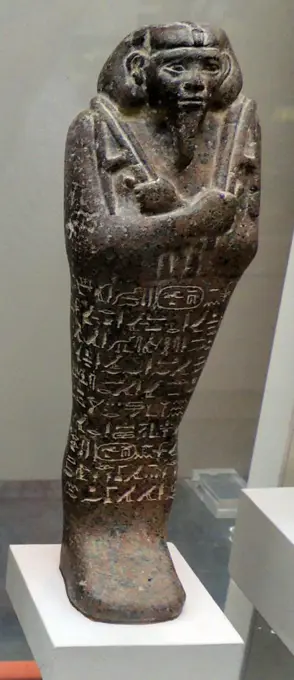
Shabti of Tjebure ca. 1295-1186 B.C. New Kingdom, Ramesside This finely carved stone shabti, made for a man named Tjebure, depicts the owner's body wrapped like a mummy but with the hands visible resting open on the thighs. An image of Tjebure's spirit - or ba - in the form of a human-headed bird, spreads its wings over his chest just below an ornamental collar. Representations of the ba-bird joining with the mummy are frequently included in the Book of the Dead, a collection of spells intended to help the deceased on the journey through the underworld. Another example of this imagery can be seen on a Late Period coffin belonging to Ankhshepenwepet.Lines of text wrapping around the front and sides of the shabti record an inscription to ensure that the shabti will respond if Tjebure is required to work in the afterlife.. Shabti of Tjebure. ca. 1295-1186 B.C.. Serpentinite. New Kingdom, Ramesside. From Egypt. Dynasty 19
6145-29719771
Sphinx of Amenhotep III, possibly from a Model of a Temple ca. 1390-1352 B.C. New Kingdom Even without the inscription, the facial features of this faience sphinx would identify it as Amenhotep III. The graceful body of the lion transforms quite naturally into human forearms and hands. In this form, the sphinx combines the protective power of the lion with the royal function of offering to the gods. The even tone of the fine blue glaze and the almost flawless condition of this sculpture make it unique among ancient Egyptian faience statuettes. Another small faience sphinx from a later period may be seen in gallery 127 (1990.25).Other sphinx statues in the collection are on display in gallery 118 (30.8.72), gallery 116 (08.202.6), gallery 115 (31.3.94, 31.3.167), gallery 111 (17.9.2), and gallery 131 (31.3.166).. Sphinx of Amenhotep III, possibly from a Model of a Temple. ca. 1390-1352 B.C.. Faience, remains of a travertine (Egyptian alabaster) tenon. New Kingdom. From Egypt; Possibly f
1746-21100187
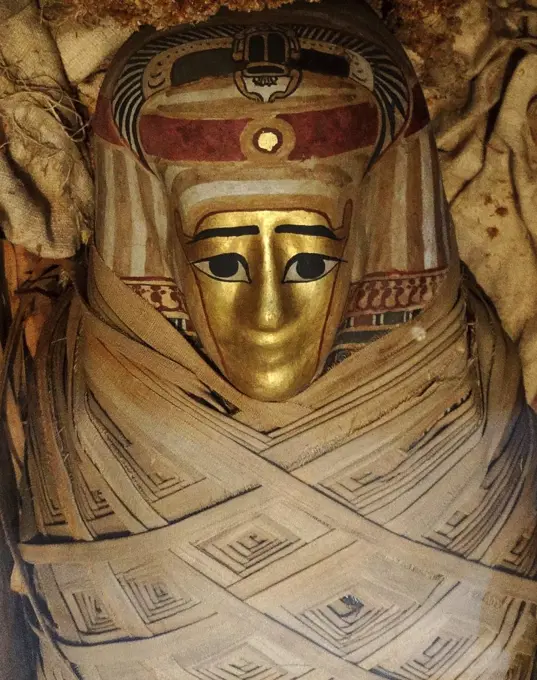
Mummy of a man with a golden mask from the Greco roman period 1st century AD; Fayum Egypt
1746-19692104
coffin of Dimutenibtes 747-664 BC, Ancient egyptian, Thebes. the green colour of the face indicate that this funerary statuette represents both Osiris and the deceased himself.
4435-3833
The gold mask. ca. 1340 BC. Gold Mask made in wood, gold, coloured vitreous paste and hard stones inlays. Situated at the third in mummiform coffin of the Treasure of Tutankhamun. Egyptian art. New Kingdom. Jewelry. EGYPT. CAIRO. Cairo. Egyptian Museum. Proc: EGYPT. QUENA. Dayr al-Bahri. Valley of the Kings. Tomb of Tutankhamun.
1788-16823
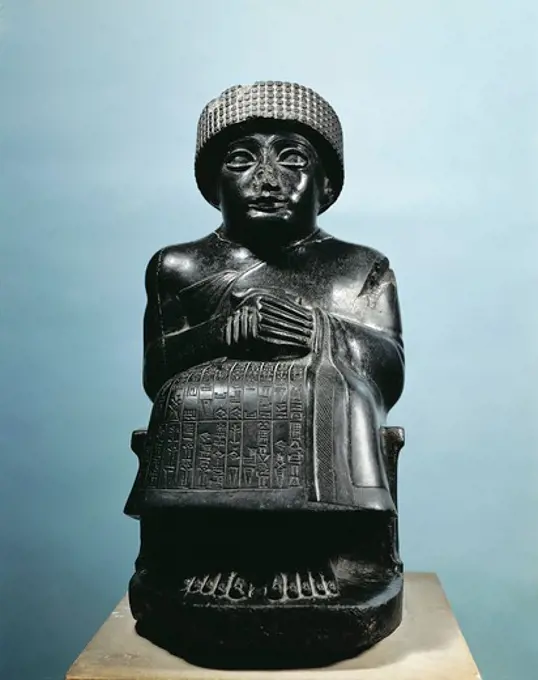
Diorite statue of Gudea, prince of Lagash
6145-59138247
Emilia-Romagna Bologna Bologna Museo Civico Archeologico Sale III, IV, V5. Hutzel, Max 1960-1990 Specific Location: Sale III, IV, V (Egyptian antiquities) Owner: Museo Civico Archeologico Antiquities: III: basalt sculptural fragments; reliefs from the tomb of Horemheb; funerary stele; dynasties XVIII, XIX, XX, Ptolomeic dynasty reliefs, generally in limestone. IV: XVIII, XIX dynasty sculptures in granite, limestone, sarcophagi, statuette in basalt, statuette in wood, statuettes in bronze, statuette faience, mummy mask: V: basalt sculptures of Horus, Sekhmet, limestone stele (Antiq. count: 202); Republican portrait sculpture, Republican cippi with portrait bust, cippus with portraits (single and group), cippi with inscriptions from all periods, architectural fragments, basin with inscription, torso fragment of cuirassed figure of the 1st century AD (Nero) (Antiq. count: 185); disk lamps from the late republic to 6th century, with erotes, animals, erotica, mythological scenes, menorah, p
1746-21111373
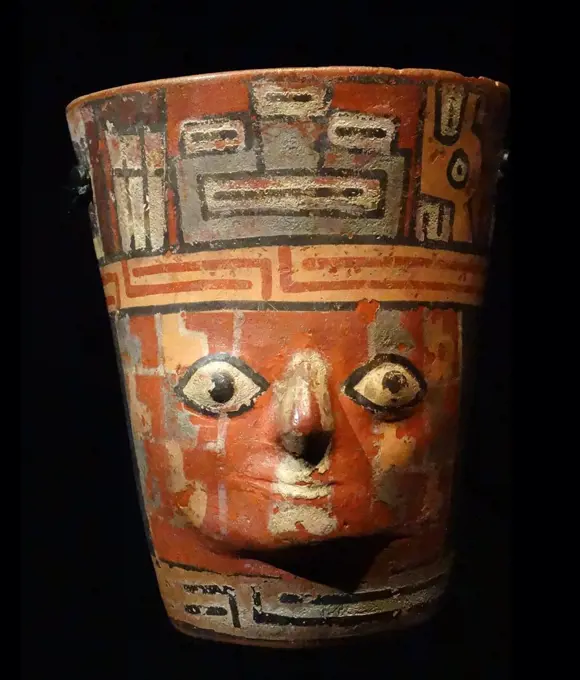
Terracotta anthropomorphic vase from Wari culture a Middle Horizon civilization that flourished in the south-central Andes and coastal area of modern-day Peru. Dated 7th Century
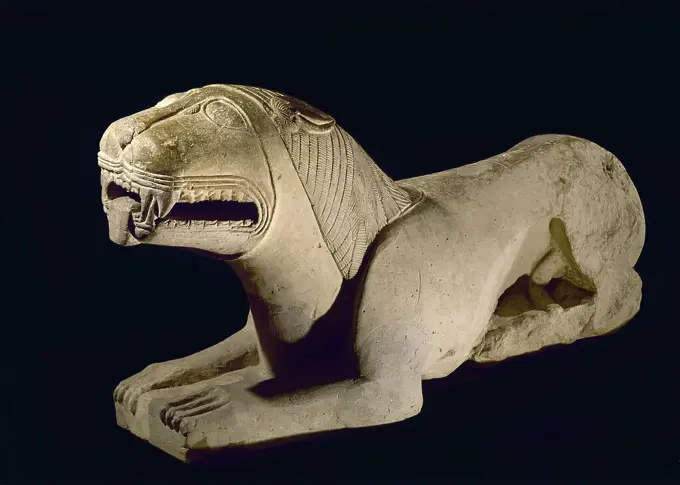
4409-6094
The Iberian Lion of Nueva Carteya. Cordoba, museum of archaeology. Location: MUSEO ARQUEOLOGICO-COLECCION. CORDOBA. SPANIEN.
1746-19669982
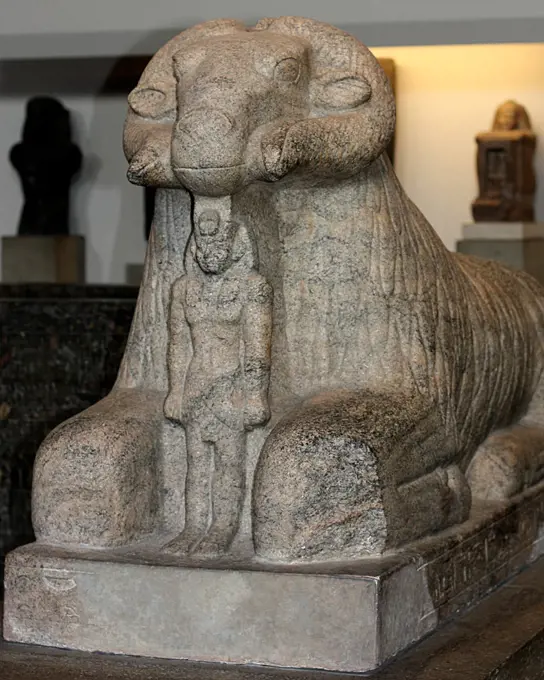
Granite Statue of Amun Ram protecting King Taharqa. 25th Dynasty (Approx. 690-664 BC) Egyptian, from Kawa in Nubia. Found by Professor Francis Llewellyn Griffith in 1930-1 in the Temple of Amun.
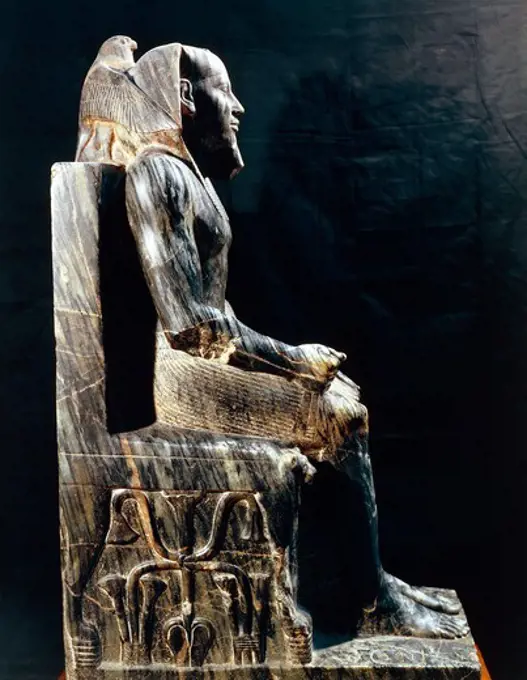
1788-16340
Diorite statue of Pharaoh Khafre with his head wrapped in wings of falcon god Horus from Giza, Egypt, Old Kingdom, Dynasty IV
4409-17331184
ESFINGE DE TIPO HITITA PROCEDENTE DE TELL-HALAF. Location: MUSEO. ALEPO.
1848-61894416
Statue in Karnak Temple, Luxor, Egypt, Africa
1848-55374558
Altar of the Children, Olmec Sculpture, Parc Museum La Venta, Villahermosa, Tabasco, Mexico, Central America
1889-60415131
Thutmose I. Third pharaoh of 18th Egyptian dynasty. After a work by archeologist Howard Carter, used in the book The Tomb of Hatshopsitu by Theodore M. Davis, published in London, 1906.
6176-67081737
The wife of a Ptahmai, c1400 BC (1936). Artist: Unknown
6188-67442804
Statue in the Vatican Museum The Vatican Museums Italian Musei Vaticani house above all the papal art collections and are located on the territory of the Vatican City. The collection is one of the most important and largest in the world and comprises the areas of oriental age old Egypt and Assyria, classic antiquity of Greek-Roman art, Etruskish-Italian old people today before the Roman period, early Christian and medieval art 3.14. Century, art of the Renaissance 15th century to the 19th century, contemporary art and Ei-ne-ne ethnic collection. The most famous part, which can be visited in the course of a museum visit, is the Sistine Chapel
1525-22310837
Low angle view of a sculpture, Egypt
7222-71282778
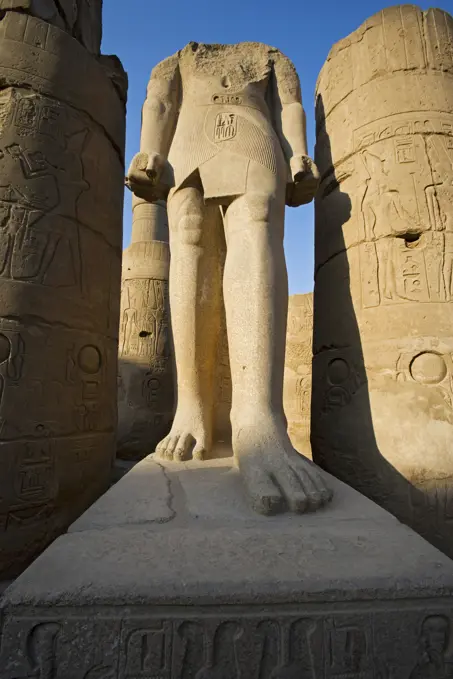
Luxor, Egypt. A headless statue of Ramses II at Luxor Temple, Egypt
6145-59049013
Mrs. Mrs. AS, Each of the Queen of Henuttau, the queen of the Macatar Queen;  around 1295 1069 BC ; New PA 945 BC ; 3rd passing period, 21 dynasty (-1074-00-00--940-00-00);Henuttaui (Queen of Egypt - (CA 1100-1000 A.C.), Hieroglyphs, cartouches, ureusz (iconogr.)
4409-65764319
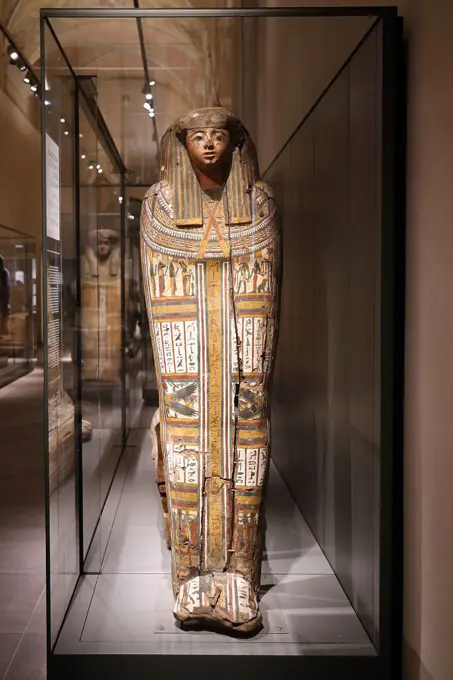
Coffin lid of Tadiaset-taheket. Wood. Type "stola coffin". Late Period, 25th-26th dynasty (722-525 BC). Thebes. Valley of the Queen. Tombs of Khaemwaset and Setherkhepeshef. Egyptian Museum of Turin. Italy.
6145-51815692
Cairo, Egypt, Africa Funeral Cardboard of the singer of Amon-R, Mshebtyseqebet , 1914 - Egypt - Auguste Léon - (January -February) (French - Le Caire , Egypte , Afrique Cartonnage funéraire de la chanteuse d' Amon-R , Mshebtyseqebet). Museum, woman, interior view, funeral architecture, painted decor, painting, Egyptian polytheism, funeral inscription, antiquity, showcase , display, hieroglyph, sarcophagus, funeral furniture, religious architecture, Human beings, housing , architecture, art, religion, registration , information, Egypt, Cairo Museum, cardboard of the mummy of a singer lady of Amon (Mashasobkit n ° 2081)
4409-20897925
sculpture of a sphinx, 1833, Jacint Mateu, Paseo del Borne -Passeig des Born-, Palma, Mallorca, Balearic Islands, Spain, Europe.
4409-17231559
Egyptian Antiquities in the Louvre museum, Paris, France.
1848-54714477
Dating back to 3500 B.C., Mesopotamian art war intended to serve as a way to glorify powerful rulers and their connection to divinity
4409-17387577
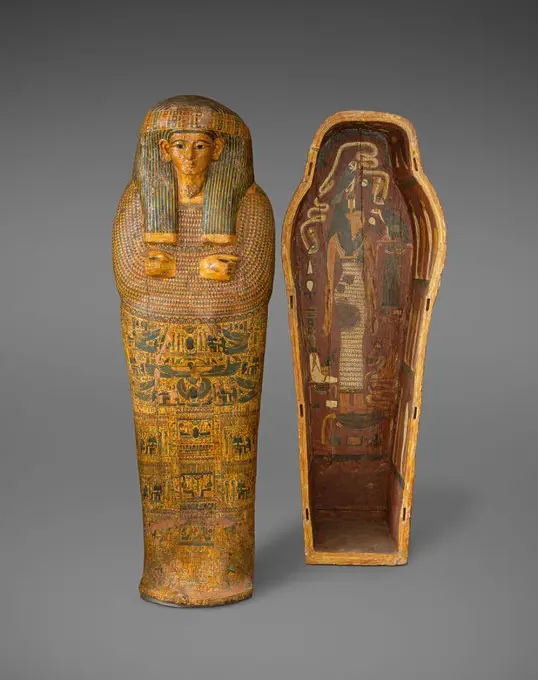
Outer Coffin of Tabakmut. Dimensions: L. 216 cm (85 1/16 in). Dynasty: late Dynasty 21. Date: ca. 1000-950 B.C..Tabakmut was one of the last burials in the main chamber of Tomb MMA 61. His anthropoid coffin set was relatively complete, with this outer coffin, an inner coffin (25.3.11a, b), and a mummy board (25.3.12), but no other burial equipment was included. The ready-made, stock coffins, with their false beards and fisted hands, are of the kind designed for men, and the mummy found inside was that of a male, twenty-five to thirty years old. Tabakmut has no titles and his name is typically female. The use of a woman's name for a man may have been a mistake of the undertakers.On this coffin, the head is covered with a striated tripartite wig, with a hole under the chin for a now-missing beard. Tabakmut's fisted hands emerge from an elaborate floral collar that covers his shoulders and chest. Below this, scenes relating to the adoration of Osiris fill the lid. The name of the deceas
1783-12419861
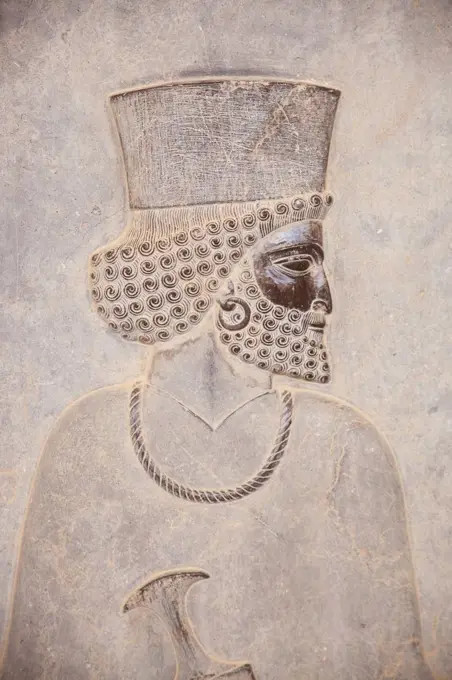
Bas relief carving on Eastern Apadana Staircase; Persepolis, Iran
1525-22410085
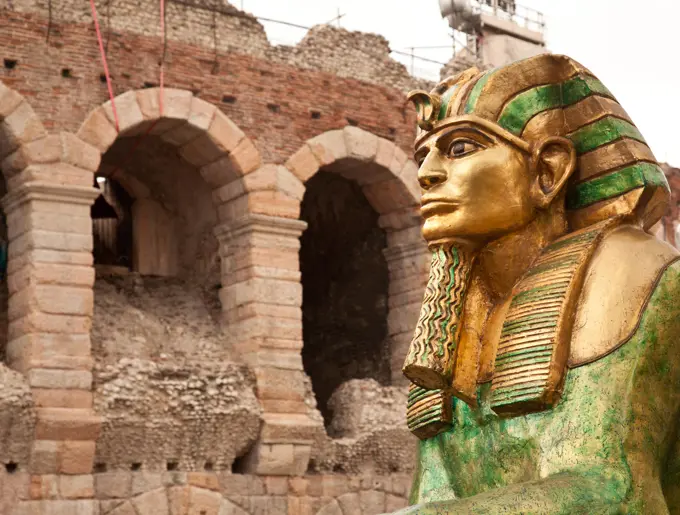
Model of Sphinx used in opera productions in Verona in Arena
1746-19692065
Limestone dyad of man and wife. 18th dynasty, about 1350 BC. The elaborate coiffure and pleated costumes worn by the unnamed man and his wife indicate a date in the later part of the 18th dynasty for this fine dyad. The lack of inscription suggests the piece was unfinished.
4409-64545
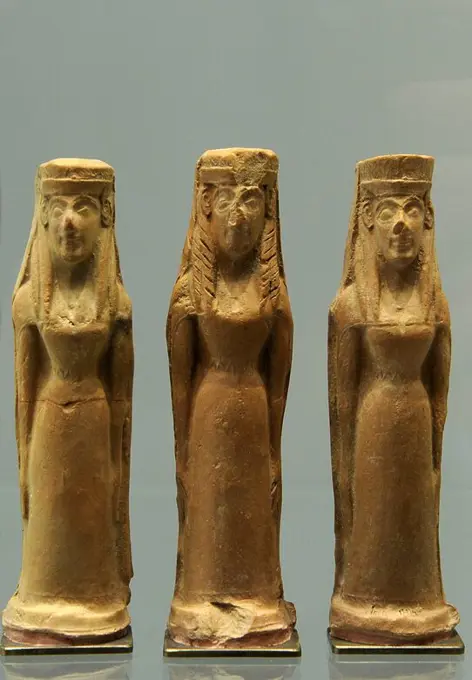
ARTE ANTIGUO. ARE AMEDITERRANEA. Figuras votivas de mujeres con vestidos largos, realizados en moldes por artesanos de los santuarios. Estas figurillas manufacturadas, los peregrinos los daban como presentes para realizar sacrificios. Las figuras están provistas de agujeros para poder ser colgadas en árboles sagrados o altares. 650-470 a. C. Museo Carlsberg Glyptotek. Copenhague. Dinamarca.
6145-29087644
Bronze mounts from a "Shawabty Bundle"; Head and Crossed Arms, c. 1336-1256 BC. Egypt, Thebes, Wadi Qubbanet el-Qirud, New Kingdom, late Dynasty 18 (1540-1296 BC) or early Dynasty 19 (1295-1186 BC). Head; bronze face, black copper wig, with traces of gilding;
1848-49301550
Sculpture by EMILY YOUNG, Exhibition, New Bond Street, London, London Region, England, Great Britain
4186-58632401
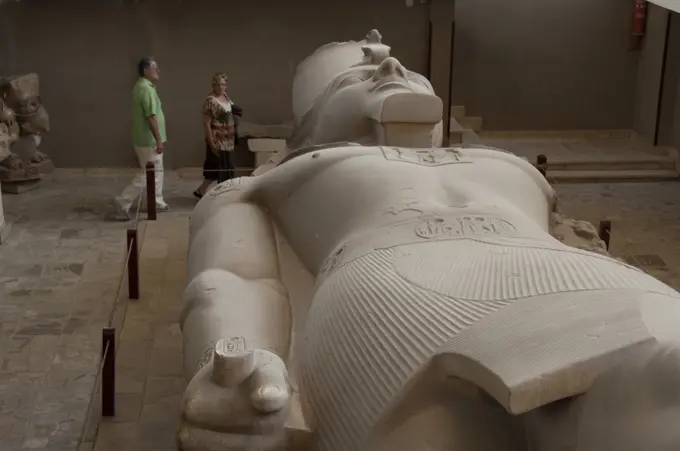
MEMPHIS EGYPT COLOSSUS RAMSES II
6188-64706791
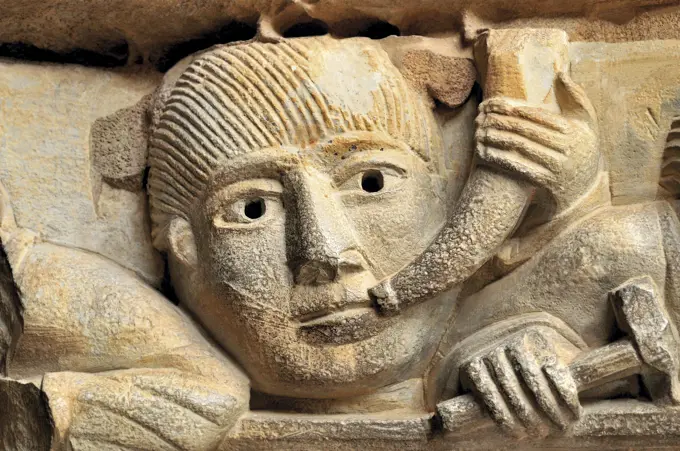
Frankreich: Kapitell Abtei St. Foy in Conques Die Abtei St. Foy in Conques ist eine de wichtigsten Stationen des Jakobsweges Via Podiensis in Frankreich. Vom einstigen romanischen Kreuzgang sind noch einige Kapitelle erhalten wie dieses mit Szenen mittelalterlicher Handwerker. The Abbey St. Foy in Conques in the french Midi-Pyrenees is an important station of the St. James Way Via Podiensis. It guards still some romanesque capitals like this scene of medieval handicrafts. Copyright: xZoonar.com/LouxAversx 3784428
4409-28826039
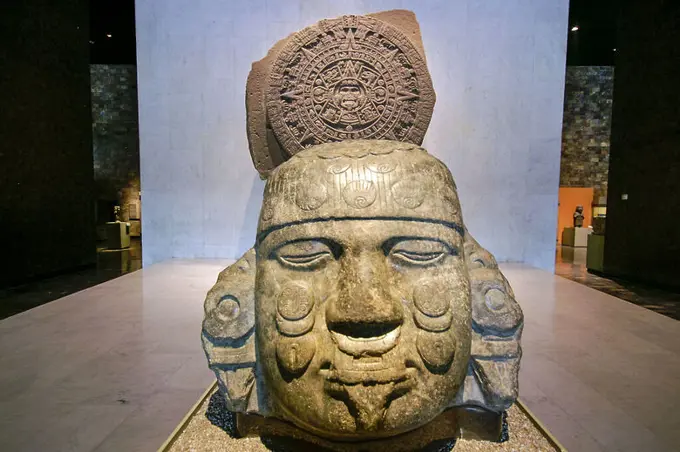
Piedra del Sol. Aztec Culture. National Anthropology Museum. State of Mexico D.F.Mexico.
1848-57215232
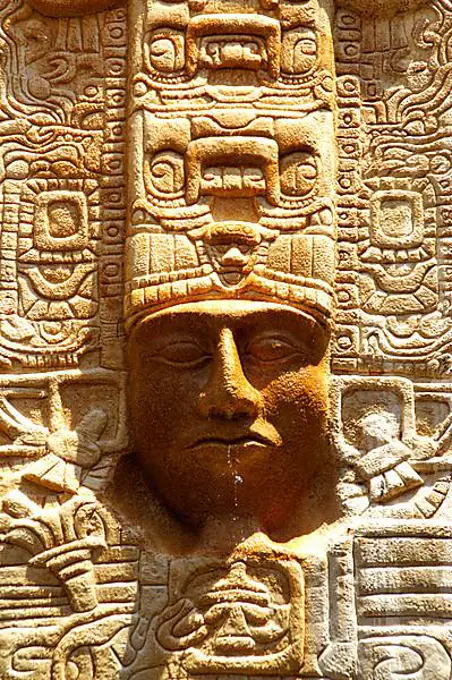
Maya relief, reproduction, Cancun Yucatan, Mexico, Central America
4409-62747400
Egyptian art. Seated Scribe. Old Kingdom. 2620-2500 BC. Louvre Museum. Paris. France.
1899-18791499
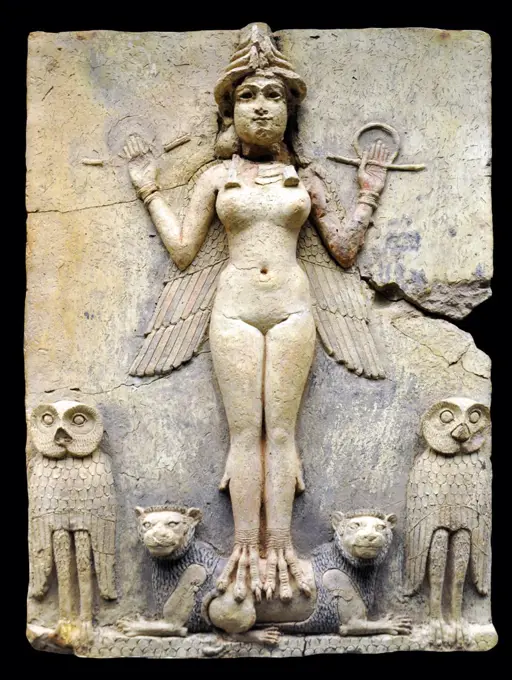
The Burney Relief (also known as the Queen of the Night relief) is a Mesopotamian terracotta plaque in high relief of the Isin-Larsa- or Old-Babylonian period, depicting a winged, nude, goddess-like figure with bird's talons, flanked by owls, and perched upon supine lions. The relief is displayed in the British Museum in London, which has dated it between 1800 and 1750 BCE. It originates from southern Iraq, but the exact find-site is unknown. Apart from its distinctive iconography, the piece is noted for its high relief and relatively large size, which suggests that is was used as a cult relief, which makes it a very rare survival from the period. The relief depicts a naked female figure with tapering feathered wings and talons, standing with her legs together; shown full frontal, wearing a headdress consisting of four pairs of horns topped by a disc; wearing an elaborate necklace and bracelets on each wrist; holding her hands to the level of her shoulders with a rod and ring in each;
6176-67042821
Head of a bronze statue of Pepy I, Ancient Egyptian pharaoh, 24th-23rd century BC (1926).  Artist: Winifred Mabel Brunton
6188-62379120
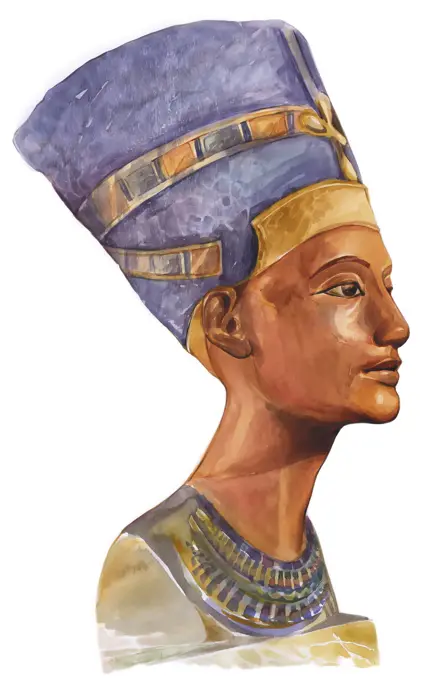
Queen Nefertiti Painting portrait illustration of ancient queen nefertiti Copyright: xZoonar.com/IgorxZakowskix 2486070
1848-53281463
Classical style artwork seen on street in Merida, Extremadura, Spain, Europe
7012-69849771
Egypt, Luxor, East Bank, Luxor Temple. Face of Ramesses II.
1746-28982535
Painted limestone statue of an unnamed man and wife from a tomb-chapel at Thebes. Dated 14th Century BC
6188-71885531
Hathor Column Ancient Egypt Capital Hathor column , ancient egypt capital, temple at Dendera , vector drawing Copyright: xtan_tanx
4409-60253
Egyptian Art. Statue of Pharaoh Ramses II (h.1290-1224 BC). Detail. New Empire. 19th Dynasty. Mit Rahina Open Air Museum. Memphis. Egypt.
7046-70041554
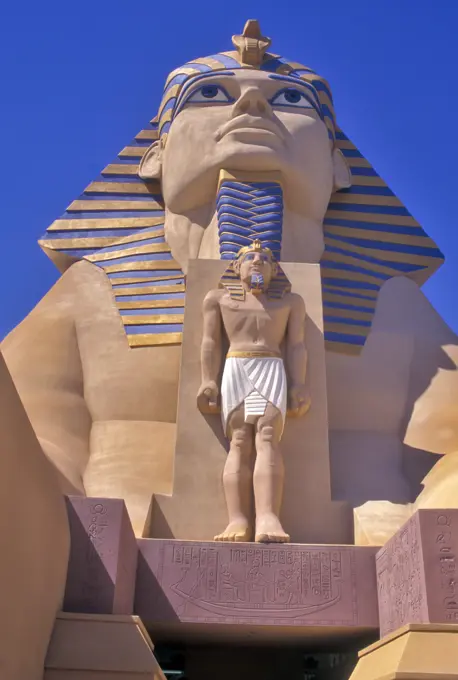
Statue of Sphinx at the Luxor Hotel. Las Vegas, Nevada, USA.
4409-59082
Mexico city.National Museum of Anthropology.Maya culture.Stucco frieze from Placeres in Campeche.250-600 AD.
7012-69849576
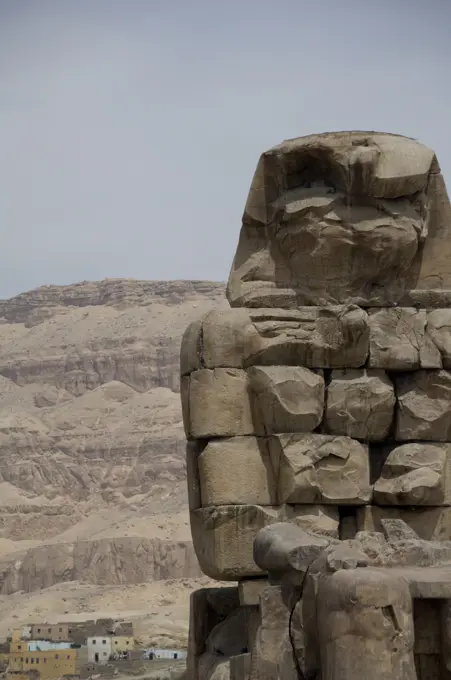
Egypt, Luxor, West Bank, Colossi of Memnon. Giant stone statues of Amenophis III (aka Amenhotep).
1746-19679387
Granite Shabit of King Taharqo 664 B.C.
6145-29266040
A sculpture of Gula, Mesopotamian deity of healing: side view. Photograph.
1525-20547299
Detail of an original Egyptian sarcophagus
6176-67051568
Pendant of the Vulture of Upper Egypt and two cartouches, Cairo, c14th century BC. Artist: Unknown
1746-29955198
Painted limestone statue of Rahotep and Nofret. Prince Rahotep was a Prince in ancient Egypt during the 4th dynasty. He was probably a son of Pharaoh Sneferu. The statues were discovered in 1871 by Albert Daninos, an assistant to the French explorer and early archaeologist, Auguste Mariette. Their burial in a Mastaba located near the pyramid of Meidum shows they were members of the royal family of the Fourth Dynasty
6188-63309497
Sphinx in Verona Model of Sphinx used in opera productions in Verona in Arena Copyright: xZoonar.com/StevenxHeapx 1830527
4435-6238
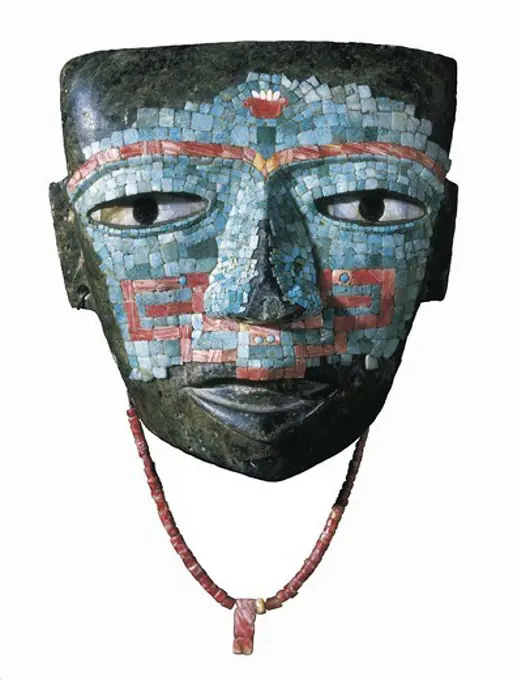
Malinaltepec Mask. 300-650. Teotihuacan culture. Jewelry. MEXICO. FEDERAL DISTRICT. Mexico City. National Museum of Anthropology. Proc: MEXICO. GUERRERO.
1848-60290500
Museo Nacional de Antropología, Mexico City, Mexico, Central America, A series of ancient sculptures and representations of gods in a dark museum hall, Central America
255-69336245
Vintage Photograph. Bust of Egyptian Queen Nefertiti She was the wife of Amenhotep IV in the Metropolitan Museum of Art.
7012-69849874
Egypt, Memphis (aka Menufer). Giant statue called The Colossus of Ramses II.
6145-48714822
Roma - Museo Ludovisi Boncompagni alle Terme. Trono di Venere, uno dei lati con la figura dell'auletria (scultura Greca del V. secolo A.C.) , Antiquities, Bas-reliefs, Wind instruments, Ludovisi Throne. Nicholas Catsimpoolas Collection
1889-60428771
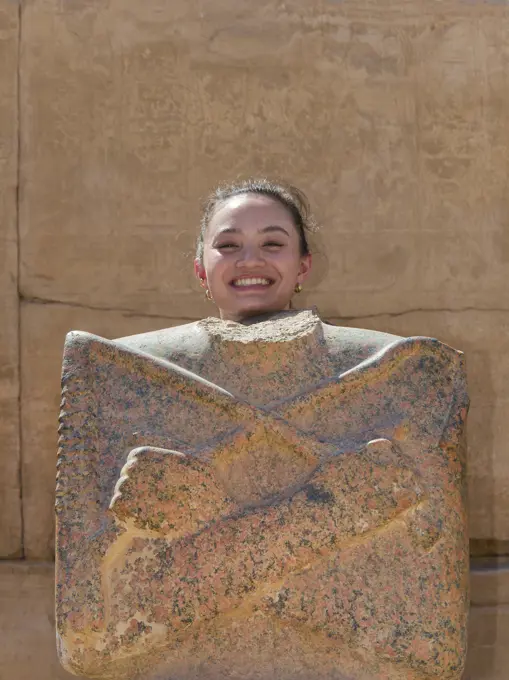
Girl posing as ancient Egyptian god with headless statue at the Karnak Temple in Luxor, Egypt; Luxor, Egypt
PREVIOUS
of 2
NEXT
2401 S. Ervay, Suite 206
Dallas, Texas 75215
United States
Get Started
Free ResearchMy BoardsMy Cart
For Creators
How To License Your ContentContributor PortalFrame of Mind
Resources
API accessPricing
Contact
+1 866 236 0087help@viewpictures.co.uk Contact form
©2026 View Pictures. All Rights Reserved. -A
This site is protected by reCAPTCHA and Google Privacy Policy and Terms of Service apply.