My Boards
View Pictures
  • My Boards
← Artworks

Ancient Egyptian Sculpture

Statues and busts representing ancient Egyptian kings and deities, showcasing regal posture and intricate artistic detail, made of various materials.
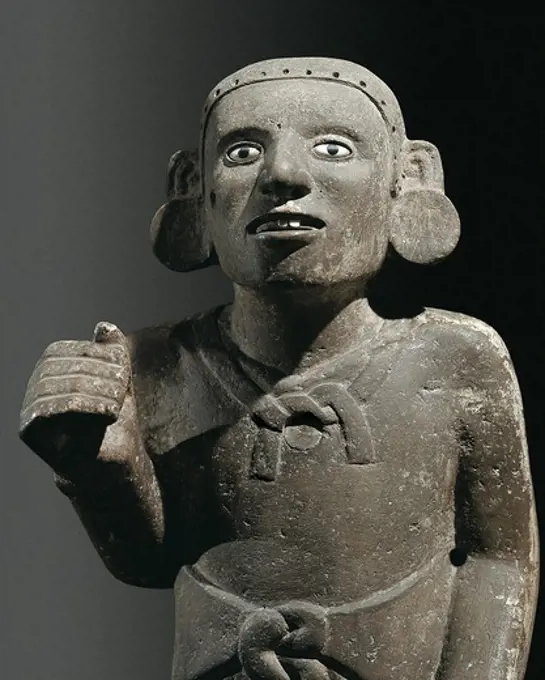
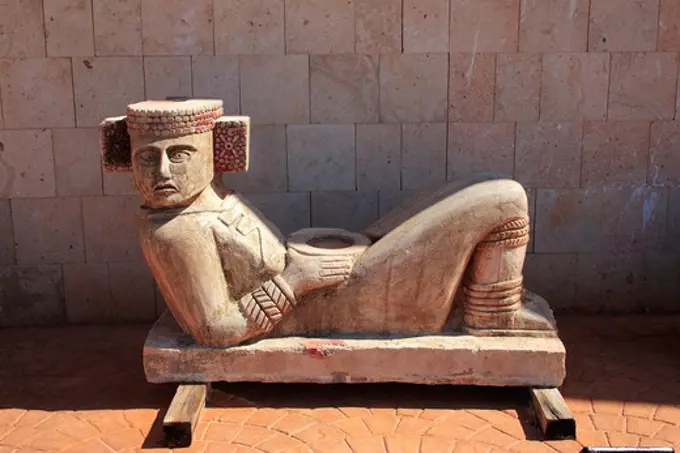
Aztec priest. Aztec art. Sculpture. MEXICO. FEDERAL DISTRICT. Mexico City. National Museum of Anthropology.
259 assets in this story
1848-55369678
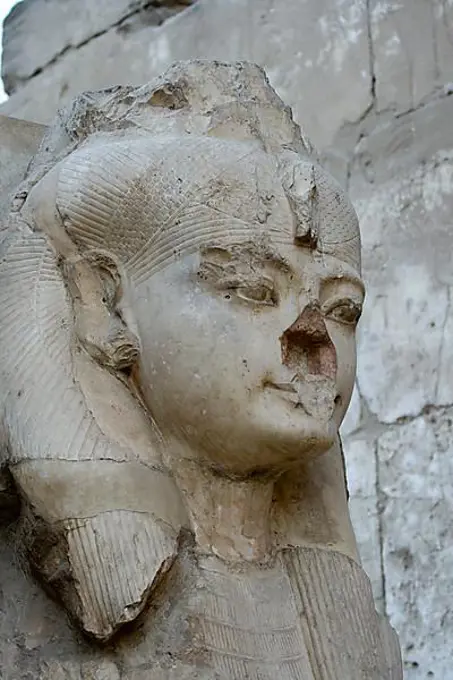
Ramses II, Great Court, Luxor Temple, Luxor, Nile Valley, Egypt, Africa
4292-161969
Egypt, Cairo, The Egyptian Museum, clay statue
1788-19186
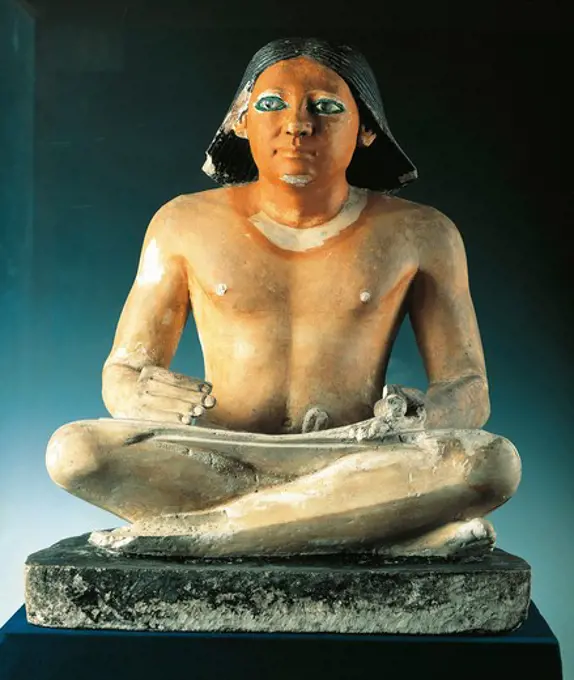
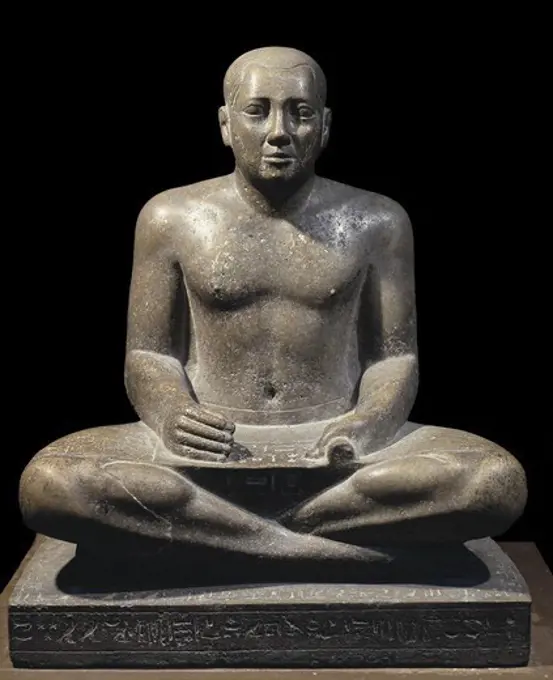
Painted limestone statue of seated scribe with papyrus from Saqqara
7019-69917302
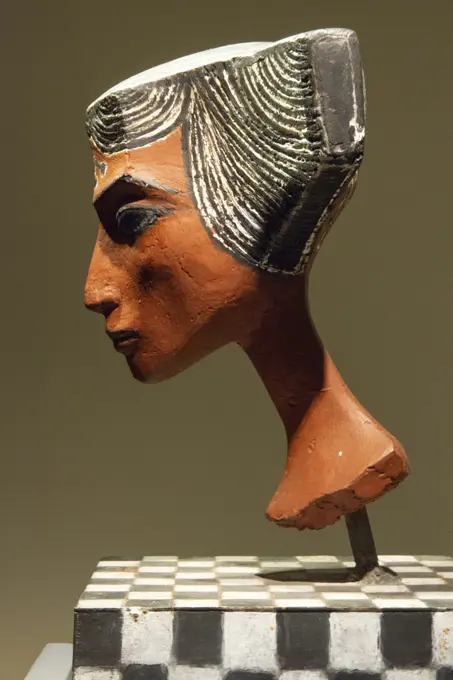
Egypt, Nile River Expedition, Alexandria, new Alexandria Library, 'A Girl from Nubia' (1998 by Abdel Wabi) on chessboard (2006) on exhibit
1746-111338552
The sculpture of the Seated Scribe or Squatting Scribe is a famous work of ancient Egyptian art. It represents a figure of a seated scribe at work. The sculpture was discovered at Saqqara, north of the alley of sphinxes leading to the Serapeum of Saqqara, in 1850 and dated to the period of the Old Kingdom, from either the 5th Dynasty, c. 2450-2325 BCE or the 4th Dynasty, 2620-2500 BCE. It is now in the Louvre Museum in Paris.
6188-60048191
statue of the god Re-Horakhty statue of the god Re-Horakhty, granite, Dynasty XIX, reign of Rameses II, 1279-1213 BC, Tell el -Maskhuta, Egypt,Centre Cultural La Caixa - Palma,collection of the British Museum Copyright: xZoonar.com/Tolox 21630106
1746-19676605
Limestone Bust of King Amensmhat IV 1814 B.C. L
1746-30020279
Thutmose III (Tuthmosis), Thutmose the Great, pharaoh of the Eighteenth Dynasty. Officially, Thutmose III ruled Egypt for almost 54 years and his reign is usually dated from 28 April 1479 BC to 11 March 1425 BC, from the age of two and until his death at age 56. Hhowever, during the first 22 years of his reign, he was coregent with his stepmother and aunt, Hatshepsut, who was named the pharaoh. Thutmose served as the head of Hatshepsut's armies
7208-70657685
Egypt, Bahariya Oasis, Valley of the Golden Mummies, Mummy with mask and painted cartonnage chest plate
4443-20268760
Abruzzo, L'Aquila, S. Giuliano (L'Aquila environs), Museo, Italy, 20th century, photo, photography, Europe
6145-29152661
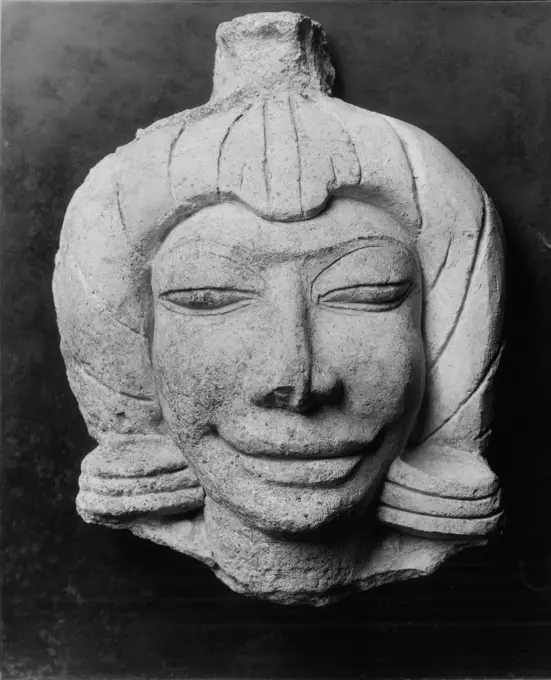
Head of a Male Figure 8th-9th century Thailand (Ratchaburi Province, Ku Bua) In Thailand, stupas and temples were often embellished with terracotta and stucco sculptures. In some instances, even large-scale narrative friezes illustrating stories from the Buddha's life survive. In contrast to the stone and metal images that served as the primary objects of worship, these sculptures in plastic media show a greater degree of spontaneity and freedom of expression.. Head of a Male Figure. Thailand (Ratchaburi Province, Ku Bua). 8th-9th century. Stucco with color. Mon-Dvaravati period. Sculpture
4409-28816325
Mascara de estilo Teotihucano.Museo de Xochicalco. Estado de Morelos.Mexico.
6145-30109194
Sphinx from Giza: head, shoulders and front legs; The Sphinx..part of Travel Album with Pictures of Sights in Greece and Egypt.
1746-19669476
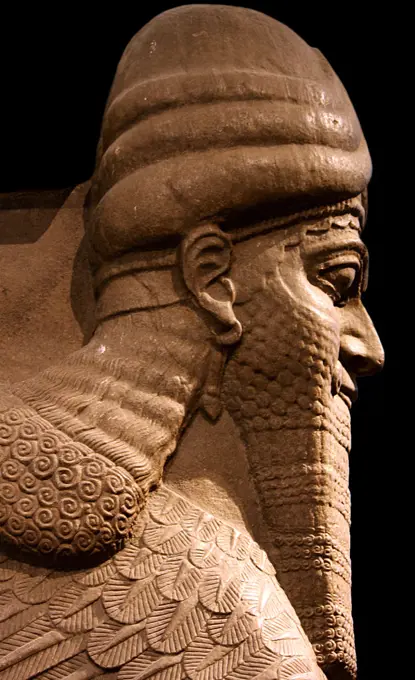
Profile of Human-headed winged bull (or Šedu) statue. Assyrian (circa 710-705 BC). Taken from Khorsabad. A protective spirit statue used to guard palace doorways.
4409-17271985
CABEZA DE GRANITO CON CORONA (XVIII DINASTIA). PROCEDE DEL TEMPLO DE AMON EN KARNAK. 37 CMS. DE ALTU. Location: EGYPTIAN MUSEUM. KAIRO. EGYPT.
866-4557
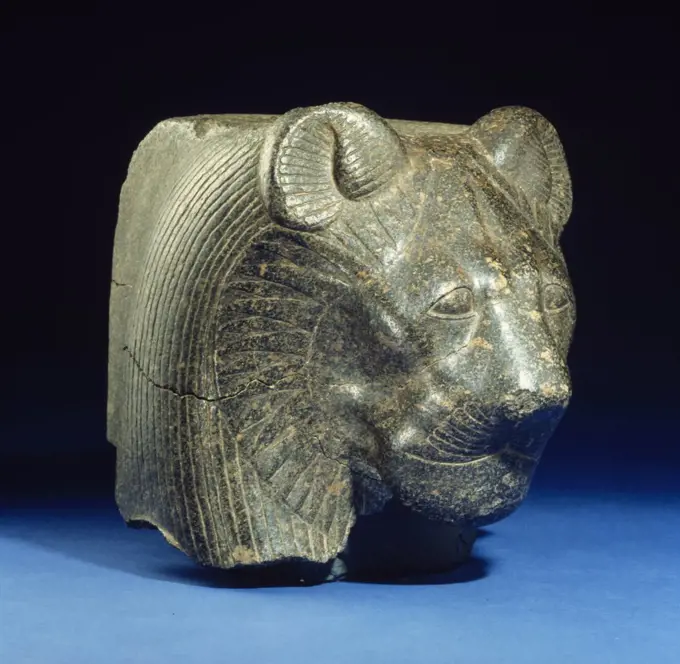
Monumental Granite Head of Sekhmet Lioness-headed Goddess Egyptian Art Granite Christie's Images, London, England
6176-67045682
Wooden Model of Man fanning Fire, Egyptian  Tomb Finding, c1900 BC.  Artist: Unknown.
1886-48843
Sculpture ; Progresso ; Mexico
7155-70379307
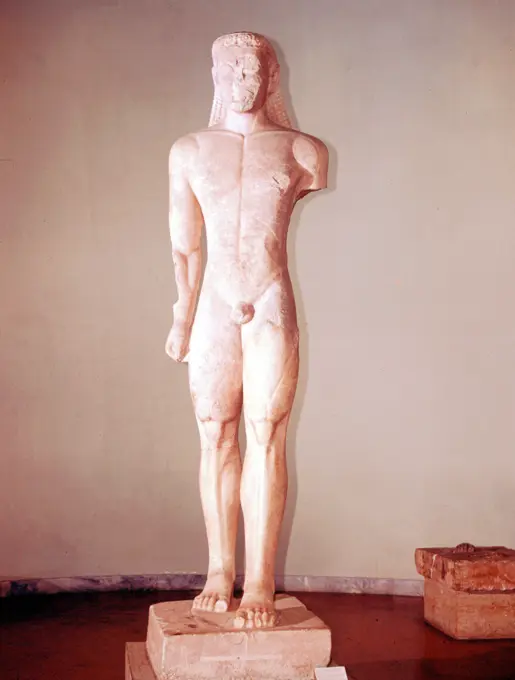
Greek Kouros statue, 600 BC, Sounion.
1746-29953541
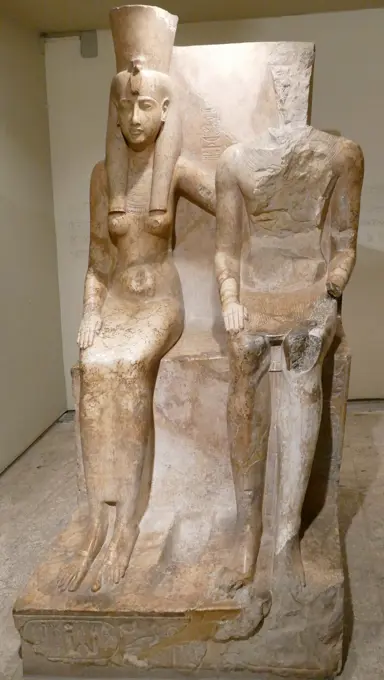
Statue of the Goddess Mut and the God Amun. XIX Dynasty, Reign of Ramesses II. Circa 1290-1224 BC; Mut was the mother goddess of Thebes. Amun was one of the eight ancient Egyptian gods who formed the Ogdoad of Hermopolis. He was the god of the air. During the Twelfth dynasty (Middle Kingdom) Amun was adopted in Thebes, as the King of the gods with Mut as his consort
4409-63010931
Babylonian stele usurped by Elamite King. Detail god. Basalt. 12th century BC. From Susa. Mesopotamia. Iraq. Louvre Museum.
1899-18611440
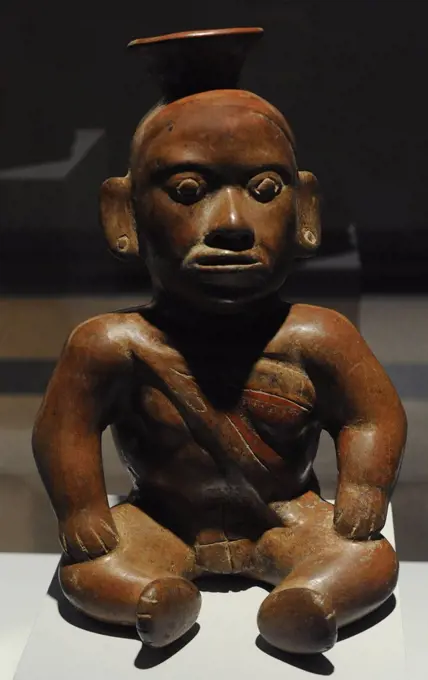
Vessel depicting a deformed character sitting. Painted ceramic. Colima style. Ancient and Middle Classic Period (100-700 AD). Western Mexico. Museum of the Americas, Madrid, Spain.
6145-29077529
Head of a Woman, 14th-15th Century. Java, Majapahit Period (1294-1478). Terracotta; overall: 8.6 x 8 cm (3 3/8 x 3 1/8 in.).
1788-19041
Pink Aswan granite colossal statue of Ramses II and Nefertari
1746-30005128
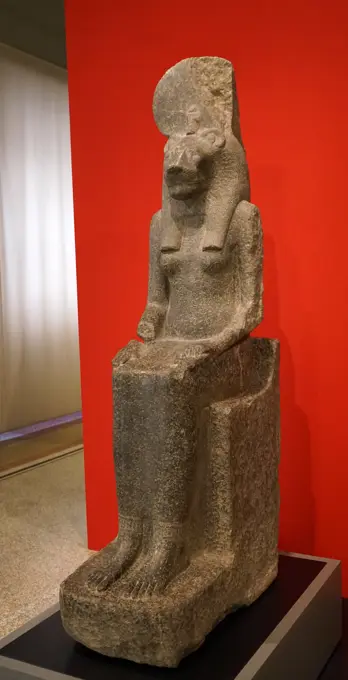
Statue of the Egyptian goddess Sekhmet.
6145-48888346
Westernmost Colossus, the Great Temple, Abu Simbel.
4409-24226
DAMA DE BAZA - S IV AC - ESCULTURA EN PIEDRA CALIZA (ANTES DE LA RESTAURACION) - ESCULTURA IBERICA. Location: MUSEO ARQUEOLOGICO NACIONAL-COLECCION. MADRID. SPAIN.
6145-43649305
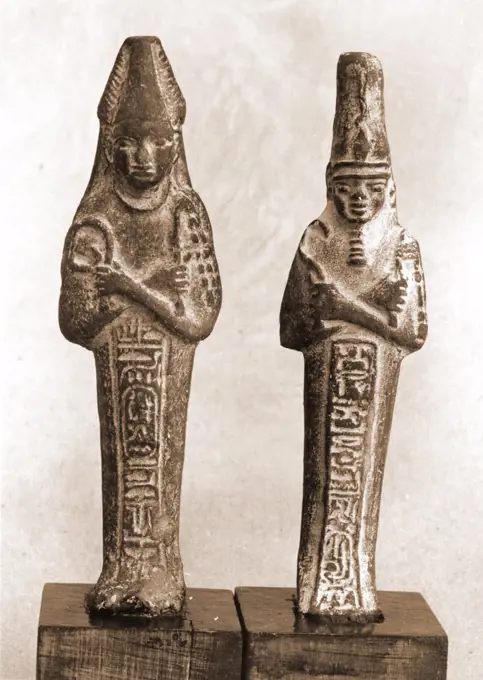
Uszebti Padipepa. unknown, author
4409-37748
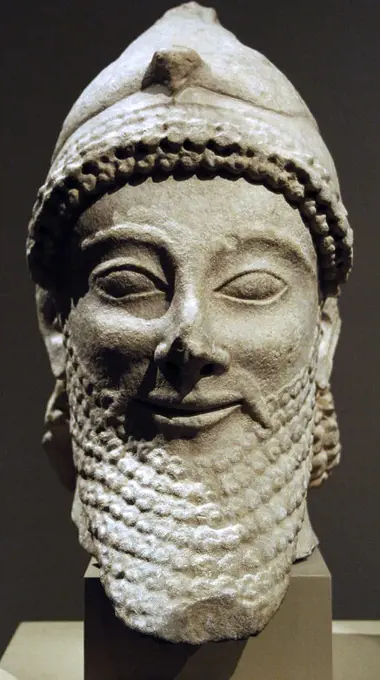
Cyprus. Limestone male head wearing a helmet with a bird. Archaic Period. Last quarter of the 6th century B.C. It comes from Golgoi (Cyprus). Metropolitan Museum of Art. New York. United States.
4443-28729424
Mask, c. 1930, 8 1/8 × 6 × 3 1/2 in. (20.64 × 15.24 × 8.89 cm), Wood, pigments, metal, plant fibers, Angola, 20th century
4409-17299041
FIGURA EN BRONCE DE LA DIOSA ISIS CON SU HIJO HORUS-BAJA EPOCA. Location: MUSEO ARQUEOLOGICO NACIONAL-COLECCION. MADRID. SPAIN.
1848-64411546
Ancient relief of Egyptian god Horus at a column of Kom Oombo temple, Egypt, Africa
1746-2763
Ramses II at Abu Simbel, 1850 Photograph by Maxime Du Camp (French 1822-1894) Salted paper print (Blanquart-Evrard Process) from paper negative
1848-51626275
Museo Nacional de Arte Romano, national museum of Roman art, Merida, Extremadura, Spain, Europe
4409-17553475
Female Head. Indonesia; Eastern Java. Date: 1201-1500. Dimensions: 17.2 × 12.8 × 12.2 cm (6 3/4 × 5 1/16 × 4 13/16 in.). Andesite. Origin: Eastern Java. Museum: The Chicago Art Institute, Chicago, USA.
1746-19689164
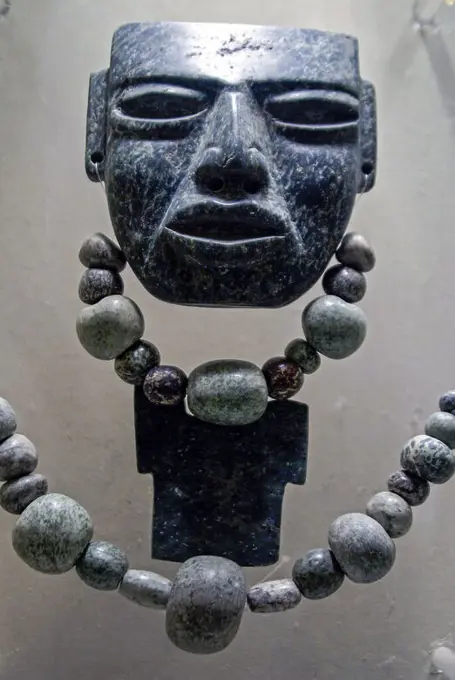
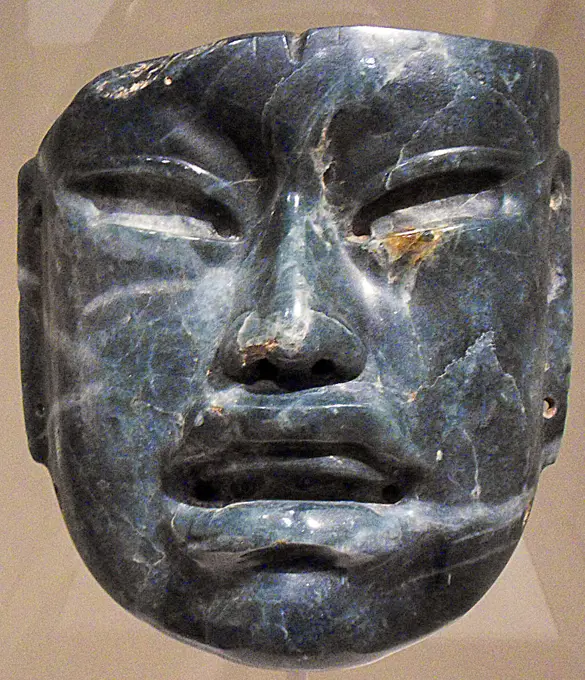
Mask, Mexico, Olmec 10th-6th century B.C., Jade.
6145-29235066
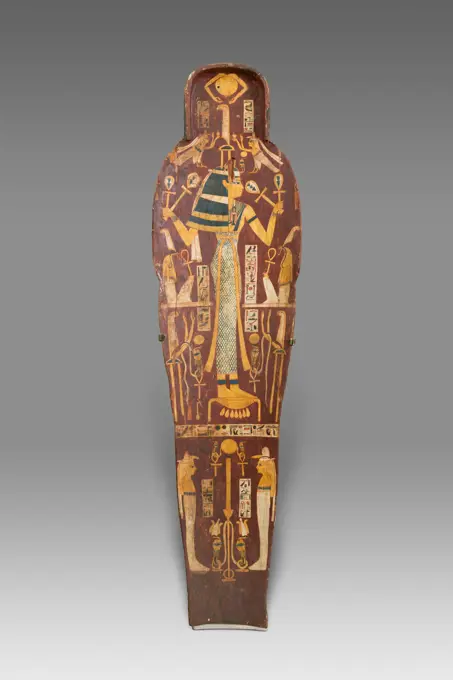
Mummy Board inscribed for Henettawy, daughter of Isetemkheb ca. 990-970 B.C. Third Intermediate Period Discovered in a communal tomb dug in the courtyard of Hatshepsut's temple at Deir el-Bahri, this is the innermost element of a nest of coffins belonging to the Mistress of the House, Singer of Amun, Chief of the Harim of Amun, Flutist of Mut, and God's Mother of Khonsu Henettawy (C). Likely the daughter of the High Priest of Amun, Menkheperre, and his wife Isetemkheb, she apparently married the next pontiff, Smendes and died at some seventy years of age. When this board was lifted, the body beneath was found enveloped in a shroud bearing an image of the god Osiris, with amulets wrapped within her bandages for additional protection (see 25.3.171a to e). Buried with her were several religious papyri (25.3.28. .29; see also 25.3.35a-b), as well as two boxes of faience shabtis (25.3.19, .20). Her outer coffins are now in the Museum of Fine Arts, Boston (MFA 54.639-40). The original gildin
1788-2269
Egypt - Cairo - Ancient Memphis (UNESCO World Heritage List, 1979). Alabaster sphinx, 19th Dynasty (1341-1200 BC). Detail
4443-20772
EGYPTIAN MUMMY AND CASE IN THE BRITISH MUSEUM. London, UK, britain, british, europe, united kingdom, great britain, european
1899-18791492
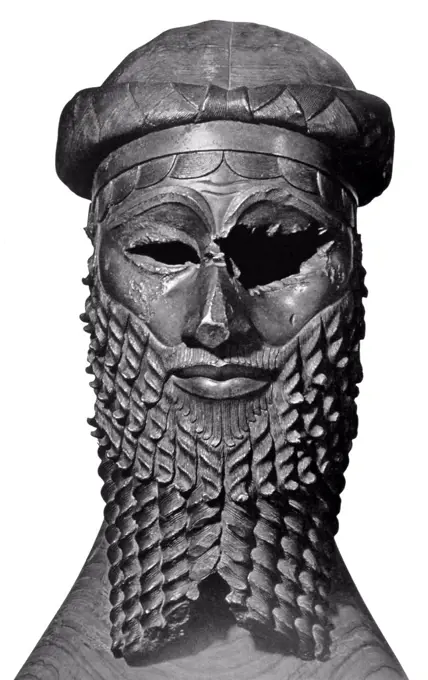
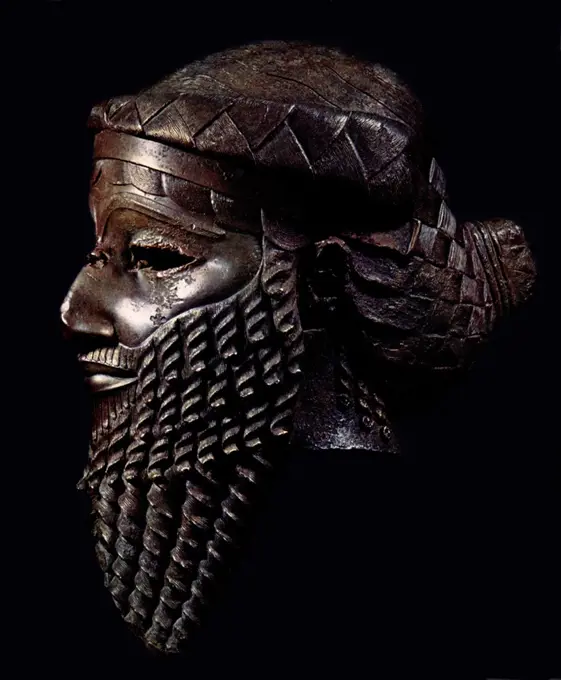
Sargon of Akkad, also known as Sargon the Great (Akkadianarru-kinu, meaning 'the true king' or 'the legitimate king'), was a Semitic Akkadian emperor famous for his conquest of the Sumerian city-states in the 23rd and 22nd centuries BC. The founder of the Dynasty of Akkad, Sargon reigned in the last quarter of the third millennium BCE. He became a prominent member of the royal court of Kish, killing the king and usurping his throne before embarking on the quest to conquer Mesopotamia. He was originally referred to as Sargon I until records concerning an Assyrian king also named Sargon (now usually referred to as Sargon I) were unearthed. Sargon's vast empire is thought to have included large parts of Mesopotamia, and included parts of modern-day Iran, Asia Minor and Syria. He ruled from a new, but as yet archaeologically unidentified capital, Akkad (Agade), which the Sumerian king list claims he built (or possibly renovated). He is sometimes regarded as the first person in recorded hi
6145-29749125
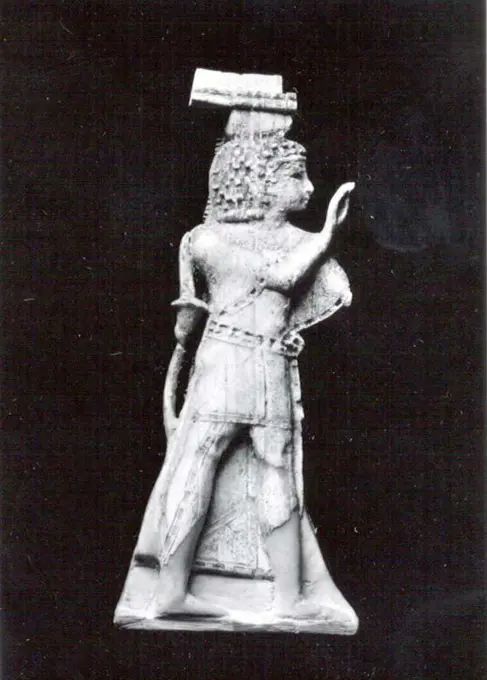
Openwork furniture plaque with a male youth ca. 8th-7th century B.C. Assyrian This openwork plaque depicts a clean-shaven, youthful male figure facing right. It was found at Fort Shalmaneser, a royal building at Nimrud that was probably used to store tribute and booty collected by the Assyrians while on military campaign. Certain Egyptian features, including the short, curly wig, fragmentary solar-disc crown, sleeved shawl, and fringed skirt that leaves the legs bare, are frequently found on Phoenician ivories. The figure raises his right arm with an open palm; only the upper left arm is preserved. Traces of gold foil are visible on the shawl sleeve above the belt. The wig, which also retains some of its original overlay of gold foil, was embellished with Egyptian blue, a vibrant artificially manufactured pigment. The belt and garment hem were also originally inlaid, and traces of red pigment survive in the loop of the belt. A tenon preserved above the thin strip of ivory that borders
255-28641550
Vintage Photograph. Clay bust of Native American male figure wearing headdress sitting on surface, Frame 2
1904-4861
Beth Shean a statue of Ramses III from 12th century BC
4409-17488204
The Colossus of Memnon. Date/Period: 1854. Print. Salted paper, from a calotype negative. Height: 289 mm (11.37 in); Width: 217 mm (8.54 in). Author: John Beasly Greene.
6176-66098073
This illustration that deates to around 1898 shows the Middle Eastern goddess Astarte with a horned headdress. She was a form of the ancient Sumerian goddess of love and beauty and justice - Ishtar. She was one of the chief female goddesses. Beginning in the first millennium B.C., Astarte was revered in Syria and Canaan. Later she was worshiped byt the people of Cyprus and then she came to be worshiped by the Mycenaeans. In time, her worship merged and she became Aphrodite, the Greek goddess of love and beauty.
6145-30150037
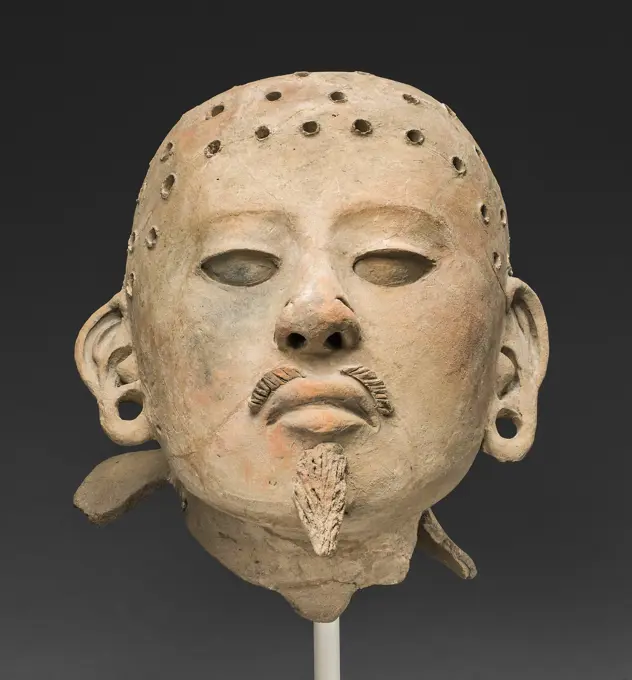
Portrait Head 250 CE-550 CE Veracruz, southern. Ceramic and pigment . Remojadas
1746-19661646
Sargon of Akkad (2334 BC - 2279 BC), also known as Sargon the Great or Sargon I, Mesopotamian king. Bust of an Akkadian ruler, probably Sargon, Nineveh, ca. 23rd - 22nd century BC
6188-68092978
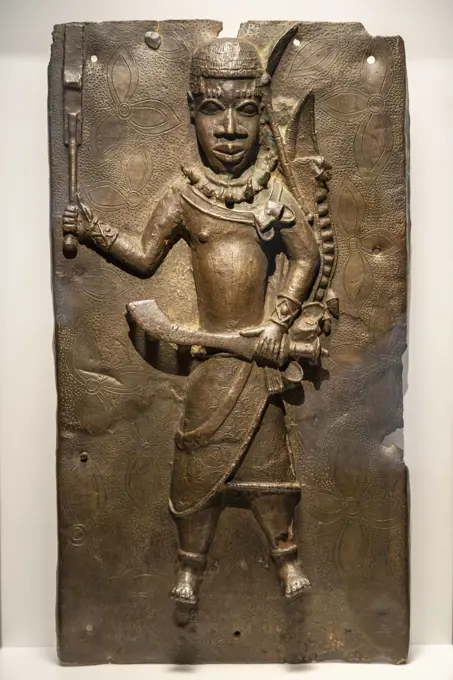
Dekorative Plakette mit einem bewaffneten hohen Würdenträger Decorative plaque with an armed high dignitary, ancient Benin Kingdom, Edo people, Nigeria, Middle Period, 1550-1700, lost-wax brass, MEB, Barcelona, Catalonia, Spain LicenseRF Copyright: xZoonar.com/BartomeuxBalaguerxRotgerx 23171199
6176-67081602
Rameses II (1279 BC-1213 BC), Ancient Egyptian Pharaoh, c1250 BC (1936). Artist: Unknown
1746-111357665
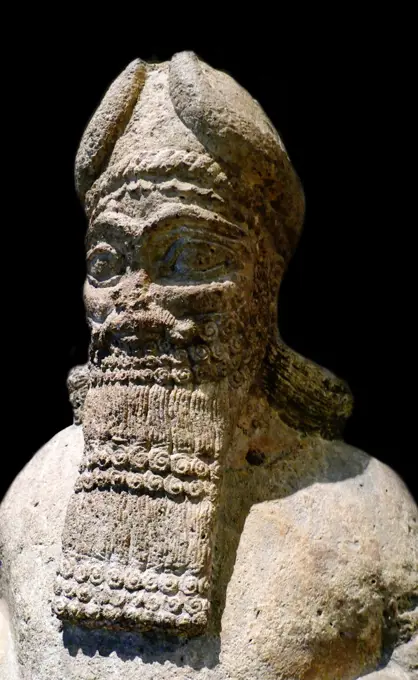
Statue of an attendant god, Assyrian circa 800 BC. From the Temple of Nabu at Nimrud in Iraq
4409-17324197
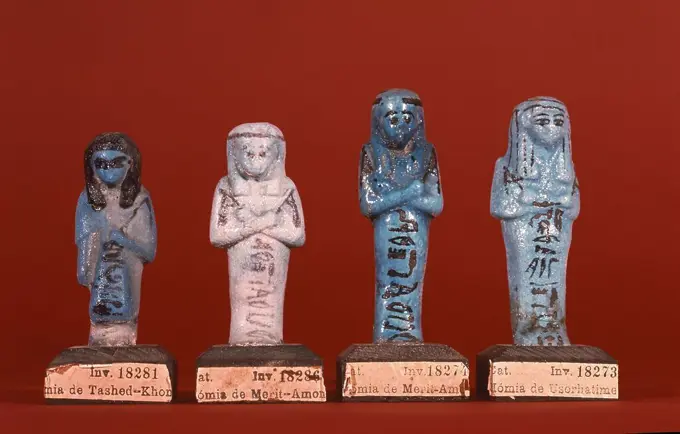
USHEBTIS PROCEDENTES DE DEIR BAHARI - XXI DINASTIA - IMPERIO NUEVO. Location: MUSEO ARQUEOLOGICO NACIONAL-COLECCION. MADRID. SPANIEN.
4435-3800
Petamenophis. 712 - 657 BC. Petamenophis (Nut) represented as scribe. Sculpture from the 25th Dynasty. Egyptian art. Third Intermediate Period. Sculpture on rock. EGYPT. CAIRO. Cairo. Egyptian Museum. Proc: EGYPT. QUENA. Karnak.
4292-164587
Sudan, Khartoum, archaeological museum
1848-67084298
Berlin, Pergamon Museum/ Egyptian seated figure in the forecourt
1746-19629652
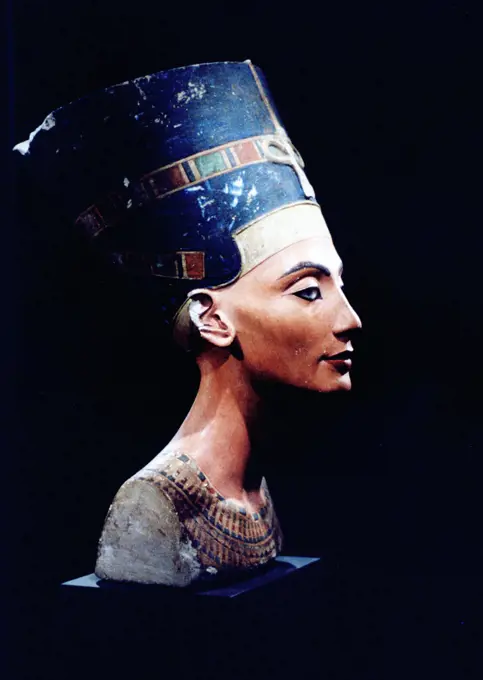
Nefertiti (14th century BC) Egyptian queen, consort of heretic king Akhenaton. Sculptured head found at Amarna 1912. Berlin Museum
1746-28993738
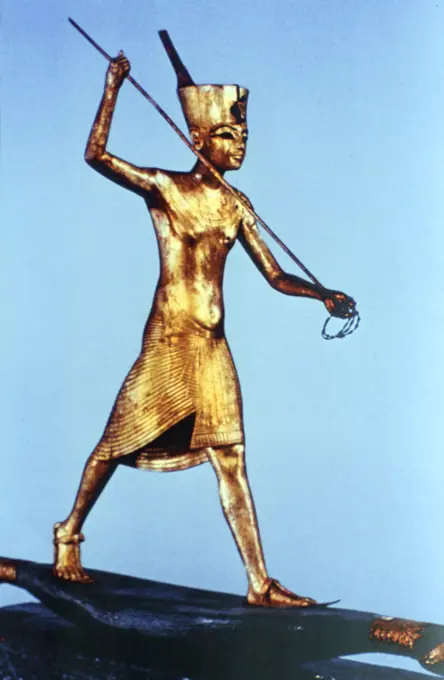
Tutankhamen on Skiff from the tomb treasures discovered in 1922. Tutankhamen was an Egyptian pharaoh of the 18th dynasty (ruled c. 13321323 BC). Now on display in the Cairo Museum. The statuette in gilded wood, shows the king's arm raised to harpoon the hippopotamus of Seth.
6145-50528438
Archaic statue from the Sacred Way, Branchidae, 580-520 B. C. , Antiquities, Sculpture. Nicholas Catsimpoolas Collection
5513-19966388
The Lady Teye, about 1385 BC. May 1, 1949.
4409-17430834
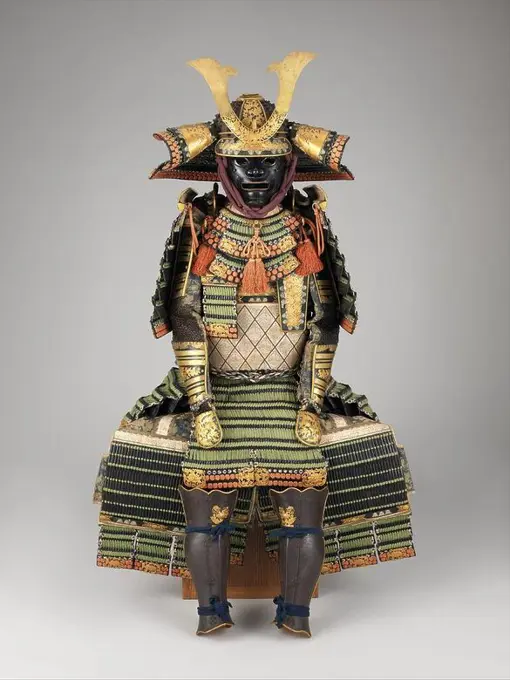
Armor (Yoroi). Culture: Japanese. Dimensions: as mounted: H. 58 1/2 in. (148.6 cm); W. 34 1/2 in. (87.6 cm); D. 28 in. (71.1 cm). Date: 18th century.During the eighteenth century, there was a revival of interest in medieval Japanese culture. As the demand for historical styles of armor began to increase among the wealthy lords, contemporary armorers studied the older forms and techniques in order to duplicate them. This example imitates a <i>yoroi</i> of the twelfth to thirteenth century. It is characterized by a helmet with prominent rivet heads and a wide, flaring neck guard and by a large cuirass with a separate panel on the right side, large square shoulder guards, and a deep four-sided skirt. Museum: Metropolitan Museum of Art, New York, USA.
PREVIOUS
of 3
NEXT
2401 S. Ervay, Suite 206
Dallas, Texas 75215
United States
Get Started
Free ResearchMy BoardsMy Cart
For Creators
How To License Your ContentContributor PortalFrame of Mind
Resources
API accessPricing
Contact
+1 866 236 0087help@viewpictures.co.uk Contact form
©2026 View Pictures. All Rights Reserved. -A
This site is protected by reCAPTCHA and Google Privacy Policy and Terms of Service apply.