My Boards
View Pictures
  • My Boards
← Artworks

Ancient Egyptian Sculptures

Sculptures representing deities and burial figures from ancient Egypt, showcasing intricate craftsmanship and symbolic details from various dynastic eras.
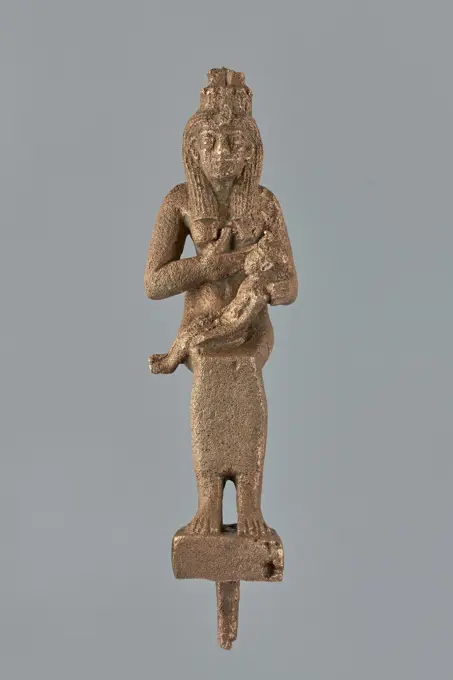
Isis with Horus;
Isis with Horus;
357 assets in this story
1788-16238
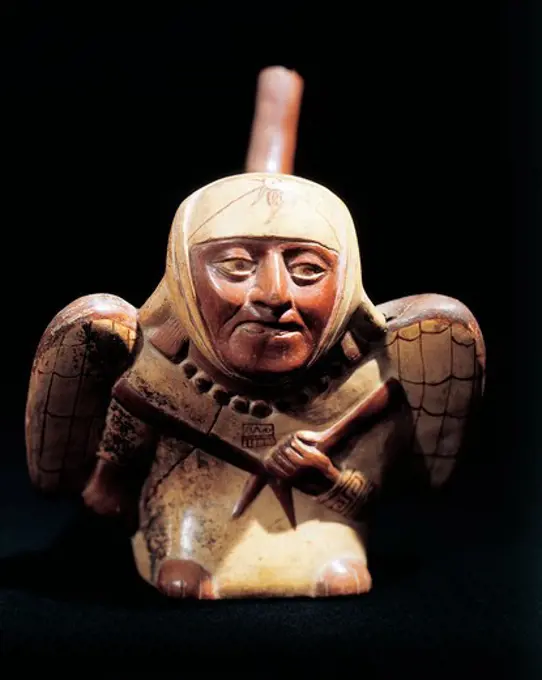
Ceramic artifact portraying mythological figure of birdman
6145-29713590
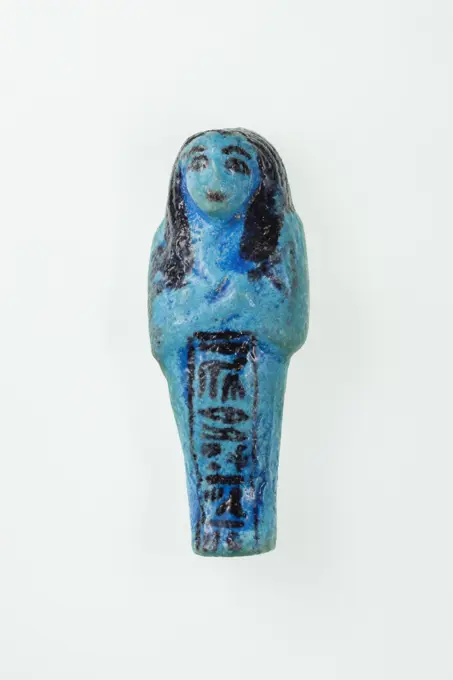
Worker Shabti of Nany ca. 1050 B.C. Third Intermediate Period See 30.3.27.1a, b. Worker Shabti of Nany. ca. 1050 B.C.. Faience. Third Intermediate Period. From Egypt, Upper Egypt, Thebes, Deir el-Bahri, Tomb of Meritamun (TT 358, MMA 65), first corridor, burial of Nany, MMA excavations, 1928-29. Dynasty 21
6145-29237006
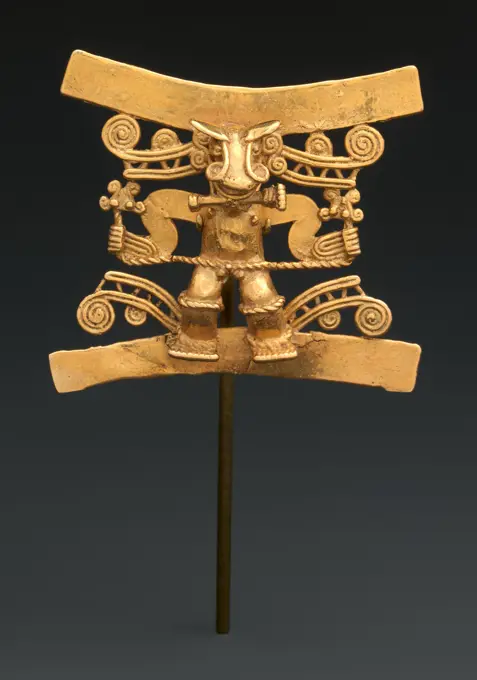
Crocodile-Head Figure Pendant A.D. 800-1519 Diquís This pendant features a zoomorphic being stretching a bicephalic serpent across its body. The figure also holds a severed leg in its mouth, signaling its role as a predator. Four abstract crocodilian heads with spiral eyes and snouts sprout from the head and feet of the creature, which is framed by two arched brackets. Composite creatures consisting of human figures with pronounced animal features occur throughout Costa Rica, signaling that beliefs and their expressions were shared by many groups. Local styles developed distinctive characteristics, however. Metalwork from the Diquís Delta area in southwestern Costa Rica is ornate and replete with detail. Spirals and twisted and braided rope proliferate, and danglers, tinkling like bells and glittering in the sunlight, sometimes conceal the figures behind them.Costa Rica is the most northerly of the Precolumbian goldworking areas, which run from southern Peru and Bolivia on the west sid
1899-18791463
Qataban (Arabic,ÙÙلكة قتبان) was one of the ancient Yemeni kingdoms. Its heartland was located in the Baihan valley. Like some other Southern Arabian kingdoms it gained great wealth from the trade of frankincense and myrrh incense which was burned at altars. The capital of Qataban was named Timna and was located on the trade route which passed through the other kingdoms of Hadramaut, Sheba and Ma'in. The chief deity of the Qatabanians was Amm, or 'Uncle' and the people called themselves the 'Children of Amm'. Qataban was the most prominent Yemeni kingdom in the 2nd half of the 1st millennium BCE, when its ruler held the title of the South Arabian hegemon, MKRB. Sculpted stone heads, mounted on bases and placed in the vestibules of burial chambers, were common in the cemetery of Timna', capital of the kingdom of Qataban. The name of the woman represented here is Helqeb, as inscribed on the base.
4443-28736783
Mask, 20th century, 24 3/4 x 10 in. (62.9 x 25.4 cm), Polychromed wood, Mexico, 20th century
4435-6196
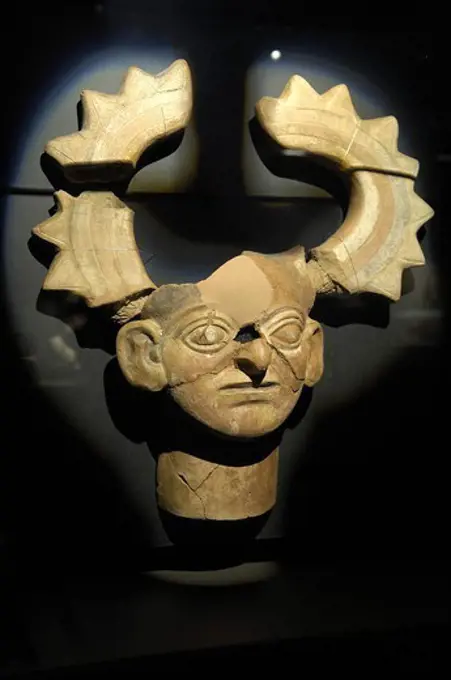
Mask (3rd c. AD). Moche or Mochica Art. PERU. LAMBAYEQUE. Sipn. Royal Tombs of Sipn Museum.
6189-55132210
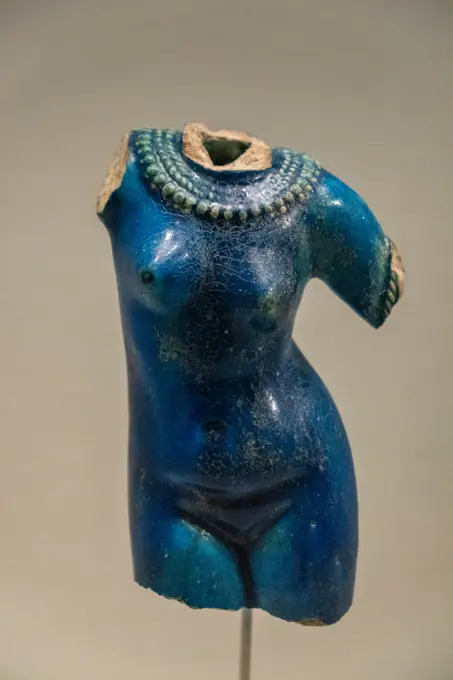
torso de la diosa Vénus Anadiomena, periodo greco-romano, 30 a. C - 300 d. C. , Fundación Calouste Gulbenkian, («Fundaçío Calouste Gulbenkian»), Lisbo...
900-123694
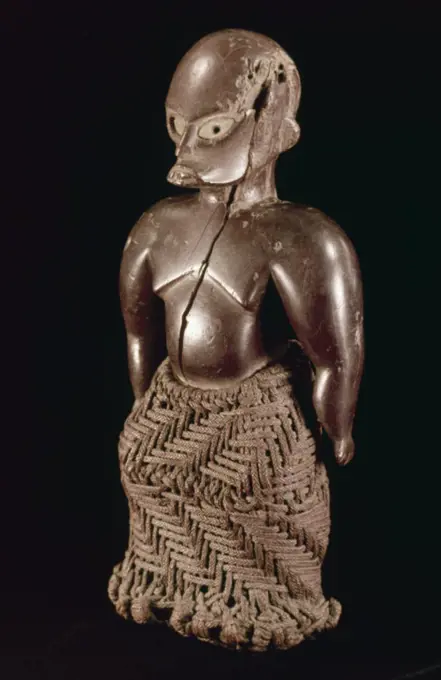
Ancestor statue bound in sennit, Hawaiian art
6145-29747617
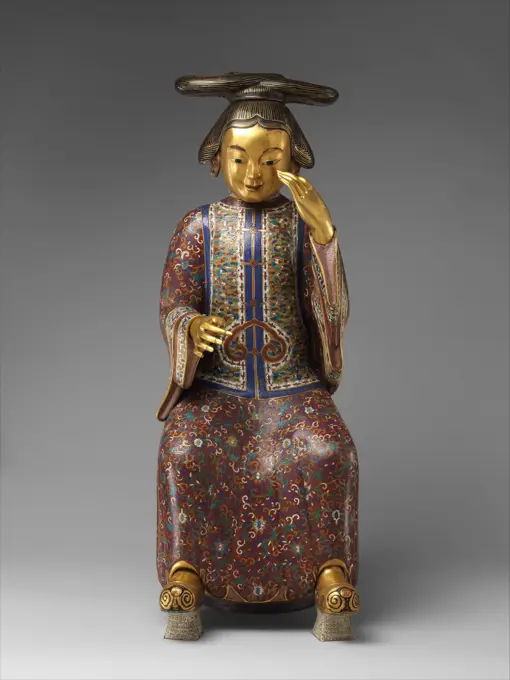
Seated Figure (one of a pair) China. Seated Figure (one of a pair). China. Cloisonné enamel. Qing dynasty (1644-1911), Qianlong period (1736-95). Cloisonné
6188-67453143
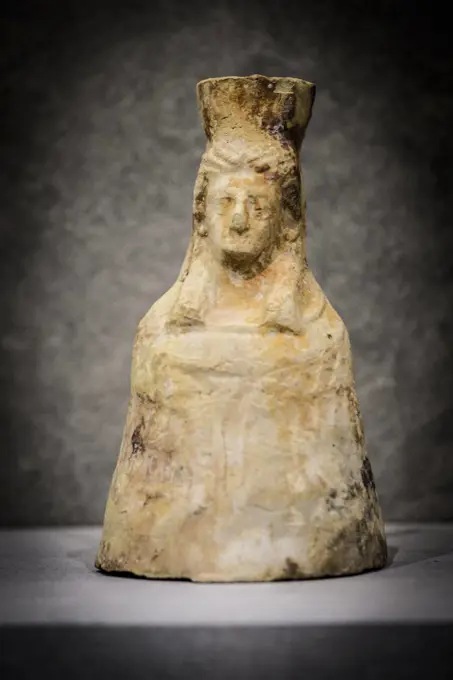
goddess Tanit goddess Tanit, Archaeological Museum of Ibiza and Formentera, Ibiza, Spain Copyright: xZoonar.com/Tolox 23005484
4409-17435475
Statue of an official Ihy. Dimensions: H. 104 cm (40 15/16 in.). Dynasty: Dynasty 6-8. Reign: Pepi II at earliest. Date: ca. 2200-2100 B.C.. Museum: Metropolitan Museum of Art, New York, USA.
6145-29195832
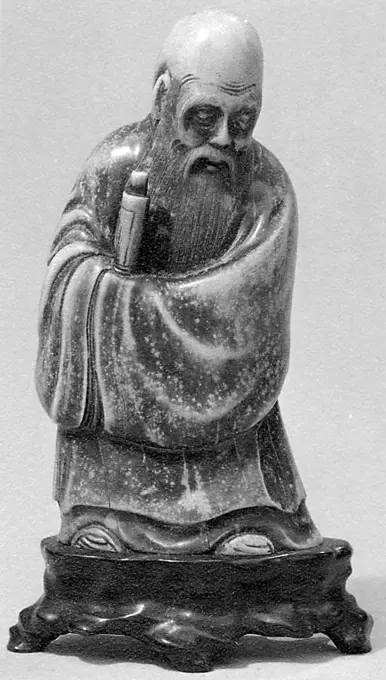
Statuette late 18th century China. Statuette. China. late 18th century. Ivory. Qing dynasty (1644-1911). Ivories
1788-23611
Sculptures representing warrior heads, painted terracotta, 510 A.C..
4409-17582651
'Sculpture of Cleopatra'. Ancient Egypt, 1rd century BC. Ptolemaic Dynasty. Dimensions: h. 104,7 cm. Museum: State Hermitage, St. Petersburg.
6145-59129431
Campania Caserta Capua Museo Campano73. Hutzel, Max 1960-1990 Medieval: Byzantine architectural fragments; parchment fragments with miniatures (12th century) from Montecassino; painted wooden crucifix (13th century); Carolingian crucifixes; Bishop's miter (11th century) of gold and silver damask; fresco (13th century). Post-medieval: Architecture (15th century). Formerly the Palazzo Antignano. Unusual Catalan/Moorish-style portal; Paintings on panel and canvas (15th-18th centuries); marble intarsia (16th century); marble sculpture: busts of Christ and Mary (17th century); sculpture of saints in marble and in wood (15th century); painted and gilded sculpture in wood; marble grave sculpture (16th century); sarcophagus with allegorical carvings; gold reliquary "Rosa d'Oro"; crucifix made of elephant tusk Specific Location: Pianterreno Antiquities: Italic sculpture (seated women holding babies); inscription. Photo campaign #1: 533 photos. Roman relief and sculpture; cinerary urns; Greek an
6145-46833337
Puppet (WayangKlitik)
6145-29116438
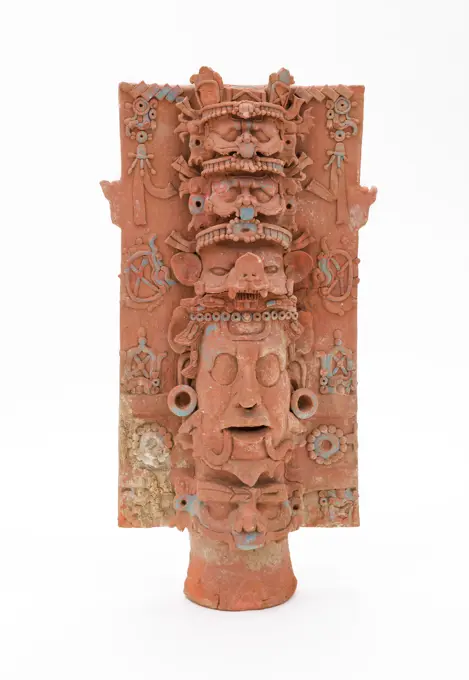
Censer Stands with Solar Deities. Mexico, Chiapas, vicinity of Palenque, Maya, 650-850 CE. Ceramics. Post-fire painted ceramic
6145-29129850
Wooden Seated Arhat. Korea, Joseon (1392-1910), 19th century. Sculpture. Carved wood with pigments
1788-22040724
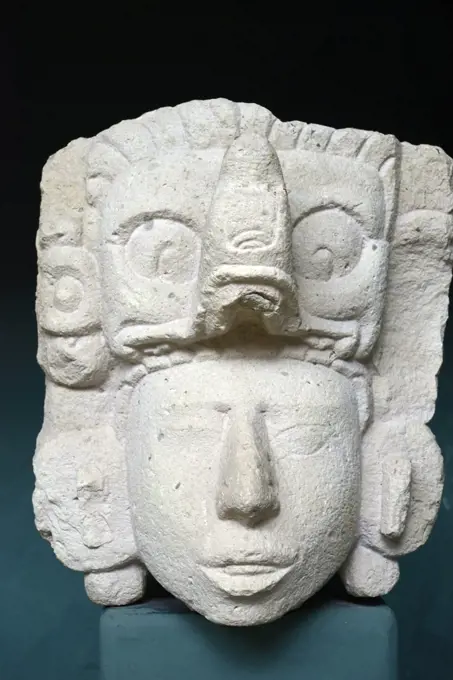
Stone head, Sculpture Museum, Copan (Unesco World Heritage List, 1980), Honduras, Maya civilization.
6145-30176571
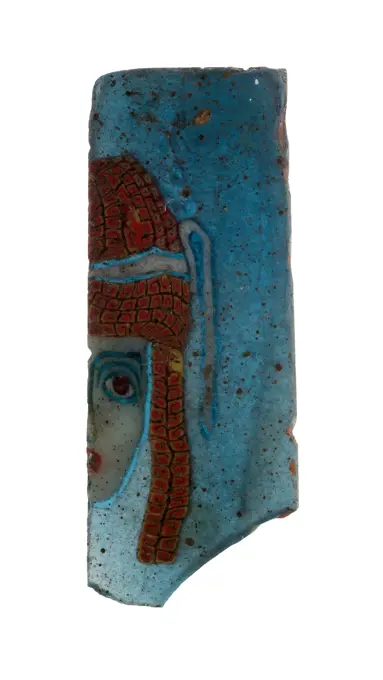
Fragment of an Inlay Depicting a Theater Mask 100 BCE-100 CE Egypt. This half face of a woman or theatrical mask was made from a bundle of dozens of colorful glass rods that were fused together. The resulting bar or cane of glass was then heated and stretched out, thereby miniaturizing the pattern. Slices of the cane were placed in symmetrical pairs to form a complete face. Such inlays embellished furniture, boxes, and household shrines to the gods.. Glass, mosaic glass technique . Ancient Egyptian
6145-29755588
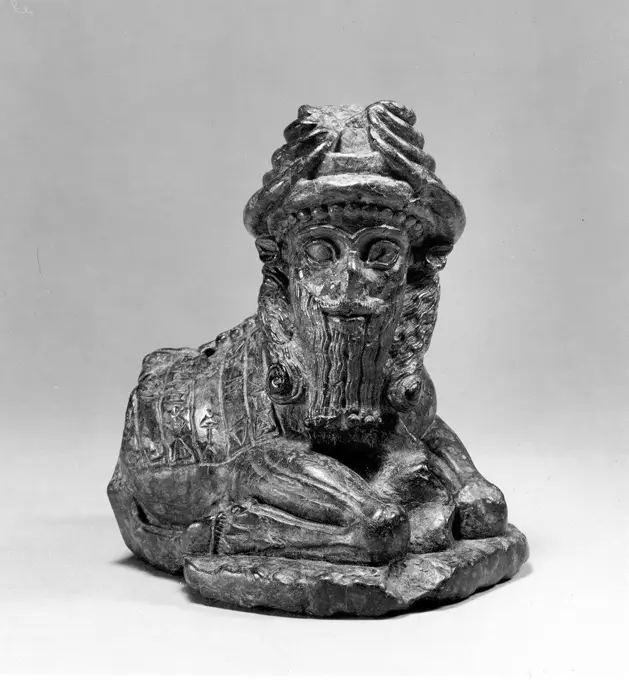
Human-headed bison ca. 2080 B.C. Neo-Sumerian. Human-headed bison 327527
4435-7568
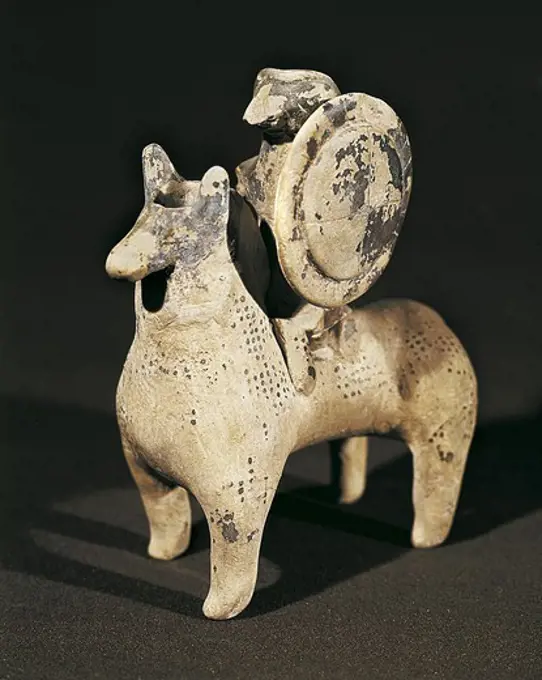
Balm vase with a warrior on horseback. 8th c.-3rd c. BC. Etruscan art. Terra-cotta. ITALY. LAZIO. ROME. Cerveteri. National Etruscan Museum of Archaeology.
6176-67037727
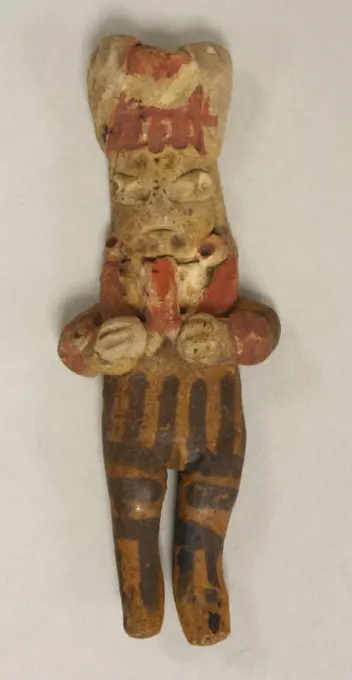
Mexican pottery figure of a squatting man, 4th century. Artist: Unknown
4409-21383711
ESTATUA DEL FARAON TUTANKAMON. Location: EGYPTIAN MUSEUM. KAIRO. EGYPT.
6145-46640501
. .
6145-29736415
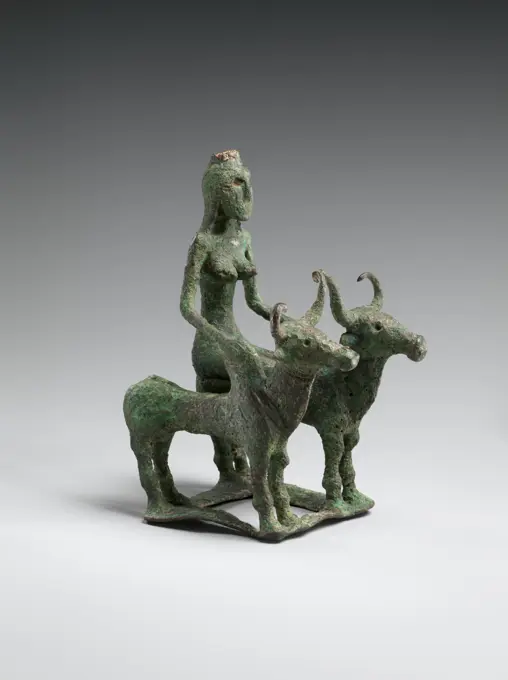
Woman Riding Two Brahman Bulls 2000-1750 B.C. India (Kausambi) This remarkable object is the oldest bronze object in the Museums Indian collections, and is a rare survivor of the early bronze culture associated with the late Harappan civilization shared across northern India and the Indus Valley (Pakistan) in the second millennium B.C. Two humped (‘Brahman) bulls support a platform on which is a woman is kneeling. Her hands rest on the bulls humps. The ensemble is on a rectangular platform, which has been separately cast. The woman has a slender physique, pointed breasts, and hair that extends to her shoulders. She wears a small circular crown-like fitting atop her head, has deep eye sockets and an incised mouth. The symmetry of the female figure is mirrored in standing female clay figurines from this period and later.. Woman Riding Two Brahman Bulls. India (Kausambi). 2000-1750 B.C.. Bronze. late Harrapan period. Sculpture
4443-28732905
Moai Kavakava, 18th century, 18 3/4 x 5 in. (47.63 x 12.7 cm), Wood, Rapa Nui (Easter Island), 18th century, Moai kavakava, which means 'image with ribs,' is the most common of the wood sculptures on Rapa Nui. These gaunt male figures, with their protruding bones and skull-like heads, probably represent the spirits of the dead. Little is known about their precise functions, but it is likely that they were worn around the neck during certain festivals. The extended earlobes, typical of this type of sculpture, are shown with cylindrical ear ornaments representing the actual shark vertebra earplugs once worn by the island's inhabitants.
1788-41802
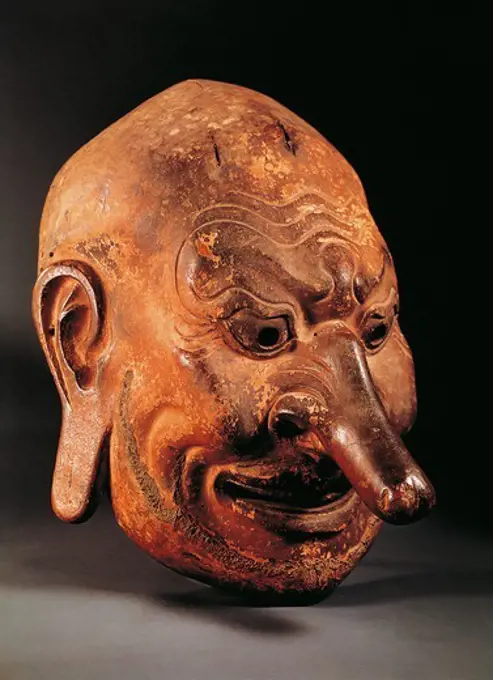
Wooden gigaku mask, Japan. Japanese Civilisation, Asuka period, 6th-7th century.
4430-3742
fine arts, Africa, Benin, sculpture, young girl, bronze, 16th century, Ethnolocical Museum, Berlin,
1899-28511671
Indigenous Batonga. Rhodesia. Africa 1920 1930
4186-28564482
1970s TWO CHINESE IVORY CARVINGS ARISTOCRATIC MAN AND WOMAN WITH BLUE PAINTED DETAILING
6145-29831402
Fragment of a terracotta head of a satyr 4th century B.C. Greek, South Italian, Tarentine Bearded, with wrinkled brow and drooping moustache.. Fragment of a terracotta head of a satyr. Greek, South Italian, Tarentine. 4th century B.C.. Terracotta. Classical. Terracottas
6145-59022261
Goyin in a Sanctuary ". Past Amerè Cove is sky. Dynastie des ming. Paris, Museum and Musée Cernuszzi. 157046-27 Asian art
1746-19629645
Benin bronze of horse and rider. British Museum
6145-29726777
Female Figure 3rd century B.C.-A.D. 4th century Chupicuaro. Female Figure 313192
6145-29755726
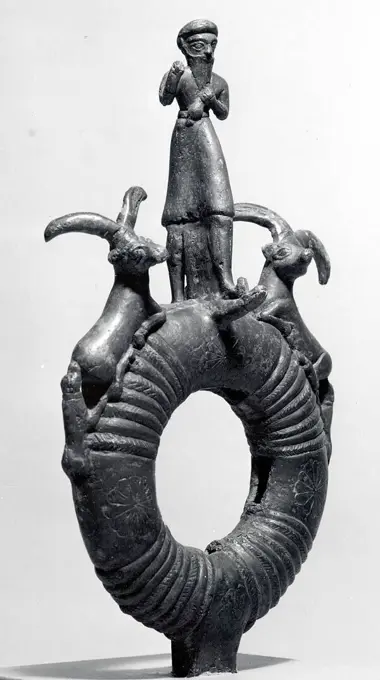
Top of standard with male figure and flanking ibexes attacked by dogs ca. 1500-1100 B.C. Elamite. Top of standard with male figure and flanking ibexes attacked by dogs 324580
1788-19232
Statue of naked man, painted limestone, from Saqqara
6176-67038219
Egyptian figure of baked clay. Artist: Unknown
5514-68845979
A carved stone face in the Campeche Regional Museum displaying prehispanic antiquities.
6145-29063682
Rakan (Arhat) , early to mid-1800s. Japan, Edo period (1615-1868). Wood, gesso, pigment; overall: 54.6 x 34.3 x 22.9 cm (21 1/2 x 13 1/2 x 9 in.).
6145-29723364
Seated Male with Vajra 10th-11th century() Indonesia (Java). Seated Male with Vajra 39064
6145-30168440
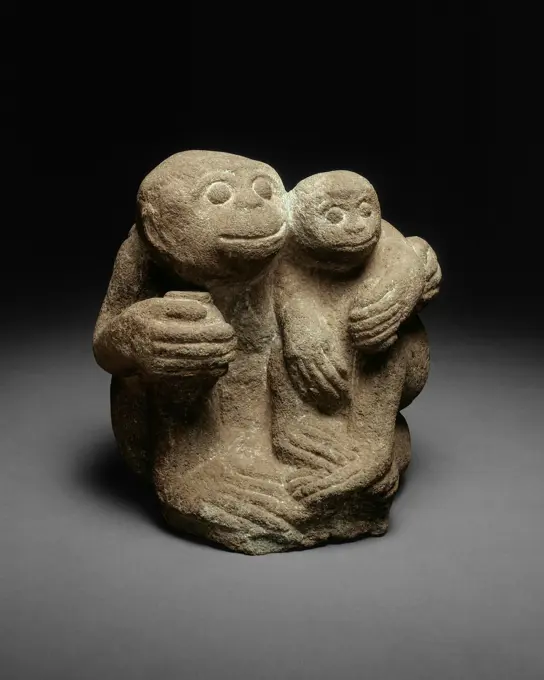
Simian Mother and Child 1201-1300 Java. Andesite .
4409-17384426
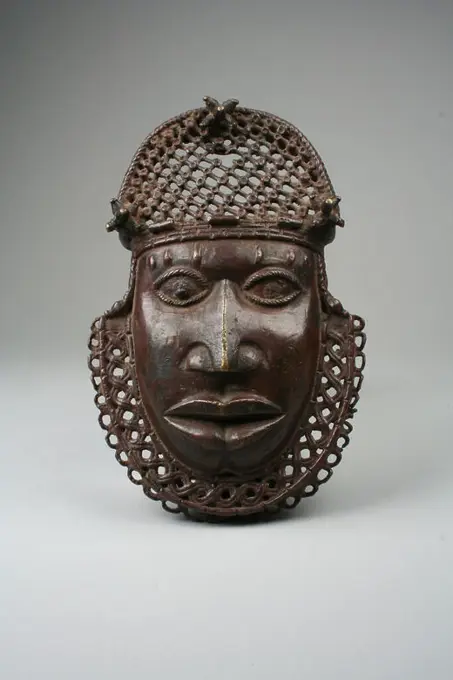
Hip Ornament: Face. Culture: Edo peoples. Dimensions: Height 6-1/2 in.. Date: 16th-19th century. Museum: Metropolitan Museum of Art, New York, USA.
1848-560111
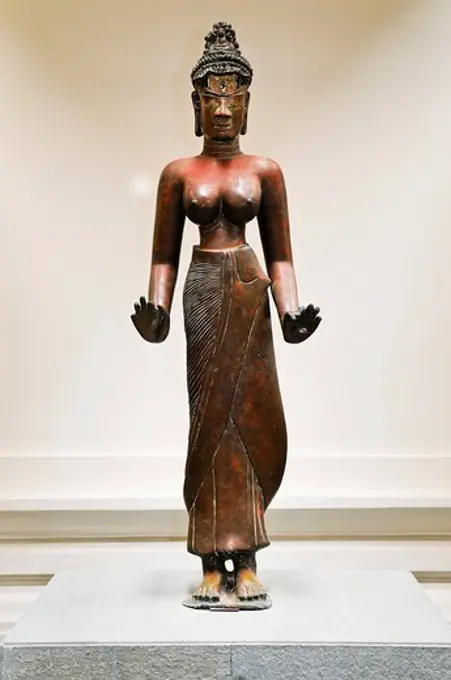
Bronze statue of Tara, dancer, Apsara, nymphet, Cham Museum, Da Nang, Vietnam, Southeast Asia
4409-460
Mexico.Mexico D.F.Museo Nacional de Antropologia.Figurillas de la fertilidad en ceramica.Cultura Cacaxtla.
6145-29172037
Statuette of Poseidon, 4 Greek, Laconian. Statuette of Poseidon, 4 251655 Greek, Laconian, Statuette of Poseidon, 4, Lead, Height: 1 5/16 in. (3.4 cm). The Metropolitan Museum of Art, New York. Gift of A. J. B. Wace, 1924 (24.195.89)
1788-41641
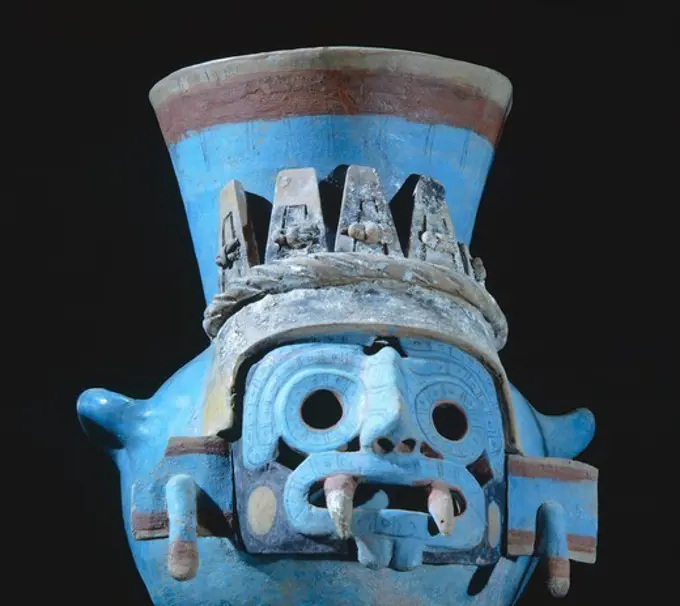
Urn showing a depiction of the rain god Tlaloc. Polychrome pottery artifact originating from Mexico. Aztec Civilization, 14th-16th Century.
6145-29820597
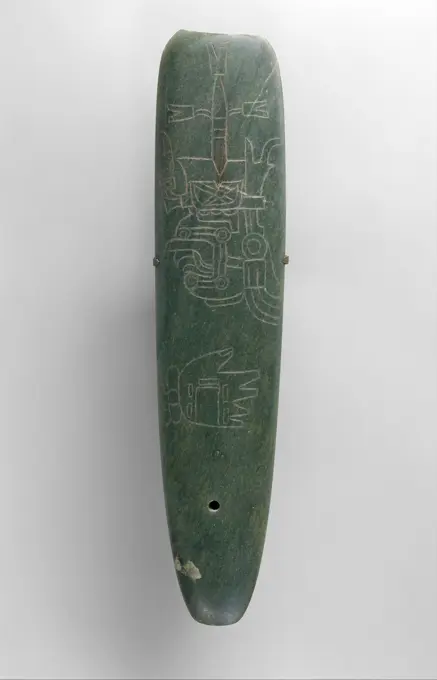
Celt with Incised Profile 10th-4th century B.C. Olmec A finely incised design appears on one side of this large, polished jadeite celt, or axe. A sculptor originally shaped and polished the hard greenstone into a long blade, the sharp edge of which was chipped in antiquity, and later a drill hole would have allowed the plaque to hang from a belt assemblage. Jade and greenstone axes were crucial components to Olmec dedicatory practices, also practiced in Chiapas and Guatemala after about 1000 B.C. On such celts, Olmec artists often incised images of deities, or even iconic or notational symbols, which developed and spread around Mesoamerica as proto-writing. An incised disembodied hand with a knot around the wrist floats towards the center of the celt. The hand is stylized yet retains certain details like a thumbnail to suggest a human connection. Atop the back or palm of the hand is a large rectangular field lined with five smaller rectangles. The arrangement might reference a quincunx
6145-29208671
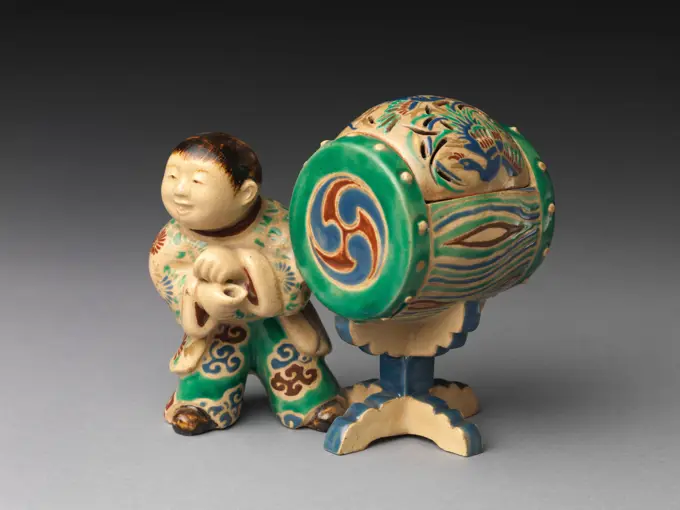
Karako (Chinese Child) with drum 17th-18th century Japan. Karako (Chinese Child) with drum. Japan. 17th-18th century. Stoneware with painted designs (Ko-Kyomizu ware). Edo period (1615-1868). Ceramics
4409-17519719
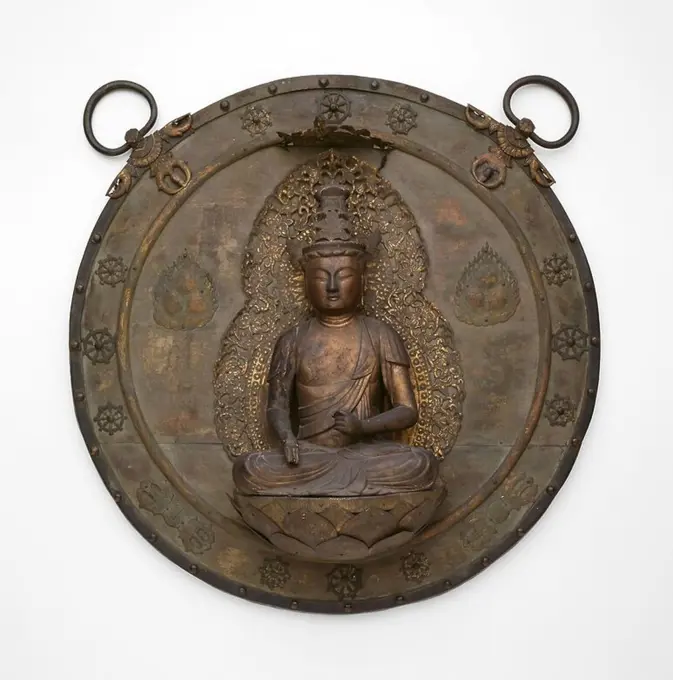
Icon Plaque (Kakebotoke) with Kannon Bosatsu. Japan. Date: 1199-1299. Dimensions: 53.5 cm (diam.). Wood and bronze. Origin: Japan. Museum: The Chicago Art Institute, Chicago, USA.
4409-21348952
CERAMICA IRANI-CEBU DE BARRO ROJIZO. Location: MUSEO ARQUEOLOGICO NACIONAL-COLECCION. MADRID. SPAIN.
6145-29184462
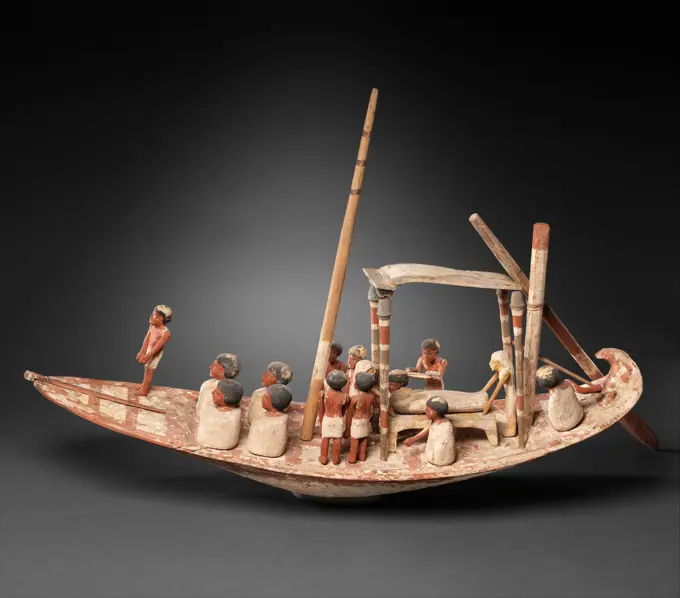
Model Sailing Boat Transporting a Mummy ca. 1900-1885 B.C. Middle Kingdom This model represents a funerary bark transporting the deceased Djehuty. His mummified body lies on a bier under a canopy and is tended by two women who play the roles of the goddesses Isis and Nephthys, sisters of the funerary god Osiris. Djehuty has become a blessed spirit and, in a way, Osiris himself: the short text on the papyrus scroll held by the priest addresses the mummy as "O Osiris."A group of sailors standing by the mast hoists the sail (not preserved) for this boat, while four men sit crouched before the mast and canopy. Their posture is akin to the so-called "block statues" or "cube statues," well known from Middle Kingdom art. It has been argued that this posture indicates the person so represented is partaking in rituals. The steersman and another person at the side of the bier crouch in a similar position, although each of them has one arm free for action.. Model Sailing Boat Transporting a Mummy
6145-30391372
Fujin, the God of Wind, Emerging from the Bath with aWoman. Artist, possibly by: Suketada
6145-29066777
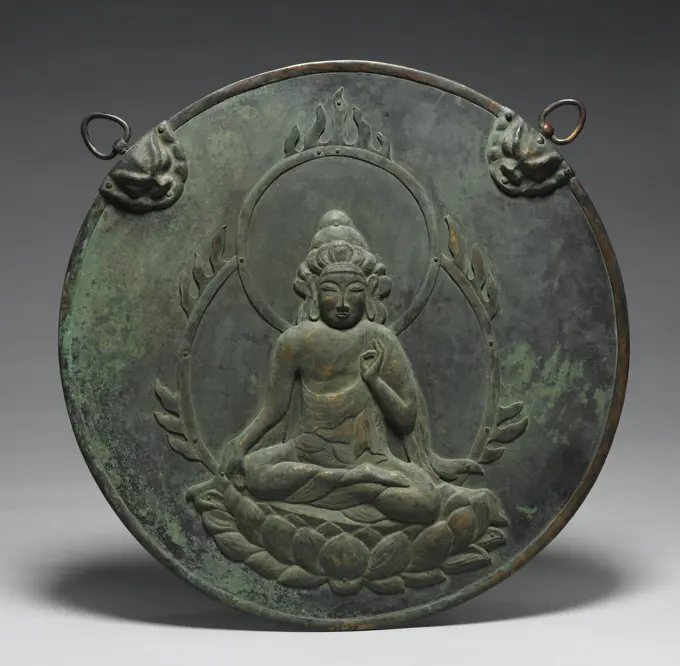
Votive Hanging with Image of Kannon (Kannon Kakebotoke), mid- to late 1300s. Japan, Nanbokuchō period (1336-92). Bronze with repoussé and etching; diameter: 52.5 cm (20 11/16 in.).
6145-29145689
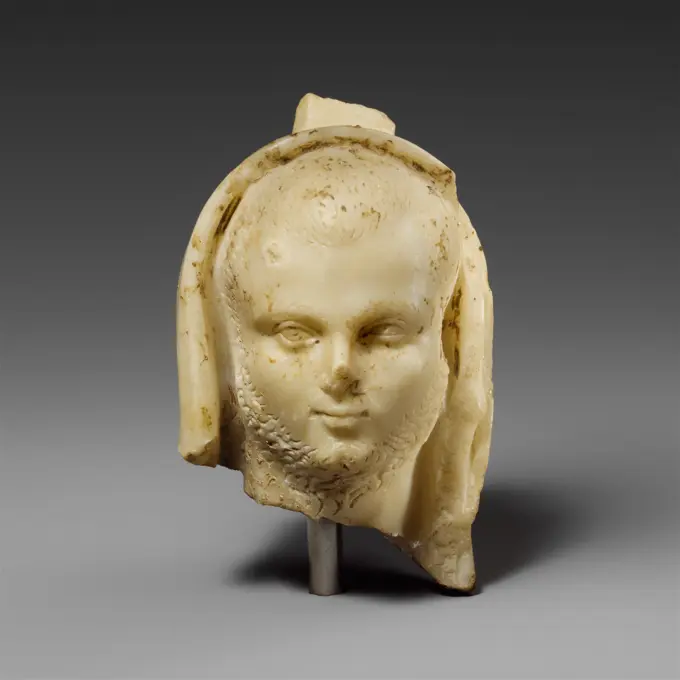
Marble portrait of a veiled man mid-3rd century A.D. Roman This small-scale head comes from a relief, possibly a sarcophagus.. Marble portrait of a veiled man 247991
1848-55210349
Ritual mask, tribute to the art of the Aborigines, mosaic school producing mosaic masters, Spilimbergo, city of mosaic art, Friuli, Italy, Spilimbergo, Friuli, Italy, Europe
4409-17280447
SELLO JAPONES DE 50 DM - FUJEIRA - LA MODELO DE PICASSO 1961. Author: PABLO PICASSO.
PREVIOUS
of 4
NEXT
2401 S. Ervay, Suite 206
Dallas, Texas 75215
United States
Get Started
Free ResearchMy BoardsMy Cart
For Creators
How To License Your ContentContributor PortalFrame of Mind
Resources
API accessPricing
Contact
+1 866 236 0087help@viewpictures.co.uk Contact form
©2026 View Pictures. All Rights Reserved. -A
This site is protected by reCAPTCHA and Google Privacy Policy and Terms of Service apply.