Ancient Egyptian Seals

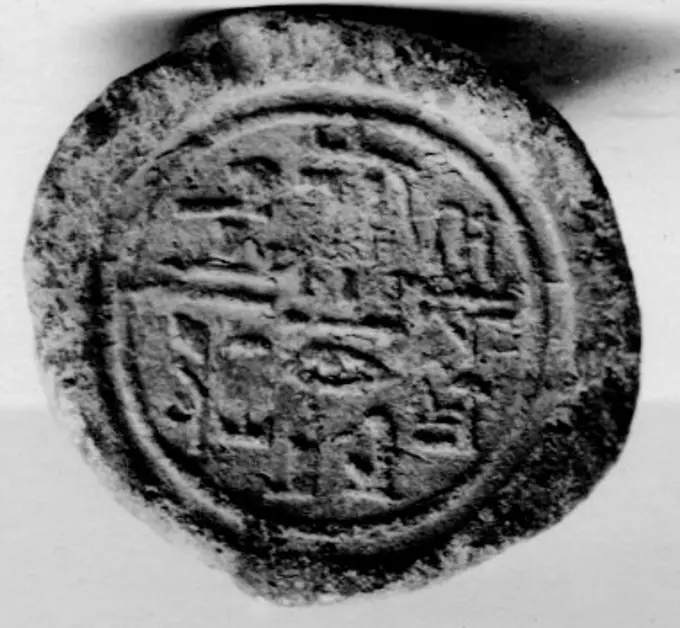
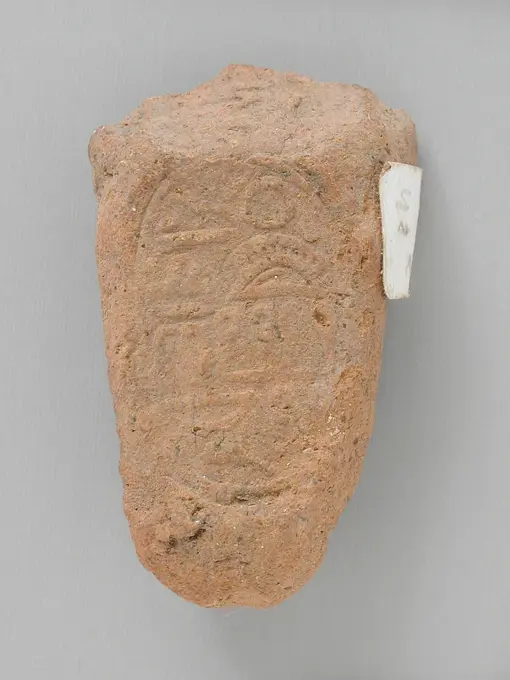
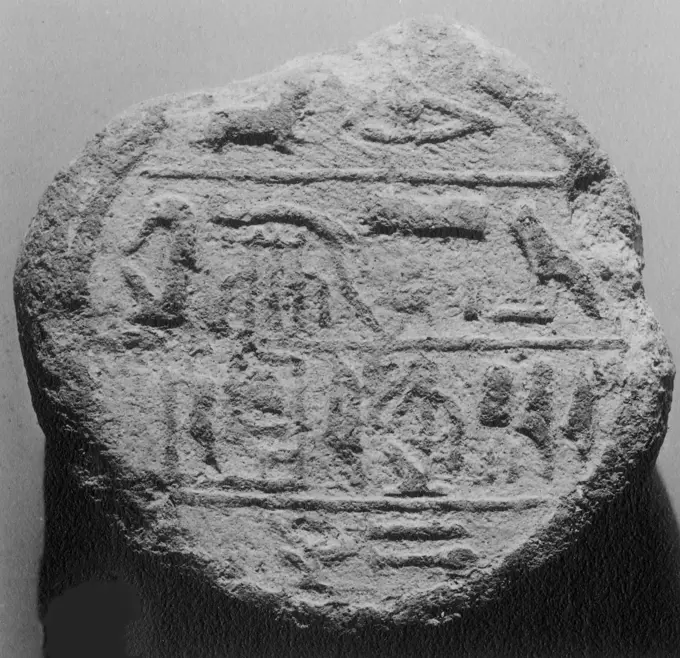
A collection of ancient sealing impressions from the Middle and New Kingdoms of Egypt, showcasing intricate designs and historical significance.
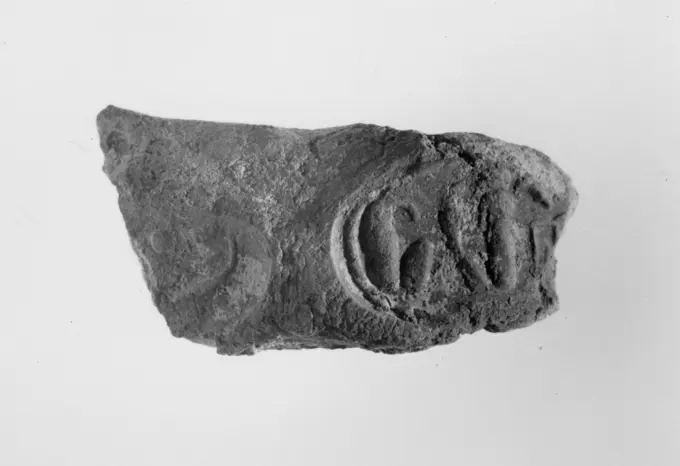
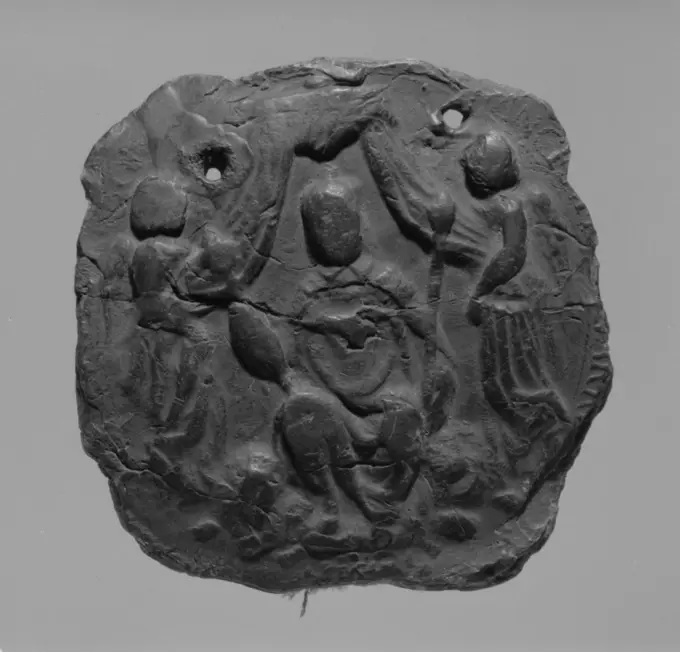
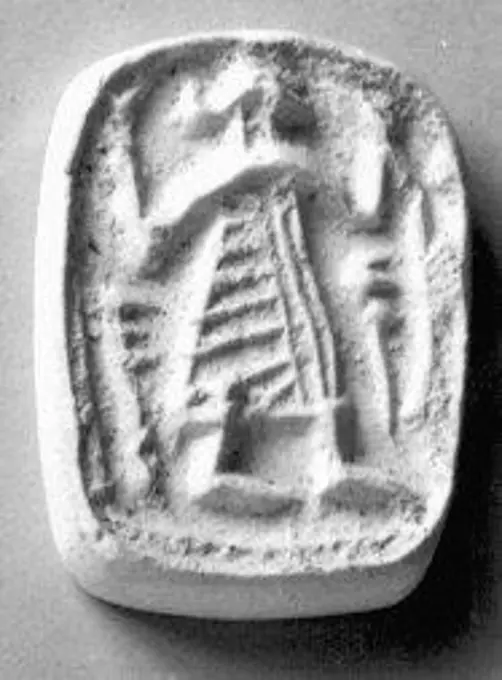
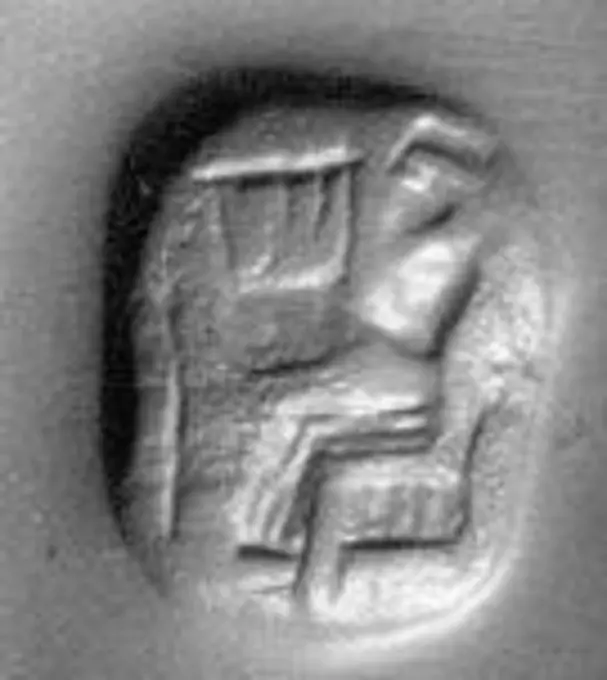
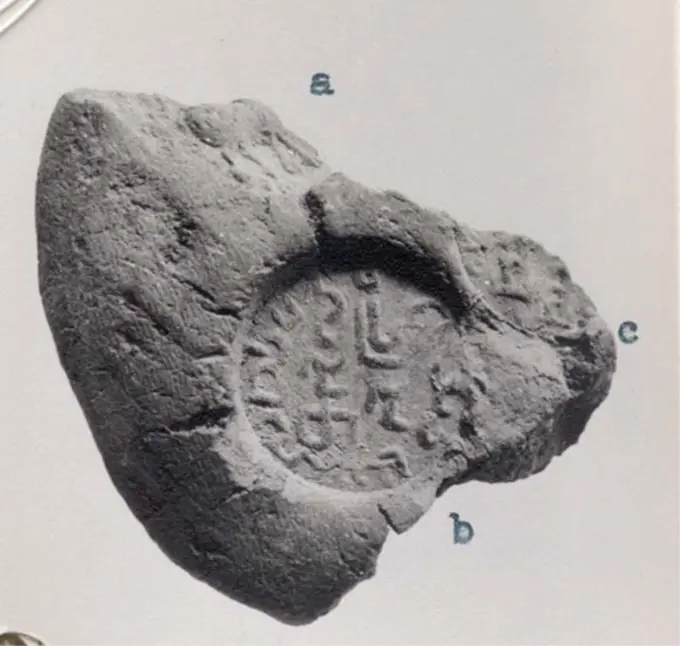
Document Sealing With Multiple Seal Impressions ca. 1390-1353 B.C. New Kingdom. Document Sealing With Multiple Seal Impressions. ca. 1390-1353 B.C.. Mud. New Kingdom. From Egypt, Upper Egypt, Thebes, Malqata, MMA excavations, 1910-12; Presumably from West Villas, West Villa B. Dynasty 18
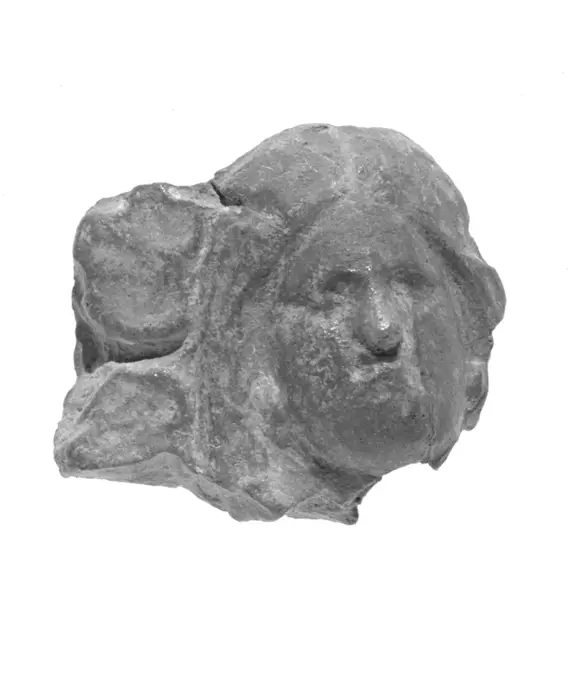
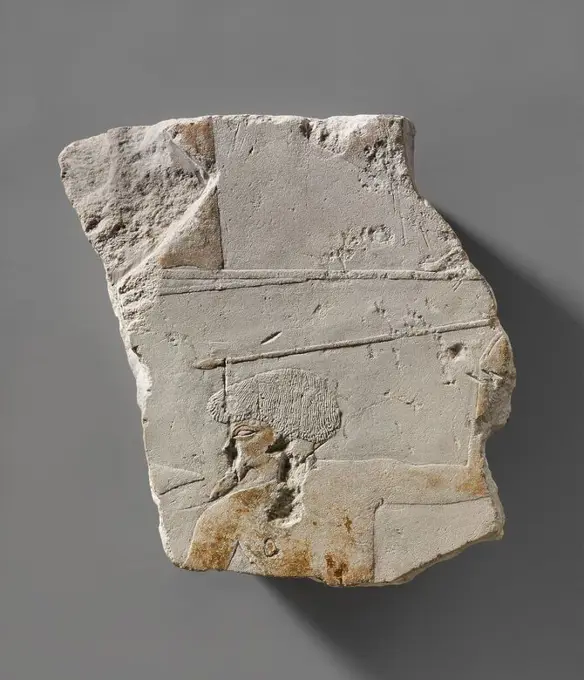
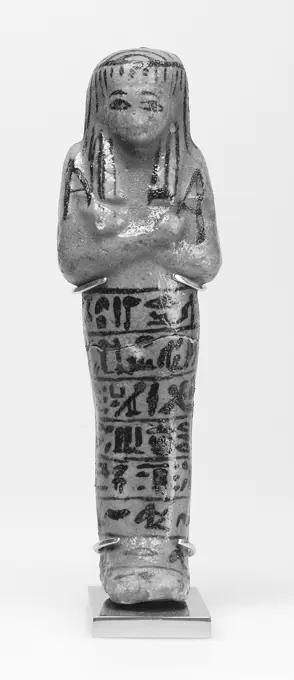
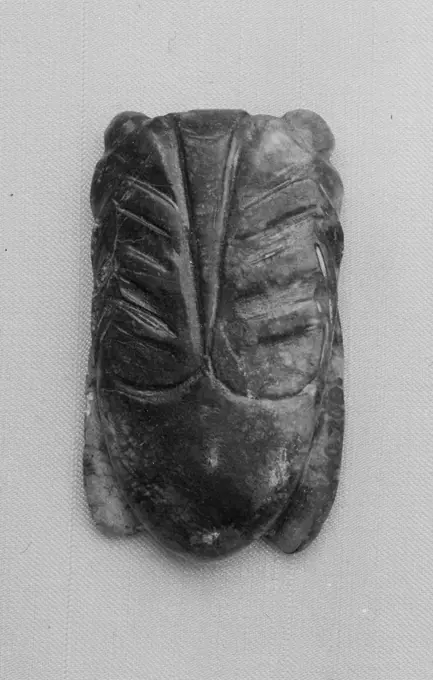
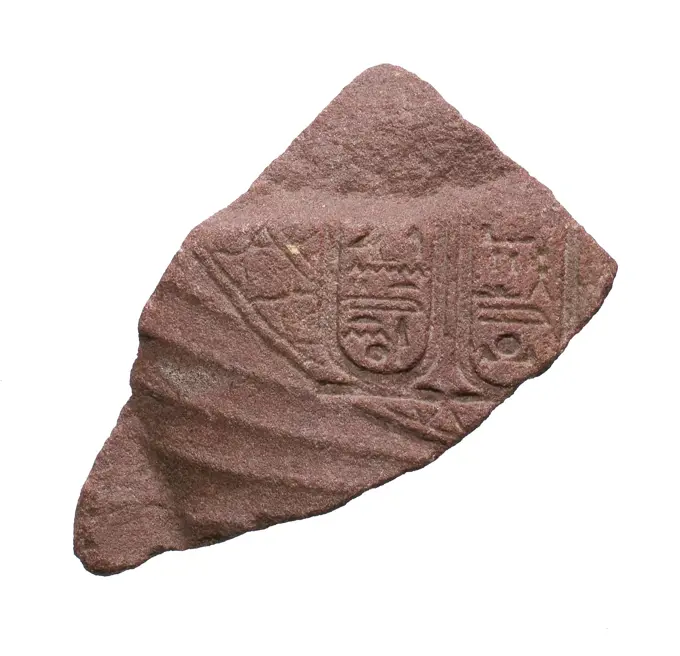
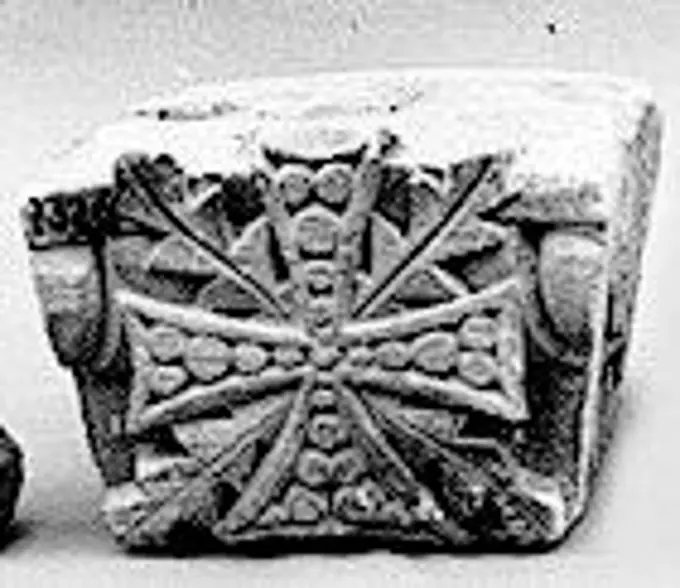
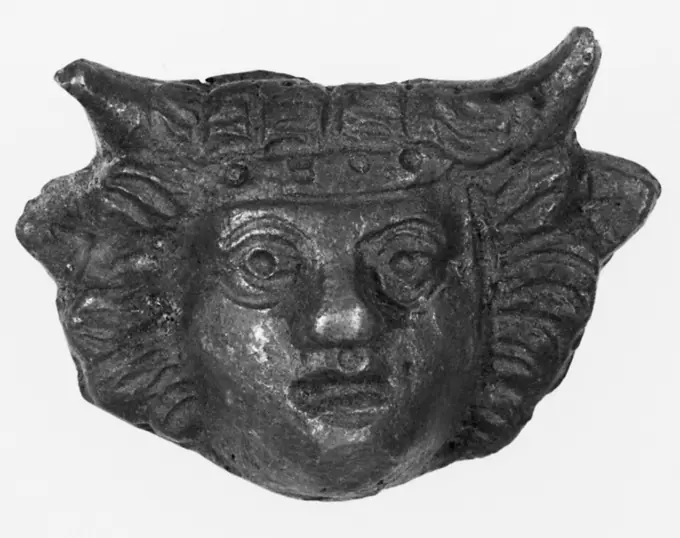
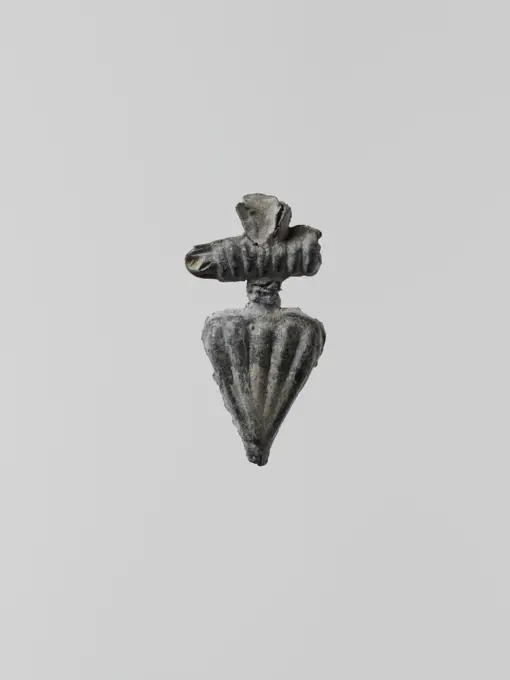
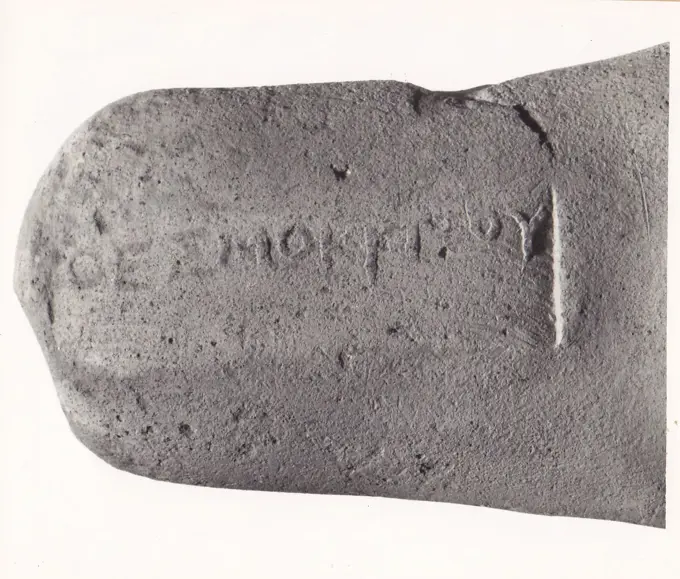
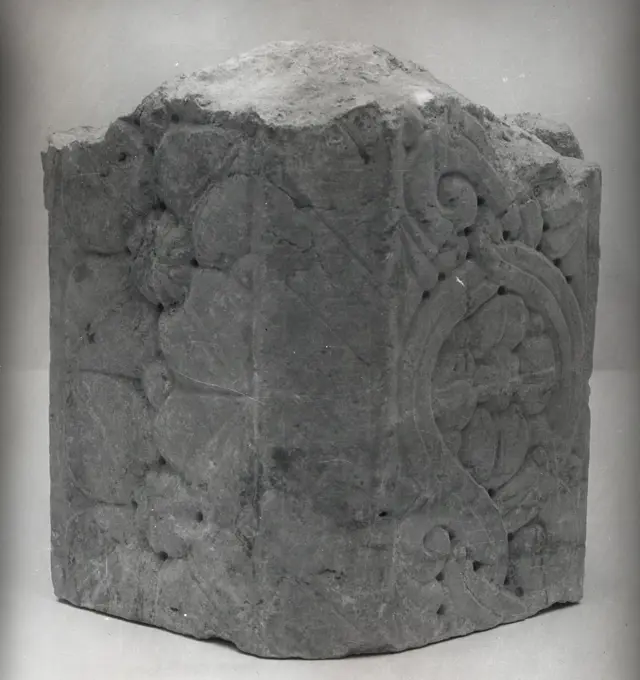
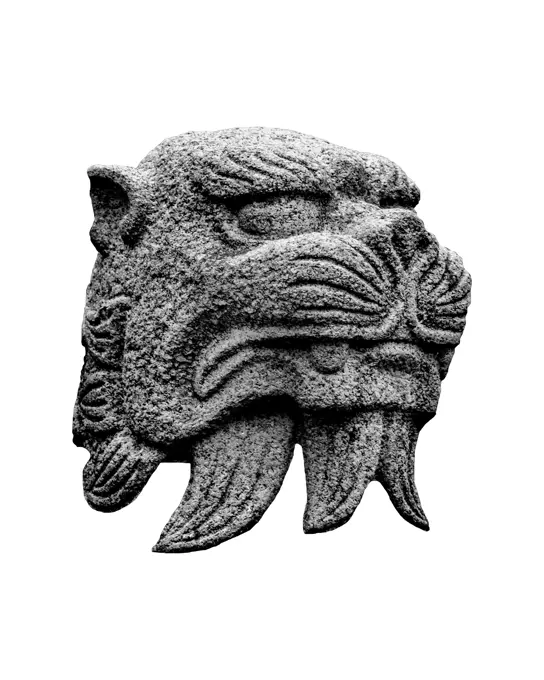
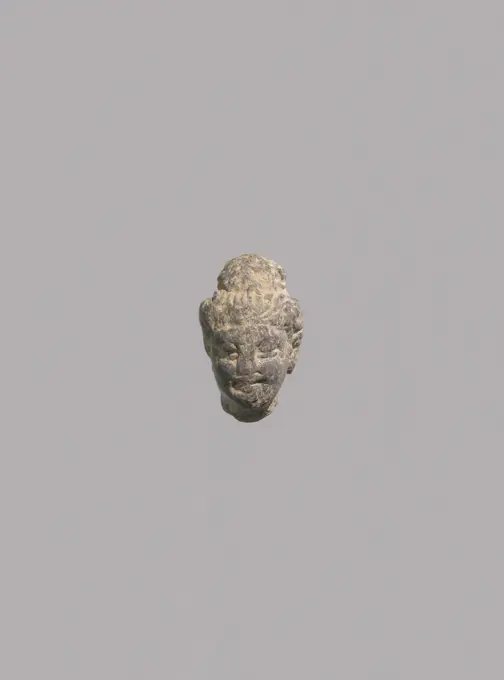
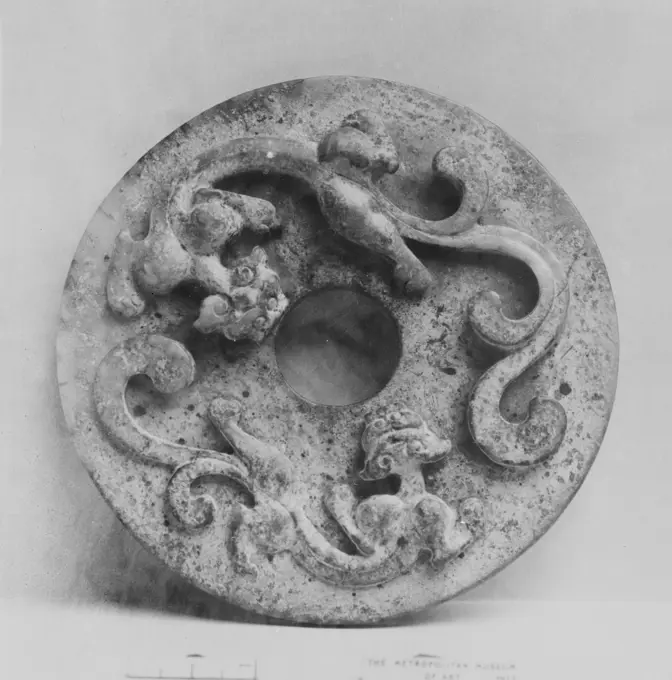
Miniaturowy sarkofag skrzynkowy. unknown, authorFemale Head Fragment. UnknownHearing stone with image, anonymous, c. 1400 - c. 1950 Hearing stone with windows, in which two heraldic lions. Old brand 1417. Southern Netherlands earthenware Hearing stone with windows, in which two heraldic lions. Old brand 1417. Southern Netherlands earthenwareFragment from a battle scene depicting a foreigner throwing a spear and holding a distinctive shield. Dimensions: h. 22 cm (8 11/16 in); w. 22 cm (8 11/16 in). Dynasty: Dynasty 12. Reign: reign of Senwosret I. Date: ca. 1961-1917 B.C..This fragment is a rare example of a Middle Kingdom battle scene and shows a Semitic man with curly hair and a pointed beard hurling a spear. The figure probably stood on top of the fortifications of a walled town that was under siege by the Egyptian army. Museum: Metropolitan Museum of Art, New York, USA.Shabti of Painedjem II ca. 990-969 B.C. Third Intermediate Period. Shabti of Painedjem II 553271Seal of Louis XIV 1661-1715 French See 21.1.1 for a duplicate of this seal.. Seal of Louis XIV. French. 1661-1715. Dark brown or black wax. Sculpture-MiniatureProperty terminal of the Montmartre Abbey, 16th century. Paris, Carnavalet museum. 71124-28 Montmartre Abbey, Borne Propriete, MEDIEVALE, stone, archeological vestige, 16th centurySherd with incised decoration ca. late 3rd millennium B.C.. Sherd with incised decoration 326102Attachment in the Shape of a Bird. UnknownHead with Lampadion Knot. UnknownBase fragment with the cartouche of Nefertiti ca. 1353-1336 B.C. New Kingdom, Amarna Period. Base fragment with the cartouche of Nefertiti 550065Head with Melon Coiffure. UnknownFunerary Cone of the King's Son of Kush Merymose ca. 1550-1295 B.C. New Kingdom. Funerary Cone of the King's Son of Kush Merymose. ca. 1550-1295 B.C.. Pottery. New Kingdom. From Egypt, Upper Egypt, Thebes. Dynasty 18Funerary Cone of the Scribe Min ca. 1479-1425 B.C. New Kingdom See 09.185.6The stamp on this cone is type 222 in A Corpus of Inscribed Egyptian Funerary Cones compiled by Norman de Garis Davies and published by M. F. Laming Macadam in 1957 by Oxford University Press. (CHR). Funerary Cone of the Scribe Min. ca. 1479-1425 B.C.. Pottery. New Kingdom. From Egypt, Upper Egypt, Thebes, Khokha, Tomb MMA  1 A, MMA excavations, 1911. Dynasty 18Seal Impression with Name of King Senwosret III. Egypt, Middle Kingdom, 12th Dynasty, reign of Senwosret III (1878 - 1843 BCE). Tools and Equipment; seals. Semi-baked clayCicada late 19th to early 20th century China. Cicada 43017Terra Sigillata Chalice with Applique Reliefs. UnknownHooded Head. UnknownFunerary Cone of the Steward Hery ca. 1550-1295 B.C. New Kingdom This cone has the impression of a stamp seal inscribed for a man named Hery who was steward of the high priest of Amun. For a drawing of this impression see http://www.funerarycones.com/, number 145.. Funerary Cone of the Steward Hery Funerary Cone of the Steward Hery ca. 1550-1295 B.C. New Kingdom This cone has the impression of a stamp seal inscribed for a man named Hery who was steward of the high priest of Amun. For a drawing of this impression see http://www.funerarycones.com/, number 145.. Funerary Cone of the Steward Hery. ca. 1550-1295 B.C.. Pottery. New Kingdom. From Egypt, Upper Egypt, Thebes. Dynasty 18Funerary Cone ca. 1550-1295 B.C. New Kingdom. Funerary Cone. ca. 1550-1295 B.C.. Pottery. New Kingdom. From Egypt, Upper Egypt, Thebes. Dynasty 18Head with Melon Coiffure. UnknownRectangular stamp seal with gable-head handle ca. 15th-13th century B.C. Hittite. Rectangular stamp seal with gable-head handle. Hittite. ca. 15th-13th century B.C.. Black steatite. Hittite Middle Kingdom-Hittite Empire. AnatoliaNaczynie na trzech nóżkach - kociołek. nieznany warsztat egipski, authorFemale Head. UnknownSleeve weight China. Sleeve weight. China. Unglazed clay. Han dynasty (206 B.C.-A.D. 220). CeramicsNear East. Mesopotamia. Kudurru (boundary stone). Babylonia. Cassite Period (1550-1155 BC). Iraq. The State Hermitage Museum. Saint Petersburg. Russia.Departure (2 trade faces); Unknown attic workshop; VI century BC (-700-00-00--601-00-00);Column 13th century French. Column 466820Fragmentary Stamnoid Krater. UnknownVase China. Vase. China. Black serpentine. Han dynasty (206 B.C.-A.D. 220). HardstoneAmulet of a cow 306-30 B.C. Ptolemaic Period. Amulet of a cow. 306-30 B.C.. Faience. Ptolemaic Period. From Egypt, Northern Upper Egypt, DenderaHighstone with representation of the two -headed eagle between the columns of Hercules, c. 1550 - c. 1600 Highstone with representation of the two -headed eagle between the columns of Hercules. Southern Netherlands earthenware Highstone with representation of the two -headed eagle between the columns of Hercules. Southern Netherlands earthenwareCicada late 19th to early 20th century China. Cicada 43009Body Fragment of a Relief Pithos. UnknownFragment of Jar 10th-11th century. Fragment of Jar. 10th-11th century. Earthenware; incised and unglazed. Excavated in Iran, Nishapur. CeramicsSealing ca. 1981-1640 B.C. Middle Kingdom. Sealing. ca. 1981-1640 B.C.. Mud. Middle Kingdom. From Egypt, Memphite Region, Lisht North, Cemetery, MMA excavations, 1920-22. Dynasty 12-13Stamp seal ca. 1878-1668 B.C. Egyptian. Stamp seal. Egyptian. ca. 1878-1668 B.C.. Steatite gone white (). Middle Kingdom. EgyptUpper right arm possibly with Aten cartouches ca. 1353-1336 B.C. New Kingdom, Amarna Period. Upper right arm possibly with Aten cartouches. ca. 1353-1336 B.C.. Diorite. New Kingdom, Amarna Period. From Egypt, Middle Egypt, Amarna (Akhetaten), Petrie/Carter excavations, 1891-92. Dynasty 18Fragment. Culture: China, Turkestan. Dimensions: H. 10 1/4 in. (26 cm); W. 10 1/4 in. (26 cm); Th. 3 3/4 in. (9.5 cm). Museum: Metropolitan Museum of Art, New York, USA.Lead ornament, possibly in the form of a comb. Culture: Greek, Laconian. Dimensions: Height: 1 in. (2.5 cm). Date: 6th-5th century B.C..Small flat votive figurines of cast lead have been found in great quantities at the ancient sanctuaries of Laconia; over one hundred thousand, dating from the seventh century B.C. to the Classical period, were dedicated to the goddess Artemis Orthia in Sparta. Museum: Metropolitan Museum of Art, New York, USA.Upper right chest of queen in pleated garment and elaborate broad collar, with cartouches of the Aten ca. 1353-1336 B.C. New Kingdom, Amarna Period. Upper right chest of queen in pleated garment and elaborate broad collar, with cartouches of the Aten. ca. 1353-1336 B.C.. Red quartzite. New Kingdom, Amarna Period. From Egypt, Middle Egypt, Amarna (Akhetaten), Great Temple of the Aten, pit outside southern wall, Petrie/Carter excavations, 1891-92. Dynasty 18Female Head. UnknownMold Fragment. UnknownEmilia-Romagna Ferrara Ferrara Museo Civico di Schifanoia46. Hutzel, Max 1960-1990 General Notes: INCOMPLETE RECORD--NEGATIVES PROCESSED, PRINTS FILED German-born photographer and scholar Max Hutzel (1911-1988) photographed in Italy from the early 1960s until his death. The result of this project, referred to by Hutzel as Foto Arte Minore, is thorough documentation of art historical development in Italy up to the 18th century, including objects of the Etruscans and the Romans, as well as early Medieval, Romanesque, Gothic, Renaissance and Baroque monuments. Images are organized by geographic region in Italy, then by province, city, site complex and monument.Stamp seal (octagonal pyramid, worn) with musician second half of 8th century B.C. Syro-Levantine. Stamp seal (octagonal pyramid, worn) with musician. Syro-Levantine. second half of 8th century B.C.. Yellow limestone. Iron Age II. Mesopotamia or Syria ()Sealing ca. 7th century A.D. Sasanian. Sealing. Sasanian. ca. 7th century A.D.. Un-baked clay. Sasanian. Iran, Qasr-i Abu NasrLazio Roma Subiaco Monastery of S. Scolastica Archaeological Museum02. Hutzel, Max 1960-1990 Antiquities: Views of antiquities in museum, including sarcophagi, plates, vases, coins. General Notes: Hutzel guide says we have negatives, but we cannot find them. German-born photographer and scholar Max Hutzel (1911-1988) photographed in Italy from the early 1960s until his death. The result of this project, referred to by Hutzel as Foto Arte Minore, is thorough documentation of art historical development in Italy up to the 18th century, including objects of the Etruscans and the Romans, as well as early Medieval, Romanesque, Gothic, Renaissance and Baroque monuments. Images are organized by geographic region in Italy, then by province, city, site complex and monument.Funerary cone of the Chief Beer Brewer and Chief of the Corrals of Amun, named Abemusekhet. Terracotta. New Kingdom (1550-1070 B.C.).Funerary Cone of Khonsu ca. 1550-1295 B.C. New Kingdom This cone has the impression of a stamp seal inscribed for a man named Khonsu who was chief branding iron bearer of the god Amun. For a drawing of this impression see http://www.funerarycones.com/, number 502.. Funerary Cone of Khonsu Funerary Cone of Khonsu ca. 1550-1295 B.C. New Kingdom This cone has the impression of a stamp seal inscribed for a man named Khonsu who was chief branding iron bearer of the god Amun. For a drawing of this impression see http://www.funerarycones.com/, number 502.. Funerary Cone of Khonsu. ca. 1550-1295 B.C.. Pottery. New Kingdom. From Egypt, Upper Egypt, Thebes. Dynasty 18IDOLO NEOLITICO-EDAD DE BRONCE. Location: MUSEO DE ARTE. TEXAS.Balustrade fragment ca. 1353-1336 B.C. New Kingdom, Amarna Period. Balustrade fragment. ca. 1353-1336 B.C.. Indurated limestone. New Kingdom, Amarna Period. From Egypt, Middle Egypt, Amarna (Akhetaten), Great Temple of the Aten, Pit outside southern wall, Petrie/Carter excavations, 1891-92. Dynasty 18Bronze axes. Bronze Age. SPAIN. CATALONIA. BARCELONA. Vic. Vic Episcopal Museum.Wall casing. Dimensions: 14.1 x 9 x 3.2. Dynasty: Dynasty 26. Reign: reign of Psamtik I. Date: 664-610 B.C.. Museum: Metropolitan Museum of Art, New York, USA.Funerary Cone of Pa-ba-sa ca. 712-525 B.C. Late Period. Funerary Cone of Pa-ba-sa. ca. 712-525 B.C.. Pottery. Late Period. From Egypt, Upper Egypt, Thebes. Dynasty 25-26Keystone from an Arch with Cross and Acanthus Leaves 4th-5th century The more important buildings were decorated with courses of sculpted stone freely combining floral and geometric motifs inspired by classical art - rosettes, acanthus leaves, meander patterns - with more recent Christian themes. These sculptural elements, demonstrating the Byzantine love of complex patterning with lush textures, were originally painted in rich, vibrant colors like those surviving in textiles.. Keystone from an Arch with Cross and Acanthus Leaves. 4th-5th century. Limestone; carved in relief. Said to be from Egypt, Ahnas. SculptureBracelet with lion's-head terminals ca. early 1st millennium B.C.. Bracelet with lion's-head terminals 327451Attachment. UnknownEngraved Gem. UnknownScarab ca. 1640-1550 B.C. Second Intermediate Period. Scarab. ca. 1640-1550 B.C.. Grey glazed steatite. Second Intermediate Period. From Egypt. Dynasty 13-17Lead ornament in the form of a bud 6th-5th century B.C. Greek, Laconian Small flat votive figurines of cast lead have been found in great quantities at the ancient sanctuaries of Laconia; over one hundred thousand, dating from the seventh century B.C. to the Classical period, were dedicated to the goddess Artemis Orthia in Sparta.. Lead ornament in the form of a bud 251697 Greek, Laconian, Lead ornament in the form of a bud, 6th5th century B.C., Lead, Height: 1 1/8 in. (2.9 cm). The Metropolitan Museum of Art, New York. Gift of A. J. B. Wace, 1924 (24.195.131)Fragment imadła amfory ze stemplem. Thesmokritos (ca 145-ca 108 a.C.), potter's workshopCoin 5th-14th century. Coin. 5th-14th century. Copper. Excavated in Iran, Nishapur. CoinsBird-celt Pendant 5th-12th century Guanacaste-Nicoya. Bird-celt Pendant 313017Lower part of a shabti ca. 1981-1640 B.C. Middle Kingdom. Lower part of a shabti. ca. 1981-1640 B.C.. Limestone, paint. Middle Kingdom. From Egypt, Memphite Region, Lisht North, Cemetery, MMA excavations, 1906-07. Dynasty 12-13Compartmented stamp seal ca. late 3rd-early 2nd millennium B.C. Bactria-Margiana Archaeological Complex. Compartmented stamp seal. Bactria-Margiana Archaeological Complex. ca. late 3rd-early 2nd millennium B.C.. Copper alloy. Bronze Age. Bactria-MargianaGold 'stater' of the/issued by Namnetes, 2nd century. Artist: UnknownStele commemorating Nabonidus restoring the temple of Sin in 552 B.C.Fragment of a Horse early 12th century Central Asia. Fragment of a Horse 40034Stamp seal (octagonal pyramid) with cultic scene late 8th - 7th century B.C. Assyrian. Stamp seal (octagonal pyramid) with cultic scene. Assyrian. late 8th - 7th century B.C.. Banded neutral Chalcedony (Quartz). Neo-Assyrian. Syria ()Head with Melon Coiffure. UnknownAttic Black-Figure Hydria Fragment. Unknown 540 - 520 B.C. Black - base of handle attachmentIdol of Ciudad Rodrigo. Basalt. 2000-1500 BC. Ancient-Middle Bronze Age. From Ciudad Rodrigo (province of Salamanca, Castile and Leon), Spain. National Archaeological Museum. Madrid. Spain.Remainder of column with inscription, Archaeological Museum in the former Order Hospital of the Knights of St John, 15th century, Old Town, Rhodes Town, Greece, EuropeBronze Female Bust with Inscribed Dedication to Theos Hypsistos. UnknownMarble inscribed base. Culture: Roman, Cypriot. Dimensions: 3 7/8 x 5 5/16 x 4 3/4 in. (9.8 x 13.5 x 12.1 cm). Date: ca. 2nd century A.D..The base may have held a small statue. The Greek inscription records a dedication by a man called Katagraphos on behalf of his son to the cult of Opaon Melanthios located at Amargetti, near Paphos. Museum: Metropolitan Museum of Art, New York, USA.Aten cartouche for jewelry ca. 1353-1336 B.C. New Kingdom, Amarna Period. Aten cartouche for jewelry 548415Drohiczyn seal. unknown, managerBlock ca. 1130-40 Catalan. Block. Catalan. ca. 1130-40. Marble. Made in Roussillon, France. Sculpture-ArchitecturalStanding female figurine, Amlash, north-western Iran, 2000 BC. The woman has incised markings indicating a necklace and has her arms folded under her breasts.Ring seal ca. 3rd-7th century A.D. Sasanian. Ring seal 322538Monete quadre e rotonde Round and oblong Etruscan coins still image. 1823 - 1838. The Miriam and Ira D. Wallach Division of Art, Prints and Photographs: Picture Collection. Antiquities, Money, Coins , To 499, Art objects, EtruscanInscribed limestone base 2nd-3rd century A.D. Roman, Cypriot Dedication to Artemis Paralia. Inscribed limestone base. Roman, Cypriot. 2nd-3rd century A.D.. Limestone. Imperial. Cesnola InscriptionsAlmond-shaped sealing with three circular seal impressions ca. 18th century B.C. Old Assyrian Trading Colony. Almond-shaped sealing with three circular seal impressions 323536Mold in Two Parts, 305-30 BC. Egypt, Ptolemaic Dynasty or later. Limestone; overall: 8.8 x 9 x 3.7 cm (3 7/16 x 3 9/16 x 1 7/16 in.).Compartmented stamp seal ca. late 3rd-early 2nd millennium B.C. Bactria-Margiana Archaeological Complex. Compartmented stamp seal 327465Scarab seal ca. 7th-6th century B.C. Cypriot. Scarab seal. Cypriot. ca. 7th-6th century B.C.. Steatite, black. Cypro-Archaic. CyprusPendant 20th century China. Pendant. China. 20th century. Jade, seed pearls. JadeOyster shellJapanese Mythological Animal Head Sculpture Isolated Photo Japanese mythological feline stone head sculpture isolated on white background Copyright: xZoonar.com/DanielxFerreira-LeitesxCiccarinox 15105358Coin 5th-14th century This coin was excavated at the site of Qanat Tepe in Nishapur. Nishapur was a vital city in the early and middle Islamic periods, located along one of the main trajectories that connected Iran and West Asia Islamic lands with Central Asia and China. The term "Silk routes" often refers to these itineraries, but these were, in fact, crucial to the movement of constellations of materials and objects, as well as people and ideas. The diverse population of Nishapur and its surroundings, from the better-researched elite groups of merchants, land-owning aristocracy, and literates, to the lesser-known artisans, farmers, miners, and servants, were instrumental to adapting global cultural trends that led to the creation of a distinctive visual language. This is seen in the material remains of everyday life in medieval Nishapur - from pots and pans to lighting devices, inkwells, textiles and trimmings, jewelry, games and toys, talismanic devices, weapons, coins, and architecFragment of an InscriptionWomans head - figurine fragment. unknown, craftsmanDisk China. Disk. China. Jade. Han dynasty (206 B.C.-A.D. 220). JadePebble China, TurkestanStanding Stone, Turo Stone, Near Loughrea Co GalwayStamp seal ca. late 3rd-early 2nd millennium B.C. Bactria-Margiana Archaeological Complex. Stamp seal. Bactria-Margiana Archaeological Complex. ca. late 3rd-early 2nd millennium B.C.. Copper alloy. Bronze Age. Bactria-MargianaTile with Buddhist images 6th century China. Tile with Buddhist images. China. 6th century. Earthenware. Northern and Southern Dynasties (386-581). SculptureSeal China. Seal. China. Jade. Ming dynasty (1368-1644). SealsGirdle ring China. Girdle ring 42865Stamp seal ca. 3rd century B.C.-3rd century A.D.. Stamp seal. ca. 3rd century B.C.-3rd century A.D.. Glass, greenish-yellow. Parthian. Levant () or Iran ()