Ancient Egyptian Seals

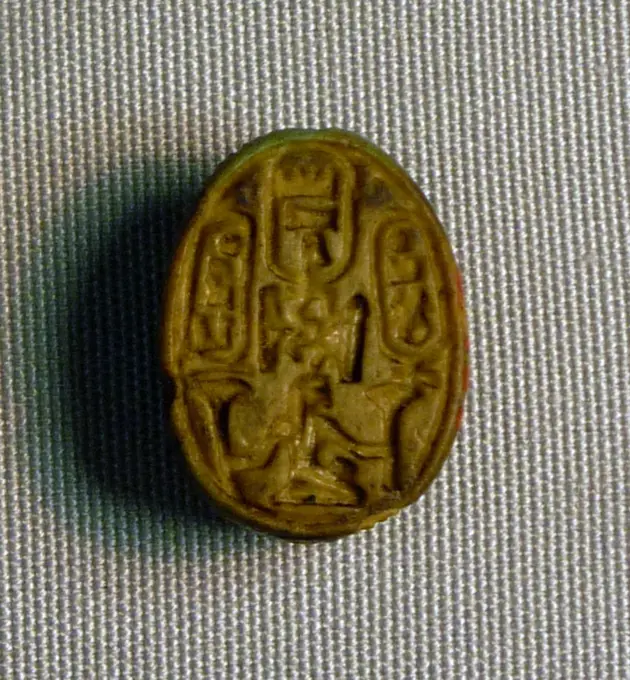
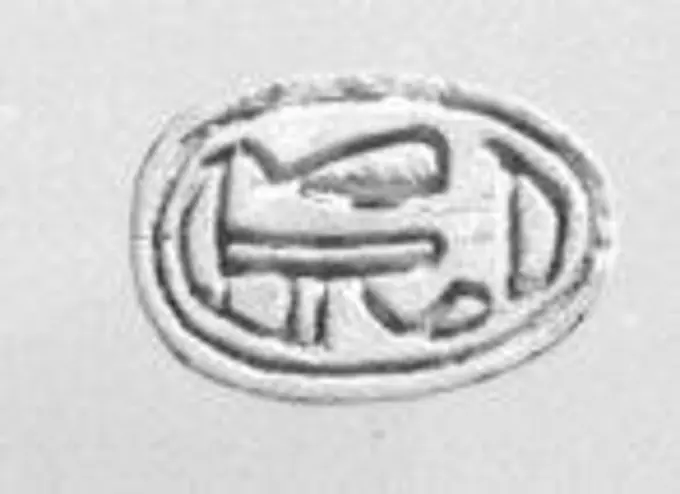
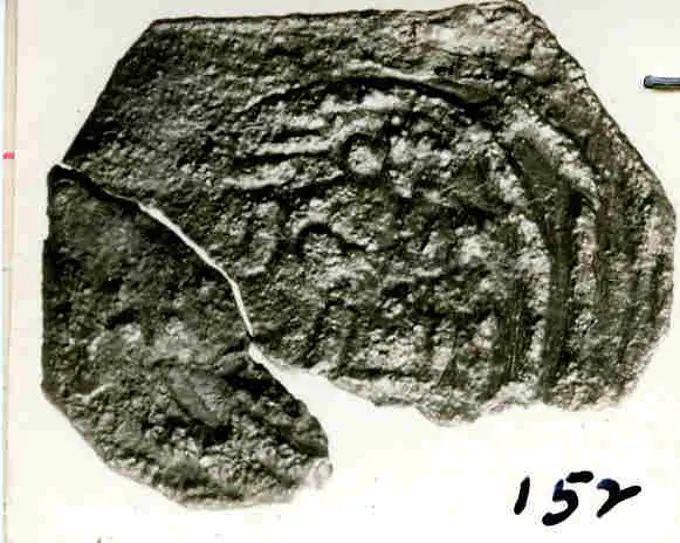
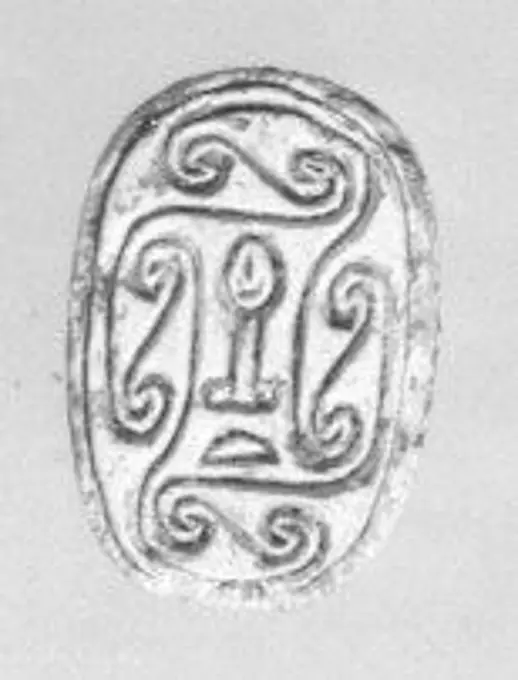
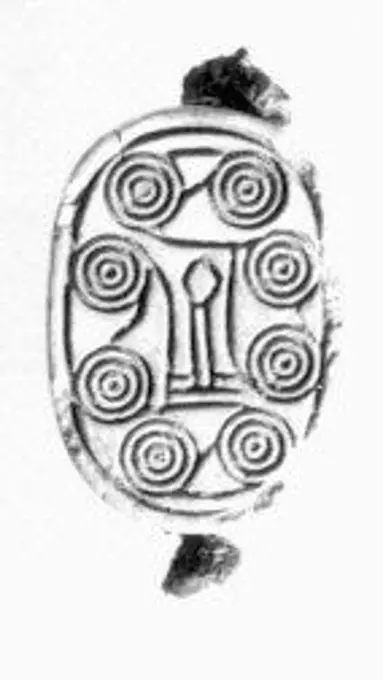
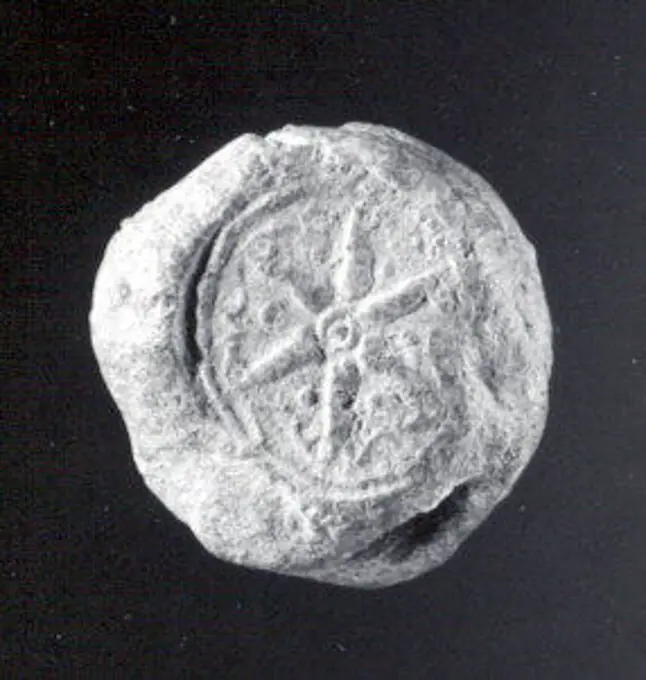
Fragments of ancient Egyptian seals depicting intricate designs, each reflecting the craftsmanship of the Middle and New Kingdom periods.

Funerary Cone ca. 1550-1295 B.C. New Kingdom. Funerary Cone. ca. 1550-1295 B.C.. Pottery. New Kingdom. From Egypt, Upper Egypt, Thebes. Dynasty 18
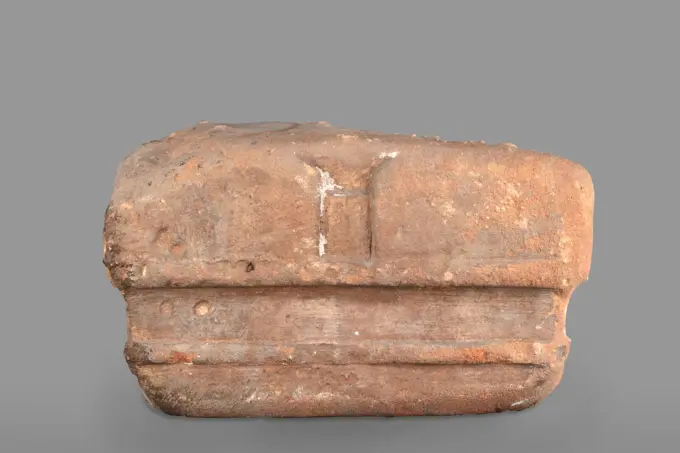
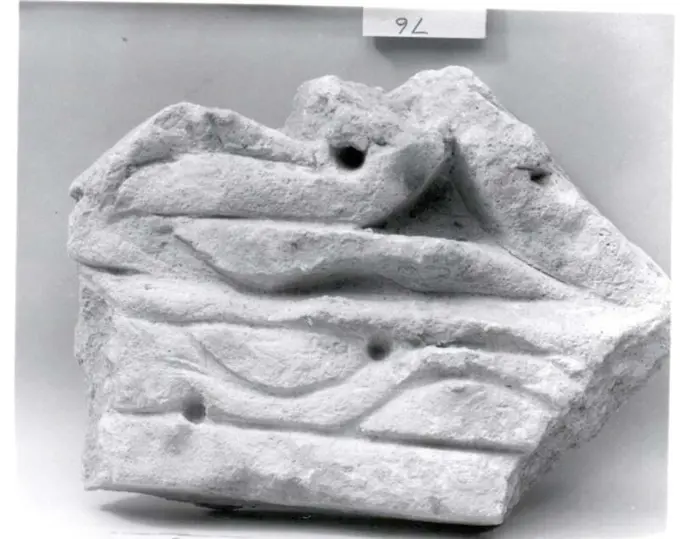
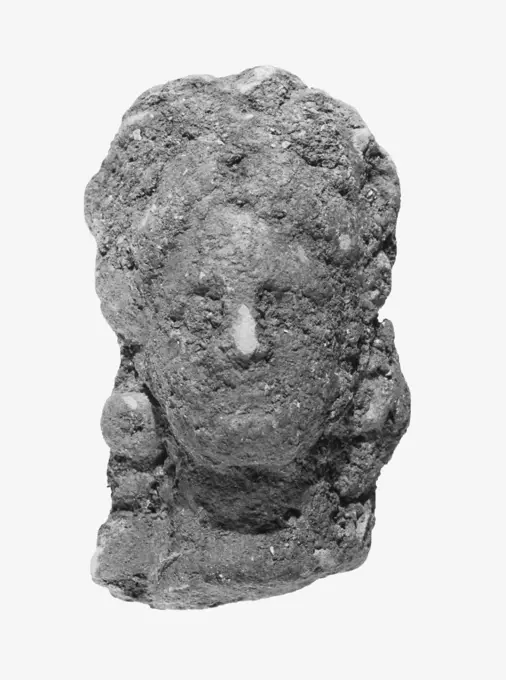
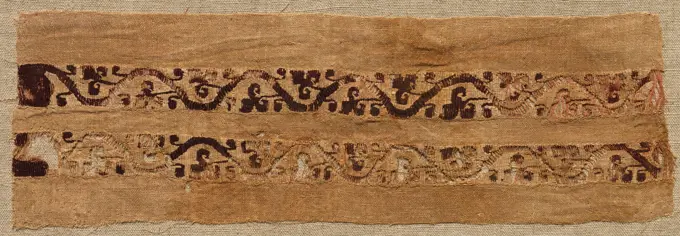
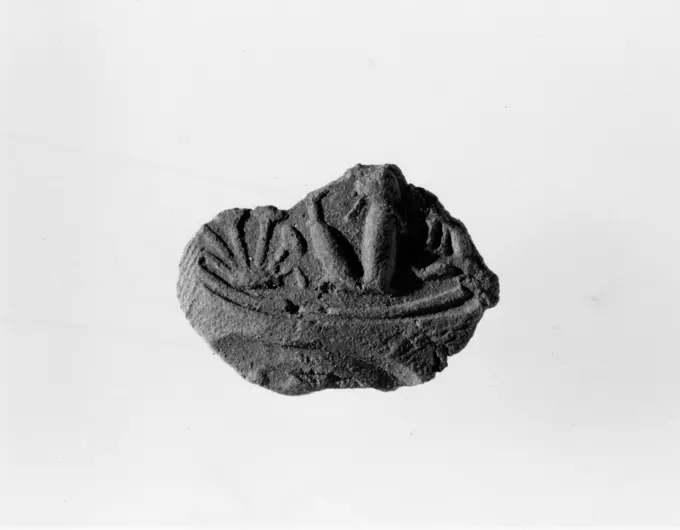
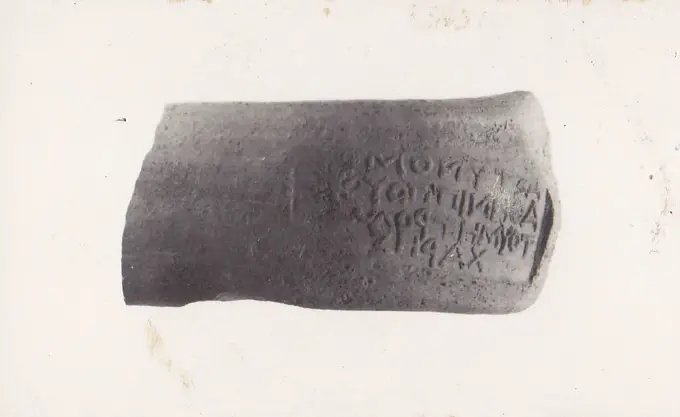
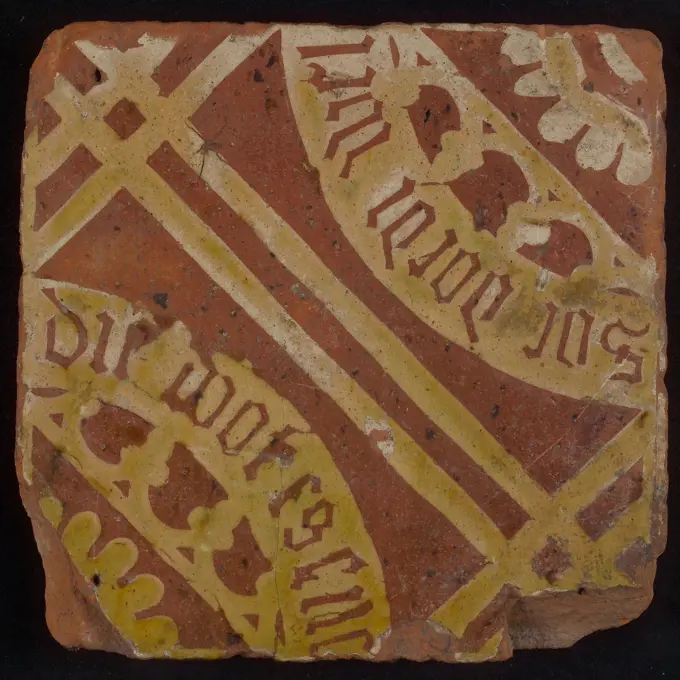
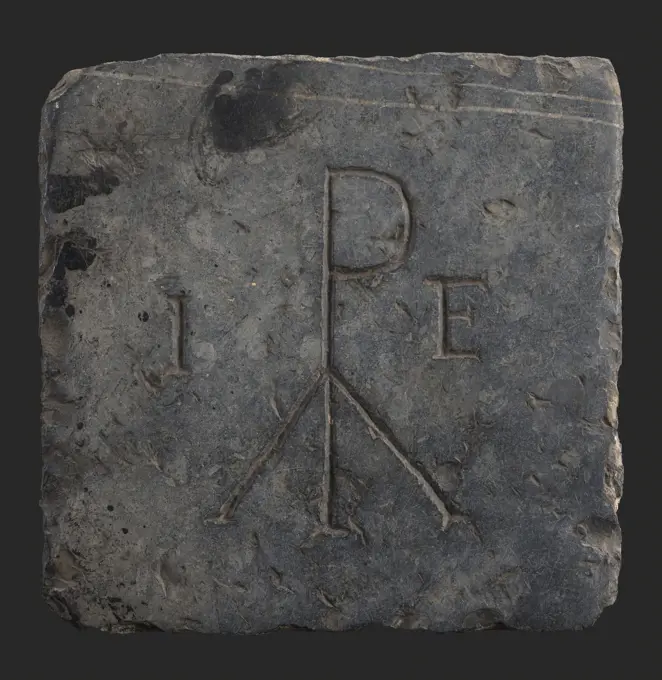
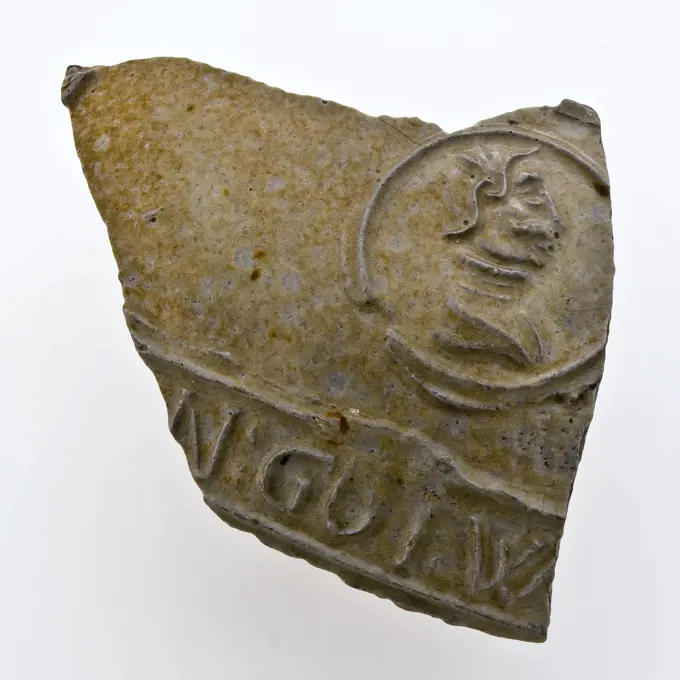
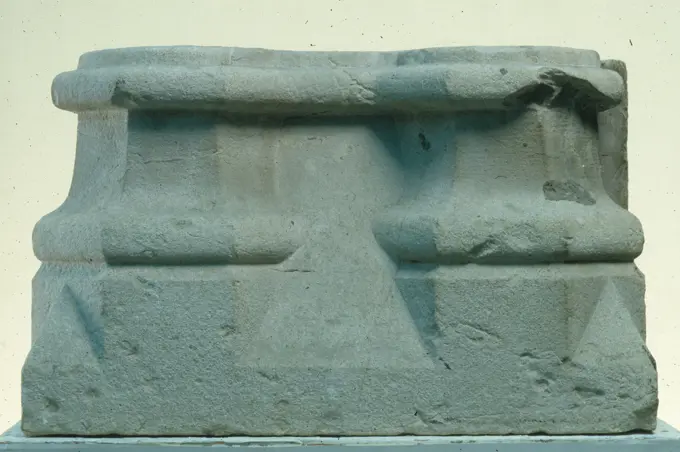
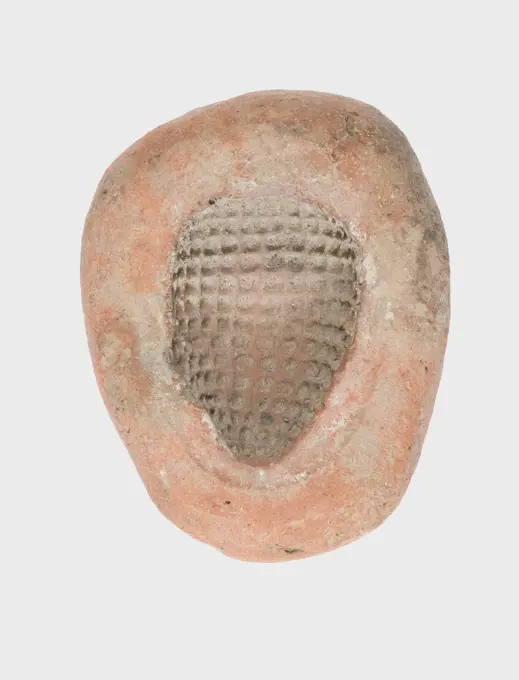
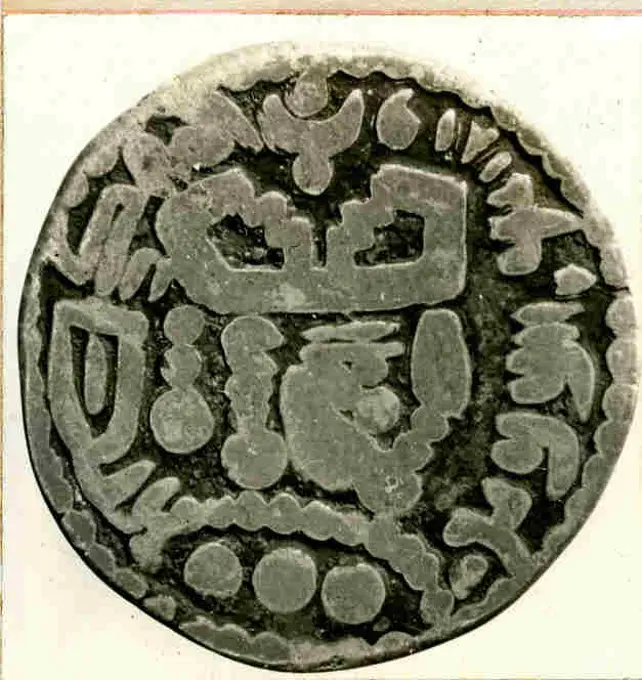
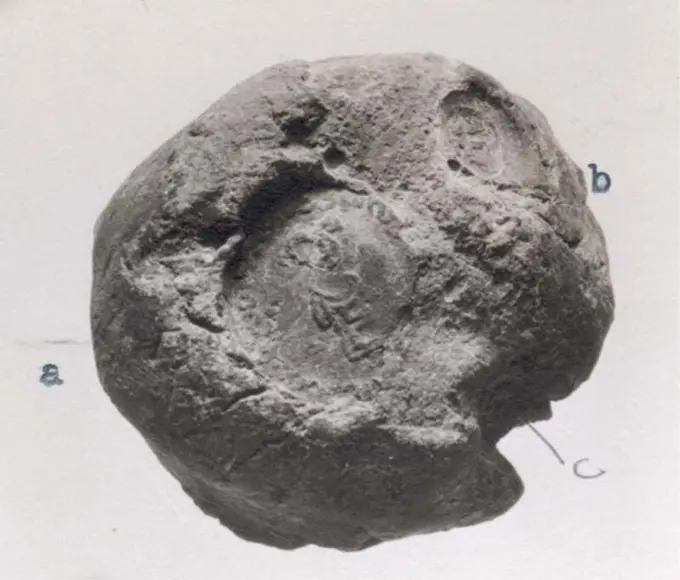
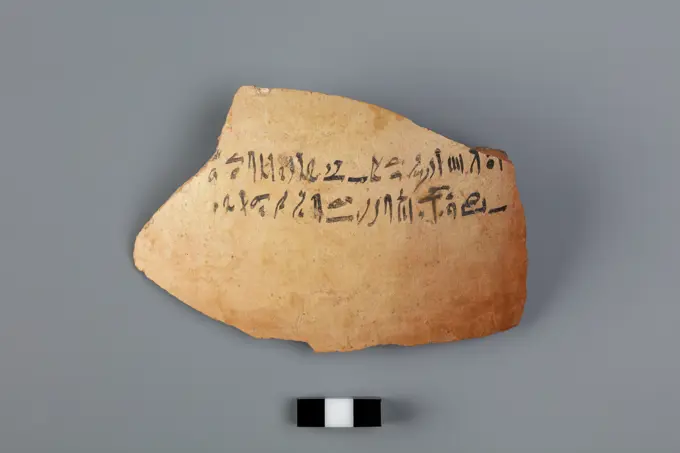
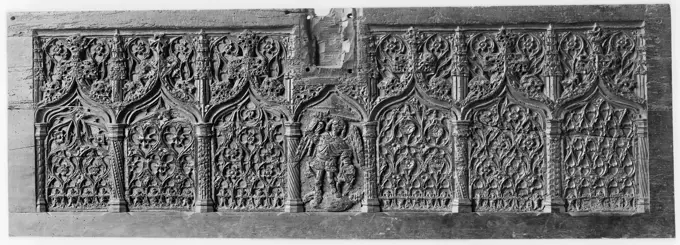
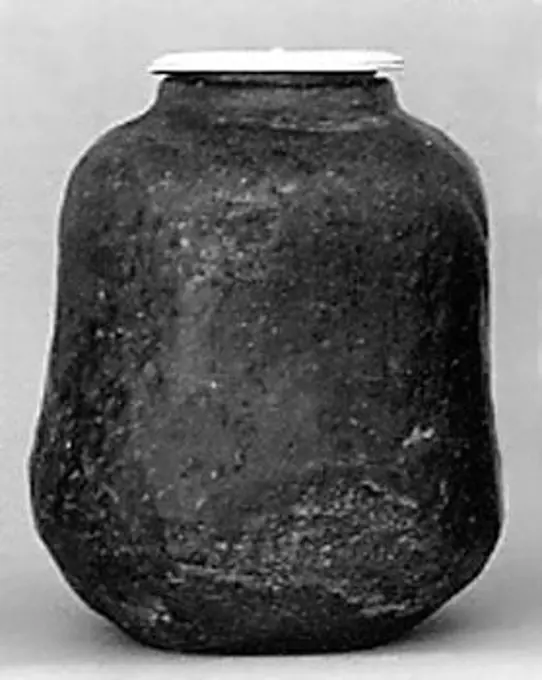
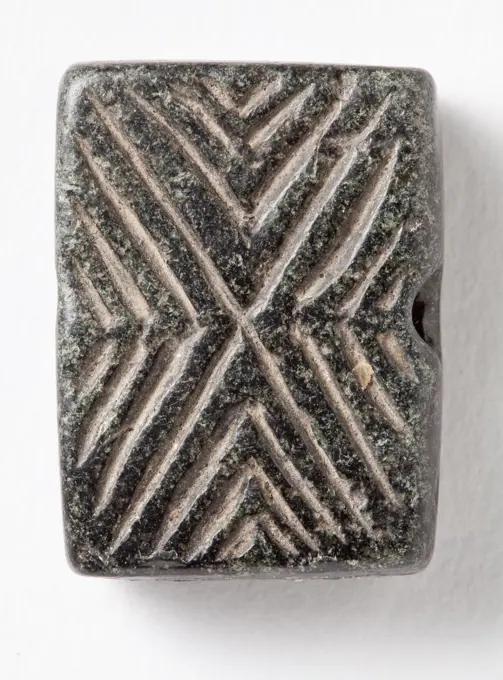
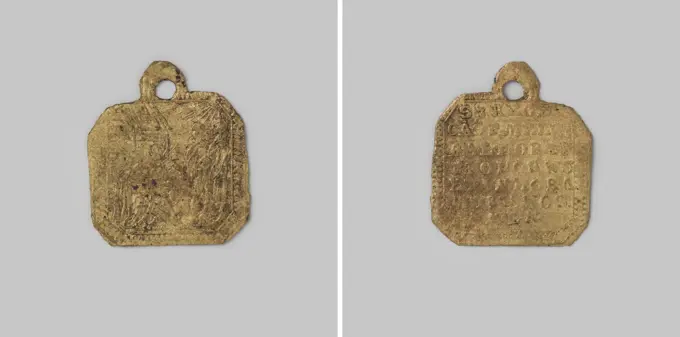
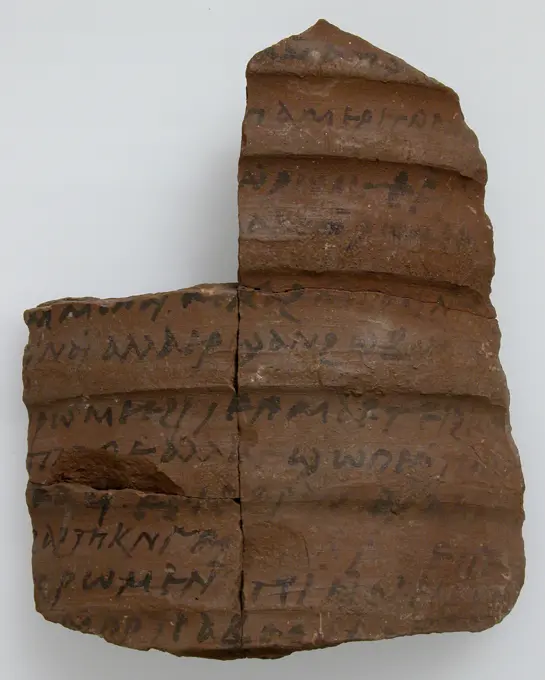
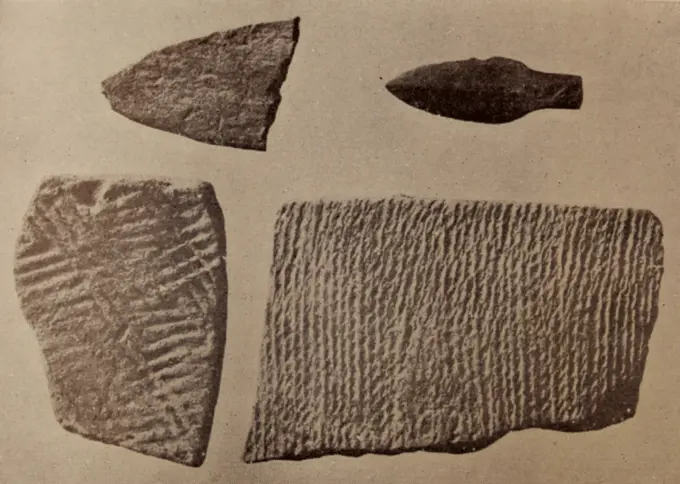
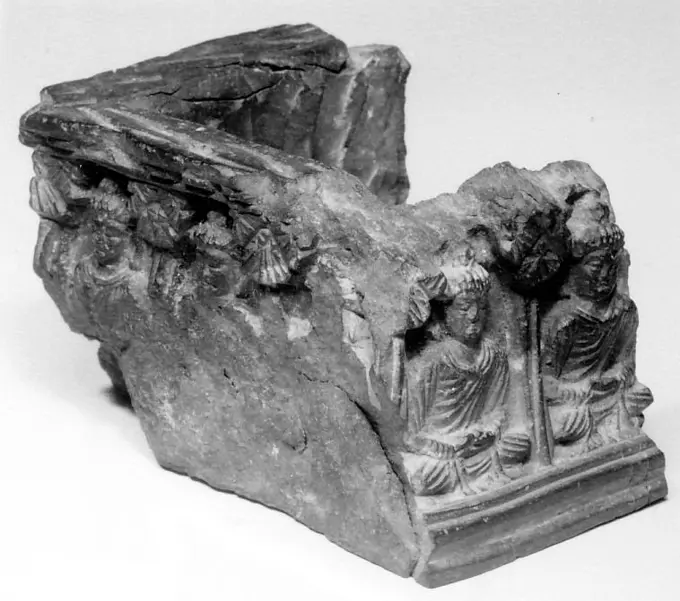
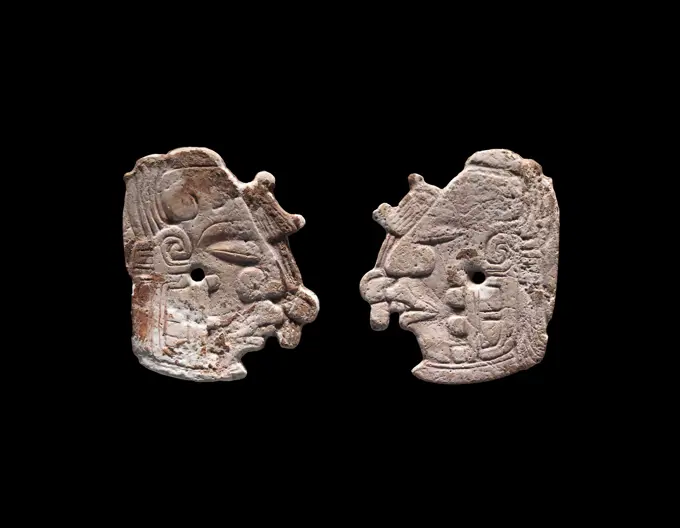
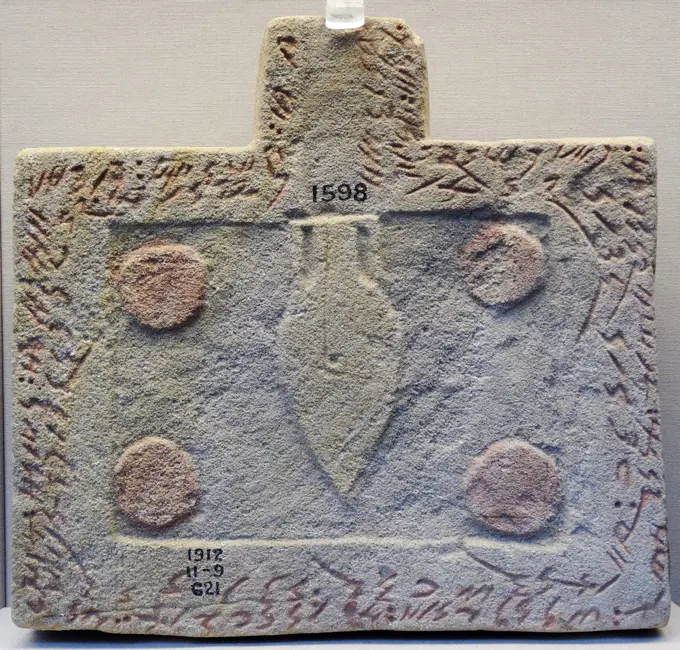
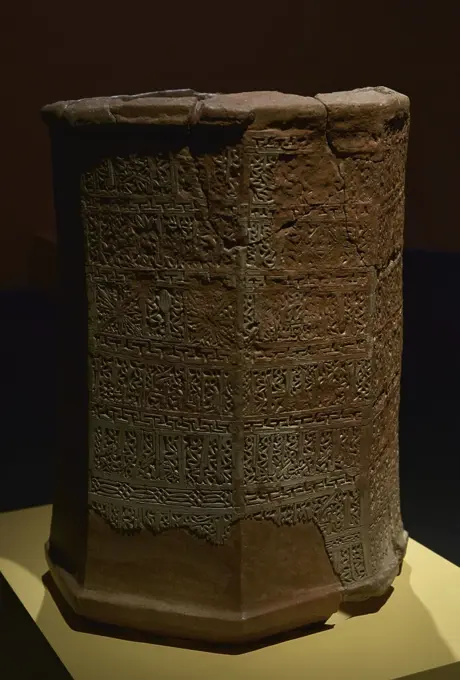
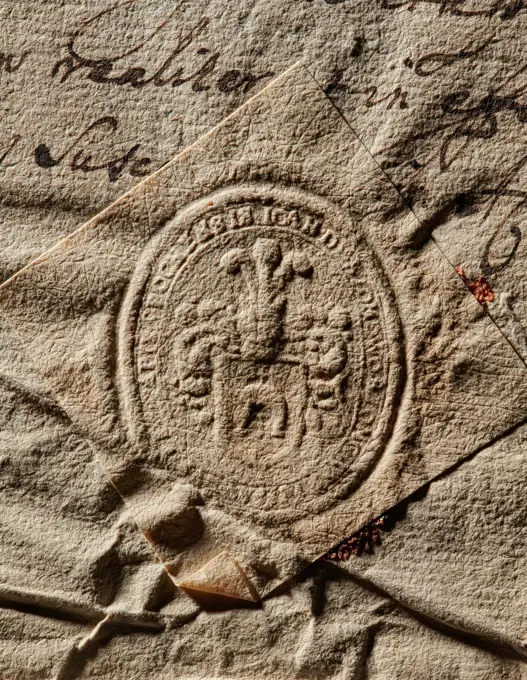
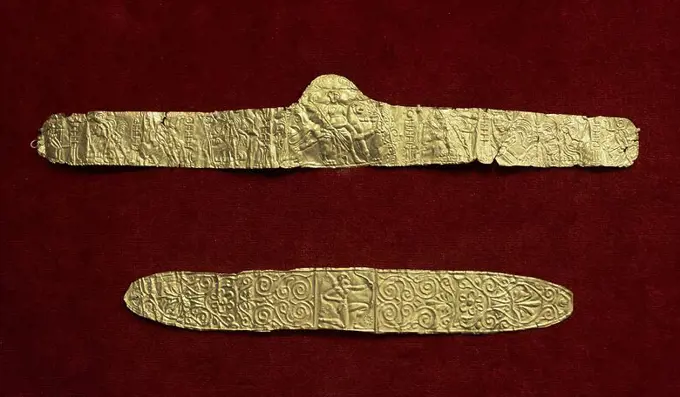
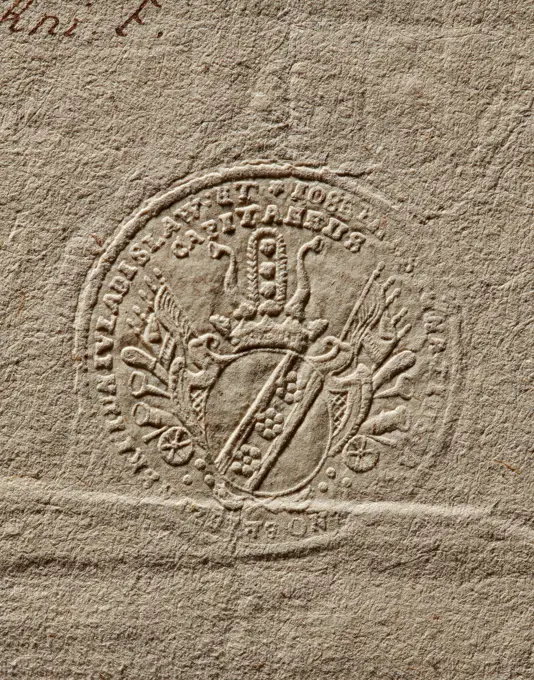
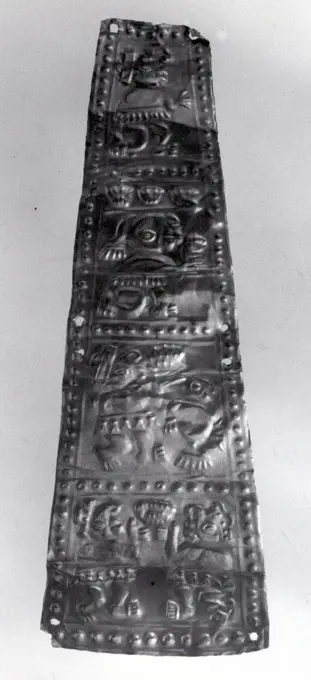
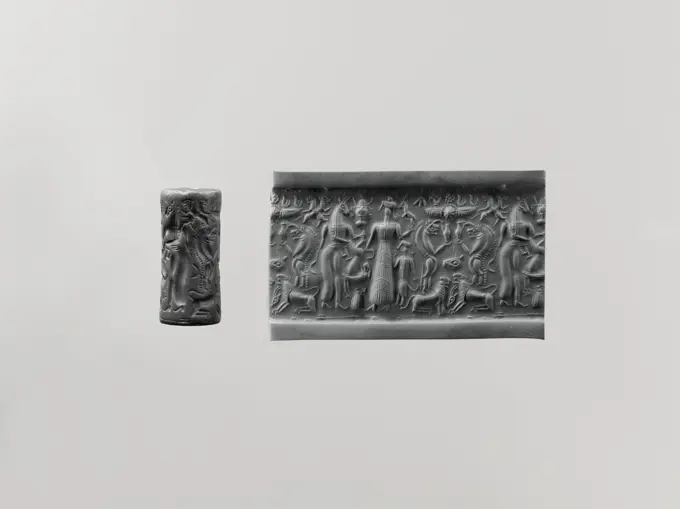
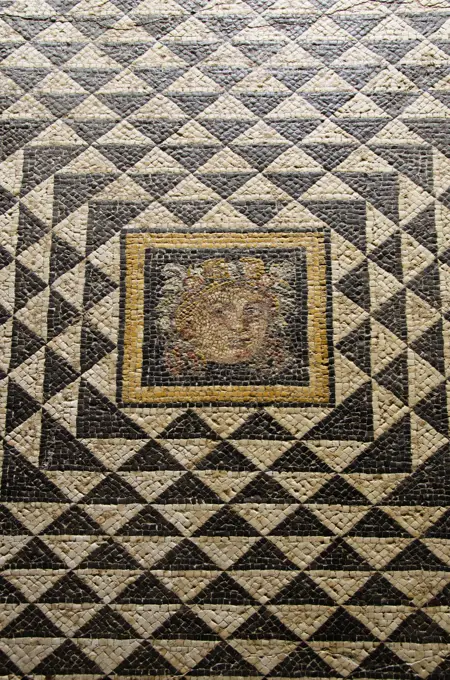
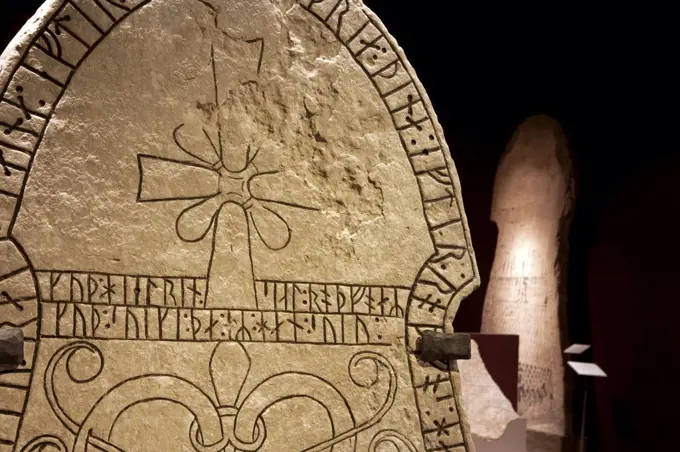
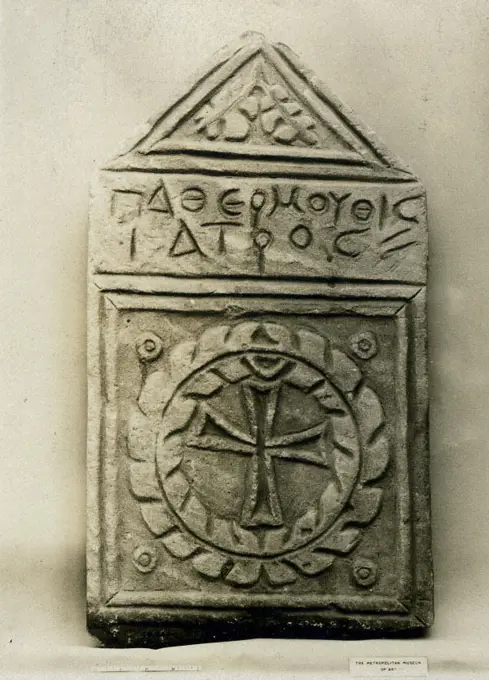
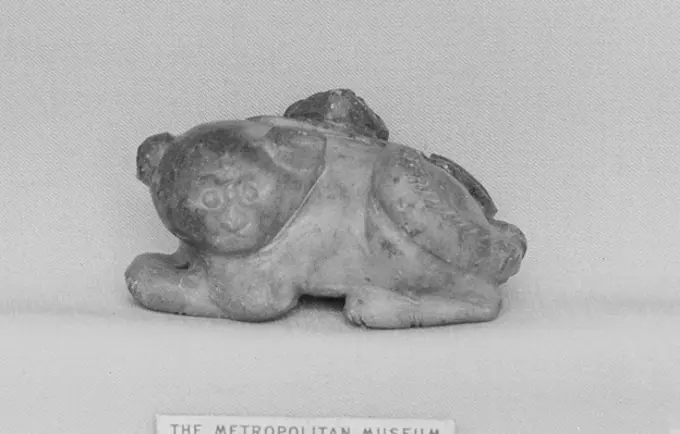
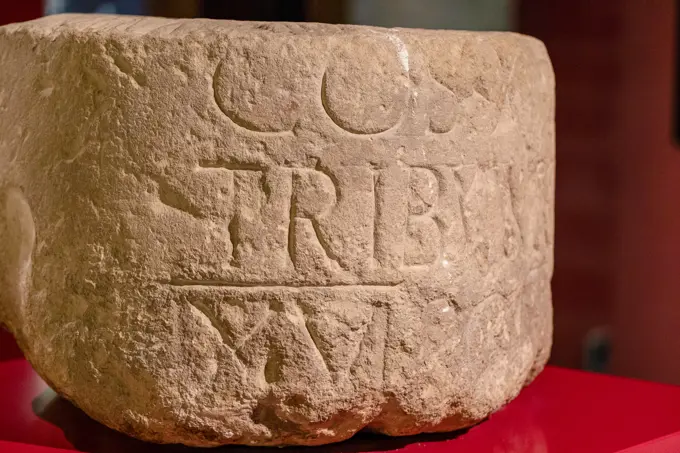
Sealing with stamp seal impressions: radiating griffins; banquet scene ca. 18th century B.C. Old Assyrian Trading Colony. Sealing with stamp seal impressions: radiating griffins; banquet scene 323545Mold with Throne Name of Horemheb. Egypt, New Kingdom, late 18th Dynasty, reign of Horemheb (1343 - 1315 BCE). Tools and Equipment; molds. TerracottaScarab Commemorating the King's Marriage to Queen Tiye. Dimensions: L. 8 cm (3 1/8 in.); W. 5.4 cm (2 1/8 in.); H. 2 cm (13/16 in.). Dynasty: Dynasty 18. Reign: reign of Amenhotep III. Date: ca. 1390-1352 B.C.. Museum: Metropolitan Museum of Art, New York, USA.Ceremonial spindle whorl, 10th-15th century, 3 1/4 x 3 1/4 in. (8.3 x 8.3 cm), Stone, Mexico or Guatemala, 10th-15th century, According to Maya worldview, the Sun's cyclical journey across the sky, through the underworld, and back again began with the whirling of a spindle. This cosmic relationship is referenced in the carvings which adorn this spindle whorl; the personified sun and its rays of light would be set in motion by the actions of the spinner. The whorl - a fly wheel to give momentum to the rotating spindle - thus becomes a symbol of the world's creation, connecting the creative powers of the gods and the celestial realm with the spinners and weavers on earth.A fragment of the Hatry Capitel;  1st half 1st century BC 1st century (100-00-00-100-00-00);Relief fragment ca. 6th-8th century A.D. Sasanian or Islamic. Relief fragment 322702Female Head with Melon Coiffure and Bow Knot. UnknownStamp seal ca. 6th-7th century A.D. Sasanian. Stamp seal. Sasanian. ca. 6th-7th century A.D.. Agate, banded. Sasanian. Iran or MesopotamiaDrum lintel ofNiwetyCoin dated A.H. 191/ A.D. 806. Coin. dated A.H. 191/ A.D. 806. Copper. Excavated in Iran, Nishapur. CoinsKnee Fragment. Culture: Coptic. Dimensions: Overall: 5 x 3 3/8 x 2 1/8 in. (12.7 x 8.5 x 5.4 cm). Date: 4th-7th century. Museum: Metropolitan Museum of Art, New York, USA.Fragment, with Sleeve Band, from a Tunic, 300s - 500s. Egypt, Byzantine Period, 4th - 6th century. Linen ground, linen and wool tapestry ornament; overall: 26.7 x 9 cm (10 1/2 x 3 9/16 in.).Coin 16th-17th century. Coin 457399Bliżej Kultury unknownDocument Sealing With the Throne Name of Amenhotep III ca. 1390-1353 B.C. New Kingdom. Document Sealing With the Throne Name of Amenhotep III. ca. 1390-1353 B.C.. Mud. New Kingdom. From Egypt, Upper Egypt, Thebes, Malqata, West Villas, West Villa B, MMA excavations, 1910-12. Dynasty 18Belt Buckle 11th-12th century. Belt Buckle 454025Textile Fragment 4th-5th century. Textile Fragment 443987Textilebracteate denarius. Zakon krzyżacki (1190-), issuerHearing stone with representation of two climbing lion, c. 1600 - c. 1625 Highstone with representation of two lions twisted to each other, placed in profiled diamond. The half windows on the top and bottom are filled with half medallions with arrow pattern. Southern Netherlands earthenware Highstone with representation of two lions twisted to each other, placed in profiled diamond. The half windows on the top and bottom are filled with half medallions with arrow pattern. Southern Netherlands earthenwareFaience Plaque with name of Deceased. Egypt, Late Period (714 - 333 BCE). Sculpture; plaques. FaienceFragment imadła amfory ze stemplem. Chares (ca 255-ca 205 a.C.), potter's workshopScarab ca. 1479-1458 B.C. New Kingdom. Scarab. ca. 1479-1458 B.C.. Faience. New Kingdom. From Egypt. Dynasty 18Scarab seal ca. 1700-1560 B.C.. Scarab seal. ca. 1700-1560 B.C.. Steatite, white. Dynasty 15-17, 2nd Intermediate Period, Hyksos. Levant, Lachish (modern Tell ed-Duweir)Mold for a Bes Amulet. Dimensions: H. 3.1 cm (1 1/4 in); w. 2.5 cm (1 in). Dynasty: Dynasty 18. Reign: reign of Amenhotep III. Date: ca. 1390-1353 B.C.. Museum: Metropolitan Museum of Art, New York, USA.SARCOFAGO. DEPOSITO: MUSEO FREDERIC MARES . BARCELONA, CATALÑA, ESPAÑA.Coin 8th-9th century. Coin 457706Ostracon with a Demotic Inscription. Egypt, Late Period - early Roman Period (400 BCE - 100 CE). Tools and Equipment; ostraka. LimestoneHearing stone with representation of crowned men's and women's heads, placed in two windows, Anonymous, 1592 Hearing stone with representation of crowned men's and women's head in squares, placed in two windows and accompanied by the year 1592. Southern Netherlands (possibly) earthenware Hearing stone with representation of crowned men's and women's head in squares, placed in two windows and accompanied by the year 1592. Southern Netherlands (possibly) earthenwareMayan Chinkultic disc 600-900 AD. This stone disc belongs in the category known as ball court markers, which were set in ball court floors. The motif is a ballplayer in the act of hitting a ball with his hip and the text recounts the date of dedication of the ball court it was set in.Ashlar fragment of a large stela with a South Arabian inscription referring to a deity called Sainan. 1st century BC-1st century AD. Stone. From Yemen. National Archaeological Museum. Madrid. Spain.Kramers- or Koopmans Guild of 's-Hertogenbosch, Gildepenning with No. 53, Anonymous, 1726 medal Brass oval medal with three lobes on top, with hole in the middle of it. Front: St. Nicolaas with miter on head and staff in the left hand blessing three naked children in a tub; At the top: year; Below: inscription. Downside: Lamb of God with banner; Cut: number 53 the Bosch brass (alloy) engraving  the BoschLamp. Lamp 454741Scarab seal ca. 1786-1650 B.C.. Scarab seal. ca. 1786-1650 B.C.. Steatite, white. Dynasty 15-17, 2nd Intermediate Period, Hyksos. Levant, Lachish (modern Tell ed-Duweir)Scripture tile, floor tile, brown and white, diagonal two white lines, in each half quarter circle, gothic leaves, wide white band with text in gothic lettering, tile floor tile tile sculpture soil find ceramic earthenware clay engobe glaze lead glaze, baked 1x glazed base piece Red shard square four nail holes. Two-tone: brown (iron oxide) and white (pipe earth); sludge decoration. Scriptural decor of text The tile is cut diagonally by two white lines. In both halves quarter circle decorated with gothic leaves is visible with broad white band with text in gothic writing. Front: So do di wel and Die doot is sne (l) archeology gothic Rotterdam Vogelenzang Soil discovery Vogelenzang Rotterdam 1940.Fragment 8th-9th century. Fragment 448879Stamp seal (octagonal pyramid) with cultic scene 7th - 6th century B.C. Assyro-Babylonian. Stamp seal (octagonal pyramid) with cultic scene. Assyro-Babylonian. 7th - 6th century B.C.. Flawed neutral Chalcedony (Quartz). Neo-Assyrian / Neo-Babylonian. MesopotamiaStorage jar ca. 1479-1425 B.C. New Kingdom. Storage jar 548651Tombstone with initials IE and P with two slanted legs, tombstone slate stone, minced Square tombstone with initials and private label in bas-relief. P with two slanted legs left I right E dead mourning adorn reminding Delfshaven Rotterdam gravestone from courtyard of house (just like invnr 10125 10190 10191) at the Achterhaven. Possibly originally from the church at the Kolk in Delfshaven.Belly fragment of stoneware jug decorated with portrait medallion and frieze with text, jug crockery holder fragment soil find ceramic stoneware glaze salt glaze, w 7.7 hand turned stamped molded glazed baked Fragment of stoneware jug. Belly fragment with part of horizontal frieze in which text and above it portrait medallion In the medallion face with mustache and hat or helmet turned to the right Gray glazed with brown glow text in frieze: *** N: GOT: W *** archeology Rotterdam IJsselmonde indigenous pottery import donate serve drinks Soil discovery: IJsselmonde castle well 1 Rotterdam 1972.Fragments of Romanesque decorative stuccoes, after restoration, recto, basilica of Santa Maria Maggiore, Lomello, Lombardy. Italy, 11th century.Double Column Base late 15th century French. Double Column Base 471858Mold for a Grape Inlay ca. 1390-1353 B.C. New Kingdom. Mold for a Grape Inlay. ca. 1390-1353 B.C.. Pottery. New Kingdom. From Egypt, Upper Egypt, Thebes, Malqata, various, MMA excavations, 1910-11. Dynasty 18Amulet of frog ca. 1900-1800 B.C. Middle Kingdom. Amulet of frog. ca. 1900-1800 B.C.. Faience. Middle Kingdom. From Egypt, Memphite Region, Lisht North, cemetery south of pyramid, House A3:1, Pit 360, MMA excavations, 1920-21. Dynasty 12Coin A.H. 158-69/ A.D. 774-85. Coin 457373Sealing ca. 7th century A.D. Sasanian. Sealing 323324Jar Label ca. 1390-1352 B.C. New Kingdom. Jar Label. ca. 1390-1352 B.C.. Pottery and ink, paint. New Kingdom. From Egypt, Upper Egypt, Thebes, Malqata, Palace of Amenhotep III, MMA excavations. Dynasty 18Chest Front 15th century French. Chest Front. French. 15th century. Oak. Woodwork-FurnitureHammered Gold Sheathing Fragment 12th-15th century Chimú. Hammered Gold Sheathing Fragment 310239Ring With Faceted Hoop. UnknownFunerary Cone New Kingdom ca. 1550-1295 B.C. View more. Funerary Cone. ca. 1550-1295 B.C.. Pottery. New Kingdom. From Egypt, Upper Egypt, ThebesTea Jar 18th century Japan. Tea Jar. Japan. 18th century. Clay covered with glaze (Raku ware). Edo period (1615-1868). CeramicsStamp Seal, Tabloid. Western Iran, circa 4th millennium B.C.. Tools and Equipment; seals. Greenish gray serpentineObelisk of Nebsen. Dimensions: H. 51.1 × W. 13.3 × D. 12.5 cm (20 1/8 × 5 1/4 × 4 15/16 in.). Dynasty: Dynasty 6-8. Date: ca. 2323-2100 B.C.. Museum: Metropolitan Museum of Art, New York, USA.Hooded Female Head. UnknownRoundel 6th-7th century. Roundel 445853Seal describing the campaigns of Sennacherib against the King of Babylonia and the Medes.. London, British Museum. Location: BRITISH MUSEUM. LONDON. ENGLAND.Scarab Commemorating the King's Marriage to Queen Tiye ca. 1390-1352 B.C. New Kingdom. Scarab Commemorating the King's Marriage to Queen Tiye. ca. 1390-1352 B.C.. Glazed steatite. New Kingdom. From Egypt. Dynasty 18Tessera. Dimensions: 1.18 x 1.5 in. (3 x 3.81 cm). Date: ca. 1st-2nd century A.D.Banquets and feasts that took place after religious sacrifices were important ritual events in the prosperous caravan city of Palmyra during the first and second centuries of this era. Attendance at these events was limited to those who held a ticket in the form of a stamped token, known today as a tessera after the Greek word for a small square object. Most tesserae from Palmyra are made of clay that was shaped and pressed in a matrix, imprinting it with a design on both sides similar to a coin. A few examples were made of glass or metal. Small clay lumps could also be impressed by carved gems set into signet rings, with the design that resulted identifying the owner of the ring who was perhaps the sponsor of the sacrifice and the banquet that followed. Over a thousand tesserae from Palmyra have been collected, revealing the remarkable variety in shapes and designs that were used for this type of object.Religious carrying sign Epiphany, c. 1700 - c. 1850 history medal Rectangular Penninkje van Messingblik with Supplementoog, on the front the worship of the sages, seven lines of text on the reverse side.  brass (alloy) striking (metalworking)Ostrakon 600 Coptic. Ostrakon 474791for a ducat clip; Jan Christian (KSI  Legnica-Brzeski; 1591-1639), Jerzy Rudolf (KSI  Legnica-Brzeski; 1595-1653); 1619 (1619-00-00-1619-00-00);Jan Christian (Prince of Brest - 1591-1639), Jan Christian (Prince of Brest - 1591-1639) - iconography, Jerzy Rudolf (Prince Legnica - 1595-1653), Jerzy Rudolf (Prince Legnica - 1595-1653) - iconography, Legnica ( coat of arms), Piastów (family), R7 (rarity), brothers, two brothers (iconogr.), Two half -stroke turned towards each other, the Duchy of Brest (coat of arms), the Duchy of Legnica (coat of arms), portraits, portraits, double portraits, portraits in parade armor, Portraits of the ruler with a discovered head, portraits of rulers, semi -stifle, shields, coat of armsPier Base Section ca. 1130-40 French. Pier Base Section. French. ca. 1130-40. Stone. Made in Roussillon, France. Sculpture-ArchitecturalFragment. Dimensions: L 9.5 x W 9 x H 2. Date: probably 8th-12th century. Museum: Metropolitan Museum of Art, New York, USA.Bliżej Kultury unknownStone-arrowhead, stone-spearhead, and fragments of earthenware used by the populations inhabiting the Korean peninsula about 4000 years ago.Stamp seal ca. 6th-4th century B.C. Achaemenid. Stamp seal. Achaemenid. ca. 6th-4th century B.C.. Chalcedony, bluish. Achaemenid. IranTuff relief with a set of construction work tools: plumb bob, trowel, plumb line, pick, chisel, amphora and smashing tool and an auspicious phallus in the upper part, Gallo Lane, Pompeii, Campania, Italy. Roman civilisation, 1st century AD.Stamp seal (oval bezel) with cultic scene 9th - 7th century B.C. or later Phoenician. Stamp seal (oval bezel) with cultic scene. Phoenician. 9th - 7th century B.C. or later. Carnelian (Quartz). Iron Age II or later. Levant or SyriaFragment of a Box ca. 5th century Pakistan (ancient region of Gandhara). Fragment of a Box 38677Head 4th-7th century Coptic. Head 478490Pair of Earflare Frontals 5th-7th century Maya These delicately carved shell ornaments depict the severed head of the Maize God. They most likely were originally set into the front of a set of earflares (or "earspools"). A bead assemblage, including a frontal bead and beaded counterweights, would have anchored these frontals in place (see examples of earflare assemblages on 1979.206.1047). Shell was a highly valued material for the ancient Maya, and its use here indicates the original owner of these ornaments was of elite status. Their preservation is notablein the humid jungles of the Lowland Maya region, many organic materials, including shell, disintegrate over time.The set was clearly designed as a matching pair, but, if one looks closely, one can see that the frontals were carved by different hands. The earflare that faces left exhibits flatter relief and smooth, delicate lines. The composition is balanced, with an open, airy feel. The line-work, including the sweeping curve of tSandstone offering table lst-3rd century AD From Faras, Egypt. In the centre of the field is a carving of foWell curbstone with stamped decoration, 15th-16th century. From Cuesta del Can Street, Toledo (Spain). 71 x 51 cm. Museum of Santa Cruz. Toledo. Spain.Cylinder seal 2nd millennium B.C. Western Asia. Cylinder seal. Western Asia. 2nd millennium B.C.. Bronze. Middle-Late Bronze Age. Western AsiaScarab seal ring ca. 1700-1560 B.C.. Scarab seal ring. ca. 1700-1560 B.C.. Stone, white, copper alloy mount. Dynasty 15-17, 2nd Intermediate Period, Hyksos. Levant, Lachish (modern Tell ed-Duweir)Bliżej Kultury unknownseal of Starost of Opoczno. starosta opoczyński (ca 1673), signatoryTop: Golden diadem depicting God Dionysus and the panther, in the center, surrounded by Dionysian scenes with satyrs and maenads. Greece, 300 BC. At the bottom, gold diadem depicting a kneeling man with a bow, in the central part. Archaic Period. 400-500 BC. Museum of Mediterranean and Near Eastern Antiquities. Stockholm. Sweden.Bell from 1763 (Inscription: ER S. Augustini, Audate EU)  Parish Church Saint. Saint. Katarzyna Aleksandryjska and Małgorzata at the Augustian Monastery, Krakow Roszkiewicz, Baltazar (Fl. Ca 1763)seal of Józef Ignacy Brzeziński, Starost of Inowrocław. Brzeziński, Józef Ignacy (fl. ca 1772), signatoryIvory discoid seal early 7th century B.C. Greek Lion and flying bird.. Ivory discoid seal. Greek. early 7th century B.C.. Ivory. Geometric. GemsHammered Gold Sheathing Fragment 12th-15th century Chimú. Hammered Gold Sheathing Fragment 310240Cylinder seal and modern impression: demons and animals ca. 14th century BC Although engraved stones had been used as early as the seventh millennium B.C. to stamp impressions in clay, the invention in the fourth millennium B.C. of carved cylinders that could be rolled over clay allowed the development of more complex seal designs. These cylinder seals, first used in Mesopotamia, served as a mark of ownership or identification. Seals were either impressed on lumps of clay that were used to close jars, doors, and baskets, or they were rolled onto clay tablets that recorded information about commercial or legal transactions. The seals were often made of precious stones. Protective properties may have been ascribed to both the material itself and the carved designs. Seals are important to the study of ancient Near Eastern art because many examples survive from every period and can, therefore, help to define chronological phases. Often preserving imagery no longer extant in any other mediuMold with Throne Name of Ramses VI. Egypt, New Kingdom, 20th Dynasty, reign of Ramses VI (1156 - 1149 BCE). Tools and Equipment; seals. ClayFaustgina's sarcophagus. Decorated: masks and Jewish symbols (menorah, shofar,Iulav and teerm shalom. Rome. Late 3rd century. National Roman Museum (Baths of Diocletian). Rome. Italy.Pit from a Balanites tree with a hole caused by a rodent ca. 2381-2323 B.C. Old Kingdom. Pit from a Balanites tree with a hole caused by a rodent. ca. 2381-2323 B.C.. Plant Remains ("Balanites Aegyptiaca"). Old Kingdom. From Egypt, Memphite Region, Saqqara. Dynasty 5Marble inscribed ex-voto or statue base. Culture: Cypriot. Dimensions: Overall: 1 1/2 x 2 7/8 x 2 1/8 in. (3.8 x 7.3 x 5.4 cm).Inscription in one line around three sides of a small marble pedestal. Characters 3/16 inches high, in allstages of legibility, and the whole difficult, since the surface is much worn, scratched, andbroken in spots. Museum: Metropolitan Museum of Art, New York, USA.Turkey, Southeastern Anatolia, Gaziantep. Zeugma Mosaic Museum. Roman villa mosaics from the ancient city of Zeugma. Geometric mosaic with face, c. 2nd-3rd century A.D.seal of Starost of Łowicz. starosta łowicki (ca 1777), signatoryMarker Disc found in Funerary Chamber in Copán archeological site, Archeological Museum, Copan Ruinas, Honduras, Central AmericaSweden, Island of Gotland, Visby. Detail from Viking carved rune stones in the Historical Museum of GotlandFunerary Stele with Cross Medallion 6th-7th century Funerary stelae from the Byzantine period in Egypt, carved in stone and usually painted, were permanent monuments to the deceased. While normally embedded in walls or floors near the tomb, some were part of larger structures.. Funerary Stele with Cross Medallion 445365Dish ca. 3rd-7th century A.D. Sasanian. Dish 322804Detail of  limestone plaque knowns as Stele of the Vultures, depicting  troops of king Eannatum conquering Umma, from Tell Telloh, ancient Ngirsu,Iraqseal of the customs house. komora celna, signatoryBoston Stone, Boston , Monuments & memorials. Edmund L. Mitchell CollectionPit from a Balanites tree with a hole caused by a rodent ca. 2381-2323 B.C. Old Kingdom. Pit from a Balanites tree with a hole caused by a rodent. ca. 2381-2323 B.C.. Plant Remains ("Balanites Aegyptiaca"). Old Kingdom. From Egypt, Memphite Region, Saqqara. Dynasty 5Figure of Two Cats China. Figure of Two Cats. China. Jade. Han dynasty (206 B.C.-A.D. 220). JadeMeilenstein Milestone, I BC, Calahorra, Museum of Romanization, Calahorra, La Rioja, Spain, Europe Copyright: xZoonar.com/BartomeuxBalaguerxRotgerx 22945984