Ancient Egyptian Seals

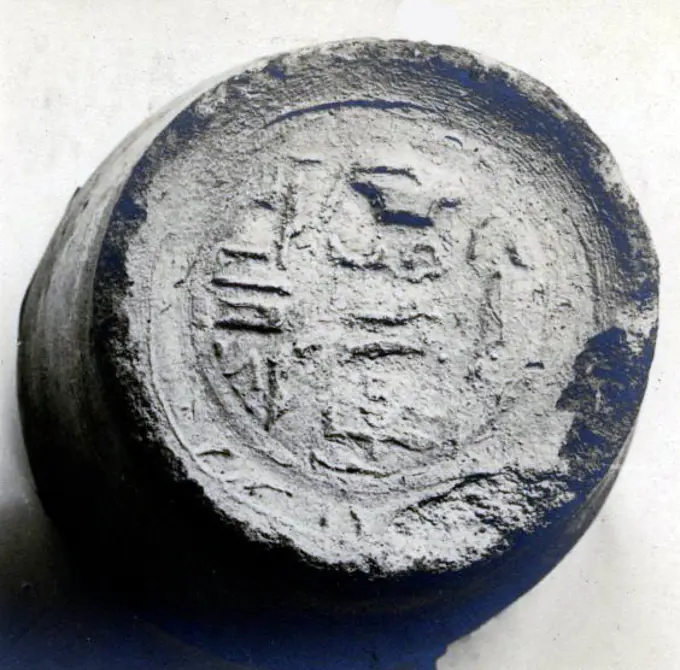
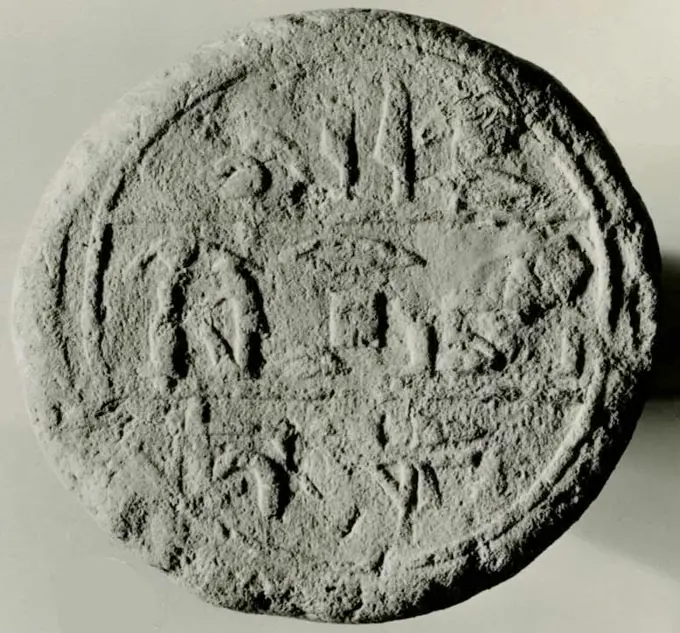
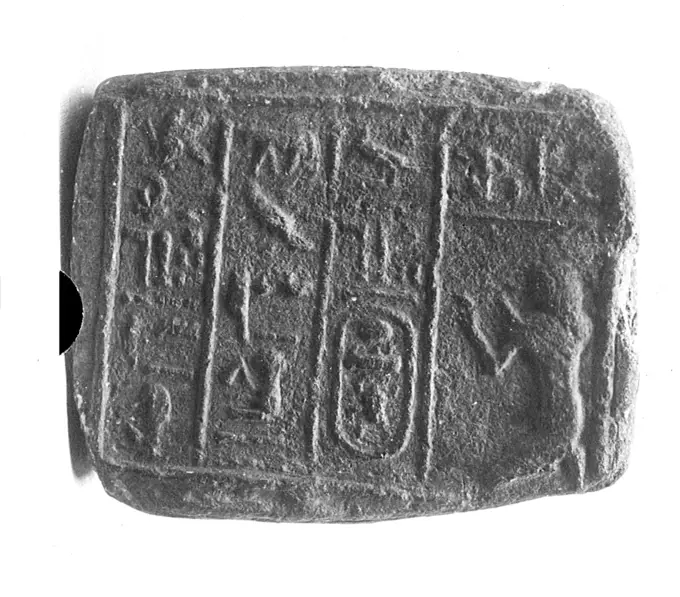
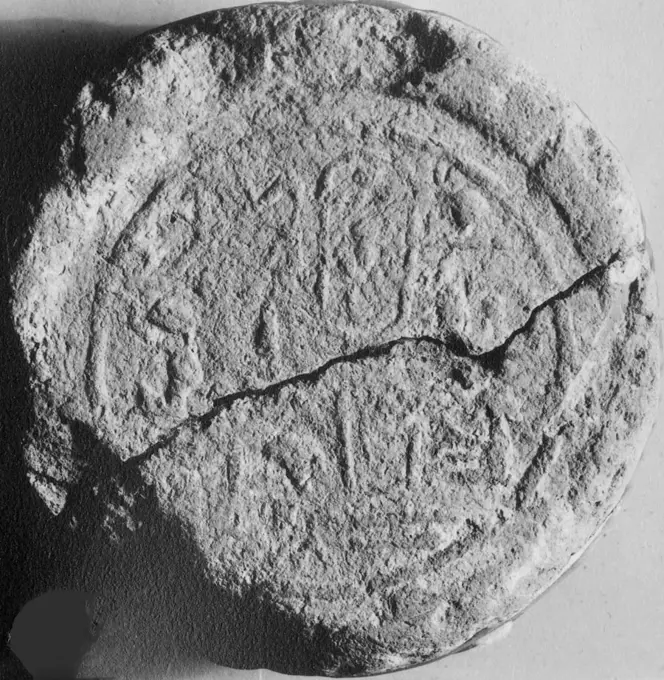
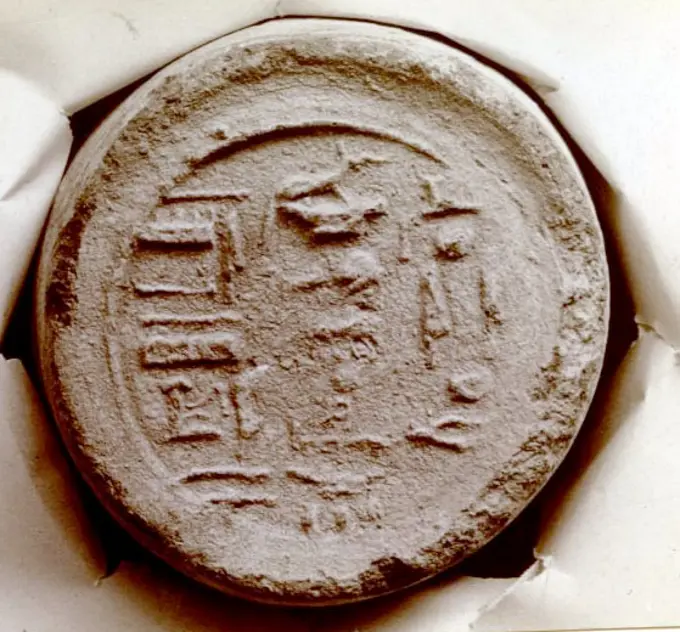
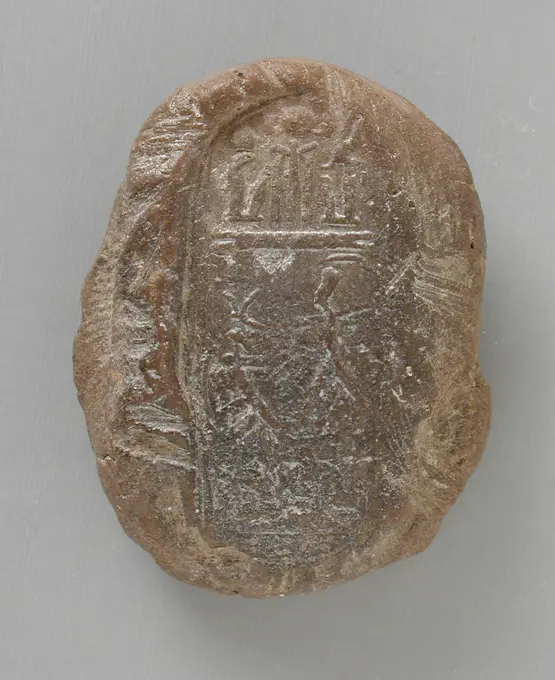
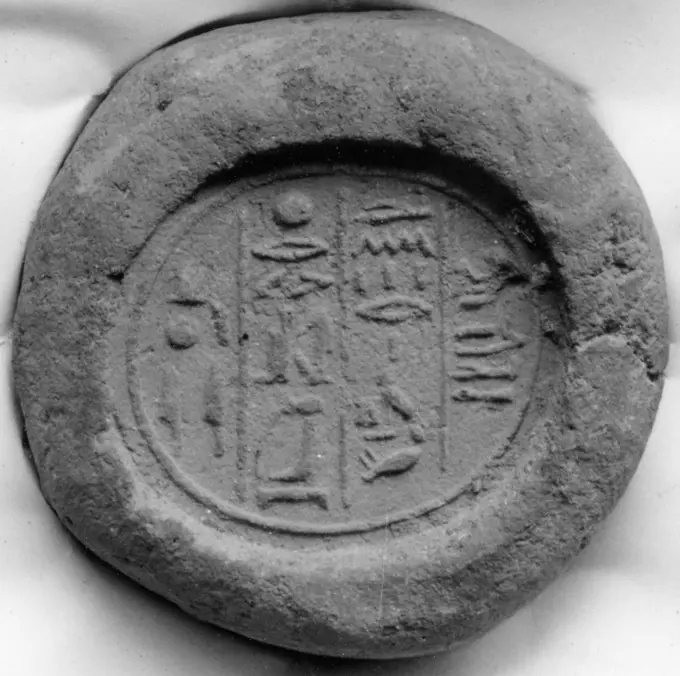
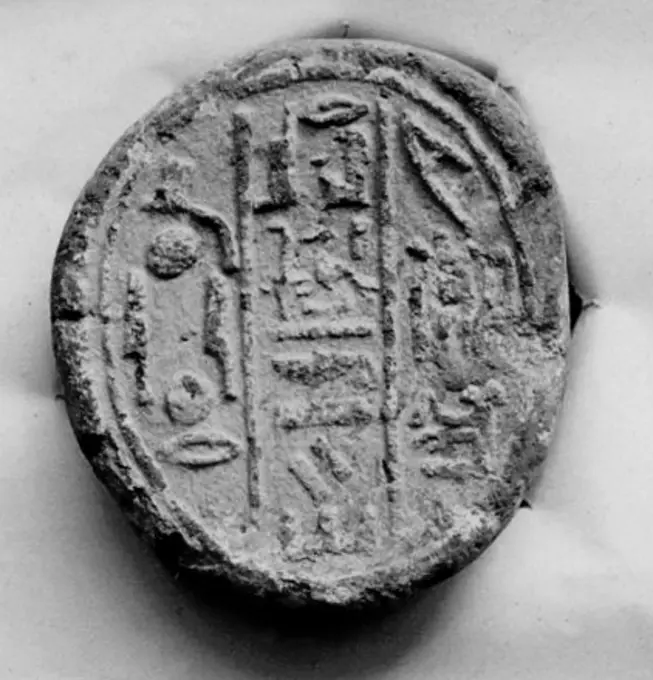
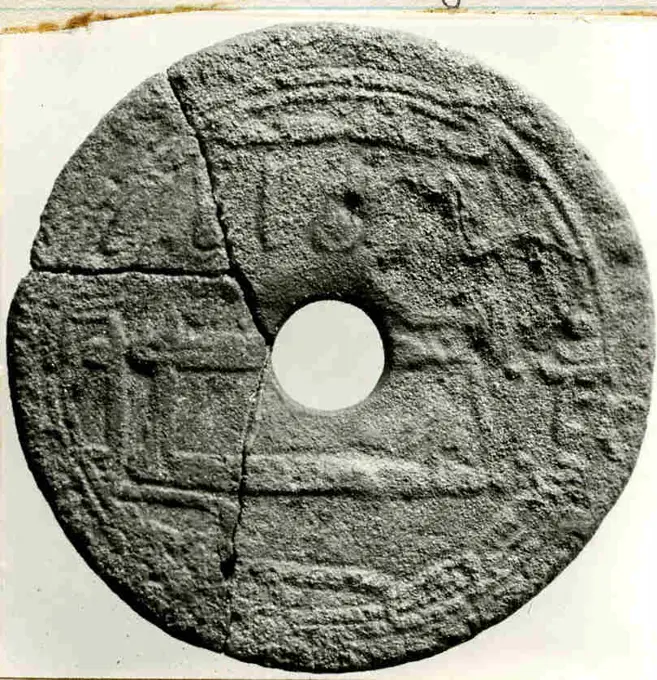
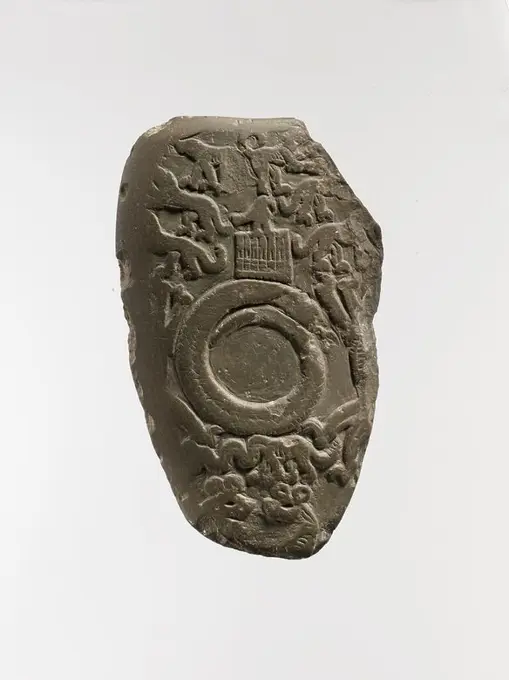
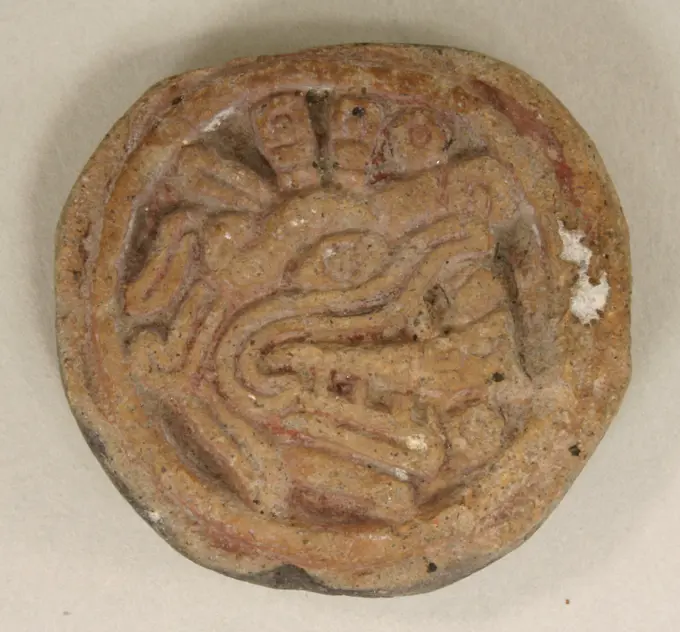
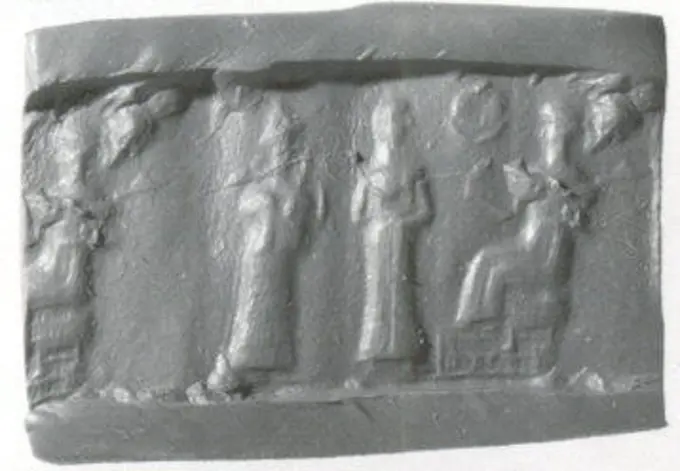
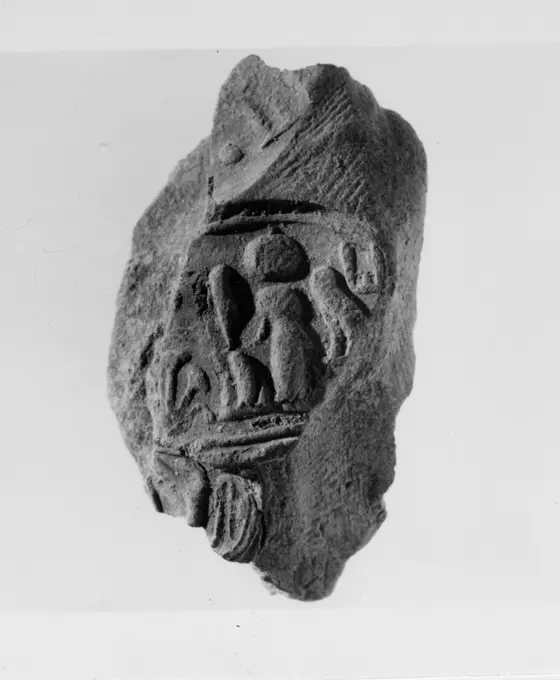
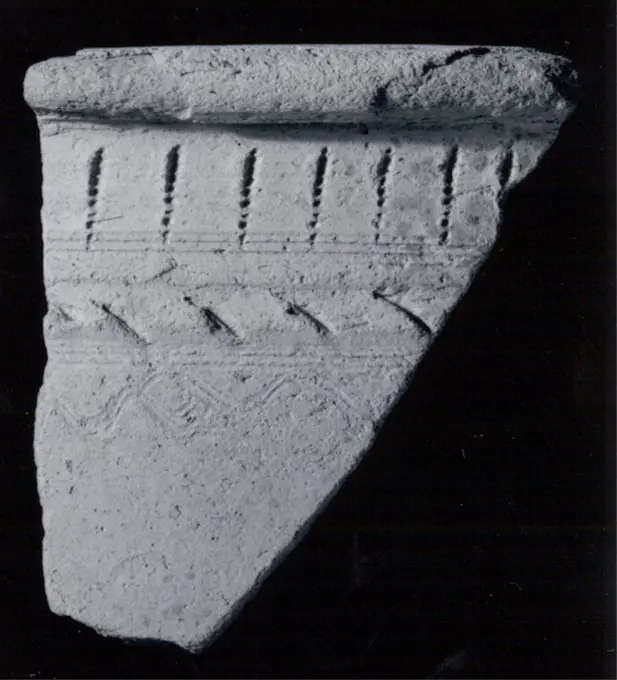
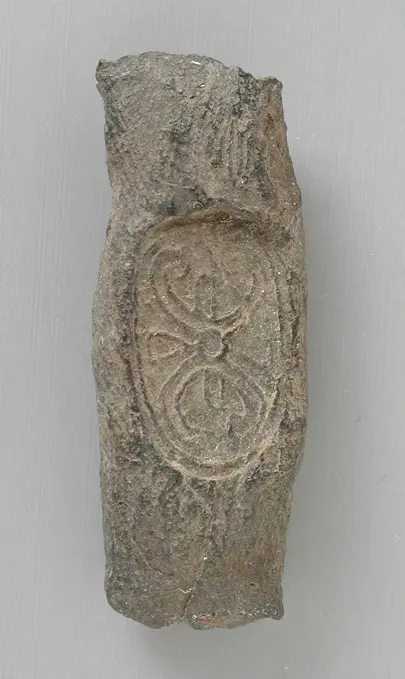
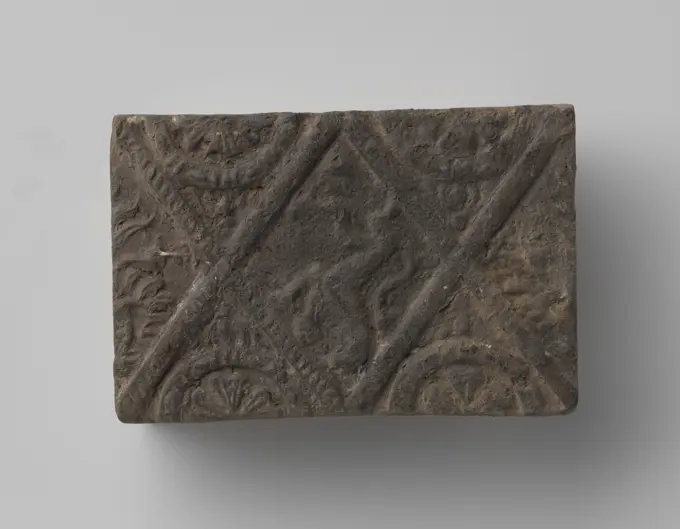
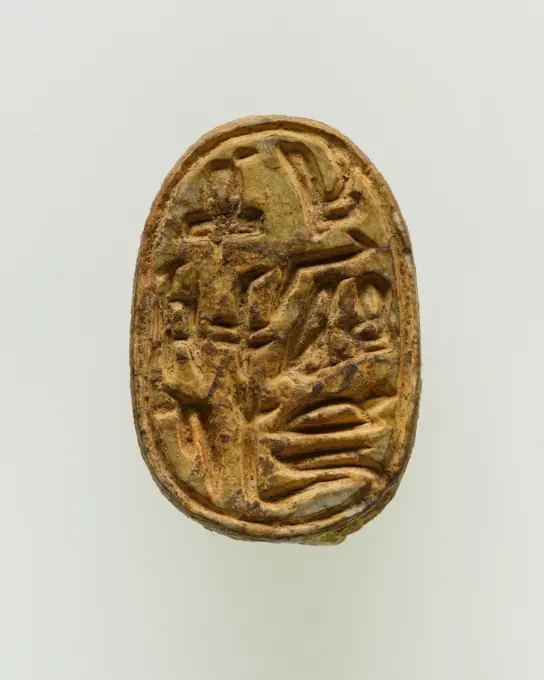
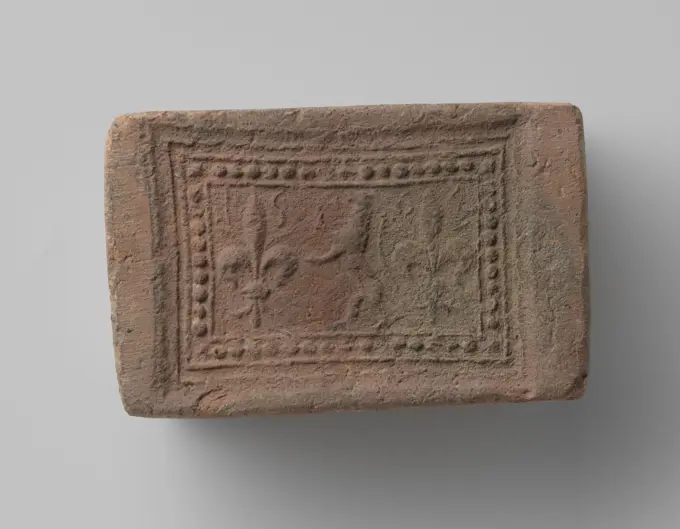
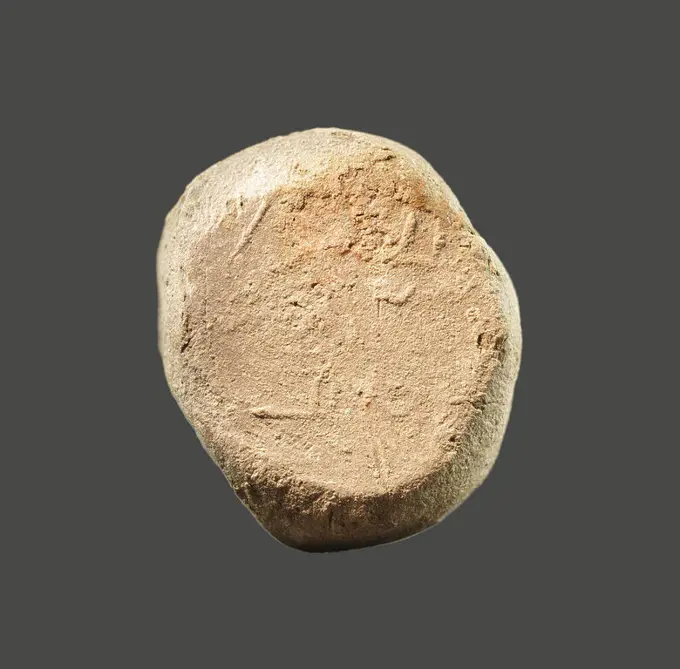
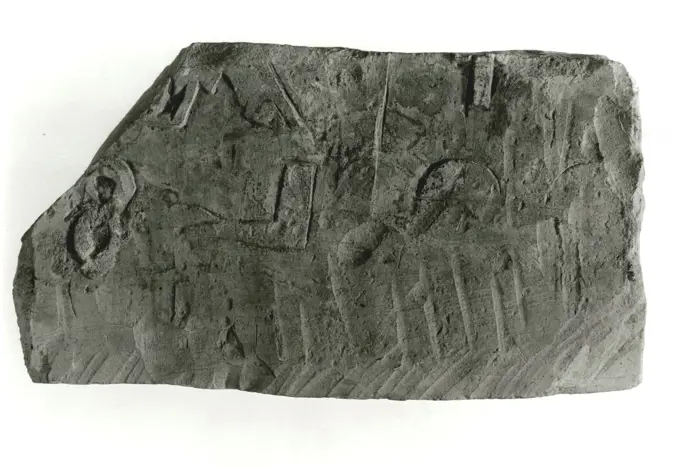
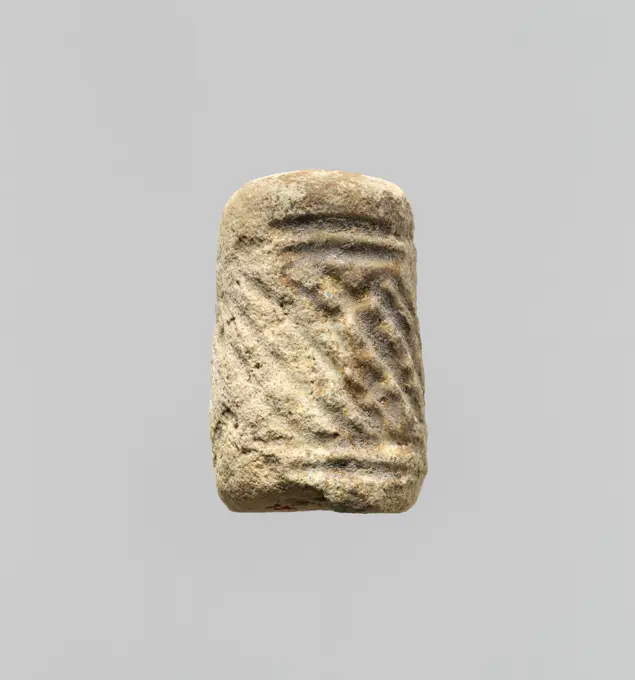
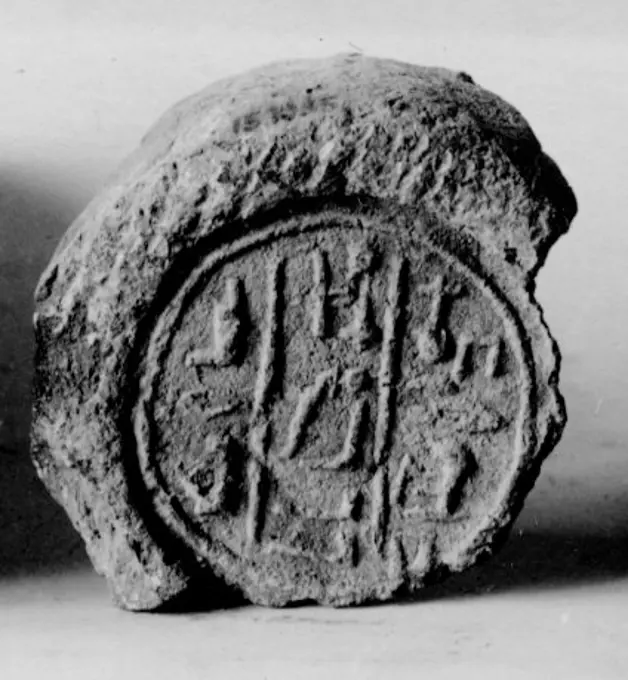
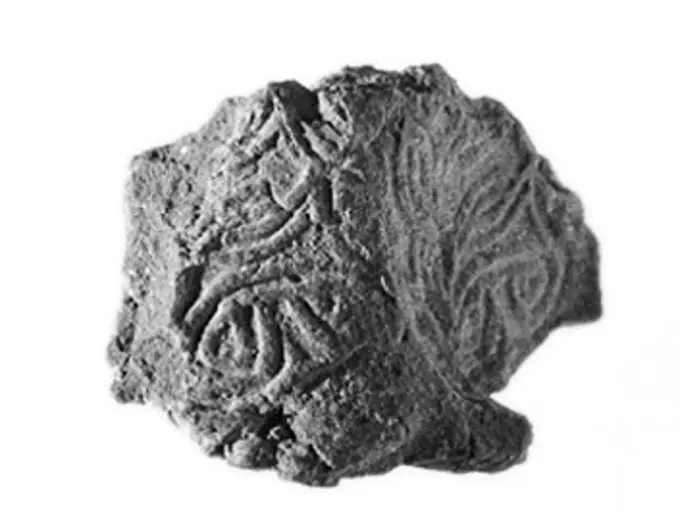
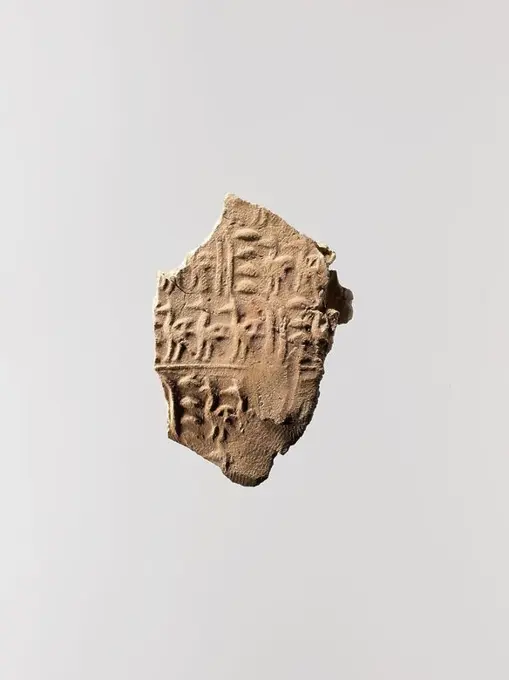
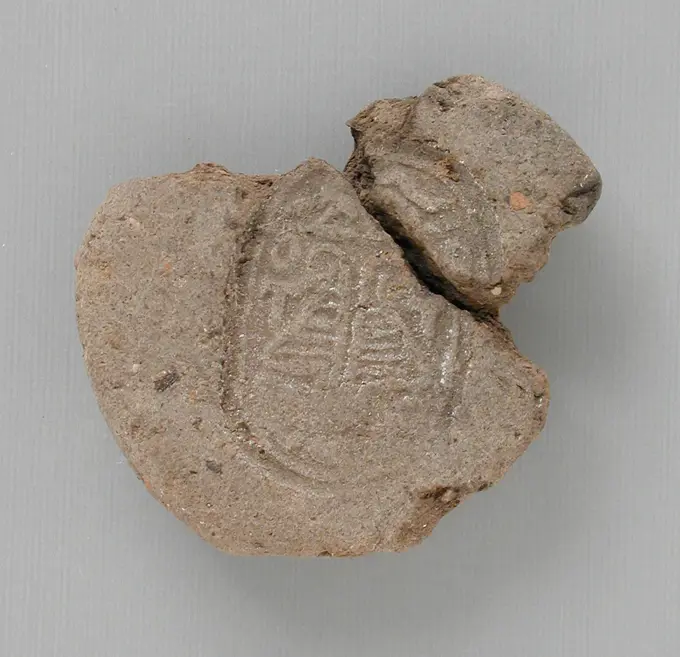
Fragments of ancient Egyptian seals depicting intricate designs, each reflecting the craftsmanship of the Middle and New Kingdom periods.

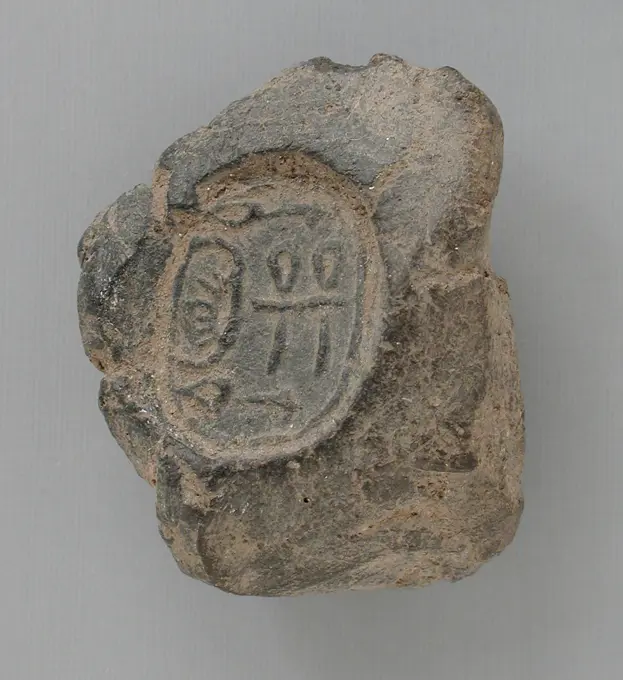
Funerary Cone ca. 1550-1295 B.C. New Kingdom. Funerary Cone. ca. 1550-1295 B.C.. Pottery. New Kingdom. From Egypt, Upper Egypt, Thebes. Dynasty 18
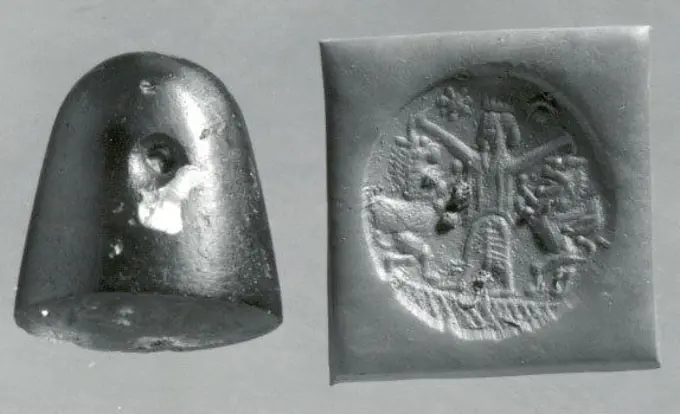
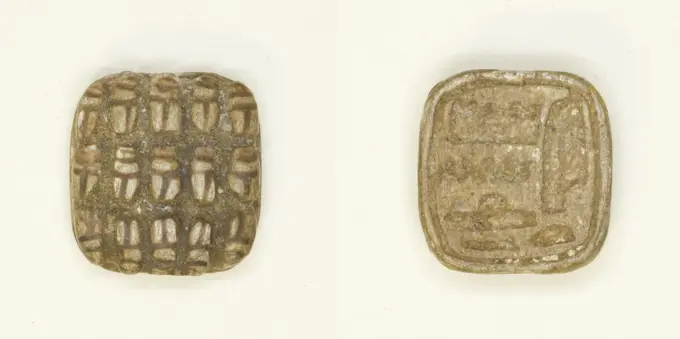
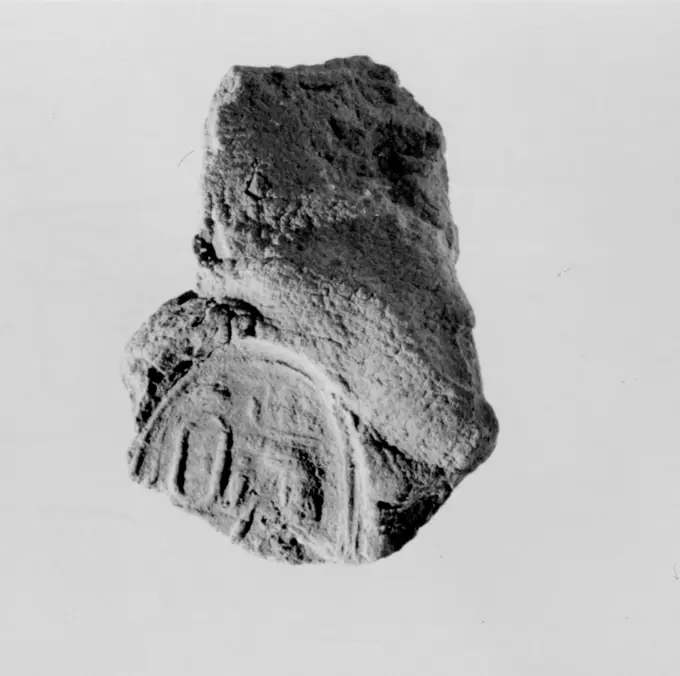
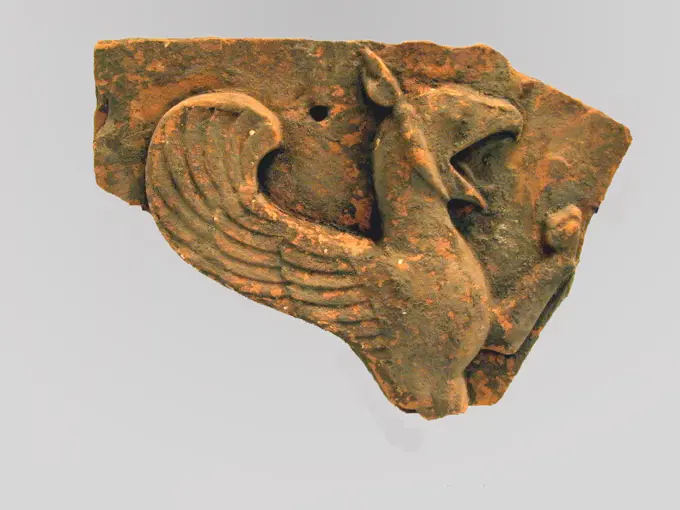
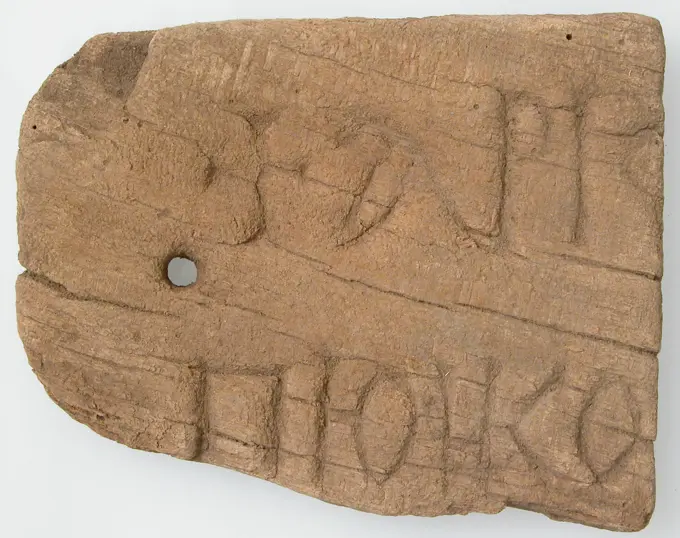
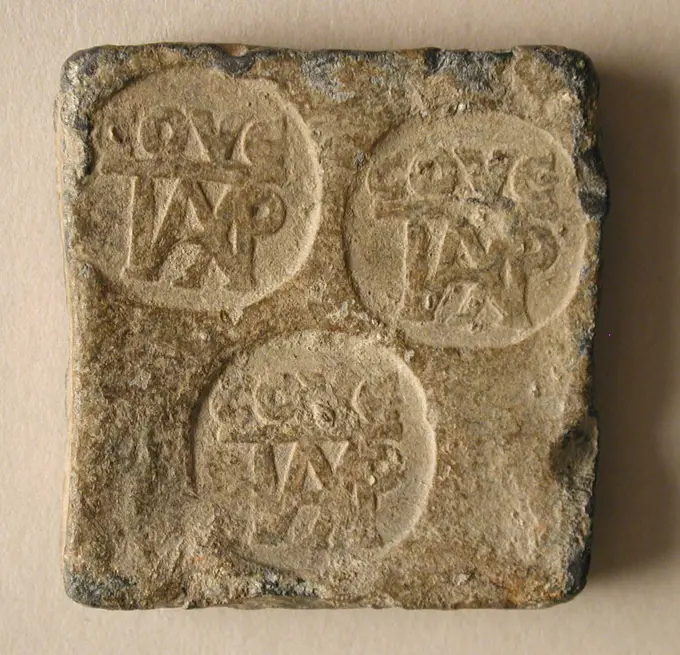
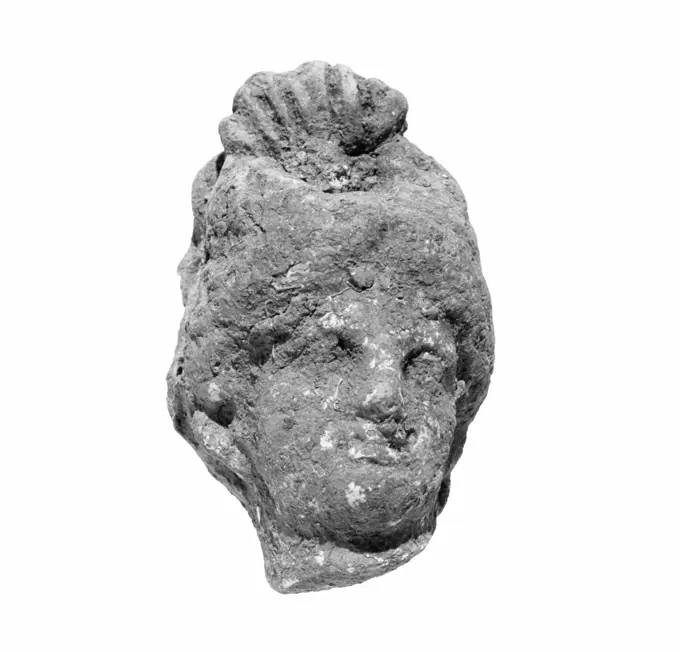
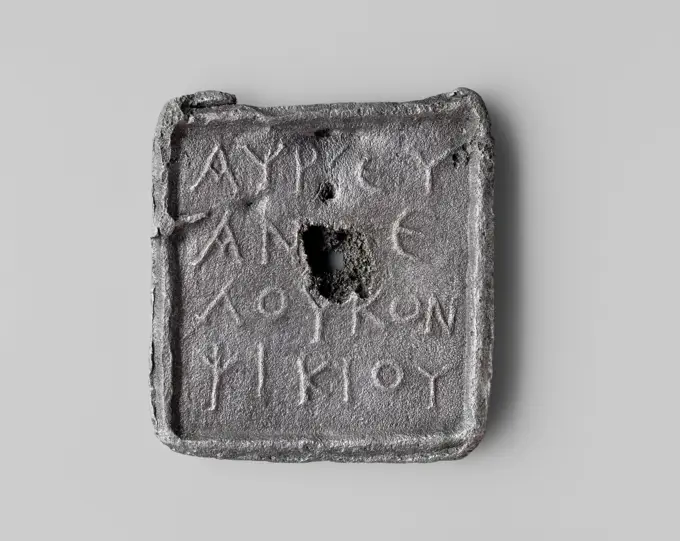
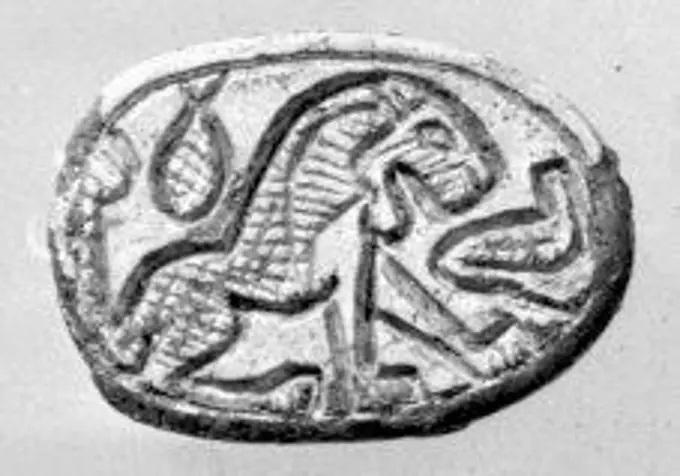
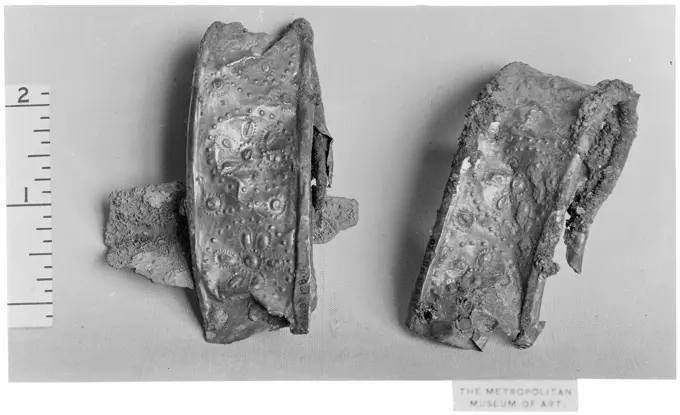
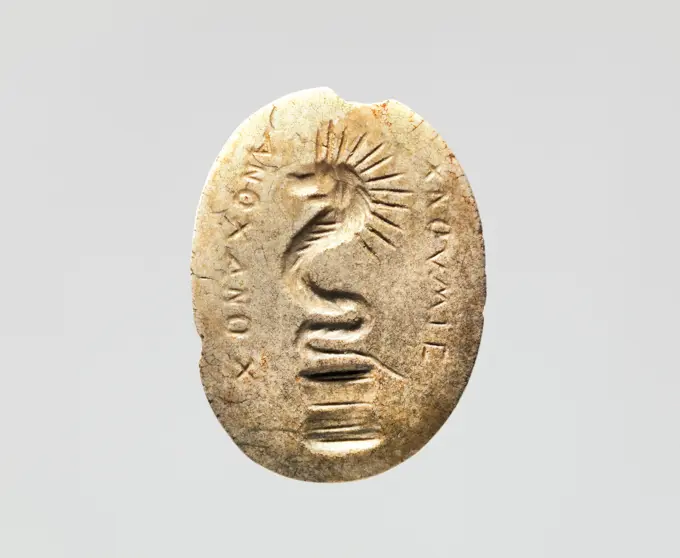
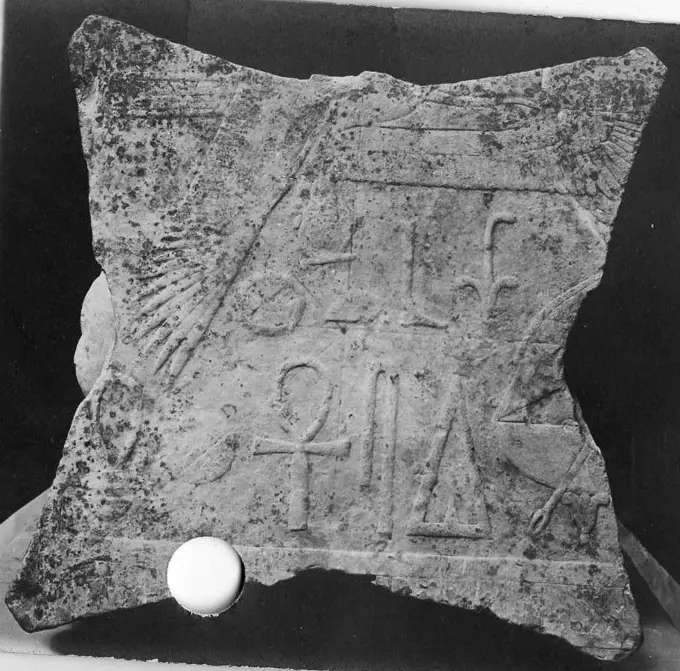
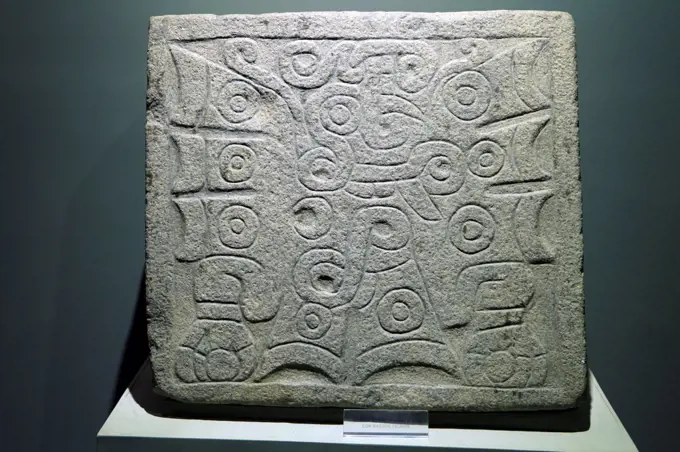
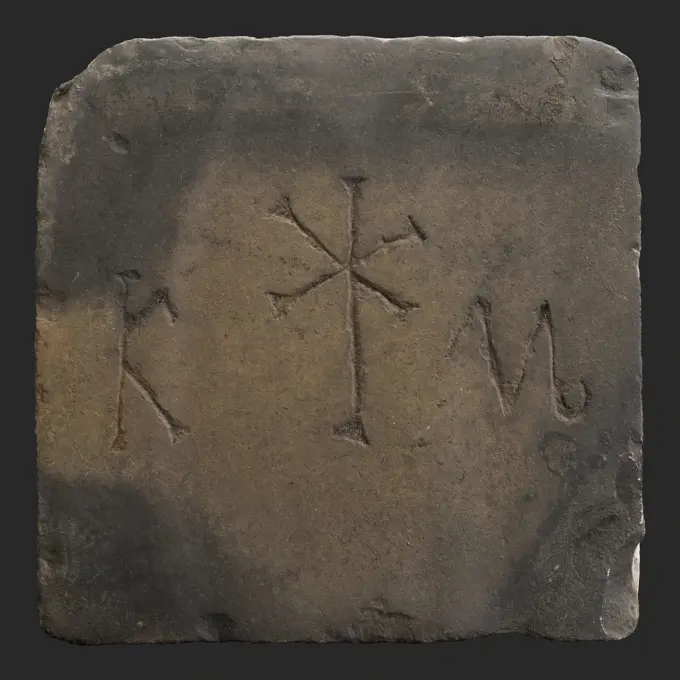
Seal Impression with Depiction of Double Plumes. Egypt, Middle Kingdom () (1991 - 1600 BCE). Tools and Equipment; seals. Semi-baked clay of gray colorSealing fragment ca. 1850-1640 B.C. Middle Kingdom. Sealing fragment 565748Sealing ca. 1981-1640 B.C. Middle Kingdom. Sealing 560471Funerary Cone of the Overseer of the Ships of Amun Seshi ca. 1550-1295 B.C. New Kingdom This cone and three others in the collection (15.2.67, .70; 30.6.61) have the impression of a seal inscribed for a man named Seshi who was overseer of the ships of the god Amun. Compared to other cones in the collection, these are larger in both diameter and length. They also differ in shape and manufacture. Whereas most funerary cones are solid and roughly conical in shape, these are hollow and become wider towards the middle before they taper to a blunt end. One example, 15.2.70, is preserved for its full length, but the best preserved impression is on cone 15.2.67. The tomb of Seshi has not been identified and most of the cones impressed with his seal have no archaeological context. However, two examples were uncovered during excavations in the Dira Abu el-Naga area by Henri Gauthier in 1906 and it is possible that Seshis tomb was in this part of the Theban necropolis.. Funerary Cone of the OverFunerary Cone of Meryremetjef (Mery-remetjef) and His Wife Mut ca. 1550-1295 B.C. New Kingdom See 30.6.19. Funerary Cone of Meryremetjef (Mery-remetjef) and His Wife Mut. ca. 1550-1295 B.C.. Pottery. New Kingdom. From Egypt, Upper Egypt, Thebes. Dynasty 18Sealing fragment ca. 2030-1640 B.C. Middle Kingdom. Sealing fragment 565852Funerary Cone of the Overseer of the Seal Min ca. 1550-1295 B.C. New Kingdom See 15.2 40. Funerary Cone of the Overseer of the Seal Min. ca. 1550-1295 B.C.. Pottery. New Kingdom. From Egypt, Upper Egypt, Thebes. Dynasty 18Funerary Cone of the Fourth Prophet of Amun Kaemamun ca. 1550-1295 B.C. New Kingdom This cone has the impression of a stamp seal inscribed for a forth priest of Amun named Kaemamen who was also seal-bearer of the king of Upper and Lower Egypt. His son, the second prophet of Thutmose III, Sikednu, is also named. For a drawing of this impression see http://www.funerarycones.com/, number 590.. Funerary Cone of the Fourth Prophet of Amun Kaemamun Funerary Cone of the Fourth Prophet of Amun Kaemamun ca. 1550-1295 B.C. New Kingdom This cone has the impression of a stamp seal inscribed for a forth priest of Amun named Kaemamen who was also seal-bearer of the king of Upper and Lower Egypt. His son, the second prophet of Thutmose III, Sikednu, is also named. For a drawing of this impression see http://www.funerarycones.com/, number 590.. Funerary Cone of the Fourth Prophet of Amun Kaemamun. ca. 1550-1295 B.C.. Pottery. New Kingdom. From Egypt, Upper Egypt, Thebes. Dynasty 18Funerary Cone of the Wab-Priest Neferkhawet ca. 1550-1295 B.C. New Kingdom. Funerary Cone of the Wab-Priest Neferkhawet. ca. 1550-1295 B.C.. Pottery. New Kingdom. From Egypt, Upper Egypt, Thebes, Khokha, Tomb of Tjanefer (TT 297, MMA 831, MMA 5), in front of, MMA excavations, 1911. Dynasty 18Funerary Cone ca. 1550-1295 B.C. New Kingdom. Funerary Cone. ca. 1550-1295 B.C.. Pottery. New Kingdom. From Egypt, Upper Egypt, Thebes. Dynasty 18Votive Plaque 15th-17th century Tibet (Central Asia). Votive Plaque 38862Document Sealing ca. 1390-1353 B.C. New Kingdom. Document Sealing. ca. 1390-1353 B.C.. Mud. New Kingdom. From Egypt, Upper Egypt, Thebes, Malqata, King's Palace, West magazine, MMA excavations, 1910-12. Dynasty 18Funerary Cone ca. 1550-1295 B.C. New Kingdom. Funerary Cone. ca. 1550-1295 B.C.. Pottery. New Kingdom. From Egypt, Upper Egypt, Thebes. Dynasty 18Funerary Cone the Overseer of the Ships Amun Seshi ca. 1550-1295 B.C. New Kingdom This cone and three others in the collection (15.2.69, .70; 30.6.61) have the impression of a seal inscribed for a man named Seshi who was overseer of the ships of the god Amun. Compared to other cones in the collection, these are larger in both diameter and length. They also differ in shape and manufacture. Whereas most funerary cones are solid and roughly conical in shape, these are hollow and become wider towards the middle before they taper to a blunt end. One example, 15.2.70, is preserved for its full length, but the best preserved impression is on this cone. The tomb of Seshi has not been identified and most of the cones impressed with his seal have no archaeological context. However, two examples were uncovered during excavations in the Dira Abu el-Naga area by Henri Gauthier in 1906 and it is possible that Seshis tomb was in this part of the Theban necropolis.. Funerary Cone the Overseer of the Ramesside Seal Impression with a Smiting Motif. Egypt, New Kingdom, 19th Dynasty, reign of Ramses II or later into 20th Dynasty (1304 - 1081 BCE). Tools and Equipment; seal impressions. Baked clayFunerary Cones ca. 1550-1295 B.C. New Kingdom. Funerary Cones. ca. 1550-1295 B.C.. Pottery. New Kingdom. From Egypt, Upper Egypt, Thebes. Dynasty 18Funerary Cone of the King's Son of Kush Merymose ca. 1550-1295 B.C. New Kingdom. Funerary Cone of the King's Son of Kush Merymose. ca. 1550-1295 B.C.. Pottery. New Kingdom. From Egypt, Upper Egypt, Thebes. Dynasty 18Coin dated A.H. 189/ A.D. 805. Coin 457634Carved ceremonial palette. Dimensions: H: 9 cm (3 9/16 in); W: 5.5 cm (2 3/16 in.). Date: ca. 3200-3100 B.C.. Museum: Metropolitan Museum of Art, New York, USA.Stamp, Feline Profile 14th-early 16th century Aztec (). Stamp, Feline Profile. Aztec (). 14th-early 16th century. Ceramic. Mexico, Mesoamerica. Ceramics-OrnamentsCylinder seal ca. 19th-16th century B.C. Babylonian. Cylinder seal 323820Tile China. Tile 51982Scarab with King on his Festival Barque. Egypt, New Kingdom to Third Intermediate Period, 18th-22nd dynasties (1569-725 BCE). Sculpture. Brown steatiteFunerary Cone of Pashed ca. 1550-1295 B.C. New Kingdom. Funerary Cone of Pashed. ca. 1550-1295 B.C.. Pottery. New Kingdom. From Egypt, Upper Egypt, Thebes. Dynasty 18Seal Impression with Bull. Egypt, Ptolemaic Period - Roman Period () (333 BCE - 350 CE). Tools and Equipment; seals. Brown semi-baked clayFireplace with the national arm and a banderle with the inscription Plus Oltre. Fireplace with the national arm between the columns, between which a banderole is throwing with inscription Plus Oltre.Mold bearing Birth Name of Ramses III. Egypt, New Kingdom, 20th Dynasty, reign of Ramses III (1198 - 1166 BCE). Tools and Equipment; molds. TerracottaScarab with a Crocodile Headed Figure Holding a Flower ca. 1640-1550 B.C. Second Intermediate Period. Scarab with a Crocodile Headed Figure Holding a Flower. ca. 1640-1550 B.C.. Glazed steatite. Second Intermediate Period. From Canaan, Levant. Dynasty 15Mold for an Ornamented Disc; Tarentum (), South Italy, Europe; 4th century B.C; Terracotta; 10.5 cm (4 1,8 in.)Sealing ca. 1981-1640 B.C. Middle Kingdom. Sealing 557518Inscribed terracotta pipe, 12th century collected at Ulakadam near Erode, Tamil Nadu, South India, India, AsiaBlank hardstone, anonymous, c. 1575 - c. 1625 Glazed fireplace with two climbing lions, placed in two diamonds with bay leaf motif. The half and quarter windows on the top and bottom are filled with a flower pattern. Southern Netherlands earthenware Glazed fireplace with two climbing lions, placed in two diamonds with bay leaf motif. The half and quarter windows on the top and bottom are filled with a flower pattern. Southern Netherlands earthenwareDocument Sealing With Multiple Seal Impressions ca. 1390-1353 B.C. New Kingdom. Document Sealing With Multiple Seal Impressions. ca. 1390-1353 B.C.. Mud. New Kingdom. From Egypt, Upper Egypt, Thebes, Malqata, MMA excavations, 1910-12; Presumably from West Villas, West Villa B. Dynasty 18Sealing ca. 1981-1640 B.C. Middle Kingdom. Sealing. ca. 1981-1640 B.C.. Mud. Middle Kingdom. From Egypt, Memphite Region, Lisht North, Cemetery, MMA excavations, 1920-22. Dynasty 12-13Hearing stone with a man's head, c. 1400 - c. 1950 Hearing stone with a representation of a man-made men's and female bust. Southern Netherlands earthenware Hearing stone with a representation of a man-made men's and female bust. Southern Netherlands earthenwareSealing ca. 1981-1640 B.C. Middle Kingdom. Sealing 560310Coin dated A.H. 264/ A.D. 878. Coin 457639Rim sherd ca. mid-3rd millennium B.C.. Rim sherd 326107Cord Sealing with Patterned Motif. Egypt, Middle Kingdom - Second Intermediate Period () (1991 - 1600 BCE). Tools and Equipment; seals. Brown semi-baked clayHearing stone with a performance of climbing lion, c. 1575 - c. 1625 Hearing stone with a show of climbing lion to the left (heraldic), placed in profiled window. A double -headed eagle in the half windows on the sides. The half windows on the top and bottom are filled with half medallions with star motif. Southern Netherlands earthenware Hearing stone with a show of climbing lion to the left (heraldic), placed in profiled window. A double -headed eagle in the half windows on the sides. The half windows on the top and bottom are filled with half medallions with star motif. Southern Netherlands earthenwareVotive Axe. Culture: Olmec. Dimensions: H. 10 1/2 x W. 5 1/8 x D. 5 3/8in. (26.7 x 13 x 13.6cm). Date: 10th-6th century B.C.. Museum: Metropolitan Museum of Art, New York, USA.Fireplace with image. A fireplace with crowned bust of a man and a woman and the year 1581. preserved in three pieces in a box. Old Brand: Lit B N1.Scarab of an Official ca. 1760-1670 B.C. Middle Kingdom Administrative changes during Dynasty 12 lead to an increase in bureaucracy and, subsequently, in the production and use of seals. This is reflected in the beginning of the mass production of scarabs, the most popular shape for amulets, in late Dynasty 12 through Dynasty 13 (ca. 1850-1640 B.C.). Thousands of these late Middle Kingdom scarabs bear the names and titles of officials, who would wear them as amulets, but who could also use them to seal documents, containers or doors. However, the scarabs primary function remained that of a protective amulet. Several inscriptions add a funerary epithet to the owners name, indicating that the amulet was manufactured after the owner had passed away. The scarab belongs to a high-ranking court official named Sebekuser. His named is inscribed following an enumeration of his titles. An epithet at the end of the inscription suggests that the scarab may have been a funerary amulet.. Scarab ofHearing stone with the presentation of a climbing lion flanked by two French lilies, 1564 Hearing stone with representation of a climbing lion to the right (heraldic) flanked by two French lilies and accompanied of the year 1564. Southern Netherlands earthenware Hearing stone with representation of a climbing lion to the right (heraldic) flanked by two French lilies and accompanied of the year 1564. Southern Netherlands earthenwareFireplace with a sea battle. Fireplace with a sea battle.Hooded Female Head. UnknownModel sieve. Dimensions: diam. 4.9 cm (1 15/16 in). Dynasty: Dynasty 12-13. Date: ca. 1981-1640 B.C.. Museum: Metropolitan Museum of Art, New York, USA.Reference sealing. Dimensions: L. 4.2 cm (1 5/8 in.). Dynasty: Dynasty 12. Reign: early reign of Senwosret I. Date: ca. 1961-1954 B.C..Small lumps of clay were often used to seal goods or documents. They are called sealings. On one side they often bear an impression of the seal used, while another side can show an impression of the object itself or of its closing mechanism (such as a string). This lump of clay bears a seal impression, but its conical shape suggests that it was never attached to an object. It can therefore be identified as a reference sealing, which was used to verify the authenticity of sealings that were attached to documents or goods. Or it could have been used as proof of authorization for certain dealings. Three more reference seals were found in the same tomb, but in a different part of it (25.3.267a-c). The reference sealing here shows an impression from the same seal as 25.3.267b that reads "Storehouse of Hathor.". Museum: Metropolitan Museum of Art, New York, Sealing ca. 7th century A.D. Sasanian. Sealing 323359Raised relief fragment 664-610 B.C. Late Period, Saite see 23.3.468. Raised relief fragment. 664-610 B.C.. Limestone, traces of mortar. Late Period, Saite. From Egypt, Upper Egypt, Thebes, Deir el-Bahri, Tomb of Nespekashuty (TT 312, MMA 509), MMA excavations, 1922-23. Dynasty 26Fragment of tile ca. 1295-1070 B.C. New Kingdom, Ramesside. Fragment of tile 558740Cylinder seal ca. 1295-1070 B.C. New Kingdom A stamp in cylindrical shape with cross-hatched lines covering the curved surface. There is a longitudinal piercing.. Cylinder seal. ca. 1295-1070 B.C.. Limestone. New Kingdom. From Egypt, Memphite Region, Lisht North, Cemetery, MMA excavations, 1913-14. Dynasty 19-20 (Ramesside)Ring; second half of 6th century B.C; Silver; 2.2 cm, 0.0027 kg (7,8 in., 0.006 lb.)Funerary Cone of the Cup-Bearer Neferperet ca. 1550-1295 B.C. New Kingdom. Funerary Cone of the Cup-Bearer Neferperet. ca. 1550-1295 B.C.. Pottery. New Kingdom. From Egypt, Upper Egypt, Thebes, Khokha, Tomb of Nebamun and Ipuky (TT 181), courtyard and nearby, MMA excavations, 1910. Dynasty 18Stamp seal 2nd millennium B.C. (). Stamp seal 327298Sealing ca. 1981-1640 B.C. Middle Kingdom. Sealing 560444Funerary Cone of Overseer of Cattle Nebimose ca. 1550-1295 B.C. New Kingdom This cone has the impression of a stamp seal inscribed for a chief overseer of horses named Nebimose who was also overseer of livestock, overseer of cattle, and steward. For a drawing of this impression see http://www.funerarycones.com/, number 114.. Funerary Cone of Overseer of Cattle Nebimose Funerary Cone of Overseer of Cattle Nebimose ca. 1550-1295 B.C. New Kingdom This cone has the impression of a stamp seal inscribed for a chief overseer of horses named Nebimose who was also overseer of livestock, overseer of cattle, and steward. For a drawing of this impression see http://www.funerarycones.com/, number 114.. Funerary Cone of Overseer of Cattle Nebimose. ca. 1550-1295 B.C.. Pottery. New Kingdom. From Egypt, Upper Egypt, Thebes. Dynasty 18Terracotta ". Terracotta. China, Han. Paris dynasty, Cernuschi museum. 72679-48 Han dynasty, decorative motif, terracotta, tiles madeSeal Impression with Iconography of Prosperity and Life. Egypt, possibly Middle Kingdom - Second Intermediate Period () (1991 - 1600 BCE). Tools and Equipment; seals. Semi-baked clay of black scorched colorConoid stamp seal: king mastering two rearing lion-griffins, star and reversed crescent with sun-disc ca. 6th-4th century B.C. Achaemenid. Conoid stamp seal: king mastering two rearing lion-griffins, star and reversed crescent with sun-disc. Achaemenid. ca. 6th-4th century B.C.. Glass, green. Achaemenid. IranBath Scraper 12th-13th century. Bath Scraper 452068Plaque 15 Scarabs/Amunhotep 2055 BCE-1069 BCE Egypt. Steatite . Ancient EgyptianPIZARRA VISIGOTICA CON SIGNOS NUMERALES. Location: MUSEO ARQUEOLOGICO NACIONAL-COLECCION. MADRID. SPAIN.Document Sealing With the Throne Name of Amenhotep III ca. 1390-1353 B.C. New Kingdom. Document Sealing With the Throne Name of Amenhotep III. ca. 1390-1353 B.C.. Mud. New Kingdom. From Egypt, Upper Egypt, Thebes, Malqata, West Villas, West Villa B, MMA excavations, 1910-12. Dynasty 18Terracotta revetment with a griffin 6th century B.C. East Greek or Lydian Relief of a griffin in profile facing left with its mouth wide open;a broad wing arches upward with three rows of feathers.. Terracotta revetment with a griffin. East Greek or Lydian. 6th century B.C.. Terracotta. Archaic. TerracottasCobra, Hood (), Aten cartouche ca. 1353-1336 B.C. New Kingdom, Amarna Period. Cobra, Hood (), Aten cartouche 549684Wood fragment ca. 6th-7th century Byzantine. Wood fragment 479402Cylinder Seal. Iran, Mesopotamia or Syria, Mitannian period, circa 1500-1300 B.C.. Tools and Equipment; seals. Yellow chalcedonyStamp, Butterfly 14th-early 16th century Aztec This ceramic stamp features the image of a butterfly depicted from a dorsal view with outstretched wings, frontal legs, and proboscis. Contained by a double-banded, circular border, the butterfly bears another circle on its abdomen or back. The latter motif likely signifies a rounded jade bead (chalchihuitl), which is equated in the Nahuatl language with the color green, fertility, and preciousness.Butterfly imagery enjoyed a long history in the arts of Mesoamerica and probably had multiple meanings and associations through time. In the Early Classic murals at Teotihuacan and Cholula, they are associated with warriors, fire, fertility, death, and rebirth. Among the Mixtecs and Aztecs of the Late Postclassic period (ca. 1300-1521), they adorn nosepieces and colorful feasting vessels as well as the sculptures of both male and female gods. As companions to Xochiquetzal ("Flower Queztal") and Xochipilli ("Flower Prince"), they represent the thSealing ca. 7th century A.D. Sasanian. Sealing 323310Lead Ingot with Monograms 6th century Byzantine Stamped with a Greek monogram that most likely reads "eparch of the city," this three-ounce ingot is probably a commodity marker, indicating that the city's eparch has inspected and approved the material. In Byzantium, precise measurement of goods was achieved by a set of standard balance weights.. Lead Ingot with Monograms 473637Finial. UnknownFragment ca. 1130-40 Catalan. Fragment. Catalan. ca. 1130-40. Marble. Made in present-day France. Sculpture-ArchitecturalHead with Bow Knot. UnknownSealing ca. 2030-1640 B.C. Middle Kingdom. Sealing 565406Funerary Cone ca. 1550-1295 B.C. New Kingdom. Funerary Cone. ca. 1550-1295 B.C.. Pottery. New Kingdom. From Egypt, Upper Egypt, Thebes. Dynasty 18Ax Blade (Celt) China. Ax Blade (Celt). China. Nephrite. Qing dynasty (1644-1911). JadeCylinder seal ca. 2350-2150 B.C. Akkadian. Cylinder seal 325654Ships prow with rostrum recovered from Natisone RiverInscribed weight. warsztat z Kyzikos, workshopCircular ElementScarab seal: lion and snake ca. 1700-1560 B.C.. Scarab seal: lion and snake. ca. 1700-1560 B.C.. Steatite, white. Dynasty 15-17, 2nd Intermediate Period, Hyksos. Levant, Lachish (modern Tell ed-Duweir)Pair of electrum handles from a kantharos (drinking cup with two high vertical handles) ca. 1550-1500 B.C. Helladic, Mycenaean Fragments of the vase to which the handles are attached indicate its shape and its material, silver.. Pair of electrum handles from a kantharos (drinking cup with two high vertical handles). Helladic, Mycenaean. ca. 1550-1500 B.C.. Electrum. Late Helladic I. Gold and SilverFragment 9th century. Fragment 451525Coin late 8th century. Coin. late 8th century. Copper. Excavated in Iran, Nishapur. CoinsCarnelian intaglio: Lion-headed serpent ca. 2nd-3rd century A.D. Roman Gnostic gem with a loin-headed serpent.. Carnelian intaglio: Lion-headed serpent 245146Jar FilterCapital from a Reused Pharaonic Block 4th-5th century. Capital from a Reused Pharaonic Block 456127Plaque with the Cartouche of Tawosret ca. 1188-1186 B.C. New Kingdom, Ramesside. Plaque with the Cartouche of Tawosret. ca. 1188-1186 B.C.. Faience. New Kingdom, Ramesside. From Egypt, Upper Egypt, Thebes, Ramesseum Area, Temple of Tawosret, foundation deposit, Petrie excavations, 1896. Dynasty 19South America, Peru, Ancash, Chavin de Huantar. A Chavin carving of a stylised bat with jaguar features on display in the Chavin National MuseumFired clay jar sealing with ostrich hieroglyphs. Dimensions: H. 5.8 cm (2 5/16 in); W. 3.9 cm (1 9/16 in); Th. 1.1 cm (7/16 in). Dynasty: Dynasty 1. Date: ca. 3100 B.C.. Museum: Metropolitan Museum of Art, New York, USA.Fals A.D. 762-763/145 A.H. Islamic. Fals 323487Funerary Cone of the Keeper of the Date Wine Neferrenpet ca. 1550-1295 B.C. New Kingdom This cone has the impression of a stamp seal inscribed for a keeper of the date wine named Neferrenpet who owned Theban tomb 249. For a drawing of this impression see http://www.funerarycones.com/, number 153.. Funerary Cone of the Keeper of the Date Wine Neferrenpet Funerary Cone of the Keeper of the Date Wine Neferrenpet ca. 1550-1295 B.C. New Kingdom This cone has the impression of a stamp seal inscribed for a keeper of the date wine named Neferrenpet who owned Theban tomb 249. For a drawing of this impression see http://www.funerarycones.com/, number 153.. Funerary Cone of the Keeper of the Date Wine Neferrenpet. ca. 1550-1295 B.C.. Pottery. New Kingdom. From Egypt, Upper Egypt, Thebes. Dynasty 18Tombstone with initials KM, tombstone slate stone, minced Square inscription and house mark in bas-relief K M death mourning adorn remind remember Delfshaven Rotterdam Gravestone from courtyard of house (just like invnr 10125 10126 10190) at the Achterhaven. Possibly originally from the church at the Kolk in Delfshaven.Multiple Seal Impressions from Reign of King Akhenaten. Egypt, New Kingdom, 18th Dynasty, reign of Akhenaten (1372 - 1355 BCE). Tools and Equipment; seals. Semi-baked clay of gray colorOstrakon. Culture: Coptic. Dimensions: 2 13/16 x 2 13/16 in. (7.1 x 7.1 cm). Date: 7th century. Museum: Metropolitan Museum of Art, New York, USA.Sealing ca. 2030-1640 B.C. Middle Kingdom. Sealing. ca. 2030-1640 B.C.. Clay (unfired). Middle Kingdom. From Egypt, Memphite Region, Lisht South, Pyramid complex of Senwosret I, north temple gateway, MMA excavations, 1913-14. Dynasty 12-13Pot Fragment. Culture: Coptic. Dimensions: Overall: 2 3/4 x 4 3/4 x 1/4 in. (7 x 12 x 0.7 cm). Date: 4th-7th century. Museum: Metropolitan Museum of Art, New York, USA.Scarab of the Lady Sathathor ca. 1850-1640 B.C. Middle Kingdom The inscription on the underside of this scarab gives the name and the title of a Lady of the House, Sathathor. Scarab of the Lady Sathathor 557052Fragment of a Bowl 14th-15th century. Fragment of a Bowl. 14th-15th century. Earthenware; incised decoration through a white slip and coloring under transparent glaze. Found Egypt, Kush. Ceramics