My Boards
View Pictures
  • My Boards
← Artworks

Ancient Egyptian Shabti Statues

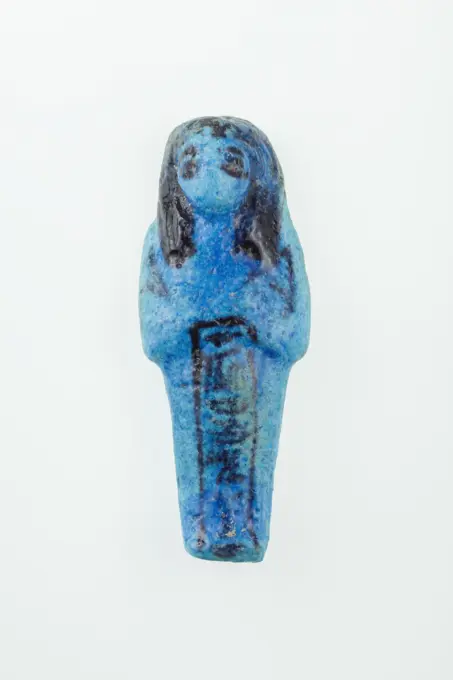
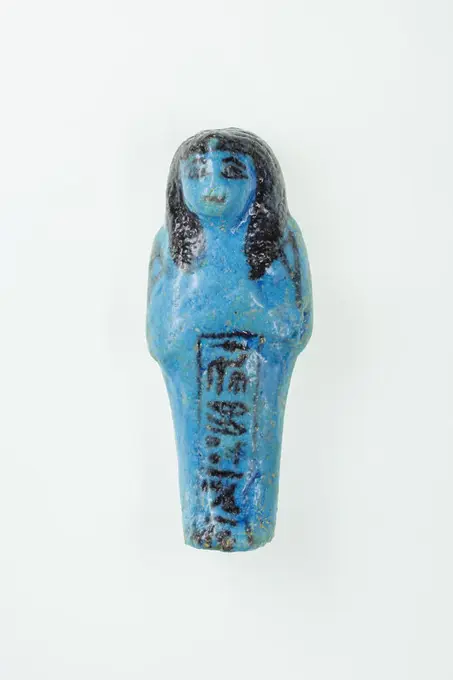
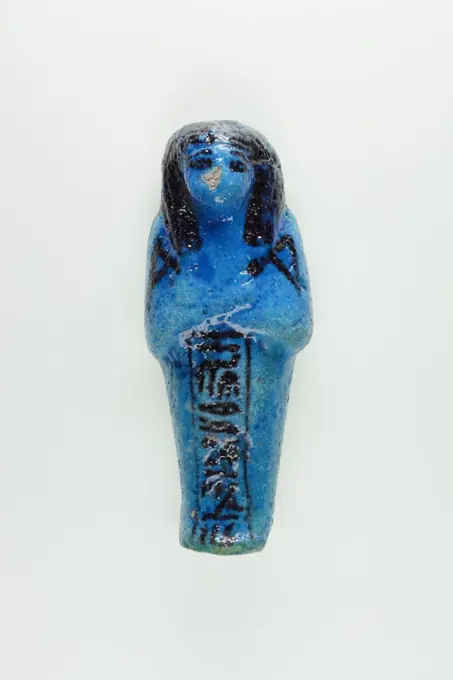
A collection of ancient Egyptian shabti figures made from faience, representing the worker Henettawy from the 21st Dynasty, showcasing intricate details and colors.
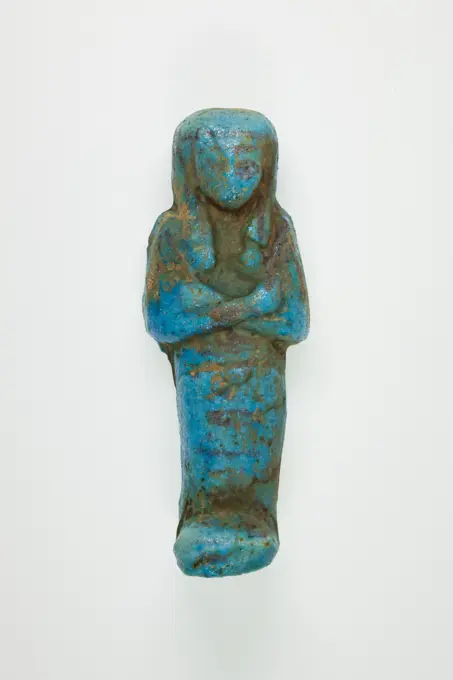
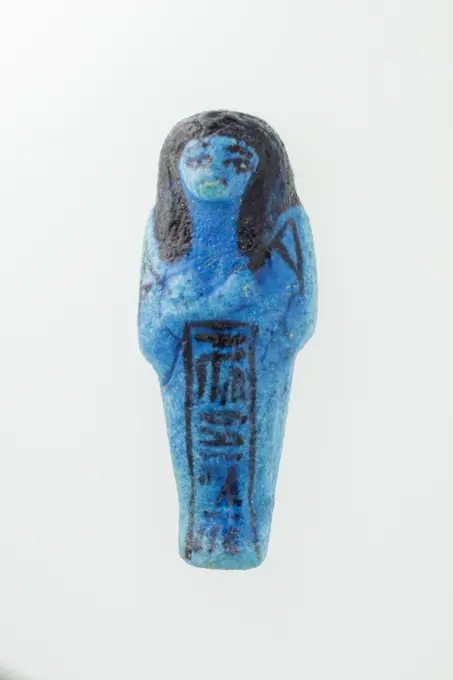
Worker Shabti of Henettawy (C), Daughter of Isetemkheb ca. 990-970 B.C. Third Intermediate Period See 25.3.19.. Worker Shabti of Henettawy (C), Daughter of Isetemkheb 591792
162 assets in this story
7155-70379185
Cycladic figurine, 3rd mill. BC. Syros group. Marble. Greece.
4409-59178557
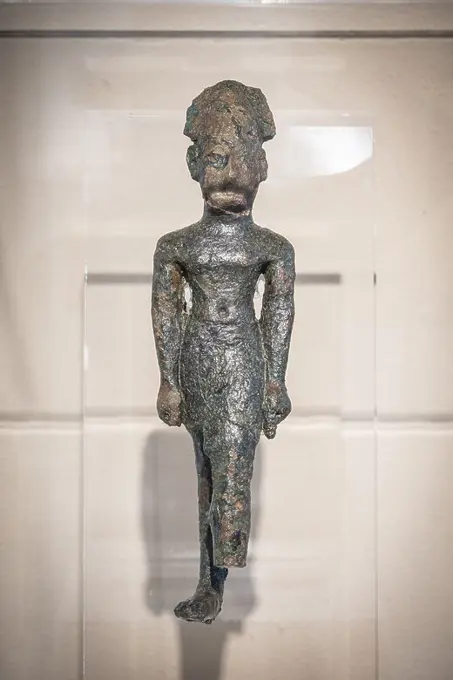
god Melqart - Reshef-, Bronze, 8th-7th centuries BC, Ría de Huelva. Huelva Museum, Huelva, Andalusia, Spain.
1746-19677304
ISIS, a goddess in Ancient Egyptian religious beliefs, whose worship spread throughout the Greco-Roman World. Sandstone, 5th Century B.C. Egypt
6145-29188239
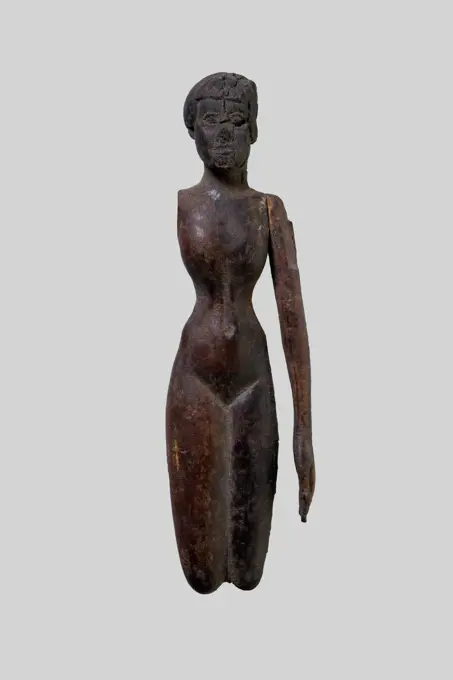
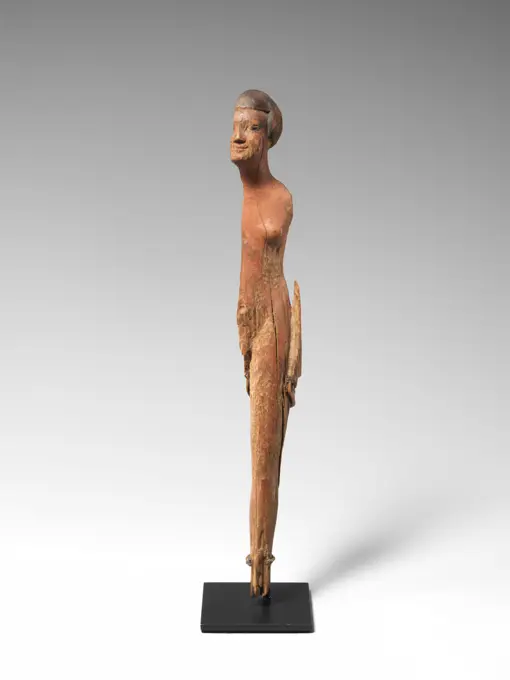
Female figurine ca. 2030-1640 B.C. Middle Kingdom This female figurine of imported ebony was found in the tomb of an archer named Neferhotep, along with two block statues, a quiver full of arrows, a fan handle of gilded wood, a club, and a shell. This type of figurine was an innovation of the Middle Kingdom; other examples wear jewelry and can be tattoed. Once interpreted as "concubines for the dead," they are now thought perhaps to be representations of sacred dancers involved in the cult of the goddess Hathor. A second such figurine was also found in the tomb; made of turqoise-colored faience, this second example has long hair, jewelry, and tattoos, all indicated with black paint.. Female figurine 556642
6145-29707238
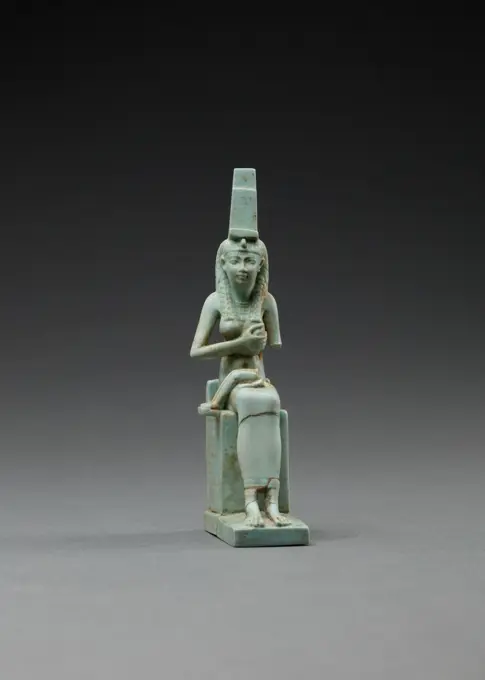
Isis nursing Horus ca. 664-30 B.C. Late Period-Ptolemaic Period Isis nursing her son Horus is one of the most popular images of this protective goddess. This beautiful small figurine depicts her seated on a throne. She wears a long, tight-fitting dress under which her long and slim legs and full breasts are clearly modelled. On her chest is a broad collar with several rows of beads. Her long tripartite wig is partially covered by a vulture headdress that includes either a vulture head or a uraeus at the brow of the goddess. The additional tall headdress on top of Isis head depicts a stylized throne that is also used as a hieroglyph and signifies her name. With her right hand Isis grasps the front of her left breast and offers it to her child. Only a small section of her upper left arm is preserved, but from similar pieces we know that it would have supported her son. The top half of the naked boy is missing. He sits side-ways on the lap of his mother with his legs side by side and his
4409-17422023
Male Figure (tunjo). Culture: Muisca. Dimensions: H. 4 1/2 x W. 2 1/4 x D. 3/8 in. (11.4 x 5.7 x 1cm). Date: 10th-16th century. Museum: Metropolitan Museum of Art, New York, USA.
4409-17434741
Mourning Isis. Dimensions: H. 24.6 cm (9 11/16 in.); W. 8 cm (3 1/8 in.); D. 10.2 cm (4 in.). Date: 332-30 BC.The goddess Isis, identifiable by her hieroglyph on her head, kneels and raises a hand before her face in a gesture of mourning. The figure forms a pair with the figure of Isis 12.182.23a.Figures of the two mourning goddess accompany the body of Osiris in representations. In Late Period and Ptolemaic burials kneeling figures of the goddesses may be among the wooden figures in a burial. Presumably they were placed at either end of the sarcophagus of the deceased as they appear at either end of the body of Osiris. Museum: Metropolitan Museum of Art, New York, USA.
6176-67039755
Greek bronze of a warrior, 6th century BC. Artist: Unknown
6145-29237113
Worker Shabti of Nany ca. 1050 B.C. Third Intermediate Period See 30.3.30.1a, b. Worker Shabti of Nany. ca. 1050 B.C.. Faience. Third Intermediate Period. From Egypt, Upper Egypt, Thebes, Deir el-Bahri, Tomb of Meritamun (TT 358, MMA 65), first corridor, burial of Nany, MMA excavations, 1928-29. Dynasty 21
6145-29219519
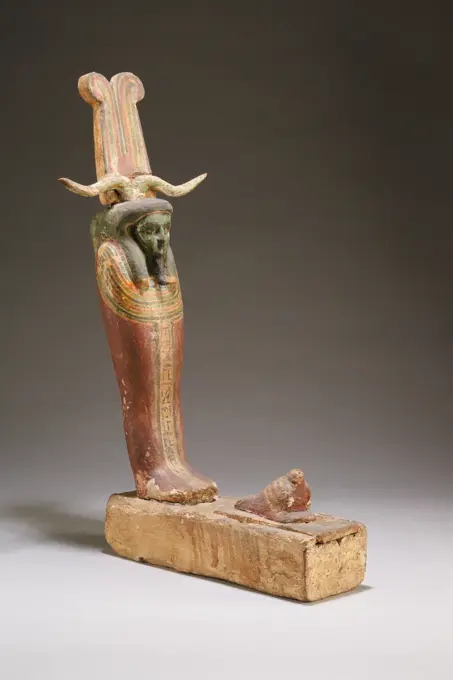
Figure of Ptah-Sokar-Osiris ca. 600-525 B.C. Late Period, Saite This mummiform figure represents the funerary deity Ptah-Sokar-Osiris. On his head are two ostrich plumes, hieroglyphs for maat (the proper order of the Egyptian cosmos), a sun disk, and two horns. The inscription down the center of the body tells us the figure was made for a priest of Osiris whose name is unfortunately effaced. The inscription continues on the back, where the name of the owner's father, the priest of Osiris Padiaabehdet, is preserved.The pedestal on which the figure stands is partially hollow, and contains a linen-wrapped object that might be a roll of papyrus inscribed with spells to assist the owner in his afterlife, or alternatively a mummified animal. On the lid that covers the opening into the base is the protective deity Sopdu in the form of a mummified hawk.. Figure of Ptah-Sokar-Osiris. ca. 600-525 B.C.. Wood, paint, linen. Late Period, Saite. From Egypt; Probably from Southern Upper Egypt, Edfu (
6145-29236052
Worker Shabti of Nauny ca. 1050 B.C. Third Intermediate Period See 30.3.30.1a, b. Worker Shabti of Nauny. ca. 1050 B.C.. Faience. Third Intermediate Period. From Egypt, Upper Egypt, Thebes, Deir el-Bahri, Tomb of Meritamun (TT 358, MMA 65), first corridor, burial of Nauny, MMA excavations, 1928-29. Dynasty 21
4409-17355536
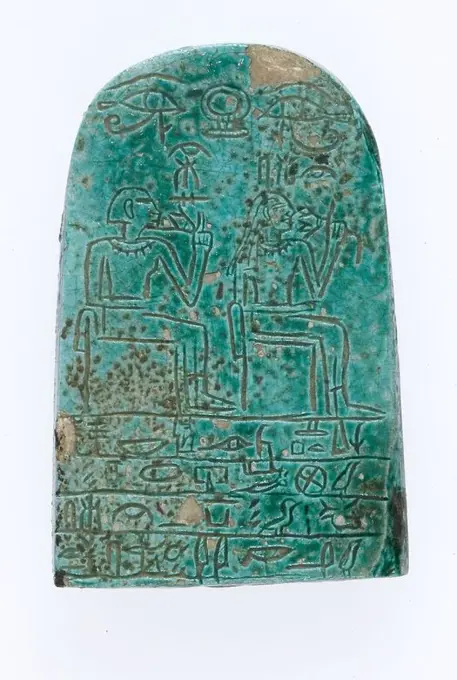
Stela of Ahmose. Dimensions: H. 6.4 cm (2 1/2 in); w. 4.2 cm (1 5/8 in). Dynasty: Dynasty 18, early. Date: ca. 1550-1295 B.C.. Museum: Metropolitan Museum of Art, New York, USA.
6176-59902559
Inuit Soapstone Carving Of Hunters With Seal
6145-46804170
Ancestor Figure(Aitos)
6145-29208265
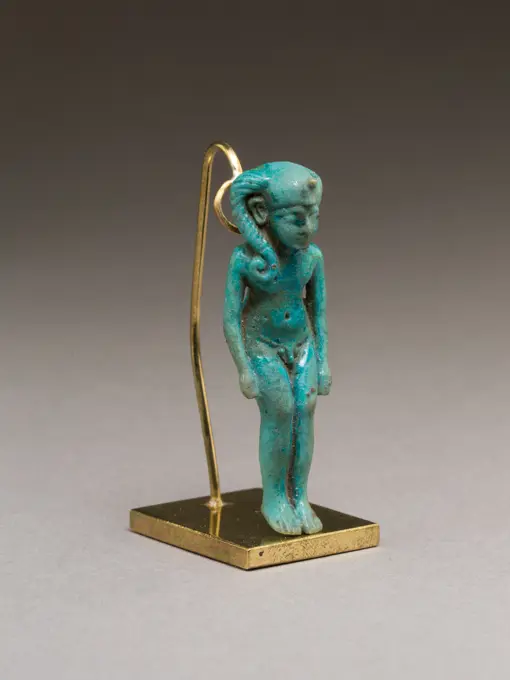
Child god (Harpokrates) amulet 664-30 B.C. Late Period-Ptolemaic Period The richly colored turquoise faience figure represents a child god in a seated/reclining position, as he would have been held on his mother's lap. The child is distinguished from an adult gods by iconographic clues: his nudity and the sidelock on the right side of his head that is a sign of childhood. Child gods grew in popularity and cult from the Third Intermediate Period onwards, rivaling even the most powerful and ancient gods, especially as temple offerings. The best known is Horus the Child (Harpokrates), who was the son of Isis and Osiris, but many others existed, including Khonsu the Child, Ihy, and Harsiese, among others. Thus it is difficult to assign a precise identity to this statuette without an associated inscription.. Child god (Harpokrates) amulet. 664-30 B.C.. Faience. Late Period-Ptolemaic Period. From Egypt
4409-17402356
Worker Shabti of Nany. Dimensions: H. 8.7 × W. 3.5 × D.2.2 cm (3 7/16 × 1 3/8 × 7/8 in.). Dynasty: Dynasty 21. Reign: reign of Psusennes I. Date: ca. 1050 B.C..See 30.3.27.1a, b. Museum: Metropolitan Museum of Art, New York, USA.
6145-43630968
Figurka bogini Neit. unknown, author
4409-17419285
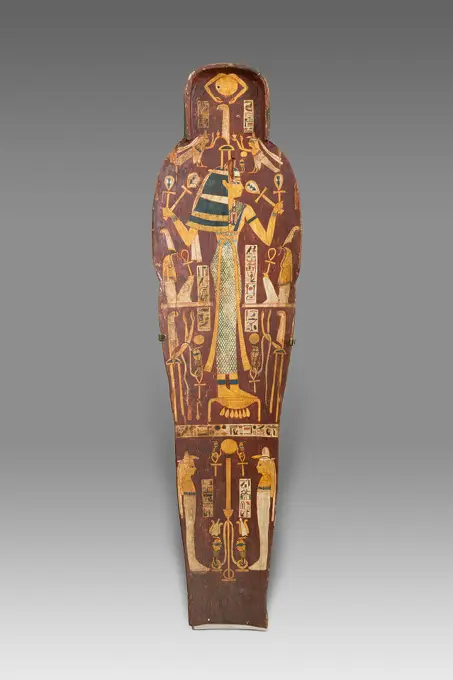
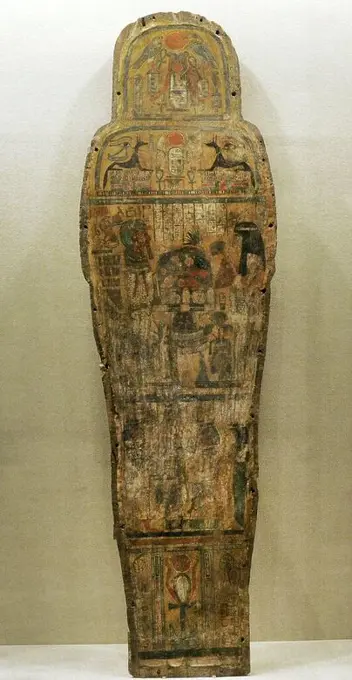
Mummy Board of Henettawy (C), Probable Sister-Wife of High Priest of Amun Smendes. Dimensions: l. 171 cm (67 5/16 in). Dynasty: Dynasty 21. Date: ca. 990-970 B.C..Discovered in a communal tomb dug in the courtyard of Hatshepsut's temple at Deir el-Bahri, this is the innermost element of a nest of coffins belonging to the Mistress of the House, Singer of Amun, Chief of the Harim of Amun, Flutist of Mut, and God's Mother of Khonsu Henettawy (C). Likely the daughter of the High Priest of Amun, Menkheperre, and his wife Isetemkheb, she apparently married the next pontiff, Smendes and died at some seventy years of age. When this board was lifted, the body beneath was found enveloped in a shroud bearing an image of the god Osiris, with amulets wrapped within her bandages for additional protection (see 25.3.171a to e). Buried with her were several religious papyri (25.3.28.29; see also 25.3.35a-b), as well as two boxes of faience shabtis (25.3.19, .20). Her outer coffins are now in the Museum
6145-29120986
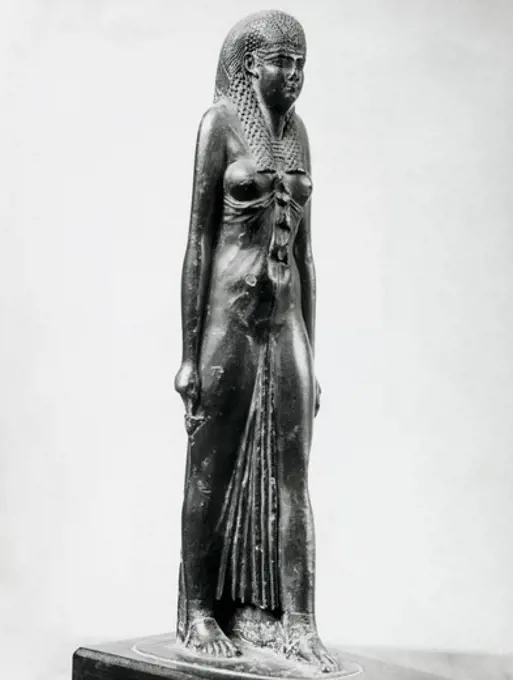
Seated Woman Figure. Egypt, Late Period - Roman Period (711 BCE - 300 CE). Sculpture. Bronze
6145-59085843
CHRISTMAS OF THE Victim;  664-332 BC; Half period (-664-00-00--332-00-00);
6145-29235068
Inner Coffin Box of Gautsoshen ca. 1000-945 B.C. Third Intermediate Period. Inner Coffin Box of Gautsoshen. ca. 1000-945 B.C.. Wood, gesso, paint. Third Intermediate Period. From Egypt, Upper Egypt, Thebes, Deir el-Bahri, Tomb MMA 60, Burial of Gautsoshen, Pit, burial 4, MMA excavations, 1920-21. Dynasty 21
6145-30176623
Amulet of the God Horus 1070 BCE-656 BCE Egypt. Faience . Ancient Egyptian
6145-29127100
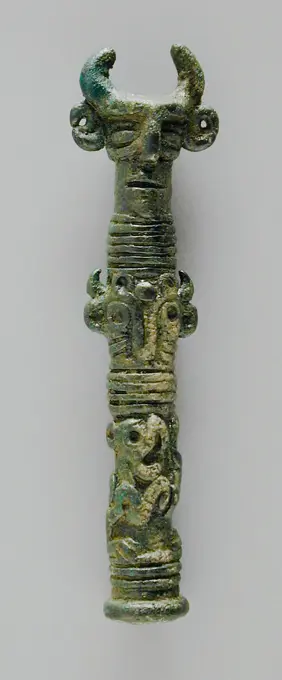
Decorated Tube. Iran, Luristan, 1000-650 B.C.. Sculpture. Bronze, cast
995-329
Hathor, Goddess Of Love And Mirth, Artist Unknown
6145-52954039
Fragment of a Standing Buddha Indonesia (Kalimantan) ca. 8th century View more. Fragment of a Standing Buddha. Indonesia (Kalimantan). ca. 8th century. Bronze. Sculpture
6145-29759883
Overseer Shabti of Psusennes I ca. 1040-992 B.C. Third Intermediate Period. Overseer Shabti of Psusennes I. ca. 1040-992 B.C.. Green faience. Third Intermediate Period. From Egypt; Presumably from Eastern Delta, Tanis (San el-Hagar), Royal Tombs, NRT III (Psusennes I), Montet excavations. Dynasty 21
4409-17404830
Worker Shabti of Nany. Dimensions: H. 8.5 × W. 3.3 × D. 2 cm (3 3/8 × 1 5/16 × 13/16 in.). Dynasty: Dynasty 21. Reign: reign of Psusennes I. Date: ca. 1050 B.C..See 30.3.26.1a, b. Museum: Metropolitan Museum of Art, New York, USA.
6145-59210899
Abruzzo L'Aquila S. Giuliano (L'Aquila environs) Museo16. Hutzel, Max 1960-1990 Views of the four collections housed in museum: Roman coins; Pre-Columbian art brought from Central America in 17th century; Greek and Roman sculpture; Egyptian sculpture and minor arts. Museum Roman coins; Greek and Roman sculpture; Egyptian sculpture and minor arts; Pre-Columbian sculpture. German-born photographer and scholar Max Hutzel (1911-1988) photographed in Italy from the early 1960s until his death. The result of this project, referred to by Hutzel as Foto Arte Minore, is thorough documentation of art historical development in Italy up to the 18th century, including objects of the Etruscans and the Romans, as well as early Medieval, Romanesque, Gothic, Renaissance and Baroque monuments. Images are organized by geographic region in Italy, then by province, city, site complex and monument.
888-8073B
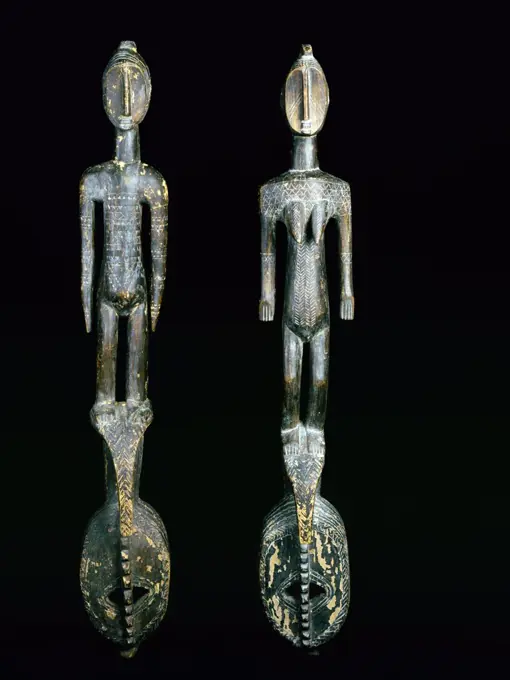
Mossi and Bobo statues from Mossi Culture,  Upper Volta,  USA,  Florida,  Jacksonville,  The Museum of Contemporary Art,  African Art Collection
4409-17375083
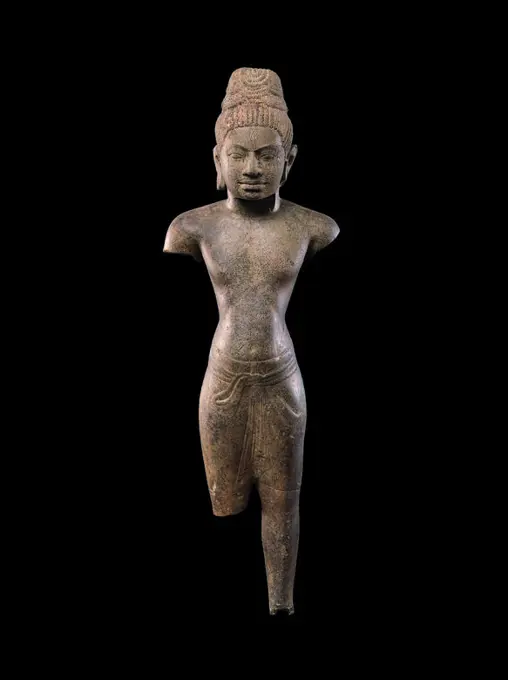
Shiva. Culture: Southern Cambodia. Dimensions: H. 24 in. (61 cm); W. 7 3/4 in. (19.7 cm); D. 4 in. (10.2 cm). Date: mid- 7th century.Sculptures of Shiva in human form began to appear in Khmer art in the seventh century, probably in response to the rising popularity of the Vaishnava cult that celebrated Vishnu as a king-like divinity, accessible and benign. The slim, almost adolescent figure displays a disconcerting realism in the modeling of the pectoral muscles and the subtle suggestion of the underlying ribcage. Yet the face is strong and authoritative--the face of a stern god--with a mustache, full lips, and strong arched eyebrows. A vertical third eye marks the forehead.cat. no. 90. Museum: Metropolitan Museum of Art, New York, USA.
4409-21480954
Egypt. Bottom of the base of a sarcophagus. Polychromed. Belonging to the priest Mapu (worship of the god Amon). Thebes. 10th century BC. Third Intermediate Period. The State Hermitage Museum. Saint Petersburg. Russia.
6145-29796787
Left Side of a Statuette, Probably a Nude Male ca. 2030-1917 BC Middle Kingdom This slightly smiling figure wears a bagwig; the lack of any trace of a garment across the leg indicates that it was nude. The fisted proper left hand, the absence of a pubic triangle, and the iliac crest visible around the hip all indicate a male representation; female figures generally have either open palms or carry birds in a fisted right hand, not the left. Male nude figures are rare in the Middle Kingdom. They have been described as ka-figures, representations of a part of a persons soul, because one example carries a ka¬-sign on his head. However, it is uncertain if all male nudes had the same meaning.. Left Side of a Statuette, Probably a Nude Male. ca. 2030-1917 BC. Wood, paint. Middle Kingdom. From Egypt. Dynasty 11-early 12
4435-5846
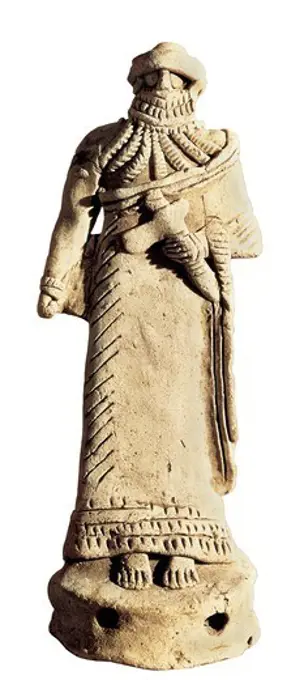
Figure of warrior. ca. 2000 BC. Assyrian art. Terra-cotta. IRAQ. Bagdad. Baghdad Museum. Proc: IRAQ. Tello. Girsu.
6145-48529864
Głowa uszebti. unknown, author
6145-29129858
Figure
6145-29738947
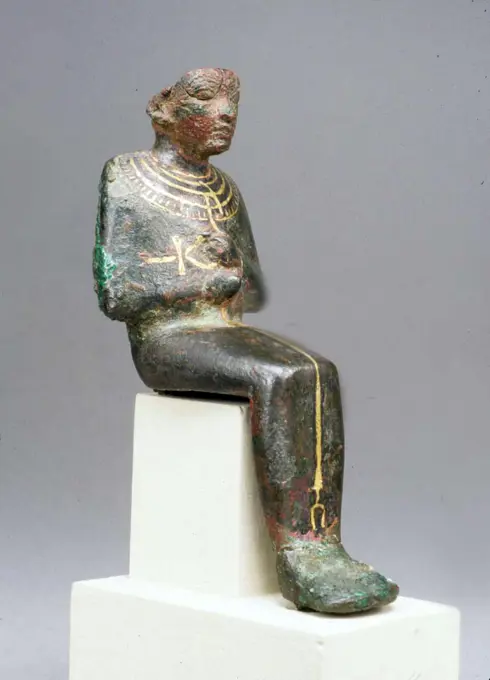
Seated Ptah ca. 1070-664 B.C. Third Intermediate Period, possibly earlier The figure's cap is missing, but even so the god Ptah is identifiable by the insignia he holds, the raised rim of his garment in back, and the counterpose hanging behind his necklace. Ptah's neck is thrust slightly forward. His features, as far as discernable beneath the corrosion are unusual, the eyes large and the lips full and sinuous. He appears to date earlier than the Late Period, but it is difficult to pin down how much earlier.. Seated Ptah. ca. 1070-664 B.C.. Bronze, precious metal inlay. Third Intermediate Period, possibly earlier. From Egypt. Dynasty 21-25
6145-48828659
Statuette of Venus. Unknown
6145-30381073
Amulet in the Shape of an Amarna Princess (Portrait Bust of a RoyalChild)
6145-46811209
Puppet (Si GaleGale)
6145-29171069
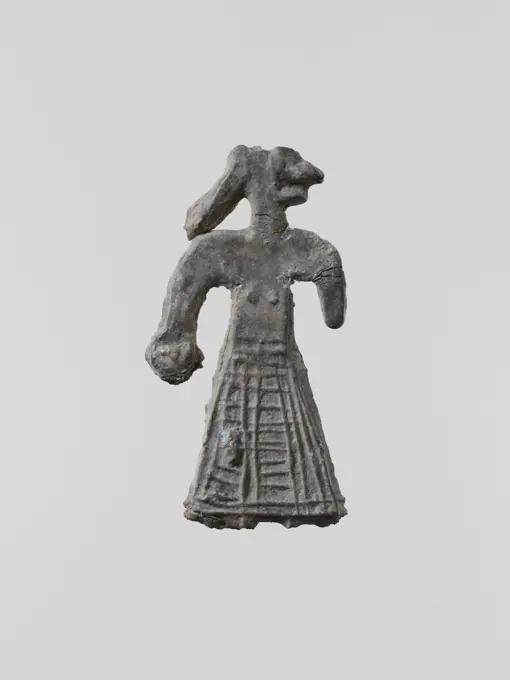
Lead figure of a woman late 7th-early 6th century B.C. Greek, Laconian Small flat votive figurines of cast lead have been found in great quantities at the ancient sanctuaries of Laconia; over one hundred thousand, dating from the seventh century B.C. to the Classical period, were dedicated to the goddess Artemis Orthia in Sparta.. Lead figure of a woman 251581 Greek, Laconian, Lead figure of a woman, late 7thearly 6th century B.C., Lead, Height: 1 3/4 in. (4.4 cm). The Metropolitan Museum of Art, New York. Gift of A. J. B. Wace, 1924 (24.195.15)
4409-17395224
Egyptian sarcophagus. Depiction of the goddess of the West. Ptolemaic Period. 3rd-1st century BC. Polychrome wood. From Herakleopolis Magna (Ihnasya el-Medina), Upper Egypt. National Archaeological Museum. Madrid. Spain.
6145-59138968
Emilia-Romagna Ferrara Ferrara Museo Civico di Schifanoia58. Hutzel, Max 1960-1990 General Notes: INCOMPLETE RECORD--NEGATIVES PROCESSED, PRINTS FILED German-born photographer and scholar Max Hutzel (1911-1988) photographed in Italy from the early 1960s until his death. The result of this project, referred to by Hutzel as Foto Arte Minore, is thorough documentation of art historical development in Italy up to the 18th century, including objects of the Etruscans and the Romans, as well as early Medieval, Romanesque, Gothic, Renaissance and Baroque monuments. Images are organized by geographic region in Italy, then by province, city, site complex and monument.
4409-61880493
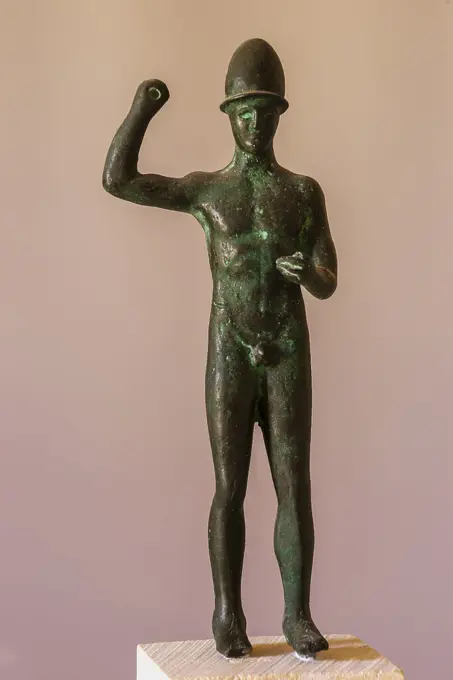
Mars Balearicus, 4th-3rd century BC. Son Favar I. Small bronze warrior, Museu regional d'Artà, archaeology room. Artà. Mallorca. Balearic Islands. Spain.
6145-29171047
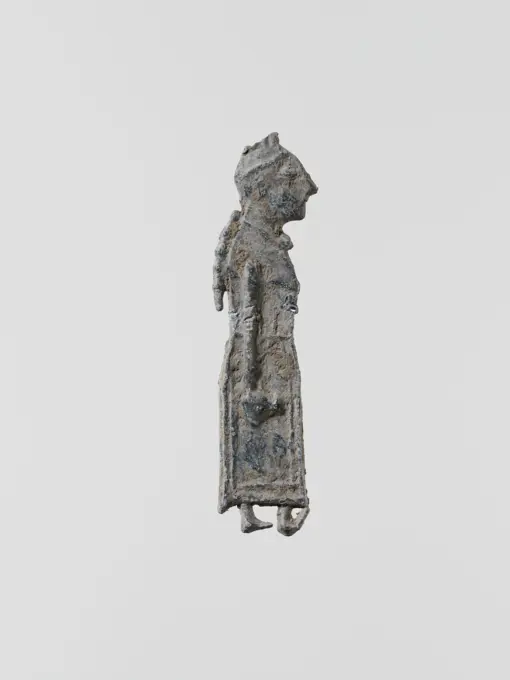
Lead figure of a woman late 7th-6th century B.C. Greek, Laconian Small flat votive figurines of cast lead have been found in great quantities at the ancient sanctuaries of Laconia; over one hundred thousand, dating from the seventh century B.C. to the Classical period, were dedicated to the goddess Artemis Orthia in Sparta.. Lead figure of a woman 251579 Greek, Laconian, Lead figure of a woman, late 7th6th century B.C., Lead, Height: 1 5/8 in. (4.2 cm). The Metropolitan Museum of Art, New York. Gift of A. J. B. Wace, 1924 (24.195.13)
6145-29803053
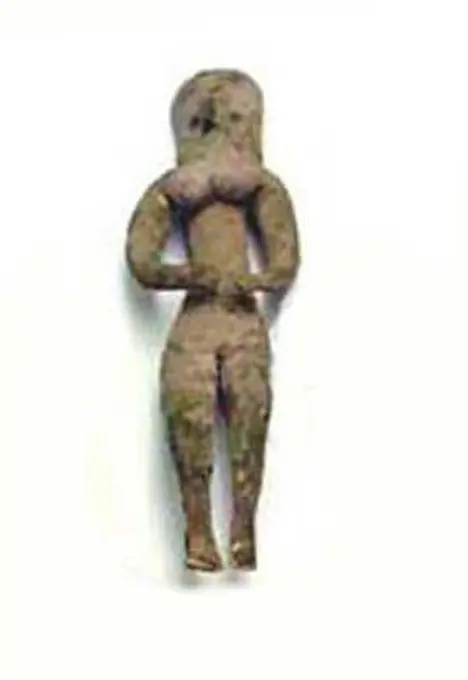
Figure of Fertility Goddess ca. 2700-3000 B.C. Baluchistan. Figure of Fertility Goddess. Baluchistan. ca. 2700-3000 B.C.. Terracotta. Ceramics
1746-19669541
Monument of king Thutmoses III. 18th Dynasty, about 1450BC from Thebes, Temple of Karnak. The sides of this monument are decorated with six figures carved in high relief. The two headless figures represent King Thutmose III: the others are the god Montu-Ra and goddess Hathor. The Egyptians believed the king was divine, so he is shown the same size as the gods.
1746-19985113
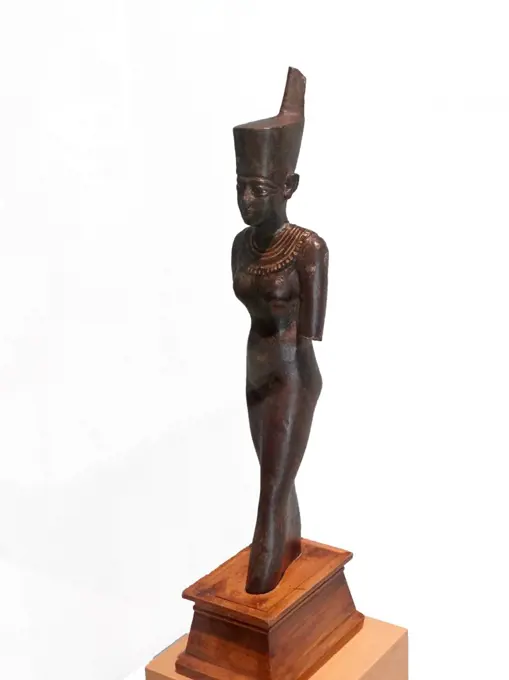
Figure of the goddess Neith. Bronze and gold. 26th Dynasty (664-525 BC) This goddess, from the city of Sais, wears her most distinctive attribute, the Red Crown of Lower Egypt . The Greeks identified her with Athena.
6145-58868631
Building fragment, 1550 - 1599 Korbeel of oak. On the consolorous front piece, a man in a draped robe and with a horn of abundance, standing on an Acanthus leaf, is sculpted in relief. Coming from a house in the Mandenmakerssteeg in Amsterdam. Northern Netherlands wood (plant material). oak (wood) Korbeel of oak. On the consolorous front piece, a man in a draped robe and with a horn of abundance, standing on an Acanthus leaf, is sculpted in relief. Coming from a house in the Mandenmakerssteeg in Amsterdam. Northern Netherlands wood (plant material). oak (wood)
6145-29208058
Shabti of Painedjem I ca. 1070-1032 B.C. Third Intermediate Period. Shabti of Painedjem I. ca. 1070-1032 B.C.. Faience, blue glazed. Third Intermediate Period. Probably from Egypt, Upper Egypt, Thebes, Southern Asasif, Royal Cache, Tomb of Inhapy (TT 320). Dynasty 21
6145-59138181
Emilia-Romagna Bologna Bologna Museo Civico Archeologico Sale III, IV, V37. Hutzel, Max 1960-1990 Specific Location: Sale III, IV, V (Egyptian antiquities) Owner: Museo Civico Archeologico Antiquities: III: basalt sculptural fragments; reliefs from the tomb of Horemheb; funerary stele; dynasties XVIII, XIX, XX, Ptolomeic dynasty reliefs, generally in limestone. IV: XVIII, XIX dynasty sculptures in granite, limestone, sarcophagi, statuette in basalt, statuette in wood, statuettes in bronze, statuette faience, mummy mask: V: basalt sculptures of Horus, Sekhmet, limestone stele (Antiq. count: 202); Republican portrait sculpture, Republican cippi with portrait bust, cippus with portraits (single and group), cippi with inscriptions from all periods, architectural fragments, basin with inscription, torso fragment of cuirassed figure of the 1st century AD (Nero) (Antiq. count: 185); disk lamps from the late republic to 6th century, with erotes, animals, erotica, mythological scenes, menorah,
1746-19665166
Ancestor figure, carved in wood from Papua New Guinea. 19th Century. The figure belongs to the Abelam Tribe.
6145-29153311
Winged sphinx (one of a pair) late 18th century French. Winged sphinx (one of a pair). French. late 18th century. Wood. Woodwork
6176-66098507
The 1907 caption reads: Mummy Cases. LEFT: Fine example of Restoration Period Coffin for Priest of Amon and Bast. RIGHT: Characteristic Graeco-Roman coffin with painted portrait. Restoration period was:  21st dynasty (circa 1069-945 BC)
4409-137066
PIEZAS DE LA EXPOSICION "ARTE SIN ARTISTAS": ESTATUILLA FEMENINA O "VENUS", DE GOULET DE GAZELLE. SIREUIL, DORDOÑA (FRANCIA). EN PIEDRA CALCITA AMBAR. GRAVETIENSE.
6145-30176509
Coffin of Wenuhotep 780 BCE Egypt. Wood, pigment . Ancient Egyptian
6145-29764290
Figure: Pair of Balafon Players 18th-early 19th century Dogon peoples These two figures are depicted playing the balafon, a type of xylophone composed of a series of wooden slats attached to gourd resonators. Balafons are uncommon in Dogon communities, and it is believed that this sculpture may have come from Mételli, one of the few Dogon villages known to incorporate the instrument in ceremonial life. It has been suggested that this specific work depicts musicians playing at the funerary rituals of a hogon, the spiritual and political leader of the community, and that the work itself was likely exhibited at such times. On these unique occasions, the instruments played are special balafons known as gingiru.The work may also refer to a series of events related in the epic narratives surrounding the formation of the Mali empire (ca. 1230), many of whose inhabitants migrated to villages such as Mételli in subsequent centuries. According to these oral histories, a balafon player had a cent
6145-29833805
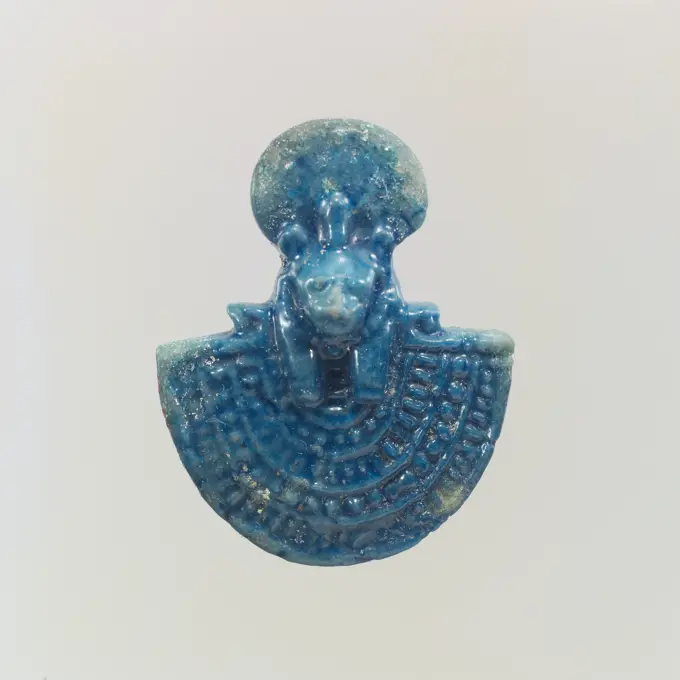
Aegis of Sakhmet or Bastet 664-30 B.C. Late Period-Ptolemaic Period An aegis is a collarlike necklace (often called a broad-collar) bearing a divine head as symbol of protection and fertility. The aegis was an element of a sacred menat necklace from at least the 18th dynasty. Heads of Lion- or cat-headed goddesses were most frequently depicted, but other goddesses and some gods might appear.Small faience examples like this one might serve as amulets.. Aegis of Sakhmet or Bastet. 664-30 B.C.. Faience. Late Period-Ptolemaic Period. From Egypt. Dynasty 21-30
6145-43857319
Aphrodite - Etruscan bronzes , Antiquities, Sculpture, Goddesses, Aphrodite Greek deity. Nicholas Catsimpoolas Collection
4266-4048
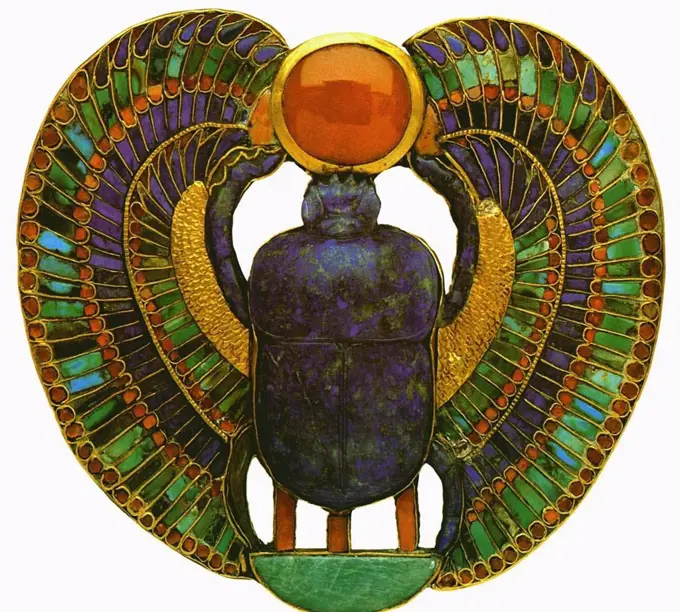
Scarab beetle, Gold, Turquoise, Turquoise, Feldspar, Lazurite, 14th century BC, Egypt, Cairo, The Egyptian Museum,
6145-29152046
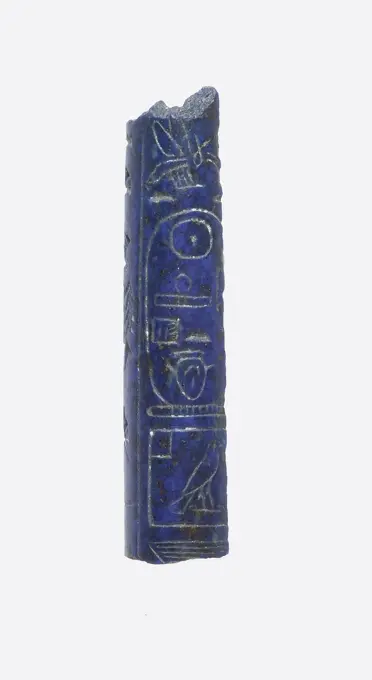
Bilingual Cylinder Seal ca. 1782-1780 B.C. Late Middle Kingdom This fragmentary lapis lazuli cylinder seal is inscribed in hieroglyphs :"King of Upper and Lower Egypt, Sehetepibre, beloved of Hathor, mistress of Byblos". On the opposite side it reads "Yakin-ilum....." Sehetepibre must be the second king of that name, who is a contemporary of Yakinilum, a known figure at the city of Byblos on the levantine coast.. Bilingual Cylinder Seal. ca. 1782-1780 B.C.. Lapis-lazuli. Late Middle Kingdom. From Egypt. Dynasty 13
1746-21112234
Granodiorite Sarcophagus lid; Persian, male figure wearing a fringed Persian robe. The owner lived during the second Persian occupation of Egypt. The face was destroyed, as Alexander the Great ended Persian domination. 31 st Dynasty (343-332 BC)
1746-19686936
Polychrome Shabti or funerary figure from the 18th-22nd dynasties of ancient Egypt. Birmingham city art gallery
PREVIOUS
of 2
NEXT
2401 S. Ervay, Suite 206
Dallas, Texas 75215
United States
Get Started
Free ResearchMy BoardsMy Cart
For Creators
How To License Your ContentContributor PortalFrame of Mind
Resources
API accessPricing
Contact
+1 866 236 0087help@viewpictures.co.uk Contact form
©2026 View Pictures. All Rights Reserved. -A
This site is protected by reCAPTCHA and Google Privacy Policy and Terms of Service apply.