My Boards
View Pictures
  • My Boards
← Artworks

Ancient Egyptian Shabti Statues

A collection of turquoise and blue shabti figures from ancient Egypt, depicting various poses and detailing, showcasing craftsmanship from the Third Intermediate Period.
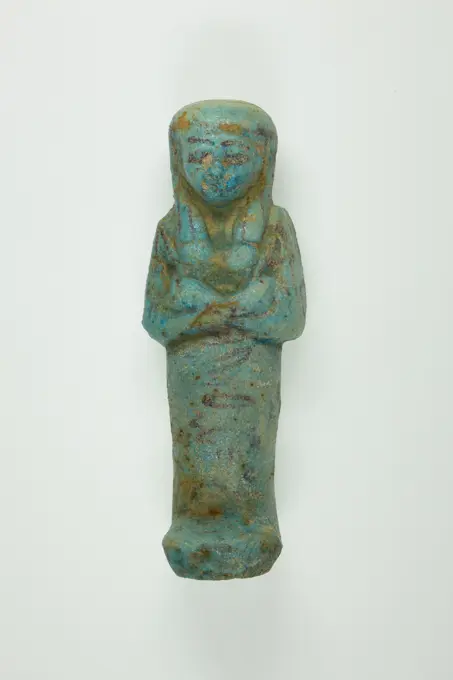
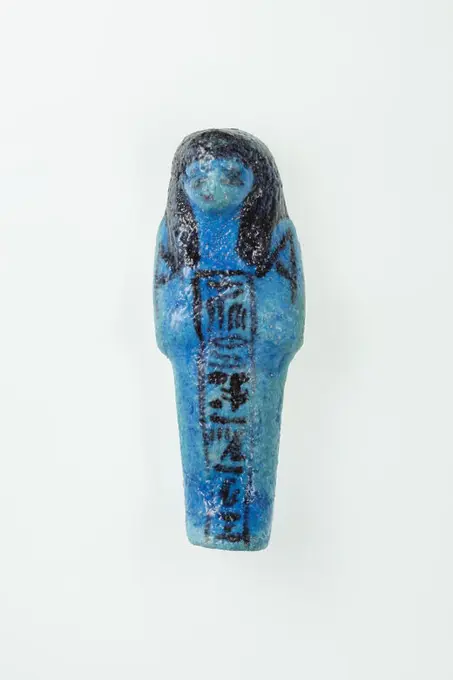
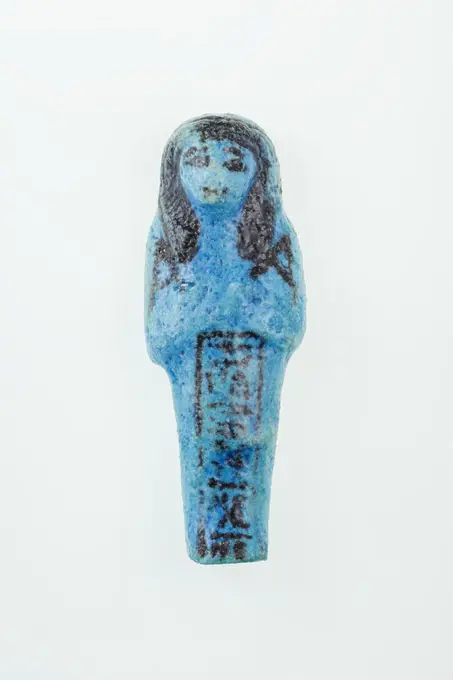
Worker Shabti of Henettawy (C), Daughter of Isetemkheb ca. 990-970 B.C. Third Intermediate Period. Worker Shabti of Henettawy (C), Daughter of Isetemkheb 623386
160 assets in this story
6145-29807414
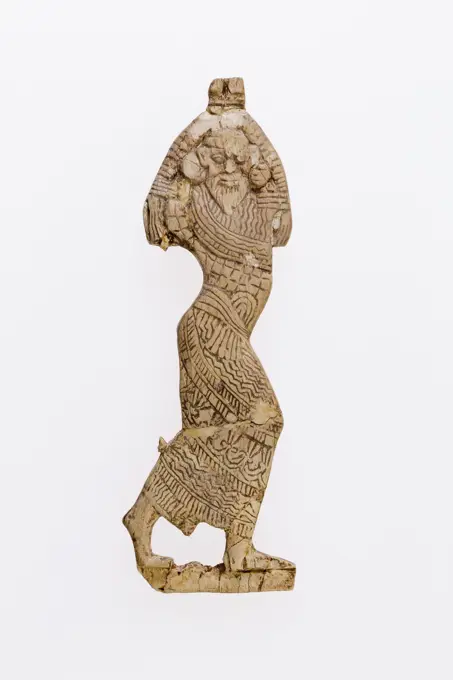
Figure of an Asiatic captive ca. 1295-1070 B.C. New Kingdom, Ramesside This ivory depicts a fettered captive. His pointed beard, facial creases, and elaborately patterned garment mark him as an Asiatic. He stands with bent legs, the lower body shown in profile facing to his left, the upper body and face presented in frontal view.Ivory inlays were often used to decorate thrones and chairs. However, the frontal depiction of the foreigner finds its closest comparison a footstool found in Tutankhamuns tomb (JdE 62044). There, a row of bound captives decorates the sides of the footstool, in which two are depicted frontally. Resting his feet on such images, the king would express in a visually brutal fashion his dominion over other lands.. Figure of an Asiatic captive. ca. 1295-1070 B.C.. Ivory, red and pink pigment, white ground. New Kingdom, Ramesside. From Egypt. Dynasty 19-20
6145-29827572
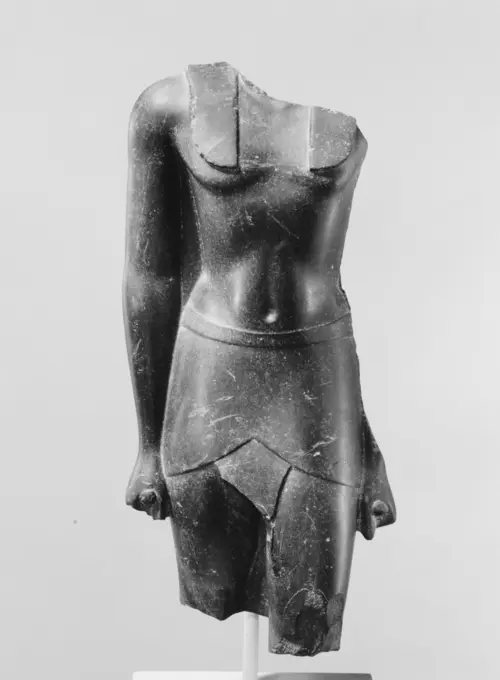
Torso of a king 332-30 B.C. probably Ptolemaic Period Slightly under-lifesize statues in dark stone like this and the adjacent sculpture were probably created by the Ptolemaic kings to serve the needs of native Egyptian royal cults, possibly connected with royal renewal given the regenerative significance of the color. Anatomically an advanced left leg is accompanied by flattening and lowering of the left rear hip muscle. Egyptian sculptors normally accurately observe this detail. Here, oddly, the right rear hip is shifted.. Torso of a king 547285
4409-17416680
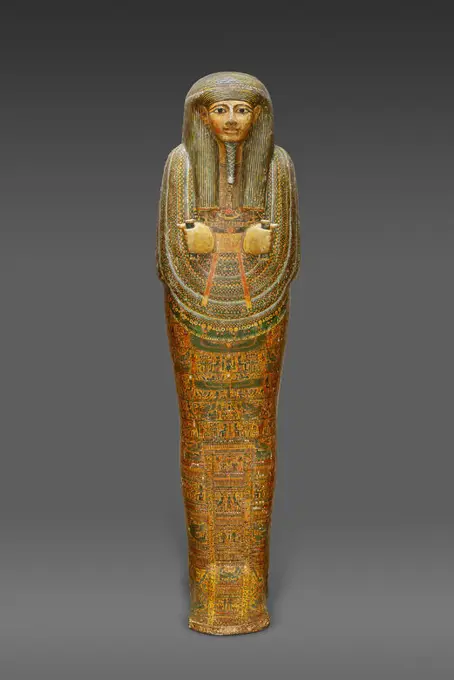
Inner coffin of Amenemopet. Dimensions: l. 195 cm (76 3/4 in); w. 53 cm (20 7/8 in); h. 62 cm (24 7/16). Dynasty: Dynasty 22, early. Date: ca. 975-909 B.C..Amenemope was a God's Father of Amun, Scribe of the Double Treasury of the Lord of the Two Lands and the House of Amun, and a member of a prominent priestly family at Thebes that had retained the same offices for generations. The two coffins are said to come from Gurna, in Western Thebes.The outer and inner coffins are very similar in shape and decoration. The lids each feature a well-modeled face and the curved beard indicative of the deified dead. The exposed hands hold the mekes, or document case, associated with royalty. The body is slim and the kneecaps protuberant, and each figure wears a bright red cloth, or stola, that encircles the neck and whose ends emerge beneath the folded arms. The stola, mekes, and oversize collar are among the features that scholars have, in recent decades, recognized as distinctive of the era betw
6145-29129639
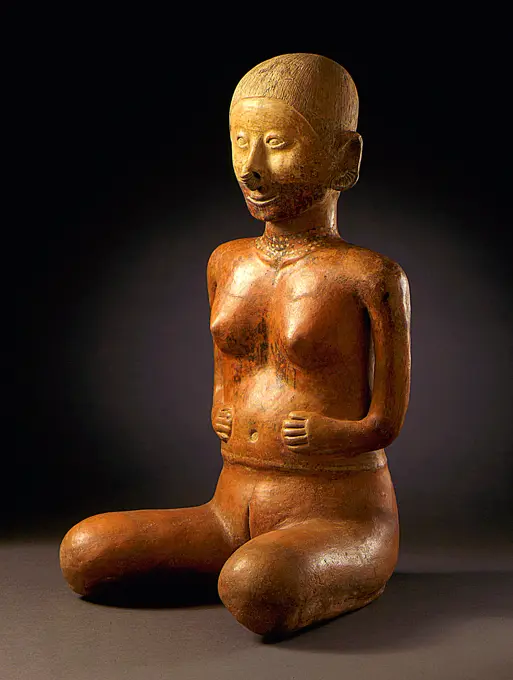
Kneeling Female Figure. Mexico, Nayarit, 200 BCE-300 CE. Ceramics. Slip-painted ceramic
4409-17503263
Head of a Cow Goddess (Hathor or Mehetweret). Dimensions: H. 53.6 cm (21 1/8 in.); W. 28 cm (11 in.); D. 33 cm (13 in.). Dynasty: Dynasty 18. Reign: reign of Amenhotep III. Date: ca. 1390-1352 B.C.. Museum: Metropolitan Museum of Art, New York, USA.
4409-17416249
Worker Shabti of Nany. Dimensions: H.8.6 × W.3.2 × D.2 cm (3 3/8 × 1 1/4 × 13/16 in.). Dynasty: Dynasty 21. Reign: reign of Psusennes I. Date: ca. 1050 B.C..See 30.3.27.1a, b. Museum: Metropolitan Museum of Art, New York, USA.
4409-17353224
Taweret Amulet. Dimensions: h. 5.1 cm (2 in). Dynasty: Dynasty 26-29. Date: 664-332 B.C..Taweret and other closely related goddesses were created from a blending of lion, hippo, crocodile, and human attributes. The three animals were some of the fiercest species found in ancient Egypt and combining their strengths produced a most potent deity and therefore amulet. Taweret's particular responsibility was the protection of women during pregnancy and childbirth. She is often portrayed leaning on a sa symbol. Her representation was sometimes used on tomb walls or funerary equipment to protect the deceased during rebirth. Museum: Metropolitan Museum of Art, New York, USA.
4409-17500759
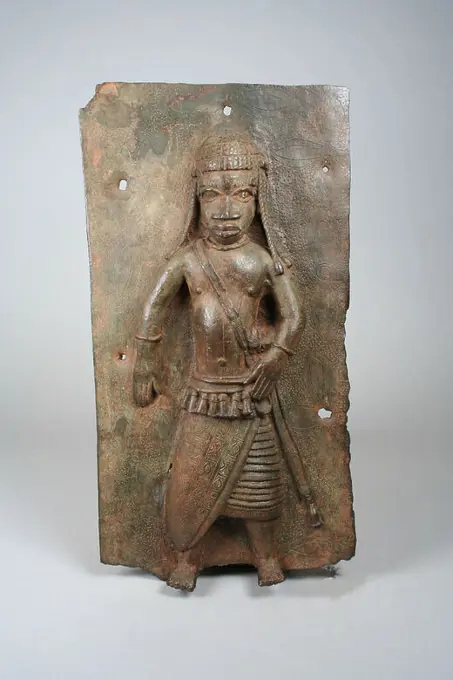
Plaque: Court Official. Culture: Edo peoples. Dimensions: H. 15 1/2 in. (39.4 cm). Date: 16th-17th century. Museum: Metropolitan Museum of Art, New York, USA.
1788-20281
Egyptian civilization, Gold amulet portraying Horus. From Bahariya Oasis, Tomb of Governor Djed Khonsu-Iwf-Ankh
6145-29717324
Copper Tumi Fragment with Figure 12th-15th century Chimú (). Copper Tumi Fragment with Figure 315383
4409-153307
ESTATUILLA ANTROPOMORFA EN TERRACOTA 500 A 1400 DC. Location: PRIVATE COLLECTION. QUITO. ECUADOR.
6145-29164348
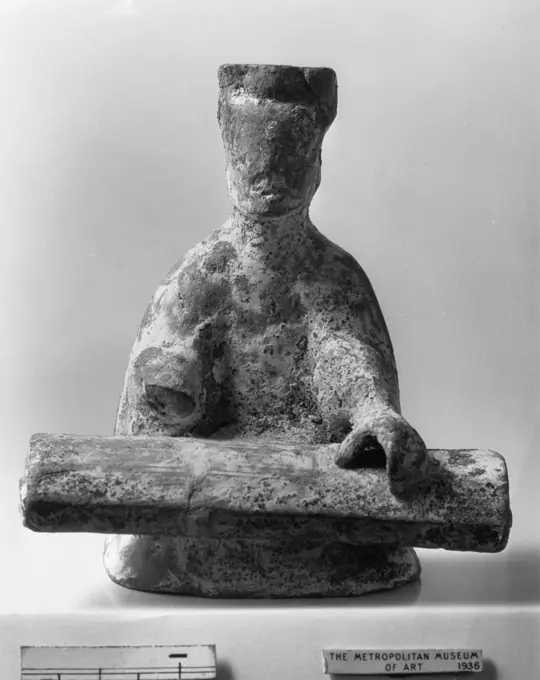
Figure of Entertainer China The musical instruments depicted among this group of pottery figures (36.12.1, .2, .10-.13, .16) are typical of those used in popular music of the Han period (206 B.C.-A.D. 220). The instruments all had long histories, having existed for centuries, in the case of the zither, or millennia, in the case of the flute (now missing from the figure of the flutist).. Figure of Entertainer 62960
6145-48529985
Ozyrys. unknown, author
4409-7861
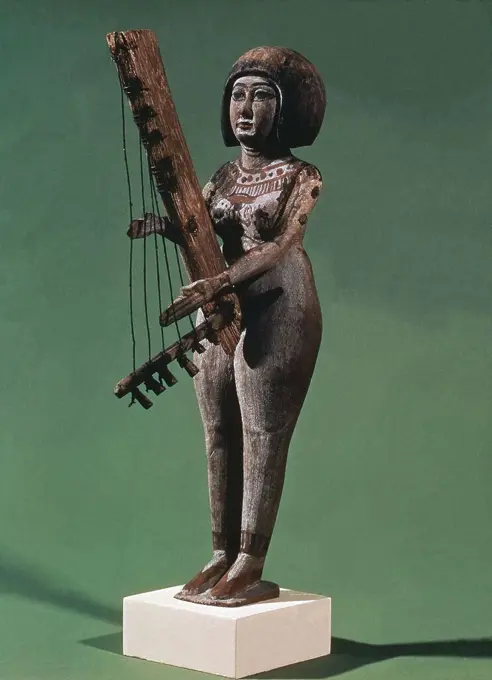
ESTATUA EGIPCIA - MUCHACHA TOCANDO EL ARPA. Location: BRITISH MUSEUM. LONDON. ENGLAND.
1746-19669875
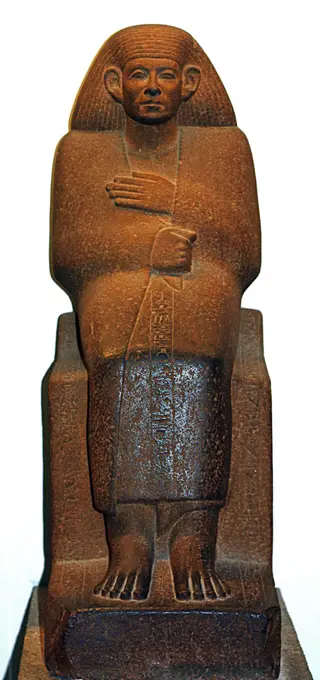
Egyptian statue of Ankhrekhu, Twelfth Dynasty (approx. 1850 BC). Made from Quartzite, showing the subject in a long cloak.
4409-17421384
Shabti of Senebimi. Dimensions: H. 36.2 cm (14 1/4 in.); W. 6 cm (2 3/8 in.); D. 6 cm (2 3/8 in.). Dynasty: Dynasty 12. Date: ca. 1981-1802 B.C..Funerary figures known as shabtis first appeared during the early Middle Kingdom. When the deceased was called upon to carry out obligatory labor in the next world, these magical images were supposed to act in his or her place. Their traditional form is that of a wrapped mummy, initially represented as seen here, without defined arms or hands. The gessoed body of this early specimen is inscribed with a simple offering formula and the owner's name. Museum: Metropolitan Museum of Art, New York, USA.
6145-44278330
Statuette of Hermes. Unknown
1788-18789
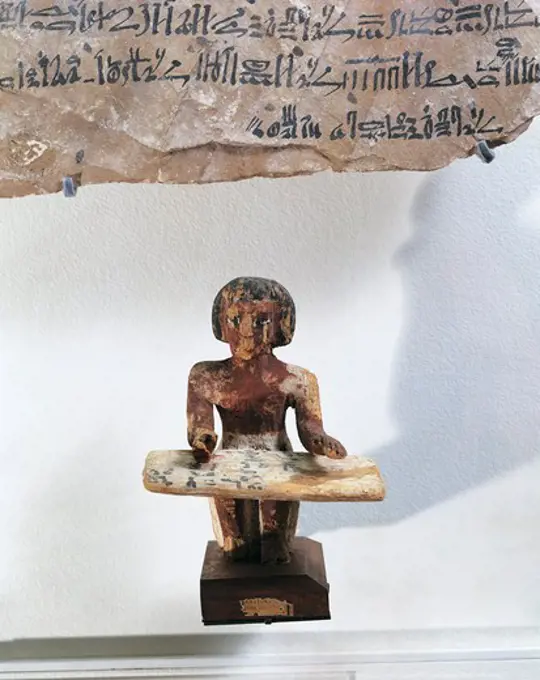
Painted wood statue of scribe Intef recording wheat harvest, on top, fragment of letter, written in hieratic, from Vizier Djehutymes to Imenhetep, circa 1120 B.C.
6145-29127390
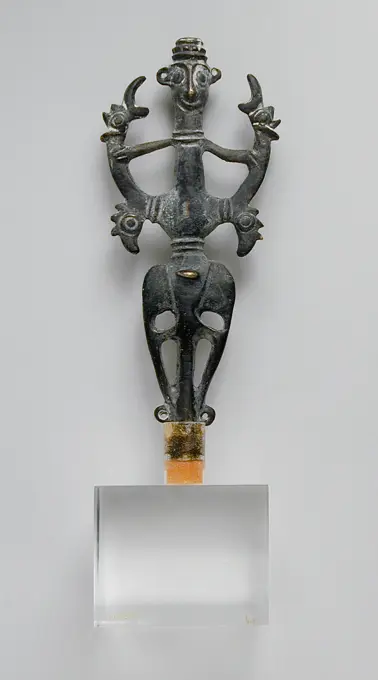
Finial. Iran, Luristan, Luristan bronzes, circa 850-650 B.C.. Architecture; Architectural Elements. Cast bronze
4409-17416187
Worker Shabti of Nany. Dimensions: H. 8.7 × W. 3.2 × D. 1.9 cm (3 7/16 × 1 1/4 × 3/4 in.). Dynasty: Dynasty 21. Reign: reign of Psusennes I. Date: ca. 1050 B.C..See 30.3.30.1a, b. Museum: Metropolitan Museum of Art, New York, USA.
6145-30176518
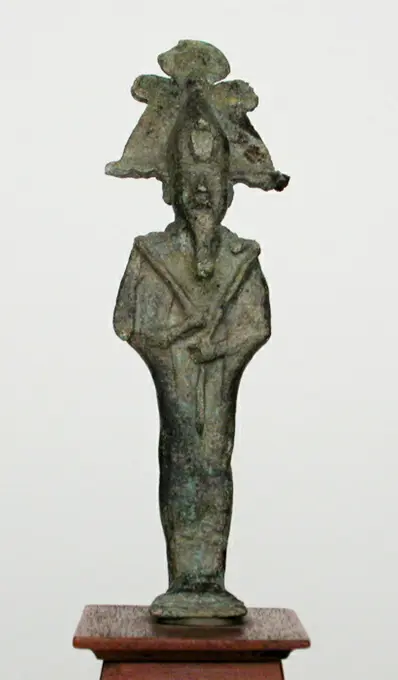
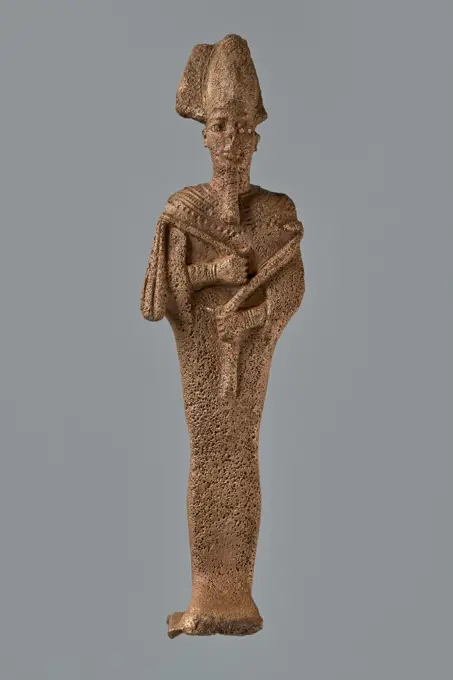
Statuette of the God Osiris 1069 BCE-332 BCE Egypt. Bronze . Ancient Egyptian
4409-17543976
Statuette of a Female Figure. Cycladic; probably from the island of Keros. Date: 2600 BC-2400 BC. Dimensions: 39.9 × 11.6 × 4.9 cm (15 11/16 × 4 9/16 × 1 15/16 in.). Marble. Origin: Kéa. Museum: The Chicago Art Institute, USA. Author: ANCIENT GREEK.
6145-44294141
Statuette of Herakles. Unknown
6145-58992675
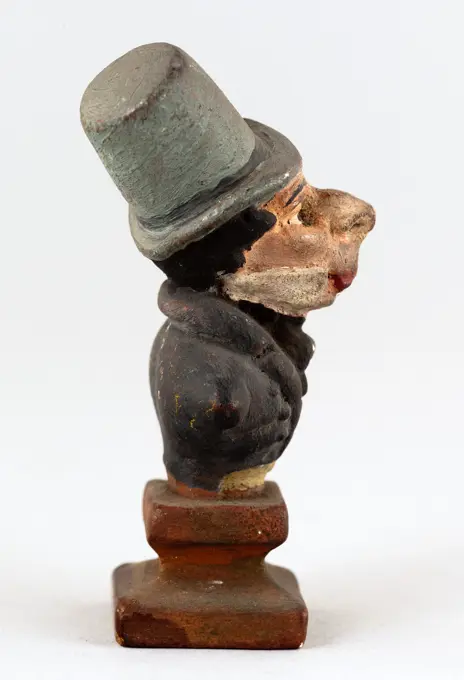
Tadpole. "Portrait-charge of Paul Grassot (1800-1860), actor". Polychrome plaster. Paris, Carnavalet museum. 72099-53 French actor, bust, polychrome plaster, portrait-load, profile
4409-59178802
figurine of Anat, Semitic goddess of fertility, bronze, Huelva Museum, Huelva, Andalusia, Spain.
6145-29128941
Nubian Female Figure. Egypt, Late Period, 25th Dynasty (711 - 600 BCE) or later. Sculpture. Bronze
4409-17384363
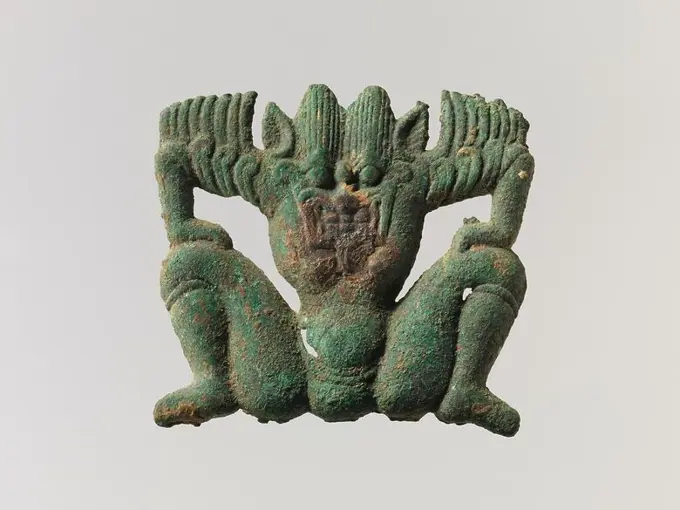
Plaque in the Form of a Demon. Culture: China. Dimensions: H. 3 11/16 in. (9.4 cm); W. 4 1/16 in. (10.3 cm). Museum: Metropolitan Museum of Art, New York, USA.
6145-59071688
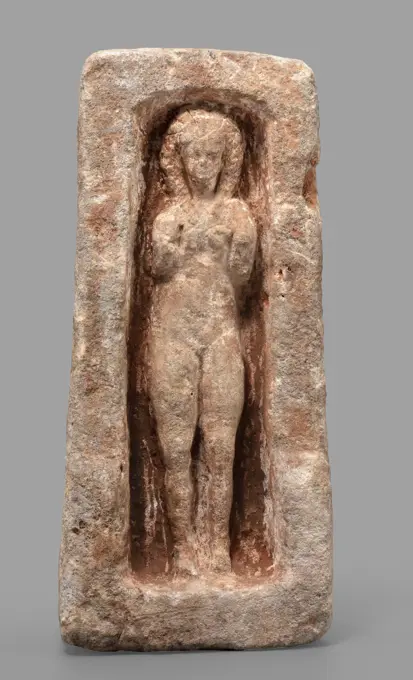
Naos with a figure naked goddess;  664-30 BC ; Half-period period-Ptolemam period (-664-00-00--30-00-00);Scen.Gal.Eg.
6145-29157361
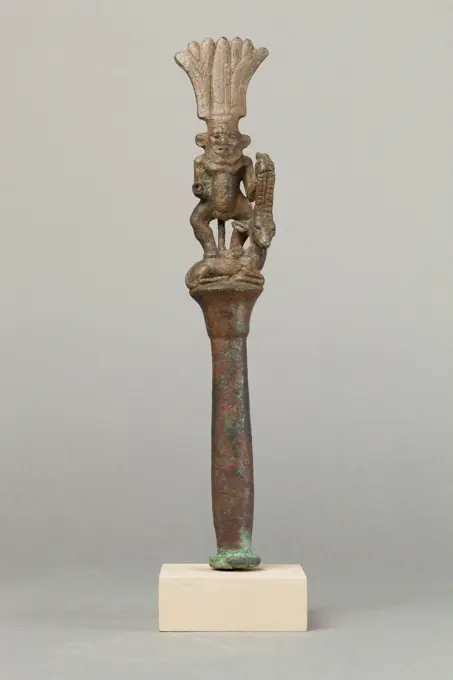
Papyrus pillar surmounted by Bes with an antelope 664-30 B.C. Late Period-Ptolemaic Period. Papyrus pillar surmounted by Bes with an antelope 546041
6145-30206343
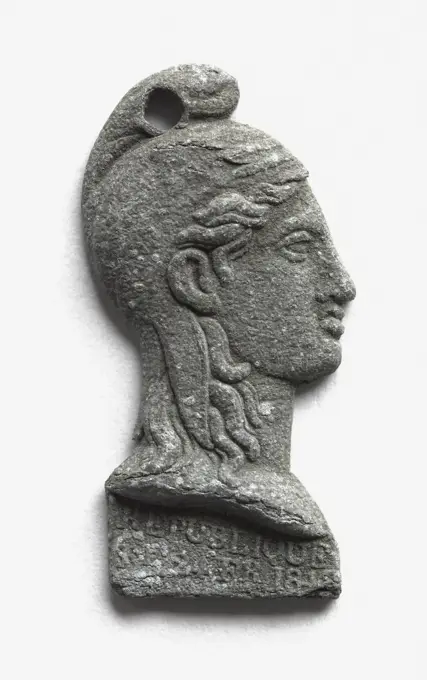
Commemoration of the Proclamation of the Iie Republic, February 24, 1848 (dummy title) Anonymous. Commemoration of the proclamation of the 1st Republic, February 24, 1848 (Apers).
6145-46842805
Statue ofSakhmet
1746-19699550
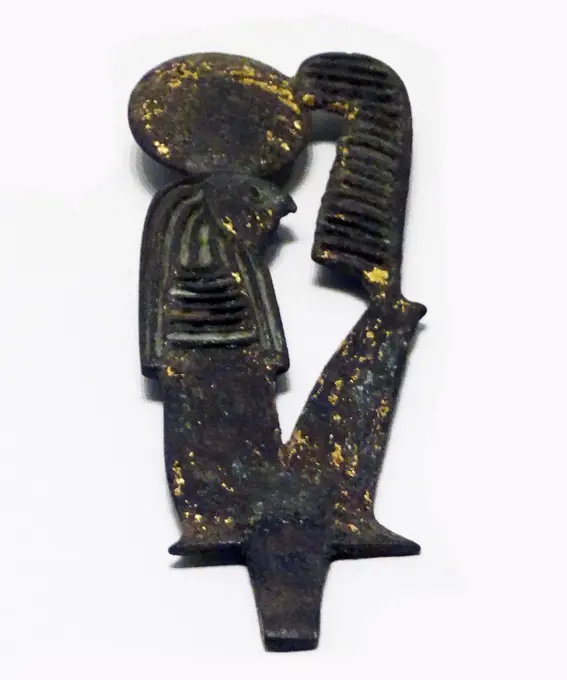
Plaque showing the sun god Re, the sun disk on his head. From the 3rd-2nd century.
1746-19628747
Woman brewing beer. Ancient Egyptian tomb model. Cairo Museum, Egypt
4409-17373822
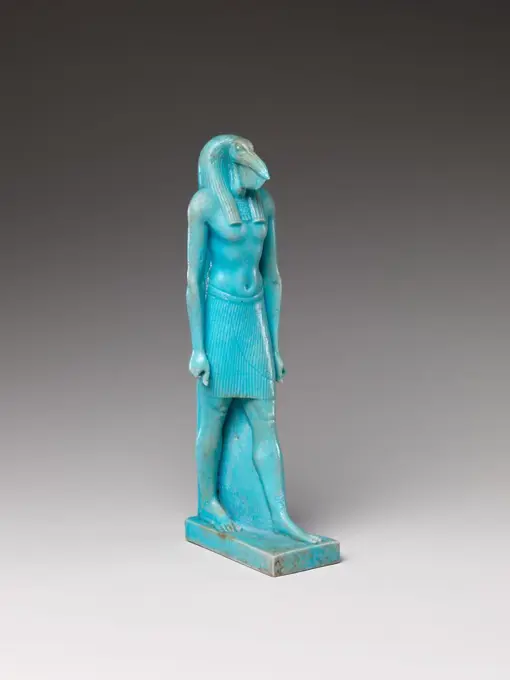
Striding Thoth. Dimensions: H. 14.1 cm (5 9/16 in.); W. 3.6 cm (1 7/16 in.); D. 5.4 cm (2 1/8 in.). Date: 332-30 B.C..Thoth, the god of writing, accounting and all things intellectual, was associated with two animals: the ibis and the baboon. His images either show him represented by these animals or they combine a human body with an ibis head as in this piece of shiny blue faience. Museum: Metropolitan Museum of Art, New York, USA.
1890-95691
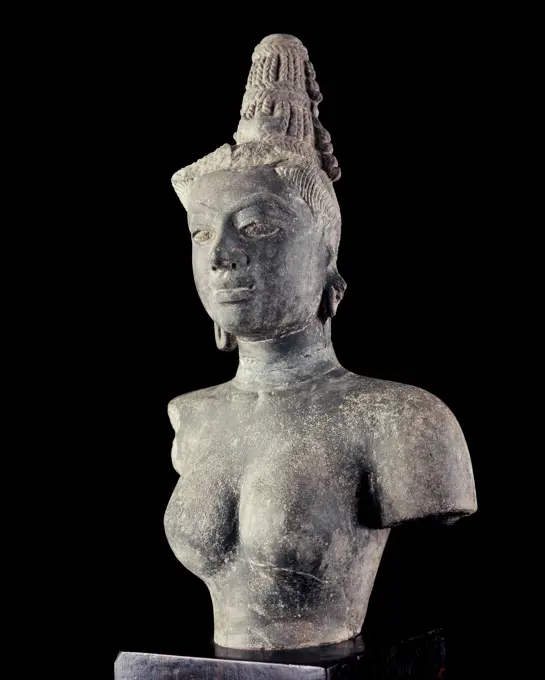
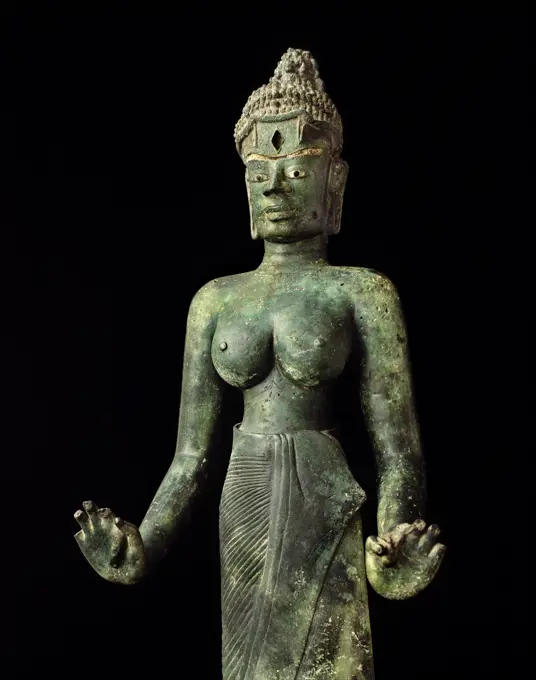
Devi from Hong Que, Cham art dating from the 10th century, Saigon Museum, Saigon, Vietnam, Indochina, Southeast Asia, Asia
4409-63785145
Garrote para atar gavillas. Museu Català de les Arts i Tradicions Populars.
6145-29776601
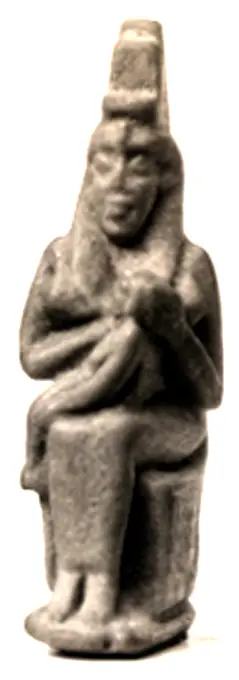
Amulet, Isis, Horus 522-343 B.C. Late Period. Amulet, Isis, Horus 558377
4409-17390476
Kohl Tube in the Shape of a Monkey Holding a Vessel. Dimensions: h. 6 cm (2 3/8 in); w. 4.1 cm (1 5/8 in). Dynasty: Dynasty 18, early. Date: ca. 1550-1450 B.C..The Egyptians' use of eye cosmetics to enhance beauty and for prophylactic purposes is well documented both in artistic representations and by the cosmetic vessels that have been preserved from the earliest times. The most common substance utilized in the New Kingdom was kohl, a dark gray powder made from galena. Kohl was frequently stored in decorated tubes with long, slim sticks made of polished wood or stone as applicators. As in earlier periods, representations of monkeys often decorated cosmetic vessels in the New Kingdom. In this example the monkey stands balanced on its tail, its left leg slightly forward and its hands clasping a kohl tube. The ears, the ridges above the eyes, the nose, and the tufts of hair on the cheeks were carved with care. The stone was covered with a thick glaze ranging in color from light to dark
6145-29786679
Figure of Fertility Goddess ca. 2700-2000 B.C. Baluchistan. Figure of Fertility Goddess. Baluchistan. ca. 2700-2000 B.C.. Terracotta. Ceramics
1746-21129867
Ancient art: female terracotta figurine, northern Syria, 2000 BC.
6145-29237106
Inlay 664-610 B.C. Late Period, Saite A quantity of faience hieroglyphs and border elements was found in the tomb or courtyard of Nespekashuty. These are displayed in galleries 127 and 130. They are of similar size and manufacture, so seem to have belonged to a single object, likely of wood. Some of the signs belong to the standard offering formula, others mention Osiris and Anubis, so they certainly suggest an item of funerary furniture - a box, a screen, or a coffin although coffins are not usually inlaid in faience and remnants of Nespekashuty's were painted.Unfortunately, there are no signs indisputably pointing to Nespekashuty's names or titles. Although it seems likely that the fairly elaborate piece of equipment to which they testify belonged to the main burial of this tomb, and not to the Third Intermediate Period burials found in the courtyard or to the material apparently cleared from the Hathor Shrine at Deir el Bahri or to the other sets of late shabtis found in the vicinit
6145-30176797
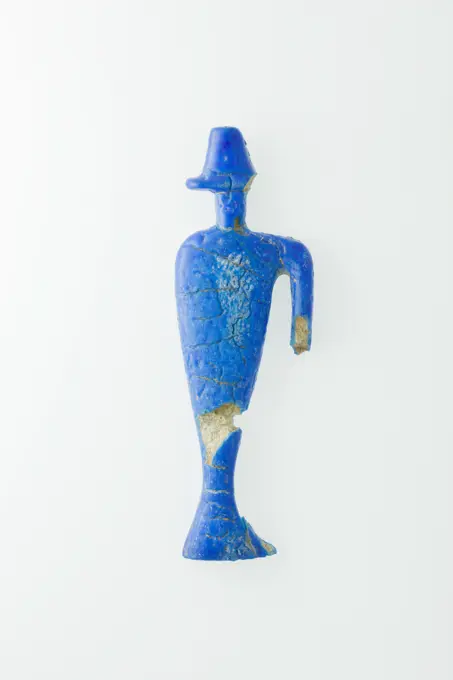
Amulet of the Gods Amun-Ra Kamutef and Horus 700 BCE-1 BCE Egypt. Faience . Ancient Egyptian
6145-29068348
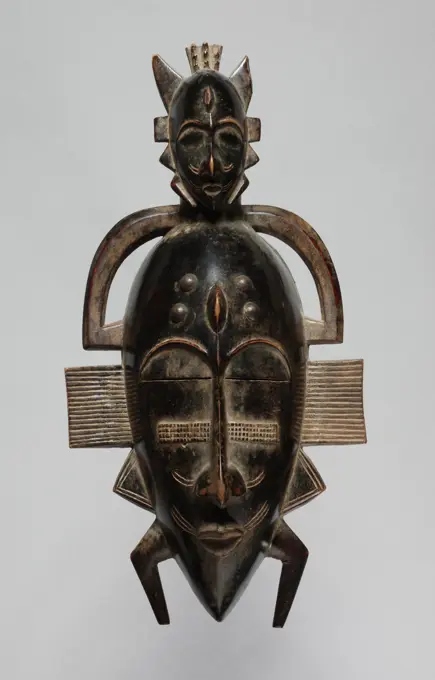
Face Mask, early 1900s. Attributed to Sabariko Koné (Senufo, d. ca. 1950). Wood, upholstery studs, resin, and paint; overall: 31.6 x 16.7 x 11.4 cm (12 7/16 x 6 9/16 x 4 1/2 in.).
4409-17350500
Lead figure of a woman. Culture: Greek, Laconian. Dimensions: Height: 1 3/4 in. (4.4 cm). Date: late 7th-early 6th century B.C..Small flat votive figurines of cast lead have been found in great quantities at the ancient sanctuaries of Laconia; over one hundred thousand, dating from the seventh century B.C. to the Classical period, were dedicated to the goddess Artemis Orthia in Sparta. Museum: Metropolitan Museum of Art, New York, USA.
6145-44318352
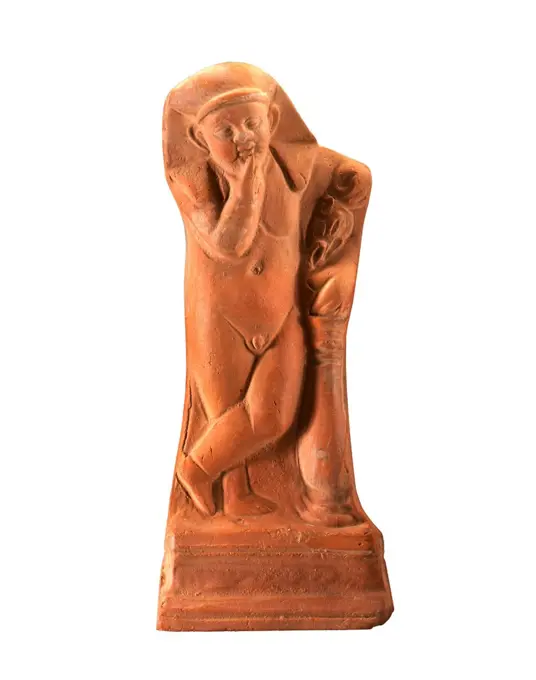
Harpocrat with Nemes headscarf. The God Harpocrates on a multi-profiled basis is clothed only with the Egyptian Nemes Cloth, the Pharaoh's headscarf. Leaning against a pillar, he holds a small club in his angled left arm. The index finger of the right hand he leads to the mouth. The figure counts to the group of the so-called fayum-terrakotten.in Alexandria, the international, Greek-embossed center of Egypt, lives a multicultural society from Egyptians, Orientals, Greeks, Romans, Jews and others, whose different religious ideas are gradually mixed. Insights into this faithful world allow the so-called Fayum Terrakotte. They are part of the religious household, children's toys, "nippes figures", but also cult symbols, grave deposits, pilgrimage pictures, votive stations and magical objects for banning boner powers. You can find them in houses, graves and sanctuaries. Gift by Friedrich Gutte, Hamburg
1788-20141
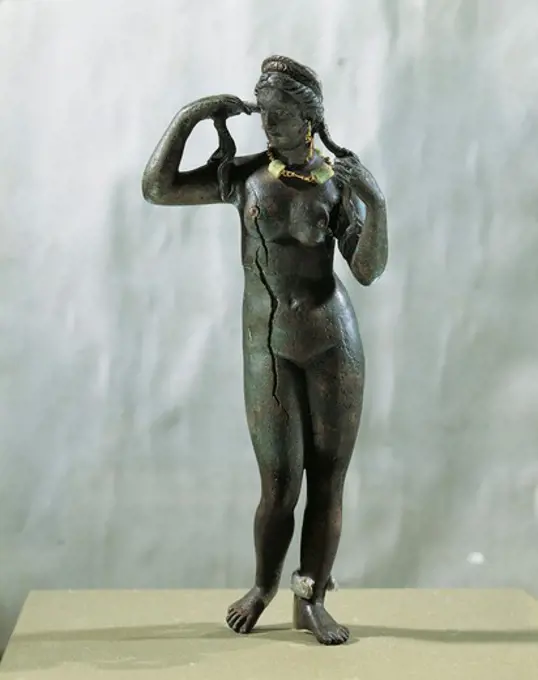
Bronze and semi-precious stones statuette known as Venus of Baalbek, from Tyre, Lebanon
4409-17383233
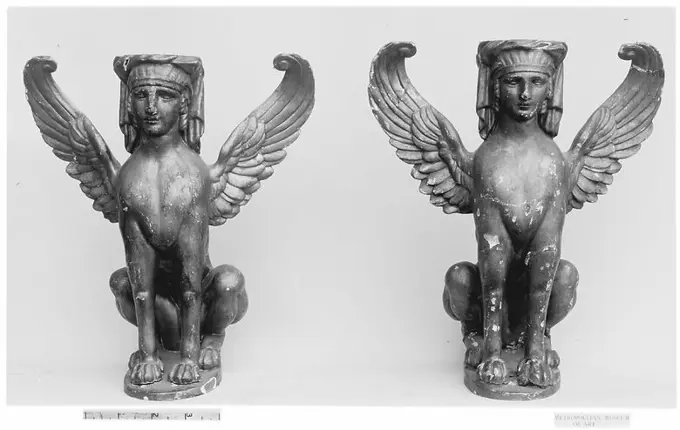
Winged sphinx (one of a pair). Culture: French. Dimensions: Overall: 10 3/16 × 9 5/16 × 4 15/16 in. (25.9 × 23.7 × 12.5 cm). Date: late 18th century. Museum: Metropolitan Museum of Art, New York, USA.
6145-54680346
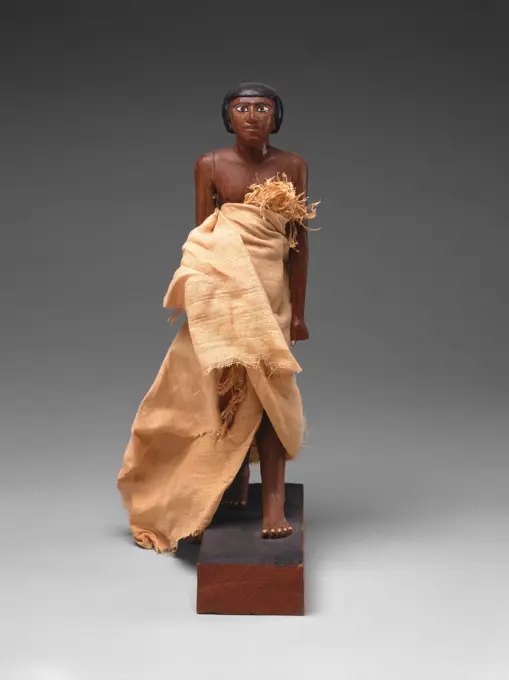
Statuette of Wah Middle Kingdom ca. 1981-1975 B.C. This statuette, intended to serve as a home for Wah's spirit, depicts a young man in the prime of life. Full of vigor, the little figure has the imposing presence of a much larger statue. The linen wrap may imitate the type of long skirt worn by Middle Kingdom officials. Beneath this, the figure wears the more typical short kilt, carved into the wood and painted white. View more. Statuette of Wah. ca. 1981-1975 B.C.. Cedar, plaster, paint, linen. Middle Kingdom. From Egypt, Upper Egypt, Thebes, Southern Asasif, Tomb of Wah (MMA 1102), beside feet of mummy, MMA excavations, 1920. Dynasty 12
1890-95731
Bronze Tara in Dong Duong style, discovered in 1978, Cham art, Da Nang Museum, Vietnam, Indochina, Southeast Asia, Asia
6176-66097773
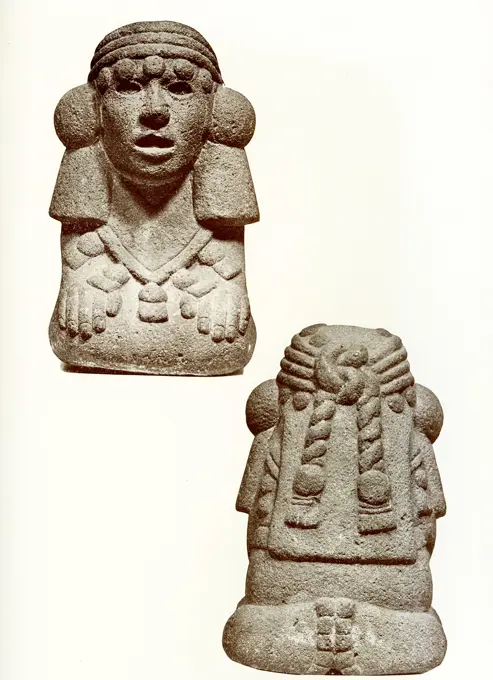
The 1924 caption reads: "Stone Figure of the Water Goddess - Chalchiuhtlicue front and back vuew." Chalchiuhtlicue was the Aztec goddess of water, associated with lakes, rivers, streams, and other freshwaters: Her name comes from the Aztec language Nahuatl and translates to "she of the jade skirt". She is also known as Matlalcueye, which means "She Who Wears a Green Skirt".
6145-29746715
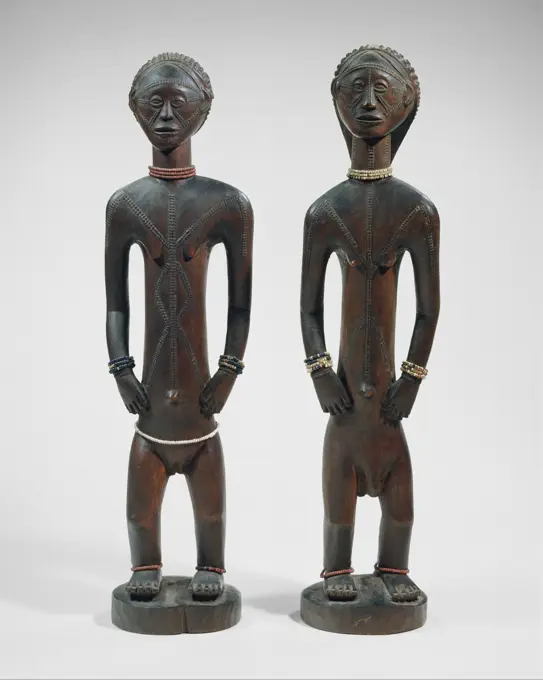
Standing Male and Female Figures 18th-19th century Tabwa peoples This work is a pair with 1978.412.592.This elegant and refined couple from the Lake Tanganyika region of southeastern Democratic Republic of Congo depicts the respected ancestors of a Tabwa ruler. During the mid-nineteenth century, a group of elite Tabwa families who prospered through regional trade challenged traditional forms of governance and assumed control of regional leadership. These new Tabwa rulers looked to ancestry to legitimize their right to lead, invoking and, when necessary, inventing a chiefly lineage through sculptural representations of royal predecessors. A new genre of figural sculpture was developed to depict these chiefly ancestors. Passed down from one generation to the next, these works were visual representations of enduring dynastic power.The legitimacy of the chiefly family's rule depended upon its perceived superiority within the community, and ancestral sculptures such as this couple were inte
4266-4199
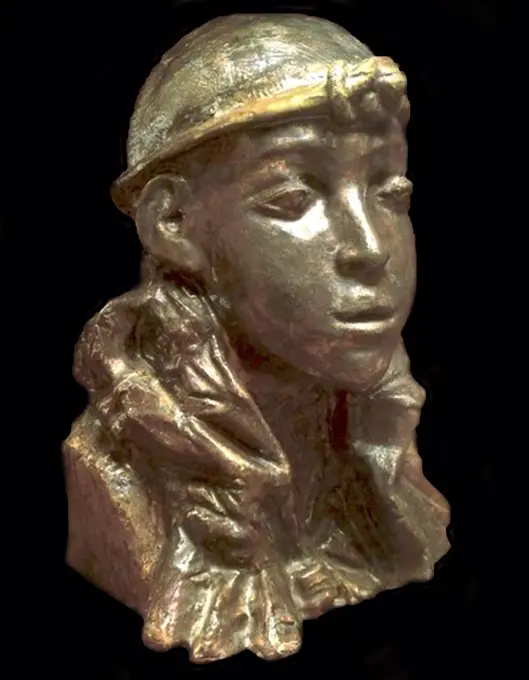
Sculpture by Mikhail Alexandrovich Vrubel, bronze, 1899-1900, 1856-1910, Russia, Moscow, State Tretyakov Gallery
6145-59042834
Anonymous. "Java doll". Painted wood. Paris, Museum of Romantic Life. DOLL
6176-67037632
Bronze figures of two wrestlers, Eastern Zhou Dynasty, China, c5th-4th Century BC. Artist: Unknown
4409-17425079
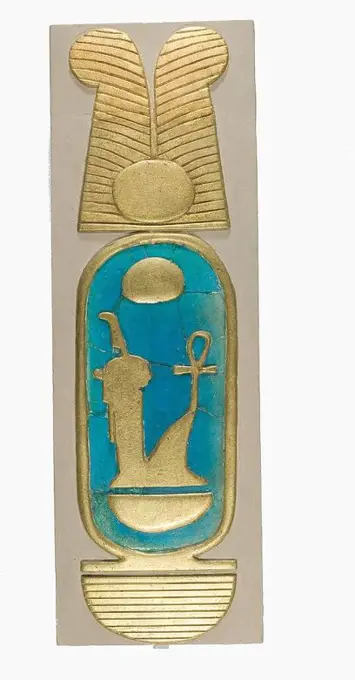
Reconstruction of a Cartouche of Amenhotep III. Dimensions: H. 52.1 cm (20 1/2 in); w. 15.4 cm (6 1/16 in); d. 5.4 cm (2 1/8 in.). Dynasty: Dynasty 18. Reign: reign of Amenhotep III. Date: ca. 1390-1353 B.C..The blue faience tiles in this reconstruction were discovered during the Museum's excavations at Malqata, the site of a festival city built by Amenhotep III for the celebration of his three rejuvination festivals, or heb seds. The original cartouche was made of faience tiles and gilded plaster set into wood that was badly decayed and could not be preserved (see the excavation photograph above). In this reconstruction, the tiles have been set into plaster that has been painted to imitate gold leaf. The cartouche containes the king's throne name, Nebmaatre.The original cartouche decoration was found in the Temple of Amun, which was built for the king's second heb sed. The excavators also found a long section of cornice decoration, and a group of tiles that had been us
4409-17354046
Rishi Coffin. Dimensions: l. 190 cm (74 13/16 in); w. 50 cm (19 11/16 in); h. 50 cm (19 11/16 in). Dynasty: Dynasty 18. Date: ca. 1550-1295 B.C.. Museum: Metropolitan Museum of Art, New York, USA.
6145-29706177
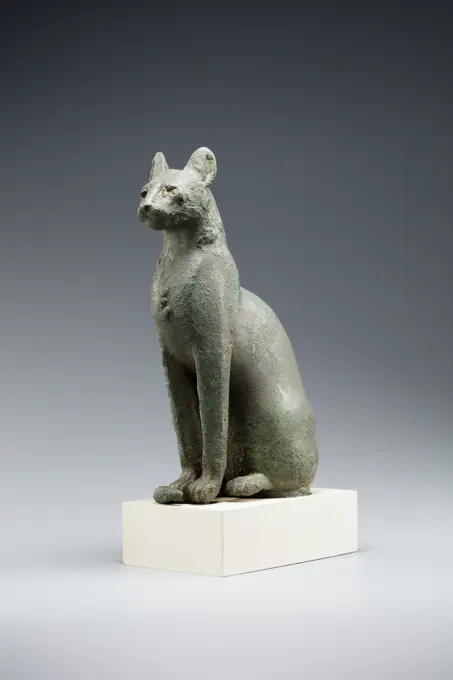
Cat with image of Bastet on breast 664-30 B.C. Late Period-Ptolemaic Period Bastet was a powerful goddess of Lower Egypt, one who was protective and could bring about great prosperity. In zoomorphic form, she was represented as a cat and cats were considered sacred to her. As a cat, she is poised and alert, on guard against external forces.Like cat-headed Bastet statuettes, these seated cat statuettes often have special adornments. This figure has inset eyes for the addition of inlay and also wears an amulet on its chest. Cat statuettes were among some of the most common zoomorphic dedications of the Late and Ptolemaic Periods. Small statuettes would have been dedicated as offerings to temples or deposited in catacombs alongside cat mummies, as at the extensive catacombs at Bubastis and Saqqara. This example is somewhat large and hollow, and though it is now empty, it may once have held the remains of a small cat mummy.. Cat with image of Bastet on breast. 664-30 B.C.. Cupreous metal.
4409-17543978
Statue of Horus. Egyptian. Date: 305 BC-30 BC. Dimensions: 52 × 48.5 × 18.75 cm (20 1/2 × 19 × 7 3/8 in.). Basalt. Origin: Egypt. Museum: The Chicago Art Institute, Chicago, USA. Author: Ancient Egyptian.
1746-19688640
Eva in Bronze by Kurt Zimmermann. Published in 'Die Kunst im deutschen Reich' (Art in the German Reich) was first published in January 1937 by Gauleiter Adolf Wagnerand later issued under the direction Adolf Hitler himself.
6145-29116340
Panel with abstract decoration. Egypt, 9th century. Wood. Wood, carved
PREVIOUS
of 2
NEXT
2401 S. Ervay, Suite 206
Dallas, Texas 75215
United States
Get Started
Free ResearchMy BoardsMy Cart
For Creators
How To License Your ContentContributor PortalFrame of Mind
Resources
API accessPricing
Contact
+1 866 236 0087help@viewpictures.co.uk Contact form
©2026 View Pictures. All Rights Reserved. -A
This site is protected by reCAPTCHA and Google Privacy Policy and Terms of Service apply.