My Boards
View Pictures
  • My Boards
← Artworks

Ancient Egyptian Shabtis

A collection of ancient Egyptian shabti figures in various colors and styles, depicting workers and overseers from the 21st Dynasty, expressing cultural significance.
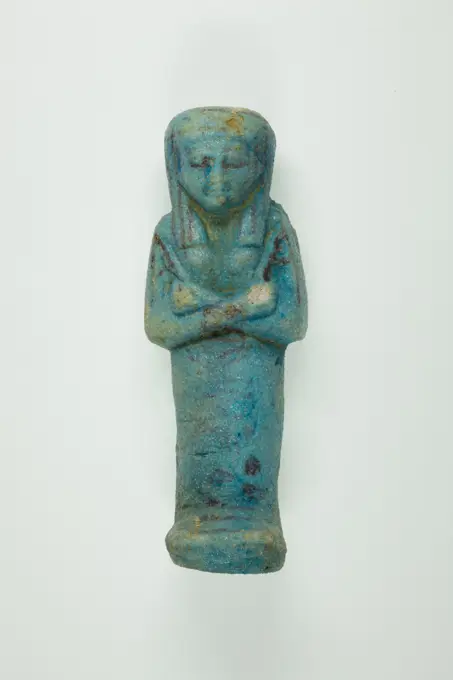
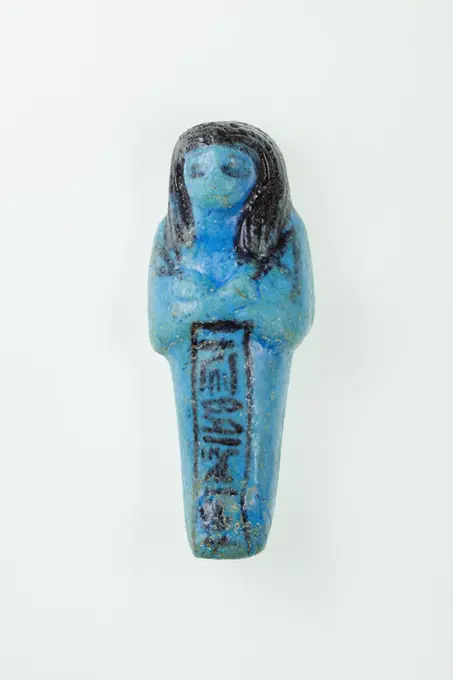
Worker Shabti of Henettawy (C), Daughter of Isetemkheb ca. 990-970 B.C. Third Intermediate Period. Worker Shabti of Henettawy (C), Daughter of Isetemkheb 625417
269 assets in this story
4435-3925
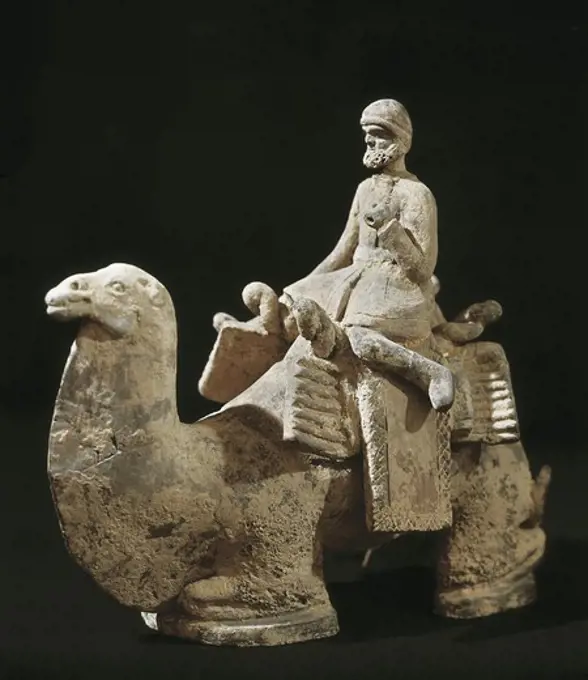
Man on camel. 4th c. - 6th c. Northern Wei Dynasty. Chinese art. Wei period. Terra-cotta. FRANCE. ëLE-DE-FRANCE. Paris. MusŽe Cernuschi (Cernuschi Museum).
6145-29175532
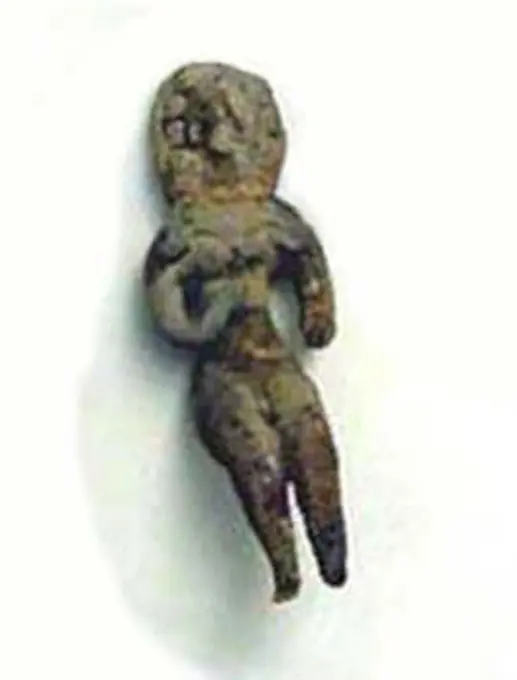
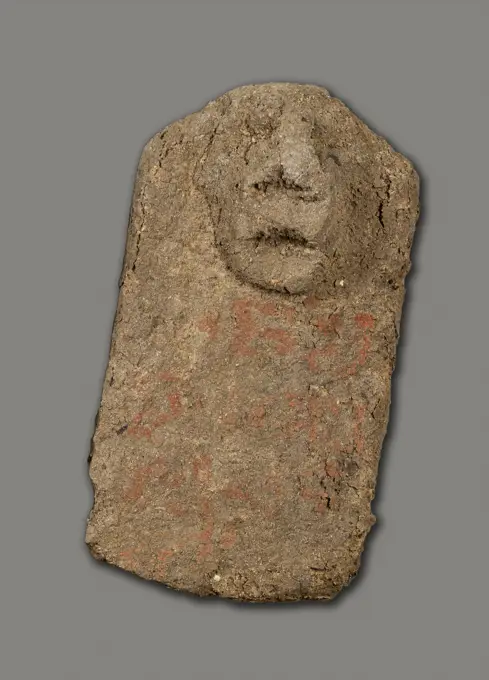
Magical Figure ca. 1802-1550 B.C. Late Middle Kingdom-Second Intermediate Period These tablets of unfired clay with attached crude faces were found as a group by the Museum's excavators at Lisht South in loose surface sand west of the mastaba of Senwosretankh, a high official and possibly the architect of the pyramid complex of Senwosret I (ca. 1961-1917 B. C.), east of which he erected his own very elaborate mastaba tomb (see acc. nos. 33.1.2 and other pieces). The mud figures and little coffin (acc. no. 33.1.66) that had contained some of them must have been buried, however, considerably later than the early twelfth dynasty tomb close to which they were found. In fact, during the thirteenth and following dynasties people deposited a number of objects in the by then sacred area around a legendary ruler's pyramid and its dependant monuments, believing conceivably that potent magical powers could thus be released. These flat mud figures, for instance, are inscribed in now much-faded red
1848-51144967
Sanliurfa, Turkey, September 07, 2018: Urfa statue in Sanliurfa Archeology Museum, Turkey on September 07, 2018, Asia
6145-29831483
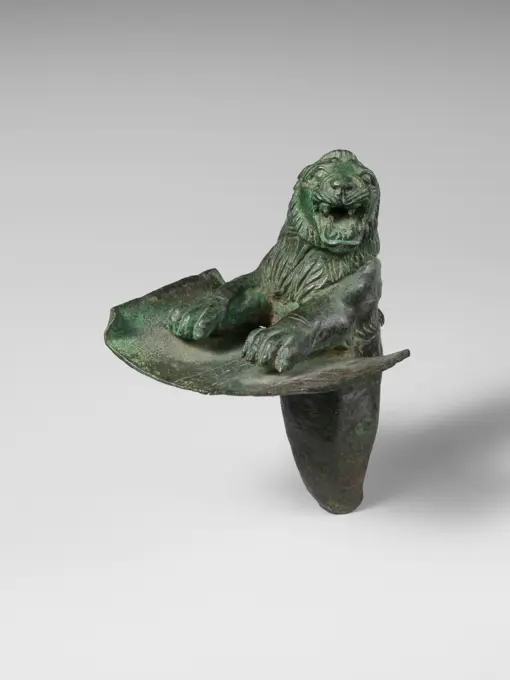
Foundation peg in the form of the forepart of a lion ca. 2200-2100 B.C. Hurrian After the collapse of the Akkadian Empire and a brief period of decentralized rule, a dynasty ruling from the southern Mesopotamian city of Ur took over a large area of Mesopotamia, including areas in the Zagros Mountains of Iran, and ruled for about one hundred years (2100-2000 B.C.). During this period, a number of minor rulers maintained their independence at the margins of the empire. Among them were the kingdoms of Urkish and Nawar in northern Mesopotamia, a Hurrian-speaking area.Based on its inscription, this bronze foundation peg in the form of a snarling lion almost certainly comes from the city of Urkish, modern Tell Mozan. On a very similar piece now in the Louvre, the lion holds under its paws a white stone tablet with an inscription that names the temple of the god Nergal. Pegs of this and other forms were placed in foundation deposits under temple walls as a dedication to the god. Their appeara
6145-29835012
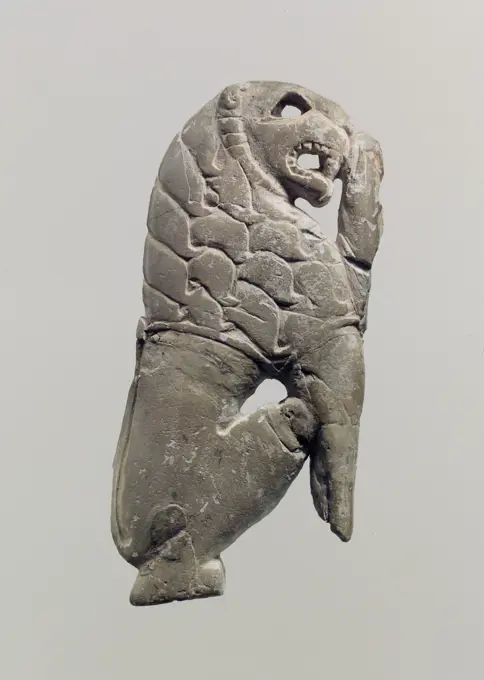
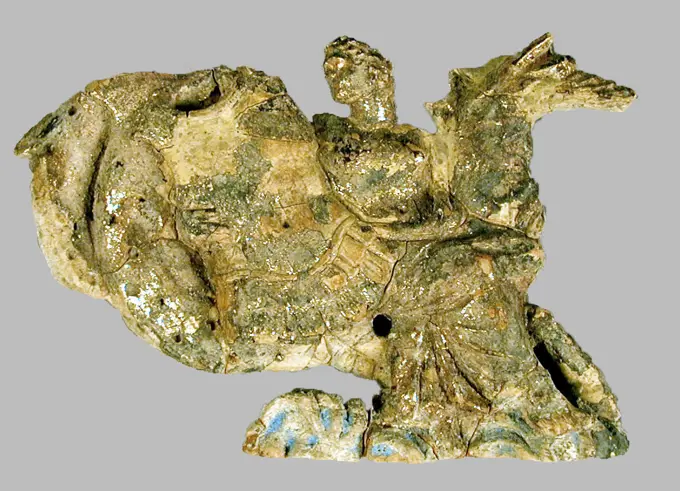
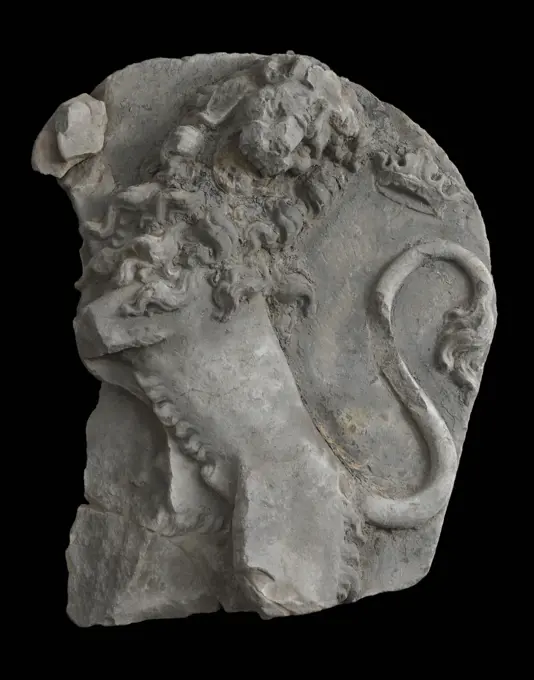
Furniture plaque: lion ca. 18th century B.C. Old Assyrian Trading Colony This plaque in the shape of a seated lion belongs to a group of carved ivories, mostly furniture elements, probably found at the site of a palace at Acemhöyük in central Anatolia. It closely resembles another plaque in the same group which is also in the Metropolitan Museums collection (36.152.5). The mane is shown in the form of individual tufts, each ending in an upturned curl, with a row of smaller locks separating it from the face. The mouth is open in a roar, showing numerous teeth. An inlay originally fit into the eye socket, but is now missing. The overall gray color indicates that the object was exposed to considerable heat, perhaps during the destruction of the palace.. Furniture plaque: lion 322892
6145-29151819
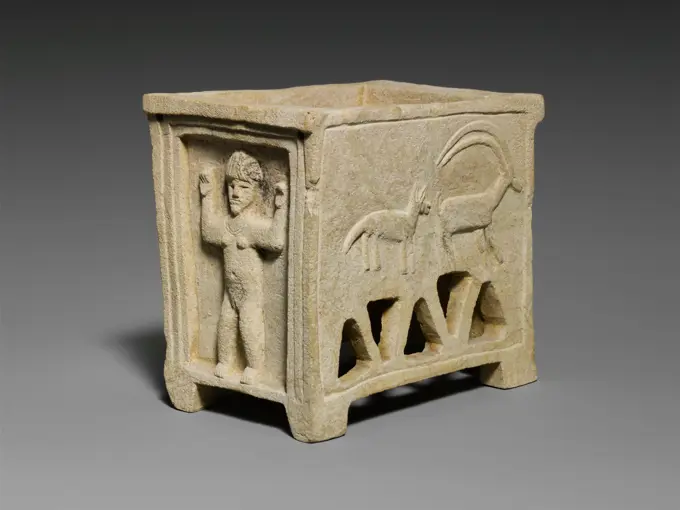
Limestone coffin model ca. 1050-950 B.C. Cypriot This model is particularly elaborate, with the cutouts at the base and the decoration of the Great Goddess or her priestess and horned animals in low relief.. Limestone coffin model 244043
6145-48877567
Seated Female Figure. Unknown
4409-21515186
Column with flowering branches, swans with deployed wings, dolphins, baskets of fruit, theater masks and olive branches. Roman. 1st century. From Pompeii. National Archaeological Museum. Naples. Italy.
6145-29078814
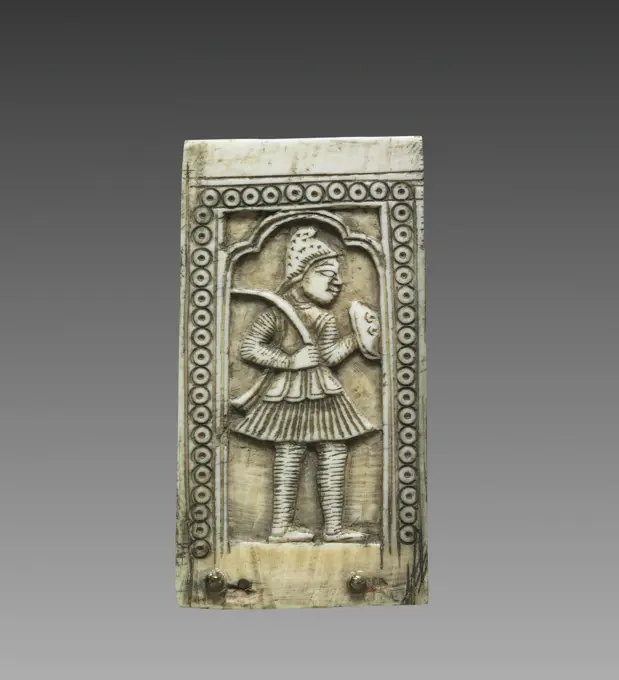
Panel from a Box, c. 1700. India, North East Deccan, Visakhapatnam district, Mughal Dynasty (1526-1756). Ivory; overall: 7.8 x 4.2 cm (3 1/16 x 1 5/8 in.).
1788-15872
Marble statue of Kore with peplum, height 120 cm
6145-29174825
Maternity Figure 14th-15th century Thailand. Maternity Figure. Thailand. 14th-15th century. Earthenware. Ceramics
4409-17276442
DAMA DE IBIZA-TANIT-PROCEDE IBIZA-S IV/III AC-ARCILLA 40 CM-FENICIA. Location: MUSEO ARQUEOLOGICO NACIONAL-COLECCION. MADRID. SPAIN.
6145-29195071
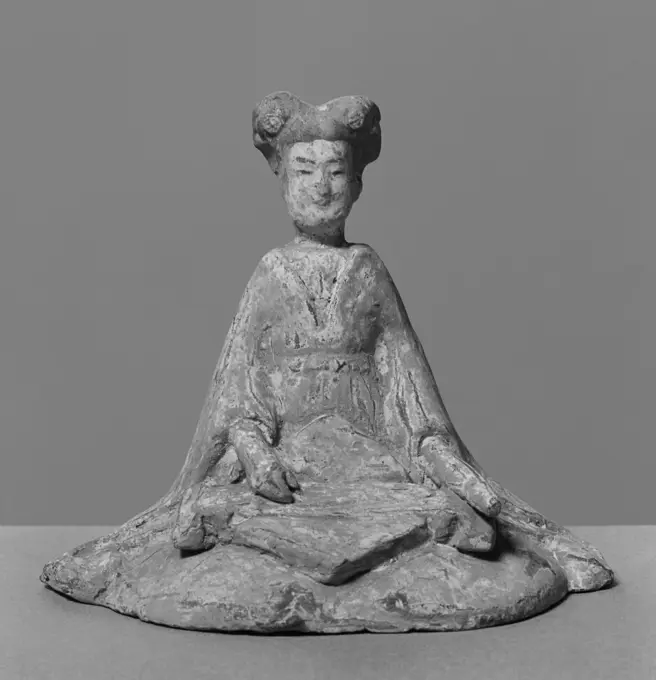
Female musician with zither 6th-7th century China. Female musician with zither. China. 6th-7th century. Earthenware with pigment. Sui dynasty (581-619). Tomb Pottery
4409-17406250
Terracotta statuette of a draped woman. Culture: Greek, Attic. Dimensions: H. 7 1/16 in. (18 cm). Date: ca. 315-285 B.C..The hairstyle on this figure is a variant of the so-called melon coiffure visible on many statuettes seen here. On the back of the head, the hair has been plaited and put up in a ring. Museum: Metropolitan Museum of Art, New York, USA.
6145-29145505
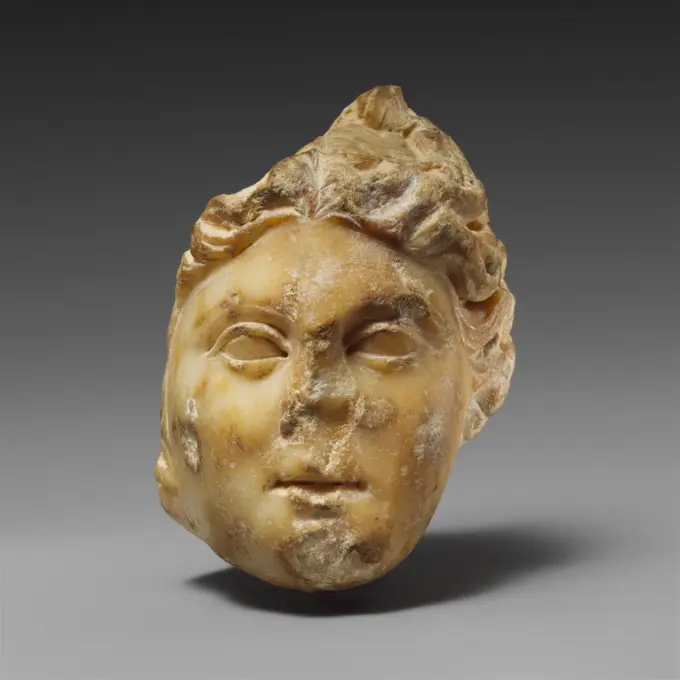
Marble female relief head 1st-2nd century A.D. Roman. Marble female relief head 251516 Roman, Marble female relief head, 1st2nd century A.D., Marble, Overall: 3 1/2 x 2 1/2 x 2 3/4 in. (8.9 x 6.4 x 7 cm). The Metropolitan Museum of Art, New York. Fletcher Fund, 1924 (24.97.89)
6145-29152491
Temple with Figure 1st-8th century Mezcala. Temple with Figure 317468
1788-17403
Ivory female statuette, Middle Kingdom
6145-29090443
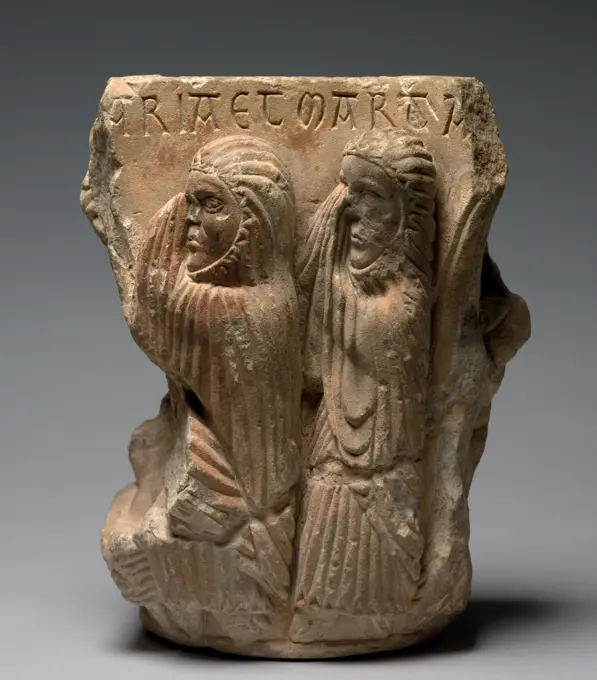
Fragment of a Double Capital: Mary and Martha at the Raising of Lazarus, 1145-1165. Southwest France, Ariège, region of Foix, mid-12th century. Quartz sandstone with traces of polychromy; overall: 30.2 x 22.9 x 17.2 cm (11 7/8 x 9 x 6 3/4 in.). The front face of this capital fragment presents the two mourning women identified by the inscription above: MARIA ET MARTA. On the left face appears the body of Lazarus in a sarcophagus bearing Christ's words: VENI FORAS ("Lazarus, come forth" John 11:43). The Raising of Lazarus is one of the most popular themes in Christian art. This miracle represents Christ's power over death and thus prefigures the Resurrection. It also speaks of the hope of resurrection for all individuals, a common theme in early Christian catacombs and sarcophagi. The subject is less prevalent in sculpture of the Romanesque period, though quite popular in other media.
6145-43615964
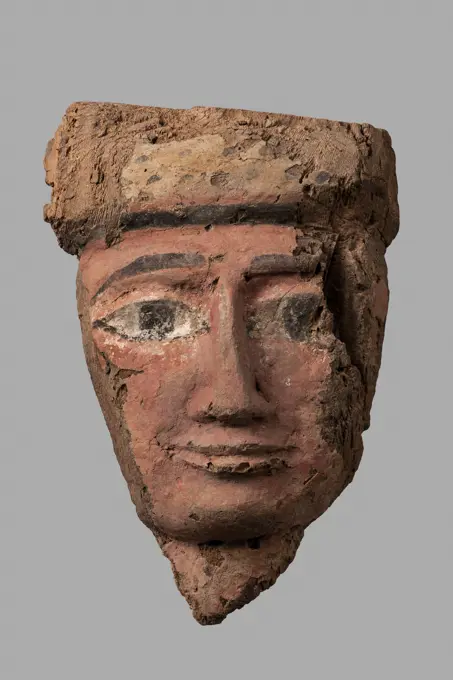
Maska sarkofagowa. unknown, author
6145-29727472
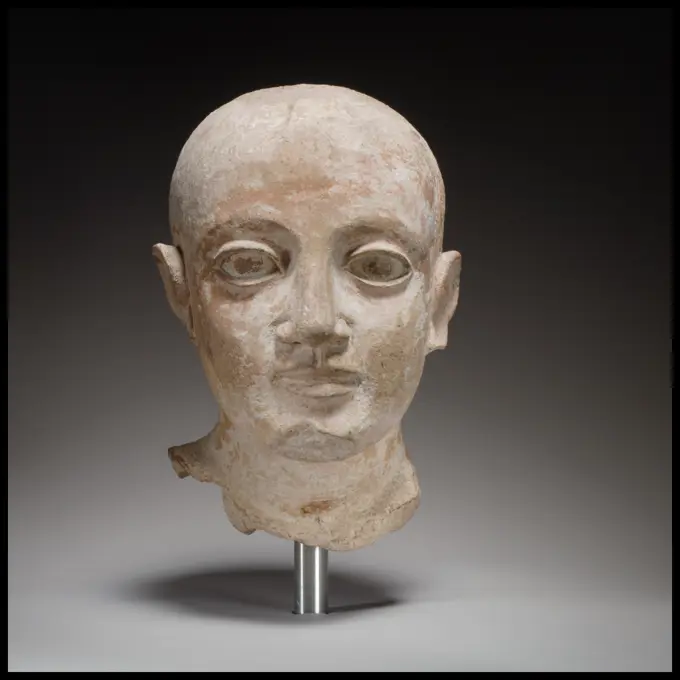
Terracotta head of a boy ca. 325-300 B.C. Cypriot The head, probably from a figure of "temple boy" type, is mold-made and hollow. There is a hole at the top of the head, probably for venting. The chin is chipped. He has an ovoid face, sharply ridged eyelids, fleshy lips, and short hair indicated with thin grooves.. Terracotta head of a boy. Cypriot. ca. 325-300 B.C.. Terracotta; mold-made. Late Cypro-Classical II-Early Hellenistic. Terracottas
6145-45865261
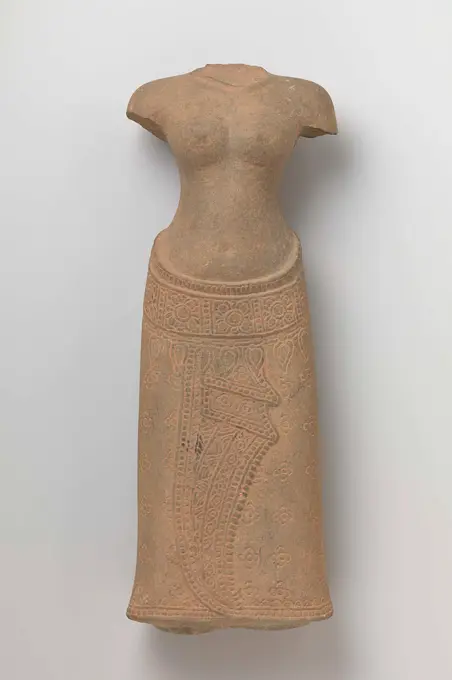
Two Female torsos. These two statues show the sculptural development of the female form and styles of dress in Cambodia. The full figure of the goddess on the left is clothed in the Baphuon style, recognized by the pleated skirt worn around her hips and fastened high at the back. The slender figure on the right is in the later Bayon style, and wears a skirt patterned with flowers held by a wide, ornamented belt.
4409-17355769
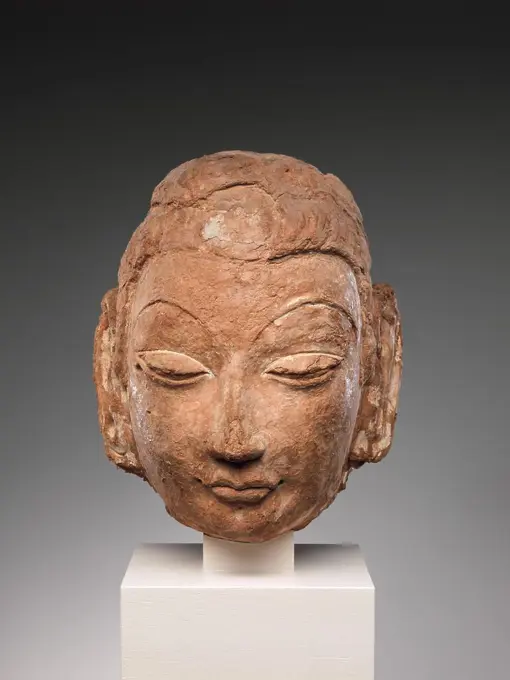
Head of Buddha. Culture: China (Xinjiang Autonomous Region). Dimensions: H. 10 in. (25.4 cm); W. 7 in. (17.8 cm); D. 7 in. (17.8 cm). Date: 6th-7th century.This unfired head is related to fifth- to seventh-century clay sculpture from Afghanistan, especially in the treatment of the eyebrows and in the hairstyle of three rows of curls. The site of Rawak comprises a cruciform stupa (relic mound) based on architecture established in Afghanistan and Gandhara; the enclosing wall of this sacred precinct was embellished with hundreds of clay Buddhas and bodhisattvas such as this one. Museum: Metropolitan Museum of Art, New York, USA.
6145-29768433
Figure of Fertility Goddess ca. 2700-3000 B.C. Baluchistan. Figure of Fertility Goddess. Baluchistan. ca. 2700-3000 B.C.. Terracotta. Ceramics
1788-41053
Female figurines dating from the Assyrian protodinastica period, from Habuba Kabira, Syria. Assyrian civilisation, ca 2400 BC.
7155-70379184
Seated marble Cycladic figurine, 2800-2100 BC. Syros Group. Greece.
1746-19664239
Head of a female, Old Babylonian. ca. 20001600 B.C. from Southern Mesopotamia. Ceramic
4409-17404368
Worker Shabti of Nany. Dimensions: H. 9 × W. 3.5 × D. 2.1 cm (3 9/16 × 1 3/8 × 13/16 in.). Dynasty: Dynasty 21. Reign: reign of Psusennes I. Date: ca. 1050 B.C..See 30.3.27.1a, b. Museum: Metropolitan Museum of Art, New York, USA.
6145-29831646
Goddess ca. 3500-3000 B.C. Pakistan (Quetta area). Goddess. Pakistan (Quetta area). ca. 3500-3000 B.C.. Terracotta. Sculpture
6145-52375443
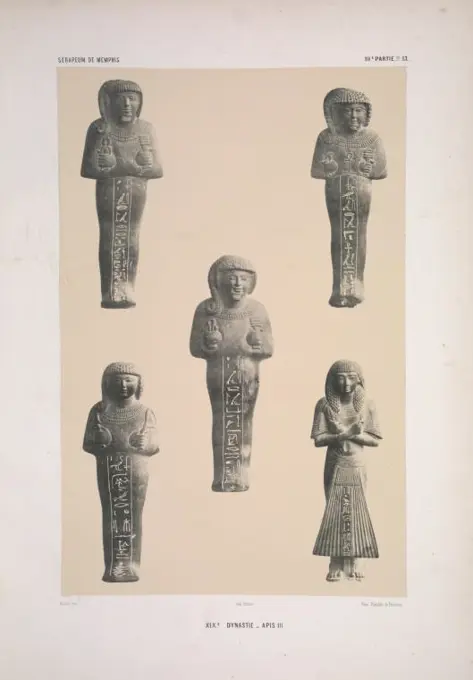
XIXe dynastie: Apis III, mort l'an 26 de Ramsès II. Mariette, Auguste, 1821-1881. Prints. 1857. General Research Division. Serapeum (aqqrah, Egypt)
6145-29762313
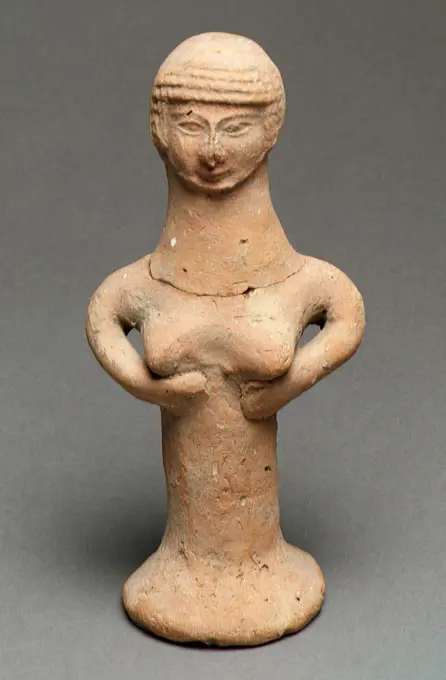
Nude female figure ca. 8th-7th century B.C. Israelite This type of pillar figurine is typical of those produced in great numbers in the kingdom of Judah at this time. Tell el-Duweir is ancient Lachish, the major fortified center in Judah that was destroyed by the Assyrian army under Sennacherib (701 B.C.). The city's fate is chronicled in the Bible and represented in wall reliefs from the Assyrian palace at Nineveh. This buxom goddess figurine with pillar base is nude and supports her breasts in her hands. The head is simply rendered with a short, tightly curled caplike hairdo articulated in ridges, and the facial features are mold-made and clearly articulated. This imagery and that on clay plaques with nude female figures probably represents fertility or mother goddesses. The figurines are found in domestic contexts and point to popular cults that coexisted with monotheistic Judaism. Outside influences are evident in the religion of ancient Israel and Judah at this time, and Syrian cu
1848-49457615
Female bust in terracotta, Ionian workshop, 525-500 BC, Archaeological Museum in the former Order Hospital of the Knights of St. John, 15th century, Old Town, Rhodes Town, Greece, Europe
6145-59049968
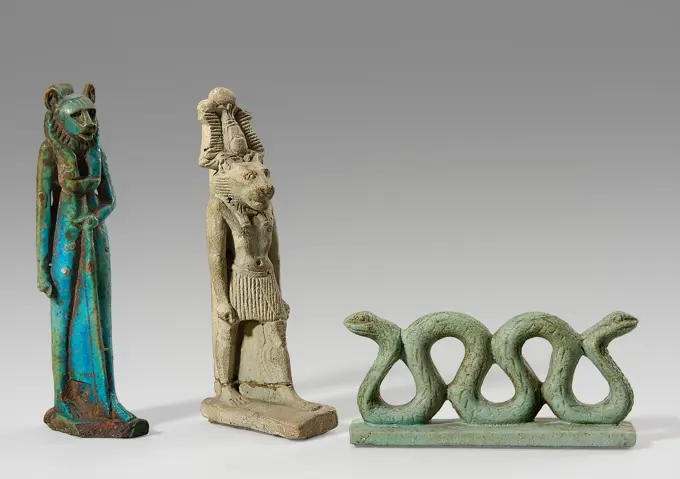
Amulet - figurine of the Lion goddess, amulet - God Mahes, Amulet - two;  664-332 BC ; Half period (-664-00-00--332-00-00), 1st century; Roman period (1-00-00-100-00-00);Mahes (Mitol.), Scene.Gal.EG., Society for the Encouragement of Fine Arts (Warsaw - 1860-1940) - collection, Tyszkiewicz, Michał (1828-1897), Tyszkiewicz, Michał (1828-1897) - collections, Egyptian deities, gift (provenance), Atef Crowns, lionesses, snakes
6145-29139230
Two fragments of a limestone sarcophagus lid with snakes first half of the 5th century B.C. Cypriot The two nonjoining fragments belong to the lid of a large sarcophagus with a molded edge. There is the coiled body of a snake on each fragment.. Two fragments of a limestone sarcophagus lid with snakes 242167
4409-17238125
divinidad entronizada, 400-300 a.C, Museo arqueológico de Ibiza y Formentera, Patrimonio de la Humanidad «Ibiza, biodiversidad y cultura», Ibiza, balearic islands, Spain.
6145-30178646
Head of a Female Adorant 301 CE-501 CE Gandhara. Stucco .
4409-17544259
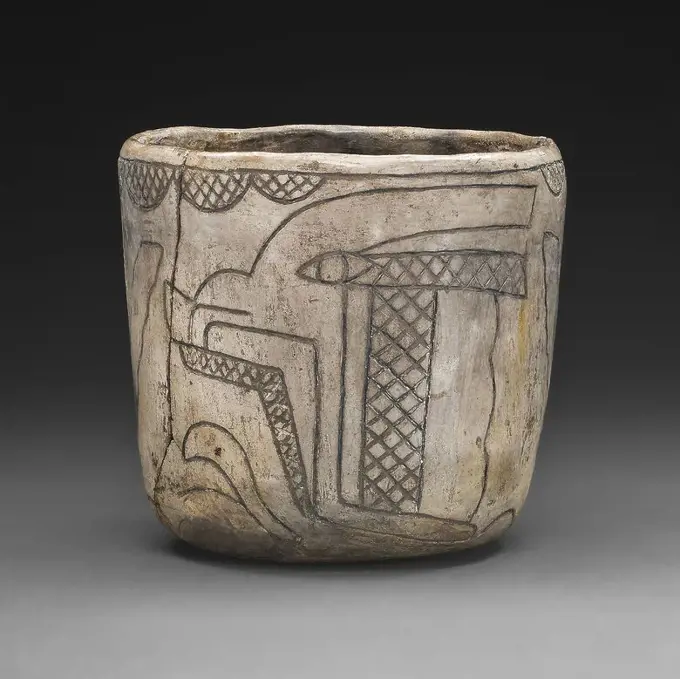
Cup with Profile Head of the Maize God. Olmec; Possibly Tlapacoya, Valley of Mexico, Mexico. Date: 800 BC-400 BC. Dimensions: 9.8 × 9.8 cm (3 7/8 × 3 7/8 in.). Ceramic with burnished slip. Origin: Valley of Mexico. Museum: The Chicago Art Institute, Chicago, USA.
1746-21110869
plaque giving the kingís nomen and prenomen. Napatan Period, about 623-593 BC From Nuri, pyramid Nu 6
5513-19966242
Henry Moore Exhibition, Europe, 1949/50 -- Catalogue Number: 7.Title: Figure in Concrete, 1929.Medium: Concrete.Size: 14¾ inches high. 41cm. high.Owner: The British Council. October 9, 1950.
4409-17501424
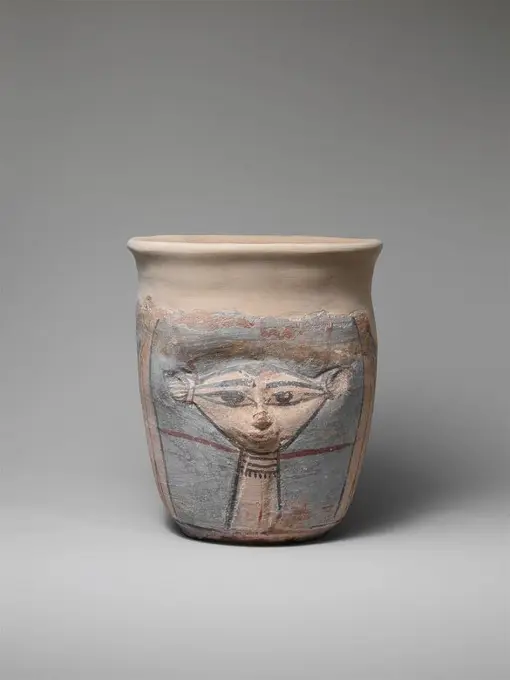
Neck of a Wide-Mouthed Hathor Jar. Dimensions: H. 24.5 cm (9 5/8 in). Dynasty: Dynasty 18. Reign: reign of Amenhotep III. Date: ca. 1390-1353 B.C.. Museum: Metropolitan Museum of Art, New York, USA.
4409-4012
BICHA DE BALAZOTE - SIGLO VI AC - CALIZA - 93x73 - ESCULTURA IBERICA. Location: MUSEO ARQUEOLOGICO NACIONAL-COLECCION. MADRID. SPAIN.
6145-44302497
Fragmentary Statuette of a Winged Figure. Unknown
4409-21500652
APLIQUE CON ROSTRO HUMANO. REALIZADO EN BRONCE.ROMANO. ESCULTURA. AJUAR. PEINADO CON CHUFO DELANTERO SOBRE DISCO. (DEPOSITO: MUSEO ARQUEOLOGICO PROVINCIAL DE CORDOBA).
4409-17377653
Terracotta plaque. Culture: Greek, Cretan. Dimensions: 5 in. x 1 3/4 in. (12.7 cm x 4.4 cm). Date: 7th century B.C..Youth in long garmentThis type of plaque, showing a youth wearing a straight, long garment with short sleeves, is one of the most characteristic from Praisos. The identity of the figure has not been established. Museum: Metropolitan Museum of Art, New York, USA.
6145-29775772
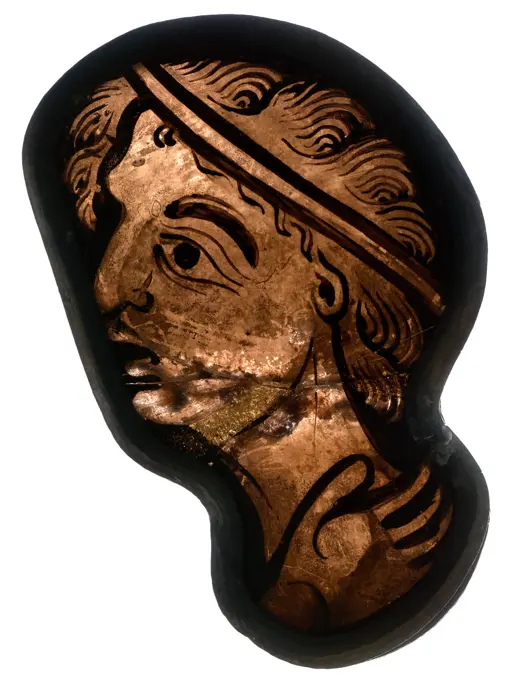
Glass Fragment 1200-1215 French The Cathedral of Saint-Étienne in Bourges still preserves a distinguished series of stained glass in its chapels. These fragments from some of the destroyed ambulatory windows exemplify the high quality of the original decoration. Note especially the blood red devil, probably from a Last Judgment scene, and the elegant figure of Christ from the Crucifixion.. Glass Fragment 467265
6145-29168656
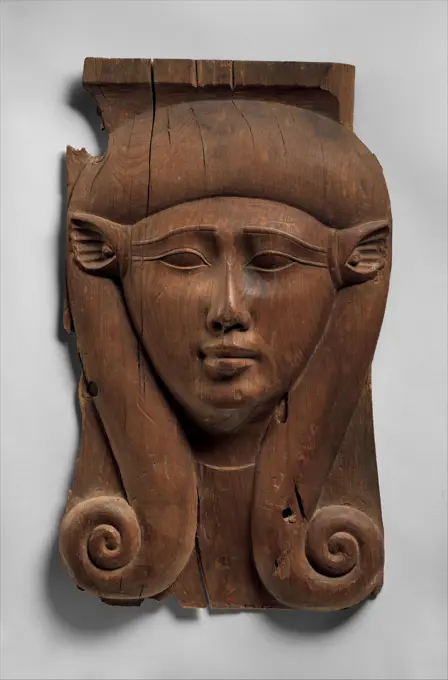
Panel from a Hathor Column after 423 BC Late Period The panel may have originally formed one of the four faces of a wooden Hathor column for a light open structure. The outer shrines of the divine naos on the river barques or processional barques of certain goddesses are sometimes depicted with columns having Hathor capitals. Other uses are certainly possible: although much earlier than this example, the New Kingdom tomb of Ipuy at Thebes depicts the construction of an openwork wooden catafalque for the deified king Amenhotep I that has a large Hathor emblem at the focus of what appears to be latticework (see 30.4.116).Recent extension of the tree ring chronology reveals that this last preserved ring on this piece of wood dates to 423 BC. It is not possible to estimate how many rings might have been trimmed from the exterior before carving, but 423 BC serves as a useful approximate date for its creation.. Panel from a Hathor Column 549535
6145-59182168
Lazio Viterbo Viterbo Museo Civico84. Hutzel, Max 1960-1990 Views of paintings (Middle Ages through 18th c.), frescoes, a tabernacle, coffin, sculpture reliefs, portal fragments, busts, sculpture, tapestry found in the Pinacoteca, Second floor gallery and Second floor cloister sequences. Antiquities: Many views of Etruscan and Roman fragments, sculpture, sarcophagi, pottery, masks, jewelry and other objects found in the Storeroom sequence (inventory numbers on back of prints), and the Cloister, Second floor Cloister, Valle Giulia, Sala Romana and Sala Etrusca sequences. General Notes: There are eight separate numerical sequences for this location. The cloister as an architectural structure, rather than museum site, is documented in the record and file for S. Maria della Verita, Cloister, all views of which are stored in Medieval core collection. Five views from the Museo Civico Second floor cloister sequence are stored in Medieval. German-born photographer and scholar Max Hutzel (1911-
6145-29190393
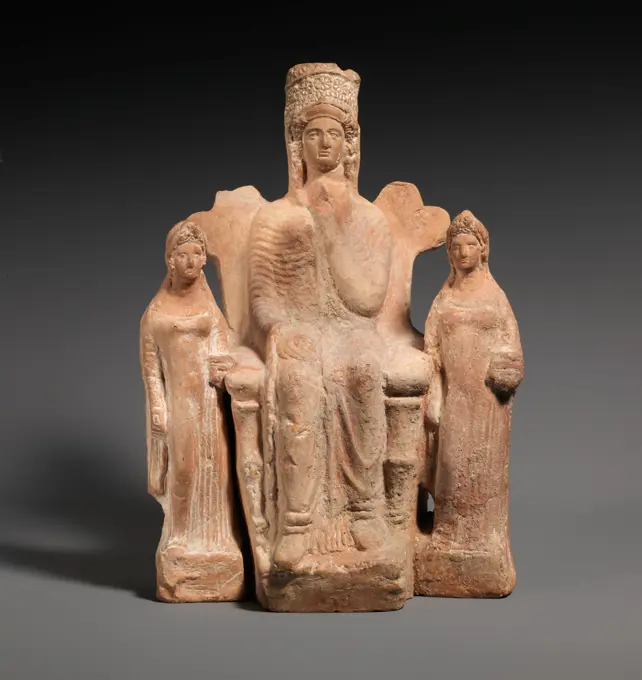
Terracotta statuette of an enthroned goddess between two attendants 4th century B.C. Cypriot This figurine is one of the most completely preserved of a group of enthroned goddesses from Kition. The seated goddess is flanked at either side by a standing attendant. The group is hollow and was mold-made in three parts; the two separately molded attendants are made to fit very closely against the sides of the goddess' throne. Both figures were joined to the throne at the back before firing.. Terracotta statuette of an enthroned goddess between two attendants 241145
6145-29723676
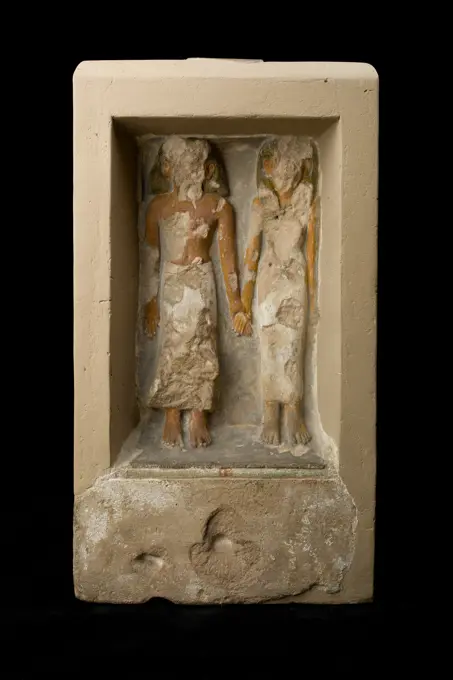
Shrine with statues and relief ca. 1550-1450 B.C. New Kingdom. Shrine with statues and relief. ca. 1550-1450 B.C.. Sandstone, paint. New Kingdom. From Egypt, Upper Egypt, Thebes, Deir el-Bahri, Temple of Mentuhotep II, Egypt Exploration Fund excavations, 1906-07. early Dynasty 18
6145-29168858
Terracotta relief of a nereid carrying a cuirass 350-300 B.C. Greek, South Italian, Tarentine The cuirass indicates that the nereid is bringing part of the second set of armor to Achilles. The surface preserves traces of gilding.. Terracotta relief of a nereid carrying a cuirass. Greek, South Italian, Tarentine. 350-300 B.C.. Terracotta. Late Classical. Terracottas
6188-64528955
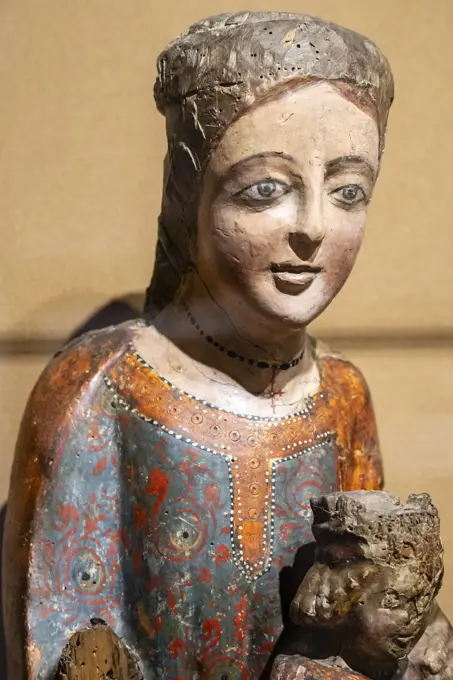
Jungfrau der Halskette Virgin of the Necklace, thirteenth century, Catalan work, polychrome carving, Girona art museum, Girona, Catalonia, Spain Copyright: xZoonar.com/TOLOxBALAGUERx 22283072
6145-48858964
Fragment of a Female Figure from a Funerary Building. Unknown
4409-66438906
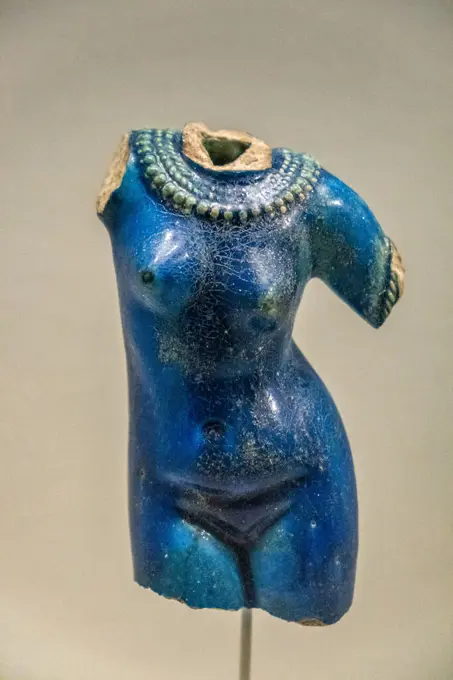
torso of the goddess Venus Anadiomena, Greco-Roman period, 30 BC - 300 AD, Calouste Gulbenkian Foundation, ("Fundação Calouste Gulbenkian"), Lisbon, Portugal.
4443-21927257
Fragment of the facing brick of brewery De Witte Leeuw, gable stone fragment sculpture sculpture building component sandstone stone, sculpted Rotterdam City center Stadsdriehoek Witte Leeuwensteeg brewery White lion beer bombardment World War II war Giudici Witte Leeuwensteeg Rotterdam from rubble after the bombardment of May 1940 .
6145-59157710
Lazio Roma Licenza Palazzo Baronale. Hutzel, Max 1960-1990 Medieval: Architecture, architectural sculpture Antiquities: Sculptural fragments Object Notes: Museum Oraziano is established in room here: includes objects of the Villa d'Orazio, including fragments of glass and lamps, small sculptures of animals, tiles, and other materials from area. German-born photographer and scholar Max Hutzel (1911-1988) photographed in Italy from the early 1960s until his death. The result of this project, referred to by Hutzel as Foto Arte Minore, is thorough documentation of art historical development in Italy up to the 18th century, including objects of the Etruscans and the Romans, as well as early Medieval, Romanesque, Gothic, Renaissance and Baroque monuments. Images are organized by geographic region in Italy, then by province, city, site complex and monument.
6145-48882156
Seated Eros. Unknown
1788-38825
Nuragic civilization, 8th century b.C. Bronze figure depicting a praying woman, detail. From Sardinia Region.
6145-44296091
Infant Bacchus. Unknown
6145-48884820
Miscellaneous archaic or pseudo-archaic Figures; the left-hand Figure remarkable for a Phrygian character of costume. Stephen Thompson (British, about 1830 - 1893)
6145-29139949
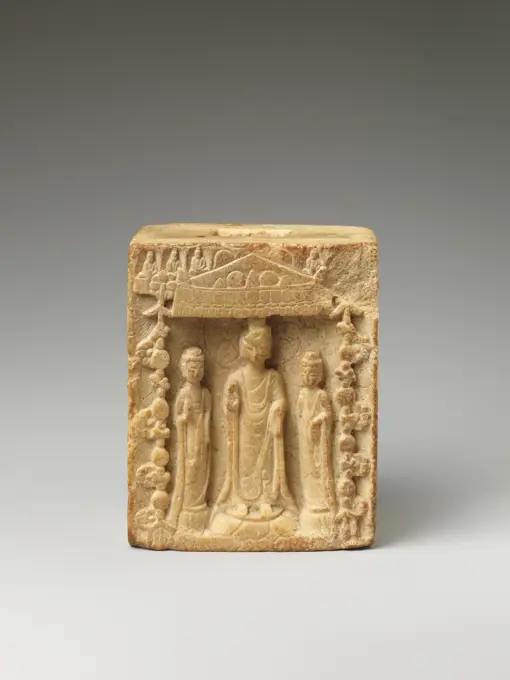
Section of a Pagoda-Shaped Stele mid-6th century China. Section of a Pagoda-Shaped Stele 61545
1848-53256961
Votive offerings from the sanctuary of ancient Solygeia, stone bust of a figure from ancient history or mythology, Archaeological Museum, Archea Korinthos, Corinth, Peloponnese, Greece, Europe
1848-49493462
Socrates Room Museum, Ephesus, Turkey, Asia
6145-48835777
Fragment of Standing Nude Aphrodite. Unknown
6145-48873319
Miniature Portrait Bust of a Woman. Unknown
6145-29067186
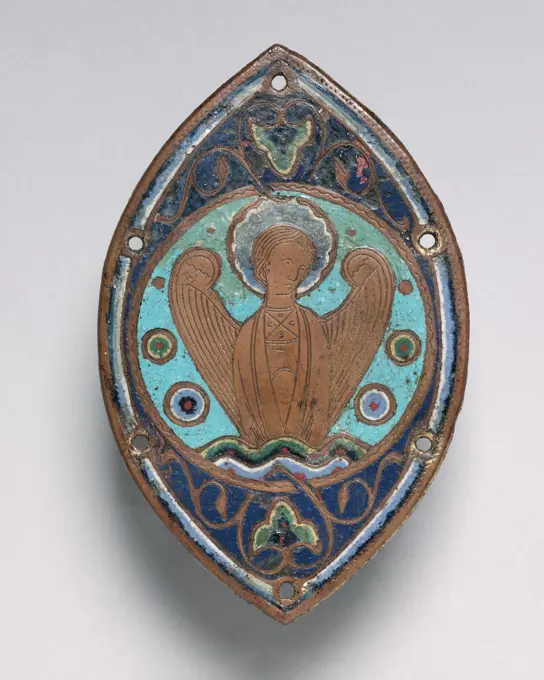
Enamel Plaque from the Altar Frontal of Saint Martin at Orense (Spain), 1174-1213 (probably before 1188). France, Limoges, Gothic period, late 12th-early 13th century. Copper: engraved, stippled, gilded; champlevé enamel; average: 13.7 x 8.9 cm (5 3/8 x 3 1/2 in.).
6145-29772568
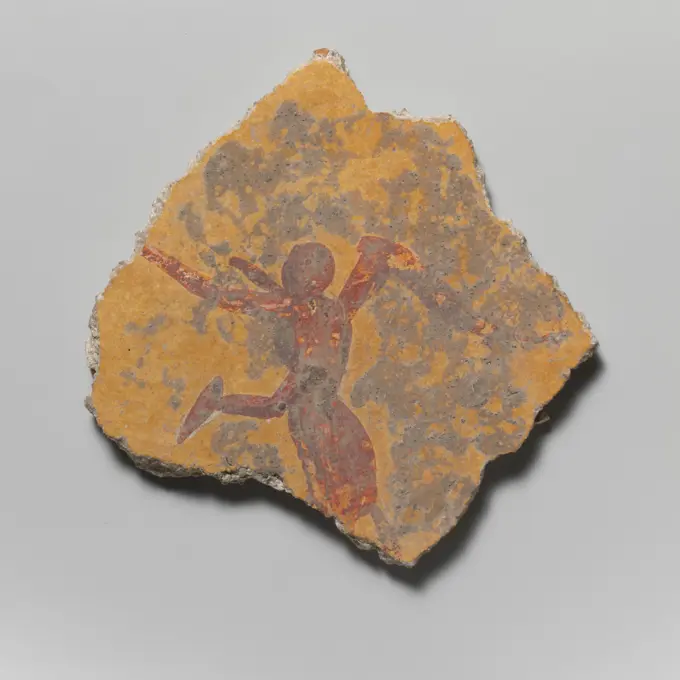
Wall painting fragment 1st century A.D. Roman On yellow ground; figure of Genius in red facing left, making a libation.. Wall painting fragment. Roman. 1st century A.D.. Fresco. Early Imperial. Miscellaneous-Paintings
4435-7379
Ivory doll (1st c.). Roman art. Early Empire. Sculpture on ivory. SPAIN. CATALONIA. Tarragona. National Archaeological Museum of Tarragona.
6145-48867067
Fragmentary Antefix. Unknown
1899-68919047
Germanisches Museum. Saint John the Baptist. Sculpture. 13 th century.  Nuremberg. Germany.
6145-52953630
Shoulder fragment of a figural tile, with the cartouche of Ramesses III New Kingdom, Ramesside ca. 1184-1153 B.C. View more. Shoulder fragment of a figural tile, with the cartouche of Ramesses III. ca. 1184-1153 B.C.. Travertine (Egyptian alabaster). New Kingdom, Ramesside. From Egypt. Dynasty 20
PREVIOUS
of 3
NEXT
2401 S. Ervay, Suite 206
Dallas, Texas 75215
United States
Get Started
Free ResearchMy BoardsMy Cart
For Creators
How To License Your ContentContributor PortalFrame of Mind
Resources
API accessPricing
Contact
+1 866 236 0087help@viewpictures.co.uk Contact form
©2026 View Pictures. All Rights Reserved. -B
This site is protected by reCAPTCHA and Google Privacy Policy and Terms of Service apply.