My Boards
View Pictures
  • My Boards
← Artworks

Ancient Egyptian Statues

A collection of ancient Egyptian sculptures, including deities and pharaohs, showcasing intricate details and historical significance from various dynasties.
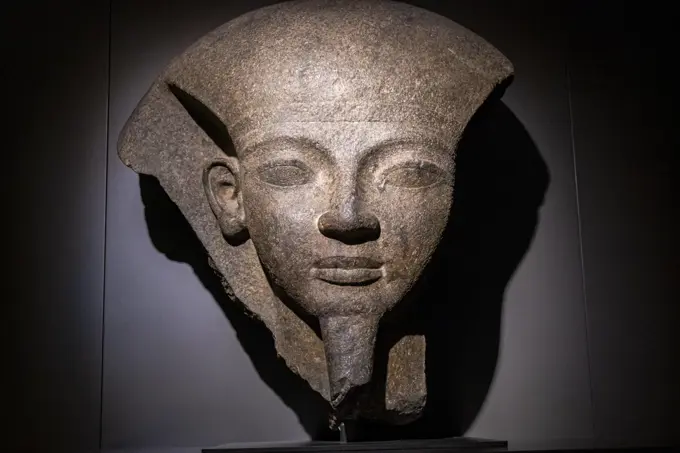
fragment of the lid of the sarcophagus of pharaoh Ramesses VI fragment of the lid of the sarcophagus of pharaoh Ramesses VI, 20th dynasty, tomb of Ramesses VI, valley of the kings, Thebes, Egypt, replica collection of the British Museum Copyright: xZoonar.com/Tolox 21630158
266 assets in this story
4409-17431272
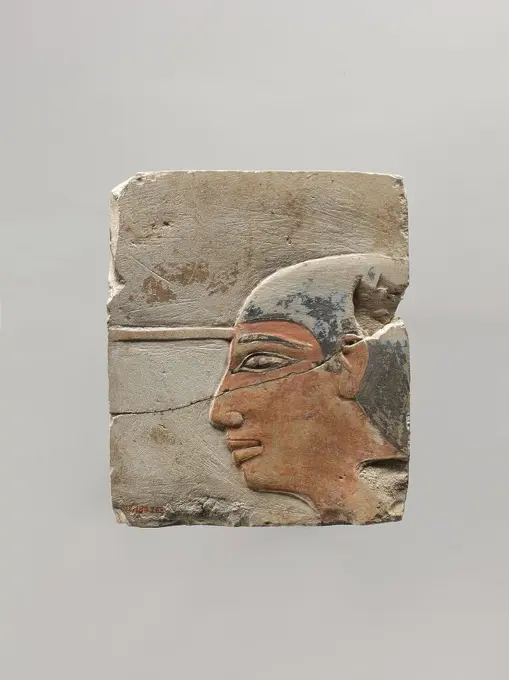
Relief depicting the head of a scribe. Dimensions: H. 10.9 cm (4 5/16 in); W. 9.2 cm (3 5/8 in). Dynasty: Dynasty 11. Reign: late reign of Mentuhotep II or later. Date: ca. 2010-2000 B.C. or ca. 2000-1981 B.C..This regularly shaped piece of relief-decorated limestone was most probably inserted into a larger block in order to repair an irregularity or damaged area. Preserved is the face of a scribe who has tucked his writing brush behind his ear. Museum: Metropolitan Museum of Art, New York, USA.
1746-21107890
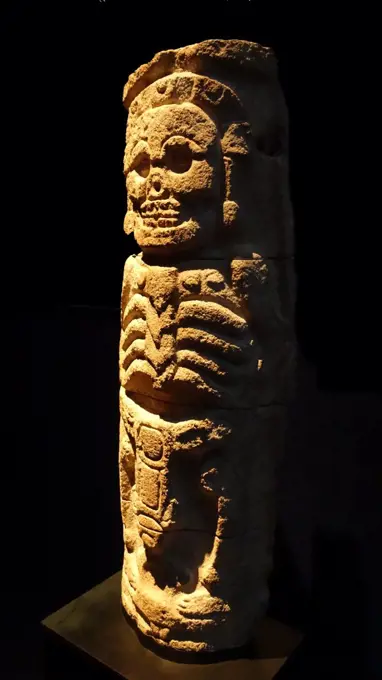
Mayan stone relief column, from the Puuc Region, Yucatan, Mexico 800-1000 AD. The god of the underworld is represented as a skeleton with the eyes torn out
1746-30004786
Painted sandstone statue depicting an official wearing the gold of honour.
6145-30174307
Partial Figure of a Pregnant Women 1000 BCE-300 BCE Japan. This figurine (dog˚) is clearly a female form, and judging from the swollen belly, it may be a representation of a pregnant woman. It is possible, therefore, that it was used in rituals to secure safe childbirth or as a prayer for rebirth. The piece is missing the head, one arm, and one leg, but this is not unusual for figurines of this period that were likely broken ritually. Many JÙmon figurines contain significant linear or geometric surface patterning, though a small number, including this work, are more sculptural. Figurines of this kind tend to concentrate on the carefully modeled volume of the figure rather than on the lines on its surface.. Earthenware .
1746-19985154
Granite bust of the ancient Egyptian goddess Sekhmet. 18th Dynasty reign of , regnant d'Amenhotep III (13912-1353 BC)
4409-19059202
Egyptian painted plaster cartonnage mask of a woman, Roman period AD 100-120, British museum, London, England, Great Britain.
6145-29738749
Nude female figure ca. early 2nd millennium B.C.. Nude female figure 322916
1788-16714
Terracotta male figure, from Petsofa, Crete, Greece
1746-30005124
Terracotta Nok sculpture from Nigeria
1746-21125537
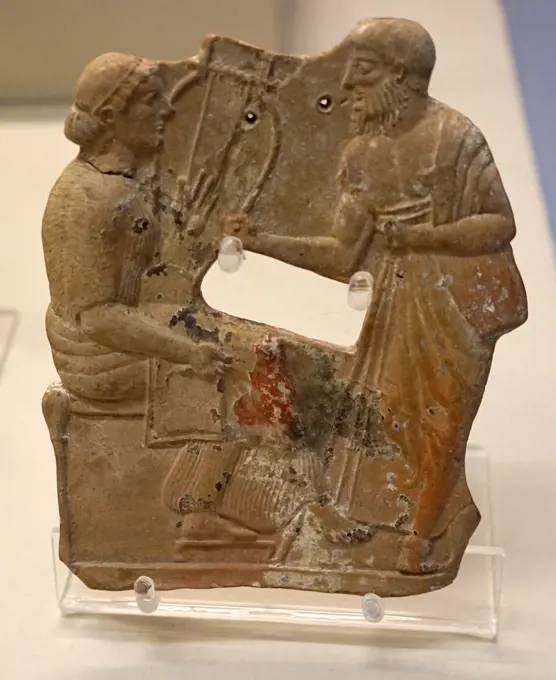
Alkaios attemptin to seduce Sappho, from Melos. Dated 5th Century BC
6145-29143597
Standing Young Female 14th-15th century Indonesia (Java). Standing Young Female. Indonesia (Java). 14th-15th century. Bronze. Eastern Javanese period. Sculpture
1746-29955548
Statue of Menkheperraseneb (Menkheperraseneb), a high official under the reign of king (pharaoh) Thutmose III and Amenhotep II. He was a High Priest of Amun. 18th Dynasty 1400 BC
7155-70383480
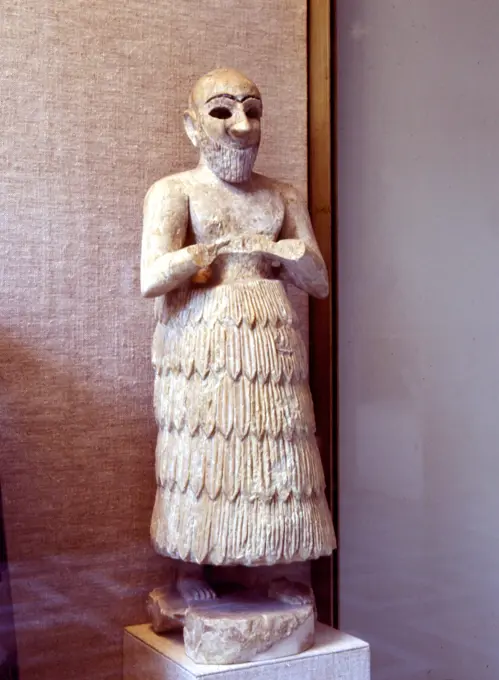
Figure wearing kaunakes , from Mari, Temple of Ishtar, 3rd mill. BC. Sumerian sculpture, Mesopotamia.
1788-111202569
Hercules, detail of the fireplace in the Hall of Hercules and Jole, Jole's Apartment, Ducal palace, Urbino, Marche, Italy, 15th century.
4409-133165
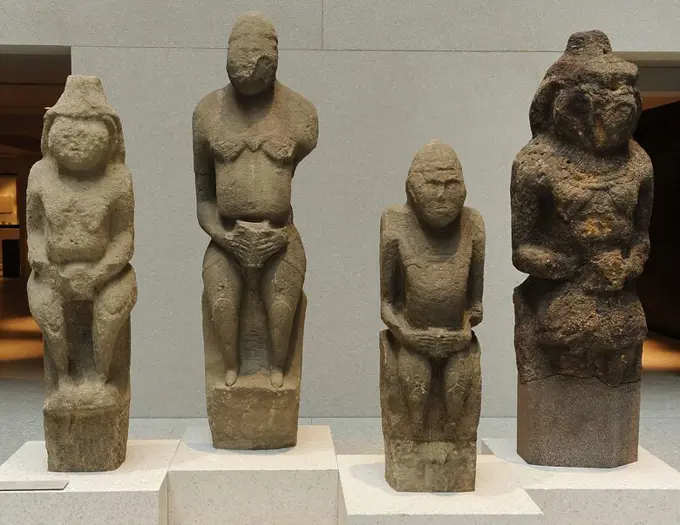
Eurasian Steppe. Cuman stone figures of men and women. 12th century AD. The Cumans were a Turkic tribe that ruled to southern Russian steppes from 1055 to 1240 AD. From Oblast Charkiw, Ukraine. Neues Museum (New Museum). Berlin. Germany.
4409-63014928
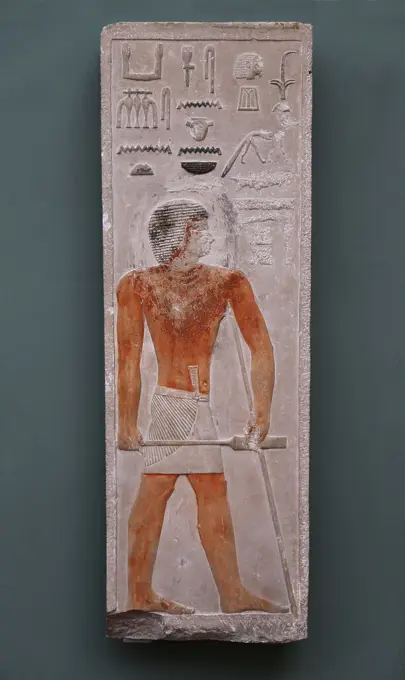
The chamberlain Se-Khenti-Ka. Relief from his tomb. Limestone. 4th-5th dynasties, C. 2570-2360 BC.
4409-28782939
Egypt. Statue of the lady Shepes. Late Period. 26th dynasty. 664-525 BC. Bronze. Calouste Gulbenkian Museum. Lisbon, Portugal.
6145-29127415
Female Figurine. Northern Syria, Syro-Hittite, 2000-1000 B.C.. Sculpture. Terracotta
6145-29148559
Limestone head of a bearded male with a wreath of leaves 2nd half of the 6th century B.C. Cypriot Bearded head with wreath of leaves, hair and beard in spiral curls.. Limestone head of a bearded male with a wreath of leaves 242409
1788-22254
Egypt, Ornamental detail of an harp found in el-Amarna, eighteenth dynasty
4409-28789718
escultura antropomorfa, museo de la plaza central, Chichicastenango ,municipio del departamento de El Quiché, Guatemala, Central America.
1746-29955217
Statue of Akhenaten (Reigned c. 1351-1334 BC), I8th Dynasty. One of a series of colossal statues that once lined a colonnade in the Precinct of the Aten at Karnak, this statue shows Amenhotep IV wearing the nemes headdress topped by the ostrich plumes traditionally wom by Shu, god of the air. The temples in this complex were built early in this kings reign, and were dismantled soon after his death
6145-48884258
Detail, Throne of Venus, National Museum. James Anderson (British, 1813 - 1877)
1848-63252201
Gate relief, bull with human head, Persepolis, Achaemenids (559-330 BC), National Museum, Tehran, Tehran, Iran, Asia
6145-29821352
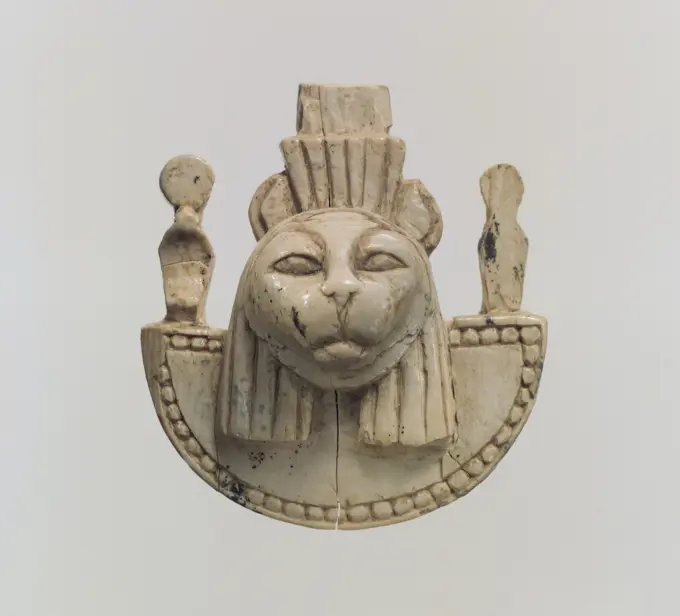
Openwork furniture plaque with the head of a feline ca. 9th-8th century B.C. Assyrian Found in a storeroom at Fort Shalmaneser, a royal building at Nimrud that was used to store booty and tribute collected by the Assyrians while on military campaign, this piece depicts the frontal face of a feline wearing a beaded wesekh broad collar flanked by two rising sun-disc crowned uraei (mythical, fire-spitting serpents). This image is drawn from Egyptian art, where the head of a feline can represent both Bastet, the goddess of the city of Bubastis in the Nile Delta, and Sakhmet, the Egyptian goddess of war, disease, and chaos. This plaque has been attributed to the Phoenician style due to its Egyptian-influenced imagery. A tenon projecting from the felines headdress suggests that this piece was originally fitted into a frame, likely as part of a piece of wooden furniture. Two dowel holes, one drilled into the tenon and one through the edge of the broad collar from the bottom of the plaque, su
4409-20900809
SPAIN - L'Alacantí (district) - Valencia autonomous region - Alicante. Alicante (capital); el MARQ (Museo Arqueológico de Alicante); sala de íberos; escultura de toro echado
6176-67035766
Statue of the Pharaoh Akhenaten, 14th century BC. Artist: Unknown
1746-29966415
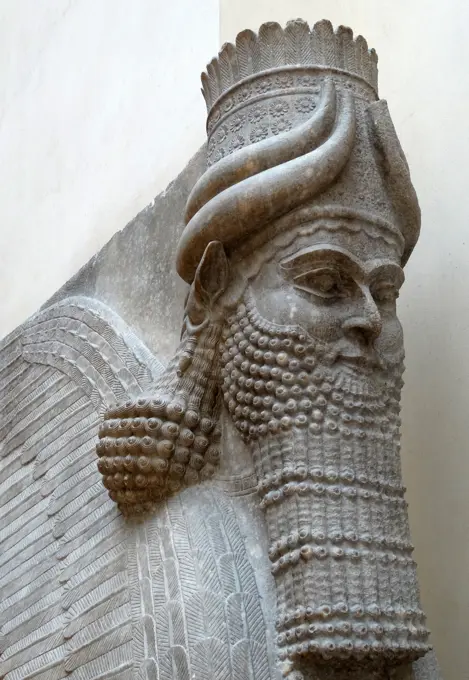
Human-headed winged bull from Sargon II's palace in Dur-Sharrukin, modern Khorsabad. In art, Lamassu were depicted with bodies of either winged bulls or lions and heads of human males. Dur-Sharrukin (Fortress of Sargon), present day Khorsabad, was the Assyrian capital in the time of Sargon II of Assyria. Khorsabad is a village in northern Iraq, northeast of Mosul. The great city was entirely built in the decade preceding 706 BC
1746-19699558
Head of a king with an uraeus at his brow. Piece is a fragment from a royal statue. From the 14th century.
4409-45913
Assyrian Art. "Lamasu" or Bull-man. Reliefs from Sargon II's Palace. Dur-Sharrukin (Khorsabad). Assyria, 721-705 BC. Alabaster. 8th century BC. Louvre Museum. Paris. France.
1848-62774207
Head of a colossal statue of Ramses II, from the exhibition: Ramses the Great and the Gold of the Pharaohs, Cologne, North Rhine-Westphalia, Germany, Europe
1746-21109125
Mayan incense burner made from ceramic, with the features of an ancestor. From Tacolpa, Tabasco, Mexico 600-900 AD
1788-15174
Bronze statue depicting Tinia (Greek Zeus), 5th century b.C., from Populonia, Livorno province, Italy
1788-18970
Fragment of painted limestone depicting the profile of Ramses VI
1746-19687053
Colossal seated statue of an Egyptian pharaoh. Possible Amenemhat II (1919-1885 BC
1788-14791
Painted limestone statuette of scribe seated, from Giza, Egypt
6145-29745763
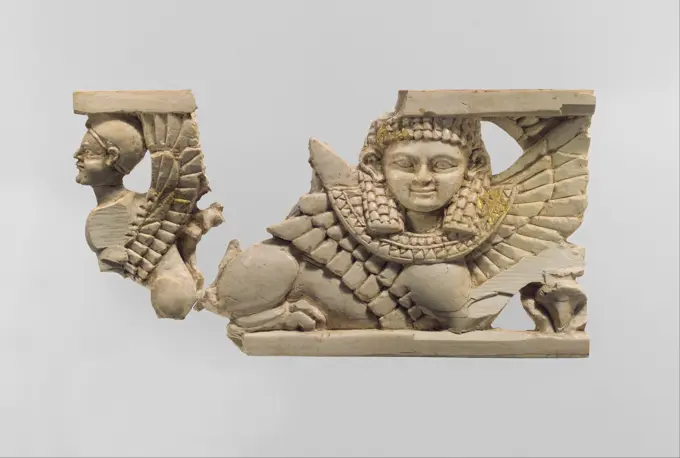
Openwork furniture plaque with two sphinxes ca. 9th-8th century BC Assyrian During the early first millennium B.C., ivory carving was one of the major luxury arts that flourished throughout the ancient Near East. Elephant tusks were carved into small decorative objects such as cosmetic boxes and plaques used to adorn wooden furniture. Gold foil, paint, and semiprecious stone and glass inlay embellishments enlivened these magnificent works of art. Based on certain stylistic, formal, and technical characteristics also visible in other media, scholars have distinguished several coherent style groups of ivory carving that belong to different regional traditions including Assyrian, Phoenician, North Syrian and South Syrian (the latter also known as Intermediate).Several ivories in the Metropolitan Museums collection are from the Aramaean town of Arslan Tash, ancient Hadatu, in northern Syria just east of the Euphrates River, close to the modern Turkish border. French archaeological excavat
6145-29196099
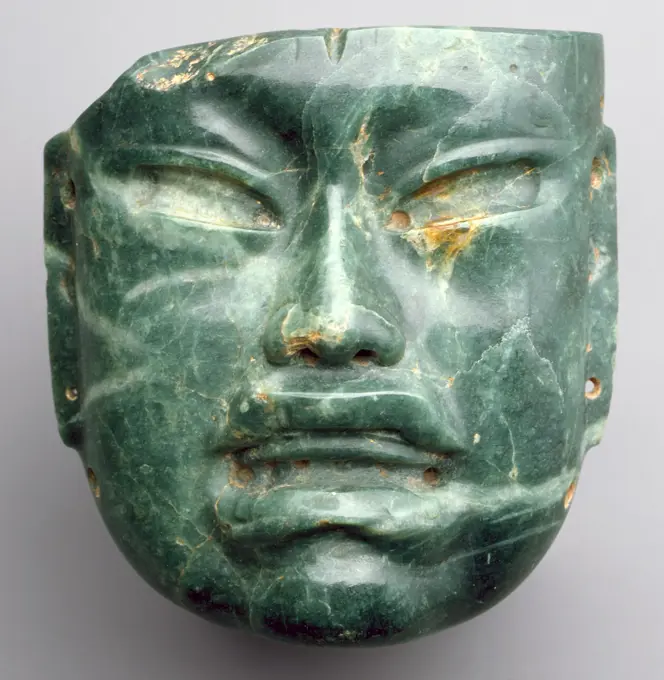
Mask 900-400 B.C. Olmec The Olmec, whose heartland was located in present-day Mexico from 1200-400 B.C., excelled in creating fine greenstone sculptures. The almost flesh-like quality of the nose and parted lips belie the hardness of the stone from which this mask was made. Although it has been rendered in a naturalistic style, the face itself is not fully human. Rather, it is an idealized composite that alludes to the supernatural: the almond-shaped eyes, slightly downturned mouth, and wide, prominent nose are traits commonly found in depictions of Olmec otherworldly beings. One particular entity, the Olmec Maize God, is further evoked through the defined cleft at the center of the upper forehead, an element that represents the earth from which maizethe principal crop of many Mesoamerican peoples including the Olmecsprouts and grows. The mask additionally features light incisions on both cheeks and etched scallop-like motifs on the upper rim. These shallow markings were possibly mad
1788-19374
Schist statue of goddess Tueris, from chapel of Osiris Nebdjet at Karnak
1746-30015663
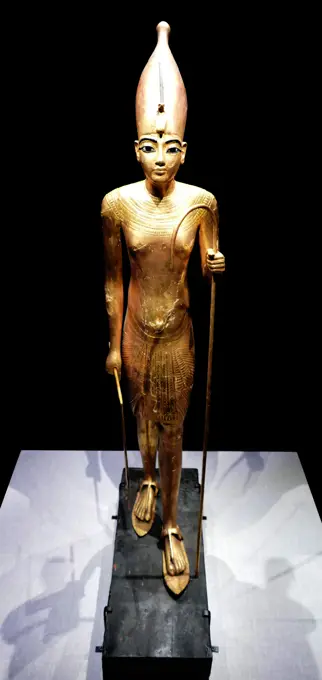
Gilded wooden statue of King Tutankhamun. 1326 BC From the tomb of King Tutankhamun
4409-59832
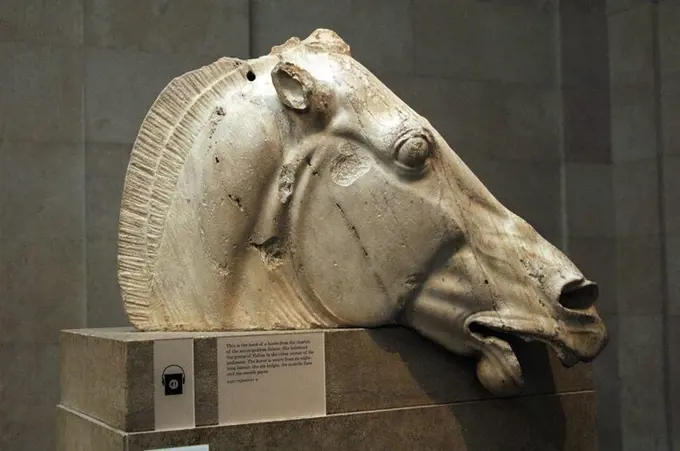
Greece. Athens. Parthenon. Head of horse from the chariot of the moon-goddes Selene. East pediment. 5th C. BC. British Museum. London. United Kingdom.
1788-16737
Ionic style Kore
4409-17407154
Terracotta statuette of an enthroned goddess between two attendants. Culture: Cypriot. Dimensions: h. 10 13/16 in. (27.5 cm). Date: 4th century B.C..This figurine is one of the most completely preserved of a group of enthroned goddesses from Kition. The seated goddess is flanked at either side by a standing attendant. The group is hollow and was mold-made in three parts; the two separately molded attendants are made to fit very closely against the sides of the goddess' throne. Both figures were joined to the throne at the back before firing. Museum: Metropolitan Museum of Art, New York, USA.
7136-70459117
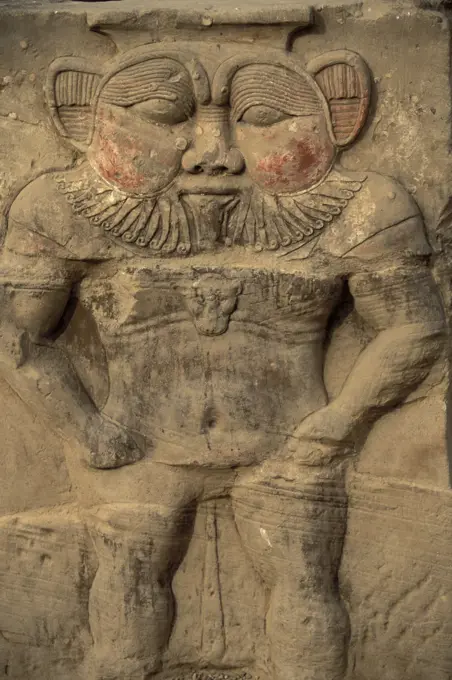
Egypt, Dendera Temple, Temple of Hathor, God Bes (god of childbirth)
1788-23191
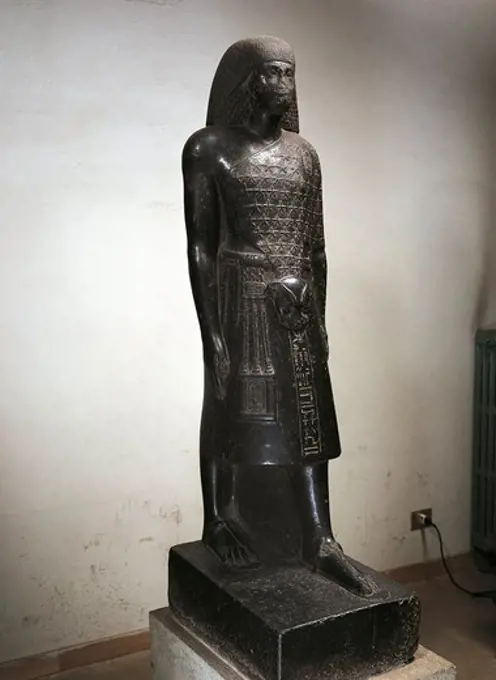
Statue of Anen (priest and astronomer), eighteenth dynasty, diorite
6145-48880913
Miscellaneous archaic or pseudo-archaic Figures. Stephen Thompson (British, about 1830 - 1893)
6145-44061684
Alabastersphinx & Alabastersphinx von Memphis
3810-376896
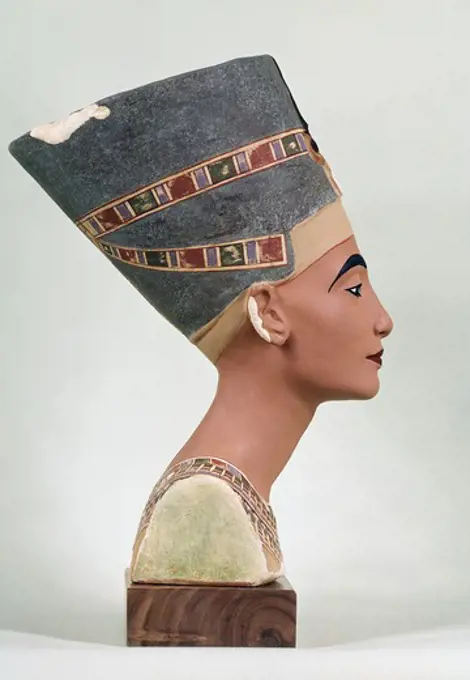
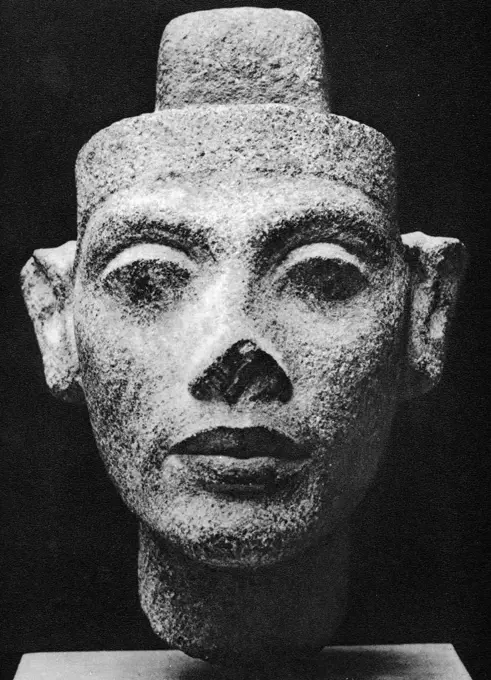
Nefertiti (profile) 1350 BC Egyptian Art Limestone Staatliche Museen Preussischer Kulturbesitz, (Agyptisches Museum und Papyrussammlung), Berlin
4409-63012528
Bronze votive figure of a warrior with an Attic helmet. Umbrian, about 420-400BC. Etruscan. From Mount Falterona. Italy.
1899-18791493
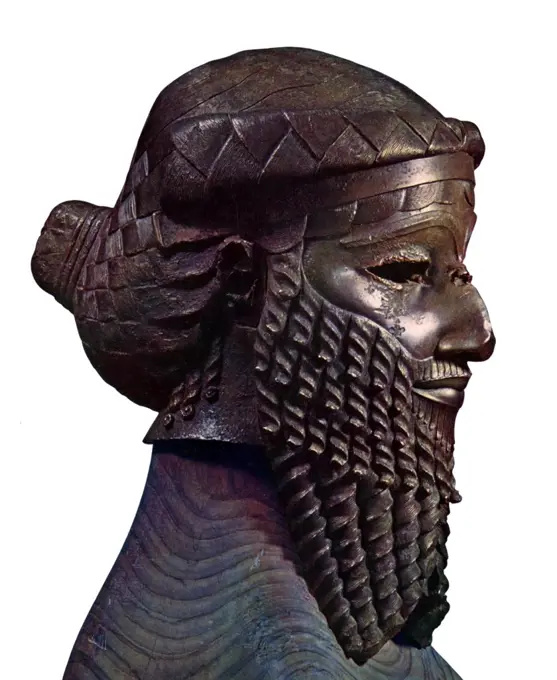
Sargon of Akkad, also known as Sargon the Great (Akkadianarru-kinu, meaning 'the true king' or 'the legitimate king'), was a Semitic Akkadian emperor famous for his conquest of the Sumerian city-states in the 23rd and 22nd centuries BC. The founder of the Dynasty of Akkad, Sargon reigned in the last quarter of the third millennium BCE. He became a prominent member of the royal court of Kish, killing the king and usurping his throne before embarking on the quest to conquer Mesopotamia. He was originally referred to as Sargon I until records concerning an Assyrian king also named Sargon (now usually referred to as Sargon I) were unearthed. Sargon's vast empire is thought to have included large parts of Mesopotamia, and included parts of modern-day Iran, Asia Minor and Syria. He ruled from a new, but as yet archaeologically unidentified capital, Akkad (Agade), which the Sumerian king list claims he built (or possibly renovated). He is sometimes regarded as the first person in recorded hi
4409-19059199
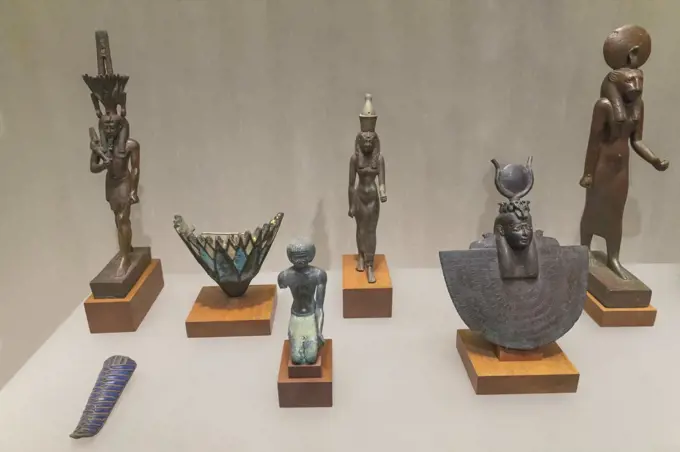
Ram-headed deity, late 18hDynasty, about 1295 BC, tomb of Horemheb, British museum, London, England, Great Britain.
1890-159346
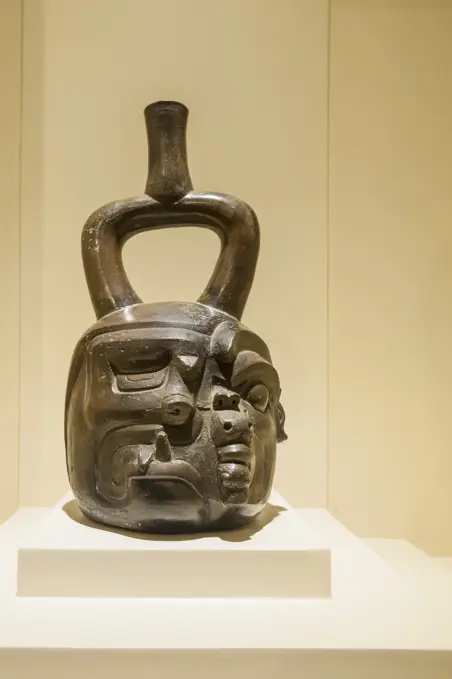
Pre-Columbian artifacts and art in the Larco Museum, Lima, Peru, South America
1848-63261662
Santa Giulia, City Museum, Brescia, Lombardy, Italy, Brescia, Lombardy, Italy, Europe
4409-20938219
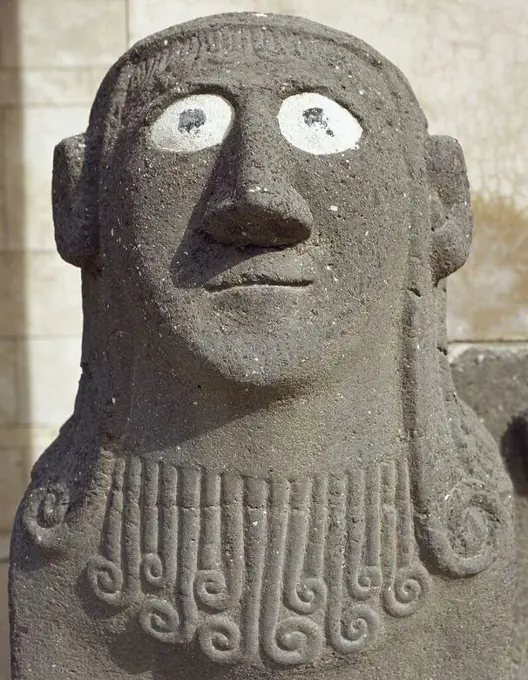
Sphinx. Basalt. Guarded the temple of Tell Halaf. From about 6100 to 5400 b.C.. Currently located at the entrance to the National Museum of Aleppo. Syria.
1848-56131637
Ivory female figurines with Lapis Lazuli inlay eyes. Ancient Egyptian, Early Middle Predynastic, 3900-3300 BC, British museum, London, England, Great Britain
1095-419
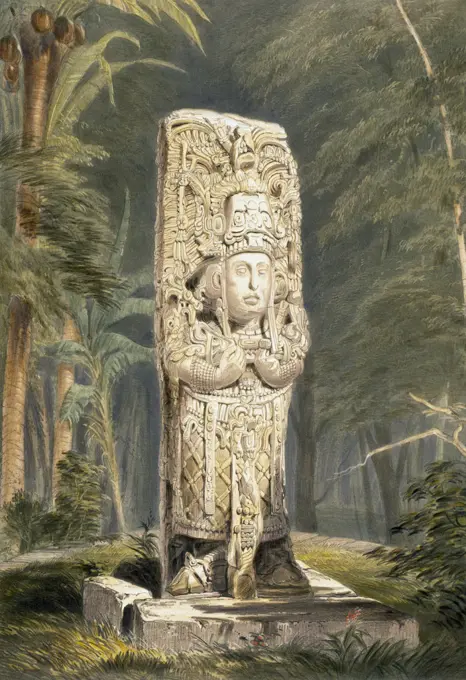
Idol, at Copan  Illustration from "Views of Ancient Monuments in Central America, Chiapas and Yucatan" Frederick Catherwood (1799-1854/British)
1746-19629572
Nefertiti 14th century BC, queen consort of Akenaton (Akhenaten) the heretic pharaoh. Dark granite bust
1746-19691924
Red granite standing figure of a king. 18th dynasty, about 1450 BC. From Thebes, Temple of Karnak. The statue can be dated on style grounds to the middle of the 18th dynasty and represent either Tuthmosis III or his successor Amenhtephis II wearing the white crown of Upper Egypt.
1746-19677037
Scribe sitting cross-legged with a papyrus in his lap 2350 B.C. Egypt
4042-17885182
Temple Donations, Third Intermediate and Kushite Periods, Metropolitan Museum of Art, Manhattan, New York City, USA, North America
6145-51815737
Cairo, Egypt, Africa "Queen of Tii , 1914 - Egypt - Auguste Léon - (January -February) (French - Le Caire , Egypte , Afrique « Reine de Tii»). Statue, museum, sculpture, Art, Egypt, Cairo Museum, Queen's Head of the 18th Dynasty (456) Karnak
1848-60581479
Figures of the Terracotta Army, Xian, Shaanxi Province, China, Asia, An illuminated terracotta soldier statue in a museum setting, Xian, Shaanxi Province, China, Asia
7079-69914313
Lima, Peru. Ruins of Chan Chan Pre-Columbian archaeological site near Trujillo, Peru.
1885-29327
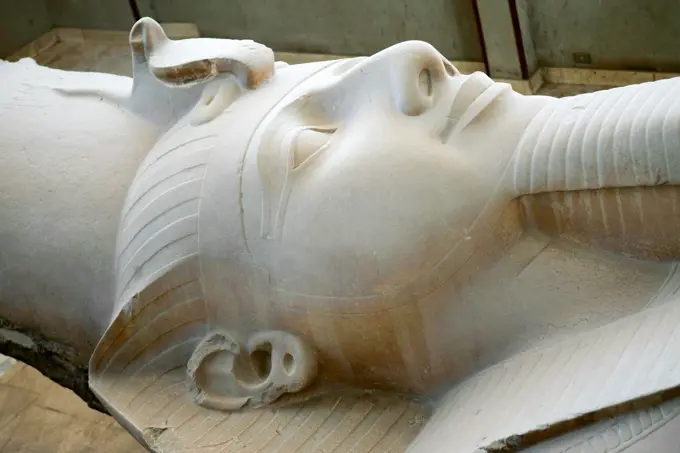
Egypt, Cairo - near, Colossus of Ramses II at Memphis
6145-52960570
Relief with man
4409-45110
ARTE EGIPCIO. EGIPTO. SARCOFAGO ricamente decorado en la superficie exterior. En el interior, MOMIA con el vendaje mortuorio. FAJAR.
PREVIOUS
of 3
NEXT
2401 S. Ervay, Suite 206
Dallas, Texas 75215
United States
Get Started
Free ResearchMy BoardsMy Cart
For Creators
How To License Your ContentContributor PortalFrame of Mind
Resources
API accessPricing
Contact
+1 866 236 0087help@viewpictures.co.uk Contact form
©2026 View Pictures. All Rights Reserved. -A
This site is protected by reCAPTCHA and Google Privacy Policy and Terms of Service apply.