My Boards
View Pictures
  • My Boards

Ancient Egyptian Tomb Art

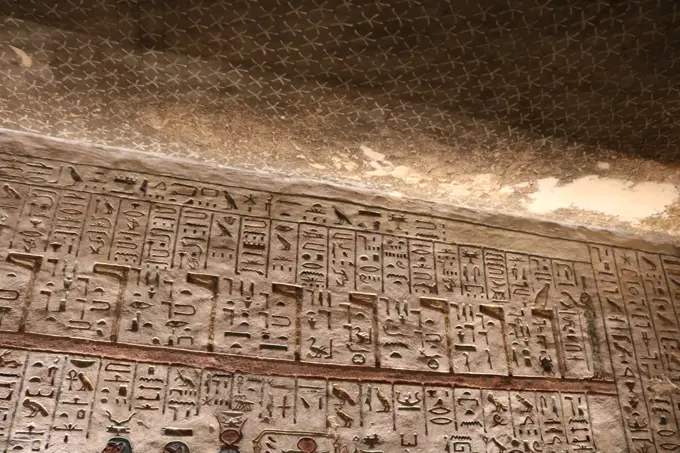
Hieroglyphs and vivid wall paintings in tombs from the Valley of the Kings, depicting ancient rituals and royal figures in historical context.

Hatshepsut, Queen of Egypt, presenting an offering to the god Horus. Artist: Unknown
179 assets in this story
1746-19629625
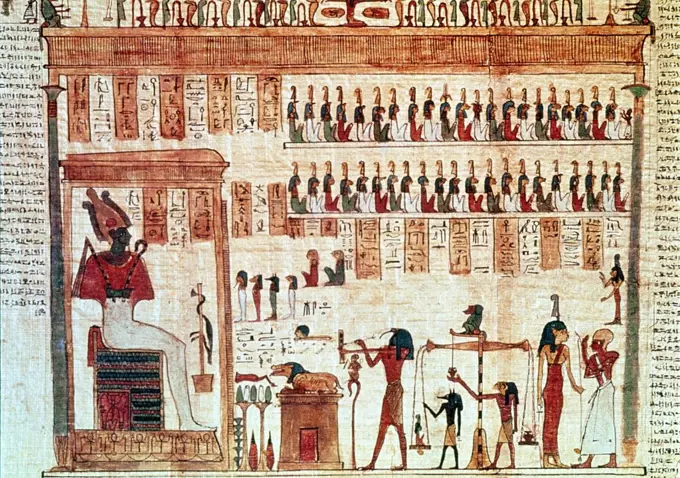
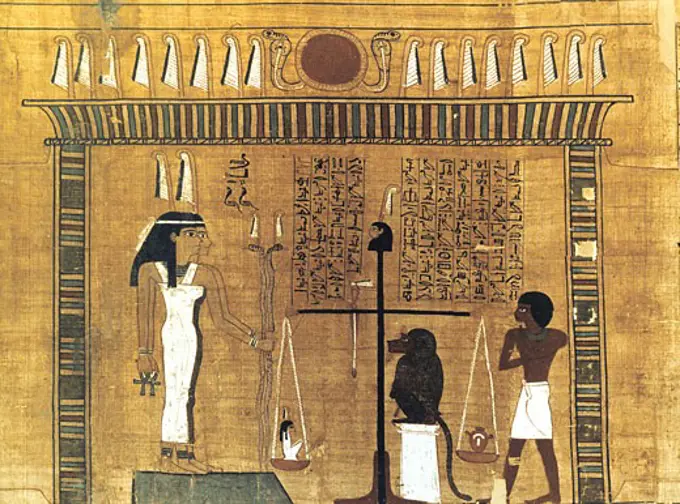
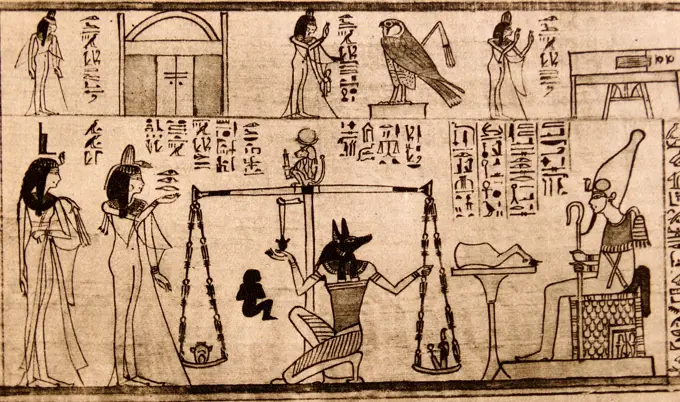
Book of the Dead, Ptolemaic period 332-30 BC: Thoth, Ibis-headed god, secretary to the gods, weighing heart of deceased (Baboon, his other, manifestation sits, on pillar of balance) before Jackal-headed Anubis, son of Osiris (left), brings soul to his father the judge of the underworld.
4409-21486627
Templo de Karnak. Capilla roja de Hasetsup.
1746-29965056
Shawabti figures in the form of King Tutankhamen
1746-29966338
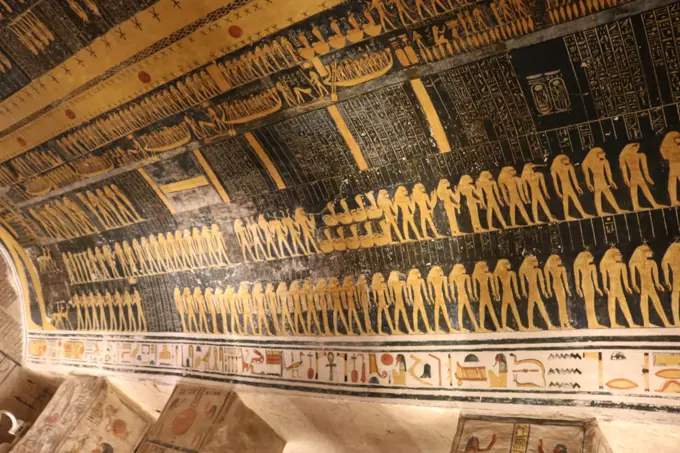
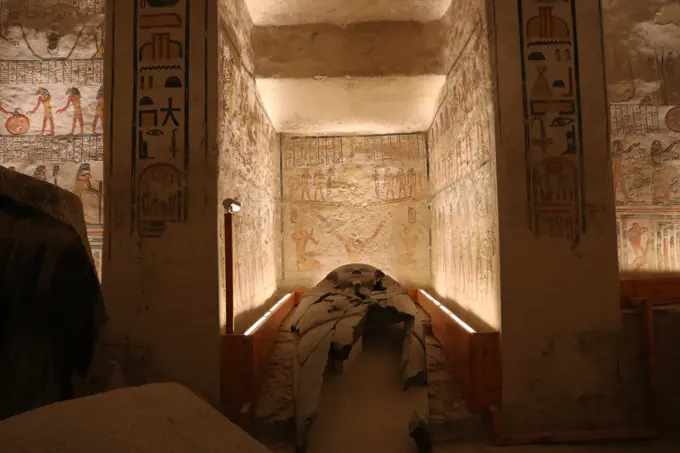
Tomb KV9 in Egypt's Valley of the Kings was originally constructed by Pharaoh Ramesses V. He was interred here, but his uncle, Ramesses VI, later reused the tomb as his own. The layout is typical of the 20th dynasty - the Ramesside period 1145 BC
4409-21481013
Woman making offerings to the goddess Hathor, cosmic divinity represented as cow with spots in the fur, horns holding the solar disk and twin feathers. Painting on canvas. 15th century B.C. New Kingdom The State Hermitage Museum. St. Petersburg. Russia.
4409-61082
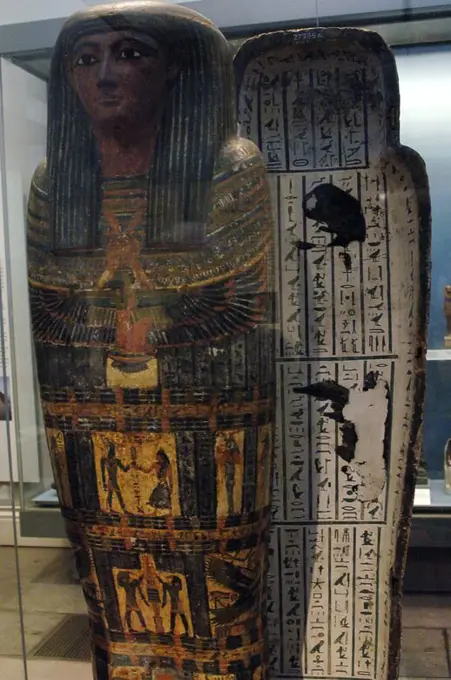
Interior painted wooden coffin of the priest Hor depicting the sky goddess Nut with their protective wings outstretched at the front part. The interior is covered with excerpts from the Book of the Dead. 7th century BC. 25th Dynasty. Late Period. From the tomb of Hor. Probably from Deir el-Bahari, Thebes (Egypt). British Museum. London. United Kingdom.
1746-30012544
A photograph taken within Tomb KV8, located in the Valley of the Kings, used for the burial of Pharaoh Merenptah of Ancient Egypt's Nineteenth Dynasty. Merneptah or Merenptah (reigned July or August 1213 BC - May 2, 1203 BC) was the fourth ruler of the Nineteenth Dynasty of Ancient Egypt.
1746-29966365
Tomb KV9 in Egypt's Valley of the Kings was originally constructed by Pharaoh Ramesses V. He was interred here, but his uncle, Ramesses VI, later reused the tomb as his own. The layout is typical of the 20th dynasty - the Ramesside period 1145 BC
1746-19691977
Statue of king Amenhotep III 18th Dynasty, about 1400 BC from Thebes. The king is represented in classic pose and dress. Seated on a throne with both hands flat on the knees, he wears a nemes-headcloth, false beard and short kilt, which is fitted with a ceremonial bull's tail, shown between the legs. The king's names are inscribed on the front and back of the throne and on the belt of the kilt.
7155-70374074
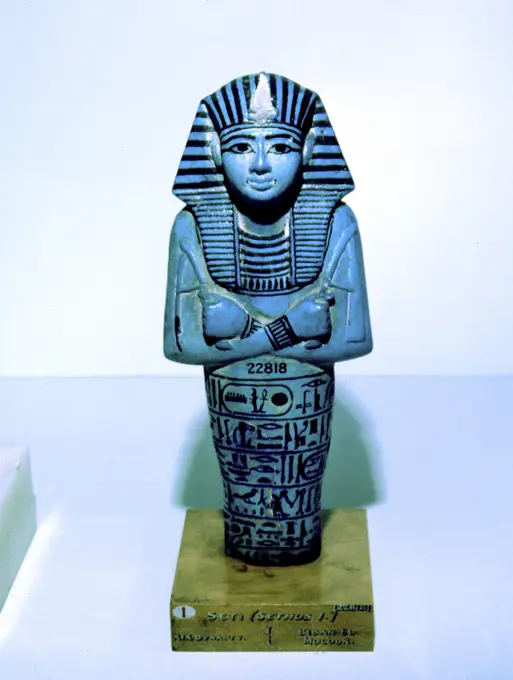
Shabti of Seti I, 19th Dynasty. EGYPT.
6176-67062641
Tomb of Seti I, Valley of the Kings, Egypt, 13th century BC. Artist: Unknown
1060-387
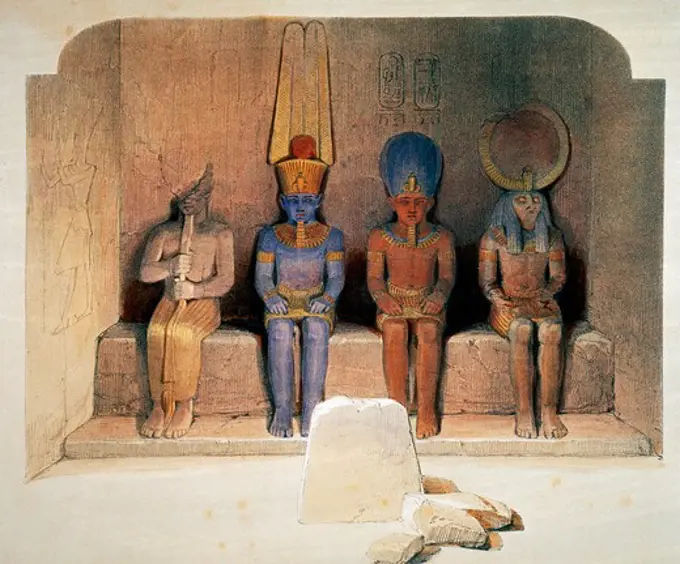
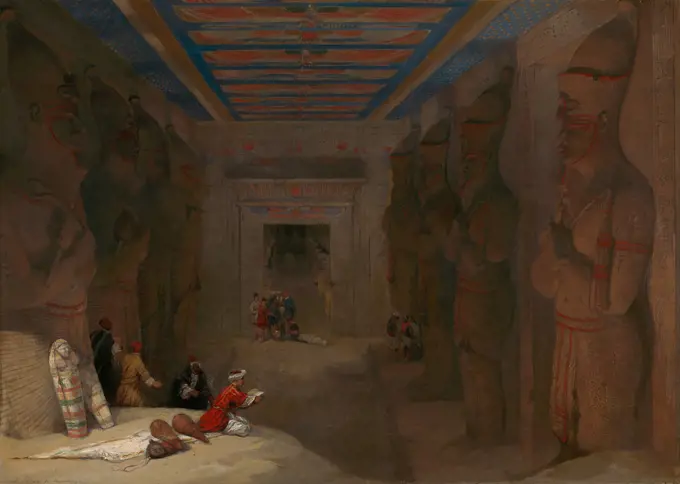
Sanctuary of the Great Temple of Aboo Simbel, Nubia David Roberts (1796-1864 Scottish) The Huntington - San Marino, California
1848-50677664
The kneeling king in front of a row of offerings, above him a list of offerings, Luxor temple, Thebes, Egypt, Luxor, Thebes, Egypt, Africa
1746-19697910
guardian figure of a god from the Coffin of Djedjehutyiuefankh, from the Great temple at Deir el Bahri, Thebes; Egypt. Dated to 25th Dynasty circa 770-712 BC
1746-1635
Weighing the heart of the deceased in a balance. Baboon is one form of Thoth, inventor of writing and secretary to the gods, whose other form is as an ibis-headed man. Above the balance is a block of written hieroglyphs. Funerary papyrus, 18th Dynasty, Louvre, Paris
6188-58199520
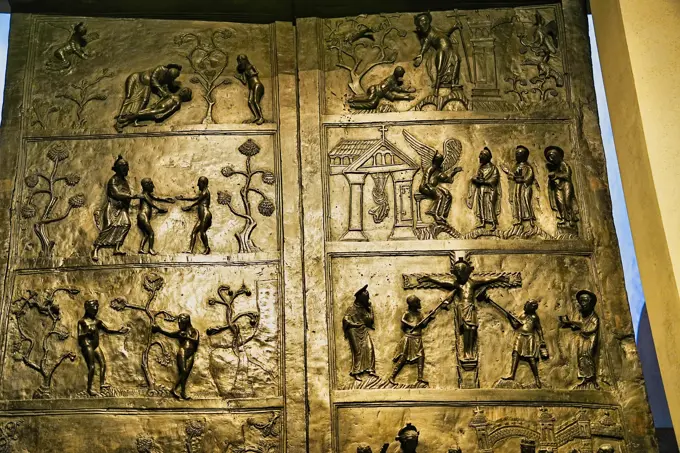
Bernwardt door in the Catholic Mariendom Hildesheim Bernwardt door in the Catholic Mariendom Hildesheim
7202-70640152
Egypt, Giza, Close-up of Path tomb of high official, Step pyramid of Djoser
1788-19117
Scene depicting funeral: preparation of the sarcophagus, mural
1848-50678022
Double-seated statue with pair of gods Amun and Mut, Luxor Temple, Thebes, Egypt, Luxor, Thebes, Egypt, Africa
1746-30012713
Tomb of Ramesses III, Pharaoh of the Twentieth Dynasty in Ancient Egypt. reigned from 1186 to 1155 BC and is considered to be the last monarch of the New Kingdom to wield any substantial authority over Egypt. Tomb KV11 is located in the main valley of the Valley of the Kings. The tomb has been open since antiquity, and has been known variously as Bruce's Tomb (named after James Bruce who entered the tomb in 1768) and The Harper's Tomb (due to paintings of two blind harpers in the tomb).
1746-19669677
Statue of king Amenhotep III. 18th Dynasty, about 1400 BC from Thebes The king is represented in classic pose and dress. Seated on a throne with both hands flat on the knees, her wears a nemes-headcloth, false beard and short kilt, which fitted with a ceremonial bull's tail, shown between the leg. The king's names are inscribed on the front and back of the throne and on the belt of the kilt.
4409-63010580
Offering-bearers. Hieroglyphic (c. 2550 BC) from the tomb of princess Nofert at Medum (Meidum) Old kingdom, 4th dynasty.
1848-50677923
Funeral procession and delivery of funerary equipment, Tomb of Userhat, Tombs of the Nobles, Luxor, Thebes West, Egypt, Luxor, Thebes, West, Egypt, Africa
1788-19109
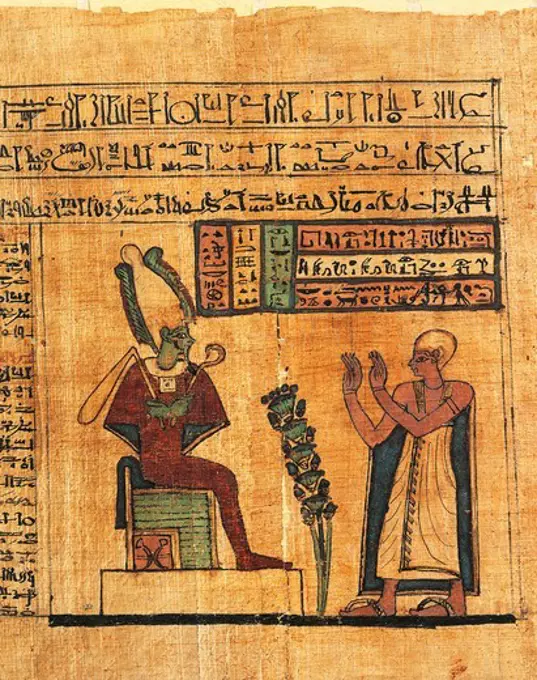
Papyrus from the First Book of Breathing of Ousirour, at the bottom, the deceased before Osiris
1788-19238
Treasure of Tutankhamen, gilded chapel of canopic jars or canopic casket, detail with goddess Selket
1890-65466367
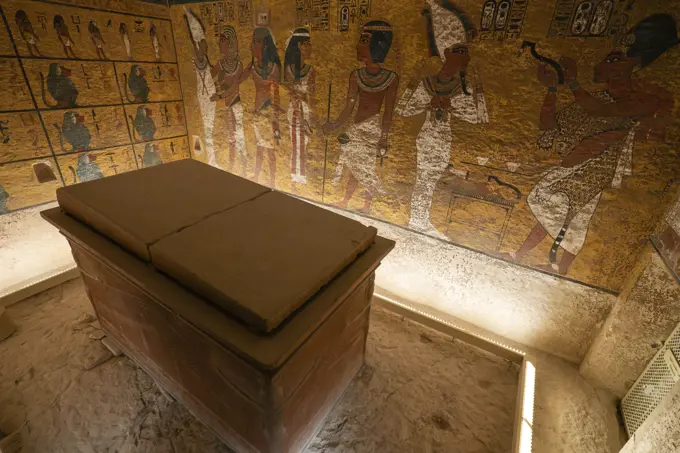
Tomb of Tutankhamun (King Tut), Valley of the Kings, UNESCO World Heritage Site, Thebes, Luxor, Egypt, North Africa, Africa
1746-28969449
The ancient Egyptians believed that, when they died, they would be judged on their behaviour during their lifetime before they could be granted a place in the Afterlife. This judgement ceremony was called 'Weighing of the Heart'
4409-60100
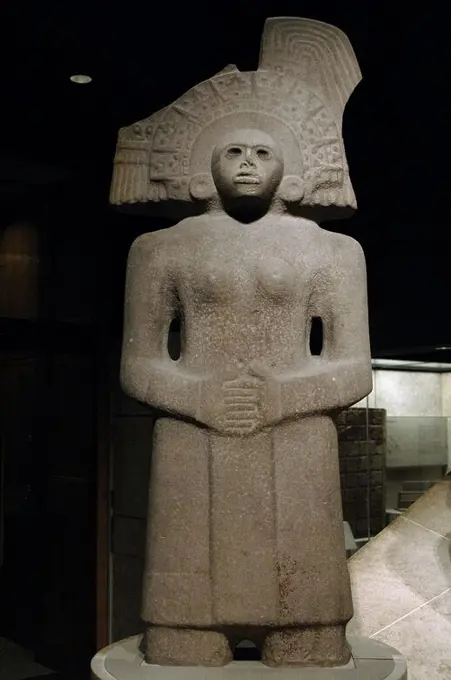
Pre-Columbian period. Huastec civilization (900-1450). Female figure depicting Tlazolteotl (Goddess of Fertility). Sandstone. Tlazolteotl is shown with her hands clasped in front, wearing semi-circular headdress with radiating "spikes" and engraved design. Panuco river, Mexico. British Museum. London, England, United Kingdom.
1746-21114877
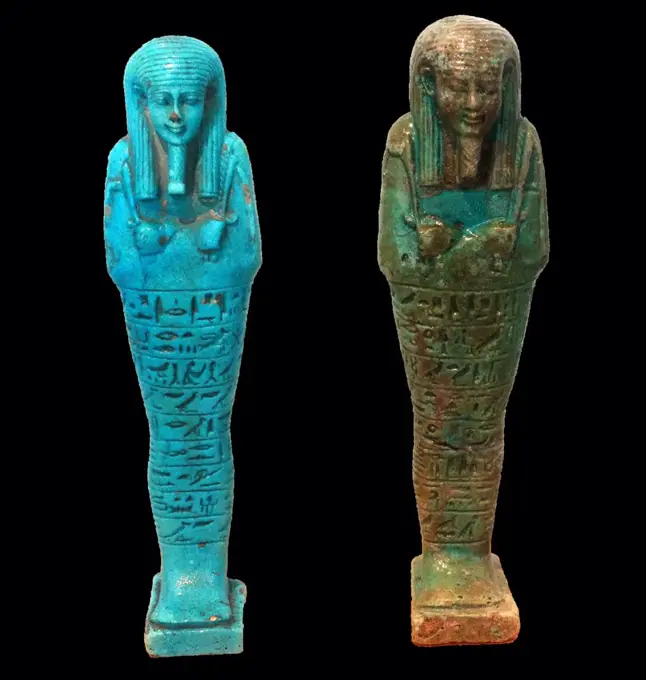
Egyptian Ushabti or ushabtis. The ushabti also called shabti or shawabti, was an Ancient Egyptian funerary figurine
1848-51341335
Eve with the inscription seduced by the serpent, fresco inside the rock church Maryam Qorqor, Gheralta, Tigray, Ethiopia, Africa
1746-29966368
Tomb KV9 in Egypt's Valley of the Kings was originally constructed by Pharaoh Ramesses V. He was interred here, but his uncle, Ramesses VI, later reused the tomb as his own. The layout is typical of the 20th dynasty - the Ramesside period 1145 BC
4292-69478
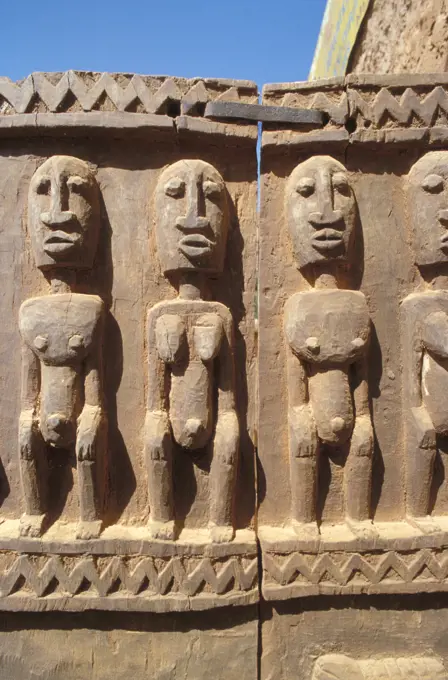
Mali, Dogon cliff, Dogon wooden door
1848-50678020
Procession of the sons of Ramses II in the Great Court, Luxor Temple, Thebes, Egypt, Luxor, Thebes, Egypt, Africa
1746-28970218
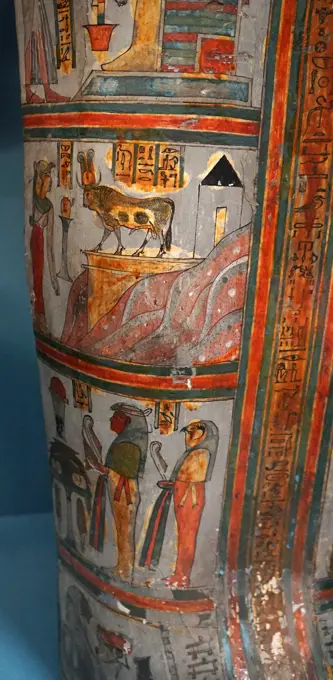
Coffin of Denytenamun, Priest of Amun. The Coffin depicts the sun-god on solar-barque protecting the breast with Osiris, flanked by Isis and Nephthys. Below, a vertical register of hieroglyphs runs down the centre of the body and is flanked by six vignettes: the cow of Hathor and the bull of Ptah-Sokar-Osiris standing before the western mountains and the tomb of the deceased, the four Sons of Horus, with jackals beneath, the foot section is damaged in places; the base - is decorated with representations of funerary.
1890-60647792
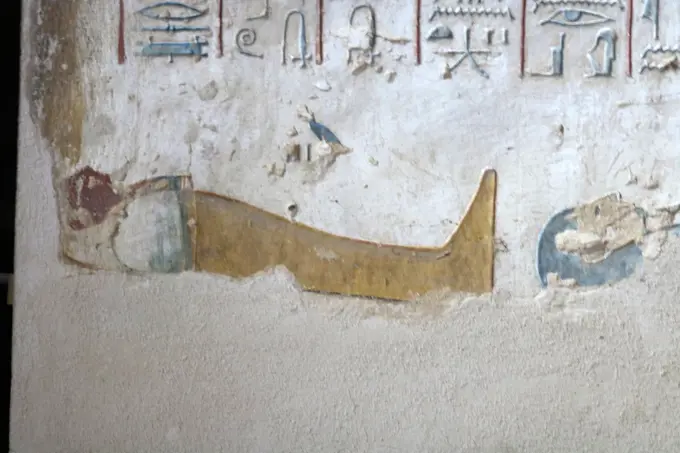
Eye of God Horus with Pharaoh at far end, Tomb of Pashedu, TT3, Deir el-Medina Tombs (Worker Tombs), Thebes, UNESCO World Heritage Site, Luxor, Egypt, North Africa, Africa
1788-19338
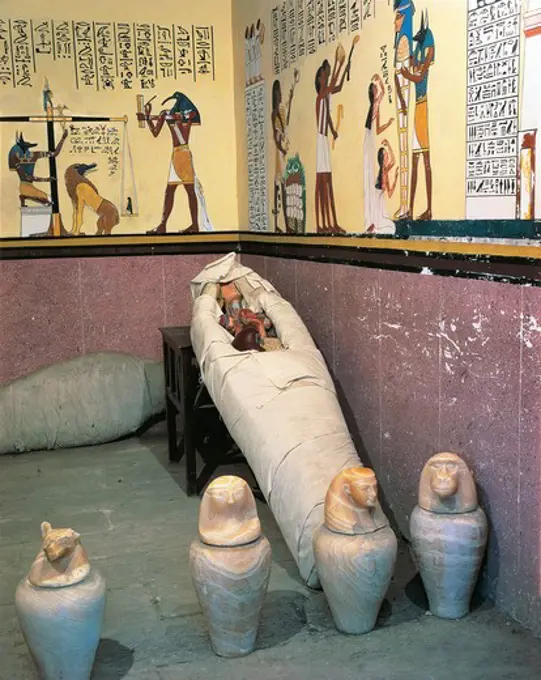
Replica of mummy chamber with four canopic jars containing viscera of deceased; liver, stomach, lungs and intestines with lids representing heads of Amset, Hapi, Qebehsenuef and Duamutef
1746-21115070
Egyptian Ushabti or Ushabti. The Ushabti also called Ushabti or shawabti, was an Ancient Egyptian funerary figurine
1746-30015679
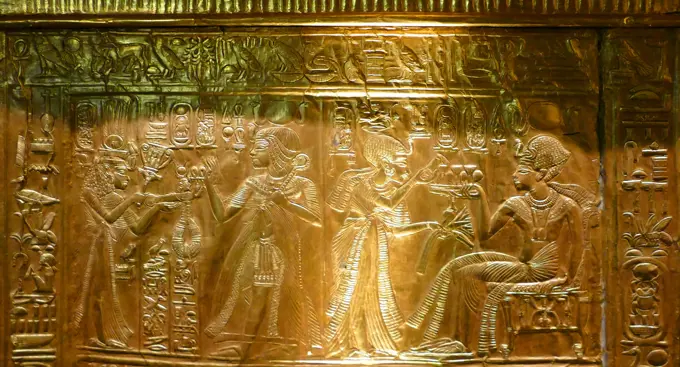
Gilded wooden shrine with depictions of Tutankhamun and Ankhesenamun. From the tomb of King Tutankhamun. 1326 BC
4409-21481502
Egipto. Tumba 100 Rekmire. La tumba TT100 se encuentra en Sheikh Abd el-Qurna y forma parte de la Necrópolis de Tebas, en la orilla oeste del Nilo, frente a Luxor. Se trata de la capilla funeraria del visir Rekhmire (o Rejmira) que vivió durante la XVIII dinastía del Antiguo Egipto.
1848-50708015
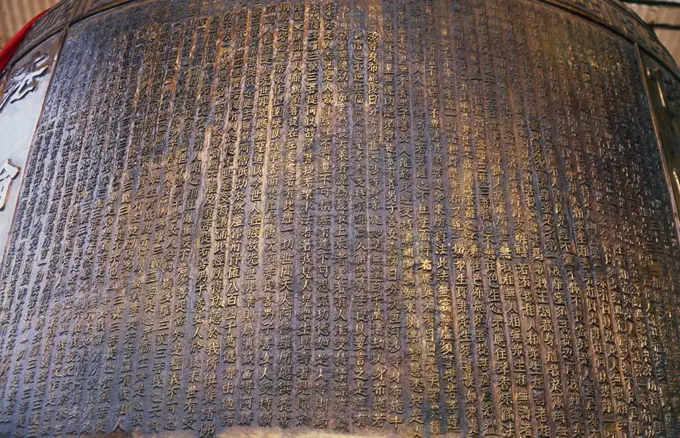
Bell with Chinese characters in the Llama Temple, Beijing, China, Asia
1746-19697915
Mummy inside the Coffin of Djedjehutyiuefankh, from the Great temple at Deir el Bahri, Thebes; Egypt. Dated to 25th Dynasty circa 770-712 BC
4272-6158
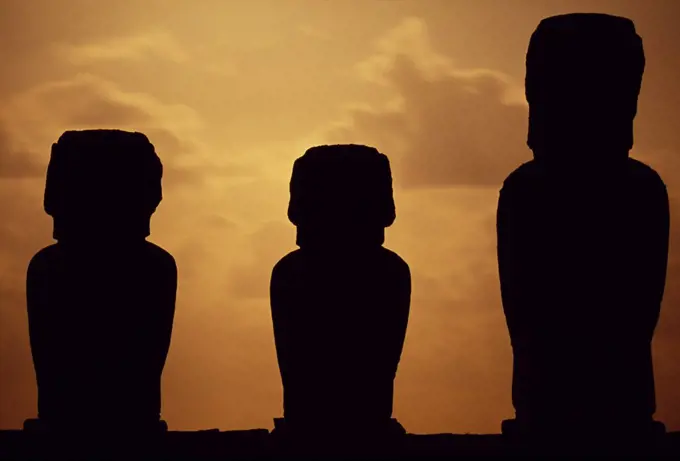
Three of the fifteen colossal stone statues or moais of Tongariki silhouetted against the light of  the rising moon.  The moais stand on their platform or ahu on the eastern coast of the island at the foot of the Poike Peninsula.   The vast majority of Easter Islands 800 moais were chiselled out of the volanic tuff on the side of Rano Raraku between 700 to 1500AD.
1848-51335769
Fresco, Eight of the twenty-four elders of the Apocalypse, rock church Maryam Papaseyti, Gheralta, Tigray, Ethiopia, Africa
1899-18858774
Kumarajiva, (Chinese:Jjiumoluoshi; 344 CE - 413 CE) was a Kuchean (Kucha, Kuqa) Buddhist monk, scholar, and translator. He first studied teachings of the Sarvastivada schools, later studied under Buddhasvamin, and finally became a Mahāyāna adherent, studying the Madhyamaka doctrine of Nagarjuna. He settled in Chang'an (modern Xi'an). He is mostly remembered for the prolific translation of Buddhist texts written in Sanskrit to Chinese he carried out during his later life. Wuwei has a population of around 500,000, mainly Han Chinese, but with visible numbers of Hui as well as Mongols and Tibetans. In earlier times it was called Liangzhou. Dominating the eastern end of the Hexi Corridor, it has long played a significant role on this major trade route. Wuweis most famous historic artefact, the celebrated Han Dynasty (206 BCE - 220 CE) bronze horse known as the Flying Horse of Gansu, was discovered here in a tomb beneath Leitai Temple (Leitai Si) in the north part of town. Although the ori
6188-62401311
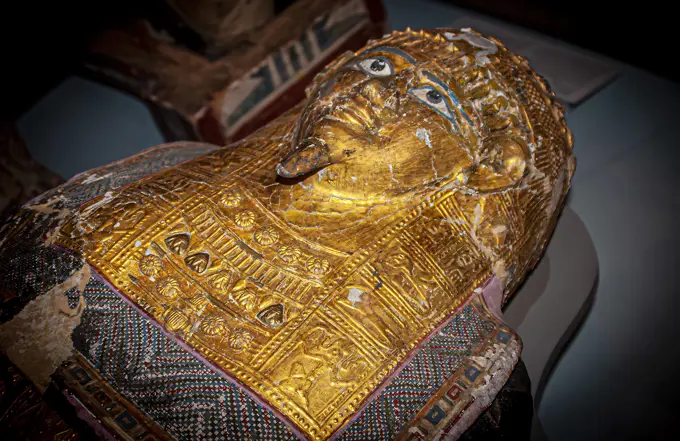
Ancient Egyptian pharaoh mythology archeology ancient civilization, sarcophagus mummification of human as part of Egyptian culture Ancient Egyptian pharaoh mythology archeology ancient civilization, sarcophagus mummification of human as part of Egyptian culture, good for multimedia content creation Copyright: xZoonar.com/AntokxSenax 22143803
1525-20561914
Ra or Re is the ancient Egyptian solar deity - 1000 B.C.
1746-19629516
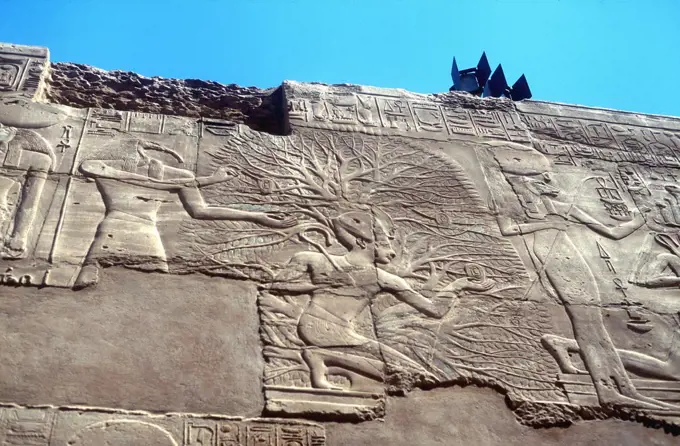
Rameses II (1304-1237 BC) third king of 19th dynasty, and the Tree of Life Karnak: Behind him stands the ibis-headed god Anubis whose role was to take souls of dead before his father Osiris, judge of the underworld.
1746-21115068
Egyptian Ushabti or Ushabti. The Ushabti also called Ushabti or shawabti, was an Ancient Egyptian funerary figurine
1848-51004436
Temple of Abu Simbel in Mini Siam, Pattaya, Thailand, Asia
1746-30016337
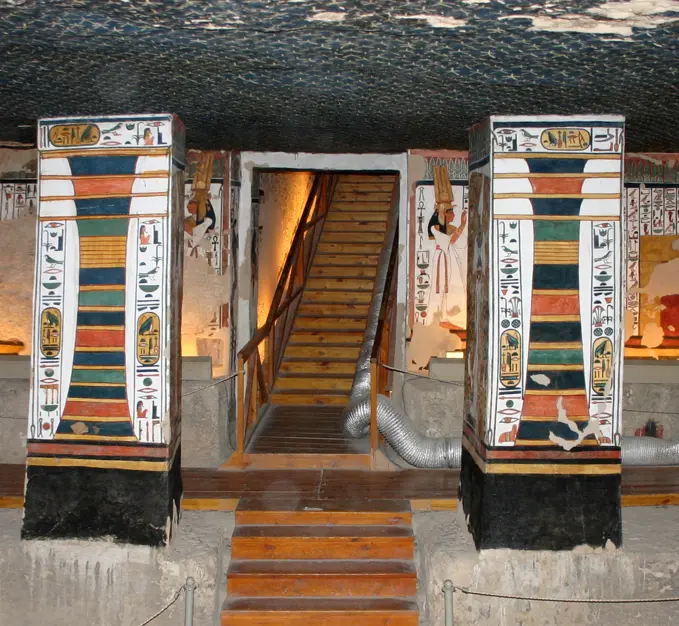
The Djed pillar a symbol in Ancient Egypt, representing stability. It is associated with the creator god Ptah and Osiris. Wall painting in the Egyptian god of the afterlife, the underworld, and the dead Wall Painting Inside the tomb (QV66) of Nefertari, in Egypt's Valley of the Queens. It was discovered by Ernesto Schiaparelli in 1904. It is called the Sistine Chapel of Ancient Egypt. In the Valley of the Queens, Nefertari's tomb once held the mummified body and representative symbolisms of her, like what most Egyptian tombs consisted of. Now, everything had been looted except for two thirds of the 5,200 square feet of wall paintings. ca. 1255 BC
1525-24268300
pharaoh symbol of ancient egypt vector illustration isolated on white background
7046-70039164
Snake artwork on Toguna (the elder's meeting place) in Dogon village of Ireli, Mali.
4409-48810
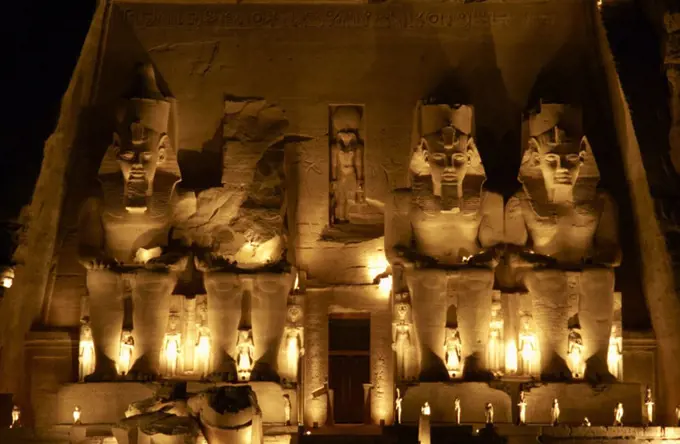
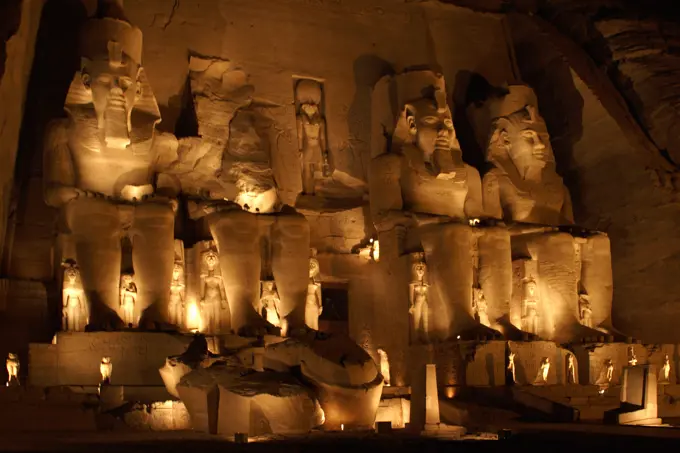
Egypt. Abu Simbel. Great Temple of Ramses II (1290-1224 BC) with the four colossi of the pharaoh with nemes, double crown and hands on knees. Night view. 19th dynasty. New Kingdom.
1746-19698015
21st dynasty, Shabti's (figurines designed to perform work for the owner in their afterlife), were buried with prominent people in ancient Egypt. 1077-943 BC
6188-65604951
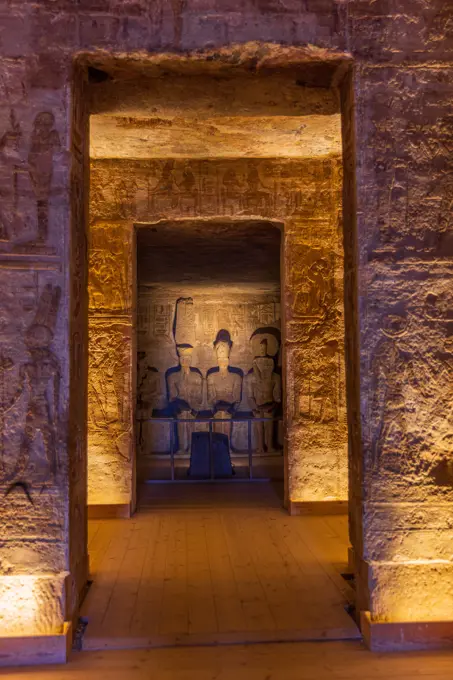
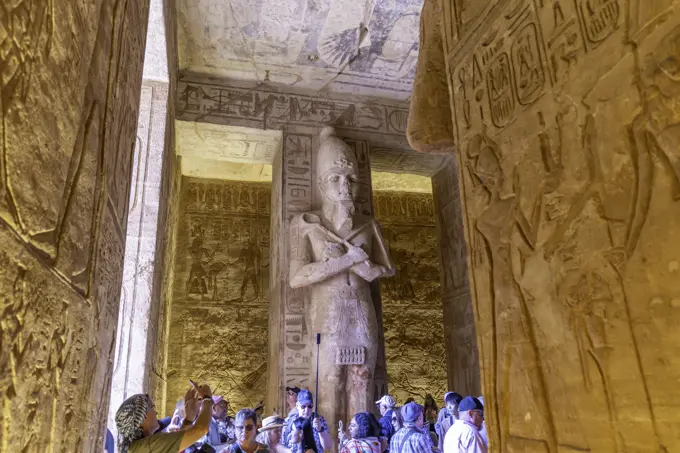
Beautiful carvings and statues inside Abu Simbel Temple Beautiful carvings and statues inside Abu Simbel Temple in Egypt Abu Simbel Egypt *** Schöne Schnitzereien und Statuen im Tempel von Abu Simbel Schöne Schnitzereien und Statuen im Tempel von Abu Simbel in Ägypten Abu Simbel Ägypten Copyright: xx
4443-21970996
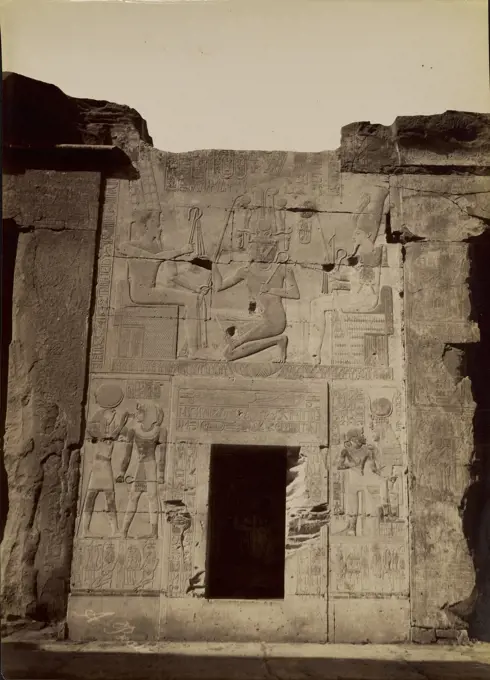
Abydos, Adoration of Amun , Abydos, Adoration a Ammon; Antonio Beato (English, born Italy, about 1835 - 1906); 1880 - 1889; Albumen silver print
7012-69860308
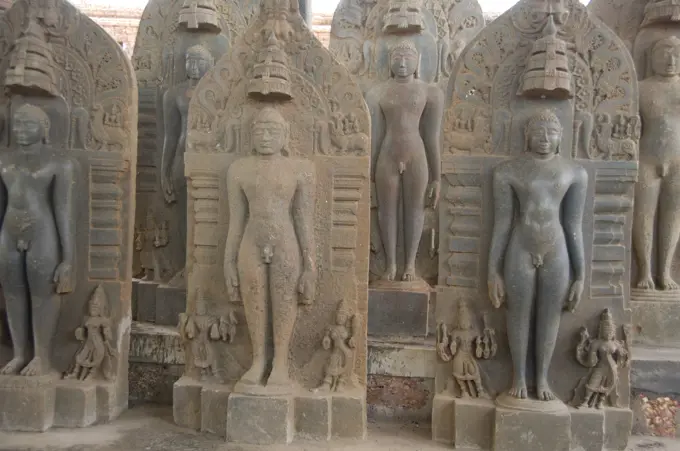
India, Mangalore, Karkala. Jains religion Temple, c. 1432 AD. Home to monolithic stone statue of Lord Gomateshwara. Stone statues of famous Jain followers.
4168-14045
Mali, Near Bandiagara, Dogon Country, Songho Dogon Village, Ceremonial Site For Circumcision Rituals, With Cliff Paintings
6188-68395213
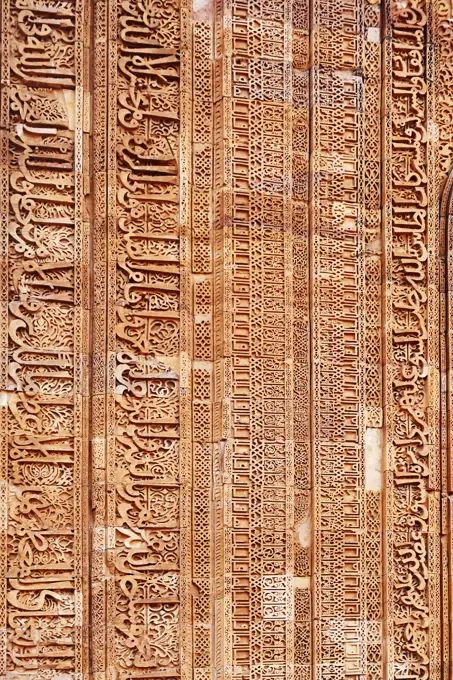
Wunderschöne islamische Kalligraphie und in Stein gemeißelte persische Inschriften am Eingang der Adhai Din Ka Jhonpra-Moschee in Ajmer, Rajasthan, Indien. Beautiful Islamic calligraphy and Persian-themed inscriptions carved in stone at the entrance of Adhai Din Ka Jhonpra mosque, Ajmer, Rajasthan, India. LicenseRF Copyright: xZoonar.com/RealityImagesx 23325831
1746-29971797
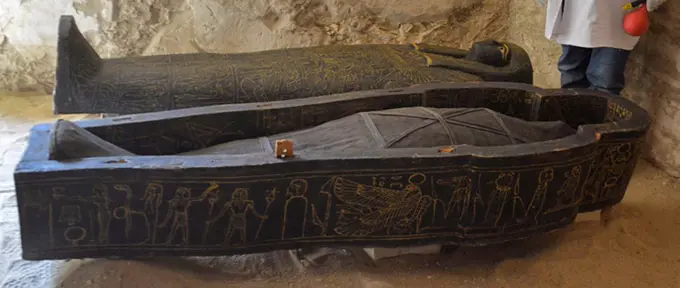
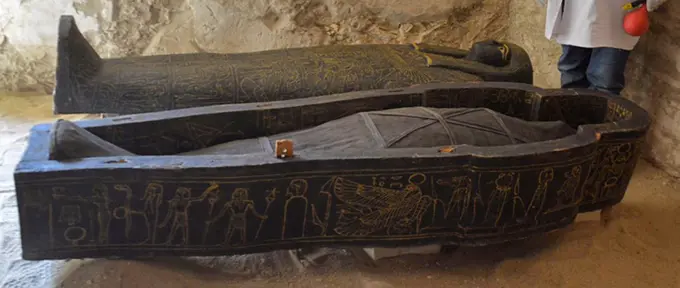
In September 2018, Egypt's Ministry of Antiquities, announced the discovery of an 18th dynasty tomb, in Draa Abul-Naga, a burial site for noblemen on the left bank of the Nile, near the Valley of the Kings. the tomb contains mummies believed to be a goldsmith called Amenemhat, who lived sometime between 1550 B.C. to 1292 B.C. The burial chamber has a niche at one end, which holds a statue of Amenemhat who sits on a chair next to his wife, Amenhotep. The Eighteenth Dynasty dates back to the 13th century BC, a period noted for some of the most well known Pharaohs, including Tutankhamen and Ramses II. The chamber has two burial shafts. In one, archaeologists found sarcophagi and remains dating from the later 21st and 22nd Dynasties. Those included the remains of a woman and her two grown children. She showed signs of bacterial bone disease and cavities. The other shaft contains funerary masks and statues depicting the goldsmith's family. The tomb hoses deteriorated mummies with their skul
1746-30012127
A photograph taken within a tomb in the Draa Abul-Naga burial site for noblemen on the left bank of the Nile, near the Valley of the Kings. The tomb contains mummies believed to be a goldsmith called Amenemhat, who lived sometime between 1550 BC to 1292 BC
1848-56100849
Stupa, Samye monastery near Lhasa, Tibet, Asia
1885-13643
Egypt, , Abu Simbel, Floodlit statues in Temple of Ramses II at night
1890-68926576
Interior view of the sculptures of the pharaohs in the Abu Simbel Temple next to Lake Nasser, Temple of the Pharaohs, Ramses II, Nubia, Egypt, Africa
7204-70650900
Africa, Egypt, Cairo. Cairo Museum of Egyptian Antiquities, golden mask of King Tutankhamen
7058-70082587
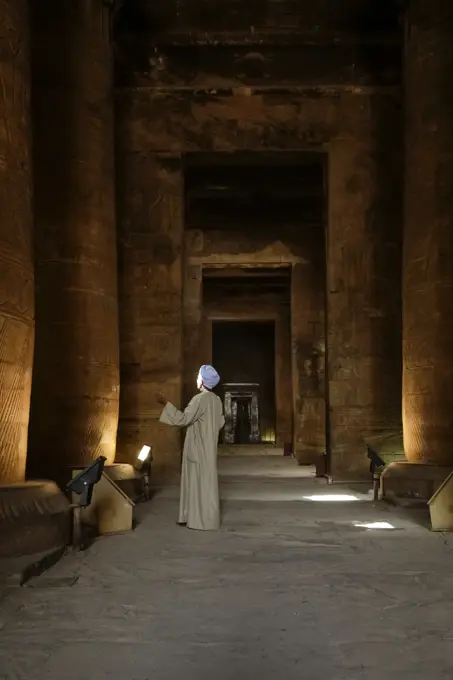
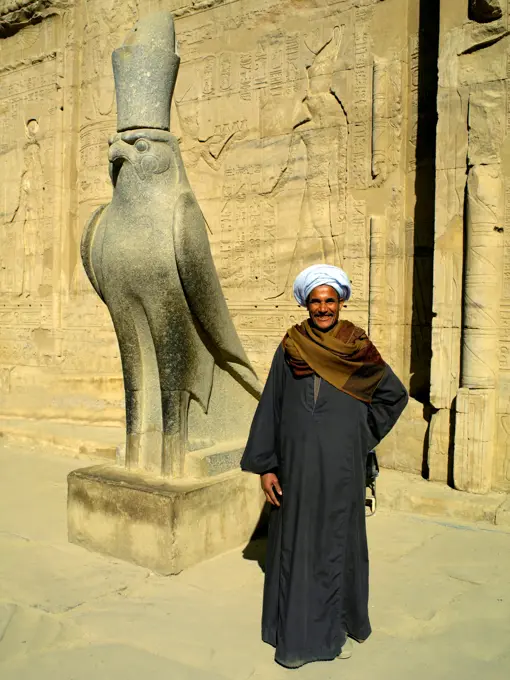
Egyptian man at Edfu Temple, Egypt.
5514-64925425
Valley of the Kings, Egypt
4443-19589604
The Hypostyle Hall of the Great Temple at Abu Simbel, Egypt, David Roberts, 1796-1864, British, 1849, Oil on panel, Support (PTG): 14 1/2 x 21 1/2 inches (36.8 x 54.6 cm), architectural subject, architecture, book, colossal, columns (architectural elements), Egyptian, Egyptian architecture, frescoes, genre subject, gods, hall, hieroglyphics, hypostyle hall, men, reading, robes, sarcophaguses, sculpture, temple, turbans, visitors, Abu Simbel, As Said, Egypt
6176-62013519
Egyptian Theban Mummy display in the Redpath Museum in McGill University,Montreal,Quebec,Canada
1746-111903317
The Ten Commandments by Cecil B De Mille's
6176-67070009
'Cairo - Prayer near the Great Sphinx', c1918-c1939. Creator: Unknown.
1746-19629621
l panel showing the Adoration in the stable with Mary, Joseph, infant Jesus, Angels, Shepherd (with bagpipes) and Oxen. . Oil on wood. n head who posed riddles
1525-66380841
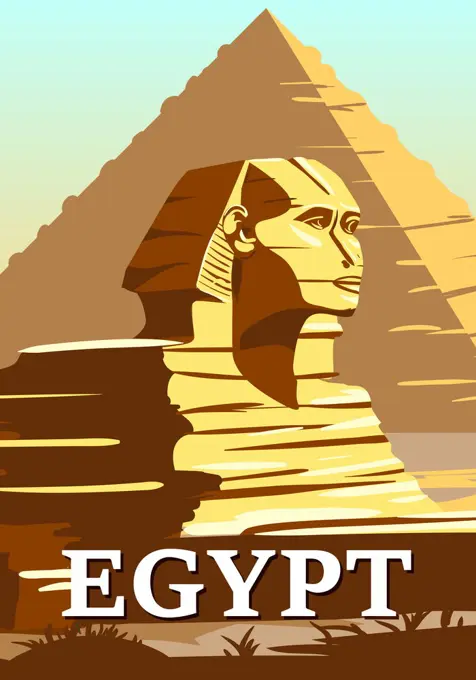
Vintage Poster Ancient Sphinx, Egypt Pharaoh Pyramids. Travel to Egypt Country, Sahara desert. Retro card illustration vector isolated. Vintage Poster Ancient Sphinx, Egypt Pharaoh Pyramids. Travel to Egypt Country, Sahara desert. Retro card illustration vector
1885-30147
Temple guide stood before a statue of Horus at Edfu
1889-12423866
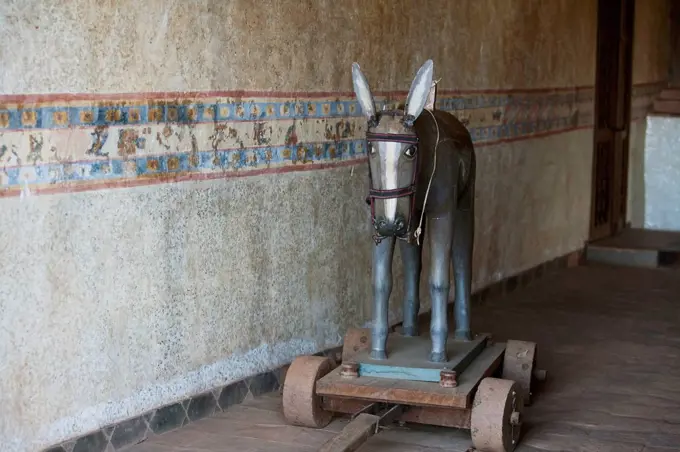
Wooden Donkey For Processions At The Jesuit Mission Of Santa Ana De Velasco, Santa Cruz Department, Bolivia
1525R-179791
judaica symbols
6145-29150954
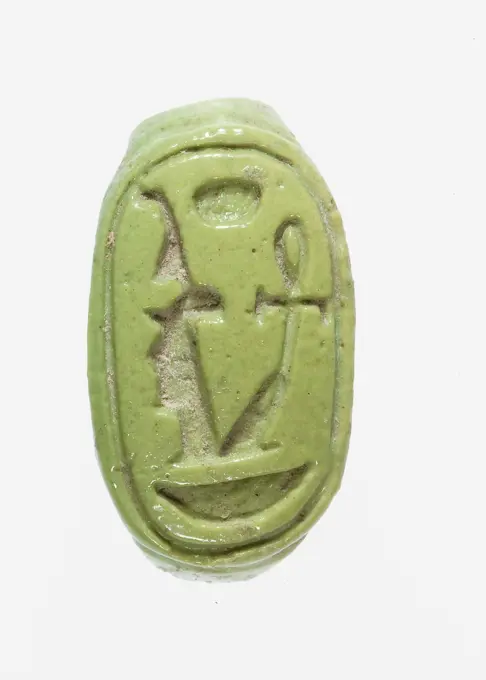
Ring Inscribed with the Throne Name of Amenhotep III ca. 1390-1352 B.C. New Kingdom Inscribed on this ring is the throne name of pharaoh Amenhotep III, Nebmaatre. This can be translated as "(The god) Re is the lord of truth," written here with three hieroglyphs. A sun disk for the name of the sun god Re is at the top. In the center is a large depiction of the goddess Maat that is used as a hieroglyph for the concept of truth, as she embodied the principle of world order, truth, and justice. She is depicted squatting and with the sign of life (ankh) on her knees. The ostrich plume that signifies her name is on her head. Other writings for this royal name use the Maat feather alone, but the small figure of the goddess herself might express a more direct and intimate relationship between the king and this goddess. At the very bottom of the bezel is a curved sign representing a basket. This has a phonetic reading neb and means "lord." Every Egyptian king had five names and four of them, in
1848-55997585
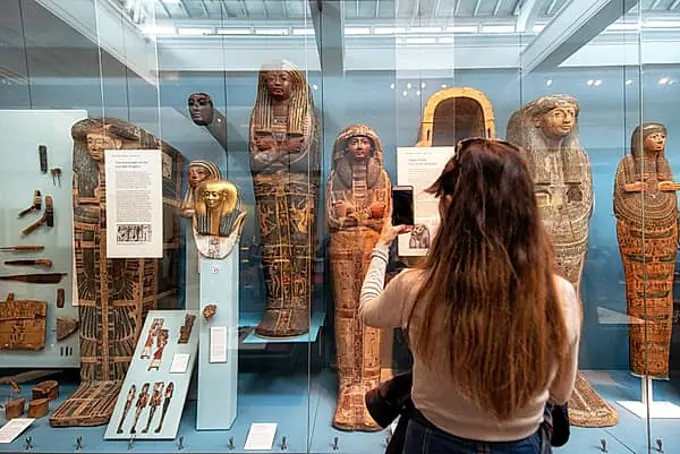
London, United Kingdom, May 13, 2019: The British Museum, London. Hall of Ancient Egypt, tourist taking a picture of ancient mummies exhibition, Europe
1525-27357305
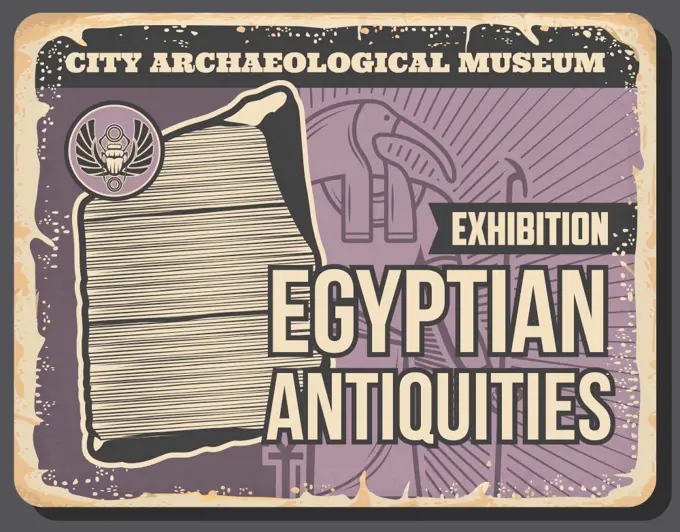
Ancient Egyptian Rosetta stone vector poster design with hieroglyphic inscriptions, Thoth, god with ibis head, ankh symbol and scarab beetle amulet. Archaeological exhibition or travel grunge poster. Rosetta stone and Ancient Egypt poster
PREVIOUS
of 2
NEXT
2401 S. Ervay, Suite 206
Dallas, Texas 75215
United States
Get Started
Free ResearchMy BoardsMy Cart
For Creators
How To License Your ContentContributor PortalFrame of Mind
Resources
API accessPricing
Contact
+1 866 236 0087help@viewpictures.co.uk Contact form
©2026 View Pictures. All Rights Reserved. -B
This site is protected by reCAPTCHA and Google Privacy Policy and Terms of Service apply.