My Boards
View Pictures
  • My Boards
← Artworks

Ancient Female Figurines

A range of ancient clay figurines representing women, showcasing diverse styles from different cultures, each with unique adornments and artistic expressions.
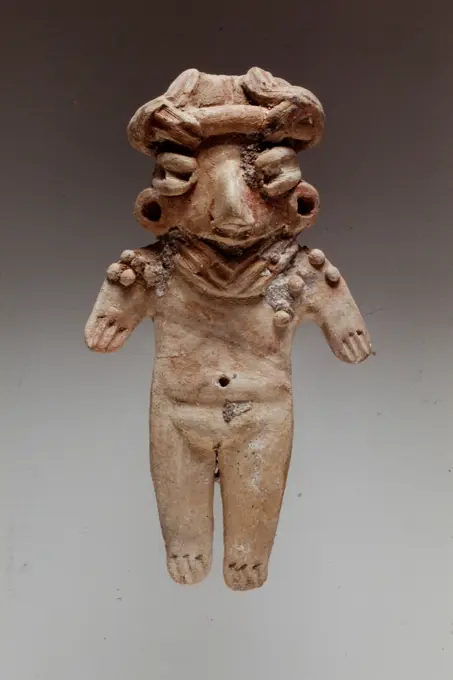
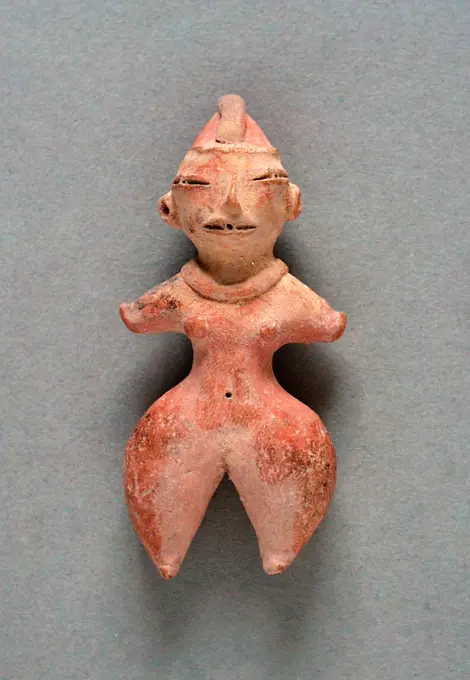
Standing female figure, 250 BCE - 300 CE, 5 3/8 x 3 x 1 1/8 in. (13.7 x 7.6 x 2.9 cm), Earthenware, Mexico, 3rd century BCE - 4th century CE
271 assets in this story
6176-67040599
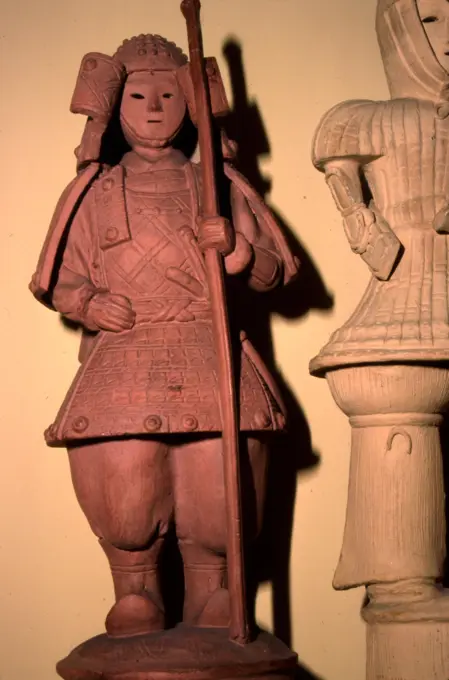
Japanese Warrior, Haniwa Tomb Figure, c300-550. Artist: Unknown.
4409-17546335
Hen. Japan. Date: 300 AD-552 AD. Dimensions: 35 × 35.8 × 15 cm (13 3/4 × 14 1/8 × 5 7/8 in.). Earthenware. Origin: Japan. Museum: The Chicago Art Institute, Chicago, USA.
1788-39118
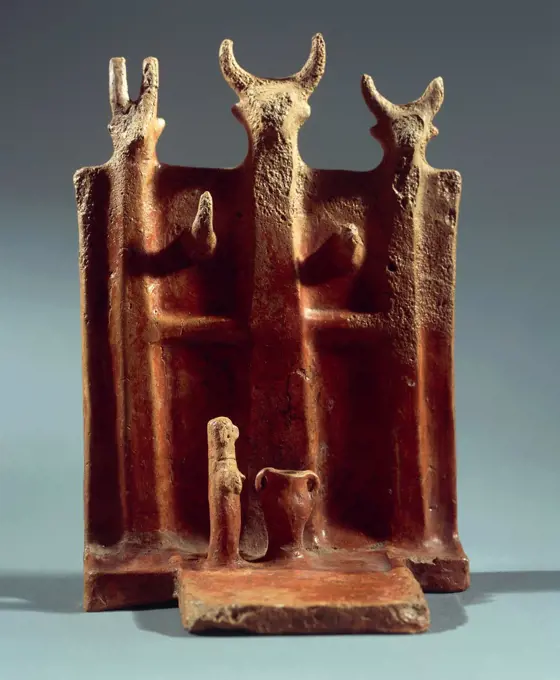
Prehistory, Cyprus, Bronze Age. Clay model representing libation scene. From Kotchati necropolis.
1525R-64502
4409-20888142
Ceramic vessel, erotic art Nazca culture 100AC-800AC Perú.
6188-68093041
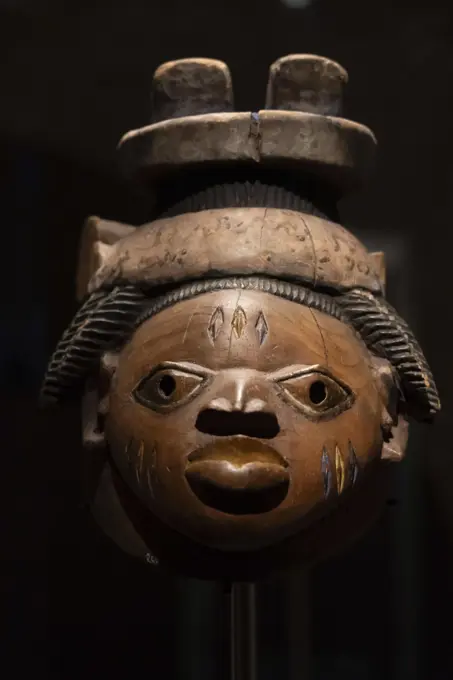
Gelede Helmmaske zu Ehren der Figur der Frau Gelede helmet mask to honor the figure of women, Yoruba, Nigeria, 20th century, carved and painted wood, MEB, Barcelona, Catalonia, Spain LicenseRF Copyright: xZoonar.com/Tolox 23171327
4409-28750018
IDOLO DE MADERA. Location: METROPOLITAN MUSEUM OF ART. NEW YORK.
4409-63014510
Mesoamerica. Anthropomorphic figure. Veracruz. Gulf of Mexico. 300-900 BC. Mexico. Museum of Cutures of the World. Barcelona. Spain.
4409-28819502
Joseph de Crefft, 1929-1936, Stone, pollensa museum, Majorca, Balearic Islands, Spain.
4409-17398312
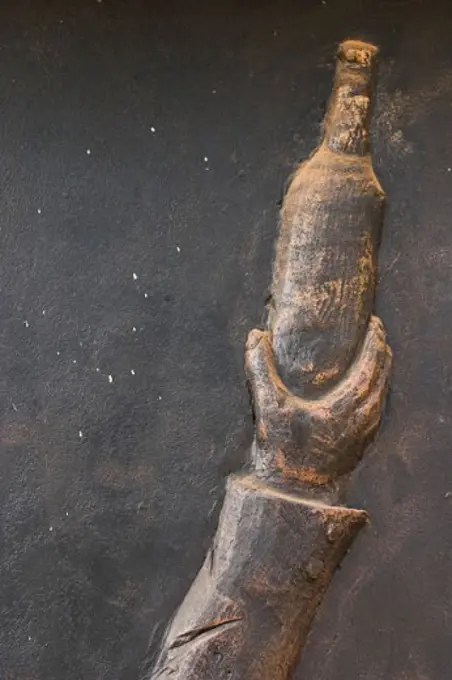
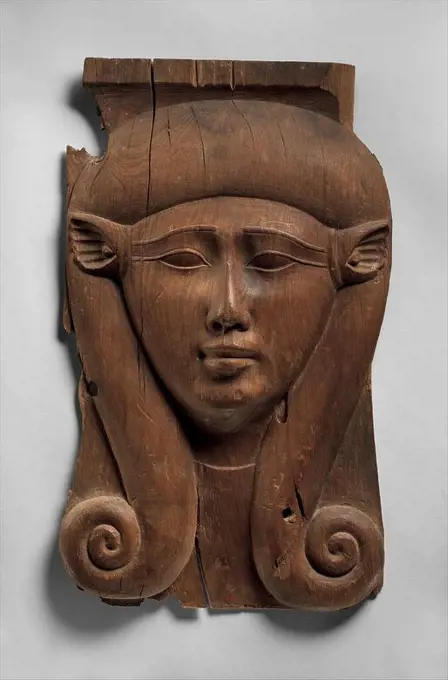
Panel from a Hathor Column. Dimensions: H. 44.8 cm (17 5/8 in); w. 26.7 cm (10 1/2 in). Dynasty: Dynasty 30-early Ptolemaic Period. Date: 380-200 BC.The panel may have originally formed one of the four faces of a wooden Hathor column for a light open structure. The outer shrines of the divine naos on the river barques or processional barques of certain goddesses are sometimes depicted with columns having Hathor capitals. Other uses are certainly possible: although much earlier than this example, the New Kingdom tomb of Ipuy at Thebes depicts the construction of an openwork wooden catafalque for the deified king Amenhotep I that has a large Hathor emblem at the focus of what appears to be latticework (see 30.4.116). Museum: Metropolitan Museum of Art, New York, USA.
1788-22839
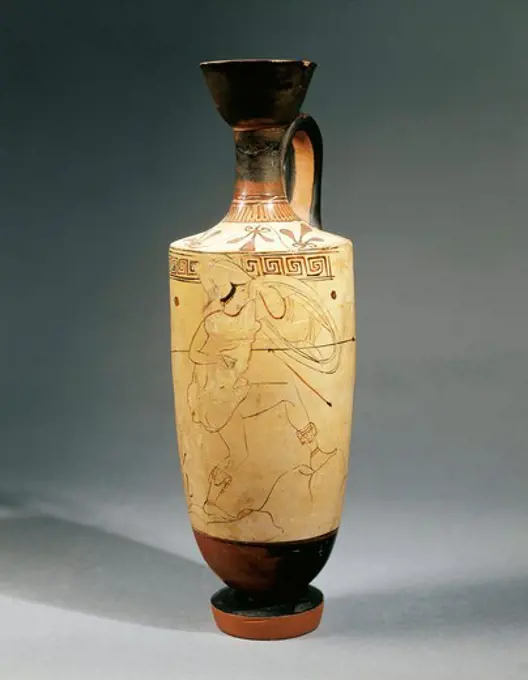
Italy, Sicily, White-ground lekythos (vase used to store oil) depicting a young warrior, painted by Bowdoin Painter, 460/450 B.C.
6145-46812279
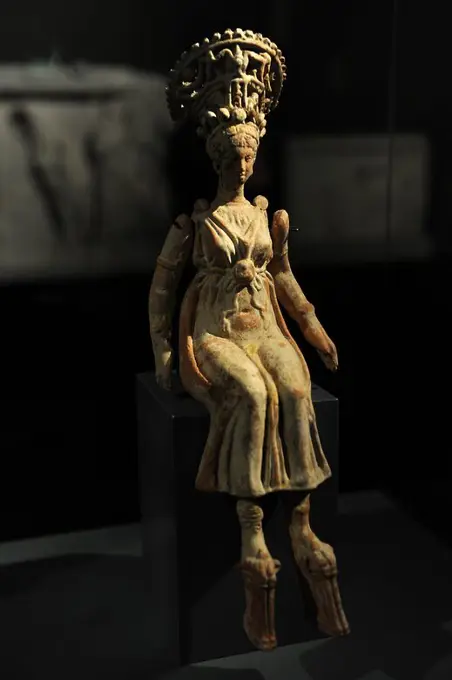
Seatedfigurine.  Artist: Unknown
4409-65764249
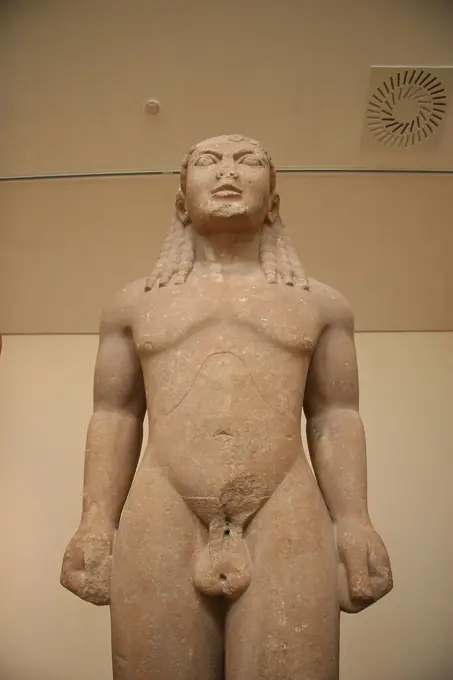
Statues of Kleobis and Biton. Two brothers of Argos. 7th century BC. Delphi Archaeological museum. Author: Polymides (Argos. 7th BCE).
1746-21111326
Wooden maternity sculpture from Cameroon, Africa. By Kwayep of Bamana. Dated 1912
6145-29724628
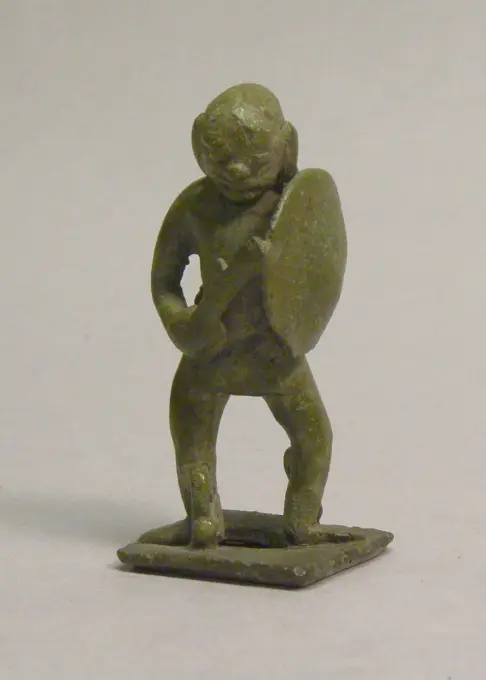
Standing Warrior 500 B.C.-A.D. 300 Indonesia (Java). Standing Warrior. Indonesia (Java). 500 B.C.-A.D. 300. Bronze. Bronze and Iron Age period. Metalwork
4443-28739546
Seated Figure, 6th century BCE - 6th century CE, 8 1/2 x 3 1/8 x 2 15/16 in. (21.59 x 7.94 x 7.46 cm), Terracotta, Nigeria, 6th century BCE - 6th century CE
7003-71251345
New Zealand, North Island, Auckland, Auckland War Memorial Museum, Maori Court, traditional Maori carving
4409-28827086
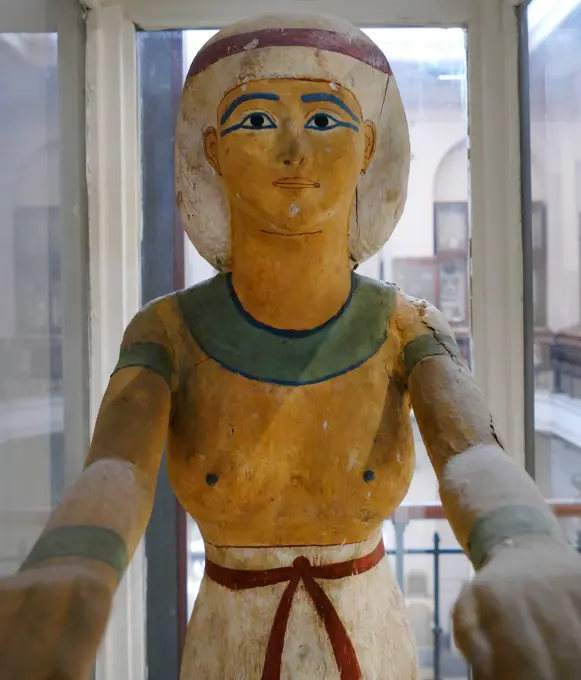
Ushabti of pharaoh Rameses VI, calcite, 20th dynasty, 1143-1136 BC, tomb of Rameses VI, valley of the kings, Thebes, Egypt, collection of the British Museum.
6176-67038152
Detail of a Mayan pottery incense burner, 8th century. Artist: Unknown
1788-19223
Group sculpture of Akhenathon kissing his daughter from Tell-el-Amarna
4409-17416201
Headdress: Janus. Culture: Yoruba peoples, Ijebu group. Dimensions: H. 24 in. (61 cm). Date: 19th century.This dramatic headdress is more severe, geometric, and linear than most familiar Yoruba sculptures. With extraordinary mastery of a single block of wood, the sculptor has created an expressive work built entirely out of pure geometric shapes. The face is a disk, the nose a triangle, the cap a hemisphere, and the lips two bars, but the whole is a human face of great beauty. Overlying that face playfully and mysteriously is the long-nosed face of a horned animal that reuses elements of the larger face in a double entendre.Ijebu water-spirit masks such as this example are used in performances that are part of a festival known as Agbo. This mask's two hornlike projections are braids that recall coiffures worn by Ijebu priests, queens, and elders. It was apparently worn by a performer, whose body was concealed by a costume attached around the top of the wooden cap, hiding it completel
6145-54680635
Upper Part of a Seated Figure in a Long Kilt Middle Kingdom ca. 1800-1650 B.C. Wearing a high-waisted kilt, this man, perhaps from the lower echelons of the elite, was likely seated with his arms and hands flat on his thighs. His shaved head, a feature in earlier sculptures signifying purity before the gods, here more likely reflects the fashion of the later Middle Kingdom. View more. Upper Part of a Seated Figure in a Long Kilt. ca. 1800-1650 B.C.. Serpentinite
6145-29118997
Standing Female Figure
4409-20988317
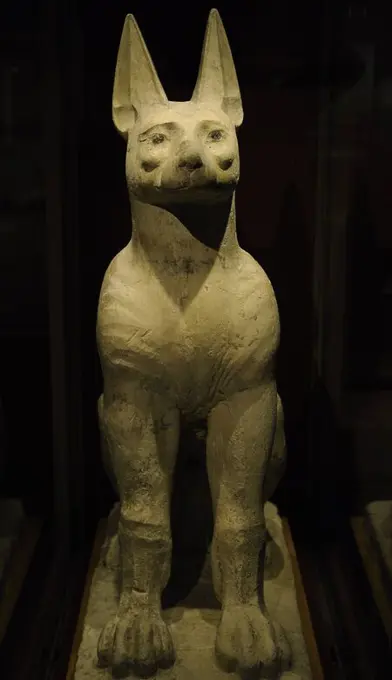
Sculpture depicting God Anubis depicted as a jackal. Dated in the New Kingdom. Museum of Mediterranean and Near Eastern Antiquities. Stockholm. Sweden.
1746-21114961
statue of an Egyptian Noble. From a Sixth Dynasty tomb, 2323-2150 BC
6145-29835326
Male Figure ca. 5th century India. Male Figure 38394
1746-19679421
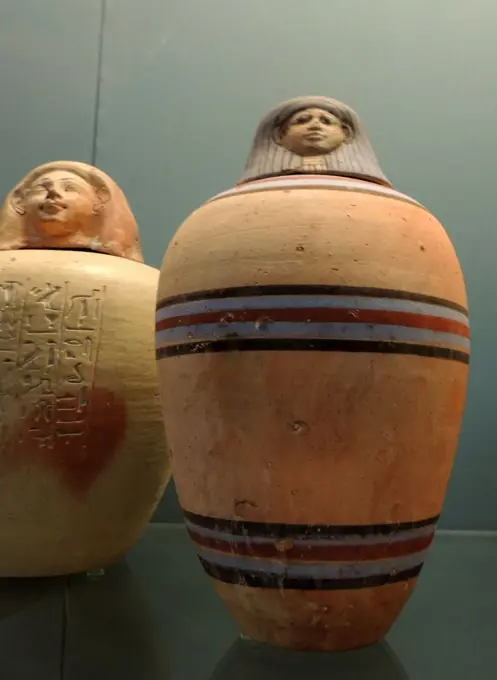
Painted Canopic Jar 1450 B.C. Egypt
1746-21107760
Figure from reliquaries ensemble. From the Kota people. Made from wood, copper and brass. From Gabon.
4409-17582243
'Kneeling Adorer'. Siam (now Thailand). Bangkok art, Late 18th - early 19th century. Dimensions: h. 50,5 cm. Museum: State Hermitage, St. Petersburg.
4409-63350
Asia Minor. Ancient Art. Maiden in Wedding adornment. 100-50 BC. Kymi (Aeolis).
1746-30004468
Ancient terracotta figurines from the 12th Century BC
1746-29955433
Statue of Nephtys, 21st Dynasty (c. 1070 - 946 BC). Cachette of the priests of Ajnun, Deir el-Bahari Statue of Isis wearing transparent dress tied with long belt. Her wig is circled and tied with band. She is sketching her arms to receive the deceased
4409-63014603
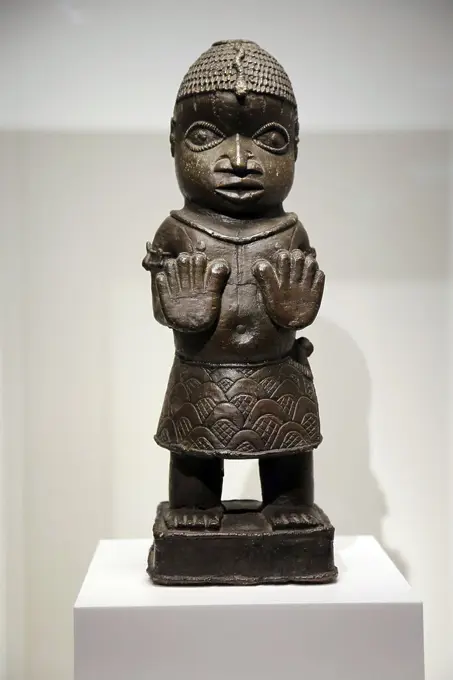
Benin empire. southern Nigeria. Benin city, Edo. Figure with palms raised. 1550-1700. Museum of world cultures. Barcelona. Spain.
4409-63013890
Elam. Moulded clay brick panel: Elamite goddess. Temple of Inshushinak, Susa, 2000 BCE. Louvre Museum. Paris.
6176-67038683
Huaxtec culture terracotta figurine. Artist: Unknown
6145-29818139
Terracotta statuette of Eros flying 3rd century B.C. Greek, South Italian, Tarentine Flying, arms and left leg extended.. Terracotta statuette of Eros flying 248612
4409-20999762
Asian Art. Fantastic animal. Loess, glue paints, moulding. Dunhuang ( Silk Roa), China. 8th century. The State Hermitage Museum. Saint Petersburg. Russia.
1746-30004700
Statuette of standing man with inscription in South Arabian script (Qatabanic language) on the base: (Tabbakarib son of Aglum). Alabaster. Qatabanite period, 2nd century BC, Yemen, Qataban Kingdom
1746-29953539
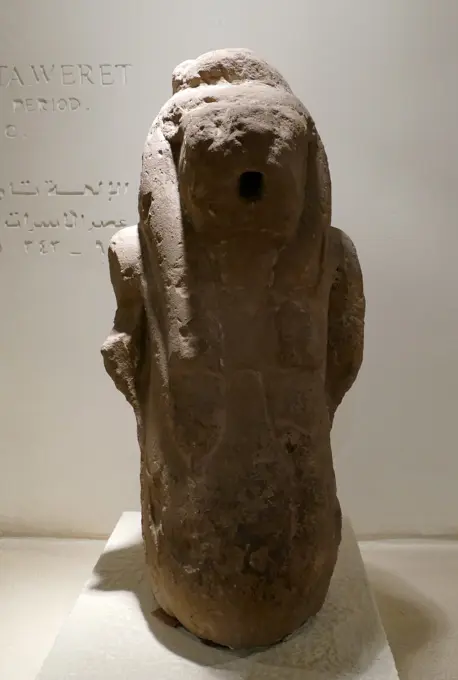
Statue of the Goddess Taweret; Late Dynastic Period, Luxor, Egypt. 945-343 BC. In Ancient Egyptian religion, Taweret is the protective ancient Egyptian goddess of childbirth and fertility.
6145-29136919
Wooden Boy Attendant. Korea, Joseon (1392-1910), 18th century. Sculpture. Carved wood with pigments
6145-29064650
Head of Ni-o with Closed Mouth, 1200s. Japan, Kamakura period (1185-1333). Wood; overall: 76.8 x 37.8 cm (30 1/4 x 14 7/8 in.).
4409-17370973
Figure Pendant. Culture: Chiriquí. Dimensions: Height 4-1/8 in.. Date: 11th-16th century. Museum: Metropolitan Museum of Art, New York, USA.
1848-61844737
Lid of funerary urn with jaguar god and two jaguar figures, Popol Vuh Museum, Guatemala City, Guatemala City, Guatemala, Central America
6176-67053352
Terracotta Corinth Doll, 350 BC. Artist: Unknown.
4163-13991
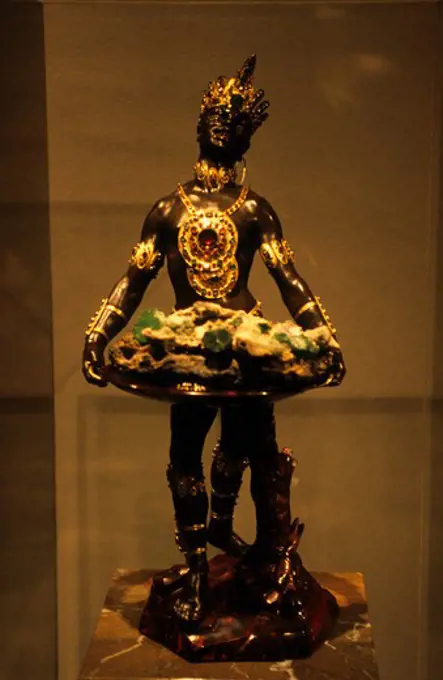
GERMANY, DRESDEN, ALBERTINUM, GREEN VAULT, DISPLAY OF TREASURES
1848-55374568
The Warrior, Olmec Sculpture, Parc Museum La Venta, Villahermosa, Tabasco, Mexico, Central America
4409-19059187
Ivory female figurines. Ancient Egyptian, Early Middle Predynastic, 4400-3900 BC, British museum, London, England, Great Britain.
4409-28786135
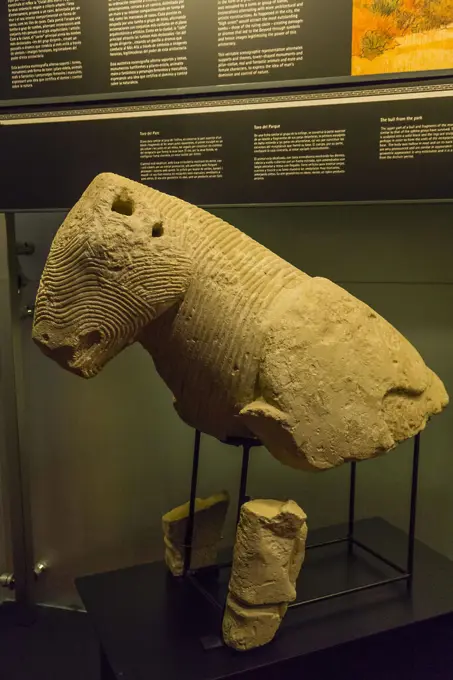
toro del parque, museo arqueologico y de historia de Elche Alejandro Ramos Folqués, Elche, Alicante, comunidad Valenciana, Spain, Europe.
4409-17241369
Museo de la Romanización, Calahorra, La Rioja , Spain, Europe.
1746-29955201
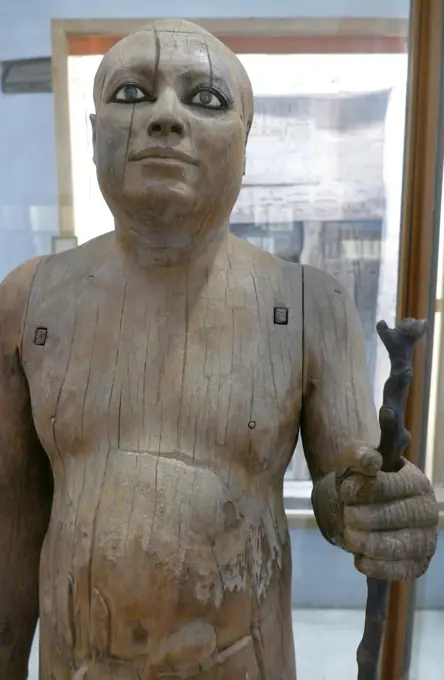
Wooden statue of Kaape (Sheikh el-Beled), an ancient Egyptian scribe and priest who lived between the late 4th Dynasty and the early 5th Dynasty, 2500 BC
1848-56650752
Estela de arenisca tipo cabeza cortada, III a.C., San Esteban de Mesterika, Menaka, Arkeologi Museoa, museo aqueologico, Bilbao, Bizkaia, Pais Vasco, Spain, Europe
6145-29764010
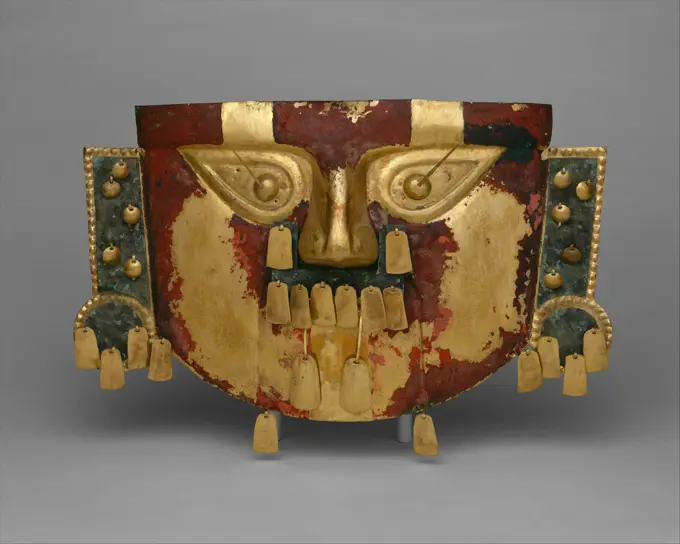
Funerary Mask 10th-12th century Lambayeque (Sicán) This mask, made of hammered sheet gold alloy and covered in red pigment, once adorned the body of a deceased ruler on Perus north coast. Powerful dynasties arose in this region between the eighth and the fourteenth centuries A.D. and amassed great riches in gold and silver before they were conquered by the Inca Empire in the late fifteenth century. The lords of these dynasties were the patrons of vast workshops where finely crafted ornaments and ceremonial vessels were created (see 1991.419.62; 66.196.27). At death, the lords were buried deep in monumental mud-brick platform mounds along with large numbers of objects of precious metal, shell, and cloth. In addition to beakers, disks, and other ornaments, the burials included large masks made of sheet gold. As many as five masks were placed into one burial: one attached to the head of the textile-wrapped body, and the other four stacked at the feet of the deceased.This mask was made of
4409-63012352
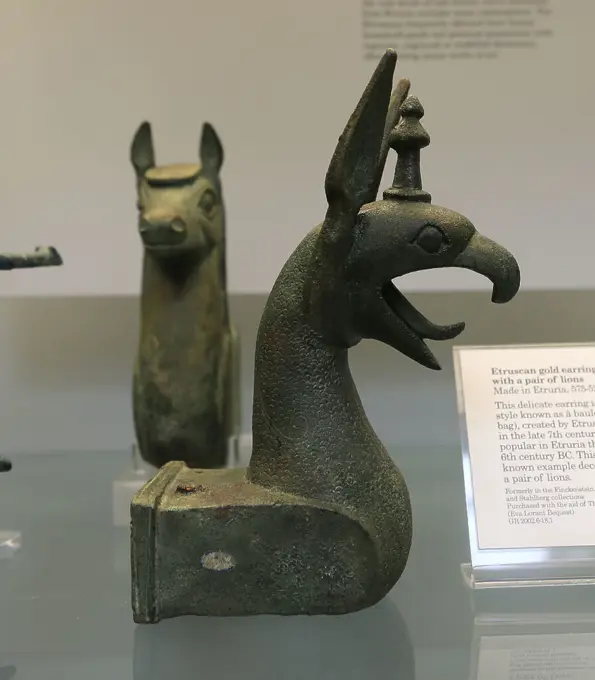
Etruscan art. Bronze shaft-end with head of a griffin. 660-575 BC. Chiusi, Italy. British Museum. London, UK.
6188-64529375
Der heilige Martin von Tours Saint Martin of Tours, polychrome carving, 13th century, from the area of Barbastro, Huesca, Girona art museum, Girona, Catalonia, Spain Copyright: xZoonar.com/TOLOxBALAGUERx 22283367
4409-63014173
Mesopotamian stele, usurped by the Elamites. A god with orant (damaged). Sun and moongod symbols. Susa, Iran, Basalt. 12th BCE. Louvre Museum.
4409-20887981
Ceramic vessel, depicting prisoner of war Moche culture 100 AC-800 AC Perú.
4409-17281299
MASCARA PINTADA-ARTE PRIMITIVO. Location: METROPOLITAN MUSEUM OF ART. NEW YORK CITY.
1746-28980110
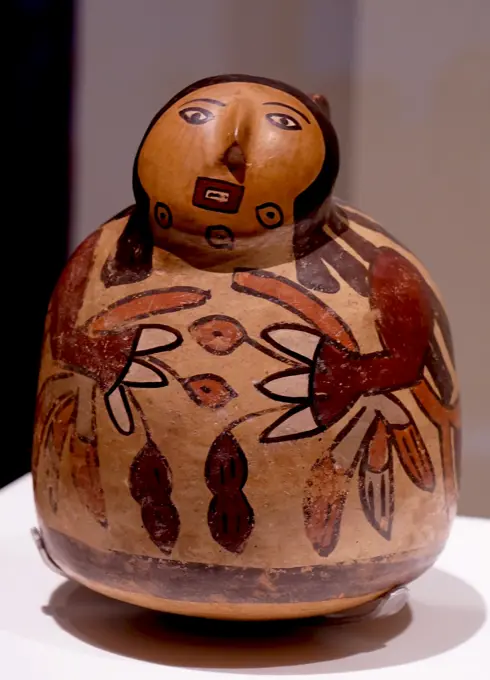
Ceramic bridge and spout vessel with a human figure with vegetal motifs. From Peru. Dated 3rd Century
1899-17320237
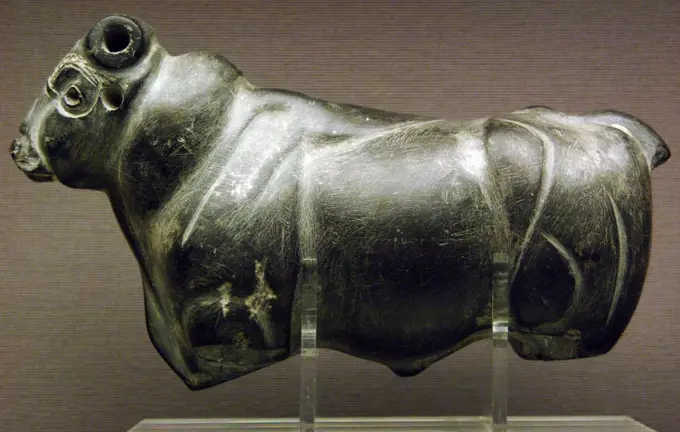
Mesopotamia. City state of Uruk. Stone bull. Late Uruk Period. 3300-3000 BC. Probalby from Uruk. British Museum. London. England. United Kingdom.
6188-63941907
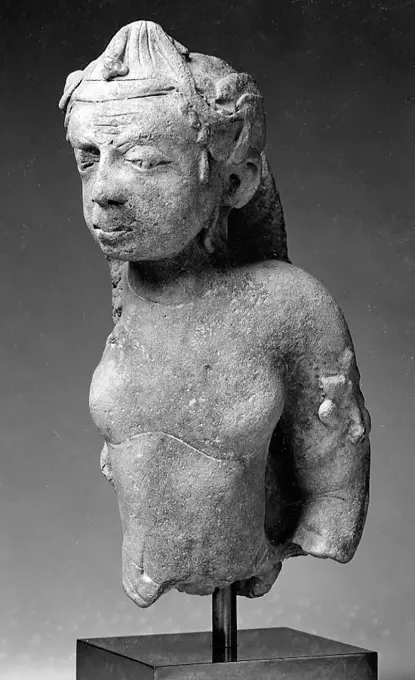
Apsara 11th - 12th century AD Kalchurian period, found at Jabalpur, Madhya Pradesh, India Copyright: xHarixMahidhar/DinodiaxPhotox
4435-6477
Bull. 1300 -100 BC. Bronze Age. Talaiotic Culture. Sculpture on bronze. SPAIN. CATALONIA. BARCELONA. Barcelona. Archaeology Museum of Catalonia. Proc: SPAIN. BALEARES.
4409-18205535
Jarrón de cerámica verde y manganeso, siglo XIV. Museu Comarcal de Manresa.
4409-21489631
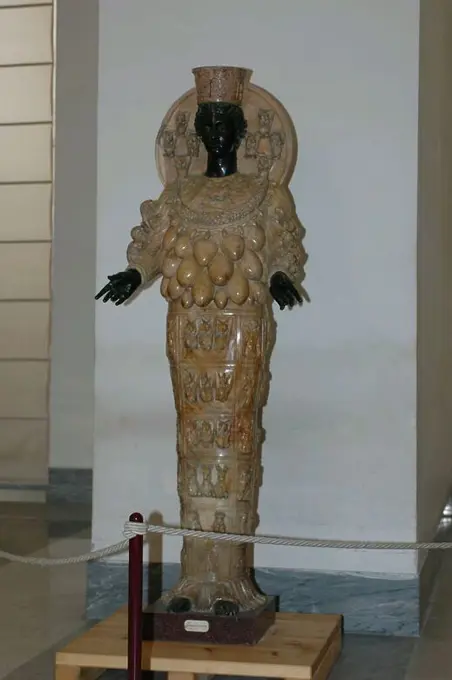
ESTATUA DE ARTEMIS DE EFESO - COPIA DEL ORIGINAL DEL SIGLO II AC - ALABASTRO. Location: NATIONAL MUSEUM OF ARCHAEOLOGY. NEAPEL. ITALIA. DIANA (MYTHOLOGY). DIANA DE EFESO. DIANA EFESINA.
6176-67039765
Terracotta figure of a horseman, Greek, from Tanagra, Boeotia, Greece, c550 BC. Artist: Unknown
1746-21129866
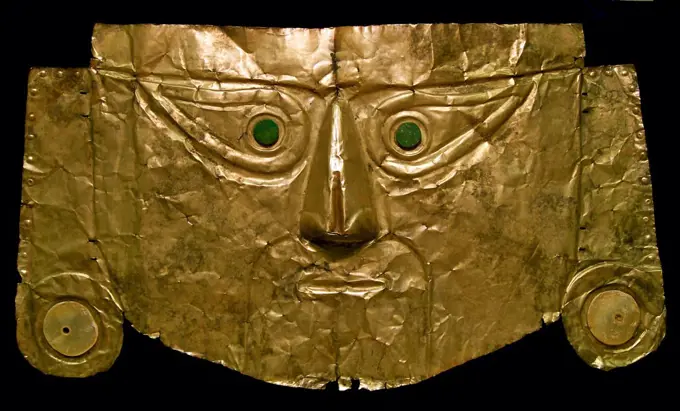
Pre-Columbian art: Chimu gold burial mask, with shell ear-plugs and dark green stone eyes, from northern Peru, 1100 - 1400 AD. This mask would have been placed on the face of a mummy.
1746-29955160
Gilded statue of King Tutankhamen standing with a spear on a reed float. From his tomb. 1323 BC. 18th dynasty, New Kingdom
6176-67053785
Female statuette, probably the Great Goddess of Babylon. Artist: Unknown
1788-15528
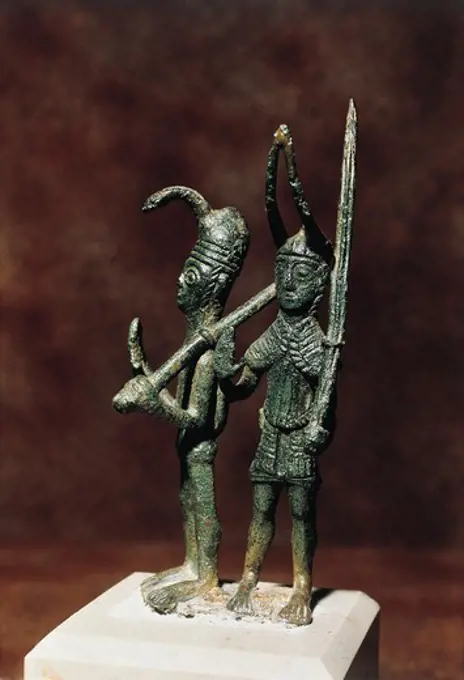
Pair of warriors in bronze, from Teti, Sardinia Region, Italy
4290-4704
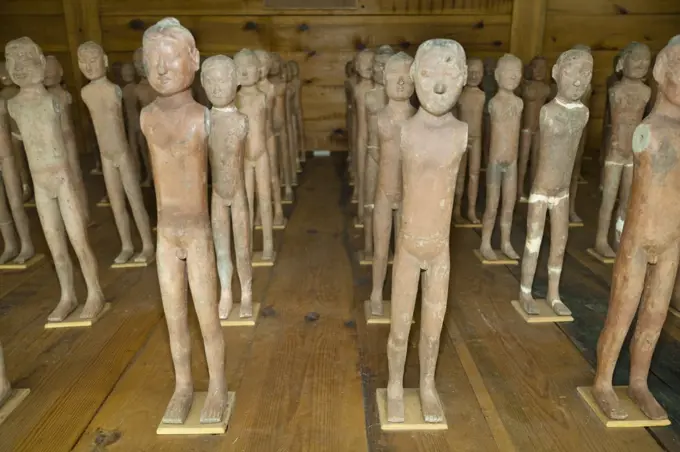
Excavated terracotta exhibits, Han Yang Ling Museum, Zhangjiawan, near Xian, Shaanxi Province, China
4409-63012046
Pre-islamic cultures. Arabian Peninsula 4thBC-1stBC. Statue head. Graves stones. Representation of the burie. 3stBC-1stBC. Alabaster. Yemen.
1788-15045
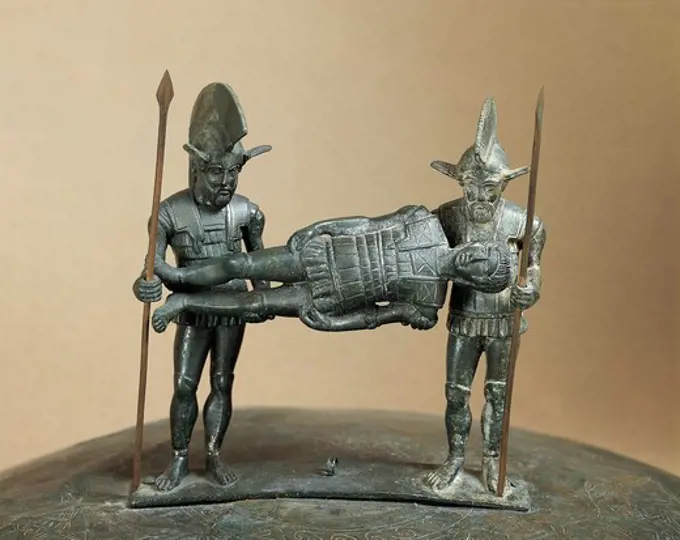
Etruscan civilization, Kist handle in bronze, portraying two warriors carrying wounded comrade, From Preneste, Palestrine Hill (Rome)
PREVIOUS
of 3
NEXT
2401 S. Ervay, Suite 206
Dallas, Texas 75215
United States
Get Started
Free ResearchMy BoardsMy Cart
For Creators
How To License Your ContentContributor PortalFrame of Mind
Resources
API accessPricing
Contact
+1 866 236 0087help@viewpictures.co.uk Contact form
©2026 View Pictures. All Rights Reserved. -A
This site is protected by reCAPTCHA and Google Privacy Policy and Terms of Service apply.