Ancient Figurine Fragments

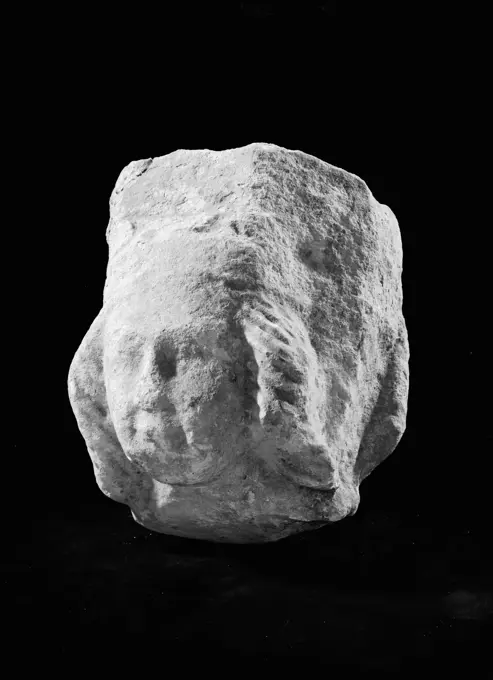
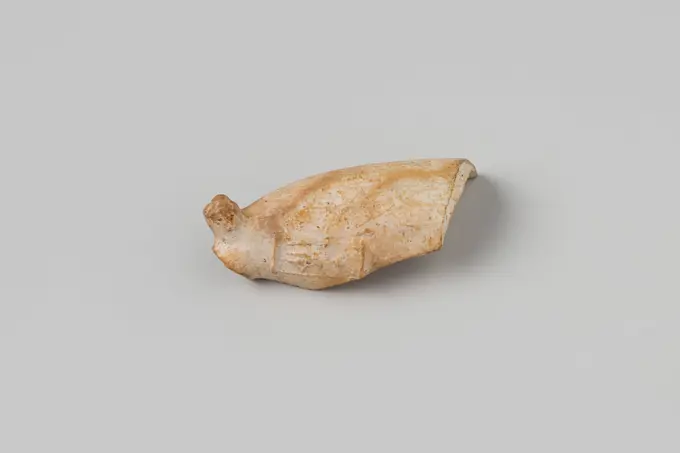
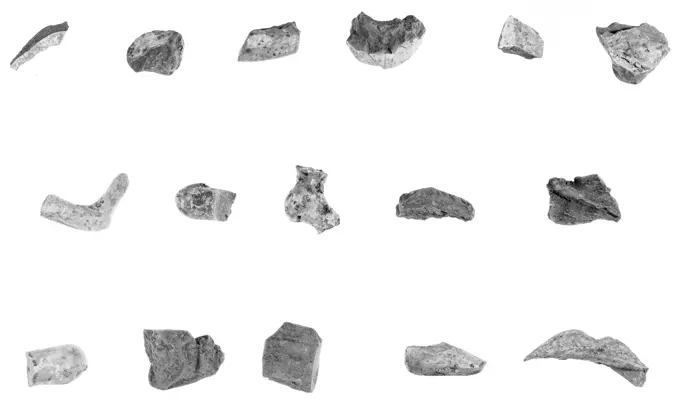
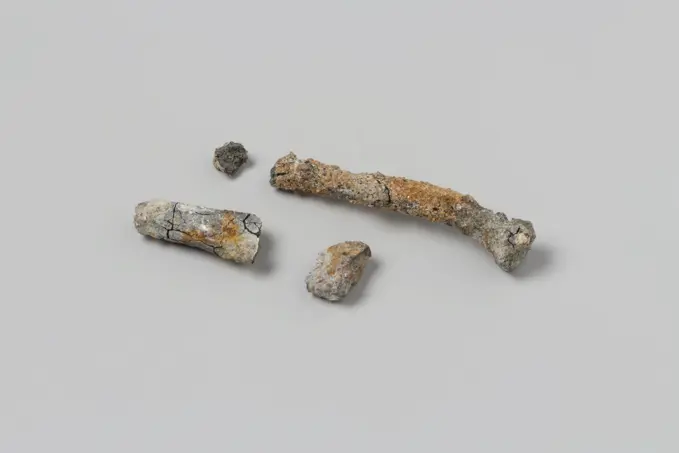
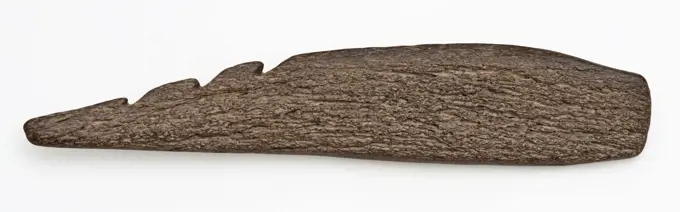
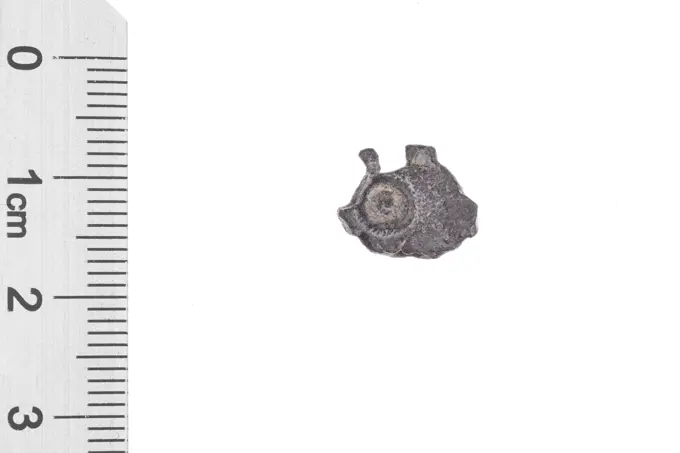
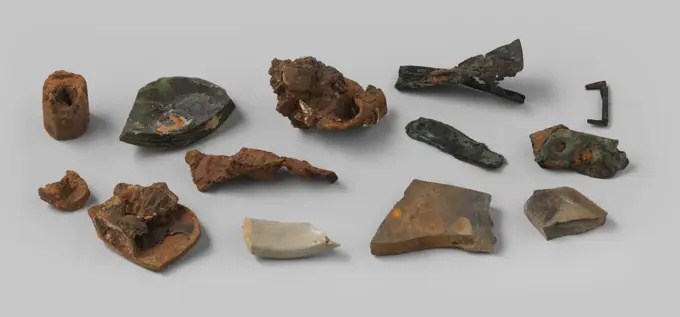
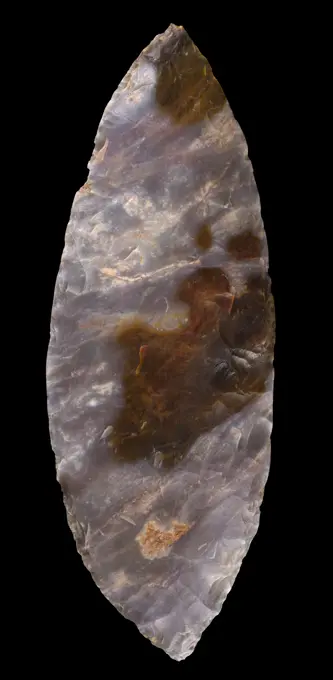
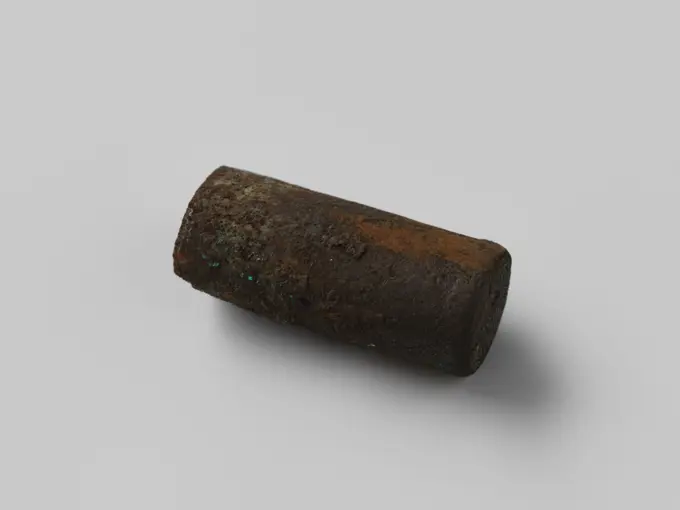
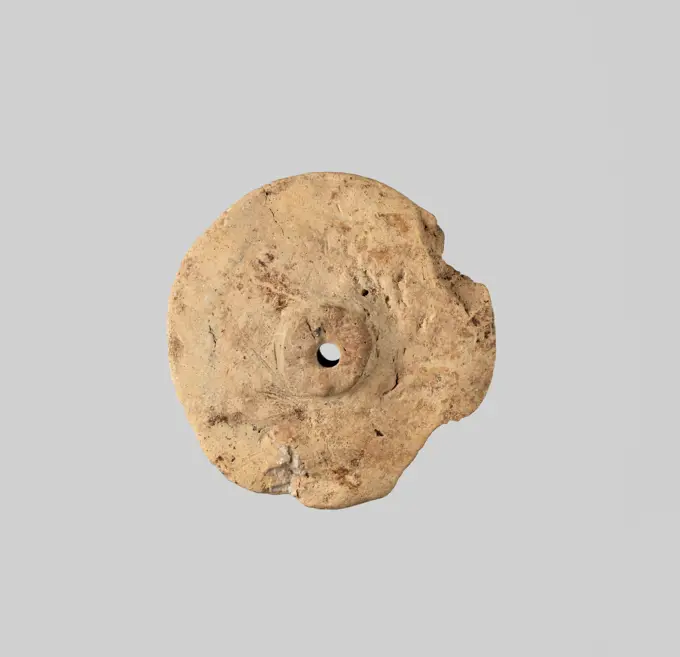
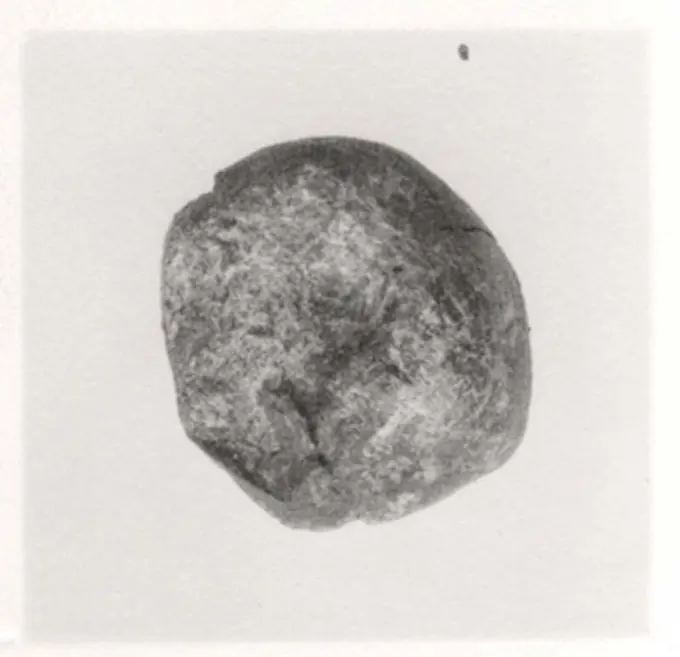
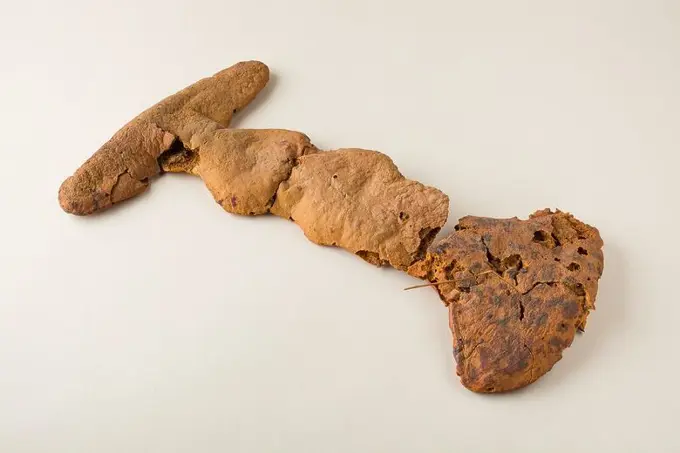
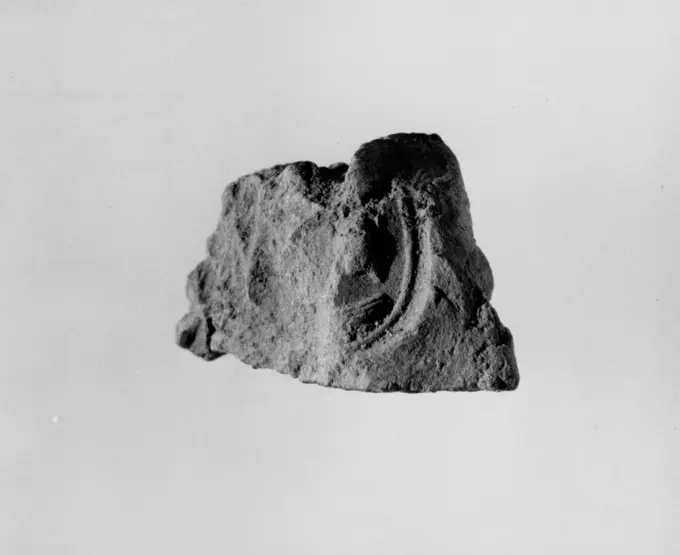
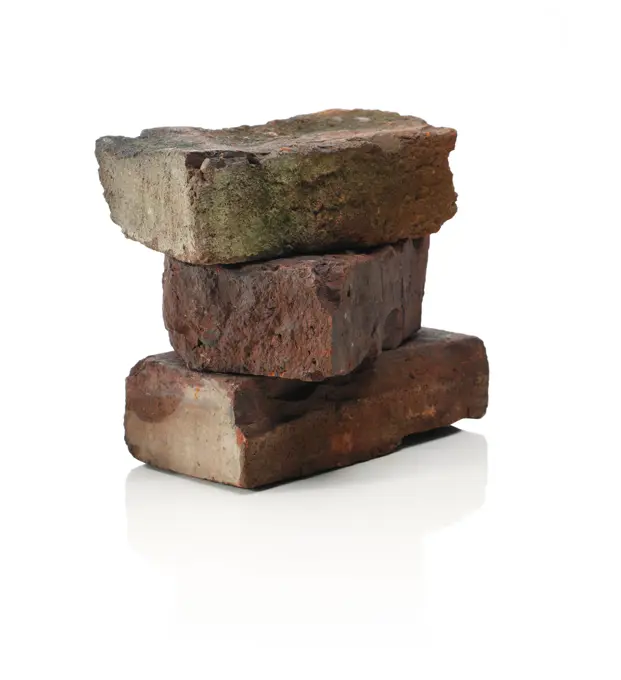
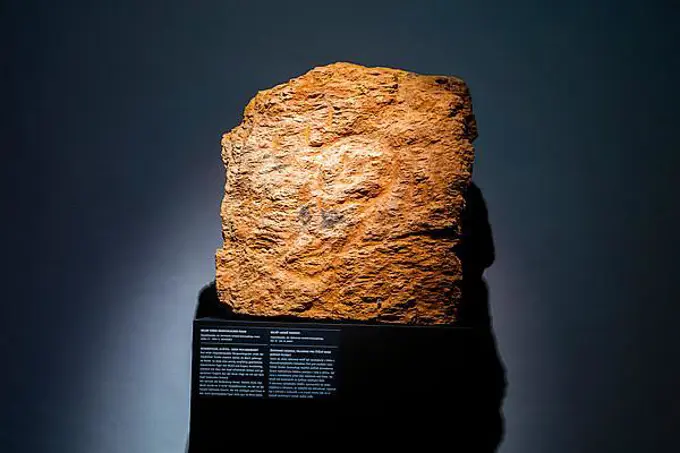
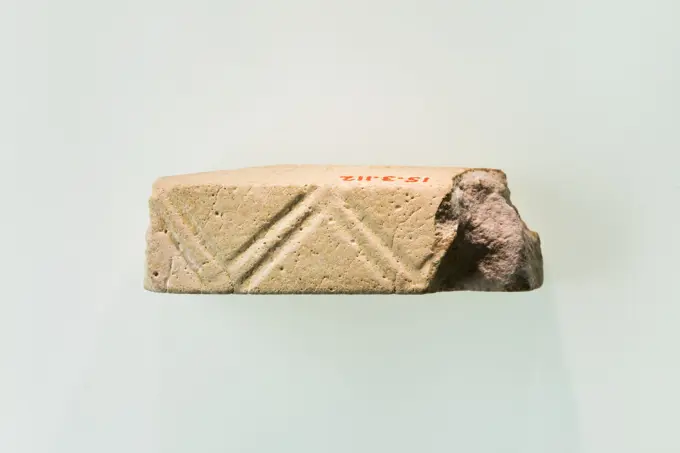
A collection of eroded fragments resembling ancient figurines, including female heads. Varied textures and shapes highlight their historical significance.

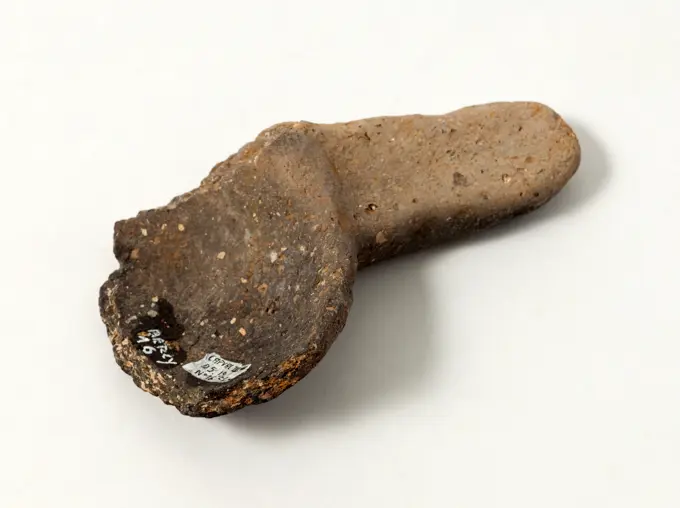
Vase fragment East Greek/Sardis, Lydian. Vase fragment 252752 East Greek/Sardis, Lydian, Vase fragment, Terracotta, Overall: 2 1/4 x 13/16in. (5.7 x 2cm). The Metropolitan Museum of Art, New York. Gift of The American Society for the Excavation of Sardis, 1926 (26.199.185)
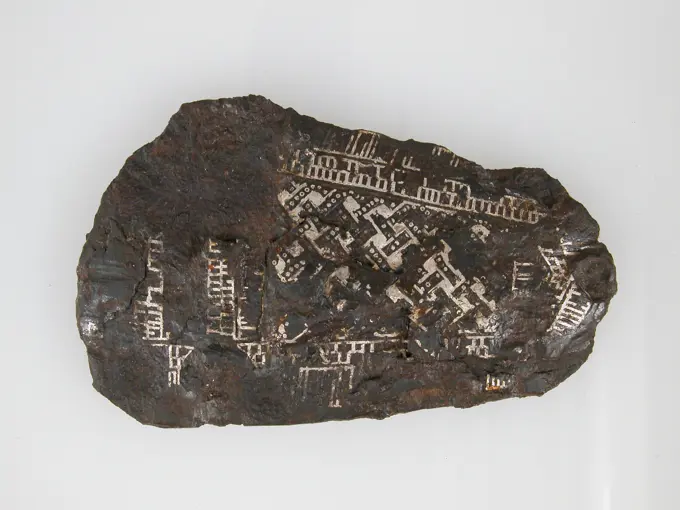
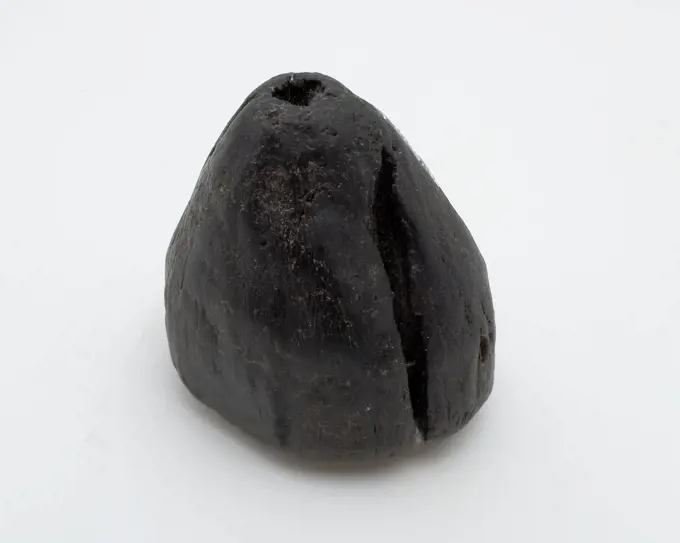
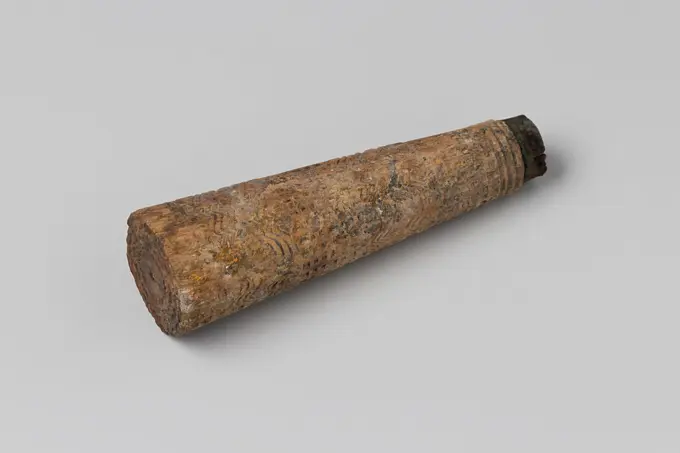
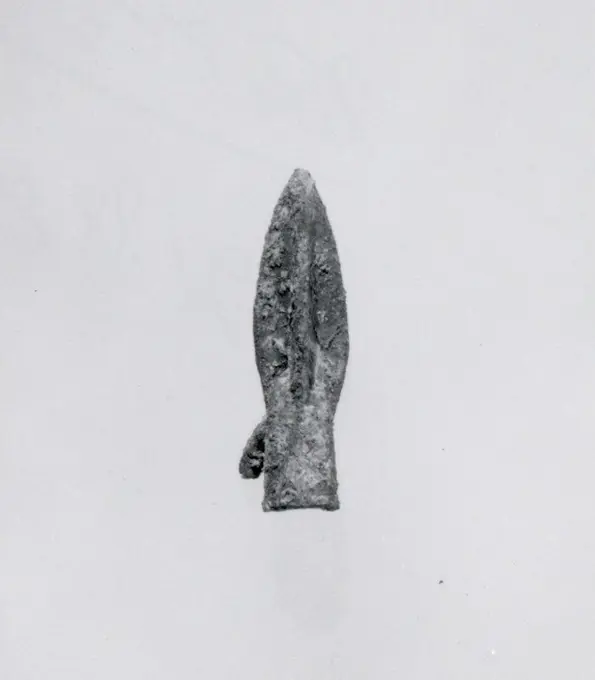
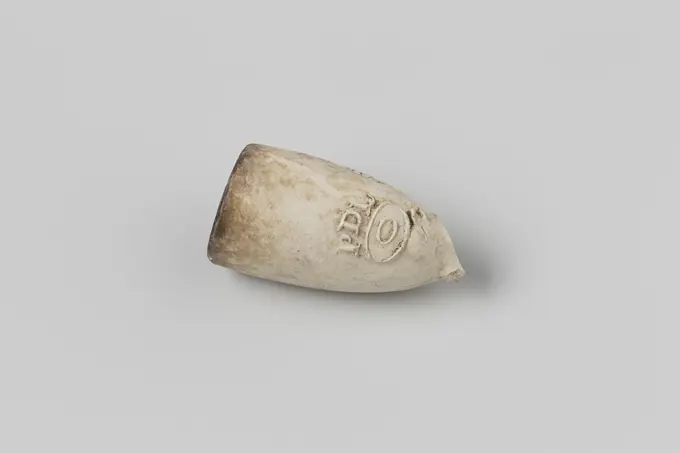
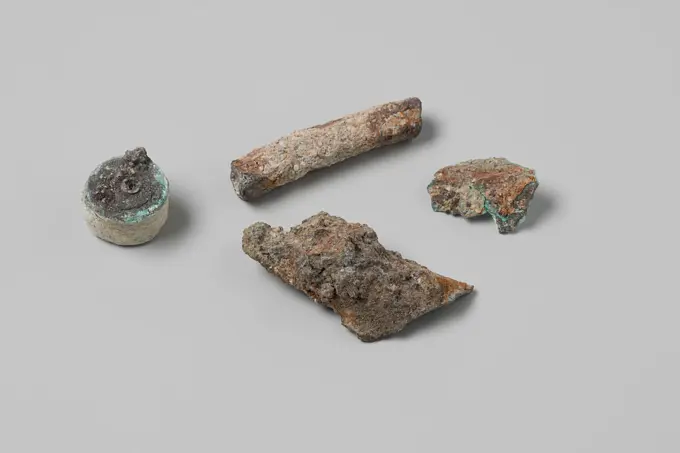
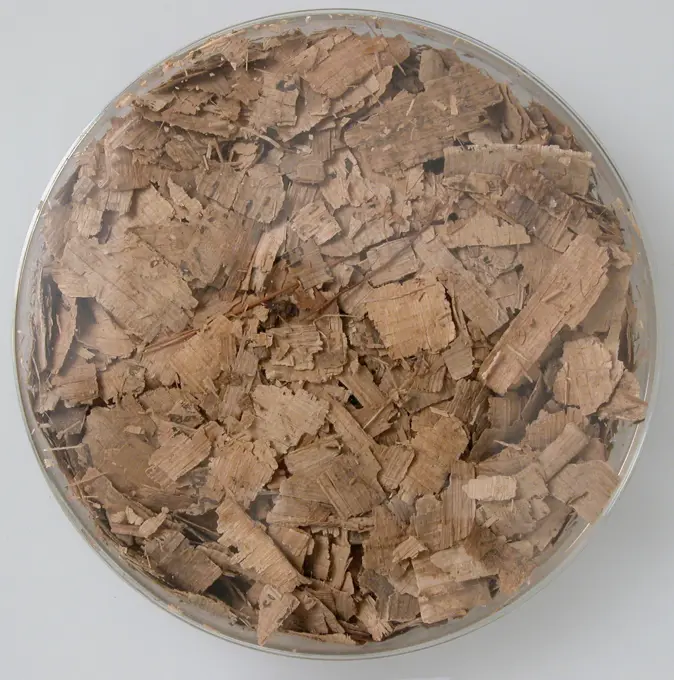
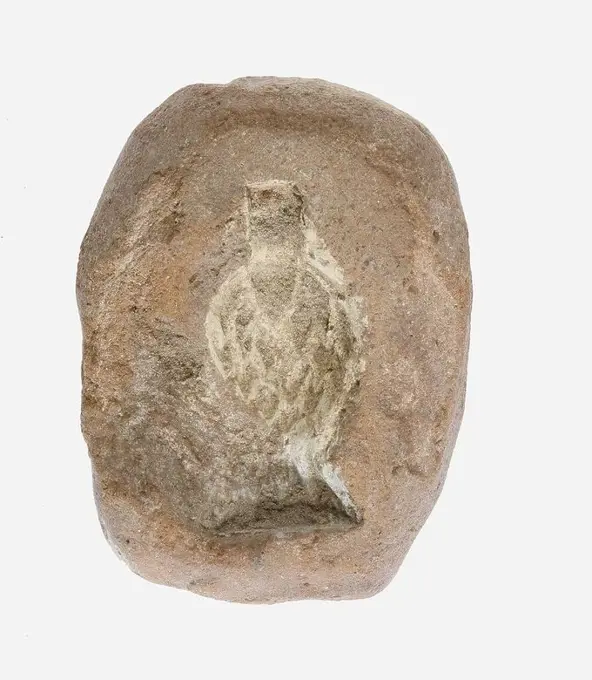
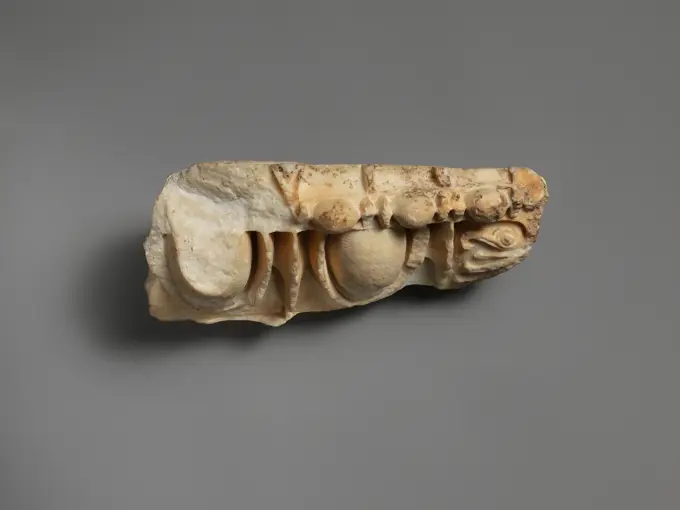
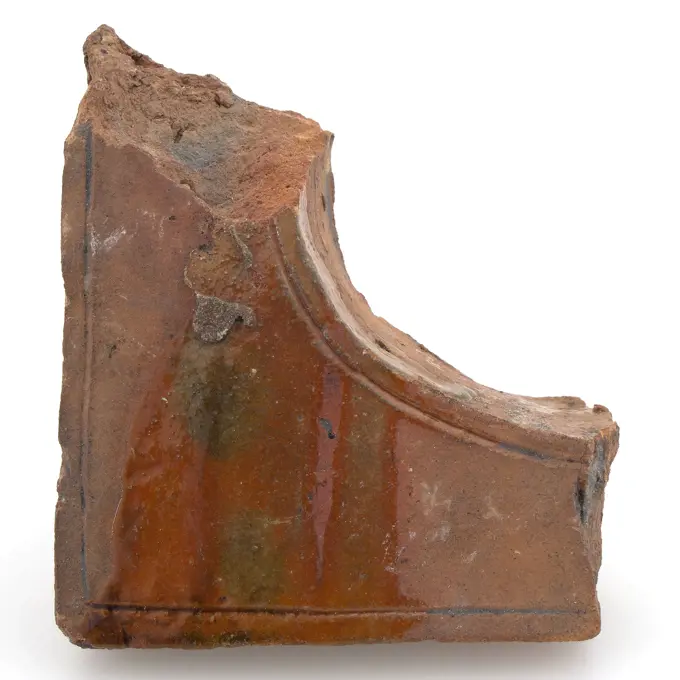
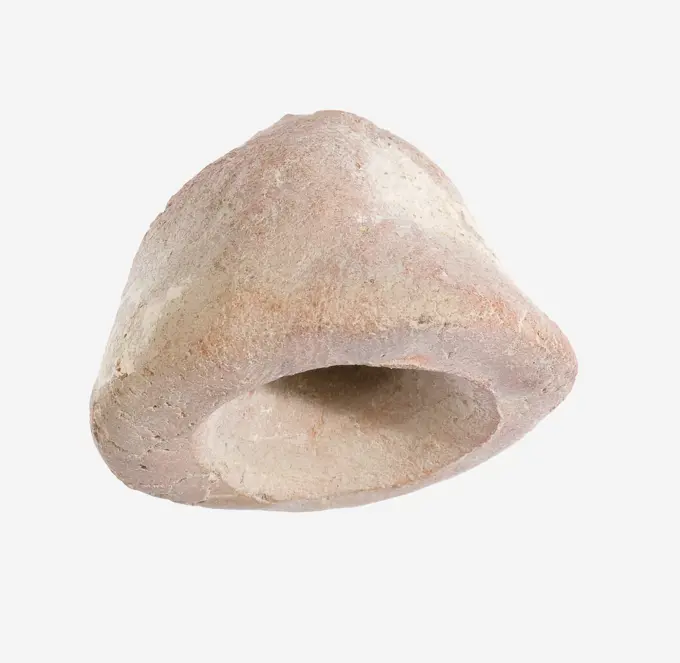
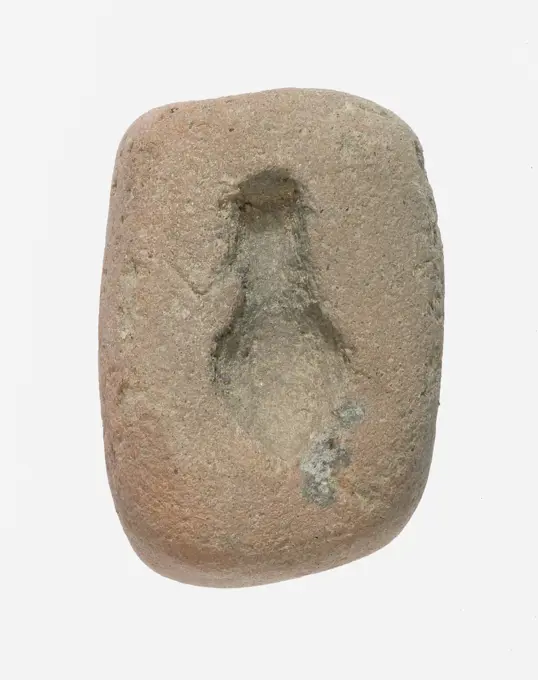
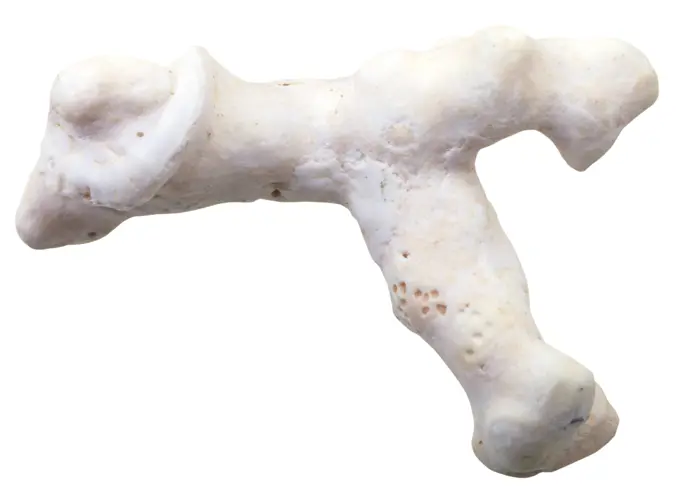
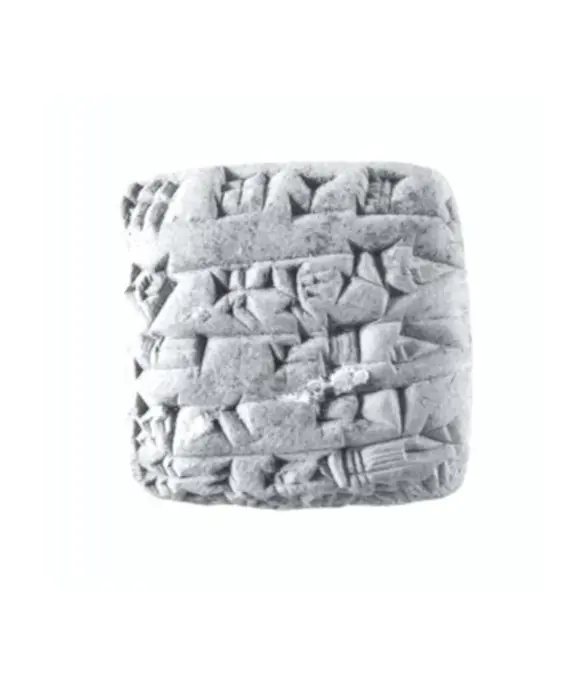
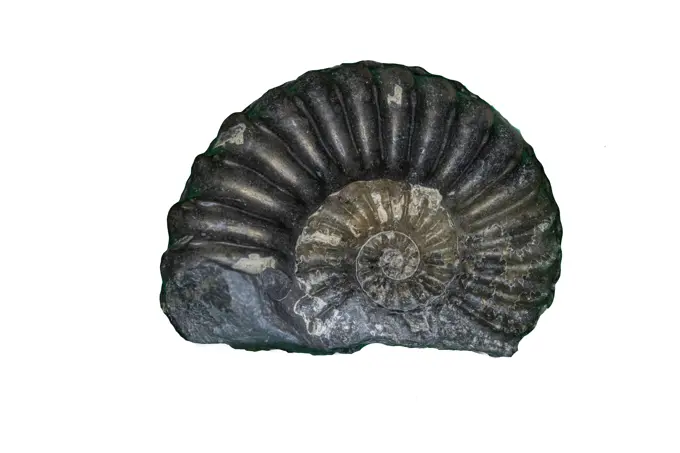
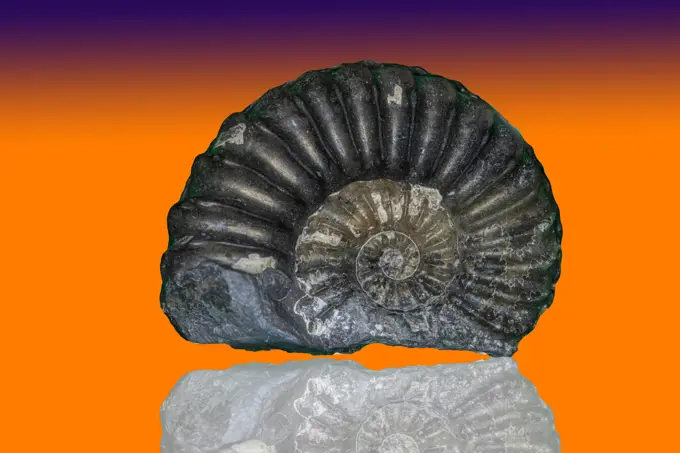
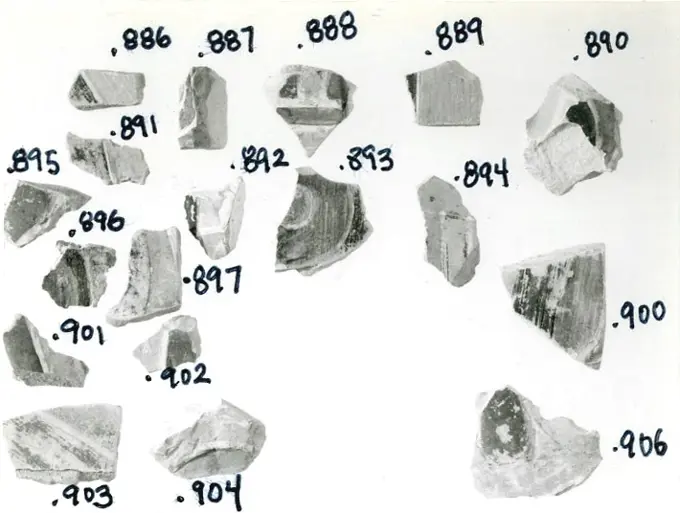
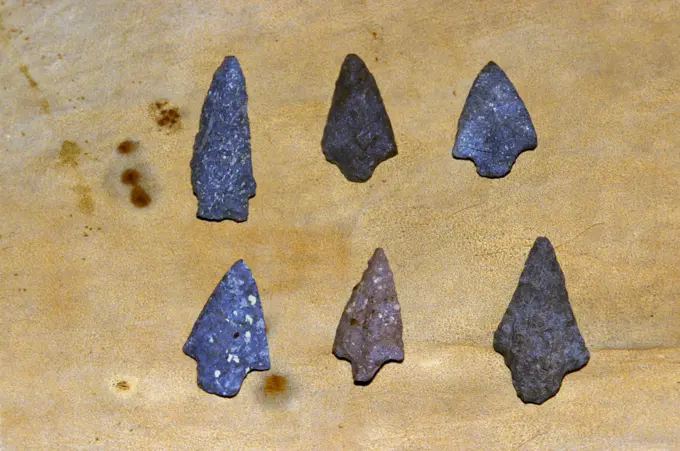
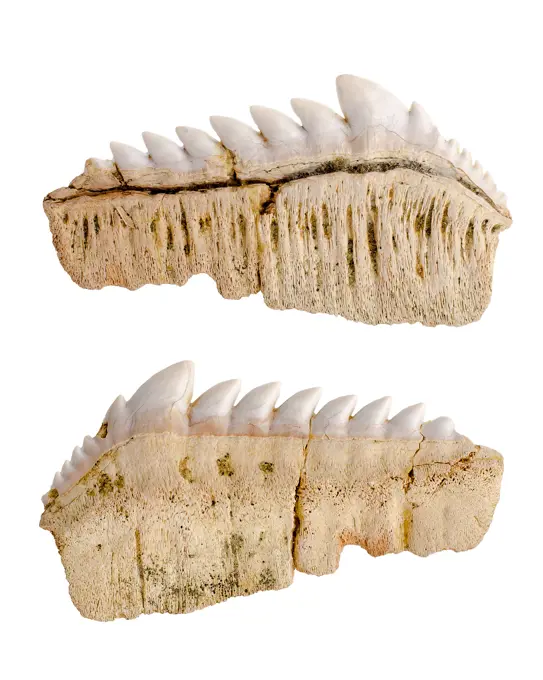
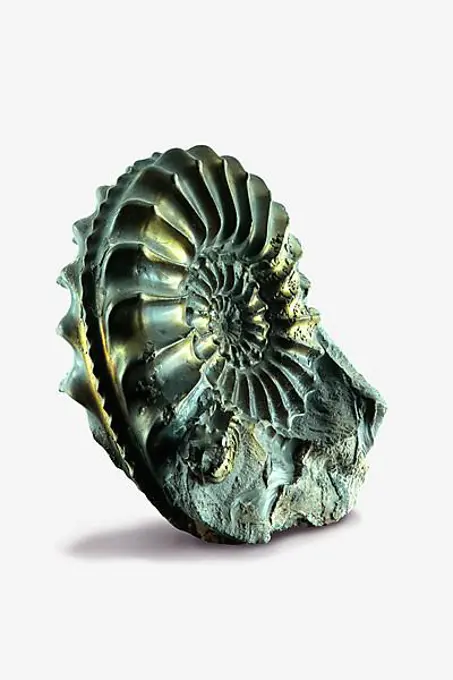
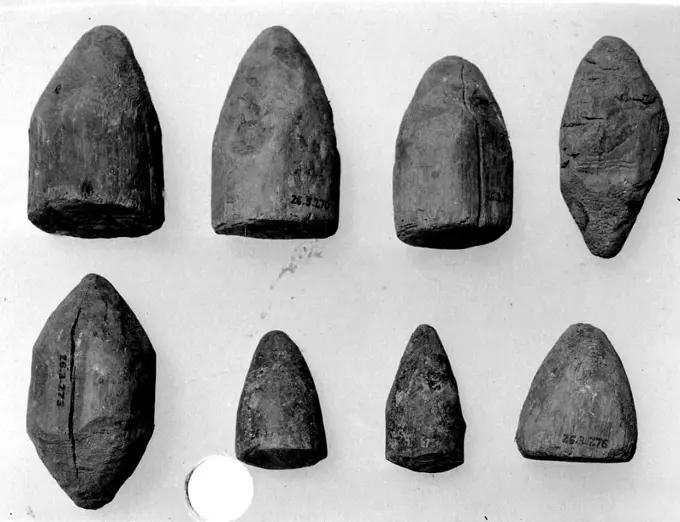
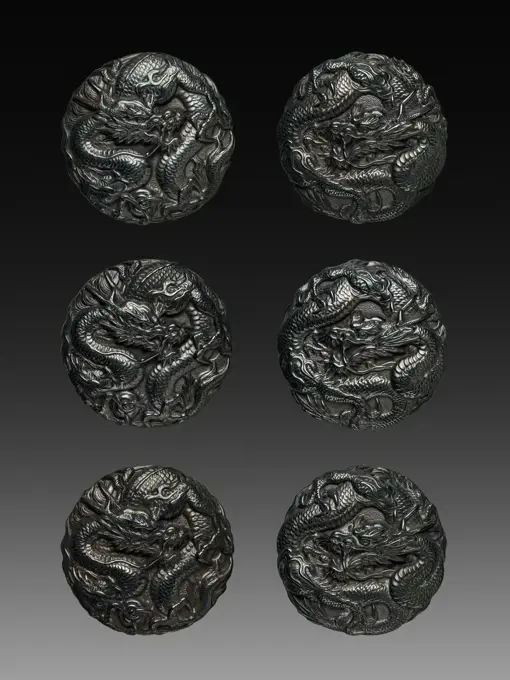
Fragment of container with angular edges 80. Neolithic. Terracotta. Paris, Carnavalet museum. 80, fragment, neolithic, container, terracotta, dishes, archeological vestigeRelief fragment, tomb of Meketre ca. 1981-1975 B.C. Middle Kingdom. Relief fragment, tomb of Meketre. ca. 1981-1975 B.C.. Limestone, paint. Middle Kingdom. From Egypt, Upper Egypt, Thebes, Southern Asasif, Tomb of Meketre (TT 280, MMA 1101), MMA excavations, 1920. Dynasty 12Belt Plate Fragment 4th-7th century Frankish. Belt Plate Fragment 469776Console or Raven: Crownee Feminine Head, Unknown Provenance (Cat 220) Anonymous. Console or raven: female head crowned, unknown source (Cat 220). Pierre.Wooden swivel, inverted conical shape, cylindrical upper edge, zweeptol toll toy relaxant soil find wood, sawn cut Wood toll. Soft wood The taas is missing. Has become flattened in the soil flattened archeology Poortugaal Albrandswaard native woodwork playing toll child child's play Soil discovery: Poortugaal in ruins 14th century farm.Knife lift from the wreck of the East Indiesman Hollandia.knife, Handle, Cylindrical: tapering; ID. NG 1979-403H, Ferrule, ID. NG 1980-27H426.Rubber -filled concretion of a nail from the wreck of the East Indies' t Vliegend Hart, 1700 - 1735 in 1735  Iron concretion filled with silicone rubber, free square, elongated, could have been part of a nail.  rubber (material). concretionary stoneArrowhead ca. 1st century B.C.-1st century A.D. Parthian This is a bronze socketed trilobate (i.e., three-bladed’) arrowhead, with a barb to prevent it from being removed from its target. It was excavated at Shahr-i Qumis in northern Iran, which has been identified as the ancient city of Hecatompylos, established by the Parthians as their capital by about 200 B.C. In Greek Hecatompylos means a hundred gates,’ suggesting that the city was quite large. Indeed, the modern archaeological site includes several mounds, only a few of which have been excavated, and a vast area covered with potsherds. This arrowhead was found in a large building at Site V, which has been tentatively identified as an elite residence. This building was completely filled with dirt sometime in the late 1st century B.C. or early 1st century A.D., perhaps when the Parthian capital was moved elsewhere and the city’s elite residents left with it.Trilobate arrowheads were once associated with the Scythians and CimmeriFragment pipe head. Fragment pipe head with a double circle and the letters P d L. of the excavations at the Hofstede Arentsburg 1827-1831 under the supervision of professor Reuvens.Loom-Weight. UnknownExcerpt stem from a spoon or fork from the wreck the East Indians Hollandia, 1700 - in or before 1743 spoon Spoon or fork handle, fragment with the Imhoff-Bentick arms, silver.  silver (metal)Parts split sprayer from the wreck of the East Indieschief Hollandia. Tools and Instruments, Medical, Enema Syringe; Fragm of Pump System: Flat Lower End of Cylinder with Tube-Shaped Extension Underneath Broken Off, 1 Piston, ID. NG 1980-27H1633.Female Head. UnknownLazio Latina Sezze Antiquarium Comunale25. Hutzel, Max 1960-1990 German-born photographer and scholar Max Hutzel (1911-1988) photographed in Italy from the early 1960s until his death. The result of this project, referred to by Hutzel as Foto Arte Minore, is thorough documentation of art historical development in Italy up to the 18th century, including objects of the Etruscans and the Romans, as well as early Medieval, Romanesque, Gothic, Renaissance and Baroque monuments. Images are organized by geographic region in Italy, then by province, city, site complex and monument.Attic Vase Fragment. UnknownDrohiczyn seal. unknown, managerArrowhead in cut stone with peduncle and wings. Neolithic period. North Africa. 4 cm.Old big rusty nail isolated on whiteMessenheft from the wreck of the East Indians Hollandia, Anonymous, 1700 - in Or Before 1743  Knife, handle, cylindrical: tapering; id. NG 1979-403H, ferrule, id. NG 1980-27H426. Netherlands wood (plant material). copper (metal)   SecondDrohiczyn seal. unknown, managerPapyri Fragments 7th century Coptic. Papyri Fragments 479235Fragment blowjob from the wreck of the East India Hollandia.Pipe, Bowl, Bowlmark: Sentry; Fragm, 2HSM1.Vase fragment ca. 4000 B.C. Neolithic, Nemea. Vase fragment 253248 Neolithic, Nemea, Vase fragment, ca. 4000 B.C., Terracotta, length 2 1/4in. (5.8cm). The Metropolitan Museum of Art, New York. Anonymous Gift, 1930 (30.119.43)RELIEVE DE CUATRO PEQUENAS FIGURAS (XII DINASTIA) IMPERIO MEDIO - VISTA DE ESPALDAS. Location: EGYPTIAN MUSEUM. KAIRO. EGYPT.Canosan Oinochoe Fragment. UnknownFragment North America (Klondike, Yukon, Canada). Fragment 43565Mold for a Cornflower Bead. Dimensions: H. 3.2 cm (1 1/4 in); w. 2.3 cm (7/8 in). Dynasty: Dynasty 18. Reign: reign of Amenhotep III. Date: ca. 1390-1353 B.C.. Museum: Metropolitan Museum of Art, New York, USA.Button from the wreck of the East India hollandia. Button. Button; (1) Oval, domed, plain (1.5x1.4, 0.7t) Massive, (wire) shank missing.Fragments steal forks or spoons from the wreck of the East Indians Hollandia, Anonymous, 1700 - in Or Before 1743 spoon Cutlery, fragment: stem of fork or spoon; fragm, sim. NG 1980-27H49a. Netherlands tin (metal)   SecondLegs or horns pointed with three barbs, pointed harpoon groundfound bone horn, sawn cut ground Late stone age archeology Maglemose culture Rotterdam Maasvlakte prehistoric stone age late stone age fishing fishing catch feeding hunt Soil discovery Maasvlakte Maglemose culture.Attic Black-Figure Neck Amphora Fragment. UnknownMacro Close up image of raw material Platinum and Chrome Ore rock isolated on black reflective backgroundRelief fragment, tomb of Meketre ca. 1981-1975 B.C. Middle Kingdom. Relief fragment, tomb of Meketre 562148Drohiczyn seal. unknown, managersteel nut on a white backgroundFragments from the wreck of the East Indians Meresteijn, Anonymous, 1693 - 1702 fragment Thirteen unharmed fragments. Shards of earthenware. Copper strip with decoration, 2 pieces of a hexagonal nut or rod. Netherlands copper (metal). earthenware. stoneware. iron (metal)   Cape of Good HopeMarble architectural fragment ca. 421-409 B.C. Greek The fragment consists of a band of egg and dart surmounted by bead and reel; there is a pendant palmette at the corner. The piece comes from the capital of an anta (pilaster) on the east portico of the Erechtheum on the Athenian Akropolis.. Marble architectural fragment 251459 Greek, Marble architectural fragment, ca. 421409 B.C., Marble, H. 4 1/8 in. (10.5 cm) length 8 in. (20.3 cm). The Metropolitan Museum of Art, New York. Purchase, 1924 (24.62)rotten appleFragment of an Archaic Kline Monument. UnknownMold for a Drop Bead ca. 1390-1353 B.C. New Kingdom. Mold for a Drop Bead. ca. 1390-1353 B.C.. Pottery. New Kingdom. From Egypt, Upper Egypt, Thebes, Malqata, Khor west of camp or E. side of S. Village, MMA excavations, probably 1911-12. Dynasty 18Concretion from the wreck of the East Indies Hollandia, 1700 - in or before 1743 concretionary stone Parts of artefacts; eroded fragments: materials; lump, containing ferrule of knife handle. Netherlands concretionary stone   SecondEar cut. Terracotta white paste, beige glaze. Cernuschi Museum, Asia Museum of Asia in the city of Paris.Umbo or stud ca. 9th century B.C. Iran. Umbo or stud 325190Shell, probably a Bursa rubeta, from the wreck of the Dutch East India ship Witte Leeuw, before 1613    .  molluscs (+ shell, snail-shell etc.) Sint-Helenapolished Bronzite Enstatite variety gem stone closeup of sample of natural mineral from geological collection - polished Bronzite Enstatite variety gem stone isolated on white background Copyright: xZoonar.com/ValeryxVoennyyx 14990686Fragment of animal figurine ca. 8th century B.C. Edomite. Fragment of animal figurine 326251Denar Fa Sneaking; W ADSY AW III WARNE Czyk (Polish king; 1434-1444); 1434-1444 (1434-00-00-1444-00-00);Point in chipped stone. Neolithic period. North Africa. 13,2.Coin probably 8th-9th century. Coin. probably 8th-9th century. Copper. Excavated in Iran, Nishapur. CoinsDop from the wreck of the East Indians Hollandia, Anonymous, 1700 - in or Before 1743  Varied parts or fragments, caps; cylindrical, flat top, internally threaded. Netherlands copper (metal)   SecondKoło z modelu wozu. nieznany warsztat północno mezopotamski, workshopArrowhead with peduncle in cut stone. Neolithic period. North Africa. 5 cm.Quarter tile, big round hole in the middle, tile floor tile tile footage soil find ceramic earthenware glaze lead glaze, shaped in form Fragment of tile with large slant cut hole in the middle. Decorated on the upper side with contour following groove few glaze tears Oblique sides. Red earthenware gritty on the underside archeology Rotterdam City center Stadsdriehoek Mariniersweg Hoogstraat indigenous pottery heat fire prevention as fire Soil discovery Hoogstraat Mariniersweg 1983.Figurine Fragment. UnknownFragment of a Roman roof tile with inscription, anonymous, c. 100 - c. 200 Fragment of a Roman brick of yellow -baking earthenware. A word is stamped in the surface, the letters of which are unreadable. Netherlands (possibly) earthenware Fragment of a Roman brick of yellow -baking earthenware. A word is stamped in the surface, the letters of which are unreadable. Netherlands (possibly) earthenwareArrowhead in chipped stone. Neolithic period. Found between 1970 and 1980 in the southern Sahara at El Golea Timimoun, eastern erg. Algeria. 7,6 cm.Sealing ca. 7th century A.D. Sasanian. Sealing 323411An old worn brick on reflecting metalLoaf of Bread. Dimensions: L. 35 cm (13 3/4 in.); Greatest w. 21 cm (8 1/4 in.); Th. 1.5 cm (9/16 in.). Dynasty: Dynasty 18, early. Reign: reign of Thutmose II-Early Joint reign. Date: ca. 1492-1473 B.C..This unusually shaped loaf of bread was found in a basket of food (36.3.57) that had been placed in the tomb of Hatnefer (36.3.1). Two other fragmentary loaves of similar shape were also found in the basket. There were also other, more conventional loaves (36.3.73, 36.3.74, 36.3.78), raisins (36.3.65), and dates (36.3.66). Museum: Metropolitan Museum of Art, New York, USA.Drohiczyn seal. unknown, managerFragment wood with corroded iron fittings from the wreck of the East Indians' t Vliegend Hart, c. 1700 - c. 1735 concretionary stone The concretion contains the print of wood. Concretion.  concretionary stoneExcerpt of copper from the wreck of the East Indians Hollandia, 1700 - in or before 1743  Parts of artefacts; eroded fragments: materials; copper. Netherlands copper (metal)   SecondTrowel. Dimensions: L. 29 × W. 3 cm (29 cm, 1 3/16 in.). Dynasty: Dynasty 11-18. Date: ca. 2124-1504 B.C..The excavator interpreted this length of hard wood as a mason's trowel, probably used for laying bricks. It is lightly spatulate at one end and was found encrusted with mud and straw. Museum: Metropolitan Museum of Art, New York, USA.Document Sealing With the Throne Name of Amenhotep III ca. 1390-1353 B.C. New Kingdom. Document Sealing With the Throne Name of Amenhotep III. ca. 1390-1353 B.C.. Mud. New Kingdom. From Egypt, Upper Egypt, Thebes, Malqata, West Villas, West Villa B, MMA excavations, 1910-12. Dynasty 18Alte Ziegelsteine Three old bricks, stacked on a reflective background Copyright: xZoonar.com/J.xSandvikx 1263286Umbel Mold ca. 1390-1353 B.C. New Kingdom. Umbel Mold. ca. 1390-1353 B.C.. Pottery. New Kingdom. From Egypt, Upper Egypt, Thebes, Malqata, Khor west of camp or E. side of S. Village, MMA excavations, probably 1911-12. Dynasty 18Fragments from buyer from the wreck of the East India Hollandia.parts or artifacts; eroded fragments: Materials; Copper.Red Slate  South Dakota, USA     Date: MiBERZ - Museum of Medieval MiningForm of a blade in an iron concretion from the wreck of the East Indies' t Vliegend Hart, c. 1700 - c. 1735 concretionary stone Elongated, gray -brown concretion with traces of iron in the middle. The concretion probably once has a flat, elongated, iron object enclosed, for example a blade of a knife or sword. Fragments are also locked up.  concretionary stone. iron (metal). pipe clayA fragment of a cubic unknown object, possibly a fragment of a rod ca. 1850-1640 B.C. Middle Kingdom. A fragment of a cubic unknown object, possibly a fragment of a rod 560886Printing block, Medium: wood Technique: carved in relief, Block for printing fabric with a design of curving stems with flowers. Contemporary picture hangers attached., India, 19th century, appliances & tools, Printing blockMold for a Nefer Bead ca. 1390-1353 B.C. New Kingdom. Mold for a Nefer Bead. ca. 1390-1353 B.C.. Pottery. New Kingdom. From Egypt, Upper Egypt, Thebes, Malqata, Khor west of camp or E. side of S. Village, MMA excavations, probably 1911-12. Dynasty 18Collection Dutch Heidematschappij. Frost list. undatedBronzit Bronzit Copyright: xZoonar.com/lantapixx 1065703little branch of white coral isolated little branch of white coral isolated on white background Copyright: xZoonar.com/ValeryxVoennyyx 8548455Cuneiform tablet: receipt of unshorn sheep ca. 2060 B.C. Neo-Sumerian. Cuneiform tablet: receipt of unshorn sheep 324593Sealing with the Throne Name of Thutmose III. Dimensions: H. 2.1 cm (13/16 in.); w. 2 cm (13/16 in.). Dynasty: Dynasty 18. Reign: reign of Thutmose III. Date: ca. 1479-1425 B.C.. Museum: Metropolitan Museum of Art, New York, USA.Tile with the Den Bosch city arm. Weapon tile with a blue painted city arm worn by two angels with the inscription at the bottom: heart eyes forest. In the corners, a spider.Ammonit Versteinerung pyritisiert, 150 Mio. Jahre alt, Bayern Copyright: xZoonar.com/Dr.xNorbertxLangex 13415981Pinangnut from v.o.c.-ship the 'white lion'. Pinangnut from v.o.c.-ship the 'white lion'.Calcite Sand Crystals, Rattlesnake Butte, Shannon County, South Dakota, USA, North AmericaAmmonit Versteinerung pyritisiert, 150 Mio. Jahre alt, Bayern Copyright: xZoonar.com/Dr.xNorbertxLangex 13416113Fragments Pipes heads from the wreck of the East India Hollandia. Pipe, bowl, healermark illegible; Fragments.Relief fragment, tomb of Meketre ca. 1981-1975 B.C. Middle Kingdom. Relief fragment, tomb of Meketre 562264Wampanoag men made many tools such as these stone projectile points that would be used to make arrows for hunting or during times of war.Paleontology. Notidanus. Fossil fossilized shark teeth. Isolated on white. Paleontology. Notidanus. Fossil fossilized shark teeth. Isolated on white. Copyright: xZoonar.com/PavelxSytilinx 22009708Chisel ca. 4600-3600 B.C. Ghassulian. Chisel. Ghassulian. ca. 4600-3600 B.C.. Stone. Chalcolithic. Levant, Teleilat GhassulArm amulet ca. 2150-1950 B.C. Late Old Kingdom-Early Middle Kingdom. Arm amulet. ca. 2150-1950 B.C.. Ivory or bone. Late Old Kingdom-Early Middle Kingdom. From Egypt. Dynasty 8-12Karte der Schweiz auf rostigem Metall - Map of Switzerland on rusty metal Karte der Schweiz auf rostigem Metall - Map of Switzerland on rusty metal Copyright: xZoonar.com/lantapixx 9894106Cro-Magnon's skull (2800-2500 BC). Catalan 'Sepulcres de Fosa' culture. Neolithic art. SPAIN. CATALONIA. BARCELONA. Sabadell. Sabadell History Museum. Proc: SPAIN. CATALONIA. BARCELONA. Sant Quirze del Valls. B˜bila Madurell archaeological site.England, North Yorkshire, York, stone tools including axe, spear and arrow pointsPyritised ammonite, cephalopods, fossil, found in Unterstuermig, Bavaria, Germany, EuropeGrab from a hilt from the wreck of the East India Hollandia. HILT, GRIP; ID. H2582.Map of Iran on rusty metalGame piece ca. 2124-1504 B.C. Middle Kingdom-Early New Kingdom. Game piece. ca. 2124-1504 B.C.. Wood. Middle Kingdom-Early New Kingdom. From Egypt, Upper Egypt, Thebes, Deir el-Bahri, Tomb MMA 515, MMA excavations, 1921-23 (). Dynasty 11-18Mortar from Palestine (c. 4000 BC). Neolithic art. Ceramics. SPAIN. CATALONIA. BARCELONA. Monistrol de Montserrat. Museum of Montserrat. Proc: ISRAEL. TRANSJORDAN.Buttons with Dragon, early 1900s. Japan, Meiji period (1868-1912) or Taishō period (1912-1926). Set of six buttons; cast () silver with relief; diameter: 3.8 cm (1 1/2 in.).Lead Role from the wreck of the East Indies' t Vliegend Hart ,, 1700 - 1735 lead Tubes rolled plates. Black-gray in color. Roll of Lead. Middelburg lead (metal)Ear Stud ca. 1390-1353 B.C. New Kingdom. Ear Stud. ca. 1390-1353 B.C.. Faience. New Kingdom. From Egypt, Upper Egypt, Thebes, Malqata, Palace of Amenhotep III, MMA excavations, 1910-11. Dynasty 18