Ancient Figurine Fragments

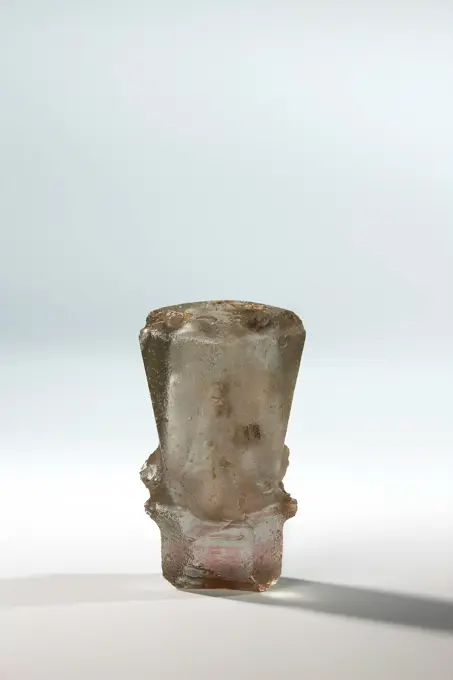
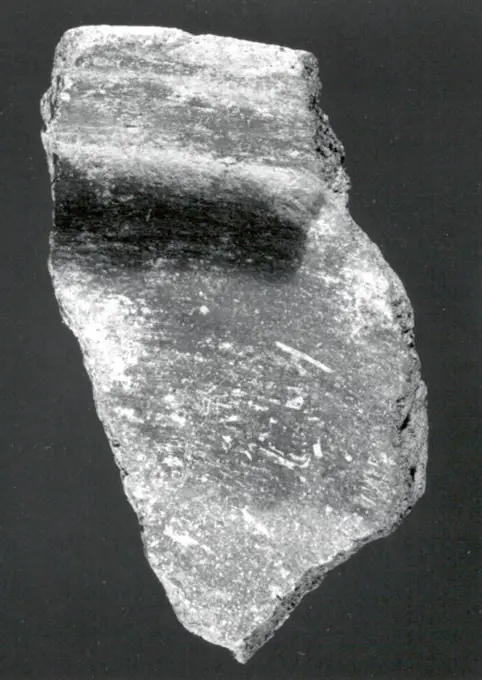
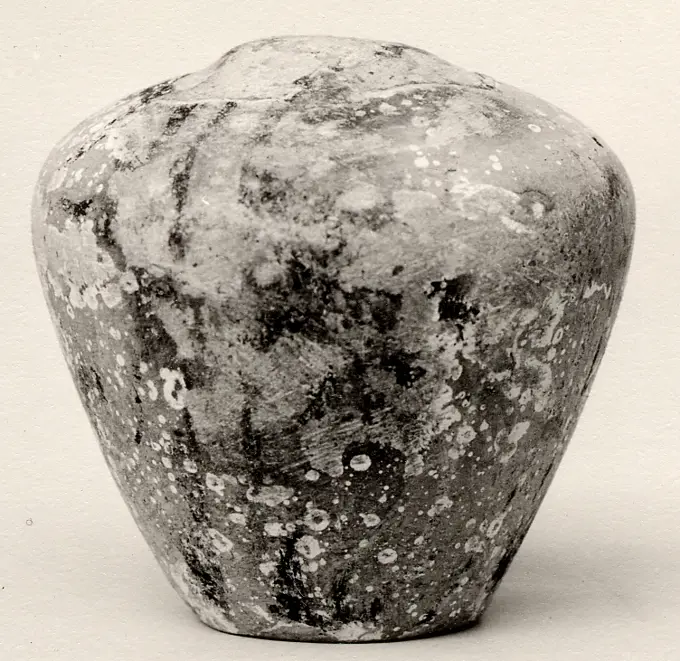
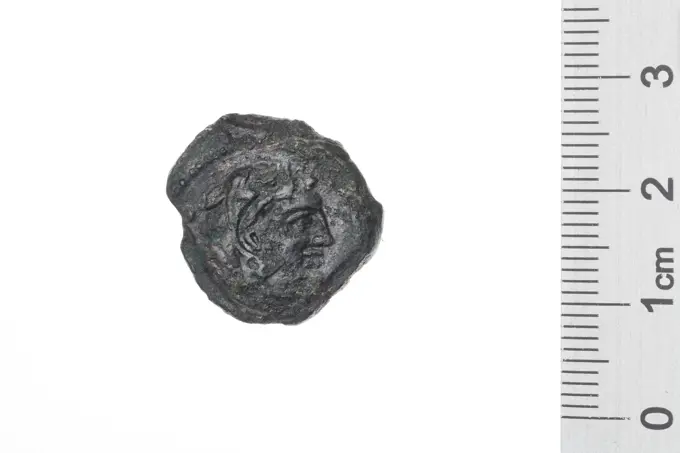
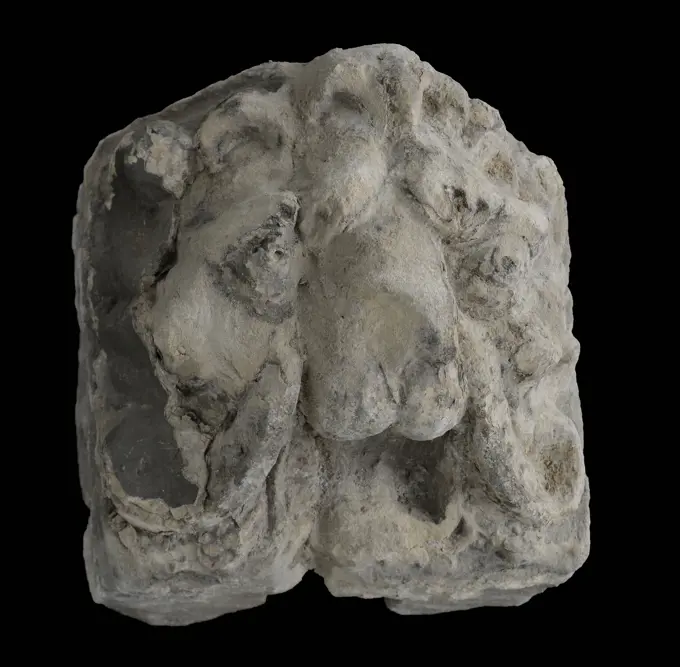
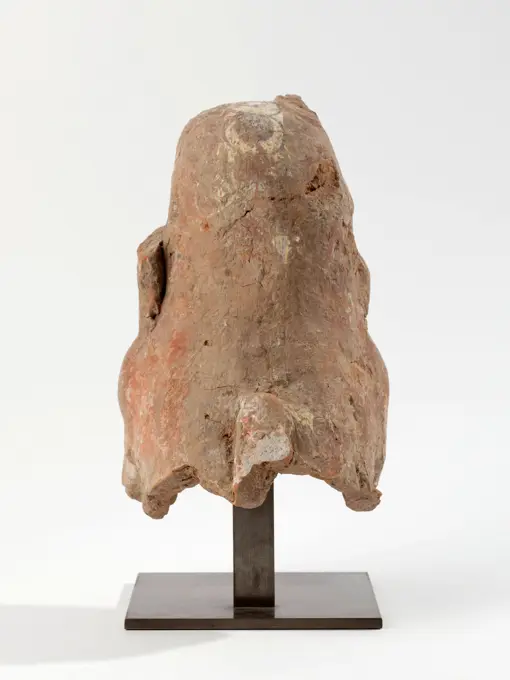
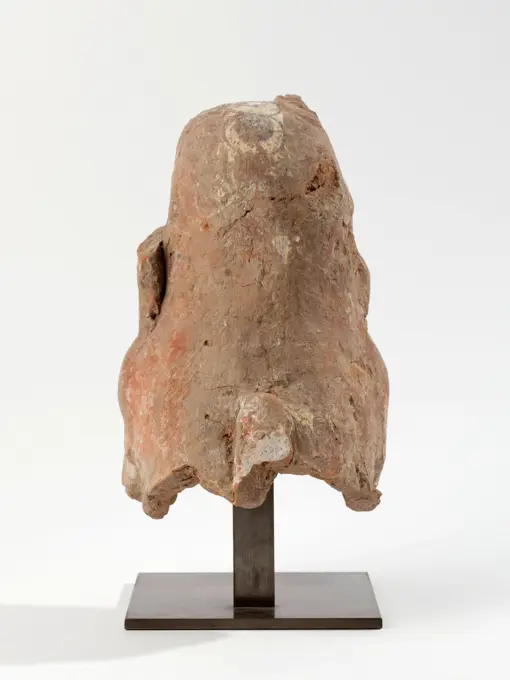
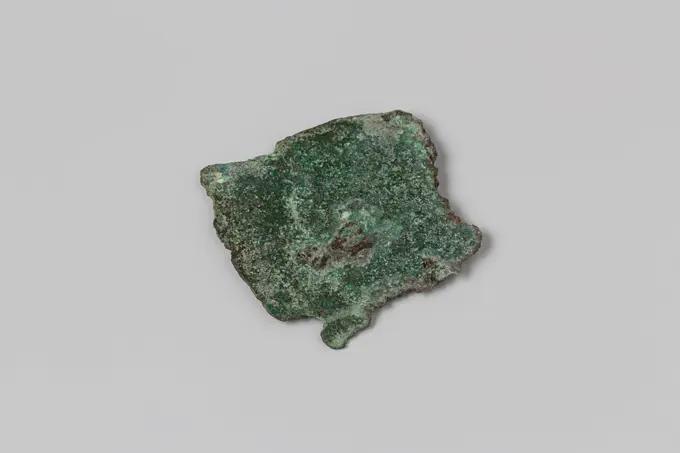
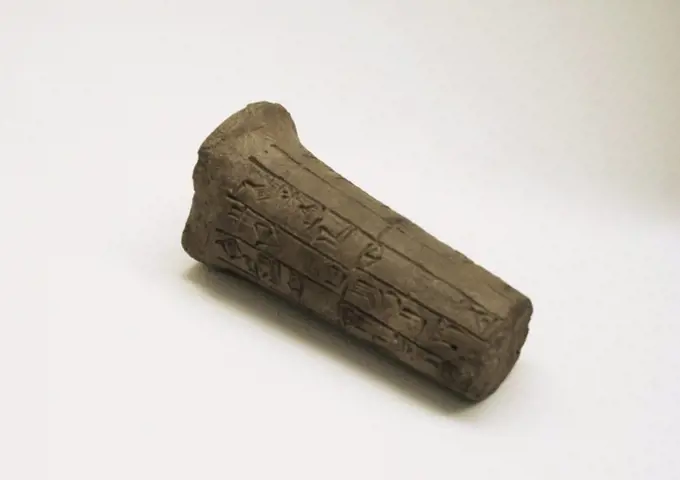
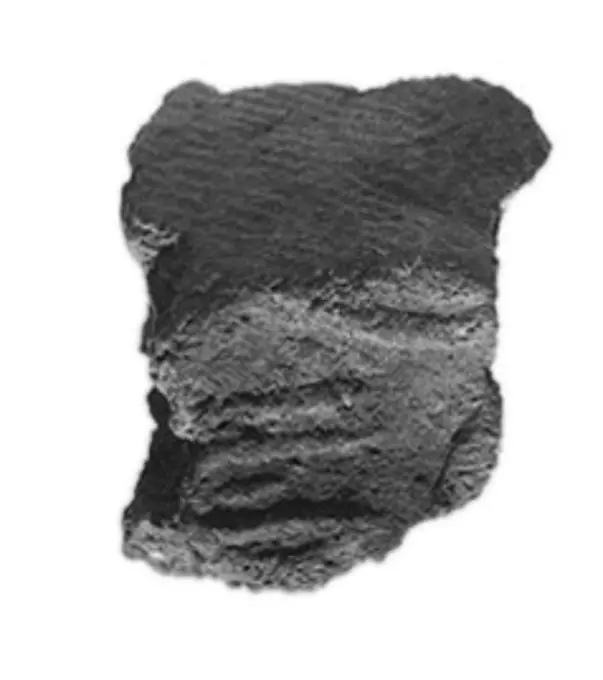
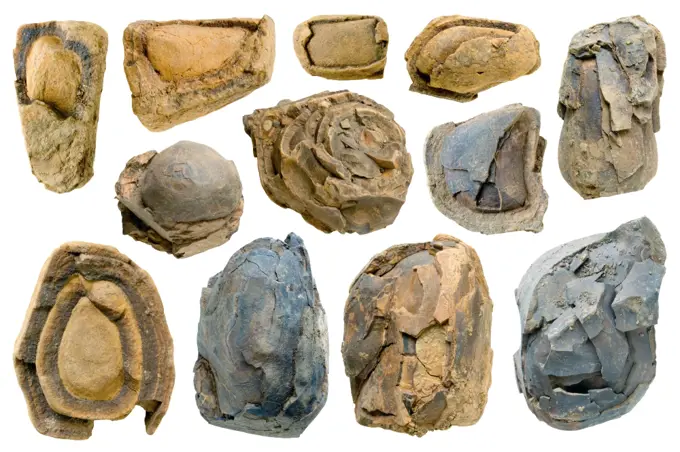
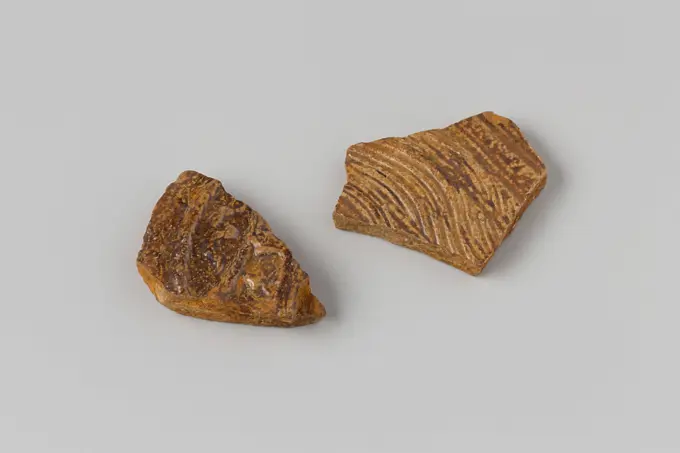
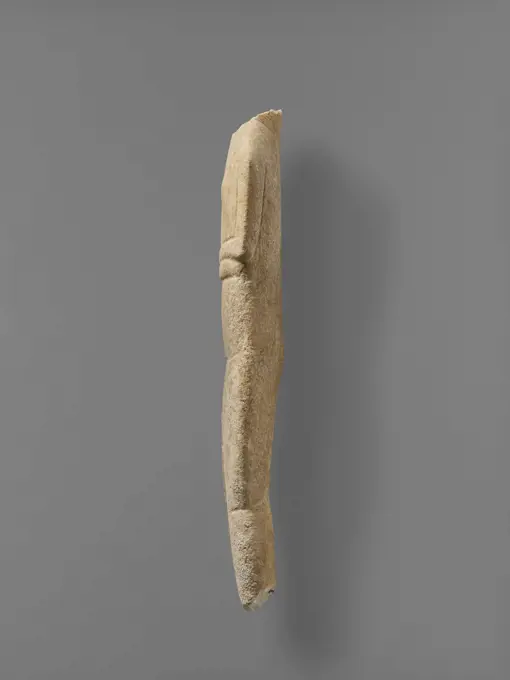
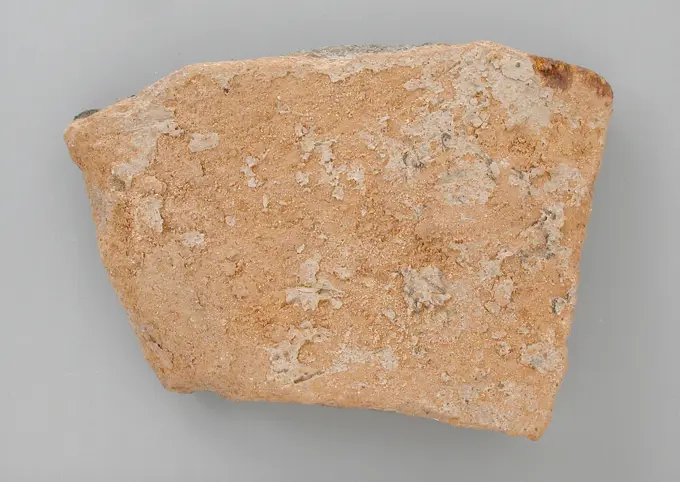
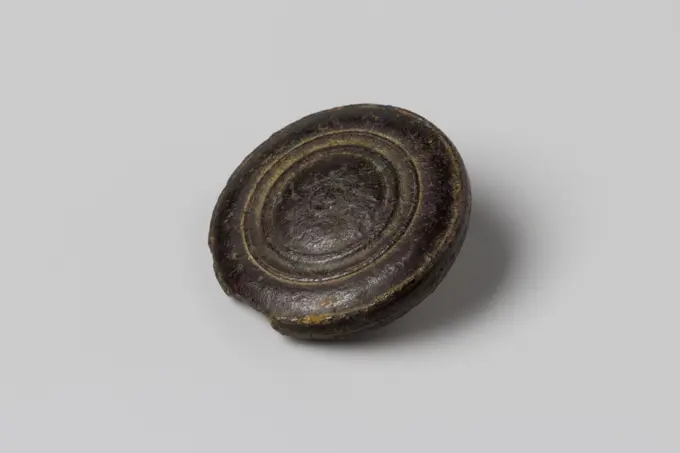
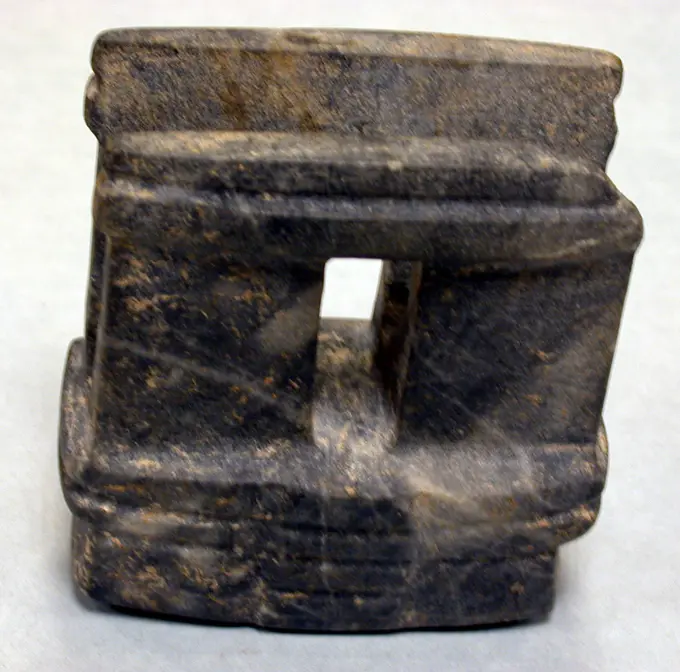
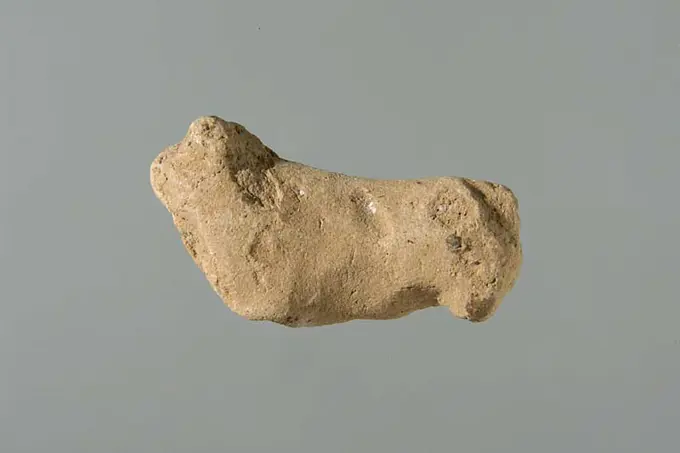
A collection of eroded fragments resembling ancient figurines, including female heads. Varied textures and shapes highlight their historical significance.

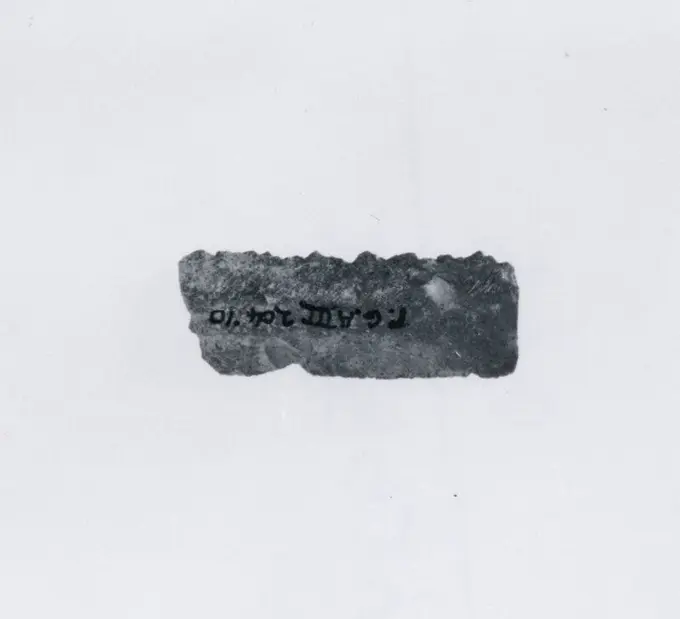
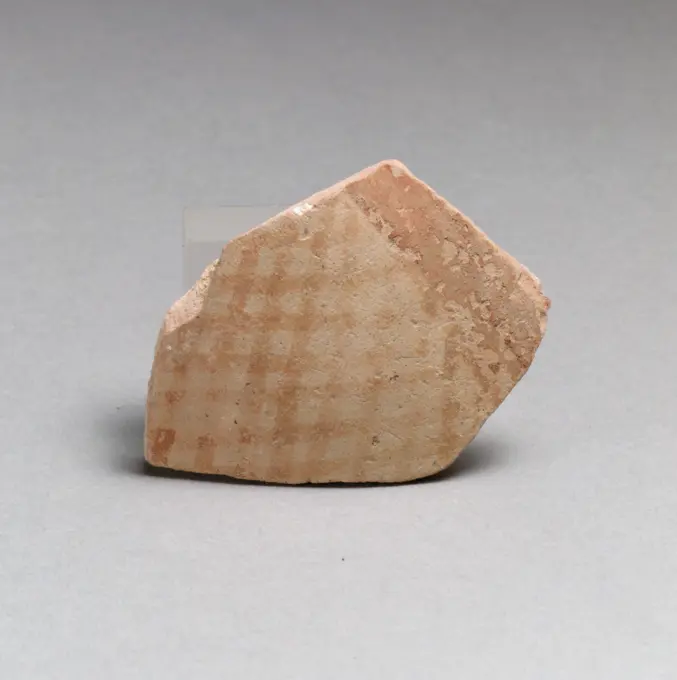
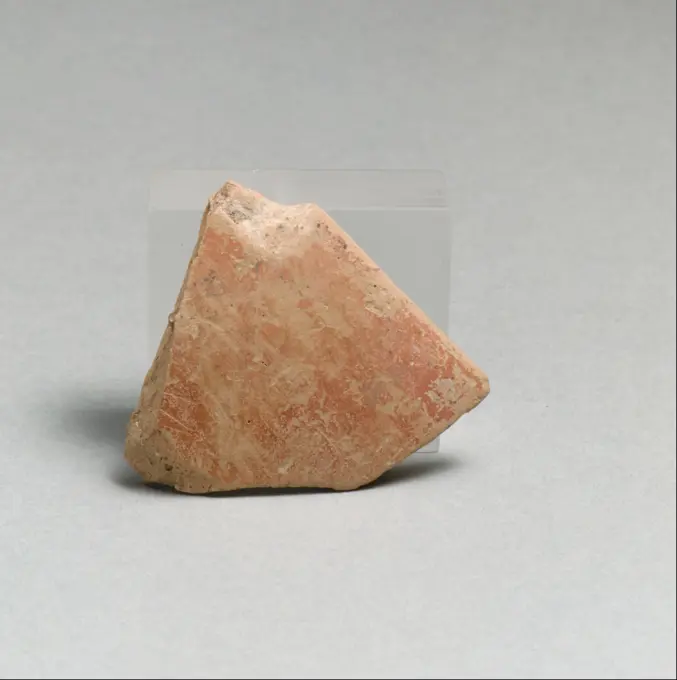
Vase fragment East Greek/Sardis, Lydian. Vase fragment 252752 East Greek/Sardis, Lydian, Vase fragment, Terracotta, Overall: 2 1/4 x 13/16in. (5.7 x 2cm). The Metropolitan Museum of Art, New York. Gift of The American Society for the Excavation of Sardis, 1926 (26.199.185)
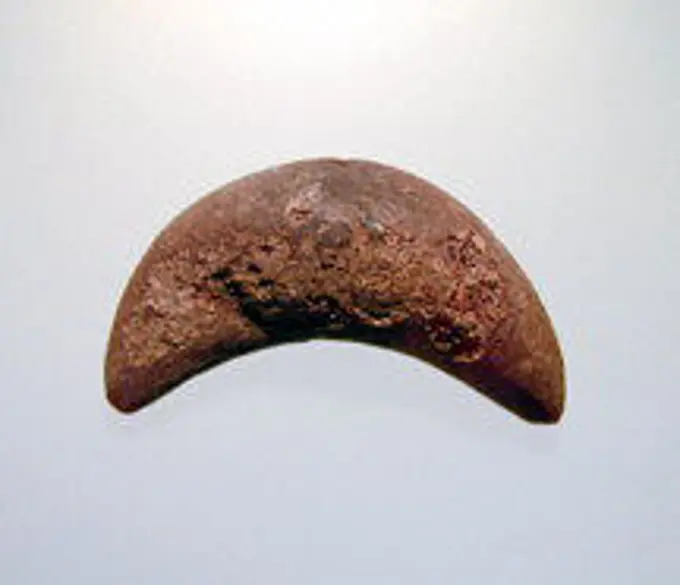
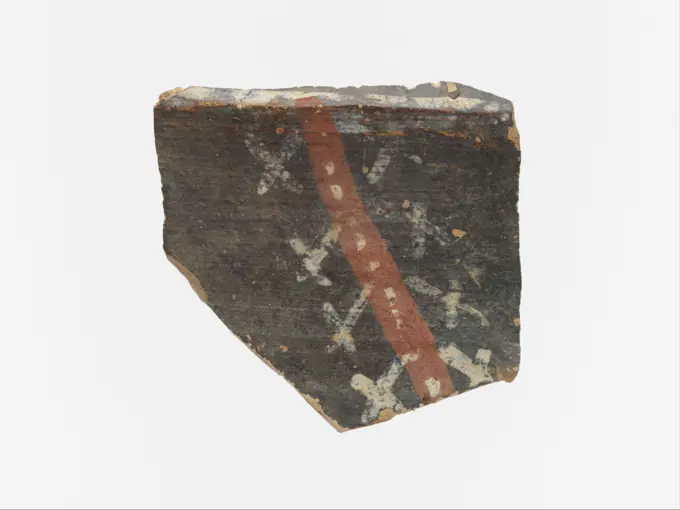
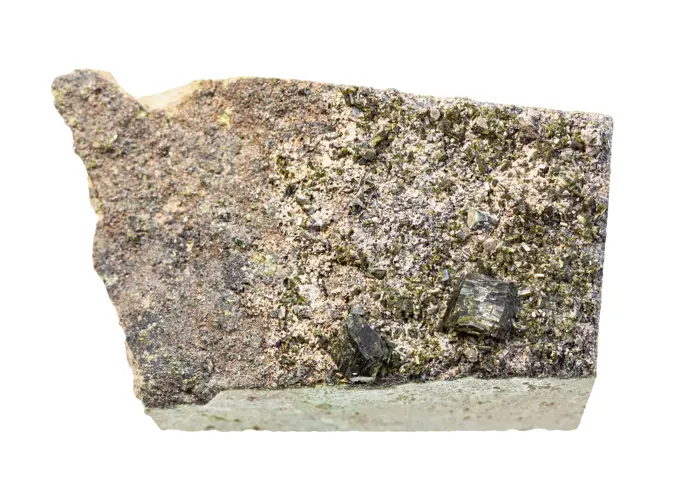
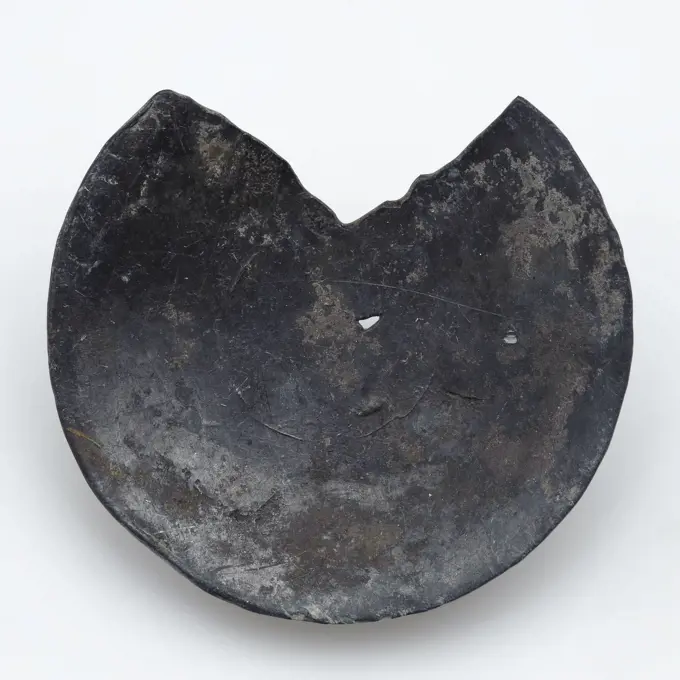
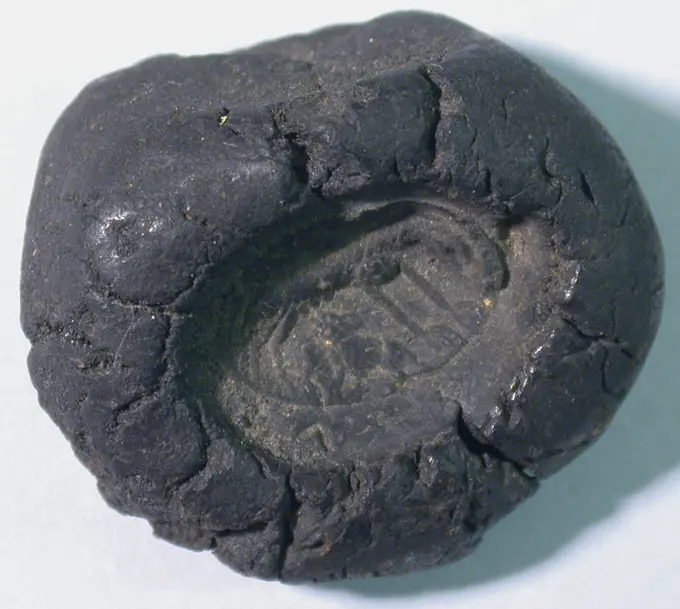
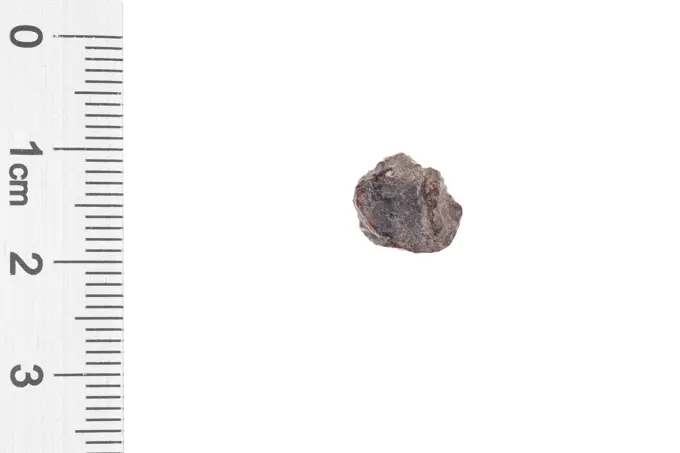
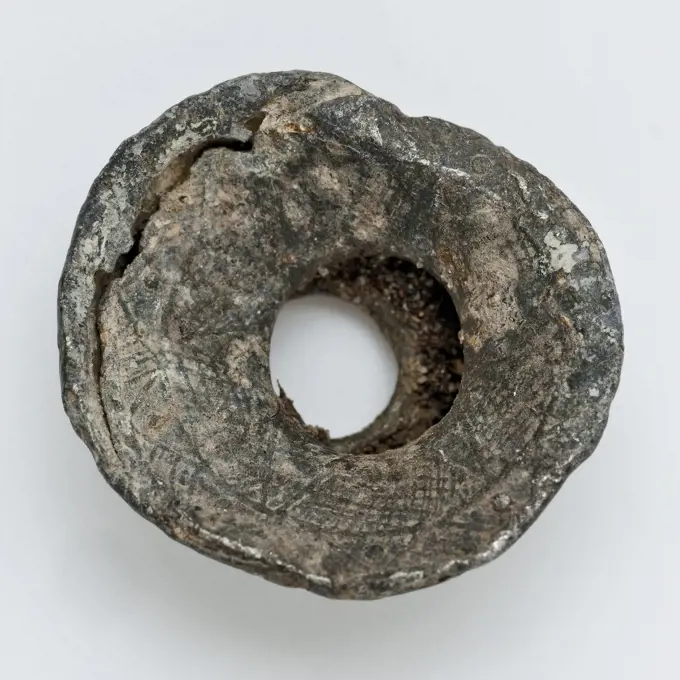
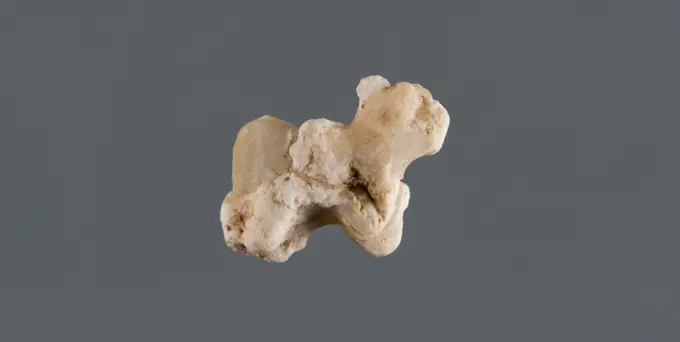
Fragment of a Sculpture: Arm. UnknownPendant: crescent 6th century B.C. Italic Amber pendant in the shape of a crescent.. Pendant: crescent. Italic. 6th century B.C.. Amber. Archaic. Miscellaneous-AmberPlay medal from the wreck of the East Indies Hollandia, Anonymous, 1700 - in Or Before 1743  Rectangular, square, flat, engraved diagonal cross on one side, game token. Netherlands lead (metal)   SecondBliżej Kultury Władysław Jagiełło (CA 1351 1434), Mint of KrakówWall casing 664-610 B.C. Late Period, Saite see 23.3.468. Wall casing. 664-610 B.C.. Limestone. Late Period, Saite. From Egypt, Upper Egypt, Thebes, Deir el-Bahri, Tomb of Nespekashuty (TT 312, MMA 509), Undetermined, MMA excavations, 1922-23. Dynasty 26Blade ca. 4600-3600 B.C. Ghassulian. Blade. Ghassulian. ca. 4600-3600 B.C.. Stone. Chalcolithic. Levant, Teleilat GhassulUnattributed Trebizond Coin. UnknownCarved wook toolSealing ca. 1981-1640 B.C. Middle Kingdom. Sealing 560434Shards of a wine bottle from the wreck of the East Indies' t Vliegend Hart ,, 1700 - 1735  The two fragments of a wine bottle are green, irrated glass. A fragment is almost triangular, the other is slightly arched.  glass blow moldingWine bottle from the wreck of the East Indians' t Vliegend Hart, Anonymous, 1700 - 1735  Uivid glass wine bottle. Hals is missing. Netherlands .Terracotta rim of a cup with polychrome motifs ca. 1800-1700 B.C. Minoan From Knossos, CretePolychrome fragment, decorated in white and orange on dark ground.. Terracotta rim of a cup with polychrome motifs 248539crystals of Epidote in matrix on rock isolated closeup of sample of natural mineral from geological collection - crystals of Epidote in matrix on rock isolated on white background Copyright: xZoonar.com/ValeryxVoennyyx 14986152Bottle. unknown, craftsmanDrawing 664-610 B.C. Late Period, Saite see 23.3.468. Drawing 547975Drohiczyn seal. unknown, managerTin toy sign with small stand and wide flag, plate crockery holder miniature toy relaxant soil find tin metal, poured beaten Pewter toy plate. Small stand and curved flag Good in model but incomplete. Smooth surface through machining tin archeology Rotterdam rail tunnel indigenous tin child playing child game Soil discovery: trajectory rail tunnel Rotterdam.Sculptural Fragment: Left Hand. UnknownSherd ca. 3100-2500 B.C. Iran This sherd is made of grey burnished clay. It is typical of Namazga IV ceramics from Turkmenistan and Hissar II ceramics from Iran, and likely date to ca. 3100-2500 B.C. It was excavated in 1937 at a prehistoric site in the vicinity of Nishapur in northeastern Iran. While Nishapur itself was founded by the Sasanian king Shapur I (reigned ca. A.D. 241-272), this sherd shows that human habitation there goes back to the prehistoric period. Furthermore, the prehistoric pottery from Nishapur has close affinities with ceramic materials from Central Asia rather than with contemporary sites in Iran, meaning that in this period its inhabitants were likely culturally linked to their neighbors to the east. At the same time, Nishapurs location on what later became known as the Great Khorasan Road suggests that it was part of the trade network that facilitated the import of precious stones such as lapis lazuli, carnelian and turquoise from Central Asia to Mesopotamia.Mace head ca. 1981-1640 B.C. Middle Kingdom. Mace head 546502quadrans. Curiatius, C. (fl. 135 a.C.), monetary officer, Republika Rzymska, issuerStone Temple Model 1st-8th century Mezcala. Stone Temple Model 317544. Incense box made of stoneware, covered with a brown and cream-colored glaze. Signed on the inside with 'Kenzan'. Old label on the inside with 'Tomkinson Collection / 229'. Kyoyaki.Drohiczy seal;  XI-XIII century (1090-00-00-1110-00-00);guild seals, customs seals, touches, seals of customs chambers, official seals, seals with a crossFragment Steel van Fork or Spoon from the wreck of the East Indians Hollandia, Anonymous, 1700 - in Or Before 1743 spoon Cutlery, fragment: stem of fork or spoon; fragm, id. NG 1980-27H1373a. Netherlands copper (metal)   SecondDrohiczyn seal. unknown, managerAttic Red-Figure Kylix Fragment. UnknownVase fragment Minoan Early Minoan IIVessel fragment with painted decoration ca. early to mid-3rd millennium B.C. Indus. Vessel fragment with painted decoration 324722Console with lion head, console construction element sandstone stone, sculpted Console with lion head top in one point. In the back rectangular recess.Sealing ca. 7th century A.D. Sasanian. Sealing 323299Fragmentary Fibula. UnknownLead Role from the wreck of the East Indies' t Vliegend Hart ,, 1700 - 1735 lead Tube rolled lead picture. Silver gray of color. Lead role, roll or lead. Middelburg lead (metal)Chimera ". Terracotta. China, Tang dynasty. Paris, Cernuschi museum. 72699-20 Fantastic animal, Chinese art, chimere, back, tang dynasty, base, statuette, terracottaChimera ". Terracotta. China, Tang dynasty. Paris, Cernuschi museum. 72699-20 Fantastic animal, Chinese art, chimere, back, tang dynasty, base, statuette, terracottaGreece, Sarmacja, Olmia, V The beginning of the 4th century BC, Dolphin money, AE MintFragment of buyer from the wreck of the East India Hollandia.parts or artifacts; eroded fragments: Materials; Copper.Drohiczyn seal. unknown, managerExcerpt of copper from the wreck of the East Indians Hollandia, 1700 - in or before 1743  Parts of artefacts; eroded fragments: materials; copper. Netherlands copper (metal)   SecondBead. UnknownRelief fragment from the tomb of Meketre ca. 1981-1975 B.C. Middle Kingdom. Relief fragment from the tomb of Meketre 668897Statue Fragment. UnknownSealing ca. 7th century A.D. Sasanian. Sealing 323406Fragment of buyer from the wreck of the East India Hollandia.parts or artifacts; eroded fragments: Materials; Copper.pebble of Arsenopyrite mineral gemstone isolated macro shooting of natural gemstone - pebble of Arsenopyrite mineral gem stone isolated on white background Copyright: xZoonar.com/ValeryxVoennyyx 8877055Egg-shaped spoon tray with small remnant of stem, marked, spoon cutlery soil find tin metal, w container 5.5 Marked in the spoon tray for the attachment of the handle tin mark: crowned tudoroos in the crown the letters: GDB not sure archeology Valckensteyn Poortugaal Albrandswaard archaeological find in the soil Poortugaal Castle ValckensteynHellenistic-style arm Late Period-Ptolemaic Period ca. 712-30 B.C. View more. Hellenistic-style arm. ca. 712-30 B.C.. Bronze. Late Period-Ptolemaic Period. From Egypt, Western Desert; Kharga OasisStone, received by Drees from the American ambassador; Moonstone, brought through the crew of the Apollo 11. Red-black piece of petrified wood, removing 89.5 grams.Two gray-red bricks from the tower or wall that were originally connected to the Schiedam gate, brick building material earth discovery ceramics pottery, baked in form bricks from remnant of uprooted work of tower or wall originally connected to the Schiedam gate archeology indigenous brick building defense Rotterdam City Triangle Hoogstraat Soetensteeg Schiedam gate walled city wall Mmur or tower Schiedamsche gate at Hoogstraat Soetensteeg Rotterdam Demolished before 1625 in connection with urban expansion of the water city.Shards of storage jars from the wreck of the East Indians Hollandia, Anonymous, 1700 - in Or Before 1743  Stoneware, Rhenish, Langerwehe-ware, storage-jar; fragm of body, sim. NG 1980-27H409. Cologne stoneware   SecondHead from a Royal Statue ca. 1550-1295 B.C. New Kingdom. Head from a Royal Statue. ca. 1550-1295 B.C.. Granodiorite. New Kingdom. From Egypt. Dynasty 18Female Head. UnknownFragment pijpenkop.Fragment pipe head with floral folk motif and dots. Of the excavations at the Hofstede Arentsburg 1827-1831 under the supervision of professor Reuvens.Near East. Mesopotamia. Sumer. Clay cone of Enanatum I (king of Lagash 1st Dynasty of Lagash)with a building inscription devoted to the construction of the temple of the goddess Inanna in Lagash. Iraq. The State Hermitage Museum. Saint Petersburg. Russia.Part of Belt Buckle. UnknownVase fragment ca. 4000 B.C. Neolithic, Nemea. Vase fragment 253246 Neolithic, Nemea, Vase fragment, ca. 4000 B.C., Terracotta, length 1 9/16in. (3.9cm). The Metropolitan Museum of Art, New York. Anonymous Gift, 1930 (30.119.41)Sealing ca. 7th century A.D. Sasanian. Sealing. Sasanian. ca. 7th century A.D.. Un-baked clay. Sasanian. Iran, Qasr-i Abu NasrDrohiczyn seal. unknown, managerPre Historic Tool, India, AsiaBrass book fittings, engraved decoration, decorative fittings soil found copper brass metal, whipped riveted engraved Five book fittings: with hook at the end (one without). Other tip fans out. One or two holes with pins archeology Rotterdam rail tunnel close book bottom Soil discovery Rotterdam tunnel trajectory.Administrative Seal ca. 1981-1640 B.C. Middle Kingdom. Administrative Seal. ca. 1981-1640 B.C.. Clay (unfired). Middle Kingdom. From Egypt, Memphite Region, Lisht South, South of the tomb of Imhotep, north of the royal causeway, MMA excavations, 1930-31. Dynasty 12-13Soil fragment wine bottle from the wreck of the East Indians Hollandia, Anonymous, 1700 - in or before 1743  Onion-shaped bottle or bottle with vertical side, base, cs-kick-up. Continental production. Netherlands .   SecondPewter object with round hole, conical and disc-shaped, decorated, artifact soil found tin metal, cast soldered Small object of tin Conical and disk-shaped. Large hole through the middle. Simple cast molding. Possible toys unknown archeology Rotterdam rail tunnel Soil discovery: trajectory Rotterdam rail tunnel.Attic Black-Figure Eye Cup Fragment. UnknownFragment of a Mosaic Glass Vessel. Unknown 1st century A.D.Knife lifts from the wreck of the East India Hollandia. Knife, handle, cylindrical: tapering; ID. NG 1979-403H, Ferrules, ID. NG 1980-27H426.Bull's head ca. late 8th century B.C. Assyrian. Bull's head 324603Old stones set isolated on white background.unpolished phyllite rock isolated on white closeup of sample of natural mineral from geological collection - unpolished phyllite rock isolated on white background Copyright: xZoonar.com/ValeryxVoennyyx 14986268Megalithic Temples of Malta (5000 BC to 2800 BC). One of the stone supports used for its construction. National Museum of Archaeology. Valletta. Malta.Zawieszka. nieznany warsztat północno mezopotamski (ca 2600-ca 2350 a.C.), authorShards of storage jars from the wreck of the East India Hollandia.Stoneware, Rhenish, Langerwehe-Ware, Storage-Jar; Fragm of Body With Medallion Appliqué and Wavy and Reeded Pattern Sim. NG 1980-27H409 / 909.Fragments of a ship bell, anonymous, 1700 - in or before 1743 musical instrument. percussion instrument. bell (idiophone). ship bell. fragment Acoustic, bell (ship's); fragment of rim, eroded, concentric band moulding, fit to NG 1980-27H2979/1937. Netherlands copper (metal)   SecondFragment of a barrel from the wreck of the East Indied's Flying Heart. The fragment of a wooden lid of a barrel has been originally completed. Now about a third of it. It seems oak, brown, on a side concretion, the other side very beautiful. Barrel.Torso of a Female Figure; Attributed to the Goulandris Master (Cycladic, active 2500 - 2400 B.C.); Cyclades, Greece; 2600-2400 B.C; Marble; 26.8 × 10 × 3.4 cm (10 9,16 × 3 15,16 × 1 5,16 in.)Ostracon with Inscription. Egypt, Roman Period (100 - 300 CE). Tools and Equipment; ostraka. TerracottaButton from the wreck of the East Indians Hollandia, Anonymous, 1700 - in or before 1743 button Button, with broken fragment. (1) FRAGM, Flat Top, Concentric Molding (2.4d, 0.5t), Filled with Wood Netherlands copper (metal)   SecondFragment 19th century China. Fragment 40608Drohiczyn seal. unknown, managerFragments of copper from the wreck of the East Indians Hollandia, 1700 - in Or Before 1743  Parts of artefacts; eroded fragments: materials; copper. Netherlands copper (metal)   SecondArrowhead Japan. Arrowhead 62392Byzantine Empire, Maurycy Tiberiusz (582 602), Antioch 596/597 CE, Follis, Brone (AE) Maurycy Tiberiusz (582 602), Antioch MintFragment of a Sculpture: Foot. UnknownFragment of an Archaic Kline Monument. UnknownStone Temple Model 1st-8th century Mezcala. Stone Temple Model 317551Fragment figurki owieczki. unknown, authorStater of Euelthon, King of Cyprus fromSalamis. Ruler: Euelthon, King of Cyprus c. 560-525 B.C. Mint: Salamis Artist: UnknownCoin 5th-14th century. Coin. 5th-14th century. Copper. Excavated in Iran, Nishapur. CoinsMessenheft from the wreck of the East Indians Hollandia, Anonymous, 1700 - in Or Before 1743  Knife, handle, cylindrical: tapering; id. NG 1979-403H, ferrules id. NG 1980-27H426. Netherlands wood (plant material)   SecondLoden role from the wreck of the East Indiesman 't flying heart. To tube rolled lead plate. Black-gray in color. Roll or lead.Fragments stem from fork or spoon from the wreck of the East Indieschief Hollandia. Cutlery, fragment: voice or fork or spoon; Fragm, Sim. NG 1980-27H536A.Head from a Female Figurine. UnknownFragment imadła amfory transportowej ze stemplem z przedstawieniem oinochoe i niekompletną inskrypcją grecką. unknown, authorFragment of a Mosaic Glass Vessel. Unknown 1st century A.D.Drohiczyn seal. unknown, managerCup, fragment Minoan. Cup, fragment 247683Document Sealing With the Throne Name of Amenhotep III ca. 1390-1353 B.C. New Kingdom. Document Sealing With the Throne Name of Amenhotep III. ca. 1390-1353 B.C.. Mud. New Kingdom. From Egypt, Upper Egypt, Thebes, Malqata, West Villas, West Villa B, MMA excavations, 1910-12. Dynasty 18MANGO DE PUÑAL VOTIVO-CABEZA DE BOVIDO-ARTE IBERICO. Location: MUSEO ARQUEOLOGICO NACIONAL-COLECCION. MADRID. SPAIN.Cup mid 6th-5th millennium B.C. Ubaid. Cup 324089Arrowhead ca. 7th century B.C.-2nd century A.D. Iran. Arrowhead 324144