Ancient Figurines

Assortment of small ancient sculptures and amulets, reflecting cultural and historical significance from various civilizations.
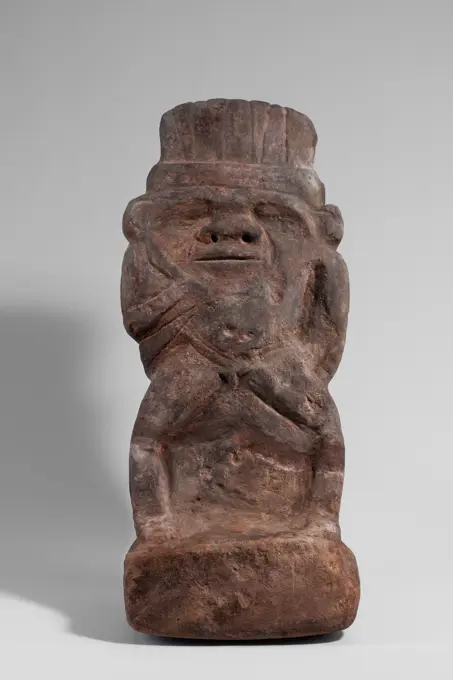
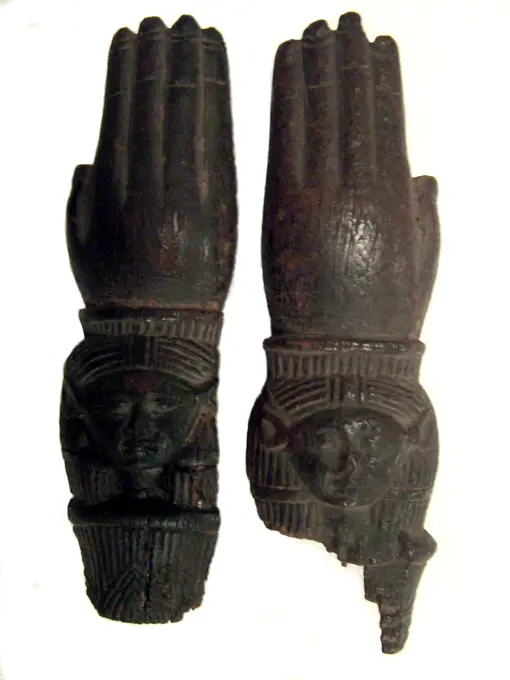
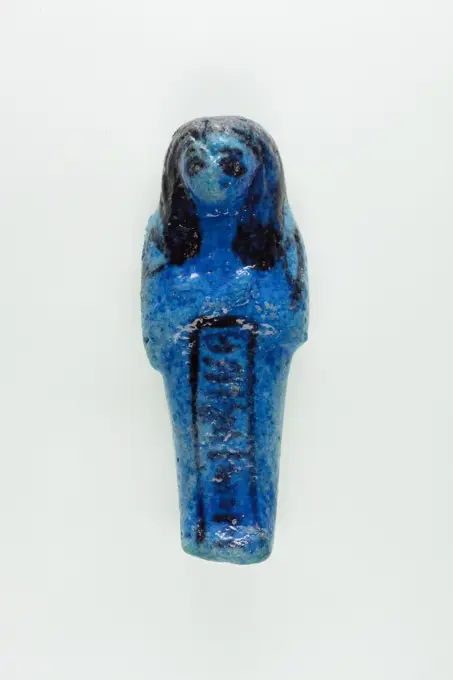
Bes;  III century (201-00-00-300-00-00);Bes (Mitol.), Deposit of the University of Warsaw from 1937-1939
Bes; III century (201-00-00-300-00-00);Bes (Mitol.), Deposit of the University of Warsaw from 1937-1939
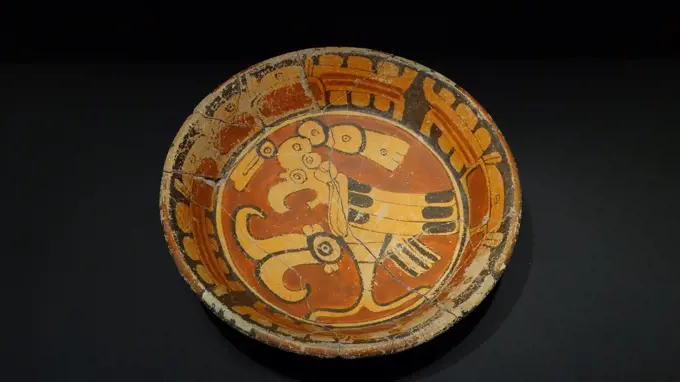
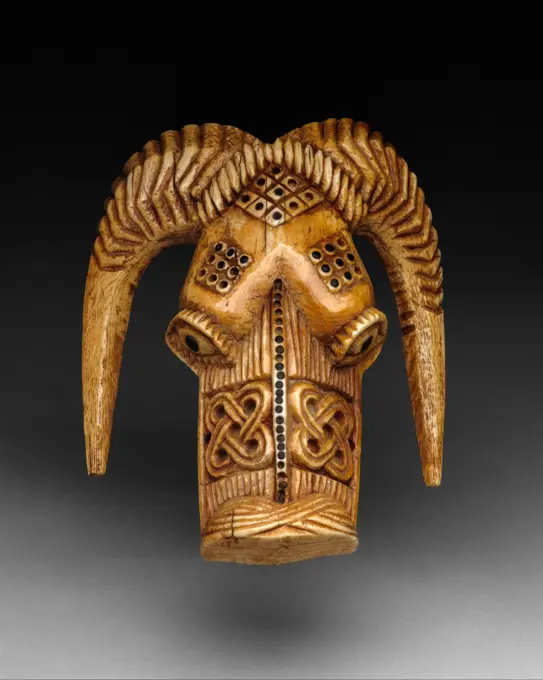
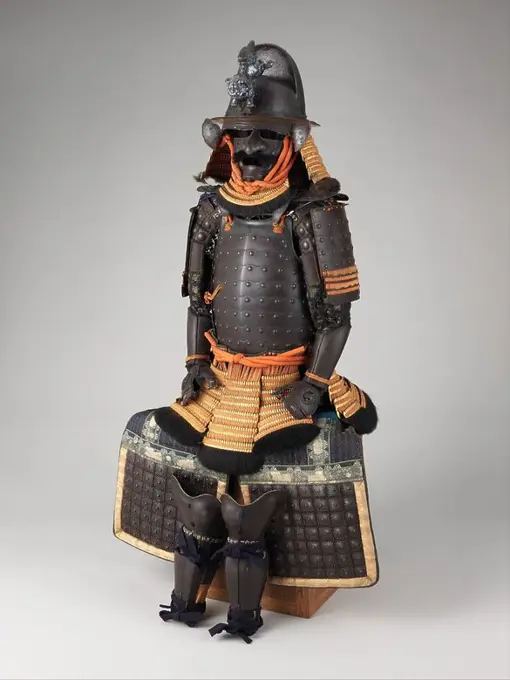
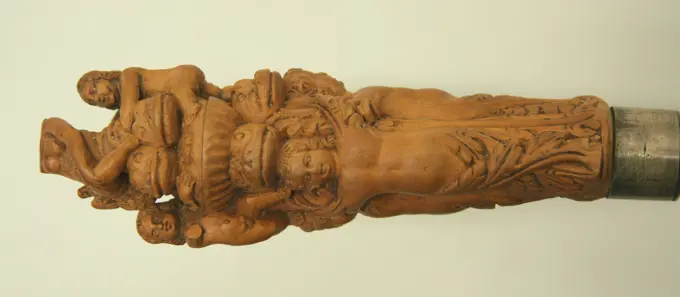
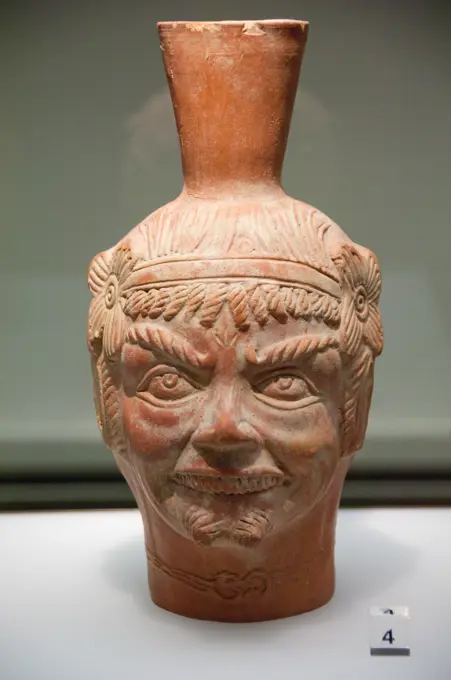
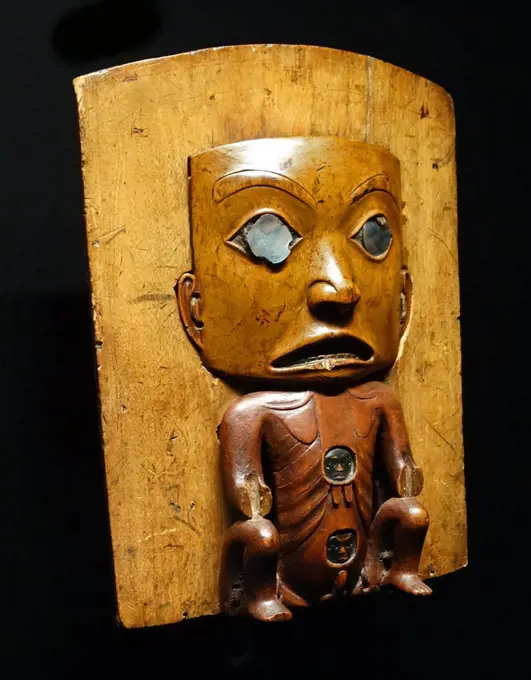
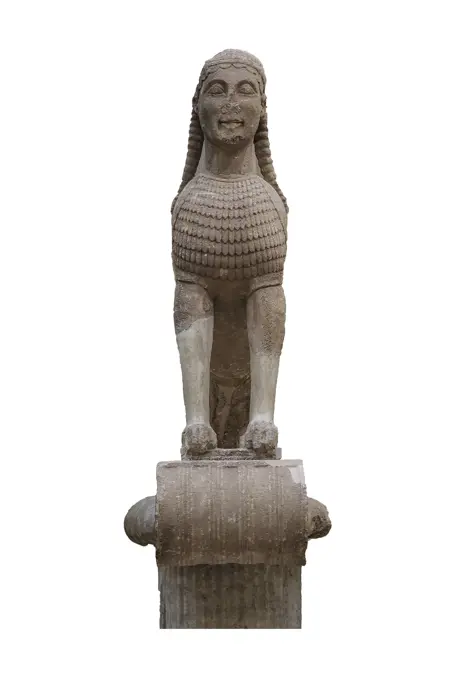
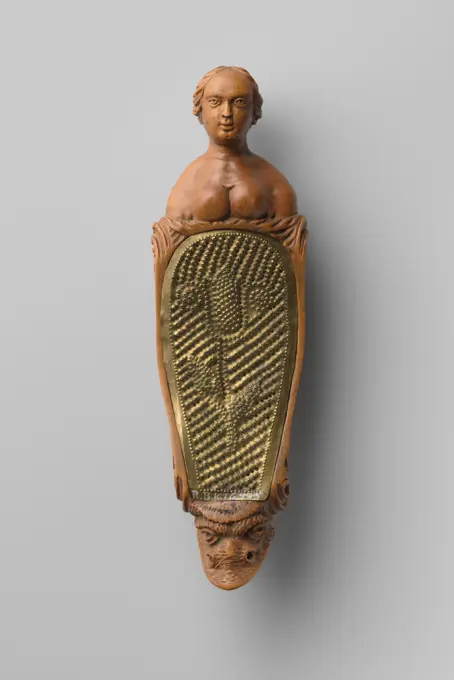
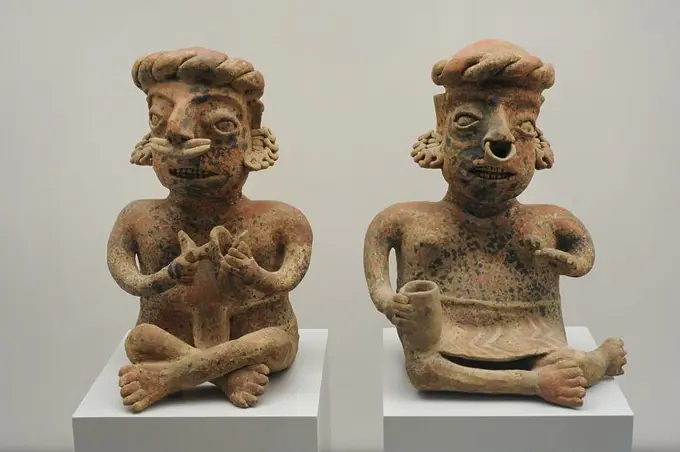
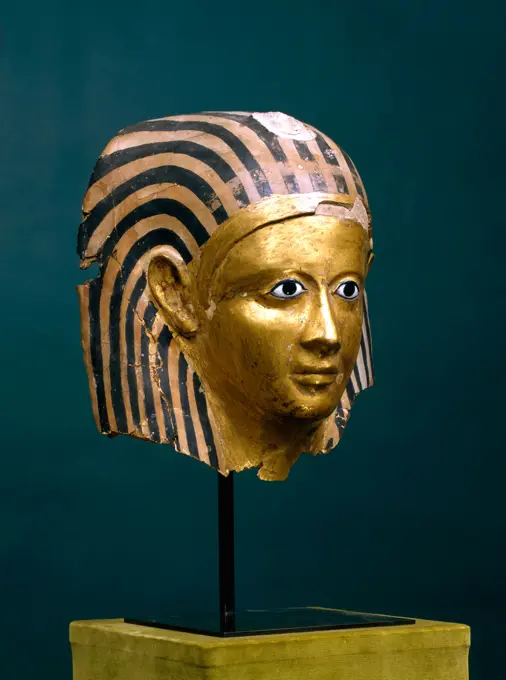
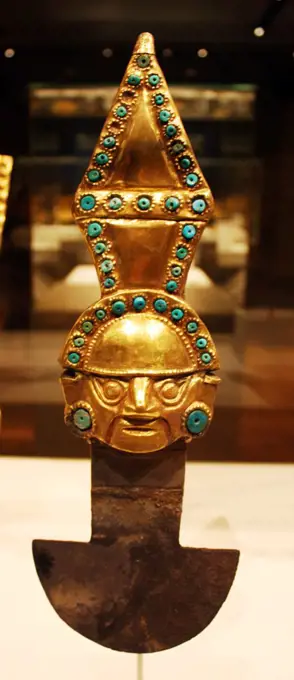
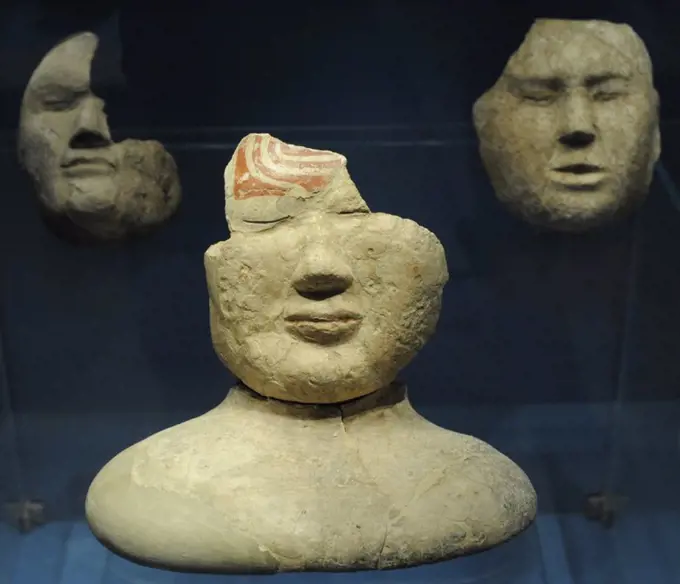
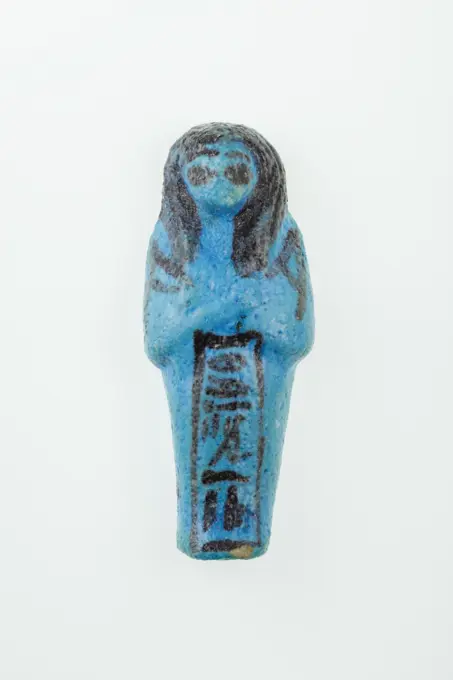
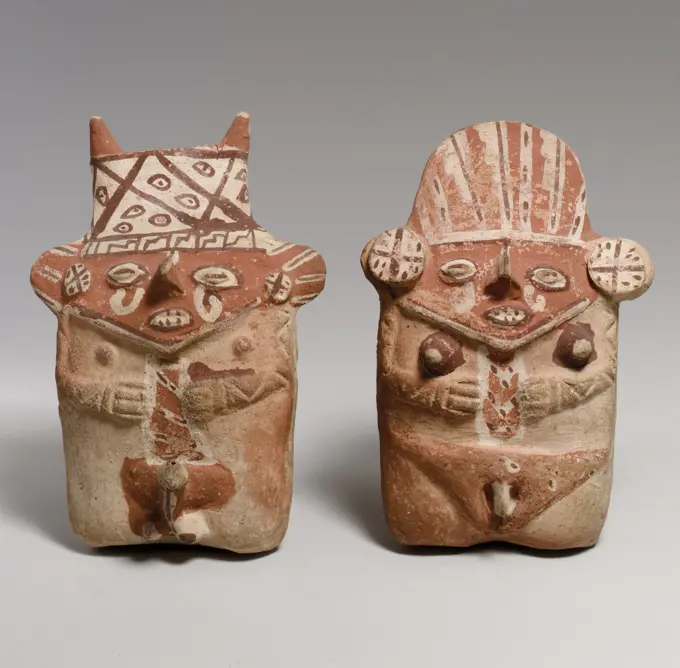
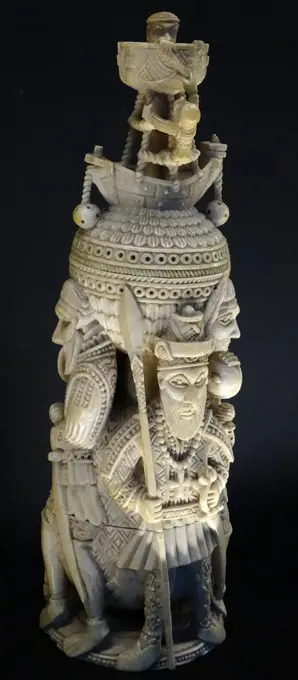
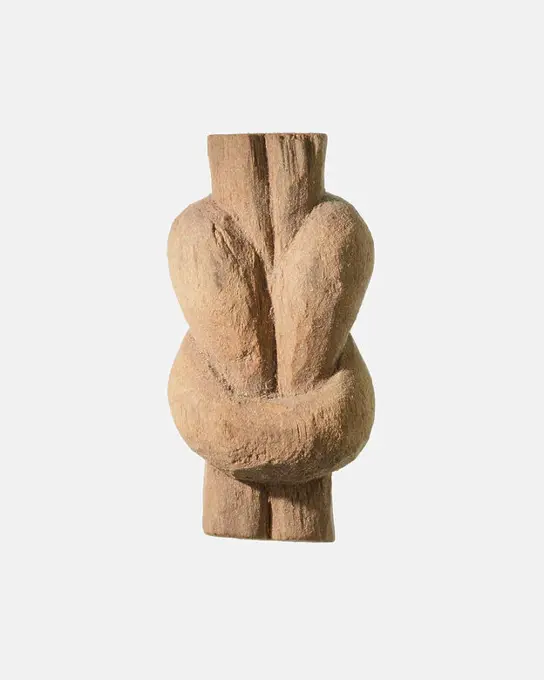
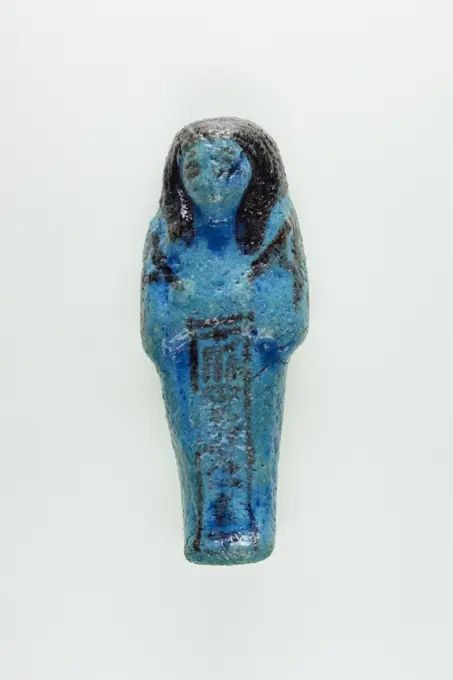
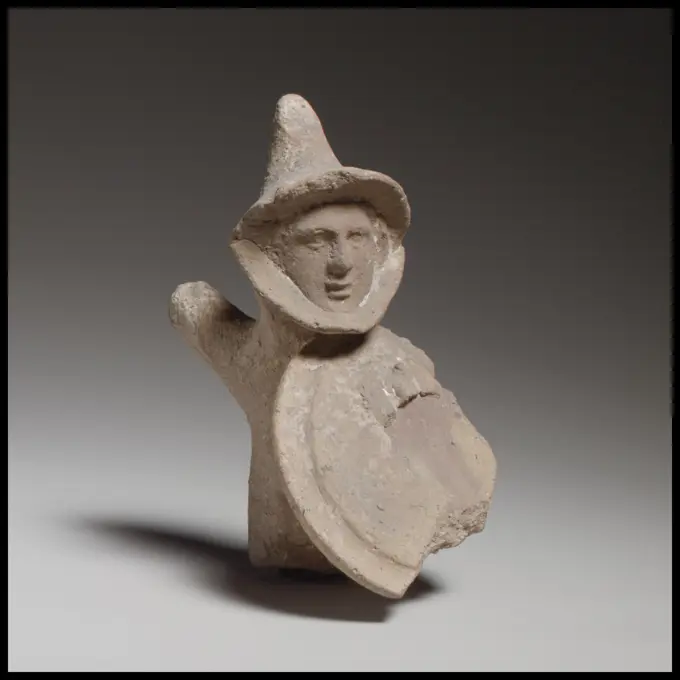
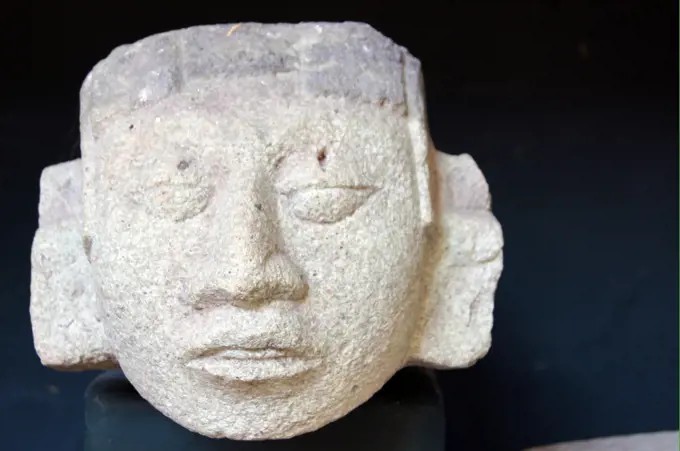
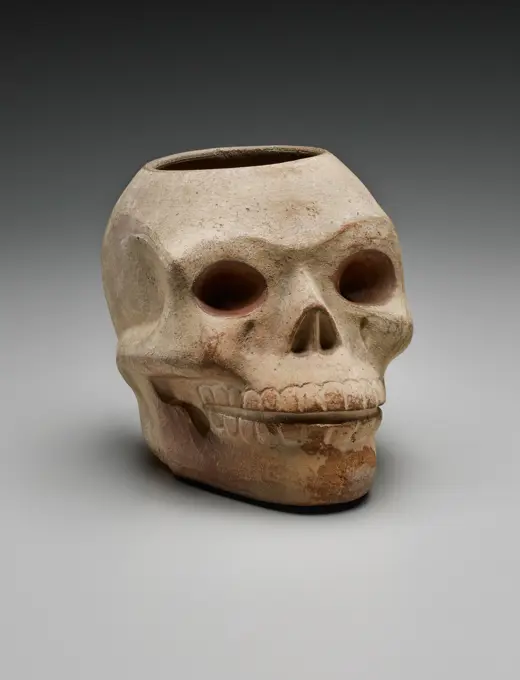
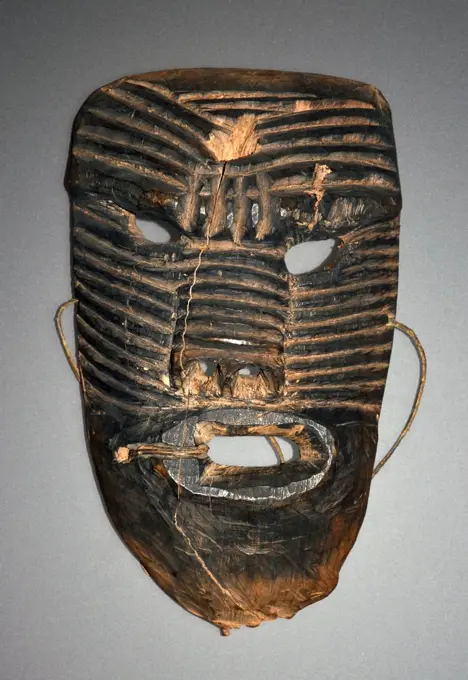
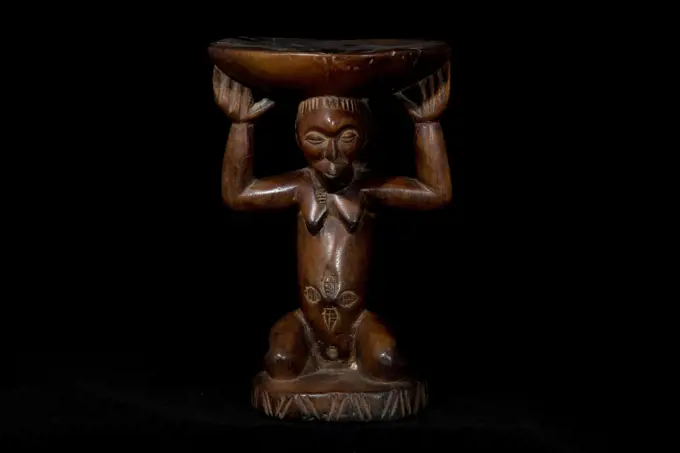
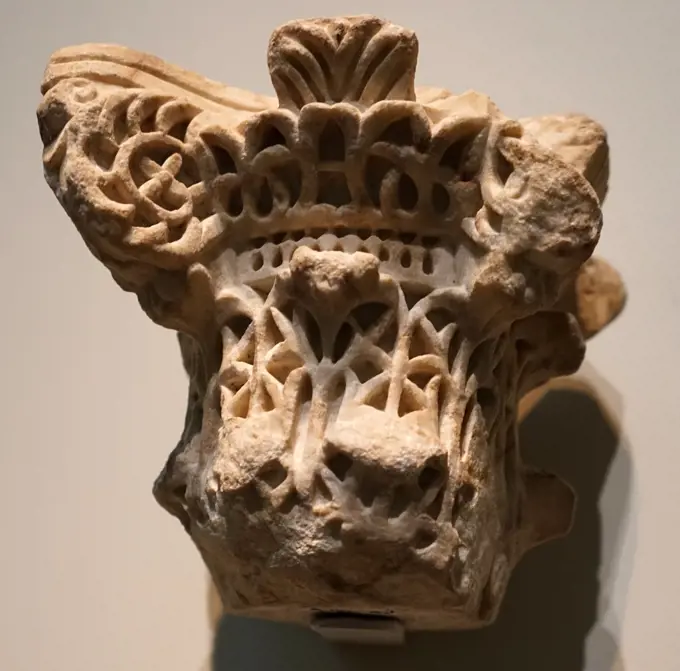
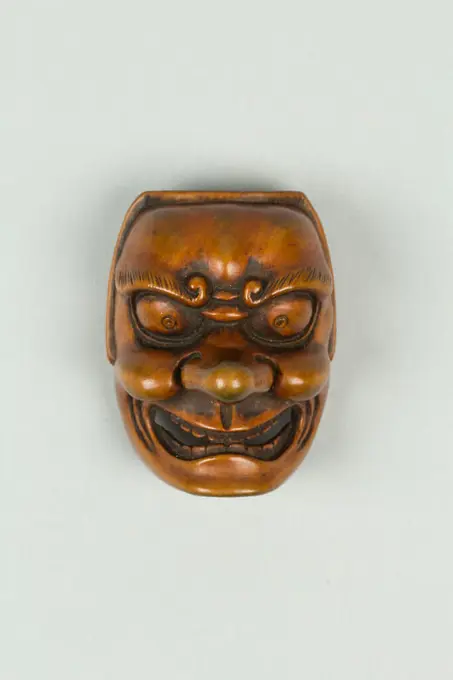
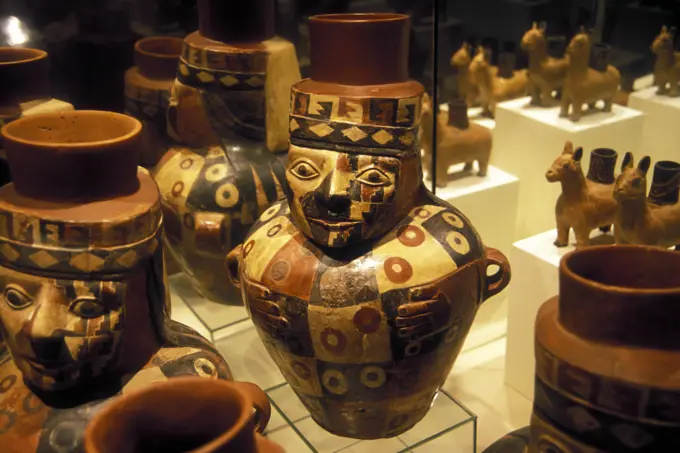
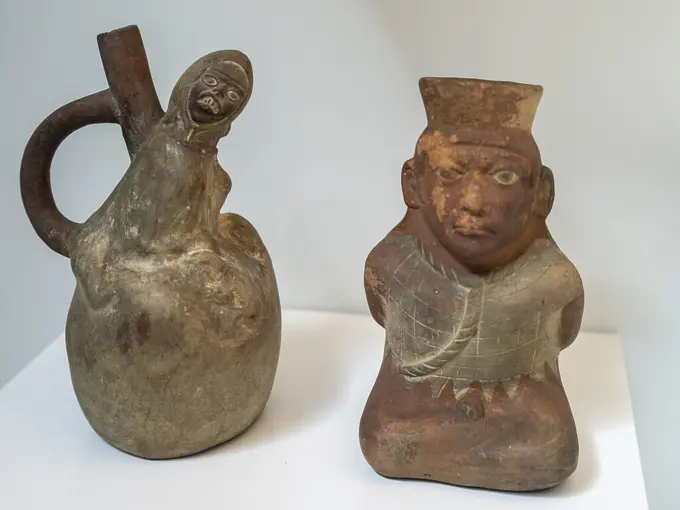
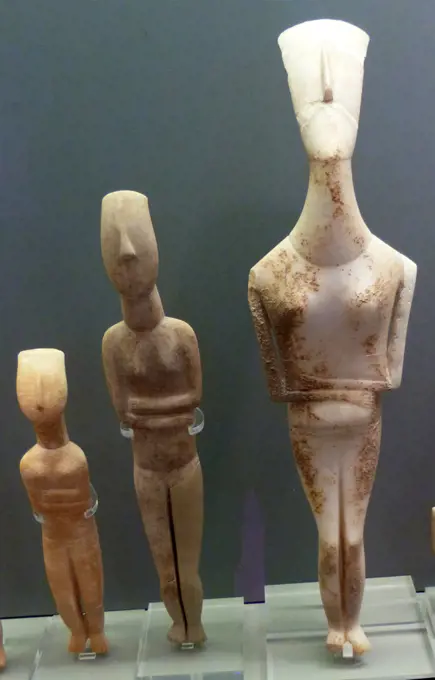
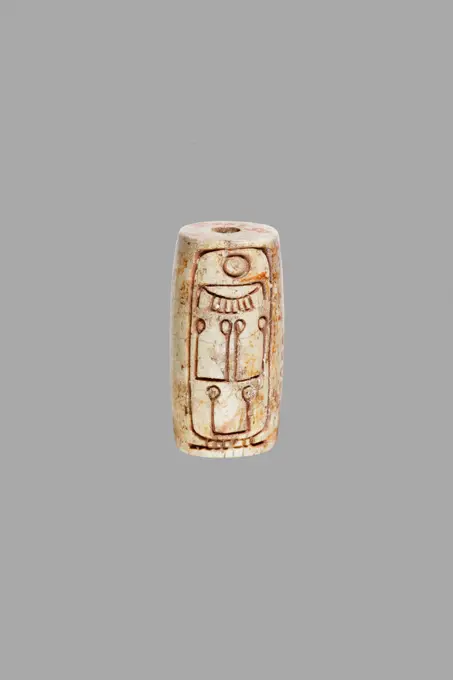
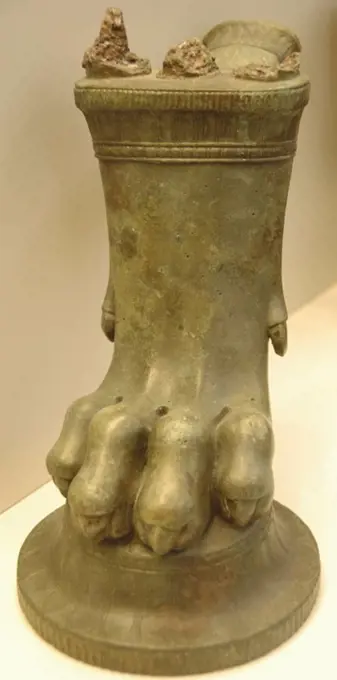
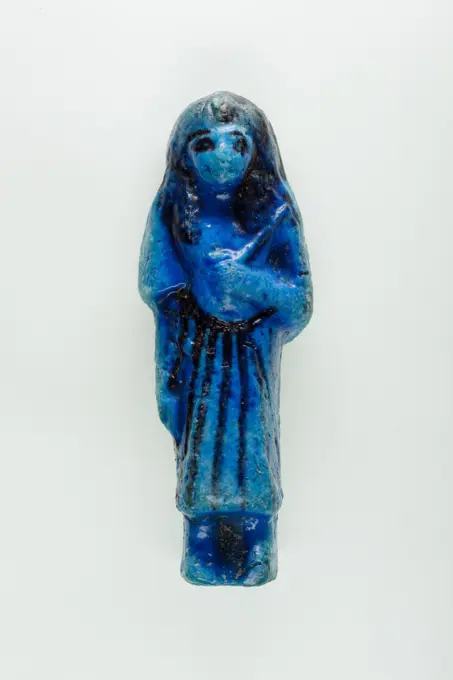
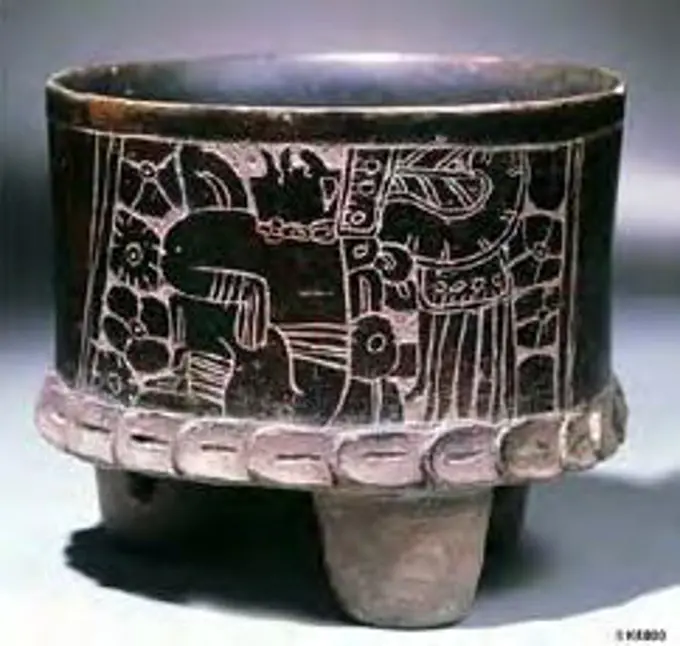
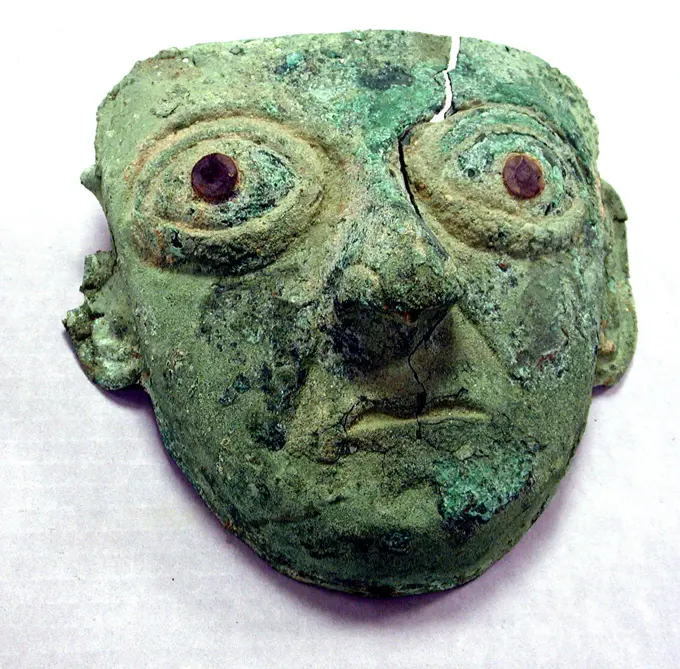
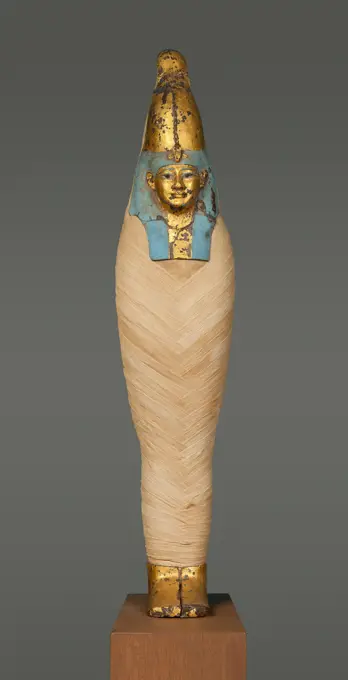
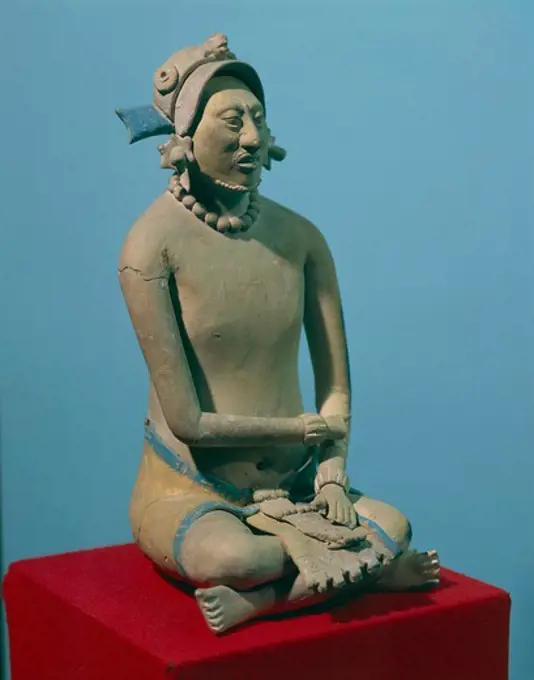
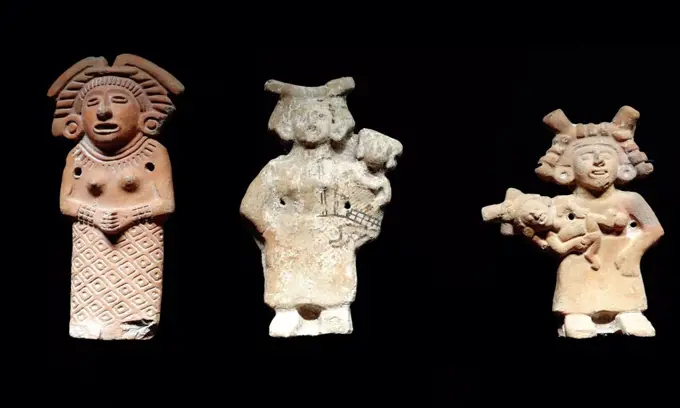
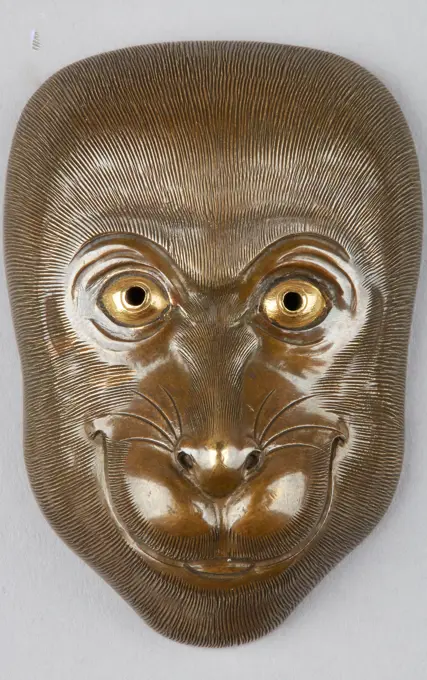
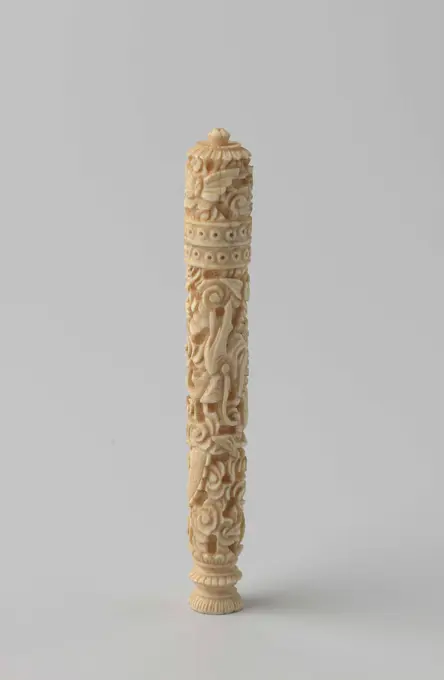
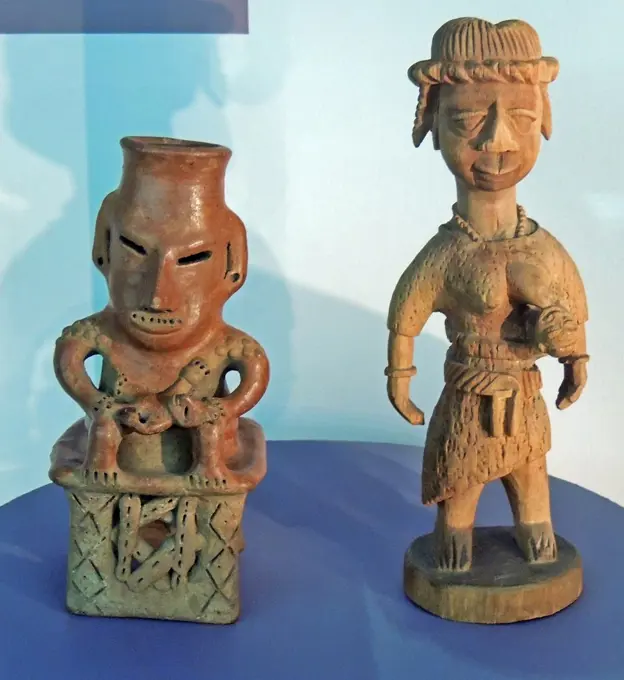
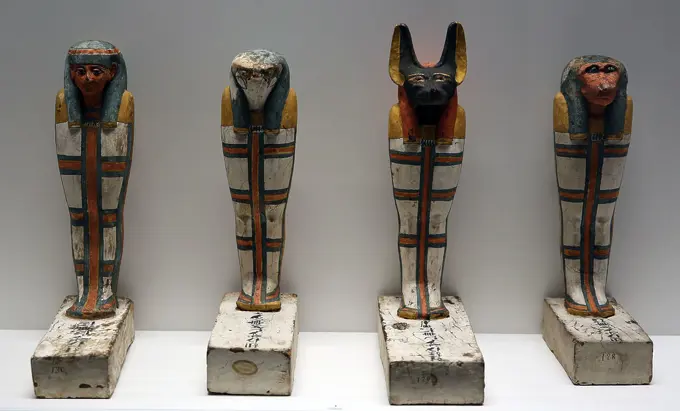
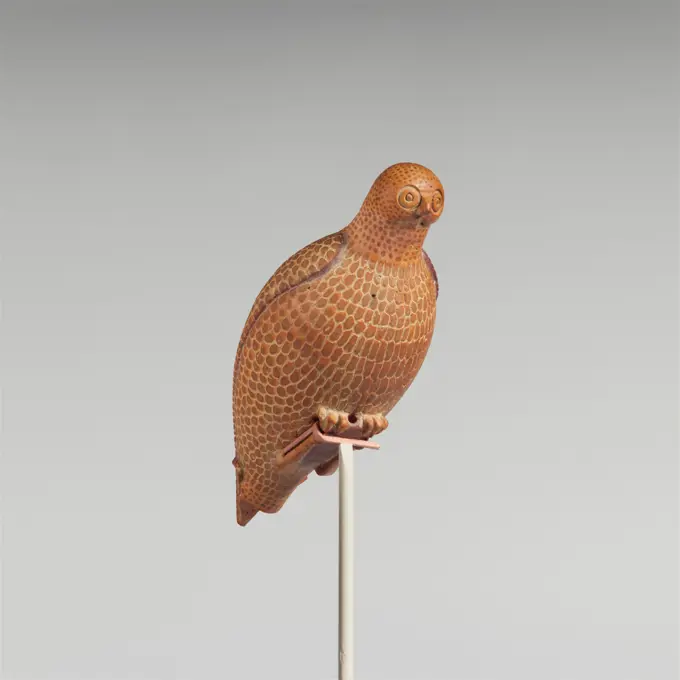
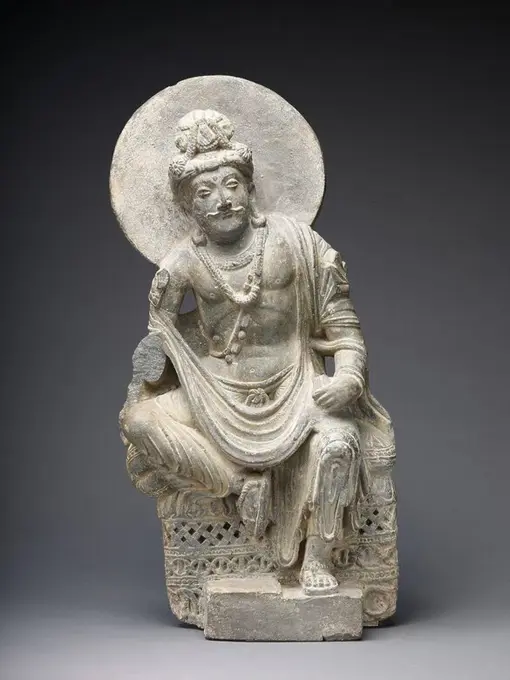
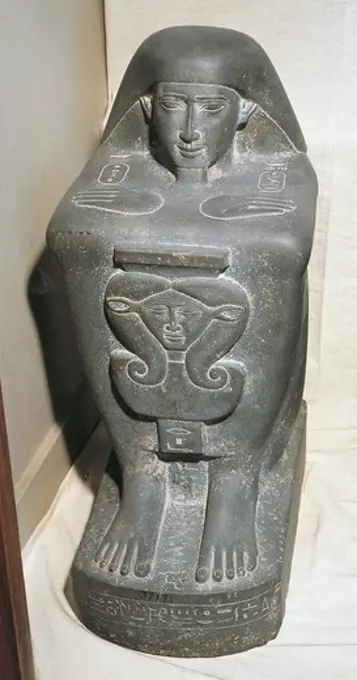
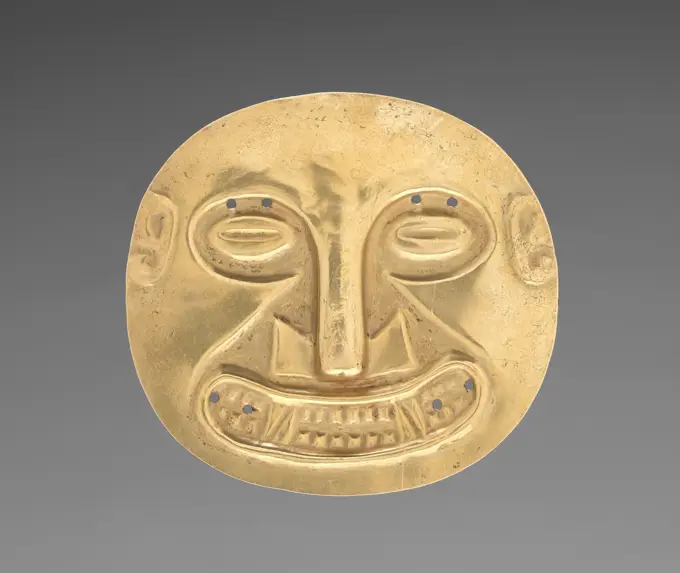
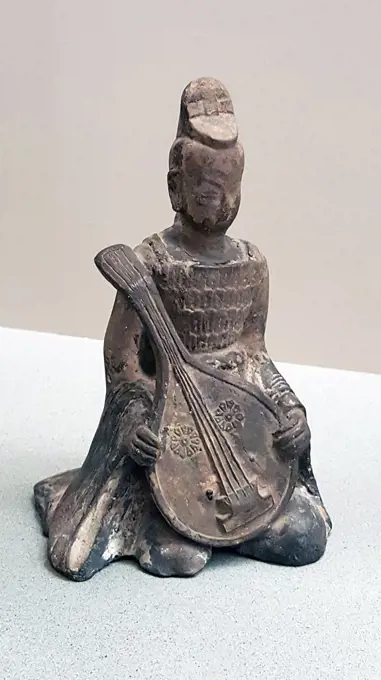
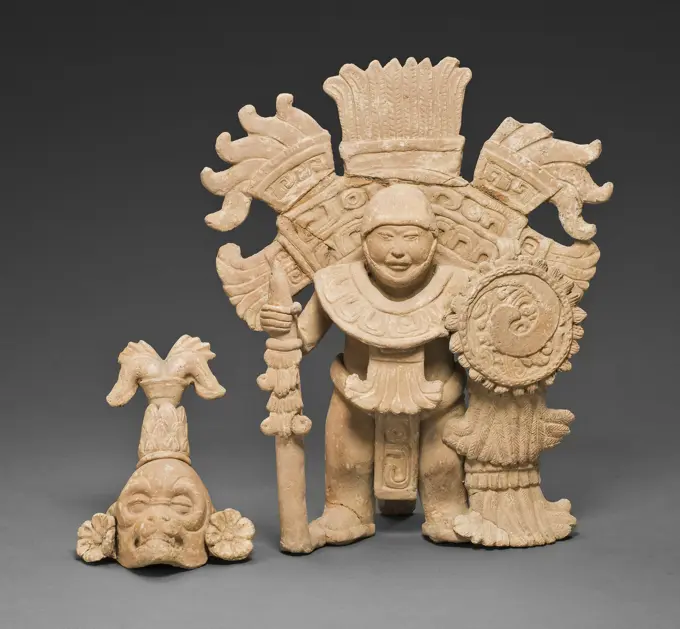
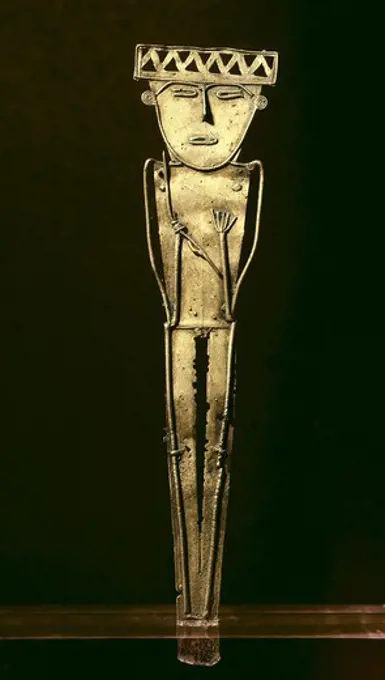
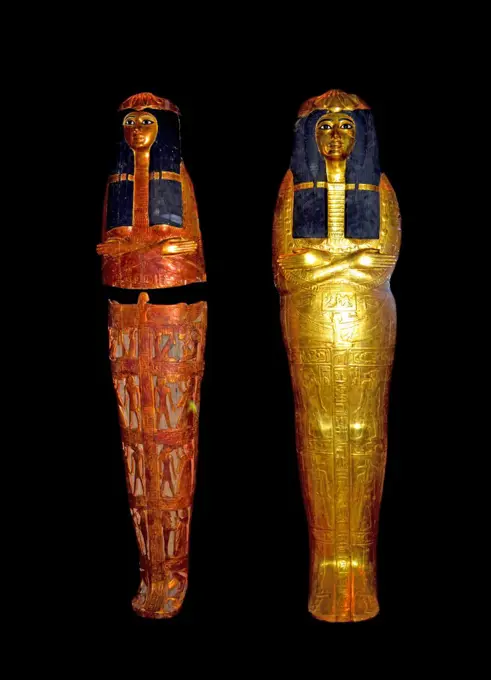
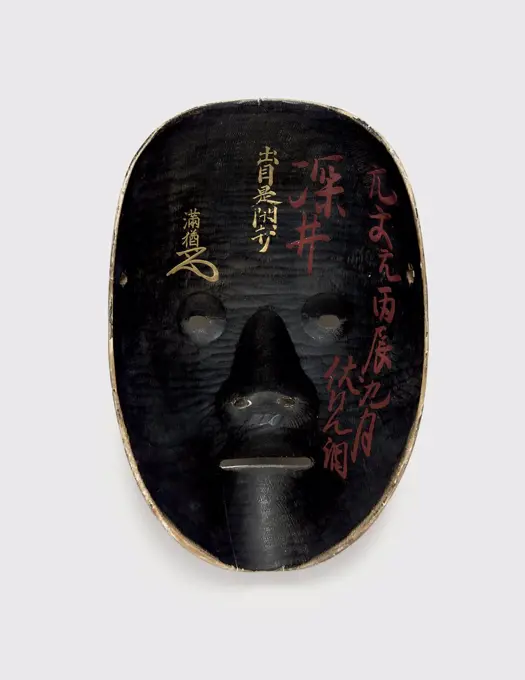
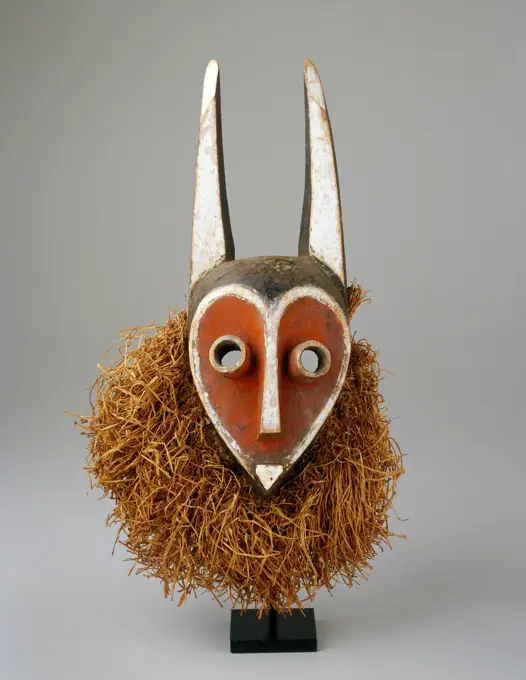
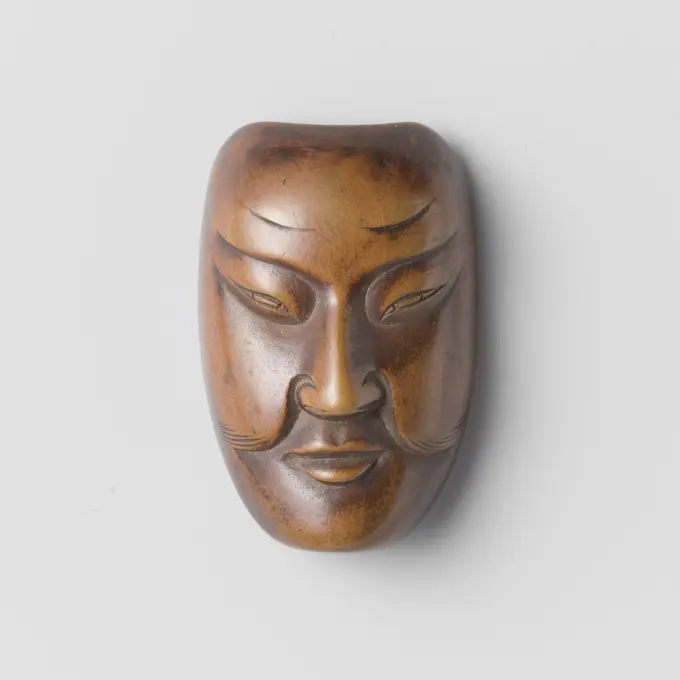
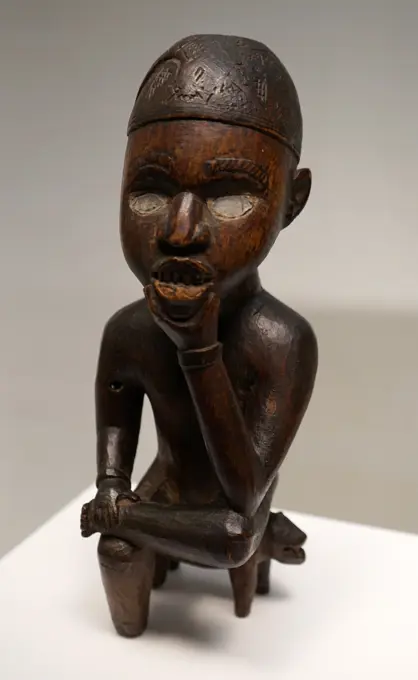
Wooden figure for ancestor worship; Bakongo Tribe; Yombe Group; Democratic Republic of Congo; Africa 20th centuryMayan ceramic plate decorated with a mythological bird. Mexico 600-900 ADOrufanran Costume Attachment: Ram Head 17th-19th century Yoruba peoples, Owo group This diminutive ivory ram's head constituted part of the courtly regalia of an olowo, the ruler of the Yoruba state of Owo in southern Nigeria. It was created as a decorative element of an orufanran, a type of ceremonial ensemble worn by the olowo and high-ranking chiefs during state ceremonies. Consisting of a bulky coat or shirt covered in red flannel scales, the orufanran was studded with ivory images of human faces and the heads of crocodiles, leopards, and rams. The outfit relates to the chief's military duties, and it is no coincidence that the animals depicted are those characterized by their strength and ferocity.A wealthy state with close political ties to the neighboring Benin kingdom, Owo was famed for the virtuosity of its ivory carvers. Despite its small size, this ram's head is richly embellished with intricate incised designs and dark inlaid wood. Its aesthetic impact relies on a sophisticArmor (Gusoku). Culture: Japanese. Dimensions: as mounted: H. 57 3/4 in. (146.7 cm); W. 31 in. (78.7 cm); D. 21 1/2 in. (54.6 cm). Date: 18th century.This cuirass and shoulder guards (sode) formed of large iron plates rather than traditional lamellae (small, narror iron plates) reveal European influence and the concurrent introduction of firearms, which necessitated solid, bulletproof plates. Museum: Metropolitan Museum of Art, New York, USA.Warriors Armlet (Tangkil)Fork 17th century Italian. Fork 27547Attic Head Vase. Sabouroff Class (Greek (Attic))Limestone statuette of a temple boy 4th century B.C. Cypriot Seated figure with incense box.. Limestone statuette of a temple boy 242303Human head shaped top of funerary steleA pottery and a Jade eagle warrior; Aztec, AD 1300-1521Lamp Fragment (Handle Ornament); Greece (Corinth); 1st century; Terracotta; 5.4 × 4 cm (2 1,8 × 1 9,16 in.)Peru, Pre-Inca civilization,Chimu culture, Embossed gold ceremonial knife, From Lambayeque treasureGermany, Cologne. Roman Germanic Museum (aka Romisch-Germanisches), ancient pottery container with face.Wooden clan headdress from the Tlingit tribe of indigenous people from Pacific Northwest Coast of North America. Dated 19th CenturyAmulet of the God Shu. Egyptian. Date: 1070 BC-332 BC. Dimensions: 2.5 x 1.9 x 1.3 cm (1 x 3/4 x 1/2 in.). Faience. Origin: Egypt. Museum: The Chicago Art Institute, Chicago, USA. Author: Ancient Egyptian.Sphinx of Naxos Sculpture Sphinx of naxos sculpture isolated on white background photo Copyright: xZoonar.com/DanielxFerreira-LeitesxCiccarinox 18196685Grater of palm wood decorated with a wife and a monster. Grater of Palmout. The back exhibits embossed symmetrical acanthus leaf. A women's breast image at the top of the copper grater; At the bottom of a sample with an open mush.From left to right: seated male figure and seated female figure. Painted ceramics. Nayarit style. Protoclassic Period (100 BC-250 AD). Western Mexico. Museum of the Americas. Madrid, Spain.Mask of an Ancient Egyptian Mummy, c1st century BC. Artist: UnknownCeremonial Knife. Peru; Sican (Lambayeque). 9th-11th century. Hammered gold and silver, turquoise inlay. Crescent-bladed implements or knives first appear in earlier Moche art, where they are shown in the hands of supernatural figures seemingly engaged in acts of sacrifice.Tashtyk culture. Funeral Mask of the 1st-7th c. Funeral mask. Gypsum. The State Hermitage Museum. Saint Petersburg. Russia.Worker Shabti of Nauny ca. 1050 B.C. Third Intermediate Period See 30.3.29.1a, b. Worker Shabti of Nauny. ca. 1050 B.C.. Faience. Third Intermediate Period. From Egypt, Upper Egypt, Thebes, Deir el-Bahri, Tomb of Meritamun (TT 358, MMA 65), first corridor, burial of Nauny, MMA excavations, 1928-29. Dynasty 21The Tang was an imperial dynasty of China preceded by the Sui Dynasty and followed by the Five Dynasties and Ten Kingdoms Period. The Tang Dynasty, with its capital at Chang'an (present-day Xi'an), which at the time was the most populous city in the world, is generally regarded as a high point in Chinese civilizationequal to, or surpassing that of, the earlier Han Dynastya golden age of cosmopolitan culture. Its territory, acquired through the military campaigns of its early rulers, rivalled that of the Han Dynasty. In two censuses of the 7th and 8th centuries, the Tang records estimated the population by number of registered households at about 50 million people.Pair of Figures 12th-14th century Chancay After the influence of Wari waned, several ceramic styles evolved on the Pacific coast that emphasized mass production and the fabricating use of molds and stamps. In the valleys north of Lima, the Chancay people produced ceramics that are very distinctive in form and decoration. Painted predominantly in dark brown-black on white, the ceramics appear sloppy by comparison with many earlier and contemporary styles. However, the spontaneity of the decoration, the restrained color scheme, and the often bold painting lend the Chancay wares considerable charm. In addition to vessels, Chancay potters produced ceramic sculptures of humans and animals. Human figures, often made in explicitly male-female pairs, originally must have worn clothing. These two could have been made in the same basic mold with specific anatomical and decorative details added by hand. Both figures wear the same round ear ornamentsthose of the female are biggerbut different heIvory Salt Cellar used for holding and dispensing salt. From the Republic of Benin, Nigeria, Africa. Dated 16th CenturyCastanets (clappers) 1580-1090 B.C. Egyptian. Castanets (clappers). Egyptian. 1580-1090 B.C.. Wood. Egypt. Idiophone-ConcussionTjes-Knot Amulet. Dimensions: L. 4.2 × W. 2.1 cm (1 5/8 × 13/16 in.). Dynasty: Dynasty 18. Reign: Joint reign of Hatshepsut and Thutmose III. Date: ca. 1479-1458 B.C.. Museum: Metropolitan Museum of Art, New York, USA.Male Figure of a Pair, late 1800s-early 1900s. Africa, Central Africa, Democratic Republic of Congo, probably Ngbandi-style carver. Wood, iron alloy, copper alloy, and cloth; overall: 45 x 15.5 x 9.2 cm (17 11/16 x 6 1/8 x 3 5/8 in.).Worker Shabti of Nany ca. 1050 B.C. Third Intermediate Period See 30.3.26.1a, b. Worker Shabti of Nany 625695Drum with Head 3rd century B.C. Paracas. Drum with Head 308484Horseman Late 4th century B.C. Cypriot The figurine is handmade and solid, with a mold-made face. He turns his head to his left, while his raised right arm, the forearm now missing, originally brandished a spear.. Horseman 241213Stone mayan head in Copan museum, Honduras                    Worker Shabti of Nauny ca. 1050 B.C. Third Intermediate Period See 30.3.26.1a, b. Worker Shabti of Nauny 625736SkullVessel.  Artist: UnknownShamanic Mask 1890. These mask were used to make Shamans more powerful and ordinary people could invoke animal spirits. Africa,  Democratic Republic of the Congo, tribal art, anthropomorphic headrest, Luba peopleTerracotta jug in the shape of a head of an African. Culture: Roman. Dimensions: 7 1/8in. (18.1cm). Date: 3rd century A.D..Red-glazed jug in the form of an African's head. Museum: Metropolitan Museum of Art, New York, USA.Marble column capitals from Islamic Spain, most likely from one of the building at Madinat al Zahra during the reign of Abd al-Rahman III (889-961). Dated 10th Century Seal China. Seal 40992Comic Mask. UnknownDouble Spout Vessel Depicting Figure Costumed as Pampas Cat with Bean Motifs Made 180 BCE-500 CE Nazca Valley. Ceramic and pigment . NazcaMayan incense burner made from ceramic, with the features of an ancestor. From Tacolpa, Tabasco, Mexico 600-900 ADVessel in the Shape of a Female ca. 1000-500 B.C. Pakistan (Northwest Frontier Province) This vessel, of indeterminate function, is a rare early example of female cult imagery. The form is not typical of early India and relates more closely to West Asian prototypes.. Vessel in the Shape of a Female 38102Netsuke of Demon Mask. Culture: Japan. Dimensions: H. 1 3/4 in. (4.4 cm0; W. 1 1/4 in. (3.2 cm); D. 1 1/4 in. (3.2 cm). Date: 19th century. Museum: Metropolitan Museum of Art, New York, USA.Lima, PeruMoche culture vessels, prisoner and supernatural being, Andean area, Peru, 100-750, clay and natural pigments, Anthropology National Museum, Madrid, Spain.Europe, England, Bath. Roman Bath Museum. THIS IMAGE RESTRICTED - Not available to U.S. land tour travel operators.Schematic Cycladic, Greek figurines with trapezoidal body belonging to 'Apeiranthos' variety of Naxos. 2800-2300BCCylinder seal of Amenemhat II Middle Kingdom ca. 1981-1550 B.C. View more. Cylinder seal of Amenemhat II. ca. 1981-1550 B.C.. Faience. Middle Kingdom. From Egypt. Dynasty 12-17Bronze vase as lion's foot. 7th-6th Century B.C. Archaic Age. Olympia Archaeological Museum. Ilia Province. Peloponnese region. Greece.FaiencePectoral, Glazed faience, 8.2 × 18.1 cm (3 1/4 × 7 1/8in.), Egyptian, New Kingdom, Dynasties19-20, JewelryOverseer Shabti of Nany ca. 1050 B.C. Third Intermediate Period See 30.3.26.1a, b. Overseer Shabti of Nany 625672cabeza zoomorfa, tapadera, clásico tardio, Santa María Nebaj,museo de antropologia Maya, departamento de El Quiché, Guatemala, Central America.Red jasper 'thet'-girdle amulet: to grant the goddess's protection, with a ribbed tube for suspension at the top. This amulet is incised with the name of a man called Nefer. New Kingdom. 1250BC-1100BC (circa). Height: 6.49 centimetres. Museum: Bristish Museum of Natural History, LONDRES, UK.Incised Tripod Vessel with Seated Figure Looking UpwardCopper Face Mask Ornament 2nd-7th century Moche. Copper Face Mask Ornament. Moche. 2nd-7th century. Copper (hammered), shell. Peru. Metal-OrnamentsAncient Roman terracotta water- spout. Dated 1st CenturyPre-Columbian Jewelry Chimú culture 1100 AC-1470 AC Perú Funerary offerings.Egyptian Ushabti Of Prince Khaemuaset a son of Ramesses II. (1290-1224 B.C. )Mask and Foot Cover of "Corn Mummy" 400-250 B.C. Ptolemaic Period A reconstructed body of ancient linen was created in the 1940s in order to display this mask and foot cover. Originally they belonged to a similarly shaped figure that was filled with grain, which is why such figures are called "corn mummies." They represent the god Osiris and, since the grain could sprout, they symbolized new life.. Mask and Foot Cover of "Corn Mummy" 545952TESORO DE LOS QUIMBAYAS - FIGURA MASCULINA SEDENTE DE ORO - COLOMBIA - 200-1000 DC. Location: MUSEO DE AMERICA-COLECCION. MADRID. SPAIN.Male head, Brass, Udo, Nigeria, 16th century. In the 16th century the city of Udo made an attempt to take over the Benin Empire and, as a mark of Independence, began casting its own brass heads.Mexico, Jaina Island, Terracotta statuette of seated nobleStone figurines of Cihuacoatl, Aztec Goddess of fertility, from Mexico. Dated 1400 BCFigurine of nude femalejugglingAfrica, Egypt, Cairo. Egyptian Antiquities Museum. Tutankhamen collection, gold lion (Editorial Usage Only)Przeszo Przyszoci unknownBabylonian cylinder seal.Ivory needle sleeve with embossed butterflies. Ivory needle cooker with ornaments embossed, including butterflies.Head. Culture: Coptic. Dimensions: Overall: 2 3/16 x 2 9/16 x 1 1/8 in. (5.5 x 6.5 x 2.8 cm). Date: 4th-7th century. Museum: Metropolitan Museum of Art, New York, USA.Tall BeakerRight: carving of a woman breast feeding a child, made in Nigeria, in the early 20th century - many such figures were used offerings to fertility gods in the hope of a healthy child.. Left: Pre-11th century figure possibly of a mother and child, excavated from a site in Mexico - its exact use is unknown.Statuettes depicting the four sons of Hours. From left: Imsety, Qebehsenuef, Duamutef, Hapy. Wood. Late Period (664-332 BCE). Provenance unknown. Egyptian Museum of Turin. Italy.Angola, Mask, Mukishiwa Qhwu Tchokwe Carved Wooden Mask.Long-nosed Mask. Japan, Edo period (1615-1868). Jewelry and Adornments; masks. Paulownia wood, lacquer, pigmentsReplica of the gold outermost coffin (sarcophagus), from the tomb of King Tutankhamen of Egypt. 18th Dynasty, 1323 BCTerracotta vase in the form of a bird mid-7th century B.C. Greek, Corinthian Compact form, with wings and legs kept close to the body. The feathers are indicated by incisions on the body and wings, by dots on the head and neck and the beginning of the tail. The orifice is concealed by the tail and the legs pierced for the insertion of a string, so the bird could hang upside down, fitting well into the palm of a hand.. Terracotta vase in the form of a bird 254588 Greek, Corinthian, Terracotta vase in the form of a bird, mid-7th century B.C., Terracotta, H. 6 1/4 in. (15.9 cm). The Metropolitan Museum of Art, New York. Rogers Fund, 1947 (47.100.2)Egyptian sarcophagus of a Pharaoh Egyptian sarcophagus of a pharaoh copyright: xzoonar.com/DR.XNORBERBERTXLANGEX 14269506Pensive Bodhisattva. Pakistan; Ancient region of Gandhara. Date: 101 AD-300 AD. Dimensions: 49.5 × 25.4 × 16.8 cm (19 1/2 × 10 × 6 5/8 in.). Gray schist. Origin: Gandhara. Museum: The Chicago Art Institute, Chicago, USA.Ritual Cache 1300-1400 Arizona. Discovered wrapped and hidden in a remote, dry cave, this cache of ritual figures comes from the Salado culture, which flourished in the mountains of southwestern New Mexico and southeastern Arizona between the fourteenth and fifteenth centuries. Brilliantly colored and adorned with flicker feathers and dyed cotton string, these effigies once formed an altar as agents for communion with the life-giving spirits of the earth and sky. The large male figure, with his feather necklace and bold black-and-turquoise zigzag pattern, features sky symbolism. The smaller, female figure is a more self-contained form, probably corresponding to the earth. Her ocher color likely refers to maize and pollen, symbols of sustenance and fertility. The accompanying figures are a mountain lion (the chief predator in the region) and two serpents (carved from cottonwood roots), representing agents of communication with the earth and the seasonal cycle of fertility. Curved woodenUszebti. unknown, authorCube shaped statue depicting Hathor, from KarnakOrnament from Sitio Conte: Small Plaque, c. 400-500. Panama, Conte style, 5th - 10th century. Hammered gold; overall: 9.3 x 10 cm (3 11/16 x 3 15/16 in.). Harvard archaeologists excavated this ornament from Grave 32 at Sitio Conte, a cemetery famous for its lavish graves of powerful chieftains. The warm gleam of gold linked rulers with the suns creative force.Sphinx of Tutankhamen.China: Ceramic figurine of a pipa player, Sui Dynasty (589-618 CE). Photo by Pratyeka (CC BY-SA 4.0)Painted Wooden Coffin of Nesiamun. Dimensions: L. 196.5 cm (77 3/8 in.); W. 54 cm (21 1/4 in.); H. 43 cm (16 15/16 in.). Dynasty: Dynasty 25-26. Date: ca. 712-525 B.C..Discovered by the Metropolitan Museum during its 1922-23 excavations in Thebes, this coffin holds the remains of a man named Nesiamun. A CAT (computer-assisted tomography) scan revealed that Nesiamun sustained several serious injuries before death, including a broken left shoulder and fractures of his pelvis and skull. This trauma may have been the result of an accident involving a horse and chariot, and perhaps even occured in battle. However, it is also possible that Nesiamun was injured while working on a building project. The inscription down the center of the lid is an offering prayer asking for food, incense, and other afterlife necessities. It identifies Nesiamun as the son of Bakenamun and Tahathor, but gives no clue to his occupation. Museum: Metropolitan Museum of Art, New York, USA.Standing Warrior Figure with Removable Mask and Headdress 700 CE-1000 Veracruz state. Ceramic and pigment . Veracruz, ClassicMuisca gold pendant. The tunjo of a warrior with tapering legs, reed-like, bent arms, one hand clasping an axe, solely adorned with a headdress and jewelry. 1300-1500. Chibcha art. Jewelry. COLOMBIA. CUNDINAMARCA. Bogot. Gold Museum.still lifeUkhurhe (rattle staff) late 18th-early 19th century Edo people, court of Benin. Ukhurhe (rattle staff) 506779Mummy board of Henutmehyt 1186 B.C. Jar of a man's head. A ceremonial sling lies across the forehead. From the rituals of life and death from the Nasca culture. The culture is known for its prolific ceramic production and a colour palette that includes the richest colours of the pre-Hispanic Andes.Close-up of Italian bird-like beak mask for plague doctor to treat victims of bubonic plague during epidemic, made of papier-mache on black backgroundInterior display, Southwest Florida Museum of History, Fort Myers FloridaGold Weight: Mask. Culture: Brong. Dimensions: H x W x D: 7 1/2 x 3 7/8 x 2 5/8in. (19.1 x 9.9 x 6.7cm). Date: 17th-18th century (). Museum: Metropolitan Museum of Art, New York, USA.Mask,Signed Deme Misunao, Edo Period, 19th Century Japanese Art WoodMbambi Mask, 20th century, 19 x 10 x 4 in. (48.3 x 25.4 x 10.2 cm), Wood, pigment, raffia, Democratic Republic of the Congo, 20th century, The long horns on this mask help to identify it as an animal. It is a representation of the female antelope and was used during Pende healing ceremonies.Netsuke,, 1700-1800 Netsuke in the form of a no-mask. Japan wood (plant material) Netsuke in the form of a no-mask. Japan wood (plant material)Container in the Form of an African's Head. Dated: 4th/2nd century B.C.. Dimensions: height: 10.5 cm (4 1/8 in.) overall (diameter of lower aperture): 7.8 cm (3 1/16 in.). Medium: bronze. Museum: National Gallery of Art, Washington DC. Author: Probably Etruscan 4th / 2nd Century B. C.Huaco silver body ornaments, Larco Museum of Pre-Columbian Art