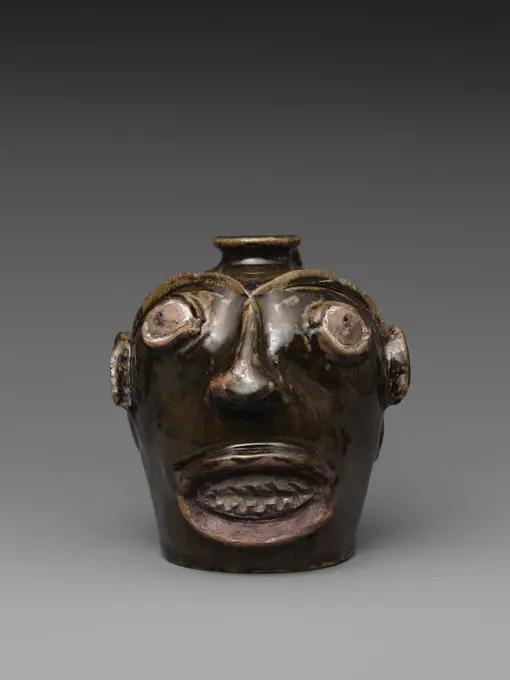
Ancient Figurines

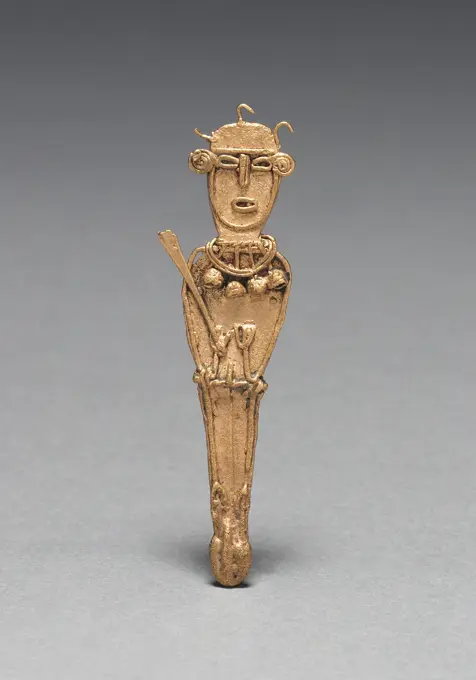
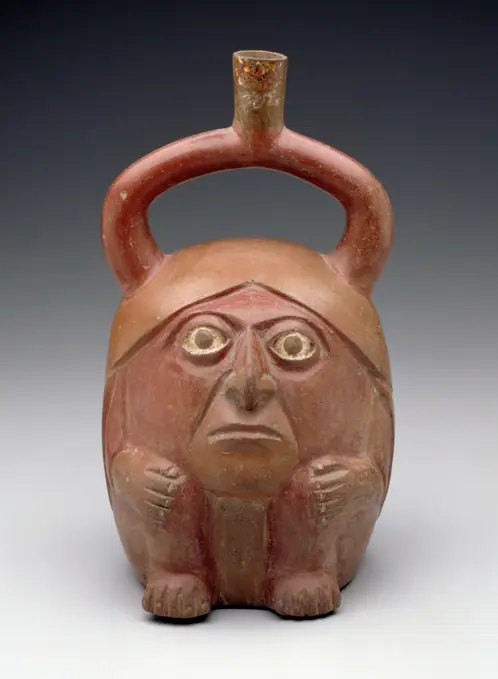
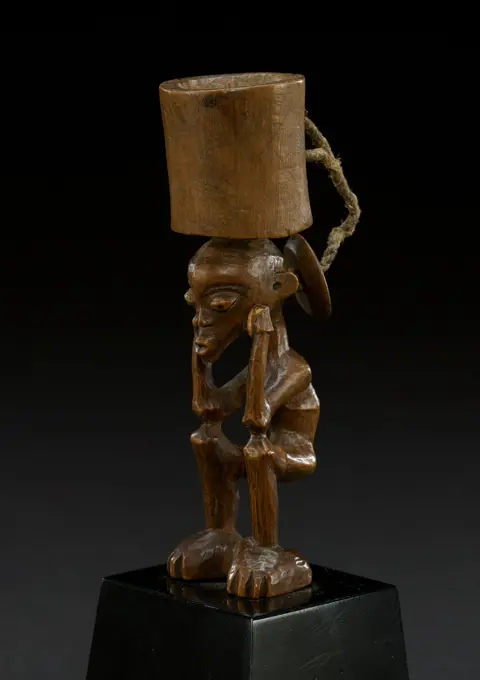
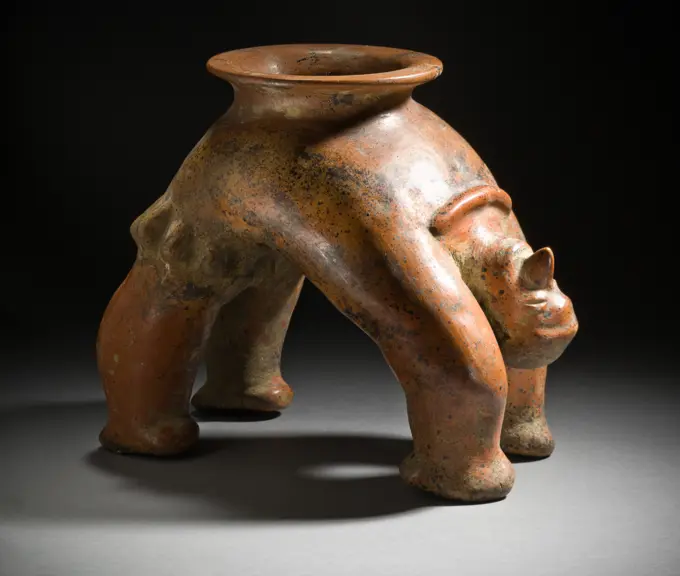
Assortment of small ancient sculptures and amulets, reflecting cultural and historical significance from various civilizations.
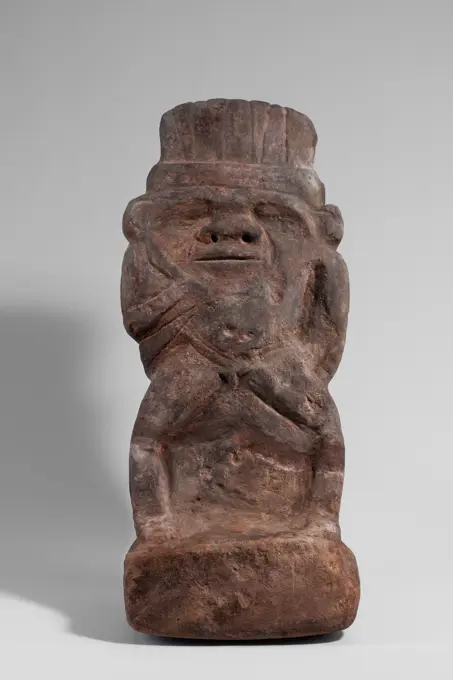
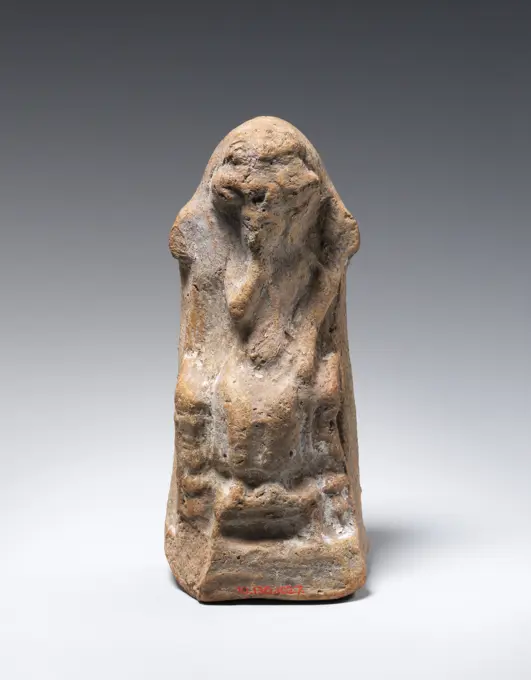
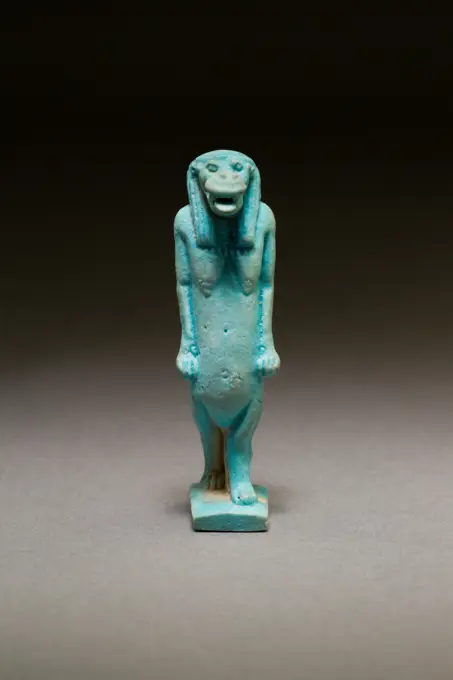
Bes;  III century (201-00-00-300-00-00);Bes (Mitol.), Deposit of the University of Warsaw from 1937-1939
Bes; III century (201-00-00-300-00-00);Bes (Mitol.), Deposit of the University of Warsaw from 1937-1939
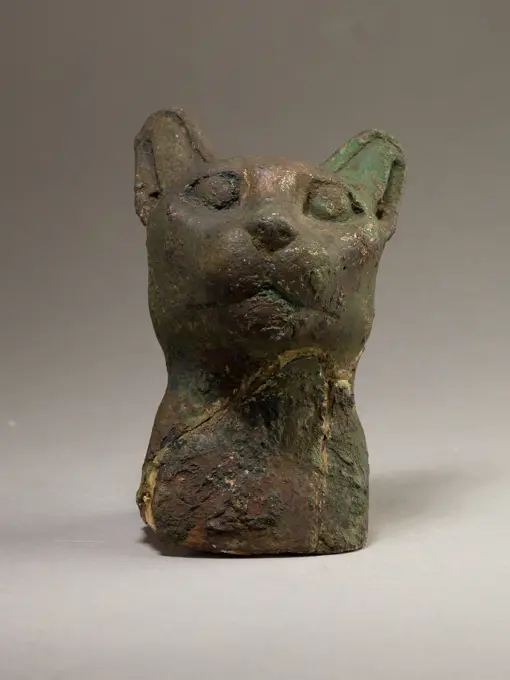
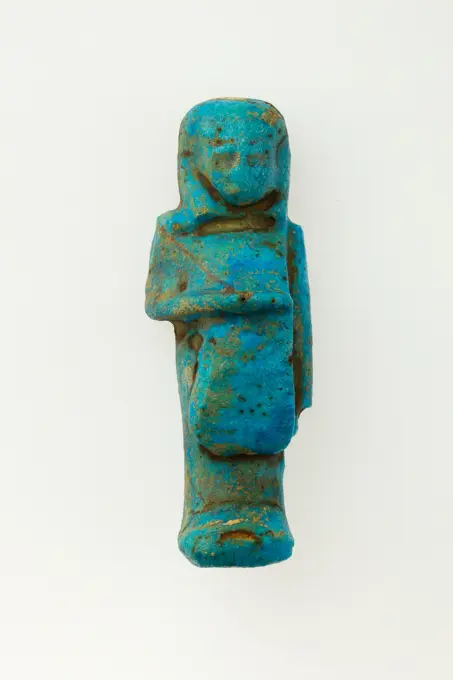
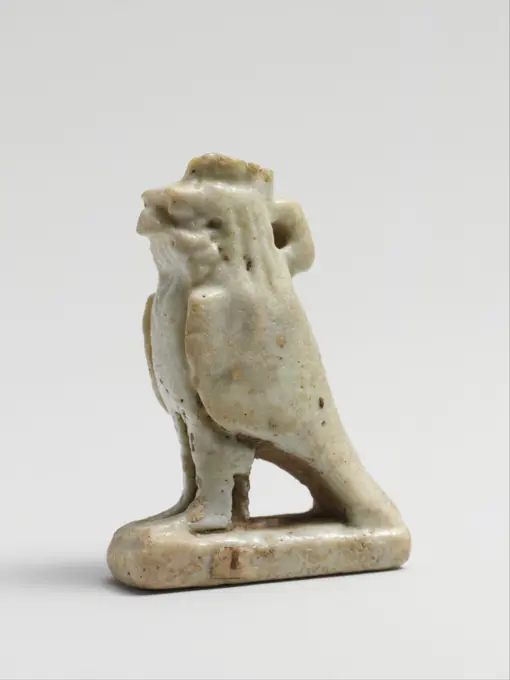
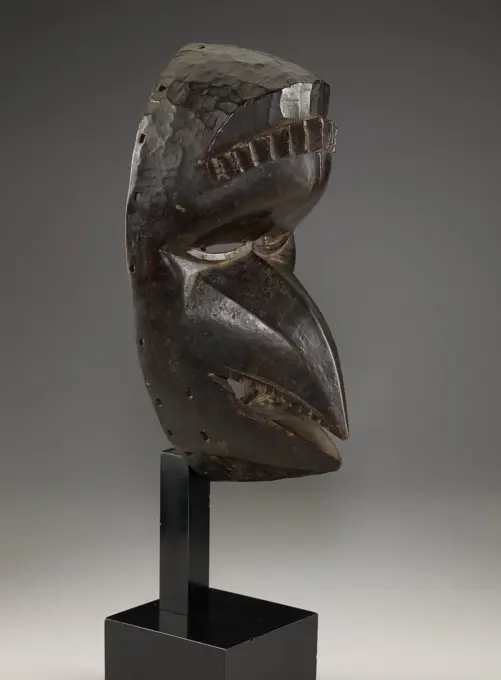
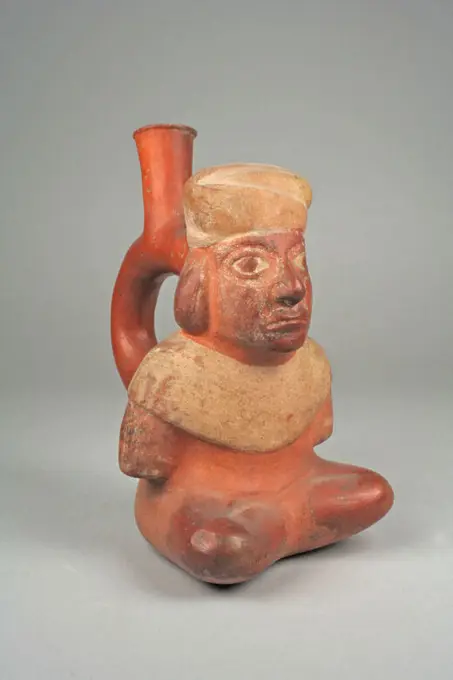
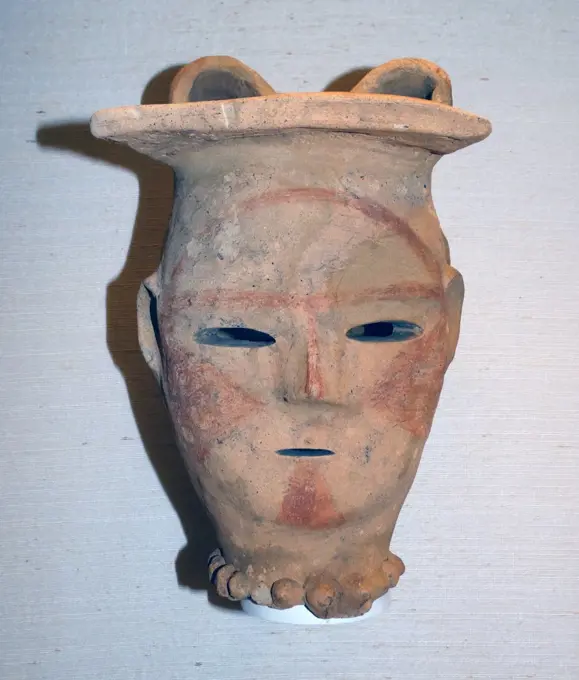
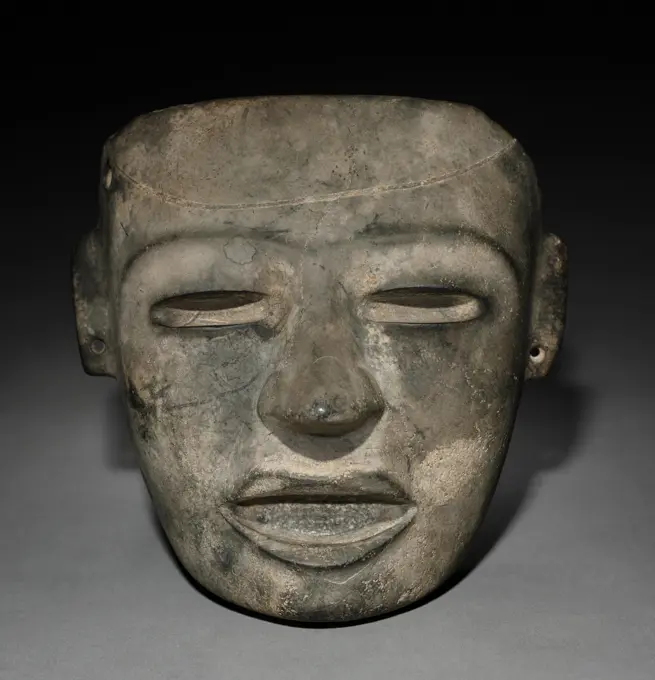
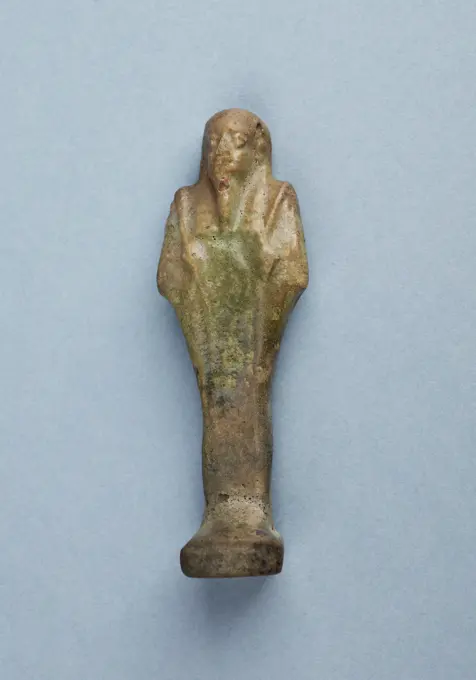
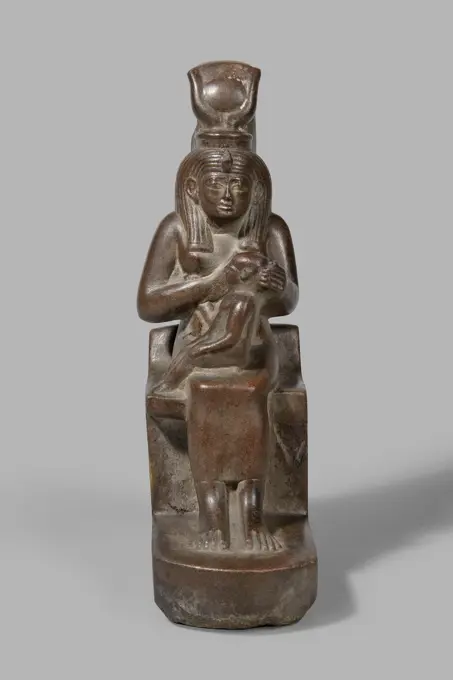
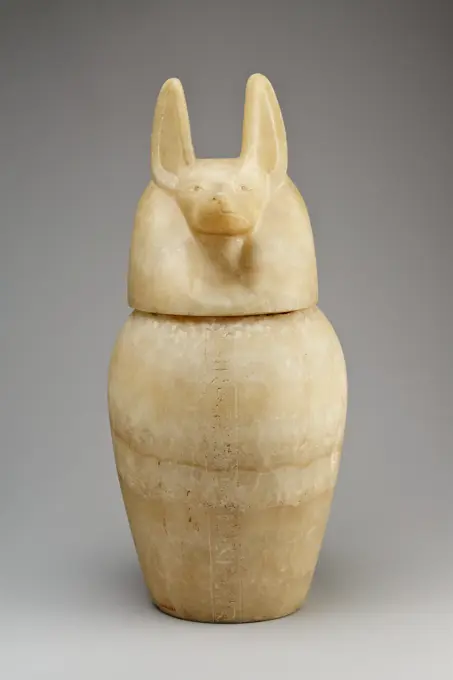
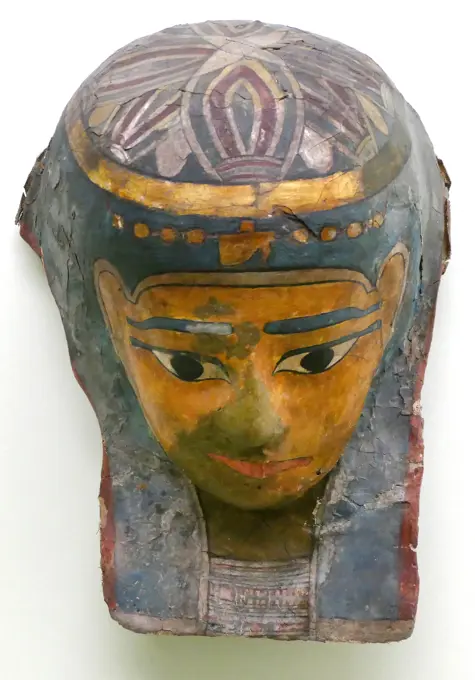
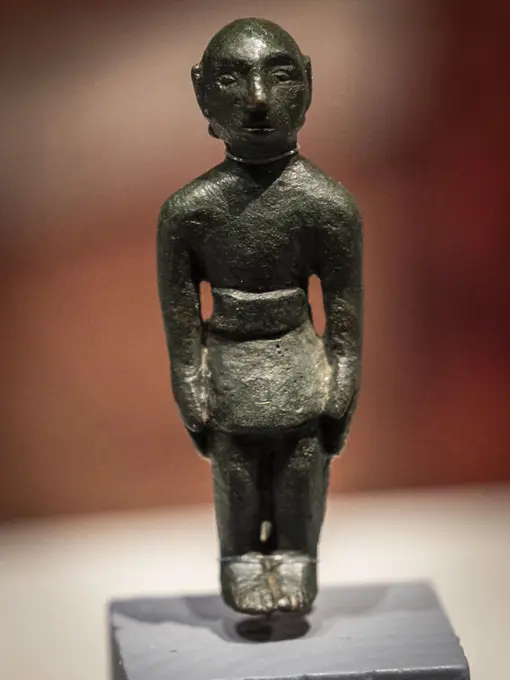
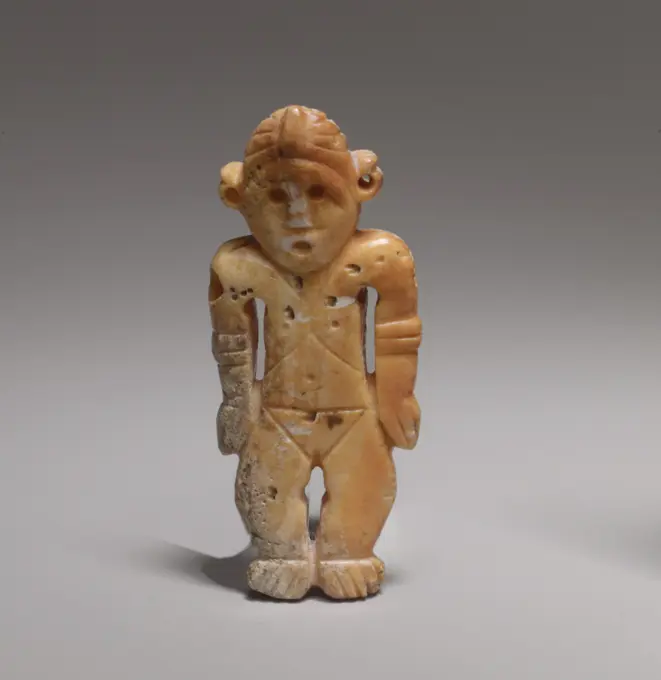
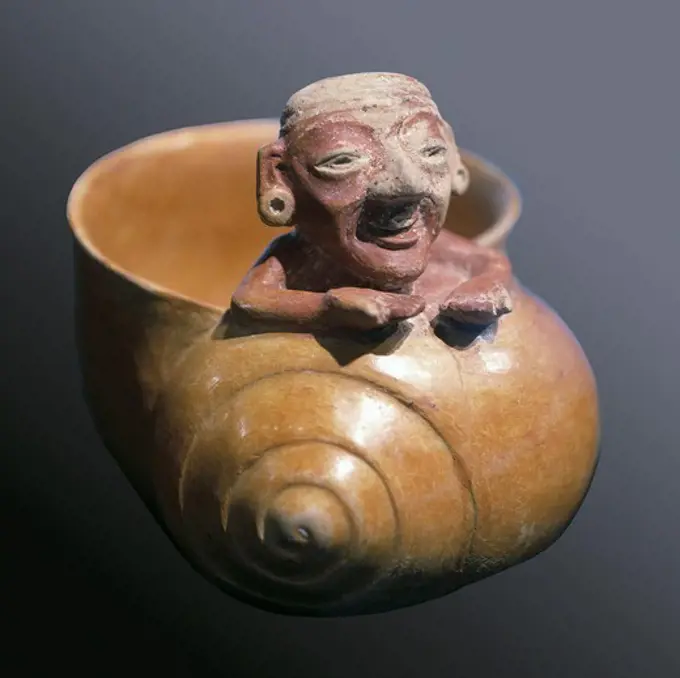
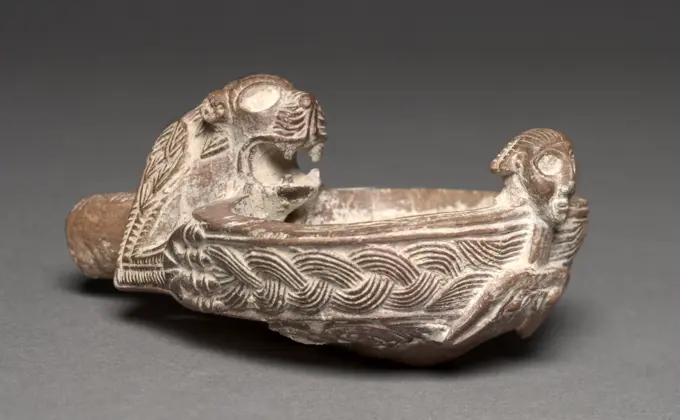
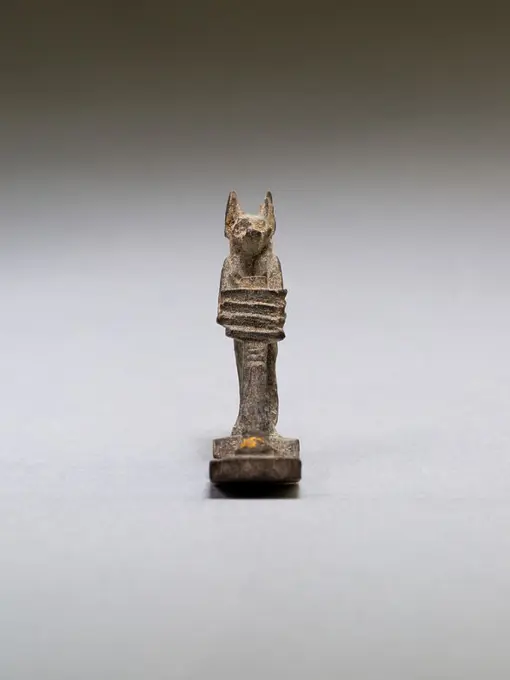
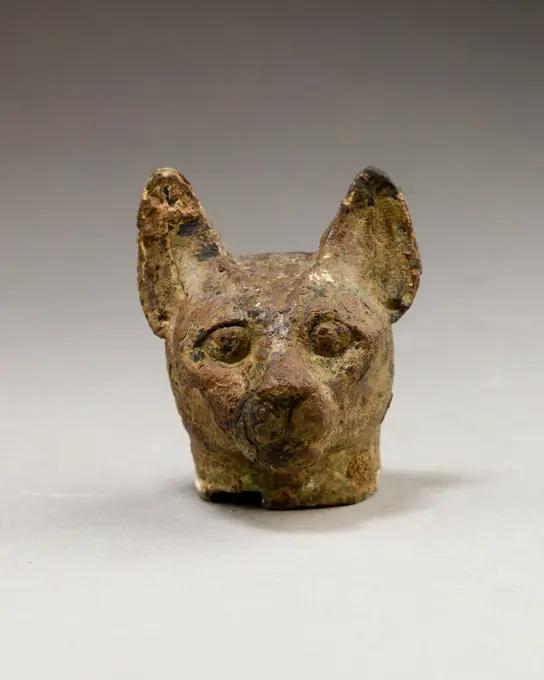
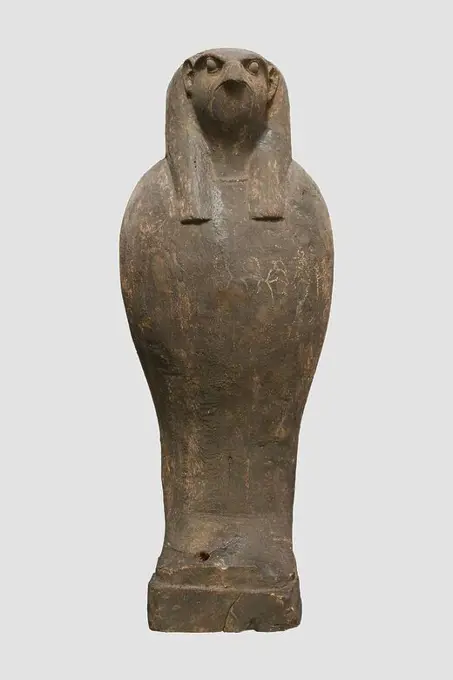
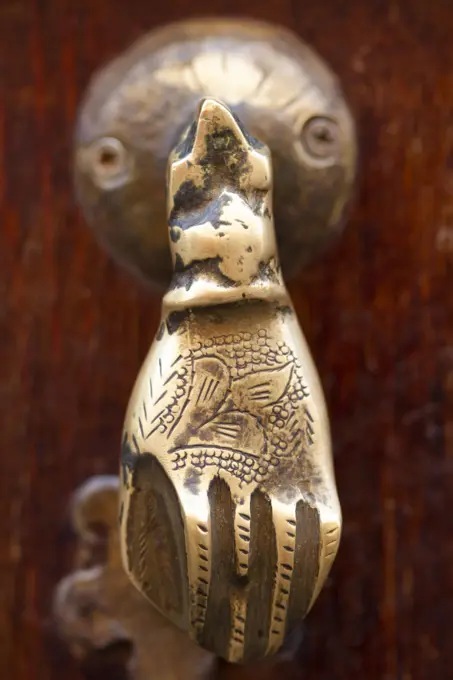
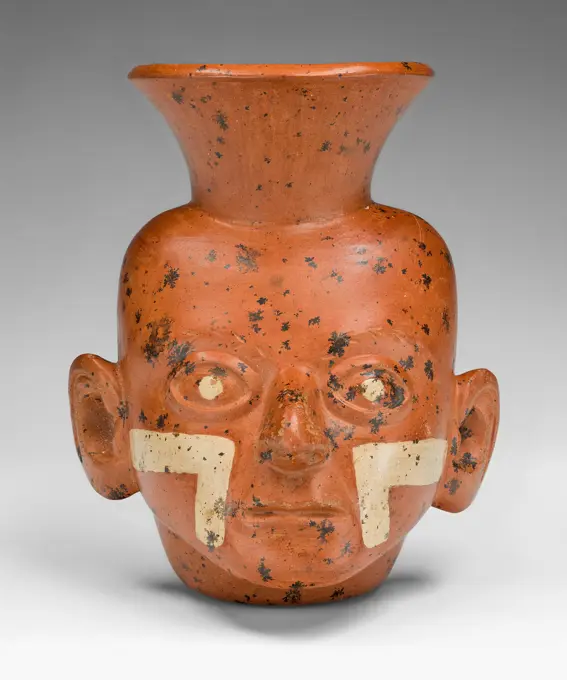
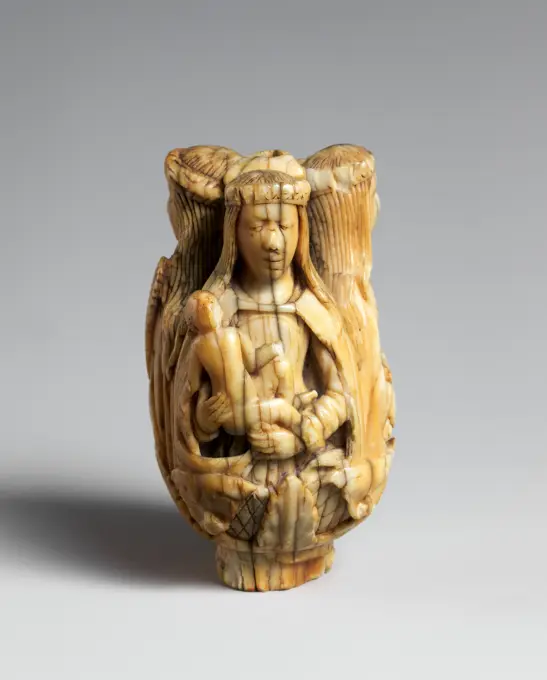
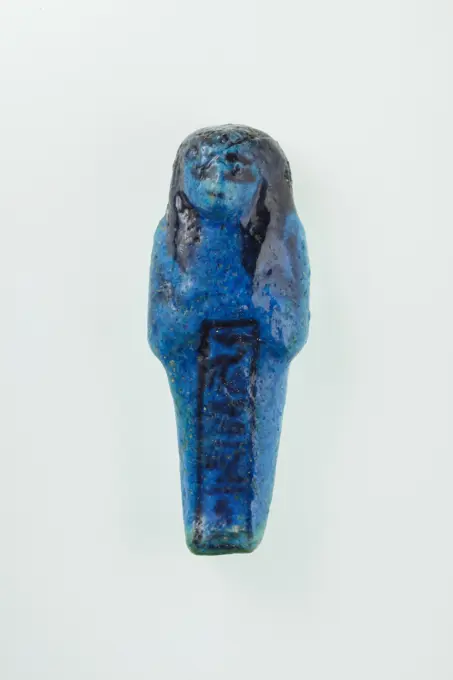
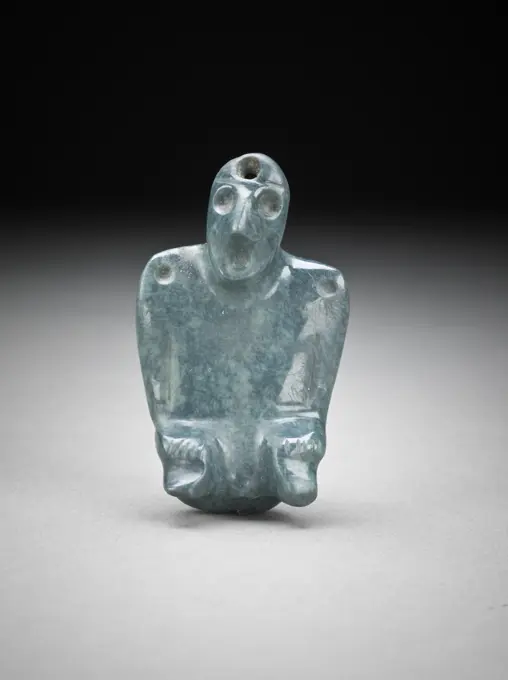
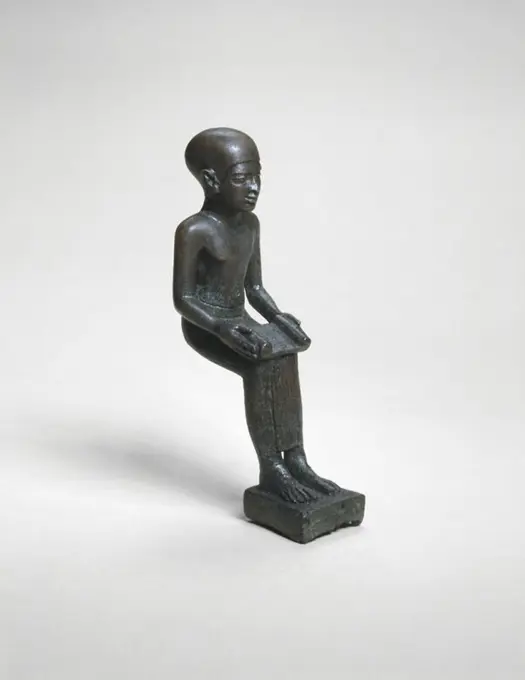
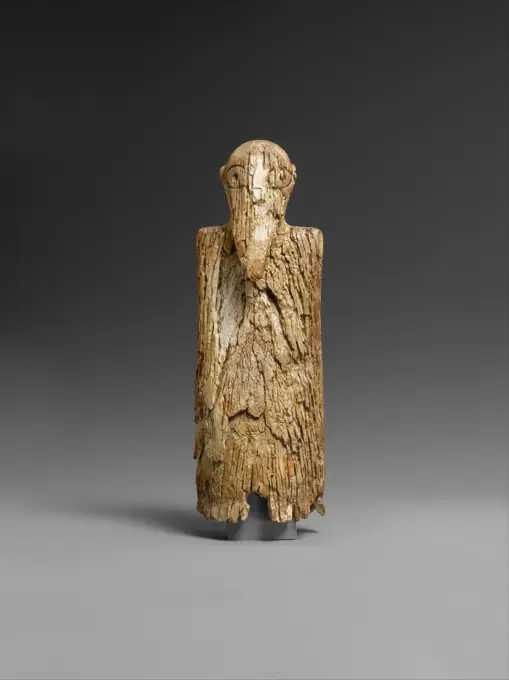
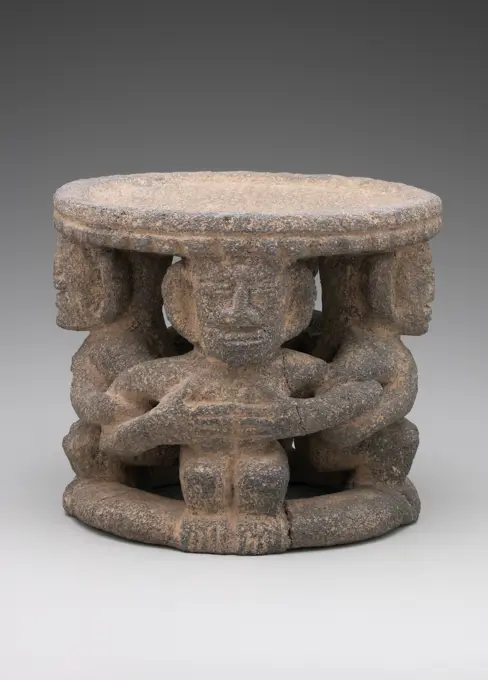
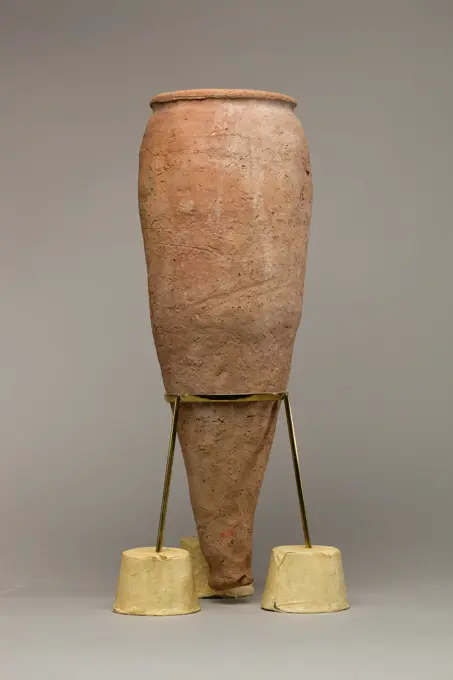
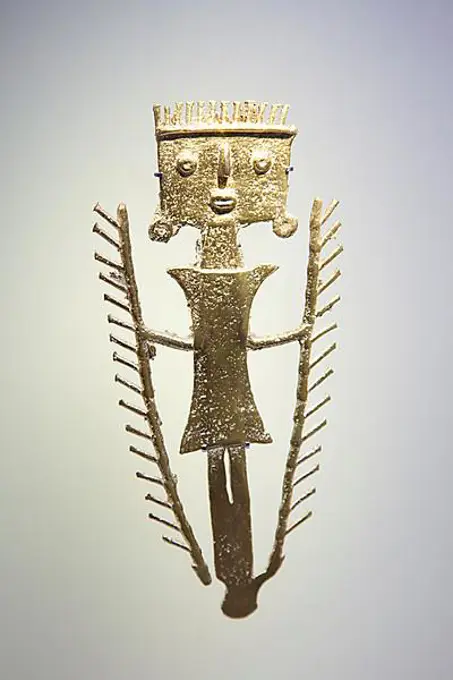
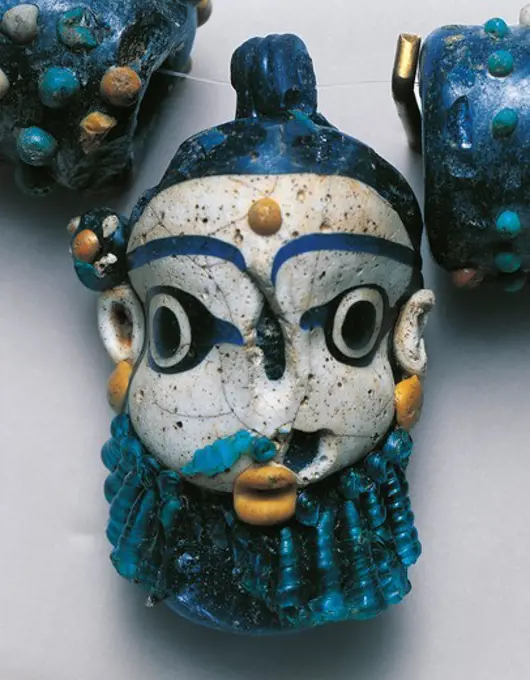
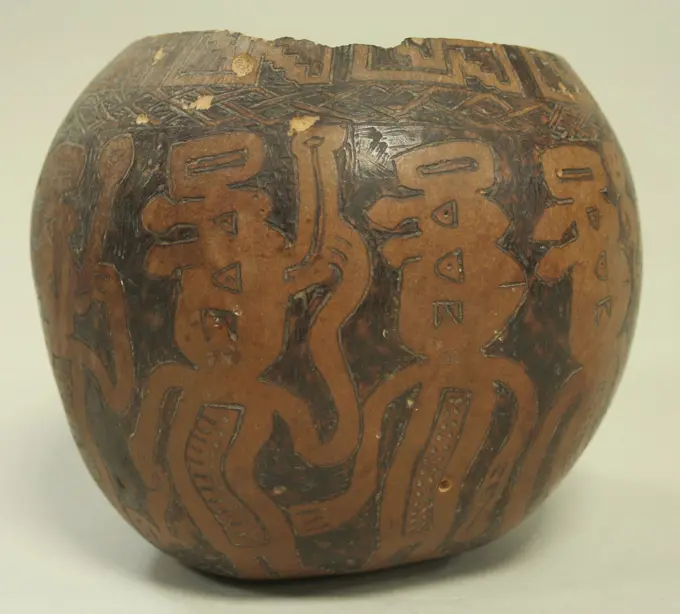
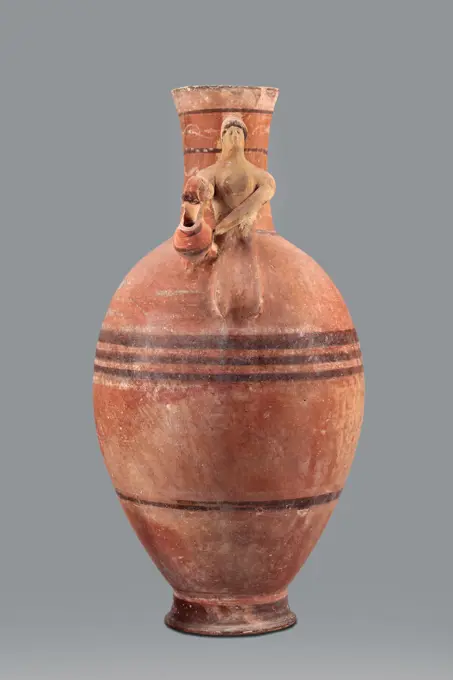
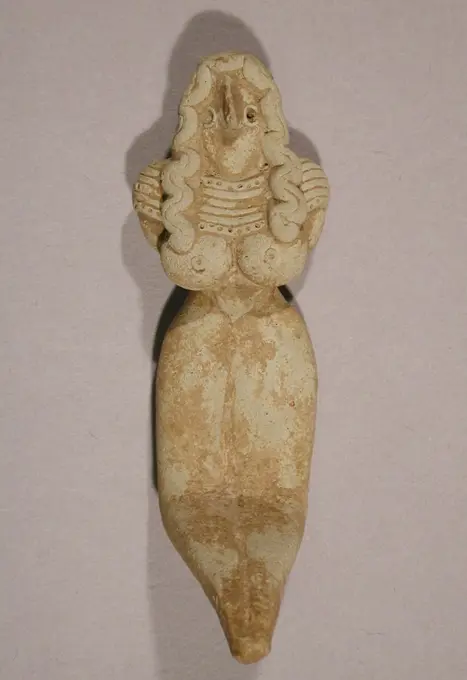
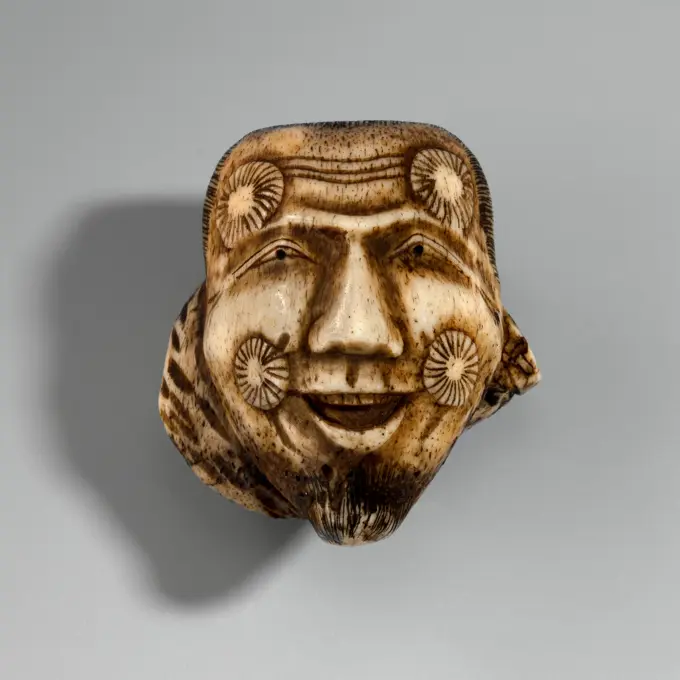
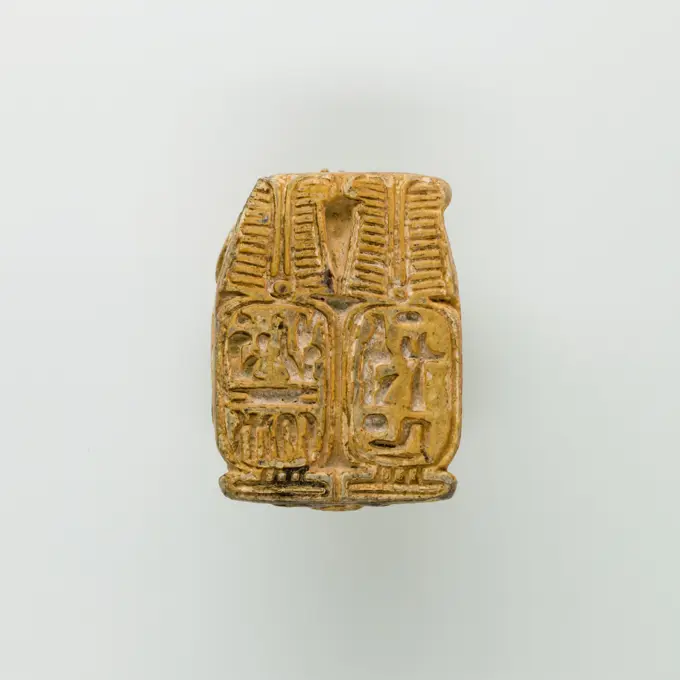
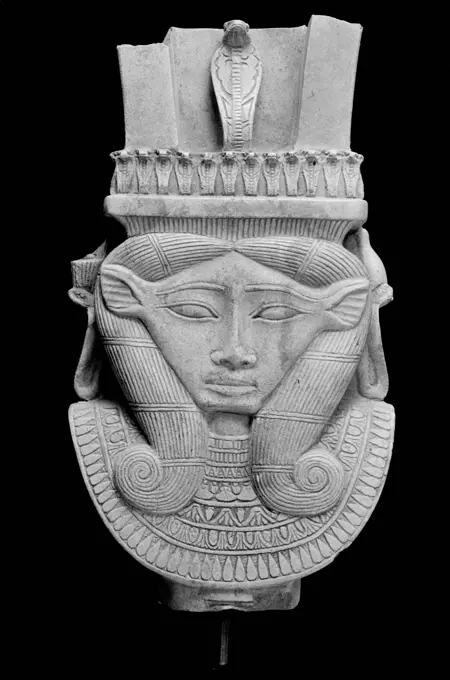
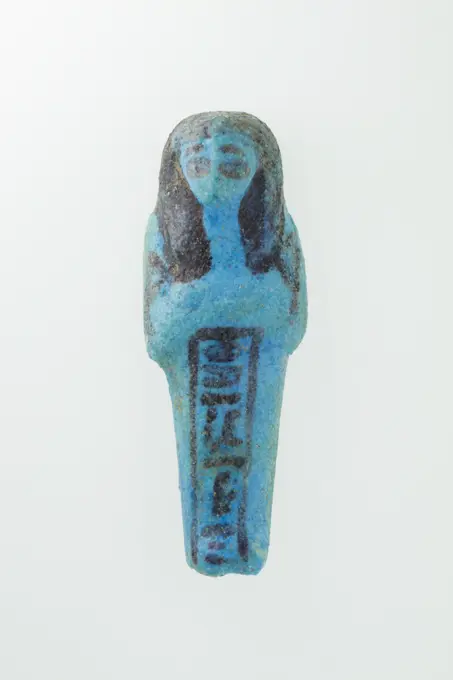
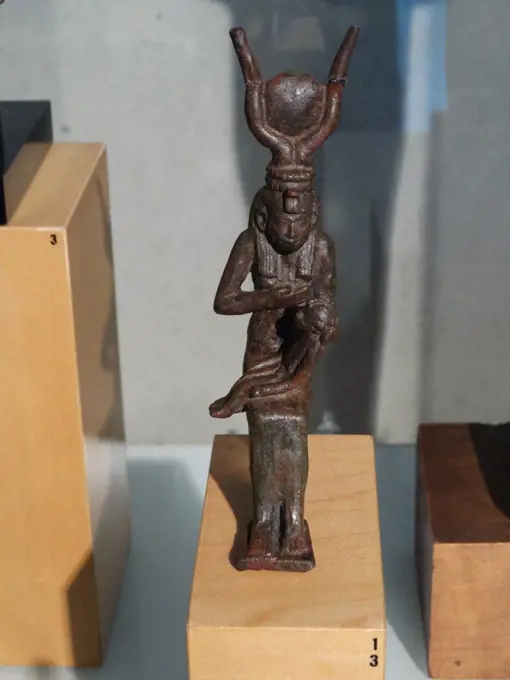
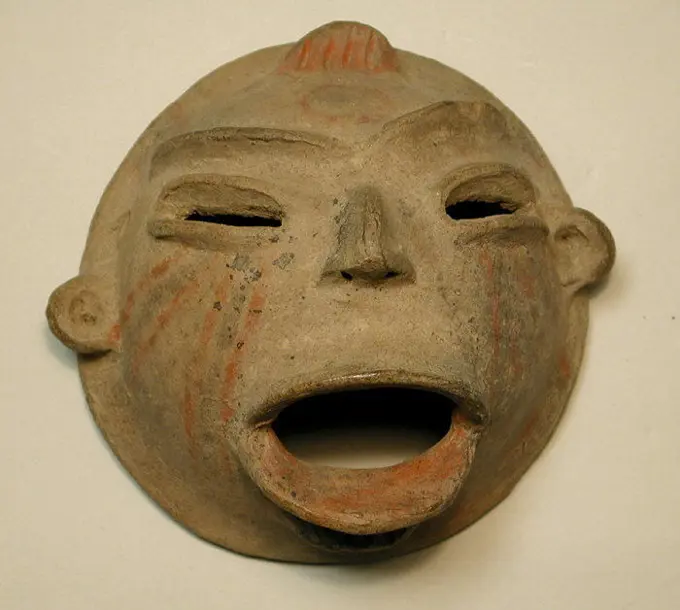
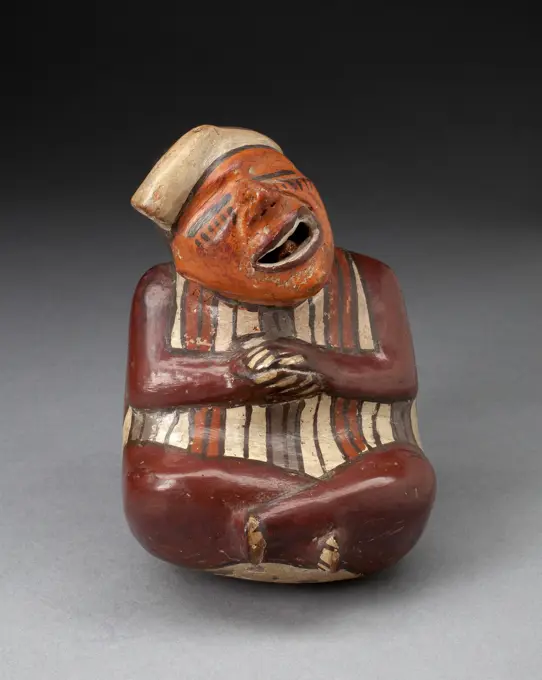
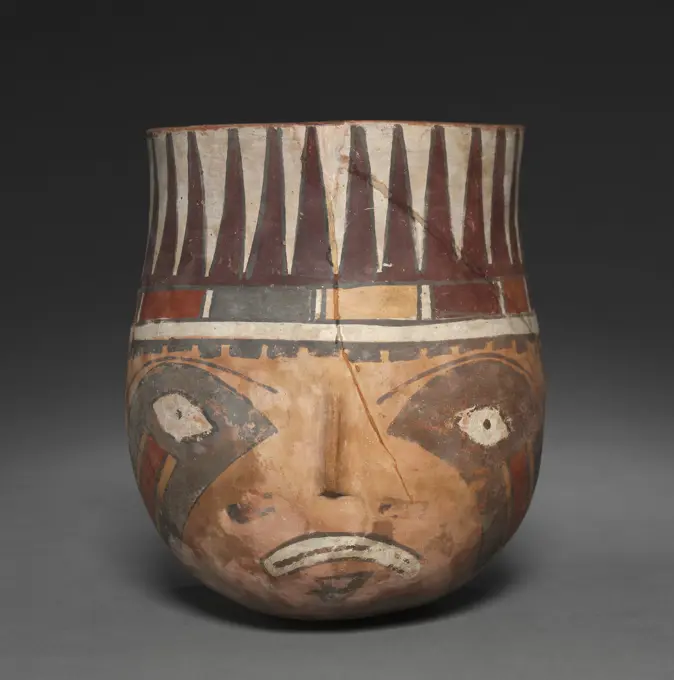
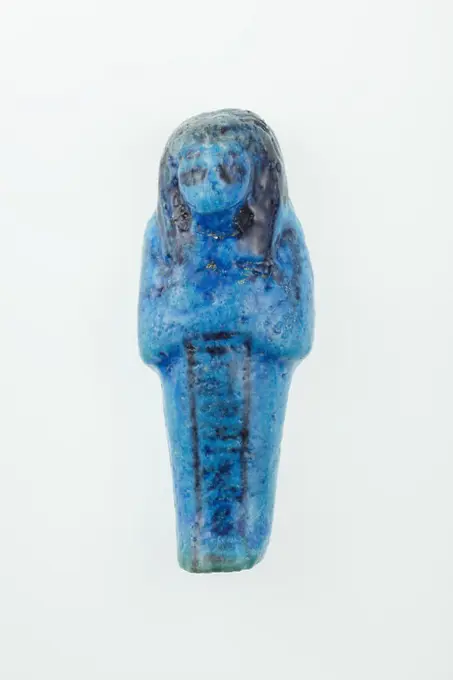
Amulet of Ra-Horakhty (), 380-30 BC. Egypt, Dynasty 30 to Ptolemaic Dynasty. Gray green faience; overall: 3.1 cm (1 1/4 in.).Bes;  III century (201-00-00-300-00-00);Bes (Mitol.), Deposit of the University of Warsaw from 1937-1939Figurine Roman Period 30 B.C.-A.D. 364 View more. Figurine. 30 B.C.-A.D. 364. Terracotta. Roman Period. From EgyptCharmFigure Bottle 6th-4th century B.C. Paracas. Figure Bottle 310209Standing Male FigureCat head 664-30 B.C. Late Period-Ptolemaic Period The cat was sacred to the goddess Bastet, and was offered in sanctuaries and deposited in animal necropoleis throughout Egypt. This cat has bold features and facial modeling similar to 10.130.1333, although with smaller eyes and a softer jaw. Both ears are pierced and would have had earrings, probably of precious metal. The function of these large cat heads is ambiguous. They have been found in offering contexts, and it is commonly assumed that they formed part of a composite statuette; the full statuette, when intact, probably would have had a hollow wooden body and held a cat mummy inside, much as similar large hollow copper alloy statuettes did. However, these figures are almost never found with the composite bodies, even at sites where wood is relatively well preserved. It is possible that in some cases these cat heads were dedicated on their own, or were purposefully disassembled from their bodies, which were then discarded or usedStirrup Spout Bottle with Couple 1st-4th century Moche. Stirrup Spout Bottle with Couple 309354Overseer Shabti of Henettawy (C), Daughter of Isetemkheb ca. 990-970 B.C. Third Intermediate Period See 25.3.19.. Overseer Shabti of Henettawy (C), Daughter of Isetemkheb 590987Cinerary urn on terracotta pedestal, from the necropolis of Olmo Bello at Bisenzio, ItalyFaience amulet of Ra Horakhty 664-30 B.C. Egyptian Amulets representing animals were attributed to a deity: a hawk for Ra, the Sun God, a lion for Sakhmi, the War Goddess, a ram for Khnum and a cat for Bast.. Faience amulet of Ra Horakhty 243765Head 4th-7th century Coptic. Head 478472Pre-Columbian art. Pre-Incan. Guangala Culture.300/200 a 700/800 DC. Clay head with eyes and ornaments. Hair done with incisions. 5 x 5 cm. From Ecuador. Private collection.Mask, second quarter 20th century, 10 1/2 x 4 1/2 x 5 3/4 in. (26.67 x 11.43 x 14.61 cm), Wood, Côte d'Ivoire or Liberia, 20th century, The Dan often integrate bird and animal features in their face masks, including the hornbill beak visible in this and the adjacent mask. Here, rows of carved teeth line the beak. The small protrusions on the forehead represent antelope horns, which were often used as containers of protective medicines.Head of a Goddess. Afghanistan, 1st century B.C.. Sculpture. TerracottaBottle, Prisoner. Culture: Moche. Dimensions: H. 6 3/4 x W. 9/16 in. (17.1 x 1.4 cm). Date: 1st-3rd century. Museum: Metropolitan Museum of Art, New York, USA.Bottle, Seated Figure 1st-3rd century Moche. Bottle, Seated Figure 309499Górna część węgara z dekoracją reliefową. warsztat nubijski, workshopEarthenware head of a young woman from Japan. Dated 6th CenturyFigure, before 1550. Colombia. Red ware with incised patterns; overall: 10.1 x 9.4 x 8.6 cm (4 x 3 11/16 x 3 3/8 in.).Sistrum with the Name of King Amasis. Dimensions: H. 30.1 × W. 8.2 × D. 3.2 cm (11 7/8 × 3 1/4 × 1 1/4 in.). Dynasty: Dynasty 26. Reign: reign of Amasis. Date: 570-526 B.C..Sistra are cultic musical instruments, which when shaken produced a rattling sound that was thought to be soothing and pacifying. These cultic instruments are closely connected to the goddess Hathor and they most commonly include the Hathor emblem, which contains a woman's head with cow's ears. The top of the piece here is in the shape of a naos between two volutes and thus belongs to a type of sistrum called "naos sistrum." This top part originally held three cross bars, as is evident from the three holes on the sides of the piece. Small sounding plates were presumably originally inserted onto these now missing bars in order to produce a rattling sound. Many sistra made out of faience are known. They might have been meant as gifts to a deity rather than as instruments that were played often, as the material would Mask, 1-550. Central Mexico, Teotihuacán style, Classic Period. Stone; overall: 15.7 x 15.3 x 7.9 cm (6 3/16 x 6 x 3 1/8 in.).Amulet - bóg Horus. unknown, authorUshabtiFragment of the figurine of the penalty;  Greek-Roman period (0-00-00-0-00-00);The collection of ancient EgyptFigurine of the goddess Izida with Horus-child on the knees;  around 1069 747 BC; 3rd passing period, 21-24 dyn. (-1069-00-00--747-00-00);Horus (mitol.), Isis (Mitol.), Scene.gal.g., Solar disks, horns, thrones, ureuszeFemale Head with Conical Polos. UnknownCanopic jar with a jackal-headed lid 664-525 B.C. Late Period, Saite Canopic jars were made to contain the embalmed viscera removed from the body in the process of mummification. The organs were placed under the protection of the Four Sons of Horus, whose heads form the lids of the jars: Hapy (baboon-headed), Imsety (human-headed), Duamutef (jackal-headed), and Kebehsenuef (falcon-headed). In turn these gods were under the protection of the goddesses Nephthys, Isis, Neith, and Selket, respectively, as the inscriptions on the jars state.This jar was under the protection of Duamutef and Neith and would probably have contained the stomach.. Canopic jar with a jackal-headed lid. 664-525 B.C.. Travertine (Egyptian alabaster). Late Period, Saite. Possibly from Upper Egypt, Thebes; From Egypt. Dynasty 26Broad collar and mask for mummiesbronze votive offering, 4th-3rd centuries BC, archaeological museum of Seville, Andalusia, Spain.Pendant Figure 2nd century B.C.-A.D. 3rd century Colima Spondylus, the shell of a thorny oyster native to the warm coastal waters of the Pacific Ocean, is a vibrant red-orange color that caused it to become a highly valued material collected and traded in ancient Mesoamerica and beyond. Primarily used as a material for carving jewelry, its preciousness and value are confirmed by its repeated presence in the tombs of important individuals. This small sculpture, probably a pendant that hung on a necklace strung with spondylus beads, depicts a bare-chested male figure wearing a turban, earspools, armbands, and loincloth. Despite the challenge of working in a material with very limited depth, the carver of this object skillfully created the illusion of volume in the face and, to a certain extent, within the body of the figure.. Pendant Figure 314837Vessel shaped as a snail decorated with an old man sculpture. Maya art. Ceramics. MEXICO. FEDERAL DISTRICT. Mexico City. National Museum of Anthropology. Proc: MEXICO. CHIAPAS. Simojovel.Libation Dish-Jar Stopper, 1600-700 BC. Syria, Hittite () or Middle Iron Age, Tell Ahmar, Djezizeh. Stone; diameter: 9.5 cm (3 3/4 in.); overall: 14 cm (5 1/2 in.).Figure in Boat 6th-9th century Wari. Figure in Boat. Wari. 6th-9th century. Wood, paint. Peru. Wood-SculptureAnubis () supporting a large djed pillar. Dimensions: H. 2.2 × W. 0.7 × D. 1.4 cm (7/8 × 1/4 × 9/16 in.). Date: 664-30 B.C..The small, finely detailed mulets 10.130.2439-.2445 are all made of wood. Wooden amulets are often gilded, but the only remaining gilding is on the goddess's sun disk. Museum: Metropolitan Museum of Art, New York, USA.Cat head 664-30 B.C. Late Period-Ptolemaic Period The cat was sacred to the goddess Bastet, and was offered in sanctuaries and deposited in animal necropoleis throughout Egypt. On this cat, both ears are pierced and would have had earrings, probably of precious metal. The head is hollow and the walls of the casting are thin and even, which attests to the artists mastery of the lost wax casting technique, which was used to make this piece and others like it. The function of these large cat heads is ambiguous. They have been found in offering contexts, and it is commonly assumed that they formed part of a composite statuette; the full statuette, when intact, probably would have had a hollow wooden body and held a cat mummy inside, much as similar large hollow copper alloy statuettes did. However, these figures are almost never found with the composite bodies, even at sites where wood is relatively well preserved. It is possible that in some cases these cat heads were dedicated on their Coffin and Corn Mummy with Osiris mask. Dimensions: L. 49.5 cm (19 1/2 in.); W. 18.5 cm (7 5/16 in.); H. 14.5 cm (5 11/16 in.). Date: 664-30 B.C..These falcon-headed coffins do not contain actual mummies but symbolic Osiris mummies stuffed with grain and sand. The falcon head on the coffins and the hieroglyphic text on the painted lid indicate they are associated with the funerary deity Ptah-Sokar-Osiris.Such coffins and 'mummies' were prepared and buried in annual rites at certain centers as part of the mysteries of Osiris. Subsequent germination of the grain would symbolize the possibility of new life offered by Osiris.Both this specimen and acc. no. 58.98a-d belong to a typological group, although this group cannot at this time be associated with any particular site. Museum: Metropolitan Museum of Art, New York, USA.Boat;  Ptolemean period (-332-00-00--30-00-00);Wierzejski, Tadeusz, collection, purchase (provenance)Marrakech, Morocco. Brass carved door knockerFunerary Figure of Hapy ca. 400-30 B.C. Late Period-Ptolemaic Period This baboon-headed figure represents the god Hapy, who protected the lungs. He is one of the four so-called sons of Horus that are often depicted as mummies, each with a different head (for the other three statuettes belonging to the same set, see 12.182.37a-c). The sons of Horus were deities who protected the internal organs and are probably best known from their representations on the lids of the canopic jars that contained mummified viscera. They were also thought to assist in the process of mummification and to provide nourishment, possibly because they were associated with the internal organs. Thus they had a general protective function for the deceased.On the lower legs is a space for inscriptions; this was left blank, meant to be filled in later (after the set of statuettes sold) with a short text that would have included the name of the owner. Since no inscription was added, this is unfortunately unknown todaMiniature Vessel in the Form of a Portrait Head with Painted Cheeks 100 BCE-500 CE Peru. Ceramic and pigment . MocheStanding female figurine holding a flower ca. 600-480 B.C. Cypriot The solid figurine was made from a worn mold. The back is flat. She wears a long straight dress with a border at the ankles.. Standing female figurine holding a flower 241123Rosary Terminal Bead with the Virgin and Child, Saint Barbara, and Saint Catherine 15th century French (). Rosary Terminal Bead with the Virgin and Child, Saint Barbara, and Saint Catherine. French (). 15th century. Ivory. IvoriesCeremonial Knife (Tumi) 1100-1470 North Coast. Naymlap, the heroic founder-colonizer of the Lambayque Valley on the north coast of Peru, is thought to be the legendary figure represented on the top of this striking gold tumi (ceremonial knife). It would have been carried by dynastic rulers during state ceremonies to represent, in a more precious form, the copper knives used for animal sacrifices. Here Naymlap stands with his arms to his abdomen and his feet splayed outward. His gold headdress has an elaborate open filigree design. Turquoiseófor the peoples of ancient Peru, a precious gem related to the worship of water and skyóis inlaid around the headdress cap and in the ear ornaments. The tumi was made with diverse metalworking techniques. Solid casting was used to produce the blade. The face and body were created with annealing (heating, shaping, and then cooling) and repoussÈ, in which the relief design is hammered into a mold from the reverse side. Finally, the small ornaments aroTaweret amulet 664-30 B.C. Late Period-Ptolemaic Period The amulets 44.4.23-44.4.28 have a uniformity of size and detailing that constitutes a stylistic relationship. Possibly they were made in related workshops.. Taweret amulet. 664-30 B.C.. Faience. Late Period-Ptolemaic Period. From EgyptCanopic jar lid of Ukhhotep ca. 1981-1802 B.C. Middle Kingdom. Canopic jar lid of Ukhhotep. ca. 1981-1802 B.C.. Wood, paint. Middle Kingdom. From Egypt, Middle Egypt, Khashaba excavations, 1910-11; Probably from Meir, Tomb of Ukhhotep. Dynasty 12Bottle Vase, c. 1400. Peru, Chimú, late 14th-early 15th Century. Black ware; overall: 18.8 x 14 x 12.2 cm (7 3/8 x 5 1/2 x 4 13/16 in.).Ornament, 250-900. Mexico or Central America, Maya style (250-900). Greenstone; overall: 6.4 x 4.6 cm (2 1/2 x 1 13/16 in.).Shabti. Egypt, Middle Kingdom - Ptolemaic Period (2061 - 31 BCE). Sculpture. Faience, green glazeWorker Shabti of Nany ca. 1050 B.C. Third Intermediate Period See 30.3.27.1a, b. Worker Shabti of Nany. ca. 1050 B.C.. Faience. Third Intermediate Period. From Egypt, Upper Egypt, Thebes, Deir el-Bahri, Tomb of Meritamun (TT 358, MMA 65), first corridor, burial of Nany, MMA excavations, 1928-29. Dynasty 21Figurine, 700s - 900s. Iran, early Islamic period, 8th - 10th century. Bone, incised; overall: 5.5 x 1.9 x 1.7 cm (2 3/16 x 3/4 x 11/16 in.).Boat;  525-343 BC ; Half period, 27-30 dynasty (-525-00-00--343-00-00);Fragment of anthropomorphic figurine. unknown, craftsmanCeramic Figure Vessel 6th-9th century Remojadas. Ceramic Figure Vessel 312553Figure Pendant 4th-8th century Atlantic Watershed. Figure Pendant 313015Pre-Columbian era. Moche style. Ceramic molded in form of a head with grimacing face. Peru. Early Intermediate (200AD-600AD).Seated Male Figure. Mexico, Colima, 200 BCE-500 CE. Ceramics. JadeiteStatuette of Imhotep. Egyptian. Date: 305 BC-30 BC. Dimensions: 12.5 × 3.75 × 6.5 cm (5 × 1 1/2 × 2 1/2 in.). Copper alloy. Origin: Egypt. Museum: The Chicago Art Institute, Chicago, USA. Author: Ancient Egyptian.Faience amulet of Bes image. Culture: Egyptian. Dimensions: H.: 2 1/16 in. (5.3 cm). Date: ca. 1000-900 B.C..Amulet, Bes. Museum: Metropolitan Museum of Art, New York, USA.Head, 600-1000. Mexico, 600-1000. Terracotta; overall: 8 x 8 x 3.8 cm (3 1/8 x 3 1/8 x 1 1/2 in.).Uszebti. unknown, authorMale figurine ca. 3650-3300 B.C. Predynastic, Naqada II. Male figurine 547223Offering Table Supported by FourCaryatids.  Maker: UnknownStorage Jar. Culture: Paracas. Dimensions: H. 12 1/16 x Diam. 12 3/8 in. (30.7 x 31.5 cm). Date: 7th-3rd century B.C.. Museum: Metropolitan Museum of Art, New York, USA.Open mouth jar ca. 3850-2960 B.C. Predynastic Period. Open mouth jar 568267Recuay-Vase mit der Darstellung zweier sich umarmender Figuren Recuay vase depicting two figures embracing, Recuay, north-central highlands of Peru, year 1 to year 700 AD, ceramic, MuEC, Barcelona, Catalonia, Spain LicenseRF Copyright: xZoonar.com/TOLOxBALAGUERx 23171436Plaque. Inner Mongolia or northern China, 5th-3rd century B.C.. Sculpture; plaques. Bronze, castExhibit from the Gold Museum, Museo del Oro, Bogota, Columbia, South AmericaItaly, Sardinia, Olbia, Necklace pendant, glass pasteTunjos (Votive Offering Figurine), c. 900-1550. Colombia, Muisca style, 10th-16th century. Cast gold; overall: 6.9 x 1.9 x 0.3 cm (2 11/16 x 3/4 x 1/8 in.). Unlike the other gold ornaments made in the isthmian region, tunjos were not worn; instead, they served as offerings that were deposited in sacred places such as lagoons and caves. They often depict humans who hold something.Vessel in form of boar's head ca. 6th-4th century B.C.. Vessel in form of boar's head. ca. 6th-4th century B.C.. Bronze. Achaemenid (). IranEffigy vessel, 6th century, 8 1/2 x 3 3/4 x 4 3/16 in. (21.59 x 9.53 x 10.64 cm), Clay, pigments, Peru, 6th centuryFragment of a Face. Indonesia; Eastern Java. Date: 1301-1500. Dimensions: H. 10.2 cm (4 in.). Terracotta. Origin: Eastern Java. Museum: The Chicago Art Institute, Chicago, USA.Mortar, 20th century, 6 1/4 × 2 5/16 × 2 3/16 in. (15.88 × 5.87 × 5.56 cm) (including base), Wood, plant fibers, Democratic Republic of Congo, 20th centuryAcrobat. Mexico, Colima, 200 BCE-500 CE. Ceramics. Slip-painted ceramicIncised Gourd Vessel 2nd century B.C.-A.D. 3rd century Peru; central or south coast (). Incised Gourd Vessel 312166Dzban z figurką kobiety z dzbankiem. unknown, authorSeated Mother Goddess 3000-2500 B.C. Pakistan (Baluchistan). Seated Mother Goddess. Pakistan (Baluchistan). 3000-2500 B.C.. Terracotta. Indus civilization, Mehrgarh style. SculptureCeramic vessel, portrait vessel Moche culture 100 AC-800 AC Perú.Sharon Public Library. Financial Facilities. Massachusetts, Bersohn, Mathias (1824-1908) - collection, no, Society for the Encouragement of Fine Arts (Warsaw - 1860-1940) - collection, Japanese (culture), masks, netsuke, Japanese art, theaterScarab of Ramesses II ca. 1295-1070 B.C. New Kingdom, Ramesside. Scarab of Ramesses II 549976Statuette of an Amazon. UnknownSistrum fragment in the shape of a Hathor head 664-525 B.C. Late Period, Saite. Sistrum fragment in the shape of a Hathor head 548330Ashinaga and Tenaga. Japan, 18th century. Costumes; Accessories. Ivory with staining, sumiDoll. UnknownWorker Shabti of Nany ca. 1050 B.C. Third Intermediate Period See 30.3.30.1a, b. Worker Shabti of Nany. ca. 1050 B.C.. Faience. Third Intermediate Period. From Egypt, Upper Egypt, Thebes, Deir el-Bahri, Tomb of Meritamun (TT 358, MMA 65), first corridor, burial of Nany, MMA excavations, 1928-29. Dynasty 21electrum amulet showing the Egyptian goddess Isis with the young Horus. 715-332 BCFragment of a Buddha image, Anonymous, 1500 - 1700 Buddha head with curls and a truncated elevation. Thailand bronze (metal) Buddha head with curls and a truncated elevation. Thailand bronze (metal)Mask 12th-9th century B.C. Tlatilco. Mask 317783Single Spout Vessel in the Form of a Crossed-Legged Figure, Probably Deceased Made 180 BCE-500 CE Peru. Ceramic and pigment . NazcaWhistle, late 1800s. Central Africa, Democratic Republic of Congo or Angola, Chokwe people, late 19th century. Probably hippopotamus ivory; overall: 5.7 x 3.2 cm (2 1/4 x 1 1/4 in.).Female Head Fragment. UnknownItaly. Sardinia. Nuragic civilization. Hero figurine with two shields. Bronze. 8th-7th BC. From santury of Abimi. Archeological Museum of Cagliari.Amulet of a Baboon 1070 BCE-656 BCE Egypt. Faience . Ancient EgyptianVase, c. 300-500. Peru, Nasca style (100 BC-AD 700). Pottery; overall: 18.2 x 16.1 x 15.9 cm (7 3/16 x 6 5/16 x 6 1/4 in.).Incense BurnerWorker Shabti of Nany. Dimensions: H. 8.8 × W. 3.4 × D. 2.3 cm (3 7/16 × 1 5/16 × 7/8 in.). Dynasty: Dynasty 21. Reign: reign of Psusennes I. Date: ca. 1050 B.C..See 30.3.29.1a, b. Museum: Metropolitan Museum of Art, New York, USA.Raven Headed Figure Vessel. Culture: Moche. Dimensions: H x W x D: 11 9/16 x 8 1/4 x 10 3/8in. (29.4 x 21 x 26.4cm). Date: 1st century B.C.-A.D. 7th century. Museum: Metropolitan Museum of Art, New York, USA.Amulet of Ptaikos on the crocodiles ca. 712-343 B.C. Late Period. Amulet of Ptaikos on the crocodiles 545567Face Vessel 19th century Unidentified Edgefield District potter This figural face jug, possibly made at the Miles Mills pottery site operated and owned by Lewis J. Miles (1808-1868), is an excellent example of the enigmatic face vessel, a form produced in the mid-19th century at numerous potteries throughout Edgefield District, South Carolina, often by unidentified enslaved African American makers. To date, there are approximately 160 extant mid-19th century Edgefield face vessels known in private and public collections. Close observation of these objects suggests that they were made a various sites in and around Edgefield District, and by different hands. There are roughly a dozen distinct groups, each one bearing similar characteristics or related by technique/construction or materials. This example is distinctive in a number of ways: its rounded vessel shape; well-constructed, symmetrical features including its arched, connecting eyebrows; and the application of white paint on the e