Ancient Figurines and Artifacts

Artifacts from ancient cultures including Egyptian figurines and Roman pottery, highlighting historical craftsmanship.

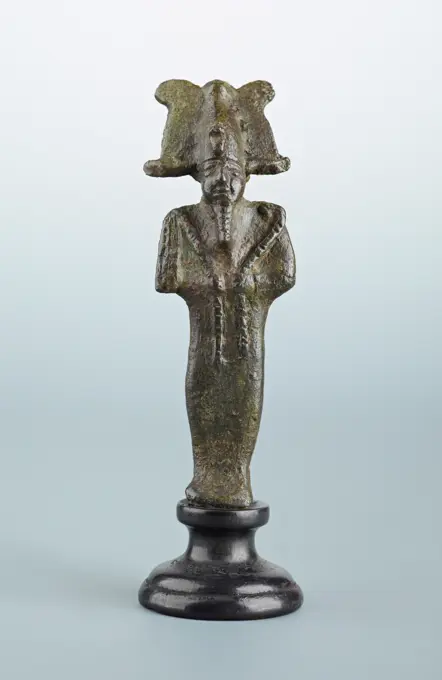
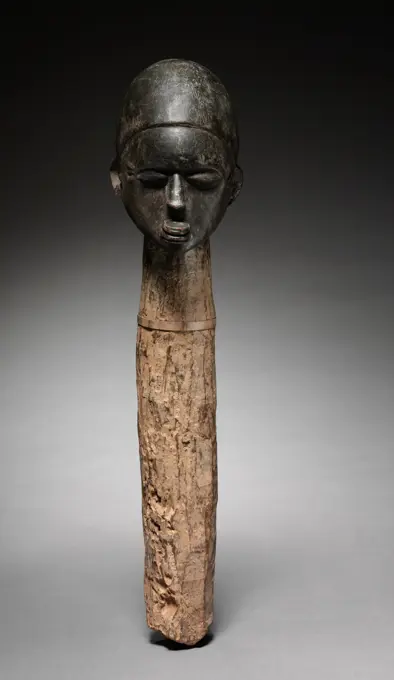
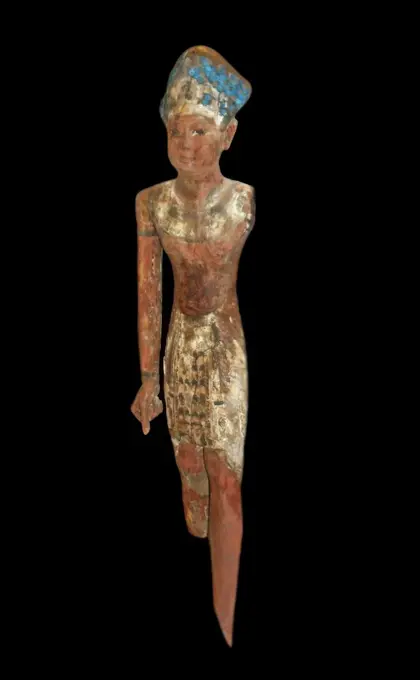
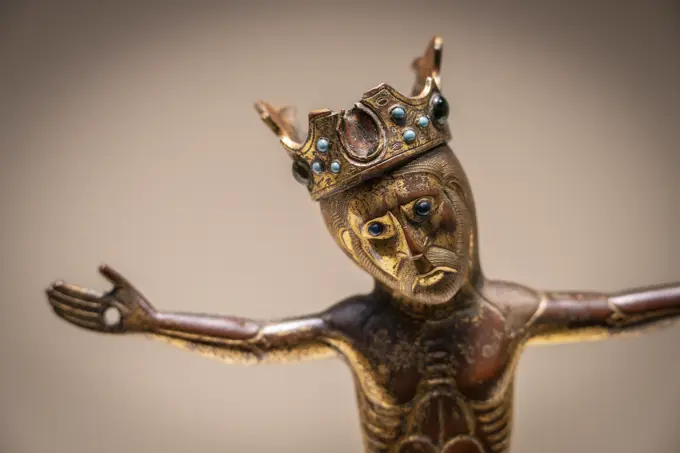
Wood and copper reliquary guardian figurine. Dated 19th Century
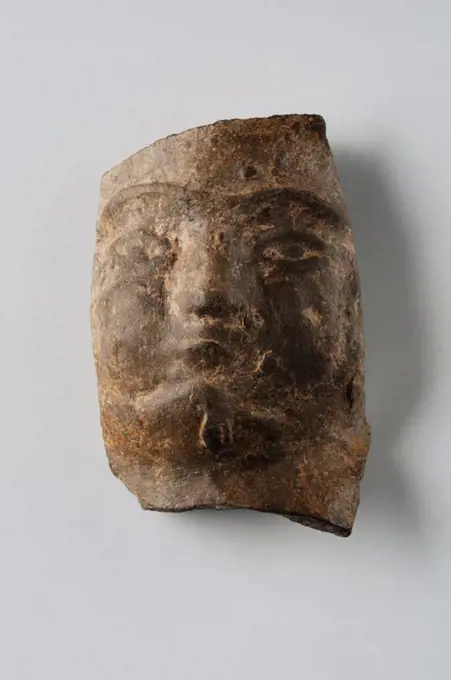
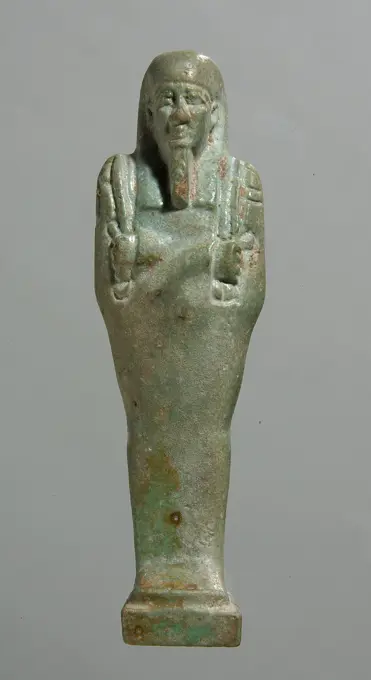
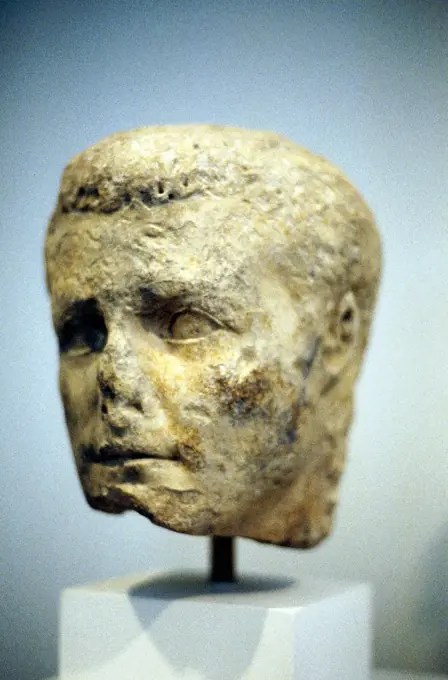
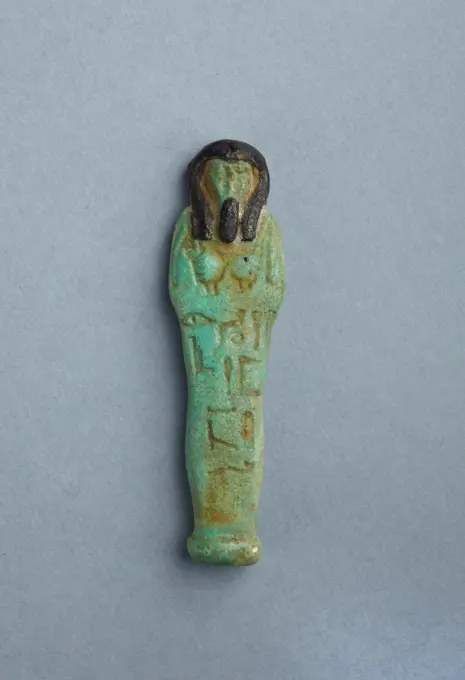
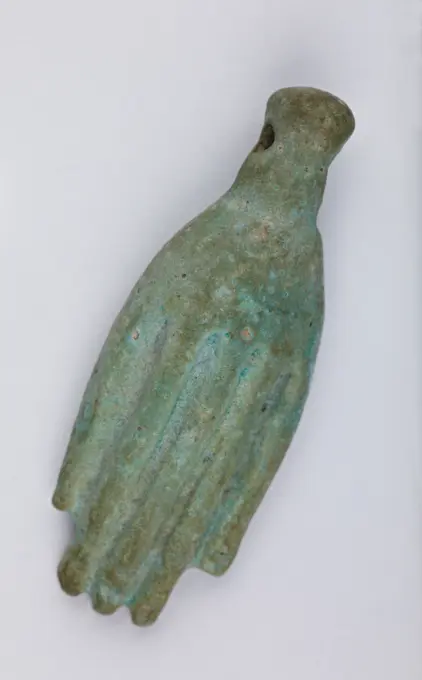
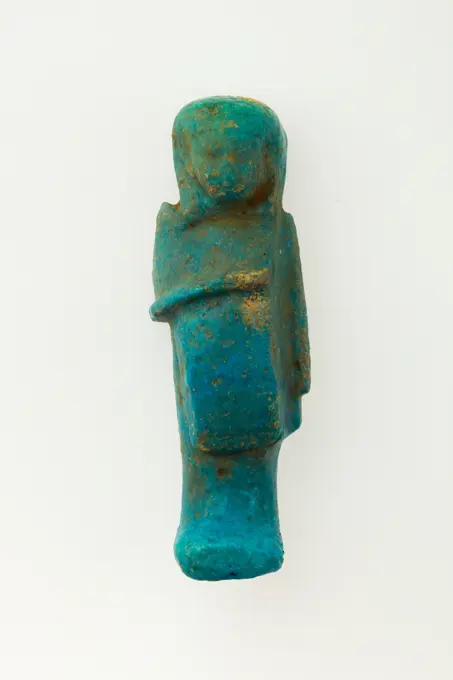
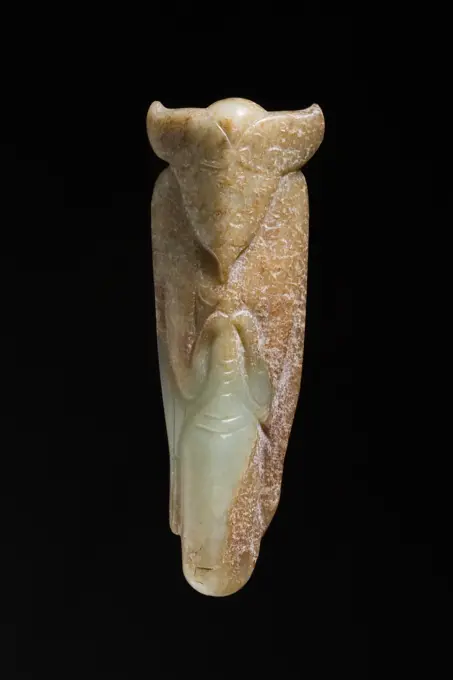
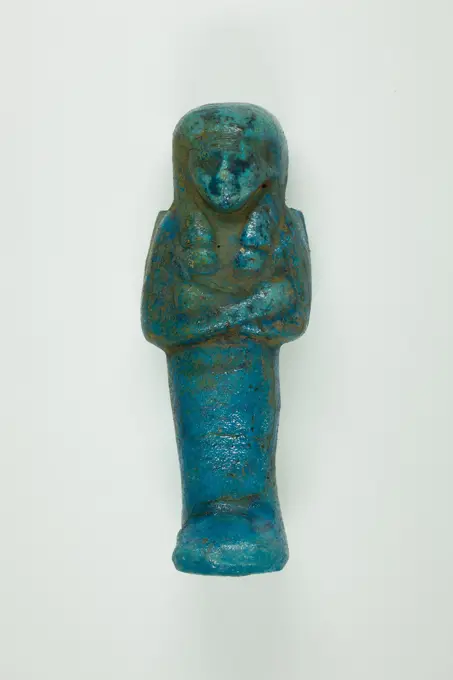
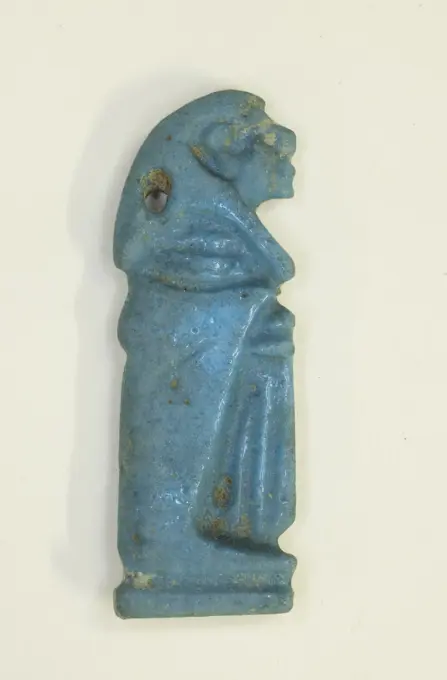
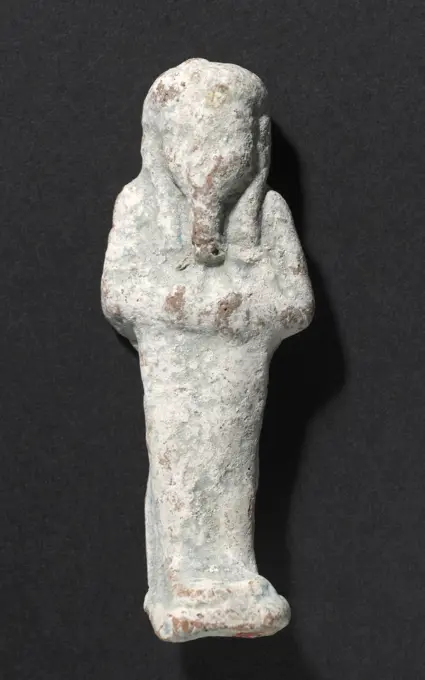
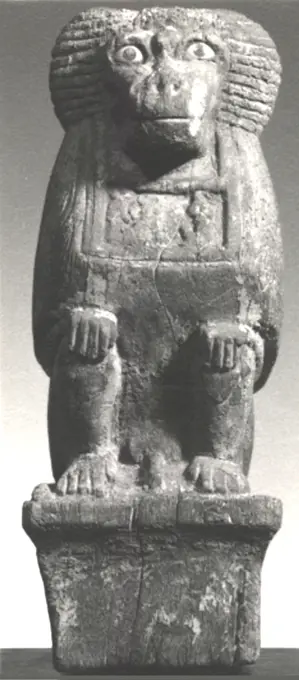
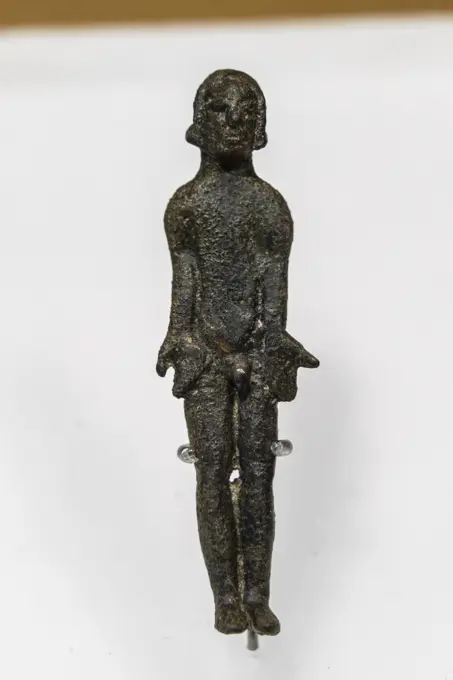
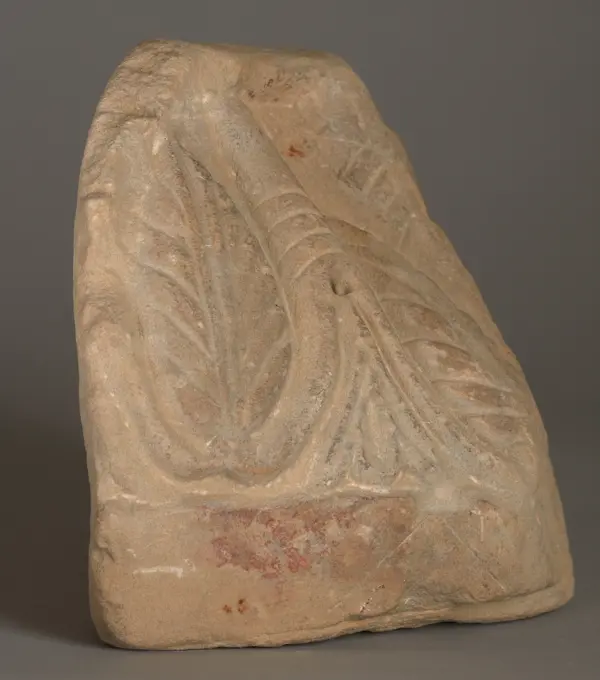
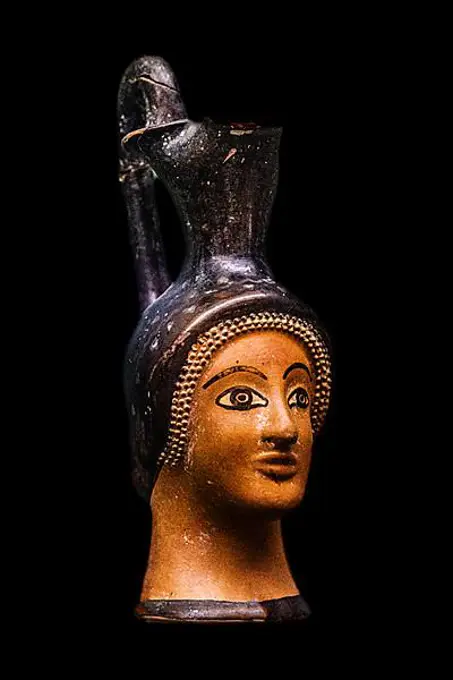
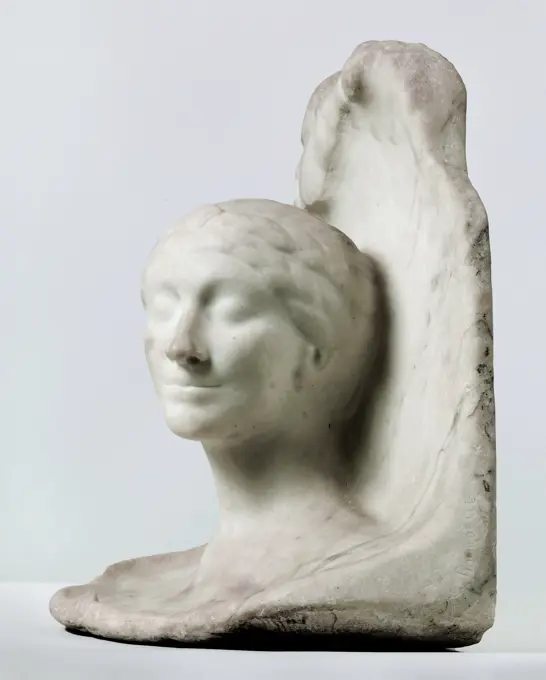
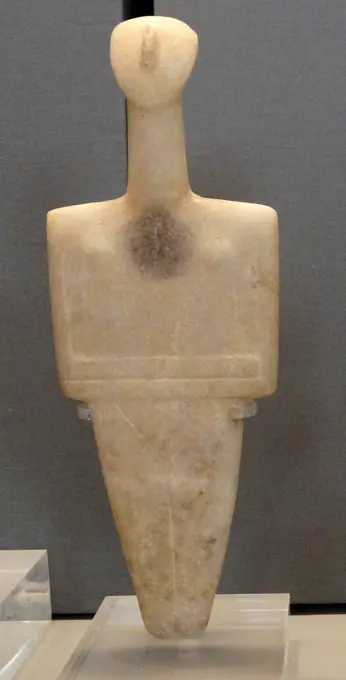
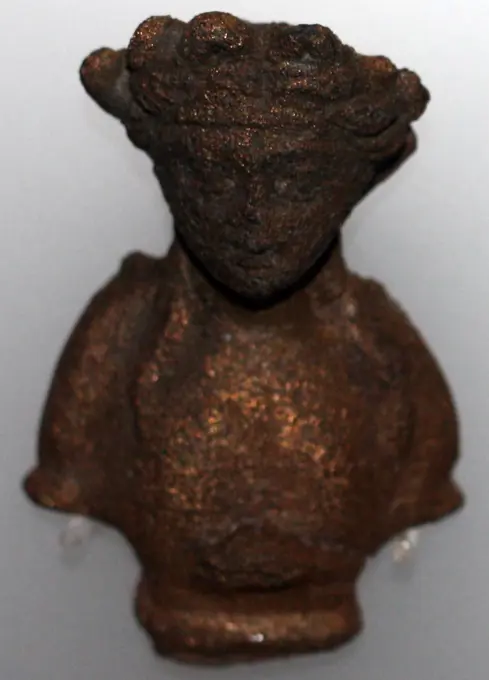
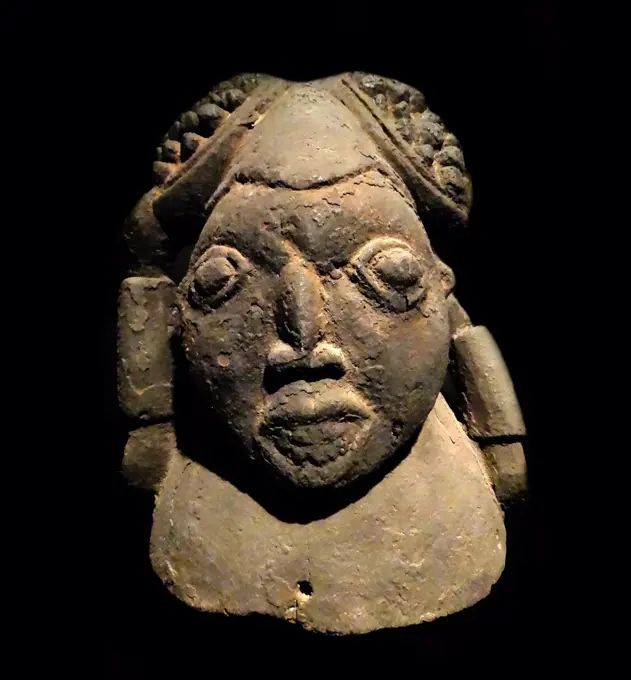
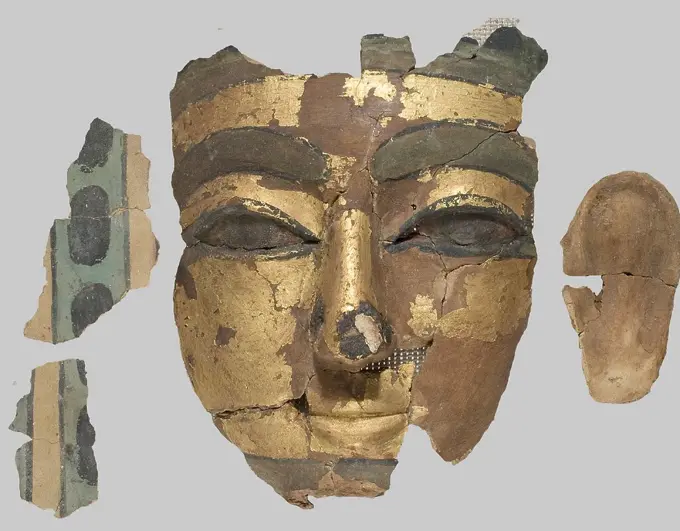
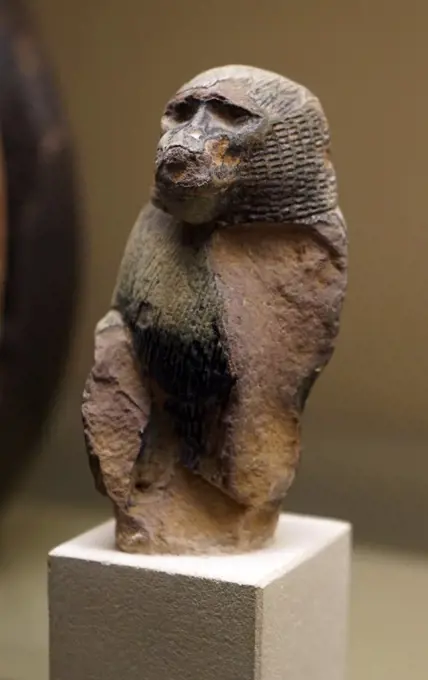
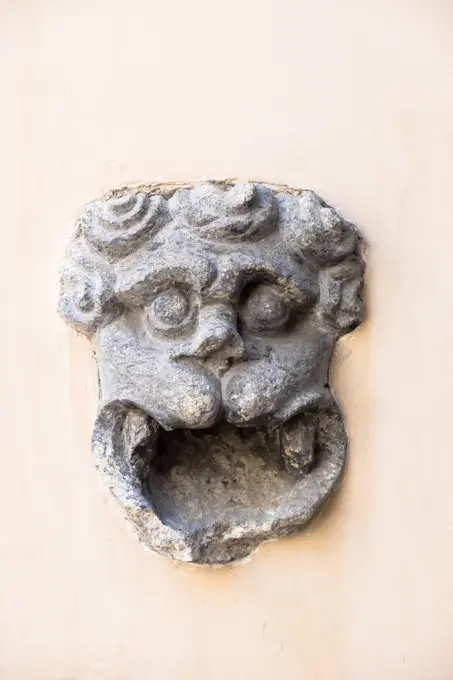
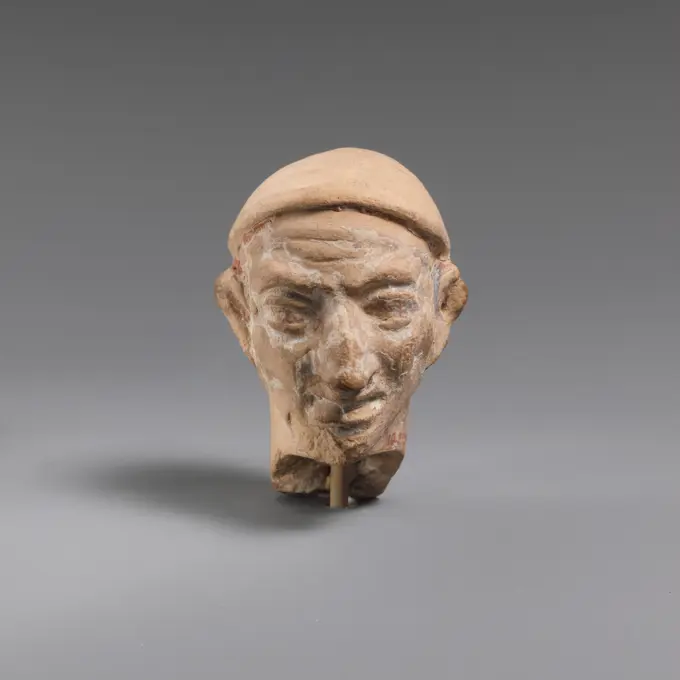
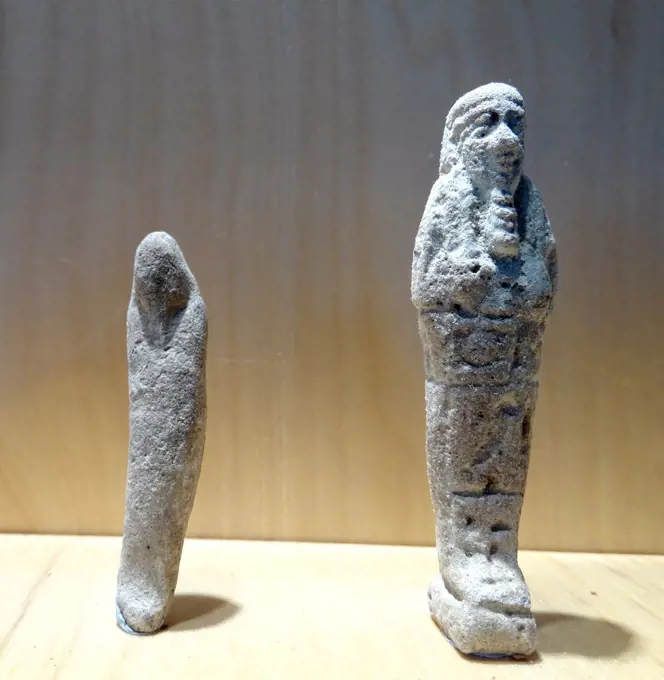
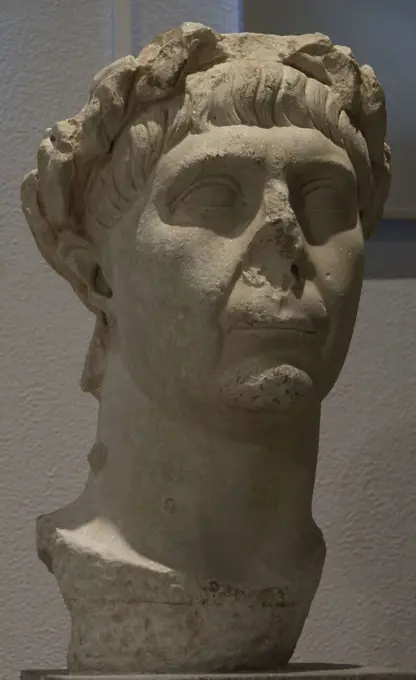
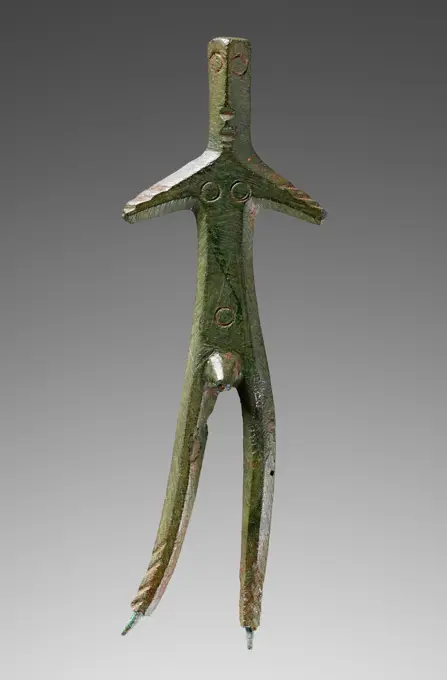
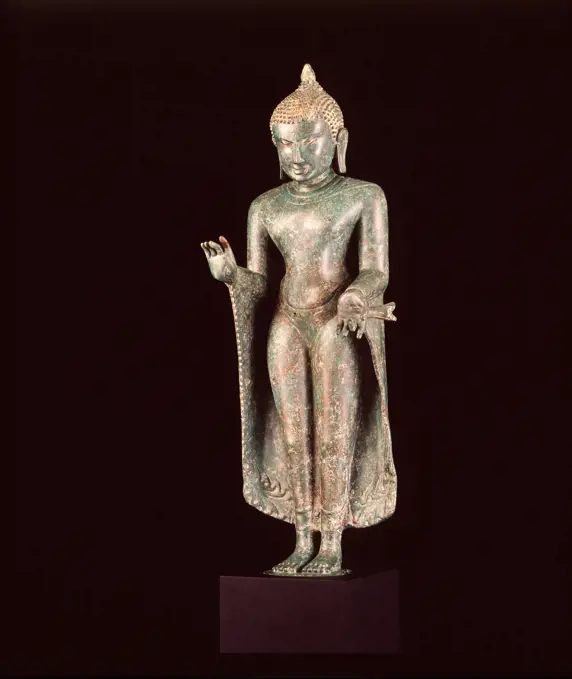
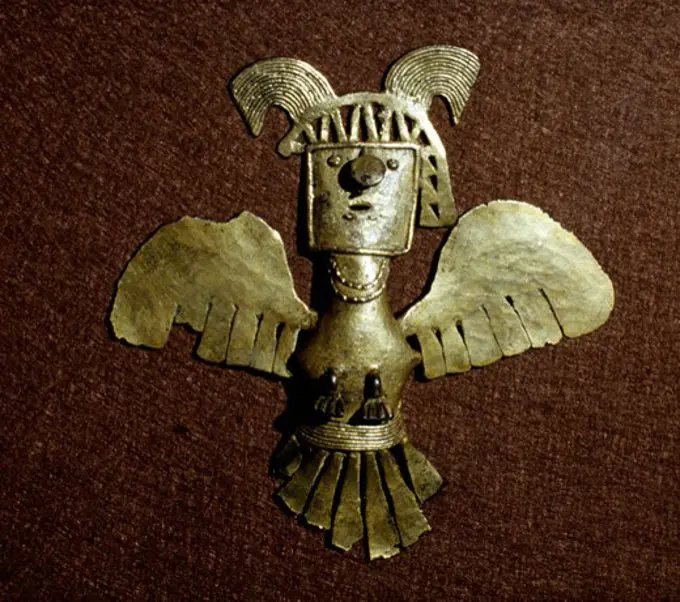
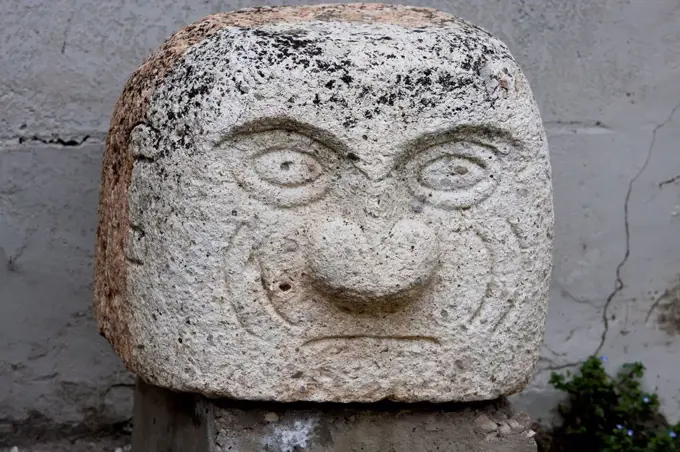
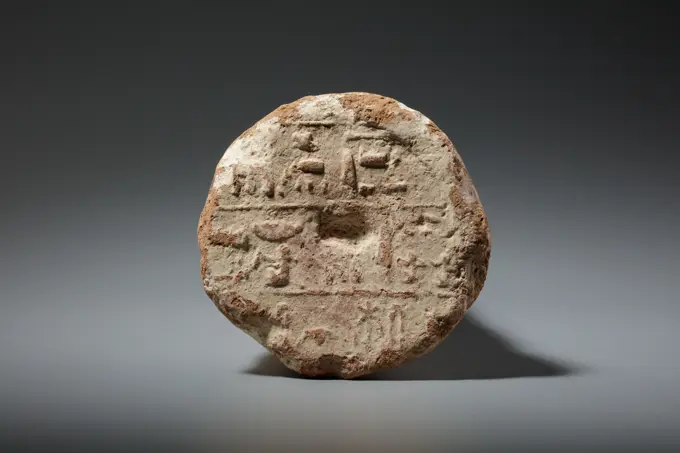
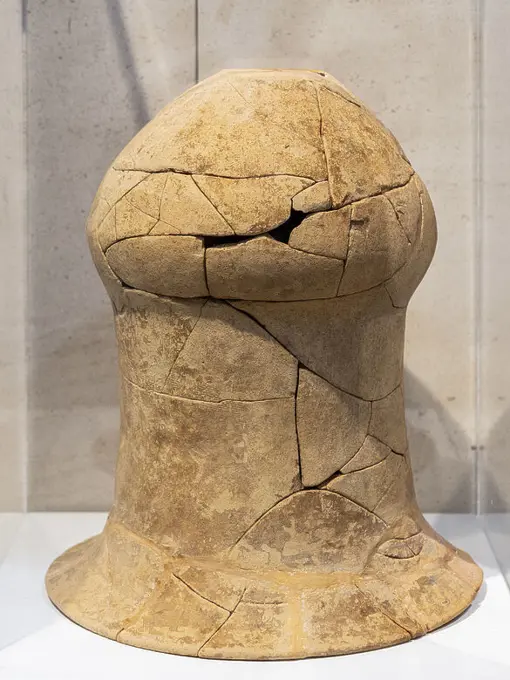
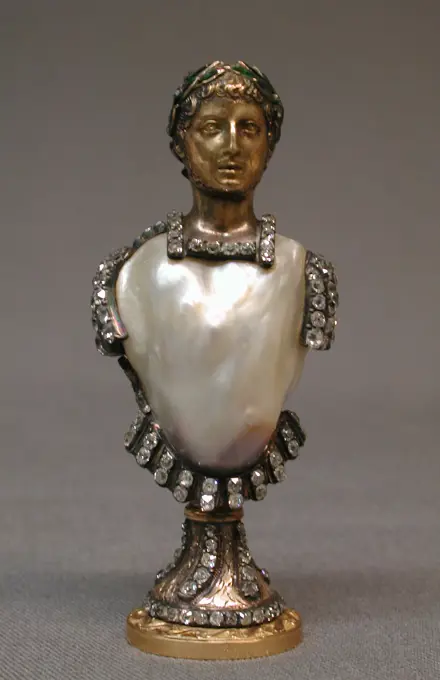
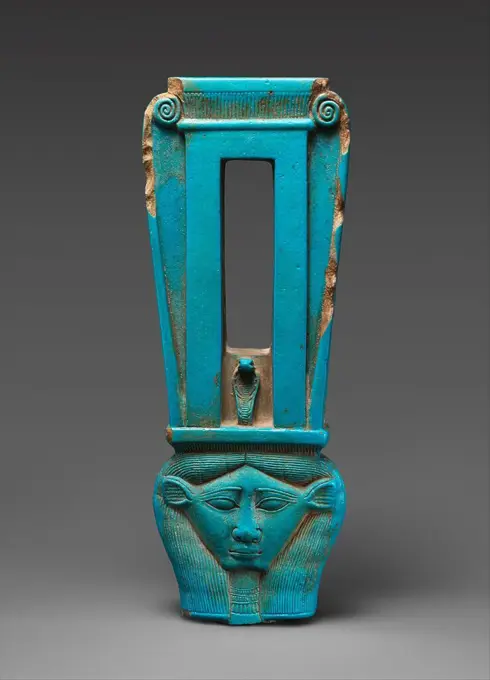
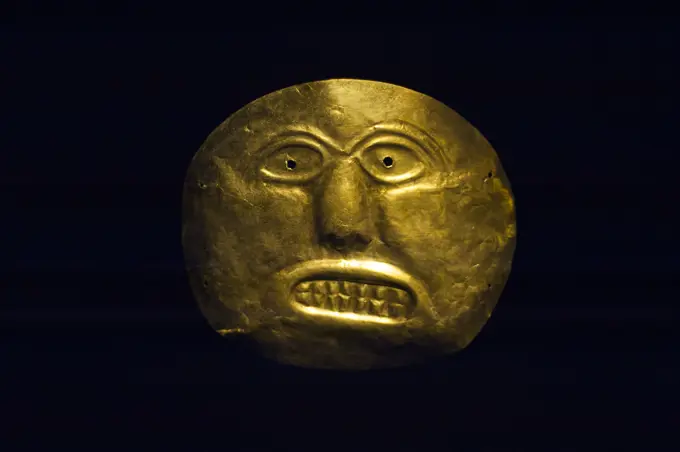
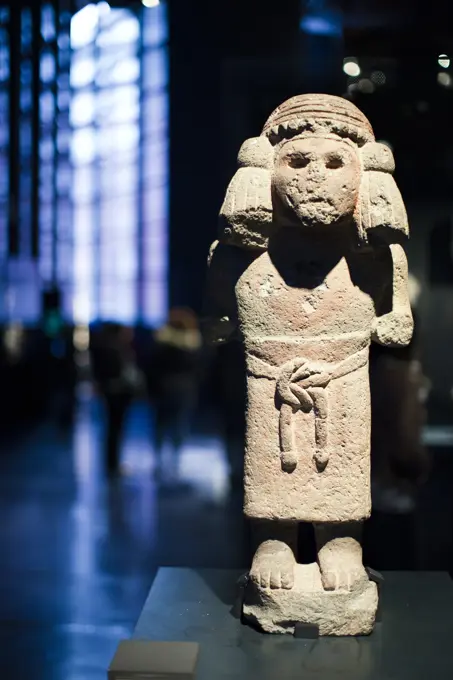
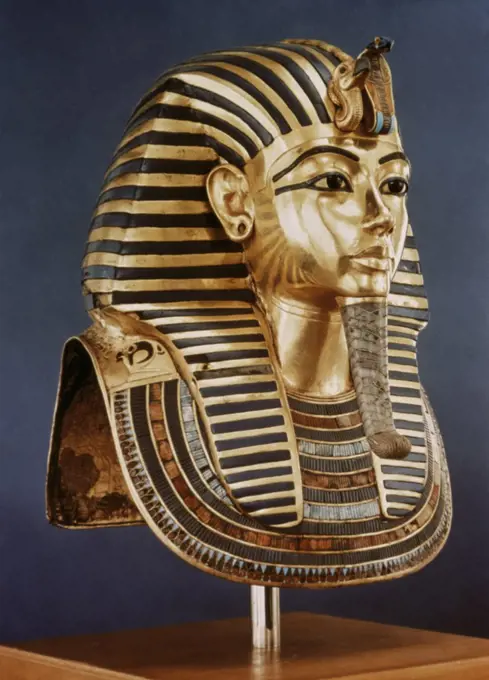
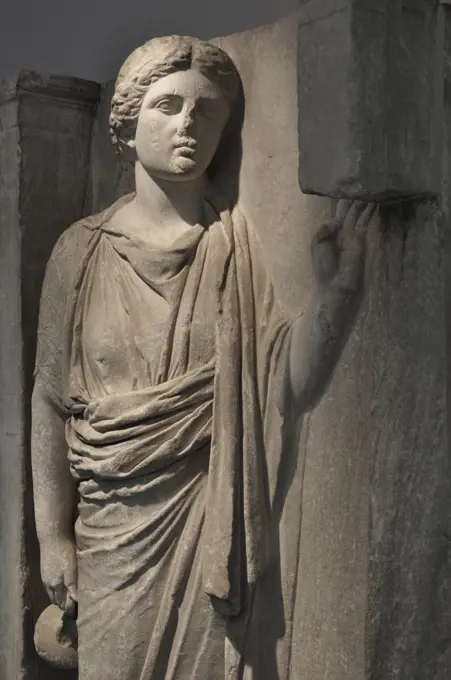
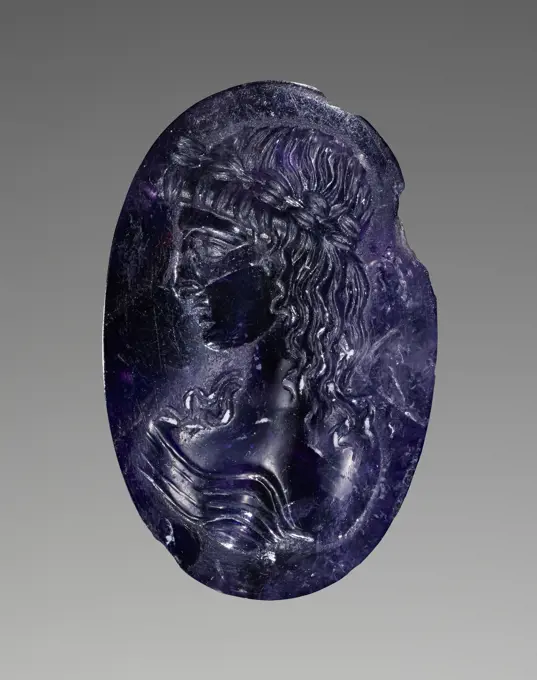
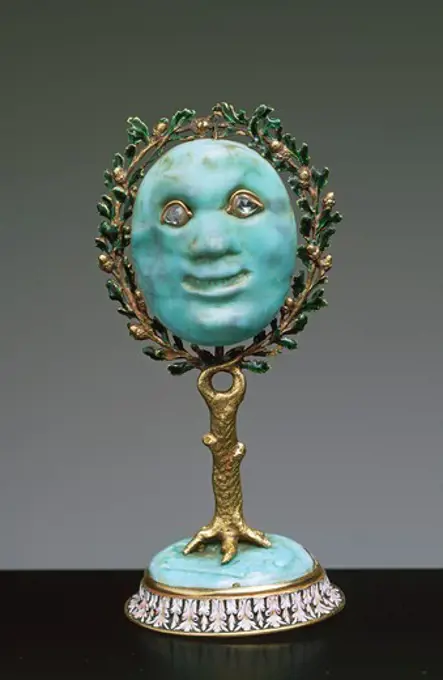
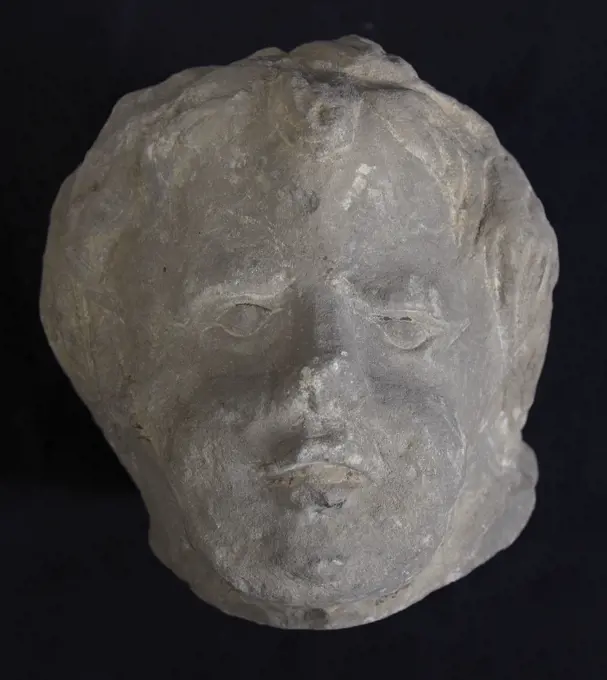
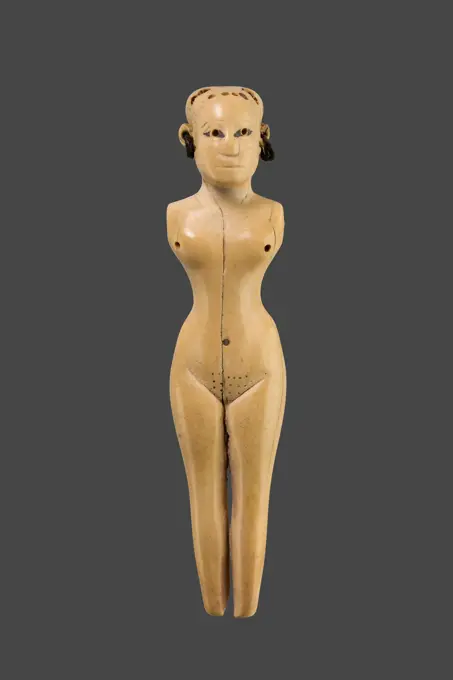
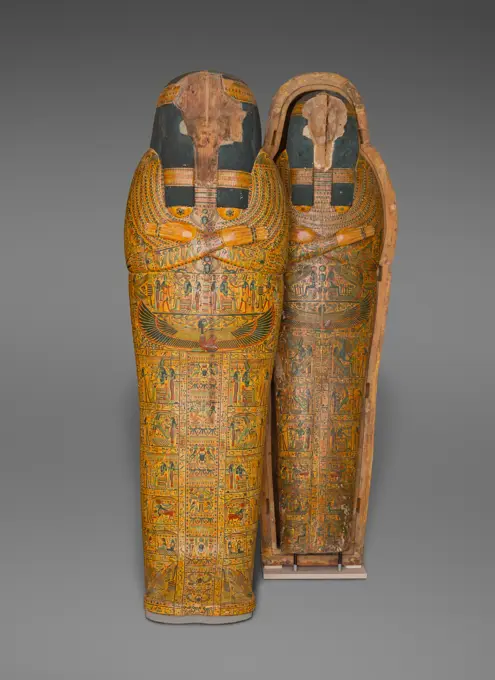
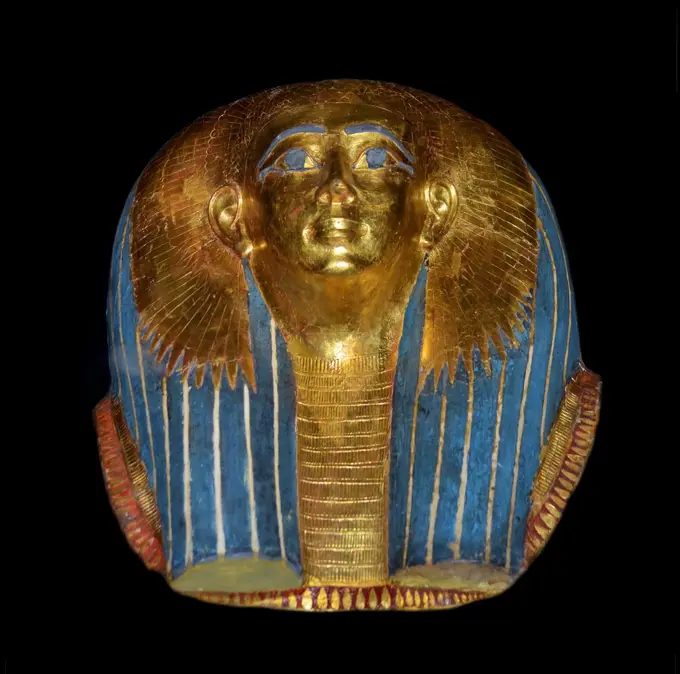
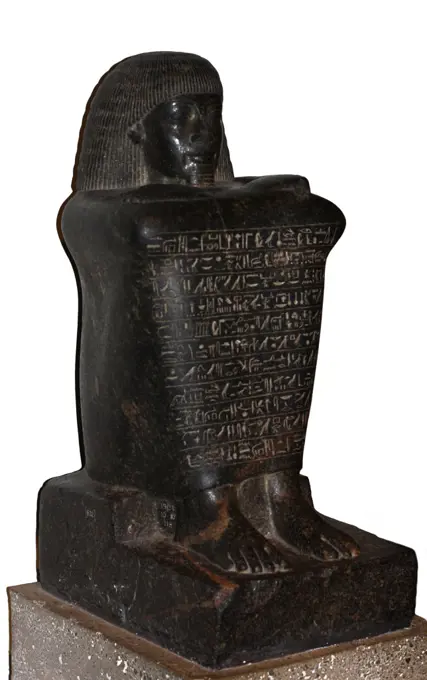
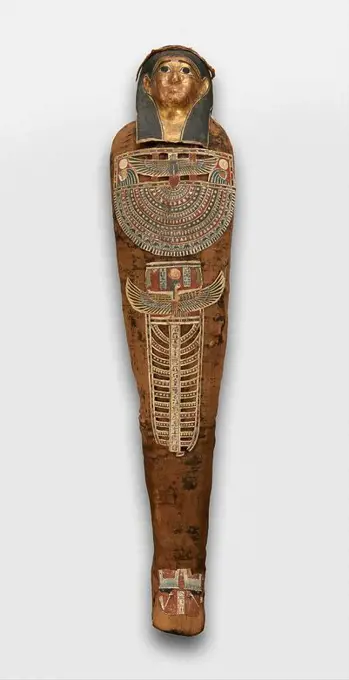
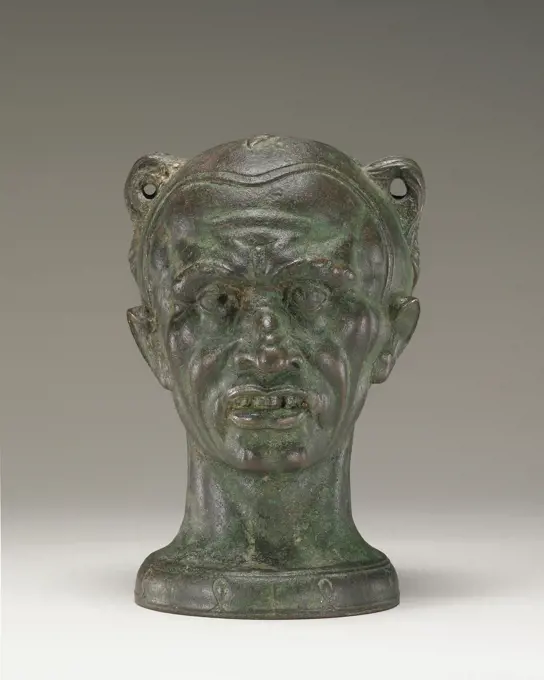
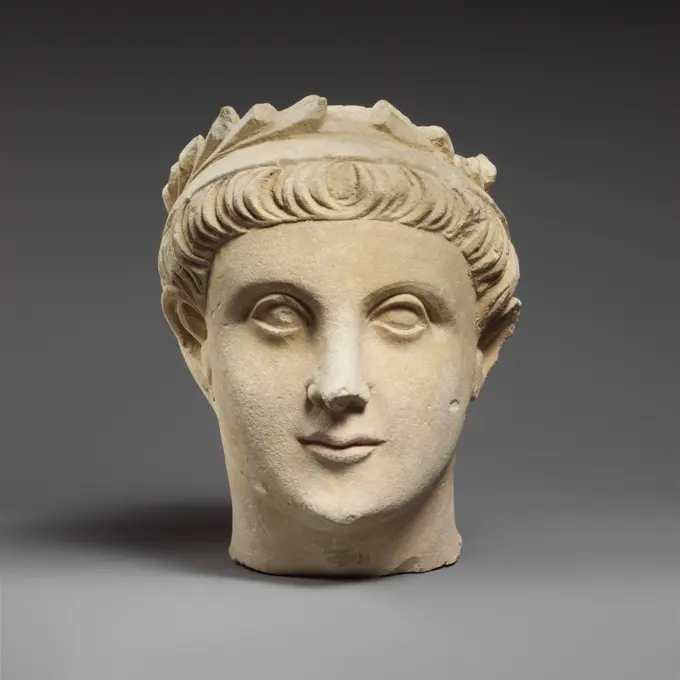
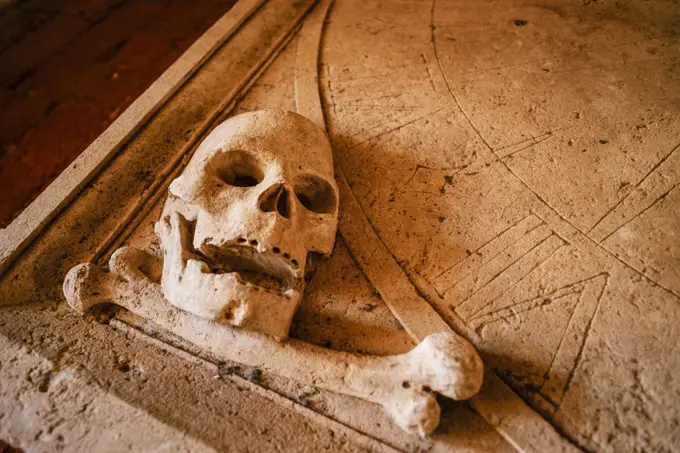
Figurine of Osiris Rodowo Egyptian workshopAmulet of the God Shu 1069 BCE-332 BCE Egypt. Faience . Ancient EgyptianMale head of terracotta figurine. Height 4, 1 cm width 2.2 cm (1 st - 3 rd CE ) - Roman period from archaeological site of Complutum in Alcalá de Henares ( Madrid ). SPAIN.Abruzzo, L'Aquila, S. Giuliano (L'Aquila environs), Museo, Italy, 20th century, photo, photography, EuropeWood and copper reliquary guardian figurine. Dated 19th CenturyBoat;  Ptolemean period (-332-00-00--30-00-00);Collection of ancient Egypt, purchaseFragment of a sculpture. Head of a deity with diadem; Headdress (Mukuta) lacks, as well as the ears; Rear flat flat.Rattle 800-1525 Panamanian. Rattle. Panamanian. 800-1525. Clay. Period VI. Panama. Idiophone-Shaken-rattleFigure (baàthíl), c. 1900. Burkina Faso, Ghana, or Côte dIvoire, Lobi-style artist. Wood and organic materials; overall: 63.6 cm (25 1/16 in.).Head with Knidian Coiffure. UnknownNecklace Figurine Bead, 1-700. Colombia, 1st-8th century. Cast gold; overall: 3.4 cm (1 5/16 in.).Head from Statuette of a King 664 BCE-525 BCE Egypt. Black basalt . Ancient EgyptianShabti of Osiris - HaStatue of the Chief of the Prophets, France, Paris, Musee du LouvreAlexander the Great 356-323 BC ( Alexander III of Macedon). Greek portrait bust 3rd century BC. Athens MuseumUshabtiAmulet - HandOverseer Shabti of Henettawy (C), Daughter of Isetemkheb ca. 990-970 B.C. Third Intermediate Period See 25.3.19.. Overseer Shabti of Henettawy (C), Daughter of Isetemkheb 590993Pendant (Peishi) in the Form of a Cicada. China, Han dynasty, 206 B.C.-A.D. 220. Jewelry and Adornments; pendants. Abraded jadeWorker Shabti of Henettawy (C), Daughter of Isetemkheb ca. 990-970 B.C. Third Intermediate Period. Worker Shabti of Henettawy (C), Daughter of Isetemkheb 623377Balance Weight formed as the Bust of an Empress, c. 390-400. Byzantium, Theodosian period, 4th century. Bronze; overall: 10.1 x 5.4 x 5.6 cm (4 x 2 1/8 x 2 3/16 in.).Amulet of the God Imsety (one of the four Sons of Horus) 1070 BCE-656 BCE Egypt. Faience . Ancient EgyptianHead from a Statuette of Amenhotep III ca. 1390-1352 B.C. New Kingdom. Head from a Statuette of Amenhotep III. ca. 1390-1352 B.C.. Diorite. New Kingdom. From Egypt, Upper Egypt, Thebes. Dynasty 18Amulet, Hathor. Amulet, Hathor. Clay, glazed. Gold and SilverHead with Knidian Coiffure. UnknownHead with Melon Coiffure. UnknownShawabty of Ditamenpaankh, 715-656 BC. Egypt, Late Period, Dynasty 25. Terracotta; overall: 6.8 x 2.6 x 1.8 cm (2 11/16 x 1 x 11/16 in.). High demand for shawabtys in the Late Period, a time when as many as 400 or more shawabtys were placed in the tomb with the deceased, gave rise to a specialized container for storing them: the shawabty box. This example is inscribed for the lady of the house, Ditamenpaankh, and was probably one of a pair originally made for her. The single-masted boat on the box's lid is perhaps an allusion to the pilgrimage of the deceased to the holy city of Abydos, the cult city of Osiris, king of the dead. The shawabtys inside are crude, mass-produced examples cast in an open mold. Made of terracotta, their blue paint imitates more costly shawabtys made of faience. As for the shawabty spell, it has been removed from its traditional location on the shawabty's front and relocated onto the sides of box, where it needed only to be written once, thus expediting produBaboon Figurine 304 B.C.-A.D. 364 Ptolemaic or Roman Period. Baboon Figurine 558345Early Iron-Age (Dark Age) Anthropomorphic mask from Vrokastro, Crete, 1000 BC. Greece.Howard Weld, Circus Wagon Figure, c 1937 Circus Wagon FigureA gold funeral mask discovered in MycenaeIberian bronze votive offering Iberian bronze votive offering, sanctuary of the Lobera cave, Castellar, Iberian Museum of Jaén, Andalusia, Spain Copyright: xZoonar.com/BartomeuxBalaguerxRotgerx 21714883Osiris figurine;  Half period (-664-00-00--332-00-00);Cigar cutter. unknown, authorFragment of a Portal Capital from the Chapterhouse of the Cistercian Monastery in Jędrzejów unknownHead and neck from a marble figure 2700-2300 B.C Cycladic Little is known about the role and meaning of these figures in Cycladic culture. Although they have been found almost exclusively in graves and placed on their backs, it is not clear whether they were made specifically for burials. Examples found in settlements and sanctuaries may have been held upright in social or religious activities, such as processions. As the majority of these figures are female, they are probably linked with the idea of fertility and reproduction.. Head and neck from a marble figure 329996Pendant: hippocamp. Culture: Etrusco-Campanian. Dimensions: H.: 2 3/16 in. (5.5 cm). Date: 5th century B.C..Pendant of a swimming hippocamp, a mythical creature depicted often in Etruscan art as a guardian or guide to the Underworld. Museum: Metropolitan Museum of Art, New York, USA.Small wine jug in the shape of a womans head, Oinochoe, 475-450 BC, Archaeological Museum in the former Order Hospital of the Knights of St. John, 15th century, Old Town, Rhodes Town, Greece, EuropeAntoine Bourdelle (1861-1929). "The birth of Aphrodite". Marble. Museum of Fine Arts of the City of Paris, Petit Palais. 61218-6 Beauty, Greek degite, marble, birth, statue, mythologyPendant in the name of King Osorkon II 1032 B.C. Believed to have been part of the family of the God Osiris.Cycladic 'Apeiranthos style' figurine, from Naxos, Greece, Early Cycladic culture evolved in three phases, between c. 3300 - 2000 BCE, when it was increasingly swamped in the rising influence of Minoan CreteSmall figurine of a household God. Penates, (Gods protecting the household and family) became popular ornaments in Roman households. Roman, circa 1st-4th century AD.Mask from a secret society, Alaling. From Cameroon.Costume Ornament 11th-12th century North Coast (). Costume Ornament 308766Mask. Dimensions: l. 6.5 cm (2 9/16 in); w. 6 cm (2 3/8 in). Dynasty: Dynasty 18. Date: ca. 1550-1295 B.C.. Museum: Metropolitan Museum of Art, New York, USA.Glazed stone figurine of the Egyptian god Thoth, from ancient EgyptDetails in Palazzo della Spagnolo The Palazzo dello Spagnolo is a Rococo or Late-Baroque-Style Palace in Central NaplesDoll; Unknown; Greece, Europe; 5th century B.C.; Terracotta; Object (reconstructed): H: 13.5 cm (5 5/16 in.)Fragment of the carton;  around 945- 735 BC ; 21 Dynasty (-945-00-00--735-00-00);Head of a child 2nd century B.C. Cypriot The head is mold-made and solid. The back is handmade and rounded. The head and neck are preserved.. Head of a child 241077Terracotta head of a man wearing a cap 3rd-2nd century B.C. Greek Wearing a cap.. Terracotta head of a man wearing a cap. Greek. 3rd-2nd century B.C.. Terracotta. Hellenistic. TerracottasBronze statuettes representing warrior and woman, possibly base for furniture, 550 B.C. from Brolio, Val di Chiana, Tuscany, ItalyEgyptian Ushabti or ushabtis. The ushabti also called shabti or shawabti, was an Ancient Egyptian funerary figurineSculpture of Ramses IV, France, Paris, Musee du LouvreHead with Knidian Coiffure. UnknownAnthropomorphic wooden bowl carved in the Tami Islands, Papua New Gone, Oceania circa 1910Spirit mask. Used by an Alaskan, Inuit Shaman, this mask would have been worn during ritual dances to bring good health and hunting. Made from hair, copper and painted wood, Alaska, late 1800s.Mask 12th-9th century B.C. Tlatilco. Mask 317889Mummy and Coffin of Irtirutja, Ptolemaic Period, Metropolitan Museum of Art, Manhattan, New York City, USA, North AmericaCanopic jar with jackal lid. Dynasty: Dynasty 18. Date: ca. 1550-1295 B.C.. Museum: Metropolitan Museum of Art, New York, USA.Himmel Himmel LicenseRF Copyright: xZoonar.com/Tolox 23160094SIMBOLO ROMANO DE AMISTAD - BRONCE - SIGLO I AC - PROCEDENTE DE PAREDES DE NAVA - 6 CMS. Location: ARCHAEOLOGICAL MUSEUM. PALENCIA.Trajan (53-117 AD). Roman emperor (98-117). Nerva-Antonine dynasty. Head of Trajan from a larger than life statue of him. Archaeological Museum of Piraeus. Greece.Figurine. UnknownDoor Knocker 15th century French. Door Knocker. French. 15th century. Iron. Metalwork-IronBronze standing Buddha image (11-12th century), Bagan style. Private collection. BurmaGolden artifact from Cauca Culture, Colombia, Bogota, Museo del Oro, Pre-Columbian ArtAfrican sick mask, Pende del Zaire ethnicity, 19th century, polychrome wood, Sa Bassa Blanca Museum (msbb) Yannick Vu and Ben Jakober, Alcudia, Majorca, Spain, EuropeBelt Hook (Probably from the same belt as 81.AC.184.141). UnknownFlask in the Shape of a Head 201 CE-300 CE Syria. Glass in the Roman WorldInitially affordable only among the wealthy, glass was used in ancient Rome as containers for oils, perfume, and tablewares. The variety of glass-making techniques reveals the changing tastes and fashions over the centuries. During the 1st century A.D., cast glass was a novel form that was a luxury for the Roman household, but by the end of the century, the innovation of blown glass allowed for less labor-intensive and less expensive production, which meant people of lesser means could afford it. Blown glass became so popular it nearly supplanted ceramic and even bronze wares in the home.. Glass, mold-blown technique . Ancient Roman'Sitting Buddha'. Afghanistan, Hadda, 4th - 5th century. Dimensions: 11,5 x 11 cm. Museum: State Hermitage, St. Petersburg.Anthropomorphic Stone Head On Display In The Site Museum Of Chavin De Huantar, Ancash, PeruFunerary Cone of the Scribe Nebamun ca. 1479-1458 B.C. New Kingdom This cone has the impression of a stamp seal inscribed for a man named Nebamun, owner of Theban Tomb 179. Nebamun was scribe of accounts of the grain belonging to the god Amun. Unlike the majority of cone inscriptions, which give the name and titles of the tomb owner, this one also identifies his father as a scribe named Itef (or perhaps iti), and his mother as Ahmose.The area around Nebamun's tomb was cleared in the 1910-1911 field season by Norman DeGaris Davies, director of the Graphic Section of the Museum's Egyptian Expedition. This cone and another of the same type came to the Museum in the division of finds.During the 1926-27 field season, the Museum's excavators uncovered a Middle Kingdom tomb (MMA 110) with rows of unstamped cones embedded along the upper edge of the façade (see fig. 1). It is quite likely that stamped cones, which date to the New Kingdom and later, were used in the same way, identifying the toOrange wheel-turned ceramic chardon vessel, 7th century BC. tomb 24 of the orientalizing Necropolis of La Joya, Huelva Museum, Huelva, Andalusia, Spain.Double -sided gingerbread form: decorative pipe reverse: nine  fish;  XVIII-XIX century (1790-00-00-1810-00-00);Stela with Pharaoh Tuthmosis III  Egyptian Art  Luxor Museum, EgyptEnthroned Female Figurine. unknown, authorHead with Melon Coiffure. UnknownSeal 17th-18th century possibly British. Seal. possibly British. 17th-18th century. Gold, pearl, diamonds, emeralds. Metalwork-Gold and PlatinumUpper part of a naos sistrum. Dimensions: H. 19 cm (7 1/2 in.); W. 7.3 cm (2 7/8 in.); D. 3.5 cm (1 3/8 in.). Dynasty: Dynasty 22-26. Date: ca. 945-525 BC.This upper part of a naos sistrum preserves the head and volutes derived from the Bat fetish and the naos frame with uraeus at the lower end. The Hathor emblem wears the straight wig that seems most common in the Late Period, rather than the curled wig seen on the nearby arc sistrum. The goddess's face is always broad at the cheeks and flattened at the chin, but the quadrangular form here is emphasized by the lines of the hair drawn down across her forehead and behind her ears and by the emphatically squared chin. The angularity and the bright blue color make it possible this example dates somewhat earlier than some of the others exhibited here; the angularity is certainly seen , for example, in images of the god Bes from the Third Intermediate Period.Three holes on either side are provided for wires to hold rattle disks. Although faAn ancient gold mask at the Museo Del Oro, Bogota, Colombia, South AmericaFrance, Paris, Musee du Quai Branly museum, God of Pulque, beverage made of fermented Agave, Mexico, 16th centuryProbably Etruscan 4th 2nd Century BC, Container in the Form of an African's Head, 4th 2nd century BC Container in the Form of an African's HeadTutankhamen: The Gold Mask Egyptian Art Egyptian National Museum, Cairo, EgyptHydriaphoros statue of woman carrying hydria pottery with water in religious procession. Ancient grave relief from Keramikos cemetery circa 350 BC, Athens Greece.Engraved Gem with Cassandra; fourth quarter of 1st century B.C; Amethyst; 2.2 × 1.5 × 0.7 cm (7,8 × 9,16 × 5,16 in.)Head Of The Child King Tutankhamen, From the tomb treasures of Tutankhamen, discovered in 1922. Tutankhamen was an Egyptian pharaoh of the 18th dynasty (ruled c. 13321323 BC). Now on display in the Cairo Museum.blur in old iran mousque the column      incision of a flower like abstract backgroundHead and part of a marble statue of a Satyr Roman copy of a work attributed to Praxiteles. 1st or 2nd century A.D.Goldsmith's art, Italy, 17th century. Mask in turquoise paste, diamonds, enamelled and gilded silver. Height cm. 36.Children's head, sculpture sculpture sandstone stone, carved Raw minced child's head with slightly opened mouth.Female Figurine ca. 1981-1550 B.C. Middle Kingdom-Early New Kingdom. Female Figurine 552477Inner Coffin of the Singer of Amun Nany ca. 1050 B.C. Third Intermediate Period The mistress of the house Nany was a ritual singer for the cult of Amun-Re, the great god of Thebes and principal deity of the Egyptian pantheon. She also held the title "king's daughter" suggesting that she was a daughter of the High Priest of Amun, Painedjem I who adopted the titles of a king.The coffins were originally inscribed for Tentabekhnet, Nany's mother, whose name was replaced in the most important sections of the text, but not everywhere.. Inner Coffin of the Singer of Amun Nany. ca. 1050 B.C.. Coniferous wood, Sycomore, mud, glue, stucco, paint, varnish, linen. Third Intermediate Period. From Egypt, Upper Egypt, Thebes, Deir el-Bahri, Tomb of Meritamun (TT 358, MMA 65), second corridor, MMA excavations, 1928-29. Dynasty 21Painted Wooden Mummy-Mask of an Unidentified Woman 1350 B.C. The outer rows of the collar are composed of lotus petals and fruits or berries. Granodiorite statue of Amenhotep. 18th Dynasty (approx. 1400 BC). From Abydos.Mummy of Nesmin with plant wreath, mummy mask and other cartonnage elements. Dimensions: L.174 cm (68 1/2 in.); W. 37 cm (14 9/16 in.); H. 27 cm (10 5/8 in.). Date: 200-30 B.C..Inside this mummy is the body of Nesmin, whose name means "The One Who Belongs to (the god) Min." He was a priest for Min in Akhmim, and from the inscription on his coffin (see 86.1.50a, b) we know that his father Djedhor was a priest as well, and that his mother Tadiaset was a musician for Min. CT scans have shown that Nesmin suffered from arthritis and died as a middle-aged man. They also revealed that thirty-one amulets are still within the wrappings. In addition to a wedjat eye on his forehead, he has an amulet representing the god Thoth on each wrist, and two strings with symmetrically arranged amulets on his torso. Museum: Metropolitan Museum of Art, New York, USA.Balsamarium in the Form of a Boxer's Head; Eastern Mediterranean, Egypt (); 2nd century; Bronze with silver; 17.1 × 15 cm (6 3,4 × 5 7,8 in.)Limestone head of a wreathed youth late 5th-4th century B.C. Cypriot The youthful face has a smiling expression with traces of red paint on the lips.. Limestone head of a wreathed youth 242336Apostle, ivory reliefGrabstätte Grabstätte Copyright: xZoonar.com/BartomeuxBalaguerxRotgerx 22630398