My Boards
View Pictures
  • My Boards
← Artworks

Ancient Figurines and Artifacts

Artifacts including ancient figurines from different cultures, showcasing craftsmanship in pottery, with varied representations of human forms.
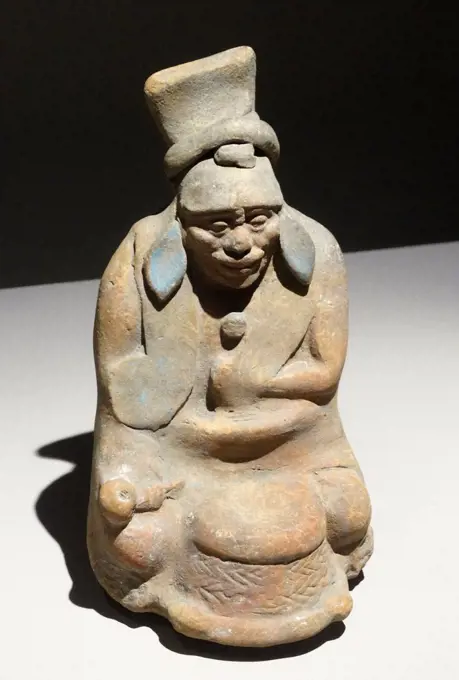
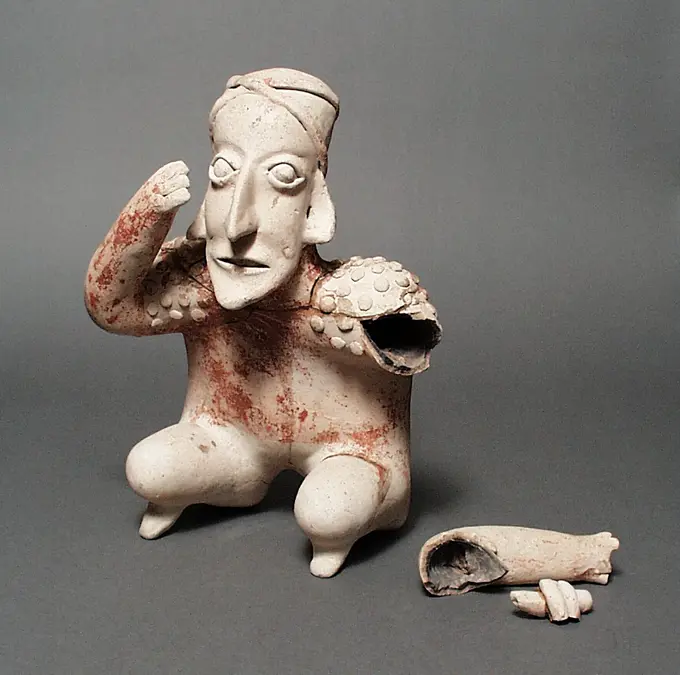
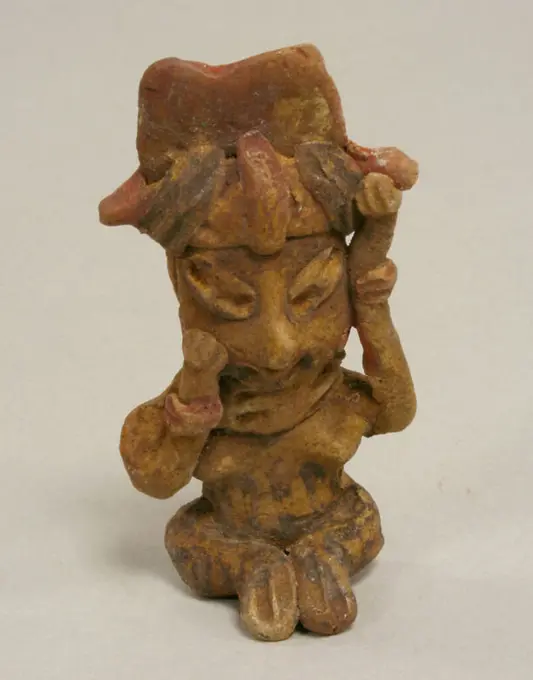
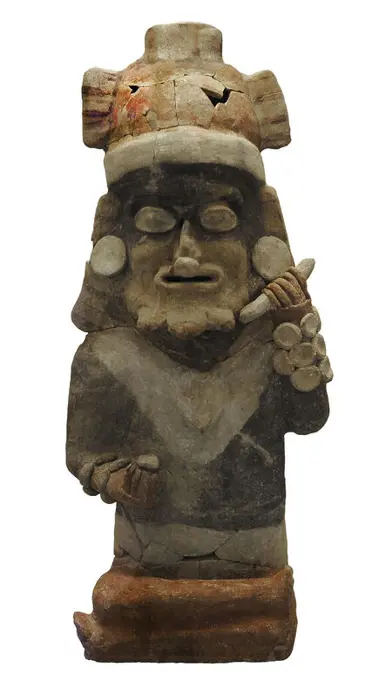
Mayan ceramic figurine of an old man playing a tambourine. From Jaina, Campeche, Mexico 600-900 AD
291 assets in this story
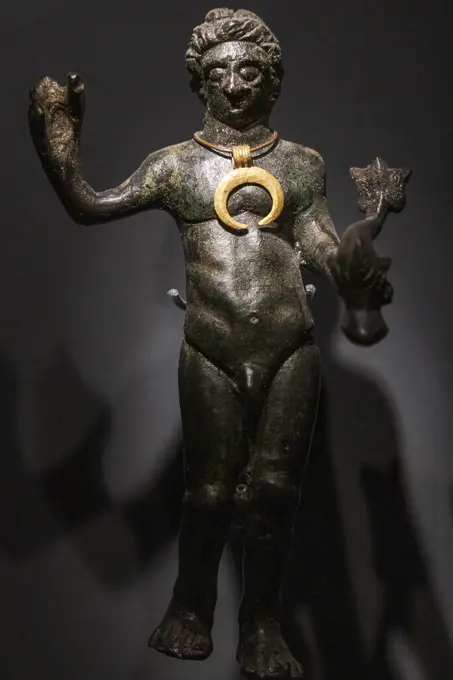
4409-17215580
Arte Edad Antigua. Exvoto Ibérico. Bronce. 400-101 a.c. Museum: MUSEO ARQUEOLOGICO, MADRID, SPAIN.
4443-22016543
Handle with Male Figure; Egypt; 712 - 30 B.C; Glass; 4.6 cm (1 13,16 in.)
6145-29126219
Joined Couple
6145-29137866
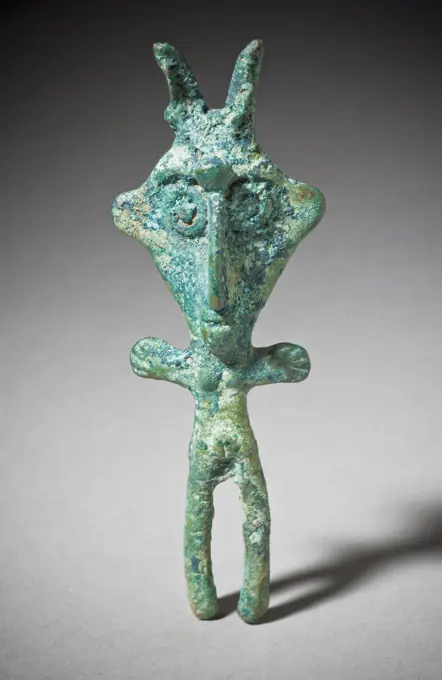
Horned Female Figure. Western Iran, Iron Age II-III, about 1000-650 B.C.. Sculpture. Bronze, cast
6145-29126347
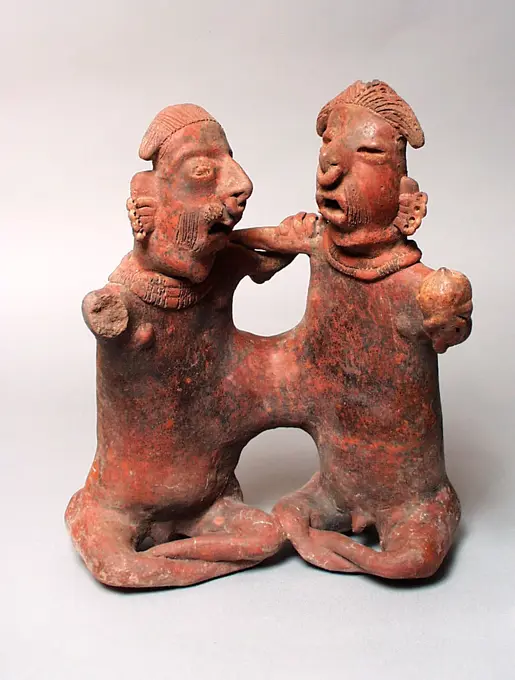
Joined Seated Male Figures
6145-46802134
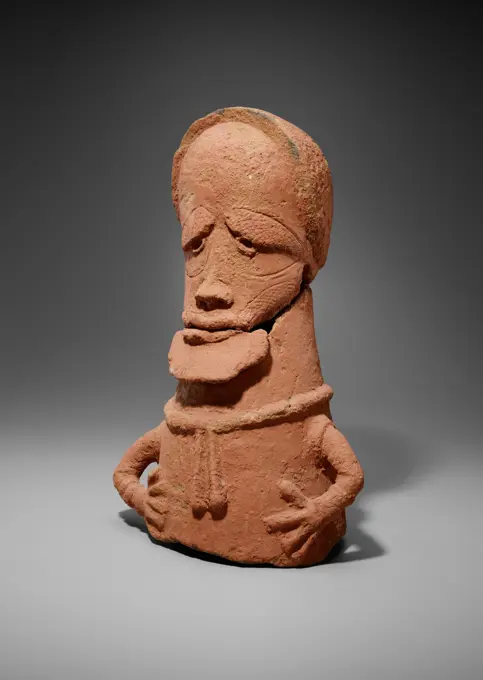
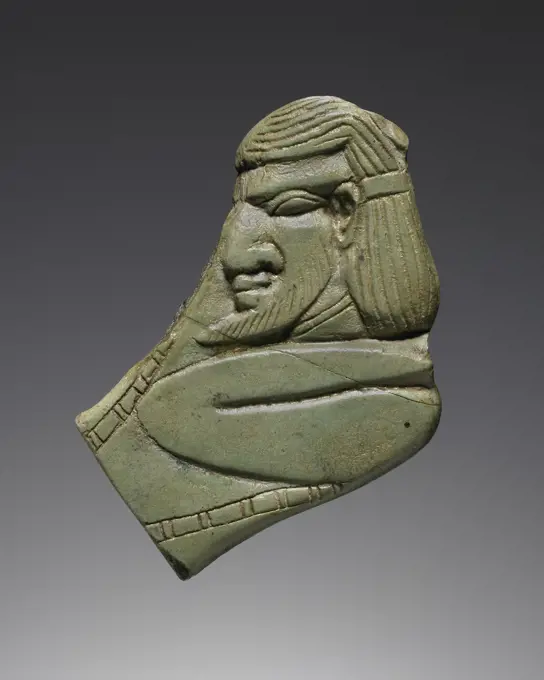
Fragment of a MaleFigure
6145-29809410
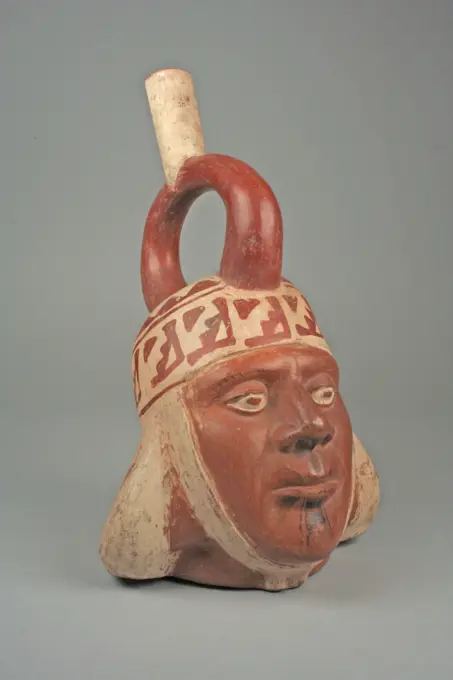
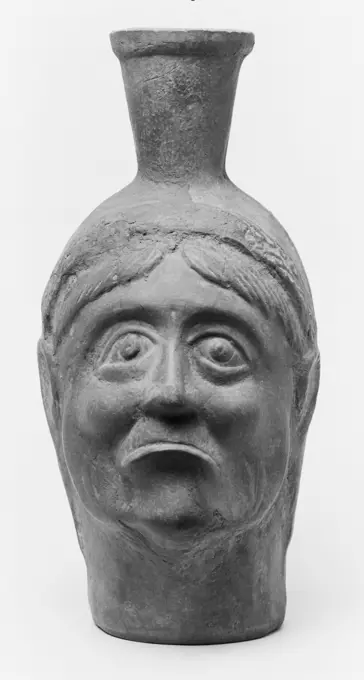
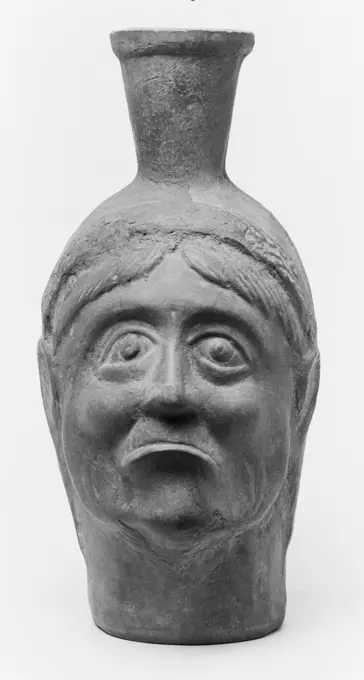
Portrait Head Bottle 5th-7th century Moche The Moche (also known as the Mochicas) flourished on Perus North Coast from AD 200-850, centuries before the rise of the Incas. Over the course of some six centuries, the Moche built thriving regional centers from the Nepeña River Valley in the south to perhaps as far north as the Piura River, near the modern border with Ecuador, developing coastal deserts into rich farmlands and drawing upon the abundant maritime resources of the Pacific Oceans Humboldt Current. Although the precise nature of Moche political organization is a subject of debate, these centers shared unifying cultural traits such as religious practices (Donnan, 2010). Moche potters produced tens of thousands of modeled and painted ceramic vessels over the course of some six centuries, and these were used in specific rituals; many, but not all, were ultimately placed in tombs. Portrait heads—so-called for their striking apparent resemblance to specific individuals—are a subset
6145-29066763
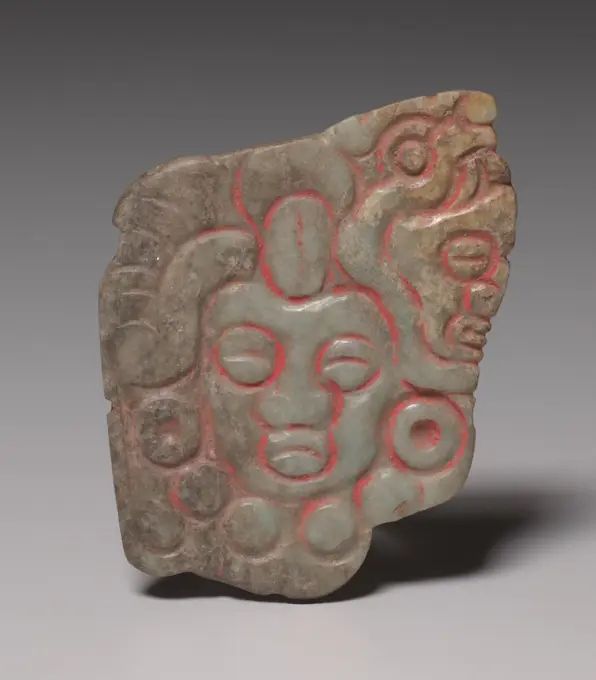
Offering Group: Plaque with Frontal and Profile Faces, 800-1200(). Mexico, Guerrero(), San Jerónimo de Juárez, Xochicalco style. Jadeite with albitite; overall: 7.9 x 6.3 x 0.7 cm (3 1/8 x 2 1/2 x 1/4 in.). This greenstone plaque is said to have been found inside a translucent stone vessel, together with two shells (1990.252.1-3). A similar offering was found in a pyramid ornamented with feathered serpents at Xochicalco, a site south of the Valley of Mexico.
6145-29127416
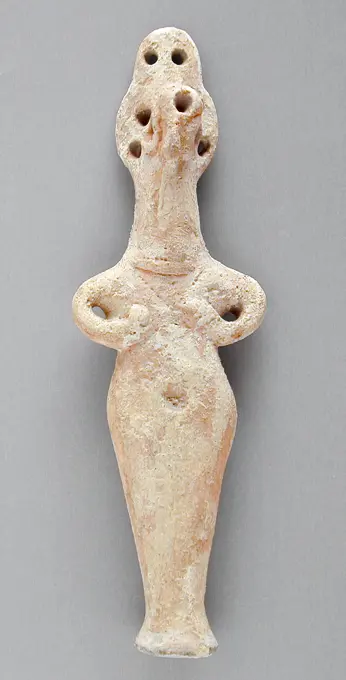
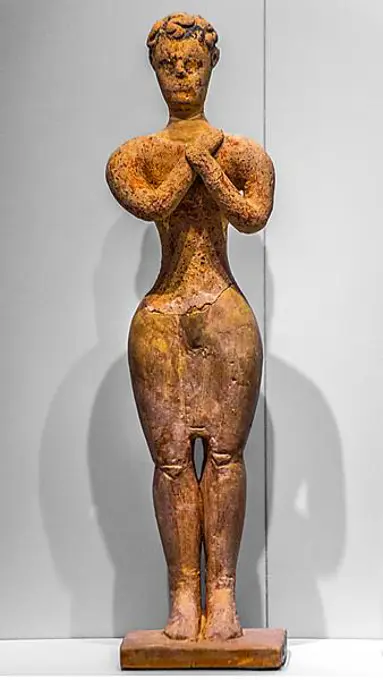
Female Figure. Northern Syria, 2nd millennium B.C.. Sculpture. Terracotta
6145-46811508
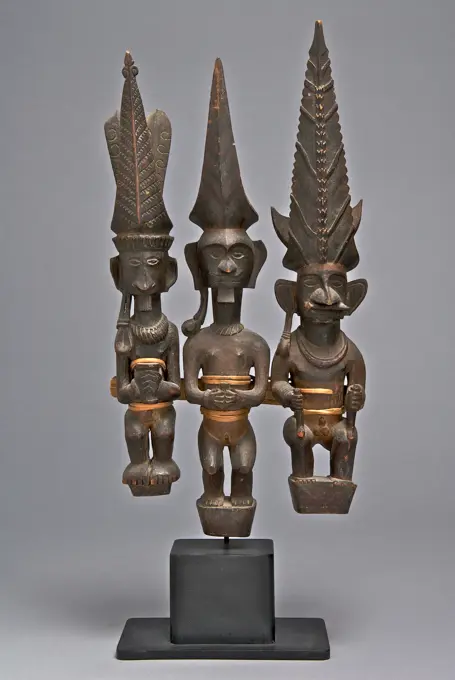
Ancestor TriadStatue
6145-29806963
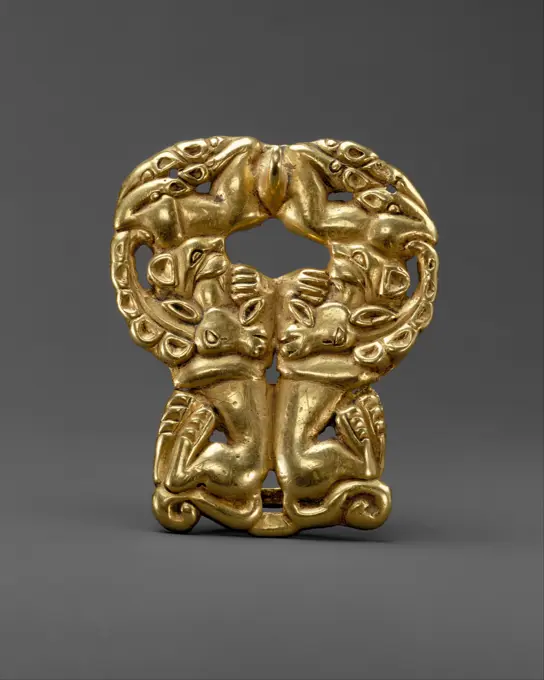
Belt buckle with paired felines attacking ibexes ca. 3rd-2nd century B.C. Xiongnu During the first millennium B.C., many horse-riding nomadic tribes controlled the vast Eurasian steppes to the north of the Black and Caspian seas. Some of the nomadic groupsparticularly Scythian tribes that lived in the plains north of the Black Seawere described by the Greek historian Herodotus in his Histories. But we also know about them from their burial mounds, which contained sumptuous golden objects made in a variety of styles that reflect contacts with Greece, Persia, and China.Following earlier Scythian migrations, Sarmatian tribes moved in the fourth century B.C. from the area north of the Caspian Sea into the Caucasus and Europe. Sarmatian animal-style art is distinguished by complex compositions in which stylized animals are depicted twisted or turned back upon themselves or in combat with other animals. Plaques, clasps, and weapons were frequently made of precious metals and embellished wi
6145-59098921
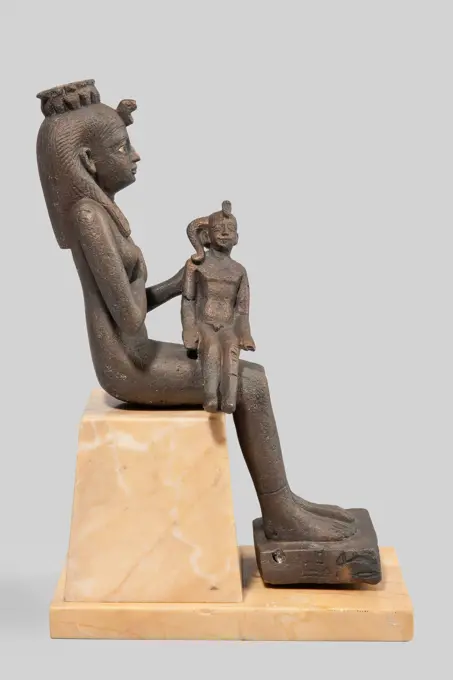
Izida figurine with Horus on the knees;  664-525 BC ; Half period, 26 dynasty (-664-00-00--525-00-00);Horus (mitol.), Izyda (mitol.), ureusze
1788-22770
Italy, Calabria, Francavilla Marittima, Statuette representing a warrior from the sanctuary, bronze
6176-67062361
Celtic carved head, Eype, Dorset, c1st century. Artist: Unknown
6145-29128901
Seated Figure
1848-50664369
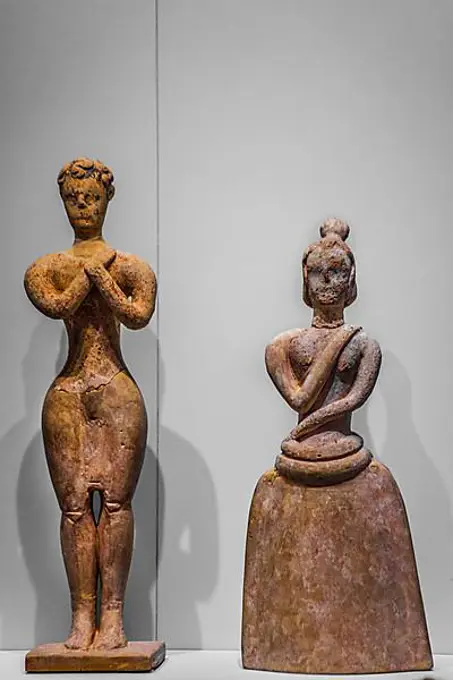
Pair of clay figurines of worshippers (1650-1500 BC), Archaeological Museum with most important finds of the Minoan culture, Heraklion, Crete, Heraklion, Crete, Greece, Europe
6145-48867793
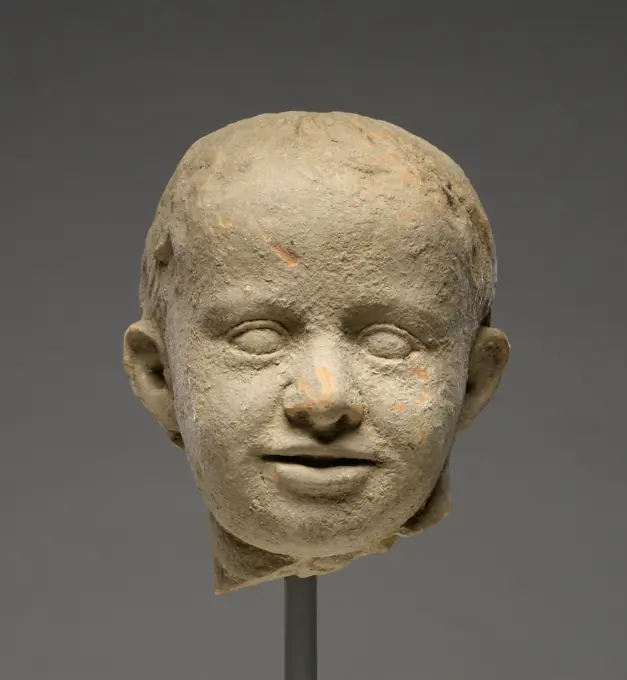
Head of a Child. Unknown
1788-17342
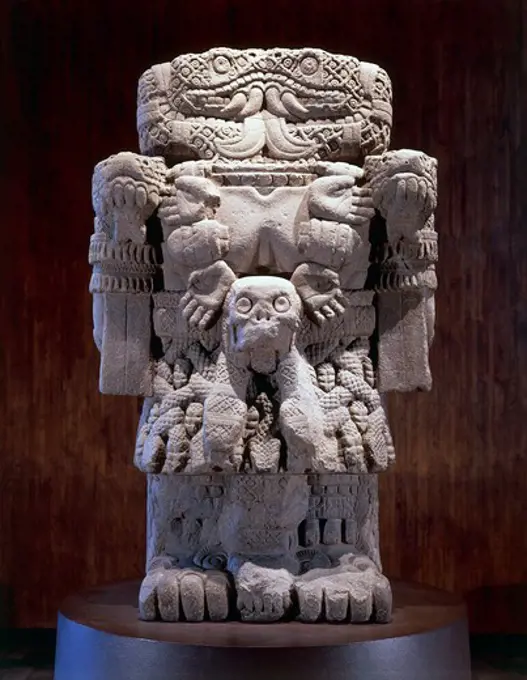
Statue of Coatlicue, earth goddess of life and death, aztec civilization
6145-29129957
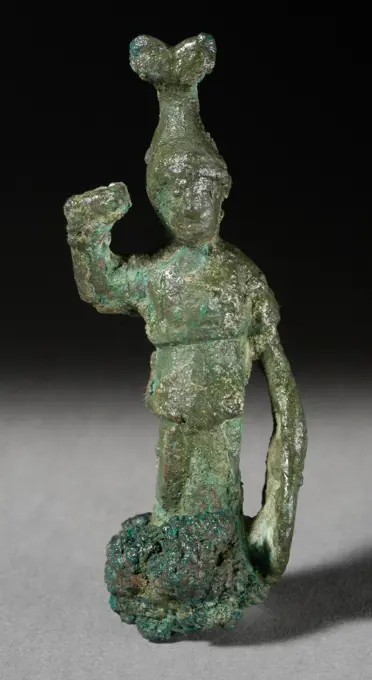
Figurine of the Goddess Athena (). Egypt, Roman Period (30 BCE - 395 CE) or modern. Sculpture. Bronze
6145-29735956
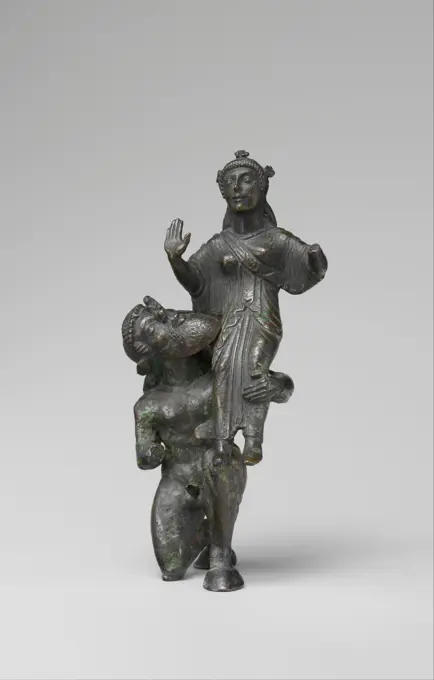
Bronze statuette of a satyr and maenad ca. 510-480 B.C Etruscan This bronze depicts a satyr abducting a maenad, one of the Archaic period's favorite subjects. Both figures are modeled with a great deal of attention to details, including facial features, hair, and drapery. The ultimate source of inspiration for the maenad is the series of Greek sculpted korai set up as votive offerings in many Greek sanctuaries.. Bronze statuette of a satyr and maenad 248674
4409-17413011
Figure. Culture: Chupicuaro. Dimensions: H. 2 5/8 in. (6.7 cm). Date: 3rd century B.C.-A.D. 4th century. Museum: Metropolitan Museum of Art, New York, USA.
1746-21111398
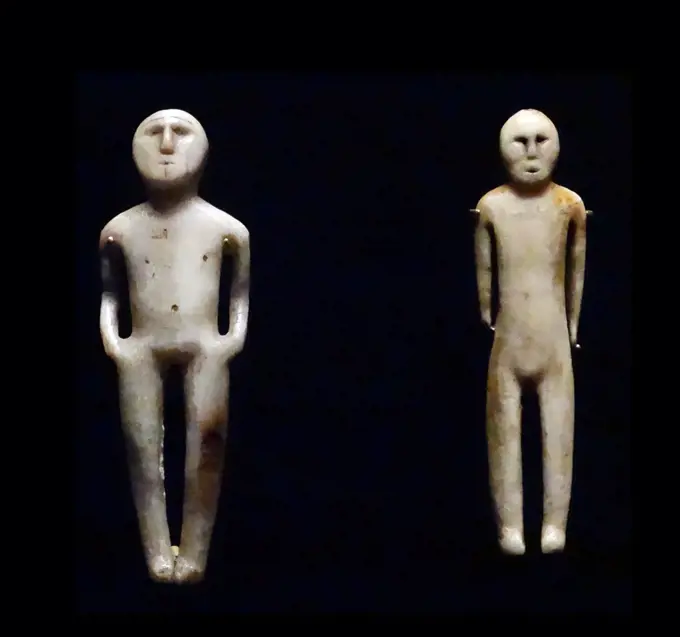
Ivory figurines from Alaska. Dated 20th Century
6145-29714459
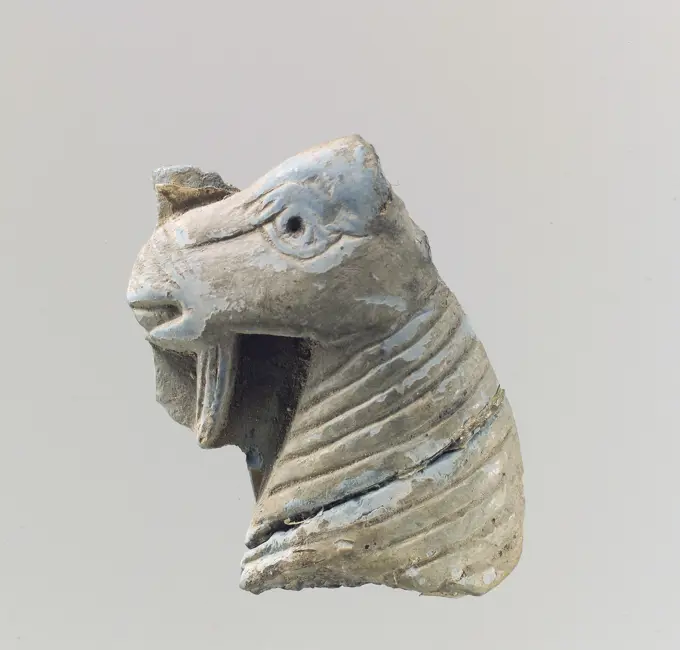
Plaque fragment ca. 9th-8th century B.C. Assyrian This small ivory fragment is blue-gray in color, probably due to exposure to fire when the palace complexes at Nimrud were sacked during the final defeat of Assyria at the end of the seventh century B.C. It depicts the head and neck of a goat carved in high relief with mouth slightly open, perhaps to graze on vegetation, although the rest of the scene is not preserved. Carved ivory pieces such as this were widely used in the production of elite furniture during the early first millennium B.C. They were often inlaid into a wooden frame using joinery techniques and glue, and could be overlaid with gold foil or inlaid with colored glass or stone pieces to create a dazzling effect of gleaming surfaces and bright colors. Grazing goats, deer, and other ungulates were frequently depicted in carved ivory plaques, including two well-preserved pieces from Nimrud which are also in the collection of the Metropolitan Museum (58.31.3, 61.197.6).Built
4443-28735884
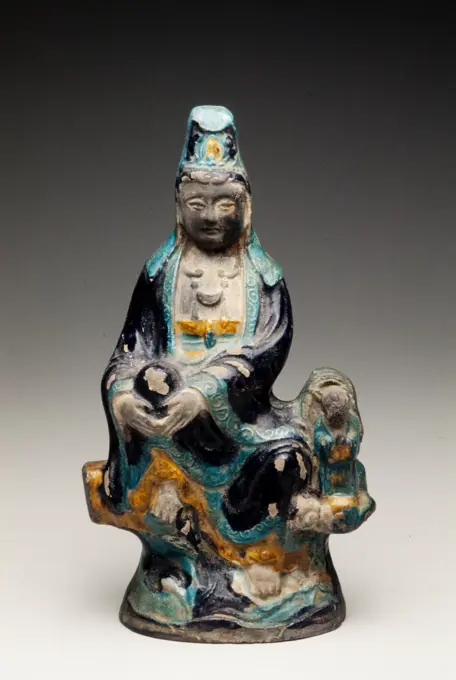
Seated Bodhisattva, c. 1600, 11 7/8 x 6 7/8 x 3 1/4in. (30.2 x 17.5 x 8.3cm), Glazed ceramic, China, 16th-17th century
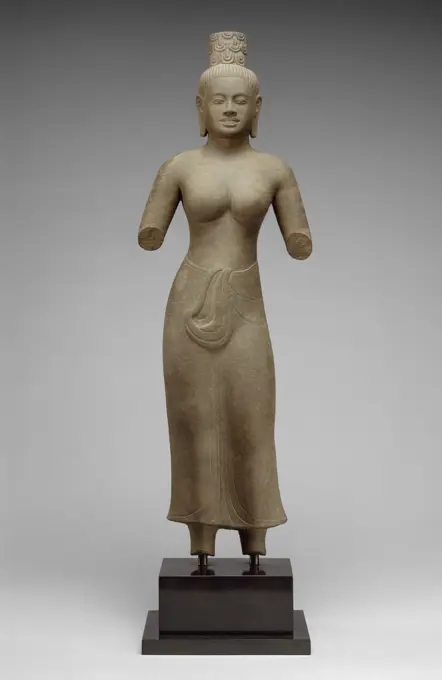
6145-29195780
Standing Uma ca. 975 Cambodia. Standing Uma. Cambodia. ca. 975. Stone. Angkor period. Sculpture
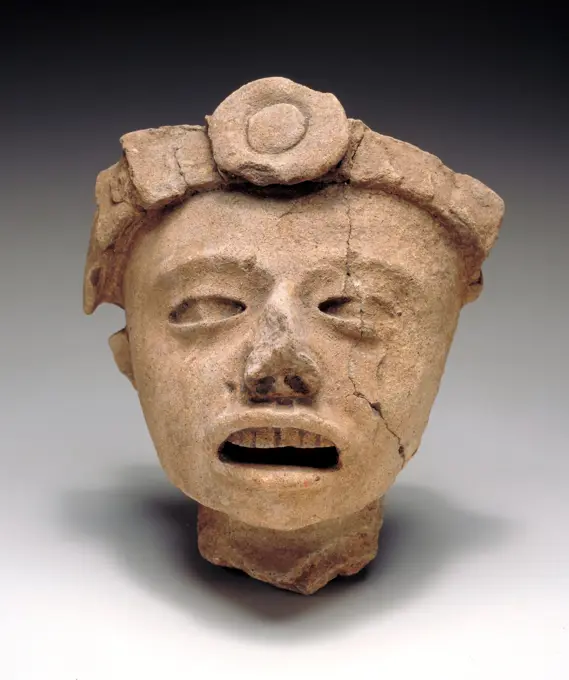
6145-29737798
Fragmentary Smiling Figure 6th-9th century Remojadas. Fragmentary Smiling Figure. Remojadas. 6th-9th century. Ceramic. Mexico, Mesoamerica, Veracruz. Ceramics-Sculpture
4409-60300814
Museum of prehistory and archeology (MUPAC), Santander, Cantabria, Spain.
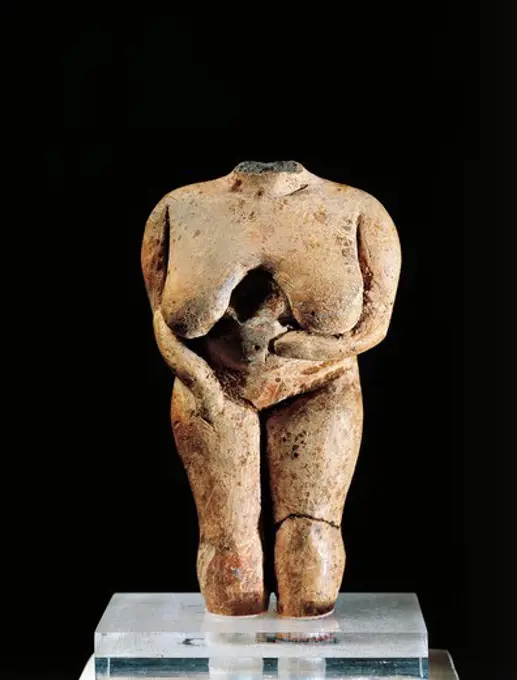
1788-18363
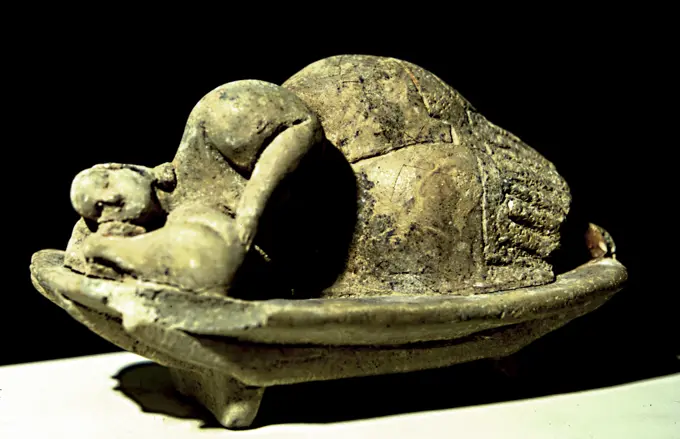
Terracotta figurine known as the Venus of Malta, from the Temple of Hagar Qim
4409-17519993
Portrait Head. Totonac, Remojadas; Veracruz, south-central Gulf Coast, Mexico. Date: 250 AD-550 AD. Dimensions: 26 × 24.8 × 27.3 cm (10 1/4 × 9 3/4 × 10 3/4 in.). Ceramic and pigment. Origin: Veracruz, southern. Museum: The Chicago Art Institute, Chicago, USA.
4443-28734059
Head, 4 1/8 x 6 1/2 x 5 3/4 in. (10.5 x 16.5 x 14.6 cm), Earthenware, Mexico
6145-29068475
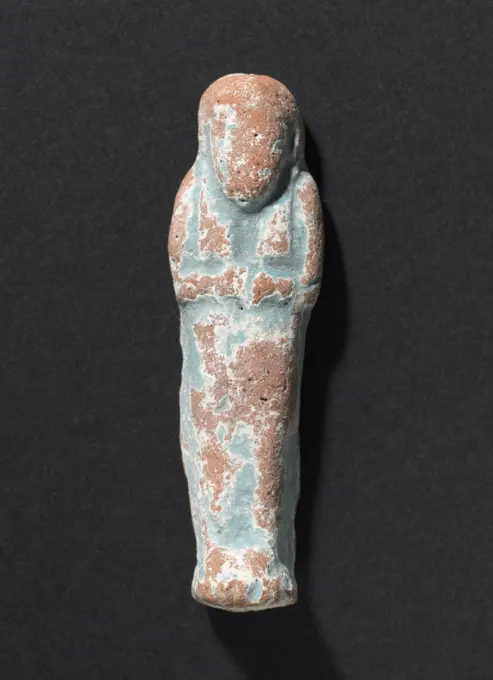
Shawabty of Ditamenpaankh, 715-656 BC. Egypt, Late Period, Dynasty 25. Terracotta; overall: 5.8 x 1.6 x 1.4 cm (2 5/16 x 5/8 x 9/16 in.).
6145-29150032
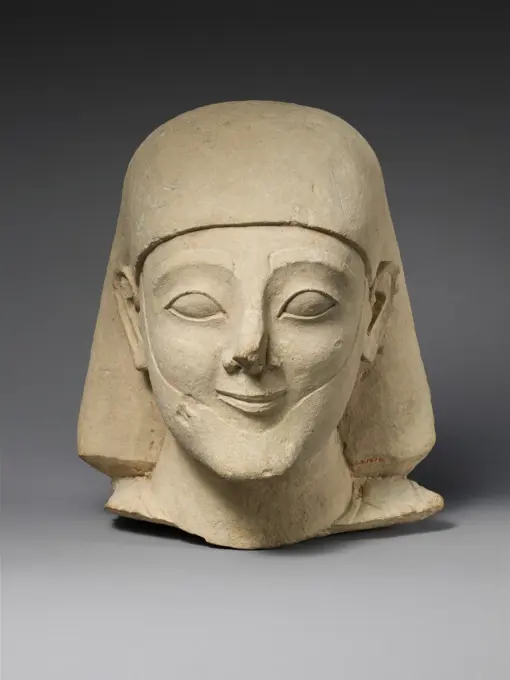
Limestone head of a bearded male with a plain headdress middle of the 6th century B.C. Cypriot Bearded head with collar in the Egyptian fashion.. Limestone head of a bearded male with a plain headdress 242423
4409-17221364
Figure representing a chief. Ceramics. Bahia Culture (500 BC-500 AD). Ecuador. Museum of the Americas. Madrid, Spain.
7155-70381238
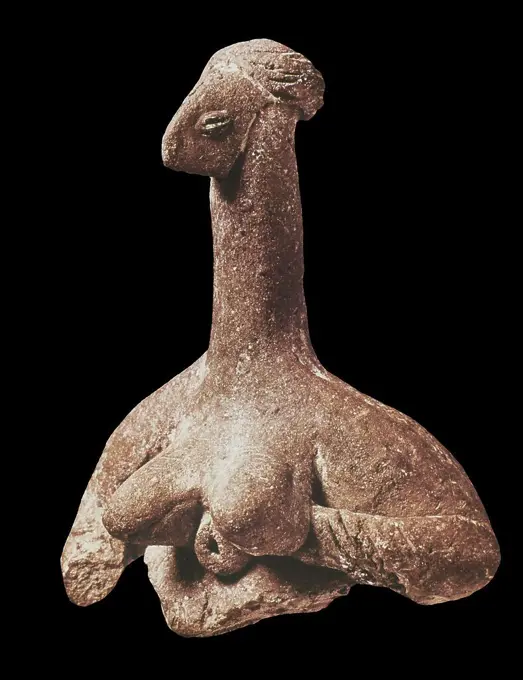
Sleeping Lady. Earth Mother Gaia Goddess figure from Hal Saflien Hypogeum. 3000-2500 BC. Fertility symbol. Malta.
6176-67036743
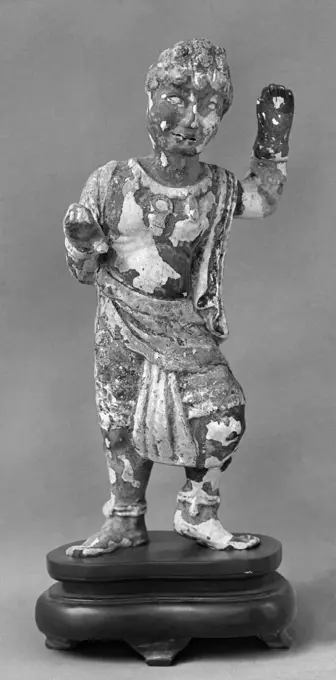
Dwarf from Sigiriya Rock fortress, 5th century, Sri Lanka. (20th century). Artist: Unknown.
6145-59066586
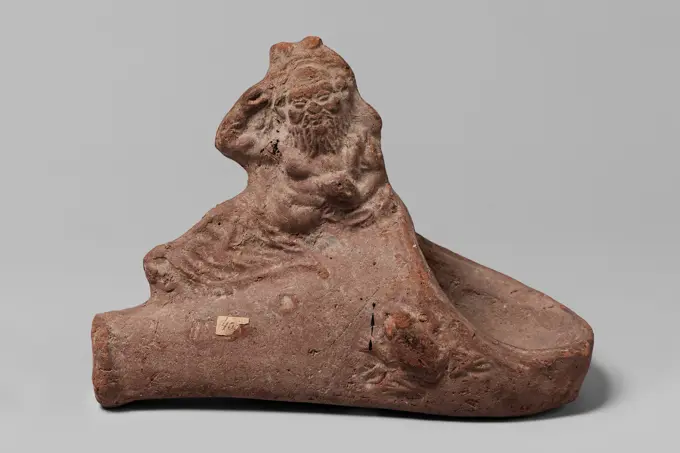
Iconic vessel with the representation of the God of the Nile;  1st century BC - 1st century AD ; Ptolemean-Roman period (-100-00-00-100-00-00);Nile (personification), scenes.gal.eg., Egyptian ceramics, figurines, frogs
6145-44292116
Carthaginian Vase Fragment. Unknown
6145-44292121
Carthaginian Vase Fragment. Unknown
6188-62355411
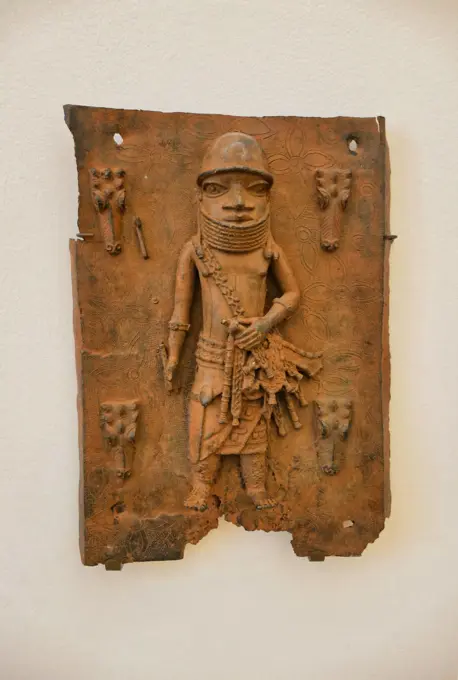
Relief plate made of Benin with a warrior relief plate made of Benin with warrior copyright: xzoonar.com/hgvorndranx 22075989
6145-48531342
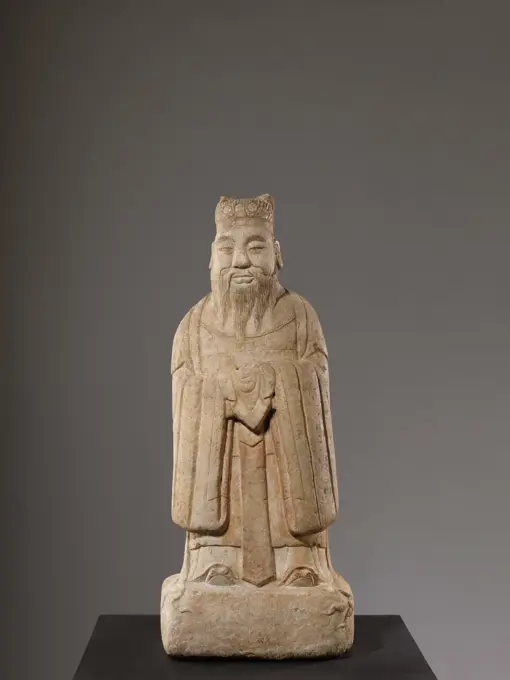
Urzędnik cesarski - mnich Zhang Daoling. unknown, craftsman
6145-29124543
Joined Couple
4430-3798
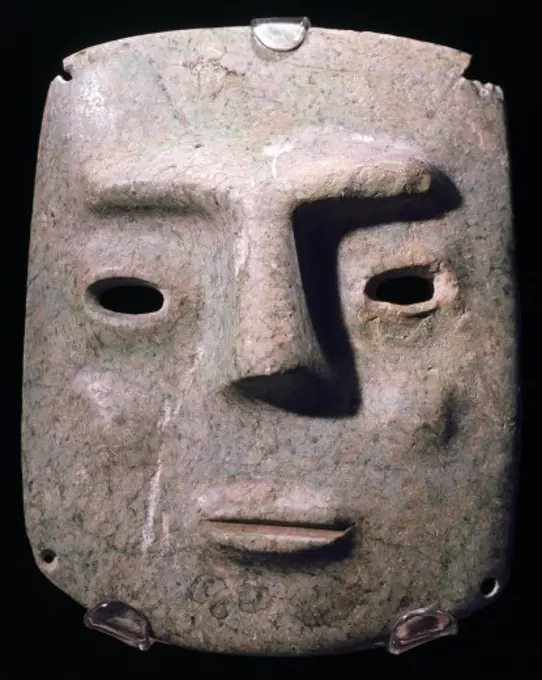
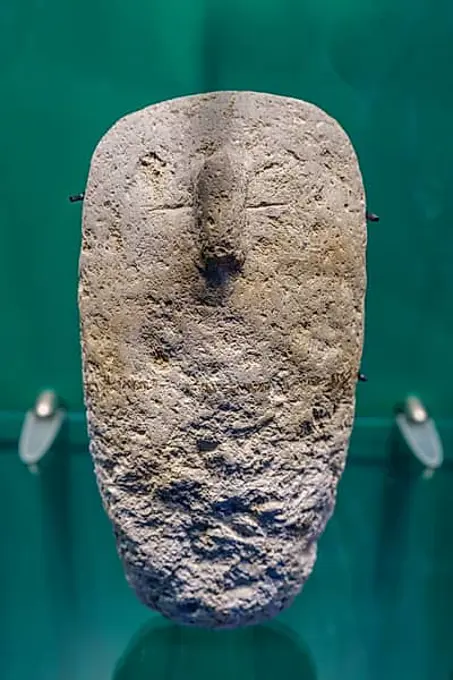
fine arts, Mesoamerica, Colima, sculpture, mask, green stone, Mexico, circa 200 BC, Stolper Gallery, Munich,
4409-20887811
Ceramic vessel, erotic art Moche culture 100 AC-800 AC Perú.
6145-29187825
Figure of a dancer 7th-8th century China. Figure of a dancer. China. 7th-8th century. Earthernware with pigments. Tang dynasty (618-907). Tomb Pottery
6145-29737839
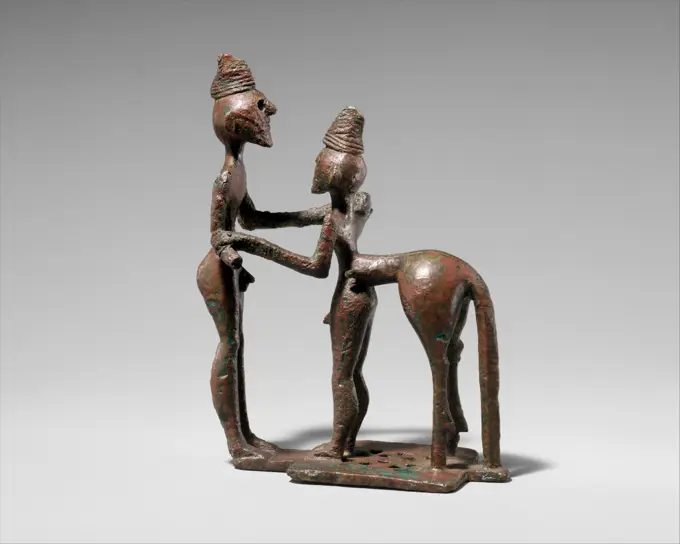
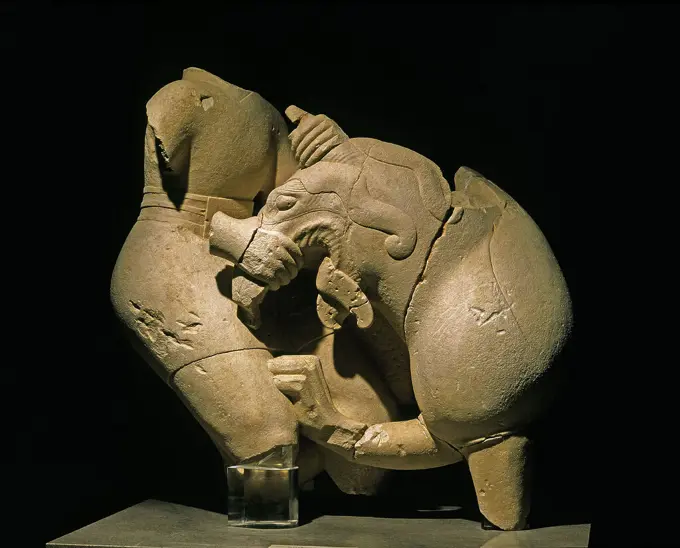
Bronze man and centaur mid-8th century B.C. Greek Half man, half horse, the centaurs were thought to inhabit remote wooded areas. In much of Greek art, they appear in combat with humans and, by implication, are the antithesis of civilized men. The classic rendering of this subject can be seen in the metopes of the Parthenon in Athens. It is, however, already fully presented in this bronze statuette. The outcome of the conflict is indicated by the end of the spear preserved in the centaur's left flank and by the greater height of the man. Listen to experts illuminate this artwork's story Listen Play or pause #1441. Bronze man and centaur Play or pause #1005. Bronze man and centaur Supported by Bloomberg Philanthropies We're sorry, the transcript for this audio track is not available at this time. We are working to make it available as soon as possible.. Bronze man and centaur. Greek. mid-8th century B.C.. Bronze. Geometric. Bronzes
4409-17436897
Horse figurine. Culture: Cypriot. Dimensions: H. 10 15/16 in. (27.8 cm). Date: ca. 750-600 B.C..The handmade and solid horse was originally part of a horse-and-rider figurine. The rider is now missing, but traces remain on the horse's body and parts of his hands are visible on the mane. Museum: Metropolitan Museum of Art, New York, USA.
4409-17434445
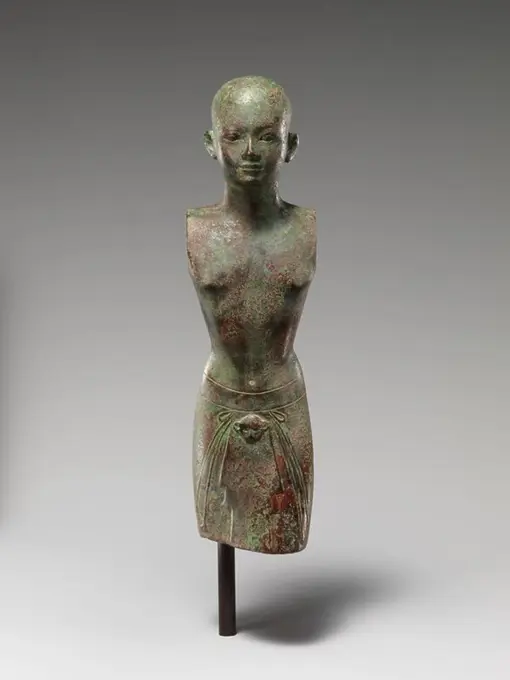
Kushite priest wearing garment with leopard's head and tassels, subsequently adapted for a king. Dimensions: H. 21 x D. 5.5 cm (8 1/4 x 2 3/16 in). Dynasty: Dynasty 25. Date: ca. 712-664 B.C..The rounded head with small features atop a slender but powerful body identifies this statue as Kushite. Beneath the bare torso, the lower body is clothed with a kilt. From a wide belt hangs a leopard's head, signifiying priestly office, and long cords ending in vegetal tassels. The arms and legs, now missing, would have been attached separately. Museum: Metropolitan Museum of Art, New York, USA.
1788-17253
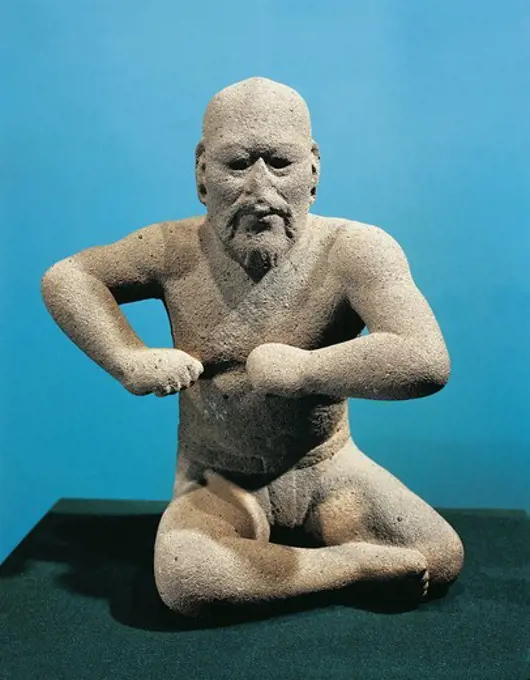
Statue of a wrestler from Santa Maria Uxpanapan
4409-38912
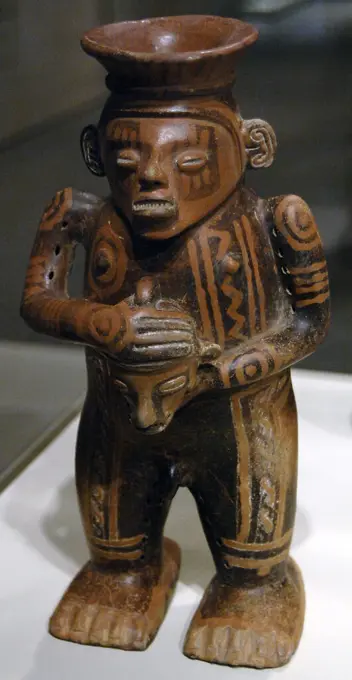
Pre-Columbian art. Costa Rica. Warrior figure with trophy head, 500-1000 AD. Baked clay. Dimensions; height: 37,76 cm; width: 18,72 cm; depth: 12,7 cm. Denver Art Museum. Denver, Colorado, United States.
4409-18761093
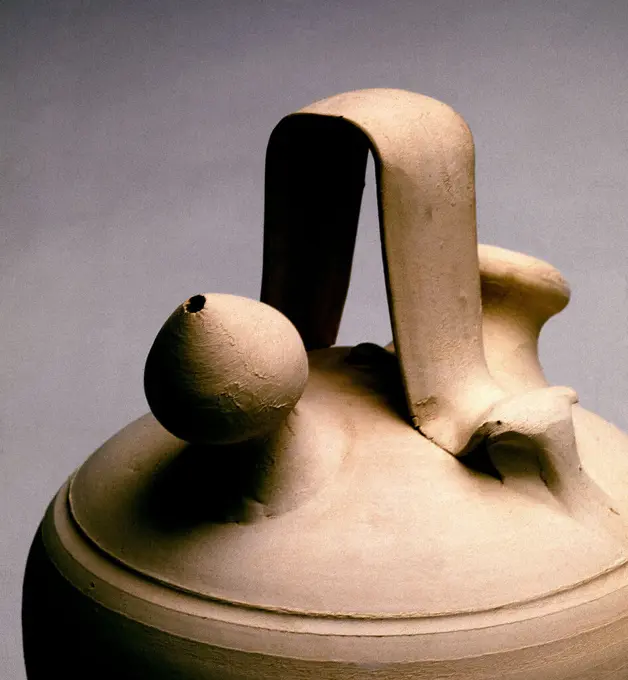
PORRON DE FAROLILLO-DETALLE DE ASA Y PITORRO-ARTE POPULAR S XX. Location: ALFARERIA. LA RAMBLA. CORDOBA. SPAIN.
4409-17545734
Simian Mother and Child. Indonesia; Java. Date: 1201-1300. Dimensions: 25.1 x 23.8 x 22.9 cm (9 7/8 x 9 3/8 x 9 in.). Andesite. Origin: Java. Museum: The Chicago Art Institute, Chicago, USA.
6145-59656744
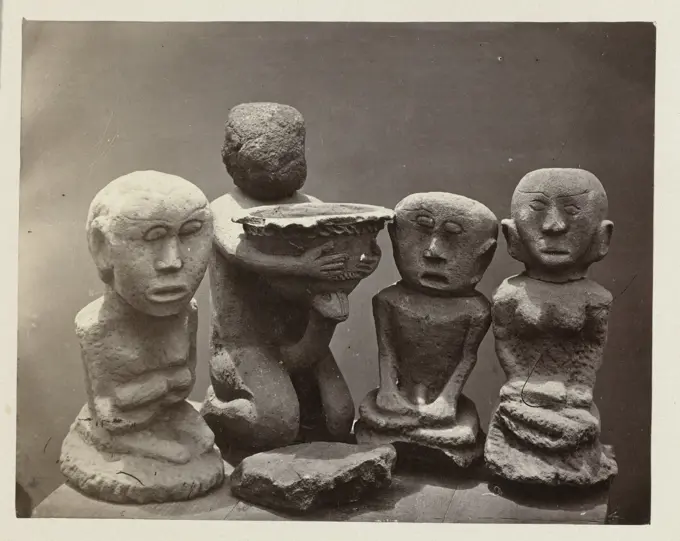
Terra cotta group holding two itiphallic figures and two female figures with child. Karta Wangungan, Kuningan district, West Java province,, 1863 - 1864 photograph  Java (possibly) paper. photographic support. cardboard albumen print
4409-44090
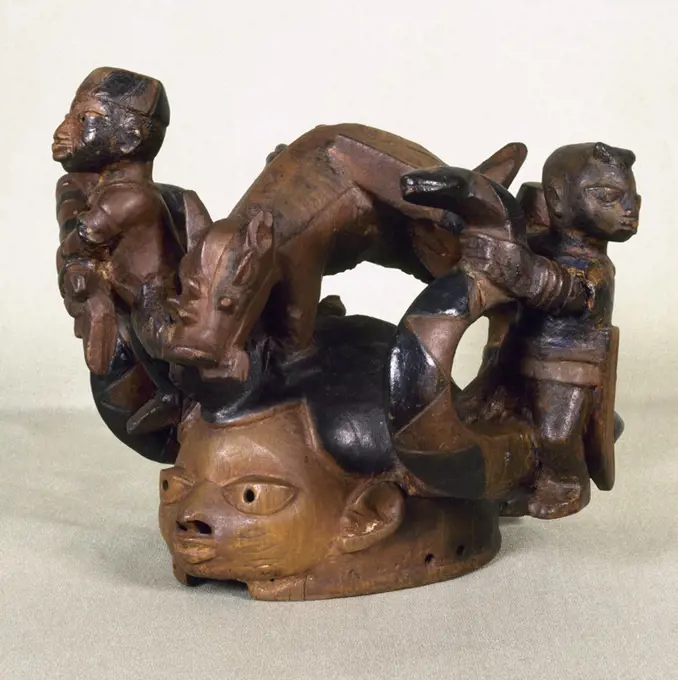
Black African Kingdoms. Yoruba. Anthropomorphic mask. Carved and painted wood. Used in the gelede rite. Africa. Museum of Ethnology and World Cultures. Barcelona. Catalonia. Spain.
7074-70252314
Guayaquil, Ecuador. indigenous garden statue.
4409-17694
GRIFOMAQUIA (HOMBRE LUCHANDO CONTRA GRIFO) PROCEDE DE PORCUNA - SIGLO V AC - IBERICO. Location: MUSEO ARQUEOLOGICO-COLECCION. JAEN. SPAIN.
6145-29824793
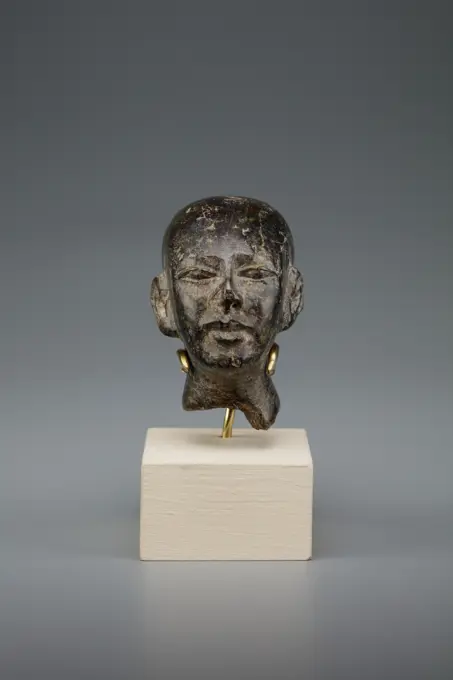
Head of male statue ca. 1802-1640 BC  Middle Kingdom. Head of male statue. ca. 1802-1640 BC . Steatite or serpentinite. Middle Kingdom. From Egypt. Dynasty 13
6145-48530831
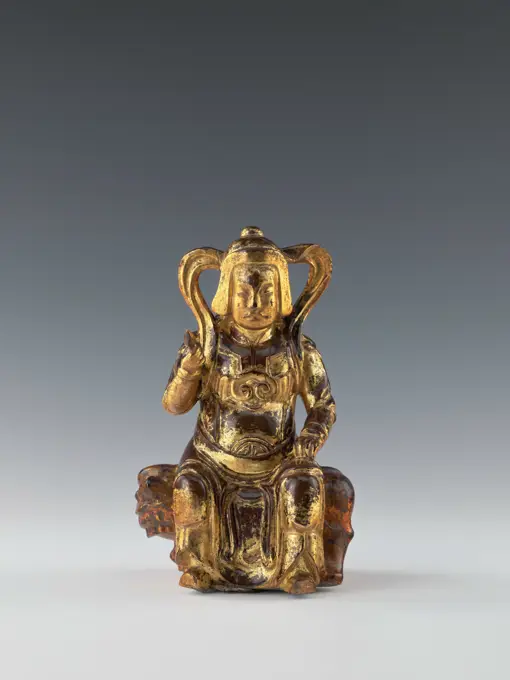
Strażnik Niebios i Obrońca Wiary. unknown, sculptor
866-4270
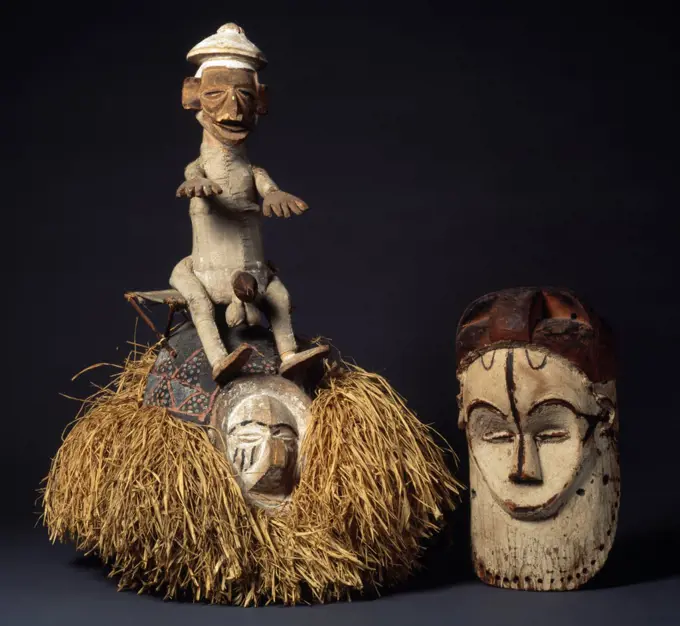
Yaka Mask and Fang Mask, England, London, Christie's Images, Primitive Art
4409-9350
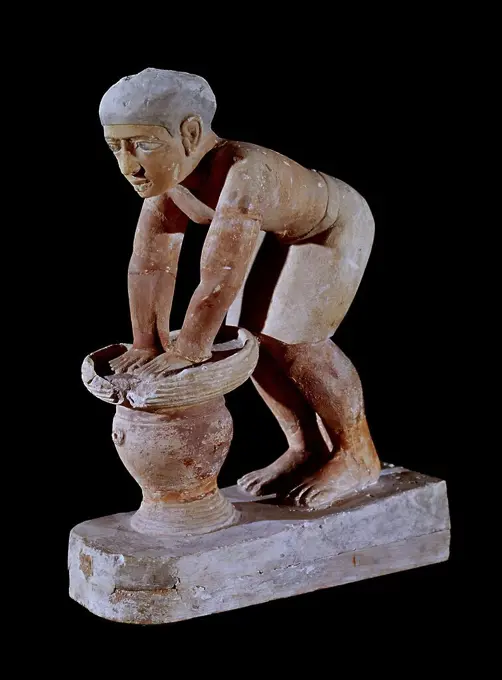
ESTATUA DE HOMBRE FABRICANDO CERVEZA-CALIZA DEL IMPERIO ANTIGUO V DINASTIA PROCEDE DE SAQQARA. 40 C. Location: EGYPTIAN MUSEUM. KAIRO. EGYPT.
4409-65764749
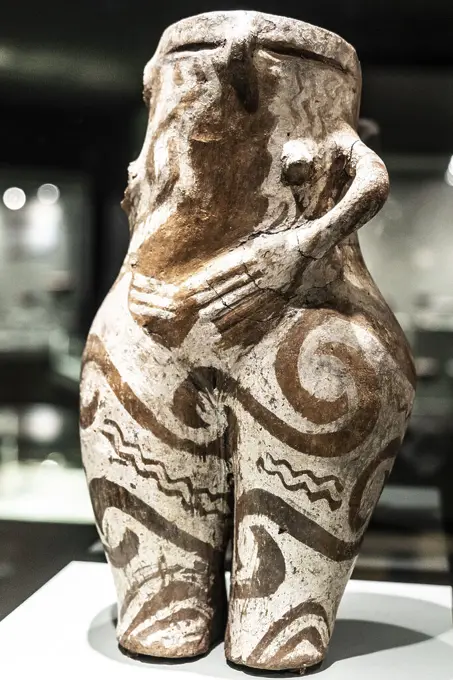
female anthropomorphic vessel, Neolithic, sixth millennium BC,, Bulgarian National Archaeological Museum, Sofia, Republic of Bulgaria, Europe.
6145-29772423
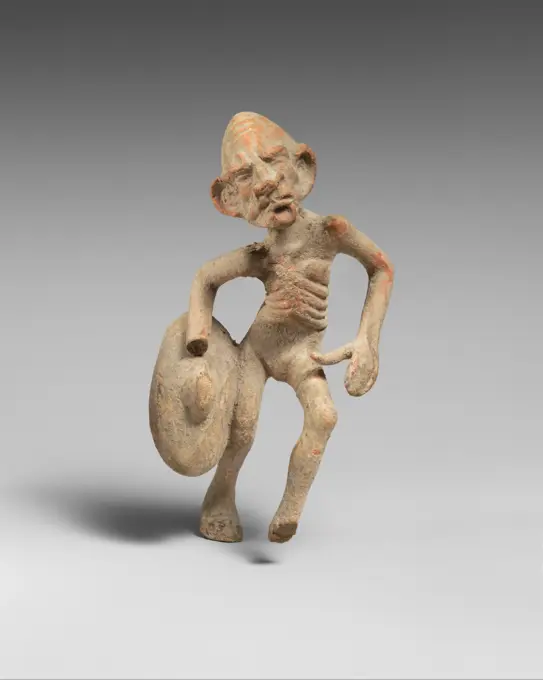
Terracotta statuette of a mime with a shield 2nd-1st century B.C. Greek Statue of an emaciated old man, with an oversized head and grotesque features. A shield is under is right arm, resting on his leg.. Terracotta statuette of a mime with a shield 257521
6176-67037021
Late Neolithic female figure from Romania, 40th century BC. Artist: Unknown
6145-29129930
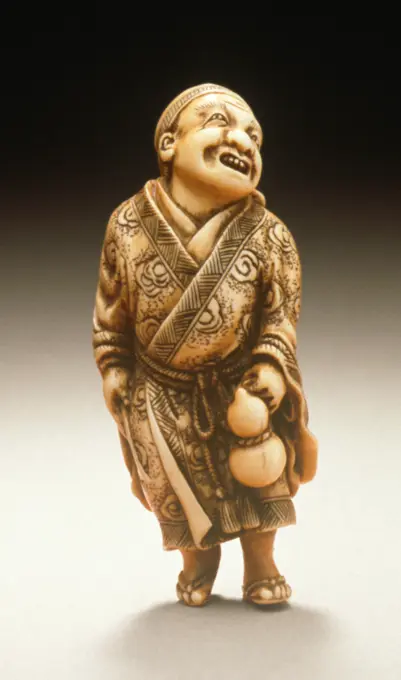
Peddler. Ryūkei II (Japan, active mid- to late 19th century). Japan, mid- to late 19th century. Costumes; Accessories. Ivory with staining, sumi
4409-21512156
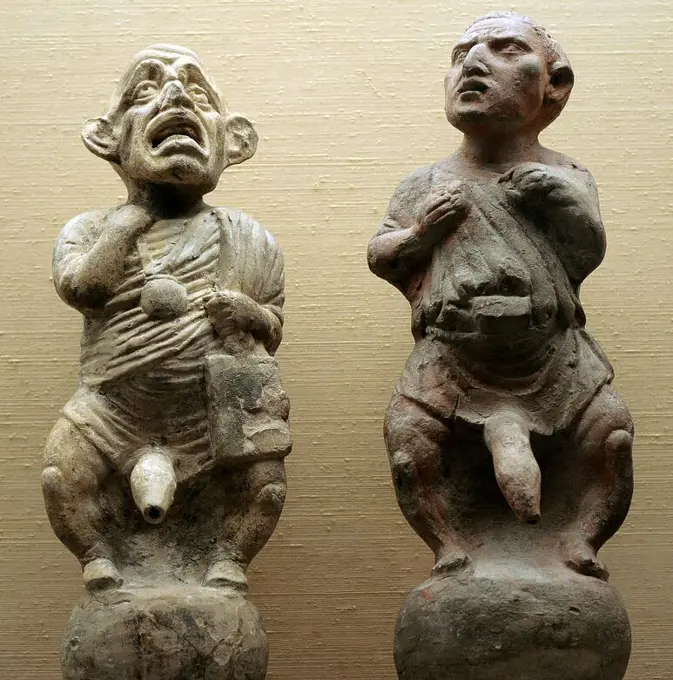
Roman art. "Mariones" dwarf buffoons with erect penises. Clay pot. Herculaneum, Italy. 1st century AD. National Archaeological Museum. Naples. Italy.
6145-58995975
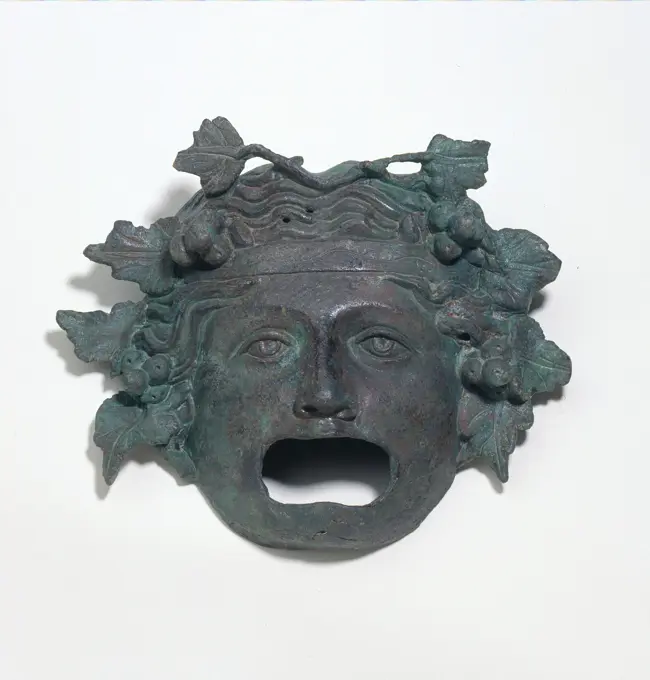
Mask of Dionysos Tauros/Large Mask of Bacchante ". First half of the 2nd century Production: Rome. Museum of Fine Arts of the City of Paris, Petit Palais. 26982-2 Bacchante, bronze, divinity, large mask, Greek, ancient Rome, bullfighting, wine, mythology
1848-60290496
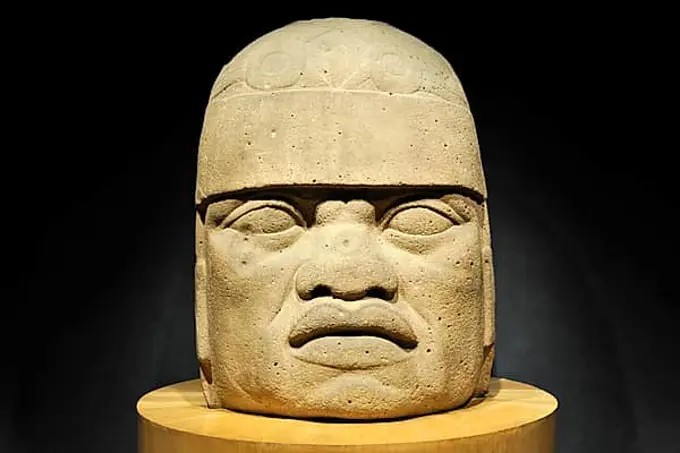
Museo Nacional de Antropología, Mexico City, Mexico, Central America, An ancient Mexican stone head sculpture with detailed facial features in a museum, Central America
6145-29133249
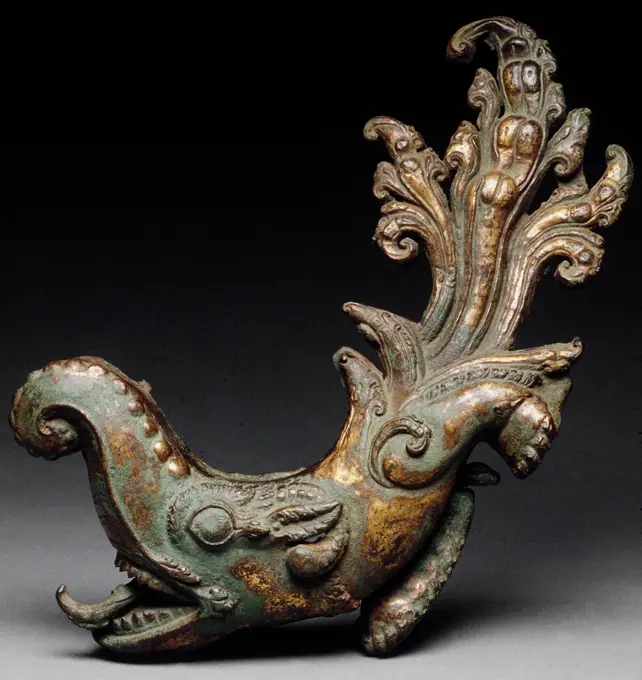
Mythical Aquatic Creature (Makara). Nepal, 10th century. Sculpture. Repoussé copper alloy with traces of gilding
6145-44301999
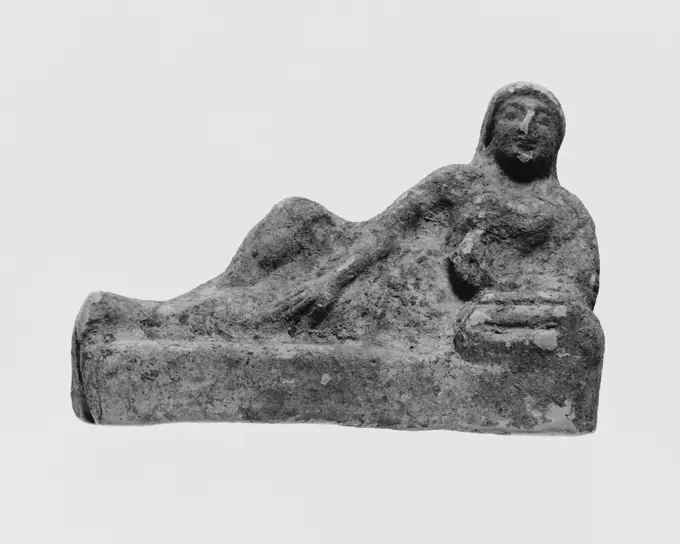
Figure of a Reclining Banqueter. Unknown
1850-46852
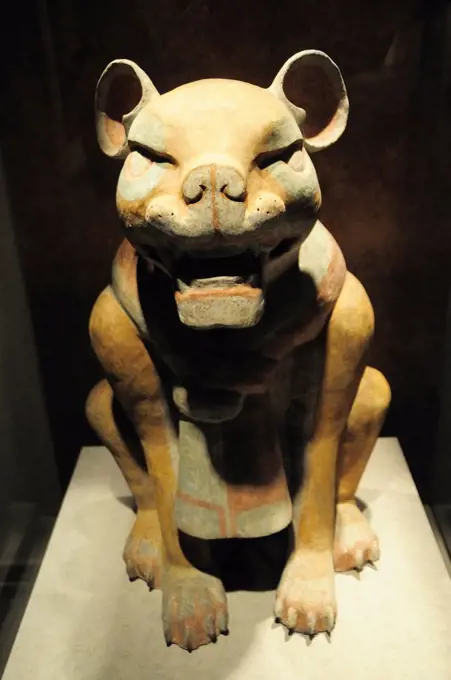
Mexico, Federal District, Mexico City, Museo Nacional de Antropologia Gran Jaguar 200 BC-200 AD.
1746-19699547
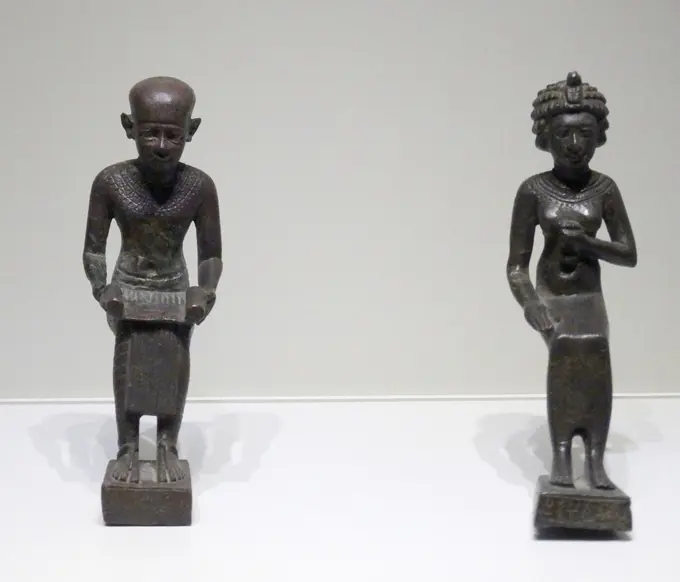
Statuettes of Imhotep and Kherduankh. Imhotep was the architect of the step pyramid at Saqqara, while Kherduankh was venerated as his mother. 3rd-2nd century.
6145-52335347
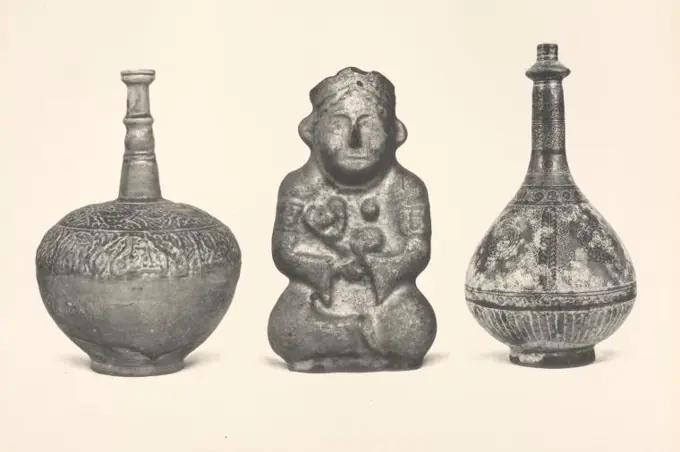
Flasche; Flasche in Form einer sitzenden Figur; Flasche.. Prints. 1912. The Miriam and Ira D. Wallach Division of Art, Prints and Photographs: Art & Architecture Collection
4409-17356439
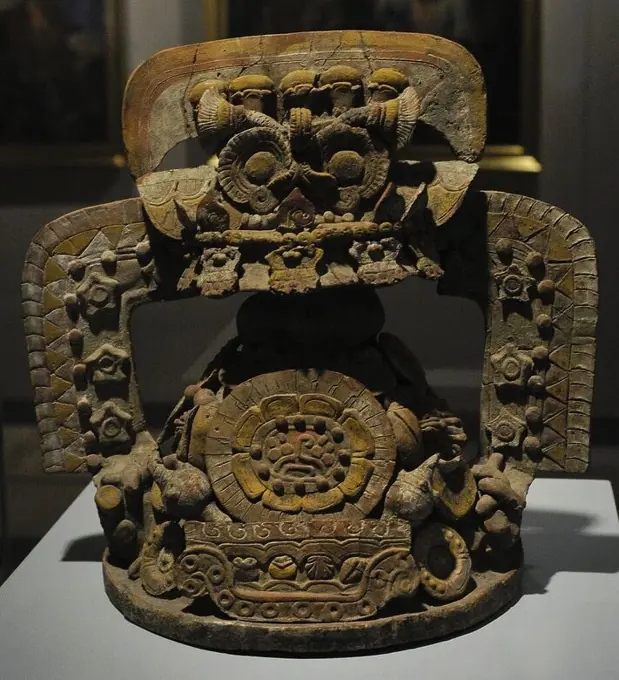
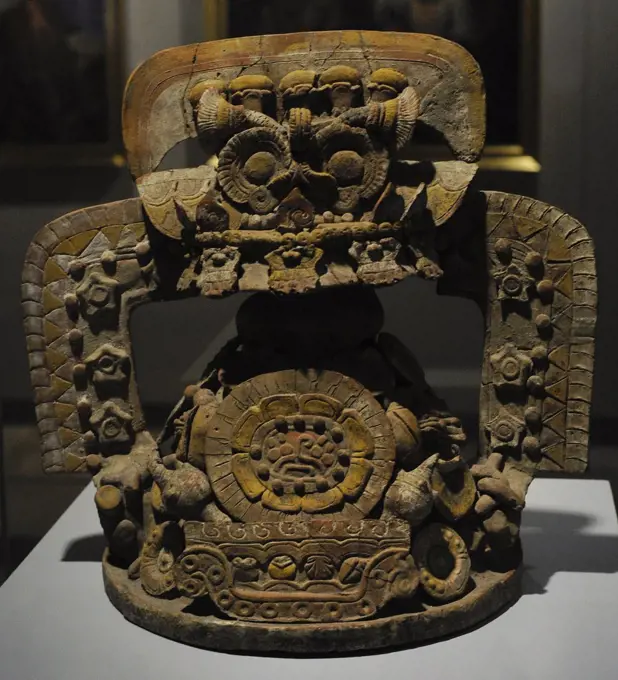
Censer cover. Painted ceramic. Teotihuacan culture. Xolalpan Phase. Classic Middle Period (400-700 AD). Central Mexico. Museum of the Americas. Madrid, Spain.
1899-18611438
Censer cover. Painted ceramic. Teotihuacan culture. Xolalpan Phase. Classic Middle Period (400-700 AD). Central Mexico. Museum of the Americas. Madrid, Spain.
6176-67038609
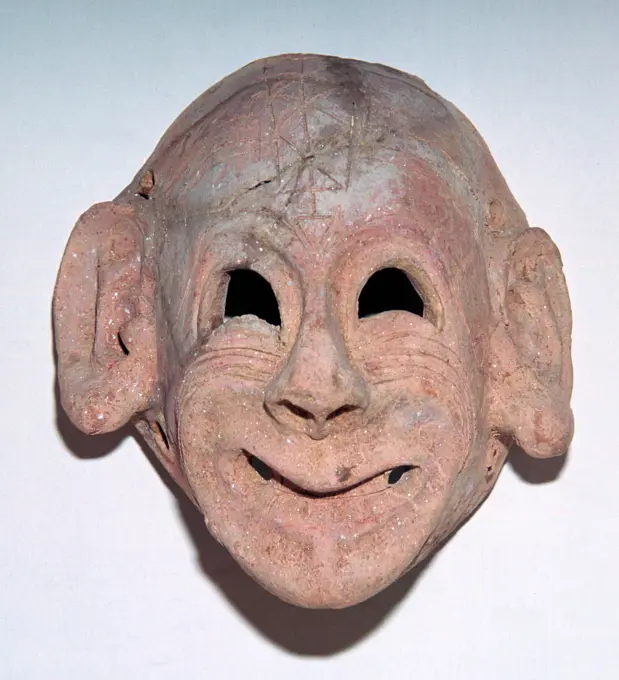
Carthaginian grinning mask, 6th century. Artist: Unknown
1848-50664367
Pair of clay figurines of worshippers (1650-1500 BC), Archaeological Museum with most important finds of the Minoan culture, Heraklion, Crete, Heraklion, Crete, Greece, Europe
1848-51332363
Steinerner Mann in Stadtmauer, district Bleich and Pfaerrle, Augsburg, Swabia, Bavaria, Germany, Europe
4409-21381632
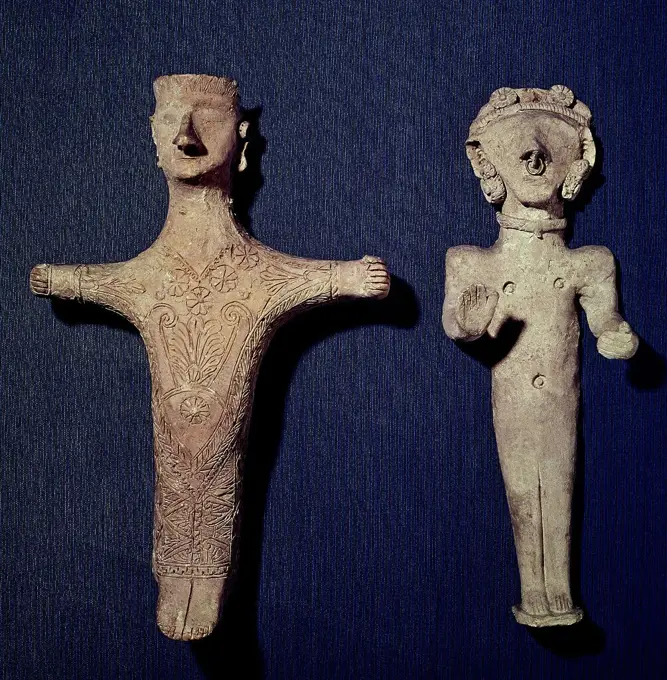
TERRACOTAS PUNICAS IBICENCAS HALLADAS EN LA NECROPOLIS DE PUIG DES MOLINS (IBIZA). Location: MUSEO ARQUEOLOGICO DE CATALUÑA. Barcelona. SPAIN.
4409-62729369
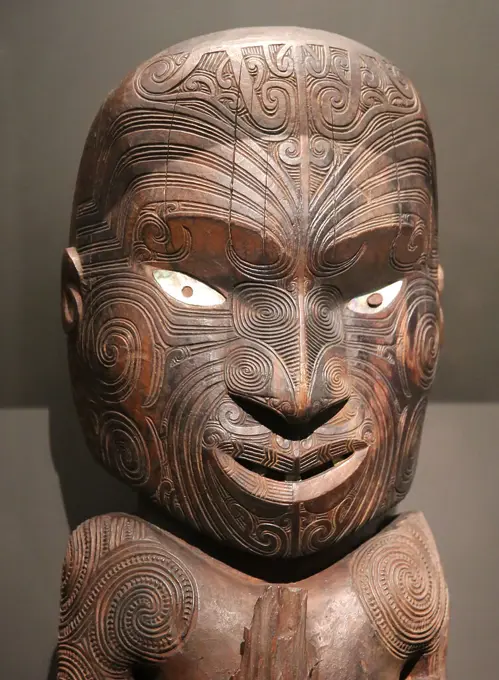
Tattooed ancestor Central stick figure. Maori village, Aotearoa (New Zealand). 1840-1860. Wood, sea shell. Exposition The Human Image. Organised by British Museum and "La Caixa" Foundation. Barcelona. Spain.
4445R-1667
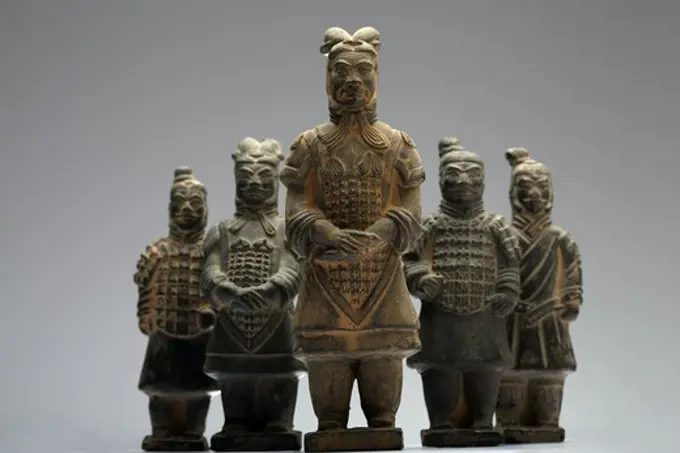
Terra-Cotta Warriors
6145-29117537
Figurine of a Man in Avian Costume. Northern Guatemala or Southeastern Mexico, Maya, 600-900 CE. Ceramics. Slip-painted ceramic
7003-71253770
France, Paris, Musee du Quai Branly museum, Ancestor Pole, Indonesia, 20th century
4409-20887480
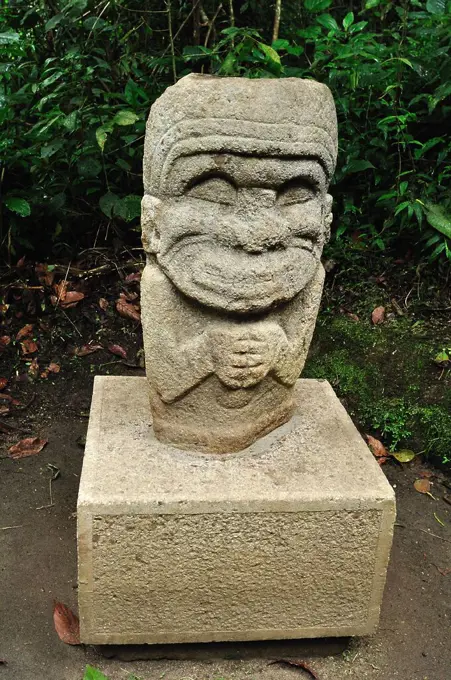
Bosque de las Estatuas - Archaeological Park in SAN AGUSTIN . Department of Huila.COLOMBIA.
1812-11026
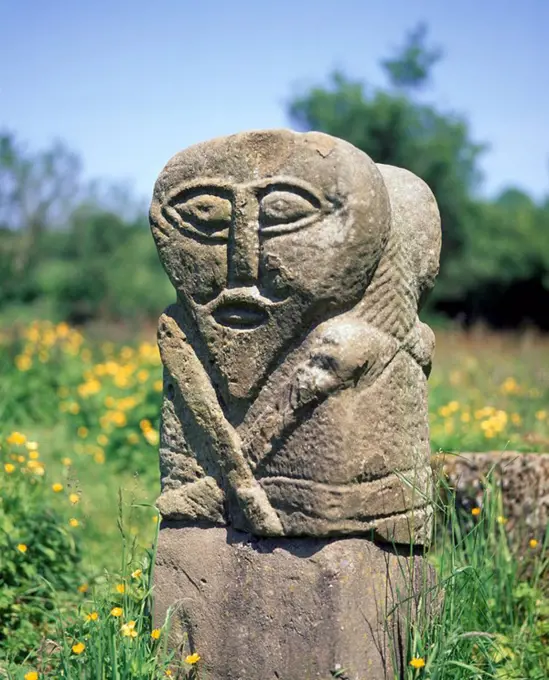
Stone carving, Boa Island, County Fermanagh, Northern Ireland
1848-56654917
Monolithic figure in schematic relief, Chanka culture, silo IV-VIII after Christ, carved gray granite, Sa Bassa Blanca Museum (msbb) Yannick Vu and Ben Jakober, Alcudia, Majorca, Spain, Europe
4409-21356101
R-BUSTO DE MUJER EN ARCILLA-NEOLITICO GRIEGO. Location: MUSEO. Volos. GREECE.
6145-29189647
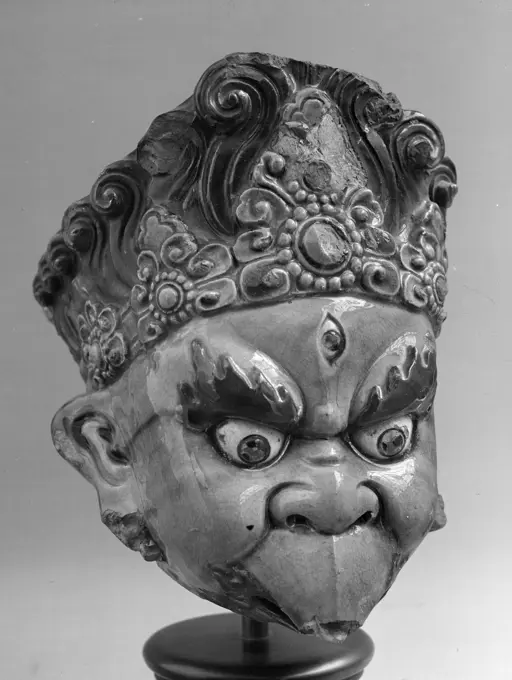
Architectural ornament: head of Garuda 15th century China. Architectural ornament: head of Garuda. China. 15th century. Stoneware with polychrome glazes. Ming dynasty (1368-1644). Ceramics
6145-48967757
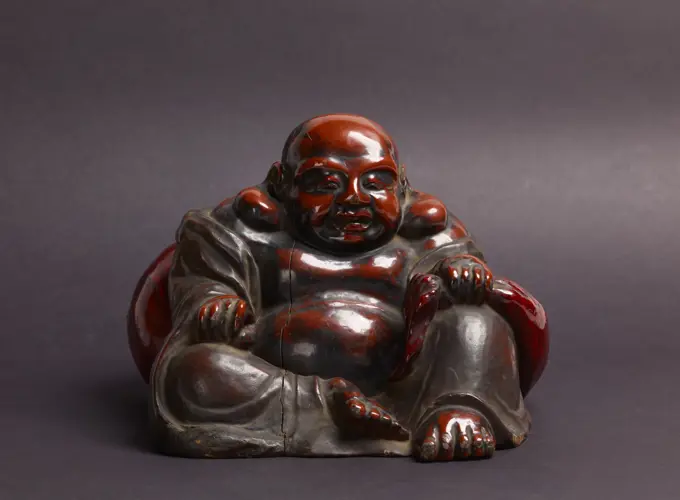
ReaIIstic sculpture  the seated god of fortune Hotei holding a bag unknown
1746-30016043
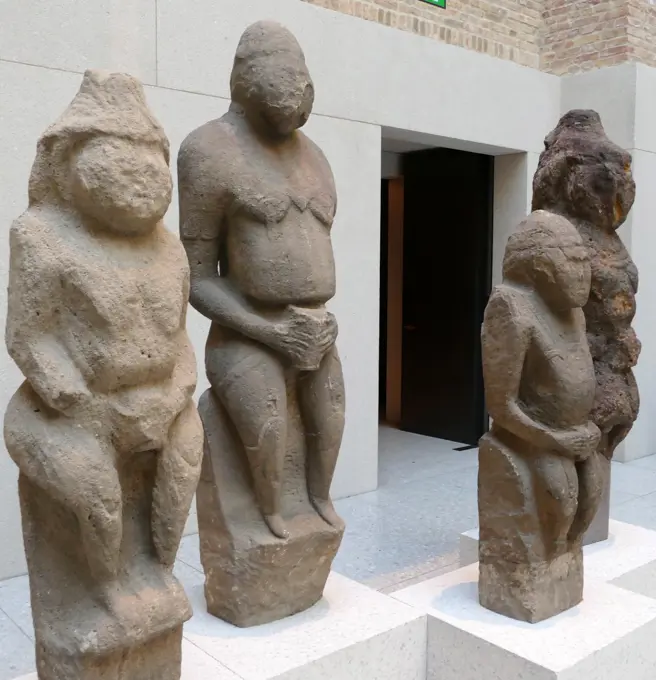
Sandstone Cuman stone figures of men and women
4443-28741969
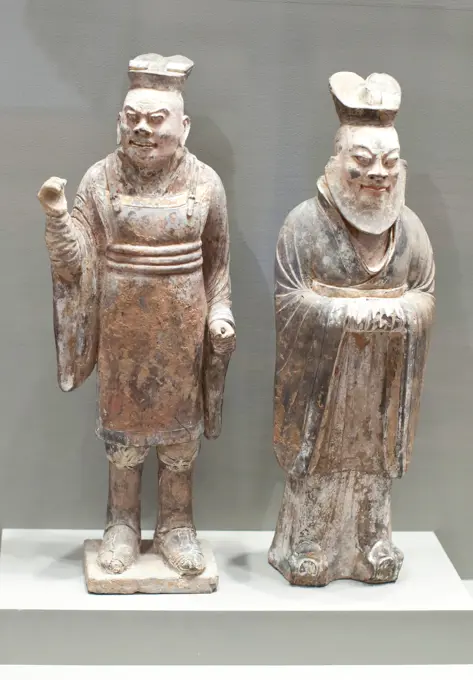
Tomb Figurine, one of pair, late 6th century, 26 in. (66.04 cm), Earthenware with traces of pigments, China, 6th century, These painted figures represent a bearded civil dignitary clad in official court dress and a military officer wearing riding boots and protective clothing. The faces are highly individualized, indicating through their large mouths, eyes and beard, that they are of Khotanese, rather than Chinese origin. Painted figures such as these are the predecessors to the impressive glazed tomb figurines that later distinguished Tang ceramics.
6145-29128470
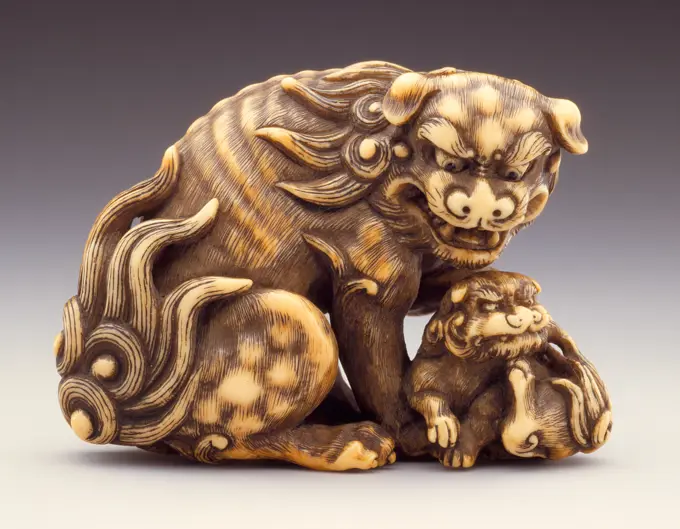
Chinese Lion and Young. Tomotada (Japan, active before 1781). Japan, 18th century. Costumes; Accessories. Ivory with staining, sumi, inlays
7155-70375849
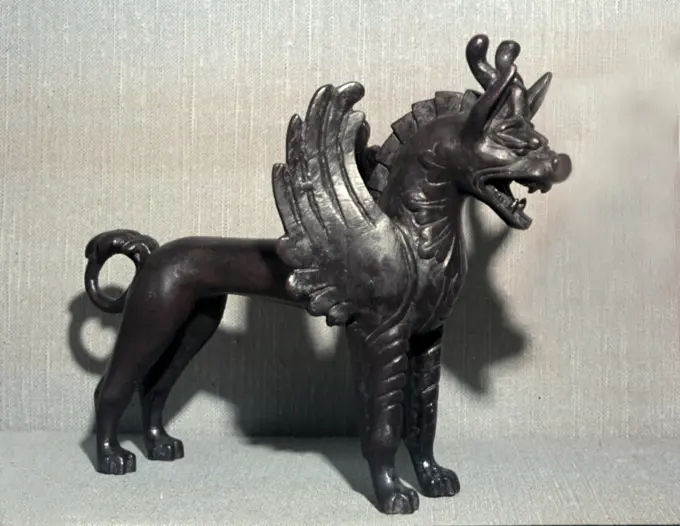
Ahriman, god of Evil. Sassanian. bronze, 5th cent. AD. IRAN.
PREVIOUS
of 3
NEXT
2401 S. Ervay, Suite 206
Dallas, Texas 75215
United States
Get Started
Free ResearchMy BoardsMy Cart
For Creators
How To License Your ContentContributor PortalFrame of Mind
Resources
API accessPricing
Contact
+1 866 236 0087help@viewpictures.co.uk Contact form
©2026 View Pictures. All Rights Reserved. -B
This site is protected by reCAPTCHA and Google Privacy Policy and Terms of Service apply.