Ancient Figurines and Vessels

Archaeological pieces including ceramic figurines and vessels, showcasing ancient cultures from Central Mexico and Peru, characterized by unique shapes and colors.
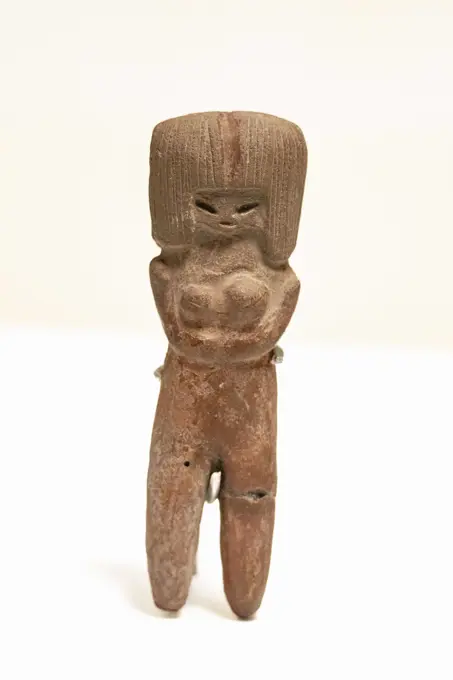
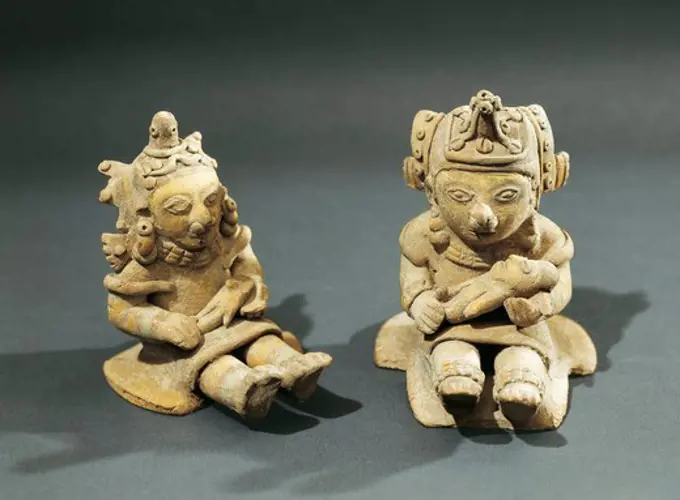
Weibliche Figur Female figure, Valdivia, Ecuador coast, 3,000 to 1,500 BC, ceramic, MuEC, Barcelona, Catalonia, Spain LicenseRF Copyright: xZoonar.com/Tolox 23171441
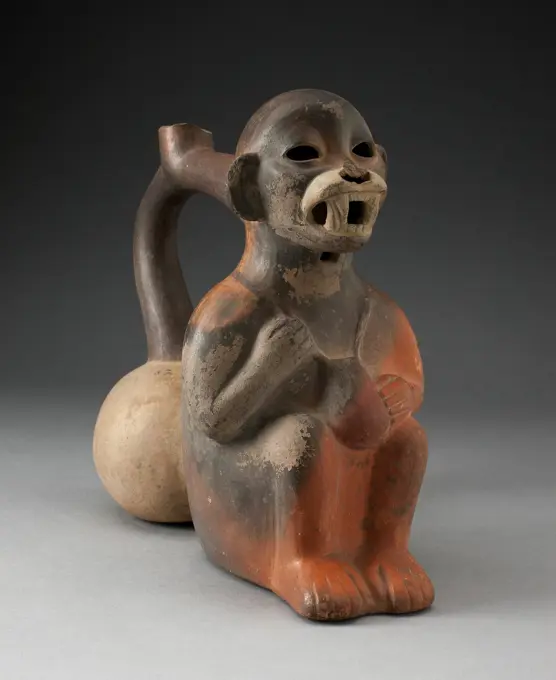
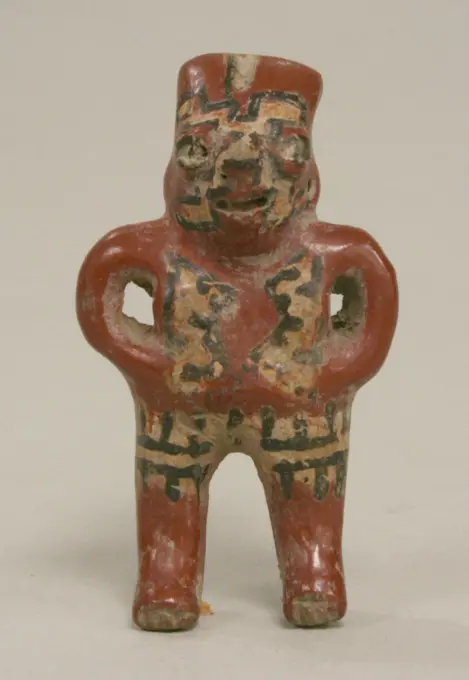
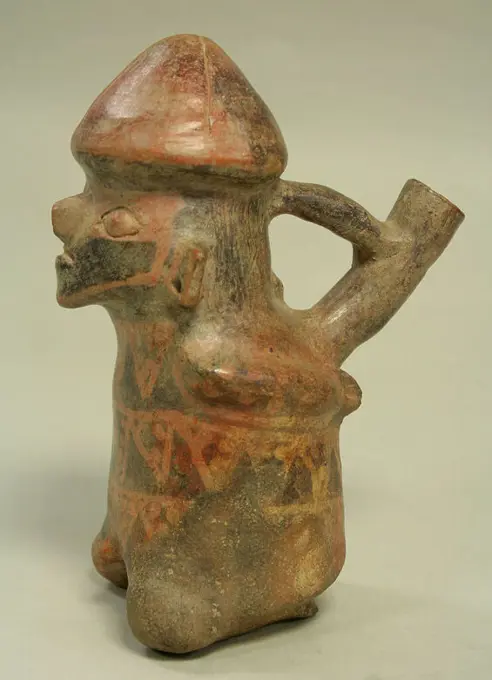
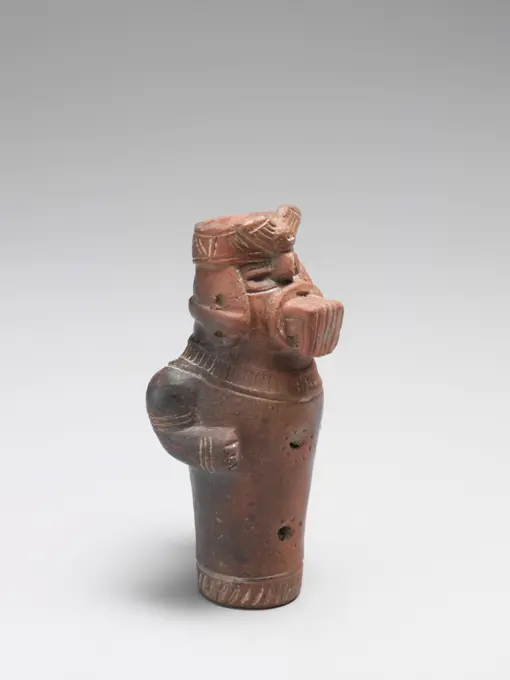
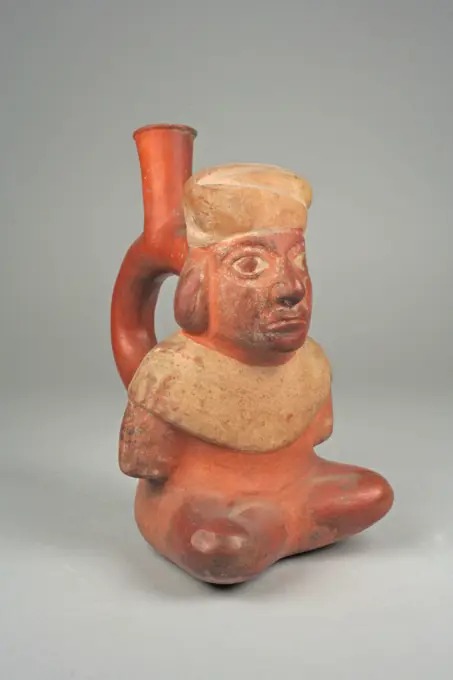
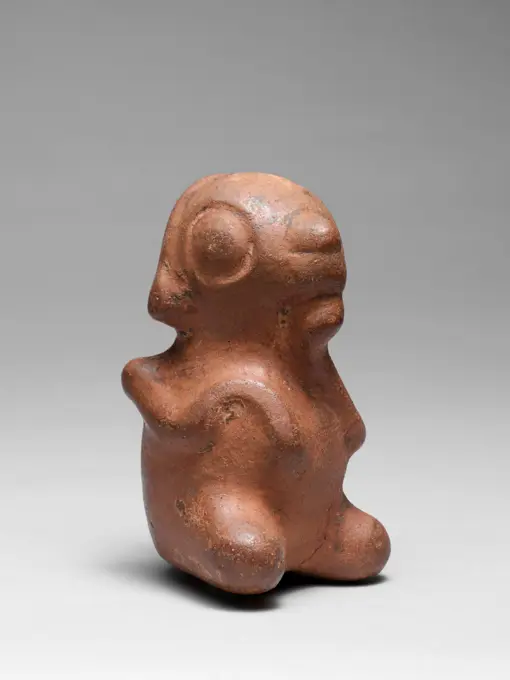
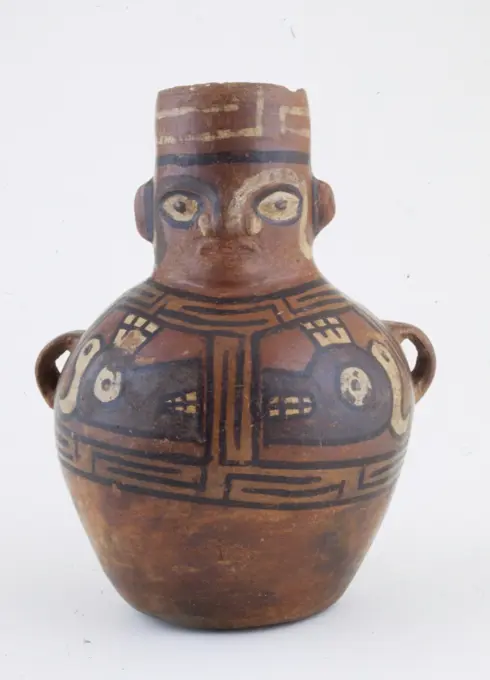
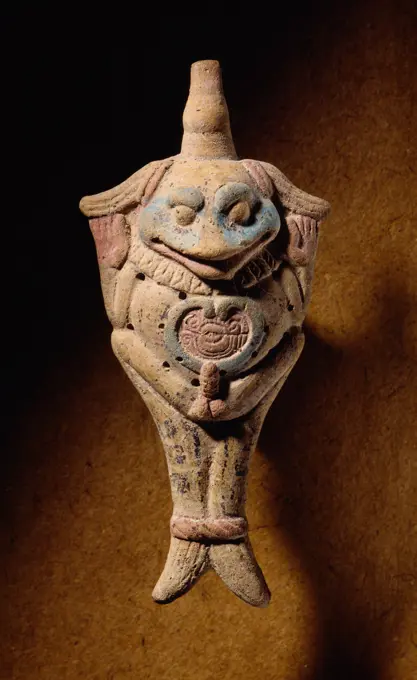
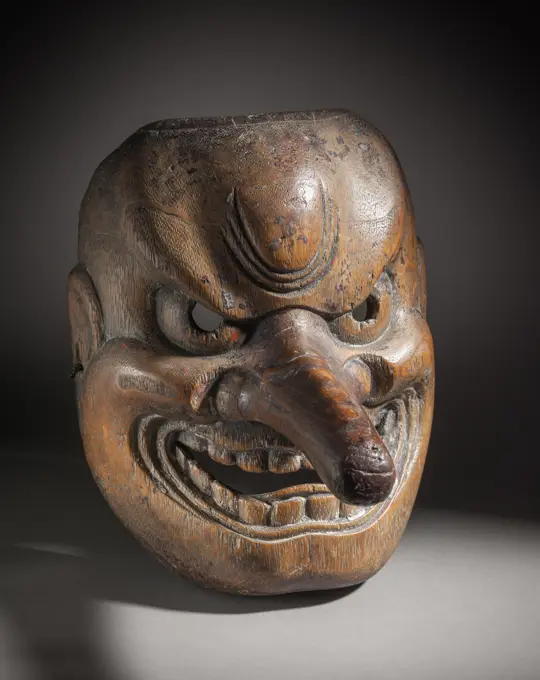
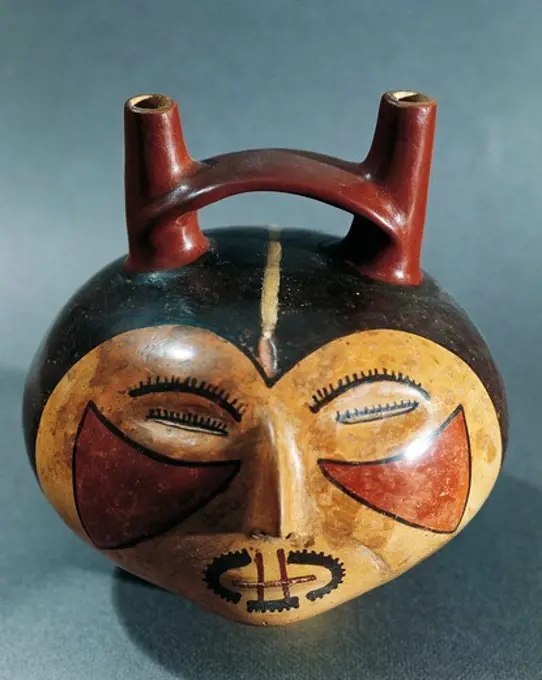
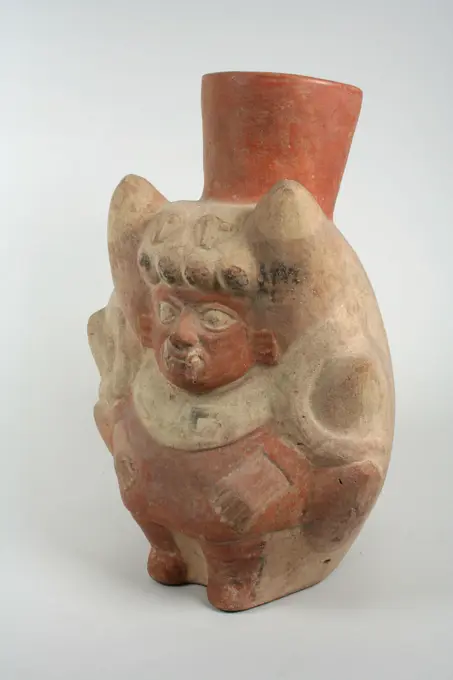
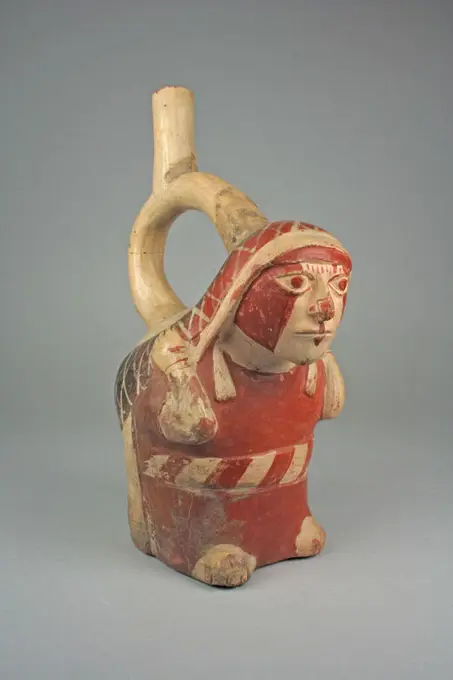
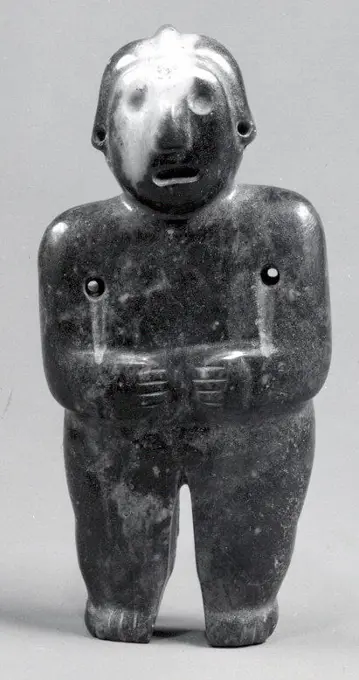
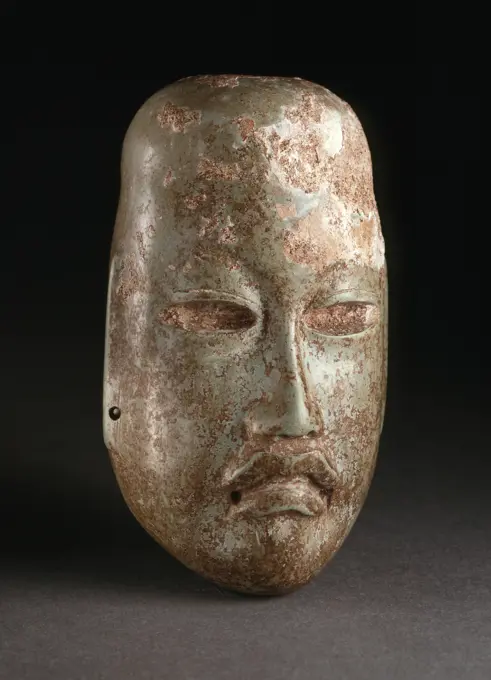
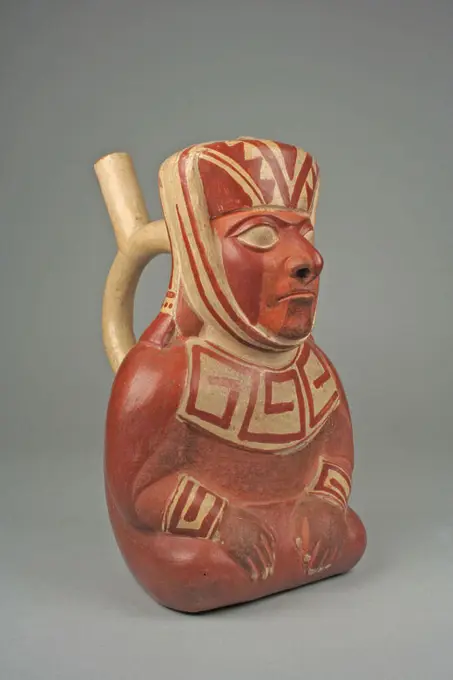
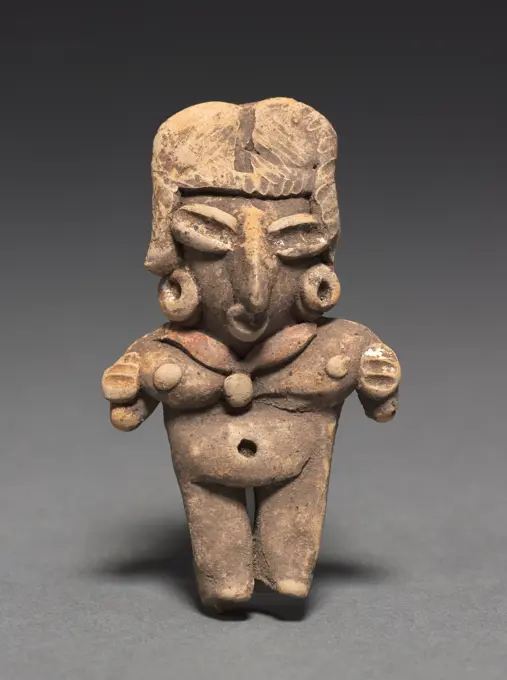
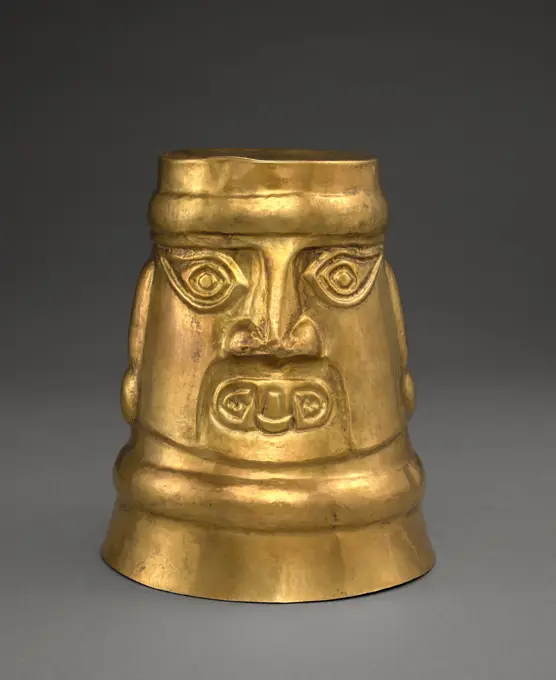
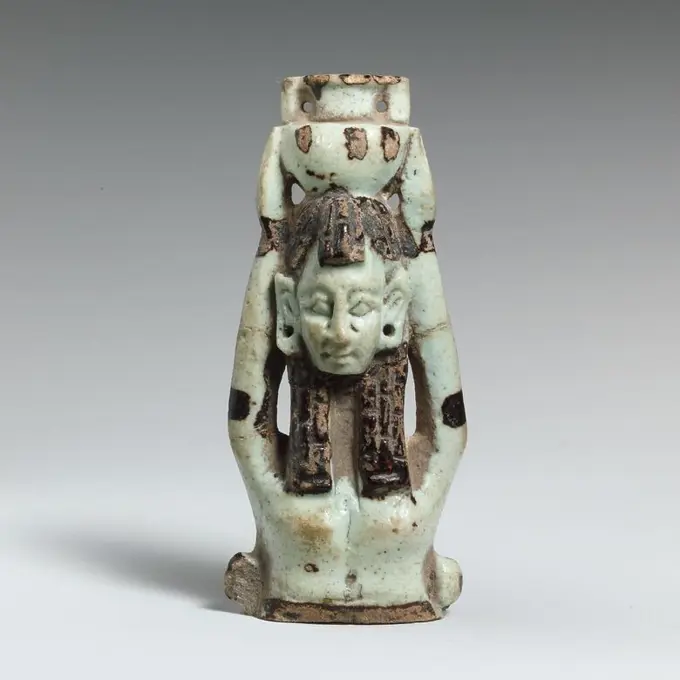
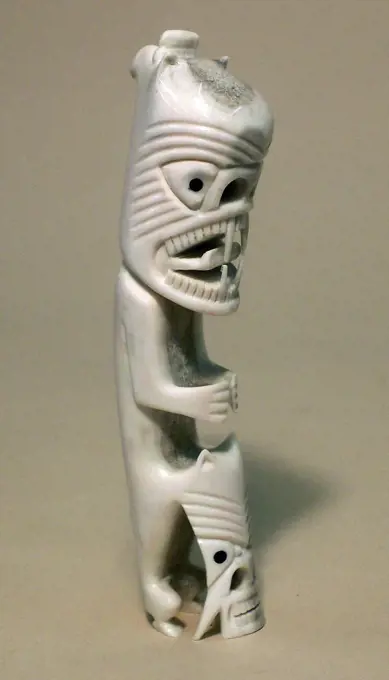
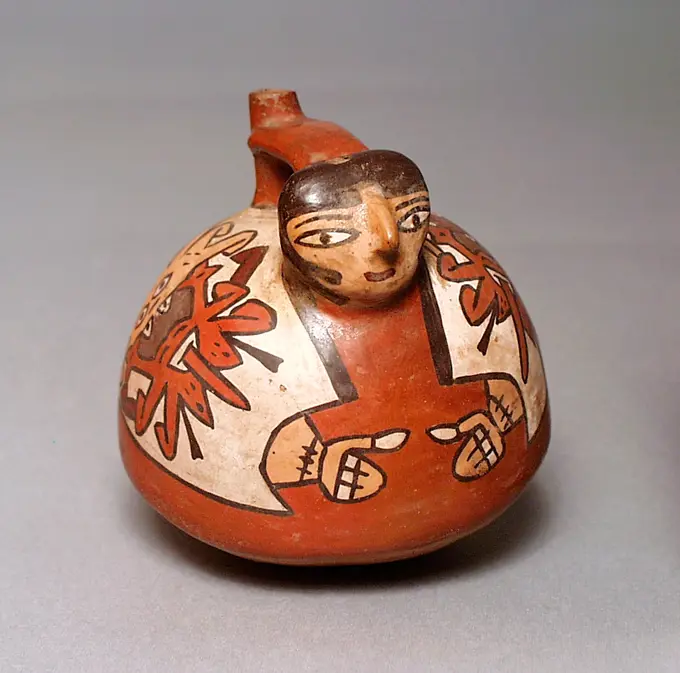
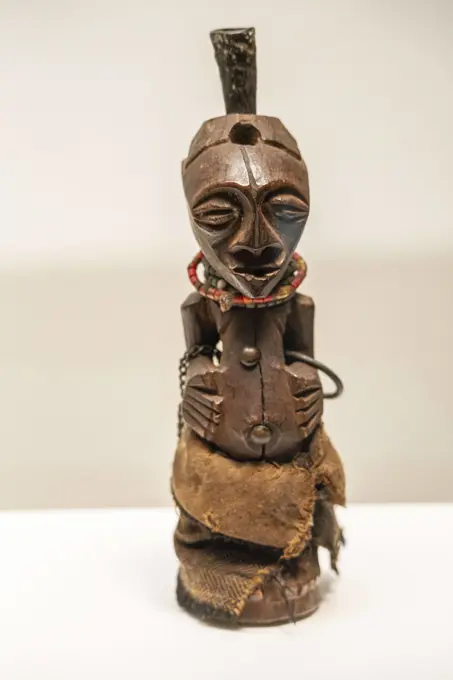
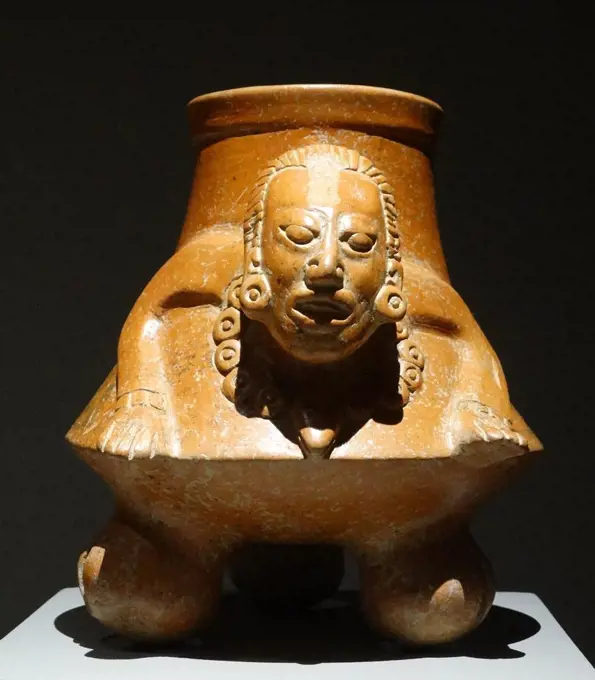
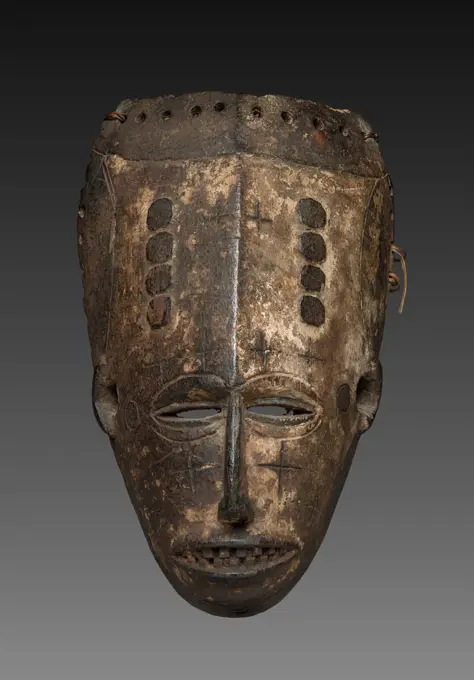
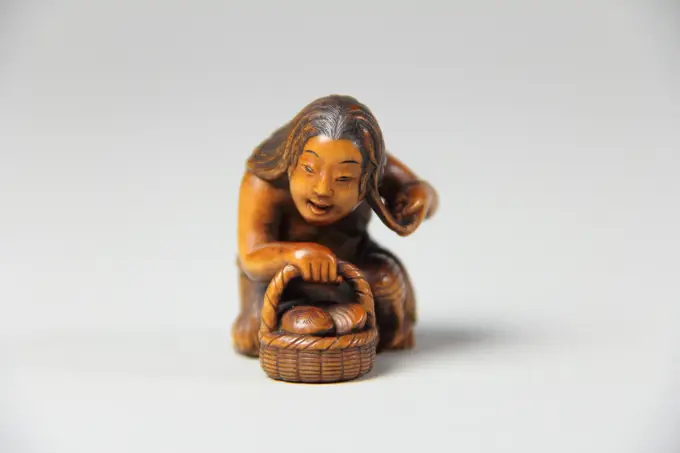
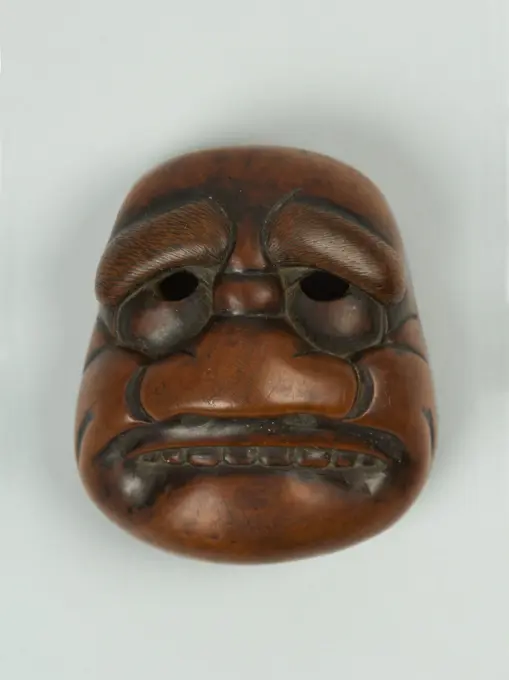
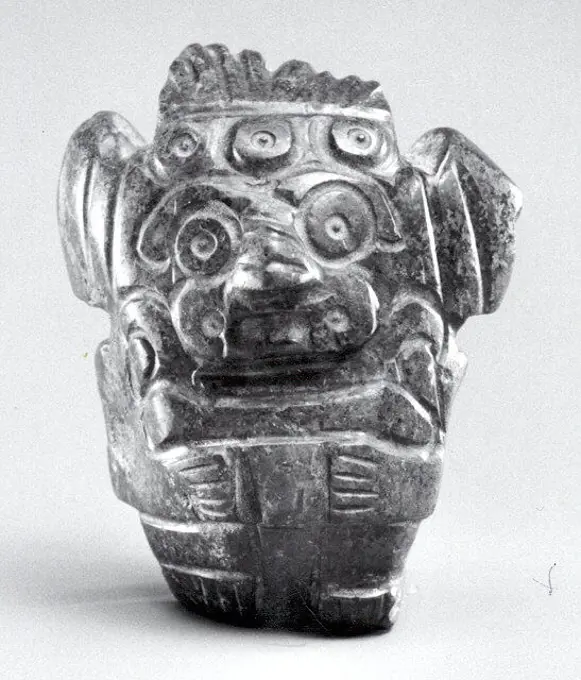
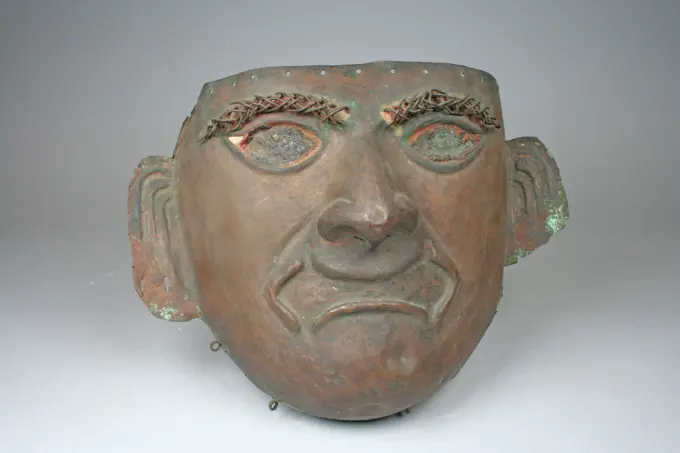
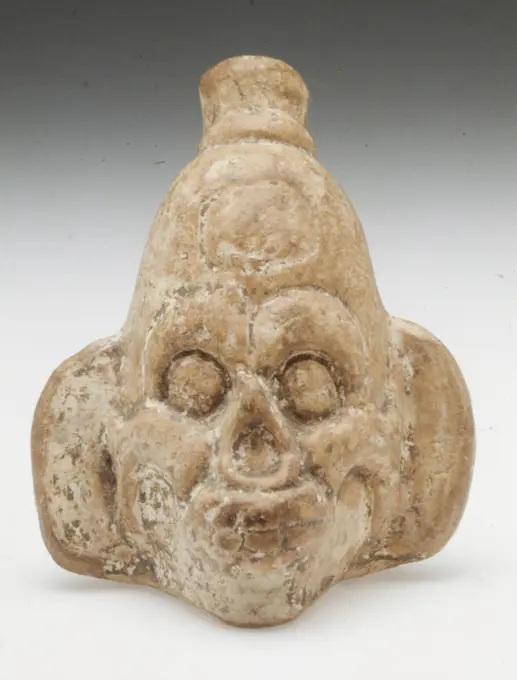
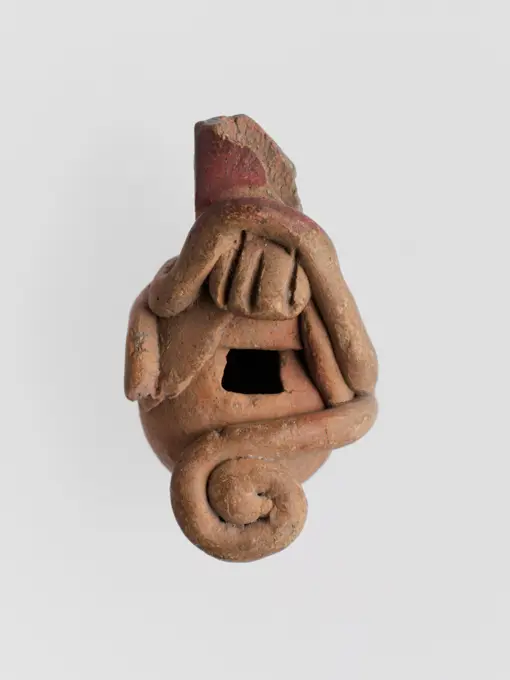
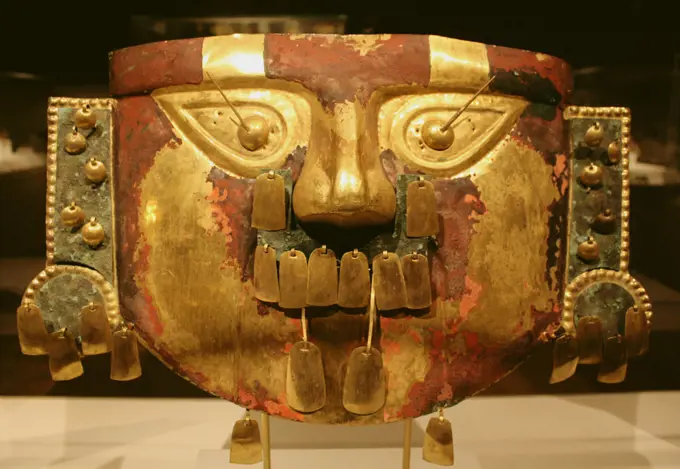
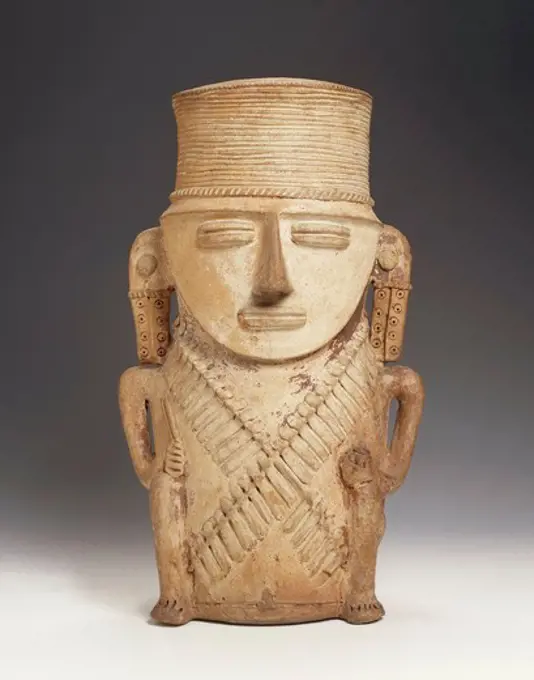
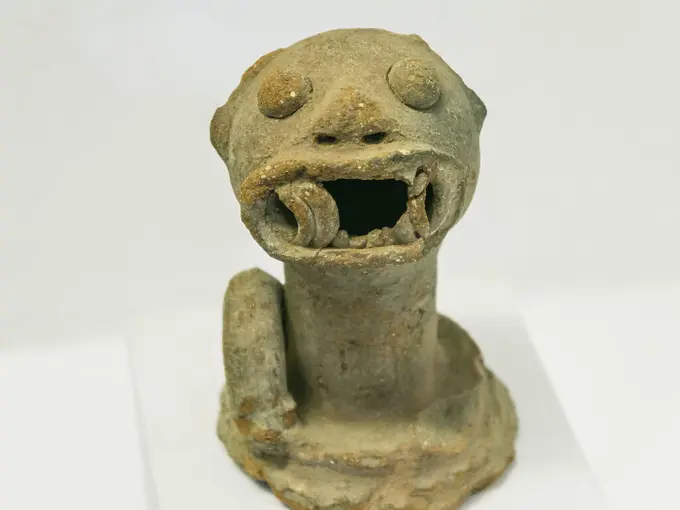
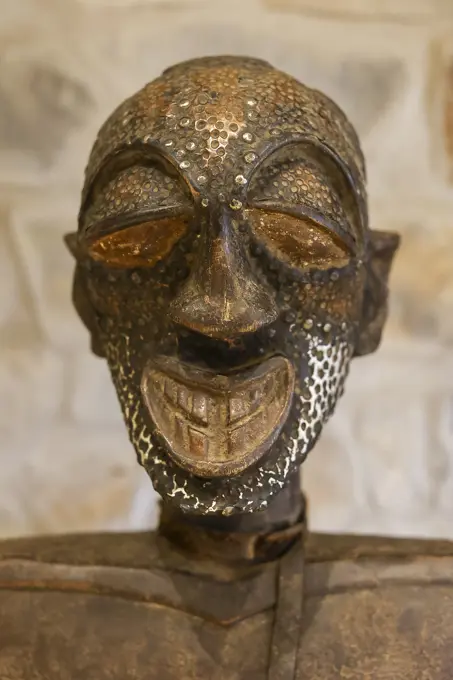
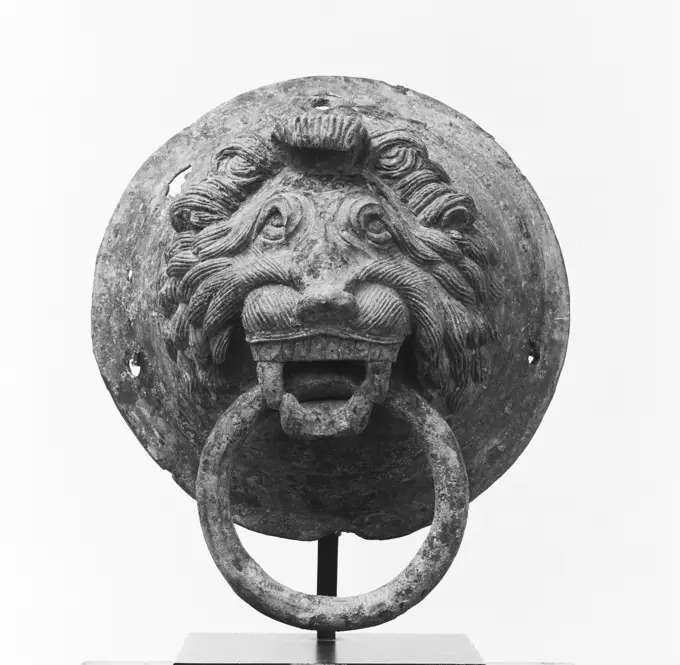
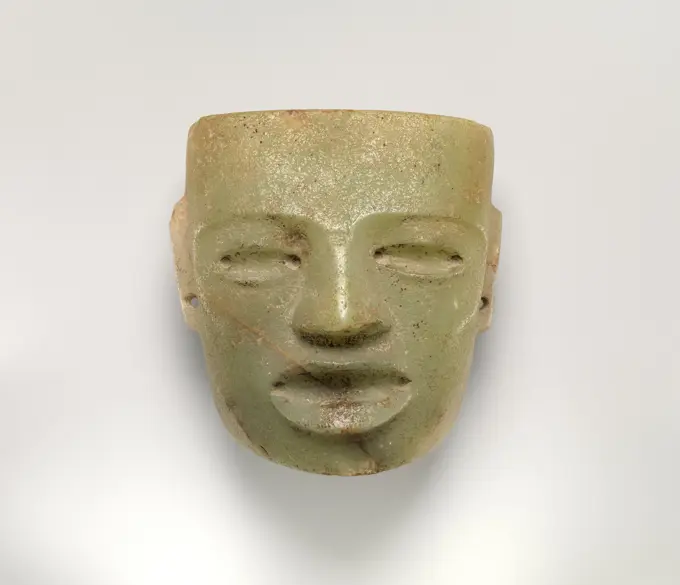
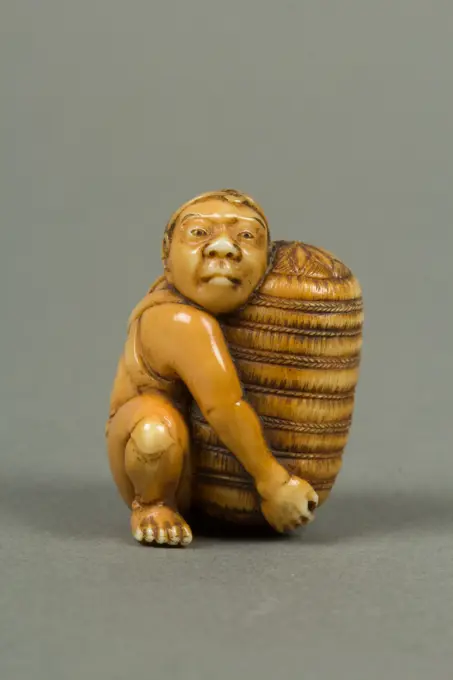
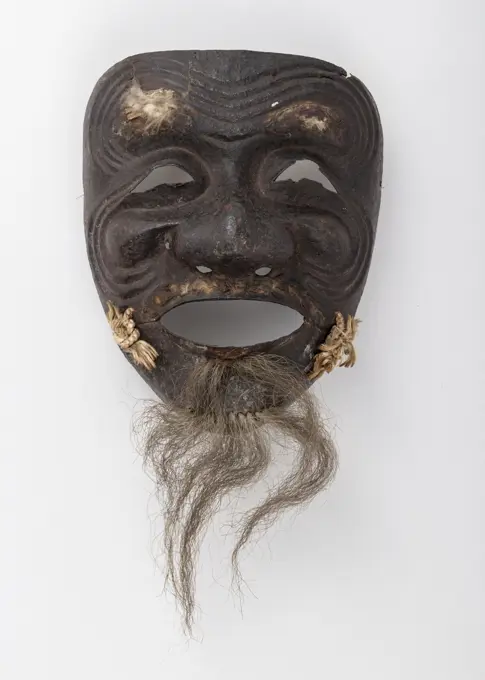
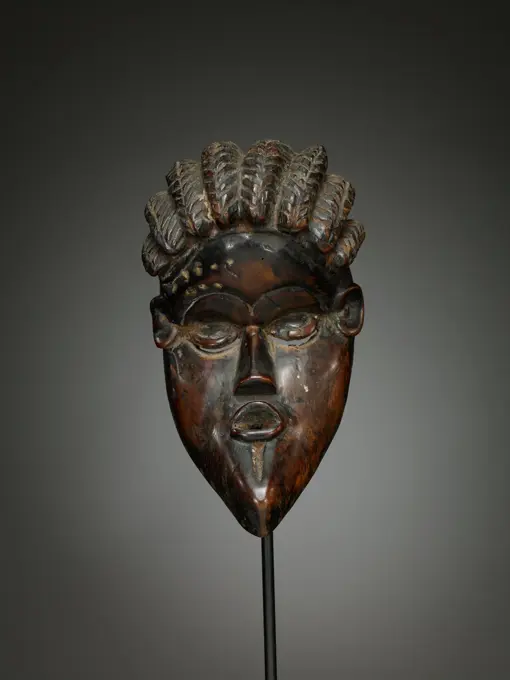
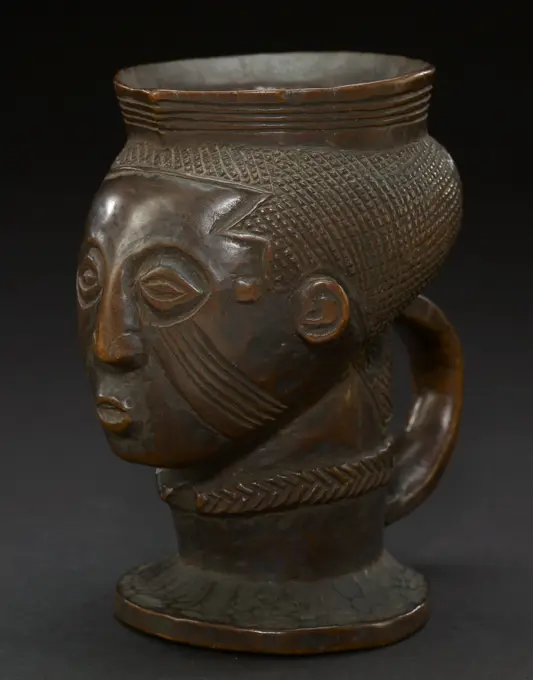
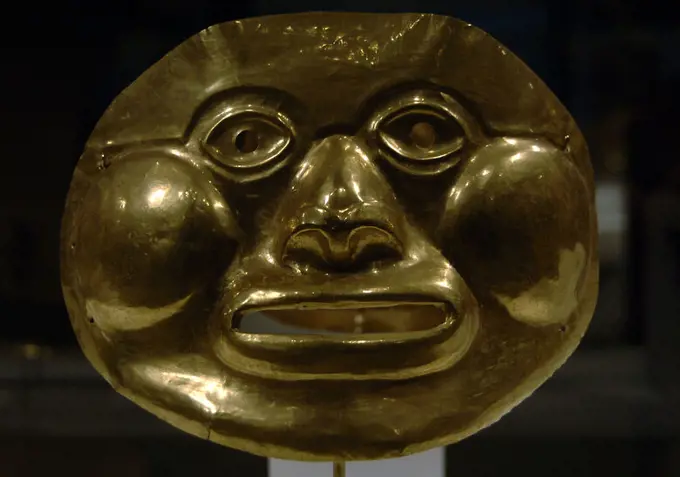
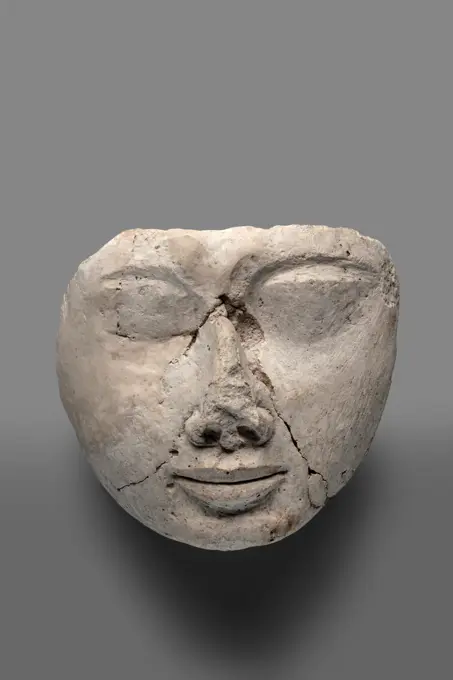
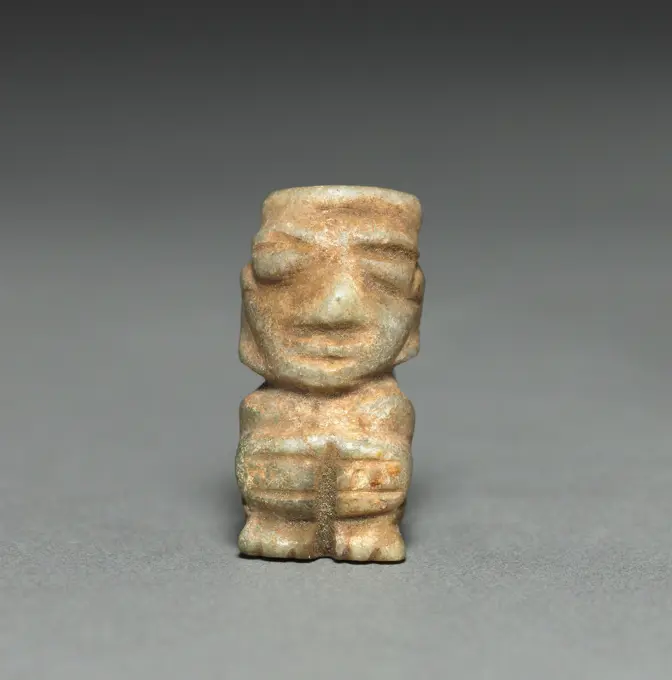
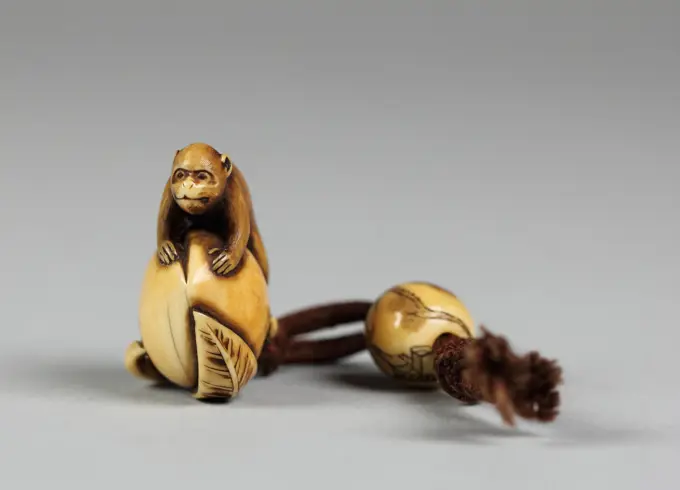
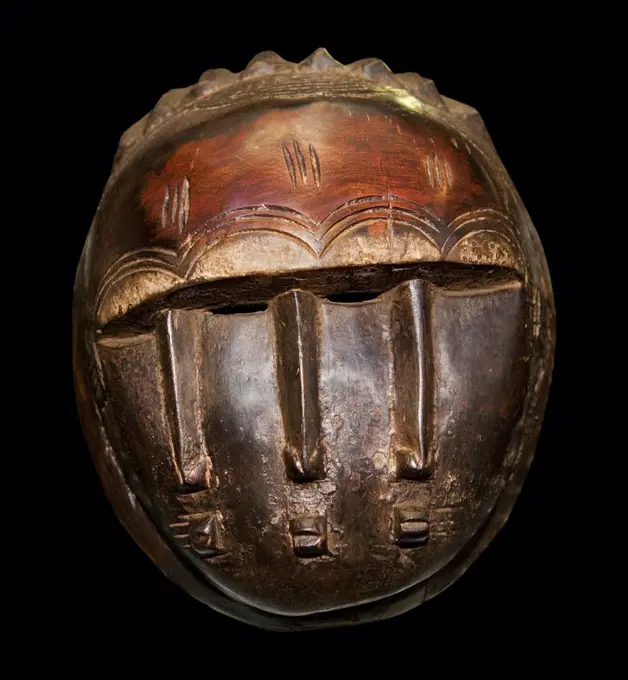
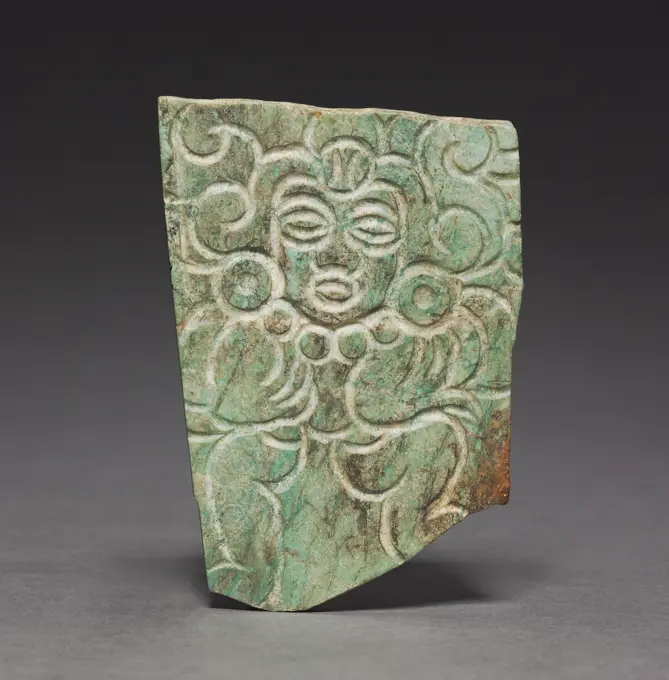
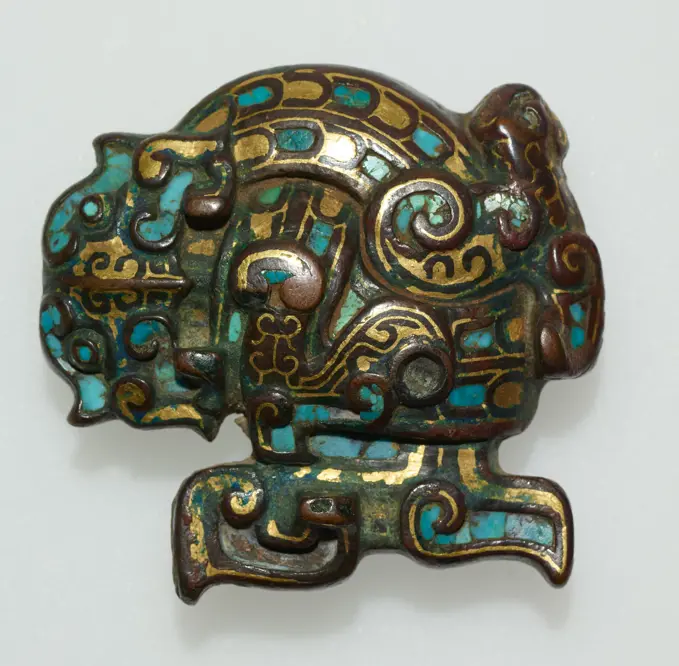
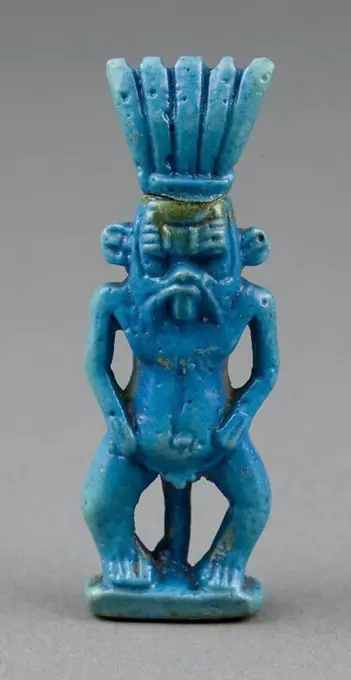
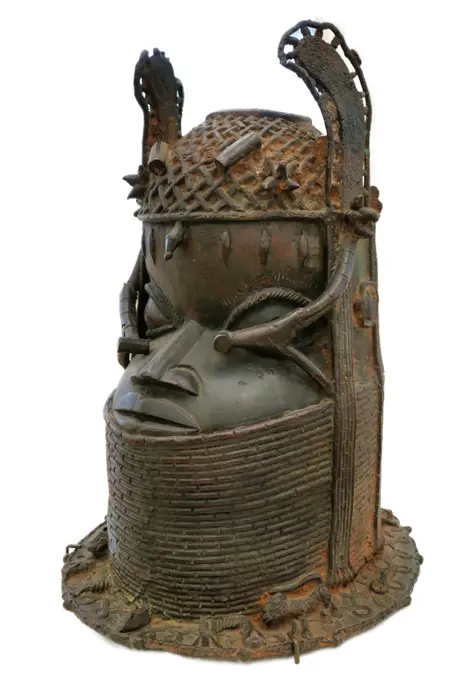
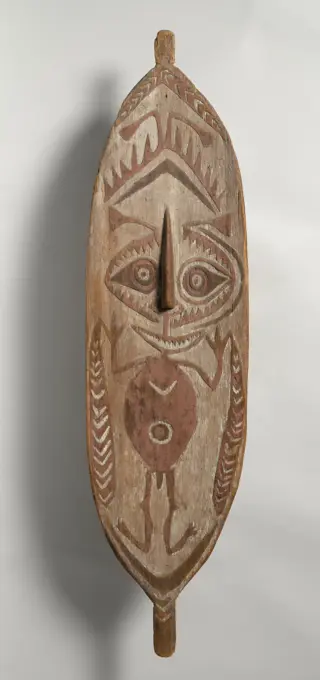
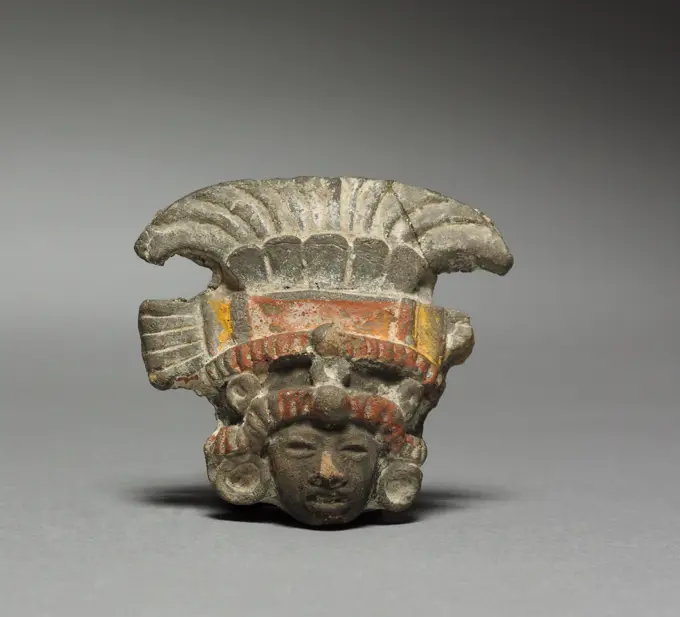
Figurine Head Fragment, 1-550. Central Mexico, Teotihuacán style, Classic Period. Molded earthenware with pigment; overall: 6.2 x 6.7 x 2.2 cm (2 7/16 x 2 5/8 x 7/8 in.).Double Vessel in the Form of a Seated Monkey with Coca Bag Around Neck Made 100 BCE-500 CE Peru. Ceramic and pigment . MocheWeibliche Figur Female figure, Valdivia, Ecuador coast, 3,000 to 1,500 BC, ceramic, MuEC, Barcelona, Catalonia, Spain LicenseRF Copyright: xZoonar.com/Tolox 23171441Figure 3rd century B.C.-A.D. 4th century Chupicuaro. Figure 313173Bridge and Spout Bottle with Seated Prisoner. Culture: Vicús. Dimensions: Height 8-1/2 in. (20.3 cm). Date: 1st-3rd century. Museum: Metropolitan Museum of Art, New York, USA.Flute 1300-1500 Tairona People; Gayraca style. Flute. Tairona People; Gayraca style. 1300-1500. Ceramic. Pre-Columbian. Sierra Nevada de Santa Marta, Colombia. Aerophone-Whistle Flute-recorderBottle, Prisoner 1st-3rd century Moche. Bottle, Prisoner 309500Pottery Whistle ca. 800-1100 Costa Rican. Pottery Whistle. Costa Rican. ca. 800-1100. Clay. Pre-Columbian. Nicoya Peninsula, Guanacaste, Costa Rica. Aerophone-Whistle Flute-whistlePolychrome jar, 13th-15th century, 7 1/4 x 6 3/4 x 5 1/2 in. (18.4 x 17.15 x 13.97 cm), Polychromed earthenware, Peru, 13th-15th centuryToad Ocarina. Mexico, Southern Veracruz, Nopiloa, 700-900 CE. Ceramics. Slip-painted ceramicLong-nosed Mask. Japan, Edo period (1615-1868). Jewelry and Adornments; masks. WoodPeru, Pre-Inca civilization, Nazca culture, Double spout and bridge vessel in shape of human trophy headBottle 2nd-5th century Moche. Bottle 308563Stirrup Spout Bottle with Woman Carrying Burden. Culture: Moche. Dimensions: Overall: 10 1/4 x 4 3/4 in. (26.04 x 12.07 cm)Other: 4 3/4 in. (12.07 cm). Date: 3rd-6th century. Museum: Metropolitan Museum of Art, New York, USA.Standing Figure 2nd century B.C.-A.D. 3rd century Colima. Standing Figure 314831Head. Mexico, Tabasco, Olmec, 1000-400 BCE. Stone. StoneStirrup spout bottle with dignitary figure. Culture: Moche. Dimensions: Overall: 8 3/4 x 5 1/4 in. (22.23 x 13.34 cm)Other: 5 1/4 in. (13.34 cm). Date: 3rd-5th century. Museum: Metropolitan Museum of Art, New York, USA.Female Figurine, 400-100 BC. Mexico, Guanajuato, Chupícuaro. Pottery with white and red pigment; overall: 7.8 x 4.5 x 1.8 cm (3 1/16 x 1 3/4 x 11/16 in.).Head Beaker, 900-1100. Central Andes (Peru), Lambayeque (Sicán) people, 10th century-12th century. Gold, hammered; overall: 23.5 x 19.8 cm (9 1/4 x 7 13/16 in.). Metalworking flourished among the Lambayeque people of Perus north coast. Artists made large objects, including containers, in unprecedented numbers; one Lambayeque tomb contained nearly 200 gold or silver beakers. The head on this beaker has been interpreted as the visage of either the cultures principal deity—its divinity signaled by its feline-like fangs—or the deified founder of the Lambayeque ruling dynasty. It is not known why the head is upright only when the beaker rests on its rim.Fragment of a faience statuette of a woman holding a vase on her head. Culture: East Greek. Dimensions: H.: 3 1/8 in. (7.9 cm). Date: late 7th-6th century B.C..Holding vessel on head with both hands. Museum: Metropolitan Museum of Art, New York, USA.Tupilak from Qaqortoq, Greenland. Made from reindeer antler.MaskMasker, anonymous, 1800 - 1900 Wooden mask with spores of polychromy. It is the mask of pentul/pptentul. The oldest servant of the hero Panji. The lower jaw should be absent. Java wood (plant material). dye Wooden mask with spores of polychromy. It is the mask of pentul/pptentul. The oldest servant of the hero Panji. The lower jaw should be absent. Java wood (plant material). dyeMask, 20th century, 21 x 14 1/4 x 11 1/4 in. (53.3 x 36.2 x 28.6 cm), Wood, Cameroon, 20th century, This helmet mask is part of a lineage mask group, or a family of masks that perform together. It represents the male human face and symbolizes a royal or clan ancestor. Masks such as these usually perform at funeral or memorial celebrations. This mask is worn on the top of the head, while a mesh veil conceals the performer's face.Female Figure Spouted VesselLong-nosed Mask. Japan, Edo period (1615-1868). Jewelry and Adornments; masks. Wood, red and black lacquerPottery Vessel and Obsidian Lip Plug 1000 A.D. Huaxtec. Pottery based on a human face. Stirrup Spout Bottle with Phallic Figure. Culture: Moche. Dimensions: H x W: 18 1/4 x 9 1/4in. (46.4 x 23.5cm). Date: 3rd-6th century. Museum: Metropolitan Museum of Art, New York, USA.Nkisi-Figur zur Lösung von Konflikten Nkisi figure intended to resolve conflicts, Songye, Democratic Republic of the Congo, 20th century, carved wood, cotton and horn, MEB, Barcelona, Catalonia, Spain LicenseRF Copyright: xZoonar.com/Tolox 23171421Figurine of a Mother and Child 1301-1600 Thailand. Stoneware with gray-green celadon glaze .Mayan ceramic tripod vase, depicting an anthropomorphic figure. 600-900 AD Jonuta, Tabasco, MexicoVessel, 3rd century BCE - 6th century CE, 15 5/8 x 8 7/8 x 8 7/8 in. (39.7 x 22.5 x 22.5 cm), Clay, pigments, Peru, 3rd century BCE- 6th century CE, The Nasca warrior on this polychrome painted vessel holds a sling, a very common weapon in the Andes where warriors almost always relied upon blunt weapons to defeat and capture enemies. Slings are uncomplicated weapons used by warriors, hunters, and herders. Today, slings still play a role in ceremonial mock battles, or tinku, waged between Andean communities during important festivals.Face Mask (Iru mmuo), possibly early 1900s. Guinea Coast, Nigeria, Igbo people. Wood, pigment, plant fiber, and cotton; overall: 16.9 x 11 x 6 cm (6 5/8 x 4 5/16 x 2 3/8 in.). This small face mask would have been complemented by a separate, elaborate superstructure covered with cotton cloth. Though always worn by a man, the image glorifies youthful female beauty. Derived from chalky clay, the white coloration of the face refers to ancestral spirits whose powers the mask evokes. The masks dance in festivals that generally celebrate the dead but also appear at funerals to escort the deceased to the land of the ancestors.Standing Ceramic Figure with Child 3rd-5th century Moche. Standing Ceramic Figure with Child. Moche. 3rd-5th century. Ceramic. Peru. Ceramics-SculptureNetsuke of Woman with a Basket of Clams 19th century Japan. Netsuke of Woman with a Basket of Clams 60446Humoy' helmet mask, 15 3/4 x 10 1/2 x 9 3/4 in. (40.01 x 26.67 x 24.77 cm), Wood, Sierra LeoneLong-nosed Mask. Japan, first half of 19th century. Jewelry and Adornments; masks. Wood, red lacquer, brass, hemp palm fiberNetsuke of Kygen Mask: Buaku 19th century Japan. Netsuke of Kygen Mask: Buaku. Japan. 19th century. Wood. Edo (1615-1868) or Meiji period (1868-1912). NetsukeMask, 1-100 AD. Italy, Roman (). Terracotta; overall: 18.4 x 15.3 cm (7 1/4 x 6 in.).Deer Bottle 4th-7th century Moche. Deer Bottle 308409Figure Pendant 13th-14th century Mixtec This small, globular pendant depicts a male figure wearing a folded paper headdress studded with three round jewels. On his face is an elaborate mask featuring a toothy grimace with exposed fangs and large, glaring eyes. His twisting, heliacal nose resembles a serpents body, with each end unraveling to form a pair of arched eyebrows. A similar motif decorates a ceramic vessel of Tlaloc, the rain god, interred long ago by the Aztecs in the Great Temple at Tenochtitlan (modern-day Mexico City). Whether in the form of nosepieces, crowns, or elaborate turquoise pectorals, two-headed serpents are abundant in Mesoamerican art and are commonly allied with concepts of water, fertility, and an aquatic afterlife.Like the Mixtec serpent pendant [1978.412.117, this miniature figure is made of greenstone and perforated for suspension. Carved on a diminutive scale, the shape of the figures body is conveyed with only a few brief incisions, thereby reducing iDouble Spout and Bridge Bottle with Bird Demon 1st-6th century Nasca. Double Spout and Bridge Bottle with Bird Demon 308582Inverse-Face Beaker. Culture: Lambayeque (Sicán). Dimensions: H. 10 1/4 x Diam. 7 7/8 in. (26 x 20 cm). Date: 10th-11th century. Museum: Metropolitan Museum of Art, New York, USA.Mask 4th-7th century Moche. Mask. Moche. 4th-7th century. Copper, shell () inlay, pigment. Peru. Metal-SculptureWhistle in the Form of a Skull, 9th century, 3 1/2in. (8.9cm), Earthenware, Mexico, 9th centuryPottery Whistle before 1599 Mexican. Pottery Whistle. Mexican. before 1599. Clay. Mexico. Aerophone-Whistle Flute-whistleChariot Finial, 11th-10th century BCE, 5 13/16 × 4 1/4 × 4 in., 2 lb. (14.7 × 10.8 × 10.2 cm, 0.9 kg), Bronze, China, Early Western Zhou Dynasty, A combination of four masks appears on this bronze finial, which originally adorned the end of a pole. A forceful taotie (composite animal) mask with downward-facing C-shaped horns appears on one side of the top. This monsters face forms a mask on a human head; it has the broad nose typical of early masks. On the other side, a rams head, with horns turned down, bites on a head resembling a taotie. This remarkable work demonstrates that men wore zoomorphic masks in ritual ceremony.Ceramic vase in the shape of an anthropomorphic head, El Aouja, Tunisia. Artist: UnknownSword Handle(Mandau)Funerary Mask. Peru; Sican (Lambayeque) 9th-11th century. Hammered gold, cinnabar, copper overlays. The rich tombs of Sican rulers reportedly contained as many as five gold masks along with other precious offerings.Seated Figure Bottle. Culture: Nasca. Dimensions: H. 9 1/16 x W. 5 1/4 in. (23 x 13.3 cm). Date: 1st-2nd century.Unlike their northern counterparts, who used two-piece ceramic molds for manufacturing vessels, Nazca potters shaped containers by coiling and modeling. Figure vessels like the present example are rare and have an early date in the Nazca ceramic sequence, which lasted for at least 700 years. This engaging polychrome bottle takes the shape of a seated, compact human figure. It has a single spout and strap handle. The large head sits atop the broad shoulders, and the figure's legs are pulled close to the body, with arms and hands held tightly to the chest. Details such as fingers, toes, nails, and facial features are geometricized. The eyes and mouth are slightly raised, while prominent are the nose and a protuberance on the forehead. This mysterious knob may be a reference to fishermen, who are often shown with such a feature. The figure wears a head cover and a striped hipcCeramic whistle representing a noblewoman from Campeche, Mexico. Dated 600-900 AD.Terracotta vessel, Chibcha (or Muisca) cultureFigurine, late 1800s-early 1900s. Central Africa, Republic of the Congo, Kongo people. Wood, organic materials (including resin), cloth, glass, and various other materials; overall: 11.5 x 4.5 x 4 cm (4 1/2 x 1 3/4 x 1 9/16 in.).Suspension Hook Tami Islands 19th century Adorned with a stylized human figure that likely represents a powerful spirit or ancestor, this suspension hook from the Tami Islands was both ornamental and utilitarian. Suspended from the rafters of a dwelling or mens ceremonial house, it served to keep valuable items, hung from the hook-like projections at the base, out of reach of vermin. The delicacy of the suspension loops on the heads of many Tami hooks indicates that the hooks were likely used for lightweight objects, such as string bags or nets. With its complex interplay between curvilinear and angular forms, the figure embodies the classical elements of the Tami style. It wears a dome-shaped headdress crowned with suspension loops carved in the shape of spiral pigs tusks, and the legs merge into the crescent-shaped hook.zoomorphic head, cover, classic late, Santa María Nebaj,museo de antropología Maya, departamento de El Quiché, Guatemala, Central America.Human Face Mask. Mexico, Guerrero, Mezcala, 500 BCE-100 CE. Stone. BasaltWine jug. Ceramic red pottery with woman head form (Oinochoe type). 500-490 BC. Etruscan tomb. Italy. Hermitage Museum, Amsterdam.Stirrup Spout Bottle with Couple 1st-7th century Moche. Stirrup Spout Bottle with Couple 309359Bottle, Figure Showing Tunic 1st-3rd century Moche. Bottle, Figure Showing Tunic. Moche. 1st-3rd century. Ceramic, pigment. Peru. Ceramics-ContainersDiminutive bronze figure dated to AD 1000 as centerpiece of National Museum of Iceland in Reykjavik. Undetermined if figure is Viking god Thor or Jesus Christ in Glory.TrophySkullLamp. UnknownBowl Haida, Native American ca. 1800-40 View more. Bowl. Haida, Native American. ca. 1800-40. Alder. Made in British Columbia, CanadaCongolese mask in Bukavu, DRCBottle, Feline Face 7th-5th century B.C. Paracas. Bottle, Feline Face 308291Axe 13th-11th century B.C. China. Axe 61333One pair of Bronze Door Knobs Designed as Lions Heads. UnknownMask 4th-8th century Teotihuacan Three-dimensional stone masks depicting a conventionalized human-like face are abundant in the sculptural style associated with the great Central Mexican city of Teotihuacan. With its geometrically rendered horizontal brow, triangular nose, and oval mouth and eyes, this mask depicts an idealized facial type that seems to function as a symbol, rather than a portrait, similar to other standardized motifs present in the art of Teotihuacan. The depressions of the eyes and the mouth suggest that this greenish onyx mask might have originally possessed inlaid pyrite or shell for the depiction of eyes and teeth. Perforations at the sides on the reverse suggest that it was intended to be attached to another object, but given the weight of the stone and the lack of holes for the eyes and mouth, these masks were probably not worn by living people. Instead, they may have been attached to larger, perishable sculptures of human or deity figures or mounted on or placeNetsuke 19th century Japan. Netsuke. Japan. 19th century. Ivory. Edo (1615-1868) or Meiji period (1868-1912). NetsukeWood Gigaku Mask, Kamakura Period (13th - 14th Century) Japanese Art WoodMiniature Hannya Mask, 20th century, Unknown Japanese, 1 1/4 x 7/8 x 5/8in. (3.2 x 2.2 x 1.6cm), Wood, cord, Japan, 20th centurySanxingdui-Museum, Xinping, Chengdu, Sichuan, China, AsiaMask (Smen) possibly 15th century Japanese This is one of the earliest surviving examples of a full face mask (somen). It is also very rare for being modeled on a specific character from Noh drama: the happy old man (okina) with distinctive white eyebrows and beard.. Mask (Smen). Japanese. possibly 15th century. Iron, lacquer, hair, textile (silk). Armor Parts-MasksMask, 7 9/16 x 3 1/2 x 4 1/4 in. (19.21 x 8.89 x 10.8 cm), Wood, LiberiaCup, 20th century, 6 1/16 × 4 1/8 × 5 3/4 in. (15.4 × 10.48 × 14.61 cm), Wood, Democratic Republic of Congo, 20th centuryPre-Columbian Art. Colombia. Calima (LLama) culture. Gold funerary mask. 5th1st century BCE. Metropolitan Museum of Art. New York. United States.Polychrome terracotta maternity statuettes of women with babies from Bahia de Caraquez, 5th century B.C.-5th century A.D.Scenic mask. Scenic mask, white painted with red lips, black hair, eyebrows and picture frame of eyelids.Maska mumiowa. unknown, authorFigurine, before 1521. Mexico, Valley of Mexico (). Jadeite; overall: 3 cm (1 3/16 in.).Netsuke of Monkey on Peach 18th century Japan. Netsuke of Monkey on Peach. Japan. 18th century. Ivory. Edo period (1615-1868). NetsukeDecorative African maskPendant Plaque, c. 700-1000. Central Mexico, Xochicalco Style, 8th-10th Century. Greenstone; overall: 9.5 x 6.7 cm (3 3/4 x 2 5/8 in.).Copper alloy heads of two lions or cubs. Babylonian models of lions, may have acted as guardian figures at the entrance to the temple.2nd millennia BCMask 6th-7th century Moche (Loma Negra). Mask 315111Triple faced mask, early 20th century, 26 x 23 1/2 in. (66.0 x 59.7 cm), Wood, pigment, and goat horns, Mexico, 20th centuryFace Mask Ornament 6th-7th century Moche (Loma Negra). Face Mask Ornament 314339Passport' mask, 2 5/8 x 2 x 3/4 in. (6.67 x 5.08 x 1.91 cm), Metal, LiberiaMaskGarra, shield-like figure from Papua New Guinea. Dated 20th CenturyBuckle in the form of coiled dragon, 5th-4th century BCE, 1 7/8 × 2 × 3/4 in. (4.76 × 5.08 × 1.91 cm), Bronze inlaid with gold and turquoise, China, 5th-4th century BCE, This belt buckle is in the shape of a twisted serpent, its large head facing to the left. The mouth forms one of the loops beneath the buckle, where strips would be inserted. The serpents head and body are inlaid with gold and turquoise U-shaped patterns.An Eskimo Tupilak, an angry monster used to attack one's enemies, carved from reindeer antler. From Qaqortoq, Greenland.Amulet of Bes. Egyptian. Date: 1070 BC-656 BC. Dimensions: 7.5 × 2.75 × 1 cm (3 × 1 1/16 × 3/8 in.) (whole). Faience. Origin: Egypt. Museum: The Chicago Art Institute, Chicago, USA. Author: Ancient Egyptian.Mochicha stirrup-spout vessel, 1st century. Artist: UnknownVessel with SupernaturalMonkey.  Artist: UnknownGedenkkopf aus Benin Gedenkkopf aus Benin Copyright: xZoonar.com/HGVorndranx 22076020Spirit-Board, before 1930. Melanesia, Papua New Guinea, Papuan Gulf, Elema District, 20th century. Painted wood; overall: 123.2 cm (48 1/2 in.). Like other sacred obejcts, spirit-boards were displayed in Elema men's houses. Each board was named after the bush-spirit who inhabited it.Budai, 18th-19th century, Unknown Japanese, 8 x 7 1/2 x 7 1/2 in. (20.32 x 19.05 x 19.05 cm), Kyoto ware; stoneware, enamel, Japan, 18th-19th centuryPIEDRA ACODADA CON RELIEVE DE UNA FIGURA HUMANA EMPLEADA PARA CEREMONIAS DE LOS INDIOS PRECOLOMBINOS. Location: MUSEO DE AMERICA-COLECCION. MADRID. SPAIN.