My Boards
View Pictures
  • My Boards
← Artworks

Ancient Figurines

Diverse figurines from different cultures, including Egyptian and Chinese, displaying intricate designs and historical significance.

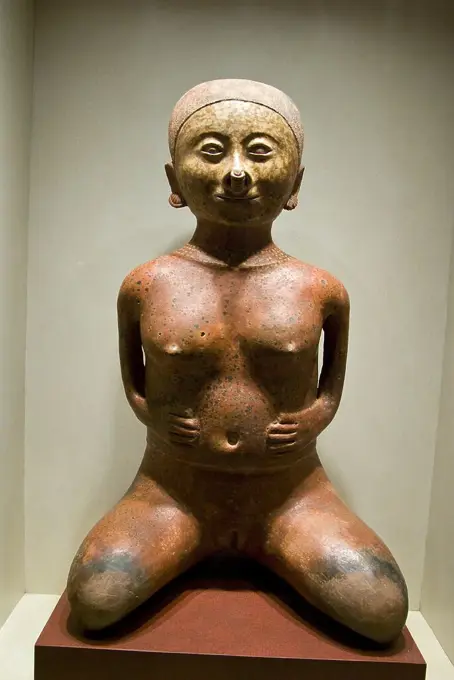
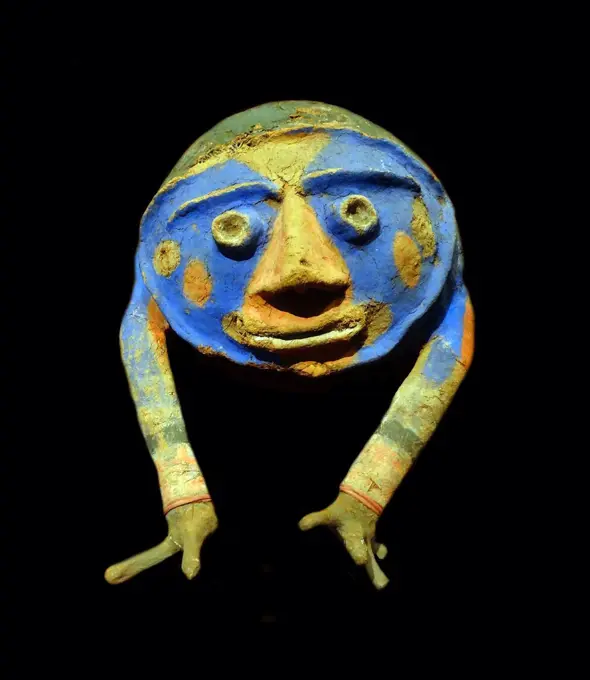
Pre-Columbian art. Tamalameque culture (200-600 / 16th century). Clay anthropomorphic figure. 114 x 26, 5 cm (diameter). From Colombia. Private Collection.
351 assets in this story
1558-14087887
Statue of Birwapa, (1368 - 1644) The Capital Museum, Beijing, China
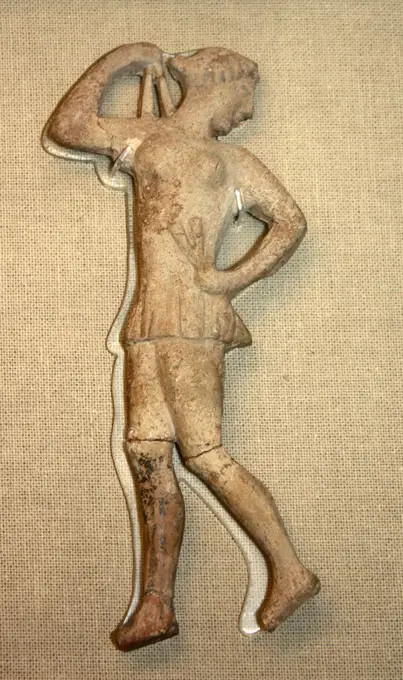
1746-19670537
Terracotta plaque representing a girl dancing with castanets. Greek, about 450 BC Said to be from Melos, Greece.
1746-111347570
Bronze figure of a mother with children; Nuragic civilization. This culture arose in Sardinia, lasting from the Bronze Age (18th century BC) to the 2nd century AD. The name derives from its most characteristic monuments, the nuraghes. They consist of tower-fortresses that were built starting from about 1800 BC.
6145-29728282
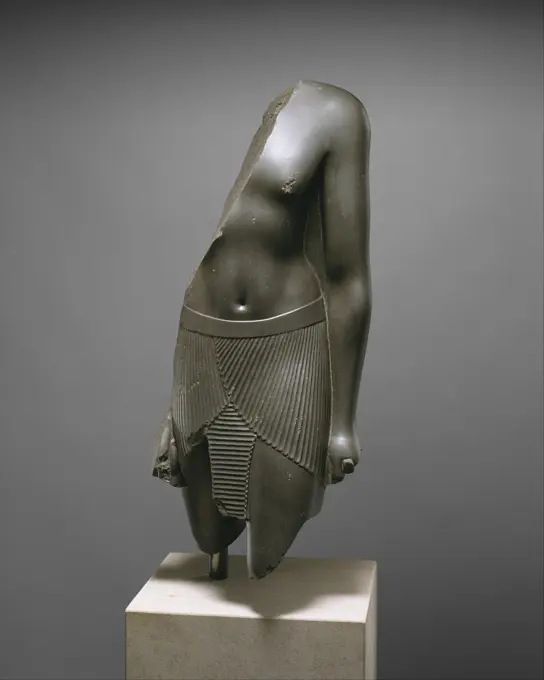
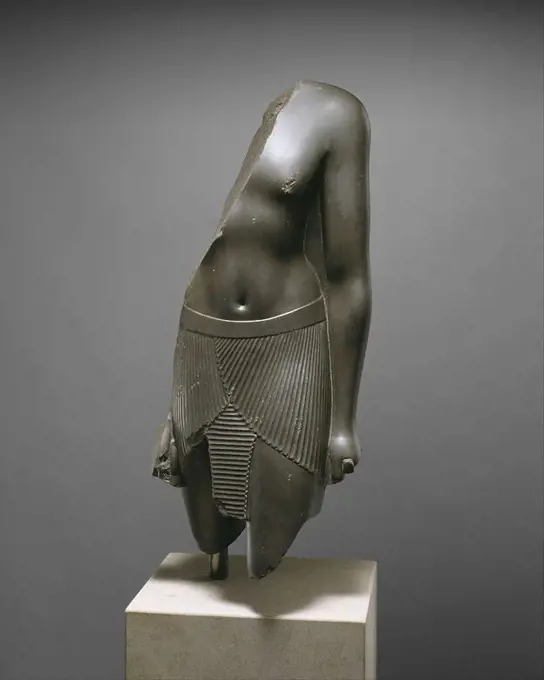
Torso of a High General 4th century B.C. Late Period This statues short kilt and striding pose are favored for the statues of high officials during the fourth century, and were certainly chosen for their evocation of the great tradition stretching back to the Old Kingdom. Although the owners name is broken away, the long inscription indicates the individual had a high generals title, held offices at Busiris and performed restorations there and in Abydos for damages that resulted from “the foreigners,” a description that must refer to the Persian occupation.Indeed, works at Abydos during dynasty 30 are documented by archaeological and inscriptional evidence. Moreover, the strongly modeled chest musculature and details of the style seem to fit well in Dynasty 30, perhaps even the reign of Nectanebo I (380-343 b.c.), suggesting that the statue's inscription may indeed be a contemporary account by a high military official. Listen to experts illuminate this artwork's story Listen Play or
6145-29118942
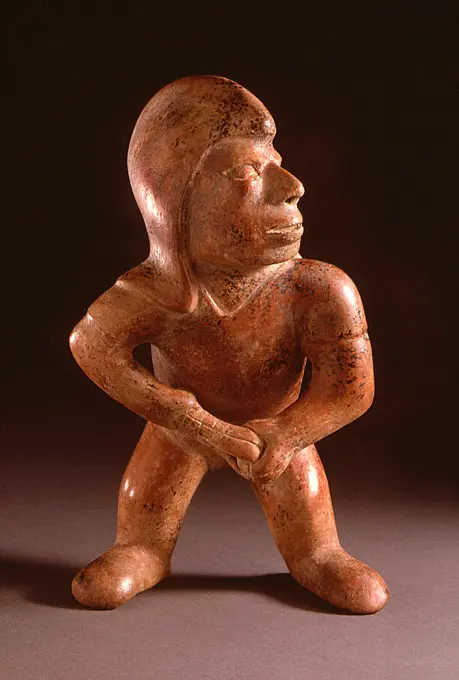
Spouted Figural Vessel of Male Warrior or Athlete with Slingshot. Mexico, Colima, Colima, 200 BCE-400 CE. Ceramics. Slip-painted ceramic
6145-29718208
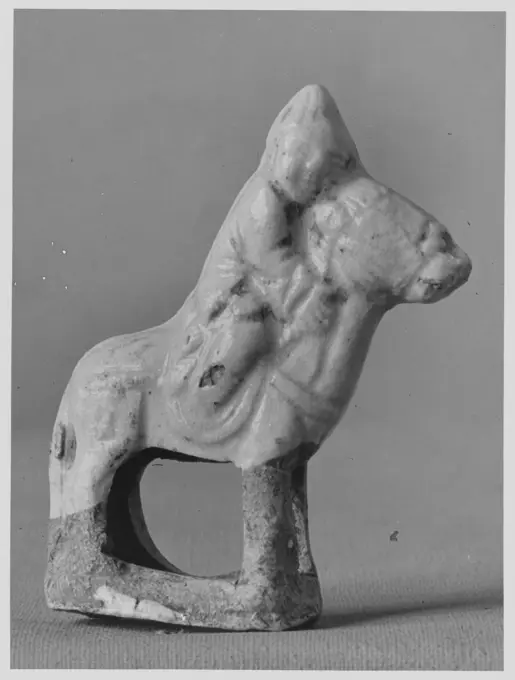
Figure of an equestrian 11th-12th century China. Figure of an equestrian. China. 11th-12th century. Stonware with white glaze (Cizhou ware). Song dynasty (960-1279). Tomb Pottery
4409-17401537
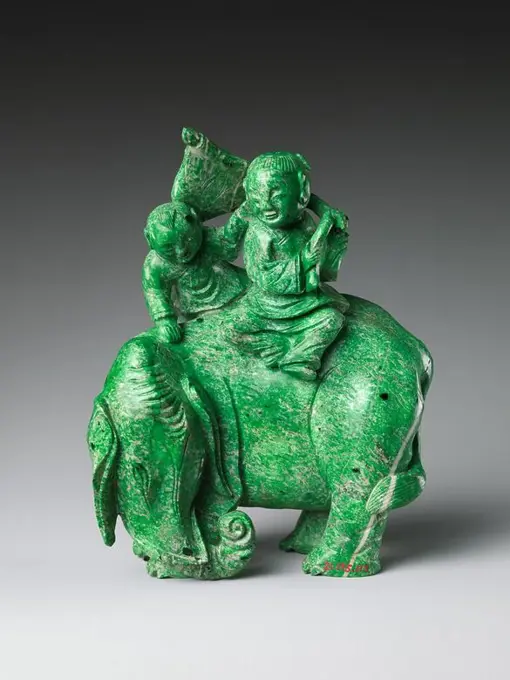
Elephant and two boys. Culture: China. Dimensions: H. 5 1/4 in. (13.3 cm); W. 4 1/4 in. (10.8 cm). Date: 19th century. Museum: Metropolitan Museum of Art, New York, USA.
6145-29069960
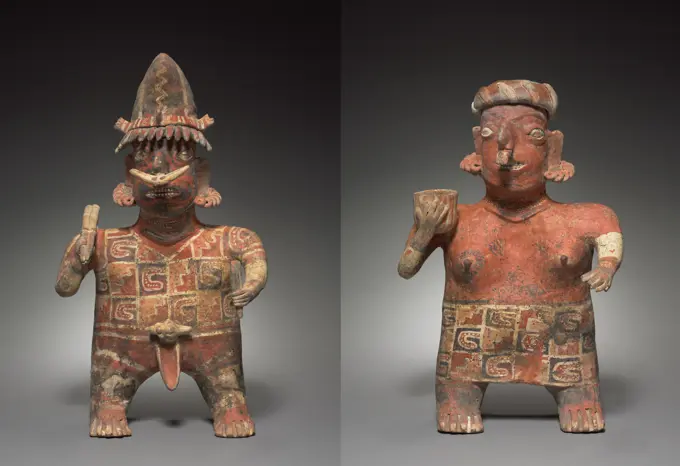
Pair of Standing Figures, c. 100 BC-AD 300. Mexico, Nayarit, Ixtlan del Rio Style. Earthenware with colored slips; overall: 52 x 32.5 x 19.5 cm (20 1/2 x 12 13/16 x 7 11/16 in.); part 2: 48 x 30.8 x 16 cm (18 7/8 x 12 1/8 x 6 5/16 in.). Nagarit ceramic sculputres, like those of Colima, were manufactured for burial with the dead. The popular male-female couples may be portraits of the individuals with whom they were buried. This female figure, dressed in a colorful skirt and hat, has painted or tattooed patterns on her torso and face. Jewelry adorns her face, ears, and nose. The vessel on her shoulder symbolizes her domestic duties. Like his female companion, this male figure is portrayed in all his finery. He carries spears, indicating that he is a hunter or warrior, and his confident grin conveys aggression and vitality.
1746-21124135
Painted and gilded terracotta figure of Eros, the Greek god of love, in flight. Dated 200 BC
4409-28786809
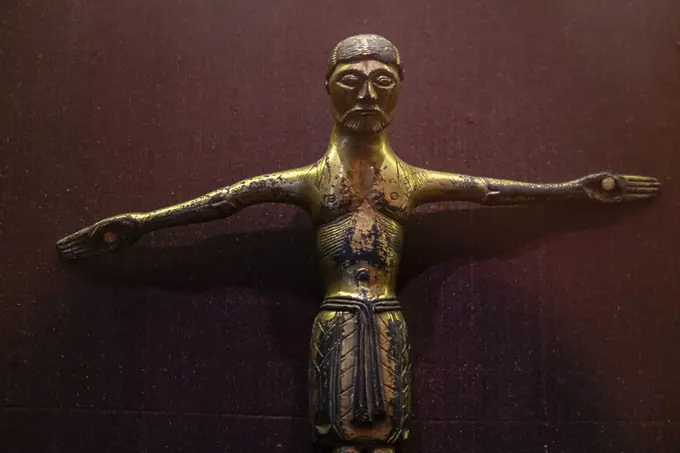
Cristo, Lombardia, siglo XII,Fundación Calouste Gulbenkian, («Fundaçío Calouste Gulbenkian»), Lisboa, Portugal.
4409-17547543
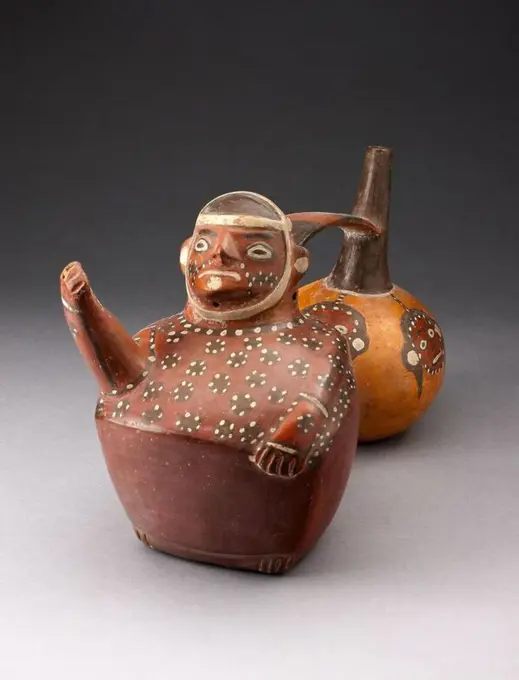
Double-Chambered Vessel Depicting a Figure and Trophy Heads. Nievería; Central coast, Peru. Date: 500 AD-800 AD. Dimensions: 16.2 x 27.3 cm (6 3/8 x 10 3/4 in.). Ceramic and pigment. Origin: Nievería. Museum: The Chicago Art Institute, Chicago, USA.
4409-17390002
Statuette of a woman votary. Culture: Greek, Laconian. Dimensions: Height: 1 7/16 in. (3.6 cm). Date: ca. 625-425 B.C.. Museum: Metropolitan Museum of Art, New York, USA.
6145-45866984
Panels from an organ case in the church of Saint Vitus in Naarden. These ten figures adorned the medieval organ in the church of Saint Vitus in Naarden. Each figure holds a weapon and a coat of arms on a strap. Some are dressed as knights with a breastplate and a helmet, others as princes or noblemen. They may represent the Counts of Holland. All the shields would have originally been painted.
4409-17381918
Torso of a High General. Dimensions: H. 69.9 cm (24 1/2 in.), W. 32.8 cm (12 15/16 in.), D. 27.0 cm (10 5/8 in.). Date: 4th century B.C..This statue's short kilt and striding pose are favored for the statues of high officials during the fourth century, and were certainly chosen for their evocation of the great tradition stretching back to the Old Kingdom. Although the owner's name is broken away, the long inscription indicates the individual had a high general's title, held offices at Busiris and performed restorations there and in Abydos for damages that resulted from "the foreigners," a description that must refer to the Persian occupation.Indeed, works at Abydos during dynasty 30 are documented by archaeological and inscriptional evidence. Moreover, the strongly modeled chest musculature and details of the style seem to fit well in Dynasty 30, perhaps even the reign of Nectanebo I (380-343 b.c.), suggesting that the statue's inscription may indeed be a contemporary account by a hi
6145-58825151
Kuvera of Jambhala, anonymous, 850 - 930 Sculpture representing Kvera or Jambahla. Indonesia bronze (metal) Sculpture representing Kvera or Jambahla. Indonesia bronze (metal)
7155-70377592
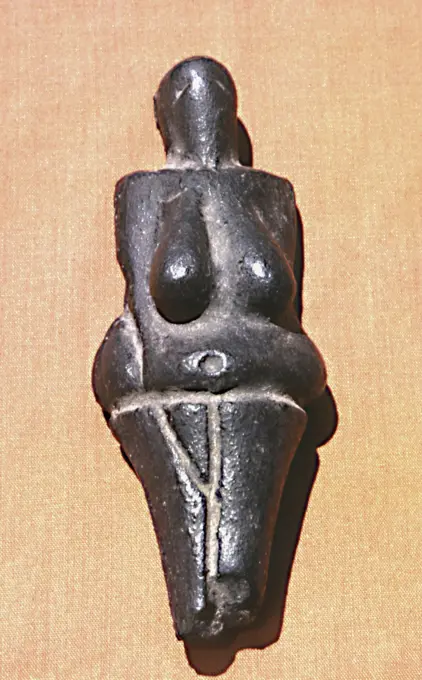
Venus' figurine, baked clay. Moravia, Gravettian era. 24,800 B.C. Czech Republic.
4409-17546962
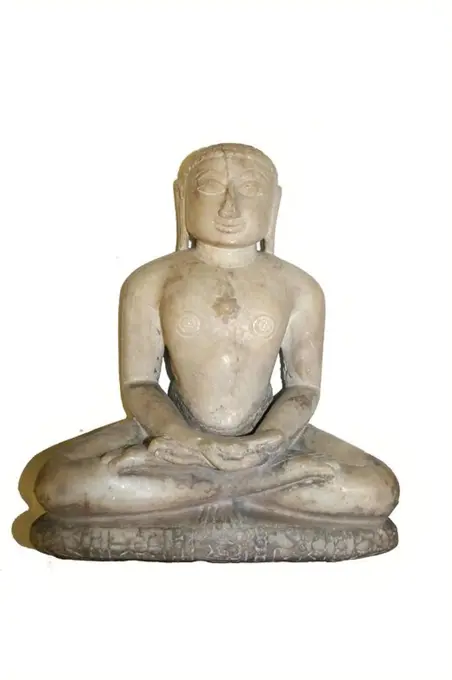
Jaina Tirthankara Seated in Meditation (Dhyanamudra). India; Gujarat. Date: 1401-1500. Dimensions: 31.1 x 26.3 x 13.3 cm (12 1/4 x 10 3/8 x 5 1/4 in.). White marble with traces of pigment. Origin: Gujarat. Museum: The Chicago Art Institute, Chicago, USA.
4409-17381515
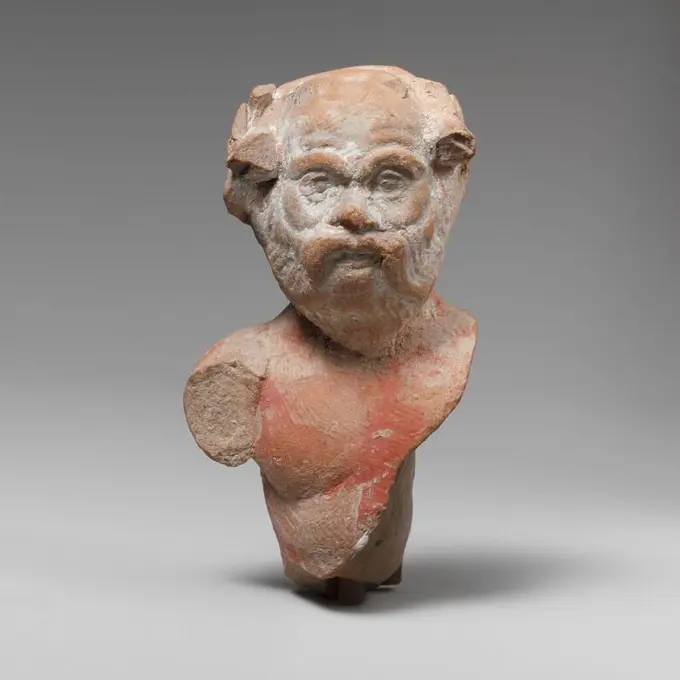
Terracotta bust of a satyr. Culture: Greek, South Italian, Tarentine. Dimensions: H. 2 5/8 in. (6.7 cm). Date: 4th century B.C..The fragmentary condition of this small sculpture in no way detracts from the vitality of the characterization. Museum: Metropolitan Museum of Art, New York, USA.
4409-17355819
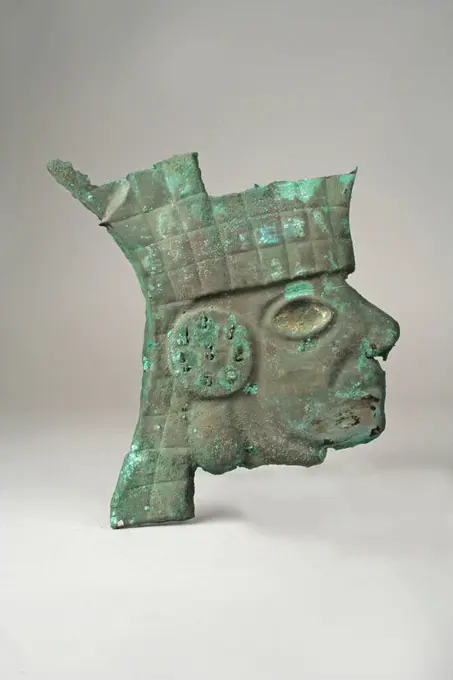
Profile Warrior Face. Culture: Moche (Loma Negra). Dimensions: H. 7 1/16 x W. 6 11/16 x D. 7/8 in. (18 x 17 x 2.2 cm). Date: 390-450. Museum: Metropolitan Museum of Art, New York, USA.
6145-29121129
Seated Male Figure
4409-17376859
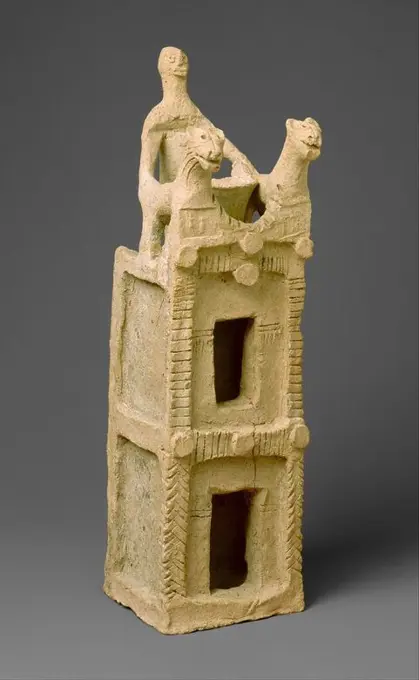
Cult vessel in the form of a tower with cylinder seal impressions near the top. Dimensions: H. 31.4 cm, W. 8.3 cm, D. 11.4 cm. Date: ca. 19th century B.C..This two-story tower is surmounted by a male figure grasping the hindquarters of two lions. A large vessel rests between the felines. A door is cut into the lower facade and a window on the upper floor; circular bosses indicating wooden beams appear at the top of each story. The entire stand is pierced from the vessel at the top through each level, including the bottom, so that liquid libations might be poured in a ritual of some sort. Such an object would have been used in a temple or sanctuary during religious rites. The style is crude in comparison to the delicacy of the multiple cylinder-seal impressions that were made across the top in front of the lions. The Syro-Anatolian seal depicts a seated male figure with a striding male before him dressed in a kilt with arms bent and held out in a gesture of respect and greeting. In bet
4409-17582814
'Garuda'. Siam (now Thailand), Bangkok, Middle of the 19th century. Dimensions: height 54 cm. Museum: State Hermitage, St. Petersburg.
1848-50664472
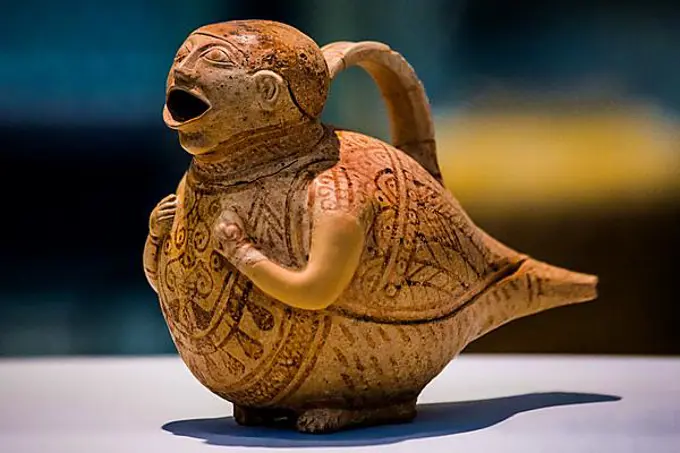
Figure of a male siren (700 BC), Archaeological Museum with most important finds of the Minoan culture, Heraklion, Crete, Heraklion, Crete, Greece, Europe
1746-19676676
Blue Faience Statuette of the God Ra 1260 B.C.
6145-29750780
Lead figure of a winged goddess, perhaps Artemis Orthia late 7th-6th century B.C. Greek, Laconian Small flat votive figurines of cast lead have been found in great quantities at the ancient sanctuaries of Laconia; over one hundred thousand, dating from the seventh century B.C. to the Classical period, were dedicated to the goddess Artemis Orthia in Sparta.. Lead figure of a winged goddess, perhaps Artemis Orthia. Greek, Laconian. late 7th-6th century B.C.. Lead. Archaic. Miscellaneous-Lead
6145-29799721
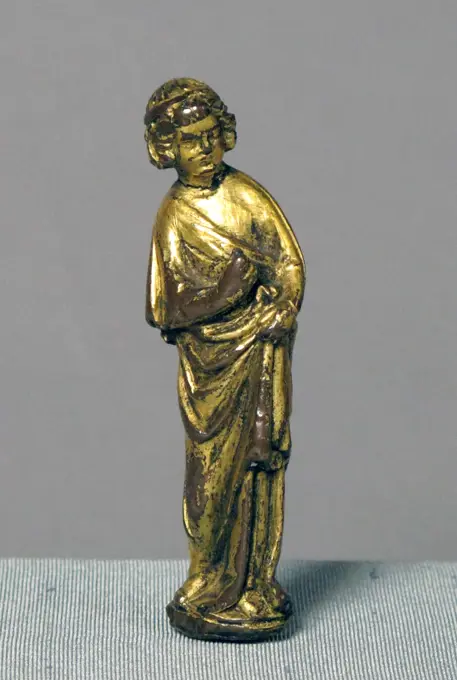
Angel ca.1275 Northeast French The remnants of two pins on the reverse of this statuette suggest it once was a relief figure attached to a small shrine or reliquary. In its proportions, contrapposto, drapery folds, and hairstyle, this diminutive figure recalls mid-thirteenth century sculptures of angels on the great French cathedrals.. Angel 469942
6145-29063183
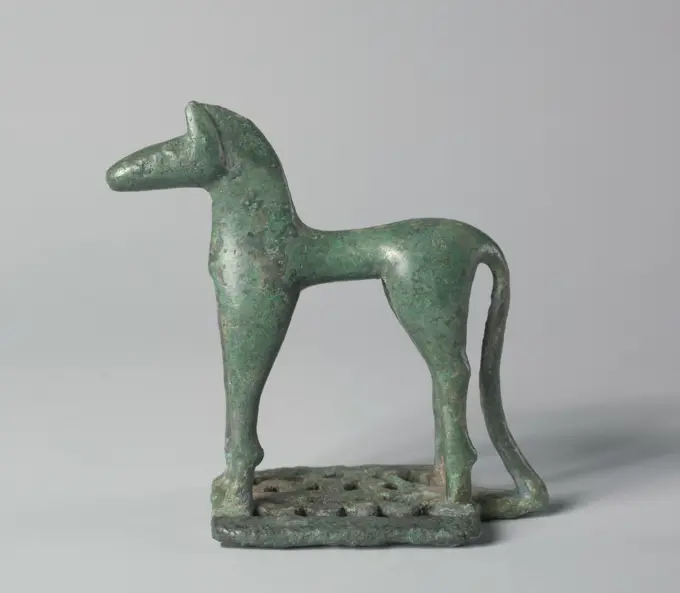
Horse, 750-725 BC. Greece, Geometric period, 8th Century BC. Bronze; overall: 7.3 cm (2 7/8 in.).
4409-58640
Mexico.Mexico city.National Museum of Antropology. Nayarit culture.Las Cebollas (200BC-600AC).Female figure in ceramic.Representation of a woman giving birth..
6145-29184499
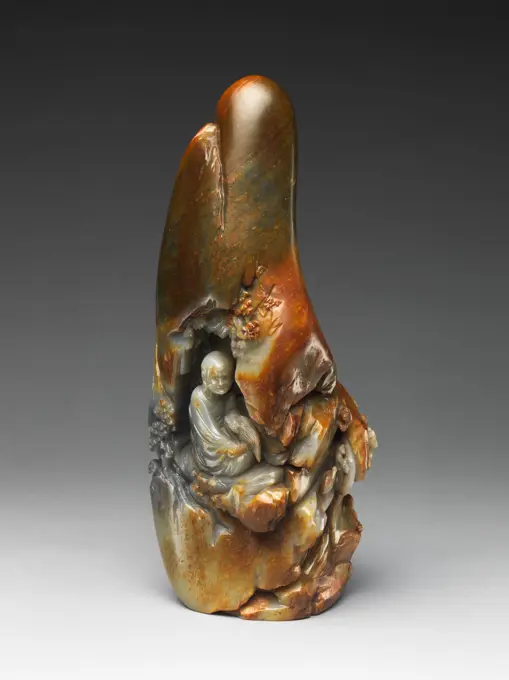
Seated luohan holding a fan late 18th century China In 1757, the Qianlong emperor visited the Shengyin Monastery in Hangzhou and saw a set of sixteen luohan paintings attributed to Guanxiu (832-912), a monk-artist renowned for his eccentric depictions of Buddhist adepts. The emperor fell in love with the paintings and commissioned responses in various media, including jade carvings like this one. The figures posture and feather fan suggest the luohan Gopaka.. Seated luohan holding a fan 42148
4409-17381660
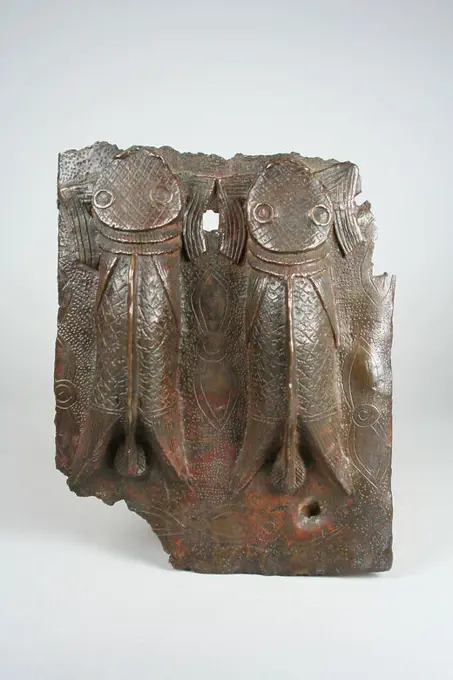
Plaque: Two Mudfish. Culture: Edo peoples. Dimensions: H. 9 1/2 in. (24.1 cm). Date: 16th-17th century. Museum: Metropolitan Museum of Art, New York, USA.
6145-29066163
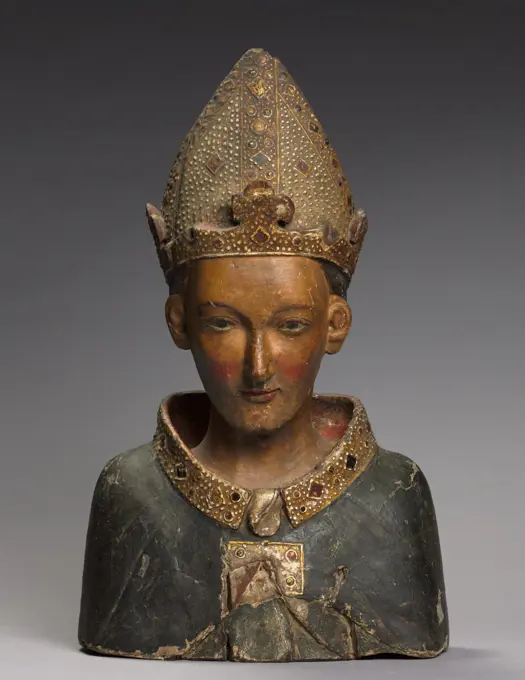
Bust Reliquary of St. Louis, Bishop of Toulouse, late 1300s. Italy, Tuscany (Siena), late 14th century. Wood (walnut) with polychromy, gesso and gilding; overall: 62 x 38.2 x 18.8 cm (24 7/16 x 15 1/16 x 7 3/8 in.).
6145-29150070
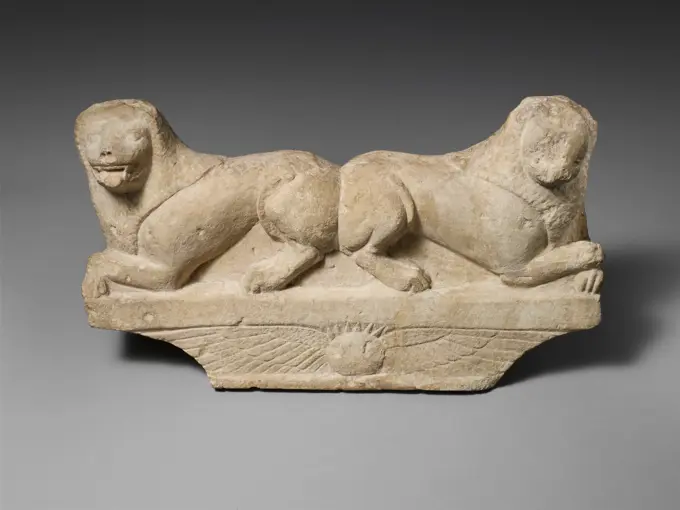
Limestone finial of a funerary stele with two recumbent lions late 6th or early 5th century B.C. Cypriot The cavetto finial is decorated with a winged disk; on the underside, a mortise of 4½ x 4 cm was used for attachment to a stele. The two lions are recumbent, back to back, but the hindquarters are raised, leaving an unfilled space below.. Limestone finial of a funerary stele with two recumbent lions 242416
4409-67283521
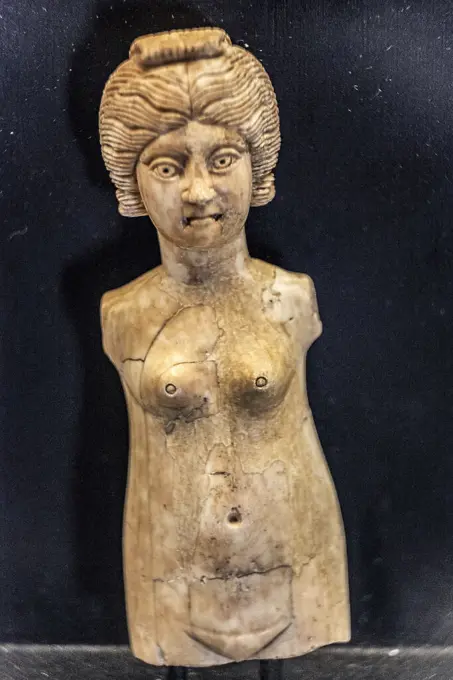
Ivory doll, Museum-Interpretation Center of the Segóbriga Archaeological Park, Saelices, Cuenca, Castilla-La Mancha, Spain.
4409-164672
Reliquary bust of Saint Cordula, 1351. Tortosa Cathedral. Museum: CATEDRAL DE TORTOSA.
6188-63941227
Statue, Hampi, Vijayanagar, UNESCO World Heritage, Deccan plateau, Taluka Hospet, District Bellary, Karnataka, India Copyright: xMadhusudanxTawde/DinodiaxPhotox
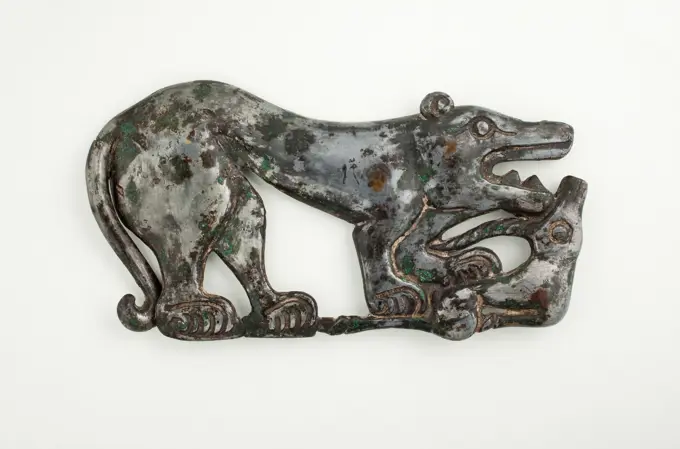
6145-29137893
Plaque (Bear). Southern Siberia, 6th-5th century B.C.. Sculpture; plaques. Silver
4443-28732064
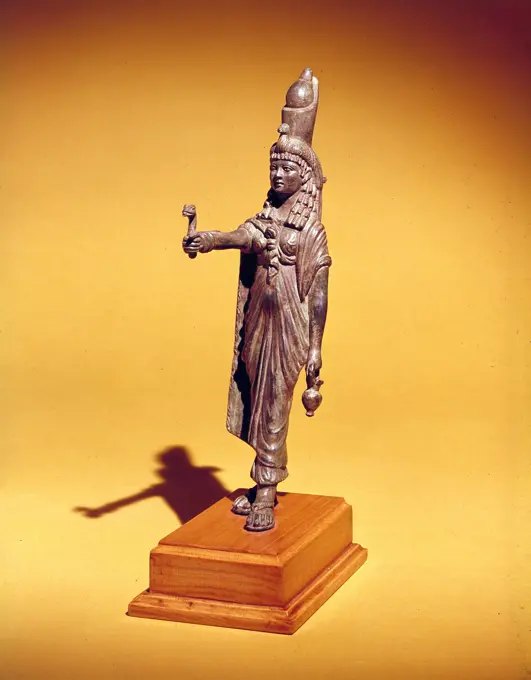
Goddess Isis, 1st century, 9 in. (22.9 cm), Bronze, Egypt, 1st century
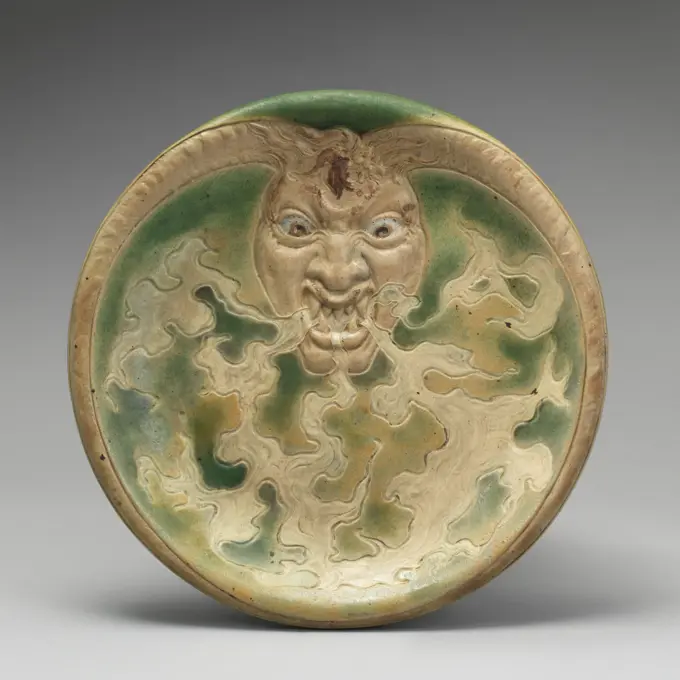
6145-29708143
Dish with devil's head design ca. 1890 Emile Muller and Co. An atypical subject in European decorative arts, the charming devil featured on this stoneware dish points to a fascination with the Occult that emerged in Europe at the end of the nineteenth century and the experimental designs made by Emile Müller at his commercial factory in Ivry, which became a center of Art Nouveau stoneware production in France.. Dish with devil's head design. French, Ivry. ca. 1890. Glazed stoneware. Ceramics-Pottery
6145-29800840
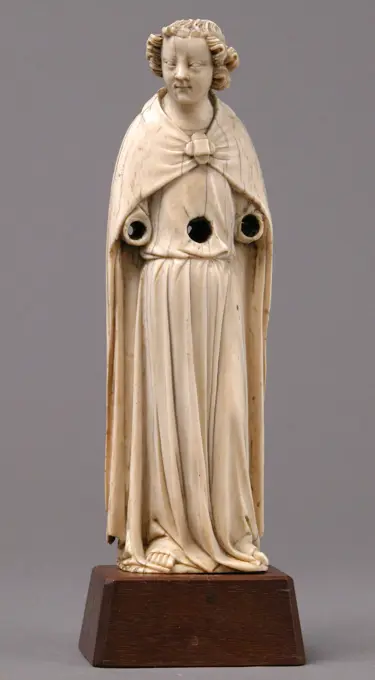
Angel ca. 1360-70 French This elegant statuette, along with a second angel, may have originally have held a reliquary.. Angel. French. ca. 1360-70. Ivory. Made in Paris, France. Ivories
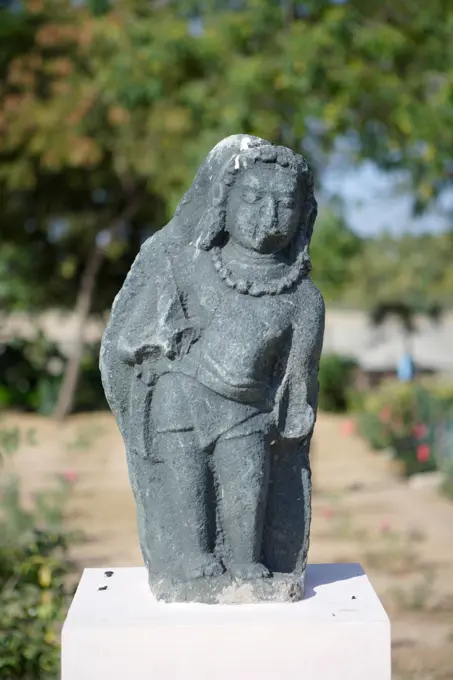
6145-29713535
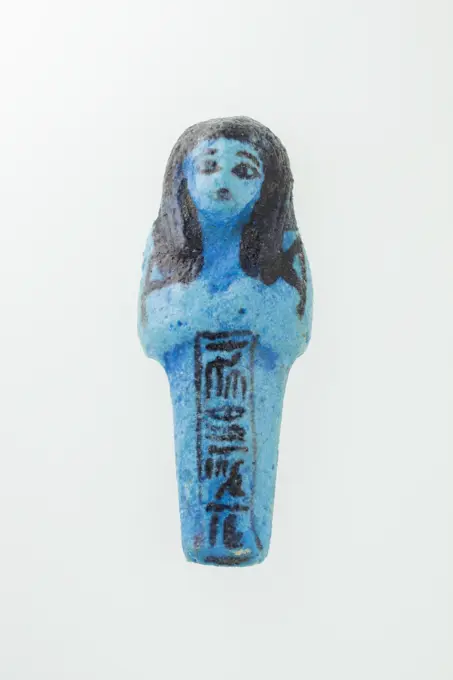
Worker Shabti of Nany ca. 1050 B.C. Third Intermediate Period See 30.3.30.1a, b. Worker Shabti of Nany. ca. 1050 B.C.. Faience. Third Intermediate Period. From Egypt, Upper Egypt, Thebes, Deir el-Bahri, Tomb of Meritamun (TT 358, MMA 65), first corridor, burial of Nany, MMA excavations, 1928-29. Dynasty 21
1746-19692459
6th century BC, a winged goddess (the Mistress of the Beasts). Note the fine gradulation and gold wire. AN 1896-1908.
6145-59069247
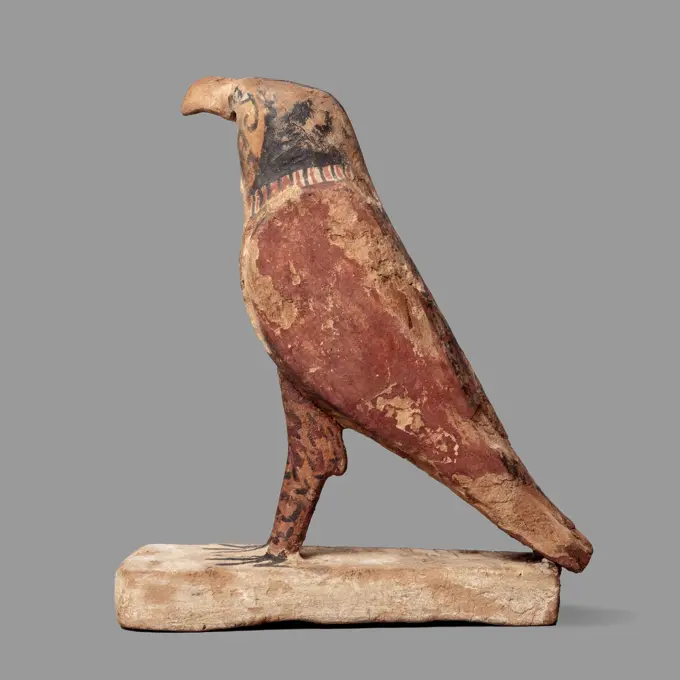
Figurine sokaris, guardian of the necropolis;  664-30 BC ; Half-period period-Ptolemam period (-664-00-00--30-00-00);Horus (mitol.), Museum of Folk Culture and Art (Warsaw), Scene.Gal.EG., Strączyński, Kazimierz (ante 1939 -) - collections, gift (provenance)
4409-17431544
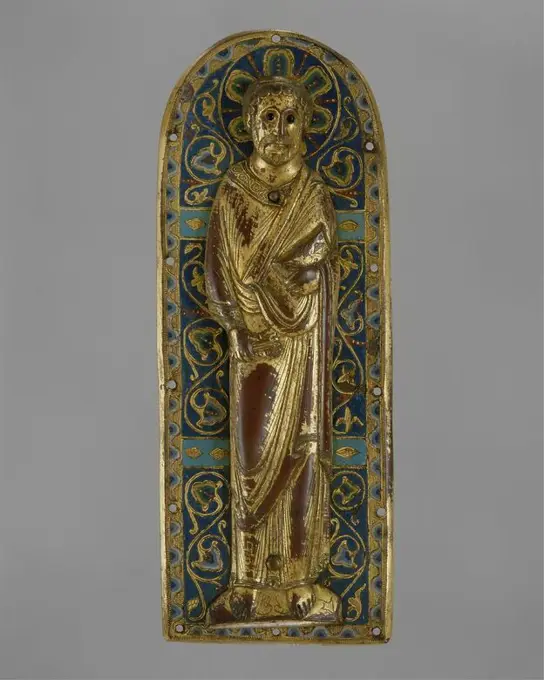
Plaque with Saint Peter. Culture: French. Dimensions: Overall: 9 3/4 x 3 3/4 x 1 1/16 in. (24.8 x 9.5 x 2.7 cm)Overall (Applique): 8 9/16 x 2 1/8 x 7/8 in. (21.8 x 5.4 x 2.2 cm). Date: ca. 1185-1200. Museum: Metropolitan Museum of Art, New York, USA.
6145-30161816
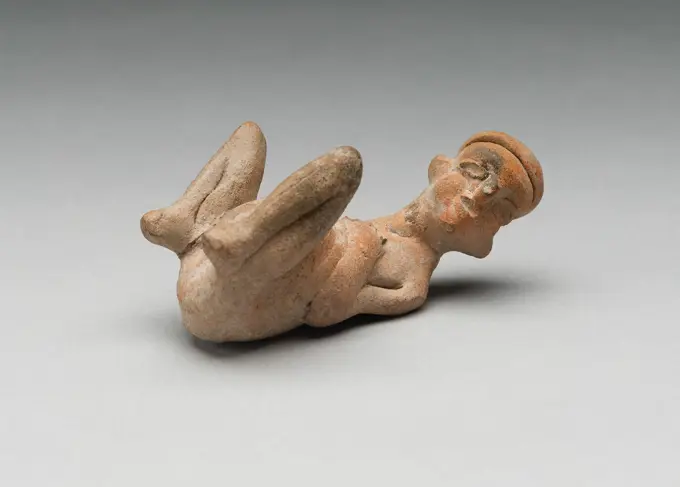
Seated Female Figure Giving Birth 100 CE-300 CE Colima state. Ceramic and pigment . Colima
6176-66077862
Fetishes found in the Pamitinan Cave in Sierra Madre near Wawa Dam, Rizal, Philippines, South Asia. Drawing by P. Sellier. Luzon and Palawan, six years of travel in the Philippines by Alfred Marche (1844-1898) Le Tour du Monde 1886
6145-29062456
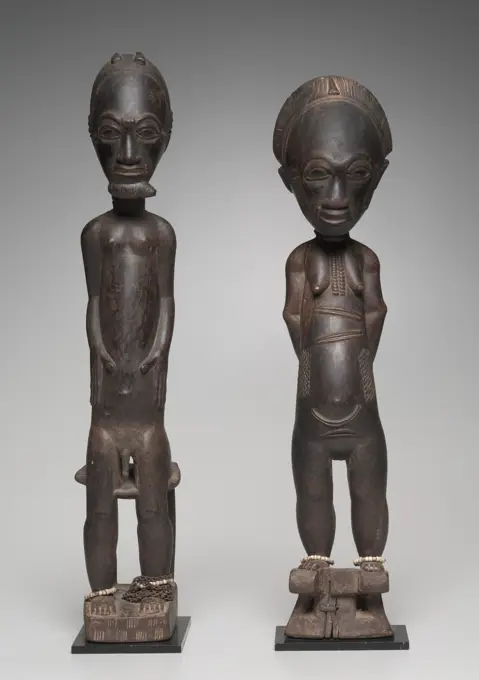
Figure Pair (asye usu), late 1800s to early 1900s. Africa, West Africa, Côte dIvoire, Baule-style carver. Wood, resin, glass beads, plant fiber, and metal; part 1: 49.5 x 9.1 x 13 cm (19 1/2 x 3 9/16 x 5 1/8 in.); part 2: 47.7 x 10 x 11 cm (18 3/4 x 3 15/16 x 4 5/16 in.). Baule figures carved as pairs usually represent untamed spirits of the wilderness called asye usu. These spirits may intervene in the lives of individuals by taking possession of them. If this possession does not result in madness, it can lead to the human hosts becoming a diviner who can enter into a trance to reveal the causes of ailments and other misfortunes. People who feel their lives are being interrupted by the asye usu commission carvings representing idealized male and female forms whose grace and beauty in both anatomy and adornment will seduce the spirits and compel them to use the sculptures as their temporary homes.
1746-21109189
Melanesian sculpture in bark or wood from the island of Malekula, in the pacific archipelago of Vanuatu. 20th century
6145-29143966
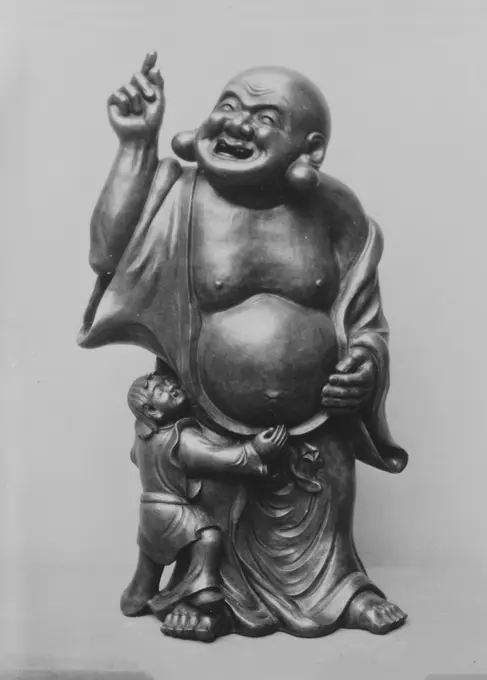
Hotei and Child 1820 Japan. Hotei and Child. Japan. 1820. Stoneware covered with thin glaze (Bizen ware). Edo period (1615-1868). Ceramics
4409-20925432
ARMADURA DE TORNEO DE RODOLFO II - 1571.
4409-17394333
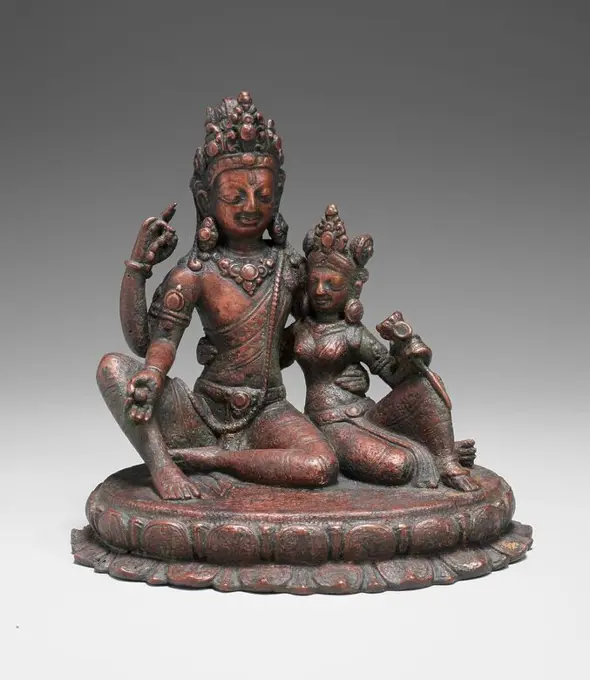
Shiva Seated with Uma (Umamaheshvara). Culture: Nepal (Kathmandu Valley). Dimensions: H. 5 3/8 in. (13.7 cm); W. 5 5/8 in. (14.3 cm); D. 4 1/8 in. (10.5 cm). Date: 11th century. Museum: Metropolitan Museum of Art, New York, USA.
1899-18714559
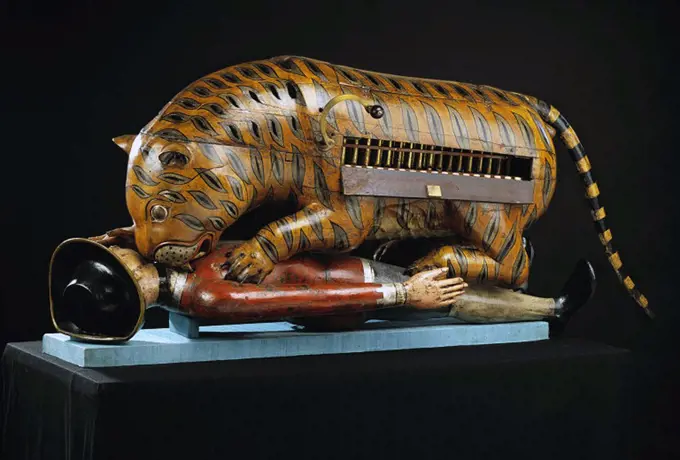
Tipu's Tiger belonged to Tipu Sultan, ruler of Mysore (1782-1799). The almost life-size wooden automaton represents a tiger mauling a prostrate figure in European clothes. There is an organ inside the tiger's body. When a handle is turned, the organ plays and the victim's arm rises and falls. The tiger was taken by the British from the palace at Mysorel after the Siege of Seringapatam in 1799. It was sent to the headquarters of the East India Company in London where it was exhibited. It was later transferred to the Victoria and Albert Museum in South Kensingtion.
PREVIOUS
of 4
NEXT
2401 S. Ervay, Suite 206
Dallas, Texas 75215
United States
Get Started
Free ResearchMy BoardsMy Cart
For Creators
How To License Your ContentContributor PortalFrame of Mind
Resources
API accessPricing
Contact
+1 866 236 0087help@viewpictures.co.uk Contact form
©2026 View Pictures. All Rights Reserved. -B
This site is protected by reCAPTCHA and Google Privacy Policy and Terms of Service apply.