Ancient Fragments and Artifacts

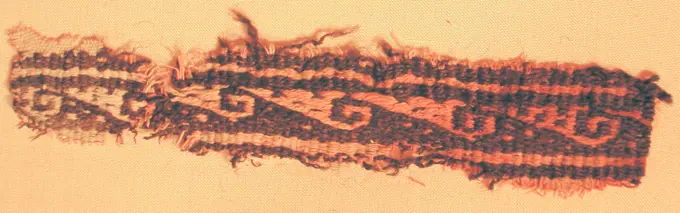
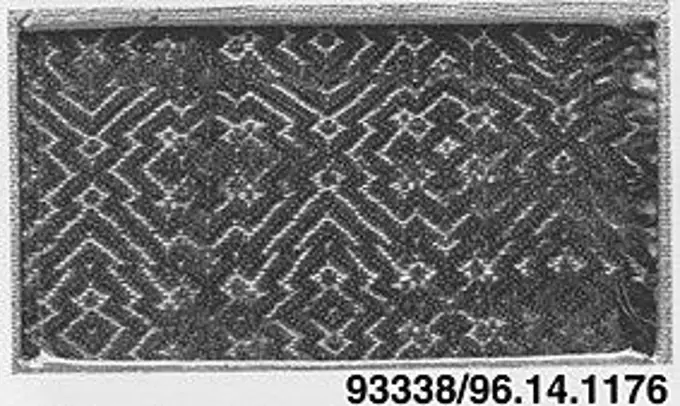
A collection of ancient fragments including pottery shards and barkcloth, displaying intricate designs and historical craftsmanship from different cultures.

Flask. Unknown
Flask. Unknown
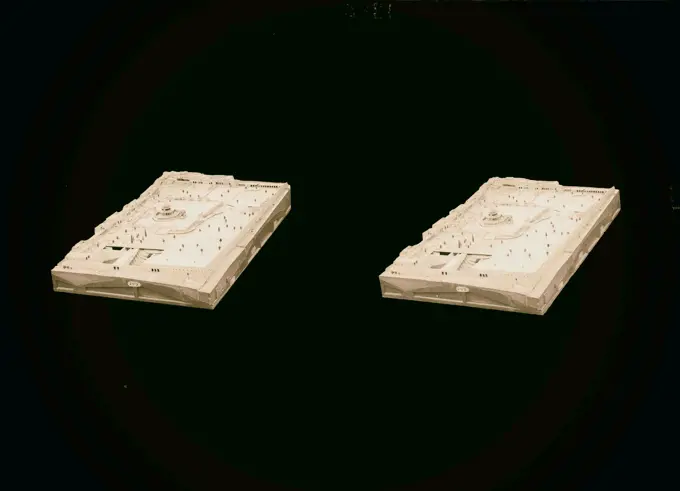
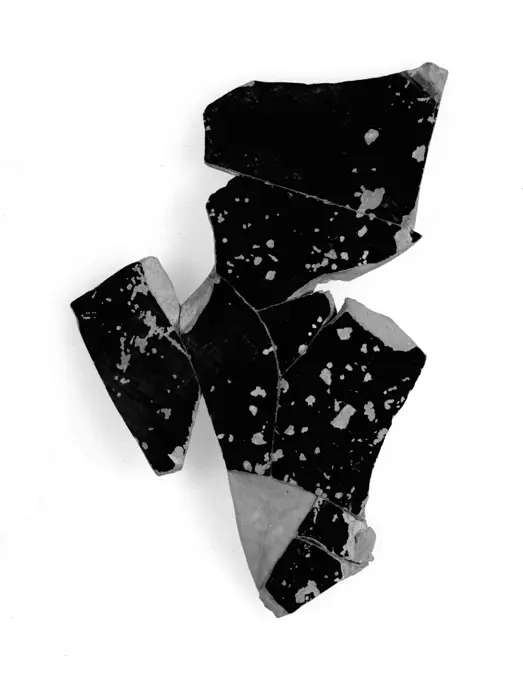
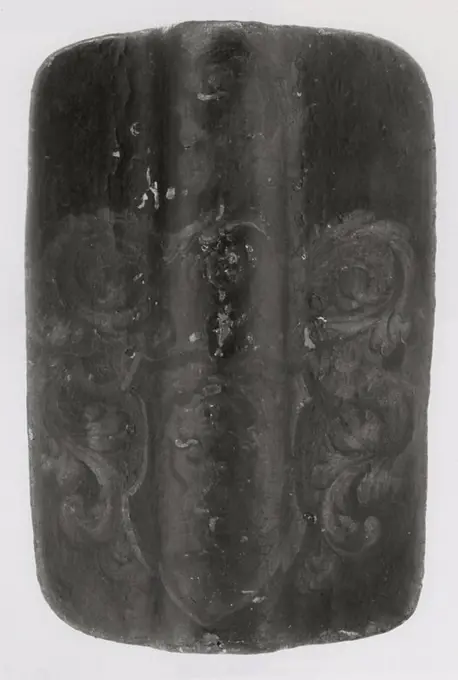
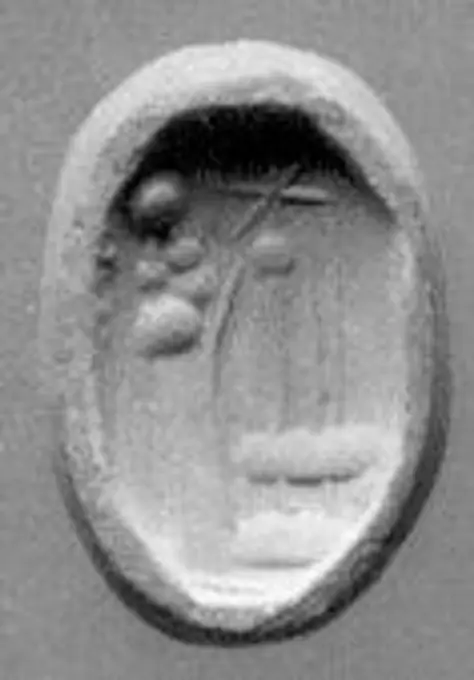
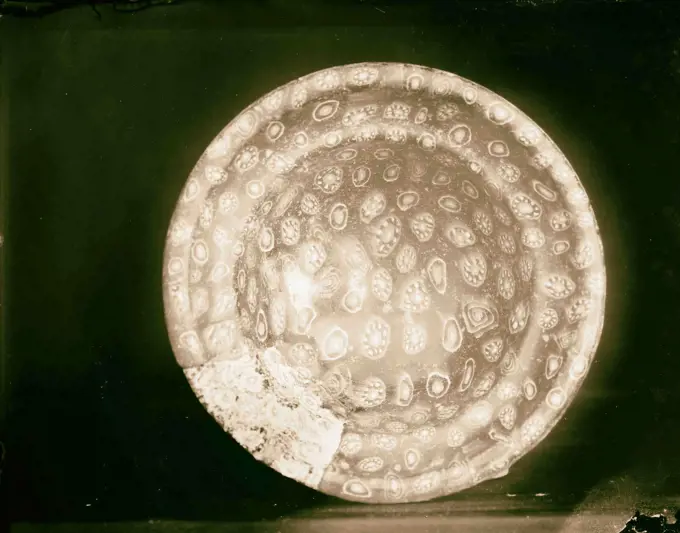
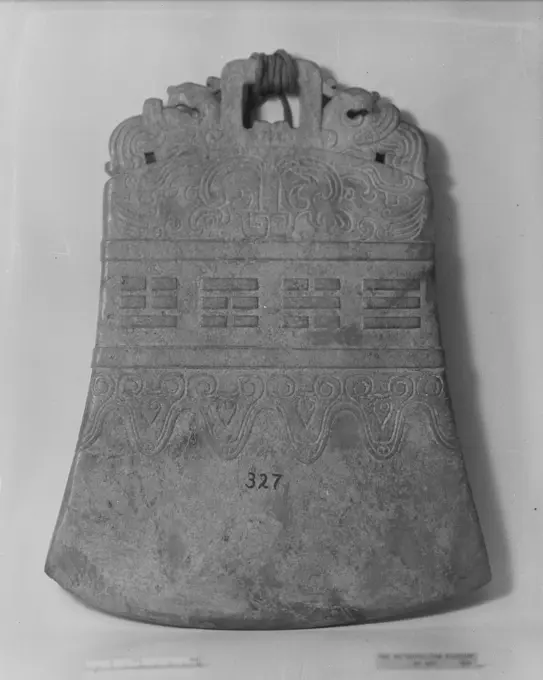
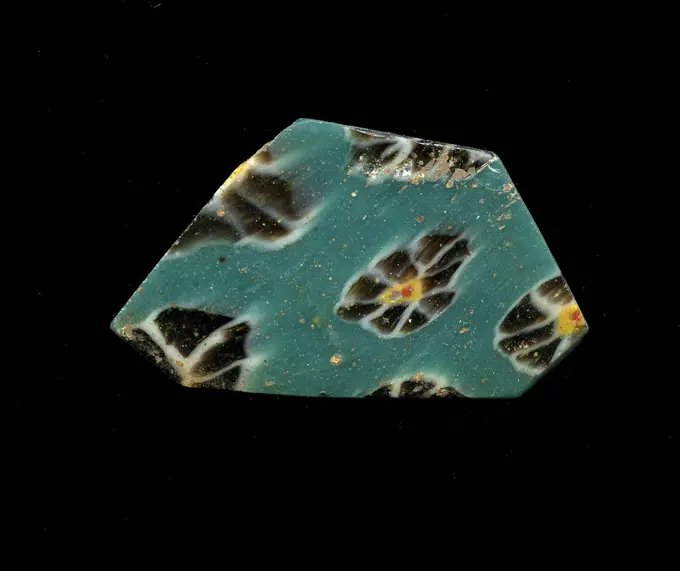
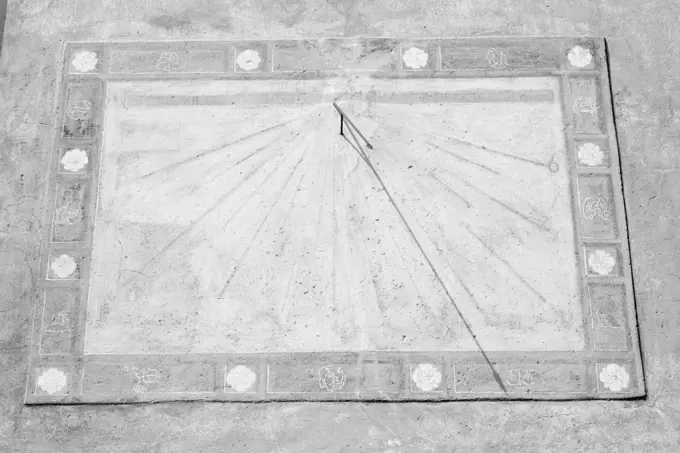
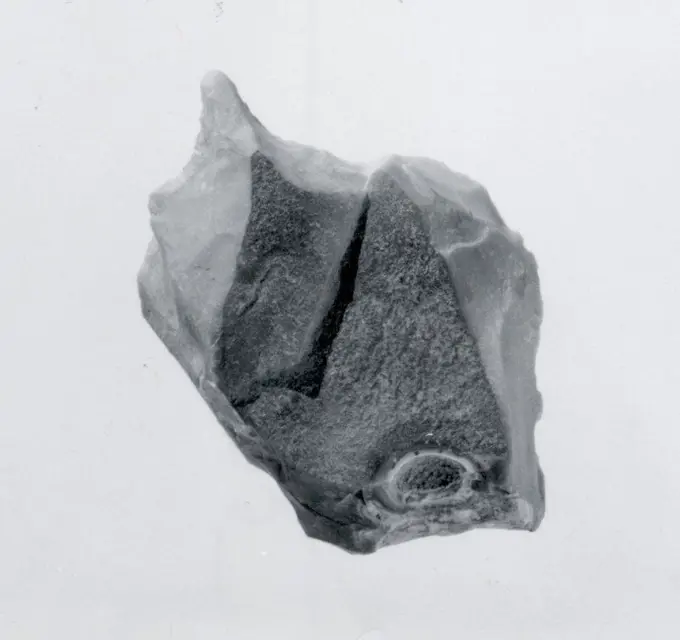
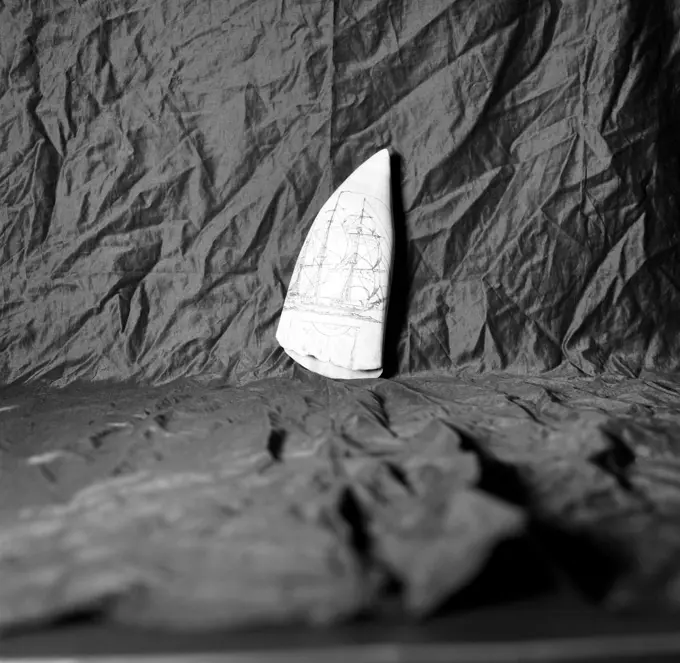
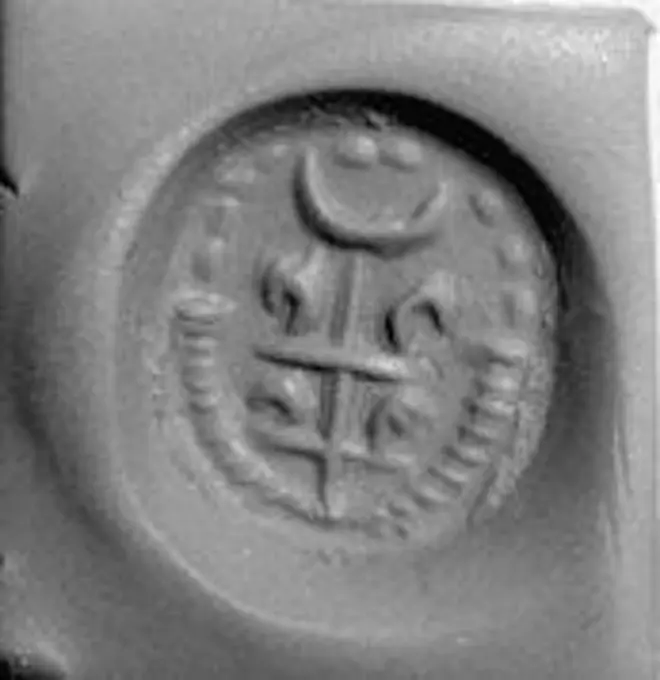
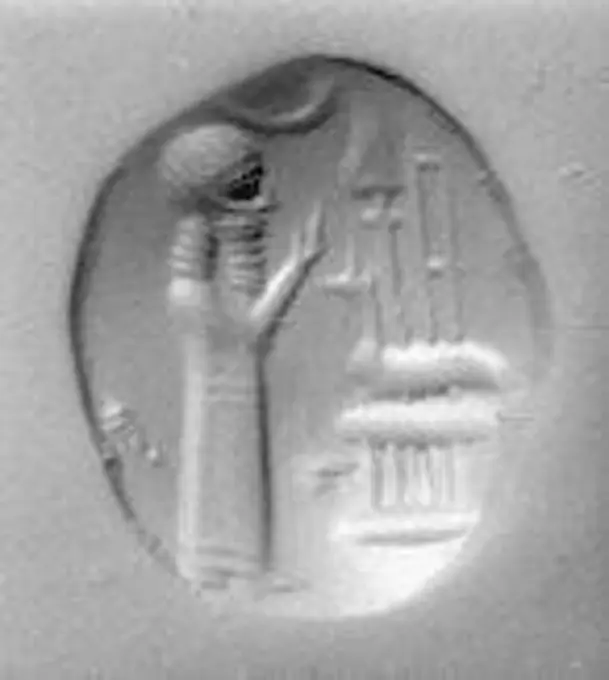
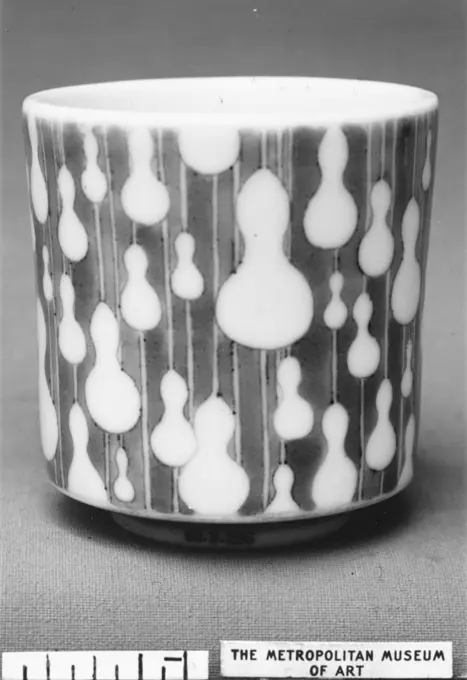
Sweden, Blekinge, Blekinge, Karlskrona, Karlskrona, external marina (depicted, town).Sweden, Blekinge, Blekinge, Karlskrona, Karlskrona, External War Gogs (depicted, City)Minimalist flat lay of a cappuccino with latte art on a white background, sprinkled with cocoa powder and coffee beans for a clean modern look.Collection Dutch Heidematschappij. tools. undatedTrebizond Coin; about 13th century; Silver, Byzantine Coinage of the empire of TrebizondsDr. Shicks' models. Hadrian's temple and environs 1900, IsraelTongs ca. 1810 Probably Paul Revere, III. Tongs. American. ca. 1810. Silver. Made in Boston, Massachusetts, United StatesBead China. Bead 43128Sampler 19th century German or Austrian. Sampler 228162Bobbin Lace Edging, 18th century. Spain, Terez, 18th century. Lace, bobbin; average: 5.8 x 14.7 cm (2 5/16 x 5 13/16 in.).Four decorated scales of Italian earthenware, prepared during the exhibition Rétrospective of 1873 in Tours, France, Gabriel Blaise, 1873 photomechanical print  Tours paper  dish, plate, saucer. container of ceramics: jar, jug, pot, vase. temporary exhibition, 'Salon' ToursTextile Fragment 4th-5th century. Textile Fragment 443686Puzzle summit with saw cut from the province of Saxony, vintage engraved illustration. From the Universe and Humanity, 1910.Attic Panathenaic Amphora Fragment (comprised of 8 Joined Fragments). UnknownSet of black brush, paint, ink brush strokes, brushes, lines. Dirty artistic design elements. Vector illustration. Isolated on white background.Hand Pavise. German, Nuremberg. possibly Bohemian. Date: 1450-1500. Dimensions: 65.9 x 43.2 cm (26 x 17 in.)Wt. 10 lb. 7 oz. Wood, canvas, leather, paint, and gesso. Origin: Nuremberg. Museum: The Chicago Art Institute, Chicago, USA.Membership badge bandaged the clubs for simplified stenography (with a long needle)Coin probably 8th century. Coin. probably 8th century. Copper. Excavated in Iran, Nishapur. CoinsPoll photo collection. Crafts. Crocheted dress, designed by Mrs. van Meerendonk. undatedFragment Made 1000-1476 Peru. .Frame Fragment from a Model Bed ca. 1550-1295 B.C. New Kingdom. Frame Fragment from a Model Bed. ca. 1550-1295 B.C.. Wood. New Kingdom. From Egypt. Dynasty 18Arrowhead. Culture: Japan. Dimensions: W. 3/4 in. (1.9 cm); L. 1 1/4 in. (3.2 cm). Museum: Metropolitan Museum of Art, New York, USA.in oman antique door entrance and      decorative handle for backgroundThe top piece of a raw asparagus.Piece 18th century French. Piece 224012Stamp seal (octagonal pyramid) with cultic scene 7th - 6th century B.C. Assyro-Babylonian. Stamp seal (octagonal pyramid) with cultic scene. Assyro-Babylonian. 7th - 6th century B.C.. Flawed and veined neutral Chalcedony (Quartz). Neo-Assyrian / Neo-Babylonian. MesopotamiaAntique glass, stone items, 1898, Middle EastIt is attached to the tube hole through which the pressurized air passes. It is a metal piece. It is somewhat rounded in shape, vintage engraved line art illustration. Bicycle Accessories - 1900Roman numbers collection, from 1 to 7, on a real ancient graniteSamo (depicted - name).Samo (depicted - name)Cage sun visor devoid of its envelope of silver paper to reveal the disposal of appliances in the house, vintage engraved illustration. Industrial encyclopedia E.-O. Lami - 1875.Gong China. Gong. China. Nephrite. Han dynasty (206 B.C.-A.D. 220). JadeFragment of a Sleeve 4th-5th century. Fragment of a Sleeve 444021Trivet 1770-1800. Trivet 1483Marble bowl fragment with Phoenician inscription ca. 389 B.C. Cypriot. Marble bowl fragment with Phoenician inscription 241829Saucer China 19th centuryBrain coral stone macro detail closeup studio shotSweden (depicted - name).Sweden (depicted - name)Attic Black-Figure Amphora Fragment. UnknownVintage Photograph. A peice of metal with rust. Frame 1.Key 17th century French. Key. French. 17th century. Iron. Metalwork-IronNocturnal: Here is- one night's haul of cockroaches from the home of Mr. A. Wills, at Boundary-street, Croydon, one of those invaded by millions of the pest, thought to breed in a nearby brick- pit.Homes in Webb and Boundary Streets are also badly affected.Residents trap the cockroaches in jars containing a bait of one part of fluoro-silicate and two parts of cocoa. May 29, 1945.Marblehead, Lee Mansion, back rest , Seating furniture. Samuel Chamberlain Photograph Negatives CollectionWasp nest, vintage engraved illustration. Natural History of Animals, 1880.Pin. UnknownFragment of a vessel. A low curvature of the glass fragment allows the assignment to a vessel, possibly a shell. On turquoise reason, several flowers in millefiori technology can be seen. The individual flowers consist of a red dot with yellow border as a core to laid the brown dots with white contour as petals. For the production, different colored glasses into tubes and rods were formed. These were compressed and heated, causing a long bar. The glass sliced now had different amorphous or floral patterns. Thereafter, several of these platelets were folded together, heated again and pressed into the vascular shape. Burry for the elaborate manufacturing process and its fragility was one of the luxury articles of antiquity.in italy sundial and gnomon antique historical medieval decoration wallFragment of an Inscribed Slab 6th-7th century. Fragment of an Inscribed Slab 456145Awl ca. 4600-3600 B.C. Ghassulian. Awl 326535Blank Plastic Bag Mock Up. Empty Polyethylene PackageFragment. Dimensions: 10 1/8 in. high 7 11/16 in. wide (25.7 cm high 19.5 cm wide). Date: 4th century. Museum: Metropolitan Museum of Art, New York, USA.Piece 18th-19th century Japan. Piece 66895Paperweight. Culture: China. Dimensions: H. 1 7/8 in. (4.8 cm); W. 3 1/4 in. (8.3 cm). Date: 18th century. Museum: Metropolitan Museum of Art, New York, USA.Fragment. Dimensions: 3 15/16 in. high 3 15/16 in. wide (10 cm high 10 cm wide). Date: 2nd-3rd century. Museum: Metropolitan Museum of Art, New York, USA.Seal 18th century China. Seal 41956Poll photo collection. Product photos; silverware. Spoons with fruits from the fa. Gerritsen & Van Kempen in Zeist. January 1, 1930. Utrecht (province), ZeistCandle. Dimensions: H. 11 3/4 in. (29.8 cm). Date: ca. 1775. Museum: Metropolitan Museum of Art, New York, USA.Scrimshaw given to President Kennedy. Front view of a piece of whale tooth scrimshaw engraved with a sailing vessel, given to President John F. Kennedy.Dish China. Dish. China. Nephrite. Ming dynasty (1368-1644). JadeHeaddress 18th century French. Headdress 227671Stamp seal ca. 3rd-7th century A.D. Sasanian. Stamp seal. Sasanian. ca. 3rd-7th century A.D.. Hematite. Sasanian. Iran or MesopotamiaScabbard ornament China. Scabbard ornament 42805Stamp seal (oval conoid) with cultic scene late 8th - 6th century B.C. Assyro-Babylonian. Stamp seal (oval conoid) with cultic scene. Assyro-Babylonian. late 8th - 6th century B.C.. Banded and flawed blue Chalcedony (Quartz). Neo-Assyrian / Neo-Babylonian. MesopotamiaElements from a Garniture Made for Christian I of Saxony (1560-1591). Armorer: Anton Peffenhauser (German, Augsburg, 1525-1603). Culture: German, Augsburg. Dimensions: breastplate (a): 19 1/2 x 15 3/8 in. (49.6 x 39 cm); backplate (b): 17 1/2 x 14 3/16 in. (44.5 x 36 cm); right cuisse (c): 16 x 7 3/8 in. (40.6 x 18.7 cm); Wt. 2 lb. 6 oz. (1088 g); left cuisse (d): 16 1/2 x 7 1/2 in. (41.9 x 19 cm); Wt. 2 lb. 7 oz. (1098 g). Date: 1582.Peffenhauser was among the most celebrated and long-lived armorers of Augsburg, a city famous for its armor-makers. The pieces displayed here are thought to be part of a garniture commissioned by Elector August of Saxony (1526-1586) in 1582. Because of its slender proportions, the armor is assumed to have been ordered as a present for the elector's son, Christian (1560-1591), who later succeeded his father as archduke and elector of Saxony. These elements were intended for light cavalry or infantry use. The original garniture also included a complete armFragment. Culture: American. Dimensions: 5 1/4 x 4 in. (13.3 x 10.2 cm). Maker: Redwood Glass Company (1828-1868). Date: 1828-68. Museum: Metropolitan Museum of Art, New York, USA.Blue Plate ca. 1940 Leon Kelly American. Blue Plate 488110Anefo photo collection. Moonstone in window of jeweler Citroen in Kalverstraat in Amsterdam. December 20, 1972. Amsterdam, Noord-HollandMvsp.Bremön bottom.Bremön (depicted - name)Lazio Frosinone Veroli S. Andrea Apostolo, Cathedral04. Hutzel, Max 1960-1990 Views of metalwork objects housed in Treasury of S. Andrea Apostolo, including busts, reliquaries, crosses, polittico, boxes. Antiquities: relief sculpture; busts General Notes: Museum, which contains Treasury, is located in the last chapel of the right nave. Thirteen views of (non-metalwork) sculpture from Museum have been assigned numbers at end of Treasury sequence, but there are no negatives corresponding to these prints, nor is there authoritative evidence that these objects are housed in the Cathedral Museum. German-born photographer and scholar Max Hutzel (1911-1988) photographed in Italy from the early 1960s until his death. The result of this project, referred to by Hutzel as Foto Arte Minore, is thorough documentation of art historical development in Italy up to the 18th century, including objects of the Etruscans and the Romans, as well as early Medieval, Romanesque, Gothic, Renaissance and BaroqueConical Cup. UnknownSheet metal, BeyrouthCup with Gourd Design 1780 Japan. Cup with Gourd Design 52325Bowl 10th century. Bowl 449562Sweden, Blekinge, Blekinge, Karlskrona, Karlskrona, external marina (depicted, town).Sweden, Blekinge, Blekinge, Karlskrona, Karlskrona, External War Gogs (depicted, City)Stamp seal ca. 3rd-7th century A.D. Sasanian. Stamp seal. Sasanian. ca. 3rd-7th century A.D.. Carnelian. Sasanian. Iran, Qasr-i Abu NasrStamp seal ca. 3rd-7th century A.D. Sasanian. Stamp seal 323562Vase. Culture: China. Dimensions: H. 8 1/2 in. (21.6 cm). Museum: Metropolitan Museum of Art, New York, USA.Fragment of a Border. Date: 5th-6th century. Museum: Metropolitan Museum of Art, New York, USA.Girdle ornament. Culture: China. Dimensions: H. 2 5/8 in. (6.7 cm); W. 1 1/8 in. (2.9 cm); D. 5/8 in. (1.6 cm). Museum: Metropolitan Museum of Art, New York, USA.Trophy of musical instruments detail 18th century French. Trophy of musical instruments detail. French. 18th century. Wood, gilt. WoodworkMummy Cloth Fragment ca. 1184-1153 B.C. New Kingdom, Ramesside. Mummy Cloth Fragment. ca. 1184-1153 B.C.. Linen. New Kingdom, Ramesside. From Egypt, Upper Egypt, Thebes, Deir el-Bahri, Tomb of Ramesses III (KV 11), Mummy of Ramesses III, Egyptian Antiquities Service/Maspero excavations, 1881. Dynasty 20Attic Black-Figure Belly Amphora Fragment. UnknownCylinder seal ca. 19th-16th century B.C. Babylonian. Cylinder seal 323892Vintage Photograph. Nail in wood with knot.Fan early 18th century French. Fan 209622metal, silver, Chinese silver bar, wood engraving, from: book of inventions, trades and industries, Otto Spamer publishing house, Leipzig - Berlin, 1864 - 1867,Fan 20th century Japan. Fan 68464Antique vector drawing or engraving of vintage floral decorative design of flowers in frame in black and white.From Der neugepflansste kleine Baum-Garten, 1772.. Vintage Vector Drawing or Engraving of Antique Floral Decoration Design of Flowers in FrameHorn Burmese late 19th century Entwined within the elaborate foliate design are dancers, musicians and figures working, praying and a kneeling elephant. These may be scenes from the life of a King Wathandria.Anefo photo collection. Broadcasting emblems EO and TROS. March 16, 1973Piece 1800-1830 Chinese. Piece 13818Poll photo collection. Product photos; silverware. Molds for teaspoons of the fa. Gerritsen & Van Kempen in Zeist. January 1, 1930. Utrecht (province), ZeistCarinated lentoid seal 5th-4th millennium B.C.. Carinated lentoid seal. 5th-4th millennium B.C.. Chlorite or steatite, black. Late Ubaid-Middle Gawra. Eastern AnatoliaDuckling amulet ca. 2110-2030 B.C. Old Kingdom-First Intermediate Period. Duckling amulet. ca. 2110-2030 B.C.. Ivory. Old Kingdom-First Intermediate Period. From Egypt. Dynasty 8-11Group of Fragmentary Votive Heads (94). UnknownFragment early 19th century British. Fragment. British. early 19th century. Textiles-LacesSouthern Sweden, Ystad, traditional wooden fenceA photograph of a vertical sundial. Dated 20th centuryPair of Earrings (with 16.10.407) ca. 1635-1458 B.C. Second Intermediate Period-Early New Kingdom. Pair of Earrings (with 16.10.407) 546983