Ancient Fragments and Artifacts

A collection of ancient fragments including pottery shards and barkcloth, displaying intricate designs and historical craftsmanship from different cultures.

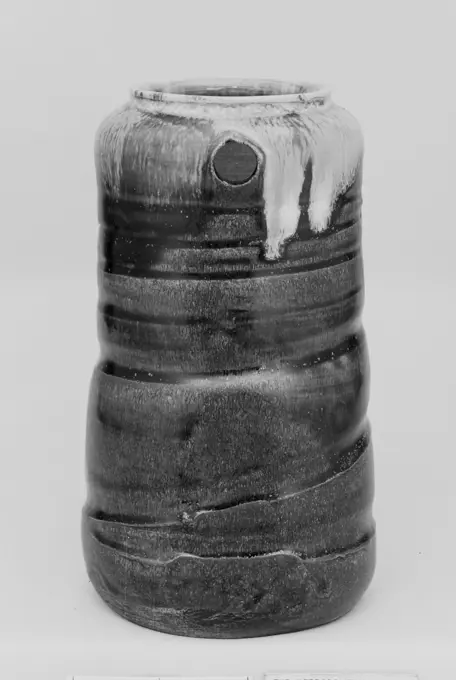
Flask. Unknown
Flask. Unknown
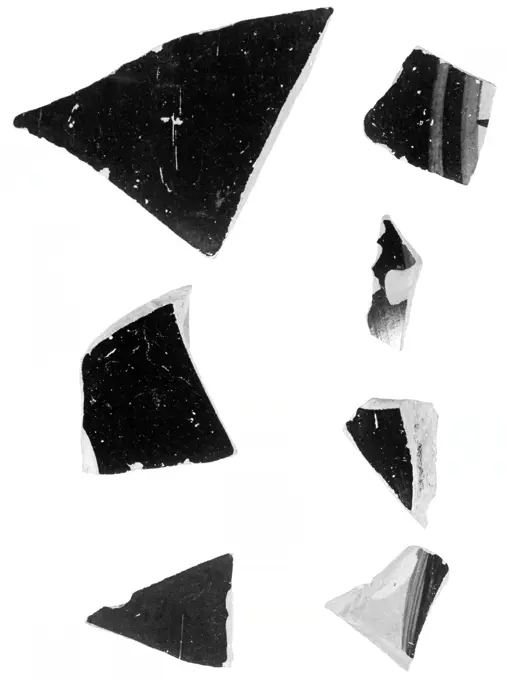
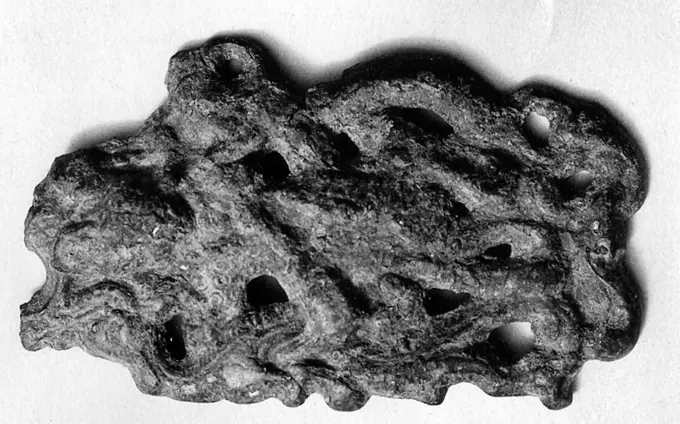
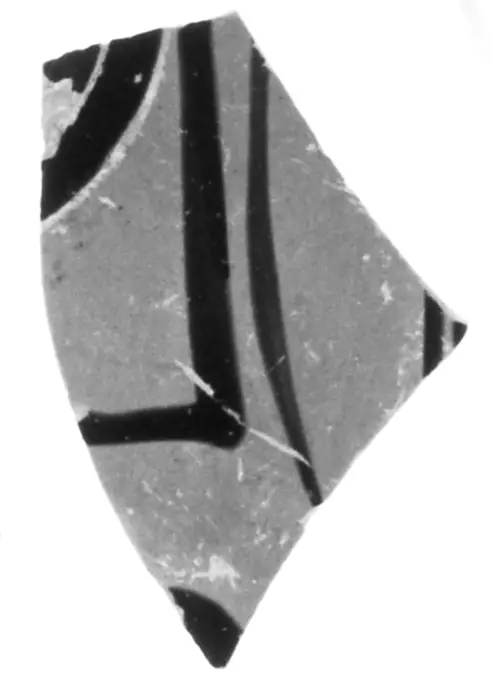
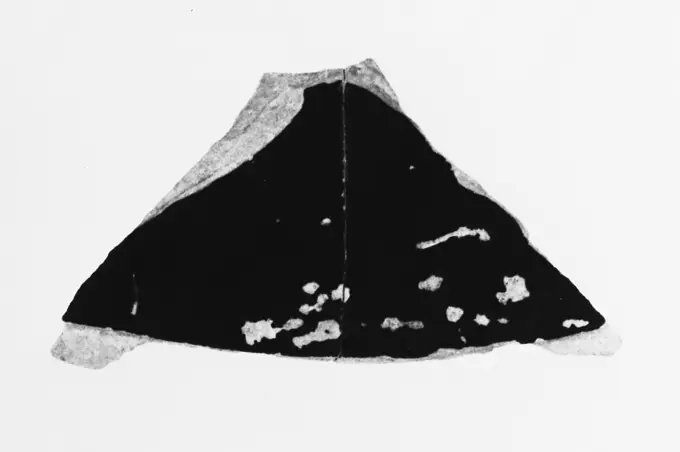
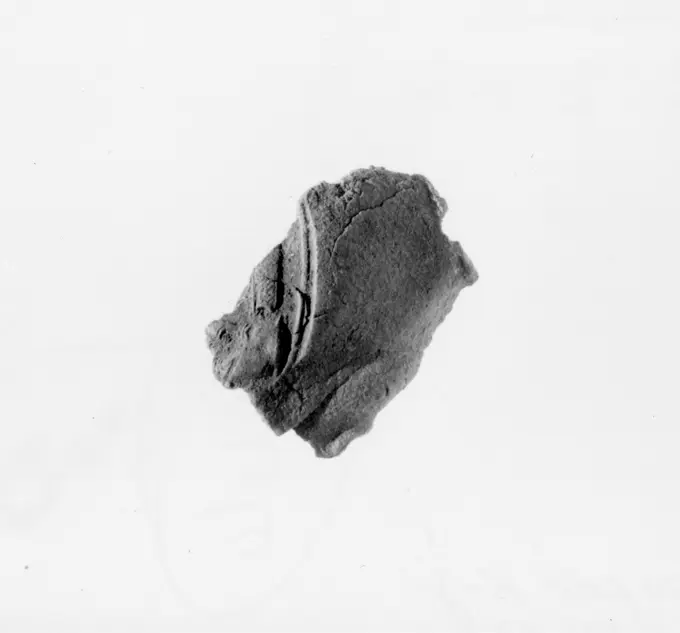
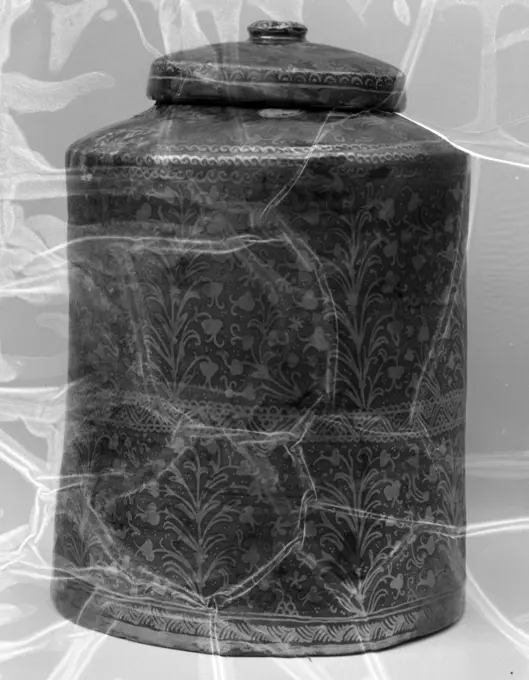
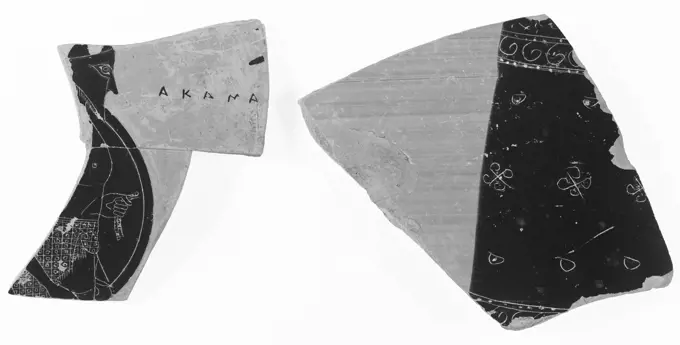
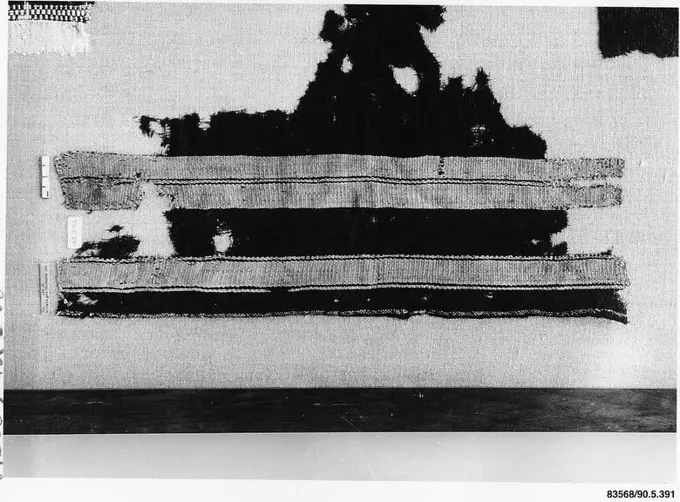
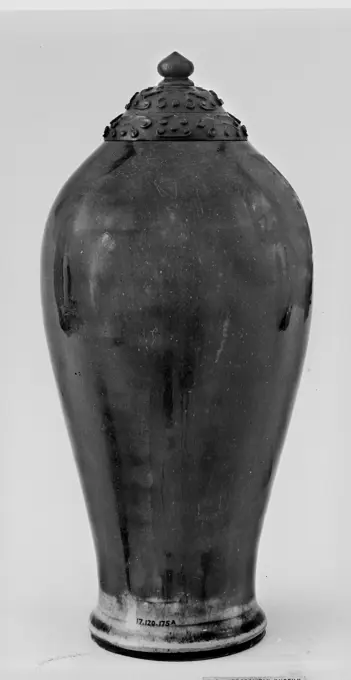
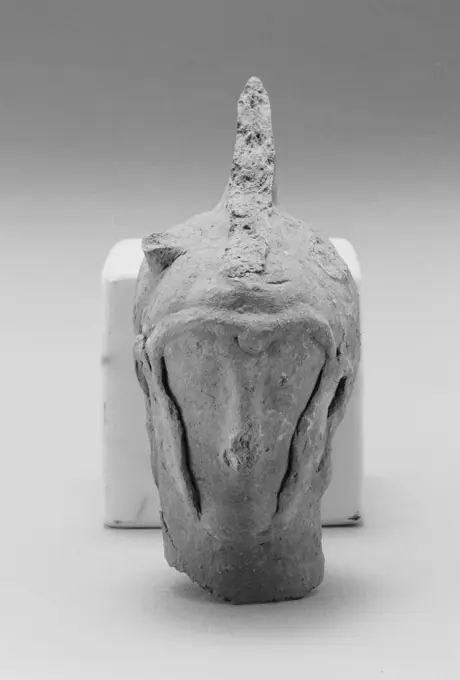
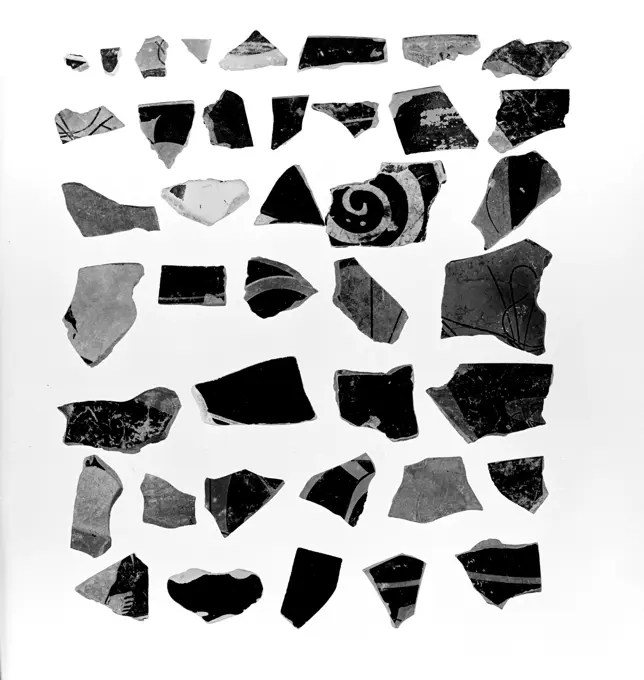
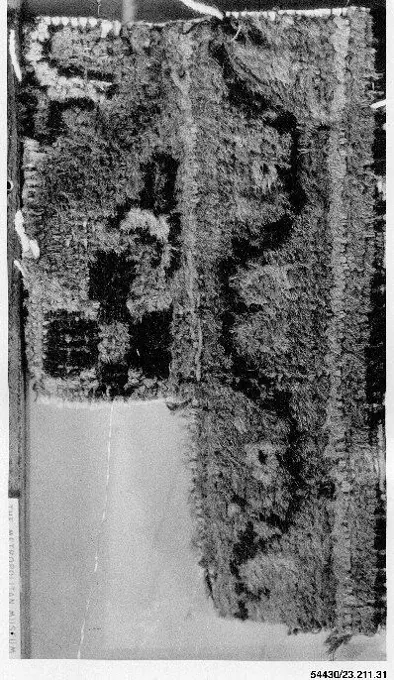
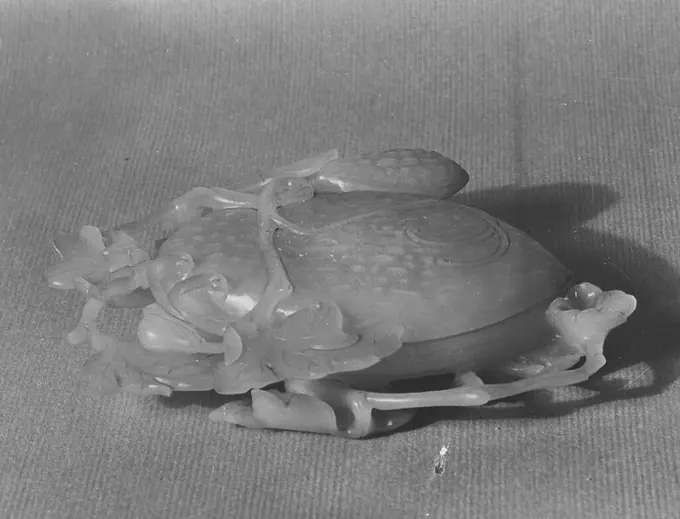
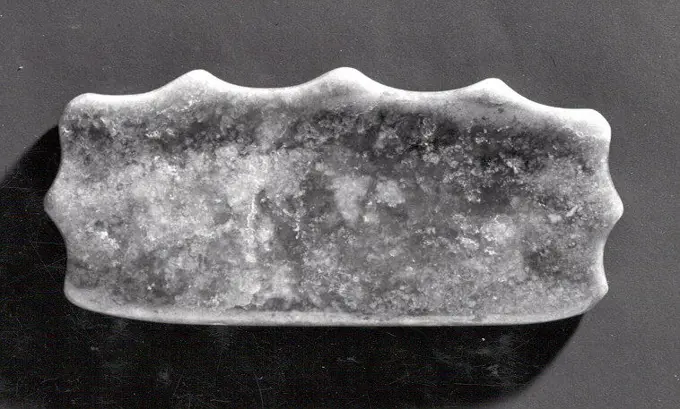
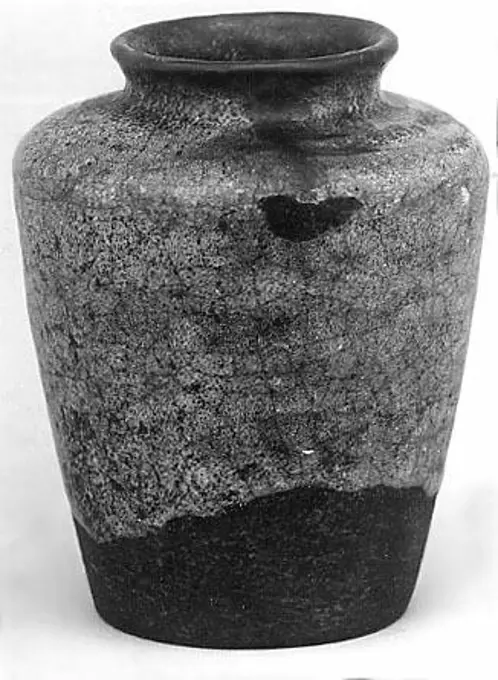
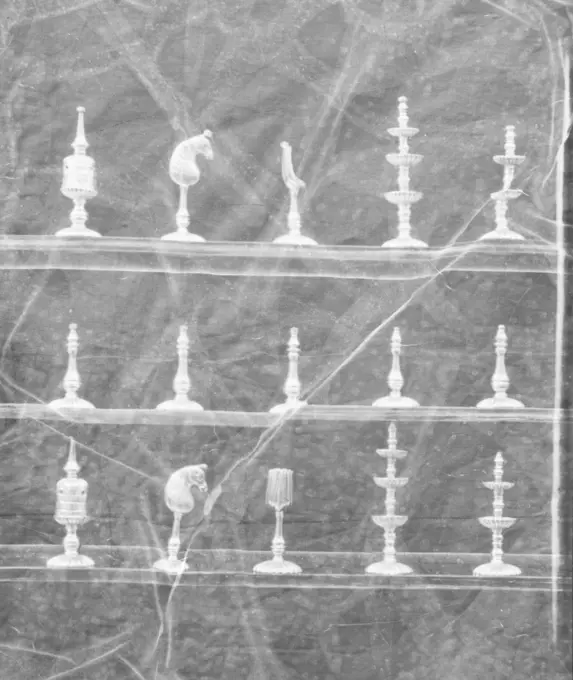
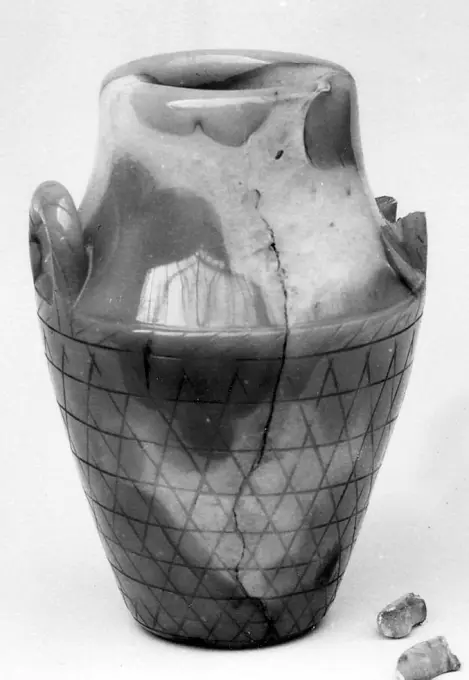
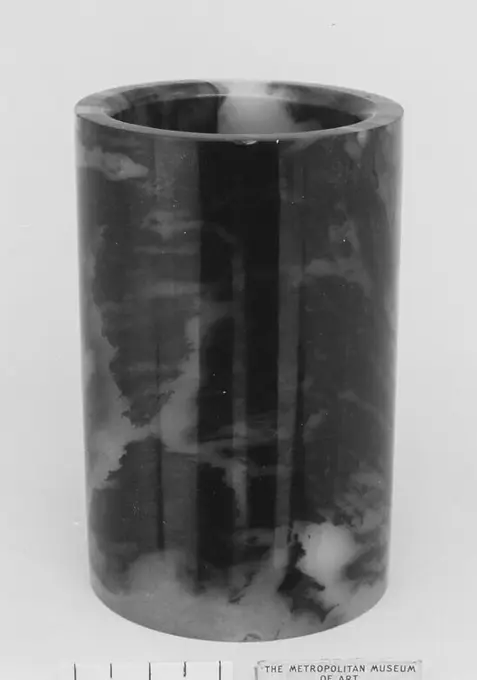
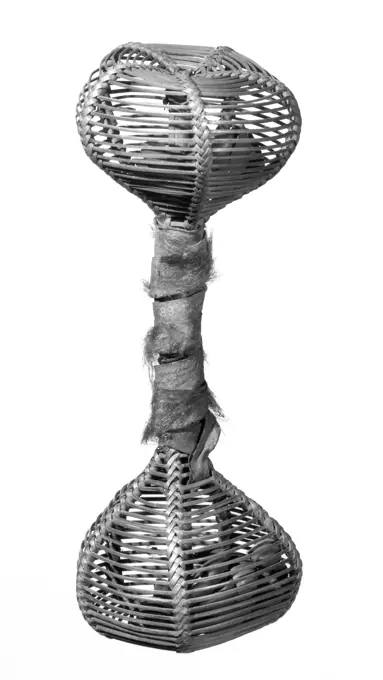
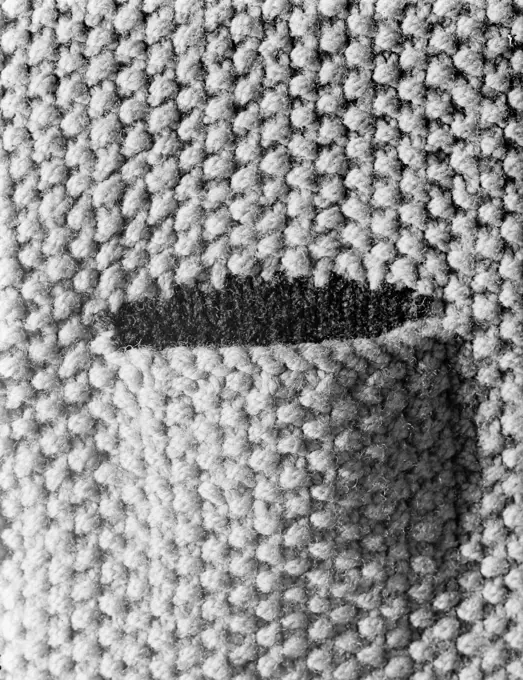
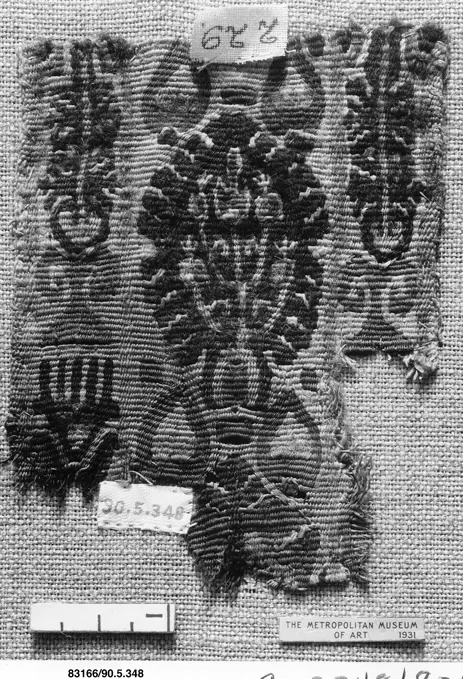
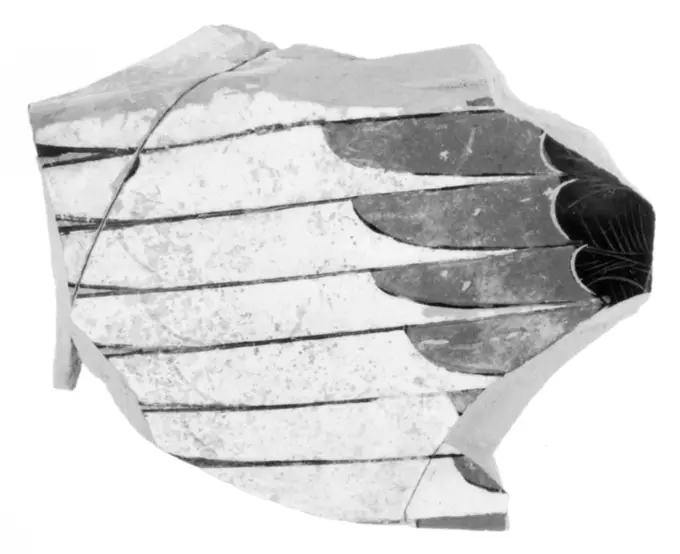
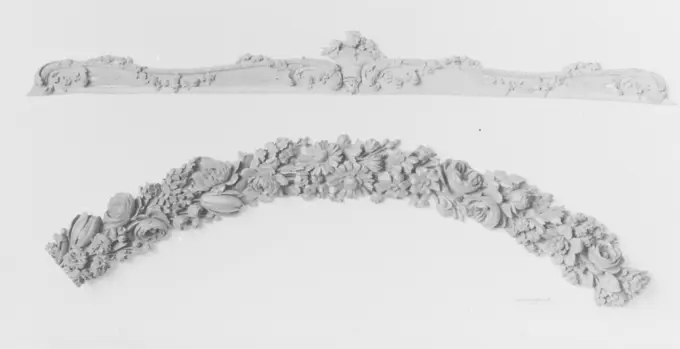
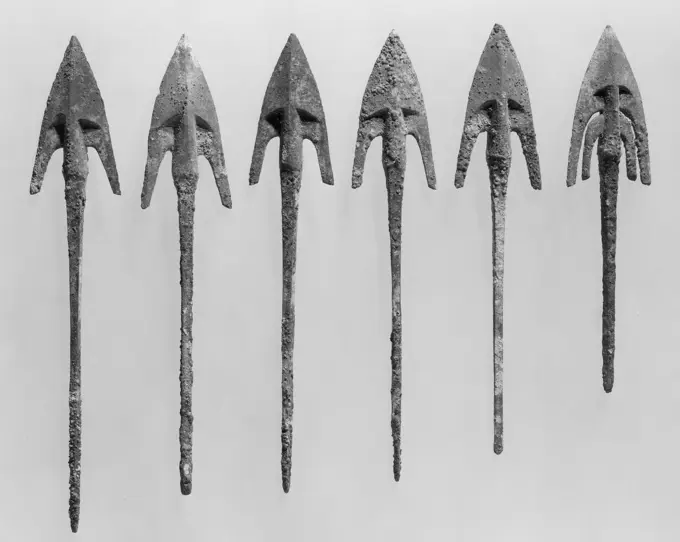
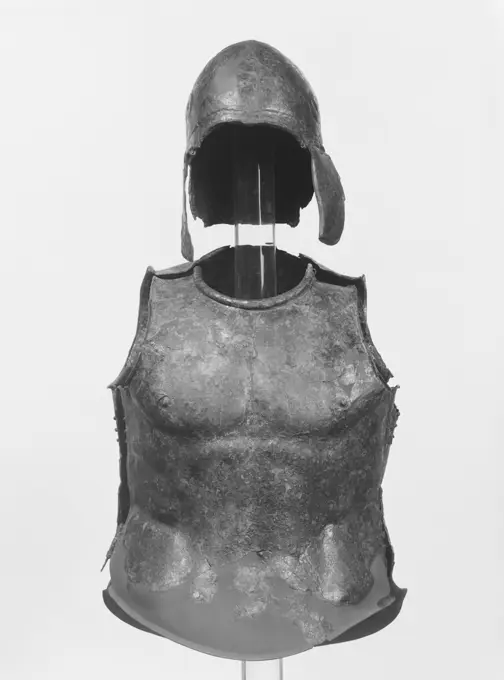
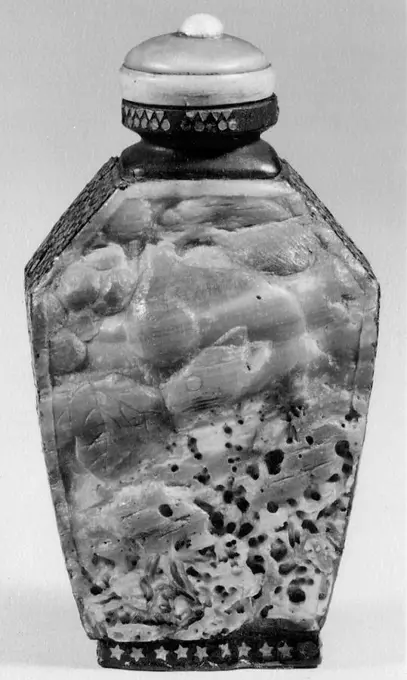
Attic Black-Figure Neck Amphora Fragment (comprised of 3 Joined Fragments). UnknownBarkcloth Fragment (Kapa) 19th century Hawai'i. Barkcloth Fragment (Kapa). Hawai'i. 19th century. Barkcloth, pigment. United States, Hawai'i. BarkclothRelief fragment, tomb of Meketre ca. 1981-1975 B.C. Middle Kingdom. Relief fragment, tomb of Meketre 562124Couch Table 17th century China This low table is a convenient height for teacups or reading material. Placed along the central axis of the couch, it creates an agreeable distance between two sitters.. Couch Table 42747Attic Black-Figure Neck Amphora Fragment. Attributed to the Swing Painter (Greek (Attic), active about 550 - 525 B.C.)Belt buckle ca. 400 China. Belt buckle 61154Attic Black-Figure Eye Cup Fragment. UnknownFlask. UnknownAttic Panathenaic Amphora Fragment (comprised of 2 joined fragments). UnknownFinger. UnknownDocument Sealing With the Throne Name of Amenhotep III ca. 1390-1353 B.C. New Kingdom. Document Sealing With the Throne Name of Amenhotep III. ca. 1390-1353 B.C.. Mud. New Kingdom. From Egypt, Upper Egypt, Thebes, Malqata, Southern rubbish mounds, MMA excavations, 1910-12. Dynasty 18Attic Panathenaic Amphora Fragment (comprised of 4 Joined Fragments). UnknownSealing ca. 1981-1640 B.C. Middle Kingdom. Sealing 560386Textile Fragment 3rd-4th century. Textile Fragment 444278Piece 18th century French. Piece 229507Jar with cover 1700-1730 Spanish Tin-glazed earthenware, of which lusterware is one type, was developed in the Middle East in the ninth and tenth centuries to imitate the porcelains produced in China. The opaque white glaze concealed the clay body, which could range from pale buff to brick red, allowing for brilliant effects created by painting the white surface with metal oxides that fired to a range of colors. This technique, as well as the use of metallic lusteran iridescent, coppery painted glazespread throughout the Muslim world, arriving among the potters of Valencia in the thirteenth century. The so-called Hispano-Moresque lusterware, with its fusion of Islamic and Gothic styles and motifs, often in shaped imitating those of metal vessels, was treasured by the elite in Spain during the fifteenth century and exported to the courts of Europe. The Valencian industry declined in the late sixteenth century, as colorful Italian Renaissance maiolica gained in popularity among the fasTextile Fragment 4th century. Textile Fragment 443469Chalice or Kantharos Handle Fragment. UnknownCoin 8th-9th century. Coin. 8th-9th century. Copper. Excavated in Iran, Nishapur. CoinsCoin 11th-12th century. Coin. 11th-12th century. Copper. Excavated in Iran, Nishapur. CoinsTextile Fragment 4th-6th century. Textile Fragment 447592Attic Black-Figure Lip Cup Fragment. UnknownCoin A.H. 177-87/ A.D. 793-802. Coin. A.H. 177-87/ A.D. 793-802. Silver. Excavated in Iran, Nishapur. Mint Zaranj. CoinsFragment of Turban Cloth 18th century. Fragment of Turban Cloth 450635Attic Black-Figure Oinochoe or Olpe Fragment. UnknownAttic Black-Figure Amphora Fragment. UnknownBead China. Bead 43146in oman antique door entrance and      decorative handle for backgroundFragmentary Attic Panathenaic Amphora; Athens, Greece; early 5th century B.C; Terracotta; 10.2 × 12.5 cm (4 × 4 15,16 in.)Attic Black-Figure Hydria Fragment (comprised of 5 Joined Fragments). UnknownMatthew Linwood, Caddy Spoon, 1807/8, silver.Sword pommel China. Sword pommel 42783Fragment of a Band. Dimensions: 5 11/16 in. high 2 11/16 in. wide (14.5 cm high 6.8 cm wide). Date: 6th-7th century. Museum: Metropolitan Museum of Art, New York, USA.Fragment. Dimensions: 4 in. high 11.75 in. wide (10.16 cm high 29.84 cm wide). Date: 4th-5th century. Museum: Metropolitan Museum of Art, New York, USA.Vase late 17th-early 18th century China. Vase. China. late 17th-early 18th century. Porcelain with copper red glaze (Jingdezhen ware). Qing dynasty (1644-1911), Kangxi period (1662-1722). CeramicsGroup of Beads (170). UnknownShoulder Band Fragment 4th-5th century. Shoulder Band Fragment 445939Attic Black-Figure Nicosthenic Amphora Fragment. UnknownMale Warrior's Head. UnknownAttic Red-Figure Statuette Kantharos Fragment (comprised of 2 joined fragments). Attributed to Onesimos (Greek (Attic), active 500 - 480 B.C.)Snuff Bottle 19th century China. Snuff Bottle. China. 19th century. Agate with glass stopper. Qing dynasty (1644-1911). Snuff BottlesThe crab's claws. February 27, 1932.Hanging Vase 19th century Japan. Hanging Vase. Japan. 19th century. Clay covered with a glaze in parts filmy, with streaks (Satsuma ware). Momoyama (1573-1615) or Edo period (1615-1868). CeramicsPendant with the Virgin of the Immaculate Conception first third of the 17th century Spanish. Pendant with the Virgin of the Immaculate Conception. Spanish. first third of the 17th century. Gold, enamel and pearls.Black-Figure Eye Cup Fragment. UnknownAttic Red-Figure Kylix Fragment. UnknownAttic Red-Figure Kylix Fragment. UnknownAttic Red-Figure Kylix Fragment. UnknownSweden, Blekinge, Blekinge, Karlskrona, Karlskrona, external marina (depicted, town).Sweden, Blekinge, Blekinge, Karlskrona, Karlskrona, External War Gogs (depicted, City)Spoon ca. 1685 British, London. Spoon 192261Marrow Spoon 1700-1800 British. Marrow Spoon. British. 1700-1800. Silver. Made in EnglandScabbard ornament China. Scabbard ornament 42808Piece 17th-18th century China. Piece 70315Klong mēng (ฆ้องเหม่ง) late 19th century Thai Handheld hanging gongs like this may be used as a signaling device and in traditional processions.. Klong mēng (ฆ้องเหม่ง) 500825Sweden, Blekinge, Blekinge, Karlskrona, Karlskrona, external marina (depicted, town).Sweden, Blekinge, Blekinge, Karlskrona, Karlskrona, External War Gogs (depicted, City)Man's Horned Toe Shoe Made 1501-1600 England. Leather .Carpet Fragment 18th century. Carpet Fragment 447730Piece 18th-19th century Japan. Piece. Japan. 18th-19th century. Silk. Textiles-WovenTransparent plastic bag with handle vector illlustration. Glossy polyethylene mockup. Plastic packaging isolated on transparent background. Polyethylene packaging for storing and carrying items. Transparent plastic bag with handle. Polyethylene packaging for storing and carrying itemsCoin 5th-14th century. Coin. 5th-14th century. Copper. Excavated in Iran, Nishapur. CoinsAttic Red-Figure Plastic Kantharos Fragment. Unknownflat lay tie dye textileBeaker ca. 1680-90 German, Saxony. Beaker. German, Saxony. ca. 1680-90. Glass, gilt bronze. GlassSweden, Blekinge, Blekinge, Karlskrona, Karlskrona, external marina (depicted, town).Sweden, Blekinge, Blekinge, Karlskrona, Karlskrona, External War Gogs (depicted, City)Covered box in the Shape of a Melon. Culture: China. Dimensions: H. 1 1/16 in. (2.7 cm); W. 4 in. (10.2 cm); L. 5 in. (12.7 cm). Museum: Metropolitan Museum of Art, New York, USA.Karte von Luxemburg auf verwittertem Holz - Map of Luxembourg on weathered wood Karte von Luxemburg auf verwittertem Holz - Map of Luxembourg on weathered wood Copyright: xZoonar.com/lantapixx 10010649Pendant 7th-5th century B.C. Maya This green jade pendant is carved with a scalloped edge to resemble one-half of a bivalve shell. The front face of the ornament follows the undulating profile of a paper-thin lens of bright green jade, indicating that the artist sought to uncover and emphasize its beautifully saturated color. The rest of the pendant is composed of a somewhat duller shade of lighter blue-green. The back of the pendant is slightly convex, and though it has been smoothed, it was left unpolished. The face, on the other hand, has been polished to a high, reflective shine. This contrast between the two sides of the pendant emphasizes the jades resemblance to a shell, with its slightly convex, dull exterior set against a shining, almost pearl-like interior. The two L-shaped suspension holes drilled through the back and straight edge of the ornament indicate it originally hung with its scalloped edge facing downward. The pendant was discovered by archaeologist Edwin Shook in Shaped neckpiece Flemish, Brussels early 18th century View more. Shaped neckpiece. Flemish, Brussels. early 18th century. Bobbin lace, point d'Angleterre. Textiles-LacesKnob from Wah's Coffin ca. 1981-1975 B.C. Middle Kingdom. Knob from Wah's Coffin. ca. 1981-1975 B.C.. Coniferous wood (spruce, cedar), plaster. Middle Kingdom. From Egypt, Upper Egypt, Thebes, Southern Asasif, Tomb of Wah (MMA 1102), MMA excavations, 1920. Dynasty 12Dancing Anklets ca. 1850-89. Dancing Anklets 504892Tea Jar 19th century Japan. Tea Jar 62601Attic Black-Figure Band Cup Fragment. UnknownO Daiko 19th century Japanese. O Daiko 502109Tunic Fragment 7th-9th century Wari In the second half of the first millennium A.D., the Wari peoples of Peru exerted strong cultural and political influence over the southern coastal and highland regions from their capital city, also called Wari (a few miles northeast of present-day Ayacucho). They introduced a distinctive art style, found on fine polychrome ceramics, exquisite personal ornaments crafted of precious materials, expertly carved works in wood, shell, and stone, and especially on elaborate textiles.The elegant tapestry-woven tunics, thought to have been the most prestigious garments, were woven with up to eighteen miles of handspun camelid hair, probably from alpacas. The knee-length, mostly sleeveless tapestry tunics are standardized in size, format, color, and design, suggesting they were produced in state-sponsored workshops. The imagery, arranged in registers in vertical bands, is limited to a few repeated motifssuch as the stepped frets and profile faces with split Sealing with stamp seal impression: geometric designs ca. 18th century B.C. Old Assyrian Trading Colony. Sealing with stamp seal impression: geometric designs. Old Assyrian Trading Colony. ca. 18th century B.C.. Ceramic. Middle Bronze Age-Old Assyrian Trading Colony. Anatolia, probably from AcemhöyükSword guard China. Sword guard 42782Sole of a Clog. England. Date: 1501-1600. Dimensions: 21 × 6.5 × 2 cm (8 1/4 × 2 9/16 × 3/4 in.). Leather covered cork. Origin: England. Museum: The Chicago Art Institute, Chicago, USA.Chessmen (32) German 19th century View more. Chessmen (32). German. 19th century. Gold, silver, gems. Chess SetsBand early 19th century. Band 447684Vase 19th century China. Vase. China. 19th century. Agate. HardstoneBrush pot. Culture: China. Dimensions: H. 3 11/16 in. (9.3 cm); W. 2 5/16 in. (5.8 cm). Museum: Metropolitan Museum of Art, New York, USA.Winnipeg, Manitoba, CanadaRattle late 19th century Congolese (Ngala) Dumbbell-shaped basket rattle with fibers woven around an internal support.. Rattle 501934Still Life with Fruit Severin Roesen (American, born Germany, ca. 1815-after 1872). Still Life with Fruit, ca. 1860. Oil on canvas, 40 1/16 x 50 1/8 in. (101.7 x 127.3 cm).  In the mid-nineteenth century, still-life painting underwent a revival in the northeastern United States. Working in a style based on Dutch models, which depicted a multitude of fruits and flowers, Severin Roesen cultivated a popular following with the German community in Pennsylvania. This composition, one of his most elaborate, portrays a grand arrangement of various fruits, a birds nest, and a finely painted glass of water, and conveys a sense of wealth and abundance. American Art ca. 1860Poll photo collection. Fashion photography. Knitwerk, detail of previous photo. 1939Wambee late 19th century possibly Gabonese. Wambee 501158Ministry of Information First World War Official Collection Fragmentof cross placed on Edith Cavell's grave in Belgium by the Germans.Fragment of a Shoulder Band 5th-6th century. Fragment of a Shoulder Band 443834Attic Red-Figure Duck Askos Fragment (comprised of 3 joined fragments). UnknownPair of garlands 18th century French. Pair of garlands. French. 18th century. Wood, gilt. WoodworkAttic Black-Figure Eye Cup Fragment. UnknownNose Ornament 13th-16th century Colombian. Nose Ornament 307487Sweden, Blekinge, Blekinge, Karlskrona, Karlskrona, external marina (depicted, town).Sweden, Blekinge, Blekinge, Karlskrona, Karlskrona, External War Gogs (depicted, City)Arrowhead ca. 7th century B.C. Western Asia. Arrowhead 325104Fragment of Molding with a Pattern of Leaves 6th century In the 500s Apa (Father) Jeremias founded a Coptic monastery at Saqqara, the ancient Egyptian necropolis (cemetery) of the city of Memphis, near the oldest pyramids. He and the earliest monks lived in tombs at the site. As the monastery grew, several grand churches with lavish decoration were built, as well as many chapels, public buildings, and complexes of cells (rooms) for each monk. The monastery continued to grow after the Arab conquest with materials from early Byzantine tomb structures being reused for additional monastic structures. Inscriptions record prayers to numerous holy figures. Sculptural elements from Saqqara are often carved with deeply undercut patterns to intensify the play of light and shadow and to mask the solidity of the architecture. This sculptural style was popular throughout the Byzantine world in the 500s.. Fragment of Molding with a Pattern of Leaves 456183Arrowhead ca. early 1st millennium B.C. In the early first millennium B.C., the area of the Transcaucasia and northwestern Iran was inhabited by many different tribes of varying wealth and power. Many characteristics of these groups are known primarily from grave goods found in their cemeteries. Although there is great variation in artistic styles from place to place and time to time in this area, the weapons seem to be widely distributed and shared by many groups.One class of weapons excavated in northwestern Iran and Transcaucasia is the cast bronze arrowhead with a triangular head, raised midrib, and tang (shaft) that is usually square or rectangular in section. This arrowhead is of that type pictured along with five other examples (MMA 1991.314.3-.8). This type seems to have been used in small numbers even when generally replaced by socketed bronze arrowheads in this area in about the seventh century B.C.. Arrowhead 327447Electric Light within laminated glassCuirass and Helmet. UnknownPiece 19th century Japan. Piece. Japan. 19th century. Silk / Compound weave. Textiles-WovenSnuff Bottle 19th century China. Snuff Bottle 41735