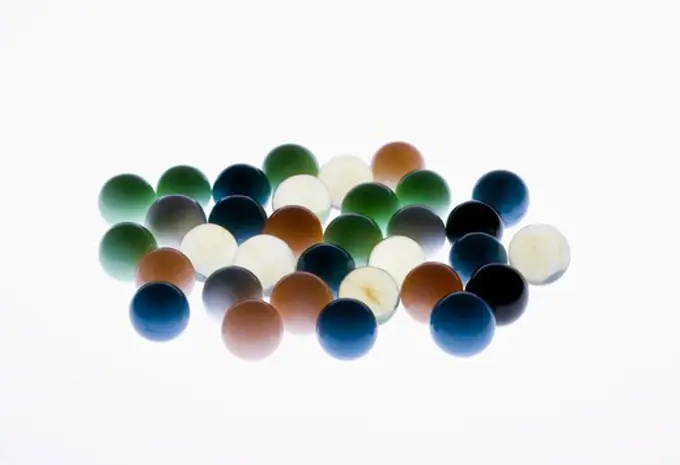
Ancient Glass Artifacts

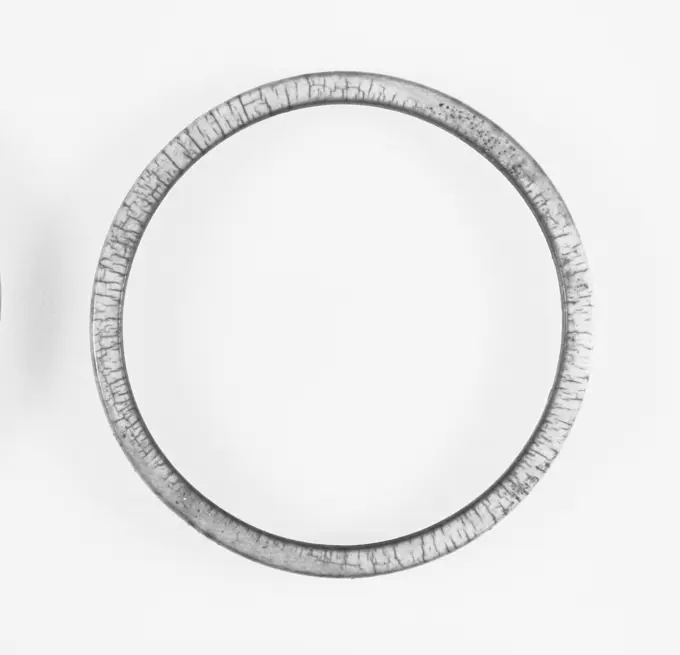
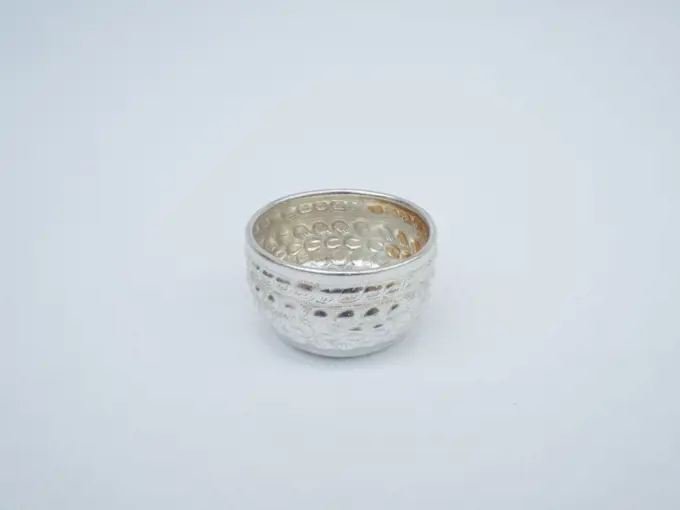
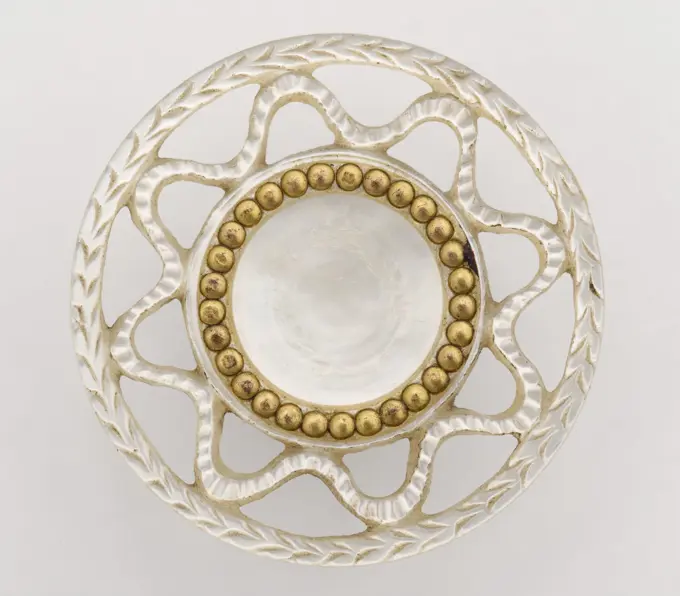
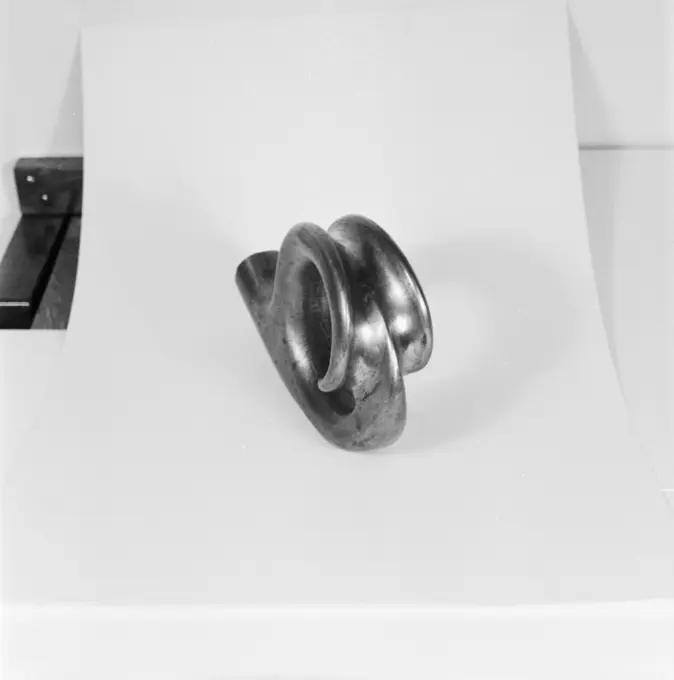
Historical glass items including bowls and brooches, featuring unique textures and designs from ancient times.

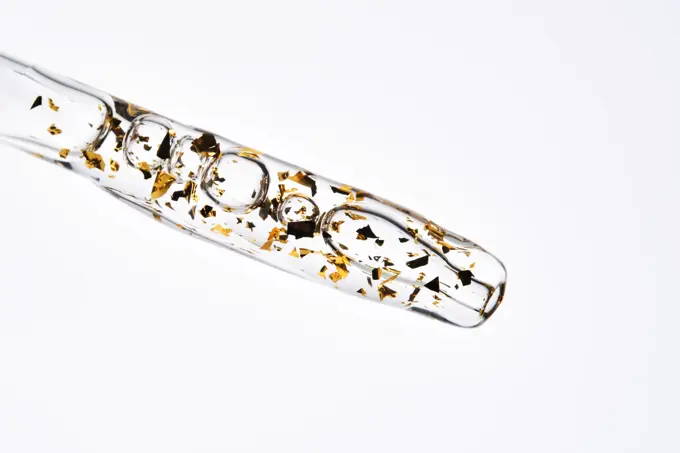
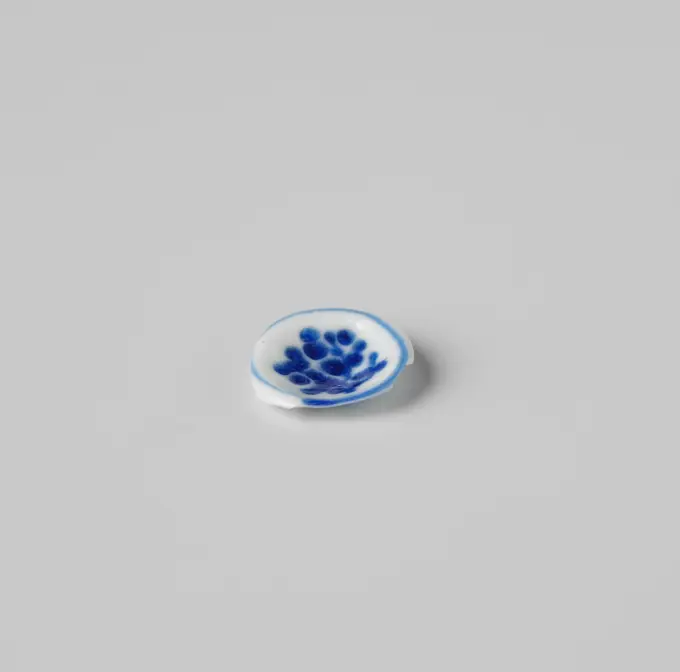
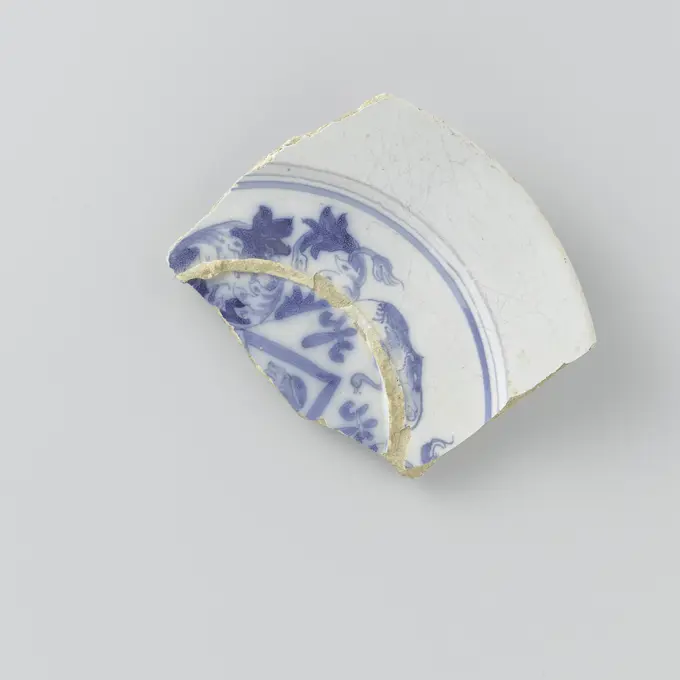
Excerpt of a plate painted in blue under the glaze with a coat of arms with cover rugs, anonymous, 1600 - 1650 plate (dishes) Fragment of a plate from Faience. The flat is painted in blue under the glaze with a coat of arms with cover rugs, surrounded by concentric circles. A semi -circular damage runs through the show Northern Netherlands .
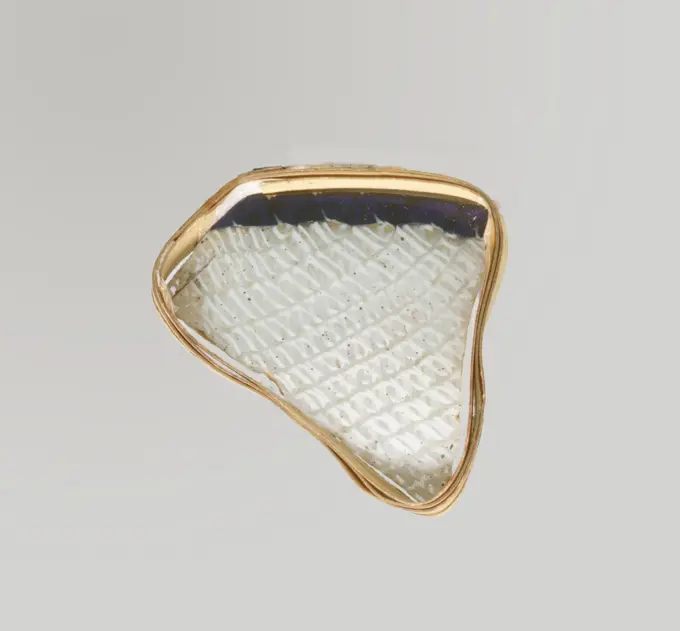
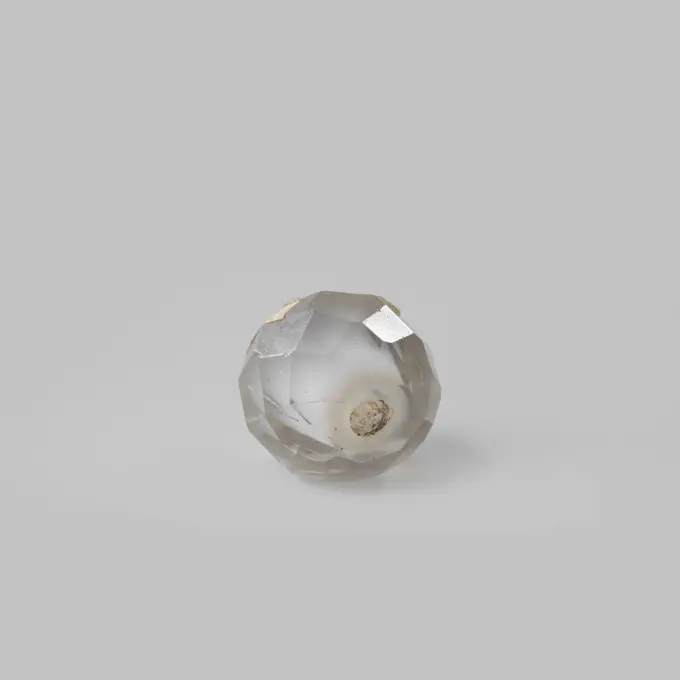
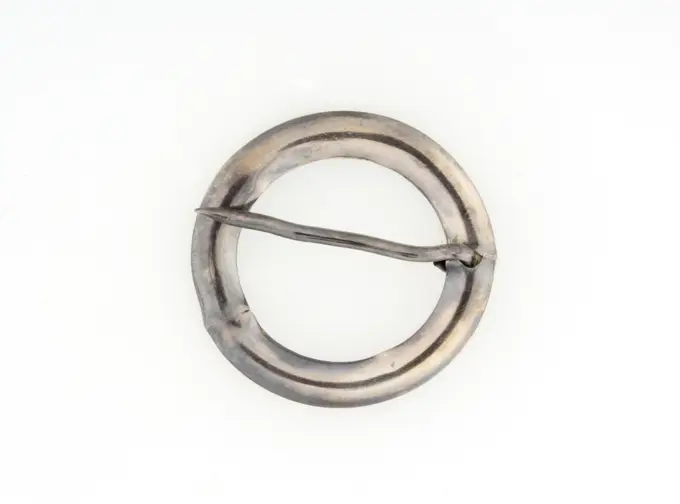
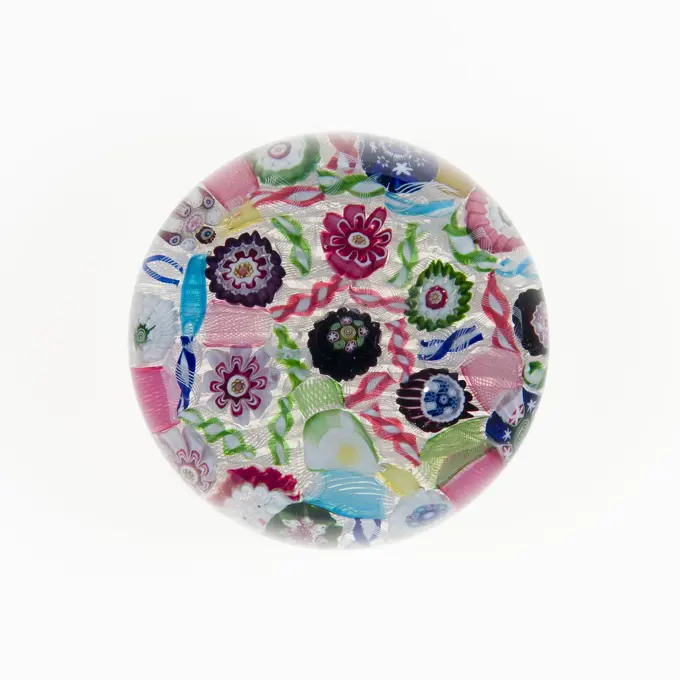
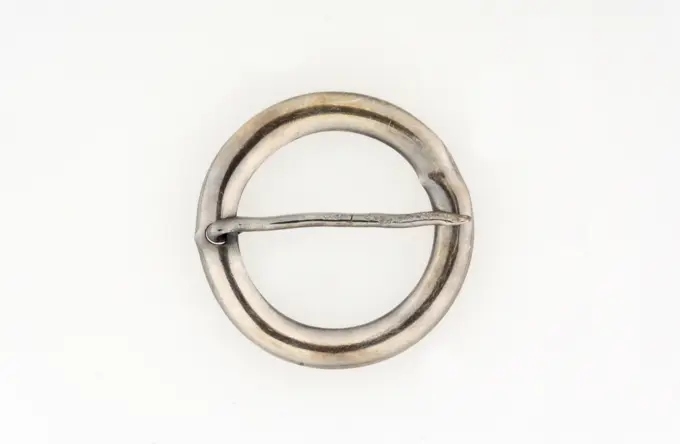
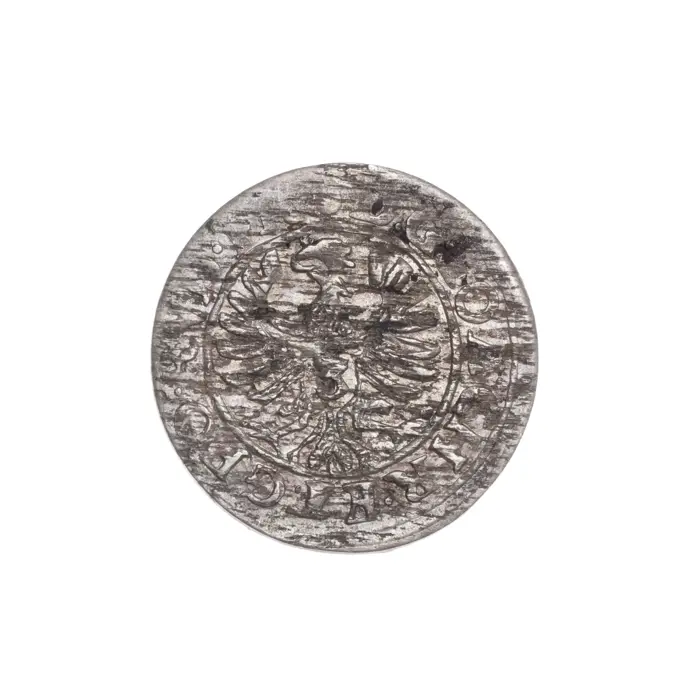
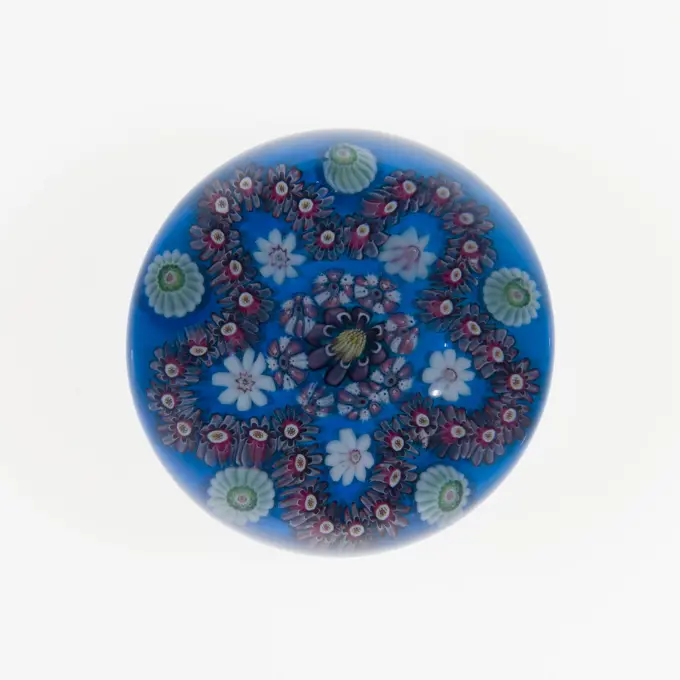
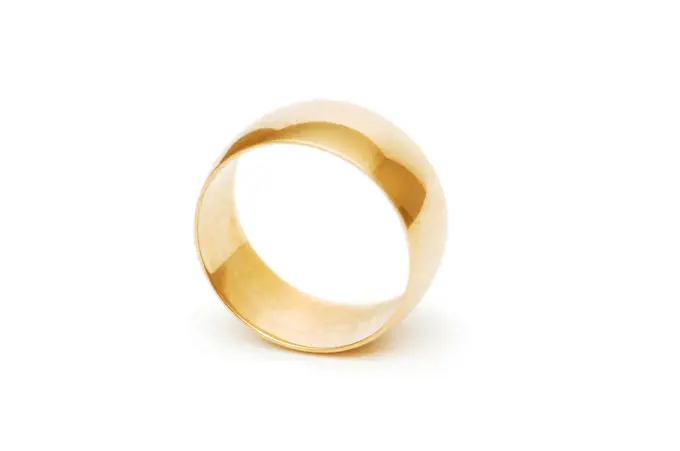
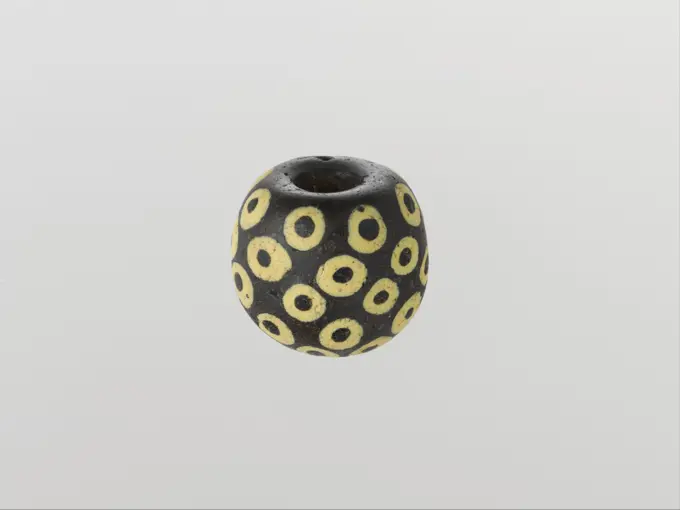
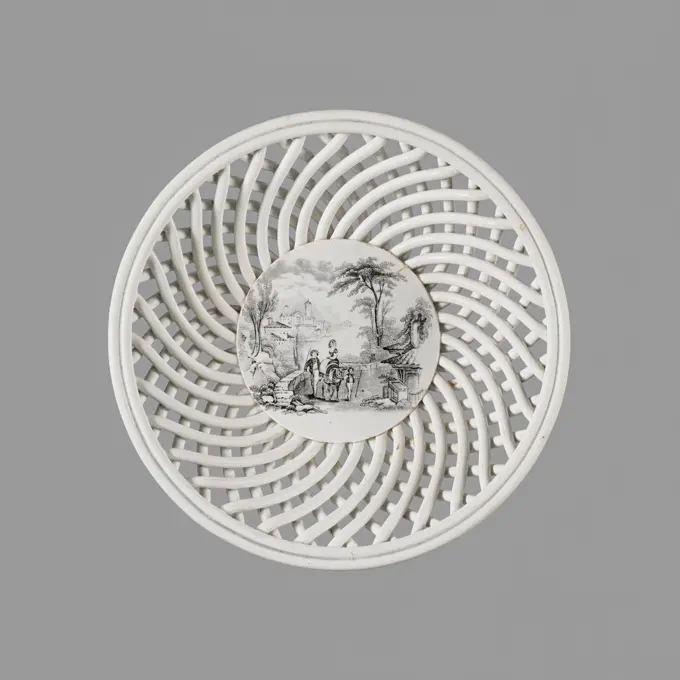
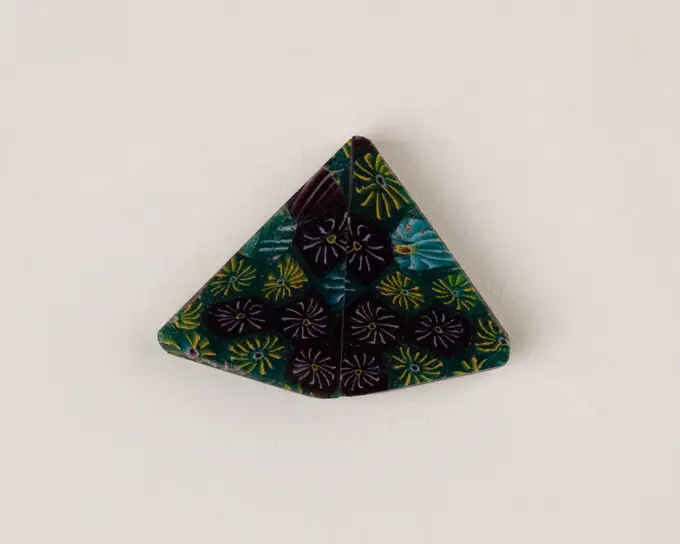
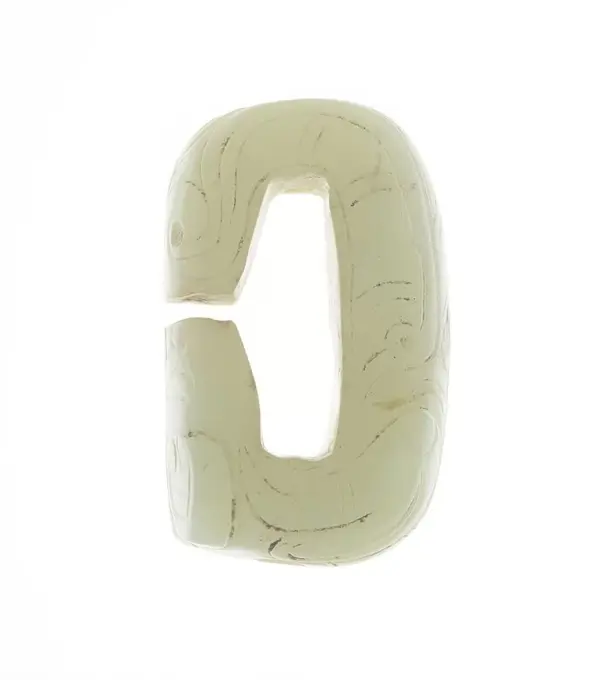
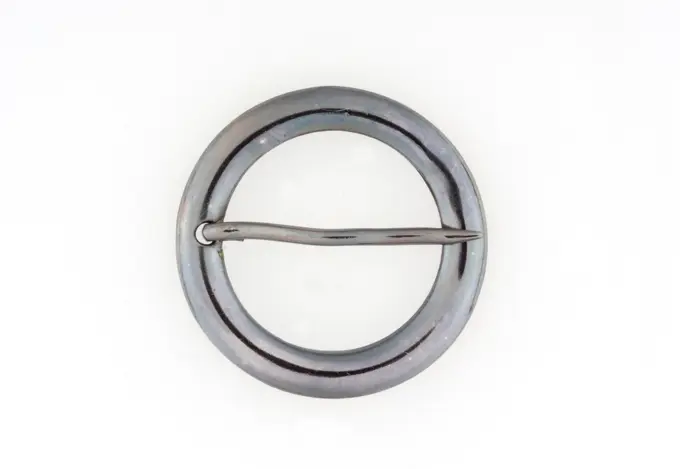
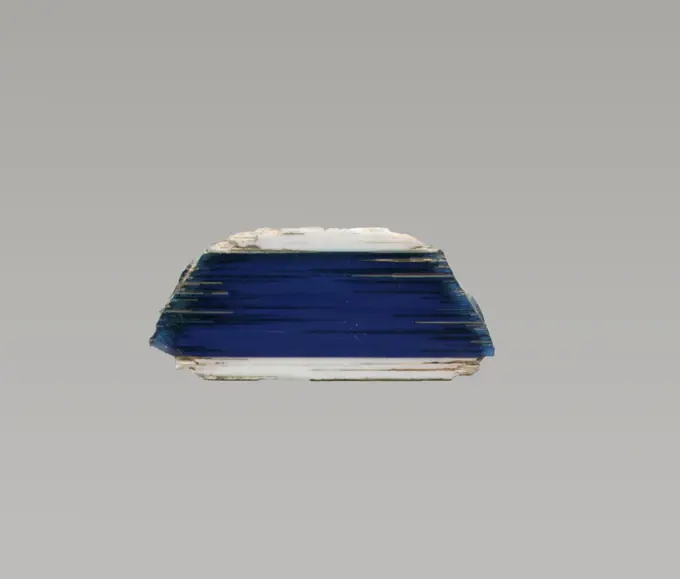
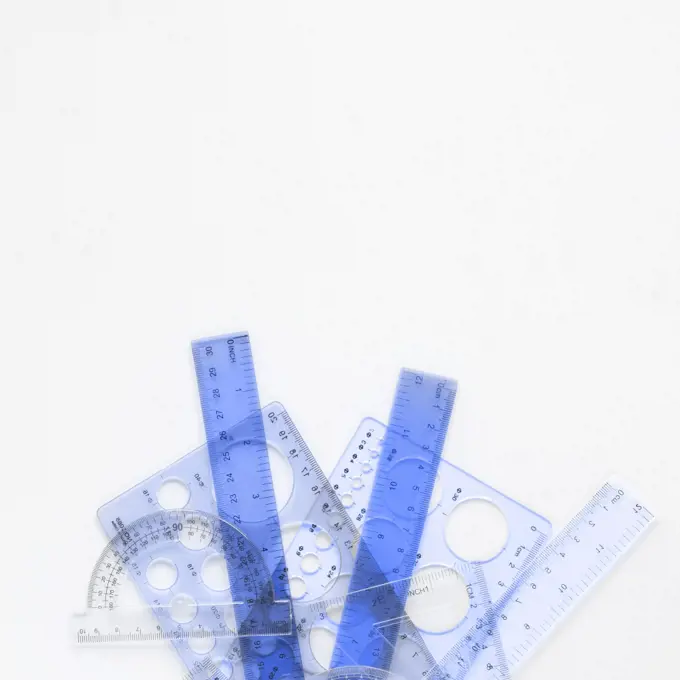
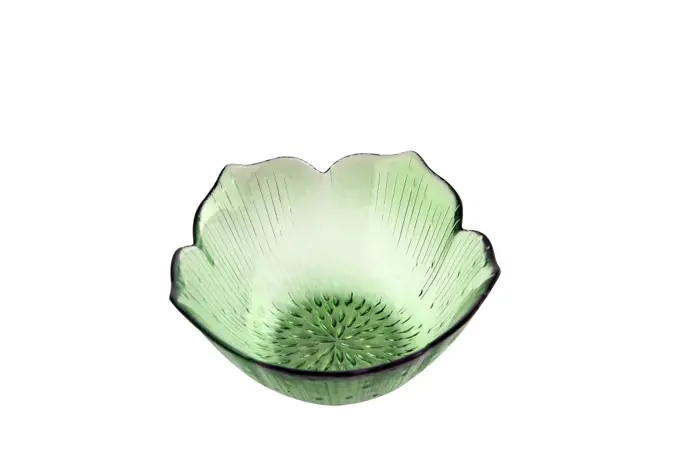
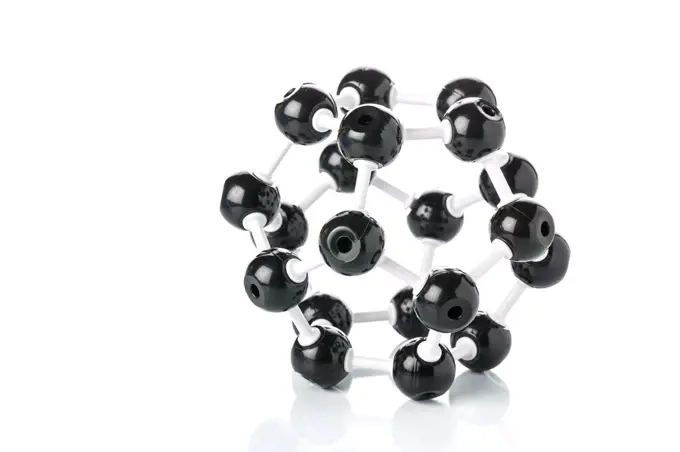
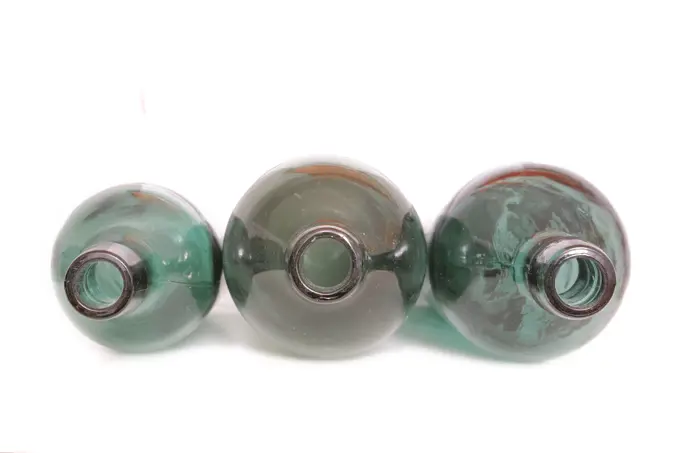
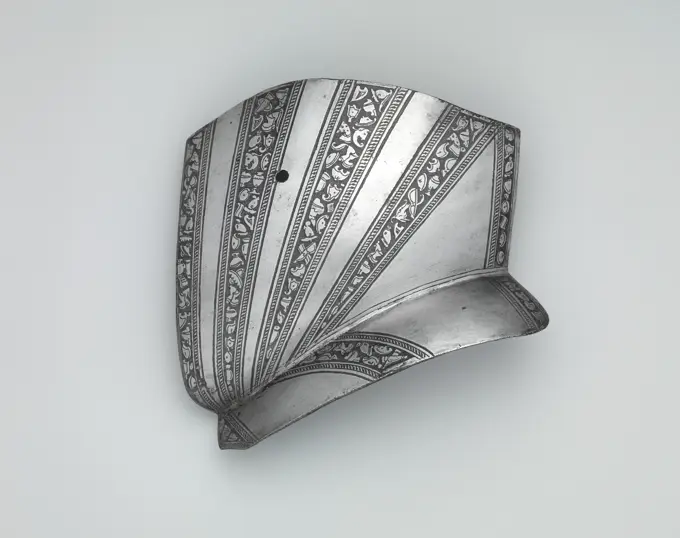
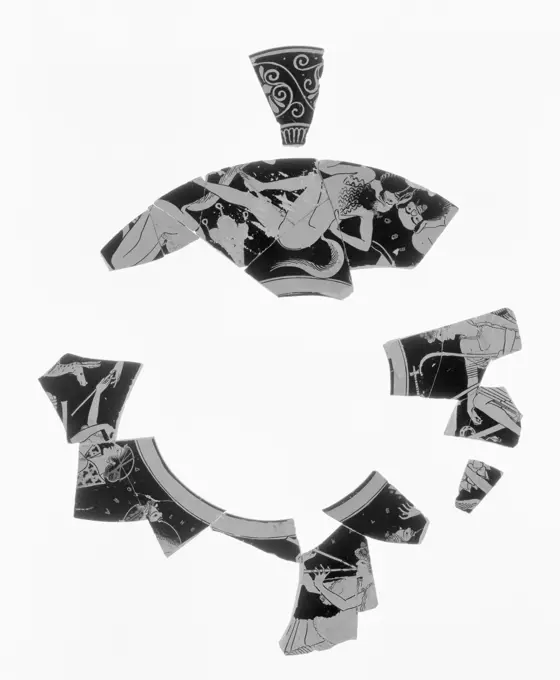
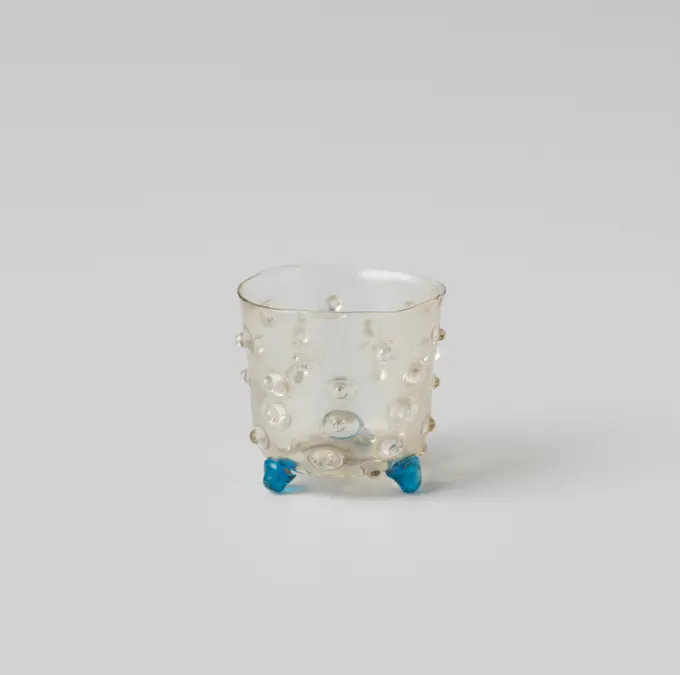
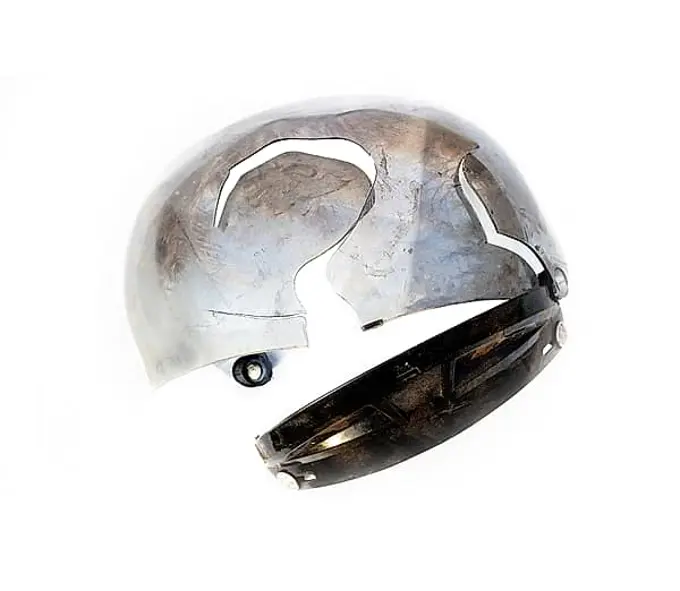
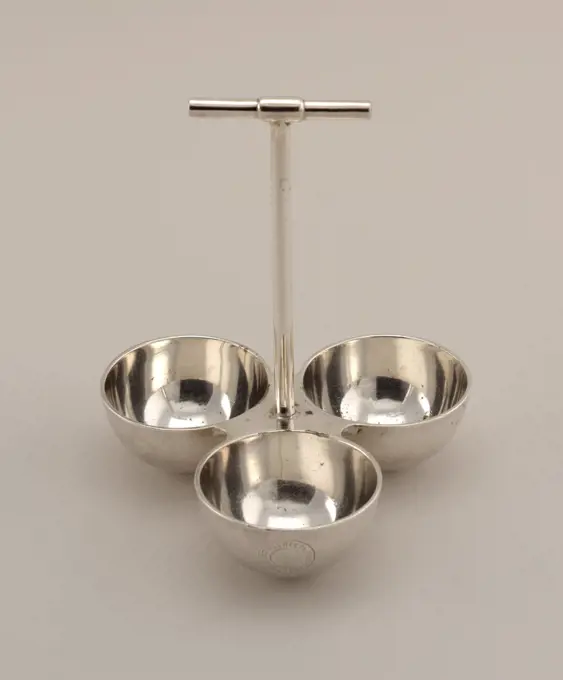
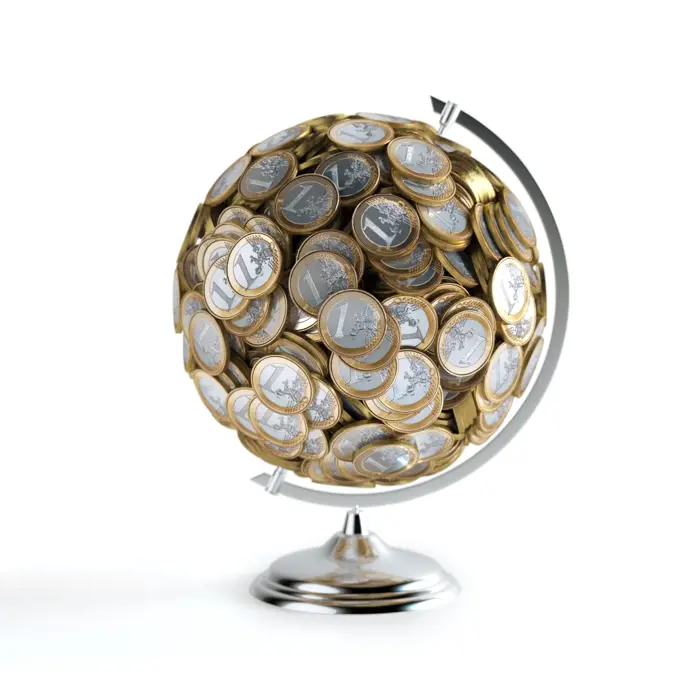
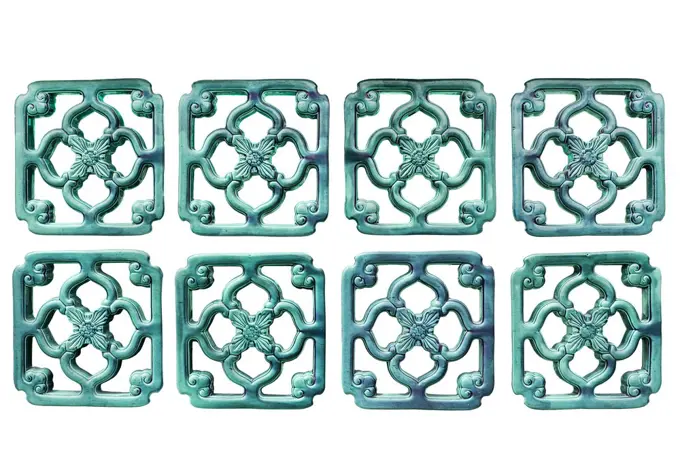
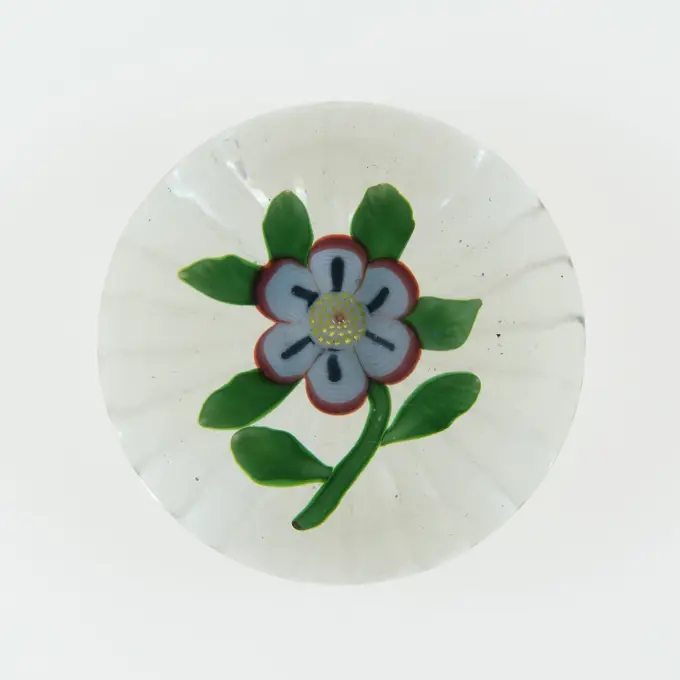
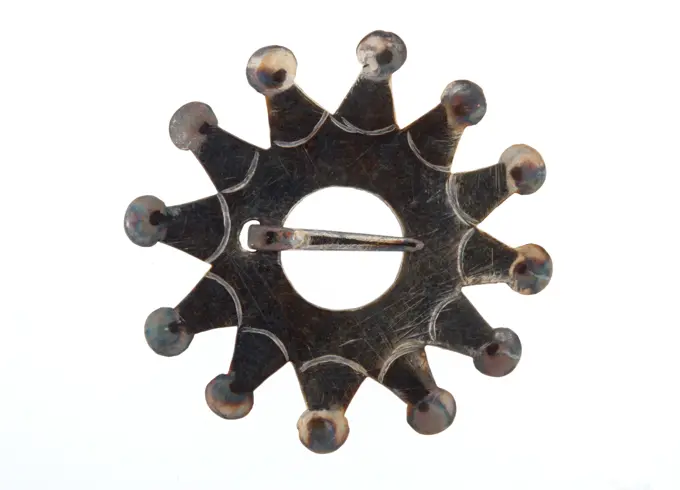
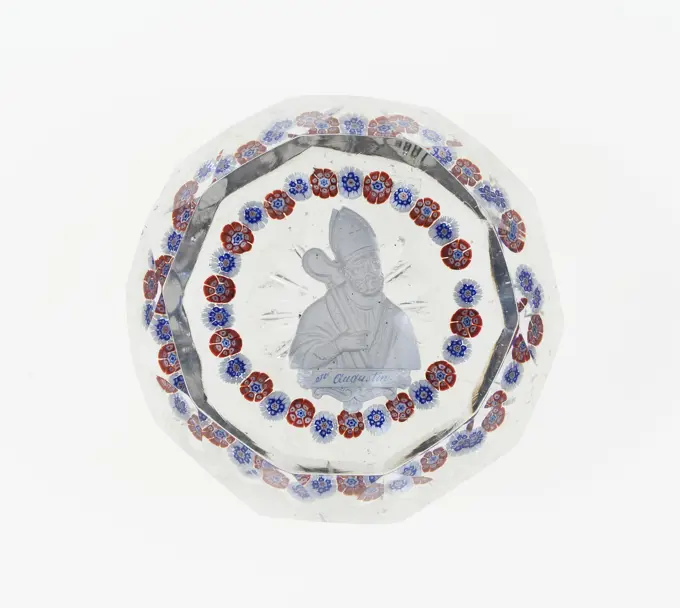
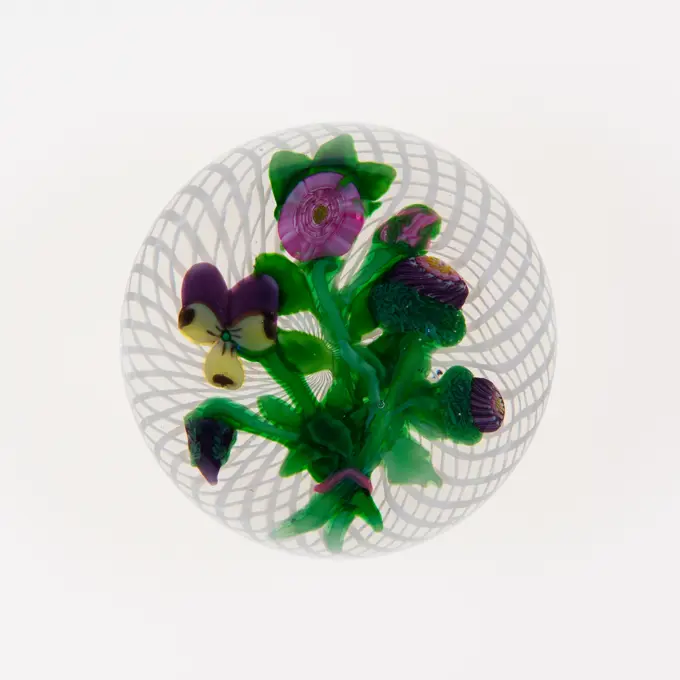
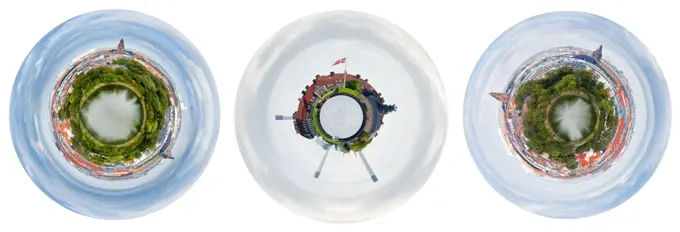
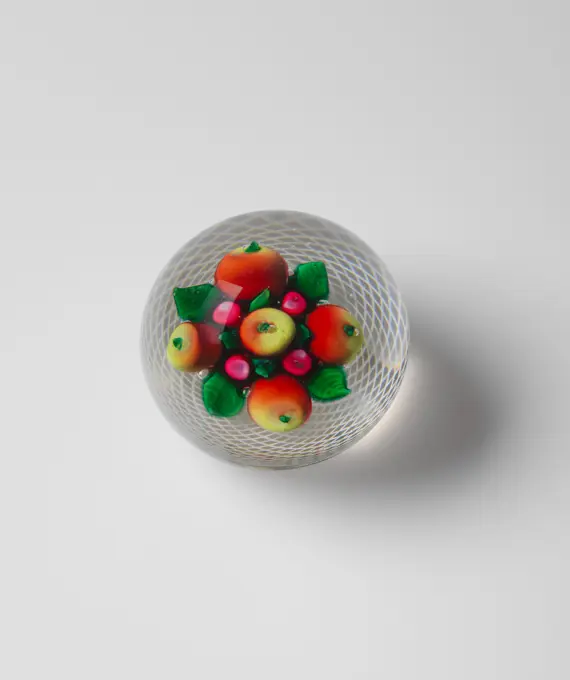
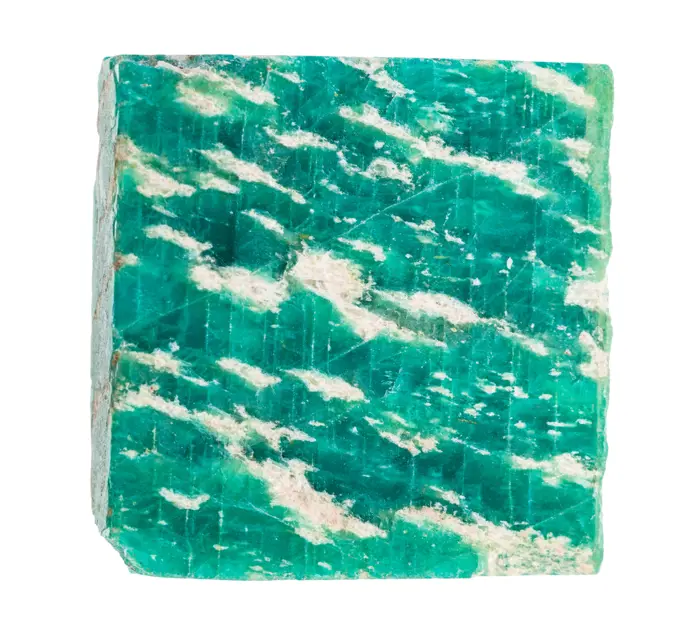
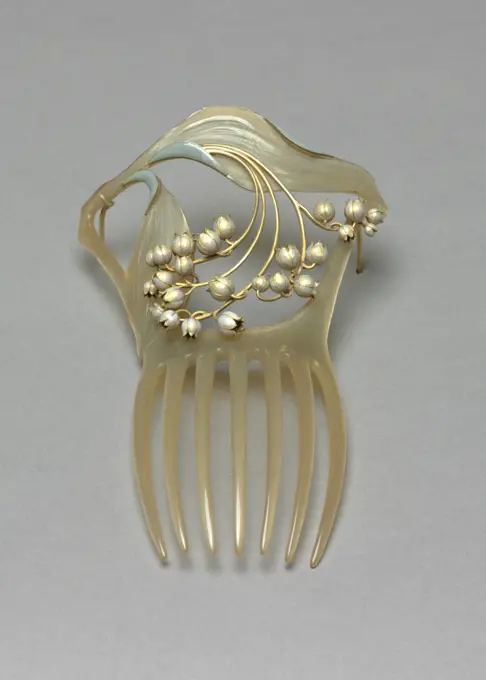
Glass network mosaic bowl fragment late 1st century B.C.-early 1st century A.D. Roman Rim fragment.Translucent blue, opaque white, and colorless.Applied coil rim with rounded lip; slightly tapering side, then curving in sharply towards bottom. Rim in blue with fine double white spiral threads; body decorated with twelve colorless narrow canes slanting from top right to bottom left, decorated with two spirally twisted white threads.Pinprick bubbles; exterior polished, with pitting of surface bubbles; dulling and creamy iridescent weathering on interior; jagged, weathered edges.. Glass network mosaic bowl fragment. Roman. late 1st century B.C.-early 1st century A.D.. Glass; cast. Early Imperial. GlassPaperweight 1846-1856 Clichy. Glass . Clichy GlasshouseWitte kraal, anonymous, 1800 - 1900 White kraal.  . White kraal.  .Brooch -Paperweight 1801-1900 Clichy. Glass . Clichy GlasshouseBrooch -3 Krajcary; Jan Christian (KSI  Legnica-Brzeski; 1591-1639), Jerzy Rudolf (KSI  Legnica-Brzeski; 1595-1653), Cantor, Christoph (Fl. 1611-1622); 1613 (1613-00-00-1613-00-00);Jan Chrystian (Prince of Brest - 1591-1639), Jerzy Rudolf (Prince Legnica - 1595-1653), Legnica (coat of arms), Piastów (family), Duchy of Brest (coat of arms), principal of Legnica (coat of arms), letters, letters C - C , Silesian Eagle (iconogr.), Eagles, crossed hooks, shields, coat of arms, coat of arms under the prince's mitercup of coffee isolated on whiteExcerpt of a plate painted in blue under the glaze with a coat of arms with cover rugs, anonymous, 1600 - 1650 plate (dishes) Fragment of a plate from Faience. The flat is painted in blue under the glaze with a coat of arms with cover rugs, surrounded by concentric circles. A semi -circular damage runs through the show Northern Netherlands .Paperweight 1840-1865 France. Glass . Compagnie de Saint LouisPaperweight 1840-1865 France. This paperweight uses a traditional glass-making technique called millefiori to great effect. Italian for ìone thousand flowers,î millefiori was first developed in fifteenth-century Venice. In the nineteenth century, French glassmakers revived the technique with a cultural twist. Arranged to evoke traditional French gardens such as the Tuileries in Paris, paperweights like this example brought a little of this landscaping magic indoors.From the late 1840s to early 1860s, French manufacturers of fine glass and crystalósuch as Baccarat (Alsace), Clichy (Paris), and Saint-Louis (Lorraine)ócatered to the vast public enthusiasm for beautiful yet functional desk accessories. Paperweights, which were designed to secure loose papers against drafts, were among their most popular products.. Glass . Clichy GlasshousePaperweight. Baccarat; France, founded 1764. Date: 1847. Dimensions: Diam. 10.2 cm (4 in.). Glass. Origin: Lunéville. Museum: The Chicago Art Institute, Chicago, USA. Author: Baccarat Glassworks.foam pillow orthopedic cartoon. foam pillow orthopedic sign. isolated symbol vector illustration. foam pillow orthopedic cartoon vector illustrationAnonymous. Fragment. Earthenware. Paris, Carnavalet museum. 71684-22 Decoration, earthenware, fragment, revolutionary period, French revolution, plateBrooch -Brooch -Paperweight 1801-1900 Clichy. This paperweight uses a traditional glass-making technique called millefiori to great effect. Italian for ìone thousand flowers,î millefiori was first developed in fifteenth-century Venice. In the nineteenth century, French glassmakers revived the technique with a cultural twist. Arranged to evoke traditional French gardens such as the Tuileries in Paris, paperweights like this example brought a little of this landscaping magic indoors.From the late 1840s to early 1860s, French manufacturers of fine glass and crystalósuch as Baccarat (Alsace), Clichy (Paris), and Saint-Louis (Lorraine)ócatered to the vast public enthusiasm for beautiful yet functional desk accessories. Paperweights, which were designed to secure loose papers against drafts, were among their most popular products.. Glass . Clichy GlasshouseBrooch -Golden ring isolated on the white backgroundGlass eye bead ca. 4th century B.C. Greek, Eastern Mediterranean Blue bead covered with blue and white eyes.. Glass eye bead 250032ScarfBasket a Ur.;  Mielów (faience and porcelain factory; 1804-); 1840-1850 (1840-00-00-1840-00-00);Inlay fragment, millefiori 100 BC-100 AD Ptolemaic Period-Roman Period. Inlay fragment, millefiori 571957Garbage bin with paper waste isolated on whiteCoiled Dragon Pendant. China. Date: 1100 BC-900 BC. Dimensions: 1 5/8 × 1 × 5/8 in. Jade. Origin: China. Museum: The Chicago Art Institute, Chicago, USA.Brooch -A stock photograph of a colour condom.Rectangular and curved shoe spacer lacquered metal, with an engraved decoration consisting of a diamond pattern with dots, anonymous, c. 1880 - c. 1910 Rectangular and curved shoe spacer lacquered metal, with an engraved decoration consisting of a diamond pattern with dots. Netherlands metal. lacquer (coating) engraving Rectangular and curved shoe spacer lacquered metal, with an engraved decoration consisting of a diamond pattern with dots. Netherlands metal. lacquer (coating) engravingGlass inlay fragment 1st half of 1st century A.D. Roman Translucent cobalt blue and opaque white.Fragment of thin, flat strip with beveled edges at sides.Straight, broad band of blue overlay on surface, flanked by white; white covering back.Elongated bubbles; polished surface; iridescent weathering on back and edges.Probably used as decoration in wall or ceiling revetment or as inlay for furniture.. Glass inlay fragment. Roman. 1st half of 1st century A.D.. Glass; cast. Early Imperial, Julio-Claudian. Glassmath blue rulers supplies with copy spaceGlass bowlMolecular modelThree glass bottles isolated on a white surface with copyspace in studio. Old green vintage wine bottles arranged horizontally on empty background. Front view of dirty unused similar sized containers24 k gold facial serum in a pipette on a white background. 24 k gold facial serum in a pipette on a white background. Copyright: xZoonar.com/MAREVGENNAx 22916815SealKnee Buckle 1730-75 American. Knee Buckle 4612Metallic Dish Scrubber Isolated isolated on white background. Close upAlphabet made from hammered nails isolated on white background, number 0Reinforcing Abdominal Defense ca. 1550 to 1575 Italian This reinforcing abdonimnal defense is part of an unusually large armor garniture (acc. no. 27.159.1) from the armory of the Dos Aguas family in Valencia, Spain. The garniture contains pieces for use in battle and for the tilt in both the Italian and German fashions. The tilt was a tournament fought on horseback between two opponents armed with lances and separated by a lengthwise barrier.The armor as mounted is equipped with a helmet and vambraces (arm defenses) for the tournament. The buffe (chin defense), second breastplate (27.159.2), and manifer (reinforced left gauntlet) (27.159.6) would have been added to make the armor ready for exchange pieces for different forms of the tournament. For the German tilt, the trellised targe (shield) (27.159.7), small elbow defense (27.159.5), and small stomach defense (27.159.3) were added. For the Italian tilt, these elements were replaced by the form-fitting reinforce covering the left halStriped ribbon circle in 3d style. Graphic element. Technology round. Vector illustration. EPS 10.. Striped ribbon circle in 3d style. Graphic element. Technology round. Vector illustration.Attic Red-Figure Lidded Jar Fragment. Onesimos (Greek (Attic), active 500 - 480 B.C.)Cup decorated with warts and studs, on three bolts. Cup of clear colorless glass decorated with warts and studs, on three blue bolts.Medallion with Sacrifice to Hymen. Wedgwood Manufactory; England, founded 1759. Date: 1775-1799. Dimensions: 7.3 × 5.9 × 1.1 cm (2 7/8 × 2 5/16 × 7/16 in.). Stoneware (jasperware). Origin: Burslem. Museum: The Chicago Art Institute, Chicago, USA.Bracelet. UnknownThai Bowl on on white background.Whisk (at an angle, from the front)Pearl and Gilt Button, 1790-1800. Made in Birmingham, maker unknownGlass insulator destroyed by exposure to short-circuit current. isolated on white backgroundStone wall letters Letter F 3D stone wall letters Letter F 3D copyright: xzoonar.com/milicxdjurovicx 22938057Broken helmet after accident on a white background. Safety and road accidentsCruet stand, Christopher Dresser, Scottish, 1834 - 1904, Elkington & Co., Silver-plated metal, Form composed of three circular containers in triangular arrangement, conjoined at center; tall, 'T'-form handle rising from center., Birmingham, England, ca. 1885, metalwork, Decorative Arts, Cruet standThe Coins Globe (Money Conceptual Picture) Isolated On whiteCloseup of one silver Christmas gift bow on white background studio portrait. .Blue ceramic block on the white background.Mirror frame Oval mirror with shiny silver sparkling frame Copyright: xZoonar.com/MarkoxBericx 14198895Flat Lay isolated image of a coastal seashell on a light blue backgroundPaperweight 1840-1865 Baccarat. Technological improvements to optical scientific instruments in the mid-nineteenth century spurred a veritable obsession across Europe with identifying and classifying the natural world. Amateur botanists were eager to collect and preserve floral specimens, which they intently researched and catalogued. In response to this broad appeal, French glassmakers made paperweights that portrayed the very botanical subjects that were so enthusiastically sought. Many weights represented specimens with horticultural correctness, but others were entirely fanciful creations. Paperweights like this example speak to the periodís fascination with taxonomic systems.From the late 1840s to early 1860s, French manufacturers of fine glass and crystalósuch as Baccarat (Alsace), Clichy (Paris), and Saint-Louis (Lorraine)ócatered to the vast public enthusiasm for beautiful yet functional desk accessories. Paperweights, which were designed to secure loose papers against drafts, Empty round wooden plate for serving cheese, vegetables on a white isolated background, top viewCup of tea. Close up image with falling cup of teaBrooch -Paperweight 1825-1850 Baccarat. Glass . Baccarat GlassworksCup Plate 1825-60 American. Cup Plate 2943Smoking cigarettes isolated on the white backgroundPenannular Earring ca. 1550-1295 B.C. New Kingdom. Penannular Earring. ca. 1550-1295 B.C.. Shell. New Kingdom. From Egypt; Probably from Northern Upper Egypt, Deir el-Ballas. Dynasty 18Sweden, Blekinge, Blekinge, Karlskrona, Karlskrona, external marina (depicted, town).Sweden, Blekinge, Blekinge, Karlskrona, Karlskrona, External War Gogs (depicted, City)Paperweight 1840-1865 Clichy. Technological improvements to optical scientific instruments in the mid-nineteenth century spurred a veritable obsession across Europe with identifying and classifying the natural world. Amateur botanists were eager to collect and preserve floral specimens, which they intently researched and catalogued. In response to this broad appeal, French glassmakers made paperweights that portrayed the very botanical subjects that were so enthusiastically sought. Many weights represented specimens with horticultural correctness, but others were entirely fanciful creations. Paperweights like this example speak to the periodís fascination with taxonomic systems.From the late 1840s to early 1860s, French manufacturers of fine glass and crystalósuch as Baccarat (Alsace), Clichy (Paris), and Saint-Louis (Lorraine)ócatered to the vast public enthusiasm for beautiful yet functional desk accessories. Paperweights, which were designed to secure loose papers against drafts, weset of spherical views of Copenhagen, DenmarkDish, white, painted in blue. Dish of milk glass with blue email paint painting; Double layer and cave inside.Alphabet made from hammered nails isolated on white backgroundMarbles still life.Golden square hearts frame for decorative headers. Pink gold metal valentine ornament isolated on white background. Vectortransistor design illustration icon logo templatRealistic cartoon sunflower seed icon. Colorful vector illustration. Plant icon isolated on white background.Covered Tripod Incense Burner (Censer) with Foliate Scrolls and Leafy Tendrils. China. Date: 960 AD-1127. Dimensions: H. 6.4 cm (2 1/2 in.); diam. 6.0 cm (2 3/8 in.). Qingbai ware; porcelain with openwork and underglaze molded decoration. Origin: China. Museum: The Chicago Art Institute, Chicago, USA.Pizzella, a typical cookie from the Italian region of Abruzzo in the shape of a Presentosa, a traditional local jewel.Pumpkin seedsPaperweight 1850-80 New England Glass Company. Paperweight 5532Vertical studio image of a metallic christmas star on a blue background.Paperweight 1841-1860 Lunéville. The colorful geometric clusters embedded in this paperweight reflect the nineteenth-century European fascination with optical effects. Sir David Brewster invented the kaleidoscope in 1815, and its colorful and changing patterns brought great visual entertainment. Paperweights such as this example reformed this childlike pastime for a sophisticated adult audience. Depicted in glass were tiny glittering flowers, small black and blue cameos of figures, and even miniature bottlecaps. These were delicately arranged within the orb for the observant eye to discover.From the late 1840s to early 1860s, French manufacturers of fine glass and crystalósuch as Baccarat (Alsace), Clichy (Paris), and Saint-Louis (Lorraine)ócatered to the vast public enthusiasm for beautiful yet functional desk accessories. Paperweights, which were designed to secure loose papers against drafts, were among their most popular products.. Glass . Baccarat GlassworksCup of tea. White cup of chamomile tea against white backgroundAlphabet made from hammered nails, letter I Alphabet made from hammered nails isolated on white background Copyright: xZoonar.com/AndriixMykhailovx 2271696closeup of sample of natural mineral from geological collection - raw Amazonite stone isolated on white background. raw Amazonite stone isolated on whitehanky handkerchief towel color icon vector. hanky handkerchief towel sign. isolated symbol illustration. hanky handkerchief towel color icon vector illustrationVase (USA); Designed by Fernand Moreau (French); Manufactured by The Gates Potteries, American Terracotta and Ceramic Company; earthenwareRound Indian tribal texture. Pattern shown on the ceramic plate. Vector illustration.Lily of the Valley Comb, c. 1900. René Lalique (French, 1860-1945). Horn, enamel and gold; overall: 15.4 x 9.4 x 3 cm (6 1/16 x 3 11/16 x 1 3/16 in.).Blue glass Blue plate made from ceramics and glass Copyright: xZoonar.com/Baloncicix 14274071Green sign on white backgroundCream, hyaluronic gel and serum on a beige background. Textures of cosmetic products.Illustration Easter vintage card with set eggs - vectorBeads Perlen Beads Perlen Copyright: xZoonar.com/YvonnexBogdanskix 6831829Text divider, borderBrooch -Mount; 1904-21-82-a,bOpened purse with gold coins raining to open wallet isolated on white background.Armband -Carnavalet museum, medal collection Guillaume I monogram right under a crown, in a medallion placed at the intersection of a cross with flared branches; Oak crown backworming an empty field.polished Tinguaite gemstone isolated on white closeup of sample of natural mineral from geological collection - polished Tinguaite gemstone isolated on white background Copyright: xZoonar.com/ValeryxVoennyyx 14986247Lifebuoy isolated over white Red lifebuoy isolated over white background Copyright: xZoonar.com/IvonnexWierinkx 10212793