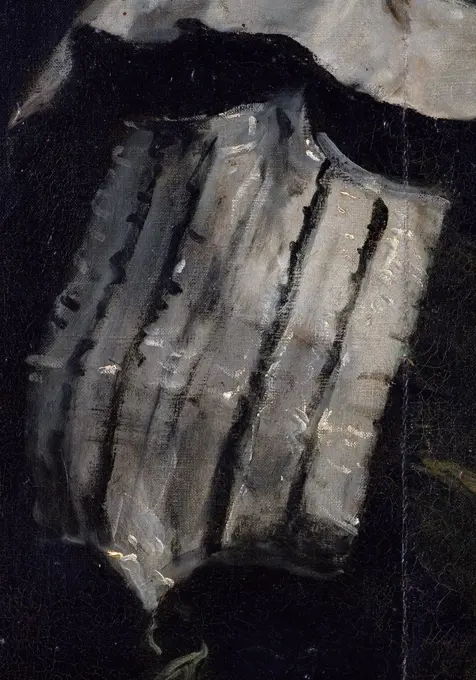
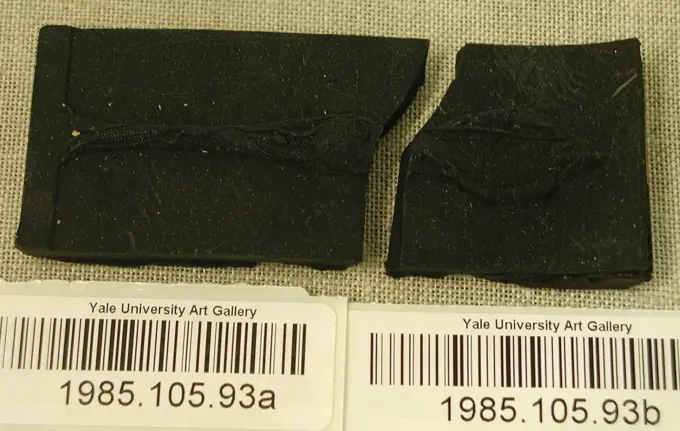
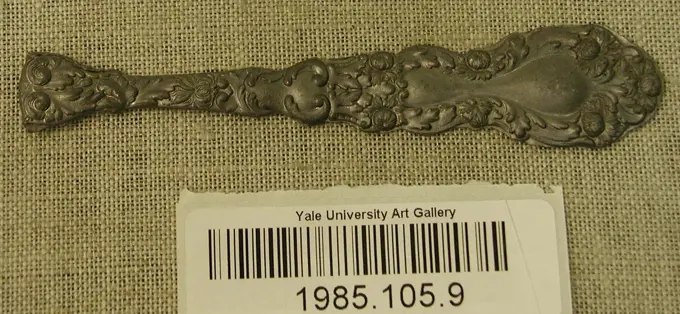
Ancient Glass Fragments

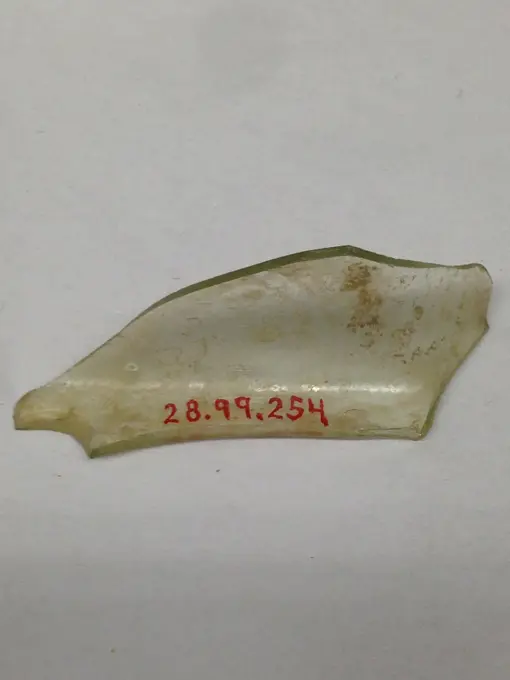
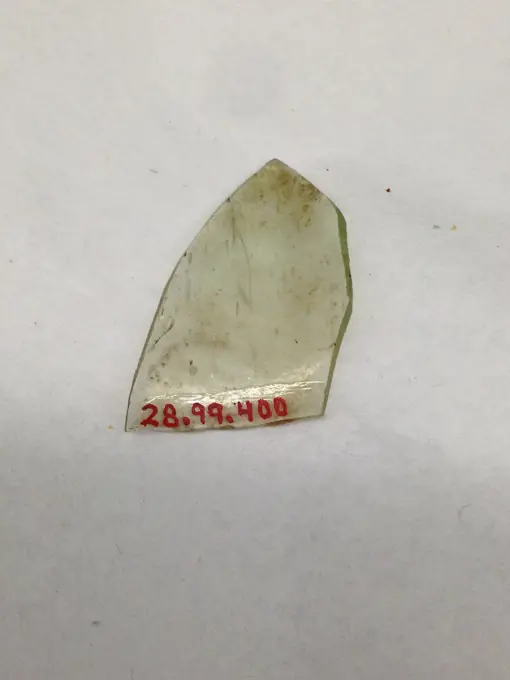
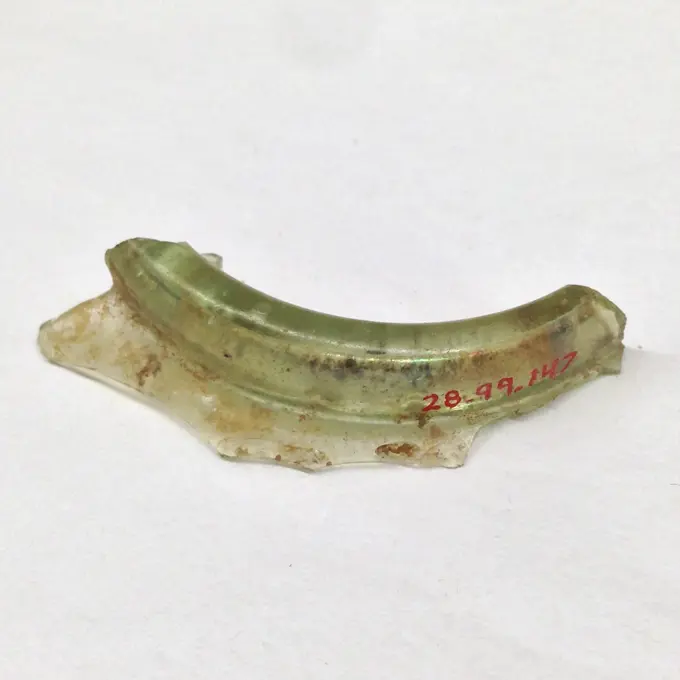
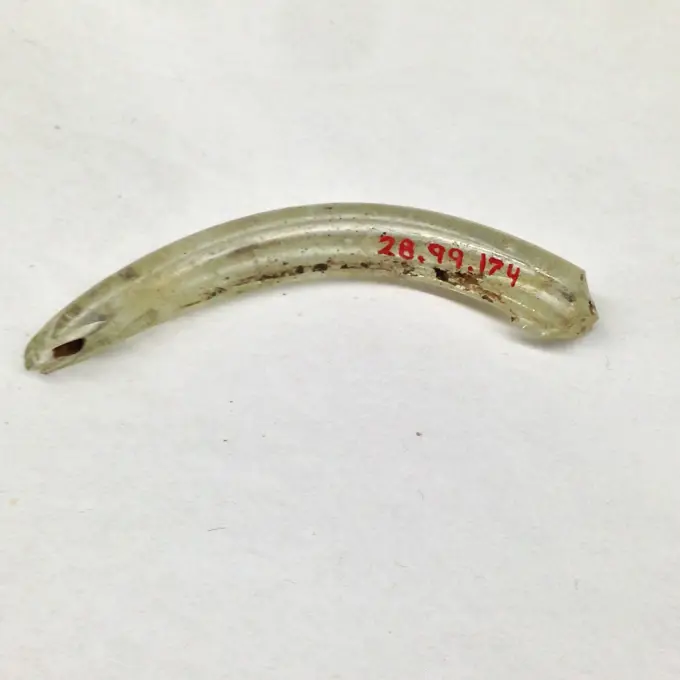
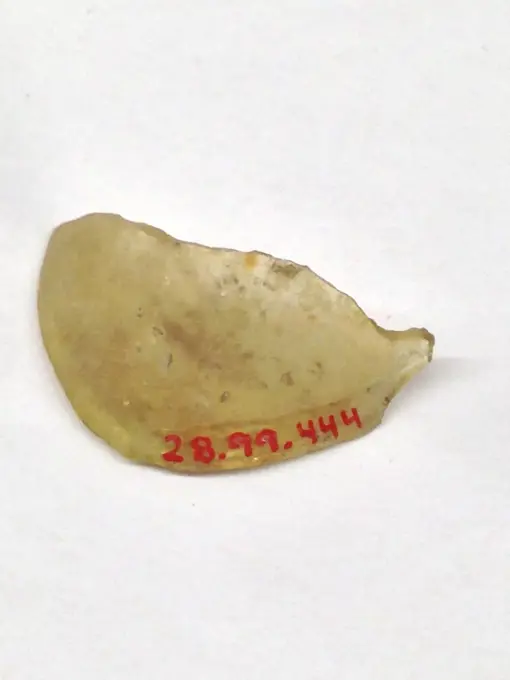
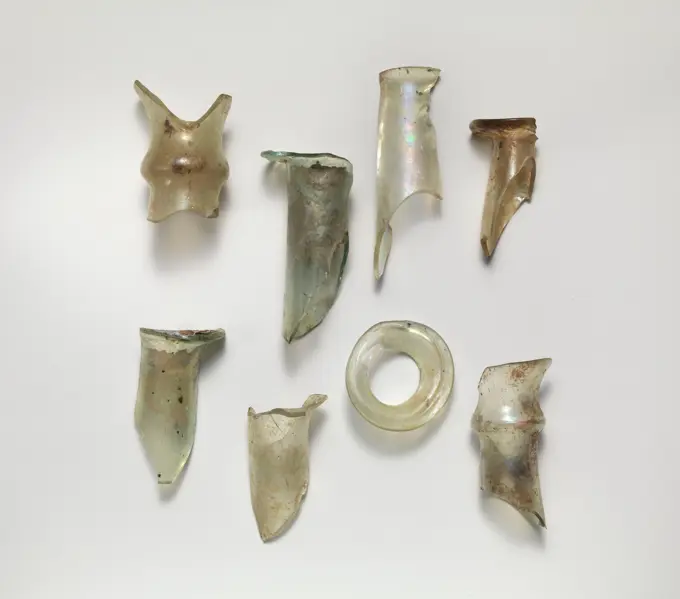
Pieces of ancient glass artifacts, showcasing subtle colors and textures, indicative of European or Middle Eastern craftsmanship from the 12th century.
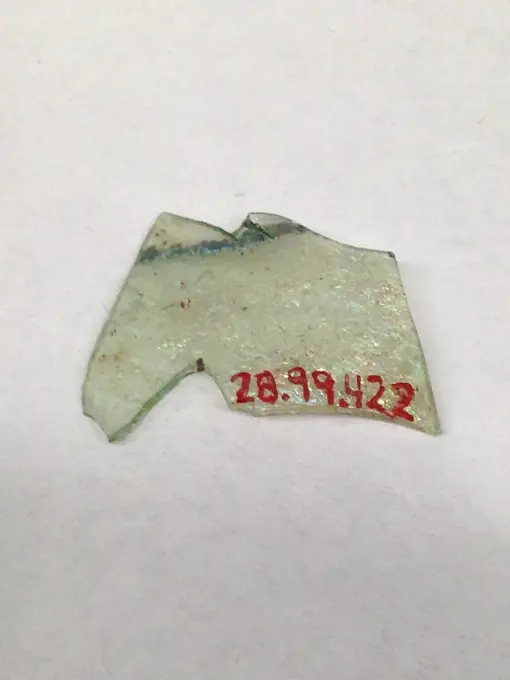
Fragment ca. 1150-ca. 1250 European or Middle Eastern. Fragment. European or Middle Eastern. ca. 1150-ca. 1250. Glass, ceramic. Glass-Vessels
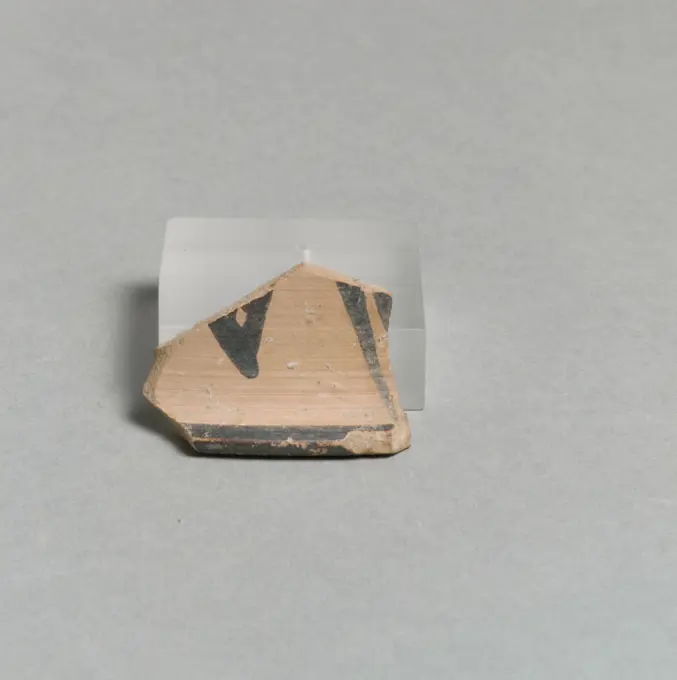
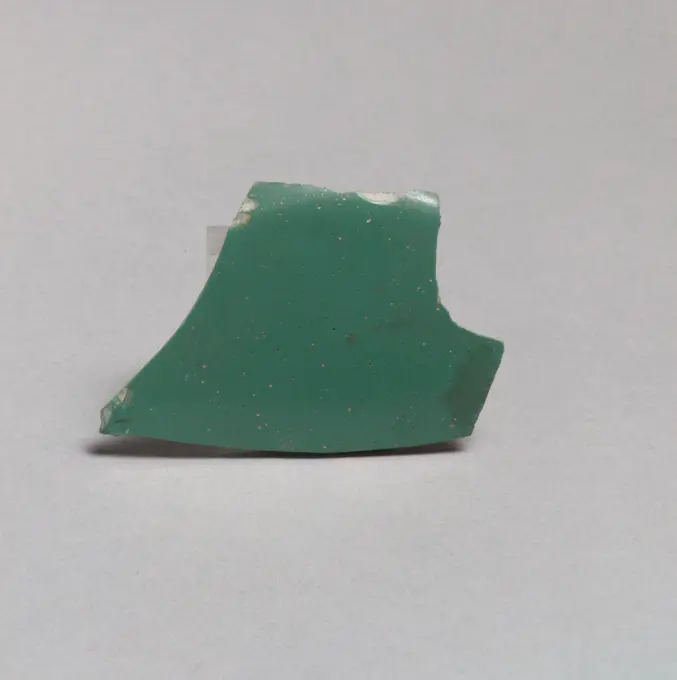
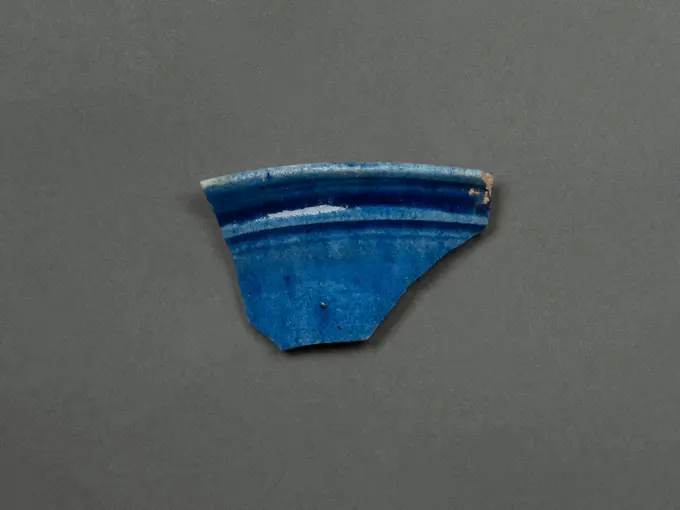
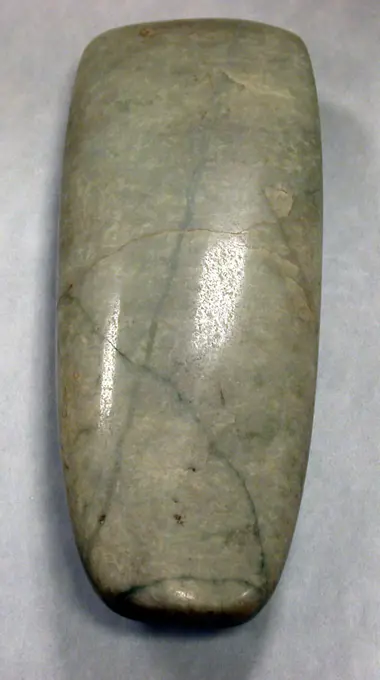
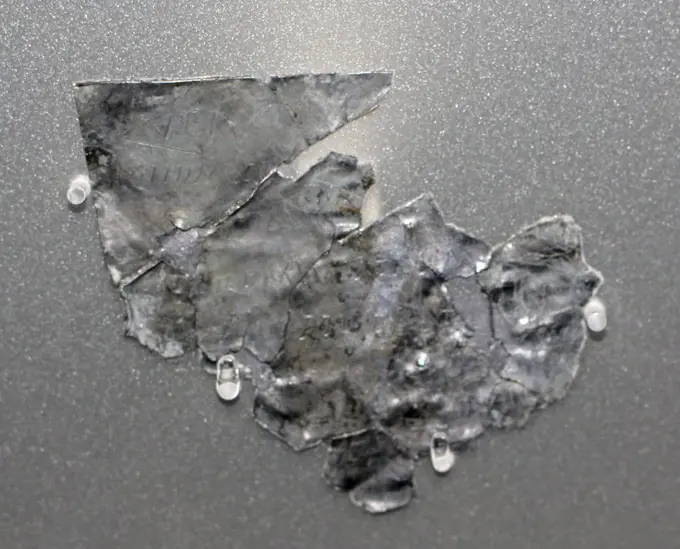
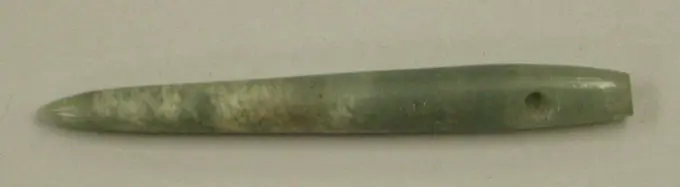
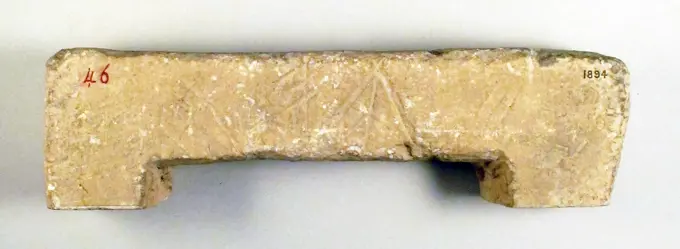
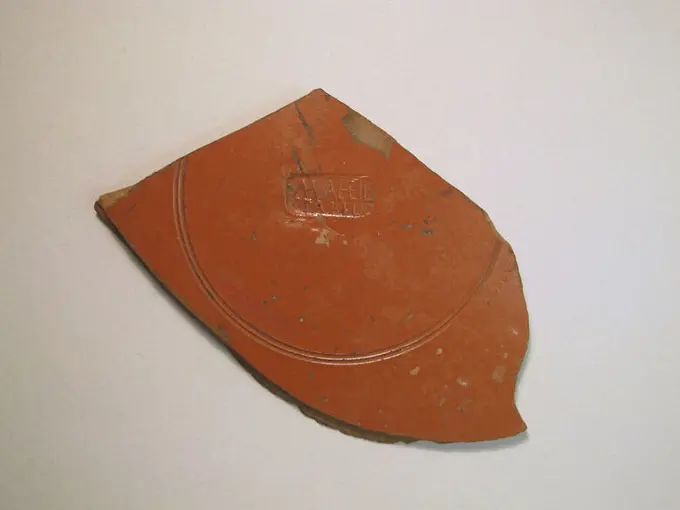
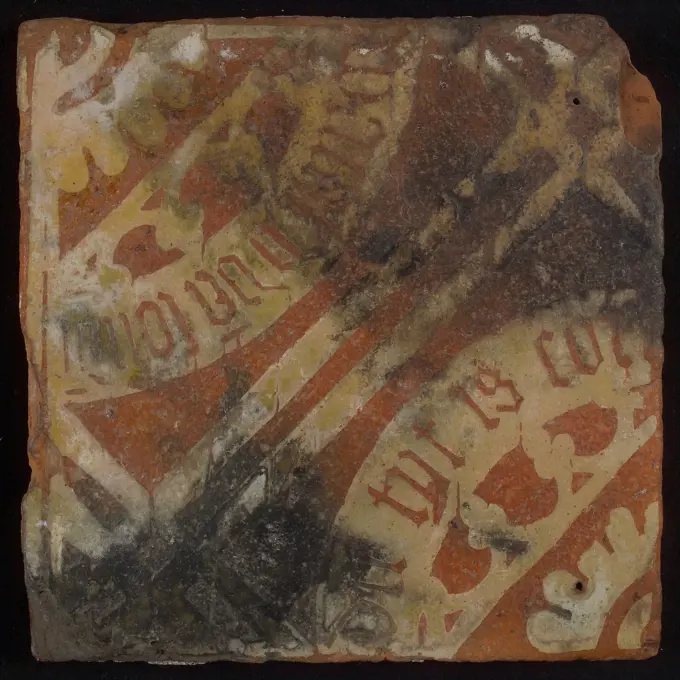
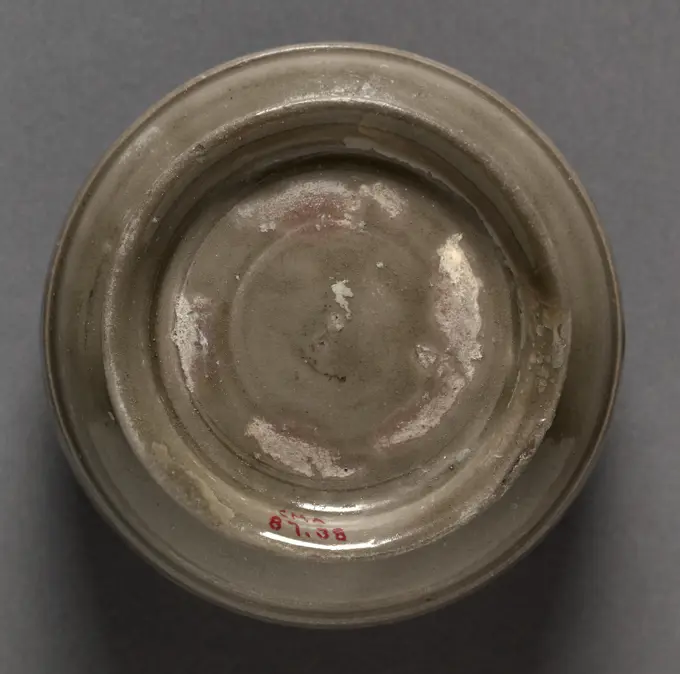
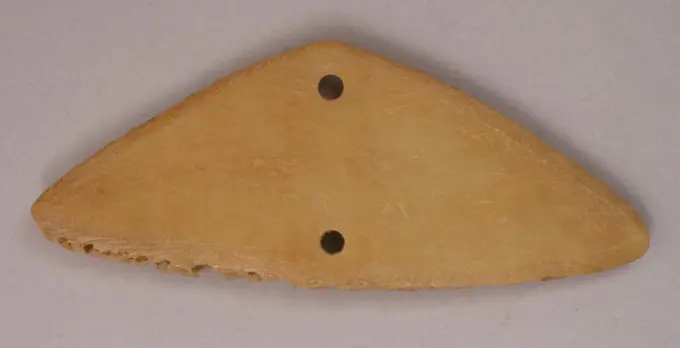
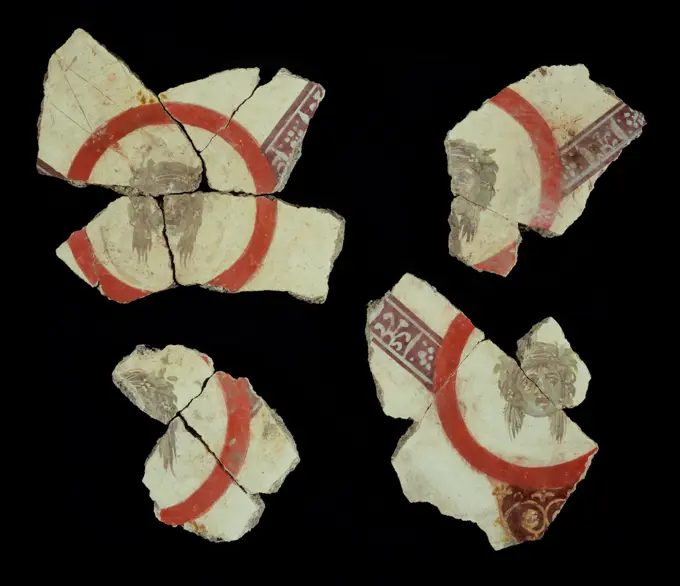
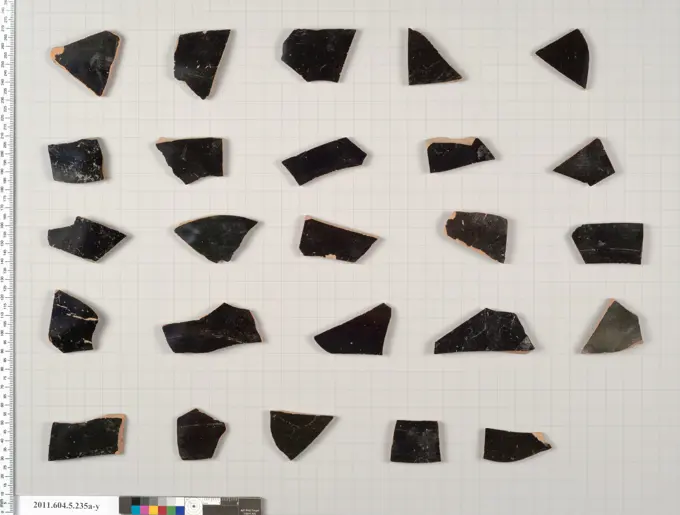
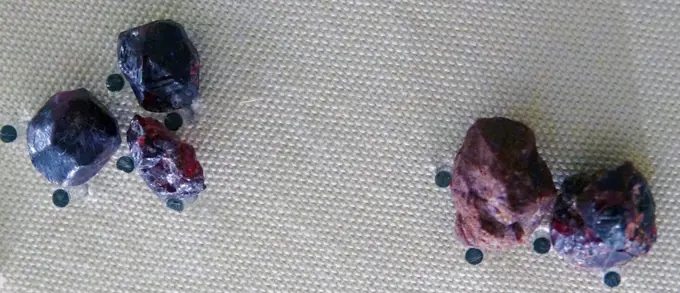
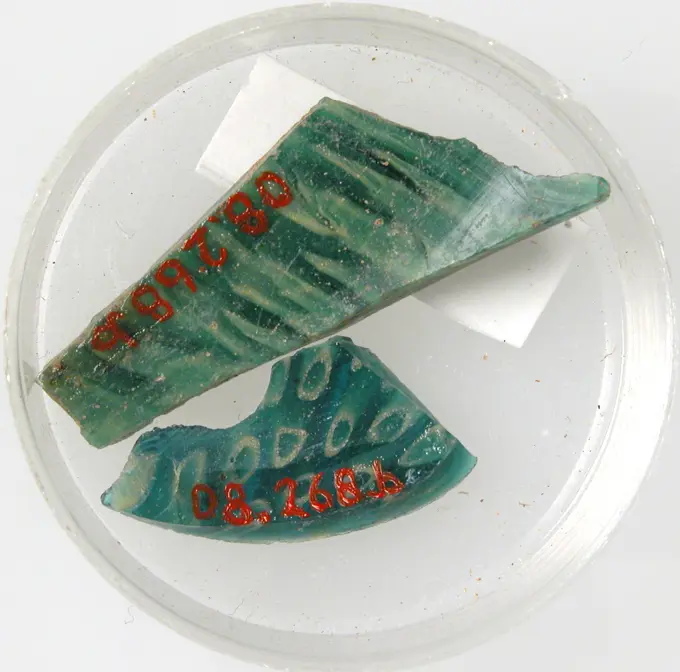
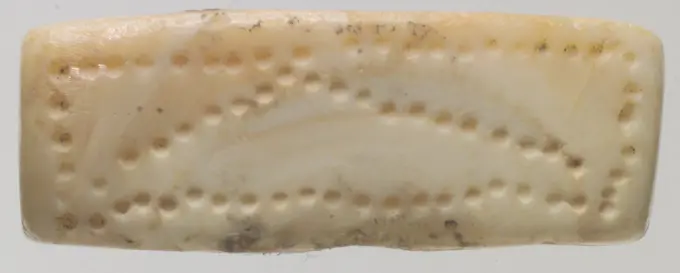
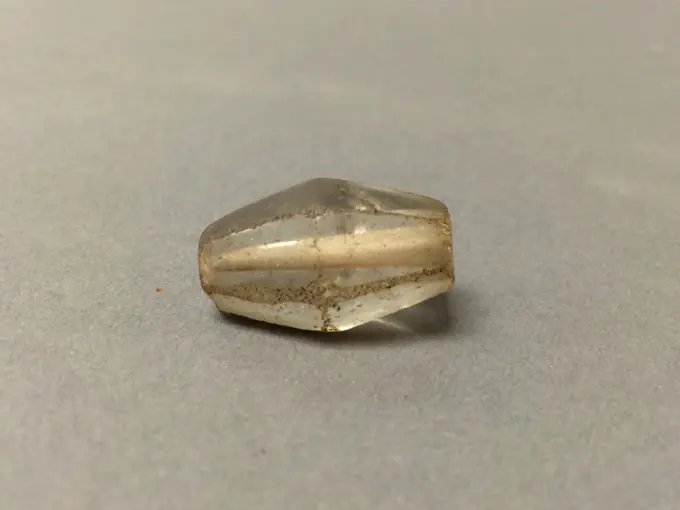
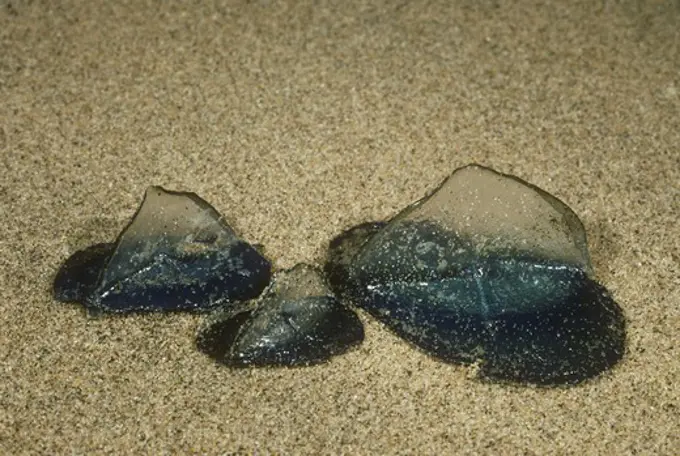
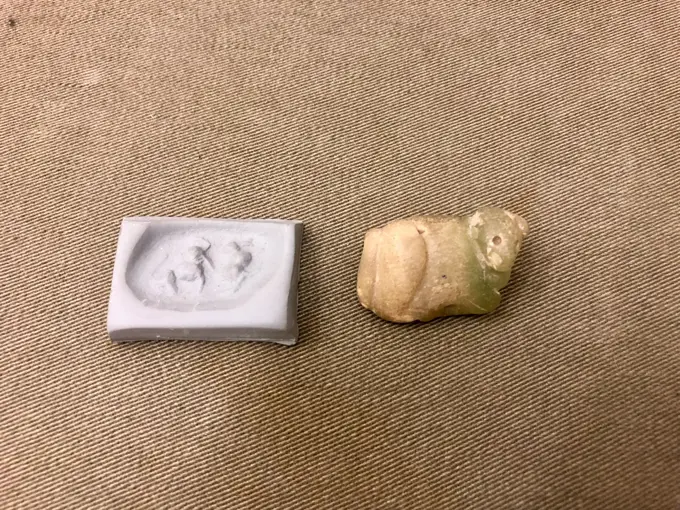
Fragment. Culture: European or Middle Eastern. Dimensions: L. 1 5/8 in. (4.1 cm). Date: ca. 1150-ca. 1250. Museum: Metropolitan Museum of Art, New York, USA.Fragment ca. 1150-ca. 1250 European or Middle Eastern. Fragment 696569Fragment ca. 1150-ca. 1250 European or Middle Eastern. Fragment 694346Fragment. Culture: European or Middle Eastern. Dimensions: L. 2 1/8 in. (5.4 cm). Date: ca. 1150-ca. 1250. Museum: Metropolitan Museum of Art, New York, USA.Fragment. Culture: European or Middle Eastern. Dimensions: L. 2 9/16 in. (6.5 cm). Date: ca. 1150-ca. 1250. Museum: Metropolitan Museum of Art, New York, USA.Fragment. Culture: European or Middle Eastern. Dimensions: L. 1 5/8 in. (4.1 cm). Date: ca. 1150-ca. 1250. Museum: Metropolitan Museum of Art, New York, USA.Fragment ca. 1150-ca. 1250 European or Middle Eastern. Fragment 694279Fragment ca. 1150-ca. 1250 European or Middle Eastern. Fragment. European or Middle Eastern. ca. 1150-ca. 1250. Glass, ceramic. Glass-VesselsFragment. Culture: European or Middle Eastern. Dimensions: L. 2 in. (5.1 cm). Date: ca. 1150-ca. 1250. Museum: Metropolitan Museum of Art, New York, USA.Fragment ca. 1150-ca. 1250 European or Middle Eastern. Fragment 695289Fragment ca. 1150-ca. 1250 European or Middle Eastern. Fragment 694373Fragment. Culture: European or Middle Eastern. Dimensions: L. 1 1/4 in. (3.2 cm). Date: ca. 1150-ca. 1250. Museum: Metropolitan Museum of Art, New York, USA.Fragment ca. 1150-ca. 1250 European or Middle Eastern. Fragment 695146Fragment ca. 1150-ca. 1250 European or Middle Eastern. Fragment 695342Dagger-axe, anonymous, -1600 - -1000 Ritual or ceremonial knife. China jade (rock) Ritual or ceremonial knife. China jade (rock)Fragment ca. 1150-ca. 1250 European or Middle Eastern. Fragment. European or Middle Eastern. ca. 1150-ca. 1250. Glass, ceramic. Glass-VesselsFragment. Culture: European or Middle Eastern. Dimensions: L. 1 1/16 in. (2.7 cm). Date: ca. 1150-ca. 1250. Museum: Metropolitan Museum of Art, New York, USA.Fragment European or Middle Eastern ca. 1150-ca. 1250Fragment 9th century. Fragment. 9th century. Earthenware; opaque white glaze, green splashed glaze, inscription in blue. Attributed to Iraq. Excavated in Iran, Nishapur. CeramicsFragment ca. 1150-ca. 1250 European or Middle Eastern. Fragment 695356Fragment. Culture: European or Middle Eastern. Dimensions: L. 1 7/8 in. (4.8 cm). Date: ca. 1150-ca. 1250. Museum: Metropolitan Museum of Art, New York, USA.Fragment ca. 1150-ca. 1250 European or Middle Eastern. Fragment 695140Fragment ca. 1150-ca. 1250 European or Middle Eastern. Fragment 696594Fragment. Culture: European or Middle Eastern. Dimensions: L. 2 1/8 in. (5.4 cm). Date: ca. 1150-ca. 1250. Museum: Metropolitan Museum of Art, New York, USA.Vase fragment Greek, Laconian. Vase fragment 251299 Greek, Laconian, Vase fragment, Terracotta, 1 5/16 x 1in. (3.4 x 2.5cm). The Metropolitan Museum of Art, New York. Gift of A. J. B. Wace, 1923 (23.119.23)Fragment. Culture: European or Middle Eastern. Dimensions: L. 1 3/8 in. (3.5 cm). Date: ca. 1150-ca. 1250. Museum: Metropolitan Museum of Art, New York, USA.Fragment ca. 1150-ca. 1250 European or Middle Eastern. Fragment 696573Fragment ca. 1150-ca. 1250 European or Middle Eastern. Fragment 695174Ceramic Fragments 9th century. Ceramic Fragments. 9th century. Earthenware; glazed. Found/excavated Iraq, Samarra. CeramicsFragment. Culture: European or Middle Eastern. Dimensions: L. 2 1/8 in. (5.4 cm). Date: ca. 1150-ca. 1250. Museum: Metropolitan Museum of Art, New York, USA.Fragment of a Bowl 6th-7th century. Fragment of a Bowl 448734Nail 5th-8th century. Nail 449191Fragment ca. 1150-ca. 1250 European or Middle Eastern. Fragment. European or Middle Eastern. ca. 1150-ca. 1250. Glass, ceramic. Glass-VesselsGlass monochrome dish fragment 1st half of 1st century A.D. Roman Opaque jade green.Almost flat bottom with one edge curving upward; thicker towards center.Polished exterior; pitting of surface bubbles; dulling and creamy weathering on interior and edges.. Glass monochrome dish fragment 245597Blade ca. mid-5th millennium B.C.. Blade 327838Fragment 11th-12th century View more. Fragment. 11th-12th century. Earthenware; white body under cobalt alkaline glaze. Excavated in Iran, Nishapur. CeramicsFragment. Culture: European or Middle Eastern. Dimensions: L. 1 5/8 in. (4.1 cm). Date: ca. 1150-ca. 1250. Museum: Metropolitan Museum of Art, New York, USA.Fragment of a Dish probably 11th-12th century. Fragment of a Dish 446460Celt 10th-4th century B.C. Olmec. Celt. Olmec. 10th-4th century B.C.. Stone. Mexico, Mesoamerica. Stone-ImplementsToe Ring with Two Rectangular Bezels 10th-14th century Indonesia (East Java). Toe Ring with Two Rectangular Bezels. Indonesia (East Java). 10th-14th century. Gold. JewelryText scratched into metal written in British Celtic. The only known surviving words written in British Celtic anywhere. Untranslatable, but written in the Roman alphabet. Possibly a complaint, as is written in the same style as many of the "curses" found in the Roman Baths. Circa 1st-3rd century AD. Fragment ca. 1150-ca. 1250 European or Middle Eastern. Fragment 694328Vase fragment Roman, Gaul Standing male figure inside medallion.. Vase fragment 250336Awl punch before 16th century Olmec. Awl punch 317380Limestone inscribed statue base Cypriot. Limestone inscribed statue base. Cypriot. Limestone. Cesnola InscriptionsA fragment of zinc sheet from Adam Mickiewicz's coffinVase fragment. Culture: Roman. Dimensions: 2 3/16 × 4 1/8 × 1/4 in. (5.6 × 10.4 × 0.7 cm). Date: late 1st century B.C..Fragment of plain Arretine ware, inscribed. Museum: Metropolitan Museum of Art, New York, USA.Spindle whorl. Spindle whorl. BoneVase fragment Roman Fragment of yellow enamelled vase with embossed duck.. Vase fragment. Roman. Terracotta. VasesBody ornament Japan By the Middle Jmon period, the food supply in Japan had stabilized enough that the Jmon people could focus their activities more on crafts and spiritual life. This led to the development of a wide variety of body ornaments, including necklaces and hairpins, some of which feature very elaborate designs. It is speculated that body ornamentation may have served a religious or spiritual purpose, but it may also have represented social rank and status.. Body ornament. Japan. Bone. Final Jmon period (ca. 1000-300 B.C.). BoneStone Chisel before 16th century Mexican. Stone Chisel 317239Fragment. Culture: European or Middle Eastern. Dimensions: L. 1 3/8 in. (3.5 cm). Date: ca. 1150-ca. 1250. Museum: Metropolitan Museum of Art, New York, USA.Scripture tile, floor tile, brown and white, diagonal two white lines, in each half quarter circle, gothic leaves, wide white band with text in gothic lettering, tile floor tile tile sculpture ceramic earthenware clay engobe glaze lead glaze, fired 1x glazed lintel Red shard square gothic Two-tone: brown (iron oxide) and white (pipe earth); slibdecoratie Stored at the front The tide is Cort and you wait for Sonden GothicFragment Steel van Fork or Spoon from the wreck of the East Indians Hollandia, Anonymous, 1700 - in Or Before 1743 spoon Cutlery, fragment: stem of fork or spoon; fragm, flat, widening. Netherlands silver (metal)   SecondFragment ca. 1150-ca. 1250 European or Middle Eastern. Fragment 695409Fragment. Culture: European or Middle Eastern. Dimensions: L. 1 1/8 in. (2.9 cm). Date: ca. 1150-ca. 1250. Museum: Metropolitan Museum of Art, New York, USA.Covered Box with Double-Parakeet Design, 900s-1100s. China, Zhejiang province, Five dynasties (907-60) or later. Glazed stoneware with incised decoration, Yue ware;Hammered Silver Ornament Plaque 11th-late 15th century Chimú or Chancay. Hammered Silver Ornament Plaque 309087Plaque 5th-8th century. Plaque 449175Seal with a turtle shaped handle unknownMiniature Weapon 500 B.C.-A.D. 300 Indonesia (Java). Miniature Weapon. Indonesia (Java). 500 B.C.-A.D. 300. Bronze. Bronze and Iron Age period. MetalworkFly Amulet, 2040-1648 BC. Egypt, Middle Kingdom. Deep turquoise green faience; overall: 1.4 cm (9/16 in.).Twenty Stuiver, emergency coin from Amsterdam, beaten during the siege from the silver of the Nieuwe Kerk, Anonymous, 1578 - 1631 coin. siege coin Unilateral, diamond -shaped emergency coin. Front: three stamps above each other; From bottom to top: mint masters: letters P and G; city coat of arms: crowned coat of arms, left still part of number 5, to the right of 7 visible, to the right of Kroon: number 0 visible; year above two letters X. Turn side: Blanco Amsterdam silver (metal) striking (metalworking)  AmsterdamFragment 16th century Italian. Fragment 230261Ring with Round Bezel, Incised Calligraphy 8th-12th century Indonesia (Central Java). Ring with Round Bezel, Incised Calligraphy. Indonesia (Central Java). 8th-12th century. Gold. JewelryCelt before 16th century Mexican. Celt. Mexican. before 16th century. Stone. Mexico, Mesoamerica. Stone-OrnamentsPapyrus Inscribed in Greek Papyrus Inscribed in Greek, 2nd century C.E. Papyrus, ink, Glass: 7 1/16 x 8 1/4 in. (18 x 21 cm).   Egyptian, Classical, Ancient Near Eastern Art 2nd century C.E.Glass striped mosaic bowl fragment late 1st century B.C.-early 1st century A.D. Roman Body fragment (of shallow bowl).Translucent blue, deep purple appearing almost black, opaque white and yellow, and colorless.Slightly concave bottom, then turned up at angle as straight side.Striped quadripartite pattern formed from lengths of different canes laid at right angles, comprising a length of purple with a central white stripe, a blue network cane wound spirally with a white thread, a length of yellow and colorless, a polygonal cane in a blue ground with a white square surrounding a central white rod, and another cane in a blue ground dotted with white rods.Polished interior; pitting of surface bubbles on interior; dulling, pitting, and iridescent weathering on exterior and jagged edges.. Glass striped mosaic bowl fragment 257254Eight Groups of Papyrus Fragments Inscribed in Demotic and Greek Eight Groups of Papyrus Fragments Inscribed in Demotic and Greek, 664 B.C.E.-395 C.E. Papyrus, ink, 47.218.17a-3: Largest fragment: 2 9/16 × 1 9/16 in. (6.5 × 4 cm).   Egyptian, Classical, Ancient Near Eastern Art 664 B.C.E.-395 C.E.Fresco Fragment. UnknownFresco Fragment. UnknownStamp seal 1st millennium B.C. Iran. Stamp seal. Iran. 1st millennium B.C.. Ceramic. Iron Age. Northwestern IranBottom of a Vessel with Foot 4th-early 5th century Coptic. Bottom of a Vessel with Foot 479125Terracotta fragments of kylikes (drinking cups) 6th/5th centuries B.C. Greek, Attic Twenty-five black glazed fragments from kylikes. Terracotta fragments of kylikes (drinking cups). Greek, Attic. 6th/5th centuries B.C.. Terracotta; black glaze. Archaic/Classical. VasesModern raw garnets from China and Spain. Dated 20th CenturyShards Kraakporcelain from V.O.C. ship De 'Witte Leeuw', Anonymous, Before 1613  Shards Kraakporcelain from V.O.C. ship De 'Witte Leeuw'. Jingdezhen bone china (material)   Sint-HelenaFragment 8th-9th century. Fragment 448844Glass Fragments 4th-early 5th century Coptic. Glass Fragments 477112Fragment European or Middle Eastern ca. 1150-ca. 1250 View more. Fragment. European or Middle Eastern. ca. 1150-ca. 1250. Glass, ceramic. Glass-VesselsFragment European or Middle Eastern ca. 1150-ca. 1250 View more. Fragment. European or Middle Eastern. ca. 1150-ca. 1250. Glass, ceramic. Glass-VesselsFragment European or Middle Eastern ca. 1150-ca. 1250 View more. Fragment. European or Middle Eastern. ca. 1150-ca. 1250. Glass, ceramic. Glass-VesselsBead spreader ca. 2900-2350 B.C. Sumerian. Bead spreader 324871Pendant with miniature photo album with five Amsterdam cityscapes, Souvenir, Anonymous, c. 1900 pendant (jewelry). photograph. miniature  Amsterdam paper   AmsterdamFragments Pipe stems from the wreck of the East Indians Hollandia, Anonymous, 1700 - in Or Before 1743  Pipe, stem; fragment. Netherlands pipe clay   SecondGranite plate with colored texture and ligament snail granite plate with colored texture and ligament snailBead 7th century or earlier Japan. Bead 60599Plaque Amun is in Luxor” 1550 BCE-664 BCE Egypt. Carnelian . Ancient EgyptianClose-up of a heart with an arrowBy-the Wind Sailors Jellyfish or Siphonophores (Velella velella) St. Lucia Park, S. AfricaButtonSeal amulet in the form of a recumbent bovid ca. 3500-2900 B.C.. Seal amulet in the form of a recumbent bovid. ca. 3500-2900 B.C.. Onyx marble, green-gray. Late Uruk-Jemdet Nasr. Iran or MesopotamiaUTENSILIOS PARA COLECCIONISTA DE SELLOS.Pile of stacked window panes, found in a glass studio in Beth Shean. From the 6th-7th century.The Family of Philip IV (Las Meninas), by Velázquez Diego Rodriguez de Silva y, 1656 - 1656, 17th Century, oil on canvas. Spain, Prado National Museum. Detail. Dress: garment of a Meninas (Dona Maria Agustina de Sarmiento).Impressions offlatwarePlanets-manager. Cornalet Collection Sites 2013-2016. Numismatic.Casting of a spoon handle, Luxembourg” Pattern.  Manufacturer: Gorham Manufacturing Company, American, founded 1831Jar. Dated: c. 1940. Dimensions: overall: 50.8 x 38.1 cm (20 x 15 in.) Original IAD Object: 15" High 7 3/8" Dia(base) 8 1/2" Dia(base). Medium: watercolor, graphite, and colored pencil on paperboard. Museum: National Gallery of Art, Washington DC. Author: Isadore Goldberg.Button; porcelainCeramic fragment. Dimensions: D. 24 x H. 5 cm. Date: 8th-12th century. Museum: Metropolitan Museum of Art, New York, USA.