Ancient Gold Earrings

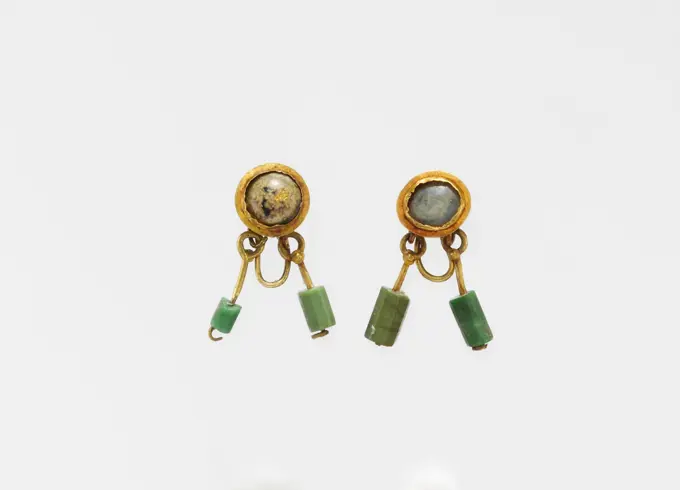
Historical gold earrings from ancient civilizations, showcasing intricate designs with animal motifs and decorative elements.
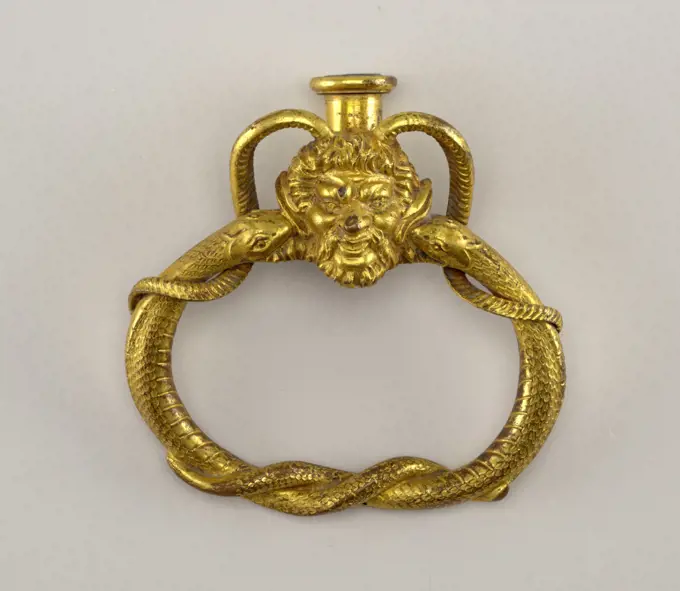
Handle, Gilt bronze, Horizontal loop form composed of two snakes with tails entwined, their heads flanking a satyr's head at top, its horns looped around the snakes., France, ca. 1775, metalwork, Decorative Arts, Handle
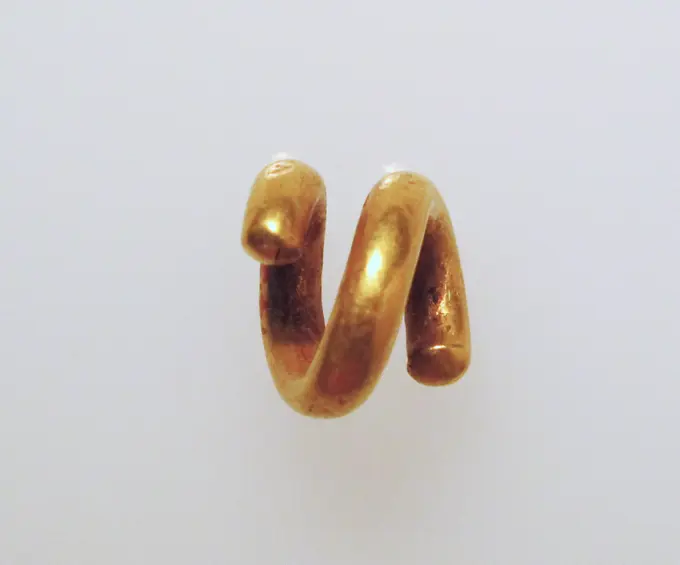
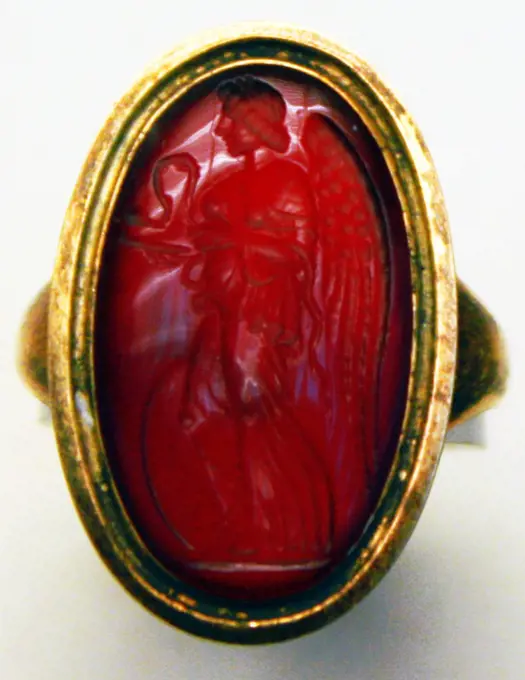
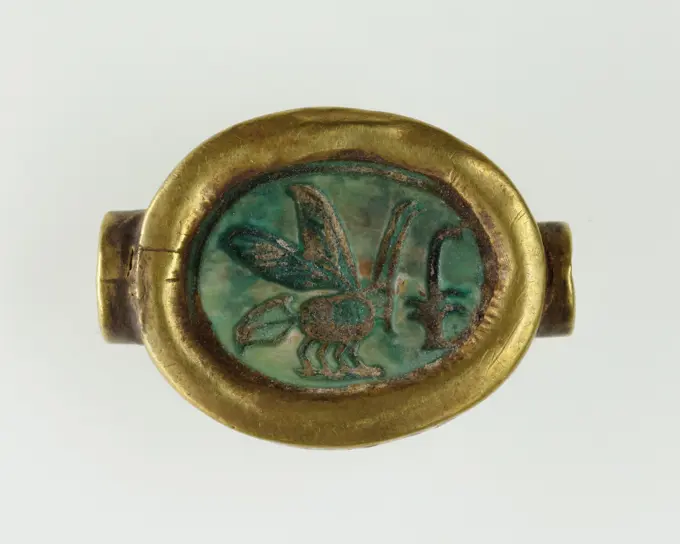
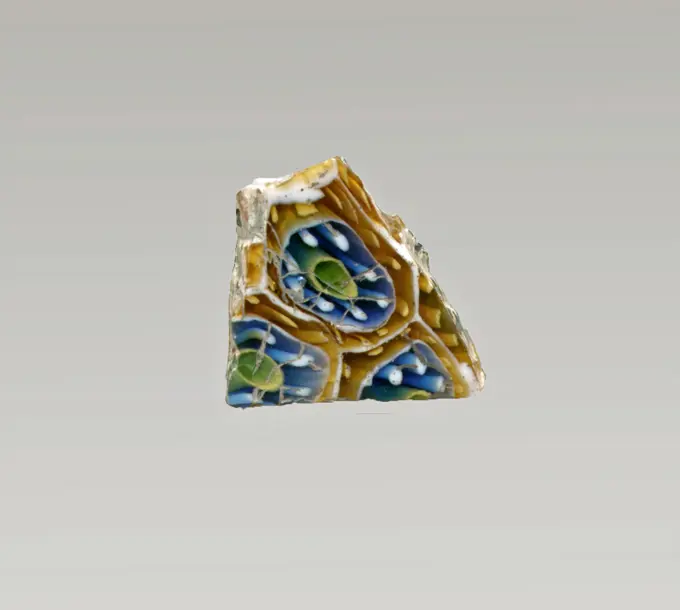
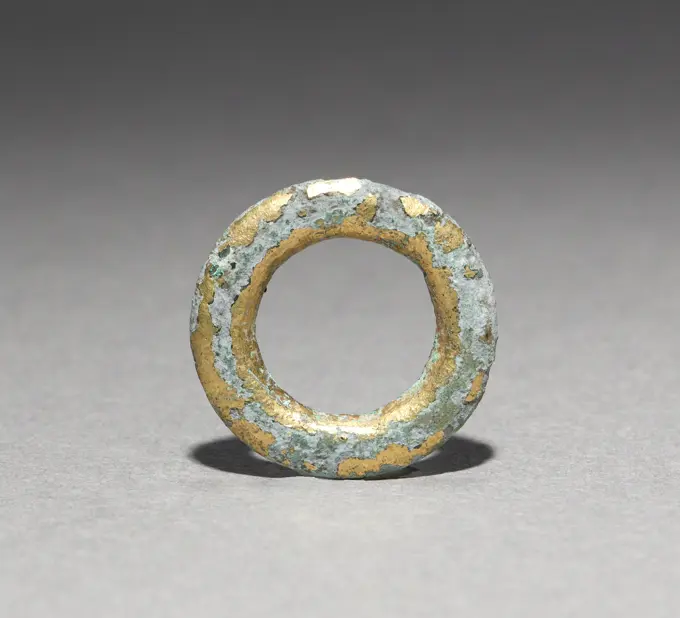
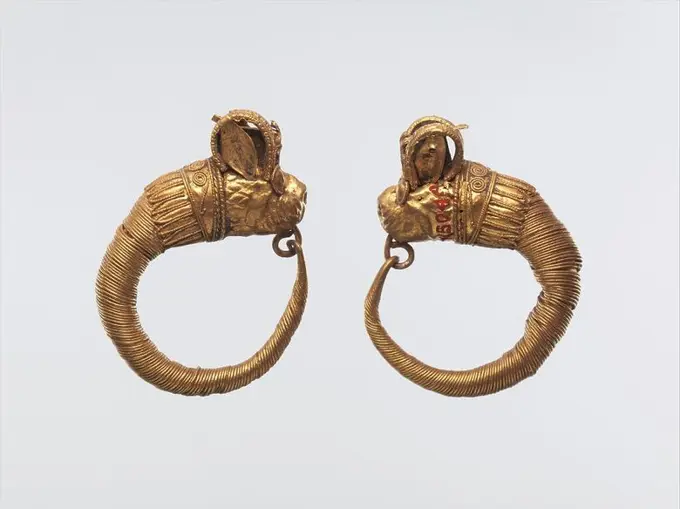
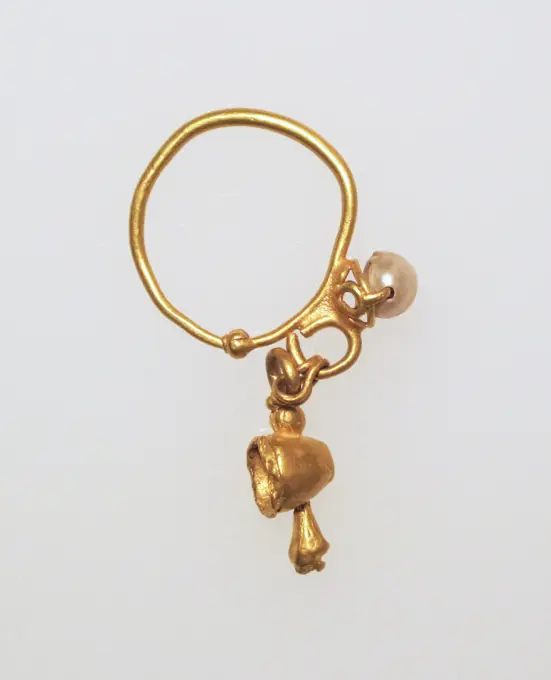
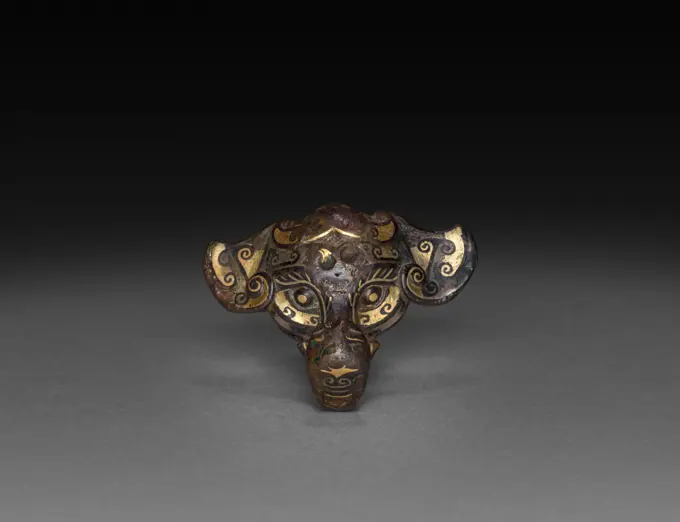
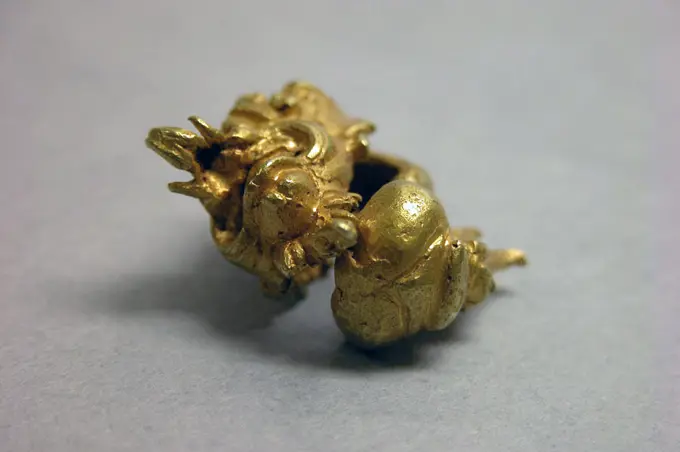
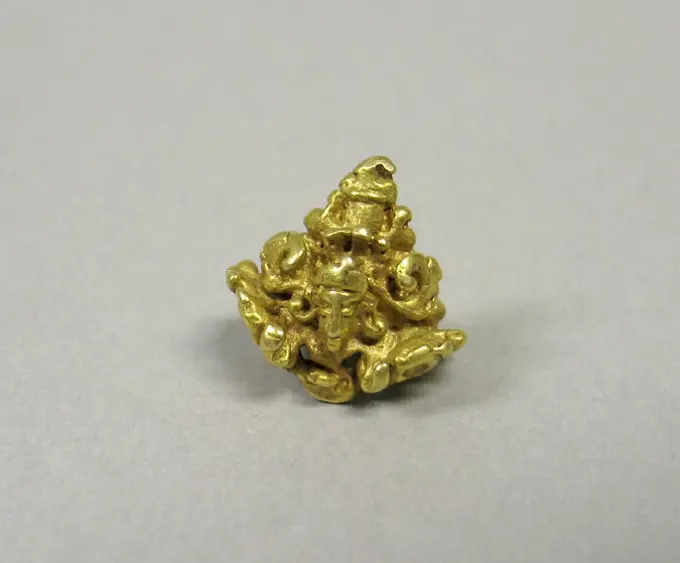
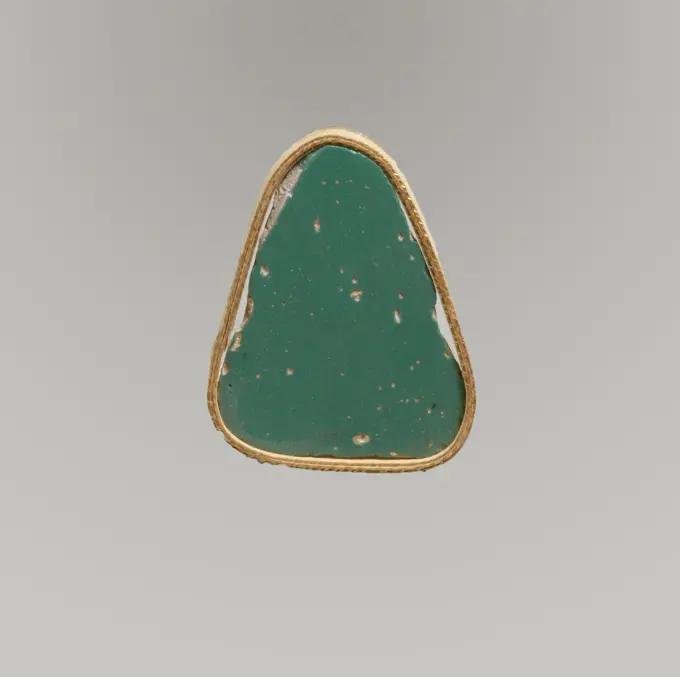
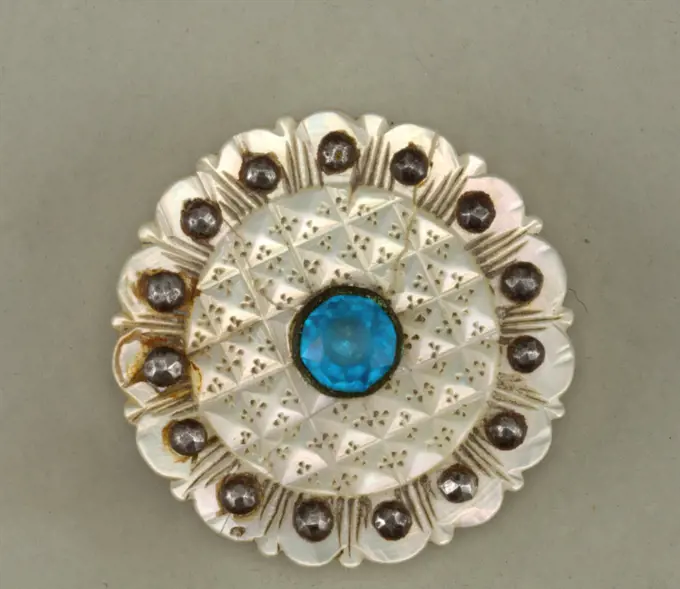
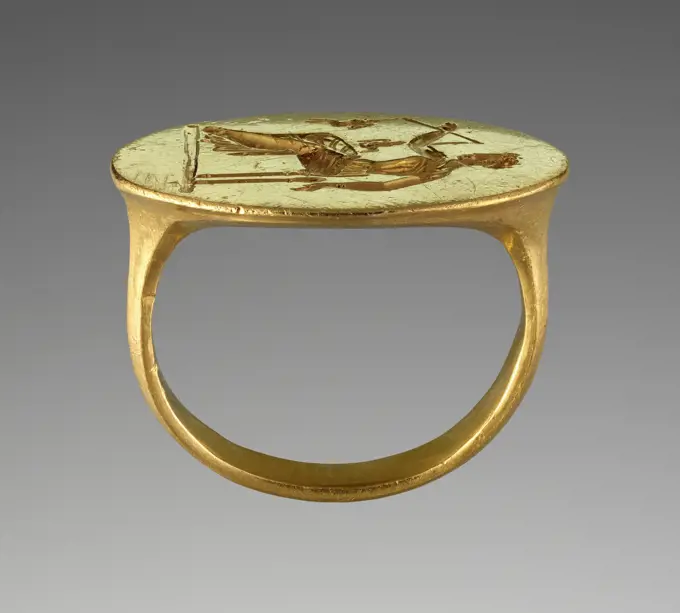
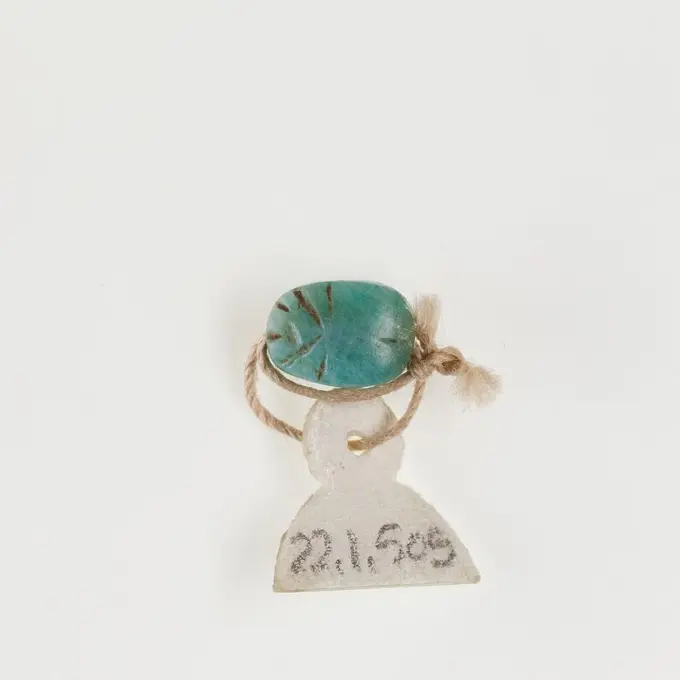
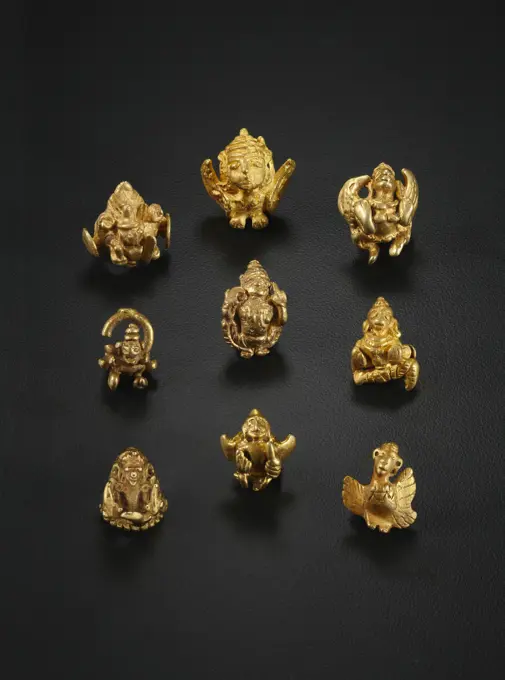
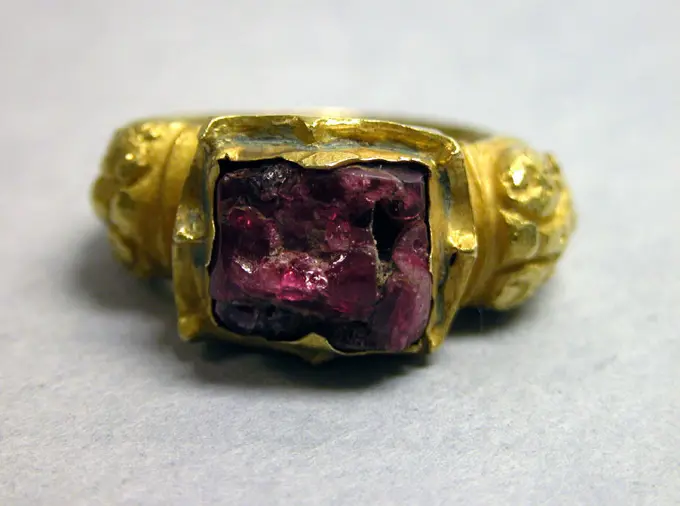
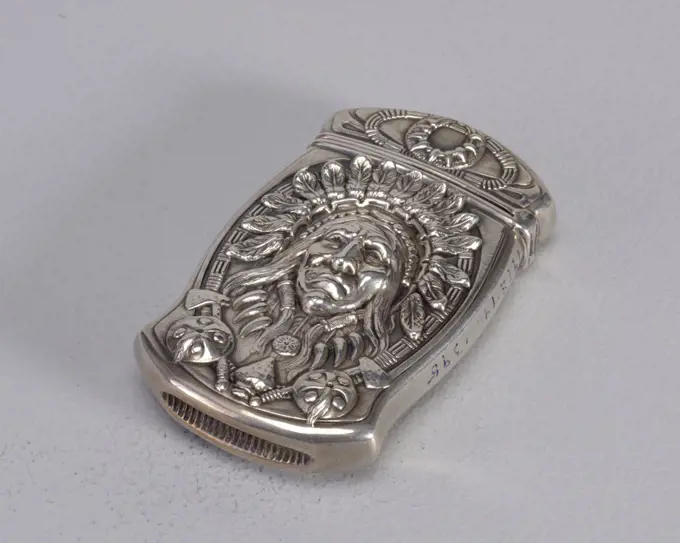
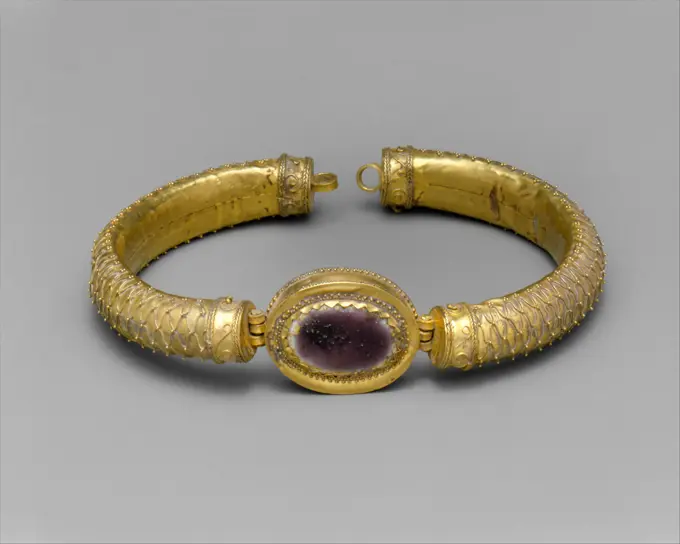
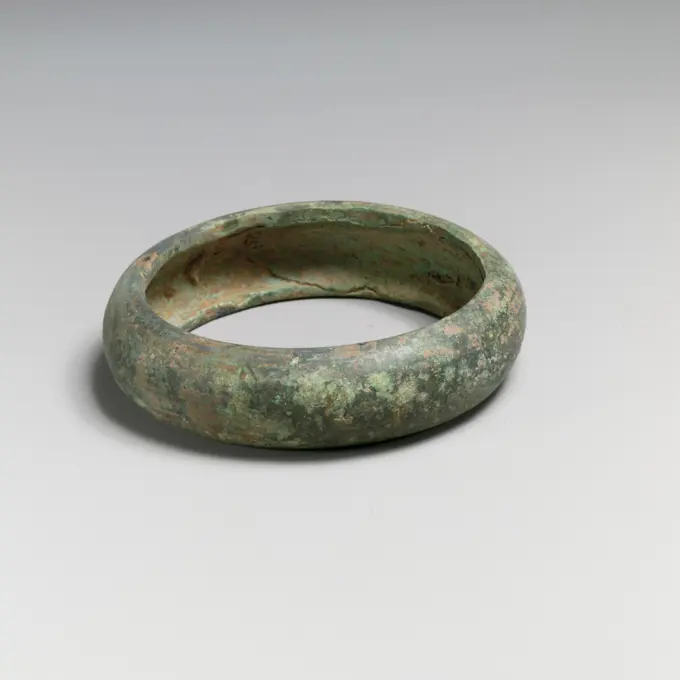
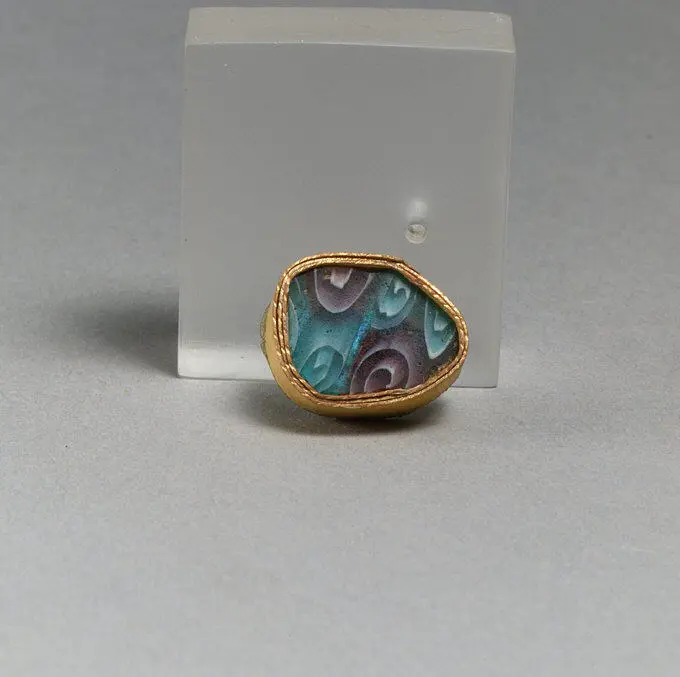
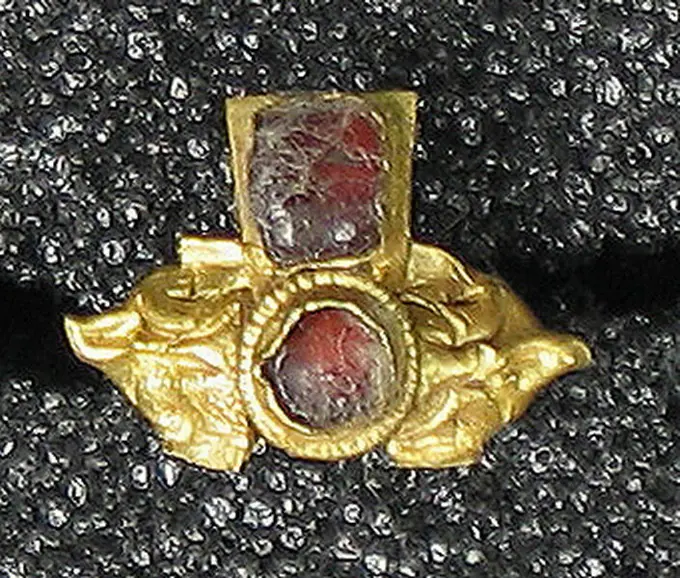
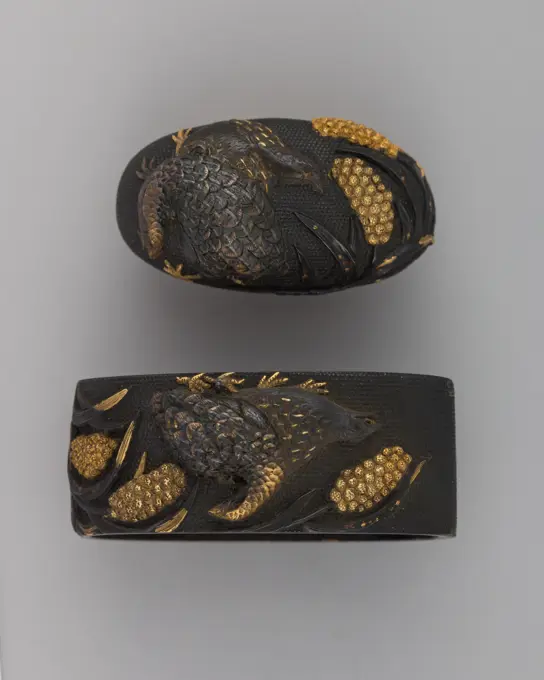
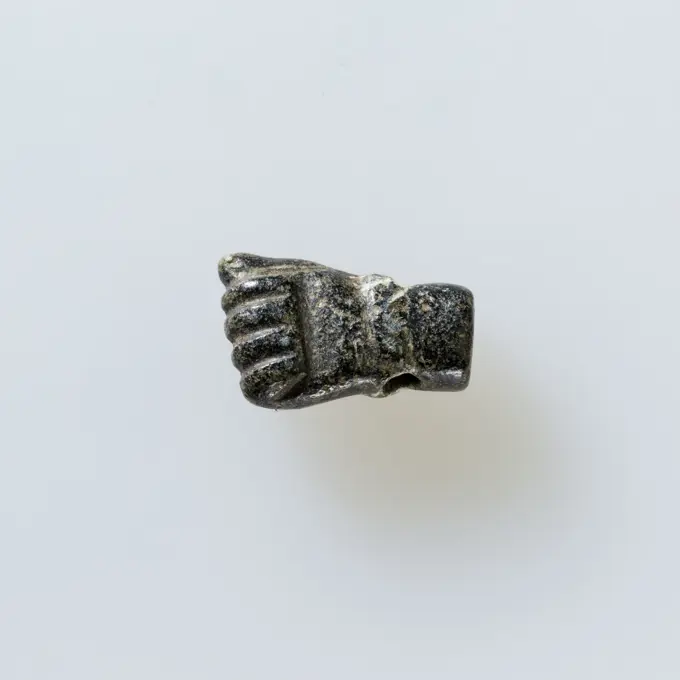
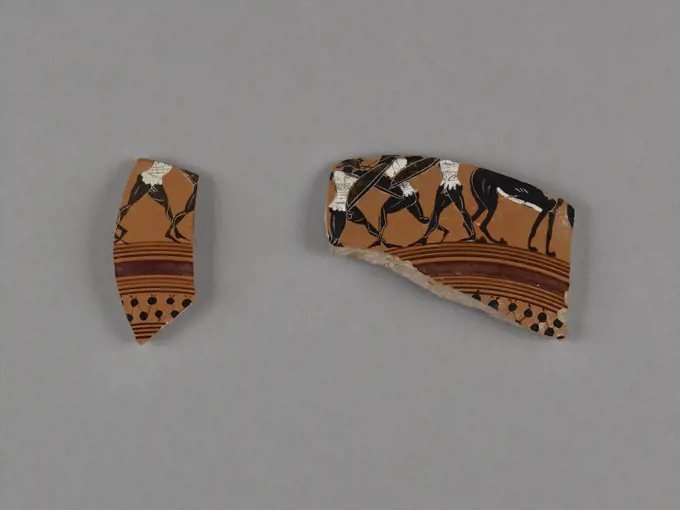
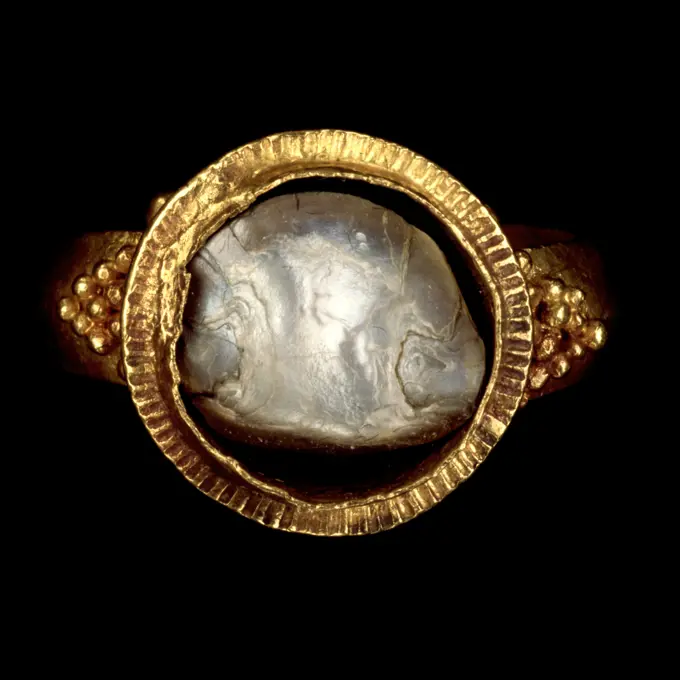
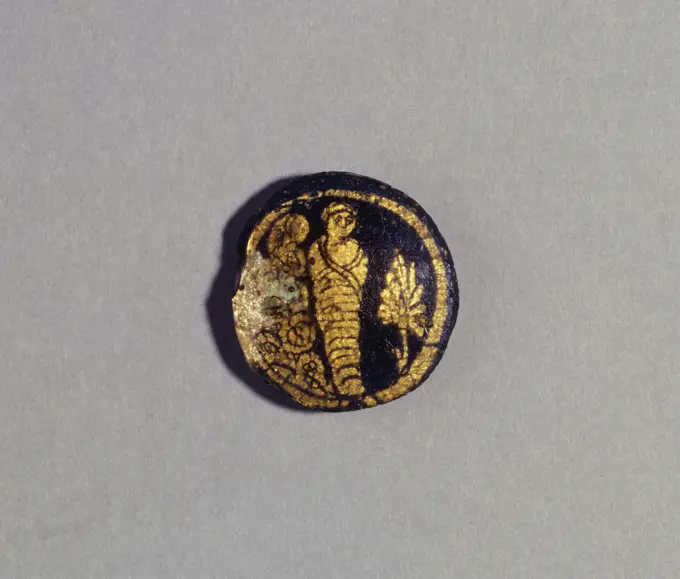
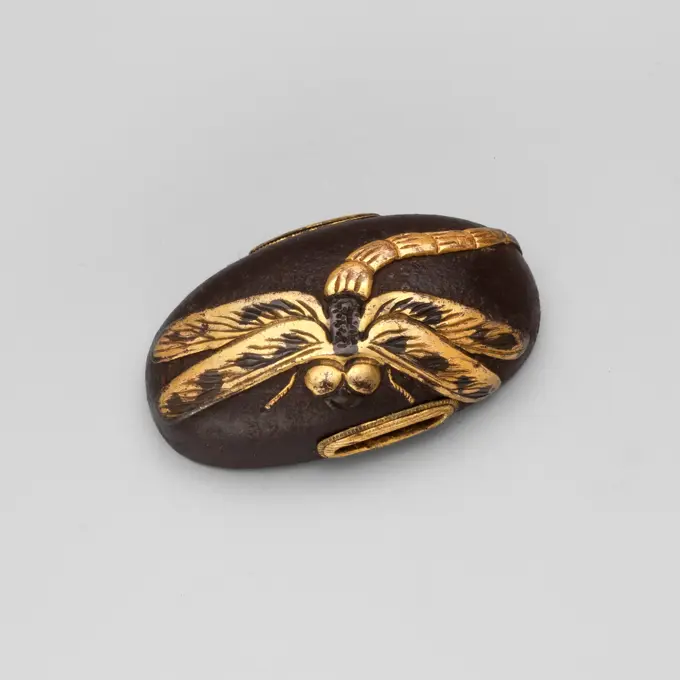
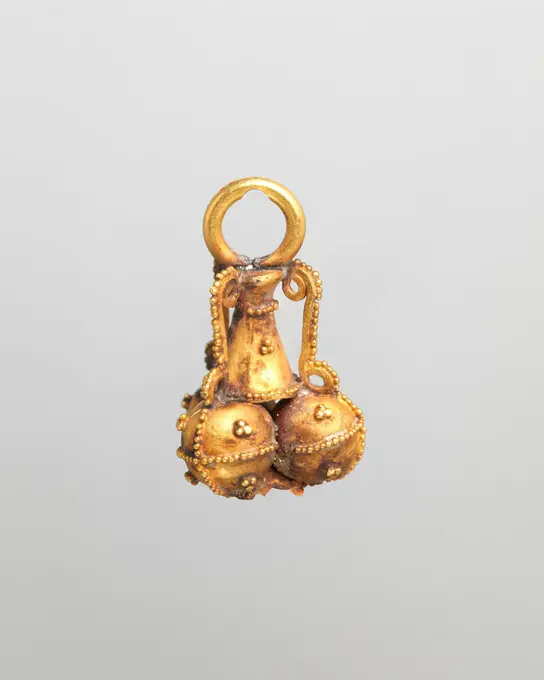
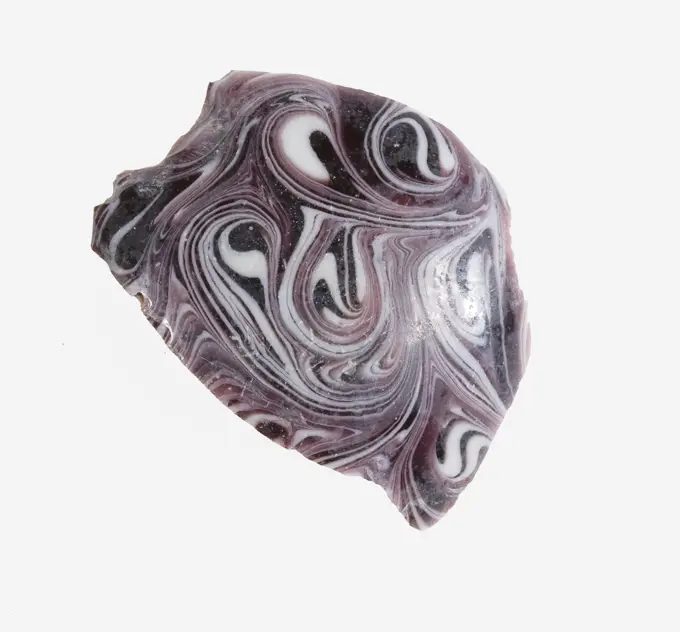
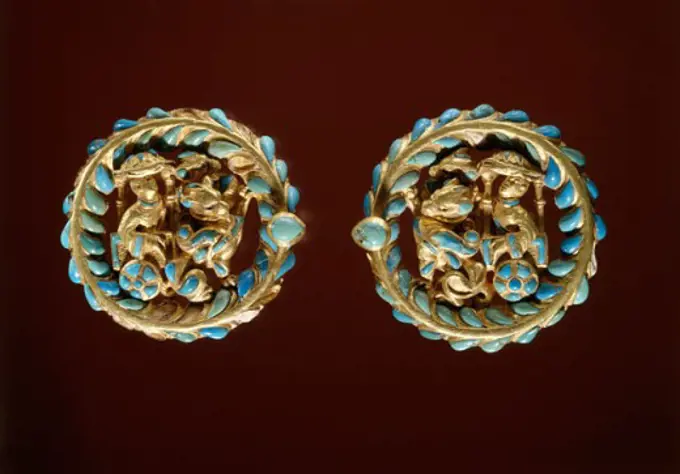
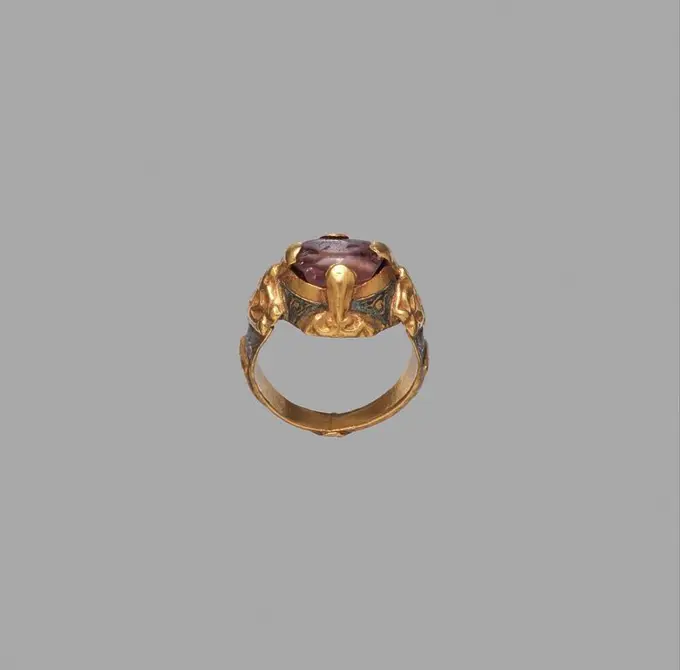
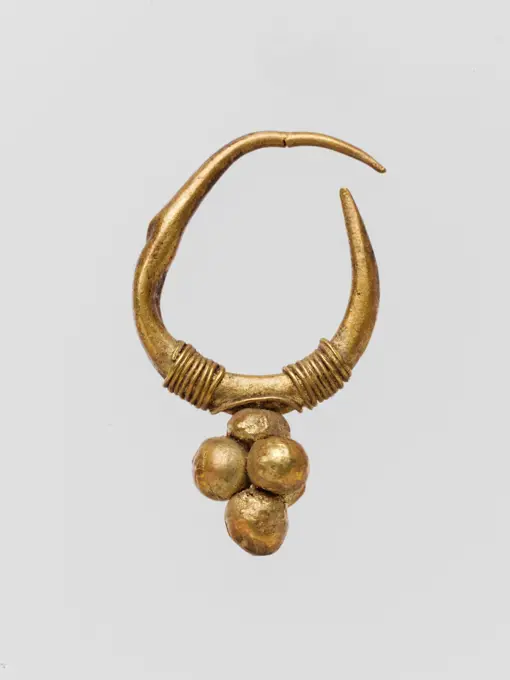
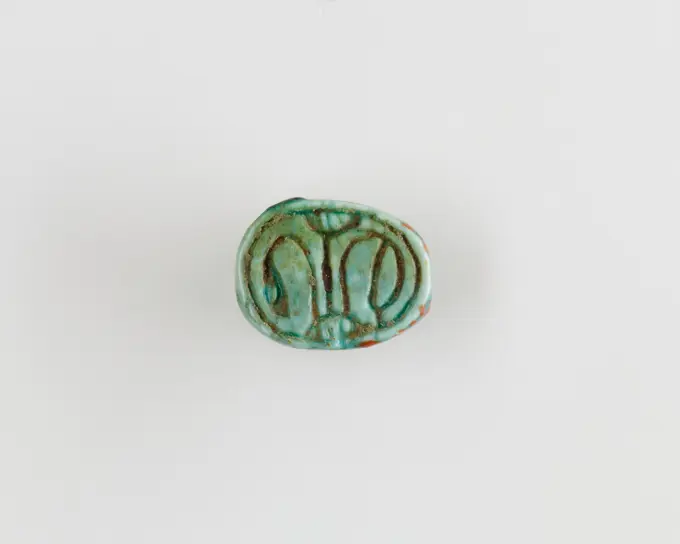
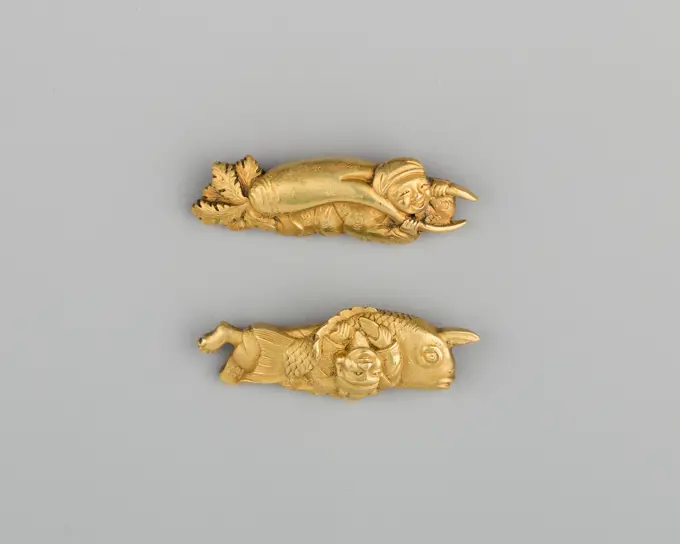
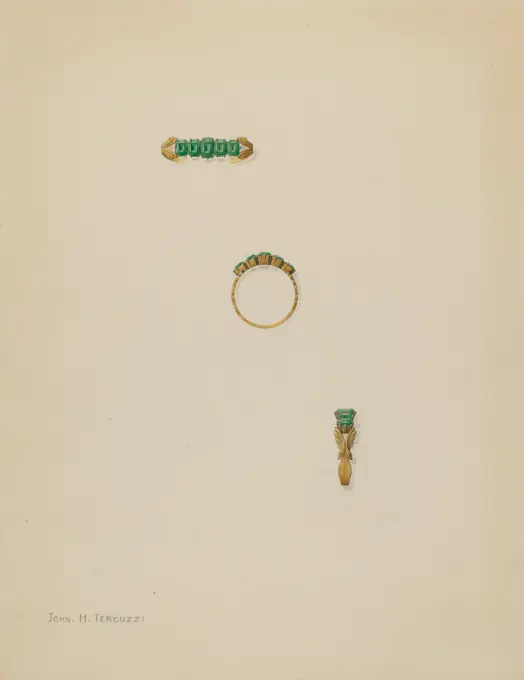
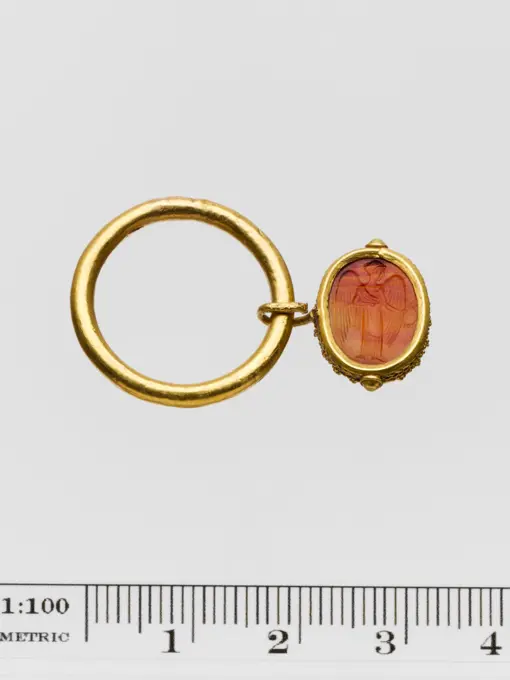
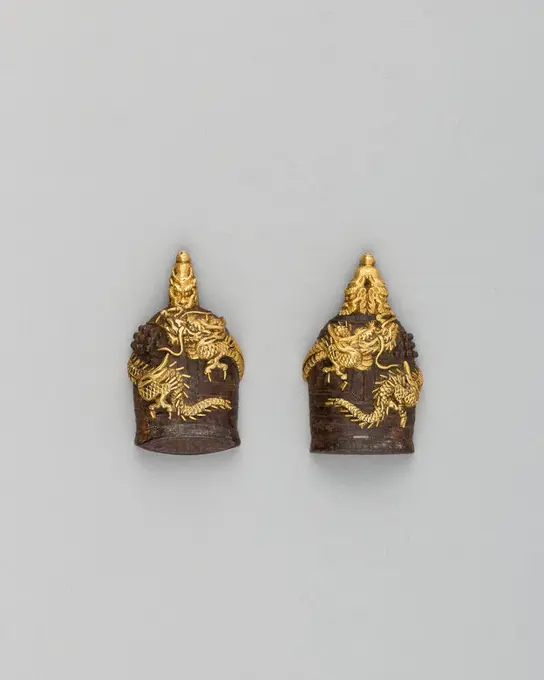
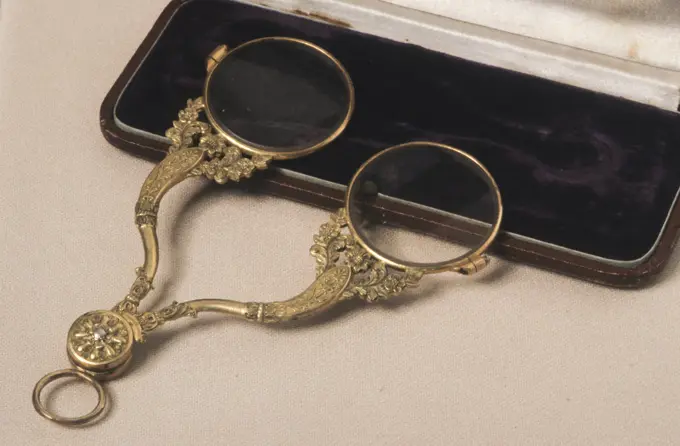
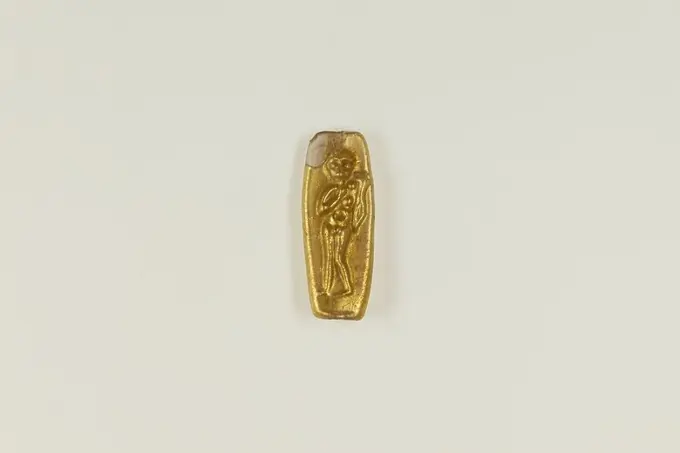
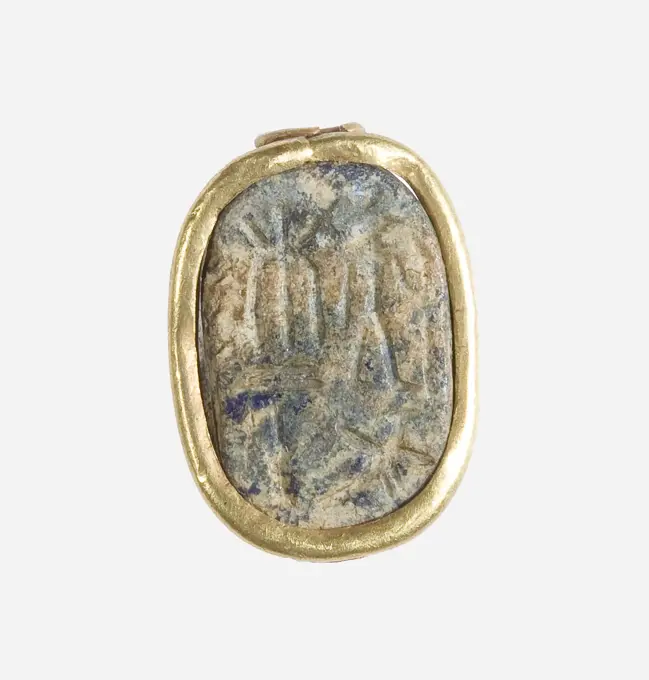
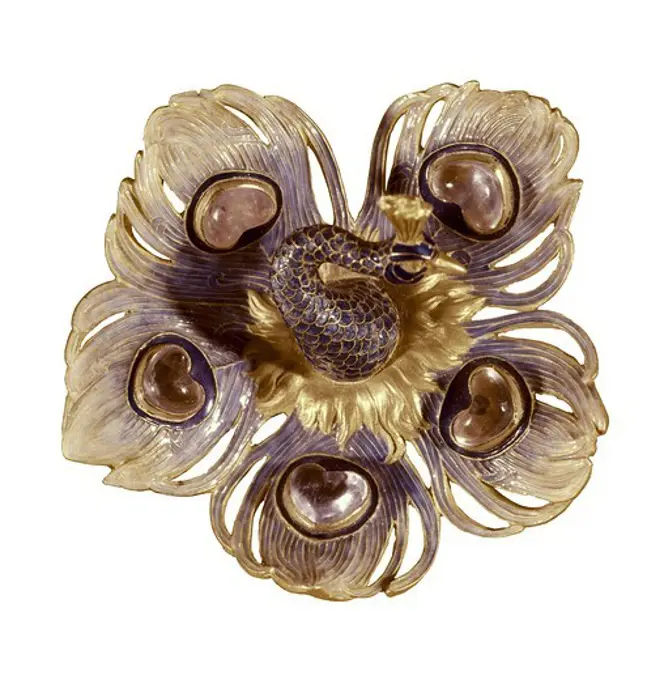
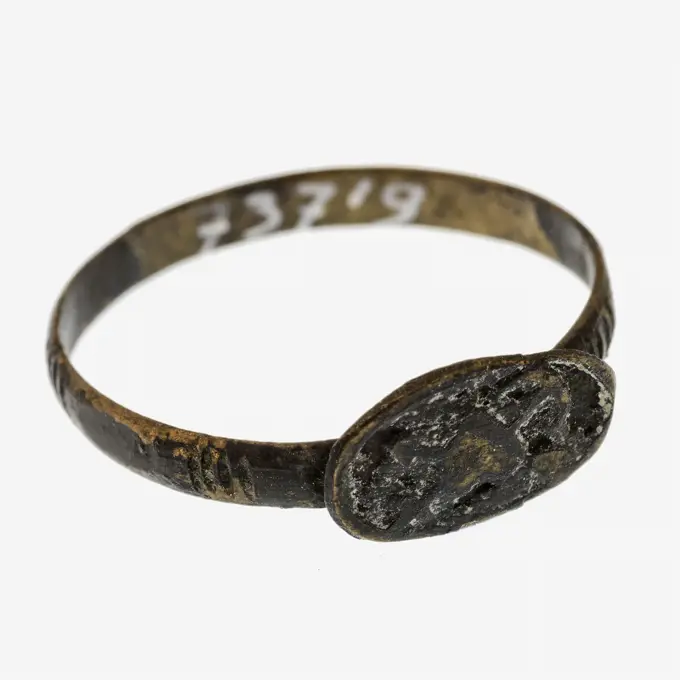
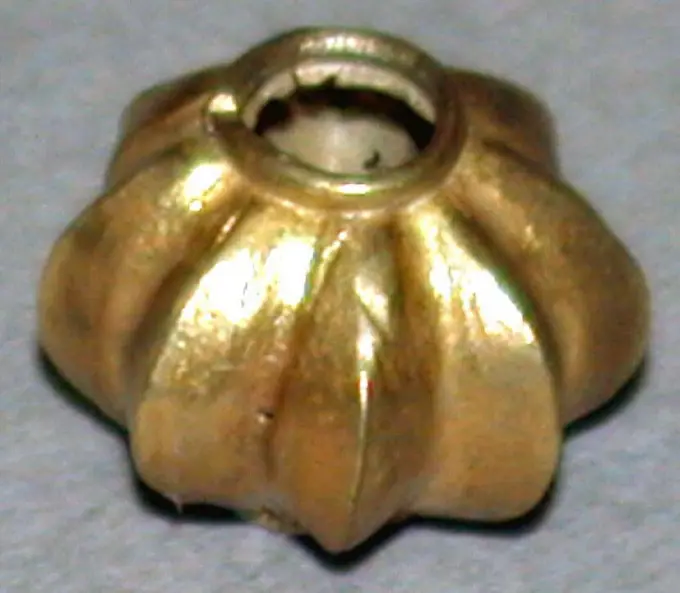
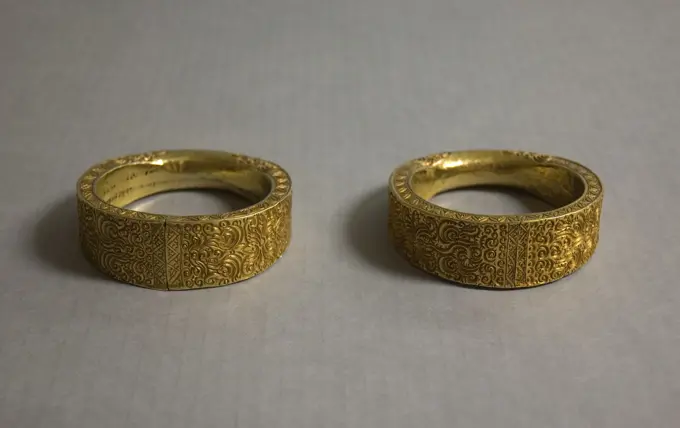
Chalcedonic quartz seal set in a gold ring. Culture: Greek. Dimensions: Length: 13/16 in. (2 cm). Date: 4th century B.C..Bacchic demon, half lion, half winged satyr. Museum: Metropolitan Museum of Art, New York, USA.Glass mosaic fragment late 1st century B.C.-early 1st century A.D. Roman Thin-walled body fragment.Translucent purple, light blue appearing green, opaque yellow and white.Very shallow curving side, with two straight edges at right angle to each other.Mosaic pattern formed from polygonal sections of two canes: one in a purple ground with a circle of white dots around a central white circle and a yellow rod, and another in a green ground with a yellow spiral.Polished exterior; pitting of surface bubbles on exterior; dulling and creamy weathering on interior and jagged edges.. Glass mosaic fragment 257380Earring or spiral 5th century B.C. Cypriot Worn in the upper lobe of the ear.. Earring or spiral 242785Paperweight 1825-1850 England. Glass .Sea stone snowing a winged figure of Hygeia (Health), the personification of health, holding a libation bowl in one hand and a serpent in the other. Roman , 1st-2nd century ADGlass mosaic bowl fragment 2nd-mid-1st century B.C. Greek, Eastern Mediterranean Rim fragment.Translucent purple, turquoise blue, pale yellow, and opaque white.Applied coil rim, outsplayed with rounded edge; straight side tapering downward.Composite mosaic pattern formed from polygonal sections of three canes: one in a blue ground with fine radiating white spokes; a second in a purple ground with a white spiral and a central blue rod, and the third in a yellow ground with a white spiral and a central blue rod; a blue network cane wound with a white thread is attached as a deep rim.Polished exterior; pitting of surface bubbles on exterior; dulling, pitting, and brownish weathering on interior, rim, and jagged edges.. Glass mosaic bowl fragment. Greek, Eastern Mediterranean. 2nd-mid-1st century B.C.. Glass; cast. Late Hellenistic. GlassScarab Set in a Ring Bezel ca. 1492-1473 B.C. New Kingdom This scarab ring bezel was found among the hand bones of one of the unidentified adult woman buried in the tomb of Hatnefer and Ramose (see 36.3.1). The well-carved scarab is inscribed on the base with a sedge plant, symbol of the Nile valley (Upper Egypt) and a bee, symbol of the Nile delta (Lower Egypt). These two hieroglyphs represent the royal title King of Upper and Lower Egypt.. Scarab Set in a Ring Bezel 548962Lozenge-Shaped Applique. UnknownGlass mosaic ribbed bowl fragment late 1st century B.C.-early 1st century A.D. Roman Body fragment.Translucent honey brown, cobalt blue, opaque white and yellow.Almost straight side, tapering downward.Mosaic pattern formed from large polygonal sections of a single cane in brown containing a circle of white dots outlined in white, another circle inside in blue also containing a circle of white dots and outlined in white, and a central blue circle appearing green outlined in yellow; on exterior, part of two vertical ribs, tapering slightly downward.Polished on interior, cracking and pitting of surface bubbles on interior; dulling, pitting, and creamy iridescent weathering on exterior and jagged edges.. Glass mosaic ribbed bowl fragment. Roman. late 1st century B.C.-early 1st century A.D.. Glass; cast and tooled. Early Imperial. GlassRing, 918-1392. Korea, Goryeo period (918-1392). Bronze gilt; outer diameter: 1.9 cm (3/4 in.).HornedRing. Brooch of gold, decorated with heart-shaped ornaments in black-brown email and with a turquoise.Silver bracelet in the form of a snake 3rd century A.D. Roman Bracelet terminating in snakes' heads.. Silver bracelet in the form of a snake. Roman. 3rd century A.D.. Silver. Late Imperial. Gold and SilverEarrings with lion-griffin terminal. Dimensions: a. As Worn: H. 2.3 × W. 2.7 cm (7/8 × 1 1/16 in.)b. As Worn: H. 2.2 × W. 2.9 cm (7/8 × 1 1/8 in.). Date: 4th-3rd century B.C..Hoops formed of wound wire with animal head terminals are the commonest type of Hellenistic earring. The griffin is a mythical winged animal that could have an eagle head or a horned lion-head. The latter is the only sort found on Egyptian jewelry; it has been suggested that it was associated with the Macedonian dynasty, while the eagle griffin was associated with the Achamenid Persians.The 'collar' behind the lion-griffin's head is decorated with filagree and beaded wire. Museum: Metropolitan Museum of Art, New York, USA.Earring with pendant and pearl setting. Earring with pendant and pearl setting 243209Belt Hook (Daigou) in the Form of a Buffalo or Elephant Head, c. 481-400 BC. China, Eastern Zhou dynasty (771-256 BC), Warring States period (475-221 BC). Bronze with silver inlay; overall: 3.8 cm (1 1/2 in.).Button. Northern China, 206 B.C. - A.D. 9. Jewelry and Adornments; buttons. Gilt bronze, castEar Clip Composed of Fused Discs Second half of the 8th-second half of the 10th century Indonesia (Java). Ear Clip Composed of Fused Discs 49950Button, Cut steel, Steel button decorated with faceted steel ornaments, all have a central boss and one of two rings of bosses surrounding it; all have scalloped edge except F,H,K,L,M,N., On card 65, England, 1801-50, costume & accessories, Decorative Arts, ButtonEar Ornament with Makara Motif Last quarter of the 10th-last quarter of the 15th century Indonesia (Java). Ear Ornament with Makara Motif. Indonesia (Java). Last quarter of the 10th-last quarter of the 15th century. Gold. Eastern Javanese period. JewelryEar Ornament, Garuda 8th-12th century Indonesia (Central Java). Ear Ornament, Garuda 64203Pendant in the shape of a dragon 3rd century B.C. China. Pendant in the shape of a dragon. China. 3rd century B.C.. Jade (nephrite). Eastern Zhou dynasty (770-256 B.C.). JadeGlass monochrome inlay fragment 1st half of 1st century A.D. Roman Opaque jade green.Flat inlay, triangular, with rounded corners and chipped beveled edges.Polished upper side; pitting of surface bubbles; pitting and iridescent weathering on underside and edges.. Glass monochrome inlay fragment. Roman. 1st half of 1st century A.D.. Glass; cast. Early Imperial, Julio-Claudian. GlassPair Of Escutcheons; brassEnamel And Gold Ring, James Cromar Watt (Aberdeen, Scotland, 1862 - 1940) c. 1919Matchsafe with inlaid stones Matchsafe; probably USA; gold, onyx, quartz; Overall: 6 x 3.3 x 1.1 cm (2 3/8 x 1 5/16 x 7/16 in.)Button, Pearl, steel, glass, copper, Flat circular button, of pearl shell, engraved and ornamented with cut steel and an imitation gem (blue glass) placed in center; copper shank., On card 32, France, 18th century, costume & accessories, Decorative Arts, ButtonTerracotta lamp fragment East Greek, Lydian. Terracotta lamp fragment 252662 East Greek, Lydian, Terracotta lamp fragment, Terracotta, Overall: 1 x 3 in. (2.5 x 7.6 cm). The Metropolitan Museum of Art, New York. Gift of The American Society for the Excavation of Sardis, 1926 (26.199.92)Aphrodite Weighing Love; about 350 B.C; Gold; 2.2 × 1.8 cm, 0.012 kg (7,8 × 11,16 in., 0.0265 lb.);Scarab. Dimensions: l. 0.5 cm (3/16 in). Dynasty: Dynasty 12-18. Date: ca. 1981-1550 B.C.. Museum: Metropolitan Museum of Art, New York, USA.Bird FigureOrnamentGold earring, Aquillán fountains, Ibieca, gold and precious stones, Visigothic period, Huesca museum, Aragon community, Spain.Pair of Tiered Cord Fasteners or Ear Ornaments withGemsStirrup-shaped Ring with Purple Stone Second half of the 8th-second half of the 10th century Indonesia (Java). Stirrup-shaped Ring with Purple Stone 50219Native American Motifs, Gorham Manufacturing Company, Providence, Rhode Island, USA, founded 1818, Silver, Oblong, curved sides, top and bottom, featuring raised decoration of Native American Indian motifs, central reserve displays feathered headdress, necklace strung with animal's teeth, arrowhead at bottom center, flanked by 2 tomahawks, lid features smaller necklace and other motifs, monogram inscribed on central reserve; reverse features Native American's face in central reserve with identical surrounding decoration. Lid hinged on side. Striker in recessed groove on bottom., Providence, Rhode Island, USA, ca. 1910, containers, Decorative Arts, Matchsafe, MatchsafeCone and BudOrnamentGold and glass bracelet with central medallion 2nd century B.C. Greek The most distinctive feature of this bracelet or armlet is the treatment of the outer surfaces of the hoops, which are covered with a delicate network of filigree created by placing parallel rows of wire in a zigzag pattern and dotting the points of contact with granules. This unusual decoration is best paralleled in a few exceptional works from Thessaly. It is a rare forerunner of a popular kind of Roman bracelet featuring twisted hoops and hinged box settings decorated with gemstones.. Gold and glass bracelet with central medallion. Greek. 2nd century B.C.. Gold and glass. Hellenistic. Gold and SilverBracelet 9th-8th century B.C. Italic, Villanovan. Bracelet. Italic, Villanovan. 9th-8th century B.C.. Bronze. Geometric. BronzesHonorand: Susanna Smith Livingston, American, 1729-1791, MourningRing, Gold with glass, and hair, 15/16 × 11/16 in. (2.38 × 1.75cm), Made in New York, United States, American, 18thcentury, JewelryEar Ornament in the Shape of an Aspara Second half of the 8th-second half of the 10th century Indonesia (Java). Ear Ornament in the Shape of an Aspara 49752Glass mosaic fragment 2nd-mid-1st century B.C. Greek, Eastern Mediterranean Thick-walled body fragment. Translucent purple, turquoise blue, and opaque white.Very shallow curving side, with two straight edges at right angle to each other.Mosaic pattern formed from polygonal sections of two canes: one in a purple ground with a white spiral, and another in a blue ground with a white spiral.Polished exterior; pitting of surface bubbles on exterior; pitting and iridescent weathering on interior and edges.Perhaps cut down in antiquity into a square shape with an apex one one side.. Glass mosaic fragment 257386Pair of Ruby Earrings 8th-12th century Indonesia (Central Java). Pair of Ruby Earrings 64350Sword-Hilt Collar and Pommel (Fuchigashira) ca. 1615-1868 Japanese A fuchigashira is a pair of matching sword fittings comprising the fuchi (collar at the base of the grip of the sword hilt) and kashira (pommel cap at the end of a sword hilt).. Sword-Hilt Collar and Pommel (Fuchigashira). Japanese. ca. 1615-1868. Copper-gold alloy (shakud), gold. Sword Furniture-Fuchi-KashiraFist amulet 664-30 B.C. Late Period-Ptolemaic Period Unlike the fist clenched with thumb protruding between the first two fingers (15.43.41), this is a simple clenched fist. There is a twisted bracelet around the wrist and a hole pierces the arm laterally.. Fist amulet. 664-30 B.C.. Black stone. Late Period-Ptolemaic Period. From EgyptGold Necklace, 4th cent. BC. Jewellery GREECE.Attic Black-Figure Droop Cup Fragment; Athens, Greece; 550 - 500 B.C; Terracotta; 7.4 cm (2 15,16 in.)Ring: Figure of Serpent Uto (). Egyptian. Date: 1390 BC. Dimensions: W. 0.6 (1/4 in.); diam. 1.9 cm (3/4 in.). Faience. Origin: Egypt. Museum: The Chicago Art Institute, Chicago, USA. Author: Ancient Egyptian.Ring. UnknownGlass striped mosaic bowl fragment late 1st century B.C.-early 1st century A.D. Roman Rim fragment.Translucent blue, light blue appearing green, purple appearing opaque brick red, yellow, and white, with colorless glass.Applied coil rim with rounded, vertical lip; almost straight, vertical side. Rim in blue with single white spiral thread; body decorated with vertical bands, forming a regular pattern: green, yellow, purple, green, colorless with spiral yellow thread, blue, red, blue, colorless with spiral yellow thread.Pinprick bubbles; exterior polished, with pitting of surface bubbles; creamy weathering on interior and some iridescent weathering on edges.The overlapping ends of the coil rim are visible at the right end of the fragment.. Glass striped mosaic bowl fragment. Roman. late 1st century B.C.-early 1st century A.D.. Glass; cast. Early Imperial. GlassAnonymous. "Lazare at the tomb". Blue gold background glass. Museum of Fine Arts of the City of Paris, Petit Palais. 99933-3 Antiquity, gold leaf, half half of the 4th 4th 4th century, brown, ancient glass, ancient glassEar Ornament Second half of the 8th-second half of the 10th century Indonesia (Java). Ear Ornament 49753SkarabeuszSkuwka from the sword of the sword (Kashira);  18th century (1701-00-00-1800-00-00);Grohman, Henry (1862-1939) - collection, gift (provenance), handles, sabers, Japanese art, dragonflySygnet ringEarrings. Culture: Parthian. Dimensions: 1.25 in. (3.18 cm). Date: ca. A.D 1st-2nd century. Museum: Metropolitan Museum of Art, New York, USA.Eagle Ornament. Culture: Costa Rica. Dimensions: Height 1/2 in. (1.3 cm). Date: 7th-16th century. Museum: Metropolitan Museum of Art, New York, USA.Body Fragment of Vase with Mosaic Pattern in Purple and White ca. 1390-1353 B.C. New Kingdom. Body Fragment of Vase with Mosaic Pattern in Purple and White. ca. 1390-1353 B.C.. Glass. New Kingdom. From Egypt, Upper Egypt, Thebes, Malqata, Palace of Amenhotep III, factories, MMA excavations, 1910-12. Dynasty 18Medallion With SampleLuckenbooth brooch -Bactrian Gold: Shoe Buckles of Dragons Chariot Artist Unknown Kabul Museum, Afghanistan Clenched Hand Matchsafe; originally plated brass; 5.1 x 2.5 x 2 cm (2 x 1 x 13/16 in. )Three Petaled BirdRingRing. Dimensions: H. 15/16 in. (2.4 cm)W. 3/4 in. (1.9 cm)D. 1/2 in. (1.3 cm)Wt. 0.2 oz. (5.7 g). Date: 12th century.This ring with a tourmaline bead conforms to a popular design worn by Seljuq men but sometimes presented to women as love tokens. Museum: Metropolitan Museum of Art, New York, USA.Gold earring with clustered sphere 2nd-3rd century A.D. Roman The hoop is slender; at the lowest point is a cluster of hollow gold balls, rendered as if attached to the hoop by a lashing gold wire.. Gold earring with clustered sphere. Roman. 2nd-3rd century A.D.. Gold. Imperial. Gold and SilverGold earring with head of a lion 4th3rd century B.C. Greek Hoop of twisted wire ending in a lion's head.. Gold earring with head of a lion. Greek. 4th3rd century B.C.. Gold. Classical or Hellenistic. Gold and SilverScarab ca. 1492-1473 B.C. New Kingdom This scarab was found with twenty-three other scarabs and seal-amulets in the coffin of a young woman who was buried in Hatnefer's tomb (see 36.3.1 and 36.3 26). The base is inscribed with a decorative floral pattern.. Scarab. ca. 1492-1473 B.C.. Glazed steatite. New Kingdom. From Egypt, Upper Egypt, Thebes, Sheikh Abd el-Qurna, Tomb of Hatnefer and Ramose (below TT 71), coffin IV, burial 1, MMA excavations, 1935-36. Dynasty 18, earlyPair of Sword-Grip Ornaments (Menuki) 18th century Japanese Menuki are a pair of ornamental sword fittings attached to either side of a sword hilt.. Pair of Sword-Grip Ornaments (Menuki). Japanese. 18th century. Gold. Sword Furniture-MenukiBuckle, 1900s. China, 20th century. Brass, engraved and set with jade and carnelian; part 1: 5.2 cm (2 1/16 in.); part 2: 5.2 cm (2 1/16 in.).Close-up of sun-shaped metal door handle. Mosquito nuisance of silver. The hook is attached to an oval shield with a engraved decoration of stylized leaf motif.BirdBeadGlass marble. Culture: Roman. Dimensions: Diam.: 1 in. (2.5 cm). Date: 1st-4th century A.D..Translucent turquoise greenish blueSolid sphere.Numerous small crescent-shaped impressions in surface, combined with a few circles and possible letters.Intact, but with interior cracks; dulling and pitting, with areas of brilliant iridescent weathering. Museum: Metropolitan Museum of Art, New York, USA.Pair of sleevebuttons.  Maker: Paul Revere, Sr., 1702-1754Vinaigrette. Possibly Scotland or Netherlands. Date: 1820-1830. Dimensions: 6.4 x 5.1 cm (2 1/2 x 2 in.). Silver gilt, horn, and cairngorm. Origin: Scotland. Museum: The Chicago Art Institute, Chicago, USA.Misa from the Jan Fryderyk Sapieha foundation; Schubert, Christian II (1659-1737); around 1711 (1707-00-00-1716-00-00);Ornament, Christmas Tree (USA); doughJohn H Tercuzzi, Emerald Ring, c 1938 Emerald RingCarnelian scaraboid seal late 6th-early 5th century B.C. Greek Nike holding a wreath.. Carnelian scaraboid seal. Greek. late 6th-early 5th century B.C.. Carnelian, gold. Late Archaic. GemsCoin purse ca. 1865 American. Coin purse 117196Pair of Sword-Grip Ornaments (Menuki). Culture: Japanese. Dimensions: L. of each 1 in. (2.5 cm); W. of each 9/16 in. (1.4 cm); Wt. of each 0.3 oz. (8.5 g). Date: 1740-80. Museum: Metropolitan Museum of Art, New York, USA.Earrings 2nd-3rd century A.D. Roman Pair of gold earrings with glass and green chalcedony adjuncts.. Earrings. Roman. 2nd-3rd century A.D.. Gold, Chalcedony, Glass. Late Imperial. Gold and SilverEarring with Lion Head Finial 300 BCE-101 BCE Ancient Greece. Gold . Ancient GreekEyewear history, fassamano scissor with case, the XIX centuryBead with figure of Harpokrates. Dimensions: H. 2.7 × W. 1 cm (1 1/16 × 7/16 in.). Date: 100 BC-100 AD.Gold glass beads were a Hellenistic development. They were created by combining drawn tubes of colorless glass with gold foil. The earliest examples were finished bead by bead. These are all modern stringings; most ancient stringing patterns are lost as the string decays. Museum: Metropolitan Museum of Art, New York, USA.Ring of iron of the gunboat No.2 from J.C.J. Van Speyk, Anonymous, After 1831  An iron ring of the gunboat No.2 from J.C.J. Van Speyk; Wide ending to the octagonal flat section on which inscription "V Speyk / 5 Feb 1831" to which declaration of origin was tied. Netherlands iron (metal) forging  Scheldt. Lighthouse J.C.J. Van SpeijkScarab with gold mount ca. 1295-1070 B.C. New Kingdom, Ramesside. Scarab with gold mount. ca. 1295-1070 B.C.. Lapis lazuli, gold (hematite). New Kingdom, Ramesside. From Egypt. Dynasty 19-20Bliżej KulturyLALIQUE, RenŽ (1860-1945). Gold, enamel and stone jewel. 1st half 20th c. Art Nouveau. Jewelry. FRANCE. ëLE-DE-FRANCE. Paris. Decorative Arts Museum.Carved Bead 19th century Japan. Carved Bead. Japan. 19th century. Ivory. OjimeDecorated, copper ring, on which pierced heart and an anchor, ring jewel clothing accessory clothing soil find copper metal d 0.3, cast hammered soldered Copper ring on which small oval is soldered with 'hope and love': an arrow pierced with an arrow and an anchor Decorated with oval plane and two four-legged left and right of the oval medallion archeology Rotterdam railway tunnel adorn adjoining engagement friendship confirm status prosperity Soil discovery: railway tunnel 1988-1993.Earring 8th-early 9th century or earlier Indonesia (Java). Earring 50105Necklace pendants and beads ca. 17th-16th century B.C. Babylonian. Necklace pendants and beads 328878Buttons (France); pearl shell, copper and glassSeal 1820-40 French. Seal. French. 1820-40. goldGlass mosaic bowl fragment late 1st century B.C.-early 1st century A.D. Roman Translucent purple, cobalt blue, opaque white, yellow, and colorless.Convex curving side.Composite mosaic pattern formed from polygonal sections of three canes: one in a purple ground with a white circle; a second in a blue ground with a circle of white dots around a central yellow rod; a third in a colorless ground with a yellow spiral surrounding a central white rod within a purple circle.Polished exterior; pitting of surface bubbles on exterior; dulling, pitting, and iridescent weathering on interior and jagged edges.. Glass mosaic bowl fragment. Roman. late 1st century B.C.-early 1st century A.D.. Glass; cast. Early Imperial. GlassVinaigrette. Taylor and Perry; Birmingham, England. Date: 1836-1837. Dimensions: 4.5 × 3.2 cm (1 3/4 × 1 1/4 in.). Silver and silver gilt. Origin: Birmingham. Museum: The Chicago Art Institute, Chicago, USA.Pair of Bracelets 19th century Indonesia (Bali or Lombok) This pair of gold bracelets is probably the product of workshops associated with the royal court at Singasari, northern Bali, or the court of the Lombok, a neighboring island kingdom under Balinese suzerainty. The royal court of Singasari is known for its distinctive atelier, which produced a conservative style of Balinese court art still deeply influenced by the arts of Majapahit East Java.. Pair of Bracelets. Indonesia (Bali or Lombok). 19th century. Engraved and chased sheet gold, metal core. JewelryAnonymous. "Key ring". Metal, gold. 100-300. Museum of Fine Arts of the City of Paris, Petit Palais. 99940-7 ANTIQUITE, Metal, OR, antiqueMountEmma-O with painting of a beauty, 19th century, Unknown Japanese, 1/2 x 1 3/4 in. (1.3 x 4.45 cm) (irregular, without cord), Metal, ivory, cord, bead, Japan, 19th century