Ancient Gold Earrings

Historical gold earrings from ancient civilizations, showcasing intricate designs with animal motifs and decorative elements.
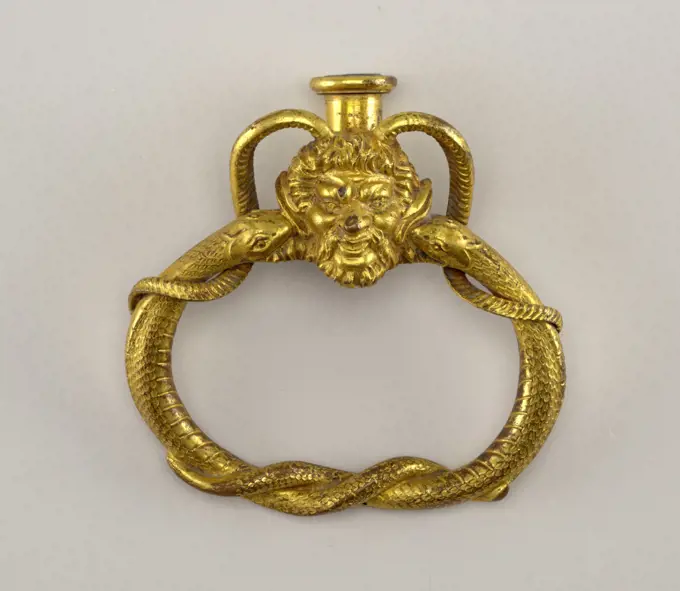
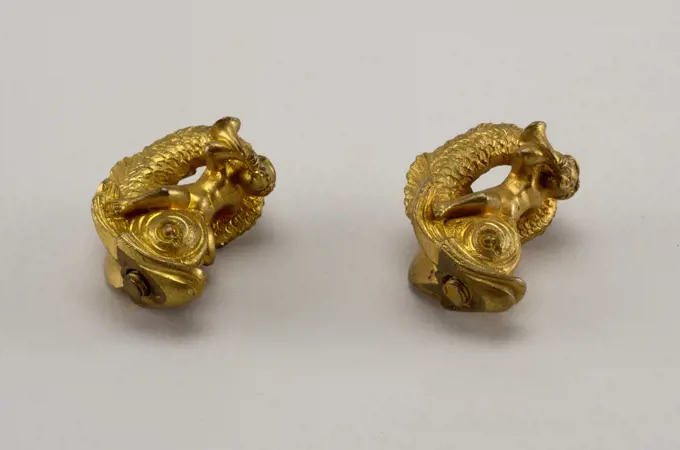
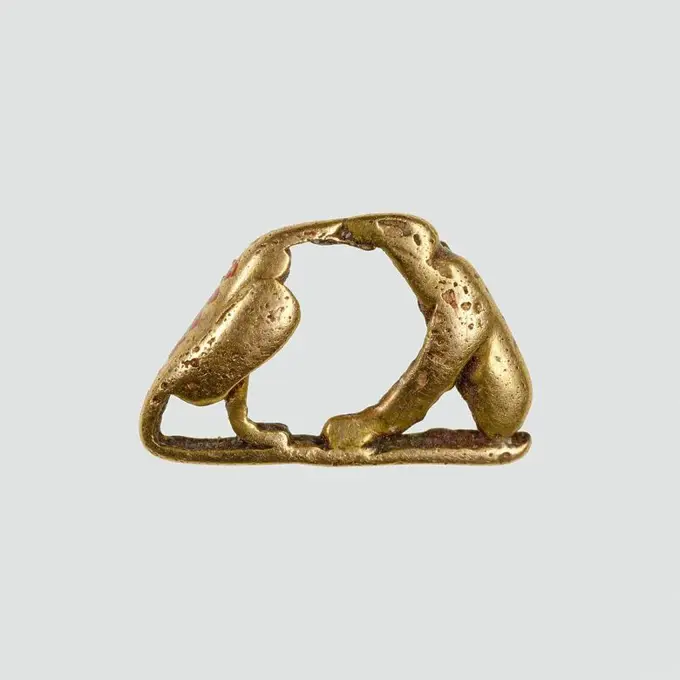
Handle, Gilt bronze, Horizontal loop form composed of two snakes with tails entwined, their heads flanking a satyr's head at top, its horns looped around the snakes., France, ca. 1775, metalwork, Decorative Arts, Handle
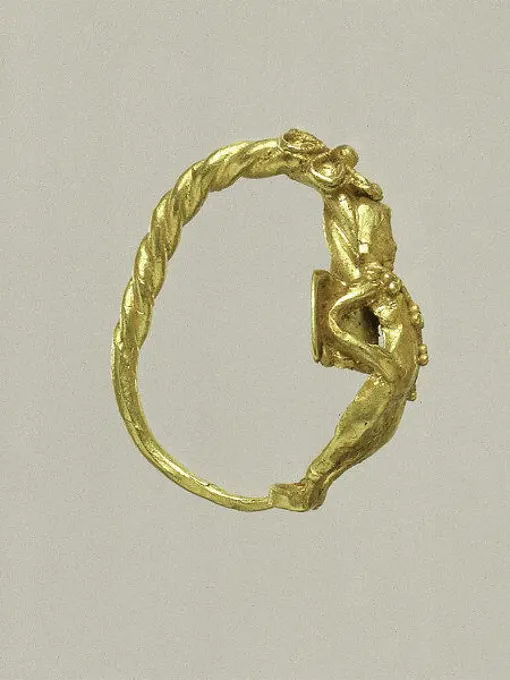
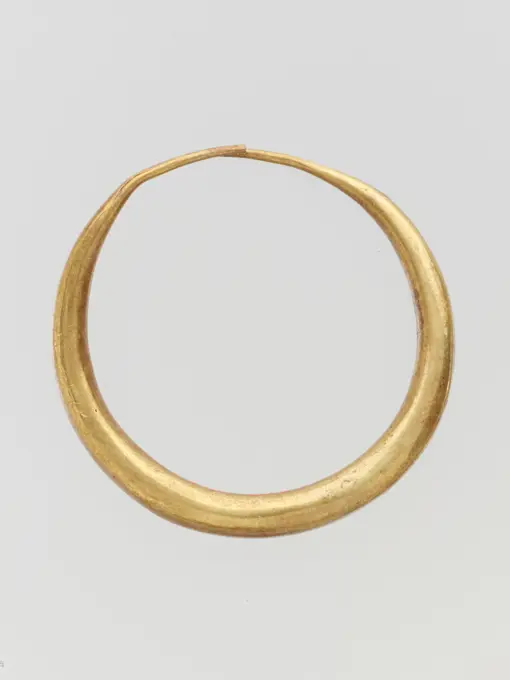
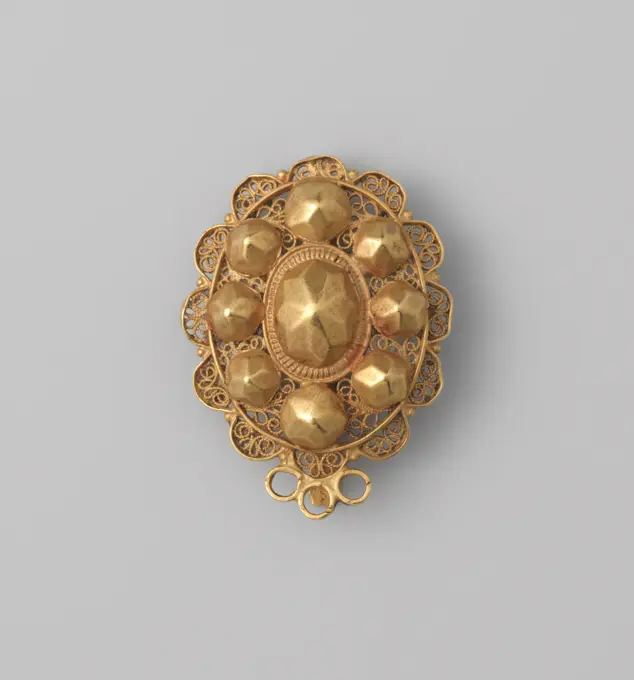
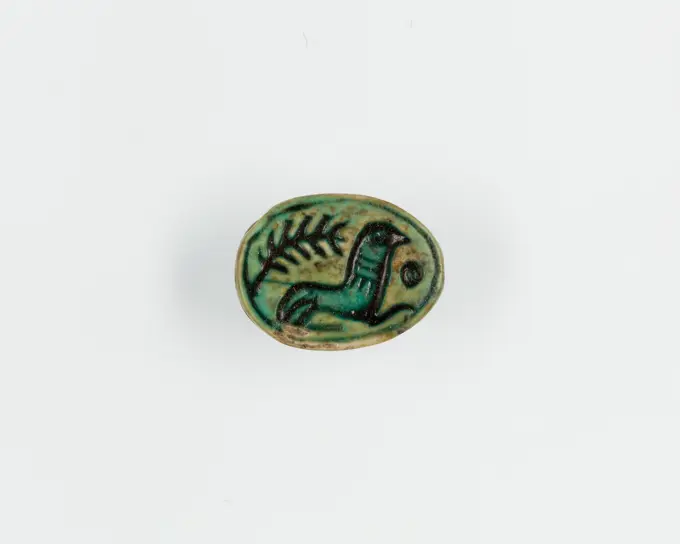
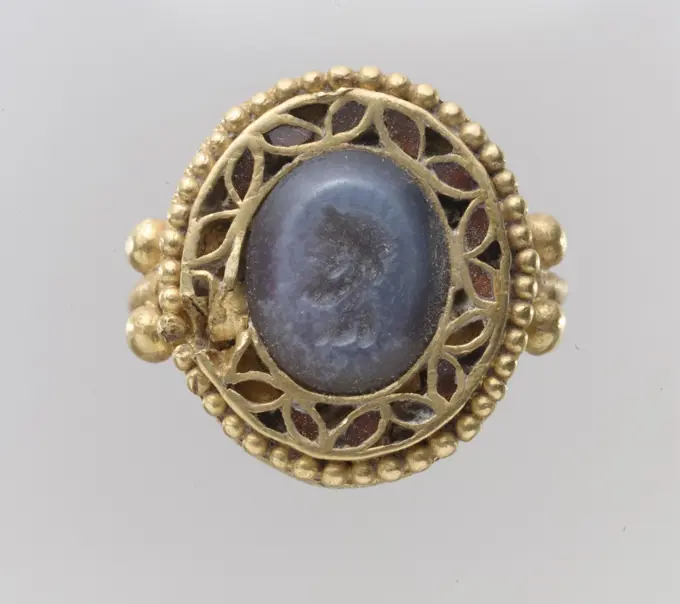
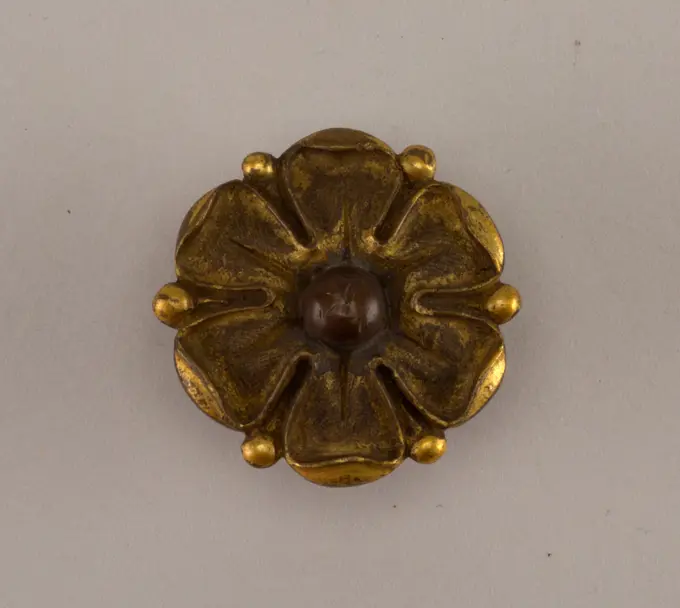
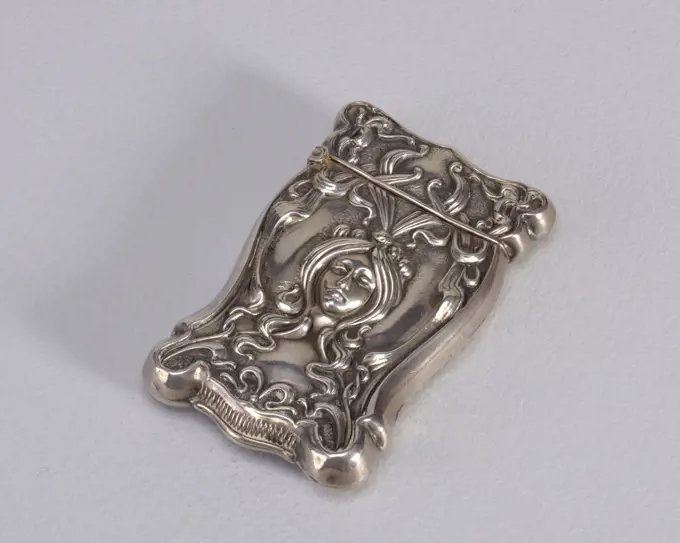
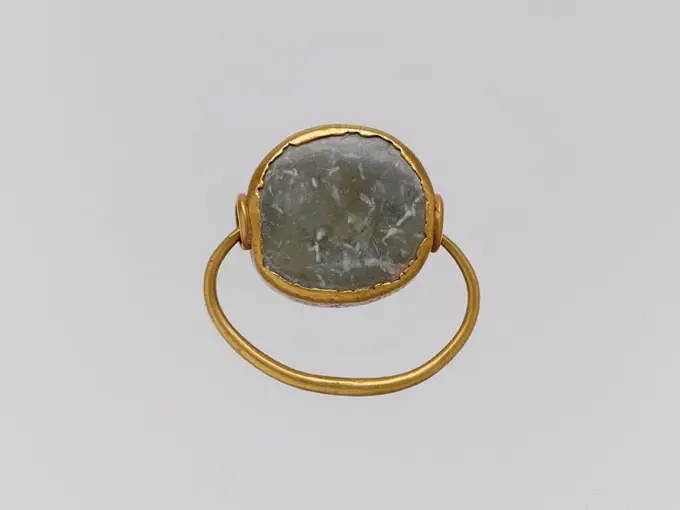
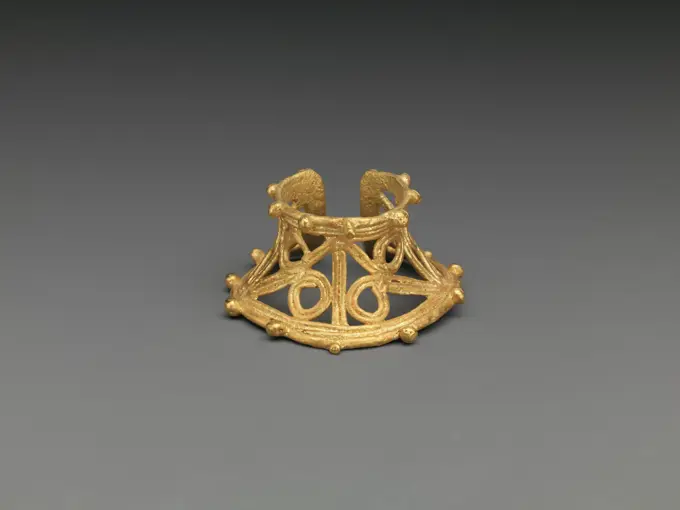
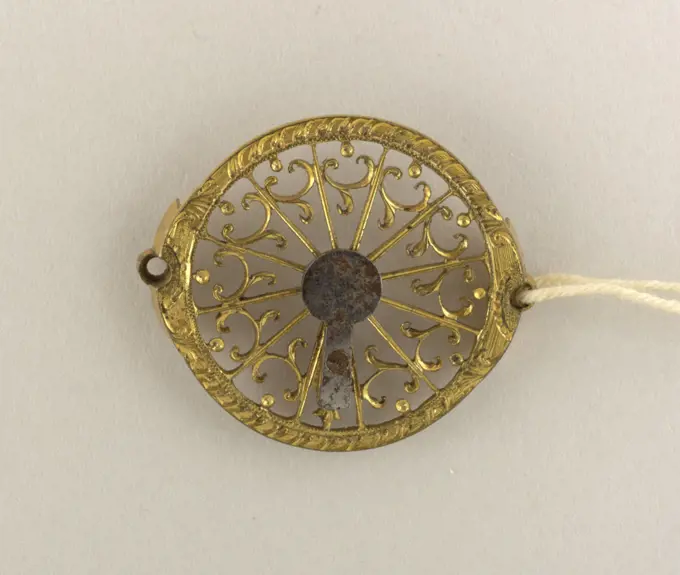
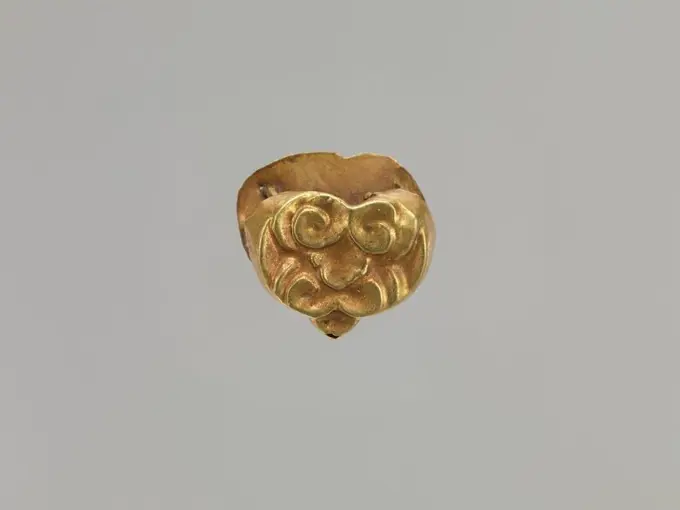
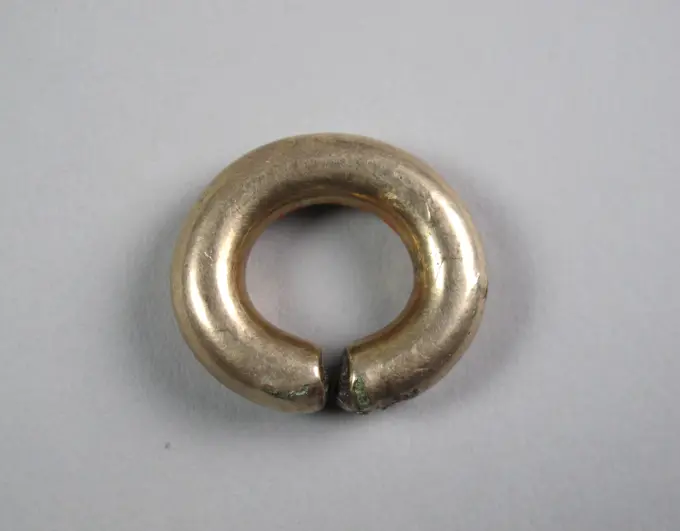
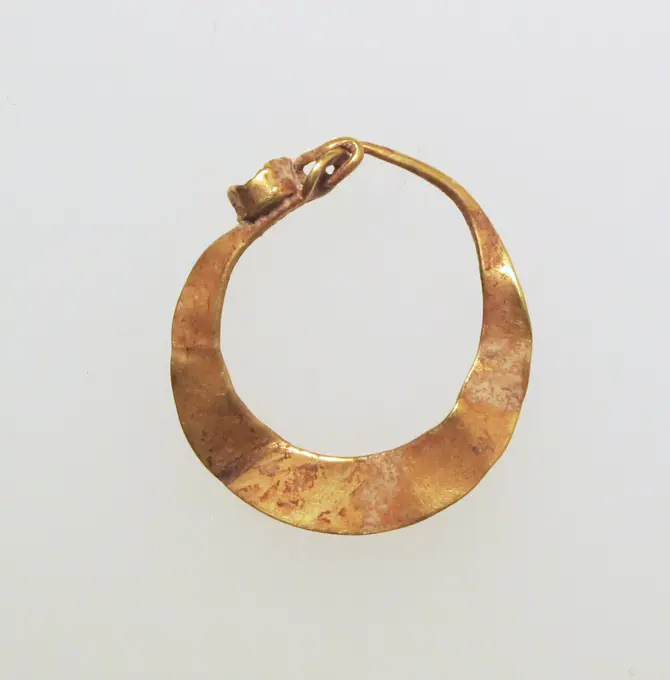
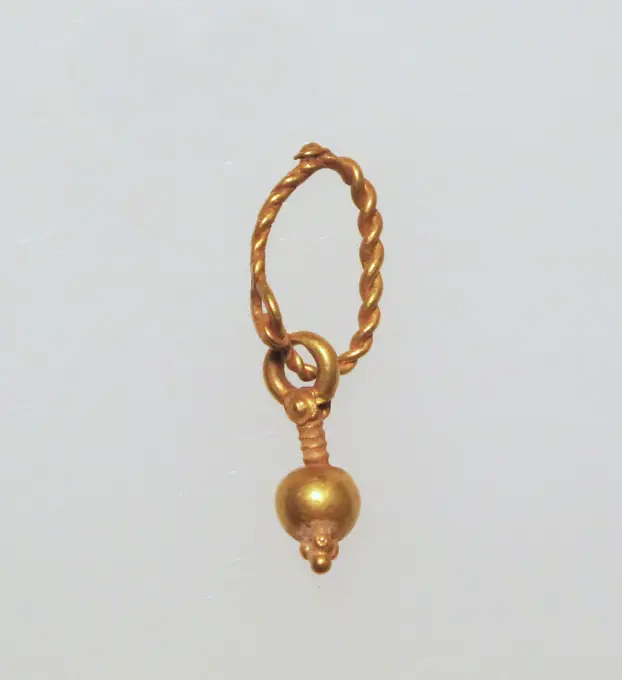
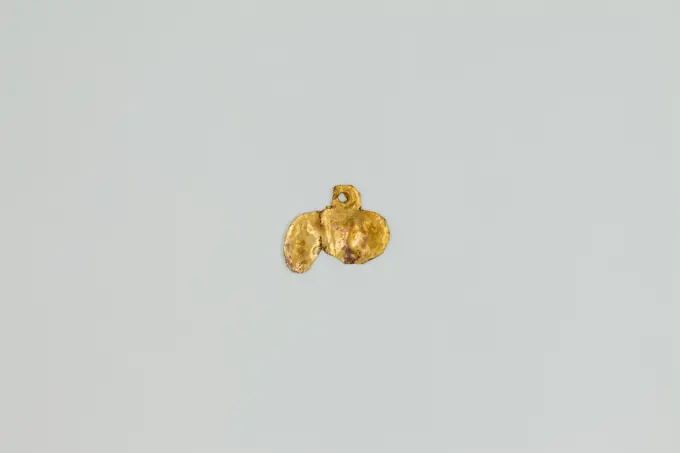
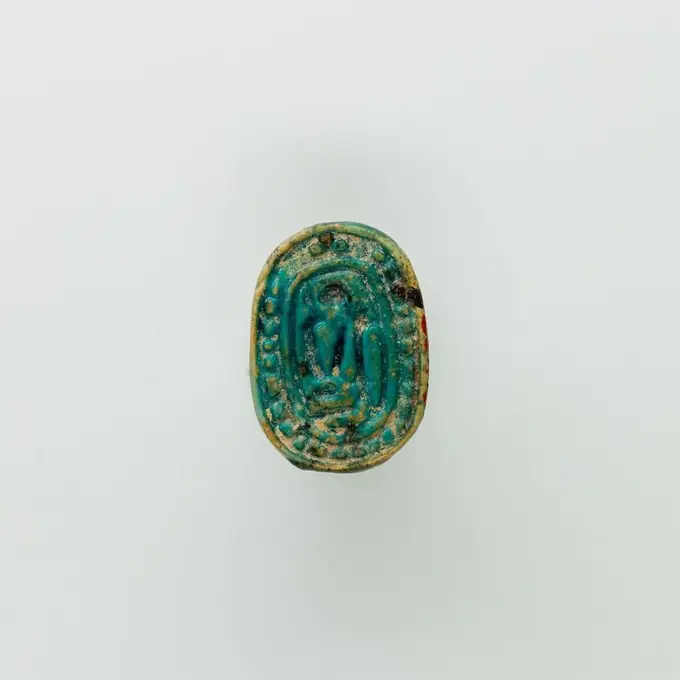
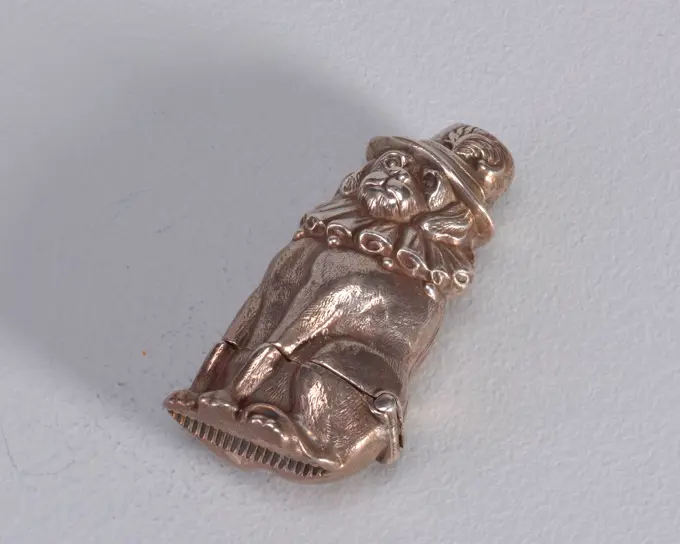
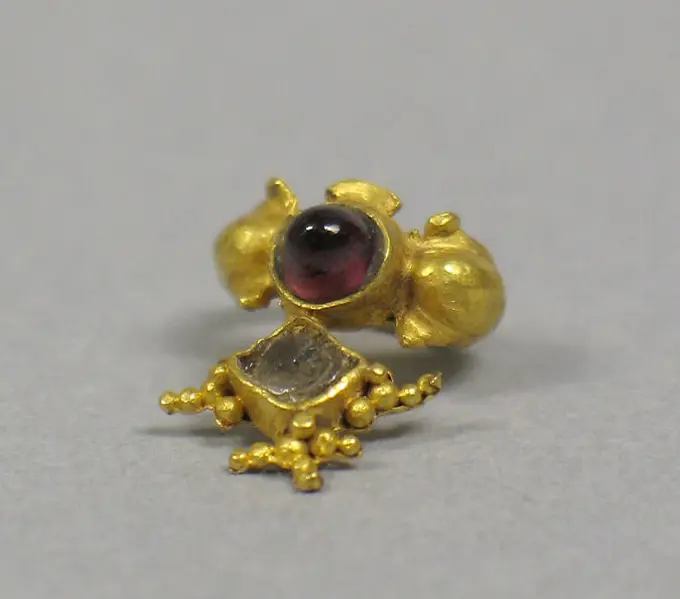
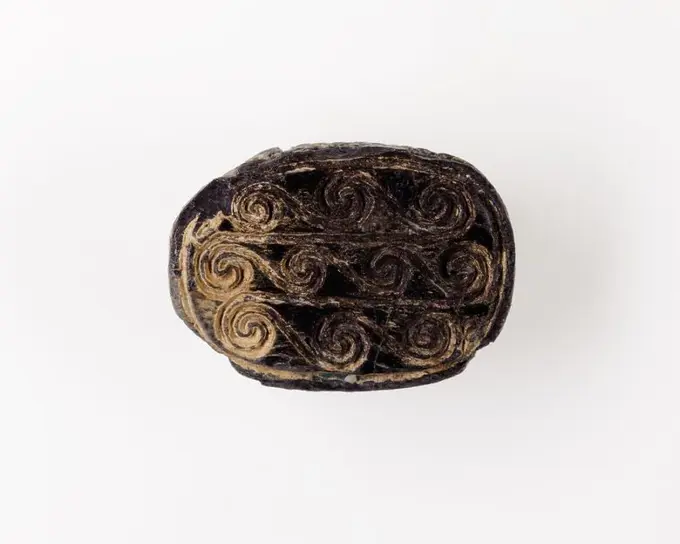
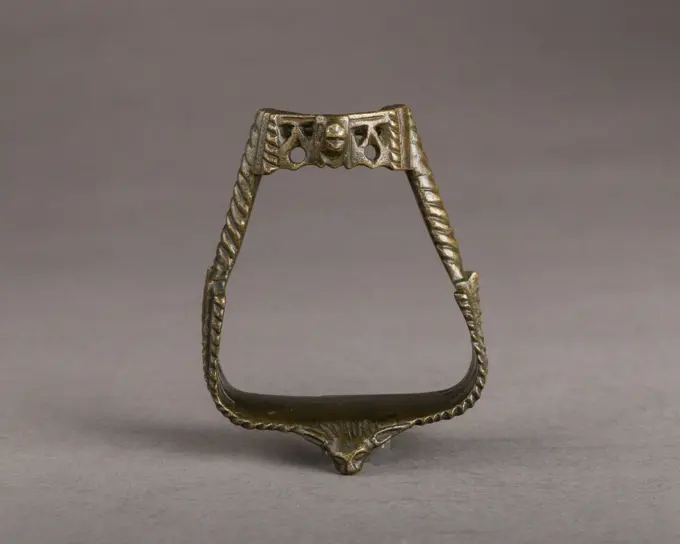
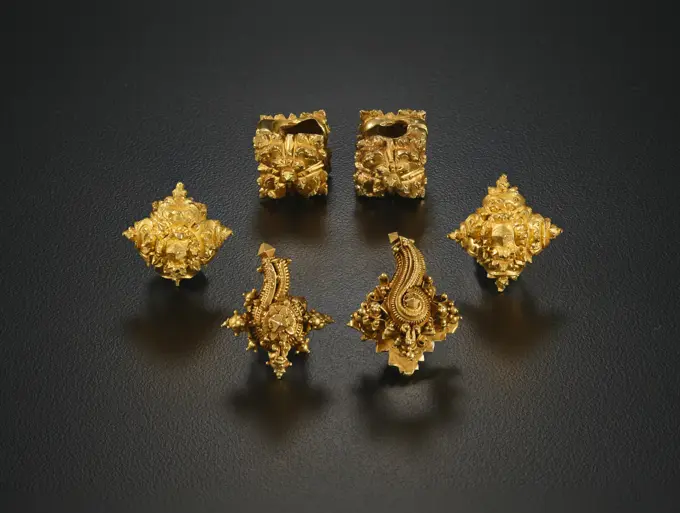
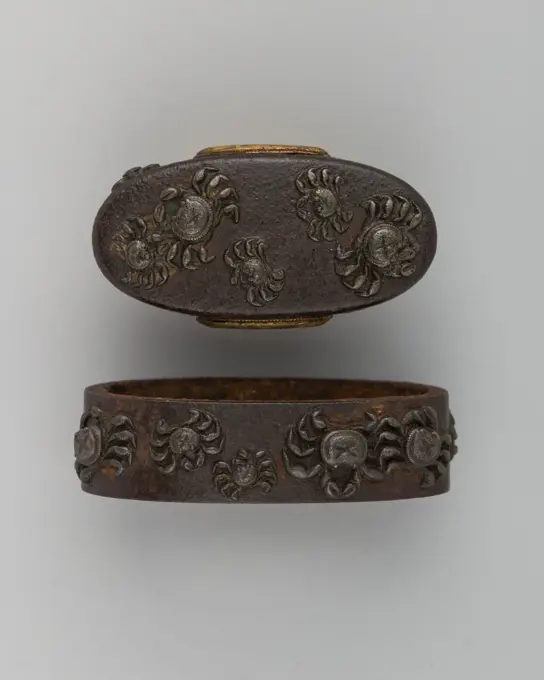
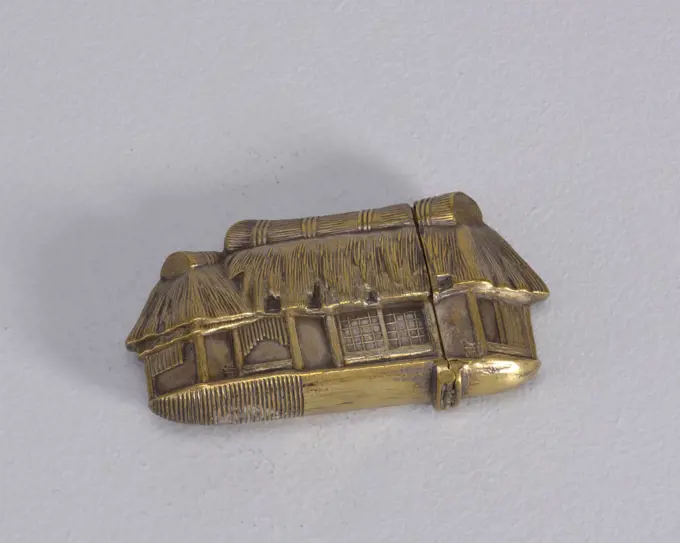
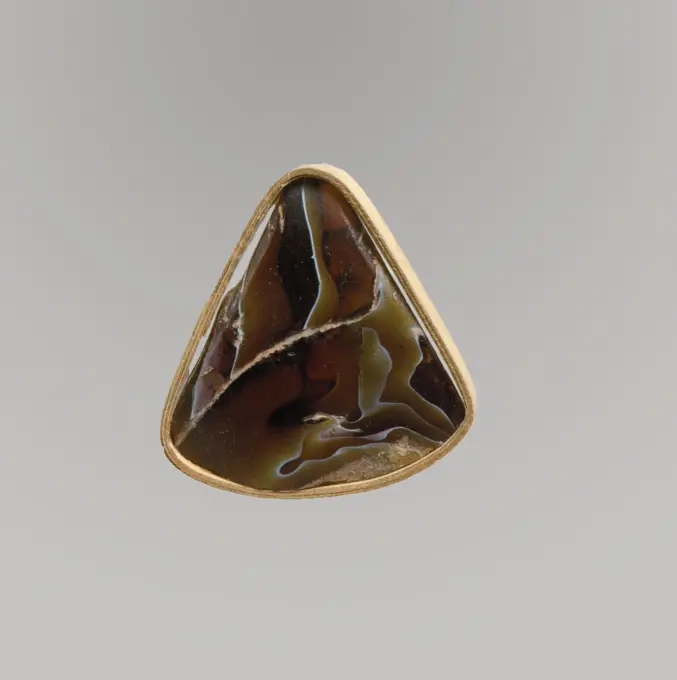
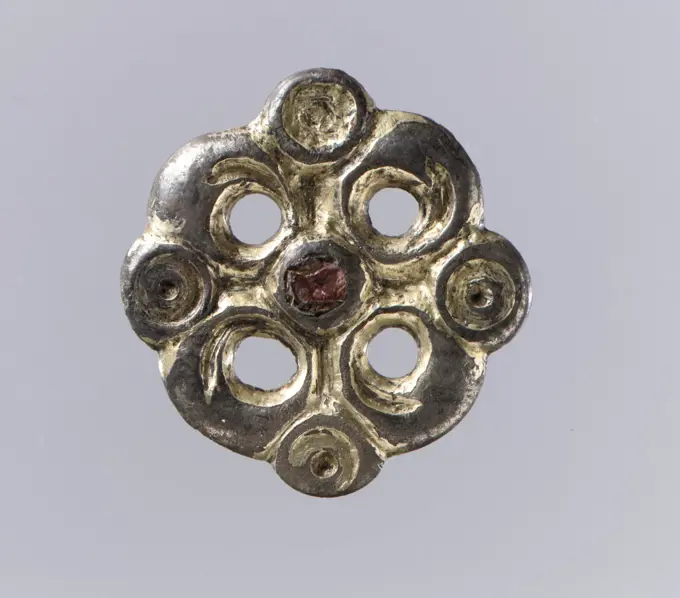
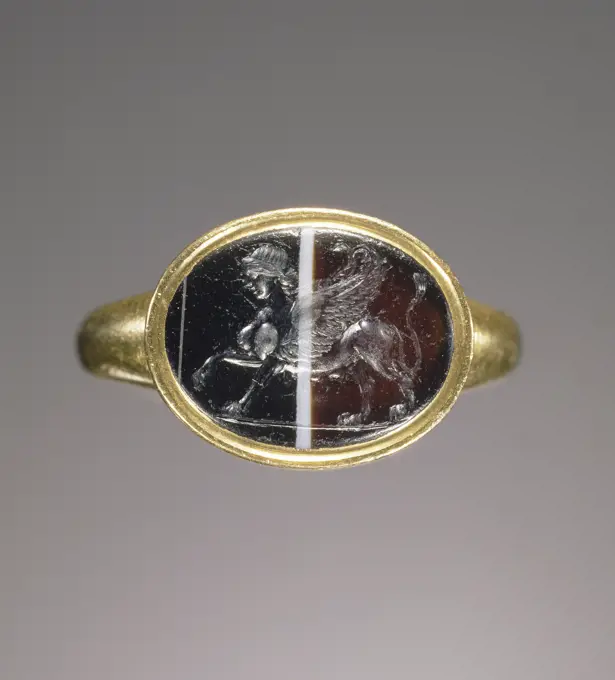
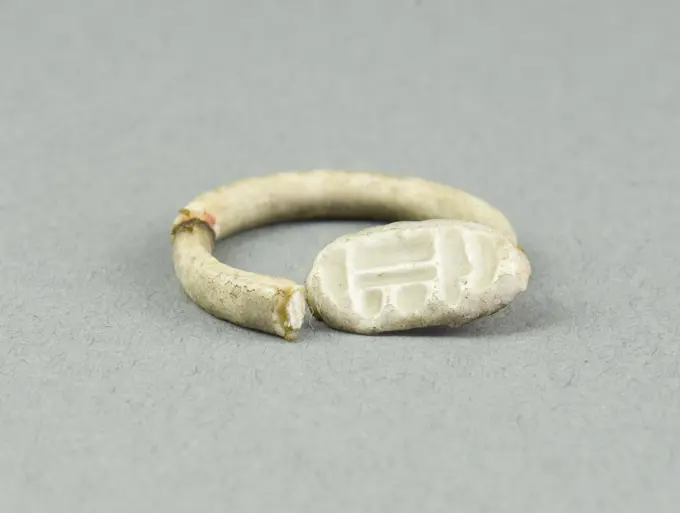
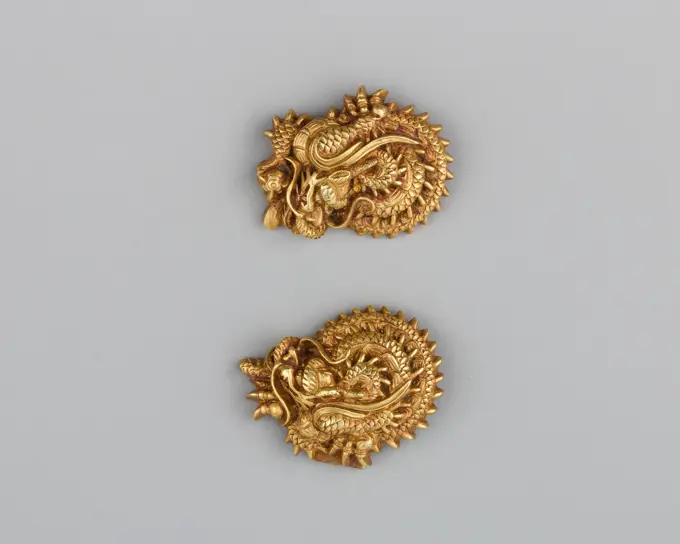
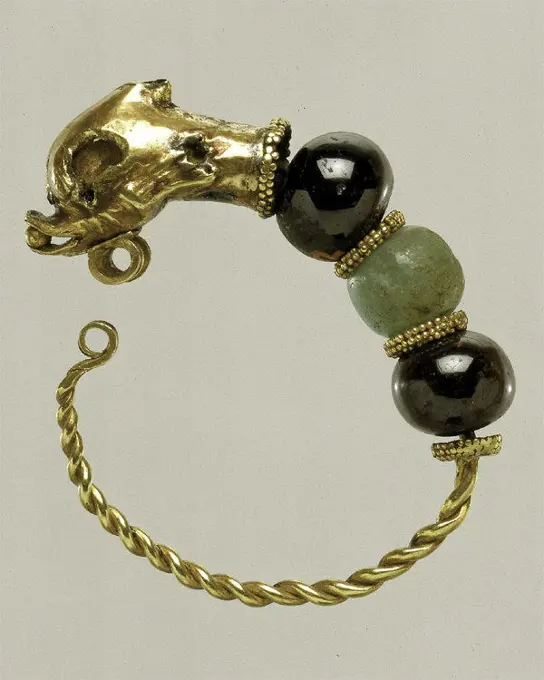
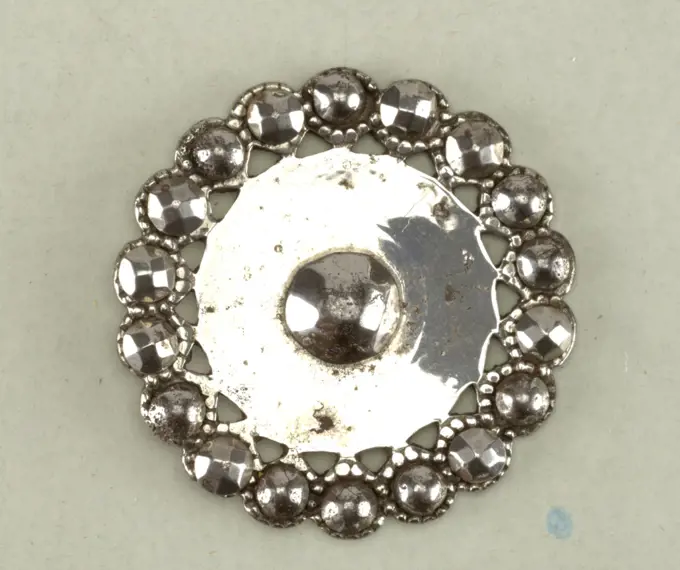
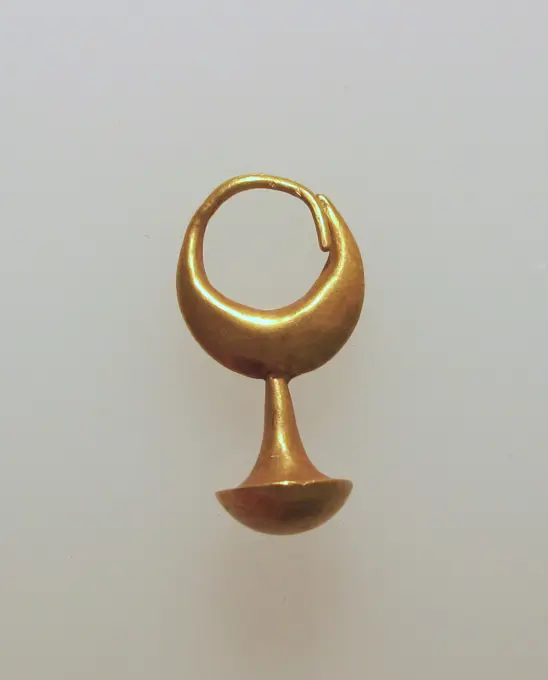
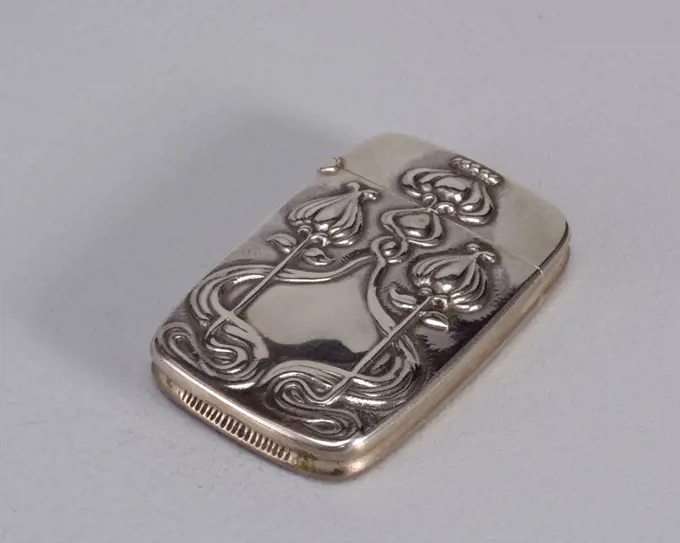
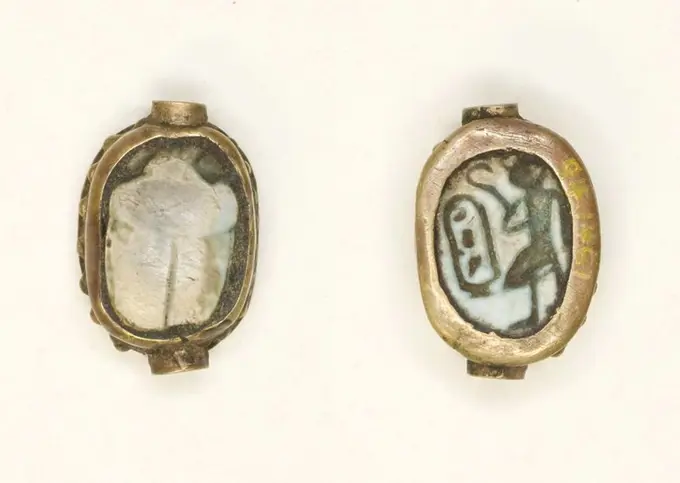
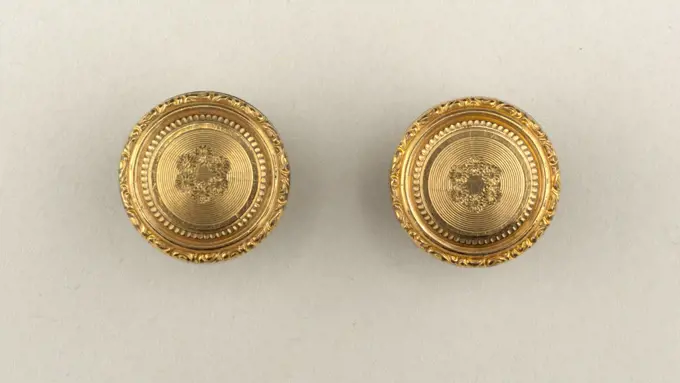
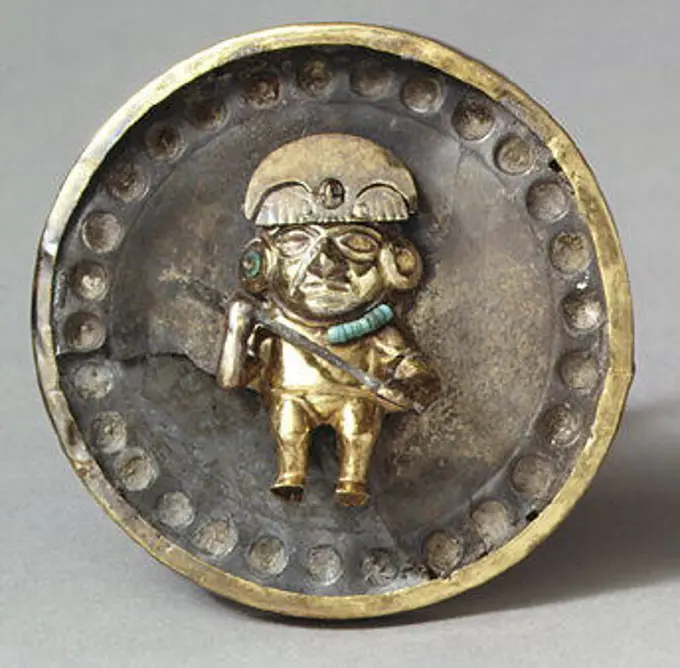
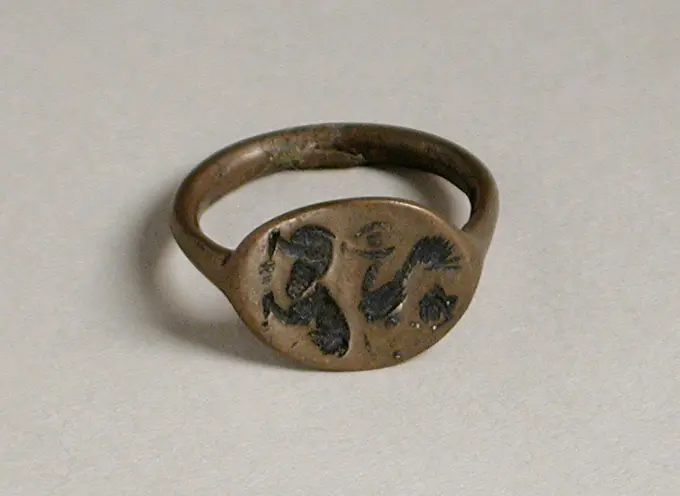
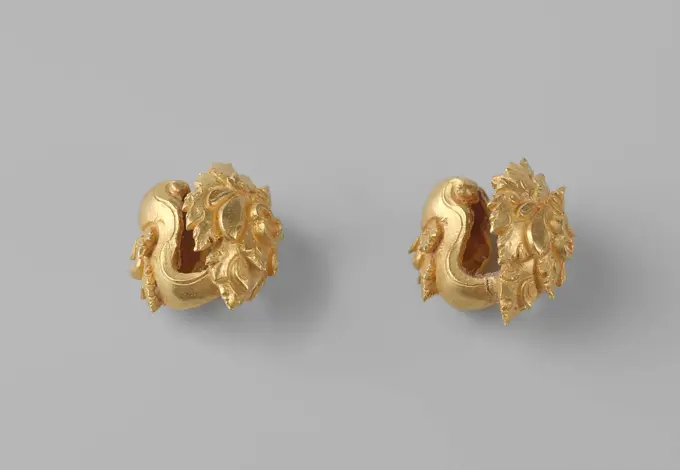
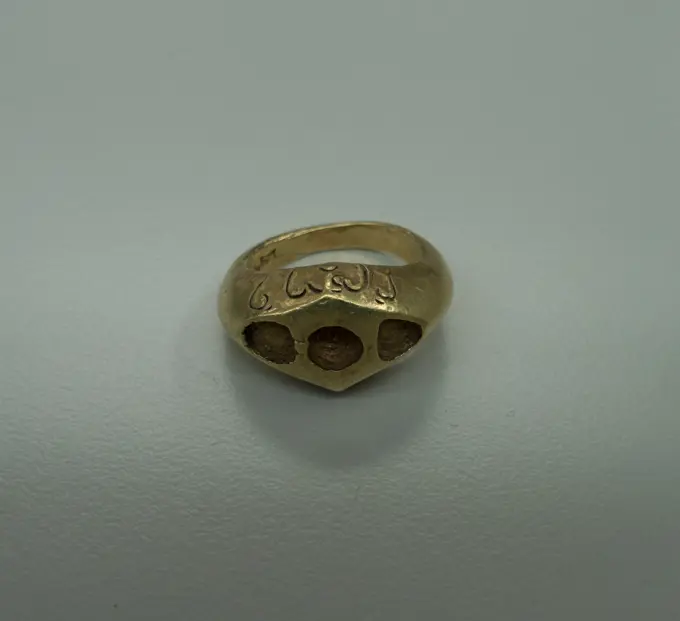
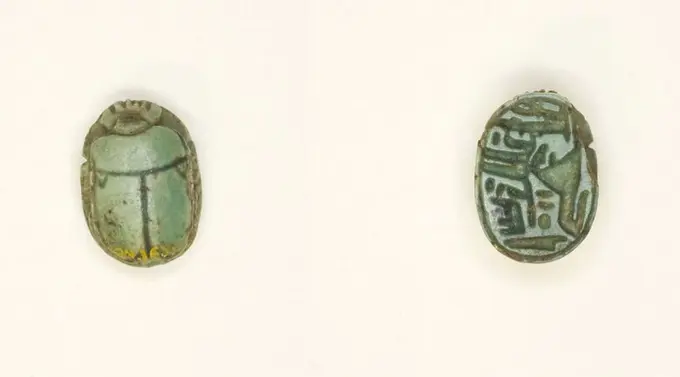
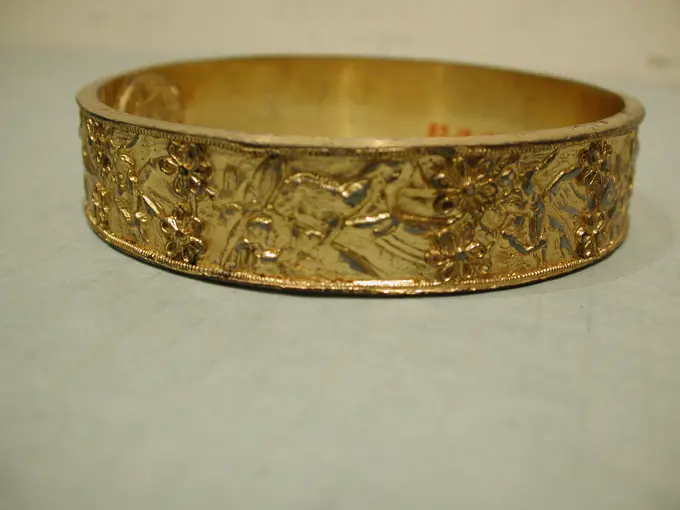
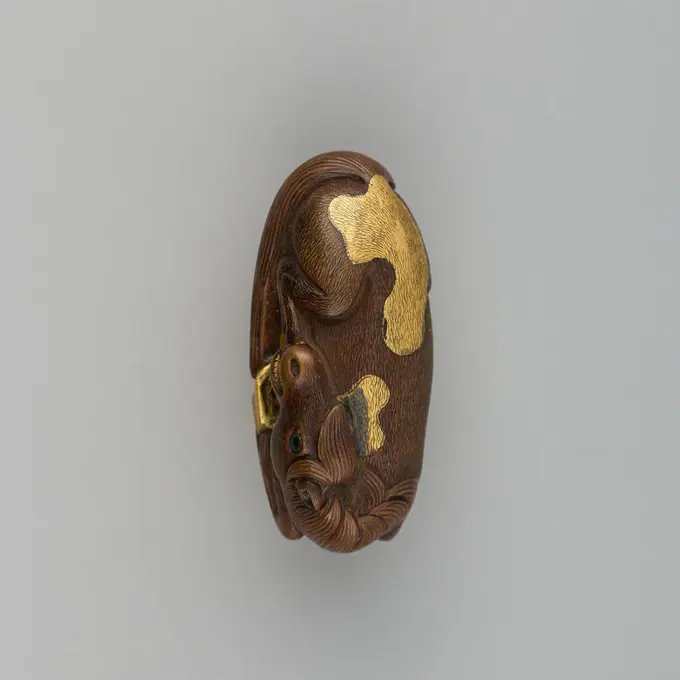
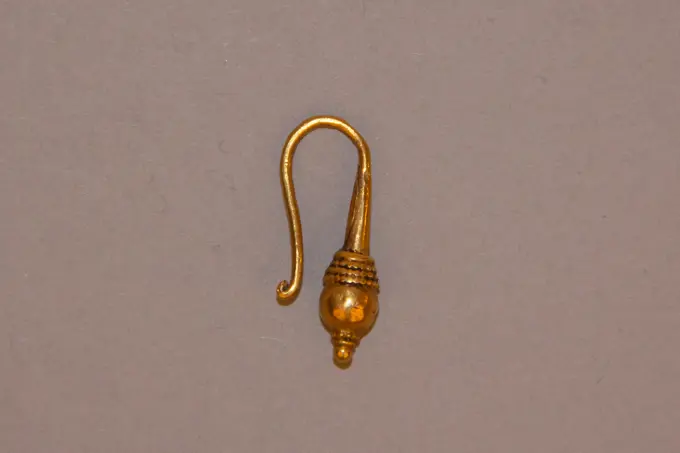
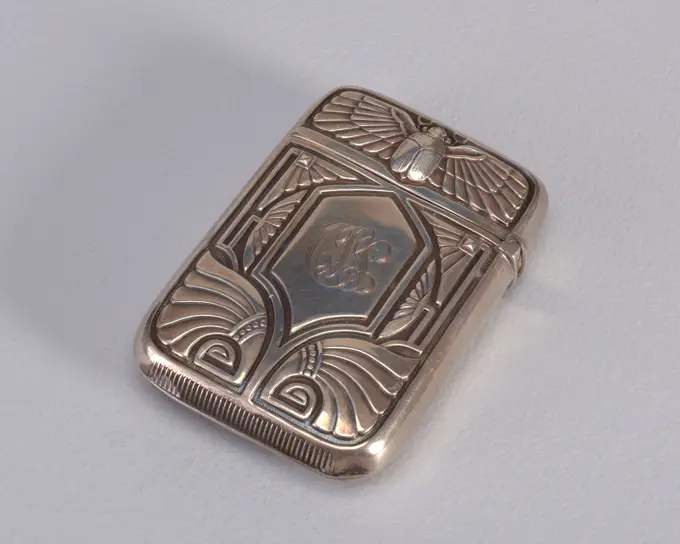
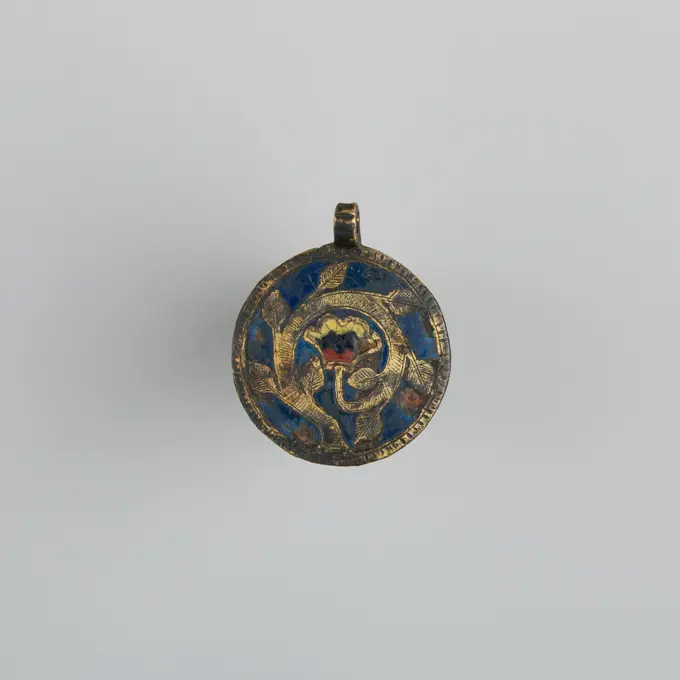
Gold earring with head of a lion 4th-3rd century B.C. Greek. Gold earring with head of a lion 242875Earring or spiral 5th century B.C. Cypriot Gold plated bronze.. Earring or spiral 242798Gold earring with head of an antelope 4th3rd century B.C. Greek Consisting of a circlet of gold wire, twisted or plain, which tapers from an animal's head at the front end to a hooked point which passes through a loop below the animal's throat.. Gold earring with head of an antelope 242934Gold earring with winged figure (one of a pair) 1st century B.C. Greek These items, all found on Cyprus, reflect styles and tastes that were prevalent throughout the Hellenistic world, notably in the use of Eros figures, animals and brightly colored gemstones.. Gold earring with winged figure (one of a pair) 242939Ear Ornament Second half of the 8th-second half of the 10th century Indonesia (Java). Ear Ornament 49956Earring with pendant Roman. Earring with pendant 243233Crowned Goose Pendant 8th-12th century Indonesia (Central Java). Crowned Goose Pendant. Indonesia (Central Java). 8th-12th century. Gold. JewelryEarring 664-380 B.C. Late Period. Earring 561537Pair of Ear Ornaments in Star Form 8th-12th century Indonesia (Central Java). Pair of Ear Ornaments in Star Form 64196Handle, Gilt bronze, Horizontal loop form composed of two snakes with tails entwined, their heads flanking a satyr's head at top, its horns looped around the snakes., France, ca. 1775, metalwork, Decorative Arts, HandleFinial, Fire-gilt bronze, fish, France, ca. 1750, Decorative Arts, FinialEscutcheonGold annular earring ca. 1600-1050 B.C. Cypriot Earring of simple form.. Gold annular earring. Cypriot. ca. 1600-1050 B.C.. Gold. Late Bronze Age. Gold and SilverGold earring with disc and pendant 2nd century A.D. Roman. Gold earring with disc and pendant 243180Ear Ornament, Three Graduated Hoops 8th-12th century Indonesia (Central Java). Ear Ornament, Three Graduated Hoops 64217Slothaak van Goud, Jan Dijkstra, 1600 - 1699 Probably from a Frisian neck jewelry. IJsbrechtum (Possible) gold (metal) Probably from a Frisian neck jewelry. IJsbrechtum (Possible) gold (metal)Scarab ca. 1492-1479 B.C. New Kingdom. Scarab 552422Ladys Sash Buckle.  Maker: William B. Kerr and Company, American, 1855-1927Hinged Armlet 1st century Pakistan (ancient region of Gandahara, Sirkap). Hinged Armlet 39322Earring, boat-shaped Cypriot. Earring, boat-shaped 242676Intaglio in ring 7th century A.D. Langobardic Head of bearded man in a gold ring.. Intaglio in ring 250653 Langobardic, Intaglio in ring, 7th century A.D., Chalcedony, gold, 13/16  7/8 in. (2.1  2.2 cm) Other (band): 7/8 in. (2.2 cm) Width: 13/16 in. (2.1 cm). The Metropolitan Museum of Art, New York. Rogers Fund, 1917 (17.230.128)Bracelet or Anklet probably 18th century View more. Bracelet or Anklet. probably 18th century. Silver. Attributed to probably North Africa. JewelryMountWillem V, Prince of Oranje -Nassau, Anonymous, 1787 - 1795  One-sided, oval, open-sized carrying sign with loops on top and bottom and associated yellow-colored ribbon. Front: breastpiece man inside edge with orange apples Netherlands textile materials castingFemale Mask with Tendrils, F.S. Gilbert, Silver, Rectangular, curved corners, sides, top and bottom curved and cinched at several points, featuring female mask with long hair and long, stylized tendrils, all framed by stylized, intertwined ribbon-like ornament. Reverse features open, central reserve with monogram GMM, all framed by series of attenuated lily flowers. Lid hinged on side. Striker on bottom., ca. 1905, containers, Decorative Arts, Matchsafe, MatchsafeGold hoop with picrolite stone in gold setting. Culture: Cypriot. Dimensions: Other: 1 13/16 in. (4.6 cm). Date: 6th-5th century B.C..Large, flat bead of pale steatite. Museum: Metropolitan Museum of Art, New York, USA.Nose Ornament 5th-8th century Venado Beach, Canal Zone. Nose Ornament. Venado Beach, Canal Zone. 5th-8th century. Gold (cast). Panama, Venado Beach. Metal-OrnamentsRing. Ring 243478Ring with scarab. Ring with scarab 243615Comb, 7th-10th century, 5/8 x 2 1/4 in. (1.6 x 5.7 cm) (without comb), Gold, wood, China, 7th-10th centuryBalance cock / coque de montre, Gilt brass, One of 98 examples (1925-2-69/167), oval and circular in form, with pierced and engraved ornament consisting largely of scrolls in varied patterns. Many with steel bearing plates., Probably France, 18th century, metalwork, Decorative Arts, Balance cock / coque de montreHeart-Shaped Plaque. Culture: China (Xinjiang Autonomous Region, Central Asia). Dimensions: H. 5/8 in. (1.6 cm); W. 1/2 in. (1.3 cm). Date: 7th-9th century.The nomadic communities of Central Asia used such plaques to embellish clothing and horse trappings. As these nomadic cultures herded animals and were constantly moving, their artistic production was expressed in portable objects that marked the wearer's status and wealth. The outstanding preservation of these fragile ornaments suggests they were used in conjunction with burials, where the body was aggrandized with valuable textiles and augmented with gold. Although it is difficult to date and place these objects geographically, their presence in Central Asia and has a long, established history. Museum: Metropolitan Museum of Art, New York, USA.Earring 7th century or earlier Japan. Earring. Japan. 7th century or earlier. Metal plated with electrum. Kofun period (ca. 300-710). JewelryEarring, crescent-shaped. Earring, crescent-shaped 243294Gold earring with pendant 2nd century A.D. Roman. Gold earring with pendant 243190Phallus () amulet 664-380 B.C. Late Period. Phallus () amulet. 664-380 B.C.. Gold sheet. Late Period. From Egypt, Memphite Region, Saqqara. Dynasty 26-29Loop. Bunch of small flowers in relief.Printing block, Medium: wood, copper, brass, One of twenty-one wood blocks showing a different floral motif formed by metal strips set in wood., USA, 1825-50, appliances & tools, Printing blockGoldsmith's art, Italy, 16th century. Gold ring set with an oval cabochon opal, diameter mm. 18Sword-Hilt Collar (Fuchi). Culture: Japanese. Dimensions: H. 1 1/2 in. (3.8 cm); Wt. 0.5 oz. (14.2 g). Date: ca. 1615-1868. Museum: Metropolitan Museum of Art, New York, USA.Scent Bottle (England); agate, gold; Overall: 7.5 x 3 x 1.5 cm (2 15/16 x 1 3/16 x 9/16 in.)Scarab of Ramesses II. Dimensions: L. 1.5 × W. 1 × H. 0.7 cm (9/16 × 3/8 × 1/4 in.). Dynasty: Dynasty 18-20. Date: ca. 1550-1070 B.C.. Museum: Metropolitan Museum of Art, New York, USA.Badge for the Lviv junior high school capGold earring with head of a bull 4th-3rd century B.C. Greek. Gold earring with head of a bull 242853Set cufflinks, anonymous, c. 1824 - c. 1840 A bunch of cufflinks of gold. Made in filigrein. Netherlands gold (metal) filigree A bunch of cufflinks of gold. Made in filigrein. Netherlands gold (metal) filigreeGold hilt collar and a pair of sword pyramids. Dated 6th CenturySeated Winged Female, William B. Kerr & Company, American, 1855 - 1927, Silver, Oblong, with rounded corners and sides, featuring raised decoration of seated, nude, winged female with outstretched arms that rest upon oversized, stylized lily flowers. Two more oversized flowers are above her head on lid, large, stem-like swirls a part of background. Reverse features similar flowers on lid and similar stem-like decoration on body, framing monogramed central reserve, inscribed D.B.G. Hinge on side. Striker recessed in small groove on bottom., ca. 1900, containers, Decorative Arts, Matchsafe, MatchsafeDog in Feathered Hat and Ruffled Collar Matchsafe; England; silver; 5.9 x 2.7 x 1.5 cm (2 5/16 x 1 1/16 x 9/16 in. )Earring with pendant and disc. Earring with pendant and disc 243207Pair of Ear Ornaments, Ruby and Crystal 8th-12th century Indonesia (Central Java). Pair of Ear Ornaments, Ruby and Crystal 64220Scarab. Dimensions: l. 1.6 cm (5/8 in). Dynasty: Dynasty 12-18. Date: ca. 1981-1295 B.C.. Museum: Metropolitan Museum of Art, New York, USA.Ring with glass bezel 1st century B.C.-3rd century A.D. Roman. Ring with glass bezel 243686Earrings. Earrings 242958Stirrup for a Child second half 15th century German or Bohemian Some decorative features of this stirrup, like the pierced window’ motif on the sides, are typically Bohemian, but were also sometimes adopted by surrounding regions like eastern Germany. This stirrup reproduces in bronze more common examples made of twisted and pierced iron. The animal heads at the front are more unusual, and take advantage of the greater malleability of this material. The small size of this stirrup means that it was probably made for a child. Children from wealthy families would start riding lessons as soon as they could sit on a pony, usually around the age of 3. Horsemanship was an important component of European noble society, and children of the elite were expected to master the art of equitation. Moreover, as many nobles served in the cavalry, it was essential for them to be skillful riders by the time they were old enough to go to war.. Stirrup for a Child. German or Bohemian. second half 15th cenConch-shaped EarOrnamentNose ornament 1st century B.C.-A.D. 2nd century Salinar (). Nose ornament. Salinar (). 1st century B.C.-A.D. 2nd century. Gold, silver. Peru. Metal-OrnamentsSword-Hilt Collar and Pommel (Fuchigashira) ca. 1615-1868 Japanese A fuchigashira is a pair of matching sword fittings comprising the fuchi (collar at the base of the grip of the sword hilt) and kashira (pommel cap at the end of a sword hilt).. Sword-Hilt Collar and Pommel (Fuchigashira). Japanese. ca. 1615-1868. Iron. Sword Furniture-Fuchi-KashiraThree Figurines of Deities Second half of the 8th-second half of the 10th century Indonesia (Java). Three Figurines of Deities. Indonesia (Java). Second half of the 8th-second half of the 10th century. Gold. Central Javanese period. MetalworkPair of Earrings 8th-12th century Indonesia (Central Java). Pair of Earrings 64402Ear ornament 8th-12th century Indonesia (Central Java). Ear ornament 64395Ring with Red Stone set in Unadorned Bezel Second half of the 8th-second half of the 10th century Indonesia (Java). Ring with Red Stone set in Unadorned Bezel. Indonesia (Java). Second half of the 8th-second half of the 10th century. Gold with red stone. Central Javanese period. JewelryJapanese Thatched-Roof House, Brass, In the form of a Japanese thatched-roof house, entrance and windows visible at its front, as well as small cracks in walls, more windows and wall cracks on reverse. Right side of house serves as lid and hinged at bottom right. Striker on bottom left., late 19th century, containers, Decorative Arts, Matchsafe, MatchsafeCoiled ring, anonymous, 450 - 750 Ring, decorated with simply twisted motif. Indonesia gold (metal) Ring, decorated with simply twisted motif. Indonesia gold (metal)RingGlass mosaic bowl fragment late 1st century B.C.-early 1st century A.D. Roman Rim fragment.Translucent deep honey brown, purple, and opaque white.Vertical, flattened rim, with thickened inner lip; convex curving side, tapering downward, becoming thicker.Body decorated with spiral mosaic pattern formed from irregular sections of a single cane in brown ground with purple patches and white lines and streaks.Exterior polished, with pitting of surface bubbles and weathering in seams; dulling and creamy weathering on rim, interior, and edges.. Glass mosaic bowl fragment. Roman. late 1st century B.C.-early 1st century A.D.. Glass; cast. Early Imperial. GlassOpenwork Rosette Brooch 6th century Frankish. Openwork Rosette Brooch 465128 Frankish, Openwork Rosette Brooch, 6th century, Silver, silver-gilt, garnet, iron, Overall: 7/8 x 1/4 in. (2.2 x 0.6 cm). The Metropolitan Museum of Art, New York. Gift of J. Pierpont Morgan, 1917 (17.191.78)Sphinx; Roman Empire; gem 1st century B.C; ring modern; Gem: sardonyx; Ring: gold; 1.4 × 1.1 cm (9,16 × 7,16 in.)Ring Amun-Ra, flanked by nb signs 1550 BCE-1069 BCE Egypt. Faience . Ancient EgyptianPair of Sword-Grip Ornaments (Menuki) 18th century Japanese Menuki are a pair of ornamental sword fittings attached to either side of a sword hilt.. Pair of Sword-Grip Ornaments (Menuki). Japanese. 18th century. Gold. Sword Furniture-MenukiGold, beryl, and garnet earring with head of a doplhin 2nd-1st century B.C. Cypriot These earrings, found on Cyprus, reflect the style and taste prevalent throughout the Hellenistic world, notably in the use of animal figures. Constructed of twisted gold wire, they are embellished with beryl and garnet beads, and finials in the shape of dolphin heads.. Gold, beryl, and garnet earring with head of a doplhin 242836Flower-Shaped Clothing Plaque. Culture: China (Xinjiang Autonomous Region, Central Asia). Dimensions: Diam. 1 1/4 in. (3.2 cm). Date: 7th-9th century.The nomadic communities of Central Asia used such plaques to embellish clothing and horse trappings. As these nomadic cultures herded animals and were constantly moving, their artistic production was expressed in portable objects that marked the wearer's status and wealth. The outstanding preservation of these fragile ornaments suggests they were used in conjunction with burials, where the body was aggrandized with valuable textiles and augmented with gold. Although it is difficult to date and place these objects geographically, their presence in Central Asia and has a long, established history. Museum: Metropolitan Museum of Art, New York, USA.Ring Aegis of Sekhmet/Bastet 1550 BCE-664 BCE Egypt. Faience . Ancient EgyptianButton, Steel, Three circular buttons ornamented with bosses cut in facets; a central boss, plain section and border rings of bosses; C) three concentric rings with beviled border., On card 58., France, late 18th century, costume & accessories, Decorative Arts, ButtonEarring with nail head pendant, 12 Cypriot. Earring with nail head pendant, 12 242650MountStylized Poppies, Silver, Rectangular, rounded corners, featuring 3 raised, stylized poppies, with long, intertwining stems, reverse undecorated, a single, continuous groove on all four sides, lid hinged on left, striker on bottom., 1900-10, containers, Decorative Arts, Matchsafe, MatchsafeScarab: Cartouche and Standing King. Egyptian. Date: 1479 BC-1352 BC. Dimensions: 1.3 × 0.6 × 0.5 cm (1/2 × 1/4 × 3/16 in.). Faience and gold. Origin: Egypt. Museum: The Chicago Art Institute, Chicago, USA. Author: Ancient Egyptian.Goldsmith's art, Italy, 16th century. Gold and enamels ring set with emeralds and garnets.Shirt stud, Gold, Tooled and engraved, contained in small box printed with C. E. Gifford and Co., Fall River, Mass. In script, on scrap of paper: Grandmother Gifford's sleeve-buttons., USA, early 19th century, jewelry, Decorative Arts, Shirt studEarflare, Warrior A.D. 390-450 Moche (Loma Negra) At the center of this circular earflare is a high-status warrior. The nearly three-dimensional gold figure at 4.9 cm tall stands out sharply from the tarnished silver of the disk. The warrior wears a shirt, loincloth, and a crescent-shaped headdress, the lower section of which takes the shape of an owl with extended wings and a head in high relief. Beads of blue-green stone make up the warriors necklace and are inlaid in his earflares. The warriors proper right arm bends slightly and extends outward while the proper left arm is bent at the elbow, to hold his war club, made of silver sheet metal. This earflare is one of a pair, and its mate (1979.206.1242a-c), also features a warrior, poised to hold a war club, although the pairs war club is now missing. War clubs are prominent in Moche representations of battles and ceremonies, but they also appear to have served as generalized symbols of power; on occasion ceramic representations ofBracelet. Western Iran, circa 1000-650 B.C.. Jewelry and Adornments; bracelets. Bronze, castHanger of gold. Hanger of gold, part of one pair.Ring with Lozenge-Shaped Bezel and O.J. Inscription second half of the 8th-second half of the 10th century Indonesia (Java). Ring with Lozenge-Shaped Bezel and O.J. Inscription. Indonesia (Java). second half of the 8th-second half of the 10th century. Gold. Central Javanese period. JewelryRibbon and ScrollOrnamentVulture and falcon amulet. Dimensions: H. 1.3 × W. 1 cm (1/2 × 3/8 in.). Dynasty: Dynasty 8-11. Date: ca. 2150-2050 B.C.. Museum: Metropolitan Museum of Art, New York, USA.Drinking cup, Johannes Lutma (1584-1669), 1641 The cartouch -shaped dish is driven by one piece of silver. He is decorated with soft ornaments, merging. In the deepened soil, which is reminiscent of a human skull, an open mouth is shown. The flat top edge broadens itself in a wave movement from one short side to the other. On one short side there is a highly driven, turtle-like animal that crawls from a foolish skin. With its head, the animal bends over the edge of the scale, as if it wants to drink from the contents of the scale. The animal acts as a handle of the scale.  silver (metal) The cartouch -shaped dish is driven by one piece of silver. He is decorated with soft ornaments, merging. In the deepened soil, which is reminiscent of a human skull, an open mouth is shown. The flat top edge broadens itself in a wave movement from one short side to the other. On one short side there is a highly driven, turtle-like animal that crawls from a foolish skin. With its head, the animal bendsScarab: Criosphinx and Ma'at with Name of Amun-Ra. Egyptian. Date: 1550 BC-525 BC. Dimensions: 1 × 0.6 × 0.5 cm (3/8 × 1/4 × 3/16 in.). Faience. Origin: Egypt. Museum: The Chicago Art Institute, Chicago, USA. Author: Ancient Egyptian.Bracelet 19th century Elkington & Co. British. Bracelet 443148Brochette of gold with an oval blue glass, c. 1946 - c. 1954 Brochette of two -tone gold with oval blue facetted glass with a cannon closure. The balls are made of red gold. Utrecht gold (metal). glass faceting Brochette of two -tone gold with oval blue facetted glass with a cannon closure. The balls are made of red gold. Utrecht gold (metal). glass facetingRing, plaited. Ring, plaited 243489Gold earring with head of a bull 4th-3rd century B.C. Greek. Gold earring with head of a bull 242872Buckle, Silver, gold, iron, Pair of English gentleman's shoe buckles with two circular patterns and framed by knotted openwork., England, ca. 1790, jewelry, Decorative Arts, BuckleSword Pommel (Kashira). Culture: Japanese. Dimensions: H. 1 3/8 in. (3.5 cm); Wt. 0.4 oz. (11.3 g). Date: ca. 1615-1868. Museum: Metropolitan Museum of Art, New York, USA.Earring 18th-19th century. Earring. 18th-19th century. Gold. Attributed to India. JewelryLocket c 1766-1776 Connecticut. Gold . Enoch StantonNeo-Egyptian Motifs Matchsafe; Manufactured by Watrous Manufacturing Company; USA; silverRing met inscriptie: IC BIN DÜN AVE MARIA PLENA CASPAR MELSIOR BALTASAR,, anonymous, c. 1200 - c. 1300 Gold finger ring consisting of three parallel tires with inscriptions. The middle one is open and has between stylized animals: "ic bin diin" (twice). On the outer tires it is engraved respectively: "Ave Maria Gracia Plena" and "Caspar, Melsior, Baltasar". Northern Netherlands gold (metal) engraving Gold finger ring consisting of three parallel tires with inscriptions. The middle one is open and has between stylized animals: "ic bin diin" (twice). On the outer tires it is engraved respectively: "Ave Maria Gracia Plena" and "Caspar, Melsior, Baltasar". Northern Netherlands gold (metal) engravingBadge or Harness Pendant ca. 1400 possibly Spanish Heraldry, or coat-of-arms, were vitally important in Europe throughout the Middle Ages and the Renaissance. Heraldic emblems were used to identify noble families, cities, regions, and even countries. In addition to being displayed on shields and flags, heraldry was incorporated into architectural decoration on the interior and the exterior of buildings, on furniture, works of art, clothing, and horse equipment. Harness pendants, like this example, would have been attached to a headstall, bridle, or other straps making up the tack of a horse ridden by a nobleman or noblewoman, or a member of their household. Many harness pendants also have decoration that is simply ornamental, or have symbols that are not specifically heraldic in nature.. Badge or Harness Pendant. possibly Spanish. ca. 1400. Copper, gold, enamel. Miscellaneous-BadgesSilver brooch with turquoise, c. 1916 Round brooch of silver in the shape of a flower with cut turquoise in the middle. The brooch is equipped with a hook closure. Netherlands silver (metal). turquoise (mineral) grinding Round brooch of silver in the shape of a flower with cut turquoise in the middle. The brooch is equipped with a hook closure. Netherlands silver (metal). turquoise (mineral) grindingSeal ring. Ring with oval stamp stamp on which a shield with a tree branch with a pearl edge with a tree branch with five twigs, a newly foundable inscription and a S.