Ancient Gold Jewelry

Intricately designed gold earrings and ornaments reflecting historical cultures, featuring elegant shapes and craftsmanship.

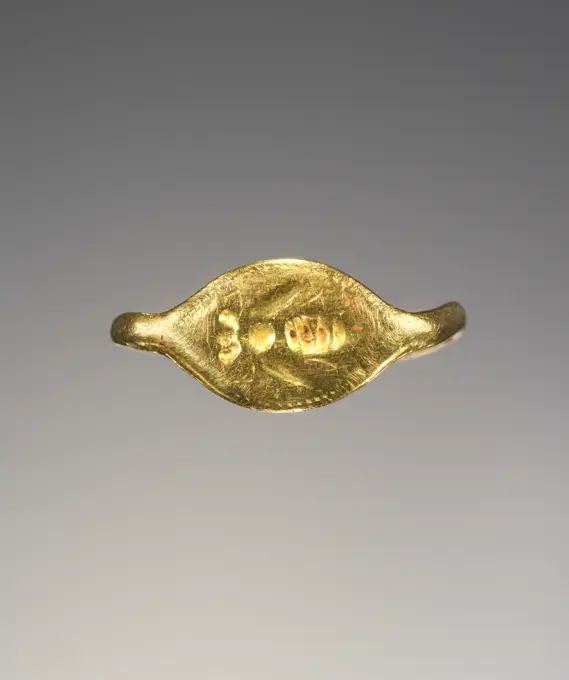
Marquise BezelRing
Marquise BezelRing
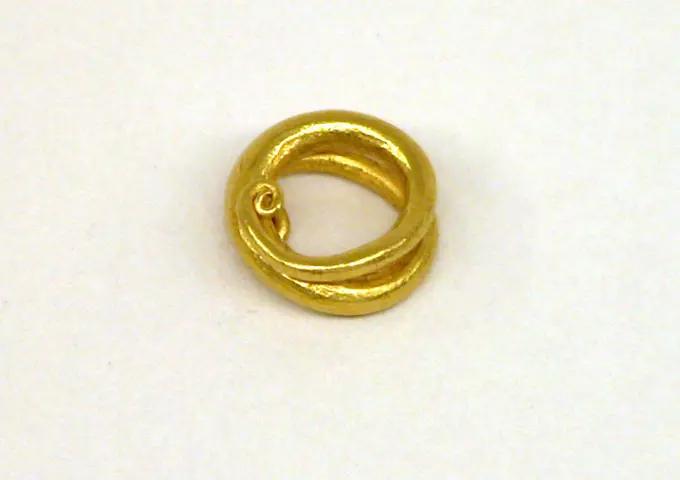
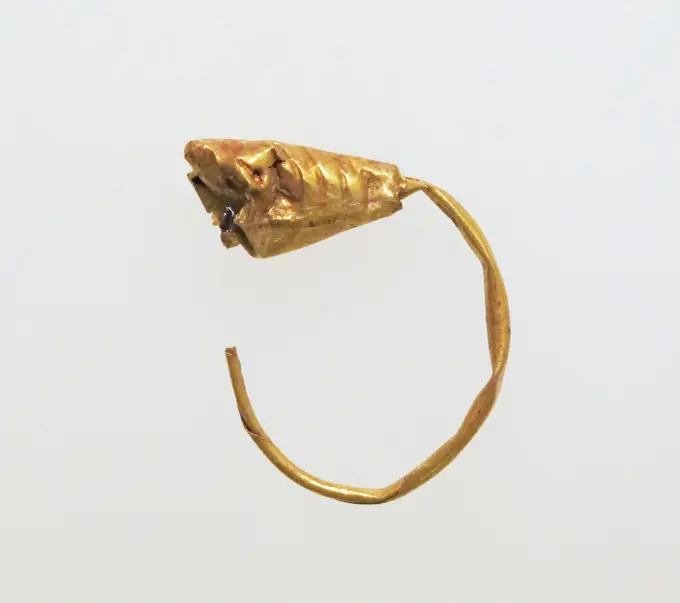
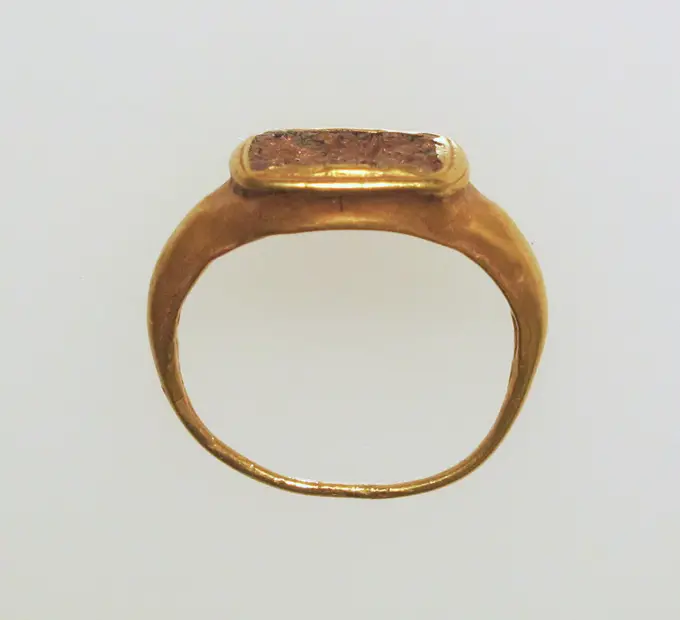
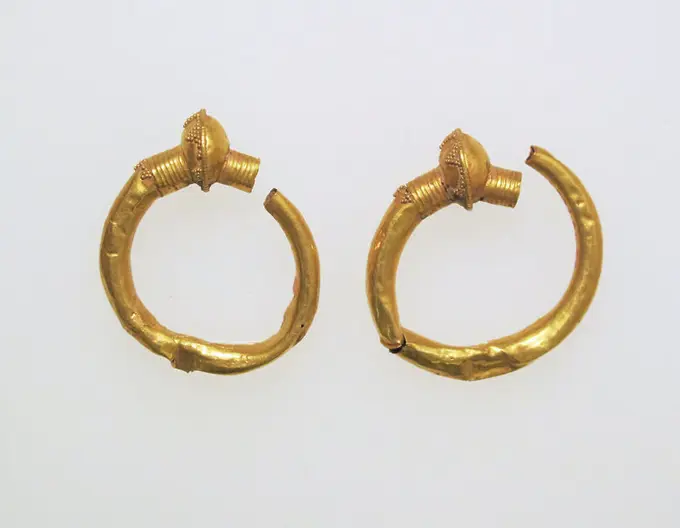
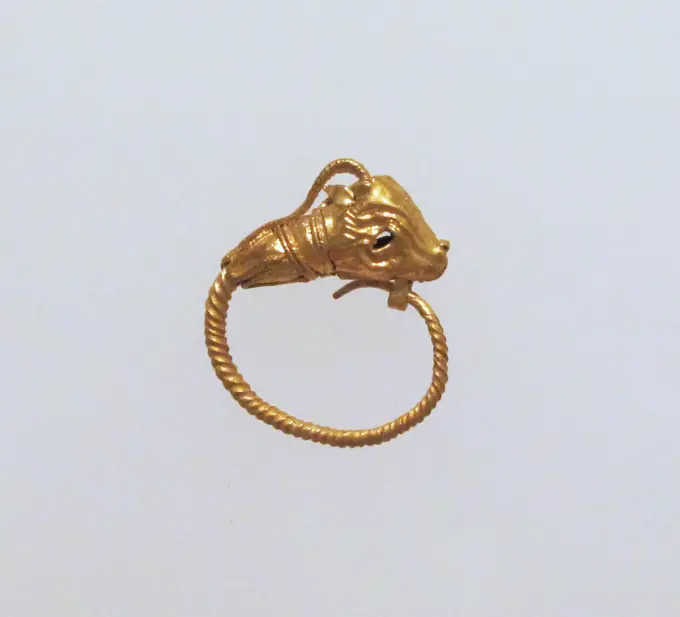
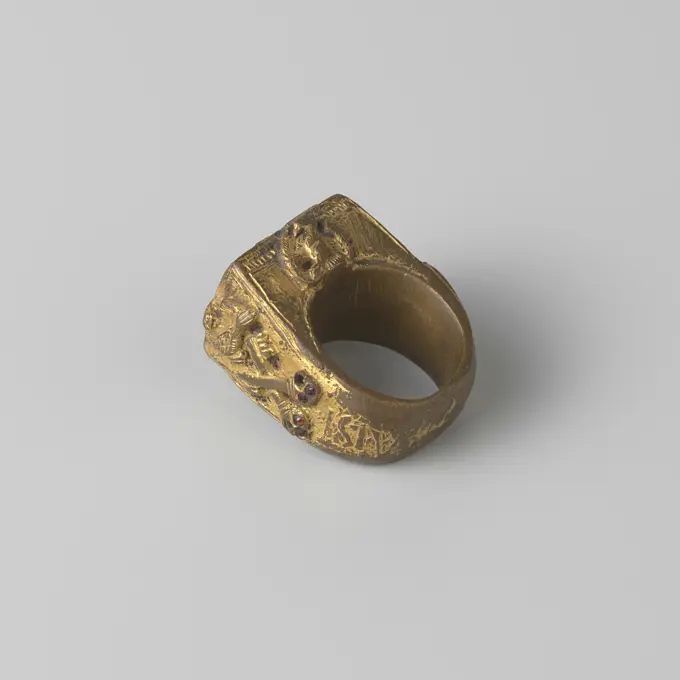
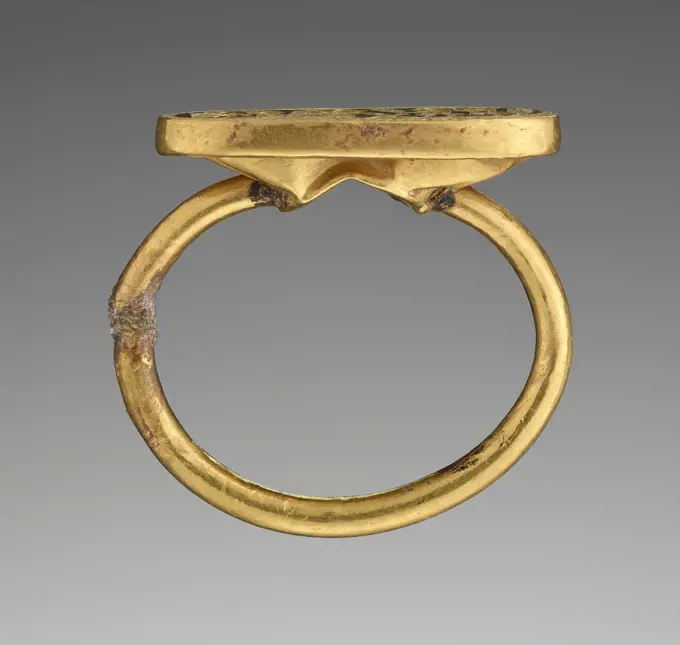
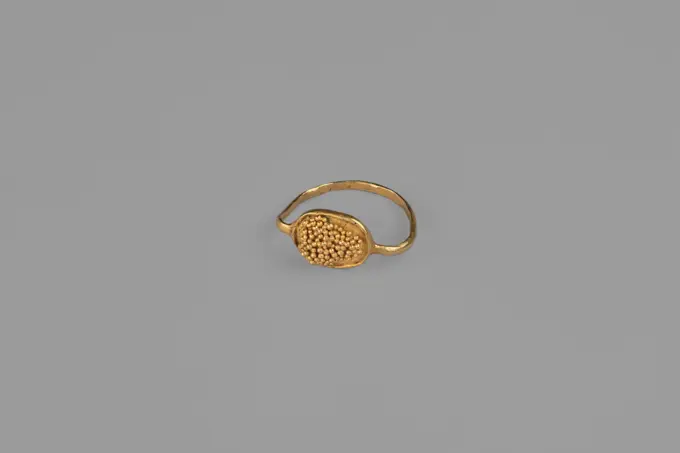
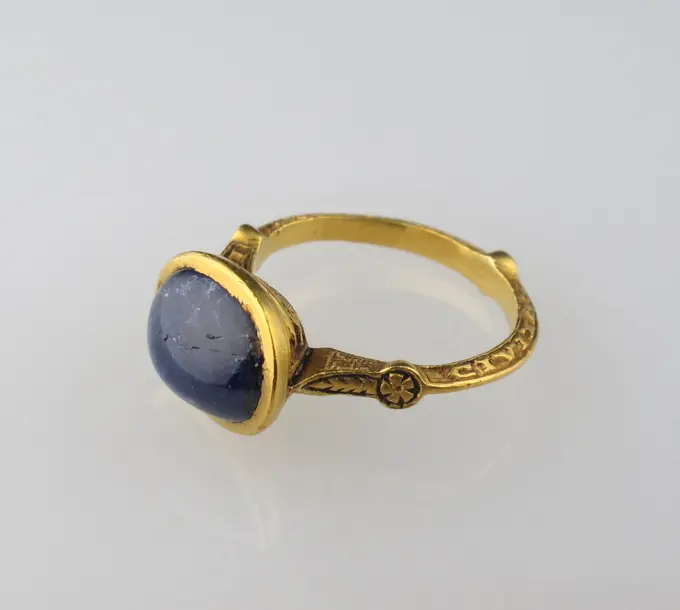
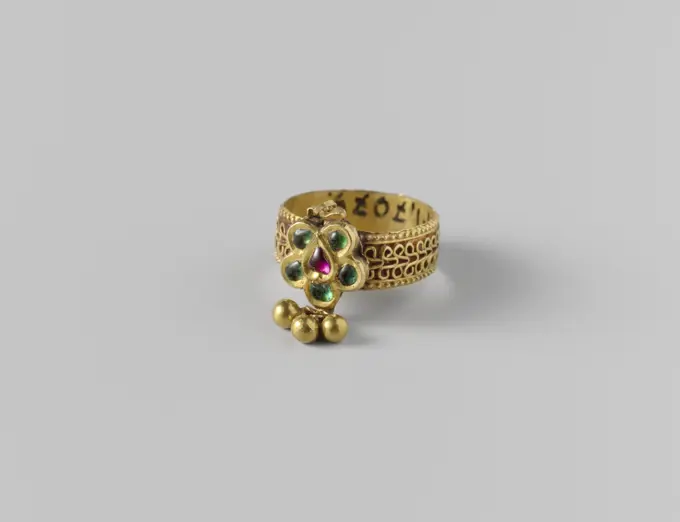
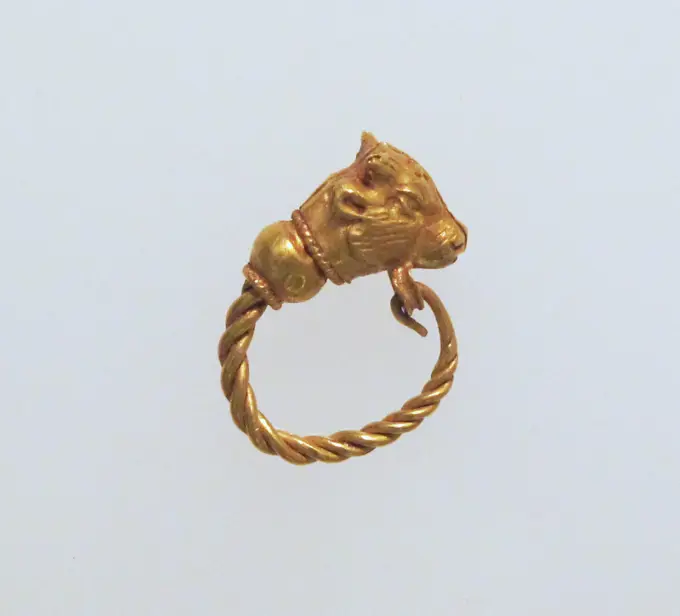
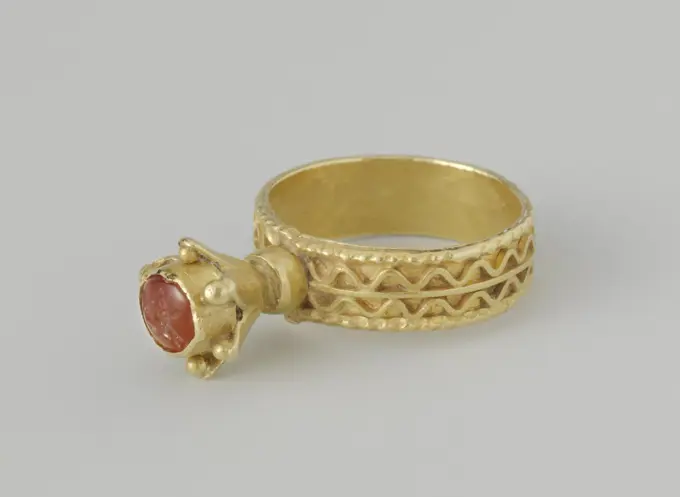
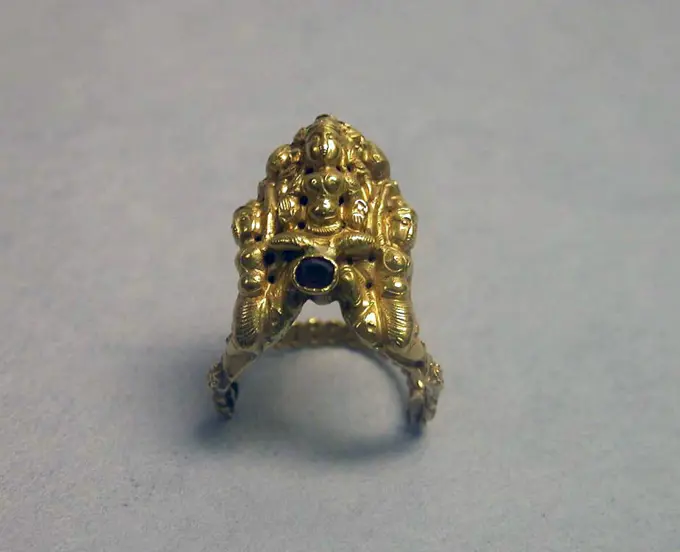
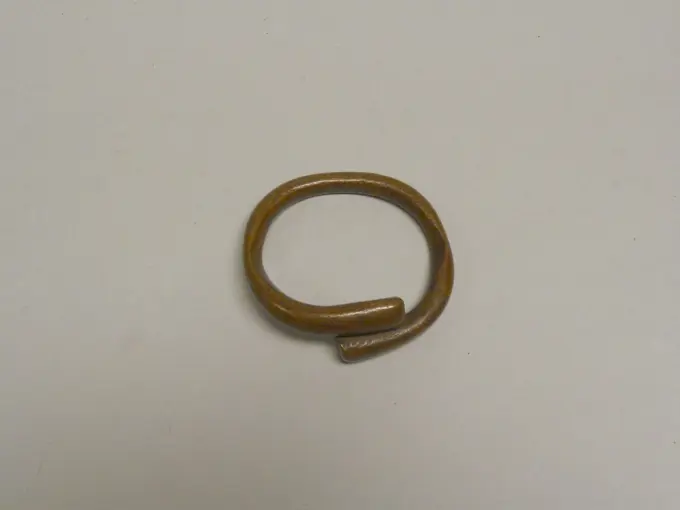
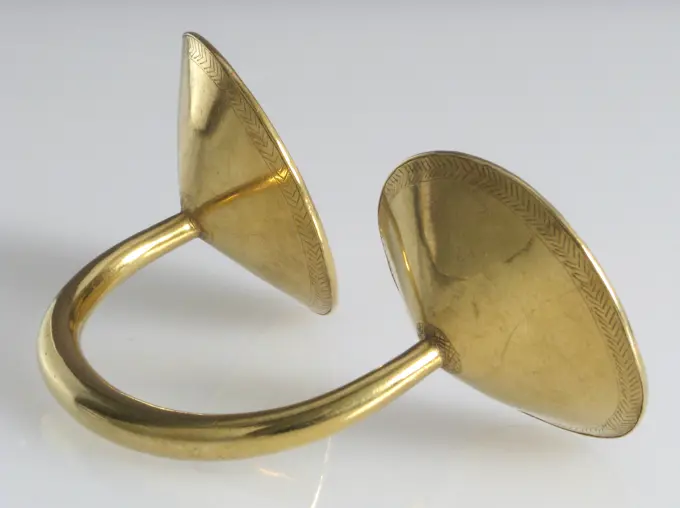
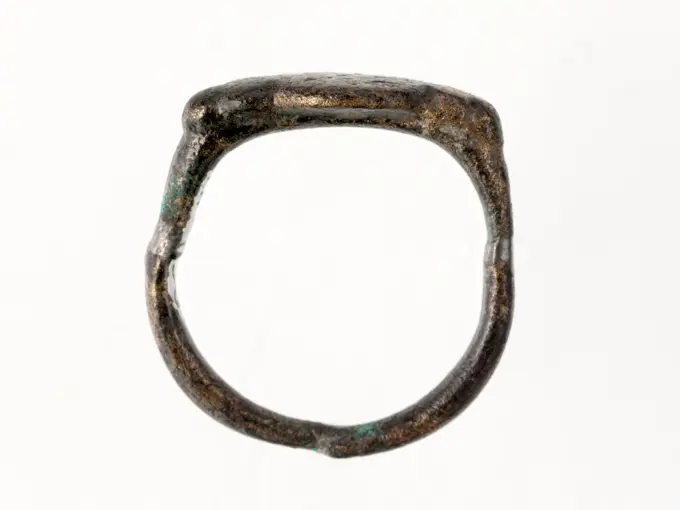
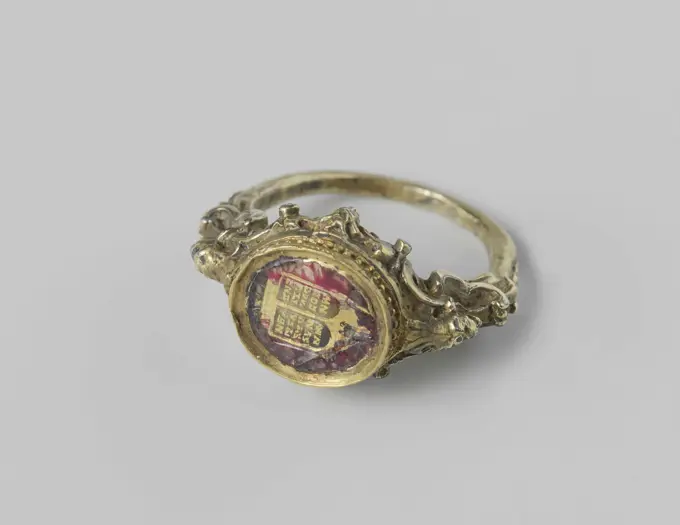
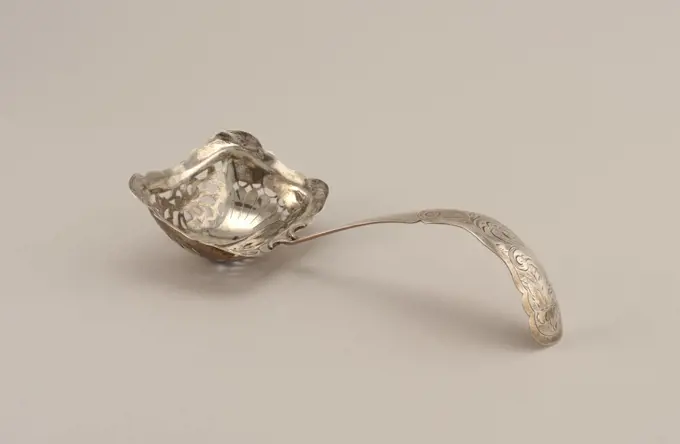
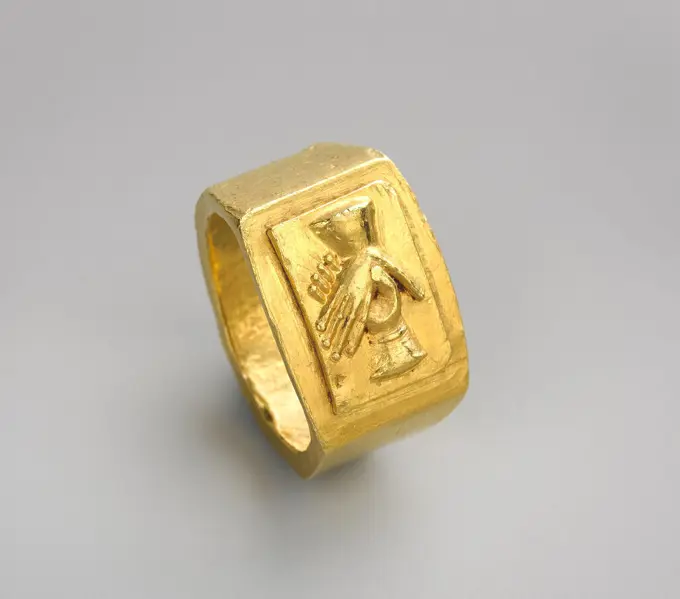
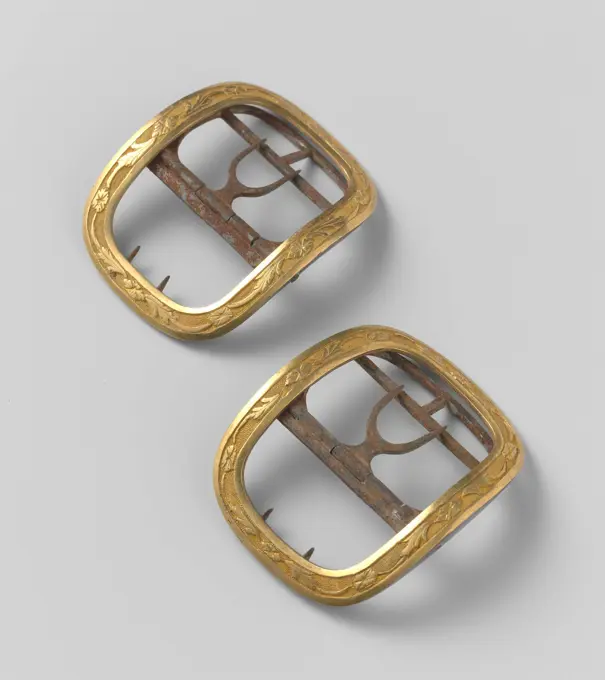
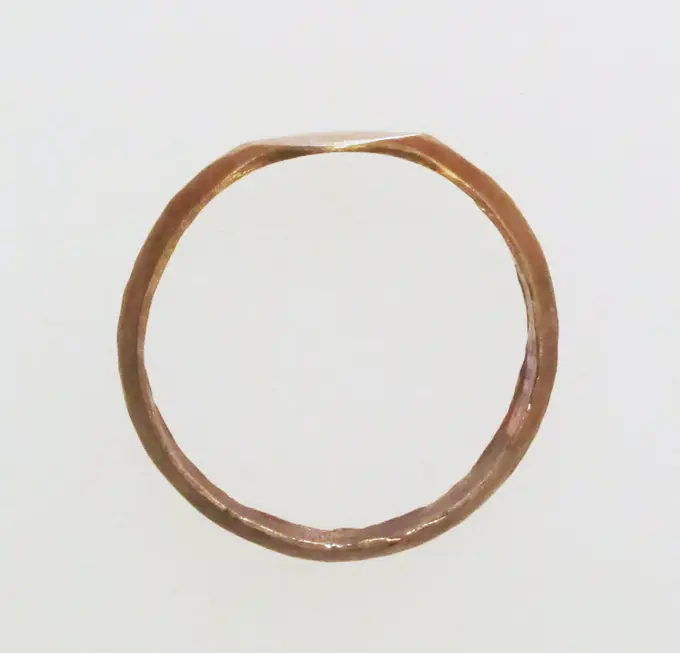
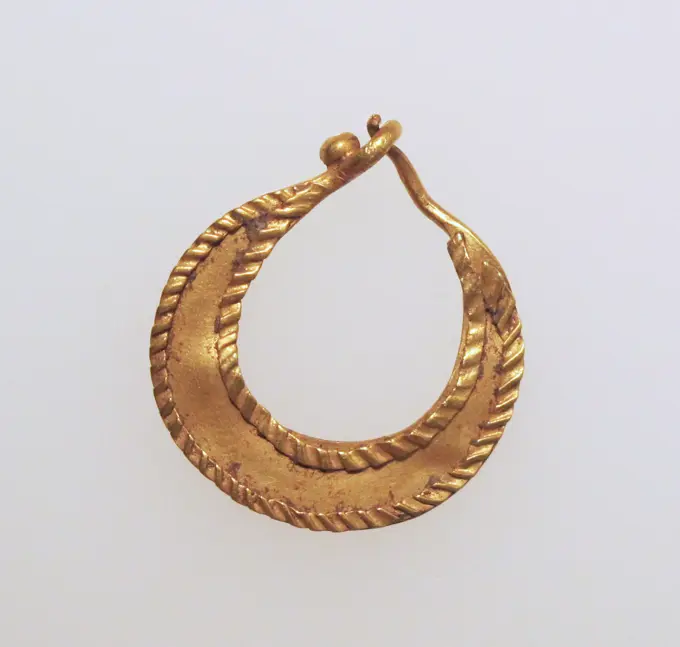
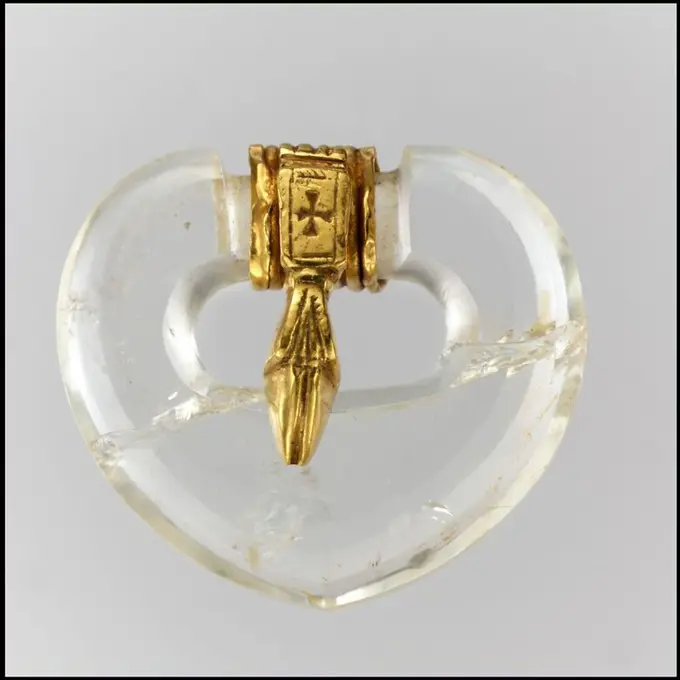
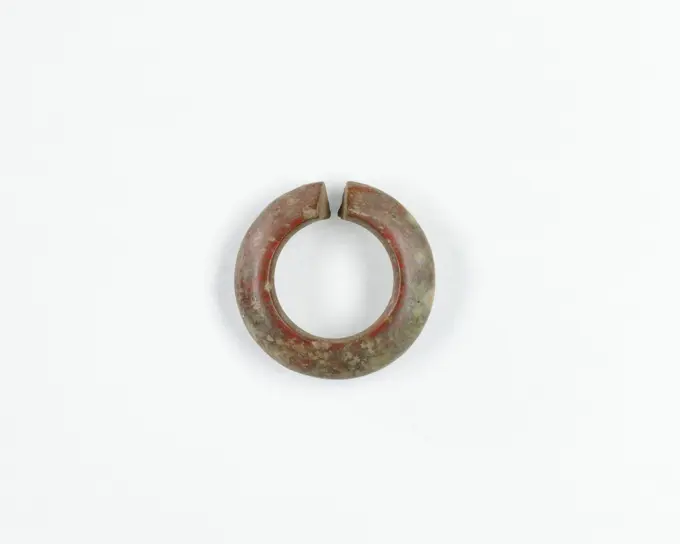
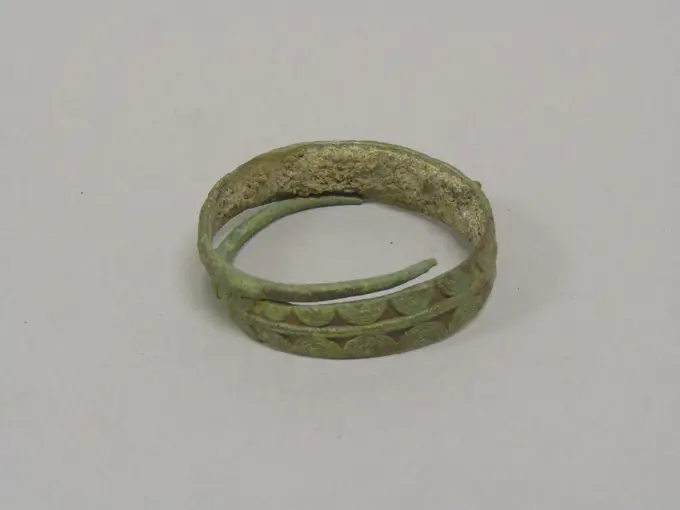
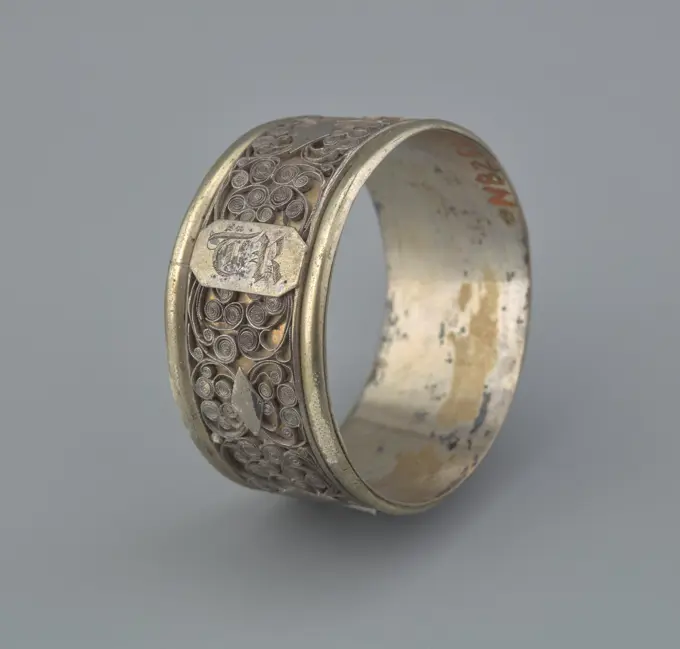
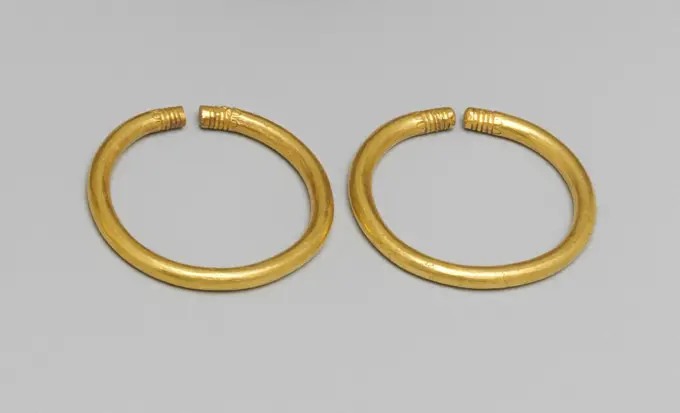
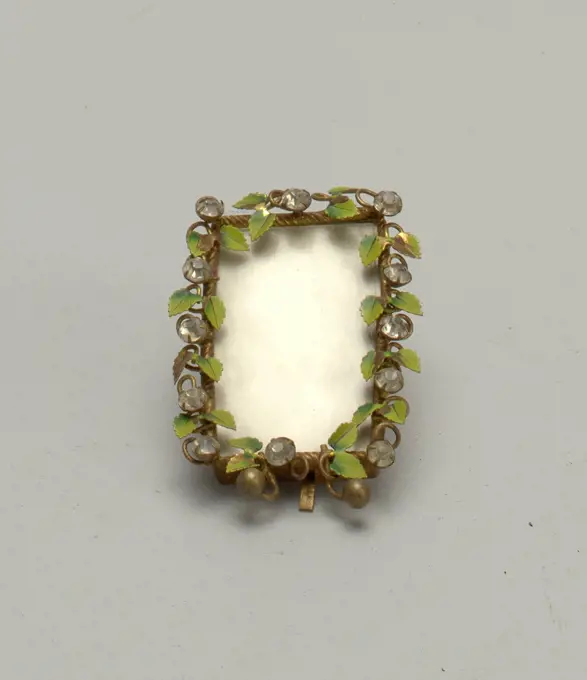
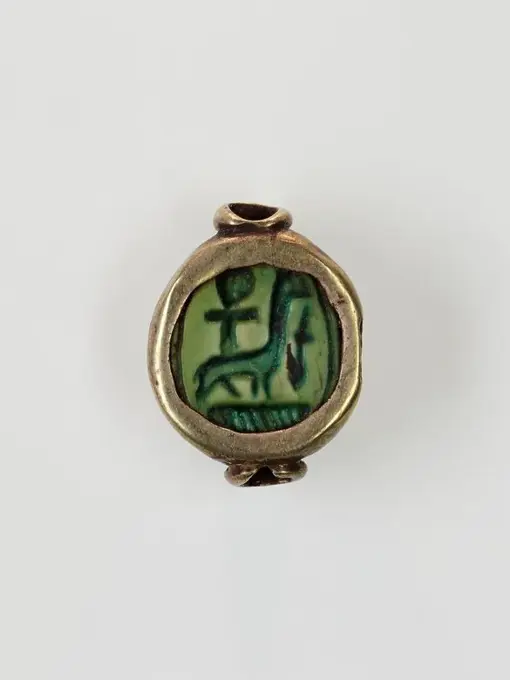
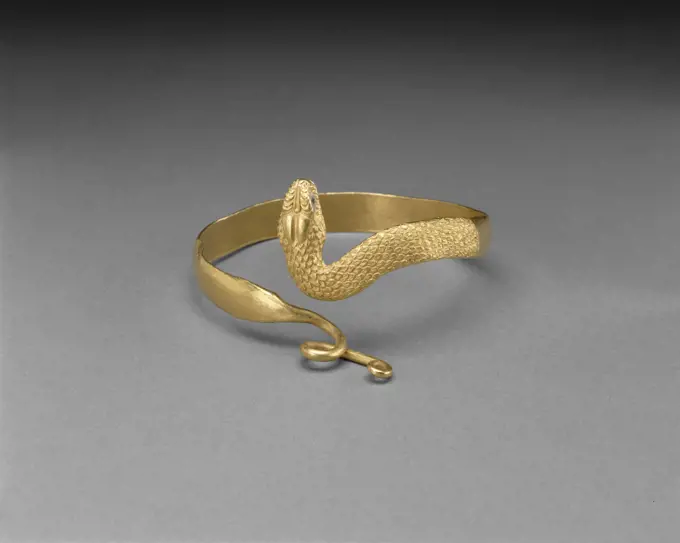
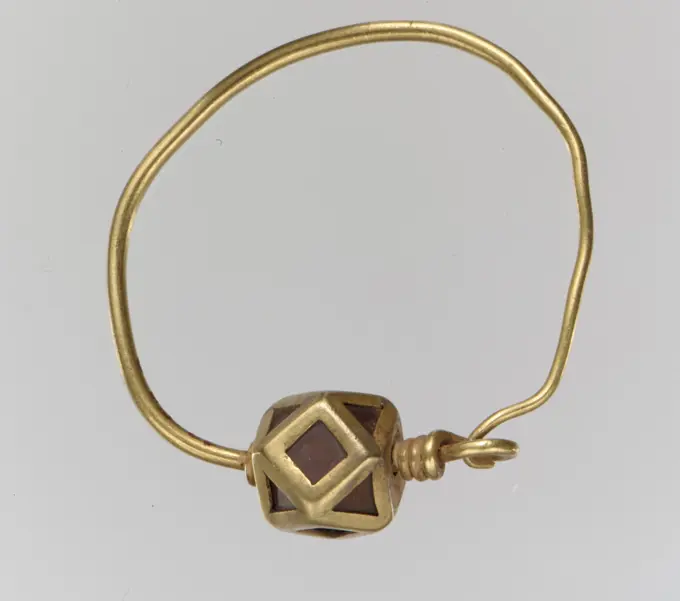
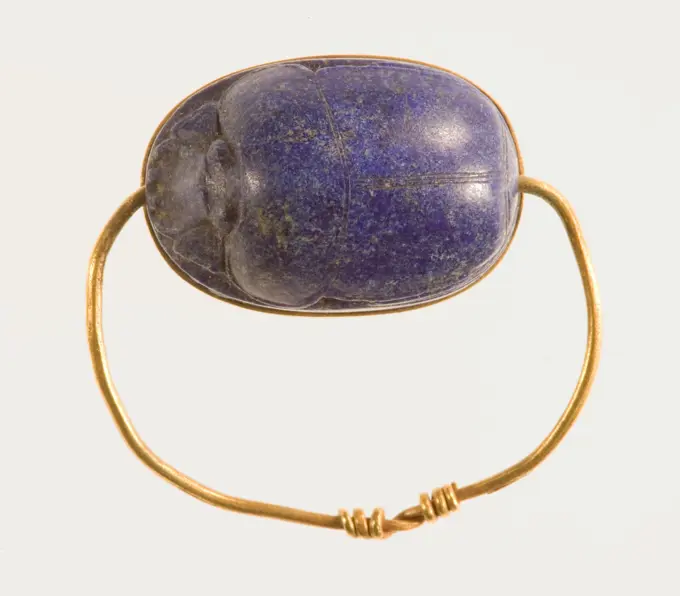
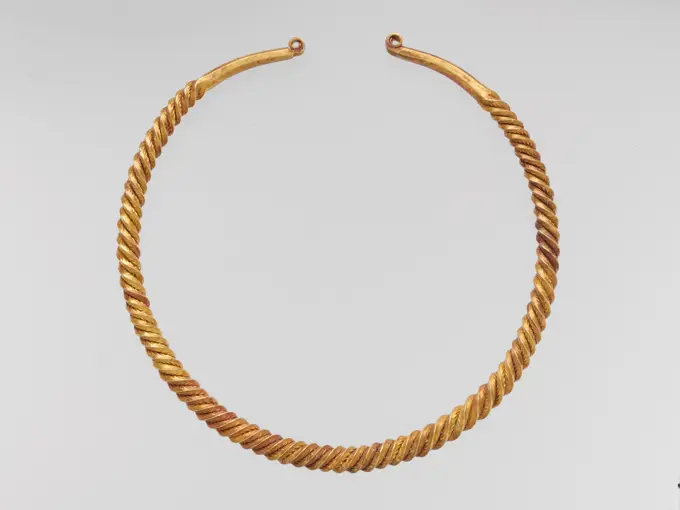
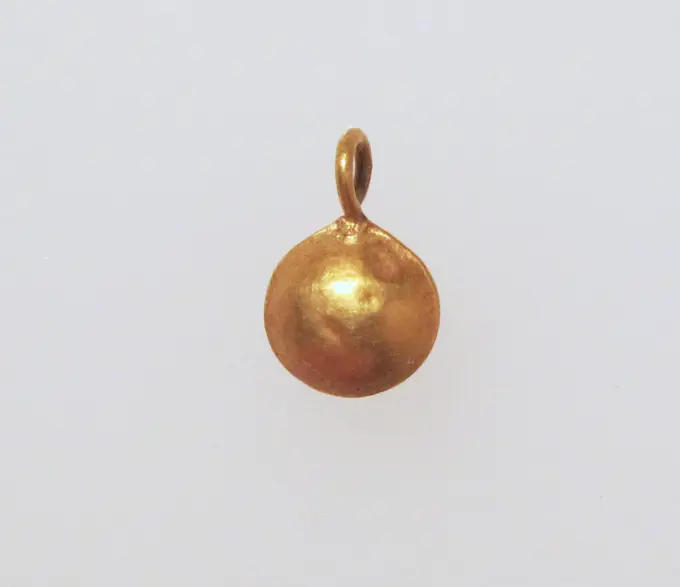
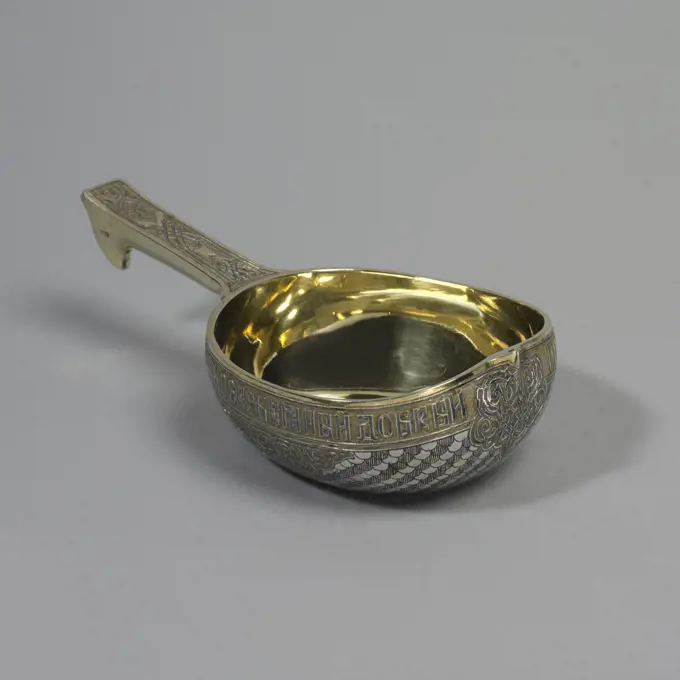
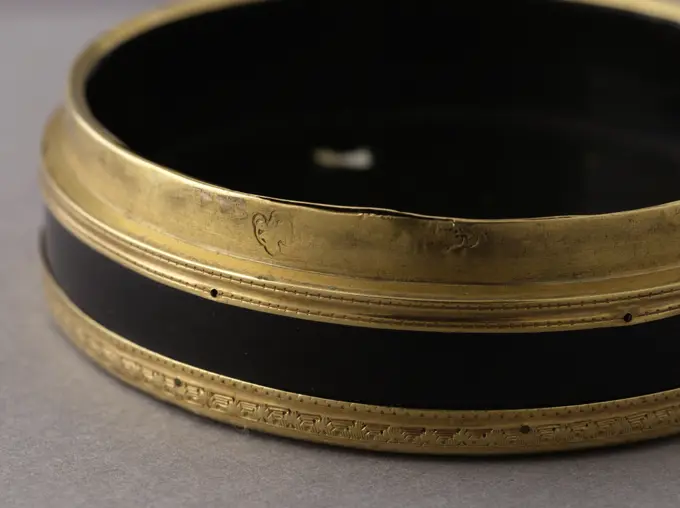
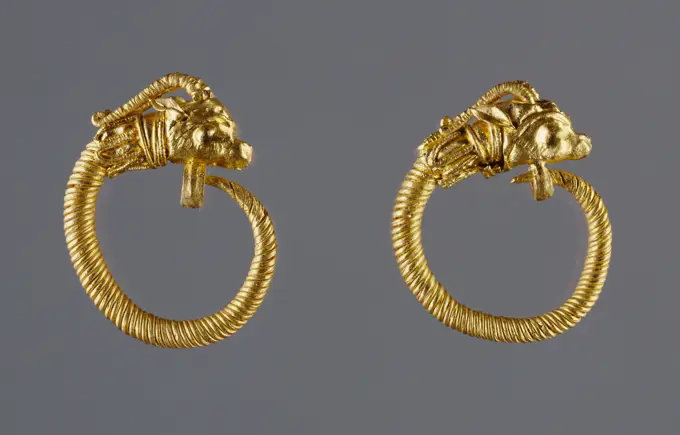
Earring of simple form Cypriot. Earring of simple form 242597Ear Ornament Second half of the 8th-second half of the 10th century Indonesia (Java). Ear Ornament 50003Spirals. Culture: Cypriot. Dimensions: Diameter: 3/8 x 1/16 in. (1 x 0.1 cm). Museum: Metropolitan Museum of Art, New York, USA.Gold spiral. Culture: Cypriot. Dimensions: L. 15/16 in. (2.4 cm). Date: ca. 1600-1100 B.C..Of plain wire with two turns. Museum: Metropolitan Museum of Art, New York, USA.Marquise BezelRingPair of Ear Ornaments 3rd-first quarter of the 10th century Indonesia (Java). Pair of Ear Ornaments 49999Gold earring 4th-3rd century B.C. Greek. Gold earring 242850Ring with glass bezel 1st century B.C.-3rd century A.D. Roman. Ring with glass bezel 243688Earring-loop type, plain. Earring-loop type, plain 243263Earring or spiral 5th century B.C. Cypriot Gold plated bronze.. Earring or spiral 242799Ring, filigree with sard. Ring, filigree with sard 243627Earring with plain loop and disc. Earring with plain loop and disc 243132Earring, trumpet-shaped. Culture: Etruscan. Dimensions: Other (.165): 1 × 3/8 × 1 1/4 in. (2.6 × 1 × 3.2 cm)Other (.166): 1 1/8 × 3/8 × 1 3/16 in. (2.8 × 1 × 3.1 cm). Date: 5th-3rd century B.C.. Museum: Metropolitan Museum of Art, New York, USA.Earring-loop type. Earring-loop type 243148Gold earring with head of a goat 4th-3rd century B.C. Greek. Gold earring with head of a goat 242860Necklet 18th-19th century. Necklet. 18th-19th century. Gold. Attributed to India, Rajasthan. JewelryBishops ring with the symbols of the four evangelists. The molded and topic ring is at the top rectangular and adorned to the four sides with the symbols of the four evangelists: the angel (John), the winged beef (Lucas), the eagle (Mattheus) and the lion (marcus). On the narrowing on either side, an eagle and two crossed-placed keys are shown, each with three red stones. On the round side of the ring a inscription is made that largely worn down: PA .. is (). The rectangular (noble) stone, which was caught in the ring, is missing.Earring or spiral 5th century B.C. Cypriot Gold plated bronze.. Earring or spiral 242796Ambush at a Fountain; Etruria; 550 - 500 B.C; Hoop: gold-plated silver; bezel: gold; 2.1 × 1 cm (13,16 × 3,8 in.)Ear Ornament Second half of the 8th-second half of the 10th century Indonesia (Java). Ear Ornament 50001Ear Ornament with Makara Motif Second half of the 9th-first quarter of the 10th century Indonesia (Java). Ear Ornament with Makara Motif 49983Pierścień z oczkiem dekorowanym winnym gronem. warsztat nadczarnomorski, workshopFinger Ring 14th century British The inscription on the hoop reads: Rutilans Eboraci Civitatis cantor (Rufus(?) of York, Musician(?) of the Episcopal City).. Finger Ring. British. 14th century. Gold and sapphire. Metalwork-GoldEarring-hook type with disc and beaded rim. Earring-hook type with disc and beaded rim 243401Teenage ring of silver with rectangular ajour gilded link, c. 1960 - c. 1970 Teenage ring made of silver with rectangular ajour gilded link.  silver (metal). gilding (material) gilding Teenage ring made of silver with rectangular ajour gilded link.  silver (metal). gilding (material) gildingGold ring with a carnelian or glass intaglio 2nd-3rd century A.D. Roman Draped female bust. Gold ring with a carnelian or glass intaglio. Roman. 2nd-3rd century A.D.. Gold. Mid or Late Imperial. Gold and SilverEarring with plain loop and disc. Earring with plain loop and disc 243135Pair of hand jewels with rings (hathiphul), anonymous, c. 1750 Finger ring of gold decorated with filiger work. In the middle a rosette of five green stones with a ruby in the middle. There are three golden balls on this. Surat gold (metal). ruby (mineral) filigree Finger ring of gold decorated with filiger work. In the middle a rosette of five green stones with a ruby in the middle. There are three golden balls on this. Surat gold (metal). ruby (mineral) filigreeGold earring with winged figure. Culture: Greek. Dimensions: Diam.: 11/16 in. (1.7 cm). Date: 3rd-2nd century B.C..Circlet of twisted gold wire, which tapers from the human figure's head at the front end to a hooked point which passes through a loop below its feet. Museum: Metropolitan Museum of Art, New York, USA.Gold earring with head of a bull 4th-3rd century B.C. Greek. Gold earring with head of a bull 242866Ring with a sliced kornalijn, anonymous, c. 500 - c. 700 Gold ring. Consisting of a wide, flat band with raised gold thread. In a high cupboard in the shape of a flower challenge, a Kornalijn Intaglio is contained in which a bird. Byzantium (possibly) gold (metal). carnelian Gold ring. Consisting of a wide, flat band with raised gold thread. In a high cupboard in the shape of a flower challenge, a Kornalijn Intaglio is contained in which a bird. Byzantium (possibly) gold (metal). carnelianRing 18th century India. Ring. India. 18th century. Gold. MetalworkSeated Bodhisattva Matchsafe; possibly Japan; silver; 6.3 x 4.2 x 1.2 cm (2 1/2 x 1 5/8 x 1/2 in. )RingRing decorated with Moses and the legislative tables, Anonymous, c. 1570 A ring of gilded silver, rock crystal and moody, with Moses and the legislative tables. Netherlands silver (metal). gilding A ring of gilded silver, rock crystal and moody, with Moses and the legislative tables. Netherlands silver (metal). gildingBangle 500 B.C.-A.D. 300 Vietnam. Bangle 53877Bracelet, one of a pair, 2 7/8 x 3 1/4 x 1 1/4 in. (7.3 x 8.26 x 3.18 cm), Silver, ChinaOrnament ca. 800 B.C. Irish Though objects such as these are conventionally called dress fasteners” and sleeve fasteners,” their exact purpose is unknown. It has been proposed that the smaller sleeve fastener” worked much like a modern cufflink: the disks would have been drawn through slits in the garment. The dress fastener” may have been secured by loops sewn onto the garment.. Ornament 468227Ring. UnknownAnonymous. Circular kitten ring with a monogram. Molded and engraved bronze. 7th century -. Paris, Carnavalet museum. Ring, jewel, bronze, circular kitten, monogram, archeological vestigeOpenwork Fitting 7th-9th century China (Xinjiang Autonomous Region, Central Asia) The nomadic communities of Central Asia used such plaques to embellish clothing and horse trappings. As these nomadic cultures herded animals and were constantly moving, their artistic production was expressed in portable objects that marked the wearers status and wealth. The outstanding preservation of these fragile ornaments suggests they were used in conjunction with burials, where the body was aggrandized with valuable textiles and augmented with gold. Although it is difficult to date and place these objects geographically, their presence in Central Asia and has a long, established history.. Openwork Fitting 65322Ritual Diadem Indonesia (Java) 3rd century-second half of the 8th century. A ring of gold-plated silver, rock crystal and wrap, with Moses and the wet tables.Spoon, silver, The rounded rectangular bowl pierced with foliate scrolls with shaped and engraved flange border. Tapering stem with biforcated join to bowl and shaped curving terminal engraved with foliate scrolls., Netherlands, 1859, cutlery, Decorative Arts, SpoonGold finger ring. Culture: Roman. Dimensions: 1/2 × 3/4 in., 0.499oz. (1.3 × 1.9 cm, 14.15g)Other (Bezel): 7/16 × 5/16 in. (1.2 × 0.8 cm). Date: 3rd century A.D..This impressive ring was used as a betrothal or wedding band--a tradition that only became firmly established in the third century A.D. The small size of the hoop suggests that it was given to a young fiancée or bride, but its weight implies that the couple was able to afford valuable pieces of gold jewelry. Museum: Metropolitan Museum of Art, New York, USA.Ring with solid hoop. Ring with solid hoop 243534Glass mosaic fragment late 1st century B.C.-early 1st century A.D. Roman Body fragment.Translucent purple, light blue mixed with opaque yellow appearing green, opaque white and yellow.Convex curving side and bottom.Composite mosaic pattern formed from polygonal sections of two canes: one in a purple ground with a lattice design outlined in white around a yellow ring and an indeterminate central rod, and the other in a lattice pattern of light blue rods outlined in yellow around a purple ring and a central yellow rod.Polished exterior; pitting of surface bubbles on exterior; dulling, pitting, and creamy iridescent weathering on interior and jagged edges.. Glass mosaic fragment 257184Earring first half 11th century. Earring 452930Rectangular and curved shoe buckle of gold-plated copper, decorated with leaf and flower barrels in relief, on a granulated fond. ShoeSp. Rectangular model with rounded corners and bent. Decoration: Between smooth lists, a leaf and floral ran relies on a granulated ground. Beach: both are equal and made of steel with two arcuate eyes on the spindle, one of which has two sharp points and the other a cross-shaped support for the loose, hinged tongue (), Which also has two points. The bar is riveted in separately applied side cheeks. Condition: The undercut is completely rusted.Ring. Ring 243531Earring, crescent-shaped, decorated. Earring, crescent-shaped, decorated 243308Rock Crystal Belt Buckle. Culture: East German (buckle), Byzantine (tongue). Dimensions: Overall: 1 3/4 x 1 9/16 x 11/16 in. (4.5 x 4 x 1.8 cm). Date: ca. 500 (buckle), 500-600 (tongue).It is impossible to know precisely when the delicate gold tongue was added to the buckle, but the ensemble conveys the ease with which Byzantine and Germanic styles were combined. Museum: Metropolitan Museum of Art, New York, USA.Penannular Earring ca. 1550-1295 B.C. New Kingdom. Penannular Earring. ca. 1550-1295 B.C.. Red jasper. New Kingdom. From Egypt; Probably from Northern Upper Egypt, Deir el-Ballas. Dynasty 18Bracelet 9th-8th century B.C. Italic, Villanovan. Bracelet 256024Overlapping Bangle 300 B.C.-A.D. 400 Thailand. Overlapping Bangle 53384Escutcheon; gilt porcelain, gilt bronze mountSolid Cast Ring with Sri Inscription Second half of the 9th-first quarter of the 10th century Indonesia (Java). Solid Cast Ring with Sri Inscription 50402Napkin;  PO .xix w. (1850-00-00-1860-00-00);Earring, crescent-shaped. Earring, crescent-shaped 243303Bracelet/AnkletGilded bronze bracelet 6th-5th century B.C. Greek, Cypriot Ends with simple beaded ornament, a pair with 74.51.3562.. Gilded bronze bracelet. Greek, Cypriot. 6th-5th century B.C.. Gold, bronze. Gold and SilverJar stand ca. 1981-1640 B.C. Middle Kingdom. Jar stand. ca. 1981-1640 B.C.. Glazed steatite. Middle Kingdom. From Egypt, Memphite Region, Lisht South, tomb west of the tomb of Senwosretankh, Pit 3, Burial of Hepy, MMA excavations, 1933-34. Dynasty 12-13Oval brooch of silver with green glass. Oval brooch of hammered silver with a green glass in the middle with a hook closure.Earring 6th-7th century Frankish. Earring 465176 Frankish, Earring, 6th7th century, Gold, green and clear glass, pearls(); hoop copper alloy or base silver, Overall: 2 5/8 x 2 3/8 x 5/8 in. (6.7 x 6.1 x 1.6 cm) bead: 11/16 x 5/8 in. (1.8 x 1.6 cm). The Metropolitan Museum of Art, New York. Gift of J. Pierpont Morgan, 1917 (17.192.120)Earring, baule type 7th-5th Century B.C. Etruscan. Earring, baule type 245884Stirrup. Culture: West Slavic. Dimensions: L. 5 1/2 in. (14 cm); W. 5 1/2 in. (14 cm); D. 1 3/8 in. (3.5 cm); Wt. 5 oz. (141.7 g). Date: 10th-12th century.Horses had great importance in Slavic society, in both its social and religious aspects. Equestrian equipment, like stirrups, spurs and bits, are regularly found in their burials, even after their Christianization, among the goods warriors wanted to bring with them to the afterlife. The elite would sometimes even be accompanied by sacrificed horses, a meaningful practice at that time, considering the high economic value of horses. Museum: Metropolitan Museum of Art, New York, USA.Bowl (Netherlands); glass, silver; 6.8 x 16 x 11.3 cm (2 11/16 x 6 5/16 x 4 7/16 in.) ht. w/ handle 15.9; Bequest of Walter Phelps Warren; 1986-61-81Youth and Dog; Italy; 3rd - 2nd century B.C; Gold; carnelian; 1.8 × 1.3 cm (11,16 × 1,2 in.)Frame, Brass, tin and glass, Vertical rectangle of brass, having stemmed leaves painted green, and twelve glass 'diamonds' set in prongs. Small brass spheres for feet. Tin sheet for back with brass rod for support., USA, 1890-1900, enamels, Decorative Arts, FrameLodderin box. Lodderin box of silver, scalloped and straight-handed. The walls are decorated with bust images, the lid with a tea-drinking woman.Scarab Set in a Ring Bezel. Dimensions: L. 1.6 cm × W. 1 cm × H. 0.7 cm (5/8 × 3/8 × 1/4 in.). Dynasty: Dynasty 18, early. Reign: reign of Thutmose I-Thutmose III. Date: ca. 1504-1425 B.C..A giraffe is the central image on the base of this scarab, which was once part of a ring. This animal was associated with prophecy. Thus, the giraffe, in combination with the heiroglyphs on either side of it, predicted a "life of all good things" for the scarab's owner. Museum: Metropolitan Museum of Art, New York, USA.Snake Bracelet; Egypt; 3rd - 2nd century B.C; Gold, glass; 7.2 cm (2 13,16 in.)Gold Earring with Garnets 5th-6th century Ostrogothic Hoop earrings with fourteen-sided beads derived from late Roman jewelry and were adopted in the 400s by eastern Germanic women.. Gold Earring with Garnets 466389Gold earring with disc and pendant 2nd century A.D. Roman Loop earring of an unsymmetrical type consisting of a plain wire loop with a concave disc and a ball pendant.. Gold earring with disc and pendant. Roman. 2nd century A.D.. Gold. Imperial. Gold and SilverScarab Finger Ring ca. 1850-1750 B.C. Middle Kingdom. Scarab Finger Ring. ca. 1850-1750 B.C.. Lapis lazuli scarab set in gold plate and on a gold wire ringLapis-lazuli. Middle Kingdom. From Egypt; Possibly from Memphite Region, Dahshur, de Morgan excavations, 1894-95. Dynasty 12-13Bangle 4000 B.C.-A.D. 400 Thailand. Bangle. Thailand. 4000 B.C.-A.D. 400. Bronze. Early- Late period. JewelryNecklace with Bird, Circle and Cylinder Beads 11th-12th century Glass beads were popular jewelry elements in the Islamic world. While some colorful glass beads were made in imitation of precious stones, the marvered glass beads on this necklace were appreciated as well and their use was probably not limited to a single social class.. Necklace with Bird, Circle and Cylinder Beads 452510Bead, control Cypriot. Bead, control 242746Gold armlets from the early Bronze Age. Dated 2100 BCEarring with pendant. Earring with pendant 243232Hoop Earring, 1100-1499, 2 5/8 in. (6.67 cm), Gold, Colombia, 12th-15th centuryRingCopper ring, ring jewel clothing accessory clothing soil find copper brass metal, d 0,2 Copper ring Thin some beading over the outside Raw processing tracks on the inside caused by files archeology Rotterdam railway tunnel adorn prosperity status Soil discovery: Railway tunnel 1988-1993.Fart Renaissance with the coat of arms of Kornica;  1546 (1546-00-00-1546-00-00);Konic (coat of arms), coats of arms, renaissance (style), purchase (provenance)Gold Neck Ring 6th-4th century B.C. Celtic This elegant and technically accomplished solid gold torque, which weighs more than a pound, is a superb example of the mastery of goldsmiths in Iron Age Europe. Such an imposing object would have been an emblem of status and power. Its excellent condition suggests that it might have served as a ritual offering or been placed in a tomb to accompany the dead into the afterlife. It may also simply have been deluxe jewelry. In about 50 B.C. the Roman historian Diodorus Siculus wrote that Celts in Gaul gather gold that is used for ornaments not only for women but men as well, for they wear bracelets on their arms and wrists and also massive solid-gold collars around their necks.” The torque may have been made from a cast gold blank that was deeply incised or channeled along its length on four sides, evenly notched along some of the edges, and then twisted. Or it may have been constructed of four graduated square lengths of gold that were evenly nMatchsafe in the form of a Cicada Matchsafe; probably Japan; plated metal; 6.5 x 4.8 x 1.7 cm (2 9/16 x 1 7/8 x 11/16 in. )Bangle 500 B.C.-A.D. 300 Vietnam. Bangle 53876Ring Figure of Serpent Uto ( ) 1390 BCE Egypt. Faience . Ancient EgyptianPendant, lentoid. Pendant, lentoid 243113RingPair of knee buckles Buckles; France; steel, rock-crystal, foil back.Pair of gold earrings. Culture: Greek. Dimensions: Diam. (each): 1 1/8 in. (2.9 cm). Date: 6th century B.C. or later.The simplicity of these works makes them virtually impossible to date. Museum: Metropolitan Museum of Art, New York, USA.Natural horn (hunting horn), François Perinet, c. 1840 Natuurhoorn in D. around the cup is a wreath, warin engraved: Francois Perinet, Rue Bourbon Villeneuve a Paris. On the cup: Brevete. Paris silver (metal). copper (metal) Natuurhoorn in D. around the cup is a wreath, warin engraved: Francois Perinet, Rue Bourbon Villeneuve a Paris. On the cup: Brevete. Paris silver (metal). copper (metal)Gold diadem 4th century B.C. Cypriot The diadem was made for funerary use.. Gold diadem. Cypriot. 4th century B.C.. Gold. Classical. Gold and SilverKovsh, Gilt silver, niello, Niello gilt silver, decorated with scale work and an inscription., Moscow, Russia, 1861, metalwork, Decorative Arts, KovshGolden -circled scales with a miniature. "Five bathers", according to Lavreince. Paris, 1778-1779. Paris, Cognacq-Jay museum. The miniature appearing on the cover of this box, representing five bathers in a landscape, is inspired by scenes painted by Nicolas Lavreince to decorate snuffs as well as engravings from this same artist, in particular by Janinet. Box, circlee, detail, squaille, gold, open, stitch, cynegetic subject, miniatureBracelet probably 14th-15th century The earliest known examples of this type of seamless mosaic glass bracelet are from the late thirteenth century; it continued to be produced well into the nineteenth century at Hebron, in Palestine. This bracelet, together with thirty-three others in the collection, comes from UpperEgypt and was probably made during the Mamluk period.. Bracelet 446027Pair ofEarringsPendant in the form of a flower. Pendant in the form of a flower 243106Hoop Earring with Ibex Head Finial. Unknown