Ancient Greek Pottery Fragments

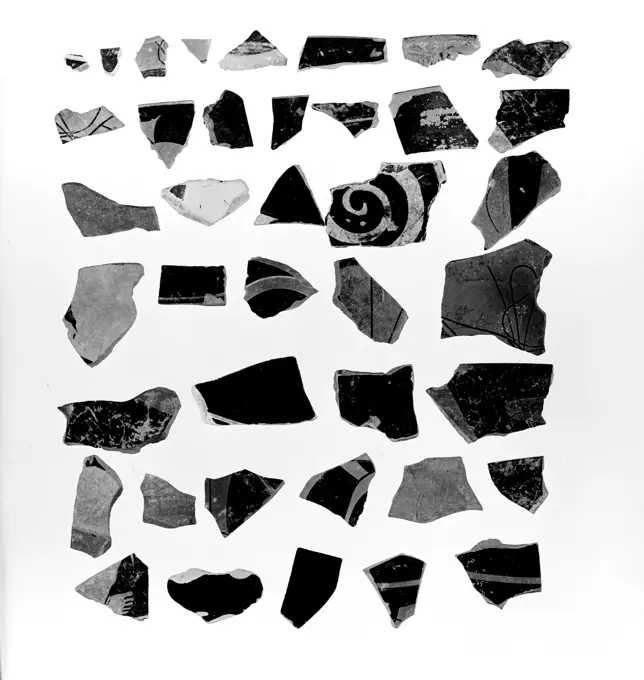
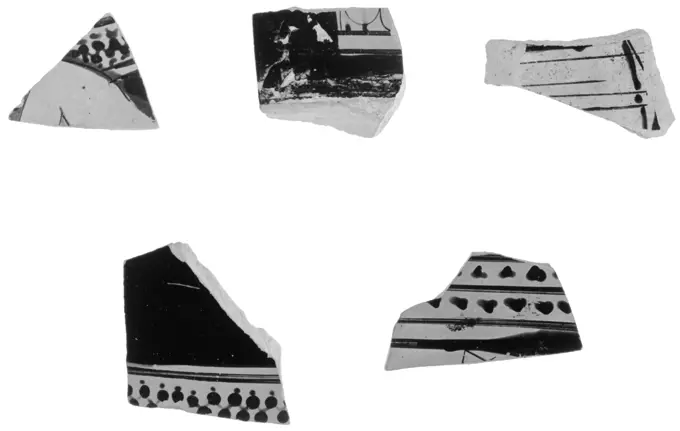
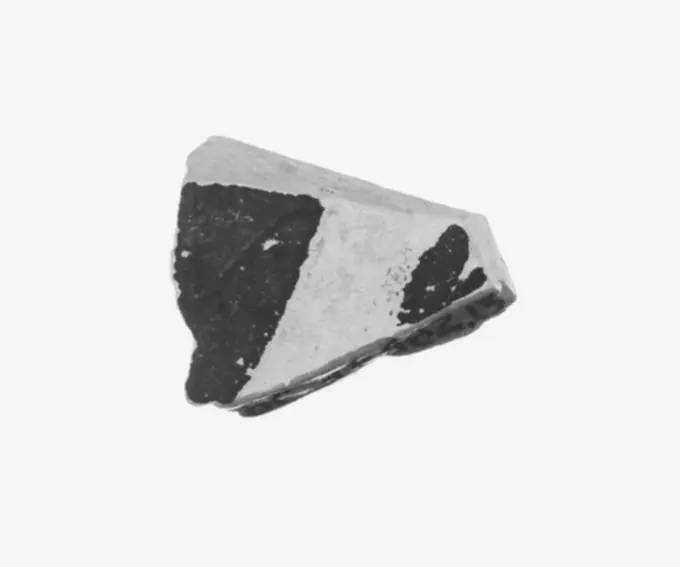
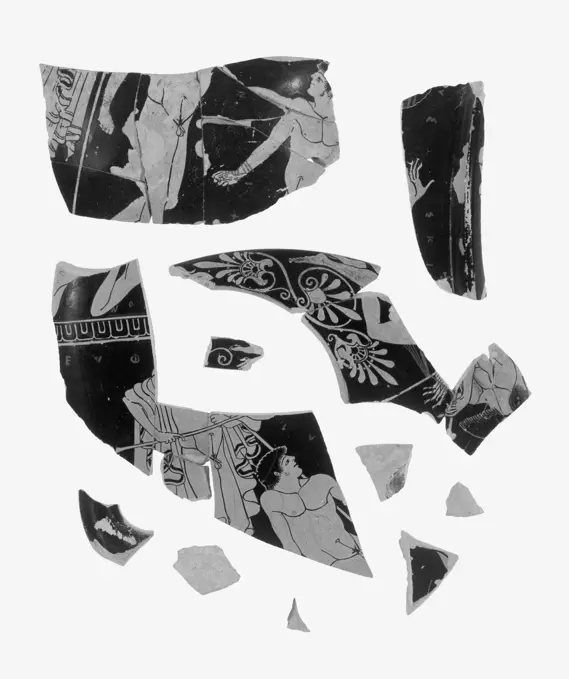
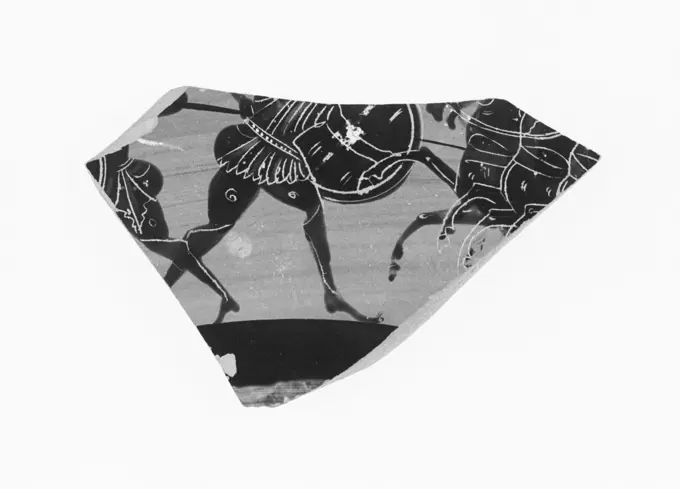
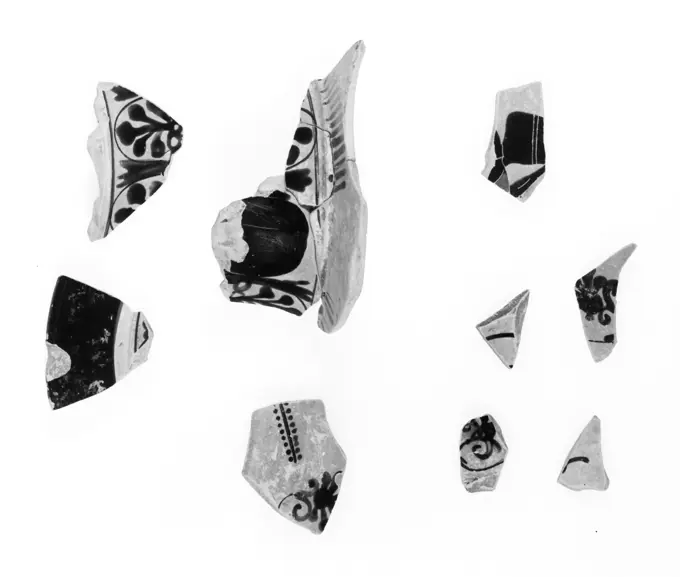
A collection of fragments from Attic black-figure and red-figure vases showcasing intricate designs, emphasizing the art of ancient Greek pottery.

Attic Vase Fragment. Unknown
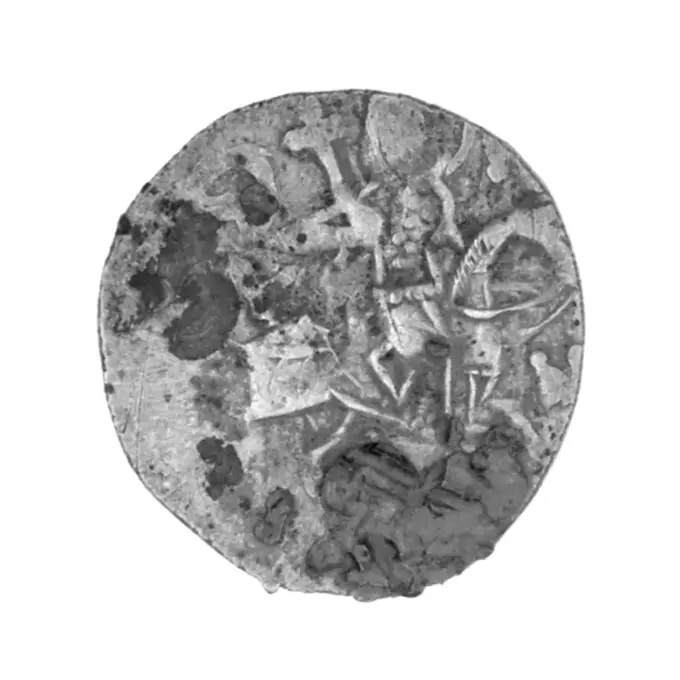
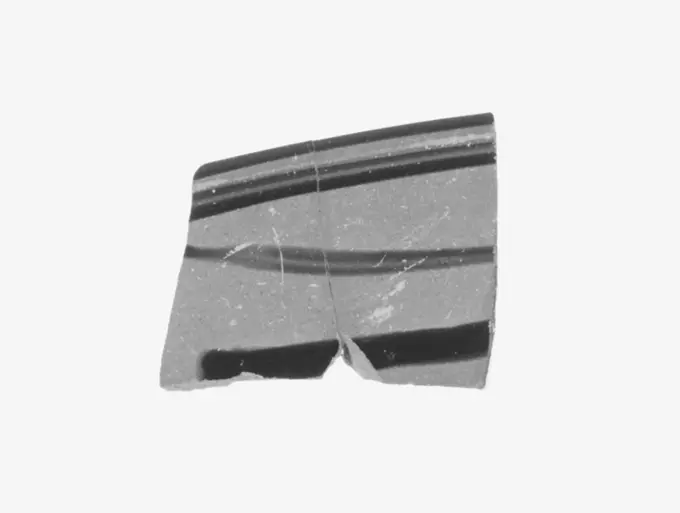
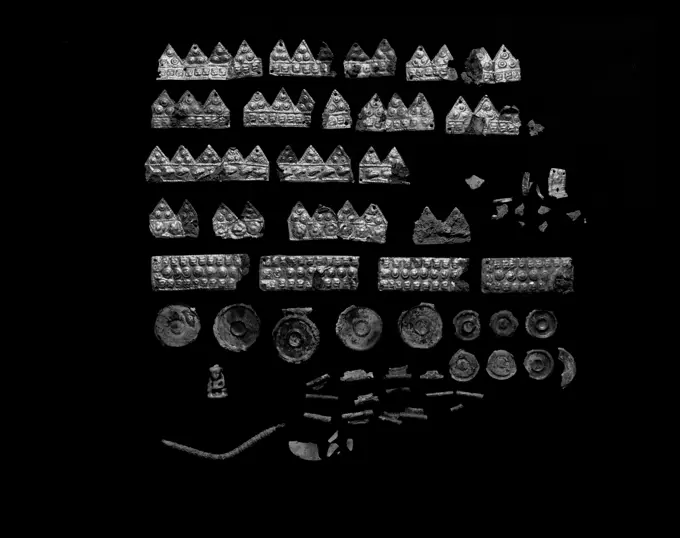
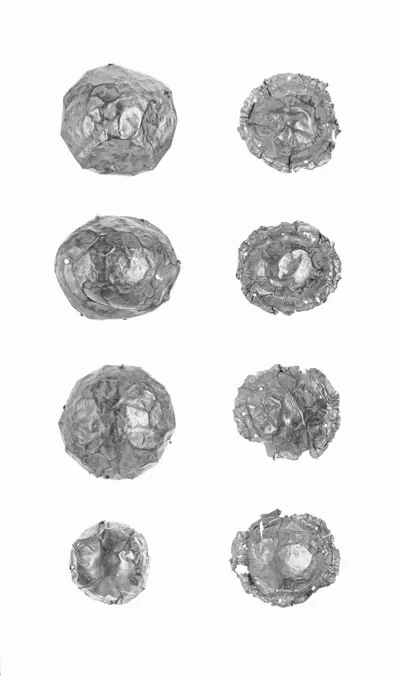
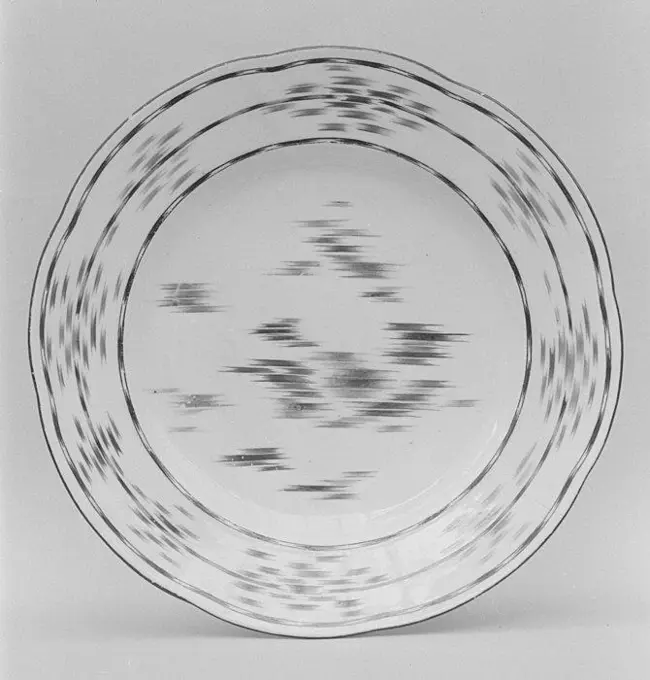
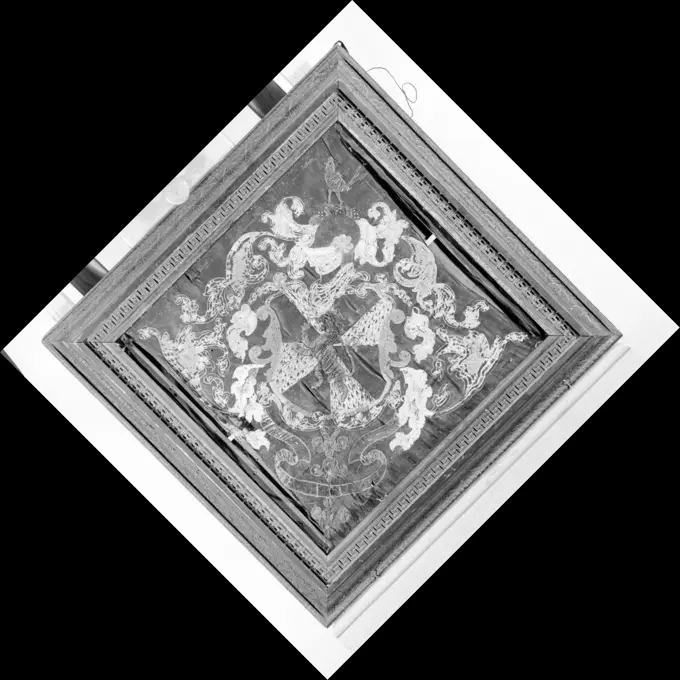
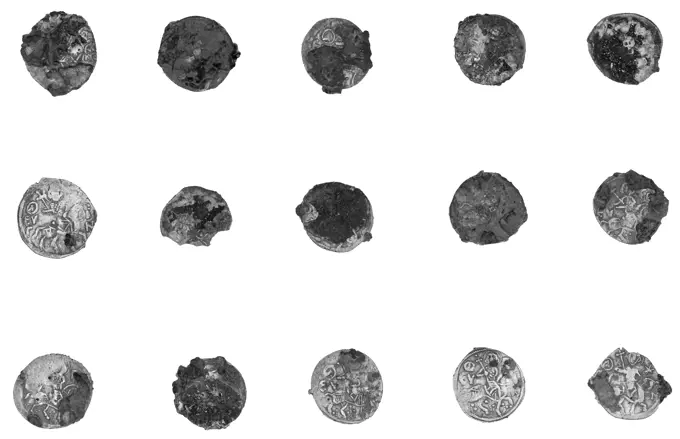
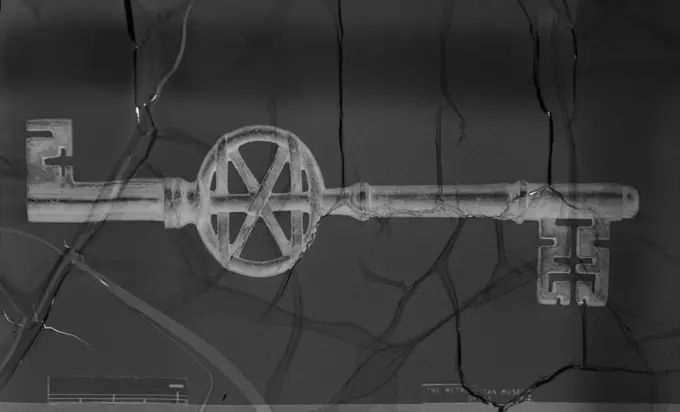
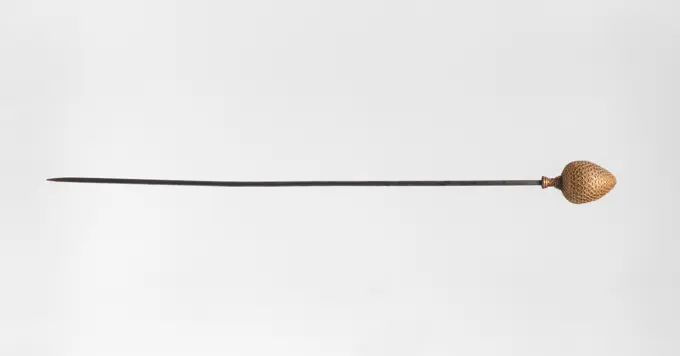
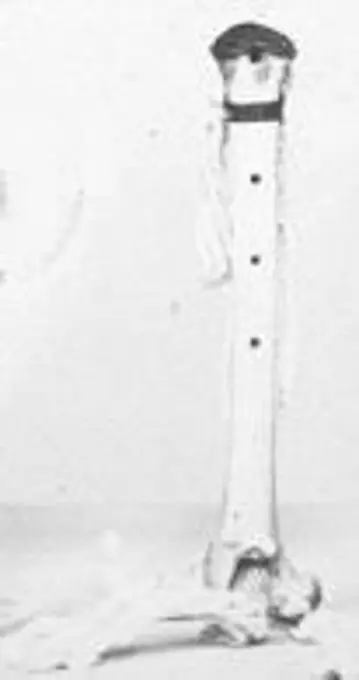
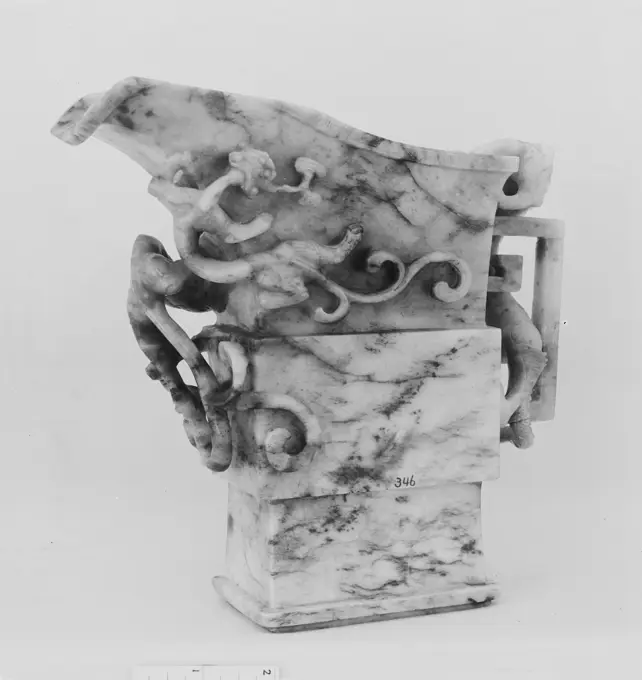
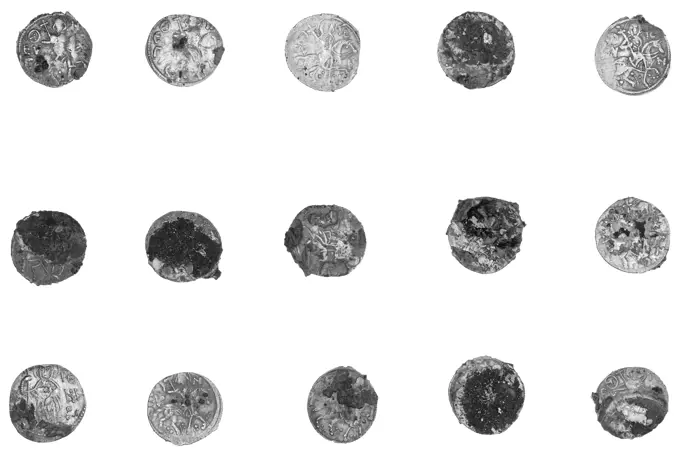
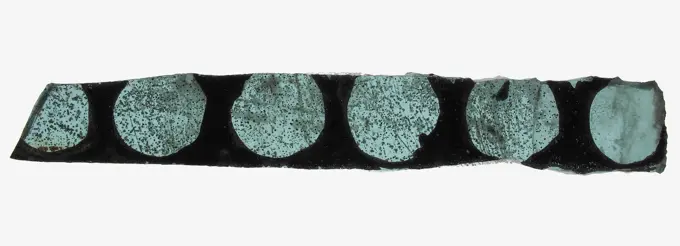
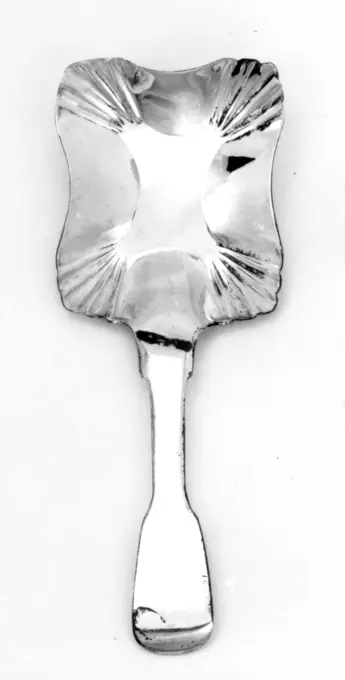
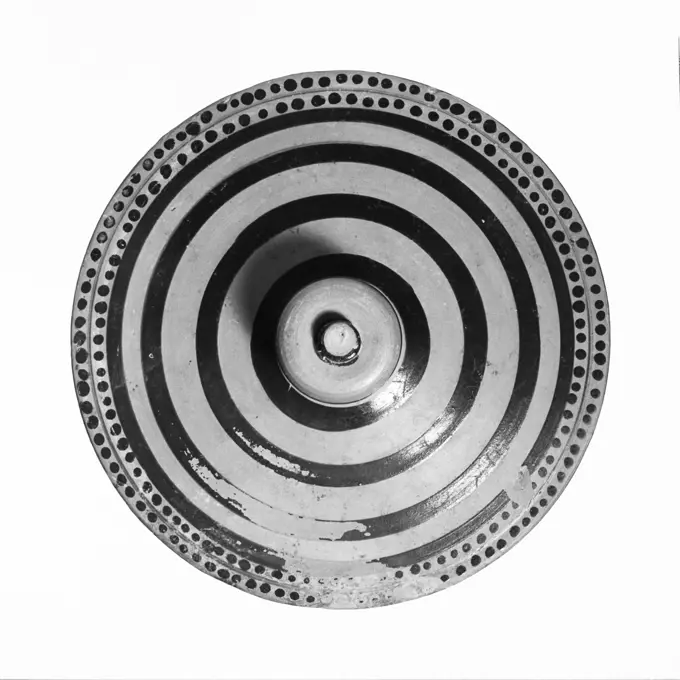
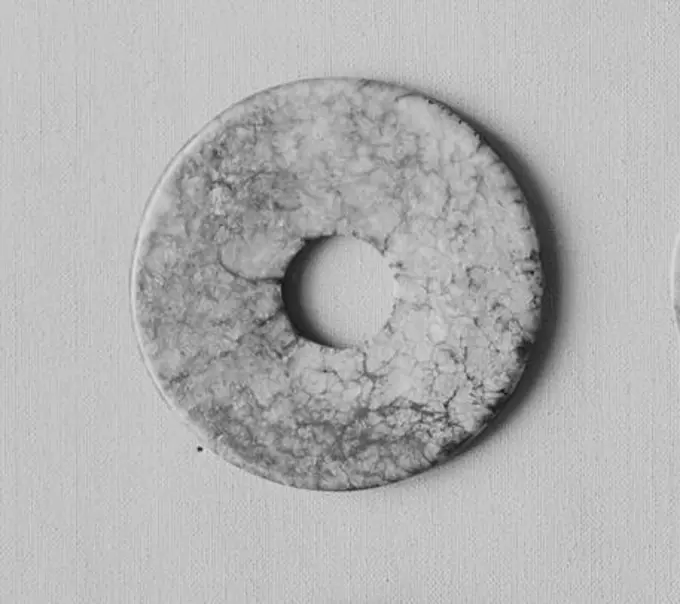
Attic Black-Figure Neck Amphora Fragment. Attributed to the Swing Painter (Greek (Attic), active about 550 - 525 B.C.)Attic Black-Figure Amphora Fragment (comprised of 2 Joined Fragments). UnknownOne Fragment from an Attic Black-Figure Cup. UnknownAttic Black-Figure Vase Fragment. UnknownAttic Red-Figure Kylix Fragment. Attributed to Onesimos (Greek (Attic), active 500 - 480 B.C.)Attic Red-Figure Kylix Fragment. UnknownAttic Red-Figure Kylix Fragment. UnknownAttic Vase Fragment. UnknownAttic Black-Figure Band Cup Fragment. UnknownAttic Red-Figure Duck Askos Fragment. UnknownAttic Red-Figure Psykter Fragment. Possibly Oltos (Greek (Attic), active about 525 - 500 B.C.)Unattributed Trebizond Coin. UnknownAttic Red-Figure Bell Krater Fragment. UnknownAttic Red-Figure Vase Fragment. UnknownAttic Black-Figure Eye Cup Fragment (comprised of 2 Joined Fragments). UnknownTwo Bead Chains Made 1801-1900 Italy. Bead cord in loop .Attic Red-Figure Cup Fragment. UnknownAttic (or Etruscan) Red-Figure Kylix Fragment. UnknownTripod Censer, 2nd century BCE, 13 x 11 in. (33.02 x 27.94 cm), Gray earthenware with molded and stamped decor, China, 2nd century BCEAttic Red-Figure Statuette Kantharos Fragment. Attributed to Onesimos (Greek (Attic), active 500 - 480 B.C.)Attic Red-Figure Lidded Jar Fragment (part of 81.AE.206.D.2018).Ribbon ca. 1865 French. Ribbon. French. ca. 1865. Silk. Textiles-Trimmingsmetal construction  hardware tool on metal textureAttic Panathenaic Amphora Fragment. Unknown about 430 B.C. Ext: black column with end of a partial inscription " N"; int: black. From side A. Beside the column, ... NAttic Black-Figure Band Cup Fragment. UnknownTextile Appliqué. UnknownRound Applique. UnknownAttic Black-Figure Cup Fragment. UnknownAttic Black-Figure Hydria Fragment (comprised of 2 Joined Fragments). UnknownEdging Italian, probably Burano 19th century The Metropolitan Museum's great lace collection was started when the Museum became the first among American museums to organize a permanent collection of lace with the acceptance of the McCallum Collection in 1879 and the bequests of Mrs. John Jacob Astor, Mrs. Robert L. Stuart, Mrs. Augustus Cleveland, and Mrs. A. W. Winters shortly thereafter. In 1893 a loan collection of antique laces shown at the World's Columbian Exposition in Chicago was assembled by a committee of New York women headed by Catharine Augusta Newbold. About 1900 Miss Newbold arranged and labeled an exhibition of laces and linenworks lent to the Metropolitan Museum by Mrs. James Boorman Johnstone and the Misses Johnstone. "Her scholarly knowledge of lace technique enabled the Museum for the first time to offer a comprehensive display of lace illustrating its historical development," wrote Miss Frances Morris, then curator of the textile department. Miss Newbold's name occAttic Red-Figure Psykter Fragment (comprised of six fragments). Unknown 5th century B.C. Fragments of foot and lower part of vessel. See individual records for details.Attic Red-Figure Lidded Skyphoid Fragment.Window cornice ca. 1853. Window cornice. ca. 1853. Gilt brassPlate ca. 1770 Frankenthal Porcelain Manufactory. Plate 199263Sweden, Blekinge, Blekinge, Karlskrona, Karlskrona, external marina (depicted, town).Sweden, Blekinge, Blekinge, Karlskrona, Karlskrona, External War Gogs (depicted, City)Embroidered Arms of the family of Huntington Strong ca. 1765 American. Embroidered Arms of the family of Huntington Strong 13713Attic Black-Figure Cup Fragment. UnknownTrebizond Coin; about 13th century; Silver, Byzantine Coinage of the empire of TrebizondsTrebizond Coin; about 13th century; Silver, Byzantine Coinage of the empire of TrebizondsMetal rip holes with curly edges, ragged cracks, cut damage on steel sheet. Torn slash, gun aperture design element isolated on transparent background Realistic 3d vector illustration, clip art. Metal rip holes with curly edges, ragged cracksAttic Red-Figure Pelike Fragment. UnknownAttic Red-Figure Lidded Skyphoid Fragment (comprised of 3 Joined Fragments). Attributed to Onesimos, painter (Greek (Attic), active 500 - 480 B.C.) Attributed to Euphronios, potter (Greek (Attic), active 520 - 480 B.C.) about 490-480 B.C. Body fragment. Root of handle. Red-figure decoration at left - landscape (rocks). Interior, red.Background of cosmetic pipettes with bubbles close-up. Perfect for showcasing the texture of your product.Double-ended key 18th century possibly German. Double-ended key 196996Archeological-revival hat pin ca. 1880 Castellani This hat pin is formed of a steel shaft ending in a gold finial shaped and decorated to resemble a pine cone, with filigree to suggest the pine cones surface. The Castellani firm was the leading producer of archaeological-revival jewelry in the second half of the nineteenth century, and this hat pin illustrates the scope of Castellanis production.. Archeological-revival hat pin. Italian, Rome. ca. 1880. Gold and steelPlusieurs models des plus nouvelles manières qui sont en usage en l'art d'arquebuzerie avec ses ornaments les plus convenables (Several Designs of the Newest Invention that Apply to Firearms, with their Most Suitable Ornaments), Thuraine, French, Le Hollandois, French, 17th century, C. Jacquinet, French, Etching on off white laid paper, France, ca. 1660, albums (bound) & books, Album, AlbumShard (Study Collection) China. Shard (Study Collection). China. Blue-and-white porcelain. Ming (1368-1644)-Qing (1644-1911) dynasties. CeramicsAttic Black-Figure Neck Amphora Fragment. UnknownAttic Black-Figure Oinochoe Fragment. Class of Vatican G.47 (Greek (Attic))in oman the old prow wood  boat and skyAttic Vase Fragment. UnknownTrebizond Coin; about 13th century; Silver, Byzantine Coinage of the empire of TrebizondsTrebizond Coin; about 13th century; Silver, Byzantine Coinage of the empire of TrebizondsButton. UnknownClose-up of an outlet on a wallWat-Sa-Pua 19th century Demerara. Wat-Sa-Pua. Demerara. 19th century. bone, wool, wax. Demerara, Guyana. Aerophone-Blow Hole-end-blown flute (vertical)Rock salt close up levitating on a white background Rock salt close up levitating on a white background. Copyright: xZoonar.com/AlekseyxButenkovx 16470792Grunge icon - Bicycle saddleDish 1794-97 F.G.T. Dish 197009Set of Ten Seals in a Box late 19th-early 20th century China. Set of Ten Seals in a Box 41070Lazio Viterbo Viterbo Museo Civico21. Hutzel, Max 1960-1990 Views of paintings (Middle Ages through 18th c.), frescoes, a tabernacle, coffin, sculpture reliefs, portal fragments, busts, sculpture, tapestry found in the Pinacoteca, Second floor gallery and Second floor cloister sequences. Antiquities: Many views of Etruscan and Roman fragments, sculpture, sarcophagi, pottery, masks, jewelry and other objects found in the Storeroom sequence (inventory numbers on back of prints), and the Cloister, Second floor Cloister, Valle Giulia, Sala Romana and Sala Etrusca sequences. General Notes: There are eight separate numerical sequences for this location. The cloister as an architectural structure, rather than museum site, is documented in the record and file for S. Maria della Verita, Cloister, all views of which are stored in Medieval core collection. Five views from the Museo Civico Second floor cloister sequence are stored in Medieval. German-born photographer and scholar Max Hutzel (1911-Karte von Katar auf altem Leinen - Map of Qatar on old linen Karte von Katar auf altem Leinen - Map of Qatar on old linen Copyright: xZoonar.com/lantapixx 11851757Trebizond Coin; about 13th century; Silver, Byzantine Coinage of the empire of TrebizondsSacrificial Vessel China. Sacrificial Vessel. China. Nephrite. early Ming dynasty (1368-1644). Jade1/4 tical of salung uit Thailand,1650-1850, , 1650 - 1850 coin Silver, grain -shaped mint. Equipped with one, unclear allotment (KRA).  silver (metal) castingRealistic set of round adhesive plastic patches isolated on transparent background. Vector illustration of crumpled sticky circles for package branding, wrinkled cellophane texture, glued tape. Realistic set of round adhesive plastic patchesSketch of a Ship at Anchor for The Landing of Columbus (from Sketchbook) ca. 1891 Albert Bierstadt American. Sketch of a Ship at Anchor for The Landing of Columbus (from Sketchbook). Albert Bierstadt (American, Solingen 1830-1902 New York). American. ca. 1891. Graphite on wove paper with gilt edges, bound in a leather coverTrebizond Coin; about 13th century; Silver, Byzantine Coinage of the empire of TrebizondsMap of Norway icon set grey black color vector illustration outline flat style simple imageMap of Chile on weathered woodbackground with a round frame of sea driftwood on a white background top view background with a round frame of sea driftwood on a white background top view, black and white photo Copyright: xZoonar.com/gutaperx 17755536White milk splash isolated on black backgroundPicture from Nynäshamn.Glass Fragment 15th-16th century European. Glass Fragment. European. 15th-16th century. Colorless glass. Glass-StainedAttic Red-Figure Vase Fragment. UnknownDrohiczyn seal. unknown, managerAttic Red-Figure Oinochoe Fragment. Probably by the Painter of the 14th Brygos (Greek (Attic), active 490 - 470 B.C.)Signs made from dollar stacksIt is a part or attachment by which the handle is held in the hand. It is usually made up of rubber or cloth. With a metal ring for attachment to the handlebar, vintage engraved line art illustration. Bicycle Accessories 1900.heap treasure gold hand drawn. adventure illustration, vector money, antique wealth box treasure gold vector sketch. isolated black illustration. heap treasure gold sketch hand drawn vectorGotland injury in tank.Gotland (depicted - name)Three crowns (depicted - name).Three crowns (depicted - name)Trebizond Coin; about 13th century; Silver, Byzantine Coinage of the empire of TrebizondsUSA, Indiana, Carmel. Frozen soap bubbles on wine glass base.Altar frontal () 17th century possibly Italian. Altar frontal () 227542Toy figures, mermaid, ship, riderProbably William Rawlings Sobey, Caddy Spoon, 1832/33, silver.Hand of a Spanish Dancer. Artist: John Singer Sargent (American, Florence 1856-1925 London). Dimensions: 10 3/16 x 13 3/4 in. (25.9 x 34.9 cm). Date: ca. 1880. Museum: Metropolitan Museum of Art, New York, USA.Shadow from the stem of a champagne glassDried saffron spice isolated on a white backgroundAttic Black-Figure Neck Amphora Lid, A Shape. UnknownDetails of rust and paint on metal.White House furnishings. White House furnishings. Linens. White House, Washington, D.C.Dish. Culture: British (American market). Dimensions: Diam. 10 1/4 in. (26 cm). Maker: Enoch Wood & Sons (British, active Burslem, 1818-46). Date: ca. 1818-ca. 1846. Museum: Metropolitan Museum of Art, New York, USA.Piece 18th century French. Piece. French. 18th century. Silk. Textiles-WovenBrooch -Button or Bead 9th-10th century The dot-in-circle motif recalls designs presumed to be of magical significance, most likely an abstract eye to ward off the evil-eye, which serves an apotropaic function. Easily reproduced with a tool and visible in many cultures and times, this symbol may have lost its meaning, and become simply a decorative pattern, or may have one that we have not yet discovered.. Button or Bead. 9th-10th century. Bone; incised and inlaid with paint. Excavated in Iran, Nishapur. Ivories and BoneDisk China. Disk. China. Jade. Han dynasty (206 B.C.-A.D. 220). JadeBelt Plaque 14th-15th century China. Belt Plaque. China. 14th-15th century. Jade (nephrite). late Yuan (1271-1368) to early Ming (1368-1644) dynasty. JadeDiamond rings and earrings on black sand