My Boards
View Pictures
  • My Boards
← Artworks

Ancient Greek Vases

Terracotta vases decorated with mythological scenes and heroic narratives, showcasing the intricate artistry and cultural significance of ancient Greek ceramics.

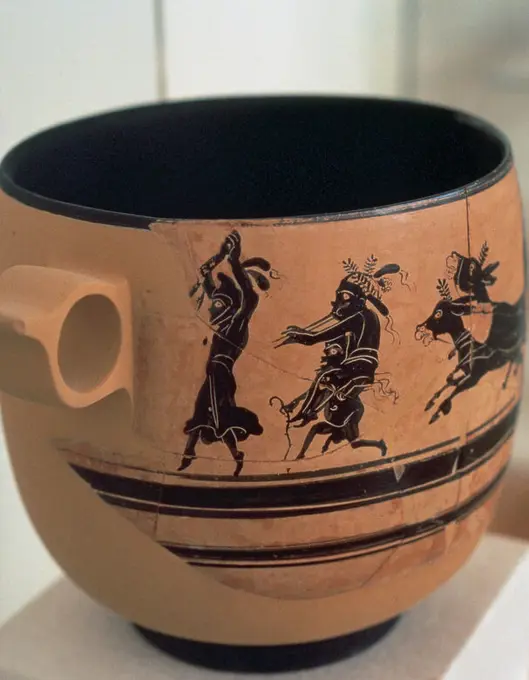
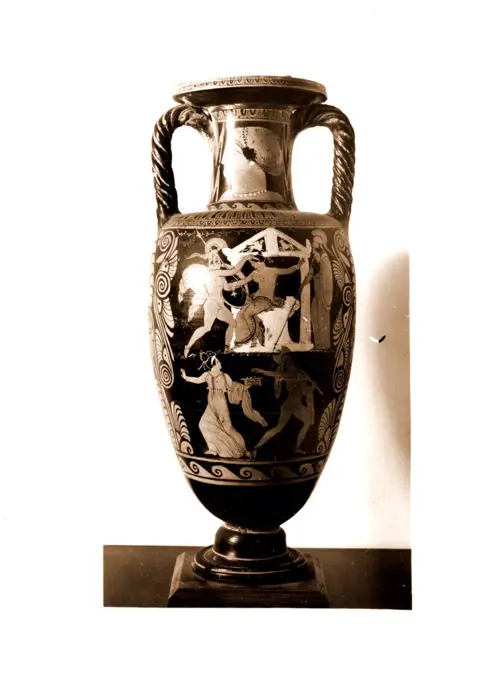
Red -purital pelique with Amazonomachy; Amazon painter (Athens); 2. PO. 4th century BC (-350-00-00--301-00-00);City Museum, National Museum, Szczecin, Vogell Arnold (1892-1905) - collection, Kerczek style
153 assets in this story
4443-21960622
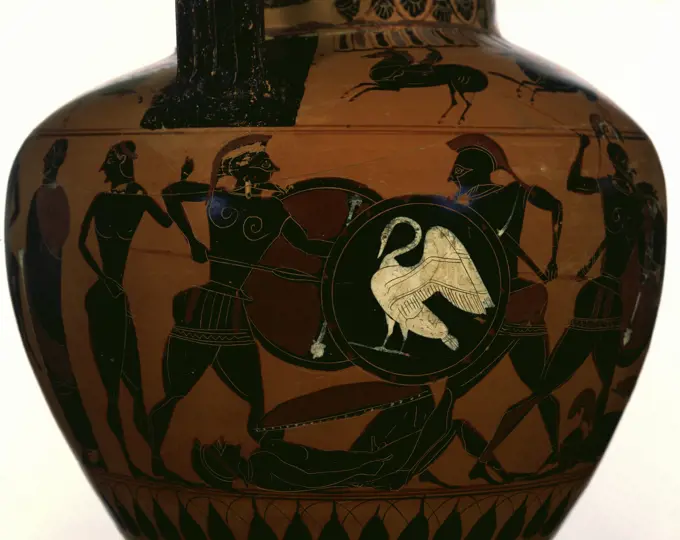
Storage Jar with a Battle Scene; Attributed to Group E (Workshop of Exekias) (Greek (Attic), active 560 - 540 B.C.), near the Painter of London B 174 (Greek (Attic)); Athens, Greece; about 540 B.C; Terracotta; 36.2 × 28.6 cm (14 1,4 × 11 1,4 in.)
4409-21047772
Greek Art. Greece. Skyphos dated between late 5th century and early 4th century. It depicts a wedding procession. Courtship with dancer and musician playing the double flute. Ceramics with black figures on a red. National Archaeological Museum. Athens.
6145-44288368
Apulian Polychrome Volute Krater. Attributed to the White Saccos-Kantharos Group (South Italian (Apulian), active about 320 B.C.)
6145-59129352
Campania Caserta Capua Museo Campano077. Hutzel, Max 1960-1990 Medieval: Byzantine architectural fragments; parchment fragments with miniatures (12th century) from Montecassino; painted wooden crucifix (13th century); Carolingian crucifixes; Bishop's miter (11th century) of gold and silver damask; fresco (13th century). Post-medieval: Architecture (15th century). Formerly the Palazzo Antignano. Unusual Catalan/Moorish-style portal; Paintings on panel and canvas (15th-18th centuries); marble intarsia (16th century); marble sculpture: busts of Christ and Mary (17th century); sculpture of saints in marble and in wood (15th century); painted and gilded sculpture in wood; marble grave sculpture (16th century); sarcophagus with allegorical carvings; gold reliquary "Rosa d'Oro"; crucifix made of elephant tusk Specific Location: Pianterreno Antiquities: Italic sculpture (seated women holding babies); inscription. Photo campaign #1: 533 photos. Roman relief and sculpture; cinerary urns; Greek a
4443-21961351
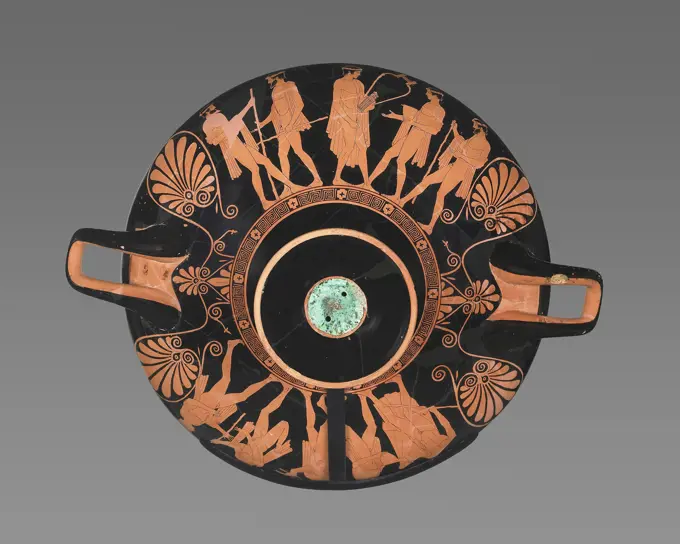
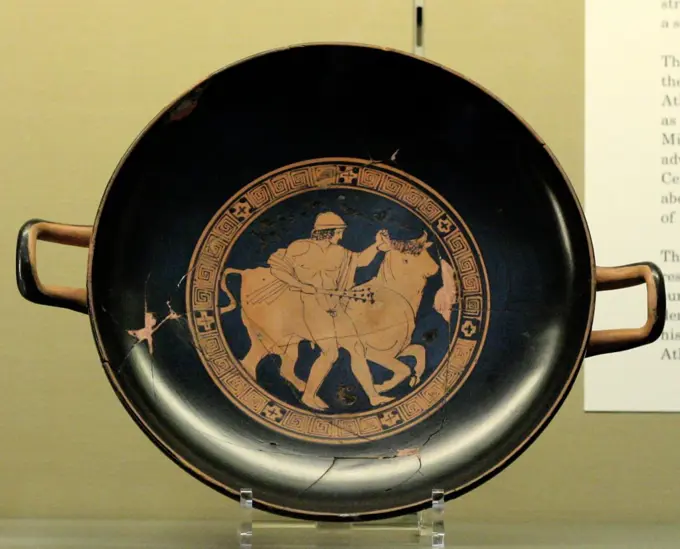
Wine Cup with Symposion Scenes; Attributed to the Euaion Painter (Greek (Attic), active about 460 - 440 B.C.); Athens, Greece; about 450 B.C; Terracotta; ancient bronze repair; 13.2 × 39.5 × 32.1 cm (5 3,16 × 15 9,16 × 12 5,8 in.)
4409-17413388
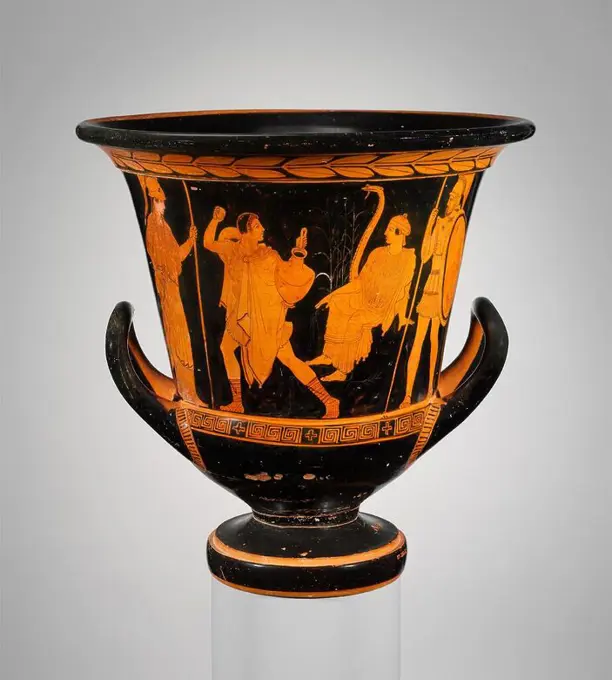
Terracotta calyx-krater (bowl for mixing wine and water). Culture: Greek, Attic. Dimensions: H. 18 in. (45.7 cm)diameter of mouth 17 5/8 in. (44.7 cm). Date: ca. 450 B.C..Obverse, Kadmos and the snakeReverse, man between two womenKadmos, son of Agenor king of Tyre, was told by the oracle at Delphi to follow a cow until she lay down and to found a city there. The place was Thebes. In order to sacrifice the cow to Athena, Kadmos needed water. The nearest spring was guarded by a serpent, son of Ares. The representation here shows Athena seconding Kadmos, who raises his hydria (water jar) against the serpent. Ares stands at the far right. The seated woman is probably the nymph associated with the spring or a personification of Thebes. Kadmos kills the monster, and sowing its teeth in the ground, he produces the inhabitants of the new city. Museum: Metropolitan Museum of Art, New York, USA.
6145-29069210
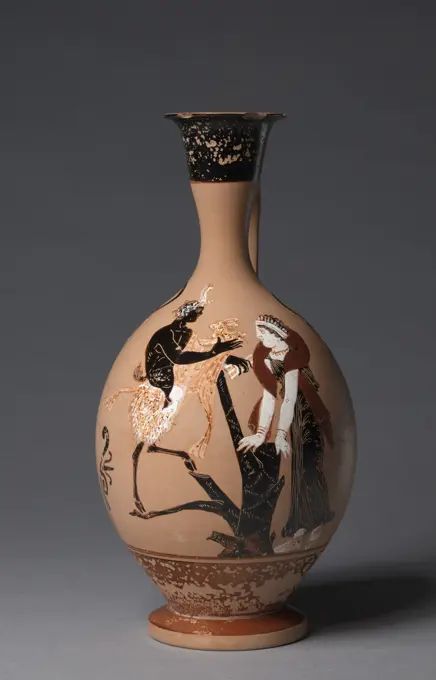
Black-Figure Lekythos (Oil Vessel): Pan and Woman, c. 330-320 BC. Attributed to Asteas/Python Workshop (South Italian, Paestan, active c. 360-320 BC). Ceramic; diameter: 6.1 cm (2 3/8 in.); overall: 25.7 x 12.9 cm (10 1/8 x 5 1/16 in.); diameter of foot: 8.1 cm (3 3/16 in.).
6145-29217161
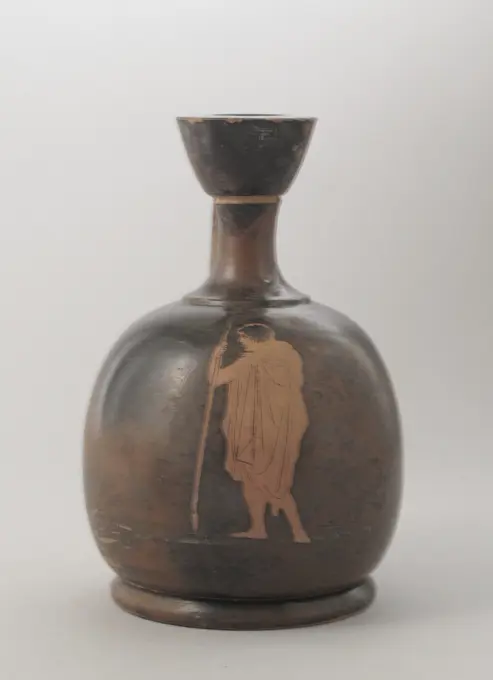
Squat lekythos ca. 450 B.C. Greek, Attic. Squat lekythos. Greek, Attic. ca. 450 B.C.. Terracotta; red-figure. Classical. Vases
4409-17561348
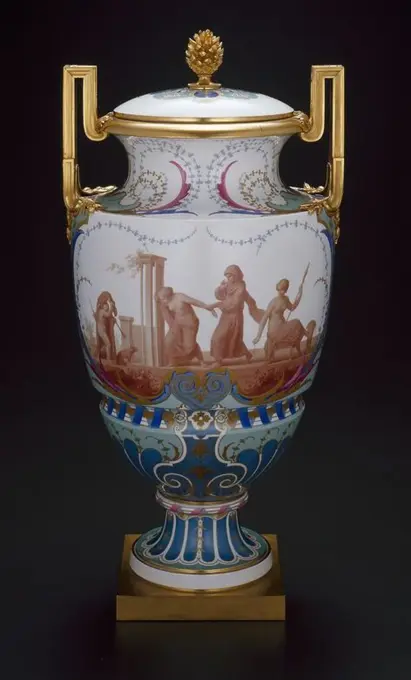
Vase. Sèvres Porcelain Manufactory; French, founded 1740; Designer: Emile Renard; French, 1850-1930; Enameler: Bernard Pine; French, 19th century; Painter: Paul Roussel; French, 19th century. Date: 1859-1860. Dimensions: H. 55 cm (21.6 in.). Hard-paste porcelain, polychrome enamels, and gilding; gilt bronze mounts. Origin: Sèvres. Museum: The Chicago Art Institute, Chicago, USA. Author: Manufacture nationale de Sevres.
4409-58752595
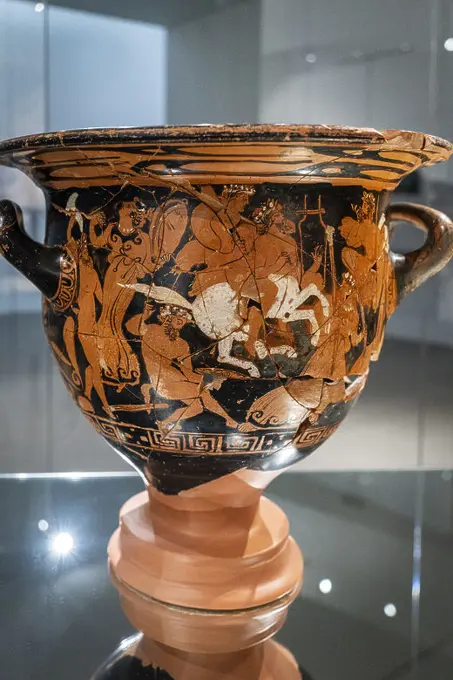
Herakles stag night party, bell crater from the funerary chamber of Prince Iltirtiiltir, 4th century BC, necropolis of Piquia, Arjona, Iberian culture, Iberian Museum of Jaén, Andalusia, Spain.
1788-51467
Attic kylix depicting Zeus abducting Ganymede, ca 470 BC, by the Penthesilea painter, red-figure pottery, Italy. Italic Civilization, 5th Century BC.
6145-44288923
Attic Black-Figure Olpe. Gorgon Painter (Greek (Attic))
4443-21200674
Campania Caserta Capua Museo Campano, Italy, 20th century, photo, photography, Europe
7155-70379267
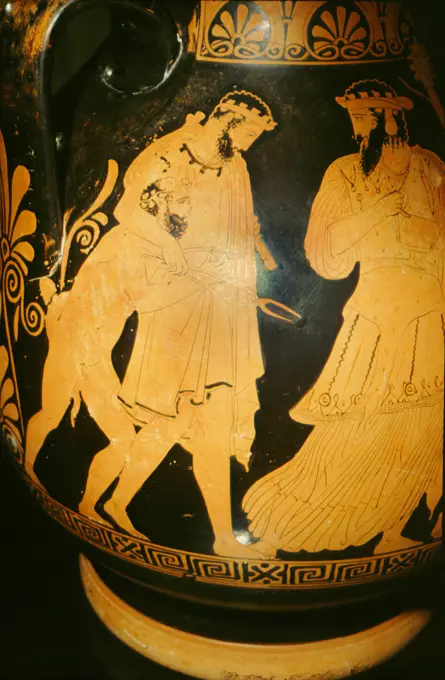
Greek vase showing drunken Dionysos and Silenus.
6145-29117540
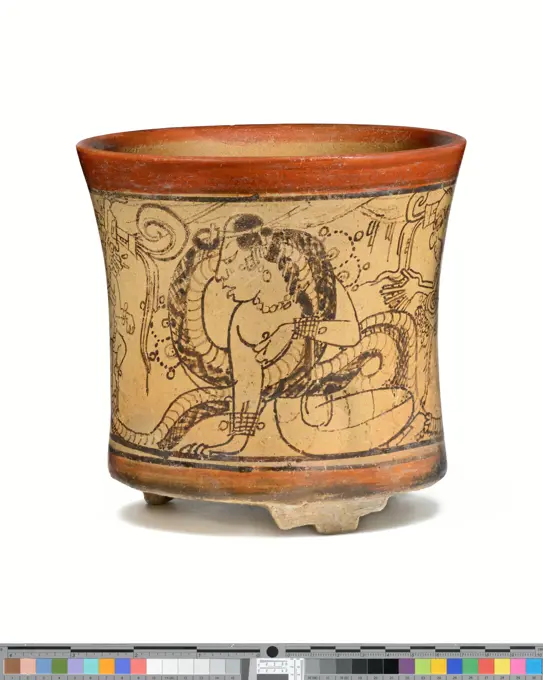
Codex-Style Vessel with Scene of Supernatural Birth. Maya, 650-800 CE. Ceramics. Slip-painted ceramic
7155-70378864
Two horse chariot passing winning post. 400 BC. Greek vase painting.
6145-59129497
Campania Caserta Capua Museo Campano010. Hutzel, Max 1960-1990 Medieval: Byzantine architectural fragments; parchment fragments with miniatures (12th century) from Montecassino; painted wooden crucifix (13th century); Carolingian crucifixes; Bishop's miter (11th century) of gold and silver damask; fresco (13th century). Post-medieval: Architecture (15th century). Formerly the Palazzo Antignano. Unusual Catalan/Moorish-style portal; Paintings on panel and canvas (15th-18th centuries); marble intarsia (16th century); marble sculpture: busts of Christ and Mary (17th century); sculpture of saints in marble and in wood (15th century); painted and gilded sculpture in wood; marble grave sculpture (16th century); sarcophagus with allegorical carvings; gold reliquary "Rosa d'Oro"; crucifix made of elephant tusk Specific Location: Pianterreno Antiquities: Italic sculpture (seated women holding babies); inscription. Photo campaign #1: 533 photos. Roman relief and sculpture; cinerary urns; Greek a
4443-21959767
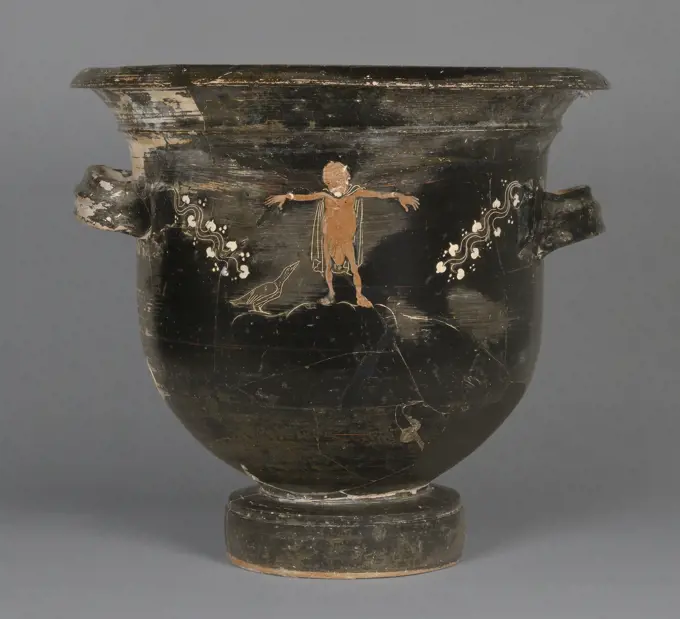
Bell Krater; Attributed to Konnakis Painter (Greek (Gnathia), active about 375 - 350 B.C.); Gnathia, Apulia, South Italy; about 360 - 350 B.C; Terracotta; 35 × 39.5 × 7.1 cm (13 3,4 × 15 9,16 × 2 13,16 in.)
6145-59004056
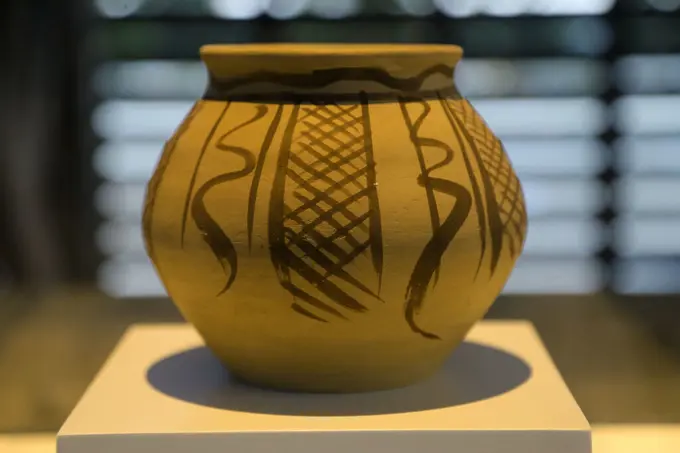
Jarre ". Sandstone with EPINT Cream in brown under transparent cover. Paris, CERUNUSCHI museum. Chinese art, Chinese Ceramic, Decor, Gres, Jar, Flower motif
4409-22484
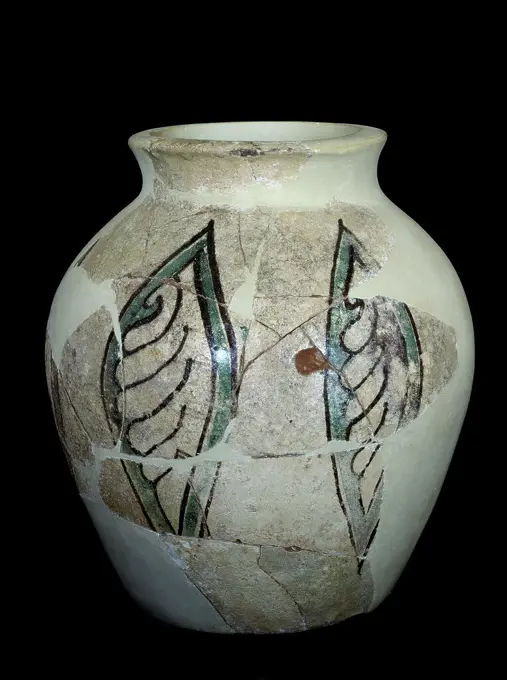
MUSEO- ORZA CON DECORACION VEGETAL VERDE Y NEGRO- ARTE CALIFAL- S X-XI. Location: MEDINA AZAHARA / MADINAT AL-ZAHRA-MUSEO-CERAMICA. PROVINCIA. CORDOBA. SPAIN.
1746-19669552
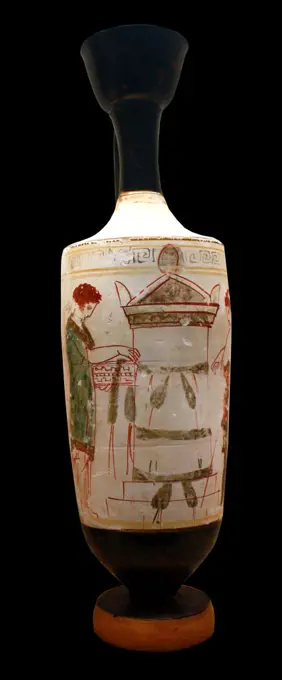
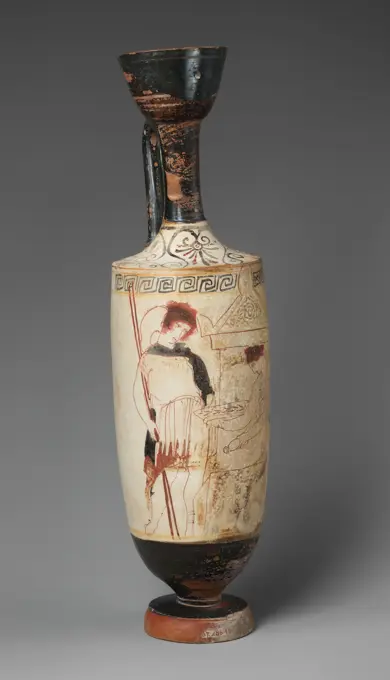
Greek white-ground oil bottle (Lakythos) made in Athens circa 420-410 BC. Depicting commemorative rite at a tomb where a woman leaves garlands on a gravestone, while a youthful figure looks on.
6145-29245170
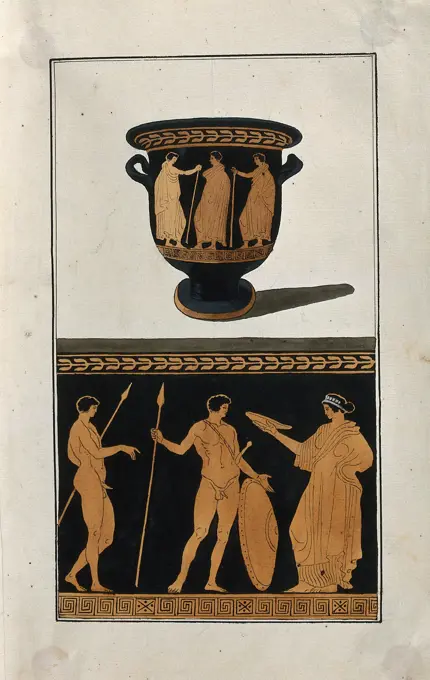
Above, red-figured Greek wine-mixing bowl (bell-krater); below, detail of the decoration showing a woman and two naked men with spears and a shield. Watercolour by A. Dahlstein, 1760/1780 ().
4409-157415
CERAMICA DE TALAVERA-JARRON S XVIII. Location: PRIVATE COLLECTION. MADRID. SPAIN.
1788-22617
Red-figure pathera depicting an elephant prepared for battles from the Pocola deorum plates
6189-55132447
Museo de la Romanización, Calahorra, La Rioja , Spain, Europe.
1788-16758
Calyx krater depicting Perseus meditating on freeing of Andromeda, 5th Century B.C.
4409-20920118
JARRITA ARABE. Location: MUSEO ARQUEOLOGICO-COLECCION. MURCIA. SPAIN.
5513-19318348
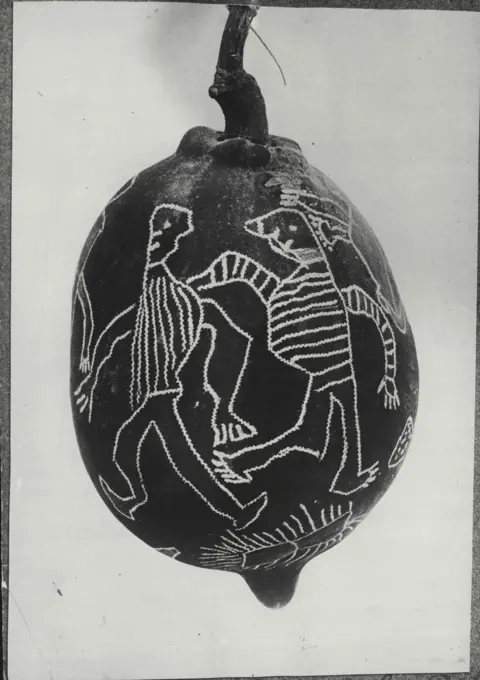
Aboriginal carvings on baobab nut, of Northwest Australia.Carved baobab nut, from north-west Australia, reflects the mysterious native mind. March 02, 1936. (Photo by Daily News).
1746-19688999
Theseus was the mythical founder-king of Athens, son of Aegeus and Poseidon, both of whom Aethra had slept with in one night.
4409-17382365
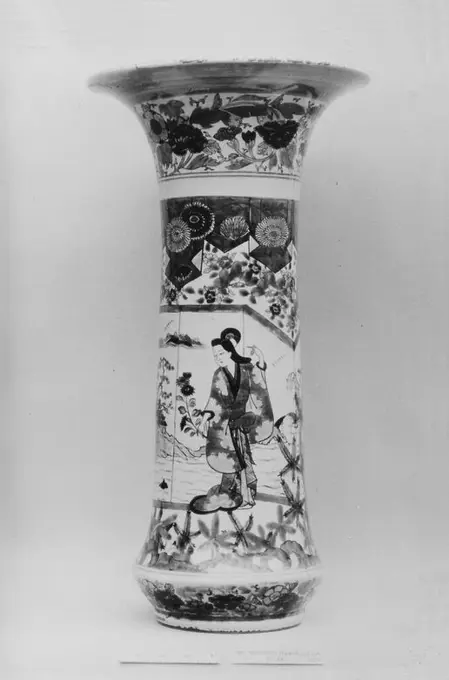
Vase with an Urban Beauty. Culture: Japan. Dimensions: H. 24 1/2 in. (62.2 cm); Diam. 12 5/8 in. (32.1 cm). Date: ca. 1700.In the seventeenth century, as cities such as Tokyo and Kyoto flourished, a new ideal of feminine beauty arose, featuring the beautiful and elegantly dressed women of the "floating world"--a euphemism for the pleasure quarters, which were also known for their theater and puppetry. Museum: Metropolitan Museum of Art, New York, USA.
1788-41546
Cylindrical vase showing a depiction of a woman and hieroglyphic text, artifact originating from Tikal (Peten, Guatemala). Mayan Civilization.
6176-67080576
Corinthian Lekythos with warriors, c575 BC Artist: Unknown.
4409-17384063
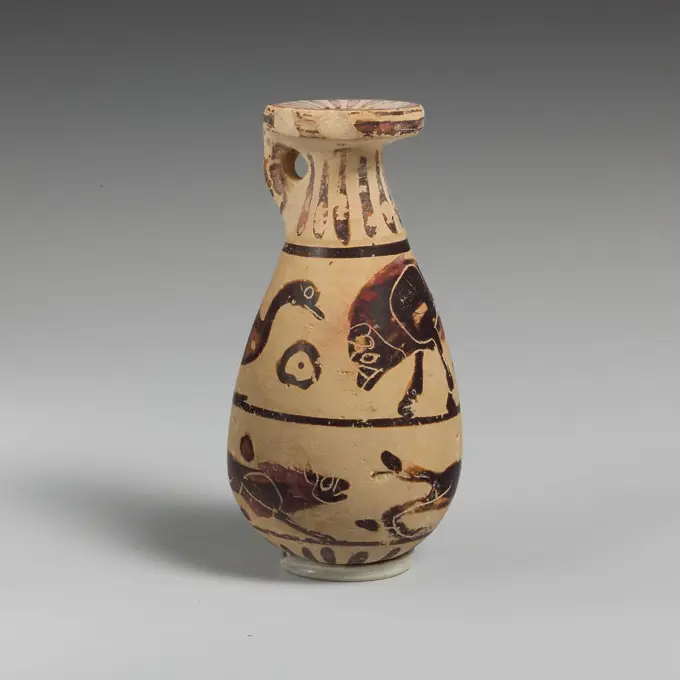
Terracotta alabastron (perfume vase). Culture: Greek, Corinthian. Dimensions: H. 3 5/16 in. (8.4 cm). Date: ca. 620-590 B.C..Winged Artemis holding two swansAs one of her aspects, the goddess Artemis was mistress of animals, potnia theron. In Archaic representations from all parts of Greece, she appears with her hands firmly gripping a pair of lions, deer, or other animals or birds. Museum: Metropolitan Museum of Art, New York, USA.
4409-17436266
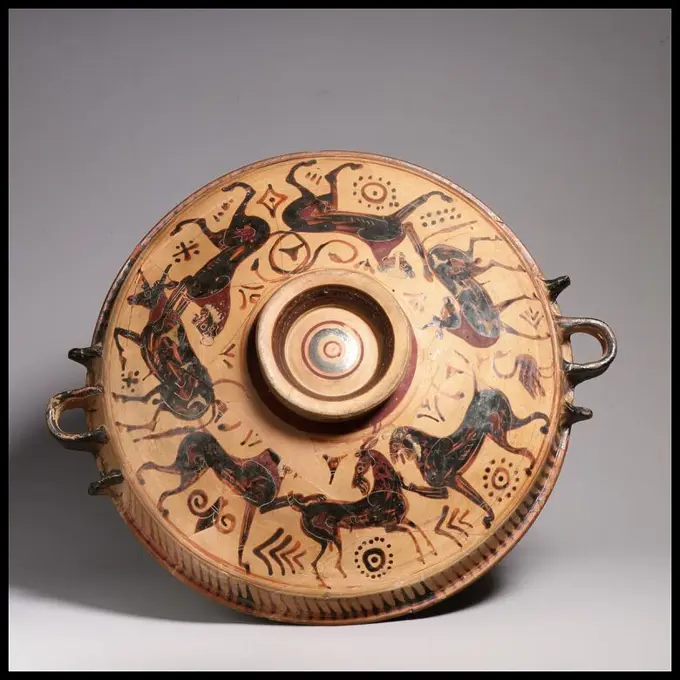
Terracotta lekane (dish). Culture: Greek, Boeotian. Dimensions: Diam.: 12 in. (30.5 cm). Date: ca. 550-540 B.C..Interior, dolphinExterior, animal friezeInterior, dolphin; exterior, frieze of animals. Museum: Metropolitan Museum of Art, New York, USA.
4409-159468
JARRA DE PLATA DORA-S V-VI D JC-ARTE IRANI-RELIEVE DANZARINA. Location: MUSEO DEL LOUVRE-ORFEBRERIA. France.
6145-52522175
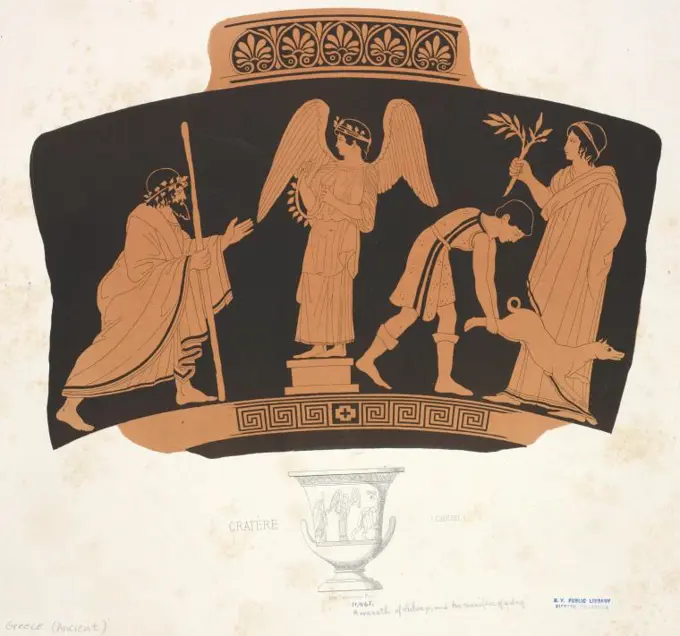
Cratère (Chiusi) Imprimerie Lemercier et cie. still image. 1862 - 1864. The Miriam and Ira D. Wallach Division of Art, Prints and Photographs: Picture Collection. Wings (Anatomy), Nike (Greek deity), Decoration and ornament , Greece, Urns , Greece, Pottery, Greek, Kraters, Wreaths
6145-29138398
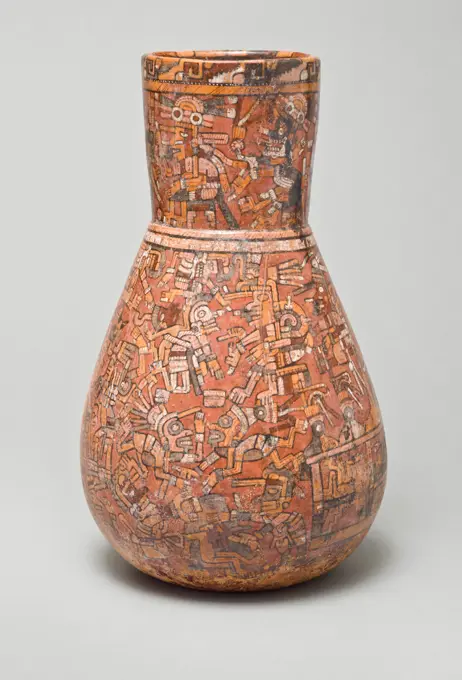
Vessel with Codex-Style Scene. Mexico, West Mexico, Nayarit, Mixtec-Puebla or International style, 1350-1500. Ceramics. Slip-painted ceramic
4409-11161
LEKYTHOS O LECITO GRIEGO CON FIGURAS ROJAS. Location: MUSEO CIVICO. Bologna. ITALIA.
7155-70379542
Woman at fountain, Greek black figure vase painting.
6176-67045738
Achilles bandaging the wound of Patroclus, c1900. Artist: Unknown
6145-59004034
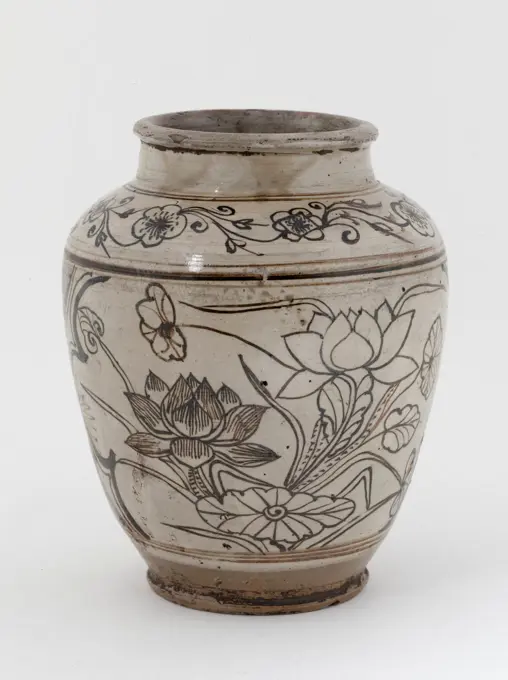
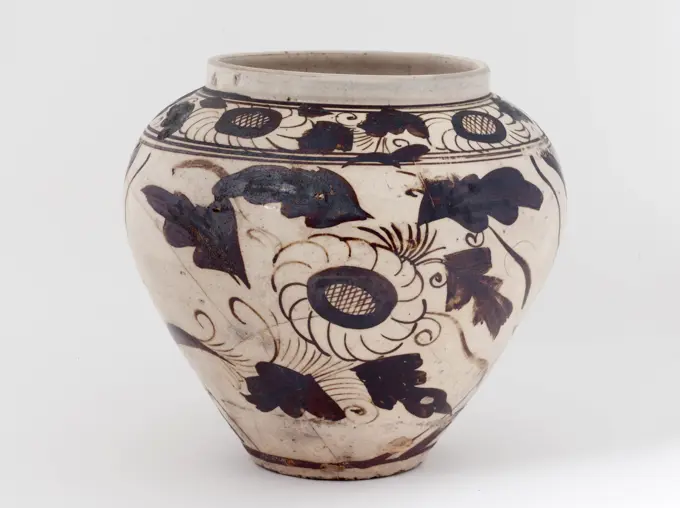
Jarre ". Transparent cover sandstone on cream slip, decor painted in brown. Yuan dynasty (1279-1368). Paris, Cernuschi museum. Chinese art, Chinese Ceramic, painted decor, yuan dynasty, creed cream, flower, gres, jar, leaf pattern
4409-62746221
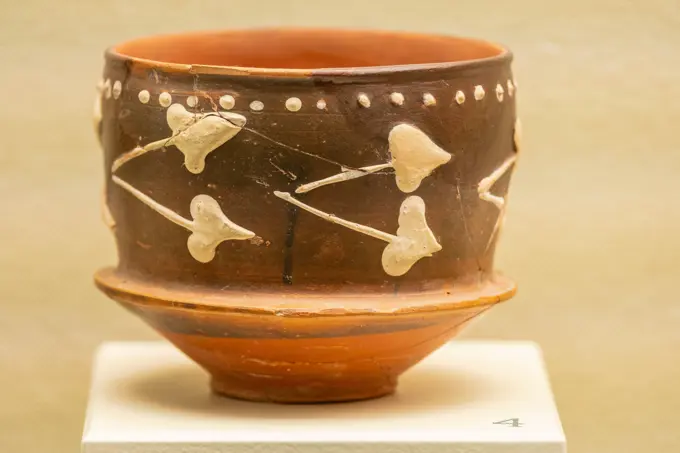
vessel. Common ceramics, painted decoration. Burgos, The Castle. 12th century. Reproduction (Original in the Museum of Burgos).
1788-24230
Diana Huntress, bowl by Guido Balsamo Stella (1882-1941)
4409-17353199
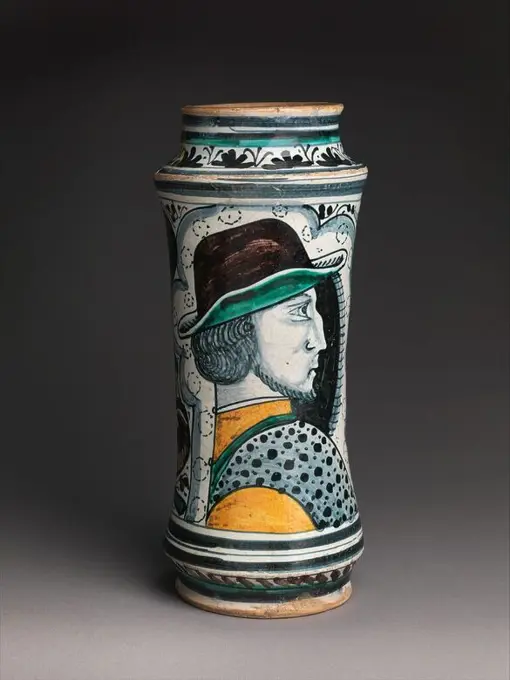
Storage jar (albarello) with a profile portrait. Culture: Italian, probably Naples or Naples district. Dimensions: Overall (confirmed): 12 9/16 × 5 3/8 × 5 3/8 in. (31.9 × 13.7 × 13.7 cm). Date: ca. 1480-1500.The distinctive profile of the man depicted on this storage jar might suggest that it is the portrait of a specific individual. It has been proposed that it represents King Charles VIII of France (1470-1498), who invaded Italy in 1494-95 and attempted, without success, to seize the throne of Naples. Museum: Metropolitan Museum of Art, New York, USA.
4409-17370181
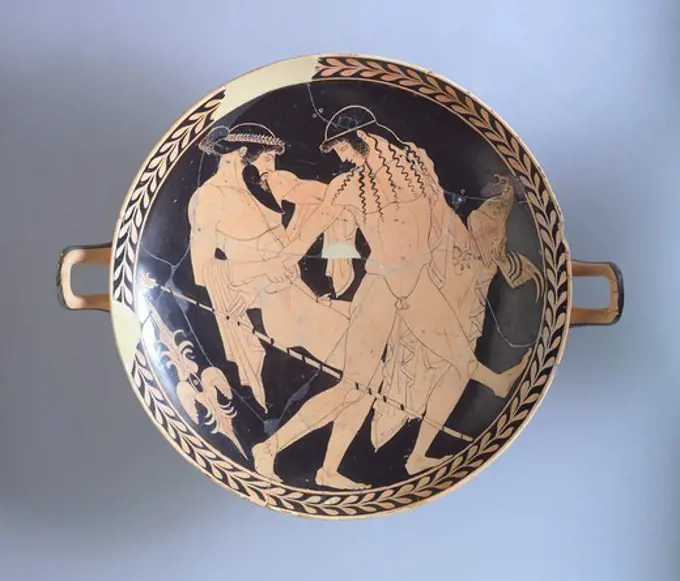
Fragmentary terracotta kylix (drinking cup). Culture: Greek, Attic. Dimensions: Overall: 6 x 4 13/16in. (15.3 x 12.2cm). Date: ca. 510-500 B.C..An intimate moment is captured here with remarkably acute observation as well as with considerable artistic attention to the juxtaposition of nude and clothed forms and the deployment of drapery. The tondo was evidently cut down in antiquity; the hole and the scratches in the youth's thigh indicate the center point that was used to mark the reduced circle. Museum: Metropolitan Museum of Art, New York, USA.
6145-29223765
Terracotta lekythos (oil flask) ca. 420-400 B.C. Attributed to a painter of Group R Woman seated at a tomb between youth and womanWhite-ground lekythoi attributed to Group R show great fluency in execution and bold application of color. This example well illustrates the new integration of masterfully controlled drawing of details of the eyes, hair, and drapery and the flat, broad application of red and black pigment.. Terracotta lekythos (oil flask). Greek, Attic. ca. 420-400 B.C.. Terracotta; white-ground. Classical. Vases
1899-20226851
Entourage of Exekias.
6145-29276548
A woman tying her sandal. Gouache painting.
6145-59182089
Lazio Viterbo Viterbo Museo Civico64. Hutzel, Max 1960-1990 Views of paintings (Middle Ages through 18th c.), frescoes, a tabernacle, coffin, sculpture reliefs, portal fragments, busts, sculpture, tapestry found in the Pinacoteca, Second floor gallery and Second floor cloister sequences. Antiquities: Many views of Etruscan and Roman fragments, sculpture, sarcophagi, pottery, masks, jewelry and other objects found in the Storeroom sequence (inventory numbers on back of prints), and the Cloister, Second floor Cloister, Valle Giulia, Sala Romana and Sala Etrusca sequences. General Notes: There are eight separate numerical sequences for this location. The cloister as an architectural structure, rather than museum site, is documented in the record and file for S. Maria della Verita, Cloister, all views of which are stored in Medieval core collection. Five views from the Museo Civico Second floor cloister sequence are stored in Medieval. German-born photographer and scholar Max Hutzel (1911-
4443-19611958
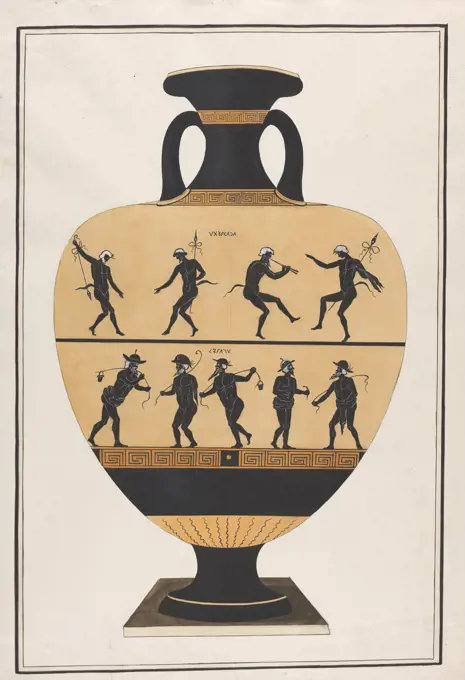
Design after a Greek Vase, unknown artist, eighteenth century, undated, Watercolor, pen and black ink, and gouache on medium, slightly textured, cream, wove paper, mounted on, moderately thick, slightly textured, cream, wove paper, Mount: 26 1/4 × 19 9/16 inches (66.7 × 49.7 cm), Sheet: 21 9/16 × 15 inches (54.8 × 38.1 cm), Contemporary drawn border: 20 3/16 × 13 9/16 inches (51.3 × 34.4 cm), and Image: 19 3/4 × 13 inches (50.2 × 33 cm), beards, buckets (vessels), Classical, Greek, satyrs, spears (weapons), still life, vases
6145-44285165
Apulian Red-Figure Footed Alabastron. Alabastra Group (Greek, active 350 - 325 B.C.)
4409-77944261
Red-figure kylix. A young man is depicted crouching, holding a hare by the ears with his right hand and a knobby stick with his left. Attributed to Gorgos, an Attic vase painter who worked in Athens. 510-500 BC. Museum of the Ancient Agora. Athens, Greece.
6145-59181950
Lazio Viterbo Viterbo Museo Civico15. Hutzel, Max 1960-1990 Views of paintings (Middle Ages through 18th c.), frescoes, a tabernacle, coffin, sculpture reliefs, portal fragments, busts, sculpture, tapestry found in the Pinacoteca, Second floor gallery and Second floor cloister sequences. Antiquities: Many views of Etruscan and Roman fragments, sculpture, sarcophagi, pottery, masks, jewelry and other objects found in the Storeroom sequence (inventory numbers on back of prints), and the Cloister, Second floor Cloister, Valle Giulia, Sala Romana and Sala Etrusca sequences. General Notes: There are eight separate numerical sequences for this location. The cloister as an architectural structure, rather than museum site, is documented in the record and file for S. Maria della Verita, Cloister, all views of which are stored in Medieval core collection. Five views from the Museo Civico Second floor cloister sequence are stored in Medieval. German-born photographer and scholar Max Hutzel (1911-
PREVIOUS
of 2
NEXT
2401 S. Ervay, Suite 206
Dallas, Texas 75215
United States
Get Started
Free ResearchMy BoardsMy Cart
For Creators
How To License Your ContentContributor PortalFrame of Mind
Resources
API accessPricing
Contact
+1 866 236 0087help@viewpictures.co.uk Contact form
©2026 View Pictures. All Rights Reserved. -A
This site is protected by reCAPTCHA and Google Privacy Policy and Terms of Service apply.