Ancient Islamic Weights and Tools

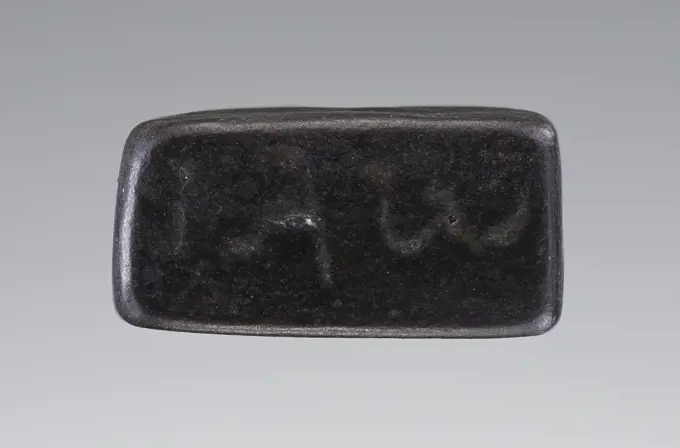
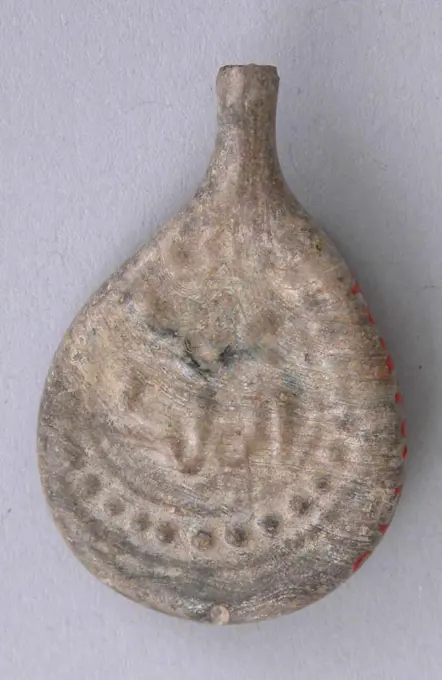
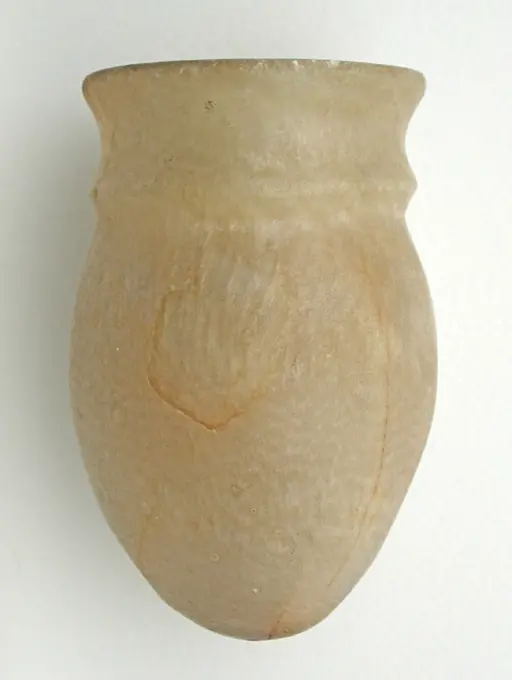
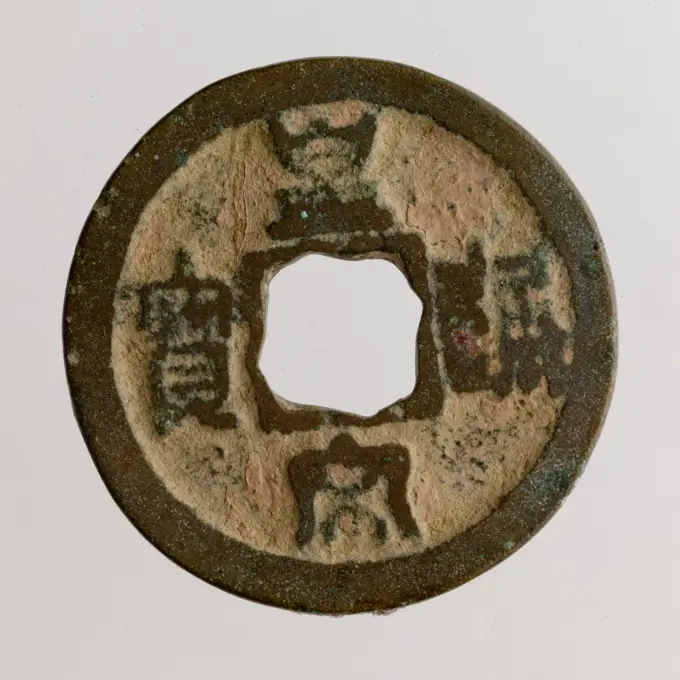
Authentic artifacts from the early Islamic period, including spindle whorls and weights made of glass and terracotta, reflecting craftsmanship from 8th to 12th centuries.
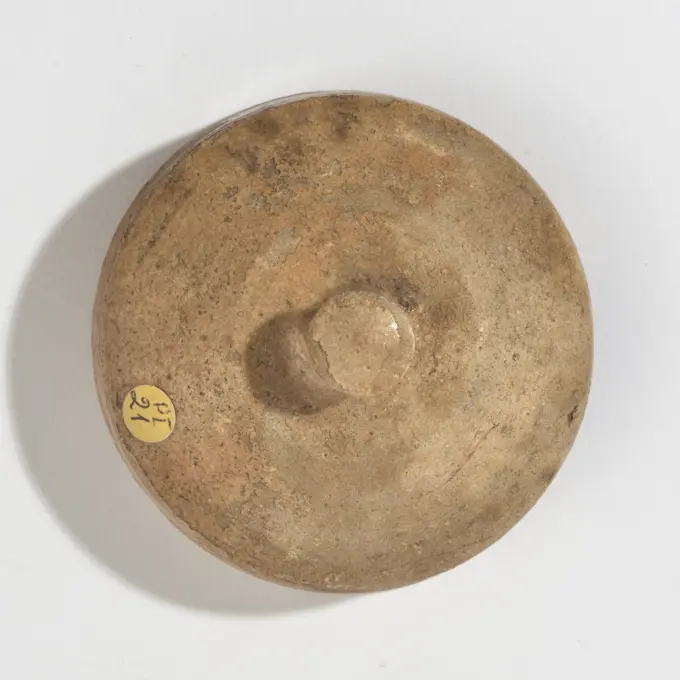
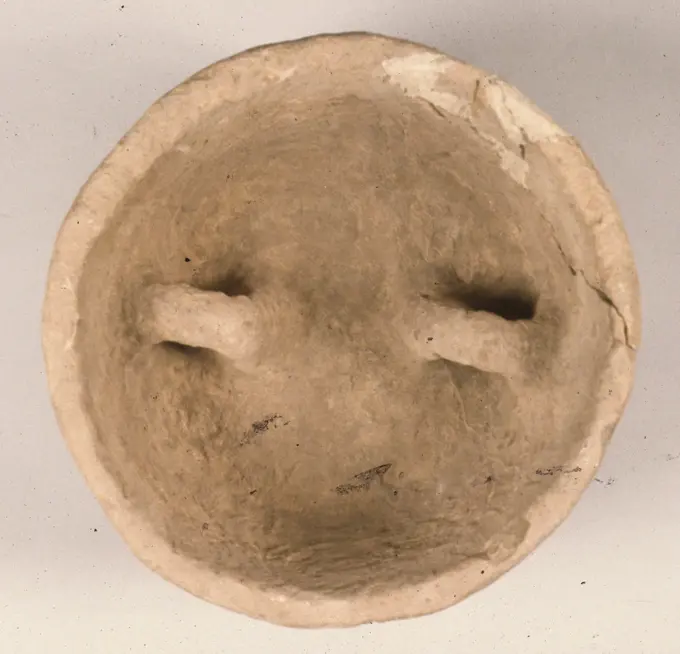
Packer button cover. Terracotta, cream glaze. Provenance: Vietnam. Paris, Cernuschi museum. 79859-2 Lid, archeological object, dishes
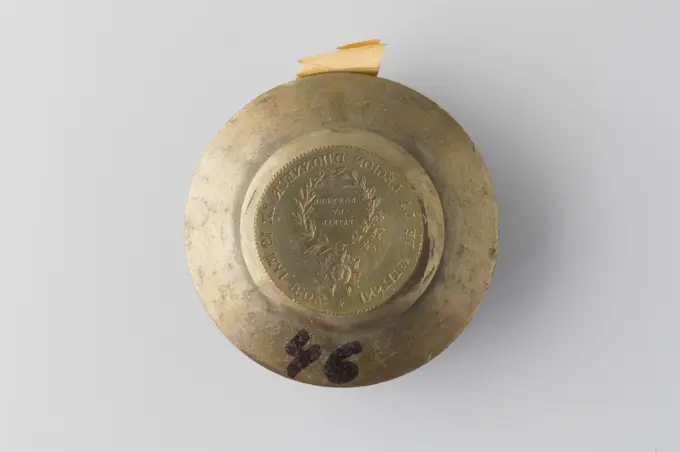
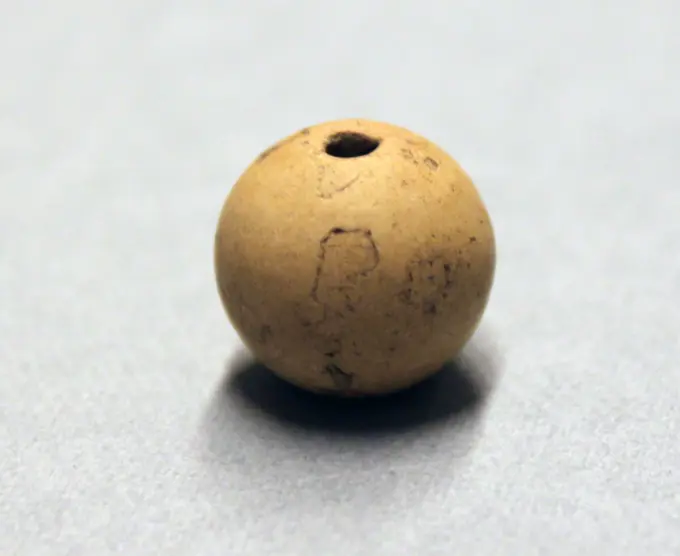
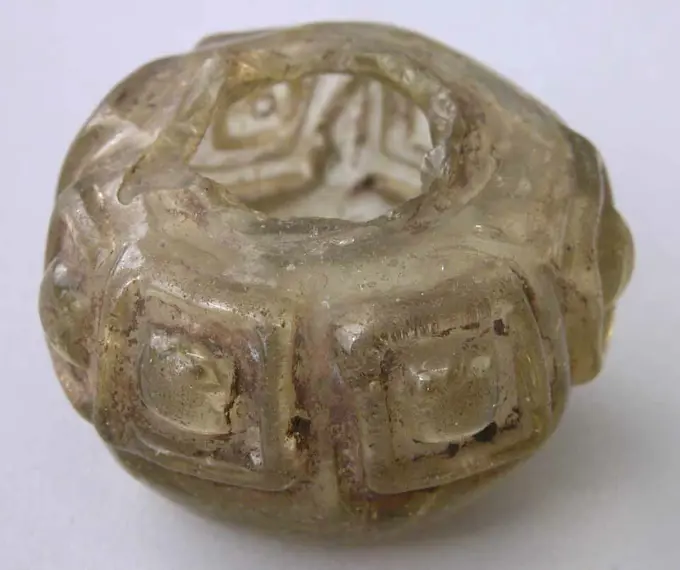
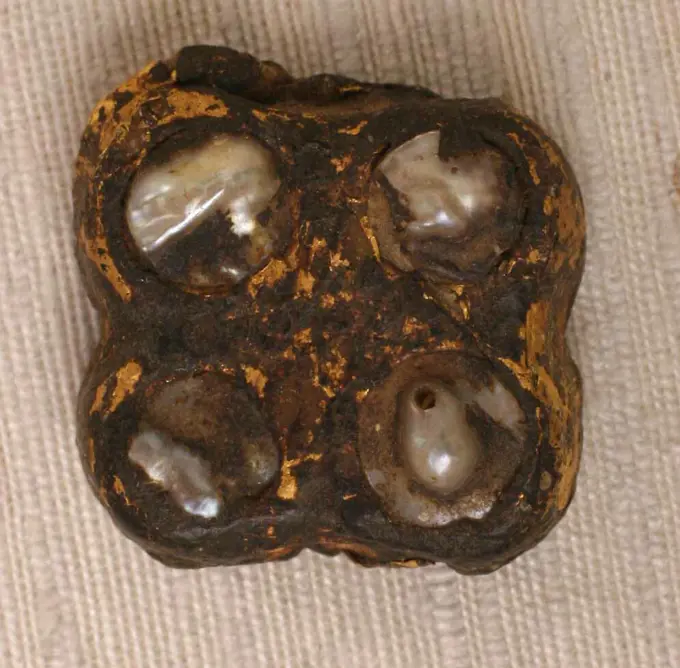
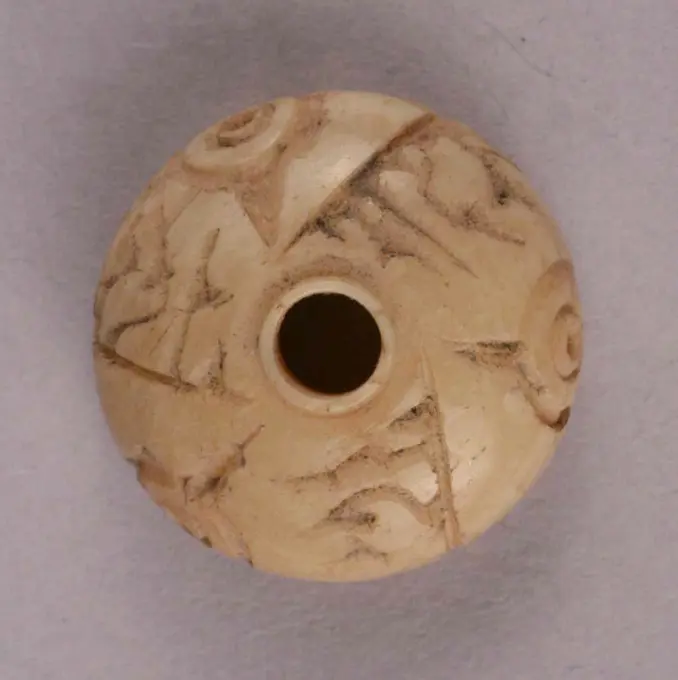
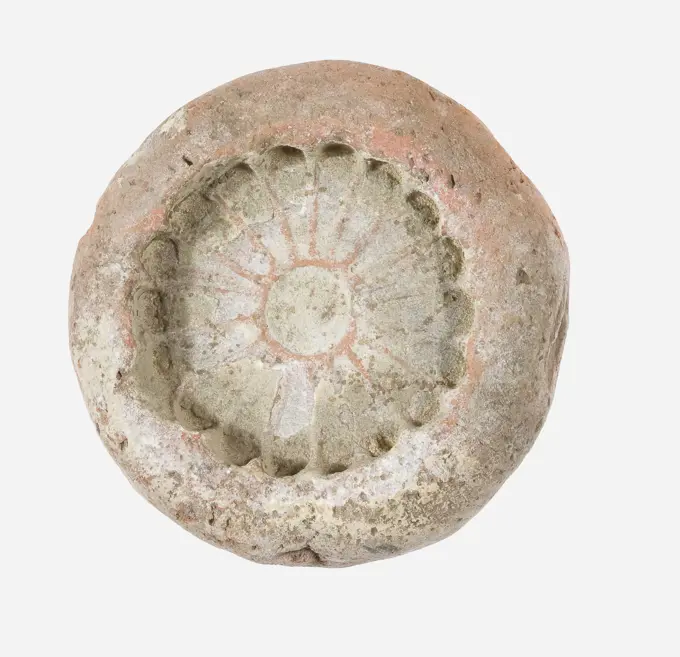
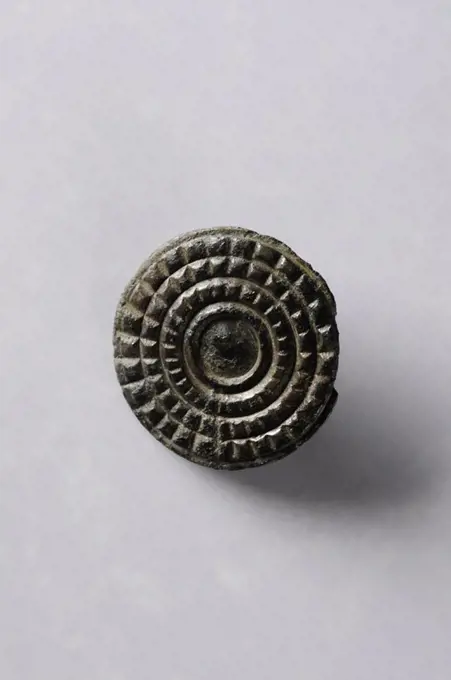
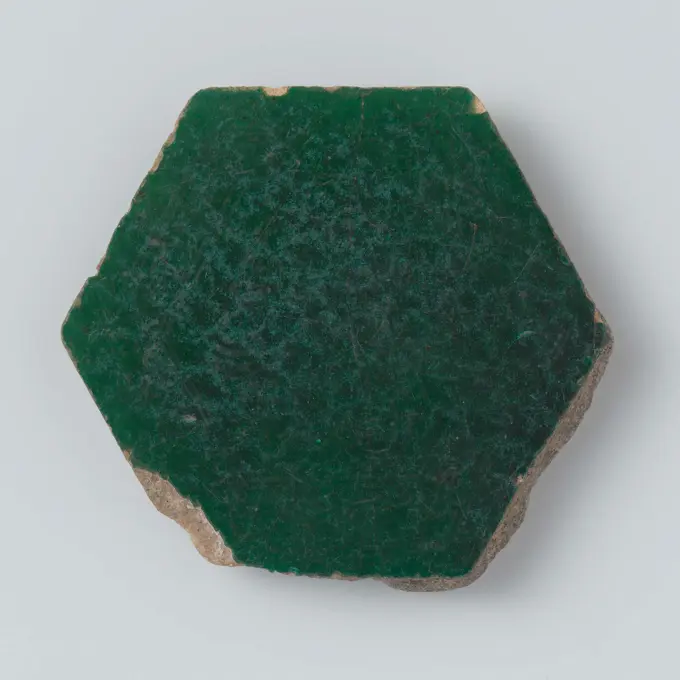
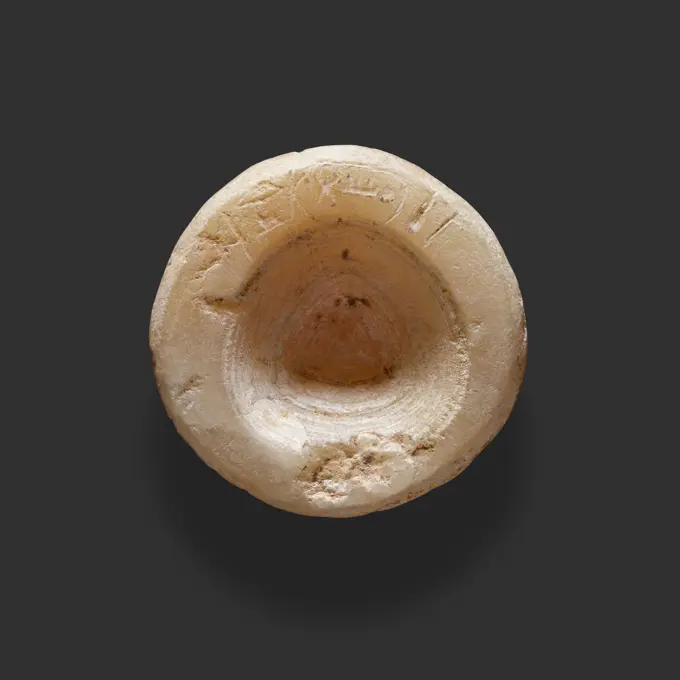
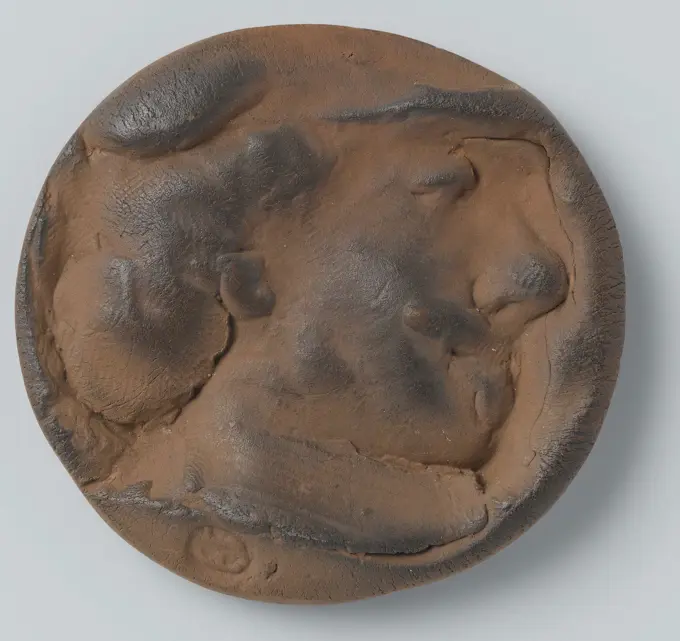
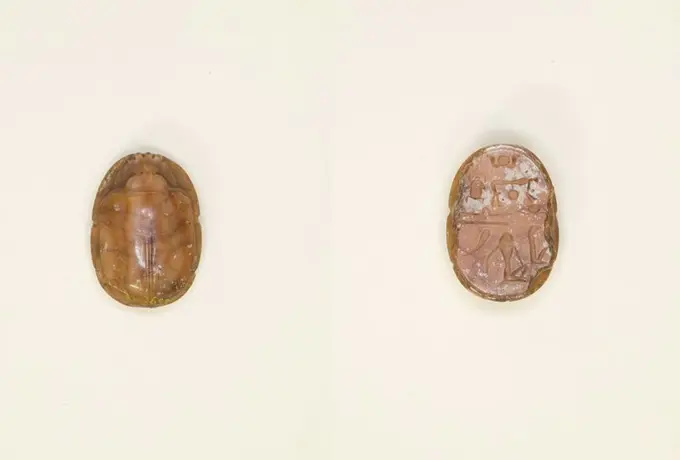
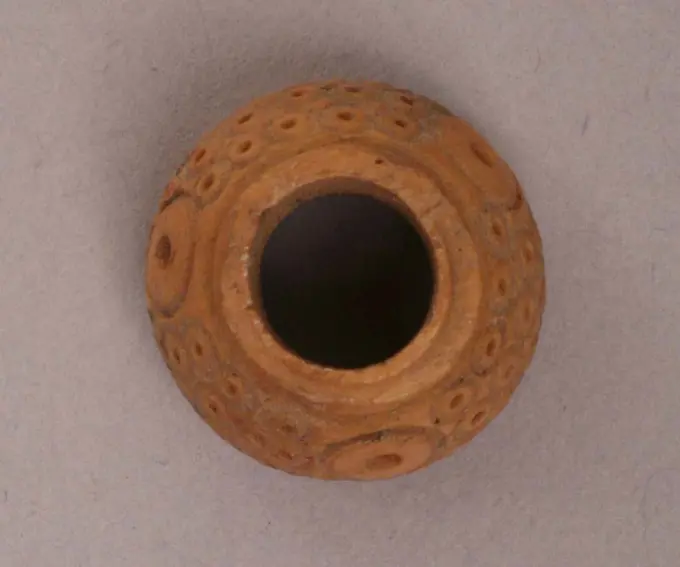
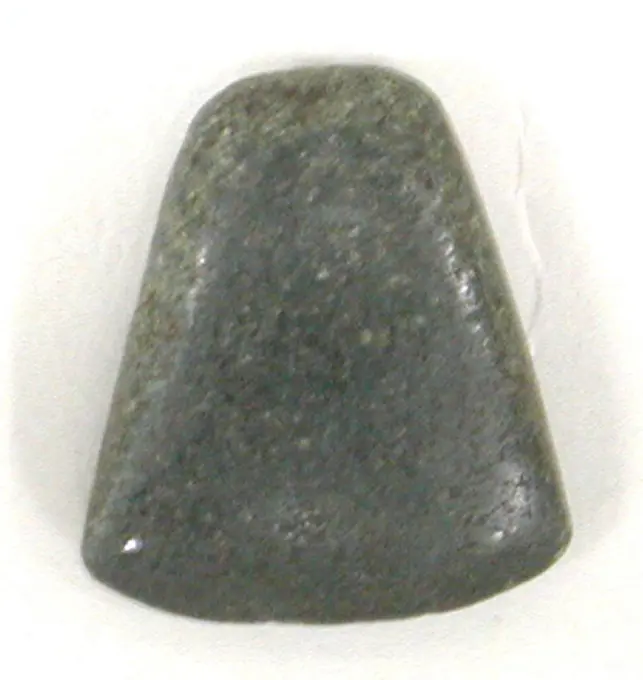
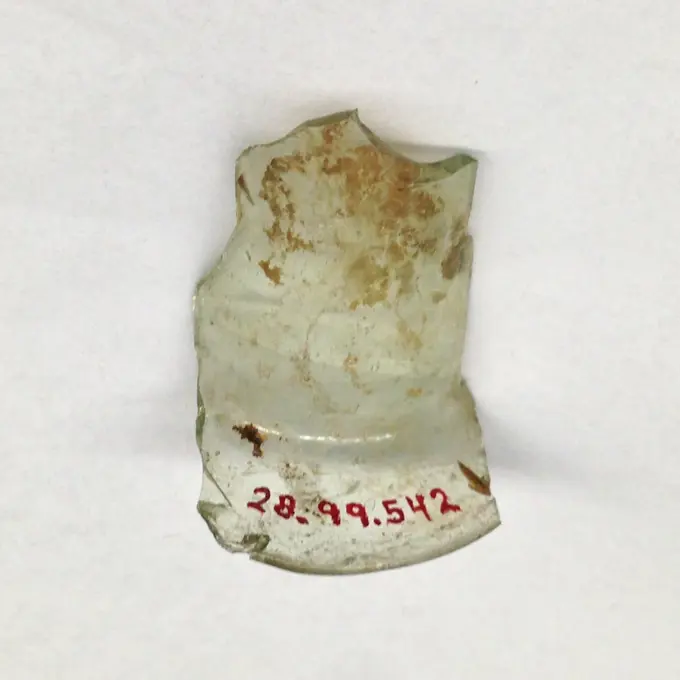
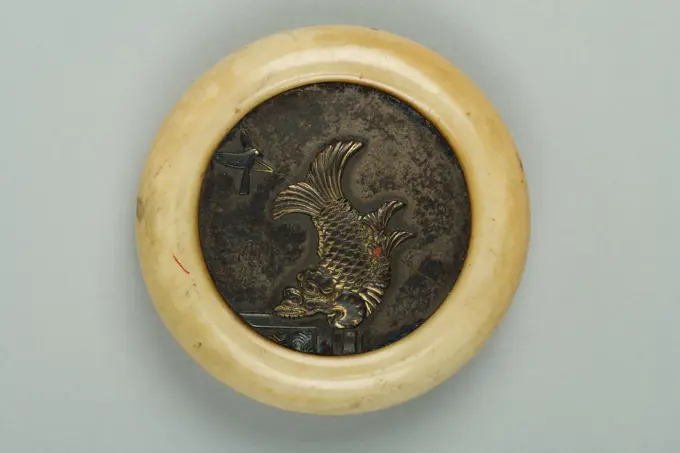
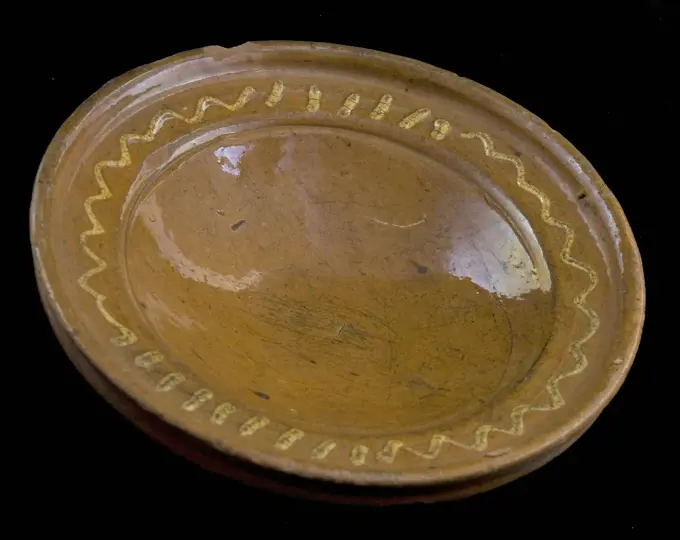
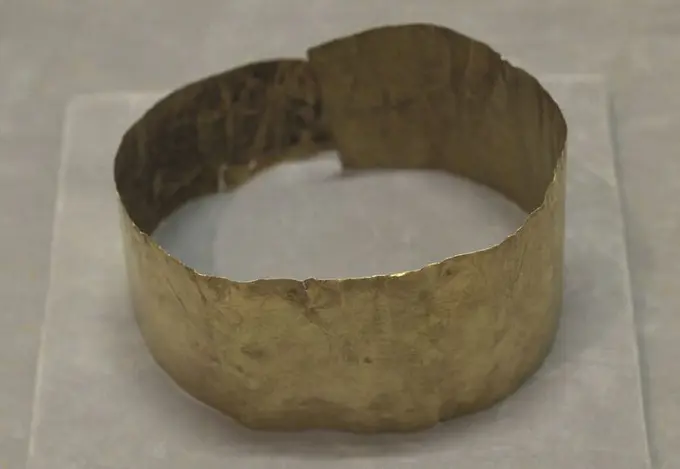
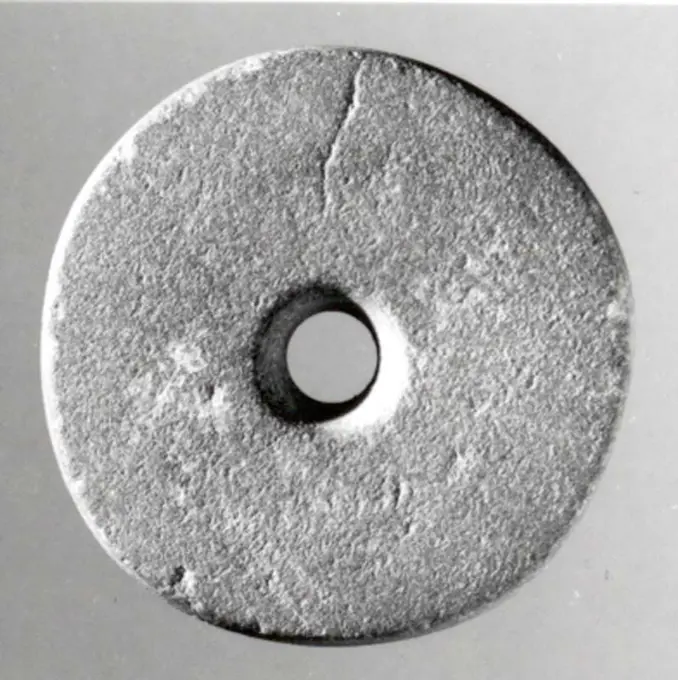
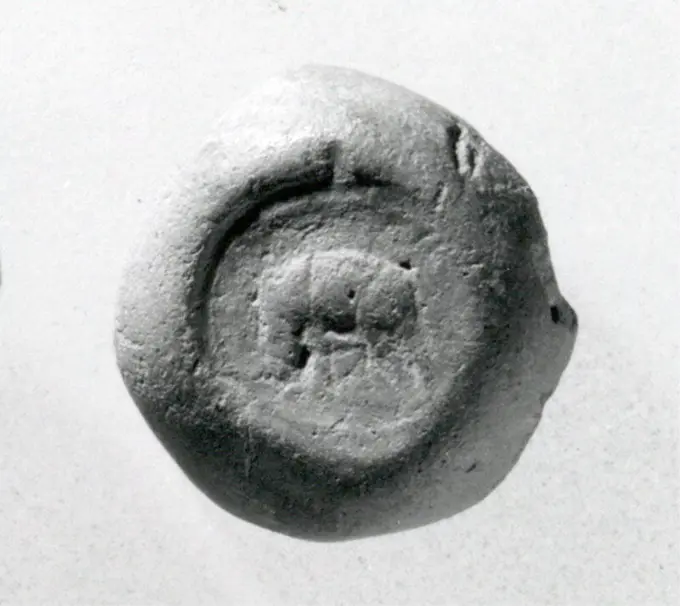
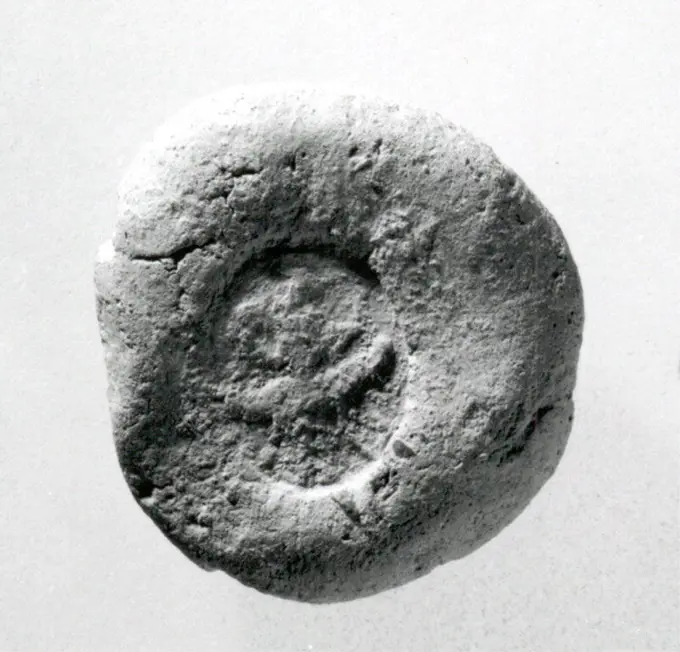
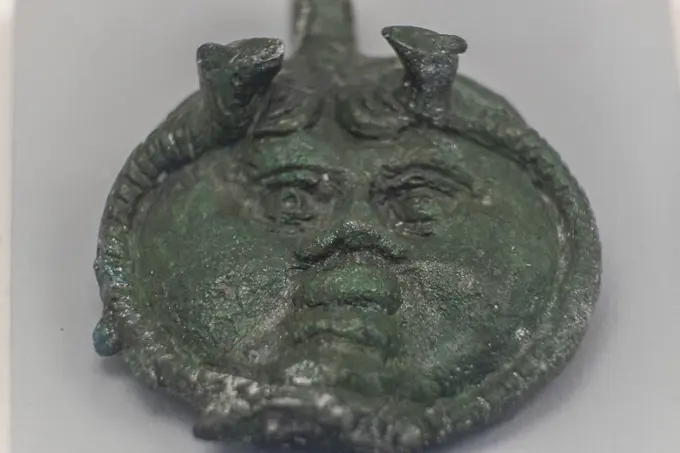
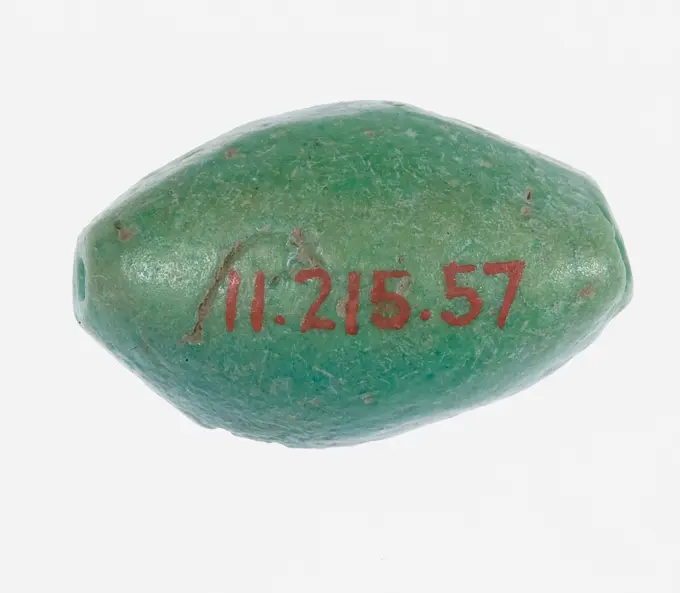
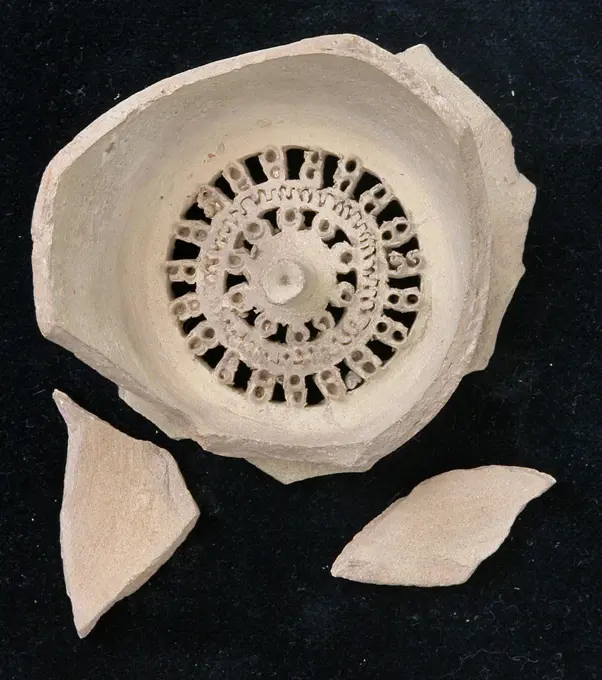
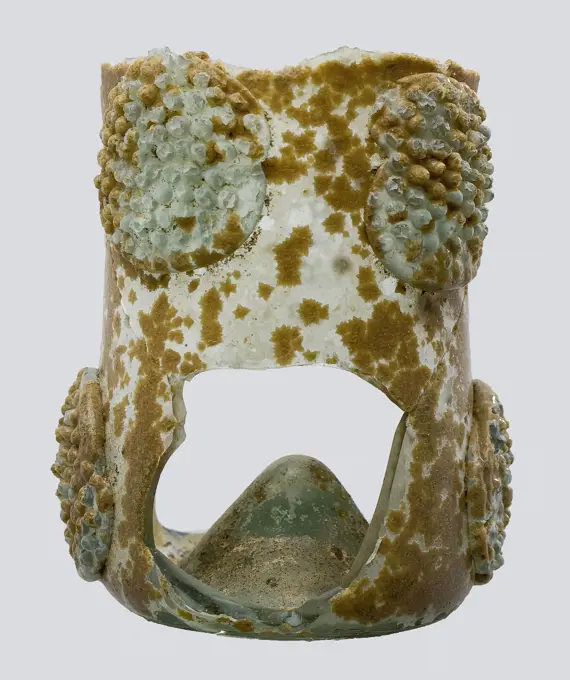
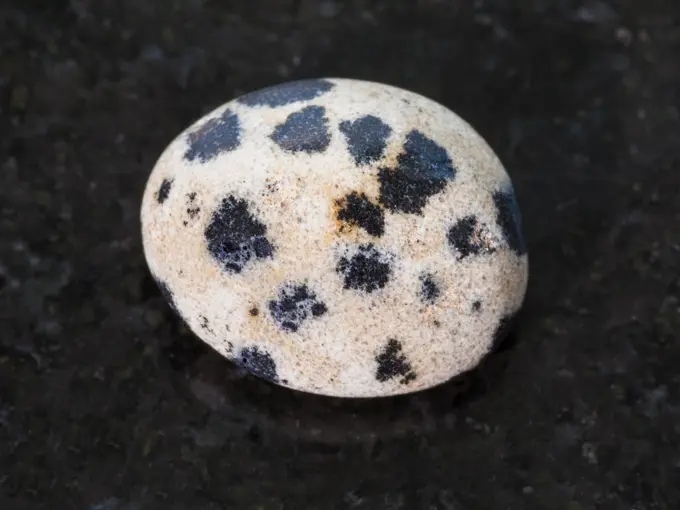
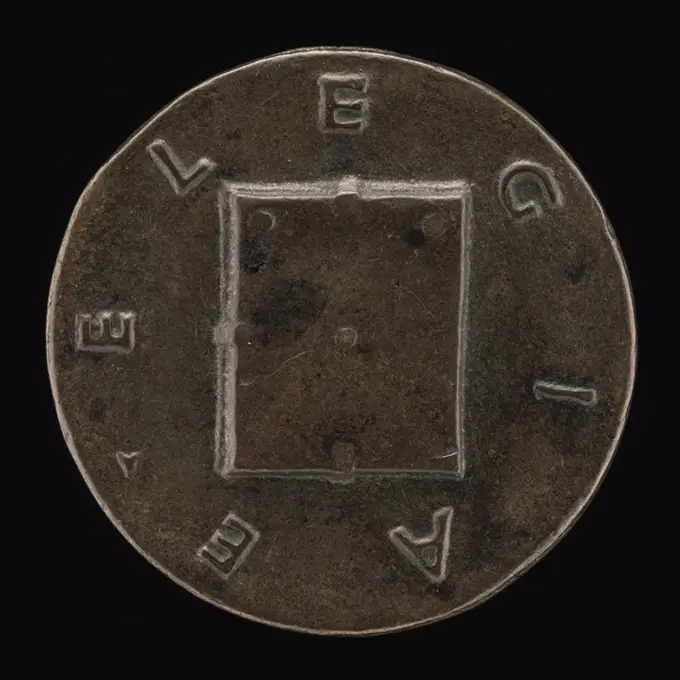
Fragment of a Bowl probably 10th-12th century. Fragment of a Bowl 445443Coin Weight 12th century. Coin Weight. 12th century. Glass. Attributed to Egypt. GlassSpindle Whorl A.D.1-500 Peruvian; north coast (). Spindle Whorl 308922Grahal-Manzara. Carnavalet 2013-2016 collection sites. Numismatics.Beads probably 8th-12th century This object was excavated at Nishapur.Nishapur was a vital city in the early and middle Islamic periods, located along one of the main trajectories that connected Iran and West Asia Islamic lands with Central Asia and China. These itineraries are often referred to by the term Silk routes’ but were in fact crucial to the movement of constellations of materials and objects, as well as people and ideas. The diverse population of Nishapur and its surroundings, from the better-researched elite groups of merchants, land-owning aristocracy, and literates, to the less-known artisans, farmers, miners, and servants, were instrumental in adapting global cultural trends to create their own distinctive visual languages. This is seen in the material remains of everyday life in medieval Nishapur - from pots and pans to lighting devices, inkwells, textiles and trimmings, jewelry, games and toys, talismanic devices, weapons, coins, and architectural fragments.Nishapur lBottle ca. 1st-4th century A.D. Parthian or Sasanian. Bottle 323230Persea Fruit Pendant ca. 1353-1336 B.C. New Kingdom, Amarna Period. Persea Fruit Pendant. ca. 1353-1336 B.C.. Faience. New Kingdom, Amarna Period. From Egypt, Middle Egypt, Amarna (Akhetaten), Various houses in the town, Petrie/Carter excavations, 1891-92. Dynasty 18Handle () with Pellet Bells 500 B.C.-A.D. 300 Vietnam (North). Handle () with Pellet Bells. Vietnam (North). 500 B.C.-A.D. 300. Bronze. Bronze and Iron Age period. MetalworkDenar (Subaerat); Aleksander Sewer (208-235; Roman emperor 222-235); 222 (222-00-00-222-00-00);Glass bead. Glass bead. Glass. GlassFragment 14th century. Fragment 446496bracteate denarius. Zakon krzyżacki (1190-), issuerFragment of Bottle 10th century. Fragment of Bottle 448360Plaque for a Collar or Necklace 8th century. Plaque for a Collar or Necklace 446248Ring Bezel Decorated with a Rosette ca. 1390-1353 B.C. New Kingdom. Ring Bezel Decorated with a Rosette. ca. 1390-1353 B.C.. Faience. New Kingdom. From Egypt, Upper Egypt, Thebes, Malqata, Palace of Amenhotep III, MMA excavations, 1910-11. Dynasty 18Plate in cast bronze of candelabrum. Diameter 119 mm - Roman period , from " the House of Bacchus "- Archaeological site of Complutum in Alcalá de Henares ( Madrid ). SPAIN.Miniature Vessel 12th-16th century Middle Niger civilization. Miniature Vessel 318017Brown glazed floor tile .. brown glazed floor tile. The tile belongs to three floor tiles (BK-NM-1388-1 to BK-NM-1388-4).Button or Bead 9th-10th century The dot-in-circle motif recalls designs presumed to be of magical significance, most likely an abstract eye to ward off the evil-eye, which serves an apotropaic function. Easily reproduced with a tool and visible in many cultures and times, this symbol may have lost its meaning, and become simply a decorative pattern, or may have one that we have not yet discovered.. Button or Bead 449257Inscribed Ax Blade From Foundation Deposit 2 of Hatshepsut's Valley Temple. Dimensions: l. 10 cm (3 15/16 in); w. 8 cm (3 1/8 in). Dynasty: Dynasty 18. Reign: Joint reign of Hatshepsut and Thutmose III. Date: ca. 1479-1458 B.C.. Museum: Metropolitan Museum of Art, New York, USA.Fragment 14th-15th century. Fragment. 14th-15th century. Stonepaste; underglaze painted. Attributed to Egypt or Syria. CeramicsStone Weight or Bead before 16th century Mexican. Stone Weight or Bead 317329Big Daisy Mold ca. 1390-1353 B.C. New Kingdom. Big Daisy Mold. ca. 1390-1353 B.C.. Pottery. New Kingdom. From Egypt, Upper Egypt, Thebes, Malqata, Palace of Amenhotep III, MMA excavations, 1910-11. Dynasty 18Bronze button with concentric geometric drawing and lacunar radially. Diameter 22 mm Weight 2, 8 gr ( 1 st - 3 rd CE ) - Roman period, from the " La Dehesa "- Archaeological site of Complutum in Alcalá de Henares ( Madrid ). SPAIN.Fragment 9th-10th century The dot-in-circle motif recalls designs presumed to be of magical significance, most likely an abstract eye to ward off the evil-eye, which serve an apotropaic function. Easily reproduced with a tool and visible in many cultures and times, this symbol may have lost its meaning, and become simply a decorative pattern, or may have one that we have not yet discovered.. Fragment 450079. Hexagonal tile from quartz frying goods. On a soil of thick green glaze, a border parallel is arranged in luster with the circumference, in which an inscription in Arab characters: 'In the name of Allah, merciful and compassionate. Allah is one. He is the God to whom all beings focused with their needs. He has not conceived and is not conceived. He has no equal in anyone. " (Koran Kap 112). In the middle are the names of the twelve imams. Coming from the Selim II Palace in Anetrinopel. The metal gloss has become almost completely dull, so that inscriptions can only be seen under certain light. Damaged to the corners.Attic Red-Figure Hydria Fragment. Berlin Painter (Greek (Attic), active about 500 - about 460 B.C.)Nanteuil-le-Haudouin surveillance committee, Crepy District, Oise Department, French Revolution Nanteuil-le-Haudouin's Surveillance Committee, Crépy District, Oise Department, French Revolution . Brass, Revers.Box of Incense Container (Kōgō) in the Shape of a Mandarin Duck, c. 1700-1868. Japan. Pottery; overall: 4.5 x 7.1 cm (1 3/4 x 2 13/16 in.).Intaglio. Eastern Mediterranean, Roman, 332 B.C.-A.D.395. Tools and Equipment; seals. Stonesesterce; Marek Aureliusz (121-180; Roman emperor 161-180); 164-166 (164-00-00-166-00-00);Disk. Culture: Irish. Dimensions: Overall: 4 3/4 x 7/8 in. (12.1 x 2.3 cm). Date: ca. 1000 B.C.. Museum: Metropolitan Museum of Art, New York, USA.Boss and Nail European 15th-16th century View more. Boss and Nail. European. 15th-16th century. Iron. Metalwork-IronRound Plaque 3rd century B.C.-A.D. 2nd century Vicús. Round Plaque. Vicús. 3rd century B.C.-A.D. 2nd century. Copper (hammered), gilt. Peru. Metal-OrnamentsLeft to right: Tentaculites ornatus and Cornulltes serpularius from EnglandFragment 10th century. Fragment 452495Crown with discs ca. 1353-1336 B.C. New Kingdom, Amarna Period. Crown with discs 561668Bulla; Roman Empire; 2nd - 4th century; Indeterminate, probably a composite material; 2 x 1 x 1 cm (3,4 x 3,8 x 3,8 in.)Obol fromAegina. Mint: Aegina Artist: UnknownKarshapana fromMaurya, 321-187 B.C., Silver, 3.26 g, 16.5mm, Made in Maurya, Mauryan, 3rd-2nd century B.C., NumismaticsCeltSeal Impression 8th-10th century. Seal Impression 450117Hammered Silver Spoon 8th-mid-16th century Peru; north coast (). Hammered Silver Spoon. Peru; north coast (). 8th-mid-16th century. Silver (hammered), gilt. Peru. Metal-Implementsbracteate denarius. Zakon krzyżacki (1190-), issuerVessel 2494 BCE-2181 BCE Egypt. Calcite . Ancient EgyptianBronze mirror ca. 400-350 B.C. Praenestine Perseus with the Graiai, the sisters of the GorgonsInscribed (retrograde): Pherse (Perseus), Menarea (Minerva), Enie (Enyo), Pemphetru (Pephredo). Bronze mirror. Praenestine. ca. 400-350 B.C.. Bronze. Classical. BronzesEarflare before 16th century Mexican. Earflare 317118Cash. Copper alloy, China, Song dynasty. Paris, Cernuschi museum. Amulet, Asian art, Chinese art, circle, Asian civilization, Chinese civilization, belief, disc, Song dynasty, currencyEmilia-Romagna Ferrara Ferrara Museo Civico di Schifanoia64. Hutzel, Max 1960-1990 General Notes: INCOMPLETE RECORD--NEGATIVES PROCESSED, PRINTS FILED German-born photographer and scholar Max Hutzel (1911-1988) photographed in Italy from the early 1960s until his death. The result of this project, referred to by Hutzel as Foto Arte Minore, is thorough documentation of art historical development in Italy up to the 18th century, including objects of the Etruscans and the Romans, as well as early Medieval, Romanesque, Gothic, Renaissance and Baroque monuments. Images are organized by geographic region in Italy, then by province, city, site complex and monument.Mold for a Disk Ornament ca. 1390-1353 B.C. New Kingdom. Mold for a Disk Ornament. ca. 1390-1353 B.C.. Pottery. New Kingdom. From Egypt, Upper Egypt, Thebes, Malqata, Khor west of camp or E. side of S. Village, MMA excavations, probably 1911-12. Dynasty 18Model Dish from a Foundation Deposit ca. 1400-1390 B.C. New Kingdom This model dish is from one of the foundation deposits that were placed in front of the entrance of the tomb of Thutmose IV (KV 43) in the Valley of the Kings. The inscription scratched onto the lip of the dish identifies the king by his throne name, and reads (left to right) "The Good God Menkheperure, beloved of Osiris." The tomb and its foundation deposits were discovered in February1903 during excavations sponsored by Theodore M. Davis and supervised by Howard Carter while he was Inspector-General of Upper Egypt for the Egyptian Antiquities Service. Thirty-nine objects were found in two foundation deposits on either side of the stairs leading down to the tomb entrance. Davis received four of these objects in the division of finds: two model jars and two model dishes, which he bequeathed to the MET and are now on display in Egyptian gallery 117.. Model Dish from a Foundation Deposit. ca. 1400-1390 B.C.. Travertine (Naoum Aronson (1872-1943). Medal plate. Young woman. Metal, bronze. Museum of Fine Arts of the City of Paris, Petit Palais. 58760-10 Avers, bronze, young woman, medal, metal, numismatics, plaqueFragment. Culture: European or Middle Eastern. Dimensions: Diam. 2 9/16 in. (6.5 cm). Date: ca. 1150-ca. 1250. Museum: Metropolitan Museum of Art, New York, USA.Design for the Rembrandt medal. Rembrandt Medal design biscuit. Front: Rembrandt's head. The letter R. packed in blue cardboard box.Bell. Bronze. Cernuschi Museum, Asia Museum of Asia in the city of Paris.Bliżej Kultury August (30 BCSword Guard (Tsuba) ca. 1615-1868 Japanese A tsuba is a sword guard and part of a sword mounting. It is mounted between the swords blade and grip to protect the users hands.. Sword Guard (Tsuba) 33434Scarab: Hieroglyphs. Egyptian. Date: 1069 BC-343 BC. Dimensions: 1.7 × 1.1 × 0.6 cm (11/16 × 7/16 × 1/4 in.). Carnelian. Origin: Egypt. Museum: The Chicago Art Institute, Chicago, USA. Author: Ancient Egyptian.Fragment of a Bowl 14th-15th century. Fragment of a Bowl 446525Rod. Medal. Duchess of Nemours. Plaster, 19th century. Museum of Fine Arts of the City of Paris, Petit Palais. 58762-11 Medal, inventory number, numismatics, plaster, reverse, 19th centuryHalf Daalder, emergency coin from Haarlem, beaten during the siege, Anonymous, 1572 coin. siege coin Unilateral, rectangular emergency coin with beveled corners. Front: three stamps above each other; From bottom to top: Master sign: star and crescent; City coat of arms: Conversely, sword with two stars on either side, a cross on the point of sword; year. Reverse: Blanco Haarlem silver (metal) striking (metalworking)  HaarlemDecorative discs formed of red opaque glass, mounted on a bronze-back plate surrounded with iron nails. Dated 2nd Century BCKelyaut (frame drum) late 19th century Native American (Inuit). Kelyaut (frame drum) 501283Bowl with pseudo inscription, anonymous, c. 900 - c. 999 Shallow bowl with upright wall; Flat, partially unglazed soil. Decorated with pseudo-writing and a few dots in dark brown sludge on the surface of white sludge with transparent lead glaze. Nishapur earthenware. lead glaze painting Shallow bowl with upright wall; Flat, partially unglazed soil. Decorated with pseudo-writing and a few dots in dark brown sludge on the surface of white sludge with transparent lead glaze. Nishapur earthenware. lead glaze paintingButton or Bead 9th-10th century The dot-in-circle motif recalls designs presumed to be of magical significance, most likely an abstract eye to ward off the evil-eye, which serves an apotropaic function. Easily reproduced with a tool and visible in many cultures and times, this symbol may have lost its meaning, and become simply a decorative pattern, or may have one that we have not yet discovered.. Button or Bead 449221Covered Box with Carved Floral Design: Yaozhou Ware, 1100s. China, Shanxi province, Northern Song dynasty (960-1127). Glazed stoneware; diameter: 10.7 cm (4 3/16 in.); overall: 5.2 cm (2 1/16 in.).Celt before 16th century Maya () Greenstone axe heads, commonly known as “celts,” were some of the most important works of art across ancient Mesoamerica and Central America. Created from jadeite mined from the Motagua River Valley of southern Guatemala, or using local green stones from highland Mexico, celts were first created by the Olmec peoples of the Gulf Coast after 1000 B.C. The Olmec conceived of green celts as sprouts of maize and thus “planted” celts in dedicatory offerings, activating ceremonial spaces and perpetuating agricultural fertility. For the later Maya peoples, celts also served as dedicatory materials, but more so as adornments for the royal bodies of kings and queens. Often the celts would be thinned into celt-shaped plaques, strung together in pairs and triads in order to create belt assemblages that would have clinked with the sound of jades striking one another. Tombs from the Classic Period (ca. AD 250-900) contain celts of jadeite and various greenstones froBlack lead artefact, found at a wreck of a sailing vessel, 19th century, island of Zmeiny, Black Sea, Ukraine, Eastern Europe, EuropeShoes 16th century British. Shoes. British. 16th century. leatherFragment ca. 1150-ca. 1250 European or Middle Eastern. Fragment 696634Front and back of a fresh raw abalone in the shell on white backgroundOld German fashists helmet of times of the second Great world war on a white background with clipping path. Old German fashists helmet of times of the second Great world war on a white background with clipping path. ,model released, Symbolfoto ,property released Copyright: xZoonar.com/SergeyxxKozoderovx 2141131 ,model released, Symbolfoto ,property releasedDish for holding flax ca. 1295-1070 B.C. New Kingdom, Ramesside. Dish for holding flax. ca. 1295-1070 B.C.. Limestone. New Kingdom, Ramesside. From Egypt, Memphite Region, Lisht North, Cemetery, debris, MMA excavations. Dynasty 19-20Netsuke 19th century Japan. Netsuke. Japan. 19th century. Ivory with metal disc. Edo (1615-1868) or Meiji period (1868-1912). NetsukeRed earthenware plate or dish with white mud decoration along the edge, stand ring, plate dish crockery holder soil find ceramic earthenware glaze lead glaze clay, hand turned decorated glazed fried lemonade Deep plate on stand. Bowl shaped mirror and narrow flag Groove in the shoulder. Upright dish edge. Red shard only glazed at the top Decorated in sludge technique Decoration consists of yellow wave line interrupted by two rows of stripes archeology indigenous pottery food serve serving tableCelt before 16th century Mexican. Celt 317229Mother-of-pearl shell adornment ca. 7th-9th century A.D. Alanic. Mother-of-pearl shell adornment. Alanic. ca. 7th-9th century A.D.. Shell (Mother-of-pearl). Caucasus regionFragment 14th century. Fragment 445341Treasure of Cicere. Ca. 2000 BC. Chalcolithic-Bronze Age. Gold. Flat gold sheet. From Santa Comba, La Corua province, Galicia, Spain. Archaeological and History Museum (San Anton Castle). A Corua, Galicia, Spain.Spindle whorl 5th-3rd millennium B.C. Iran This stone spindle whorl was excavated in 1937 at a prehistoric site in the vicinity of Nishapur in northeastern Iran. While Nishapur itself was founded by the Sasanian king Shapur I (reigned ca. A.D. 241-272), this whorl shows that human habitation there goes back to the prehistoric period. Furthermore, the prehistoric pottery from Nishapur has close affinities with ceramic materials from Central Asia rather than with contemporary sites in Iran, meaning that in this period its inhabitants were likely culturally linked to their neighbors to the east. At the same time, Nishapurs location on what later became known as the Great Khorasan Road suggests that it was part of the trade network that facilitated the import of precious stones such as lapis lazuli, carnelian and turquoise from Central Asia to Mesopotamia.Spindle whorls were used to make thread. A dowel was inserted through the hole, to which plant fibers or wool were attached. The whorl Ring Weight 7th-9th century. Ring Weight 457738Horace Coccles; Roman heroes. Round, lead plaque, surrounded by a leaf edge. Left in the foreground The hero, who seated the bridge defends the bridge against the Etruscas under the leadership of Porsenna; He thus gives the Romans the opportunity to break down the bridge behind him. Two of the attackers are at his feet. On the left in the background the city of Rome and the fall-destroyed bridge. On the right a forest edge. In it a mountain landscape with winding river.. Shallow bowl with upright wall; Flat, partially unglazed soil. Decorated with pseudo script and some dots in brunette sludge on surface of white sludge with transparent lead glaze.Phiale, miniature 3rd-2nd century B.C. Etruscan Yellow clay, no decoration.. Phiale, miniature. Etruscan. 3rd-2nd century B.C.. Terracotta. Hellenistic. VasesNail. Culture: European. Dimensions: Overall: 2 3/4 in. (7 cm). Date: 15th-16th century. Museum: Metropolitan Museum of Art, New York, USA.Bulla 5th-early 2nd century B.C. Achaemenid or Seleucid This bulla (a lump of clay used in an administrative context) bears the impression of a stamp seal. It is difficult to make out the image on the seal, but it seems to show an animal of some kind.This bulla was excavated at Pasargadae in southwestern Iran, about 90 km northeast of Shiraz. Pasargadae was the first capital of the Achaemenid Persian Empire, founded by Cyrus the Great c. 546 B.C. The bulla was found in a room near the eastern corner of the Tall-i Takht, a massive artificial platform presumably built as the site of a royal palace but converted into a fortified compound after Darius established a new capital at Persepolis around 520. Presumably it was once attached to a document of some kind - a clay tablet or papyrus or parchment document. Alternatively, it may have been used as a token, indicating the bearer was authorized by a superior to do some particular action. Without more bullae, or indeed any documents, it is iBulla mid 6th-late 4th century B.C. Achaemenid This bulla (a lump of clay used in an administrative context) bears the impression of a stamp seal. It is difficult to make out the image on the seal, but it seems to show a human figure emerging from a winged disk.This bulla was excavated at Pasargadae in southwestern Iran, about 90 km northeast of Shiraz. Pasargadae was the first capital of the Achaemenid Persian Empire, founded by Cyrus the Great c. 546 B.C. The bulla was found in a room near the eastern corner of the Tall-i Takht, a massive artificial platform presumably built as the site of a royal palace but converted into a fortified compound after Darius established a new capital at Persepolis around 520. Presumably it was once attached to a document of some kind - a clay tablet or papyrus or parchment document. Alternatively, it may have been used as a token, indicating the bearer was authorized by a superior to do some particular action. Without more bullae, or indeed any documenDocument belonging to a watch, c. 1750 - c. 1800 Green paper, which was pasted in the cupboard: H.C. Fehr watchmaker. Hoofdsteeg 11-136. On the corner of the Houttuin, formerly Steiger, Rotterdam in watches, pendules, music works, clocks. clockmaker: Switzerlandjeweler: Great BritainRotterdamclockmaker: London paper Green paper, which was pasted in the cupboard: H.C. Fehr watchmaker. Hoofdsteeg 11-136. On the corner of the Houttuin, formerly Steiger, Rotterdam in watches, pendules, music works, clocks. clockmaker: Switzerlandjeweler: Great BritainRotterdamclockmaker: London paperasa de lucerna with representation of Gorgona, Museum-Interpretation Center of the archaeological park of Segóbriga, Saelices, Cuenca, Castilla-La Mancha, Spain.Cowroid Seal with Was inscription ca. 1390-1353 B.C. New Kingdom. Cowroid Seal with Was inscription. ca. 1390-1353 B.C.. Faience. New Kingdom. From Egypt, Upper Egypt, Thebes, Malqata, Palace of Amenhotep III, MMA excavations, 1911-12. Dynasty 18TalismanWater Filter 10th-12th century. Water Filter 447454Two fragments of soil and stem of roemer with large bramble buds, roemer wineglass drinking glass drinking utensils tableware holder soil find glass forest glass, hand-blown glass application Two adjacent fragments of soil and trunk of rummer in clear light green glass (forest glass) Lightly lit soil is pontil mark. Stam was invested with two rows of four large (dm 2.5 cm) bramble knobs four of which are archaeological. Rotterdam rail tunnel drink Soil discovery: rail tunnel Rotterdam.polished dalmatian stone on dark background macro shooting of natural mineral rock specimen - polished dalmatian stone on dark granite background Copyright: xZoonar.com/ValeryxVoennyyx 11380702Closed Book reverse. Dated: 1446. Dimensions: overall (diameter): 4.15 cm (1 5/8 in.) gross weight: 44.3 gr (0.098 lb.) axis: 11:00. Medium: bronze. Museum: National Gallery of Art, Washington DC. Author: MATTEO DE' PASTI.Marble bowl fragment with Phoenician inscription ca. 389 B.C. Cypriot. Marble bowl fragment with Phoenician inscription. Cypriot. ca. 389 B.C.. Marble, white. Classical. Cesnola InscriptionsEar Spools 200 BCE-200 CE Western Mexico. Spondylus shell . ColimaRea SylwiaA stock photograph of a piggy bank.Ornament, Christmas tree, Dough, S-Scroll, USA, 1850-99, Decorative Arts, Ornament, Christmas tree