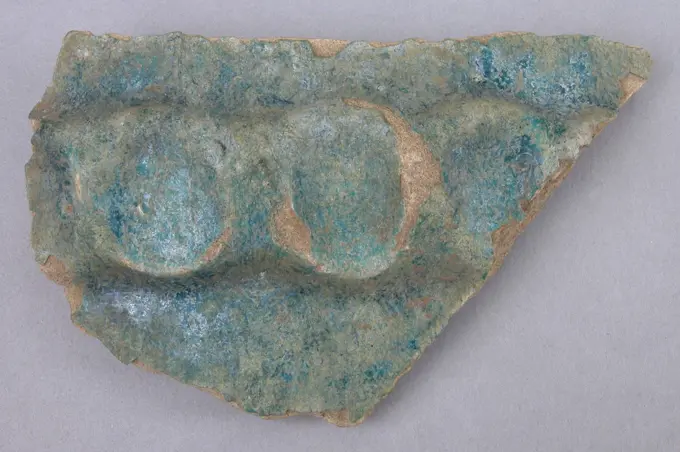
Ancient Islamic Weights and Tools

Authentic artifacts from the early Islamic period, including spindle whorls and weights made of glass and terracotta, reflecting craftsmanship from 8th to 12th centuries.
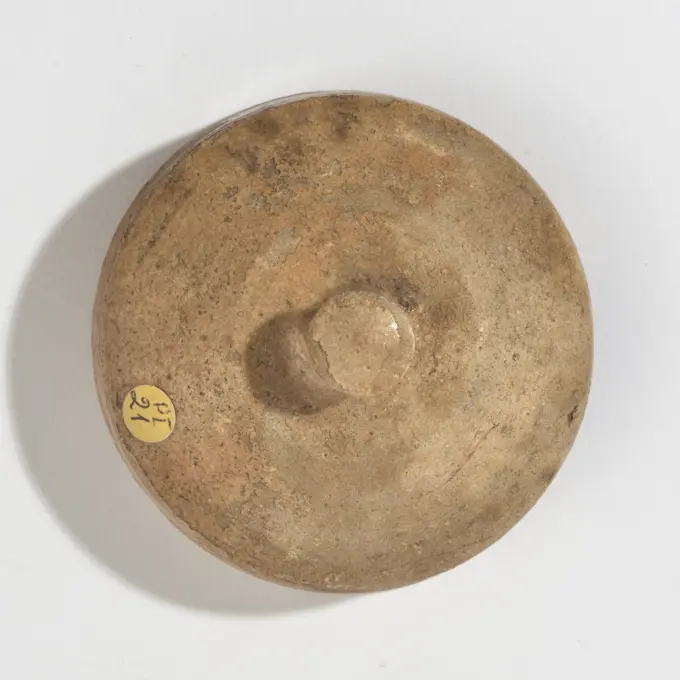
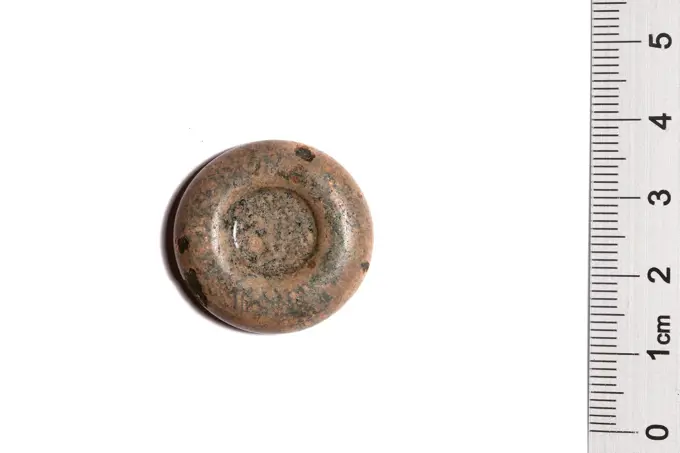
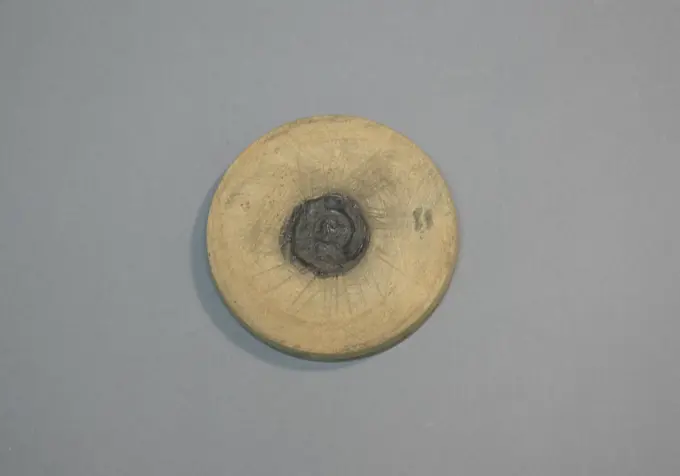
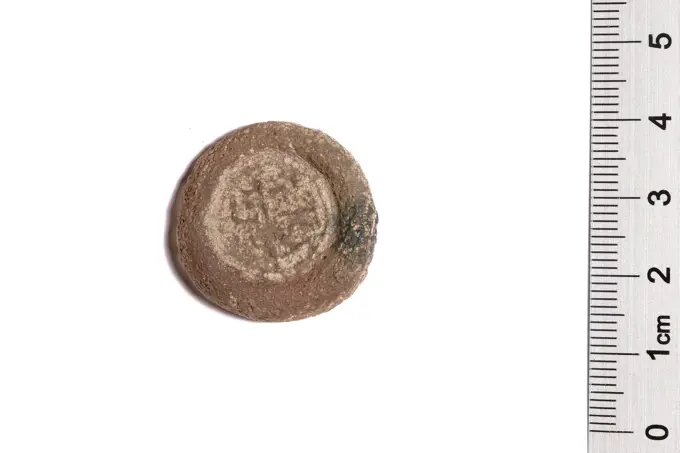
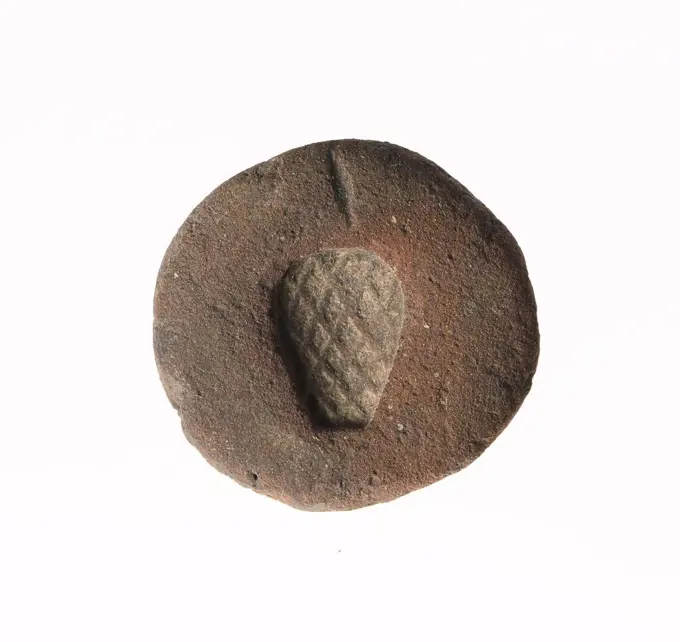
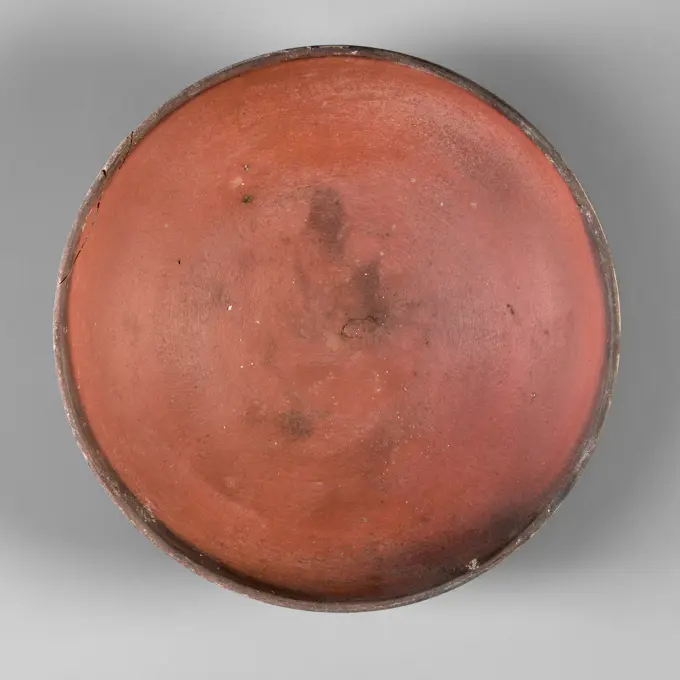
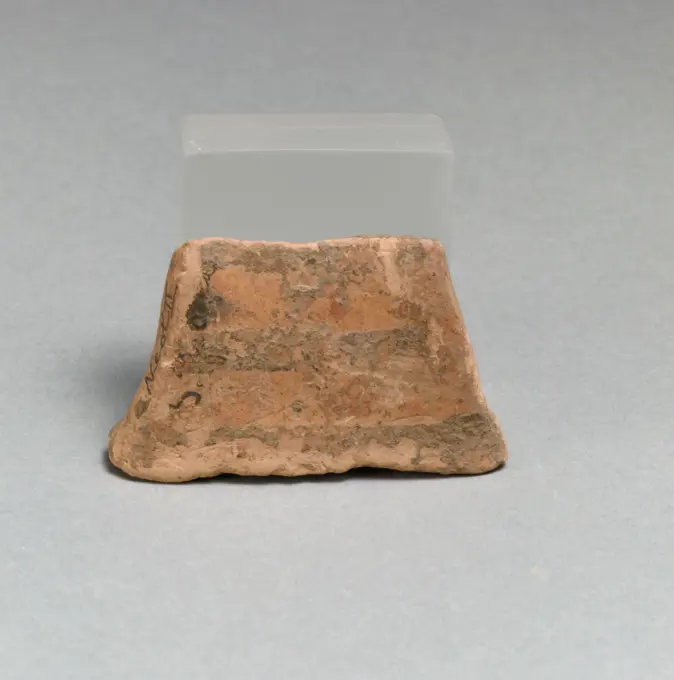
Packer button cover. Terracotta, cream glaze. Provenance: Vietnam. Paris, Cernuschi museum. 79859-2 Lid, archeological object, dishes
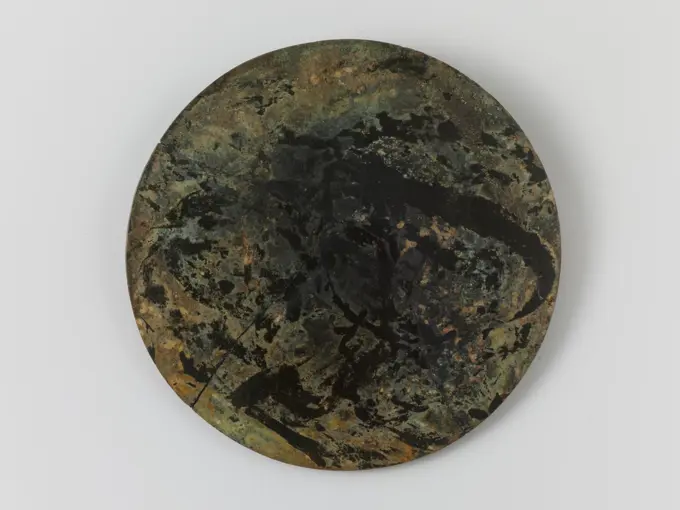
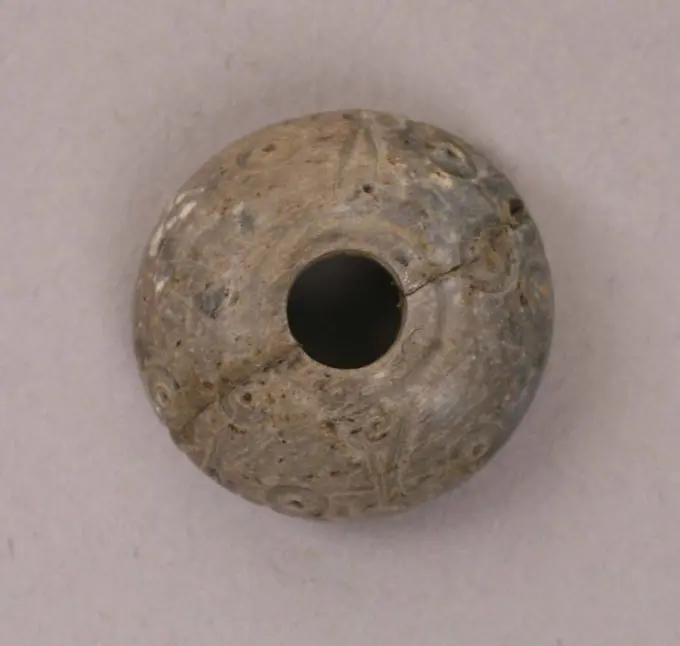
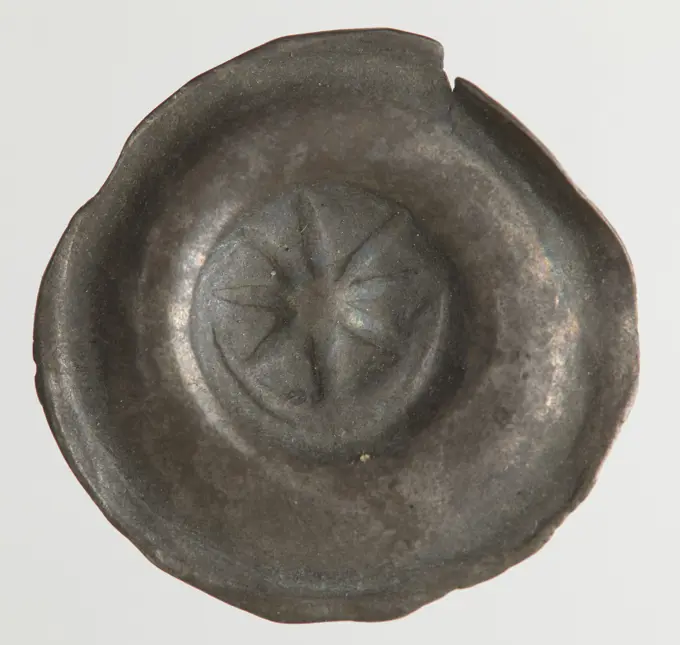
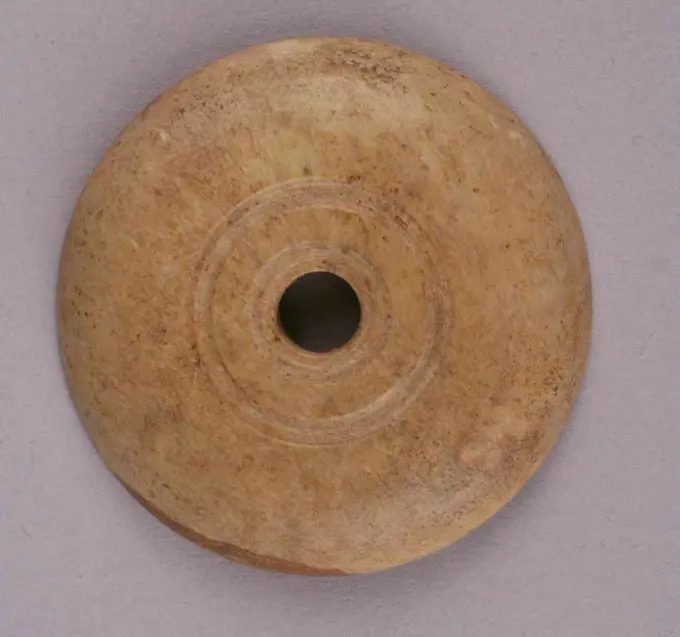
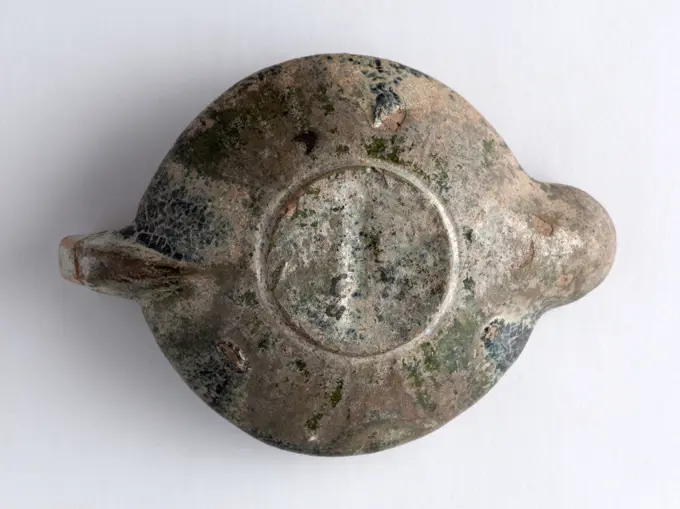
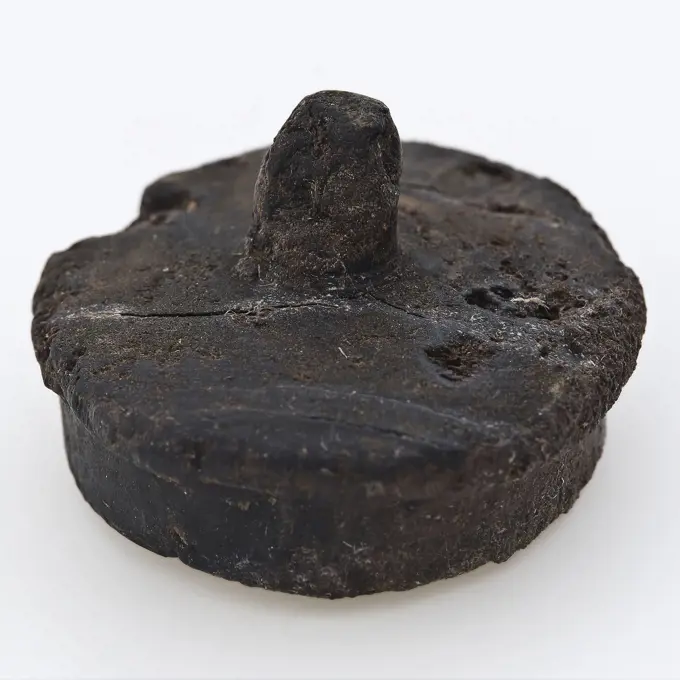
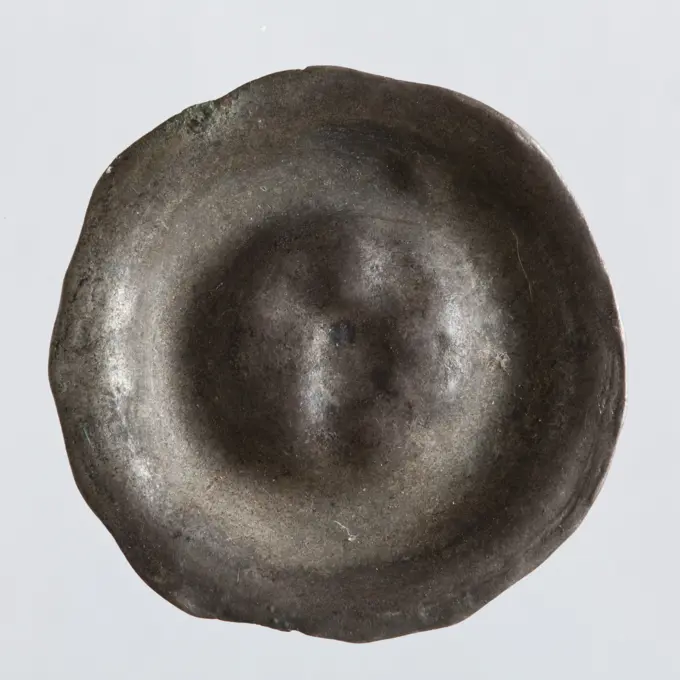
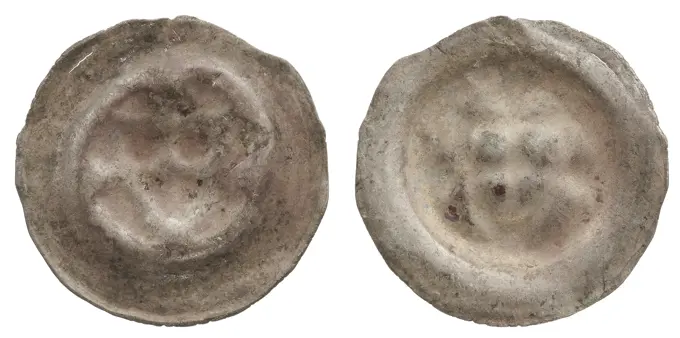
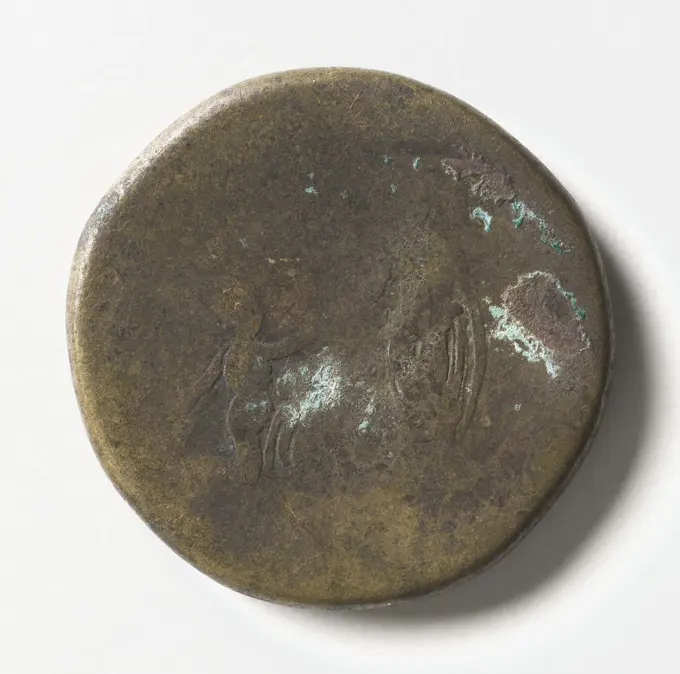
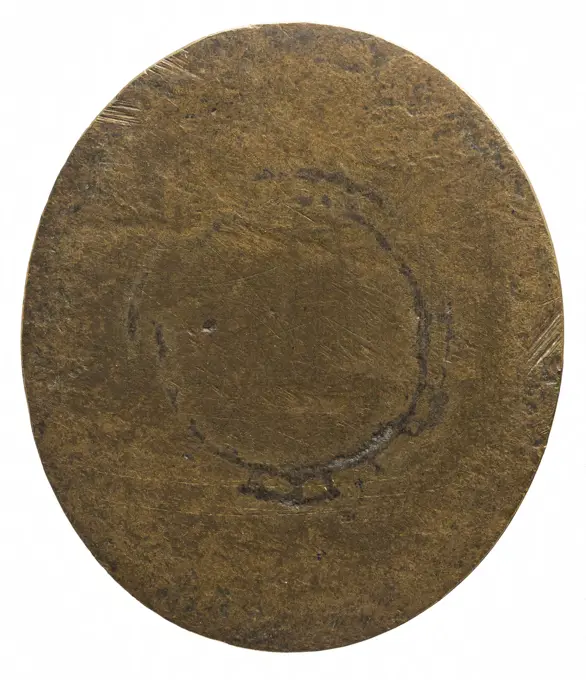
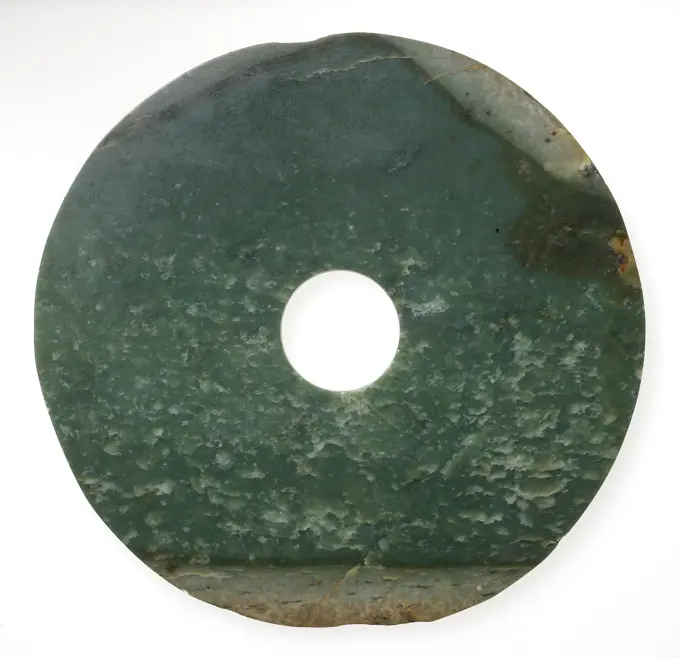
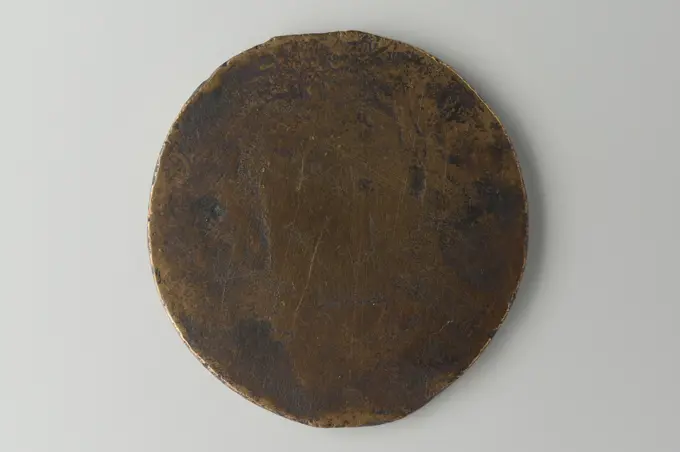
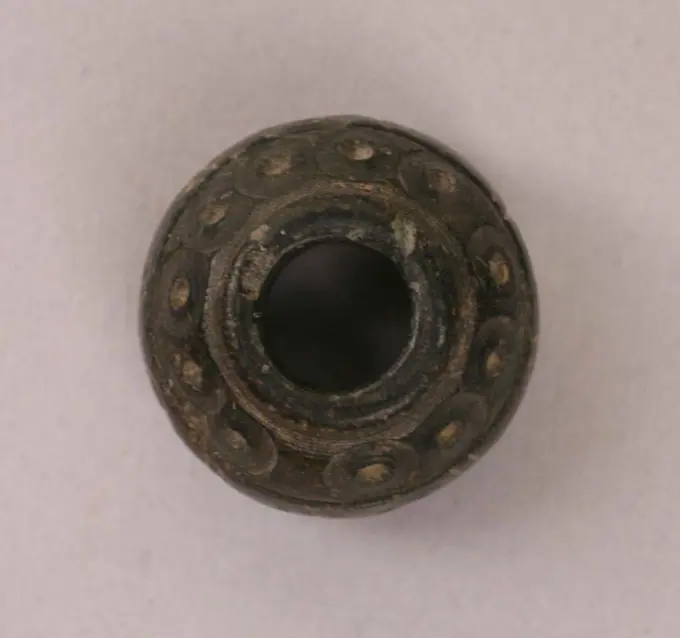
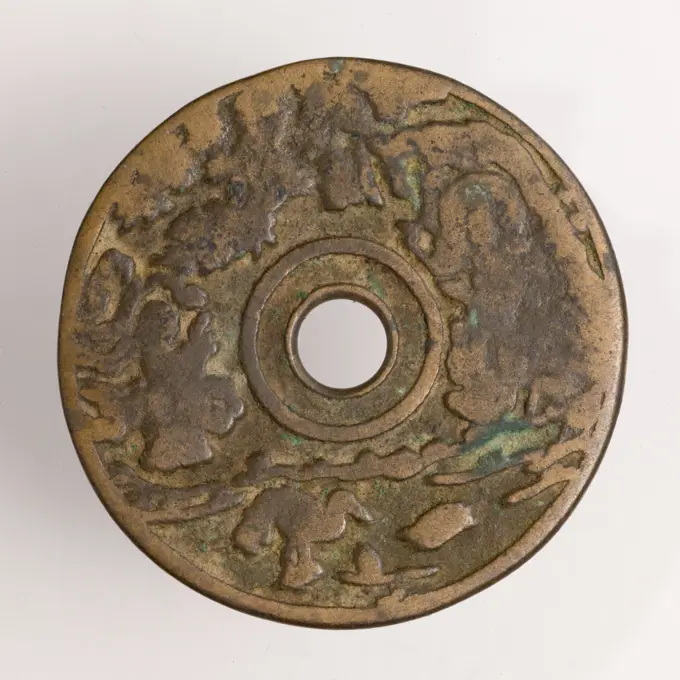
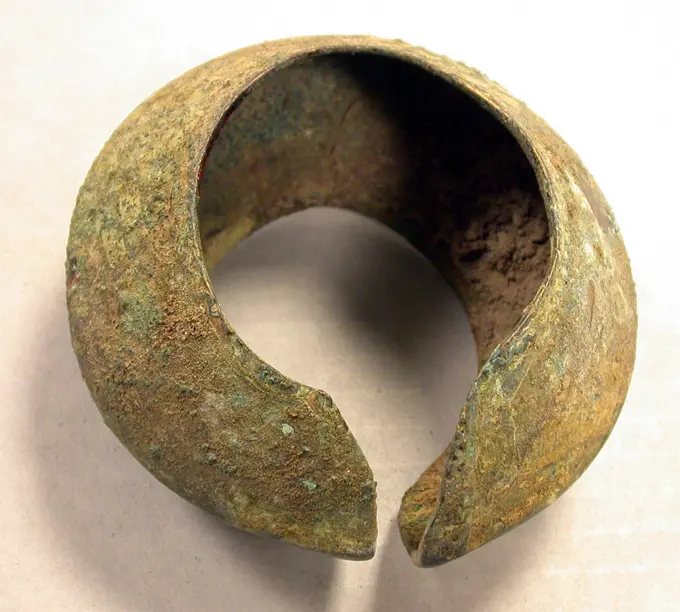
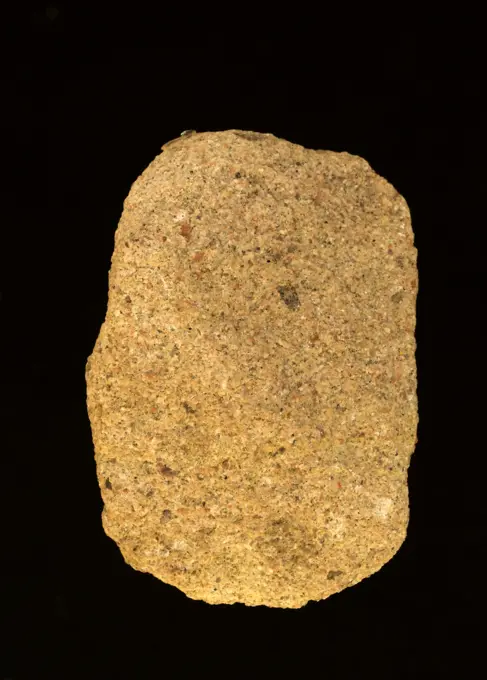
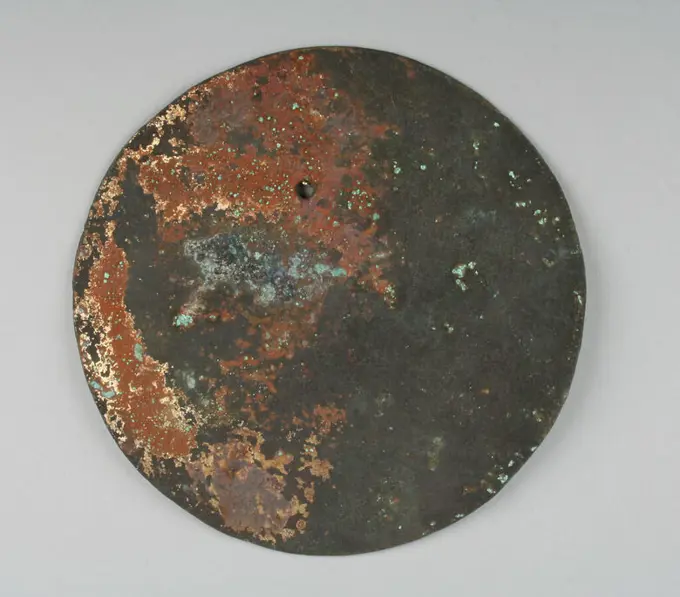
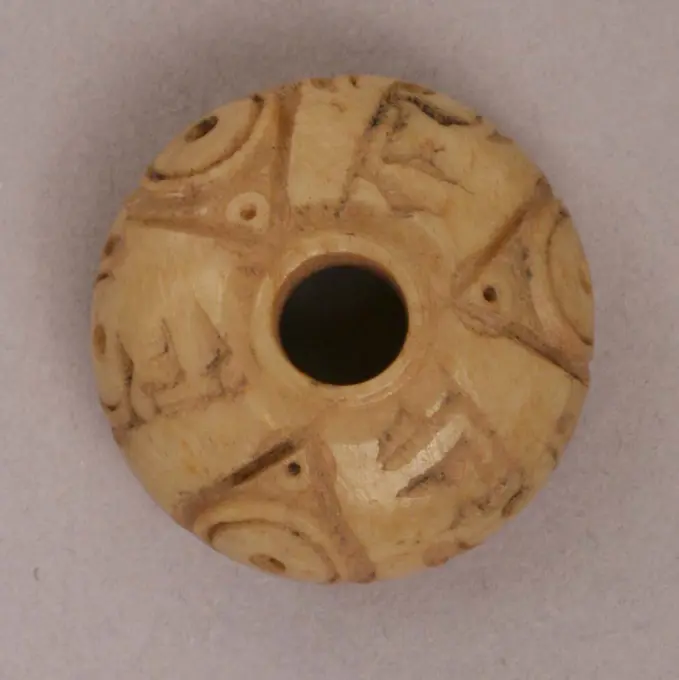
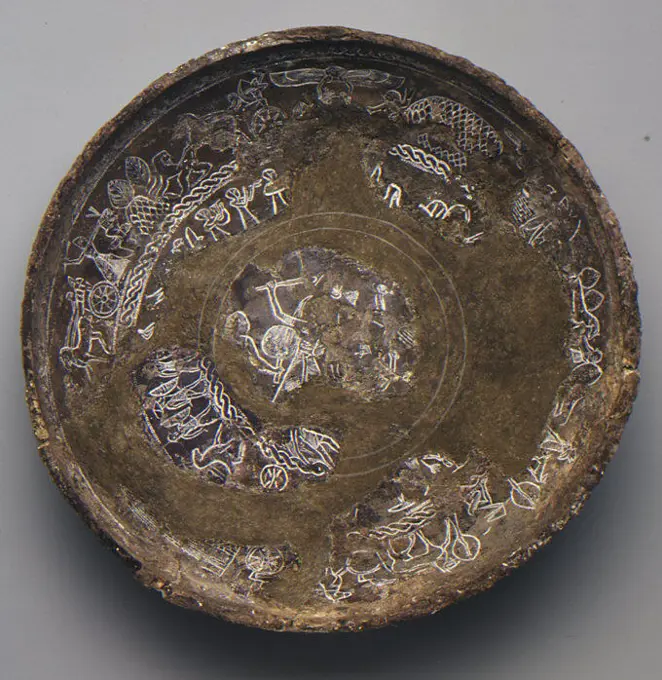
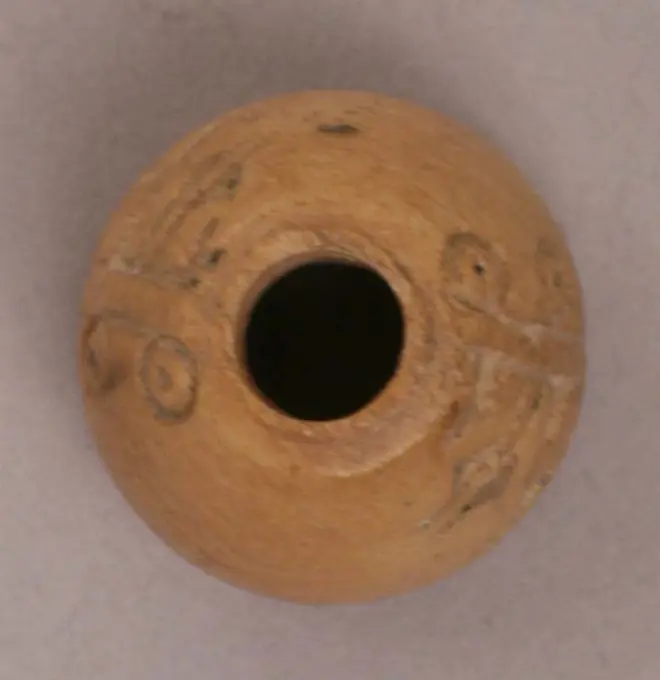
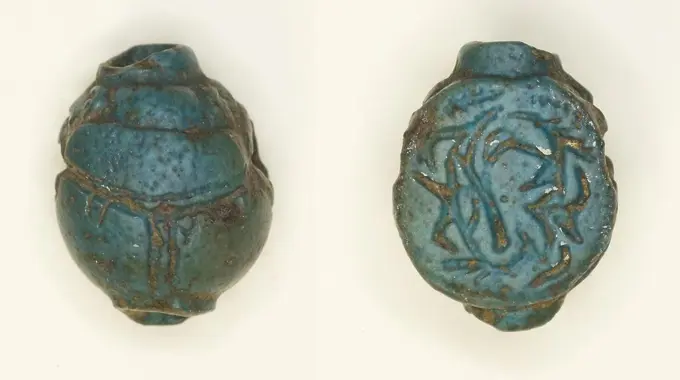
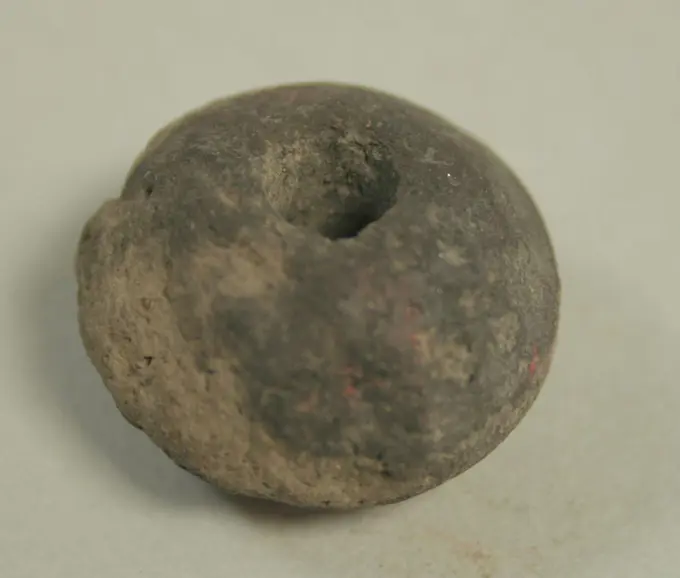
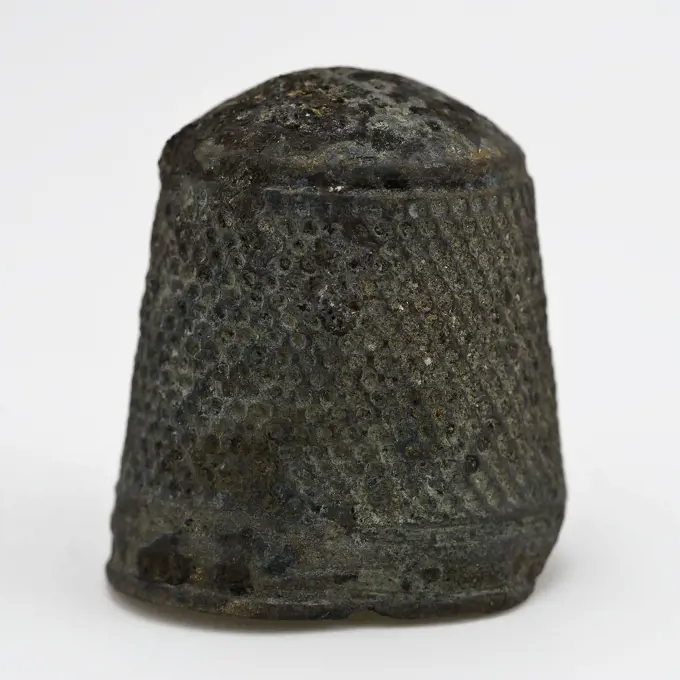
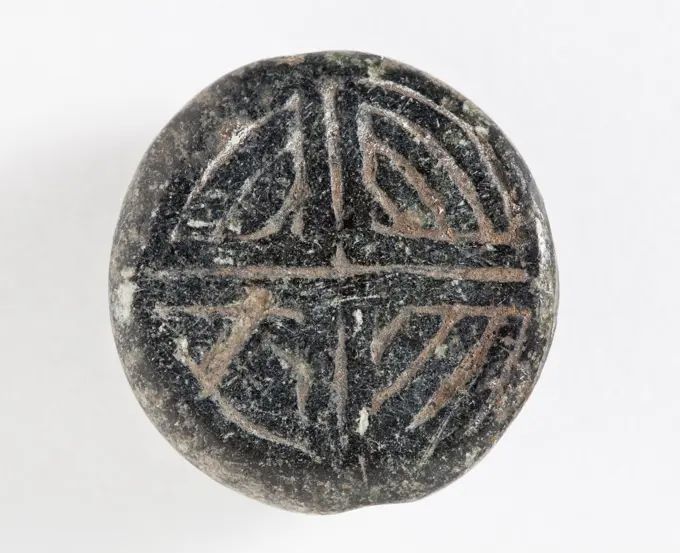
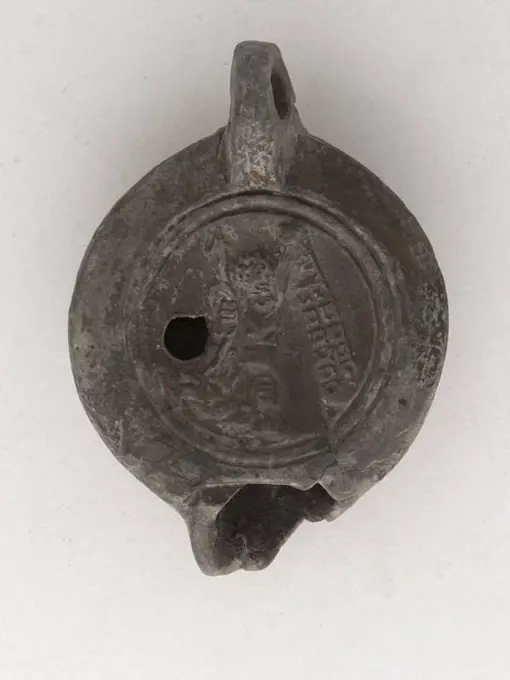
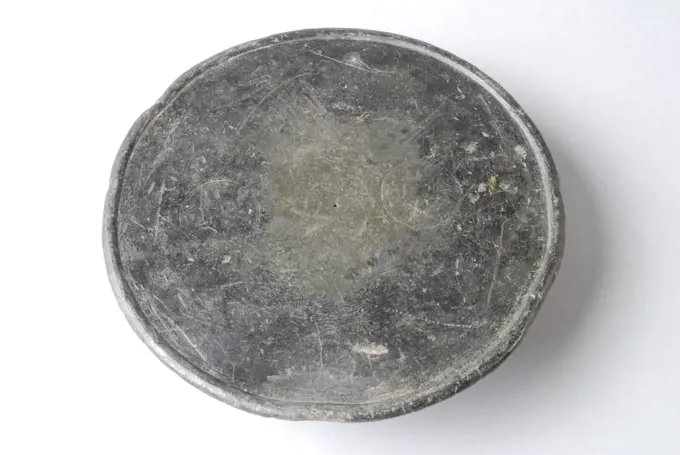
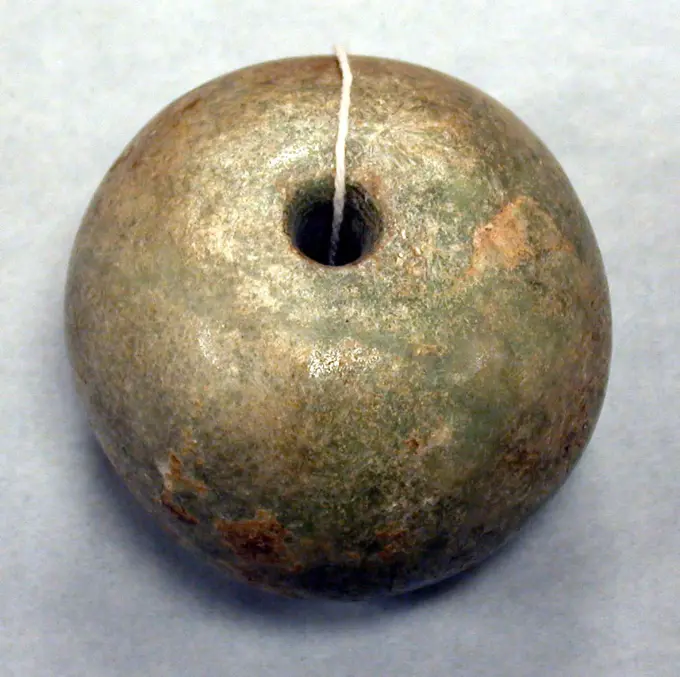
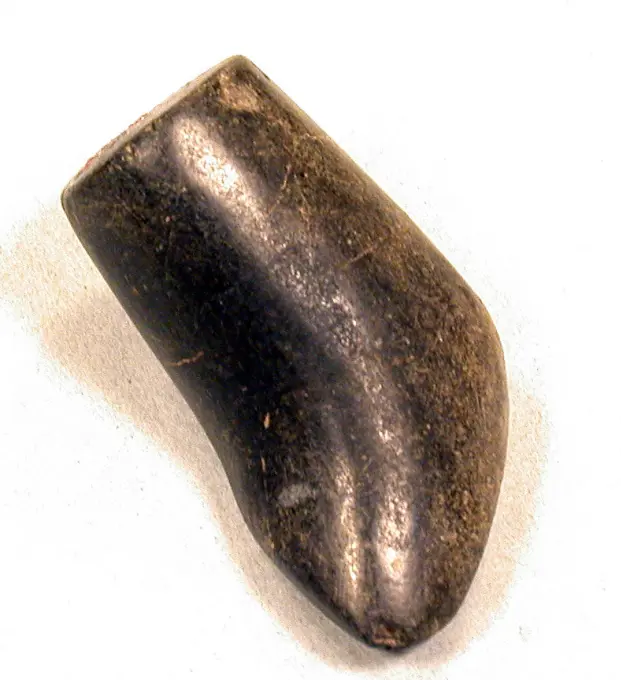
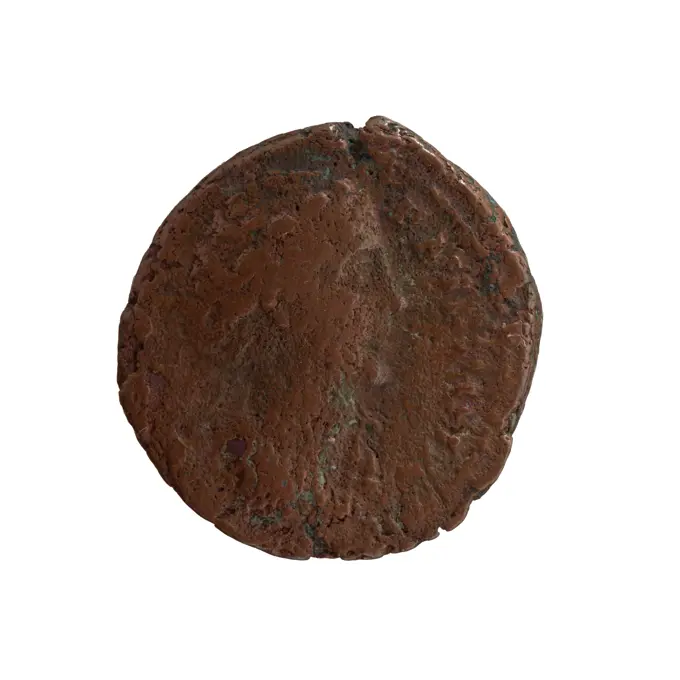
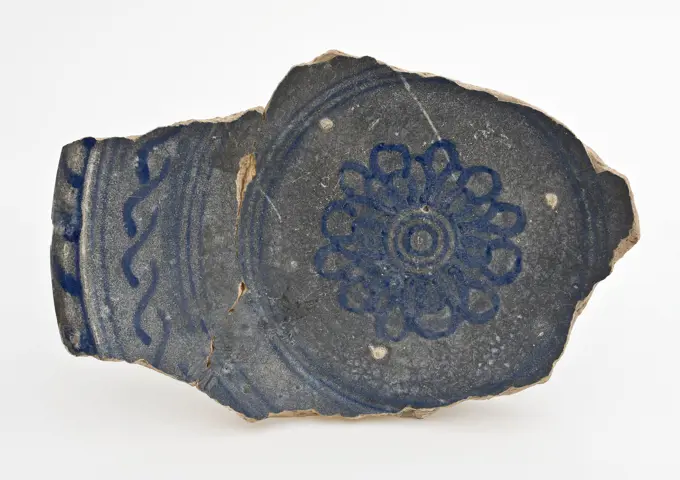
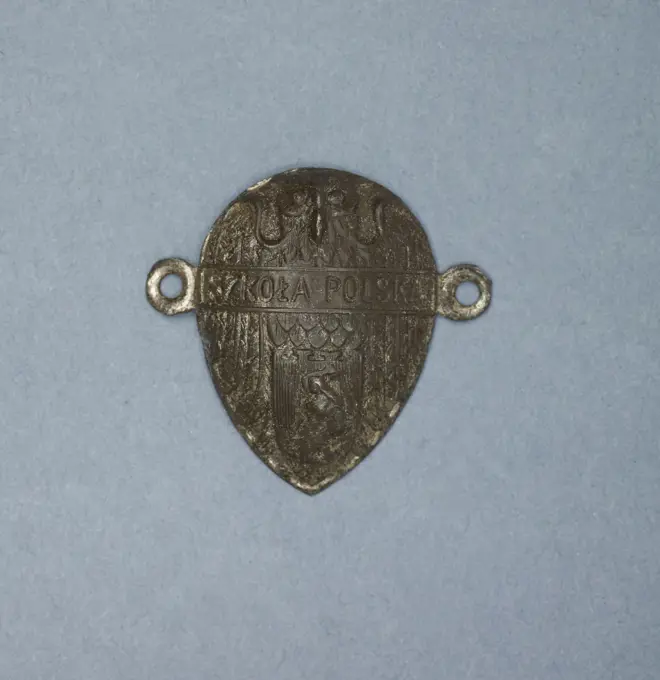
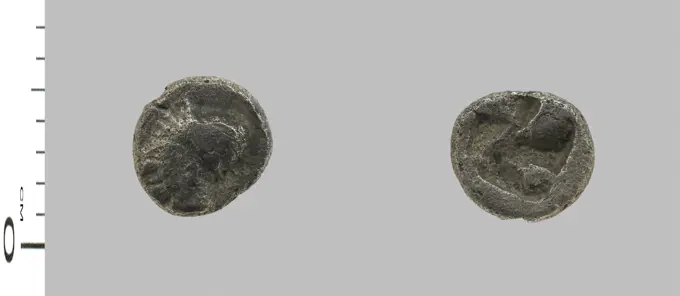
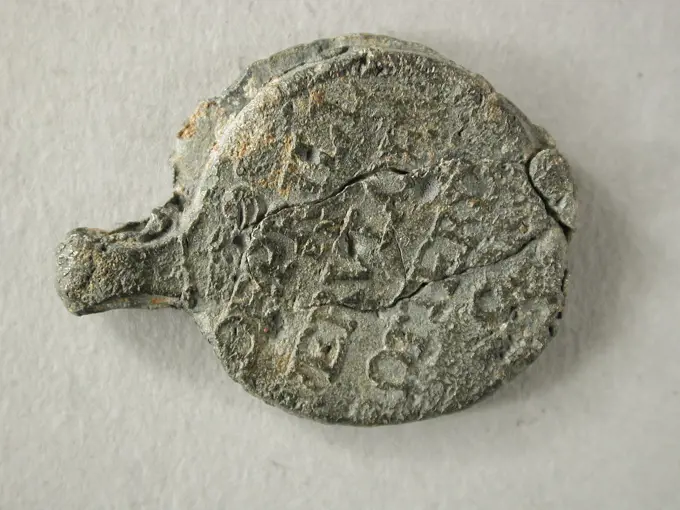
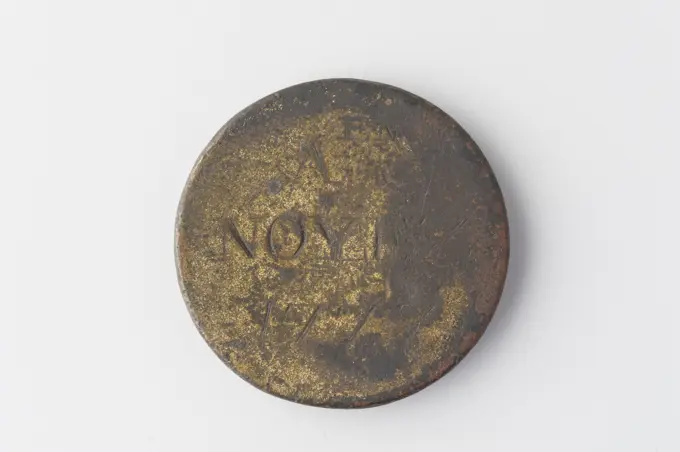
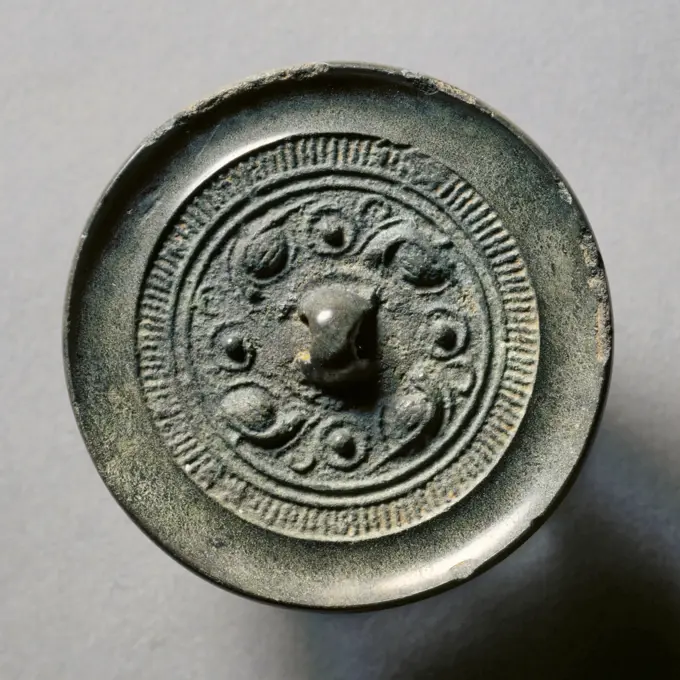
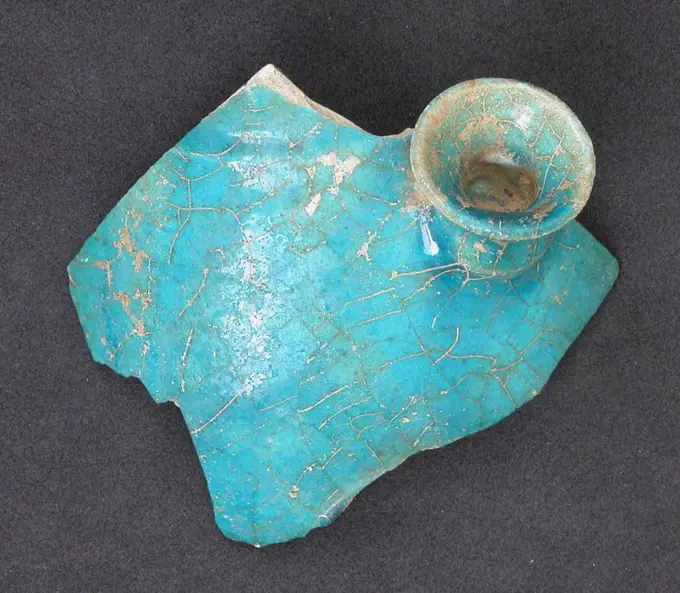
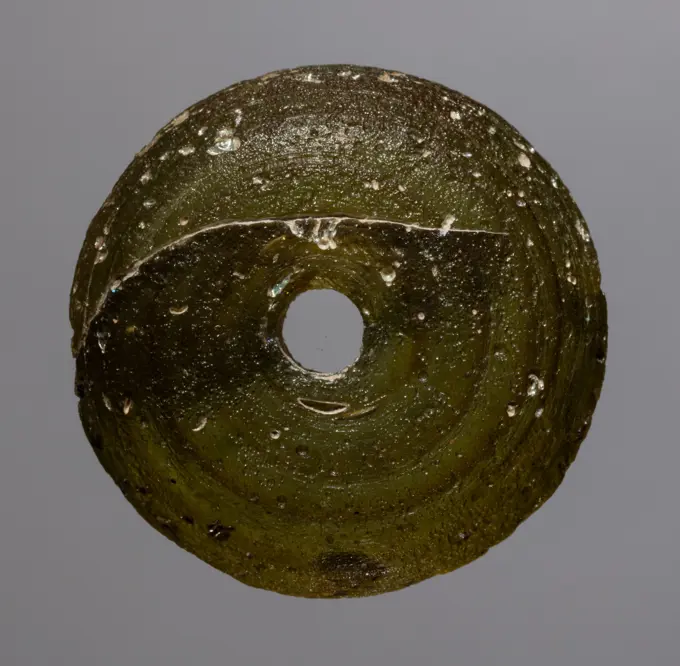
Spindle Whorl, 700s - 900s. Iran, early Islamic period, 8th - 10th century. Glass; overall: 0.7 x 2.6 x 2.6 cm (1/4 x 1 x 1 in.).Deployment;  VIII-XII century (701-00-00-1200-00-00);Arabic (culture), Islam (culture), message (provenance), Islamic artWeight. unknown, craftsmanOne of Three Hundred Sixty Heads, Five Molds, Fifteen Oscilla and Other Figural and Vase Fragments. UnknownPacker button cover. Terracotta, cream glaze. Provenance: Vietnam. Paris, Cernuschi museum. 79859-2 Lid, archeological object, dishesMirror. Bronze. Janse, Lach Truong, falls 5. Giao Chi time (1st century BC - 4th century AD). Paris, Cernuschi museum. 60213-16 Bronze, back, Giao chi, mirror, necropolis lach truong, Vietnamese object, reverse, Sepulture, tomb 5, archeological vestigeButton or Bead 9th-10th century The dot-in-circle motif recalls designs presumed to be of magical significance, most likely an abstract eye to ward off the evil-eye, which serves an apotropaic function. Easily reproduced with a tool and visible in many cultures and times, this symbol may have lost its meaning, and become simply a decorative pattern, or may have one that we have not yet discovered.. Button or Bead 450069Poland , Brakteate Guzki, turn of the 13th and 14th centuriesButton or Bead 9th-10th century. Button or Bead 455216Spindle Whorl 9th-10th century Spindle whorls aided in the making of thread by maintaining the momentum of the spindle. This flat topped, bone spindle whorl with rounded sides was excavated at Nishapur. It is incised with two pairs of concentric circles around the central hole. Hundreds of spindle whorls were excavated at Nishapur, providing further evidence that the city possessed a thriving textile industry. Their incised designs exhibit a wide variety of motifs ranging from geometric forms to zoomorphic figures.. Spindle Whorl 449306Saksonia , Poland , The Cross Denar, between 1070 and 1107 unknownLamp 7th-8th century. Lamp 448723Greece, Kersonez Taurydzki, Chersonez, II century BC, lead (PB) Mint of ChersonesusPoland, Brakteat, turn of the 13th/XIV centuryGreece, Egypt, Ptolemy VI (180 145), Alexandria, Bronze (AE) Ptolemy VI philotor (CA 180 145 BC), Alexandria MintPolishing wheel for jade 20th century China These wheels are made of soft materials and are used for polishing works of jade. They are first smeared with a paste made of fine abrasives and water, and then mounted on a spinning shaft driven by foot treadles. This setup frees both of the craftsmans hands to manipulate the jade.. Polishing wheel for jade 62074Workshop of Lezoux. Oil lamp. Rider. Liesville collection. Terracotta. High Empire. Paris, Carnavalet museum. 51058-1 Liesville collection, High Empire, oil lamp, terracottaBrown coin; Pantikapaion; approx. 250 BC (-255-00-00--246-00-00);Nadczarzyorze, satir (mitol.), Weapon (iconogr.), Arrows (weapons), armament (iconogr.), Arch and arrow (iconogr.), Łuki (army)Weight. unknown, craftsmanSpindle Whorl 10th-early 16th century Mexican. Spindle Whorl 307692Bracteate 6th-7th century Frankish. Bracteate. Frankish. 6th-7th century. Copper alloy, coated with gold. Metalwork-Copper alloySword Guard (Tsuba) late 18th-early 19th century Japanese A tsuba is a sword guard and part of a sword mounting. It is mounted between the swords blade and grip to protect the users hands.. Sword Guard (Tsuba) 26237Spindle Whorl A.D.1-500 Peruvian; north coast (). Spindle Whorl 308858Seal Impression with Name of the God Amen. Egypt, Middle Kingdom - Third Intermediate Period (1991 - 711 BCE). Tools and Equipment; seal impressions. Semi-baked clay with scorchingWooden lid with knob and protruding upper edge, lid closure part holder soil find wood, sawn twisted Wooden lid Short handle as knob Straight side wall with protruding upper edge archeology Rotterdam IJsselmonde indigenous woodwork close storage package Soil discovery: IJsselmonde Castle from cesspit Rotterdam 1972.Sandomierz Duchy , Ladislaus the Elbow High (1306-1333), bracteate; 1306-1322Boulder, stone, cropped, white background, studio shotGame Piece 4th-7th century Coptic. Game Piece. Coptic. 4th-7th century. Earthenware. Made in Kharga Oasis, Byzantine Egypt. Ceramicsbracteate denarius. Zakon krzyżacki (1190-), issuerMold for Umbel of Cornflower Pendant. Dimensions: L. 2.5 cm (1 in.). Dynasty: Dynasty 18. Reign: reign of Akhenaten. Date: ca. 1353-1336 B.C.. Museum: Metropolitan Museum of Art, New York, USA.Czarka; Unknown Nubian workshop; 2. PO. VII-3. In. 10th century (651-00-00-975-00-00);Nubian ceramics, bowls, nubian vessels, table vesselsButton or Bead 9th-10th century. Button or Bead 450026Button or Bead or Spindle Whorl 9th-10th century. Button or Bead or Spindle Whorl 450035Greece, Kimerian Bospor, Pantikapajon, around 2 3 quarter of the 3rd century BC, bronze (AE) PanticapaeumPoland, Władysław Jagiełło (1386 1434), Denar, Town of Kraków, After 1396 W ADYS AW JAGIECH (CA 1351 1434), Mint of KrakówFragment of Dish 14th-15th century. Fragment of Dish. 14th-15th century. Stonepaste; underglaze painted under turquoise glaze. Attributed to Syria. CeramicsBottom of a Cup 6th-9th century. Bottom of a Cup 448735Copper Openwork Mace Head 3rd century B.C.-A.D. 2nd century Vicús (). Copper Openwork Mace Head 315348Sesterce d'Hadrien, 119-121 Anonymous. Hadrian Sesterce (Reverse), 119-121. Bronze.AUSSET ETE, ENTREPRERED OF ARMES on Dunkerque, REPUrel precurs, Ausset and Father, Entremen of Arms to Vunkeras, Republic Previous Set of Rimperique . Brass, Reviecy. Paris, Music Carnavalet.Bi Disc, 1100-771 BCE, 11 3/8 x 1/8 in. (28.89 x 0.32 cm) (outer diameter)2 1/4 x 1/8 in. (5.72 x 0.32 cm) (inner diameter), Mottled green jade with brown marks, China, 11th-8th century BCECarnavalet museum, tokens collectionFive Store, Place de Rennes, First Republic Five Store, Place de Rennes, First Republic . Brass, Revers.Hexagonal Tile first half 13th century. Hexagonal Tile 448200Bliżej Kultury Antoninus Pius, Mint of RomeButton or Bead or Spindle Whorl 9th-10th century This object was excavated at Nishapur.Nishapur was a vital city in the early and middle Islamic periods, located along one of the main trajectories that connected Iran and West Asia Islamic lands with Central Asia and China. These itineraries are often referred to by the term Silk routes’ but were in fact crucial to the movement of constellations of materials and objects, as well as people and ideas. The diverse population of Nishapur and its surroundings, from the better-researched elite groups of merchants, land-owning aristocracy, and literates, to the less-known artisans, farmers, miners, and servants, were instrumental in adapting global cultural trends to create their own distinctive visual languages. This is seen in the material remains of everyday life in medieval Nishapur - from pots and pans to lighting devices, inkwells, textiles and trimmings, jewelry, games and toys, talismanic devices, weapons, coins, and architectural fraMiniature figurine, 1500 BCE, 1 9/16 in. (4.0 cm), Earthenware, Mexico, Pre-ClassicAmulet of fundamental fate. Copper alloy, China, Song dynasty. Paris, Cernuschi museum. Amulet, Asian art, Chinese art, circle, belief, disc, Song dynastyBracelet 11th-16th century Middle Niger civilization. Bracelet. Middle Niger civilization. 11th-16th century. Copper alloy. Mali, Inland Niger Delta region. Metal-OrnamentsArkose  Ravalli County, Montana, USA     Date: Vase fragment Neolithic. Vase fragment 251332 Neolithic, Vase fragment, Terracotta, 9/16  1 1/8  1 15/16 in. (1.4  2.9  5 cm). The Metropolitan Museum of Art, New York. Gift of Gisela M. A. Richter, 1923 (23.121.32)Round Plaque. Culture: Vicús. Dimensions: Diameter 5-5/16 in. (13.5 cm). Date: 3rd century B.C.-A.D. 2nd century. Museum: Metropolitan Museum of Art, New York, USA.Button or Bead or Spindle Whorl 8th-10th century. Button or Bead or Spindle Whorl 450064Button or Bead 9th-10th century The dot-in-circle motif recalls designs presumed to be of magical significance, most likely an abstract eye to ward off the evil-eye, which serves an apotropaic function. Easily reproduced with a tool and visible in many cultures and times, this symbol may have lost its meaning, and become simply a decorative pattern, or may have one that we have not yet discovered.. Button or Bead. 9th-10th century. Bone; incised and inlaid with paint. Excavated in Iran, Nishapur. Ivories and BonePending Ommerschans, housing coin beaten on the society of beneficiality worth 1 cents. Unilateral coin. Front: value indication within pearl edge. Downside: blankSpindle Whorl 10th-16th century () Peruvian. Spindle Whorl 308367Fragmentary silver bowl ca. 710-675 B.C. Cypriot The tondo depicts and Egyptian ruler slaying a captive enemy; behind the ruler stands a servant with a fan. The narrative in the outer zone has a counterpart on a bowl from Praeneste in Italy. The story concerns a king's hunting expedition outside his city and his rescue by a falcon-winged deity. Considerable discussion has not elucidated whether it is a Near Eastern tale or a Greek saga about a hero such as Herakles presented with Levantine iconography.. Fragmentary silver bowl 243825Button or Bead 9th-10th century The dot-in-circle motif recalls designs presumed to be of magical significance, most likely an abstract eye to ward off the evil-eye, which serves an apotropaic function. Easily reproduced with a tool and visible in many cultures and times, this symbol may have lost its meaning, and become simply a decorative pattern, or may have one that we have not yet discovered.. Button or Bead 449259Fragment 14th century. Fragment 445611Jadwiga (1384 1399), Denar, 1384 1386, Town of Poznań Jadwiga (1384-1399), Mint will knowScarab: Abstract Designs. Egyptian. Date: 900 BC-600 BC. Dimensions: 1.9 × 1.3 × 1.1 cm (3/4 × 1/2 × 7/16 in.). Faience. Origin: Egypt. Museum: The Chicago Art Institute, USA. Author: Ancient Egyptian.Spindle Whorl 10th-16th century () Peruvian. Spindle Whorl 308374Copper molded thimble with waffle pattern, thimble sewing kit soil find brass copper metal, cast Copper cast thimble with square wells in lines waffle pattern with groove passing the shaft with wheel punch and with two grooves on the board archeology seamstress tailor sewing textile edit repair needle and threadGreece, Sarmacja, Olmia, 1st half of the 2nd century BC, AE MintBliżej Kultury Władysław Jagiełło (CA 1351 1434), Mint of KrakówAx 1500-500 B.C. India. Ax 50644Stamp Seal, Hemispheroid. Western Iran, circa 4th millennium B.C.. Tools and Equipment; seals. Green-mottled black serpentineMold for a Grape Cluster Pendant ca. 1353-1336 B.C. New Kingdom, Amarna Period. Mold for a Grape Cluster Pendant 569906Lamp. Coll. Capitan. Terracotta. High Empire. Net fisherman. Paris, Carnavalet museum. Filet, high-Empire, lamp, oil lamp, fisherman, terracottaTeljoor, teljoor plate crockery holder tin, cast Round board with reinforced upright edge hole in center profile edge to edge eating heraldic justice JustitiaDenar Wschowski; W ADSAW II JAGIEC (King of Poland; 1386-1434); after 1422 (1422-00-00-1447-00-00);Stone Bead before 16th century Mexican. Stone Bead 317347Coin Weight 11th-12th century. Coin Weight 453509Spindle Whorl, 700s - 900s. Iran, early Islamic period, 8th - 10th century. Bone, incised; overall: 0.5 x 2.9 x 2.9 cm (3/16 x 1 1/8 x 1 1/8 in.).Roundel, disk Conical object with hole through it perpendicularly, and seven incised lines.. Roundel, disk. Clay. Miscellaneous-ClayElbow Stone before 16th century Mexican. Elbow Stone 317638as/dupondius; Antoninus Pius (86-161; Roman emperor 138-161), Faustina older (98-141; Roman Empress 138-141); after 141 (141-00-00-166-00-00);Fragment majolica dish with monochrome decor, blue rosette, wave lines and circles, dish plate crockery holder soil find ceramic earthenware glaze tin glaze lead glaze, ring 9.4 hand-turned baked decorated glazed fried Fragment majolica dish on stand ring Narrow and slanting ring bottom lead glaze Decorated with monochrome decor in blue rosette in the middle circles and wave lines along the sidewall and rope motif over the dish edge. Completely darkened by staying in the soil. Low dish with smooth transition to the edge without shoulder. Wood-baked archeology Valckensteyn Poortugaal Albrandswaard indigenous pottery serving serve Soil discovery: castle Valckensteyn in Poortugaal now Albrandswaard 1961-1962.Lamp 4th century Small earthenware lamps, made from double molds, were the most commonly used source of light in daily Coptic life. A wick produced from plant fiber or linen fabric was placed in a reservoir filled with oil, generally castor or sesame oil, and illuminated. The flat top of this red earthenware lamp is decorated with circles enclosing pellets near the handle and palm branches near the spout.. Lamp. 4th century. Earthenware; molded. Attributed to Egypt. CeramicsCoin A.H. 158-68/ A.D. 774-84. Coin. A.H. 158-68/ A.D. 774-84. Copper. Excavated in Iran, Nishapur. CoinsBowl fragment ca. 3rd-7th century A.D. Sasanian The remaining fragment of this glass vessel clearly indicates the original vessels shallow bowl shape. This piece has a clear green tint and an opaque white oxidation on the surface. Glass found in excavations has often gone through a process of decay that changes its surface color. Glass was widely produced and used during the Sasanian period. Although colorless glass was highly valued, the majority of glass finds are slightly tinted, usually greenish or yellow tint, although reddish and brown tints also occur. Glass finds from this period include a variety of types such as small cosmetic containers, serving vessels, and drinking glasses. This bowl was excavated from a house at the site of Maaridh II in the Ctesiphon area. The city of Ctesiphon was located on the east bank of the Tigris River, 20 miles (32 km) south of modern Baghdad in Iraq. It flourished for more than 800 years as the capital of the Parthians and the Sasanians, the lCoin of The Senones 200-500 Roman. Coin of The Senones 464969 Roman, Coin of The Senones, 200500, Copper alloy, Overall: 5/8 x 1/16 in., 0.1oz. (1.6 x 0.2 cm, 2.5g). The Metropolitan Museum of Art, New York. Gift of J. Pierpont Morgan, 1917 (17.191.263)A pendant with the inscription Polish school distributed by the Committee issues during the 7th day of the Great May issue in Warsaw in 1916Disk Brooch 7th century Frankish. Disk Brooch 464824 Frankish, Disk Brooch, 7th century, Gold, glass, mother-of-pearl, silver-headed rivets; copper alloy, Overall: 2 1/8 x 7/8 in. (5.4 x 2.2 cm). The Metropolitan Museum of Art, New York. Gift of J. Pierpont Morgan, 1917 (17.191.133)Tetartemorion fromPhocaea. Mint: Phocaea Artist: UnknownCloth seal with text from Rotterdam and telemark, cloth seal hallmark ground find lead metal, cast struck Cloth lead with text one incised telemark and closed folded, DEPRILL AND VERVT   OTTERD C or O archeology Rotterdam trademarks government cloth trade textile trade trade guild city textile countATAIFOR DECORADO EN MANGANESO AL MODO DE LOS FRAGMENTOS MALLORQUINES - SIGLO XI. Location: INSTITUTO VALENCIA DE DON JUAN-COLECCION. MADRID. SPAIN.Carnavalet Museum, Medals CollectionPrison Ommerschans, House Munt Goten by order of the Society of Weldadigheid worth 50 cents, Anonymous, in Works Council 1822 - in Or Before 1830 coin one -sided coin. Front: two brands above value indication. Reverse: Blanco Ommerschans tin plate striking (metalworking)  OmmerschansBowl 9th-10th century. Bowl 449542Scarab Menmaatra (Sety I) 1294 BCE-1279 BCE Egypt. Steatite . Ancient EgyptianMiniature Bottle 11th-late 15th century Chimú or Chancay. Miniature Bottle 308931Composite crown. Dimensions: H. 13.7 × W. 12.4 × D. 7.5 cm (5 3/8 × 4 7/8 × 2 15/16 in.). Dynasty: Dynasty 18. Reign: reign of Akhenaten. Date: ca. 1353-1336 B.C.. Museum: Metropolitan Museum of Art, New York, USA.Dish with Inscription. UnknownKimerian Bospor, Panticajon, 2 3 Quarter of the 3rd Century BC; AEE Panticapaeum mintMirror with Four Nipples and Four Birds, 206 BC-AD 9. China, Western Han dynasty (202 BC-AD 9). Bronze; diameter: 6.2 cm (2 7/16 in.); overall: 1 cm (3/8 in.); rim: 0.6 cm (1/4 in.).Fragment 11th-12th century This object was excavated at Nishapur.Nishapur was a vital city in the early and middle Islamic periods, located along one of the main trajectories that connected Iran and West Asia Islamic lands with Central Asia and China. These itineraries are often referred to by the term Silk routes’ but were in fact crucial to the movement of constellations of materials and objects, as well as people and ideas. The diverse population of Nishapur and its surroundings, from the better-researched elite groups of merchants, land-owning aristocracy, and literates, to the less-known artisans, farmers, miners, and servants, were instrumental in adapting global cultural trends to create their own distinctive visual languages. This is seen in the material remains of everyday life in medieval Nishapur - from pots and pans to lighting devices, inkwells, textiles and trimmings, jewelry, games and toys, talismanic devices, weapons, coins, and architectural fragments.Nishapur lost iFragment of a Closed Vessel probably 7th-9th century This ceramic fragment was excavated in Ctesiphon, the Sasanian metropolis and administrative capital conquered by Arab Muslim armies in 637. The city was known in Arabic as al-Madain, or “the cities”, for its extended area. Arab historians indulge in describing al-Madain/Ctesiphons grand monuments, which obsessed Muslim rulers and may have acquired a symbolic meaning related to its imperial past. This was the case of the Taq-i Kisra, an impressively-sized ivan (a vaulted hall with one side open) partially dismantled to reuse its bricks in caliphal buildings in the new capital Baghdad. This fragment belongs to a long-standing tradition of turquoise-glazed ceramics made in Mesopotamia since the Parthian period, of which it represents a late Sasanian or Early Islamic evolution. The rope-like motif is a particularly resilient one.. Fragment of a Closed Vessel 448822Emergency mint from a quarter of the siege of Leiden. Paper mint. Facade: Lion with sword raised above head and city coat of arms in left blue in writing; Between legs of lion: knock: Lion. Reverse: Inscription within Lauwerkrans.Weight ca. 3rd-7th century A.D. Sasanian. Weight 323195