Ancient Jars and Vessels

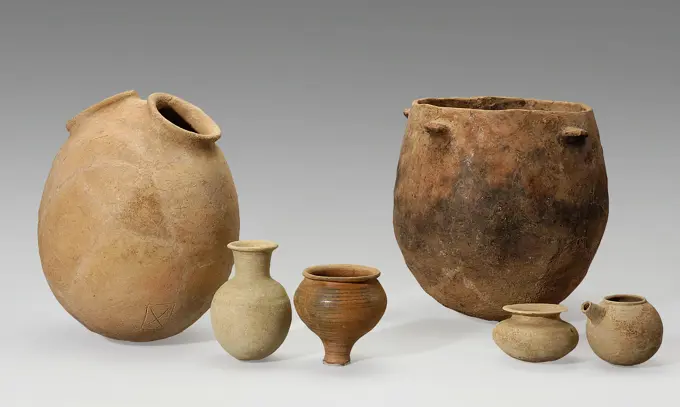
Historical jars and vessels from different periods, showcasing varied shapes and materials, reflecting rich cultural craftsmanship.
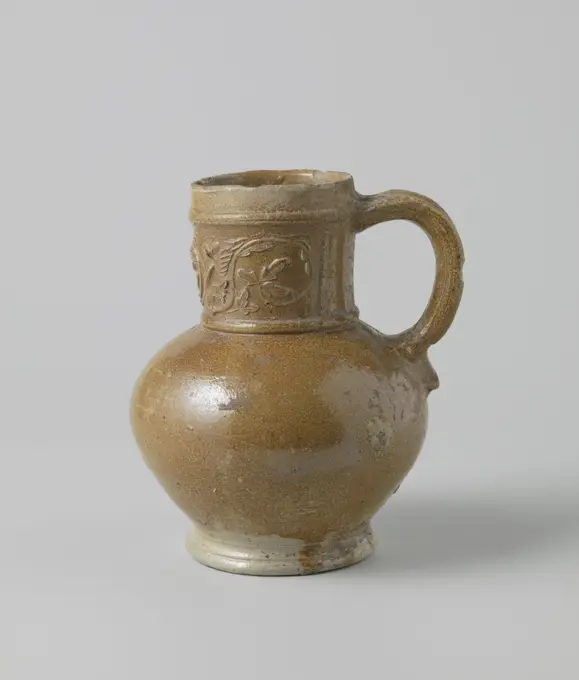
Jug with a portrait, winged figures and foliate scrolls, anonymous, c. 1560 - c. 1580 Jug of stoneware on stand ring with a printed, egg -shaped belly and short neck. The C-shaped ear is attached to the neck and shoulder. Profiles on the foot and neck. Covered with a brown Engobe. On the neck in relief a printed and laid bond with a portrait and face in a medallion flanked by winged figures with a hat, the lower body of which overflows into leaf vines. Raeren. Rae stoneware. glaze. engobe vitrification Jug of stoneware on stand ring with a printed, egg -shaped belly and short neck. The C-shaped ear is attached to the neck and shoulder. Profiles on the foot and neck. Covered with a brown Engobe. On the neck in relief a printed and laid bond with a portrait and face in a medallion flanked by winged figures with a hat, the lower body of which overflows into leaf vines. Raeren. Rae stoneware. glaze. engobe vitrification
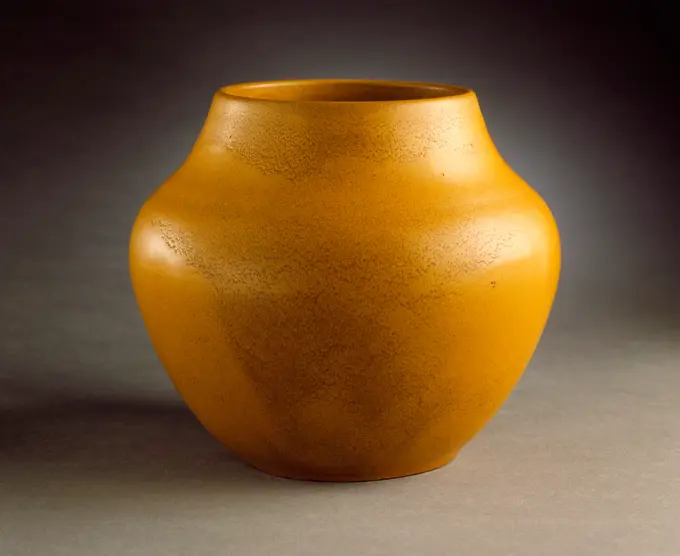
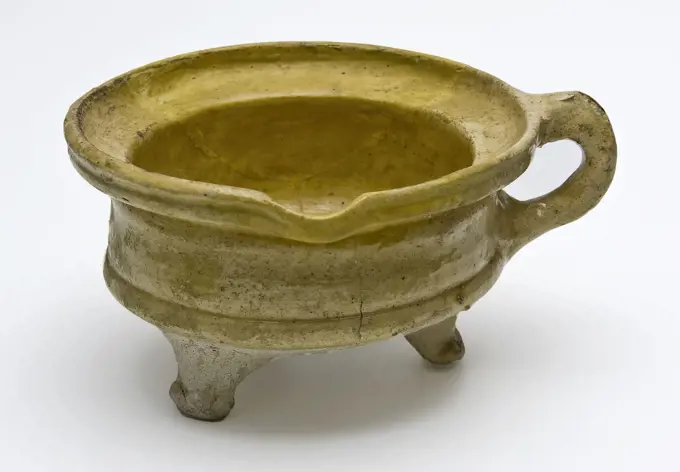
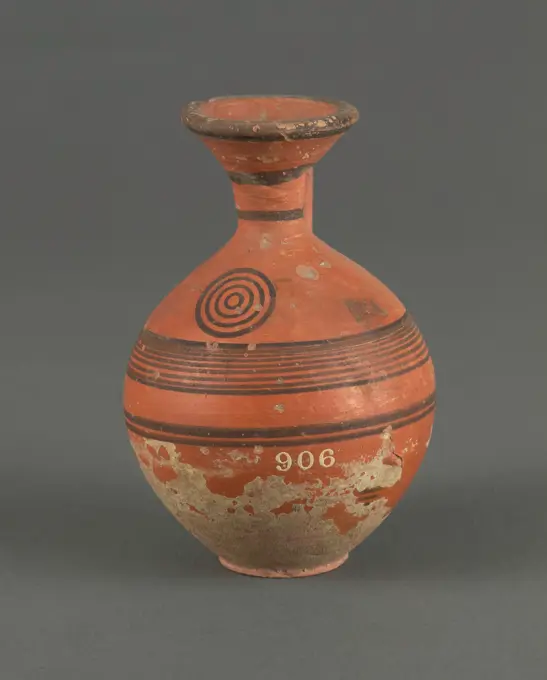
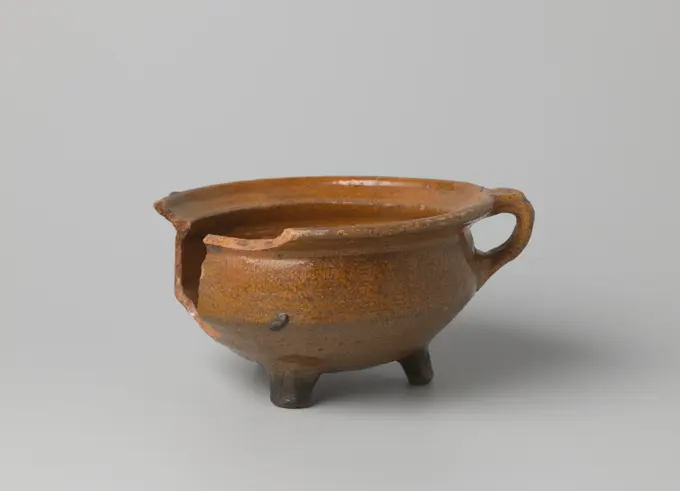
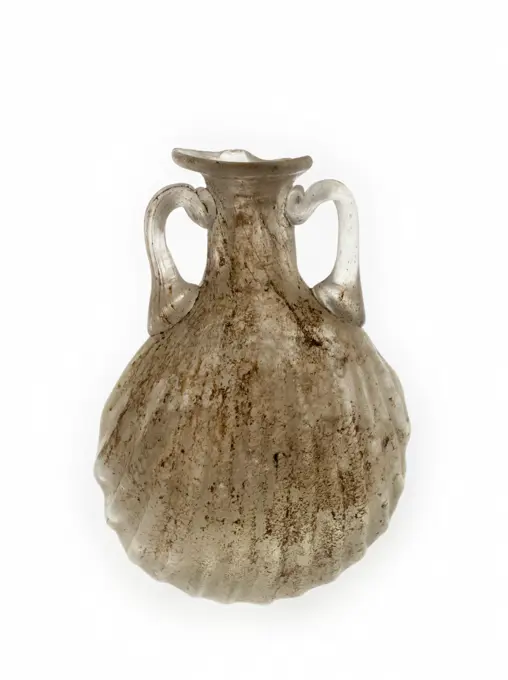
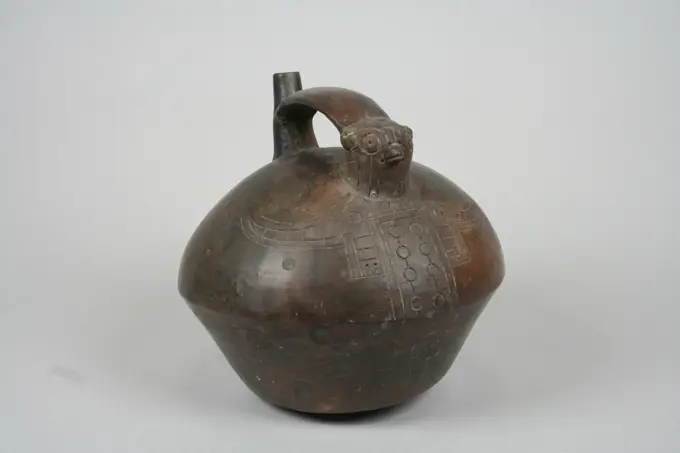
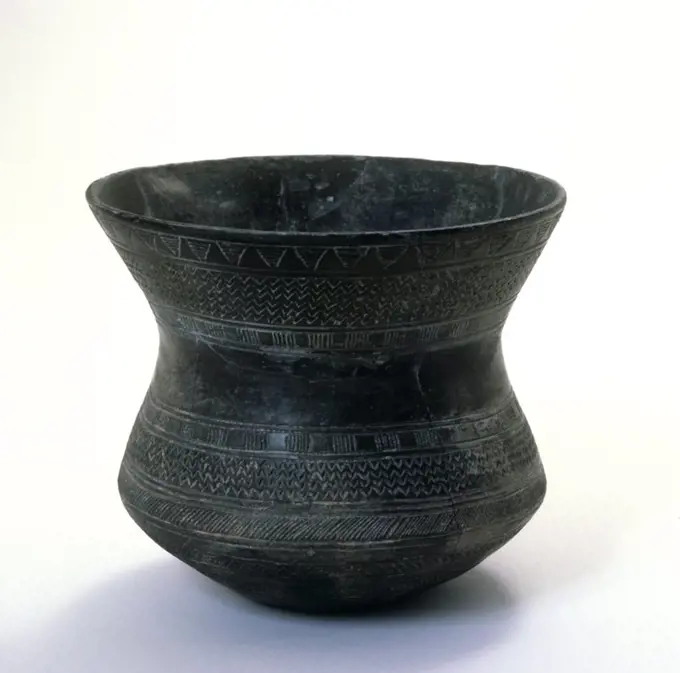
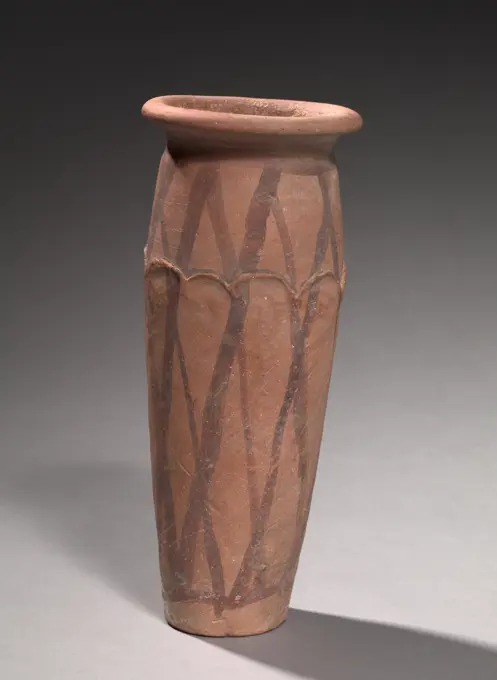
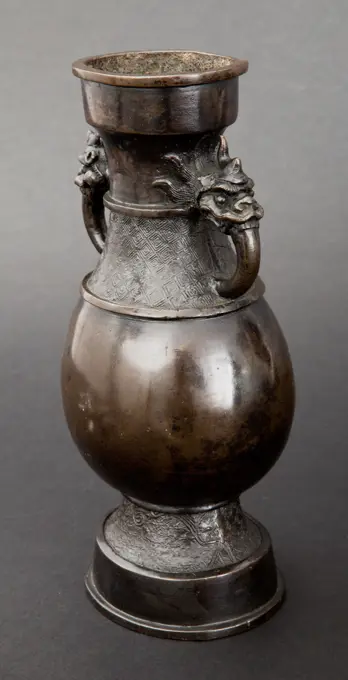
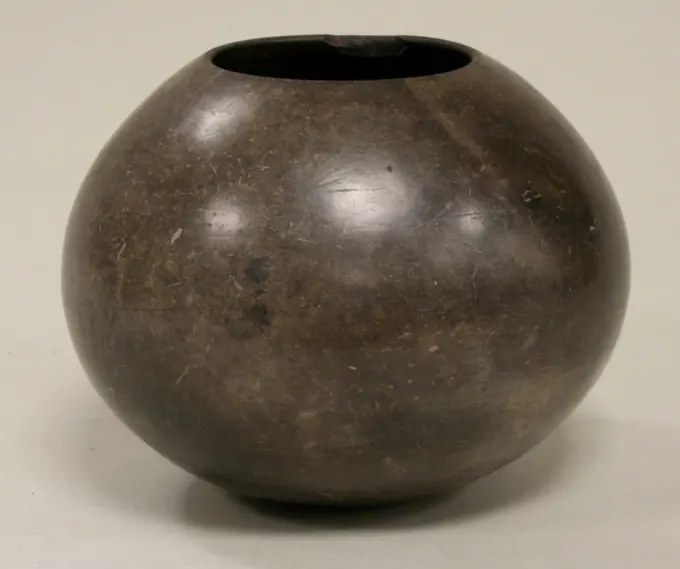
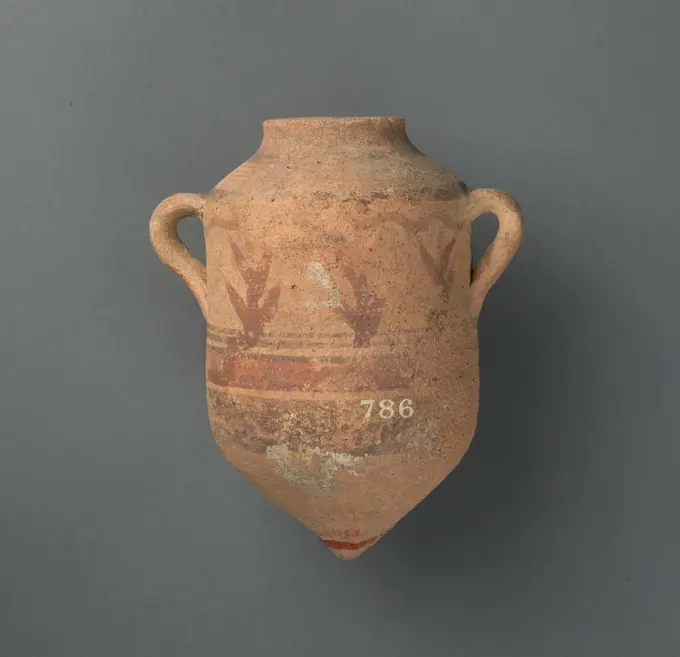
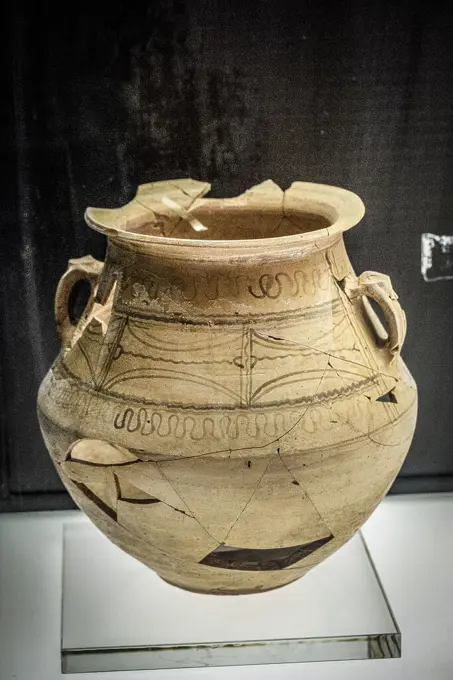
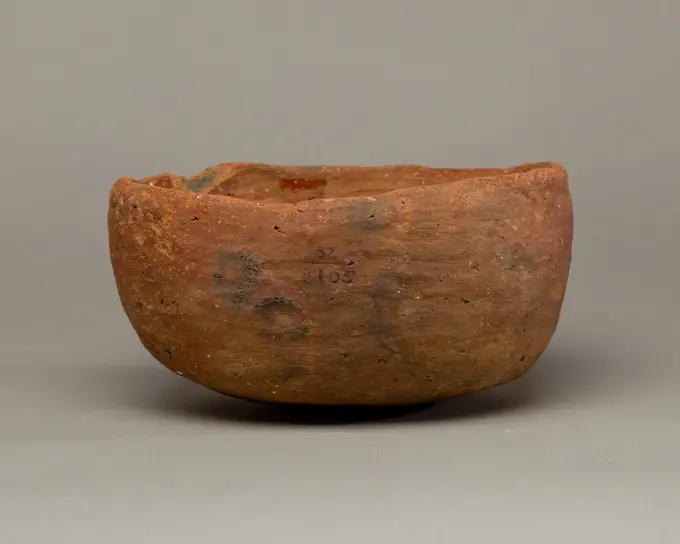
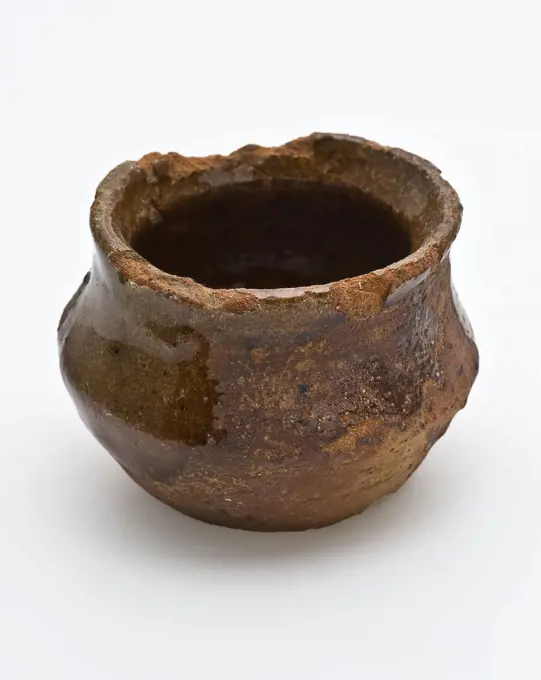
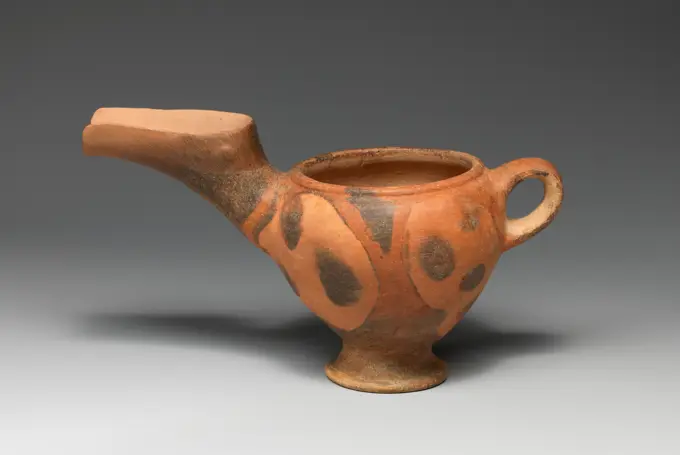
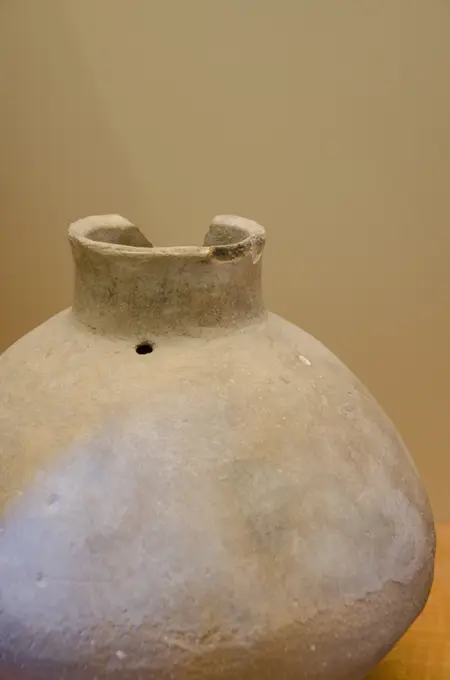
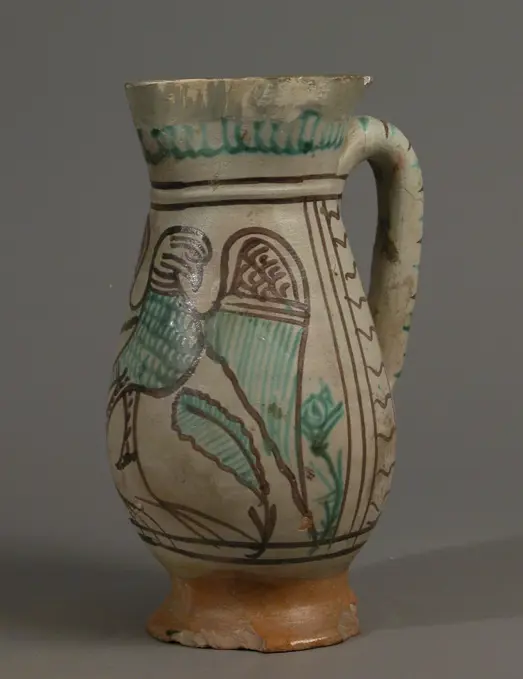
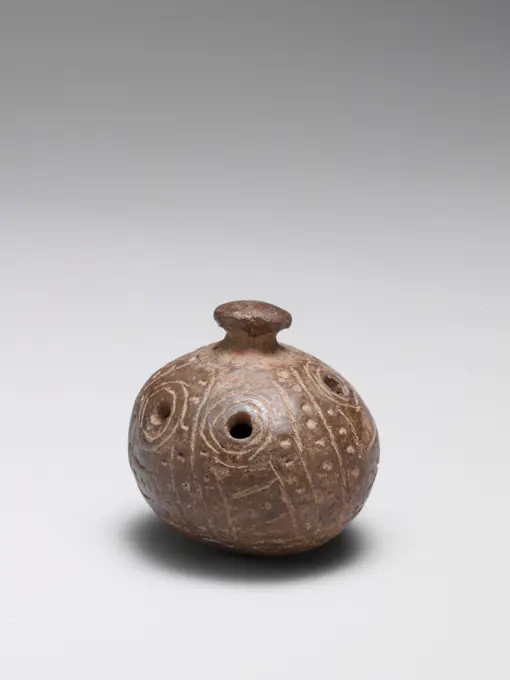
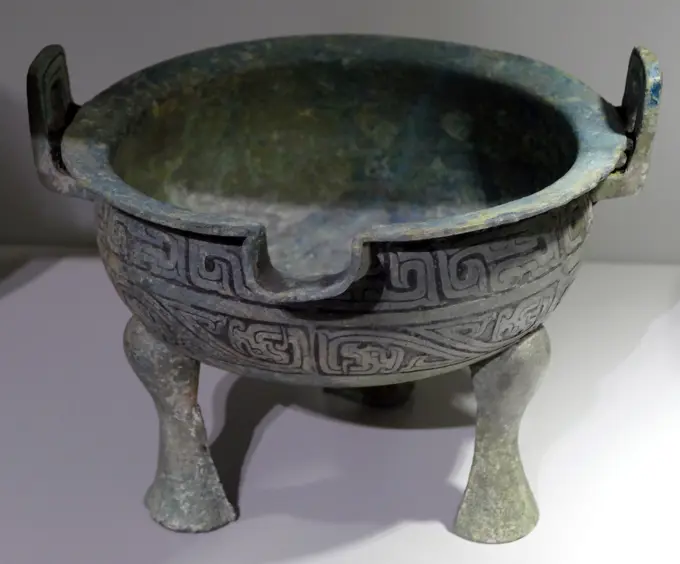
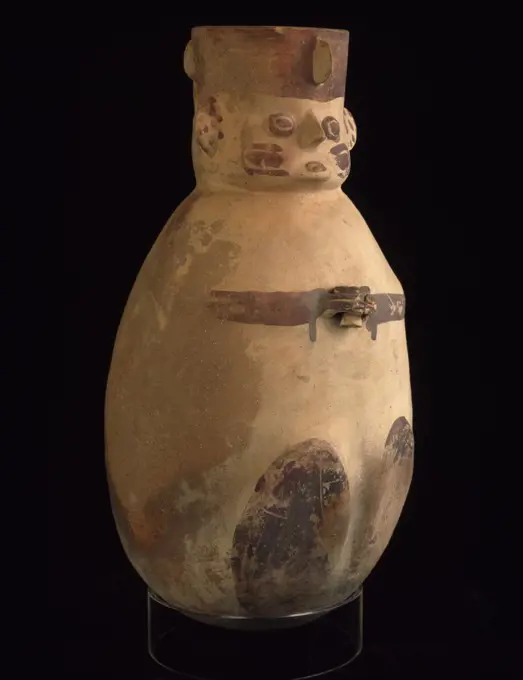
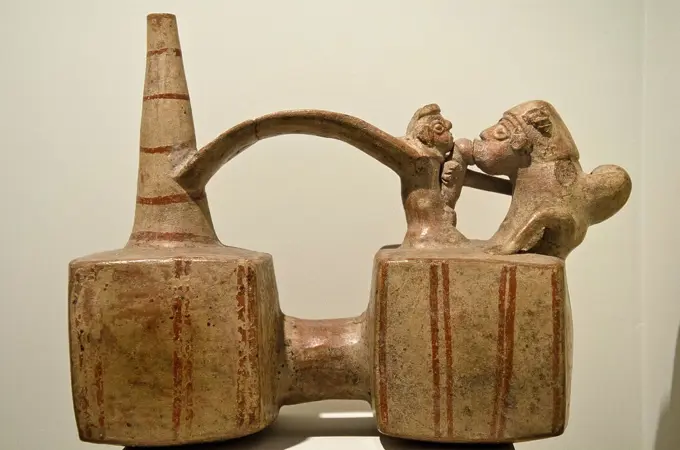
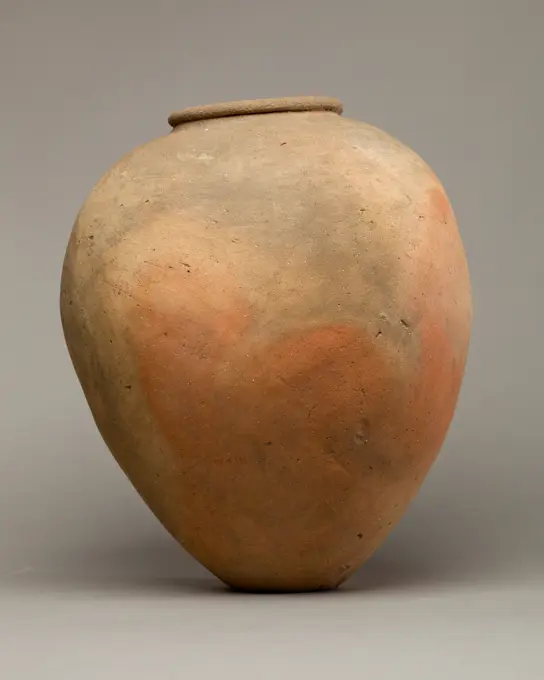
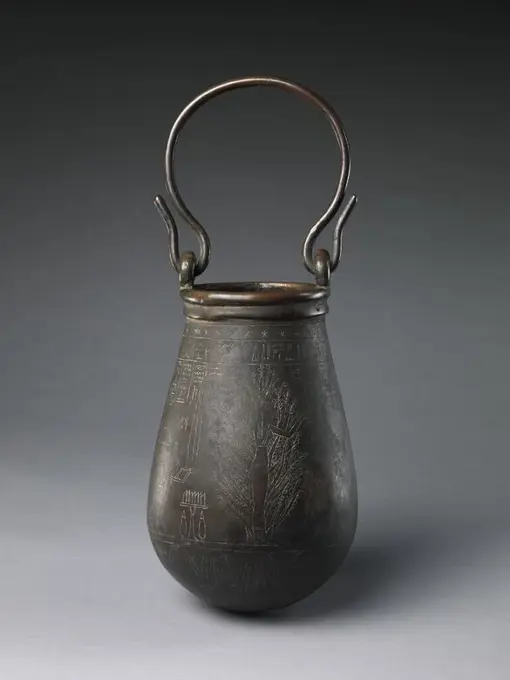
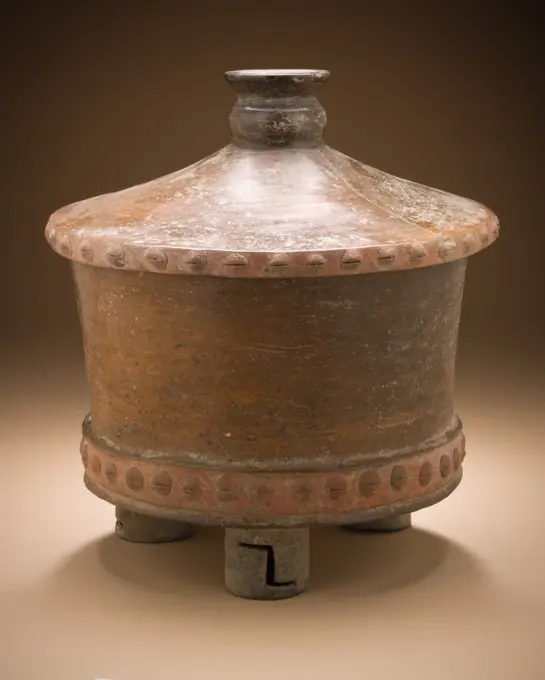
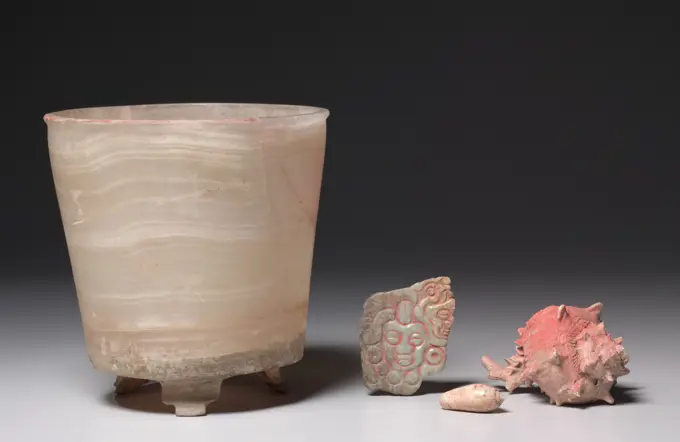
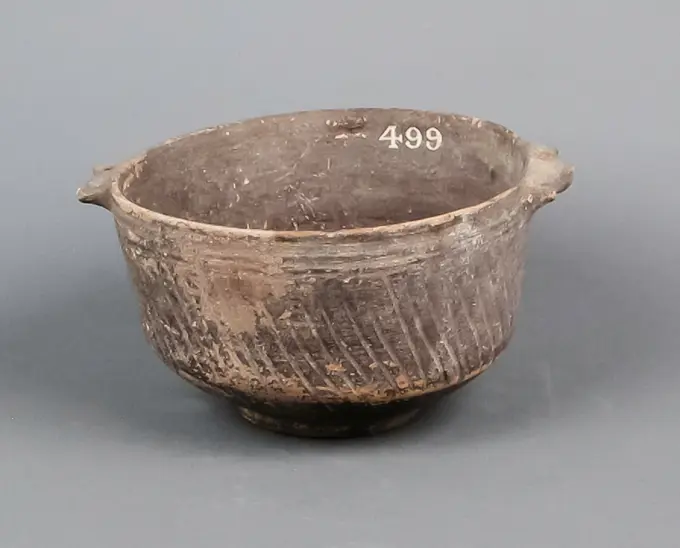
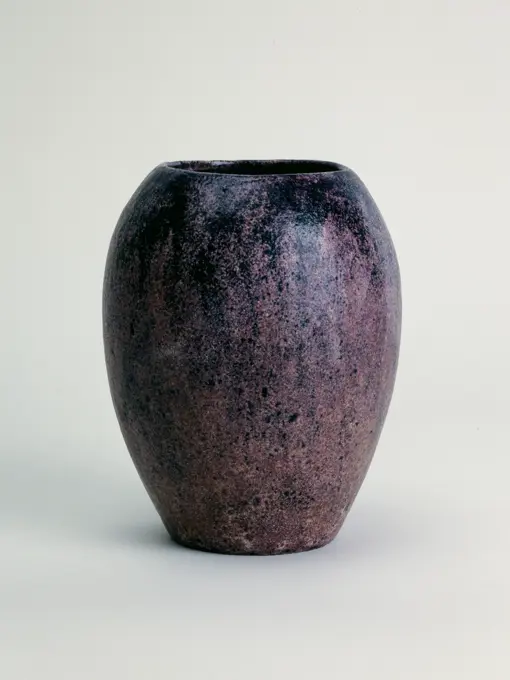
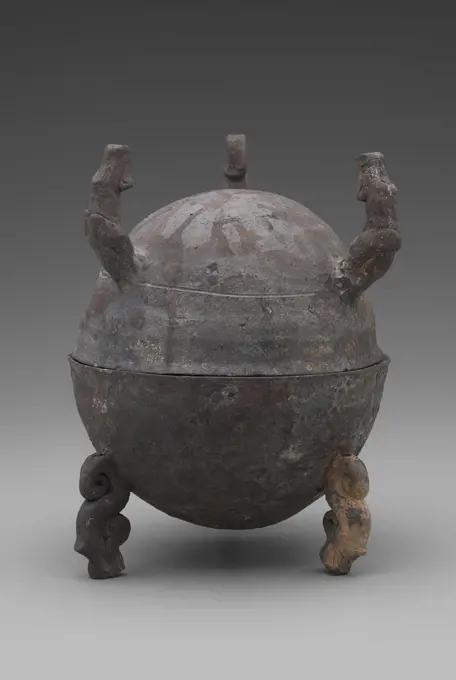
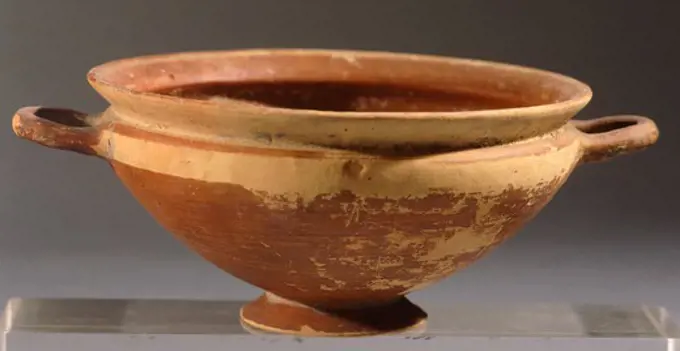
Apulian Kylix, pottery from Apulia, Italy. Ancient Greek civilization, Magna Graecia, 6th Century BC.An image of ceramic jug on a white backgroundVase. California Faience (United States, California, Berkeley, porcelain factory, 1916-1930). United States, circa 1920. Furnishings; Accessories. EarthenwareCANTARO CON DOS ASAS Y TAPA EN BARRO. Location: ALFARERIA. ALHABIA. Almería. SPAIN.Toy cooking pot on three legs, shank and band ear, white shard, cooking pot crockery holder kitchenware toy relaxing device soil find ceramic earthenware glaze lead glaze, hand turned set glazed baked Small model cooking pot toy white shard in- and outside yellow glazed rings pouring spout one pinched ear three legs Bottomed bottom profiled side wall and outstanding upper edge archeology Valckensteyn Poortugaal Albrandswaard indigenous pottery play child toy cooking game Soil discovery: castle Valckensteyn in Poortugaal now Albrandswaard 1961-1962.Terracotta jug ca. 1900-1800 B.C. Cypriot White-painted decoration was the predominant style of the Chalcolithic period and reappeared at the end of the Early Cypriot III period. By the eighteenth century B.C., in the period after this vase was produced, White Painted Ware became the dominant type in Cypriot ceramics.. Terracotta jug 240903Double Spout Bottle 3rd-2nd century B.C. Topará. Double Spout Bottle 310512Jug 850-750 B.C. Cypriot. Jug. Cypriot. 850-750 B.C.. Terracotta. Cypro-Geometric III. VasesPot of red -baking clay, with colorless lead glaze on the inside and outside, damaged, anonymous, 1500 - 1799   earthenware. lead glaze   earthenware. lead glazeBowl 4th-7th century Coptic. Bowl 478673Vessel. Culture: Coptic. Dimensions: Overall: 2 5/8 x 4 x 3 1/8 in. (6.6 x 10.2 x 8 cm). Date: 4th-7th century. Museum: Metropolitan Museum of Art, New York, USA.Vase ca. 575-525 B.C. Etruscan Small vase with perforated handles; no decoration.. Vase. Etruscan. ca. 575-525 B.C.. Terracotta; bucchero. Archaic. VasesAmphorisque with a shell -shaped belly. Colorful glass, 1st century. Museum of Fine Arts of the City of Paris, Petit Palais. 59721-13 Amphora, amphorisk, handle, antiquity, ancient art, shell, hygiene, 1st i 1er 1 century, colorless, ointment, perfume, ancient period, container, ancient vase, glass, toiletStirrup Vessel with Fineline Painting Depicting Warriors in an Aquatic Scene Made 100 BCE-500 CE Peru. Ceramic and pigment . MocheMUSEO-JARRA PINTADA EN BLANCO-CALIFAL S X-XI. Location: MEDINA AZAHARA / MADINAT AL-ZAHRA-MUSEO-CERAMICA. PROVINCIA. CORDOBA. SPAIN.Bridge and Spout Bottle with Bird 7th-4th century B.C. Paracas. Bridge and Spout Bottle with Bird 307866Anonymous / 'Case for the cup with the Four Seasons'. 1570 - 1600. Leather, Wood, Metal, Terrycloth. Museum: Museo del Prado, Madrid, España.VASO CAMPANIFORME DEL TIPO CIEMPOZUELOS, PROCEDENTE DEL EL VENTORRO. CALCOLITICO CERAMICA. (DEPOSITO: MUSEO ARQUEOLOGICO NACIONAL).Terracotta one-handled cup. Culture: Minoan. Dimensions: H. 2 11/16 in. (6.8 cm.)Greatest diameter 3 13/16 in. (9.7 cm.). Date: ca. 1750-1600 B.C..One-handled, dark brown inside with white band. Museum: Metropolitan Museum of Art, New York, USA.Wavy-Lined Jar, 4000-3000 BC. Egypt, late Predynastic Period, Naqada IIIa2 (Dynasty 0). Marl clay pottery; diameter: 10.1 cm (4 in.); diameter of mouth: 7.5 cm (2 15/16 in.); overall: 26.8 cm (10 9/16 in.).CERAMICA CAMPANIFORME PERSA 2900 ANTES CRIST. Location: MUSEO ARQUEOLOGICO NACIONAL-COLECCION. MADRID. SPAIN.Campania Napoli Naples S. Lorenzo Maggiore39. Hutzel, Max 1960-1990 Medieval: Sculpture, architecture, architectural sculpture (including Roman spolia) 13-14th century Chapter house; sarcophagi, gravestones; wall painting. Fragment of mosaic; sculptural fragments in the Sala Capitolare. Post-medieval: Architecture, architectural sculpture, ceiling painting fresco cycle; prints depicting Venice c. 1845 (4), sculpture; life-size creche figures dressed in original Neapolitan costume Church restored in 1882, 1926, 1944; excavations under the transept undertaken between 1958-1962, and in the cloister in 1976, have revealed remains of a Roman macellum (market), street, and the paleochristian basilica of the 6th c. AD. Antiquities: Pottery: black-glazed, archaic banded, domestic wares, bucchero; architectural terracottas, statuettes, lamps, sculpture fragments Object Notes: 3 color negatives with no prints at the end. General Notes: Most objects/paintings/frescoes unidentified. Three batches Vessel with Face 6th-10th century Manteño. Vessel with Face 316003ceramica celtiberica, museo Numantino de Soria, Soria, Comunidad Autónoma de Castilla, Spain, Europe.Cylindrical jar ca. 3100-2649 B.C. Early Dynastic Period. Cylindrical jar. ca. 3100-2649 B.C.. Pottery. Early Dynastic Period. From Egypt, Fayum Entrance Area, Tarkhan, BSAE excavations 1911-1913. Dynasty 1Jar 2nd century B.C. Nasca. Jar 308457Amphora, 1st century BCE, 13 3/16 x 13 1/2 x 12 1/4 in. (33.5 x 34.29 x 31.12 cm), Black earthenware, China, 1st century BCEvasija pintada para guardar alimentos, Necrópolis de Carratiermes, siglo I d.C. museo del Yacimiento arqueológico de Tiermes, Soria, comunidad autónoma de Castilla y León, Spain, Europe.Neck of stoneware jug with two ribs over the shoulder, water jug crockery holder soil find ceramic stoneware glaze salt glaze, hand turned glazed fried Fragment of large stoneware jug standing ear with groove in the longitudinal direction Heavy profile ring or collar around the neck at the place of the attachment of the ear. Two upright ribs around the shoulder. Completely covered with salt-glaze archeology Rotterdam IJsselmonde import indigenous pottery import store save water wash serve serve Soil discovery: Castle IJsselmonde pit 1 Rotterdam 1972.Amphora 4th-7th century Coptic. Amphora 476266Prehistory, Italy, Neolithic. Stentinello culture. Terracotta bowl. From Monte Cuccio, Palermo.Naczynie - imitacja alabastru. unknown, authorJUGUETES DE CERAMICA SIN VIDRIAR - REPRODUCCIONES PEQUEÑAS. Location: ALFARERIA. ARROYO DE LA LUZ. CACERES. SPAIN.Keltiberischer Krug Celtiberian jug, 4th-1st century BC, Cerro de San Miguel, Arnedo, Museum of Romanization, Calahorra, La Rioja, Spain, Europe Copyright: xZoonar.com/BartomeuxBalaguerxRotgerx 22946375CANTARO PINTADO EN BLANCO CON DECORACION INCISA. Location: ALFARERIA. Villarrobledo. ALBACETE. SPAIN.Funerary Urn withlid, 10th-14thcentury, Red earthenware with dark grey/black surface, 20 5/8 × 9 1/2 in. (52.4 × 24.1cm), China, Chinese, Song to Yuan dynasty(960-1368), Containers -CeramicsTerracotta Hadra hydria (water jar). Culture: Greek, Ptolemaic, Cretan. Dimensions: H.: 20 x 10 3/16 in. (50.8 x 25.9 cm). Date: late 3rd century B.C..Most Hadra hydriai have painted decoration with vegetal elements such as wreaths and garlands. This vase is unusual because of the leaves in relief that have been applied to the body and neck. Museum: Metropolitan Museum of Art, New York, USA.JARRO DE CERAMICA PINTADA. IBERICO. (DEPOSITO: MUSEO ARQUEOLOGICO NACIONAL).A vase with a flattened belly with dragon shaped handles unknownBowl (Tecomate) 12th-9th century B.C. Olmec This bowl is in a full, round shape with a small opening at the top. A potter carefully built this thin-walled vessel using a coil technique with a kaolin-like clay, finishing it with a dark slip and then burnishing it to create a shiny surface. The vessel type is known as a tecomate (gourd”), named after the gourds that inspired their original form. Some of the earliest ceramic vessels in Mesoamerica took the form of gourds captured in the more durable material of fired clay. Tecomates were important receptacles for community feasts, and many were subsequently placed in burials as important funerary offerings. Further readingBenson, Elizabeth P., and Beatriz de la Fuente, eds. Olmec Art of Ancient Mexico. Washington, D.C.: National Gallery of Art, 1996. Berrin, Kathleen, and Virginia M. Fields, eds. Olmec: Colossal Masterworks of Ancient Mexico. San Francisco: Fine Arts Museums of San Francisco, 2010. Cheetham, David, and Jeffrey P. BlomsteJug 750-600 B.C. Cypriot. Jug. Cypriot. 750-600 B.C.. Terracotta. Cypro-Archaic I. Vasescanteen, Visigoth - early medieval, Valladolid Museum , Castile and Leon, Spain.CANTARO EN BARRO CON DECORACION INCISA EN PARTE SUPERIOR-S XX ARTE POPULAR. Location: ALFARERIA. Toledo. SPAIN.Lekyt czerwonofigurowy. Malarz Ikarusa, krąg, workshopBowl. Culture: Coptic. Dimensions: Overall: 2 3/4 x 4 5/16 in. (7 x 10.9 cm). Date: 4th-7th century. Museum: Metropolitan Museum of Art, New York, USA.Jar, Canaanite 600-480 B.C. Cypriot. Jar, Canaanite. Cypriot. 600-480 B.C.. Terracotta. Cypro-Archaic II. VasesPainted vessel for storing food, Carratiermes Necropolis, 1st century AD, Tiermes Archaeological Site Museum, Soria, Castile and Leon, Spain.Charcoal burner with a wooden cover, anonymous, anonymous, c. 1600 - c. 1699 Charcoal burner from Steengoed on three short legs and with two handles, covered with a green, frameled glaze. The wooden lid is open in the form of three chrysanthemums. Old label on the inside with 'Ki Seto/ auction Breuer'. A crack in the lid. Ki Seto. Japan stoneware. glaze. deksel: wood (plant material) vitrification Charcoal burner from Steengoed on three short legs and with two handles, covered with a green, frameled glaze. The wooden lid is open in the form of three chrysanthemums. Old label on the inside with 'Ki Seto/ auction Breuer'. A crack in the lid. Ki Seto. Japan stoneware. glaze. deksel: wood (plant material) vitrificationSea Lion Hunt Bottle 6th-7th century Moche This Moche bottle depicts a hunting scene with human hunters wearing loincloths, turbans, and bags tied around their waists. They hold sticks or long clubs with rounded ends. A line of waves and irregular mounds filled with small dots, probably representing sand dunes, locate the scene in a marine environment. Two sea lions are represented tridimensionally, with their flippers painted directly on the chamber of the vessel. Some sea lions have a circular object in front of the mouth. Similar objects also appear in the mouth of sculpted sea lion vessels. They are interpreted as small beach pebbles that these animals swallow. When hunted, sea lions frequently cough up the stones. Once powdered, these pebbles are believed to possess powerful medicinal properties. Today, they are used on the Peruvian coast by folk healers in order to cure epilepsy and heart disorders.. Sea Lion Hunt Bottle 310521Jar. Cernuschi Museum, Asia Museum of Asia in the city of Paris.Bowl ca. 4500-4000 B.C. Predynastic, Late Naqada l-Naqada II. Bowl. ca. 4500-4000 B.C.. Pottery. Predynastic, Late Naqada l-Naqada II. From Egypt, Northern Upper Egypt, Matmar, Cemetery 3100, Thrown out of grave, BSAE/Brunton excavations, 1931Cylinder with two strokes, bottle, cup, kitchen pot, dish; Unknown Night -Tamanian workshop; 1. PO. 3 thousand BC ; Early period of D Azira III (-3000-00-00--2501-00-00), 2. PO. 3 thousand BC ; Early period D Azira IV (-2500-00-00--2001-00-00), 1. PO. 3 thousand BC ; Early period D Azira III (-3000-00-00--2501-00-00);Al-Jazezira (geographical land in northern Mesopotamia), bottle (vessel), kitchen pots, metallic ware, dishes, non-colored vessels, two-vegetable dishes, clay dishes, spherical dishes, oils for oils and ointments, dishes with a bow, early Dżazira III period (appro Mediterranean archeology at the University of Warsaw, pottery signsVASO CAMPANIFORME CON DECORACION INCISA, TIPO CIEMPOZUELOS. DETALLE. CALCOLITICO CERAMICA. (DEPOSITO: MUSEO ARQUEOLOGICO NACIONAL).Jar 17th century. Jar 446929Pot 4th-7th century Coptic. Pot 477271Ointment jar, red pottery, double conical belly, ointment jar pot holder soil find ceramic earthenware glaze lead glaze, hand-turned glazed fired convex conical belly oblique top edge middle belly an angular edge. Beneath the top edge. Red earthenware inside and edge glazed outside here and there stain archeology Rotterdam rail tunnel packaging medicine medicine handicraft ointment care pharmacy Soil discovery: rail tunnel Rotterdam.Prehistory, Palestine, 3rd millennium b.C. Anthropomorphic ceramic cup. From Jericho, Israel.Prehistory, Poland, Bronze Age. Lusatian culture. Ceramic vase.Terracotta beak-spouted jar ca. 2600-2200 B.C. Minoan Mottled red and black.. Terracotta beak-spouted jar 247631USA, Mississippi, Greenville. Winterville Mounds, one of the largest Native American mound sites in the US, circa AD 1100. National Historic Landmark. Ancient pottery display.Amph. Menas; Egyptian workshop; 1. PO. VII century (601-00-00-650-00-00);Jug with figures, anonymous, c. 1700 - c. 1799 Jug of stoneware on the standing surface with an egg -shaped body and short, narrow neck. Part of the neck is missing. Covered with a brown glaze. Decorated with turning snaps on the shoulder and the belly is pressed in three places. In the dents in relief a printed and imposed human figure. Dreihausen. Dreihausen stoneware. glaze vitrification Jug of stoneware on the standing surface with an egg -shaped body and short, narrow neck. Part of the neck is missing. Covered with a brown glaze. Decorated with turning snaps on the shoulder and the belly is pressed in three places. In the dents in relief a printed and imposed human figure. Dreihausen. Dreihausen stoneware. glaze vitrificationcauldron MieleówJug with Eagle early 1400s Italian Orvieto was one of the earliest centers in Italy to compete with Spanish potters in the production of glazed earthenware. The rich repertory of motifs included birds, monsters, and fantastical animals rendered in broad, bold strokes in a limited palette of copper green and manganese brown.. Jug with Eagle 463529Terracotta conical lekythos-oinochoe (combination oil flask and jug). Culture: Greek, Attic. Dimensions: H. 8 9/16 in. (21.7 cm). Date: late 8th-early 7th century B.C..This piece and 36.11.9 are said to have been found together. They belong to a large class of unglazed vases that were made during the late eighth and early seventh centuries B.C. They have been found in many parts of the Greek world, particularly in the Argolid. Some are undecorated; others, like these, have motifs executed with what is called a toothed-wheel. The Museum's examples are unusual in having double handles. Museum: Metropolitan Museum of Art, New York, USA.Vase with flowers 11th-12th century China. Vase with flowers 48387Ocarina 1300-1500 Tairona People; Gayraca style Although numerous types of instruments survive from pre-conquest South and Central America, little is known of how they were used. Whistles, trumpets, and rattles in animal or human form probably had ceremonial functions or served as playthings. Smaller whistles in animal shapes, perhaps worn suspended from the neck, frequently have fingerholes that allow variation of pitch.Flutes and bells are all that remain of many musical traditions of the Tairona people of the Sierra Nevada de Santa Marta region, Colombia. The importance of these metal, terracotta, and blackware instruments is evident in their carefully detailed incising and punctuation. The symbolic meanings of the effigies are obscure, and the relationship between the forms and their musical functions is unclear. It is believed that musical effigies served as talismans and were played to link the mortal and immortal realms.. Ocarina. Tairona People; Gayraca style. 1300-1500. CeramiCrock, Archaeological Museum are Fornes, postalayótica period room, Montuiri, District of Es Pla, Mallorca, SpainButton-base cup late 2nd millennium B.C. Iran. Button-base cup 325540Chinese ritual food vessel, ding. Bronze, Western Zhou dynasty (c.1 050-771 BC)OinochoeCONJUNTO DE RECIPIENTES DE CERAMICA PROCEDENTES DE LA NECROPOLIS DE LAS ESPERILLAS (SANTA CRUZ DE LA ZARZA, TOLEDO). EN EL MUSEO DE SANTA CRUZ.Footless Cup or Lid 4th-7th century Coptic. Footless Cup or Lid 478890Amphora, late 7th-8th century, 10 1/4 x 5 1/4 in. (26.04 x 13.34 cm), Sancai ware Stoneware with three-color glaze, China, 7th-8th century, The showy magnificence of light-bodied wares covered with splashed san cai glazes became hallmarks of the early Tang dynasty. This amphora exhibits a Hellenistic shape which relates it to the extensive trade contacts that China enjoyed with Central Asia and the Middle East during the seventh and eighth centuries.Argaric cup Argaric cup, house of the abbots, Ancient Bronze, Archeological Museum. Úbeda, Jaén province, Andalusia, Spain Copyright: xZoonar.com/BartomeuxBalaguerxRotgerx 21702935Sencha cup with poem, from a set of five, 19th century, Ōtagaki Rengetsu, Japanese, 1791 - 1875, 1 5/8 × 2 9/16 × 2 9/16 in. (4.13 × 6.51 × 6.51 cm), White stoneware, Japan, 19th centuryVase with figurines, From tomb of King MichuSeated effigy figure burial urn from Chancay,  Peru,  USA,  Florida,  Jacksonville,  The Museum of Contemporary Art,  Pre-Columbia Ceramic Collection,  circa 1000-1470 A.D.CANTARO PARA AGUA CON UN ASA - SIN VIDRIAR - S XX ARTE POPULAR. Location: ALFARERIA. TRIGUEROS. Huelva. SPAIN.Bronze age red pottery from Cyprus, circa 1900-1600 BCCeramic vessel, erotic art Moche culture 100 AC-800 AC Perú.Ointment Jar ca. 1479-1458 B.C. New Kingdom. Ointment Jar. ca. 1479-1458 B.C.. Travertine (Egyptian alabaster). New Kingdom. From Egypt, Upper Egypt, Thebes, Deir el-Bahri, Temple of Hatshepsut, Foundation Deposit 1 (A), Egypt Exploration Fund, 1894-95. Dynasty 18Large shouldered jar ca. 3850-2960 B.C. Predynastic Period. Large shouldered jar 568264CERAMICA MALLORQUINA.Lamp ca. 1981-1640 B.C. Middle Kingdom. Lamp. ca. 1981-1640 B.C.. Pottery. Middle Kingdom. From Egypt, Memphite Region, Lisht North, Cemetery, MMA excavations, 1906-07. Dynasty 12-13bell-shaped container of marine type bell-shaped container of marine type, Tres Montes, Bardenas Reales, bronze age, Navarra,Spain Copyright: xZoonar.com/BartomeuxBalaguerxRotgerx 21889669Ceremonial Situla of the 'Great Praised' Penmin showing Nut as a tree-goddess, and Osiris, Isis, Nephthys, and Harsiese. Dimensions: H. 27 cm (10 5/8 in.); H. with handle 39.7 cm (15 5/8 in.); Diam 16.4 cm (6 7/16 in.). Date: 332-30 B.C..Just below the rim of this situla is a band of stars indicating the sky, and beneath that is a register of inscription which asks that the 'Great Praised' Penmin give life to Hetepkhonsu, and names various other individuals whose relationship is not entirely clear.Two scenes cover opposite sides of this vessel. In one scene a tree goddess, named here as Nut, pours water down over Penmin on the right and his ba (in the form of a bird) on the left. In the other Penmin adores across an offering table the gods, Osiris, Isis, Nephthys, and Harsiese. A lotus design clasps the rounded bottom of the vessel. Museum: Metropolitan Museum of Art, New York, USA.late Celtiberian jug, necropolis of the wheels, Padilla de Duero, Roman Hispania, Valladolid Museum, Community of Castile and Leon, Spain.CERAMICA POPULAR.Tripod Vessel with Lid. Mexico, Basin of Mexico, Teotihuacan, Teotihuacan, 400-600 CE. Ceramics. Slip-painted ceramicJar With Hieratic Inscription. Dimensions: H. 9 cm (3 9/16 in); diam. 9.5 cm (3 3/4 in). Dynasty: Dynasty 18, early. Date: ca. 1550-1458 B.C.. Museum: Metropolitan Museum of Art, New York, USA.Canopic Jar Body. Inscribed for Ta-nefert-irty, daughter of the general Psamtek-neb-pehty, born of the lady Ta-Kesh.Offering Group: Vessel, c. 800-1200(). Mexico, Guerrero(), San Jerónimo de Juárez, Xochicalco style. Travertine or tecali; diameter: 18.8 x 18.4 cm (7 3/8 x 7 1/4 in.); overall: 18.9 cm (7 7/16 in.). The objects in this group, all with traces of red pigment, are said to have been found together, the shells and greenstone plaque inside the translucent stone vessel. A similar offering was found in a pyramid ornamented with feathered serpents at Xochicalco, a site south of the Valley of Mexico.Bowl 850-750 B.C. Cypriot Deep bowl with two small pierced handles, light clay with coarse black slip.. Bowl. Cypriot. 850-750 B.C.. Terracotta. Cypro-Geometric III . VasesJARRA DE TRAMPA VIDRIADA Y CON DECORACION FLORAL - ARTE POPULAR S XX. Location: ALFARERIA. TORO. Zamora. SPAIN.Can be of red hard-baked pottery. Pear-shaped can of red hard-baked pottery. The can have a spout and a channeled ear. The belly is embossed with palmets, flanked by rosettes, the stems of which form a pointed arch-shaped frame. A palm with relief is applied under the spout. The can be noticed.Squat lekythos. Culture: Greek, Attic. Dimensions: Diameter: 3 3/16 × 1 3/8 × 2 11/16 in. (8.1 × 3.5 × 6.8 cm)Height: 4 13/16 in. (12.3 cm). Date: ca. 450 B.C.. Museum: Metropolitan Museum of Art, New York, USA.Félix Massoul (Félix-Victor Massoul, dit). Vase. Sandstone. Museum of Fine Arts of the City of Paris, Petit Palais. Art Menager, GRES, object of decoration, vase, 19th 19th 19th 19 19th 19th centuryDui, 8th-3rd century B.C., Stoneware with slip and traces of tin foil, 9 1/4 × 7 1/8 in. (23.5 × 18.1cm), China, Chinese, Eastern Zhou dynasty (770-221 B.C.E.), Containers -CeramicsKaa, bronze wine cup with an inscription for Kia's descendants, China. Chinese Civilisation, Shang Dynasty, 16th-11th century BC.