Ancient Jewelry and Artifacts

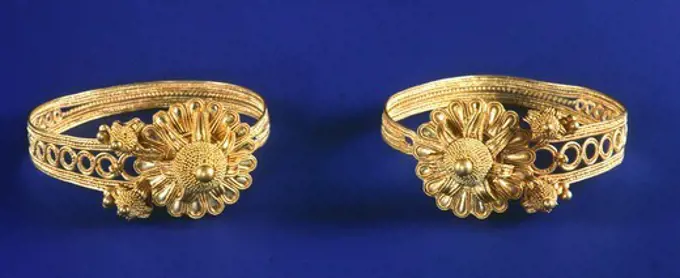
A collection of ancient gold and bronze jewelry pieces including earrings and rings, reflecting historical craftsmanship and ornamental styles.

Outer cabinet of green ray leather, Jean Baptiste Baillon, c. 1755 Outdoor cupboard of green rays and gold. Paris gold (metal) Outdoor cupboard of green rays and gold. Paris gold (metal)
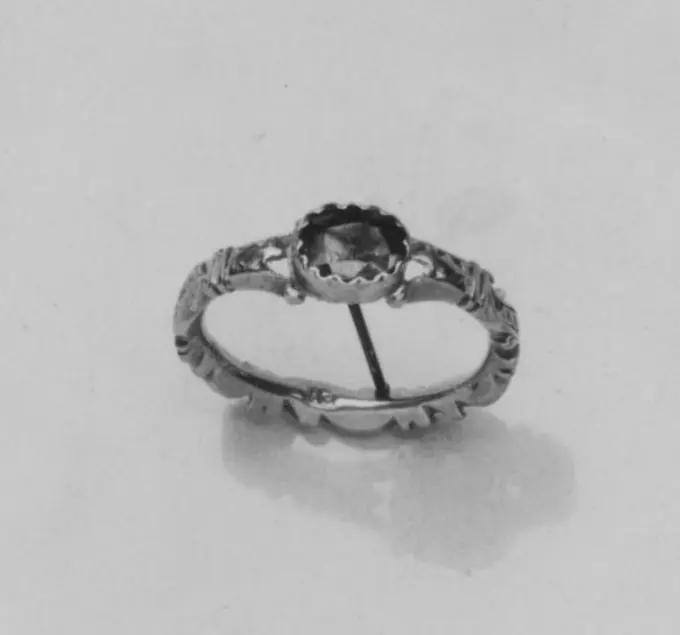
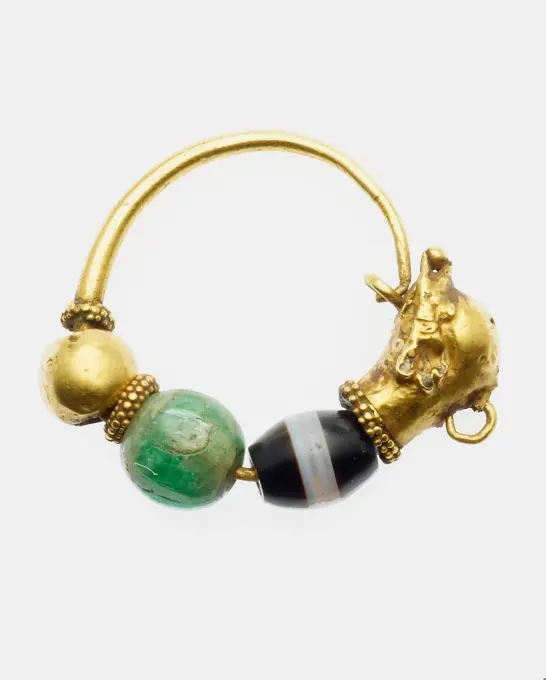
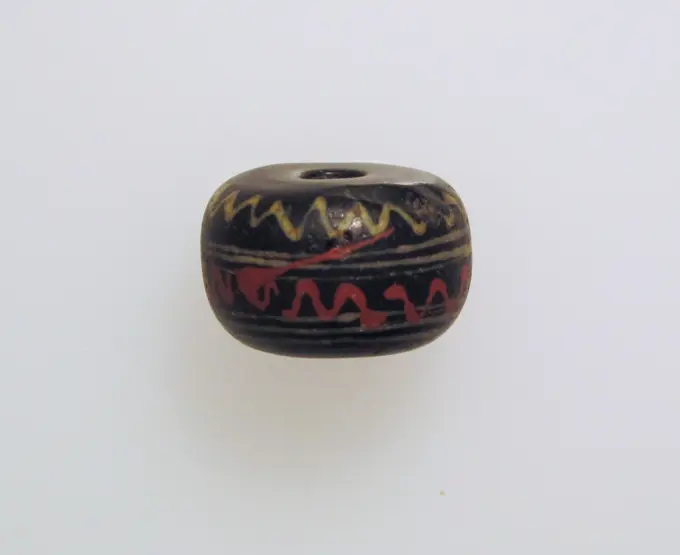
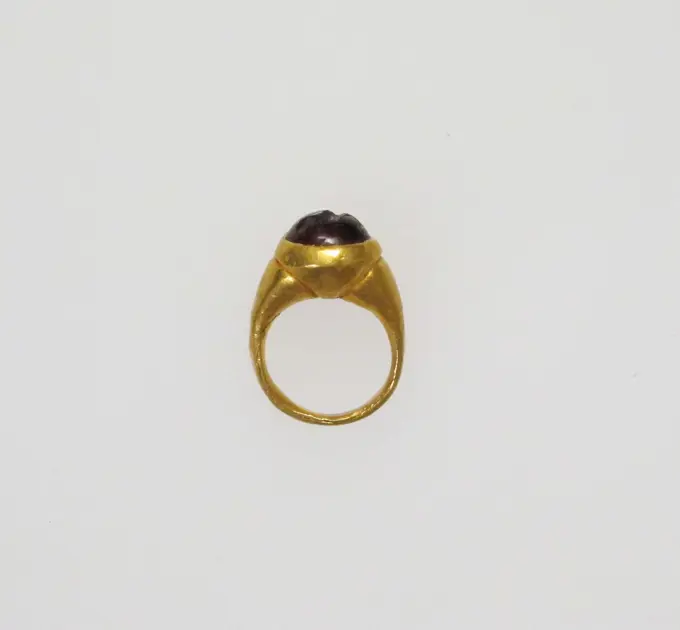
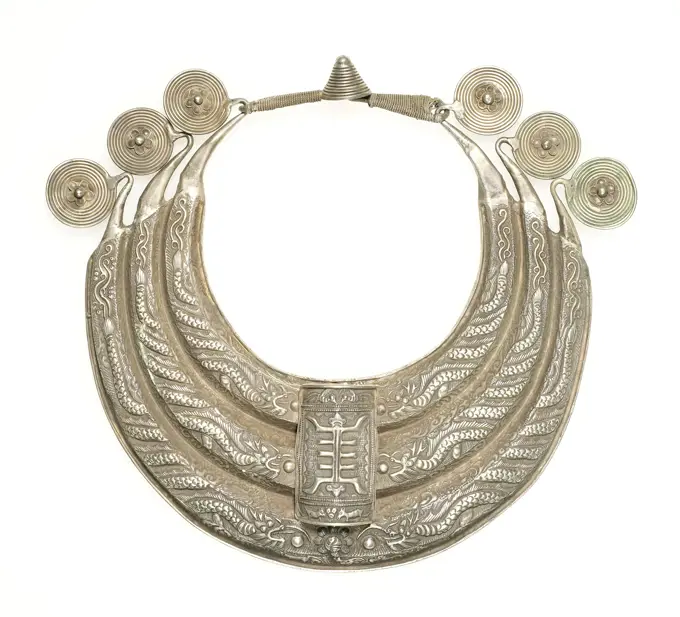
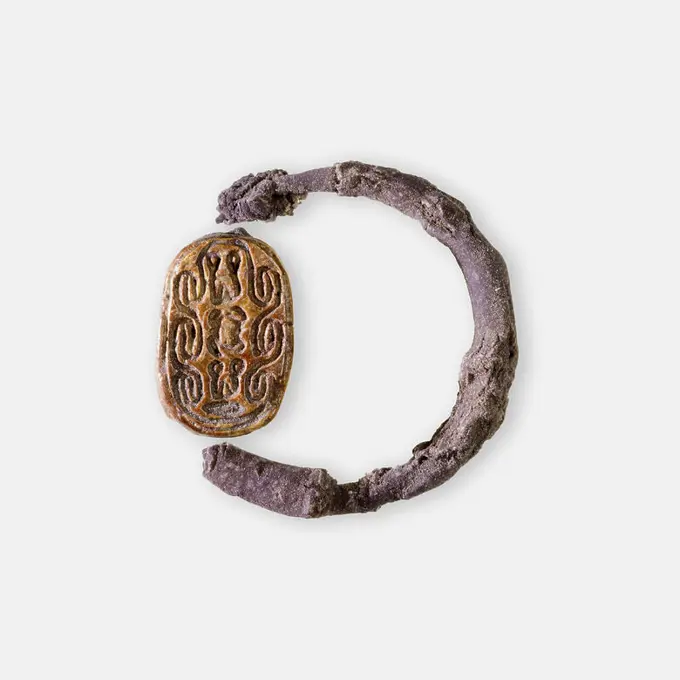
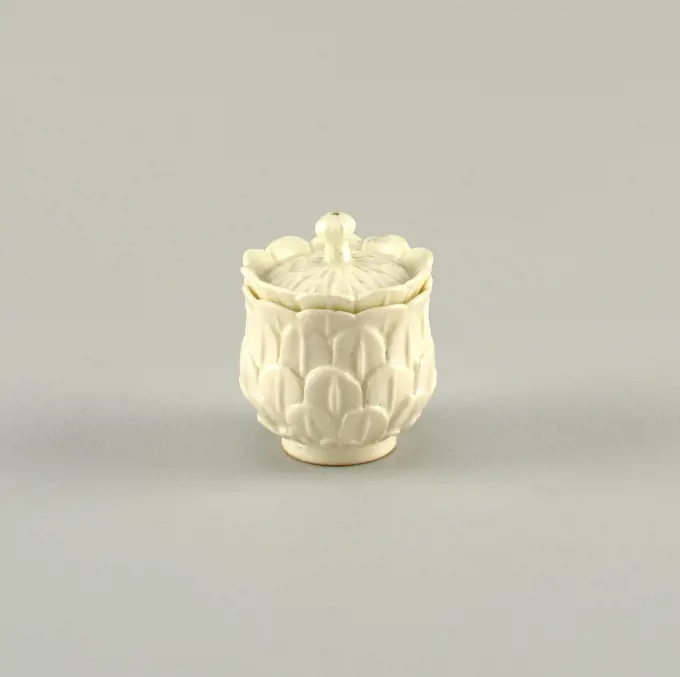
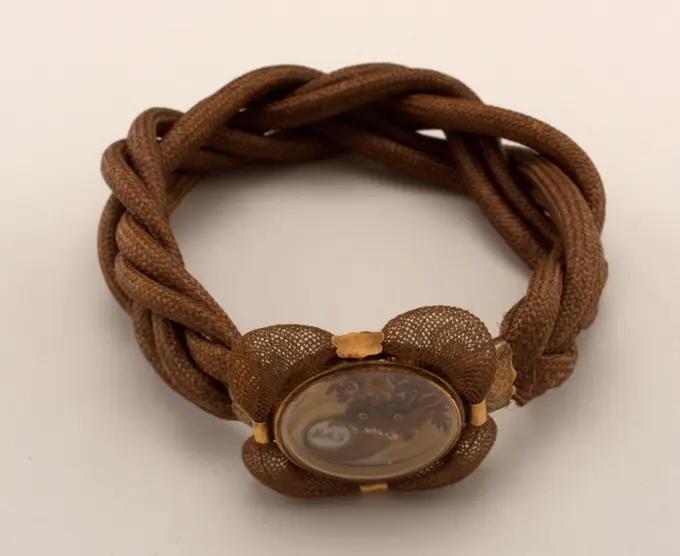
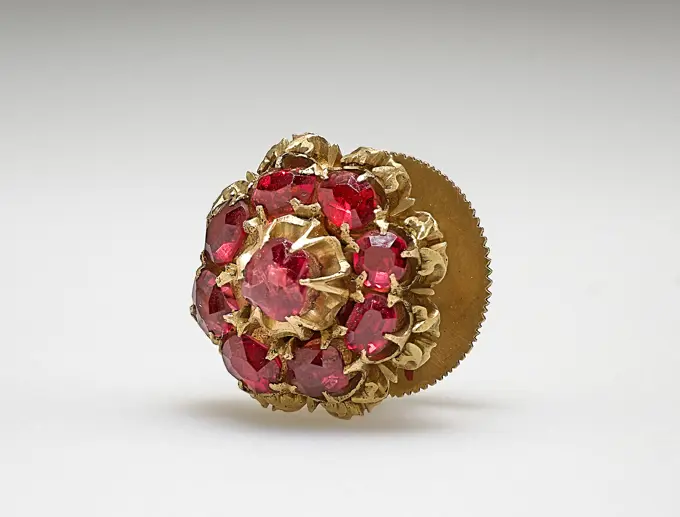
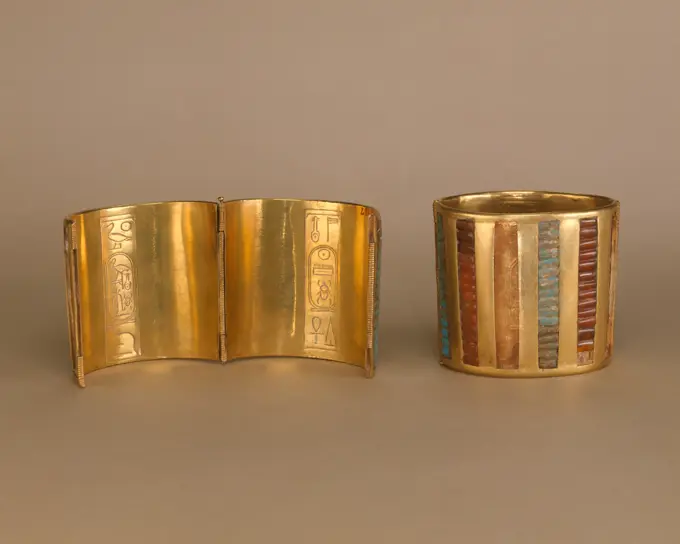
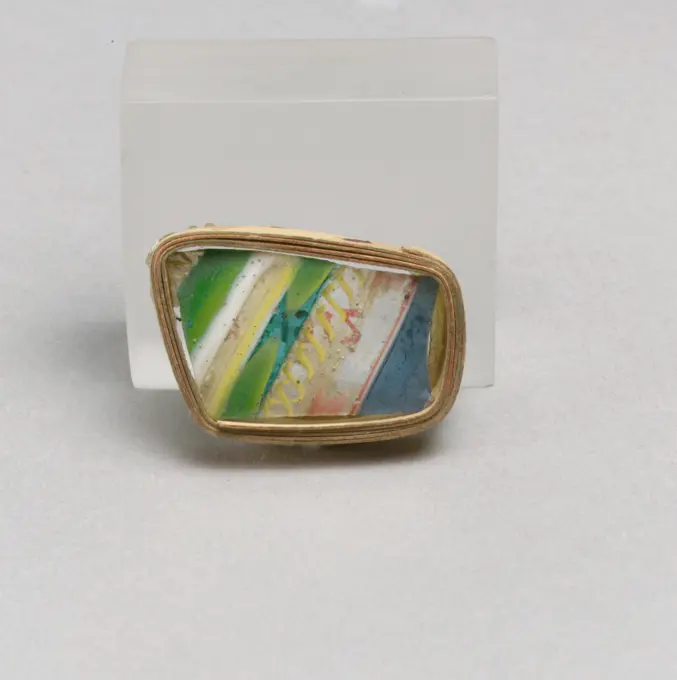
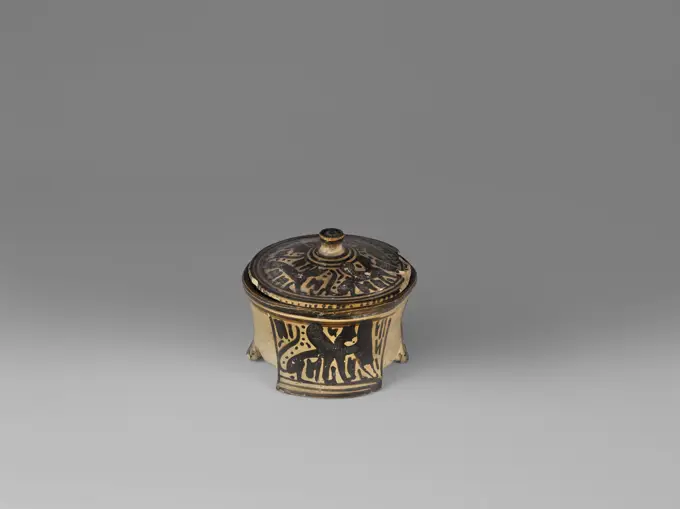
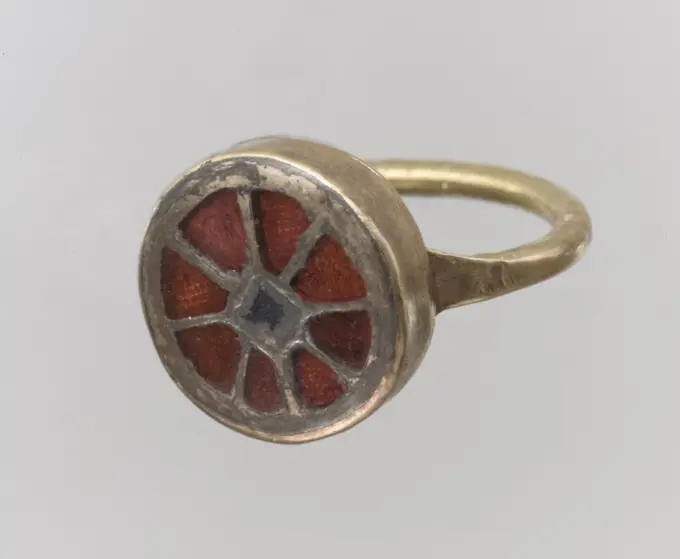
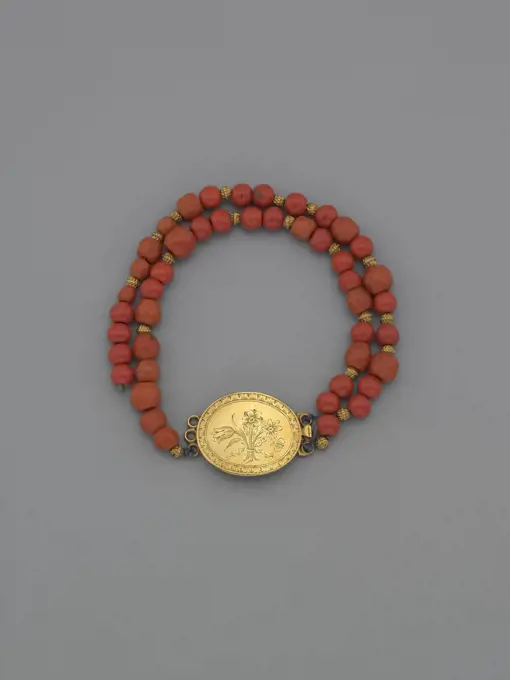
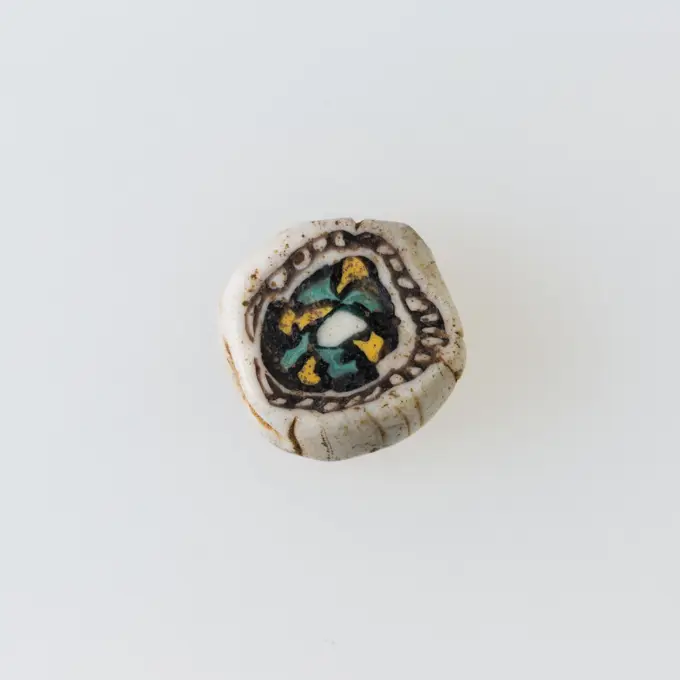
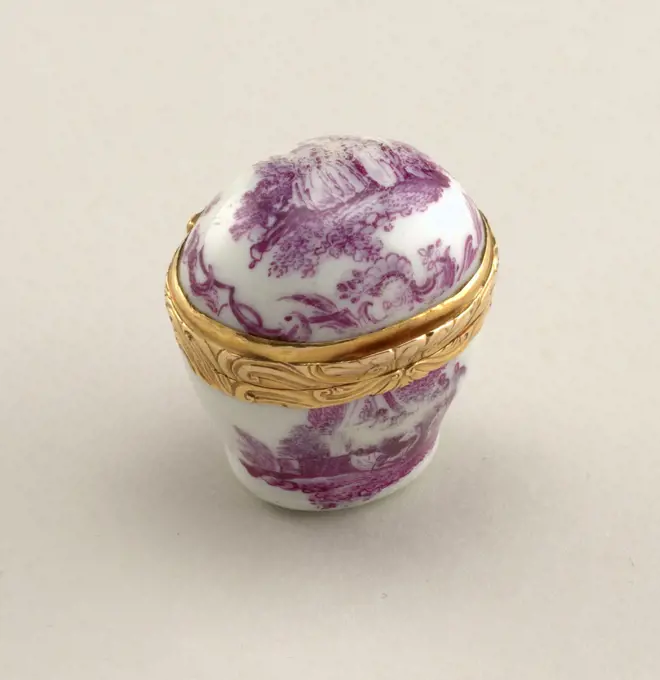
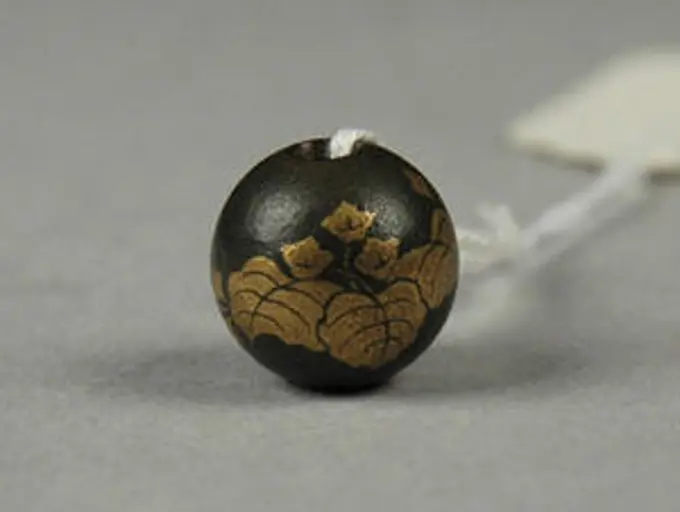
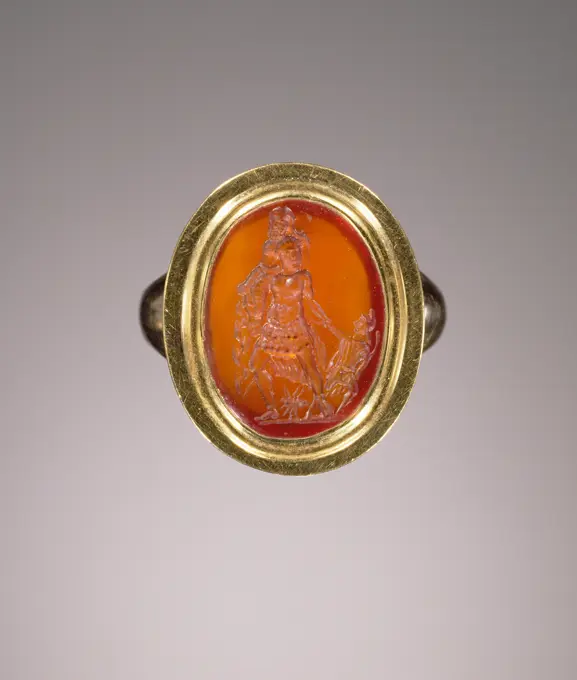
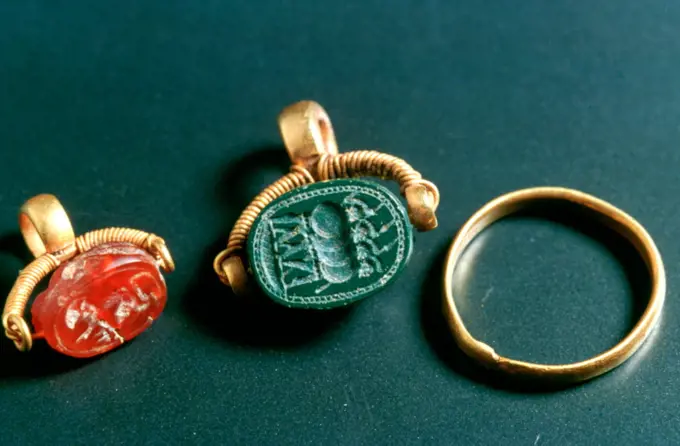
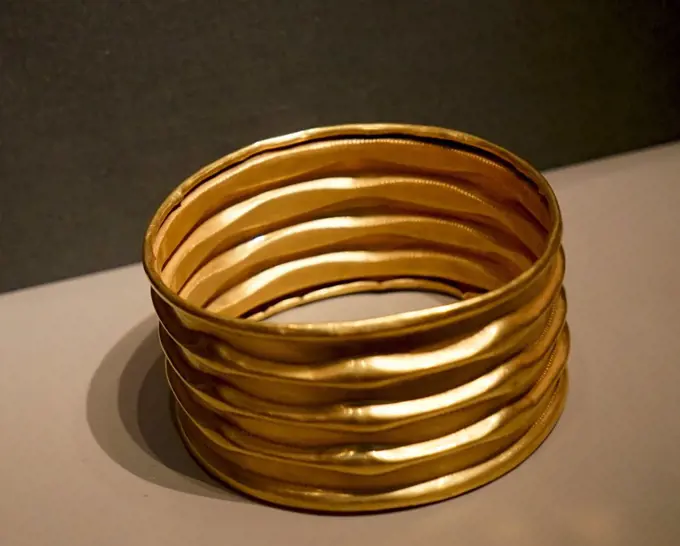
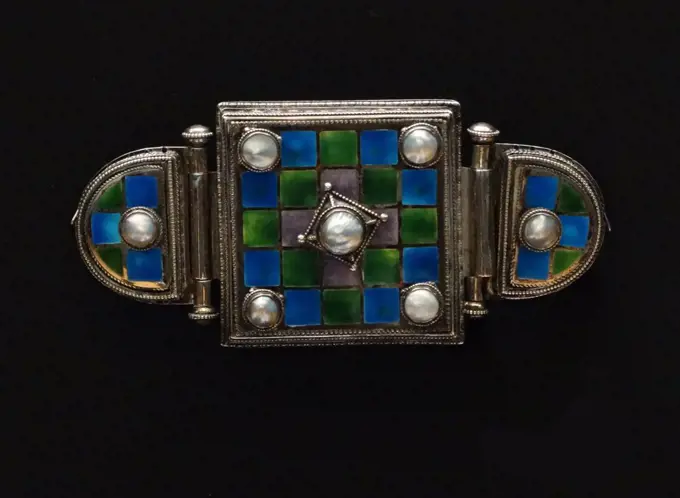
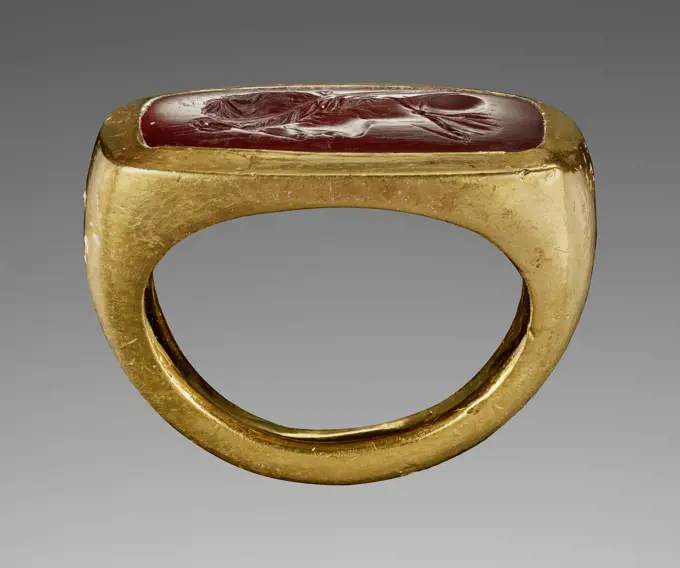
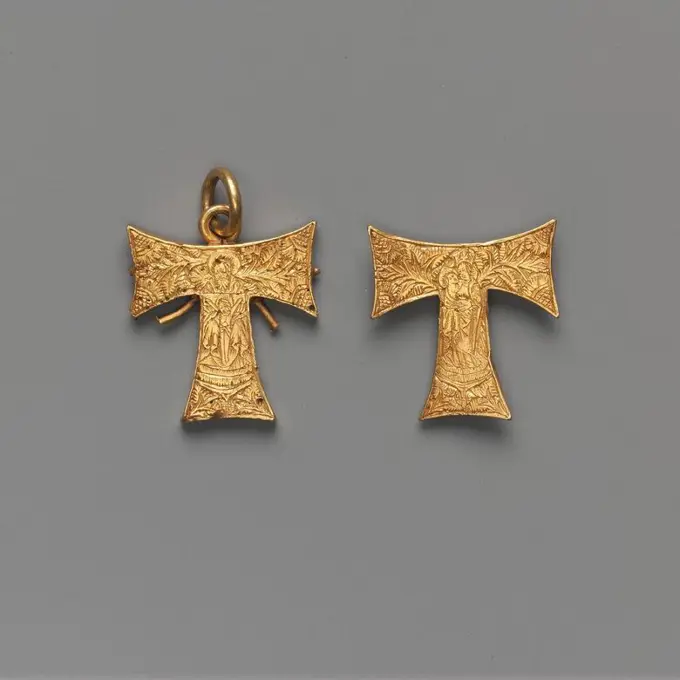
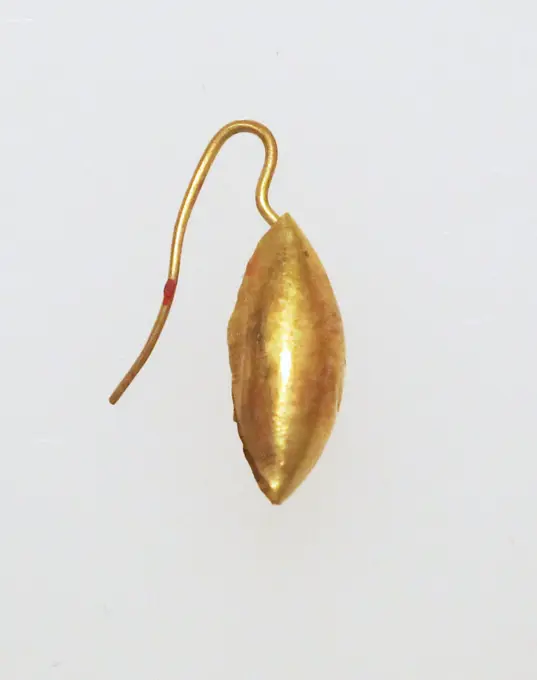
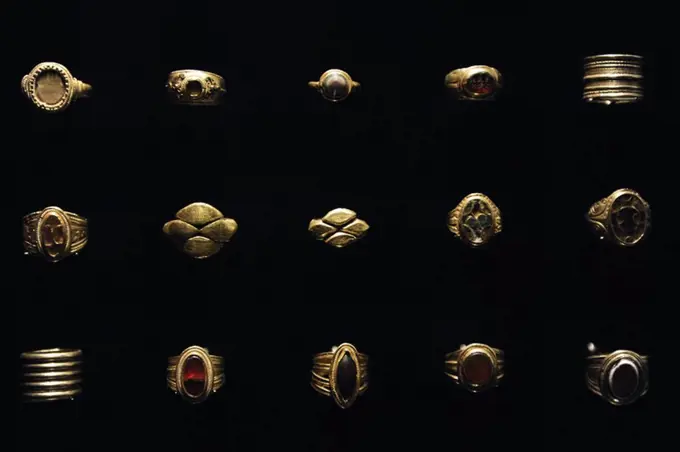
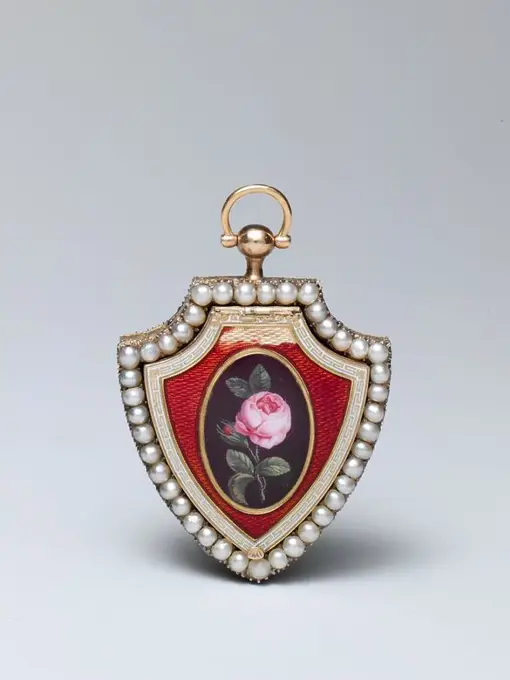
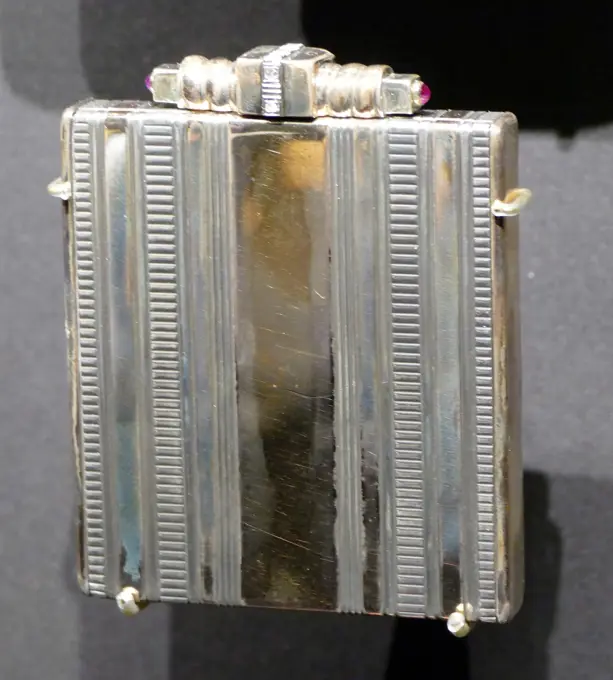
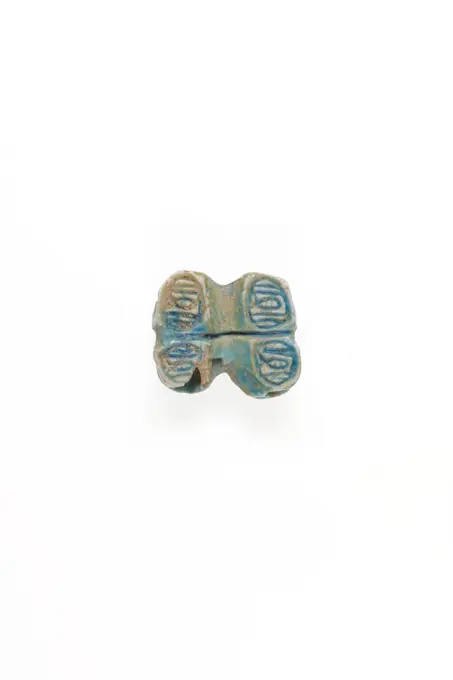
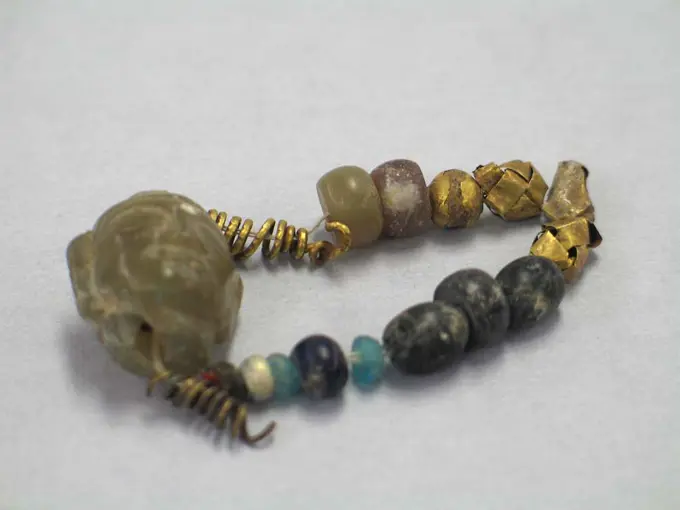
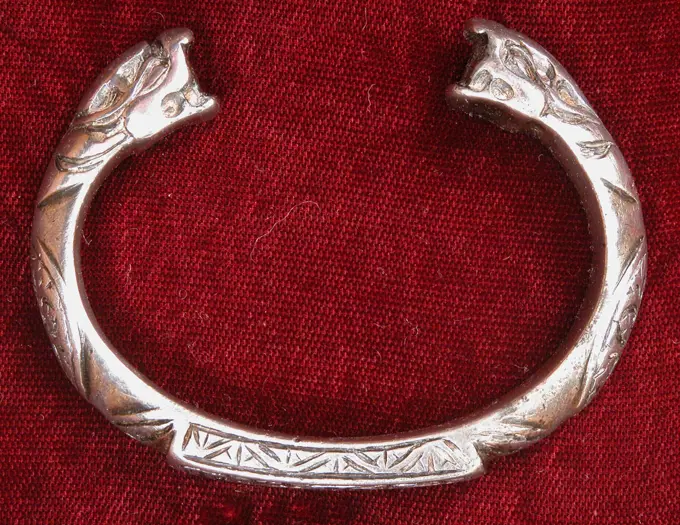
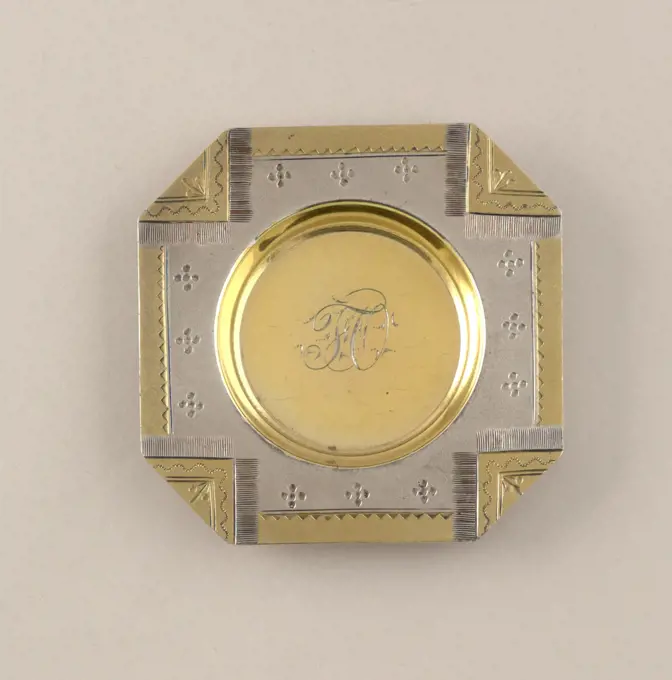
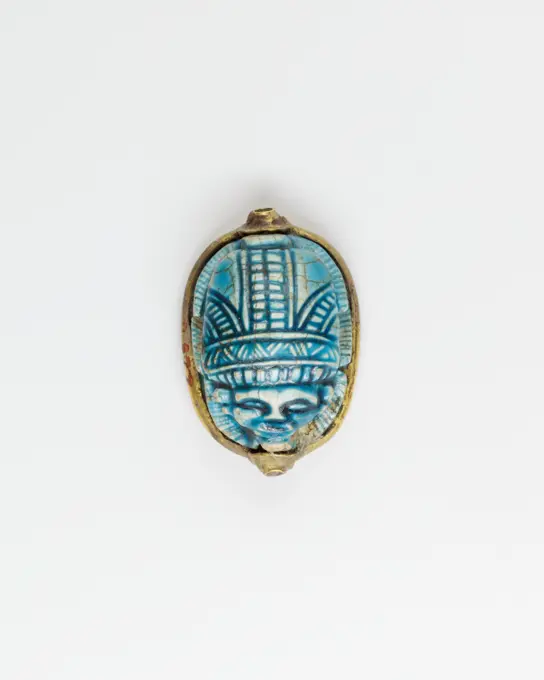
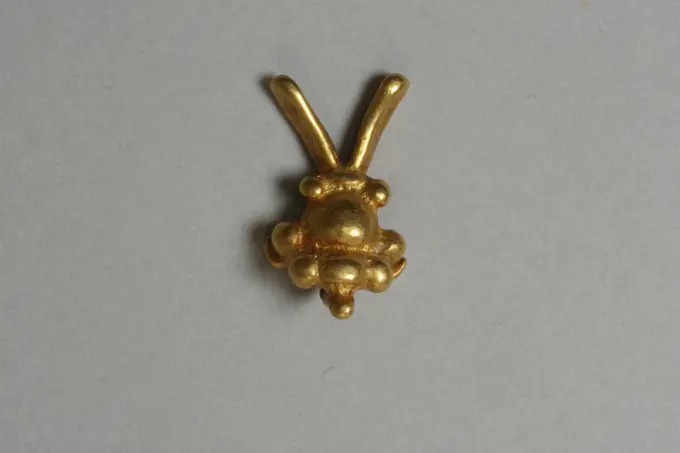
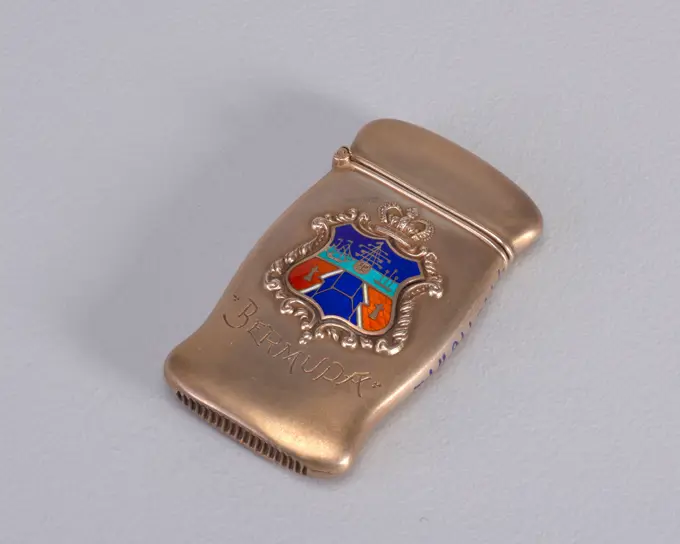
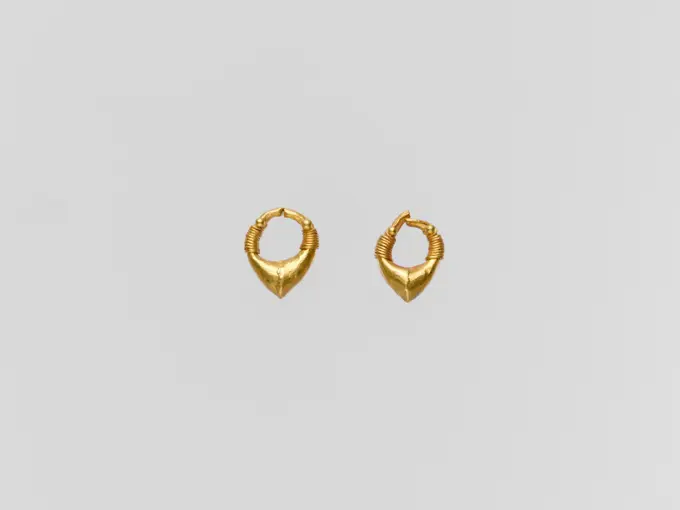
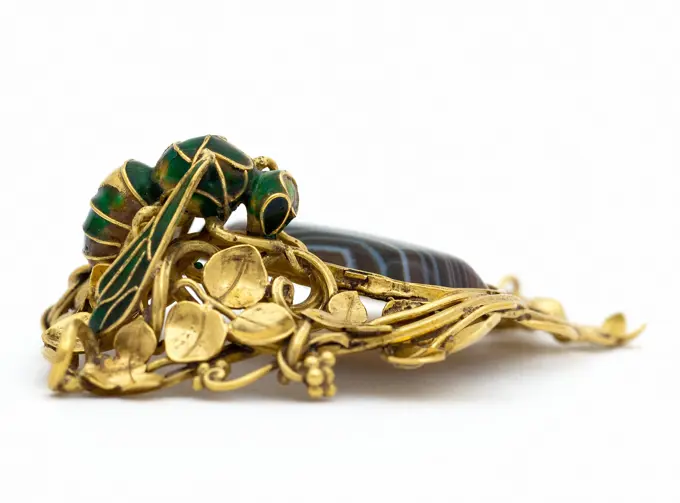
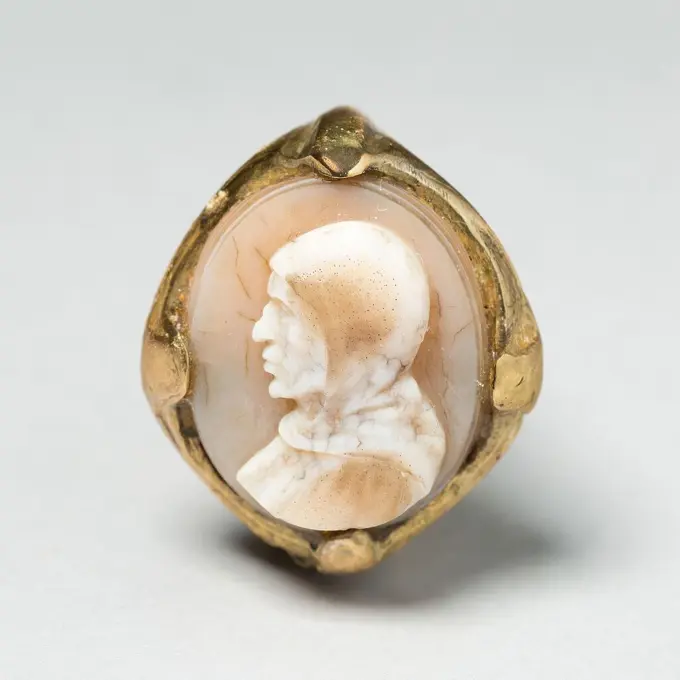
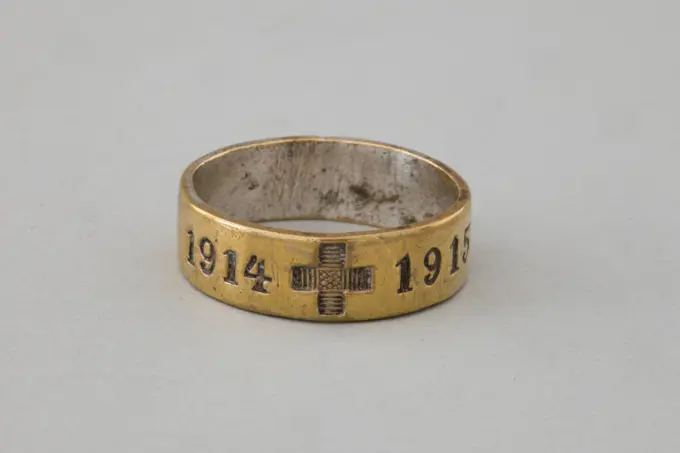
"Diamond Match Company, Ltd." Matchsafe; England; plated tin, gilded; 4.5 x 3.4 x 1.5 cm (1 3/4 x 1 5/16 x 9/16 in. )Penannular Ribbed Earring, 1540-1440 BC. Egypt, New Kingdom, first half of Dynasty 18 (1540-1296 BC). Gold; diameter: 2.4 cm (15/16 in.); overall: 0.6 cm (1/4 in.).Ear Ornament with Demon's Head Motif ca. 11th century Indonesia (Java). Ear Ornament with Demon's Head Motif 49726Intaglio GemstoneRingOrnament. Culture: Irish. Dimensions: Overall: 4 5/8 x 1 15/16 x 2 5/16 in. (11.8 x 5 x 5.9 cm). Date: ca. 800 B.C..Though objects such as these are conventionally called "dress fasteners" and "sleeve fasteners," their exact purpose is unknown. It has been proposed that the smaller "sleeve fastener" worked much like a modern cufflink: the disks would have been drawn through slits in the garment. The "dress fastener" may have been secured by loops sewn onto the garment. Museum: Metropolitan Museum of Art, New York, USA.Mourning Ring 1758 Possibly Elmkin Hitchcock. Mourning Ring. American. 1758. Gold, garnet. Made in New York, New York, United States. .Sword Guard (Tsuba). Culture: Japanese. Dimensions: H. 2 1/4 in. (5.7 cm); W. 1 13/16 in. (4.6 cm); thickness 1/4 in. (0.6 cm); Wt. 2.1 oz. (59.5 g). Date: ca. 1615-1868. Museum: Metropolitan Museum of Art, New York, USA.Gold chain with dolphins and glass beads 2nd century B.C. Greek Terminals in the form of dolphins.. Gold chain with dolphins and glass beads 250652 Greek, Gold chain with dolphins and glass beads, 2nd century B.C., Gold, glass, length 14 3/4in. (37.5cm). The Metropolitan Museum of Art, New York. Rogers Fund, 1917 (17.230.127)Pendant with toothpick in the form of a dragon, anonymous, c. 1550 - c. 1600 Pendant also toothpick, of gold, enamel, pearls and precious stones. The whole has the shape of a dragon. Italy (possibly) gold (metal). pearl. precious stone (material) Pendant also toothpick, of gold, enamel, pearls and precious stones. The whole has the shape of a dragon. Italy (possibly) gold (metal). pearl. precious stone (material)Carnavalet Museum, Medals CollectionEngraved Scarab Gem Inset Into a Ring. UnknownEarring with Dolphin Head Finial 300 BCE-101 BCE Ancient Greece. Originally one of a pair, this earring is formed from gold wire that is strung with one gold, one glass and one sardonyx (stone) bead; and terminates in the form of a dolphin head.. Gold, glass, and sardonyx . Ancient GreekEarrings (France); gold, onyx, pearls; Overall: 4.2 x 1.6 x 1 cm (1 5/8 x 5/8 x 3/8 in.)Bead Roman. Bead. Roman. Glass. GlassPocket Watch, William Ellery” Model.  Manufacturer: American Watch Company, American, 1859-1885Brooch van Goud ,, 1800 - 1900 Brooch of gold with four rubies and a pearl. On the brooch a trailer with a ruby and two pearls, 1 of which is missing. Netherlands (possibly) gold (metal). ruby (mineral). pearl Brooch of gold with four rubies and a pearl. On the brooch a trailer with a ruby and two pearls, 1 of which is missing. Netherlands (possibly) gold (metal). ruby (mineral). pearlRing with intaglio of a bird 1st century B.C.-1st century A.D. Roman With gem within round setting.. Ring with intaglio of a bird. Roman. 1st century B.C.-1st century A.D.. Gold, garnet. Gold and SilverHanger.Pork stone, in a golden frame and on a golden chain.Anillo, obra de Rogelio Roca Plans, siglo XX. Colección privada. Author: ROGELIO ROCA PLANS (S. XX).Ring Consisting of Three Bands Twisted Together Second half of the 8th-second half of the 10th century Indonesia (Java). Ring Consisting of Three Bands Twisted Together. Indonesia (Java). Second half of the 8th-second half of the 10th century. Gold. Central Javanese period. JewelryGold earrings from Sindos (Greece). Goldsmith art, Greek Civilization, late 6th Century BC.Torque, 11 3/4 x 11 x 1 1/4 in. (29.85 x 27.94 x 3.18 cm), Silver, ChinaValise, Silver, Rectangular, curved sides, top and bottom, resembling a valise with leather straps that wrap from front to back, buckles on each strap on both sides, front features incised decoration of leaf motif, shield reserve at center inscribed 'From illegible monogram', part just above strap opens as lid, hinged on side, thumb catch opposite, top of lid inscribed 'A. Huttenback, 20th July, 1884.' Same leaf motif with flowers at center incised on reverse. Striker on bottom., 1883-84, containers, Decorative Arts, Matchsafe, MatchsafeEarring, One of a Pair. Dimensions: Diam. 2 3/8 in. (6.1 cm). Date: 11th-12th century.This pair of crescent-shaped earrings (see also 2006.273b) is constructed entirely with gold wire and filigree; details of the decoration are achieved through the openwork filigree and fine granulation. The earring has a crescent-shaped body created as a box-construction: on top and bottom, stripes of gold with granulation at the edges hold two openwork filigree bands on the sides, each containing a row of ten small decorative medallions. Two confronted birds conjoined by their beaks and chests stand on tiny feet in the middle of the crescent; their bodies, wings, and necks are in filigree work while their heads were created with gold sheet and granulation on the surface. Seven prongs formed by a short term and a rather large cap decorated with granulation protrude from the lower strip at regular intervals; five additional identical prongs extend diagonally from the exterior openwork band, correspondLuxury ladies stainless steel necklace Luxury ladies stainless steel necklace with crystals on a white background Copyright: xZoonar.com/JanxSteinerx 7803493Ring with Green Stone in Circular Setting Second half of the 8th-second half of the 10th century Indonesia (Java). Ring with Green Stone in Circular Setting. Indonesia (Java). Second half of the 8th-second half of the 10th century. Gold with green stone. Central Javanese period. JewelryScarab Ring of Ruiu. Dimensions: Scarab: L. 1.4 cm (9/16 in.); W. 1 cm (3/8 in.); H. 0.6 cm (1/4 in.); Diam. of ring 2.4 cm (15/16 in.). Dynasty: Dynasty 18, early. Reign: reign of Thutmose I-early sole Thutmose III. Date: ca. 1504-1447 B.C.. Museum: Metropolitan Museum of Art, New York, USA.Pull & Plate; 1904-21-76-aMountJar, Saint-Cloud Porcelain Manufactory, French, active by 1693 - 1766, soft paste porcelain, On plain foot, an inverted bell-shaped cup; the outside covered with relief-cut artichoke leaves, forming scalloped edge above inner rim. Cover with slight dome, covered with relief-cute artichoke leaves, and a row of standing leaves around edge. Four-leaf knob finial. Undecorated., France, ca. 1725-1750, ceramics, Decorative Arts, jar, jarBracelet (England or United States); hair, gold, ivory, seed pearls, pailettes; L x W: 11.3 x 9 cm (4 7/16 x 3 9/16 in.)Scarab with Herakles Killing a Serpent set in a Gold Swivel Ring. UnknownBrooch (England); Made by Charles Horner Ltd.; cut and entwined ribbon silver, with basse-taille enamelEarring, 1800s. Burma. Gold and rubies; diameter: 1.8 cm (11/16 in.).JewelleryFinger Ring. Western Iran, circa 550-330 B.C.. Jewelry and Adornments; rings. Bronze, castHinged Cuff Bracelet ca. 1479-1425 B.C. New Kingdom Three pairs of hinged bracelets (26.8.125-.130) are associated with the tomb of three foreign wives of Thutmose III. They are all made of burnished gold inlaid with carnelian and glass that was originally turquoise and dark blue, but has faded. Each is inscribed on the inner surface with the cartouches and epithets of Thutmose III suggesting that they were a gift of the king.. Hinged Cuff Bracelet. ca. 1479-1425 B.C.. Gold, carnelian, glass. New Kingdom. From Egypt, Upper Egypt, Thebes, Wadi Gabbanat el-Qurud, Wadi D, Tomb of the Three Foreign Wives of Thutmose III. Dynasty 18Glass striped mosaic fragment late 1st century B.C.-early 1st century A.D. Roman Body fragment.Translucent blue, turquoise blue and opaque yellow appearing green, purple appearing opaque brick red, white, yellow, and colorless.Convex curving side, turned in at one corner (bottom).Decorated with parallel (horizontal) bands in blue with thin white and red lines below, colorless glass streaked with red, colorless glass with double yellow spiral threads, streaky green, yellow, white, green, and colorless glass with double yellow spiral threads.Pinprick bubbles; exterior polished, with pitting of surface bubbles; dulling and creamy iridescent weathering on interior and jagged edges.. Glass striped mosaic fragment 257305Pyksis orientalizująca w stylu Silhouette z przedstawieniami sfinksów i zwierząt. unknown, authorFinger Ring 6th century Frankish Most rings were purely decorative in nature, sometimes using Christian symbols. Others, with monograms or names, also served as seals for impressing documents.. Finger Ring 465148 Frankish, Finger Ring, 6th century, Gold (ring and setting); silver-gilt (central inlaid disc) with ..., Overall: 9/16 x 7/8 in. (1.5 x 2.3 cm) band: 7/8 x 1/16 in. (2.3 x 0.2 cm) Overall (bezel): 3/16 x 9/16 in. (0.4 x 1.5 cm). The Metropolitan Museum of Art, New York. Gift of J. Pierpont Morgan, 1917 (17.191.96)Maker: Joseph Richardson, Sr., American, 1711-1784, Clasp, Gold, coral, 1 1/16 in. (2.7cm), Made in Philadelphia, Pennsylvania, American, 18thcentury, JewelryInlay / bead blank, floral design 100 BC-100 AD Ptolemaic Period-Roman Period A mosaic glass technique allowed multiples of an image to be created: a figural or design composition was made by bundling colored glass canes, which were then drawn out into a long bar. The bar was then sectioned at right angles, probably by striking the bar with appropriate tools, to produce small inlay tiles. The tile would then be smoothed and polished on the face intended to appear outwards.. Inlay / bead blank, floral design. 100 BC-100 AD. Glass. Ptolemaic Period-Roman Period. From EgyptHinged Box, porcelain, vitreous enamel, gold, metal, Small white porcelain box with gild metal closure. Decorative scene depicting figures in the outdoors., Germany, England, ca. 1760, ceramics, Decorative Arts, box, boxOjime 19th century Japan. Ojime. Japan. 19th century. Edo period (1615-1868). OjimeOjime 19th century Japan. Ojime. Japan. 19th century. Edo period (1615-1868). OjimeEngraved gem set in a modern ring. UnknownGold and Turquoise Necklace. 1st c. Sarmatian culture. Scythian Art. Jewelry. RUSSIA. SAINT PETERSBURG. Saint Petersburg. State Hermitage Museum. Proc: RUSSIA. STAVROPOL'SKIY KRAY. Novocherkassk.Punic Carthaginian Jewellery, c3rd-4th Century AD. Located in the Bardo Museum, Tunis.Gold armlets from the early Bronze Age. Dated 2100 BCBracelet. Egyptian. Date: 800 AD-1200. Dimensions: 1 × 5.7 × 5.7 cm (2/5 × 2 1/4 × 2 1/4 in.). Glass. Origin: Egypt. Museum: The Chicago Art Institute, Chicago, USA. Author: Islamic.Morse or Cloak clasp by Bernard Cuzner (1877-1956) English silversmith and product designer. Dated 1940Bracelet, c. 1930, 2 3/8 x 2 15/16 x 2 15/16 in. (6.03 x 7.46 x 7.46 cm), Silver, turquoise, United StatesRing with an Engraved Gem; 1st century B.C; Gem: ruby red carnelian: ring: gold; 2.2 × 1.3 × 0.3 cm (7,8 × 1,2 × 1,8 in.)Cross 17th-19th century Philippines. Cross 40583Earring with pendant and chains. Earring with pendant and chains. Gold, garnet. Gold and SilverRing: Figure of Serpent Uto (). Egyptian. Date: 1390 BC. Dimensions: W. 0.6 (1/4 in.); diam. 1.9 cm (3/4 in.). Faience. Origin: Egypt. Museum: The Chicago Art Institute, Chicago, USA. Author: Ancient Egyptian.Earring, Pinchbeck (an alloy of brass and zinc), Each consists of two parts. A) and B) are upper parts, faced with convex pear shape and scalloped edge; designed for pierced ears., USA, late 19th century, jewelry, Decorative Arts, EarringStag with Herb Branch Mounted as a Ring. German or French. Date: 1567-1600. Dimensions: Diameter: 2.2 cm (13/16 in.). Gold, enamel, ruby, opals, and pearls. Origin: Germany. Museum: The Chicago Art Institute, Chicago, USA.Ring: Head of Hathor. Egyptian. Date: 1390 BC. Dimensions: W. 0.5 cm (3/16 in.); diam. 1.7 cm (11/16 in.). Faience. Origin: Egypt. Museum: The Chicago Art Institute, Chicago, USA. Author: Ancient Egyptian.Pendant Capsule in the Form of a Tau Cross, with the Trinity and the Virgin and Child. Culture: British. Dimensions: Overall: 1 3/8 x 1 1/8 x 1/8 in. (3.5 x 2.9 x 0.3 cm). Date: ca. 1485.The Tau cross was associated with Saint Anthony and with protection from "Saint Anthony's fire," or ergotism, caused by consumption of spoiled rye. This beautifully engraved capsule, with an interior cavity for an allopathic herbal compound, may have belonged to a member of a confraternity of Antonines, established in England in the mid-fifteenth century and dedicated to the care of those suffering from Saint Anthony's fire. Under the angle of each arm is a rivet stem that originally held a pearl. At the bottom edge of the cross is a hole for suspending a tiny bell. Museum: Metropolitan Museum of Art, New York, USA.RingEarring-hook type with sphere ends. Earring-hook type with sphere ends 243432Finger rings from 1st-6th centuries AD. Gold. The use over finger ring was taken over from the Romans. National Museum of Denmark.Music Box. Culture: Swiss. Dimensions: H. 5.4 cm (2 1/8 in.). Date: ca. 1815.Gold and enamel shield-form pendant, one side with automaton farmyard scene with water wheel, the other with a rose on a red background. Both sides bordered with half pearls. Museum: Metropolitan Museum of Art, New York, USA.Earring 2nd-3rd century A.D. Roman. Earring 242688Standard for iron. Standard belonging to an iron (INVnr. BK-Nm-11177-59-a). The standard has six bars. The edge has been opened and engraved with a zig-saw edge. It is not noticed.TORQUES DE PLATA CELTA. Location: MUSEO PROVINCIAL. LUGO. SPAIN.Fragment tumbler from the wreck of the East Indieschief Hollandia. Base, Fragm, Circular, Flat, Straight Sides. Tumbler.String of 23 beads A.D. 1st century  Roman Period. String of 23 beads 570246Deployment;  X-XI century (901-00-00-1100-00-00);transmission (provenance)Vanity case, Compaq, French, made in Paris, 1927, by Van Cleef and Arpels. Gold, platinum, lapis lacquer, mother of pearl, gold, lapis lazuli and diamonds.Scarab ca. 1981-1295 B.C. Middle Kingdom-Early New Kingdom. Scarab 557111Bracelet with Male Head 16th-18th century Thailand. Bracelet with Male Head 37653Gold loop earring. Culture: Cypriot. Dimensions: Diam.: 11/16 in. (1.7 cm). Date: 3rd century B.C.-3rd century A.D..This very simple type of earring existed for a long time on Cyprus. Museum: Metropolitan Museum of Art, New York, USA.String Bracelet with a Cowroid Amulet Second Intermediate Period-Early New Kingdom ca. 1580-1479 B.C. View more. String Bracelet with a Cowroid Amulet. ca. 1580-1479 B.C.. Glazed steatite, linen cord. Second Intermediate Period-Early New Kingdom. From Egypt, Upper Egypt, Thebes, Asasif, East of Pabasa, Burial B44, left wrist of mummy, MMA excavations, 1918-19. Dynasty 17-18Pendant. Pendant 243117Guru Figure EarOrnamentBracelet with Snake-Head Endings and Arabic Inscription, One of a Pair 15th century. Bracelet with Snake-Head Endings and Arabic Inscription, One of a Pair. 15th century. Silver; cast and chased. Attributed to Central Asia or Iran. JewelryHunting horn. Hunting horn with Berlin's silver border on which engraved v.H. Cerveny et fils a königgrätz and boheme.Pastoral ring, gilded silver with sapphires and zircons, twentieth century, Huesca Diocesan Museum, Aragon community, Spain.Butter pat, Simpson, Hall, Miller, & Co., established 1866, Gilt silver-plated metal, In the shape of a folded napkin with 'folded corners'., Wallingford, Connecticut, USA, ca. 1880, metalwork, Decorative Arts, Butter patBrooch of gold thread with amethyst, c. 1953 - c. 1963 Brooch of gold thread with rectangular faceted lying amethist with a cannon closure. Voorburg amethyst (mineral) faceting / grinding Brooch of gold thread with rectangular faceted lying amethist with a cannon closure. Voorburg amethyst (mineral) faceting / grindingBuckle, 1900s. China, 20th century. Brass gilt wire work set with quartz and jade; overall: 10.6 cm (4 3/16 in.).Human-headed scarab with device of sphinx and winged uraeus ca. 1294-1213 B.C. New Kingdom, Ramesside. Human-headed scarab with device of sphinx and winged uraeus. ca. 1294-1213 B.C.. Glazed steatite, gold. New Kingdom, Ramesside. From Egypt. Dynasty 19Glass mosaic bowl fragment. Culture: Greek, Eastern Mediterranean. Dimensions: Other: 3/4 x 1 3/16 in. (1.9 x 3 cm). Date: 2nd-mid-1st century B.C..Body fragment.Translucent cobalt blue, opaque white and yellow, and colorless.Convex curving side.Composite pattern formed from polygonal sections of two canes: one in a blue ground with a white spiral thread, and the other in a colorless ground with a yellow spiral thread.Polished exterior; pitting of surface bubbles on exterior; dulling, pitting, and creamy iridescent weathering on interior and jagged edges. Museum: Metropolitan Museum of Art, New York, USA.RingInsect Ornament 1st-7th century Calima (Yotoco). Insect Ornament 309990Clasp ca. 1750 Joseph Richardson Sr.. Clasp 2074"Bermuda" Matchsafe; USA; silver, enamel; 6.5 x 3.7 x .6 cm (2 9/16 x 1 7/16 x 1/4 in. )Accessory 1857 American or European. Accessory 105438Gold chevron-shaped earring 6th-5th century B.C. Cypriot This form of earring may have been the antecedent of the boat-shaped variety.. Gold chevron-shaped earring. Cypriot. 6th-5th century B.C.. Gold. Gold and SilverHenri Husson / Adrien-Aurélien Hébrard. Pendant with chain. Copper enamelled and champlevé. 1909-1914. Museum of Fine Arts of the City of Paris, Petit Palais. 75295-24 Bee, chain, champleve, copper, emaille, insect, pendantRing with Cameo showing Portrait of Girolamo Savonarola. Italian. Date: 1500-1533. Dimensions: 2.9 × 2.5 cm (1 3/16 × 1 in.). Gold and agate. Origin: Italy. Museum: The Chicago Art Institute, USA.Pair of Sword-Grip Ornaments (Menuki). Culture: Japanese. Dimensions: L. of each 3/4 in. (1.9 cm); Wt. of each 0.1 oz. (2.8 g). Date: early-mid-17th century. Museum: Metropolitan Museum of Art, New York, USA.Thumb Ring, 1800s-1900s. China, 19th-20th century. White and green jade; diameter: 3.1 cm (1 1/4 in.); overall: 2.6 cm (1 in.).Commemorative ringMandoline-shaped Watch, anonymous, c. 1825 - c. 1850 Watch of enamelled gold in the form of a mandolin. The Carure is painted with a part of a score. Switzerland gold (metal). pearl. glass. Watch of enamelled gold in the form of a mandolin. The Carure is painted with a part of a score. Switzerland gold (metal). pearl. glass.Cameo with Portrait of Maria I of Portugal 1775-1799 Burslem. Stoneware (jasperware) . Wedgwood Manufactory (Manufacturer)Bust of Horatio Nelson, 1st Viscount Nelson British after 1805