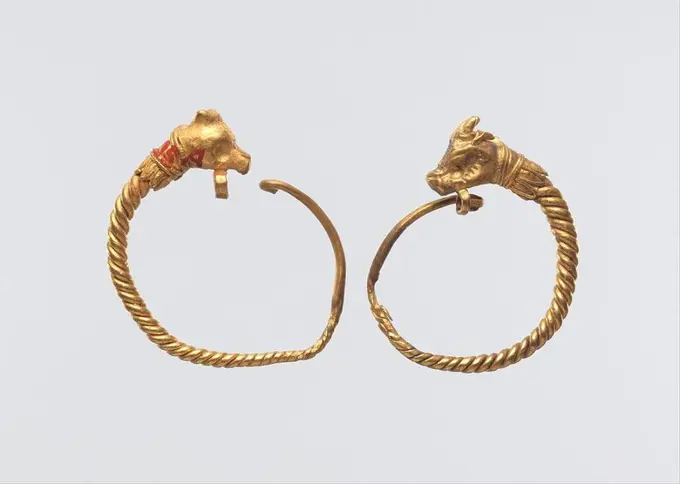
Ancient Jewelry and Artifacts

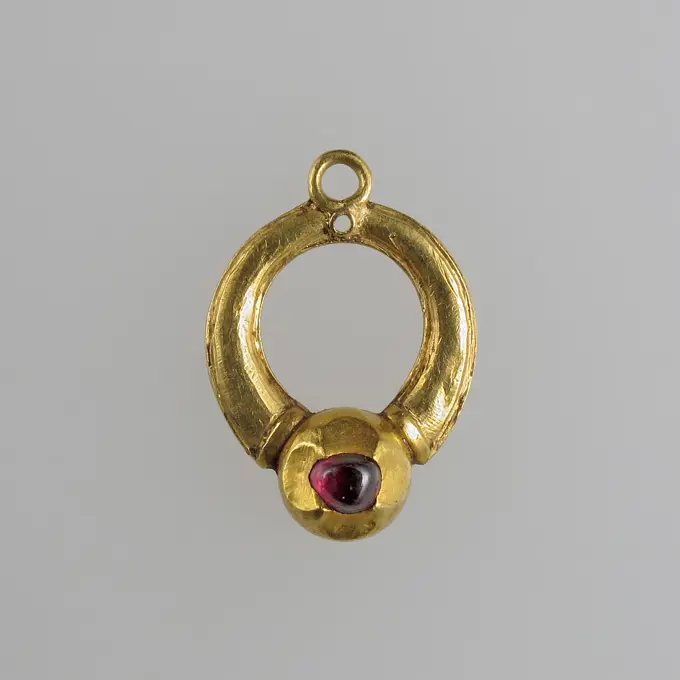
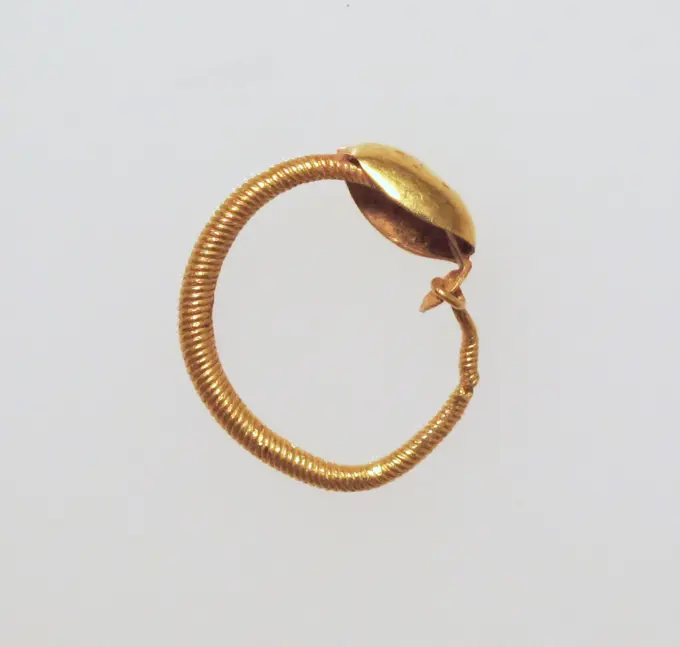
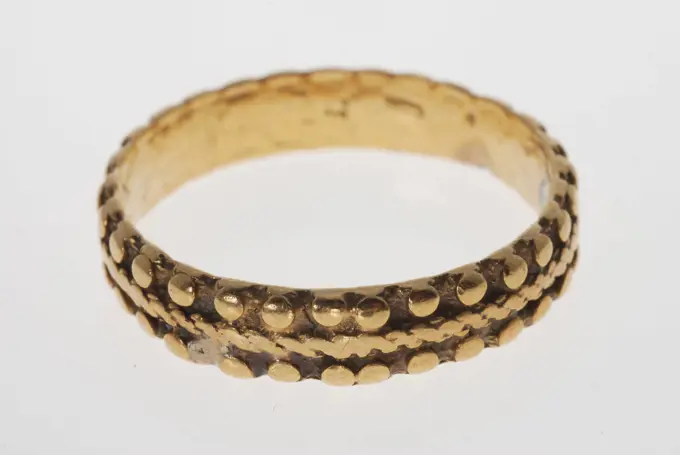
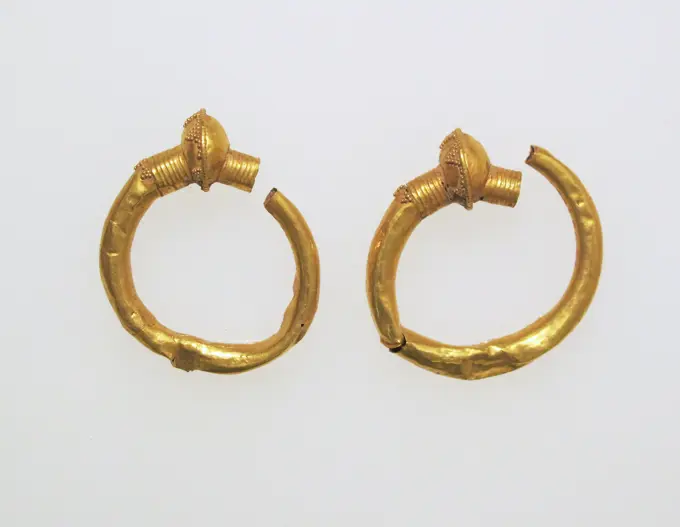
A collection of ancient gold and bronze jewelry pieces including earrings and rings, reflecting historical craftsmanship and ornamental styles.

Outer cabinet of green ray leather, Jean Baptiste Baillon, c. 1755 Outdoor cupboard of green rays and gold. Paris gold (metal) Outdoor cupboard of green rays and gold. Paris gold (metal)
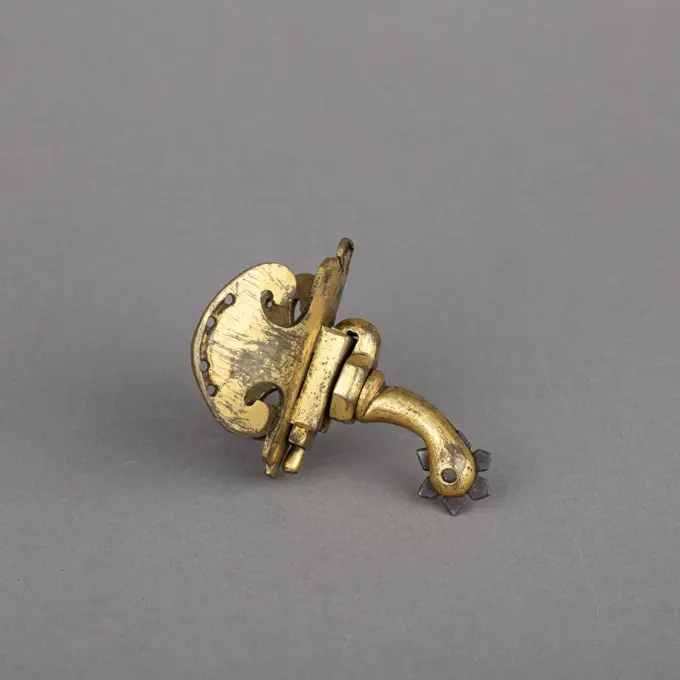
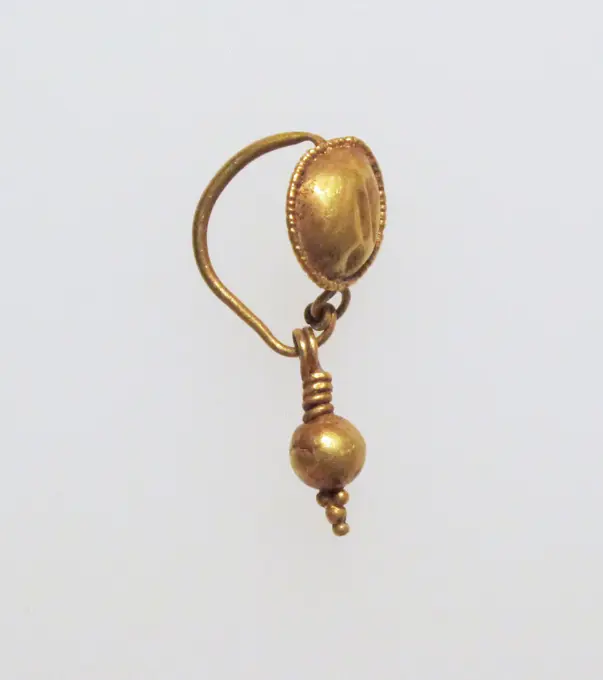
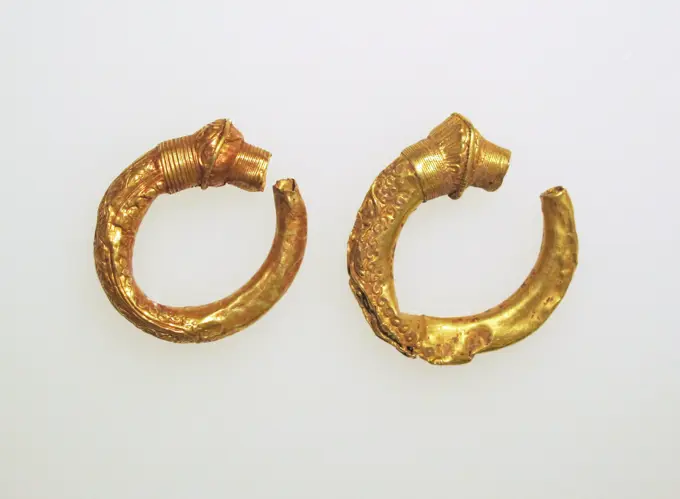
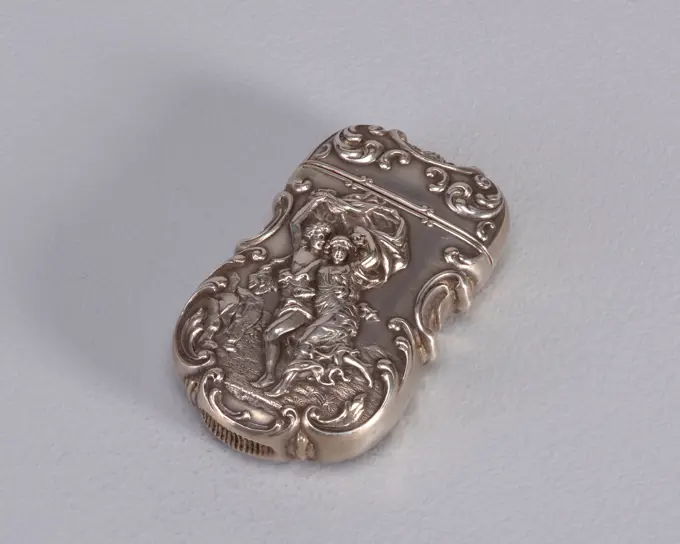
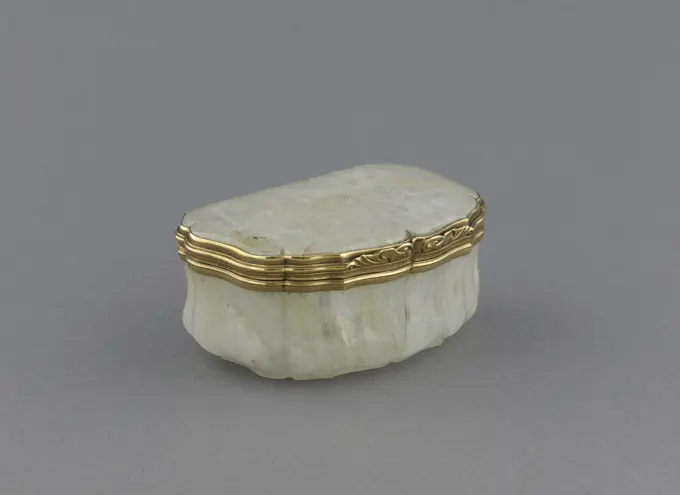
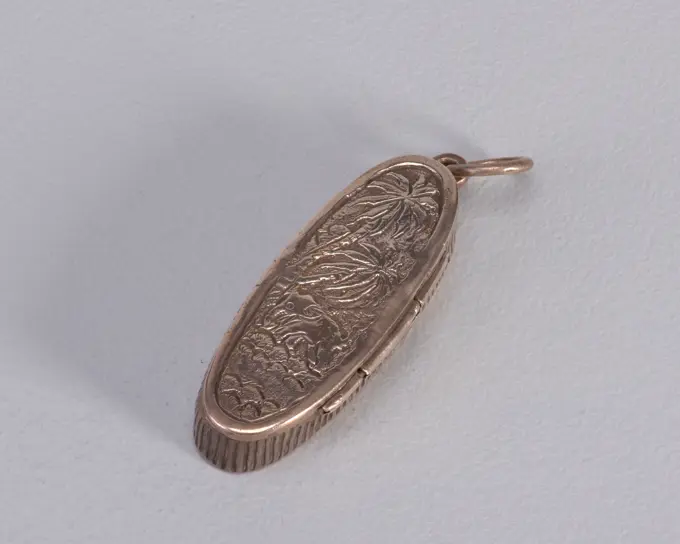
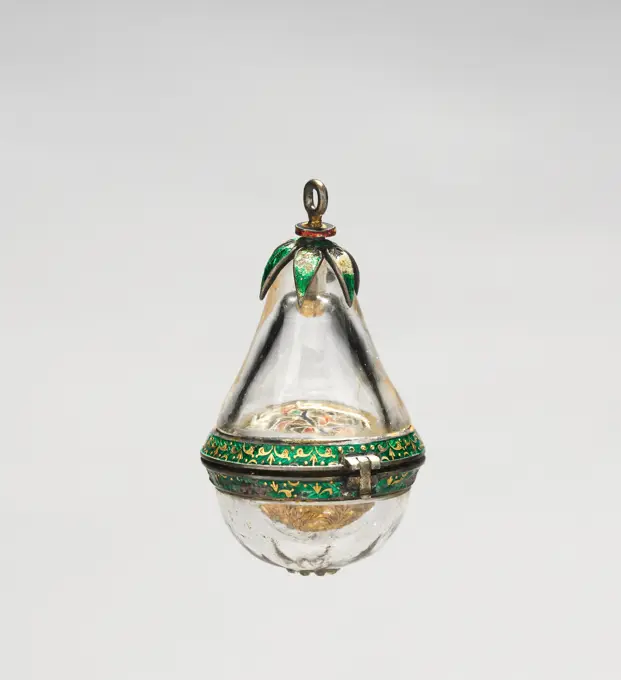
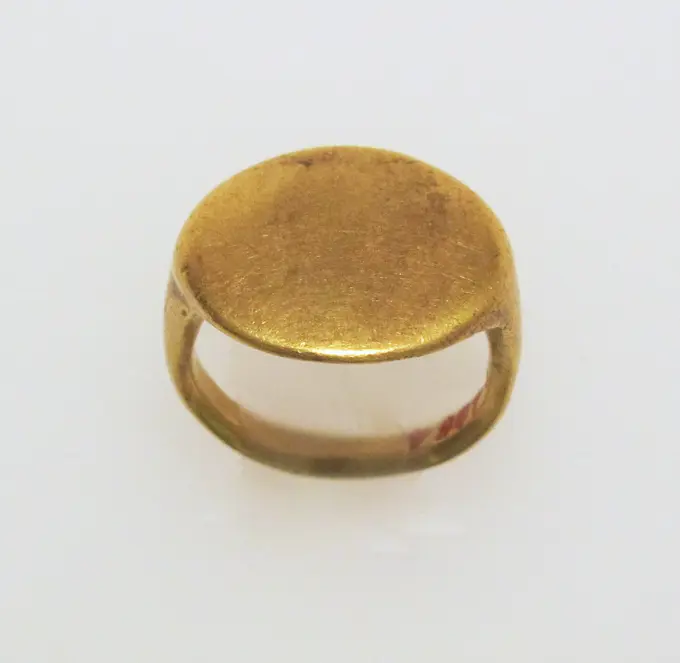
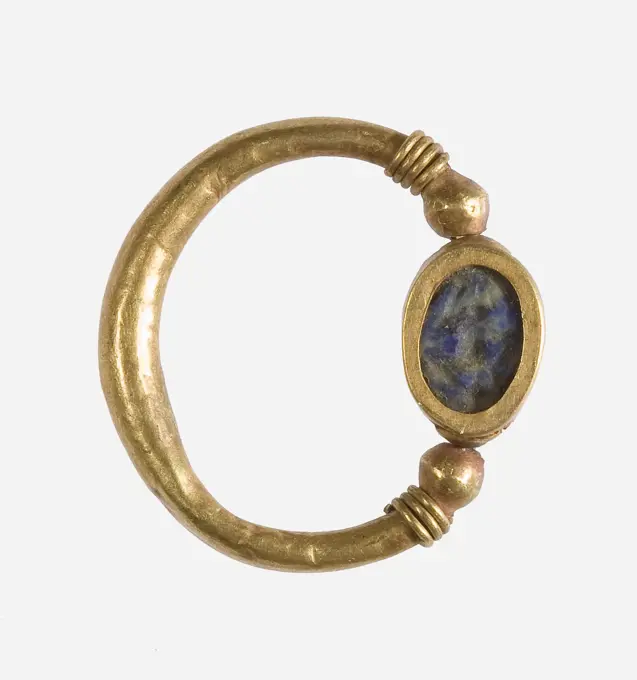
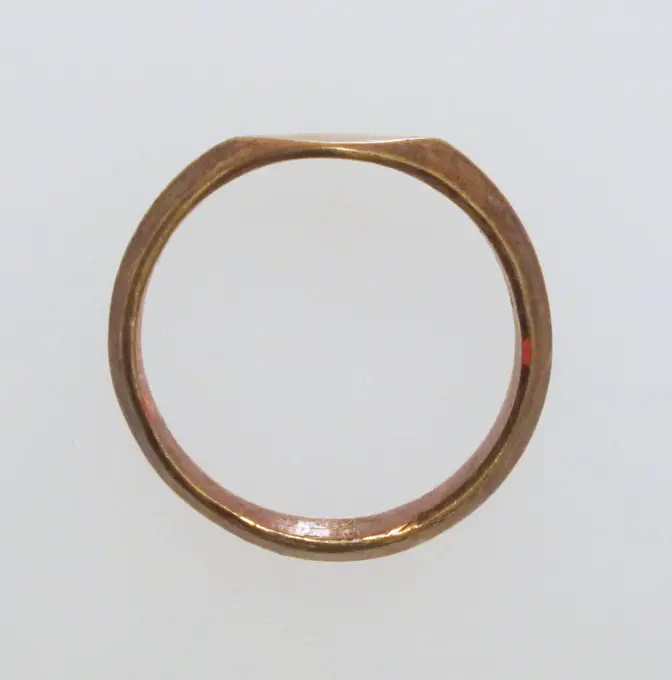
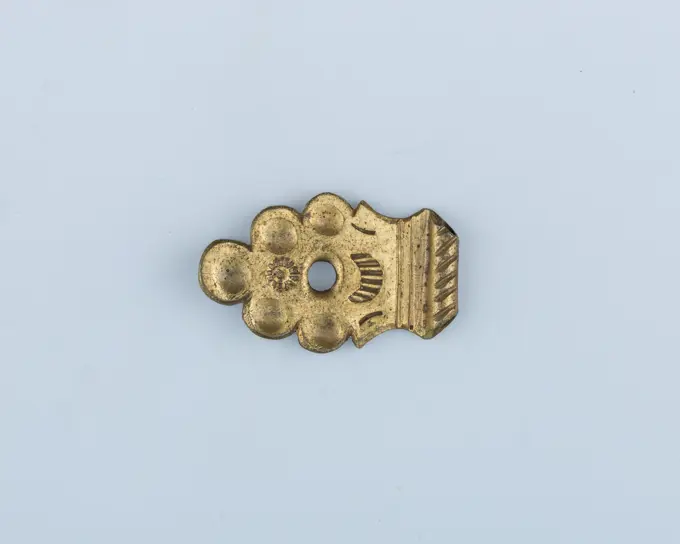
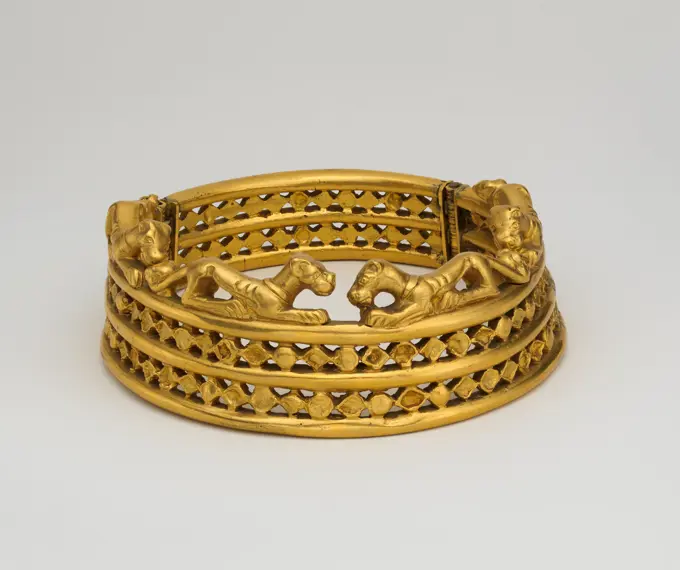
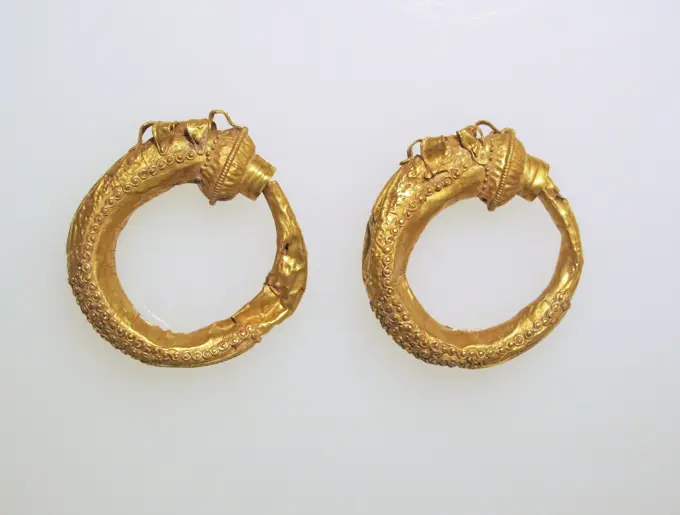
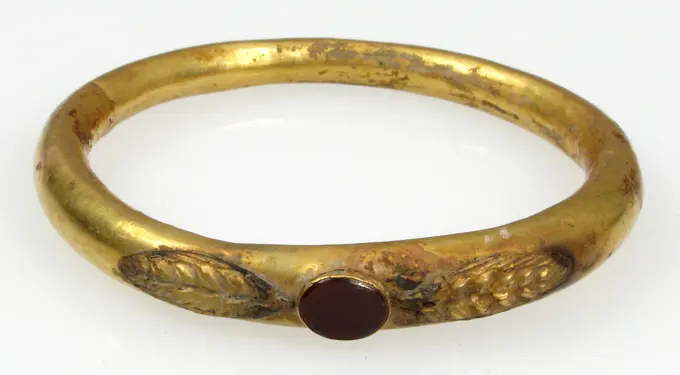
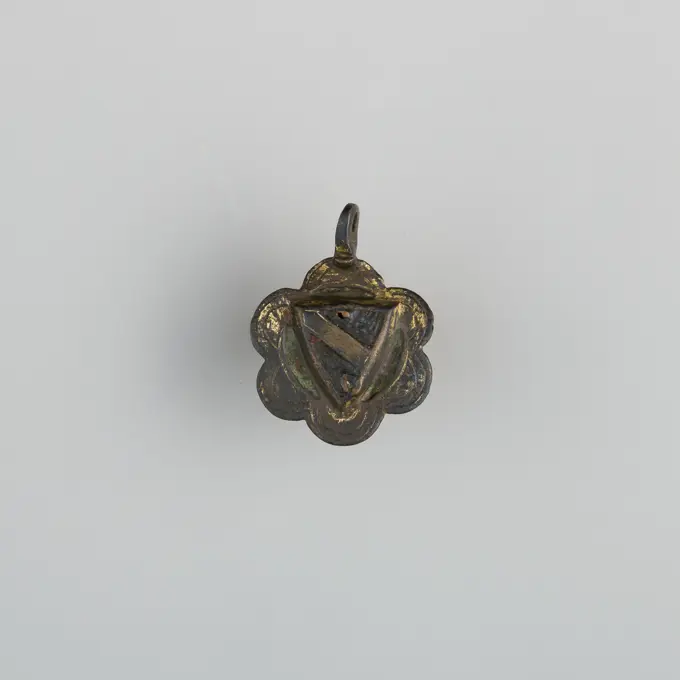
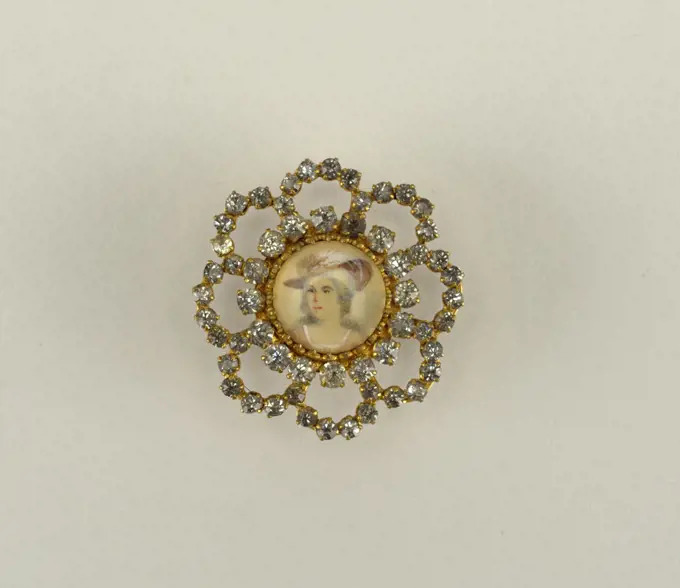
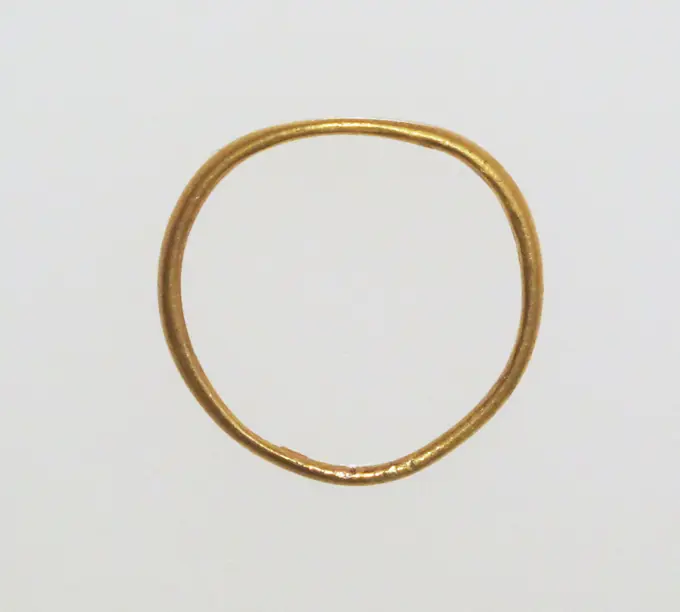
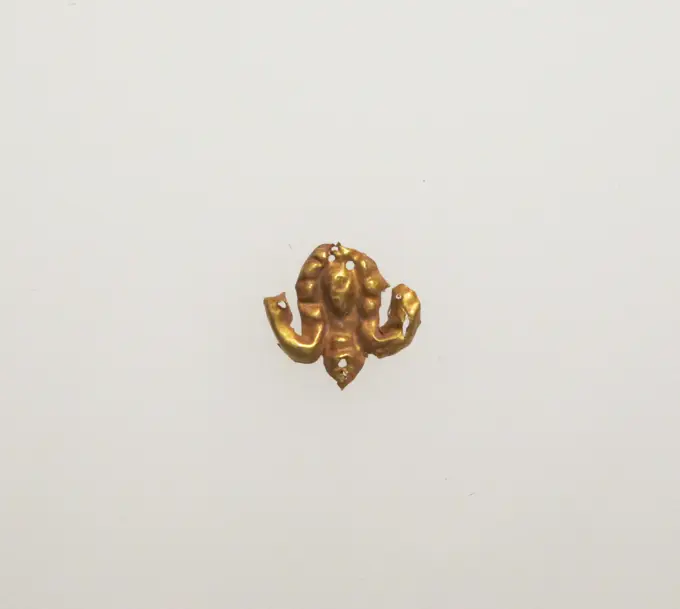
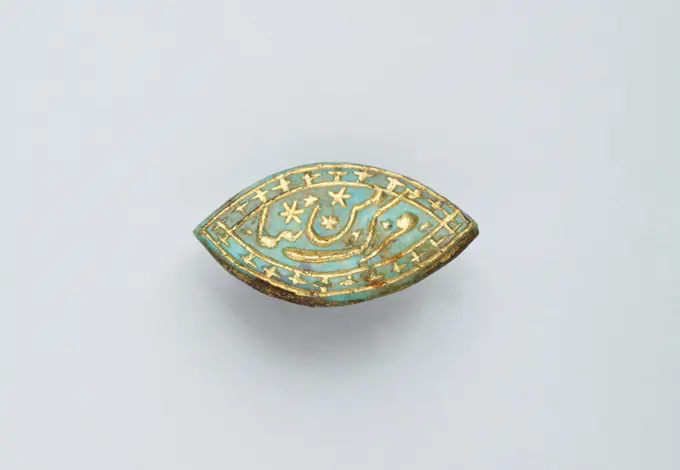
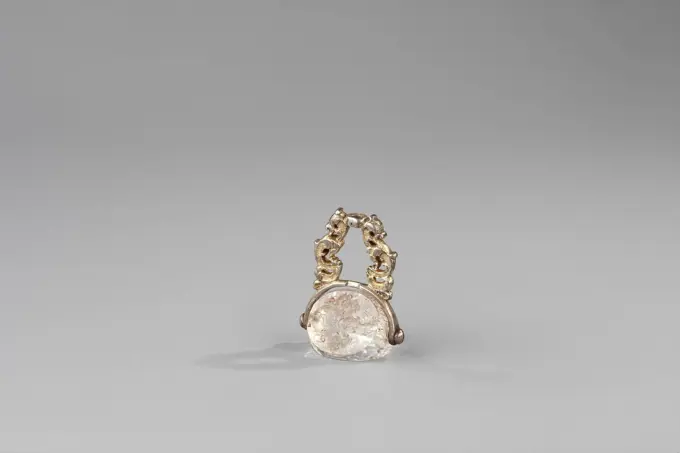
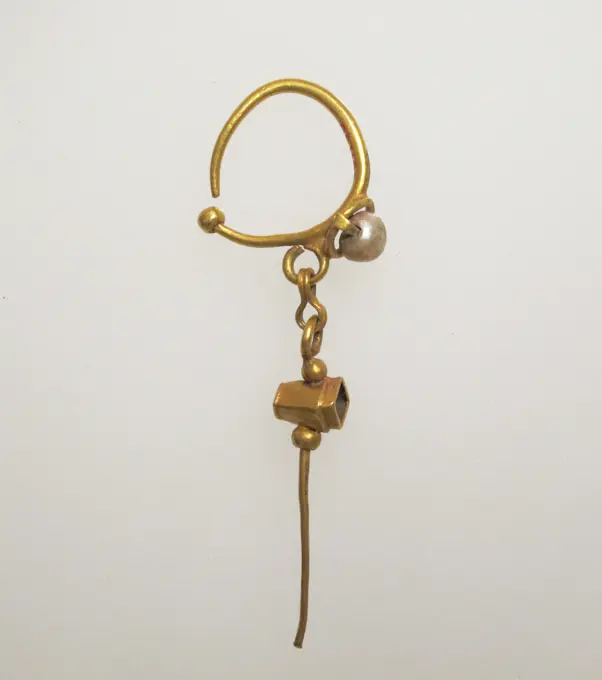
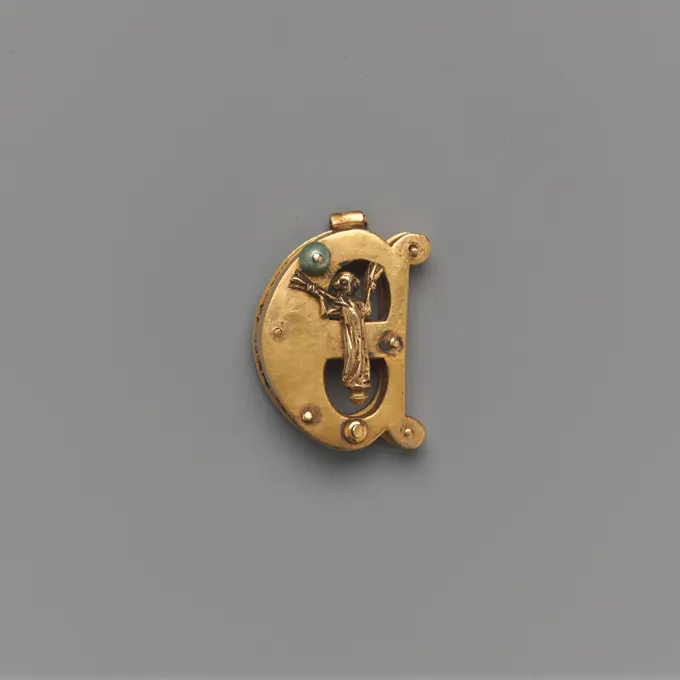
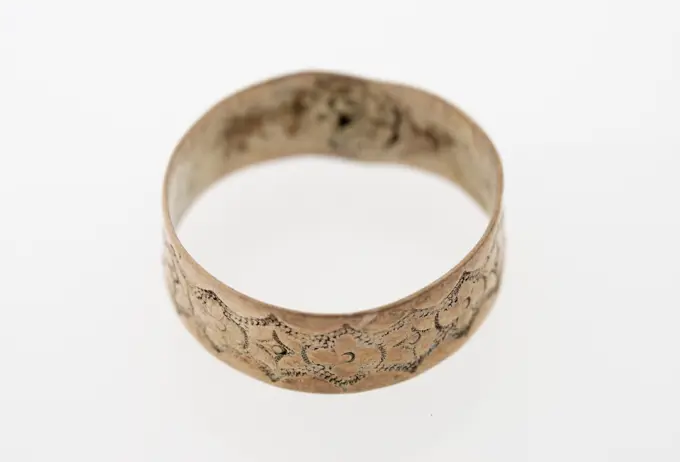
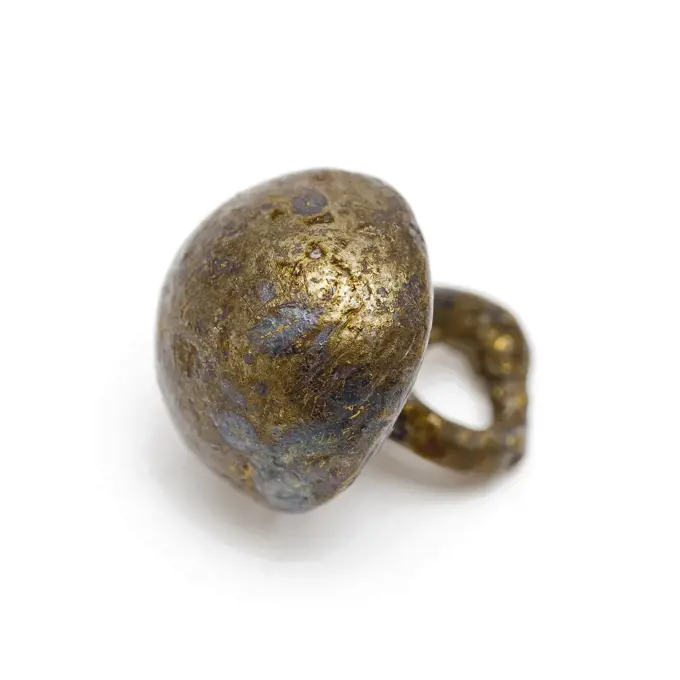
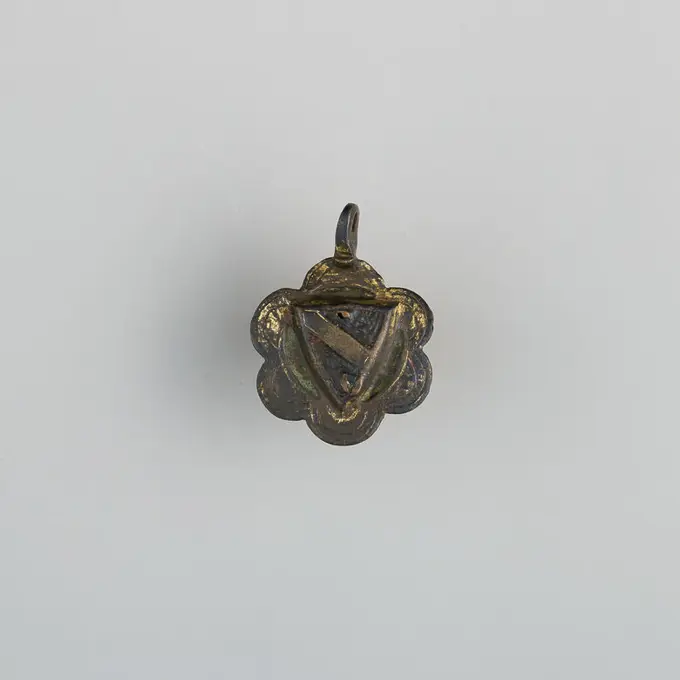
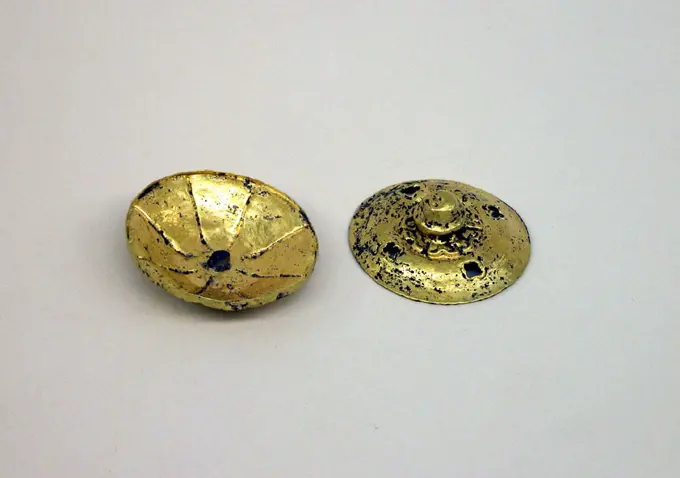
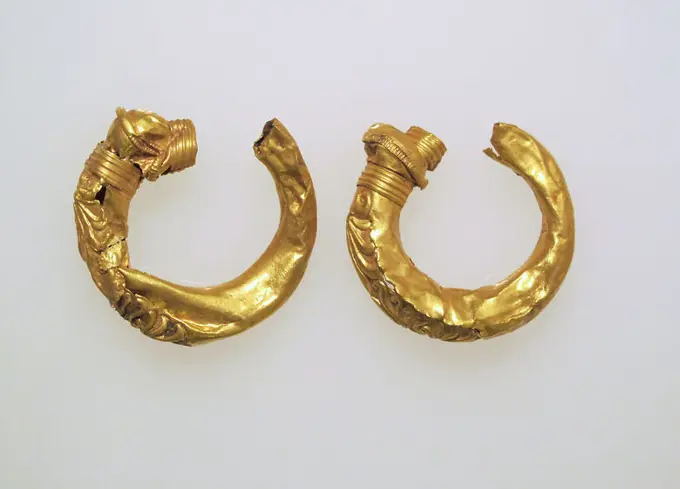
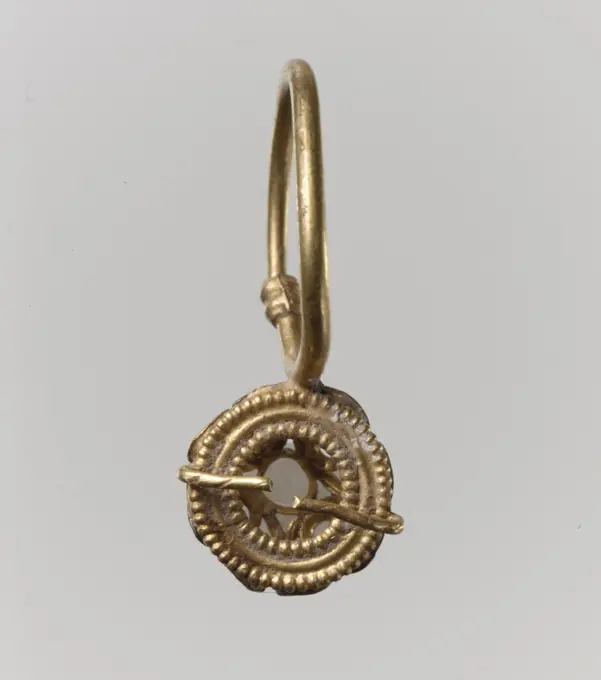
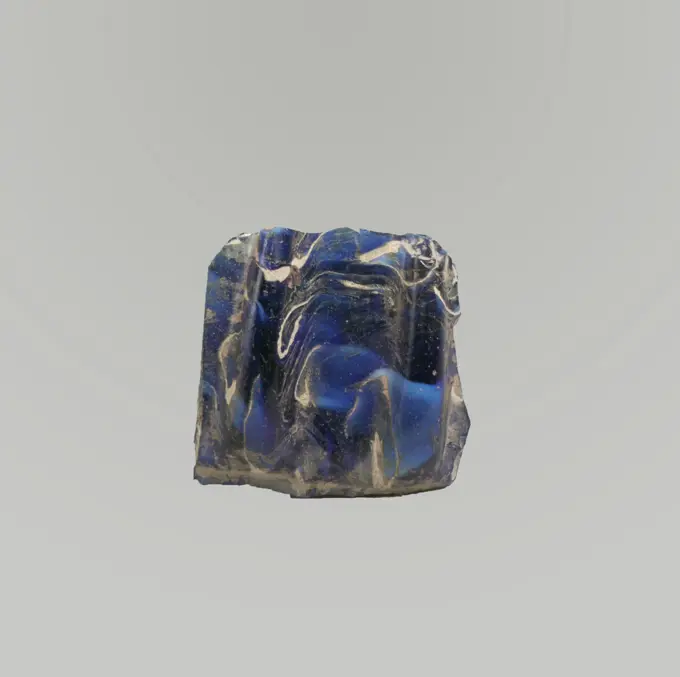
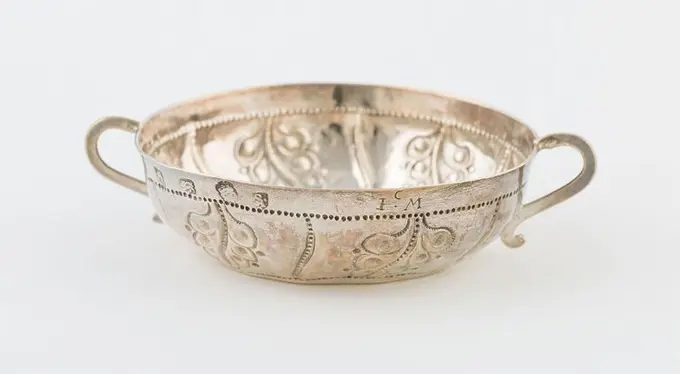
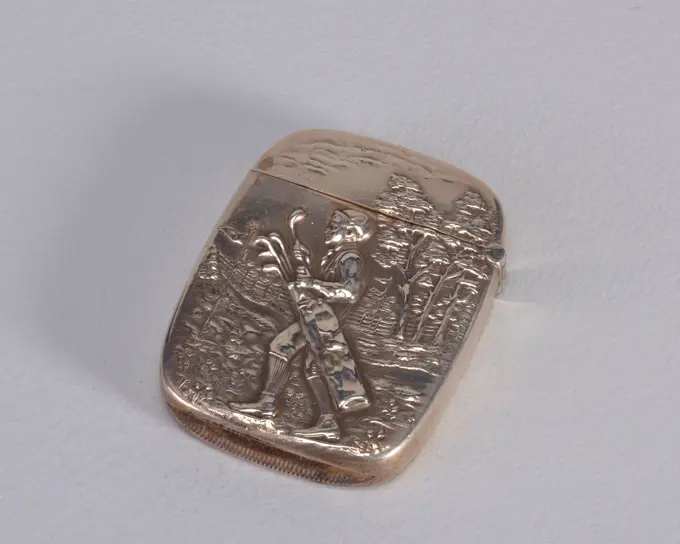
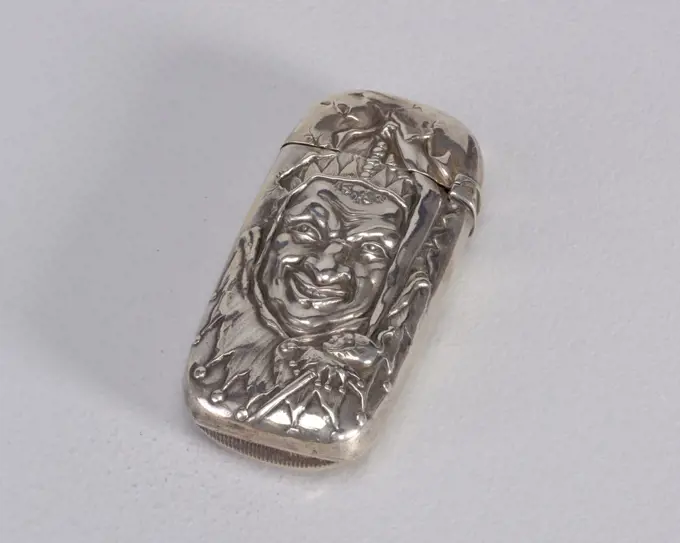
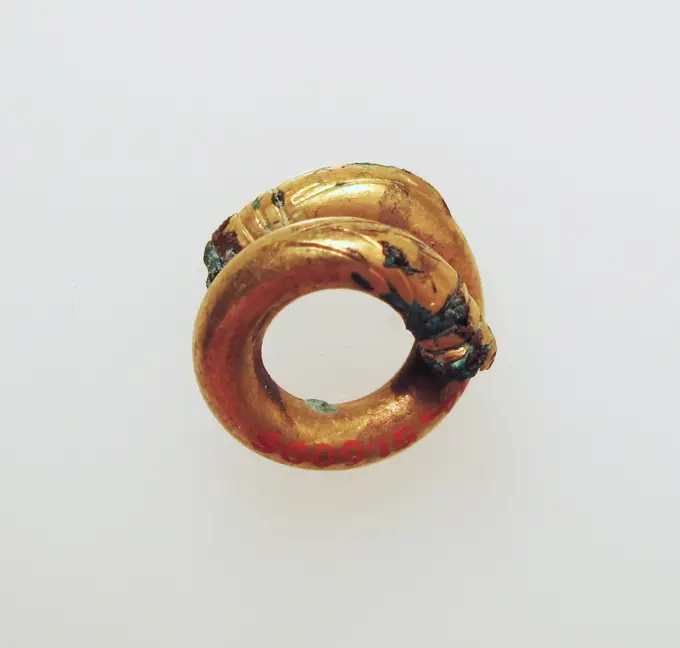
Earring or spiral 5th century B.C. Cypriot Gold plated bronze.. Earring or spiral 242791Ring with box setting. Ring with box setting 243643Earring or spiral 5th century B.C. Cypriot Gold plated bronze.. Earring or spiral 242788Oyster Shell, Plated brass, In the form of an oyster shell, with a cluster of seaweed near bottom on front. Wide, upper part (lid) flips back, hinge on reverse. Striker on canted side., late 19th century, containers, Decorative Arts, Matchsafe, MatchsafeHat or Dress Ornament ca. 1475 British. Hat or Dress Ornament. British. ca. 1475. Gold and garnet. Metalwork-GoldGlass bracelet ca. 7th-15th century A.D. Islamic Translucent pale blue green; trails in opaque yellow, red, and turquoise blue; spikes in opaque white.Circular band, semicircular in section with sharp edges; no visible join.Outer surface decorated with added yellow trail with red stripes and five elongated splashes of turquoise blue; on top of trail, 37 small spikes, applied unevenly around band.Intact; some dulling, weathering, and faint iridescence.. Glass bracelet 249577Decorative object, anonymous, -500 --200 Ornament in light brown jade; Curved shape, ends: Fabeldierkop and sharp point. Fine decorations. China jade (rock) Ornament in light brown jade; Curved shape, ends: Fabeldierkop and sharp point. Fine decorations. China jade (rock)Earring of simple form Cypriot. Earring of simple form 242598Glass mosaic carinated bowl fragment late 1st century B.C.-early 1st century A.D. Roman Body fragment.Translucent deep purple, opaque white, yellow, and colorless.Carinated side, with part of one narrow convex curve, then slanting sharply downward below.Composite mosaic pattern formed from polygonal sections of two canes: one in a purple ground outlined in white filled with random yellow dots, and the other in a colorless ground with a yellow spiral.Polished interior; pitting of surface bubbles and some iridescence on interior; deep pitting and iridescent weathering on exterior and jagged edges.. Glass mosaic carinated bowl fragment 257276Outer cabinet of green ray leather, Jean Baptiste Baillon, c. 1755 Outdoor cupboard of green rays and gold. Paris gold (metal) Outdoor cupboard of green rays and gold. Paris gold (metal)Gold earring with sard setting and pearl pendant Roman. Gold earring with sard setting and pearl pendant 243234'The Storm', Silver, Oblong, curved top, bottom and corners, sides slightly indented just above center, featuring raised decoration of running couple in loose, flowing garments, each holding end of billowing cloth above their heads, he has arm clasped around her waist, all framed by scroll work. Reverse features inscribed monogram and scroll work near edges. Lid hinged on side. Striker on bottom., ca. 1900, containers, Decorative Arts, Matchsafe, MatchsafeGold ring with three horizontal ribs. Culture: Cypriot or Greek. Dimensions: Diam.: 13/16 in. (2.1 cm). Date: 8th-7th century B.C..Three plain gold rings joined together without an inscription. Museum: Metropolitan Museum of Art, New York, USA.Gold earring with disc and pendant 2nd century A.D. Roman. Gold earring with disc and pendant 243169Earring with plain loop and disc. Earring with plain loop and disc 243126Cup and Saucer, from a Miniature Tea Set, porcelain, gold, Austria, 1830-1860, ceramics, Decorative Arts, cup and saucer, cup and saucerGold earring with head of an animal 4th-3rd century B.C. Greek. Gold earring with head of an animal 242887goldsmith Hubertus Jongeneel, Gold wedding ring, wedding band ring ornament clothing accessory women's clothing gold, forged Round contiguous band; smooth inside inside (debossed) wedding ring woman marriage wedding party decorate symbolize rememberScallop Shell Matchsafe; brass; 4.8 x 5.3 x 1.6 cm (1 7/8 x 2 1/16 x 5/8 in. )Ear Ornament Second half of the 8th-second half of the 10th century Indonesia (Java). Ear Ornament 49981Earring, trumpet-shaped 5th-3rd century B.C. Etruscan. Earring, trumpet-shaped 245876Spring Rowel Spur 18th century German or French The neck of this spur is screwed to a bent strip that slides into a socket and holds it in place. When the neck is unscrewed it can slide out and can be removed when not used. Such a spur would have been used for occasional and casual riding.This type of spur is described in the entry Eperon in the Swiss Encyclopédie d'Yverdon published in 1772 by Fortuné Barthélemy de Félice. He calls it a 'spring spur' (éperon à ressort). There, it is explained that the drawback of such spurs is that once the neck is separated from the heel plate, it is so small it is easy to loose. One of the other problems is you cannot move it to another pair of boots or shoes without asking a craftsman to remove the heel plates and to fix them back on another pair.. Spring Rowel Spur. German or French. 18th century. Copper alloy, gold, iron. Equestrian Equipment-SpursGold earring with disc and pendant 2nd century A.D. Roman. Gold earring with disc and pendant 243171Earring, trumpet-shaped 5th-3rd century B.C. Etruscan. Earring, trumpet-shaped 245868. Ring, decorated with the "SRI sign"."The Storm" Matchsafe; USA; silver; 6 x 3.7 x 1 cm (2 3/8 x 1 7/16 x 3/8 in. )DRAKOIR. Milky white agate climbing gold. Middle of the 18th century. Paris, Cognacq-Jay museum. 36976-2 Malky white agate, drageee box, drageoir, art, gold object, gold,Punic Carthaginian Jewellery, c3rd-4th Century AD. Located in the Bardo Museum, Tunis.Gold earring with head of an antelope 4th-3rd century B.C. Greek Consisting of a circlet of gold wire, twisted or plain, which tapers from an animal's head at the front end to a hooked point which passes through a loop below the animal's throat.. Gold earring with head of an antelope 242861Ram's Head Matchsafe; brass, horn, glass; 3.6 x 5.4 x 2.3 cm (1 7/16 x 2 1/8 x 7/8 in. )Gold ring with garnet ring stone. Culture: Greek or Cypriot. Dimensions: Diam.: 13/16 in. (2.1 cm). Date: late 4th-2nd century B.C..Of thin foil with a round garnet in a box setting. Museum: Metropolitan Museum of Art, New York, USA.Vinaigrette 1835-1845 France. Gold .Bead Necklace, 9th-15th century, 15 1/4 in. (38.74 cm), Cast gold, Panama, Pre-ColumbianRod Finial Clip with Foliate Ornamentation Second half of the 9th-first quarter of the 10th century Indonesia (Java). Rod Finial Clip with Foliate Ornamentation 49733Elephant and Palms Matchsafe; India; silver; 5.1 x 2 x 1 cm (2 x 13/16 x 3/8 in. )Pomander, 1600s-1700s. Mughal India. Spherical rock crystal cover with enameled silver mounts; overall: 4.5 x 3.2 cm (1 3/4 x 1 1/4 in.).Ring. Ring. Gold. Gold and SilverScarab Finger Ring ca. 1295-1070 B.C. New Kingdom, Ramesside. Scarab Finger Ring. ca. 1295-1070 B.C.. Lapis lazuli, gold. New Kingdom, Ramesside. From Egypt, Upper Egypt, Thebes. Dynasty 19-20Scarab of Ramesses II ca. 1295-1070 B.C. New Kingdom, Ramesside. Scarab of Ramesses II. ca. 1295-1070 B.C.. Glazed steatite. New Kingdom, Ramesside. From Egypt. Dynasty 19-20Ring with hollow hoop. Ring with hollow hoop 243542Ribbed Penannular Earring ca. 1550-1425 B.C. New Kingdom. Ribbed Penannular Earring. ca. 1550-1425 B.C.. Gold. New Kingdom. From Egypt, Upper Egypt, Thebes, Asasif, Carnarvon/Carter 1907-1911. Dynasty 18Ring. Ring 243524Pomander, silver, gold, Spherical body opening into six segments hinged at base about a central hexagonal pillar and held in place, when closed, by circular convex cap screwed into pillar at top; pierced finial with loose ring; at base, small ball surrounded by incurving scrolls; exterior engraved with three circular medallions containing full-blown rose motif alternating with figures of Fame, two blowing trumpets, the third standing on sphere with sail held above her head, foliate scrolls and birds interspersed, borders of quatre-foil motifs; sides of segments and pillar engraved with scrollwork; oblong sliding covers to each compartment engraved with names of perfumes, small knobs at ends serving to pull them out and fitting into holes in pillar to keep segments more firmly in place when pomander is closed; interior gilded., Germany, 16th century, metalwork, Decorative Arts, PomanderMordant 16th century German. Mordant. German. 16th century. Brass. Miscellaneous-Buckles & OrnamentReproduction of a Sarmatian collar 19th century, after 1st century original Electrotyping is a chemical process used historically to make high quality reproductions of works of art. During the Victorian era, one of the main producers was Elkington & Co. of Birmingham. They were licensed by the South Kensington Museum of London (now the Victoria & Albert Museum) to produce replicas of objects from royal treasuries and museums across Europe. The electrotypes approved by the Department of Science and Art, a British governmental agency, carry Messrs. Elkingtons mark in the form of an official stamp in metal. This modern electrotype is a copy of a gold collar in the Hermitage Museum, St. Petersburg. The original was found in 1864 in the Khokhlach kurgan (burial mound) in the vicinity of Novocherkassk, one of the largest cities of the Don region. It was part of a group of precious objects - a crown, collars, ornaments, cups, flacons or perfume-boxes - known as the “Treasure of NovocherkasskD-ShapedOrnamentEar Clip Composed of Fused Discs Second half of the 8th-second half of the 10th century Indonesia (Java). Ear Clip Composed of Fused Discs 49764Earring, trumpet-shaped 5th-3rd century B.C. Etruscan. Earring, trumpet-shaped 245867Finger Ring 500-700 Frankish. Finger Ring 464791Bracelet 100-300 () Roman. Bracelet 464067 Roman, Bracelet, 100300 (), Gold, glass or stone setting, Overall: 3 1/8 x 7/16 in. (8 x 1.1 cm). The Metropolitan Museum of Art, New York. Gift of J. Pierpont Morgan, 1917 (17.190.1661)Badge or Harness Pendant 14th century possibly Spanish Heraldry, or coat-of-arms, were vitally important in Europe throughout the Middle Ages and the Renaissance. Heraldic emblems were used to identify noble families, cities, regions, and even countries. In addition to being displayed on shields and flags, heraldry was incorporated into architectural decoration on the interior and the exterior of buildings, on furniture, works of art, clothing, and horse equipment. Harness pendants, like this example, would have been attached to a headstall, bridle, or other straps making up the tack of a horse ridden by a nobleman or noblewoman, or a member of their household. Many harness pendants also have decoration that is simply ornamental, or have symbols that are not specifically heraldic in nature.. Badge or Harness Pendant. possibly Spanish. 14th century. Copper, gold, enamel. Miscellaneous-BadgesButton with portrait of a lady, Painted paper, metal, glass, France, 18th century, costume & accessories, Decorative Arts, Button, ButtonBracelet (France); gold, enamelGold swivel ring with banded agate scarab 4th century B.C. Etruscan On the scarab, man bending bow.. Gold swivel ring with banded agate scarab. Etruscan. 4th century B.C.. Agate, banded, gold. Classical. GemsDouble-Eagle Ornament. Culture: Costa Rica. Dimensions: Height 1/2 in. (1.3 cm). Date: 7th-16th century. Museum: Metropolitan Museum of Art, New York, USA.Gold Earring 400-500 Ostrogothic () Hoop earrings with polyhedral beads, derived from Late Roman jewelry, were adopted by eastern Germanic women in the fifth century. The distinctive beads, which serve as terminals for the hoops, generally have fourteen sides, eight of which are triangular and six diamond-shaped. Versions have been found made of silver and gold; the polyhedral terminals might be composed of simple undecorated planes or inlaid with semiprecious stones or glass. The Museum's pair, with granulated ornament and a hoop made of two twisted wires, represents a sophisticated and delicate example of the goldsmith's art.. Gold Earring 469063Gold ring with inscription 1st century B.C.-3rd century A.D. Roman. Gold ring with inscription 243521Earring-hook type with pendant and paste setting 2nd century A.D. Roman. Earring-hook type with pendant and paste setting 243376Gold calf-head pendant 2nd half of the 5th century B.C. Greek, Cypriot The small vestigial horns identify this as a calf's head rather than a bull's head. Hollow, made of thin sheet gold in left and right halves. The ears were added separately.. Gold calf-head pendant. Greek, Cypriot. 2nd half of the 5th century B.C.. Gold. Classical. Gold and SilverGold earring with head of a goat 4th-3rd century B.C. Greek. Gold earring with head of a goat 242877Bead ornament 3rd century A.D. Roman. Bead ornament. Roman. 3rd century A.D.. Gold. Late Imperial. Gold and SilverRing, anonymous, c. 1850 - c. 1875 Gold ring with a ribbed closure on either side, including braided hair. Netherlands gold (metal). Gold ring with a ribbed closure on either side, including braided hair. Netherlands gold (metal).Pig Matchsafe; USA; silver; 3.1 x 4.8 x 1 cm (1 1/4 x 1 7/8 x 3/8 in. )Decorative elementSeal. unknown, authorPair of Earrings witn Granulalation and Bead 8th-12th century Indonesia (Central Java). Pair of Earrings witn Granulalation and Bead 64245Medallion with the head of John the Baptist. unknown, authorEarring with pendant and pearl Roman. Earring with pendant and pearl. Roman. Gold, pearl. Gold and SilverOrfebrería, anillo con amatista engastada y grabada, figurando la inscripcion "la fama". Decoracion de palmetas a los lados, S.XIV, Reino Nazarí de Granada. Museum: Museo Arqueológico Nacional, Madrid.Pendant with agate bead. Culture: Cypriot. Dimensions: Other: 3/4 x 3/8 x 1 3/8 in. (2 x 1 x 3.5 cm). Museum: Metropolitan Museum of Art, New York, USA.Amatory Brooch ca. 1340-60 German In terms of its function, decoration, and inscription, this intimate piece of jewelry conveys the chivalric ideal of love. Made in the shape of the letter E, the brooch has a hinged cover that allowed it to function as a locket. The cover bears the figure of a man holding arrows aimed at his heart, while the interior inscription (in a Saxon dialect) reads: • V/REWELININ • VRME DEI + HRZE • LEVE• /NSTE • MOIS IC IN • /•SIN (Fair lady, may I always remain close to your heart.). Amatory Brooch 469903Ring -Gold and gold leaf bracelets from Tétouan, Morocco. Dated 10th Century AD.Ear Ornament, Eleven Fused Disks 8th-12th century Indonesia (Central Java). Ear Ornament, Eleven Fused Disks 64222Jester Face Matchsafe; Manufactured by Gorham Manufacturing Company (United States); USA; silver; 6.5 x 3.2 x 1.3 cm (2 9/16 x 1 1/4 x 1/2 in. )Cameo with Perseus Holding Medusa's Head; 25 B.C.-A.D. 25; Cameo: white on brown sardonyx; ring: gold; 1.8 × 1 cm (11,16 × 3,8 in.)Metal button, hemisphere with fixed eye, knot clothing accessory clothing soil find brass metal, cast Metal knot with fixed eye. Half-circle copper-colored archeology dress adorn closeEngraved gem set into a ring. UnknownEarring-hook type with pendant 2nd century A.D. Roman. Earring-hook type with pendant 243379Badge (probably from Horse Harness). Culture: possibly Spanish. Dimensions: H. 1 7/8 in. (4.8 cm); W. 1 7/16 in. (3.6 cm); Wt. 0.5 oz. (14.2 g). Date: 14th century. Museum: Metropolitan Museum of Art, New York, USA.Round Incense Burner and Cover Last quarter of the 10th-last quarter of the 15th century Indonesia (Java). Round Incense Burner and Cover 49706Abstract Sunburst Reserve with Tear Drop Border, Gorham Manufacturing Company, Providence, Rhode Island, USA, founded 1818, Silver gilt, enamel, Rectangular, rounded corners, reverse slightly concave, with polychrome enamel and etched decoration, the square central reserve features open circle with monogram, the border of which is punctuated by alternating light blue and red square sections with perforations in center of each, on dark blue enamel ground an etched zig-zag design resembling sunrays radiates outwards from circle, square central reserve bordered on top and bottom by pink-beige strips with etched curly lines at each end, the center of each featuring light blue and yellow semi-circles with sawtoothed etched borders, outermost border comprised of alternating light and dark blue bands punctuated by tear drop motifs in yellow and red enamel, each of which has single perforation at their center; sides and reverse have gold wash on surface. Lid hinged on upper left side. Striker Earring, trumpet-shaped. Culture: Etruscan. Dimensions: Other (.163): 1 1/2 × 7/16 × 1 7/16 in. (3.9 × 1.1 × 3.7 cm)Other (.164): 1 7/16 × 3/8 × 1 3/8 in. (3.7 × 1 × 3.5 cm). Date: 5th-3rd century B.C.. Museum: Metropolitan Museum of Art, New York, USA.Ring, 1800s. Cambodia, 19th century. Gold with moonstone and rubies; diameter: 3 cm (1 3/16 in.).Earring 6th-7th century Langobardic or Byzantine (). Earring 469001Glass mosaic ribbed bowl fragment late 1st century B.C.-early 1st century A.D. Roman Body fragment.Translucent cobalt blue and opaque white.Slightly convex curving side, tapering downward.Mosaic pattern formed from sections of a single cane in a blue ground with irregular white spiral threads; on exterior, two prominent vertical ribs, with flattened tops and rounded outer edges, tapering downwards, and above ribs, slight horizontal recess.Polished exterior; pitting and some weathering on exterior; dulling and iridescent weathering on interior and jagged edges.. Glass mosaic ribbed bowl fragment. Roman. late 1st century B.C.-early 1st century A.D.. Glass; cast and tooled. Early Imperial. GlassPendant of Gold and Green Email, with a Robijn, Lodewijk Willem van Kooten (II), c. 1908 - c. 1911 Pendant of gold and green email, with a ruby. Amsterdam gold (metal). ruby (mineral). Pendant of gold and green email, with a ruby. Amsterdam gold (metal). ruby (mineral).Ear Stud, 1800s. Burma. Gold and rubies; overall: 1.6 x 2.3 cm (5/8 x 7/8 in.).Wine Taster. London, England. Date: 1649-1650. Dimensions: 2.7 x 8.6 x 11.1 cm (1 1/16 x 3 3/8 x 4 3/8 in.). Silver. Origin: London. Museum: The Chicago Art Institute, Chicago, USA.Clothes Fastener with CenterGemstoneRing Cast, Incised, and Notched 8th-12th century Indonesia (Central Java). Ring Cast, Incised, and Notched 64315Golf Caddy and Clubs Matchsafe; USA; silver; 5.8 x 4.3 x 1 cm (2 5/16 x 1 11/16 x 3/8 in. )Jester Face, Gorham Manufacturing Company, Providence, Rhode Island, USA, founded 1818, Silver, Oblong, rounded corners, featuring raised decoration of grinning court jester face in costume, he holds miniature jester head on a stick. Reverse inscribed with monogram J.C.Y. Lid hinged on side. Striker on bottom., Providence, Rhode Island, USA, ca. 1888, containers, Decorative Arts, Matchsafe, MatchsafeCowboy Matchsafe; USA; silver; 6.4 x 4.7 x 1.2 cm (2 1/2 x 1 7/8 x 1/2 in. )Knob; 1914-27-71Nose Ornament, before 1550. Colombia, 16th century. Cast gold; overall: 3.1 x 3.8 x 0.4 cm (1 1/4 x 1 1/2 x 3/16 in.).Beads, before 1519. Mesoamerica, Pre-Columbian. Polished green stone; overall: 63 cm (24 13/16 in.).Memorial Ring and Case,  1789Bracelet with lion's-head terminals ca. 4th-3rd century B.C. Iran. Bracelet with lion's-head terminals 324051Earrings with bull head terminal. Dimensions: a. As Worn: H. 1.6 × W. 2 cm (5/8 × 13/16 in.)b. As Worn: H. 1.6 × W. 1.8 cm (5/8 × 11/16 in.). Date: 4th-3rd century B.C..Hoops formed of wound wire with animal head terminals are the commonest type of Hellenistic earring. The bull-head earring appears throughout the Mediterranean, probably a positive image because of the physical and sexual prowess attributed to bulls. Examples like this one with a simple collar composed of a series of tongues mostly date to the early Ptolemaic Period. Museum: Metropolitan Museum of Art, New York, USA.