Ancient Pendants and Artifacts

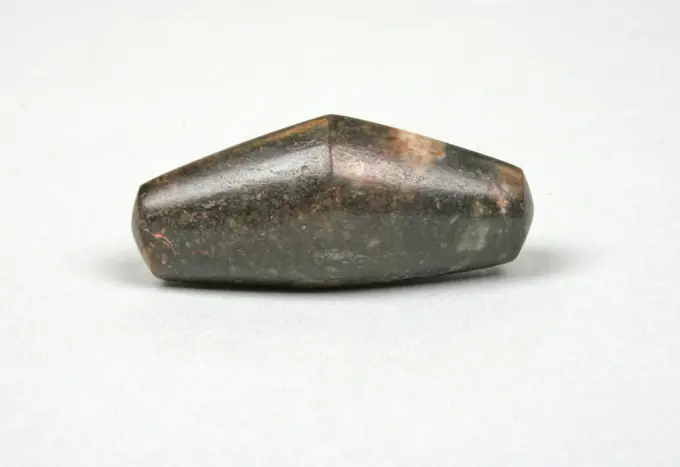
A collection of historical artifacts including jade and stone pendants, showcasing intricate designs and ancient craftsmanship.
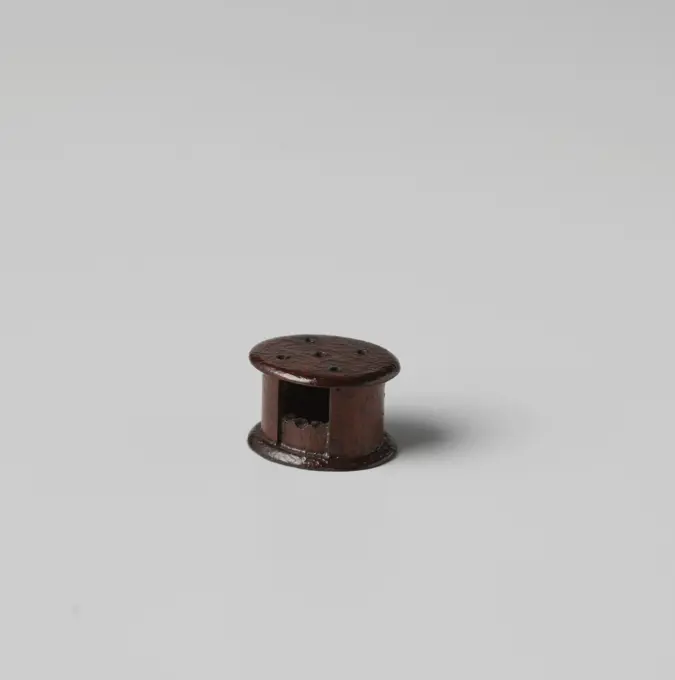
Stew, oval, with five holes in the top, anonymous, c. 1740 - c. 1760 Stew of mahogany, oval with five holes in the top, the opening for the fire test is finished with a scalloped front line. Amsterdam mahogany (wood) Stew of mahogany, oval with five holes in the top, the opening for the fire test is finished with a scalloped front line. Amsterdam mahogany (wood)
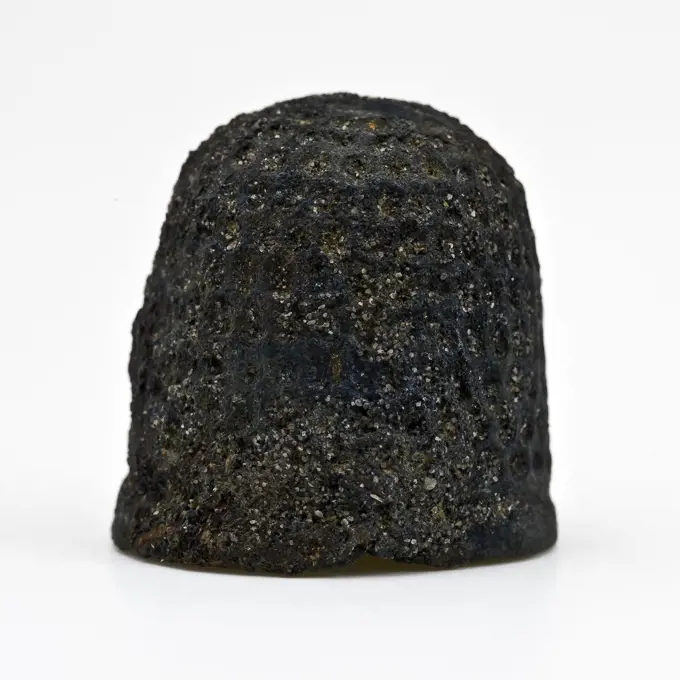
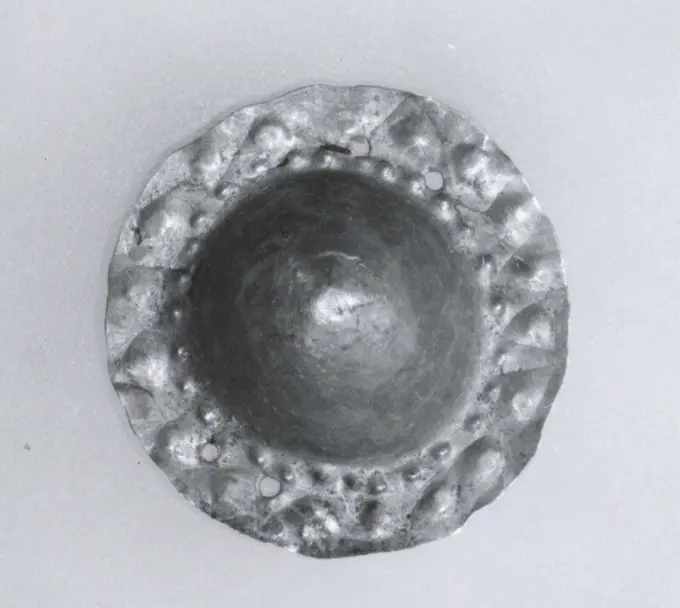
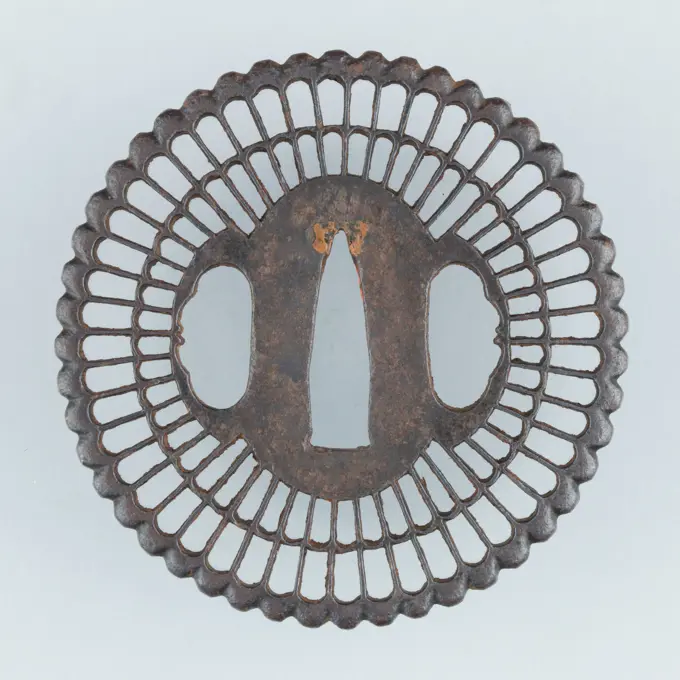
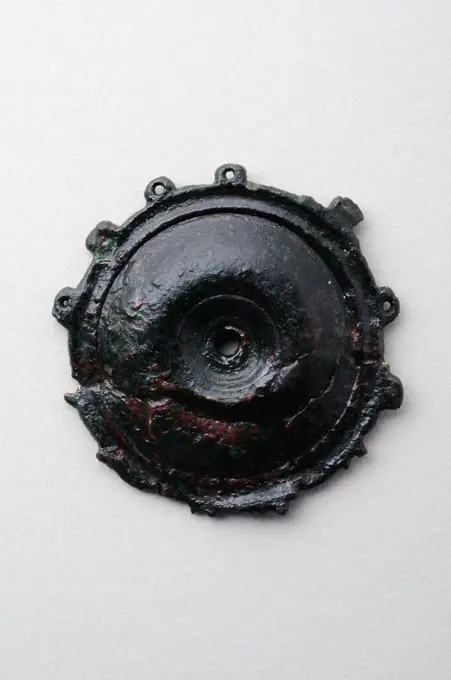
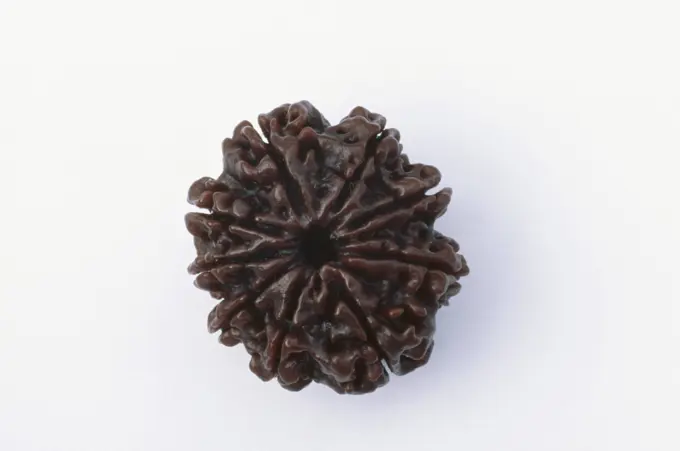
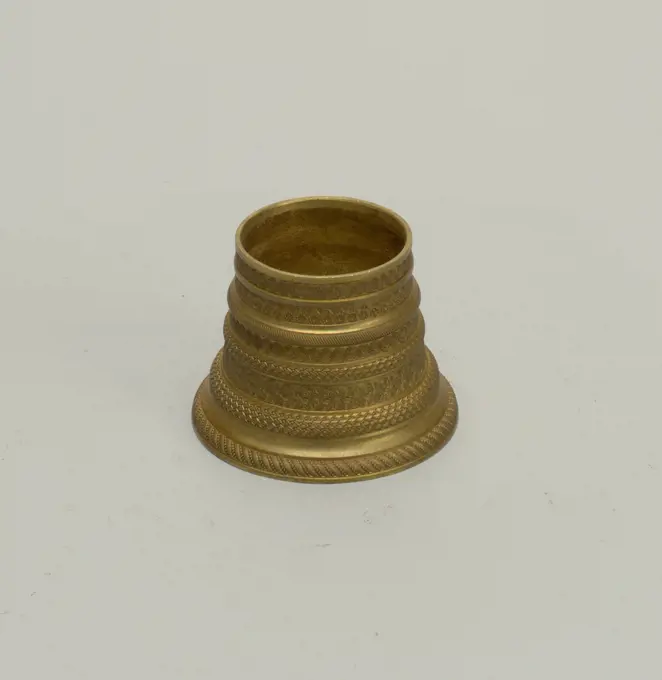
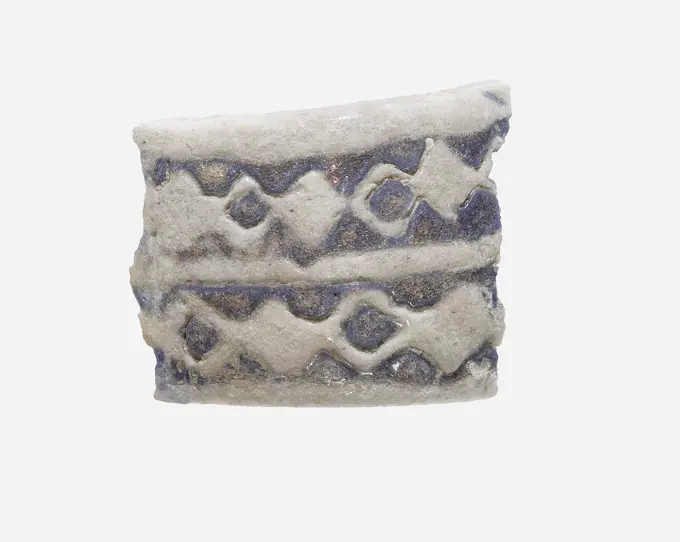
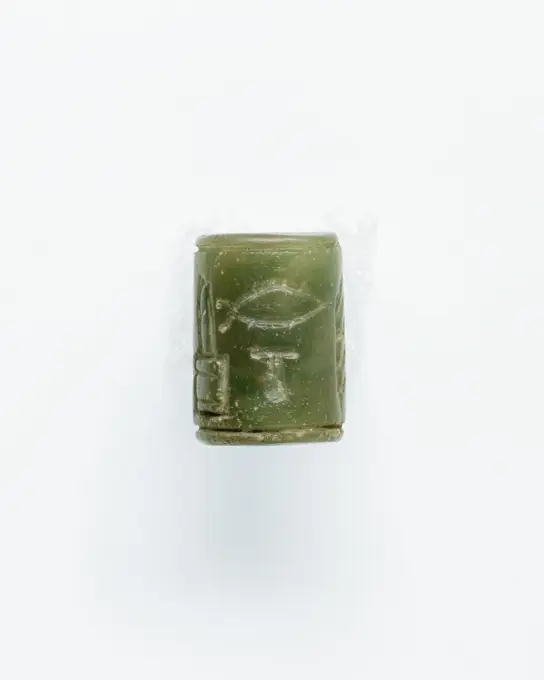
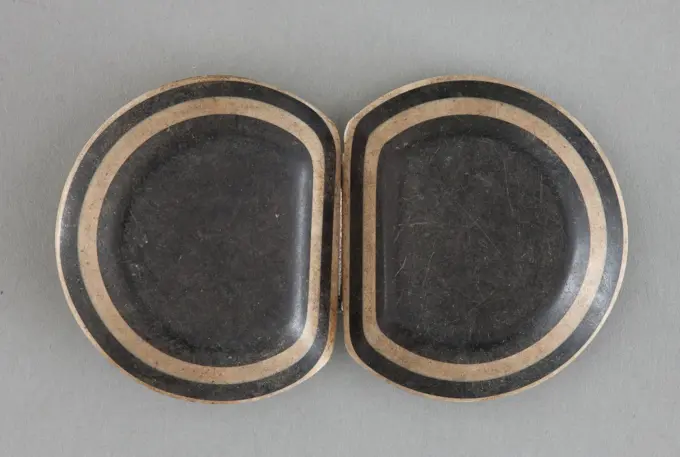
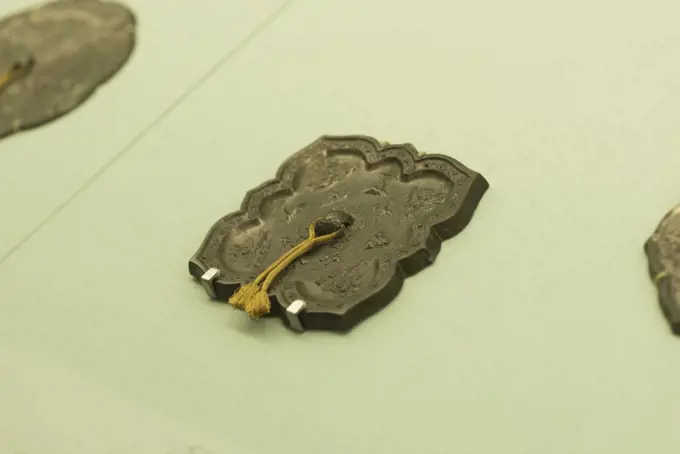
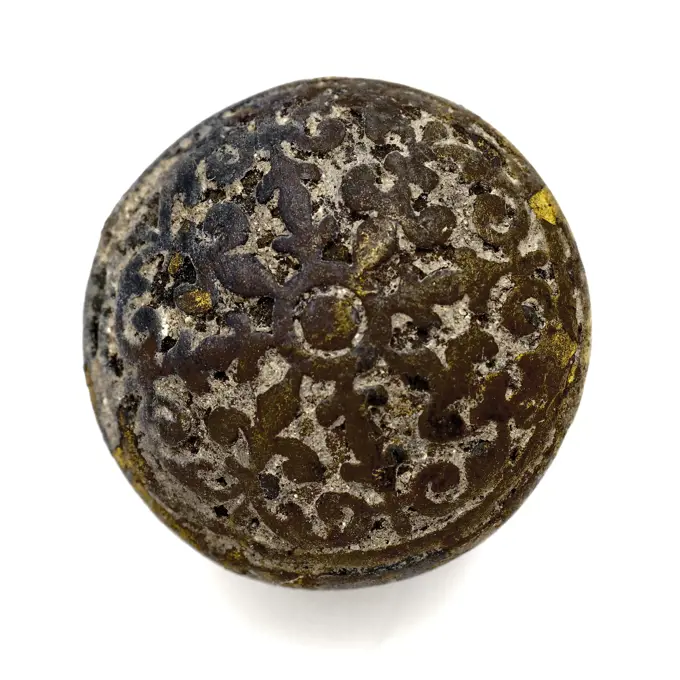
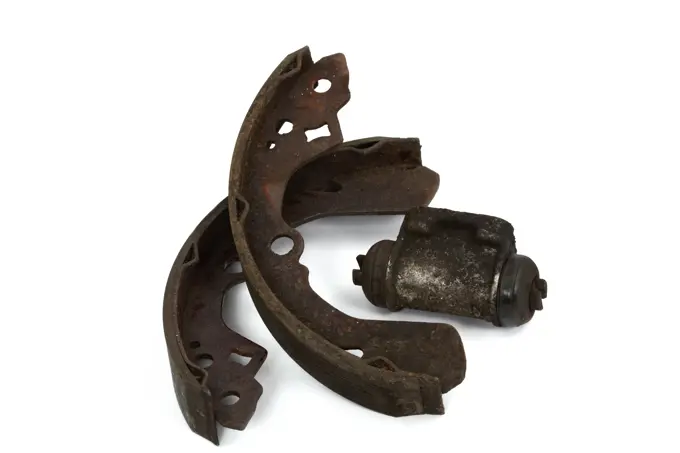
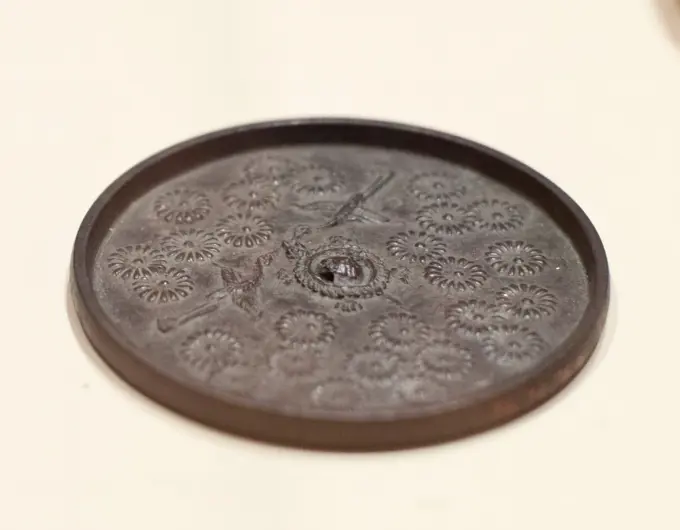
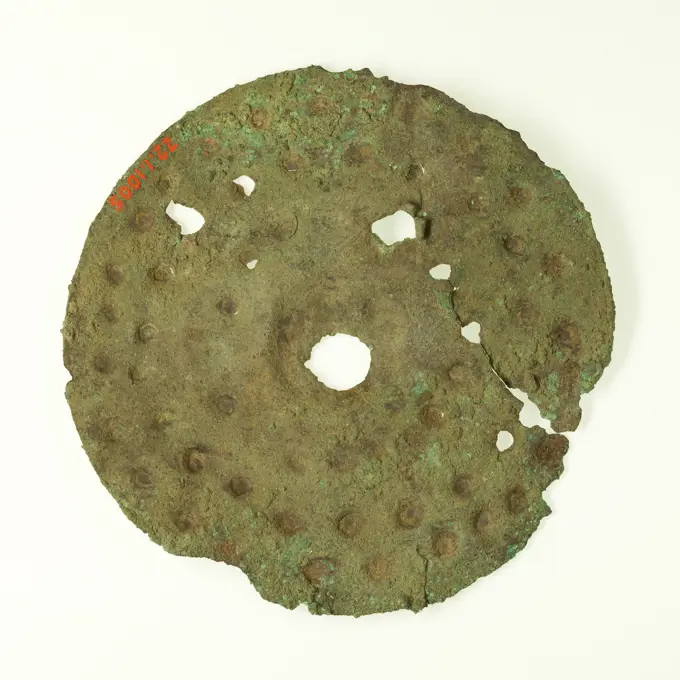
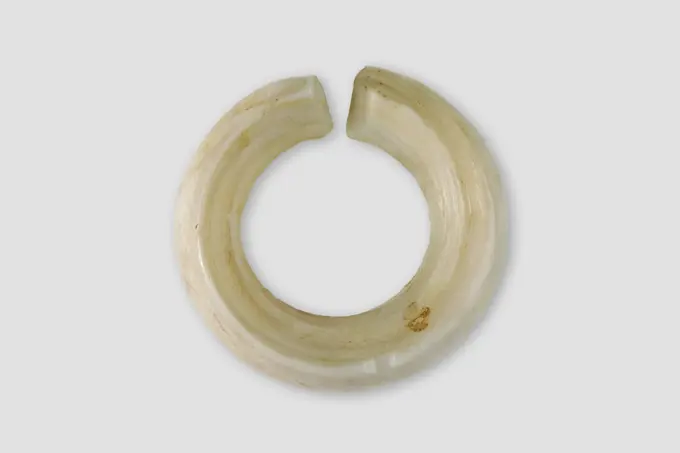
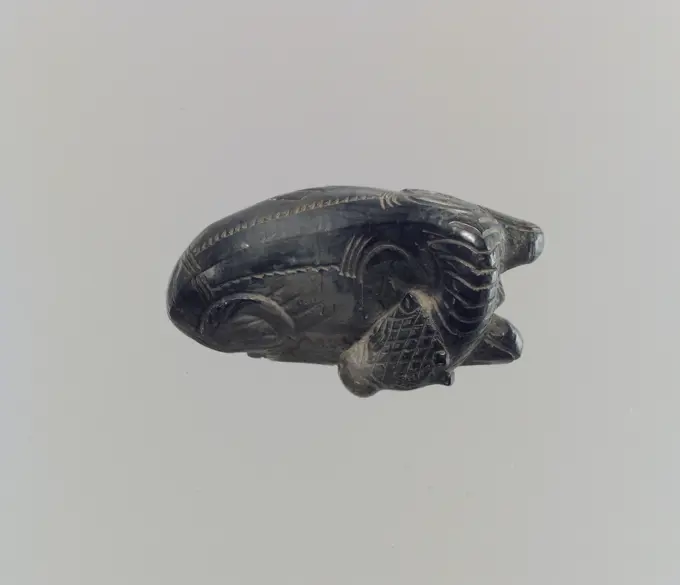
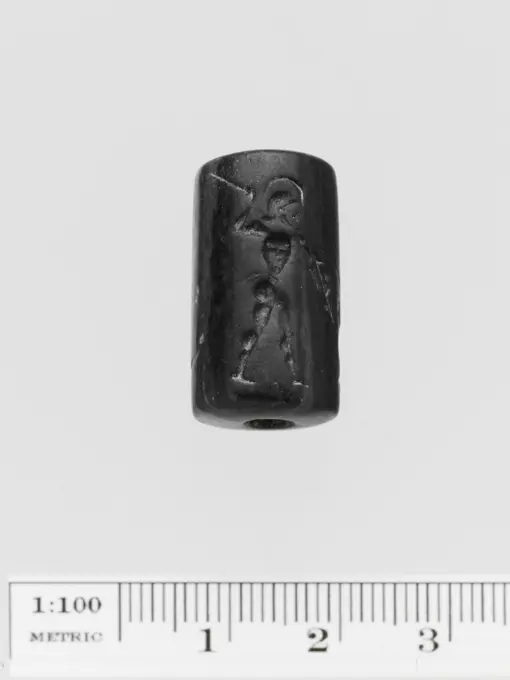
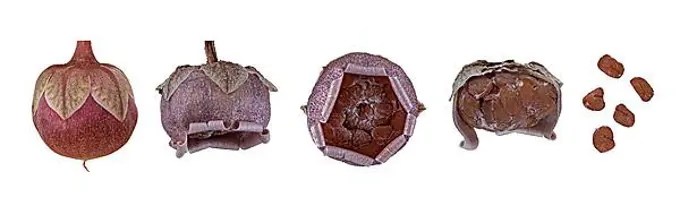
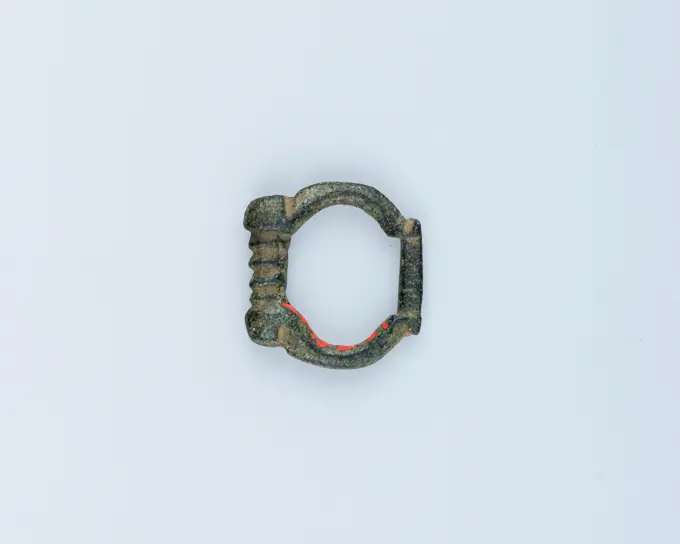
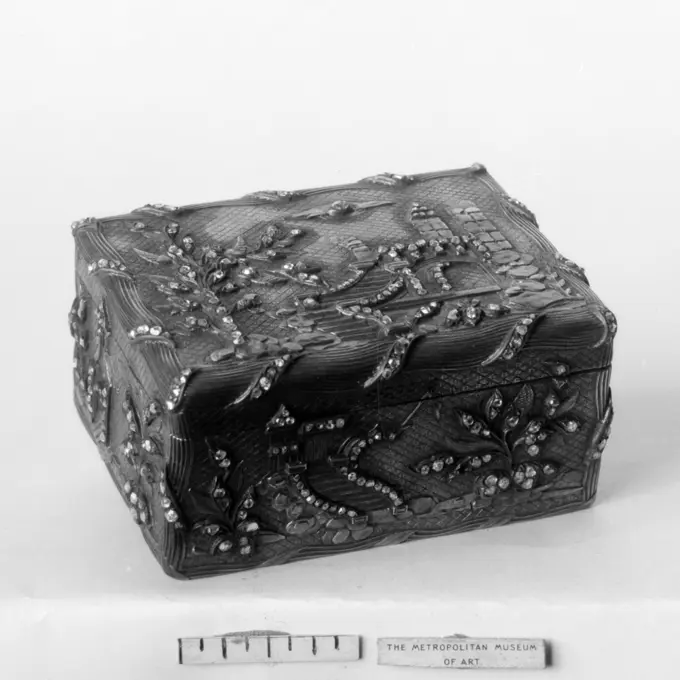
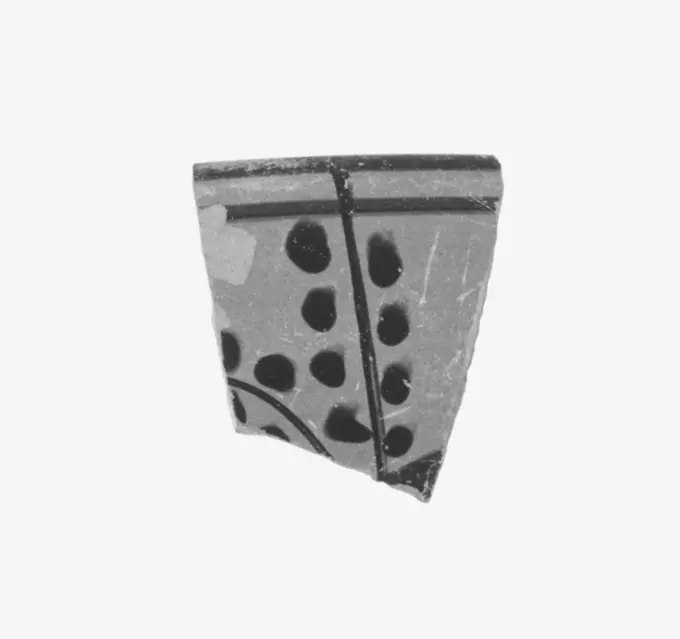
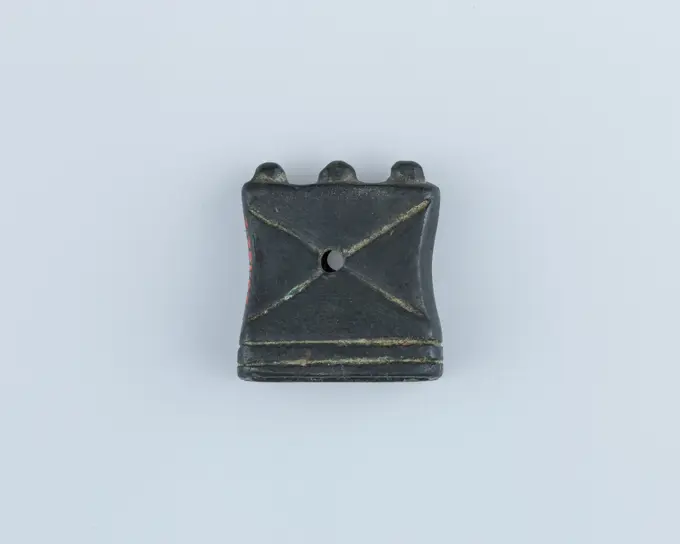
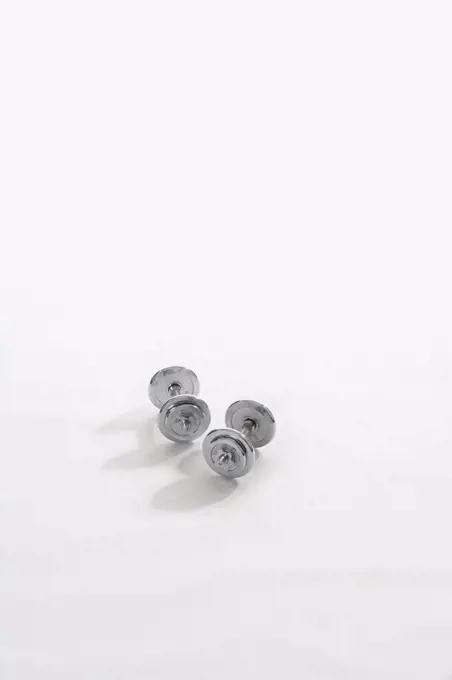
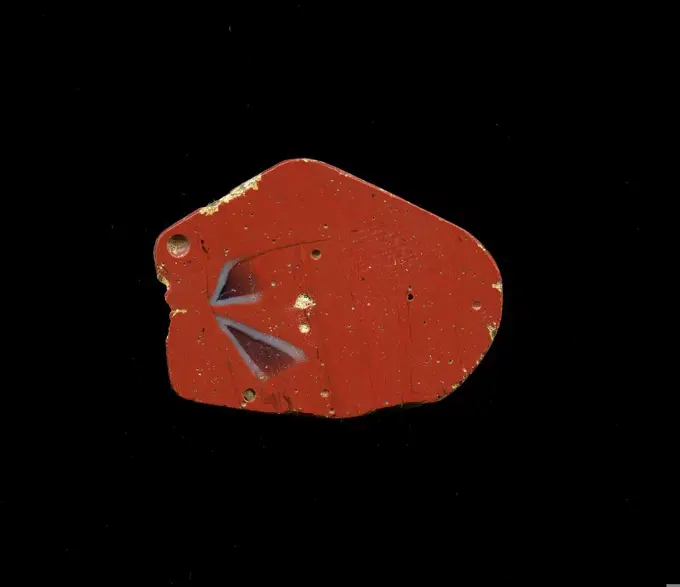
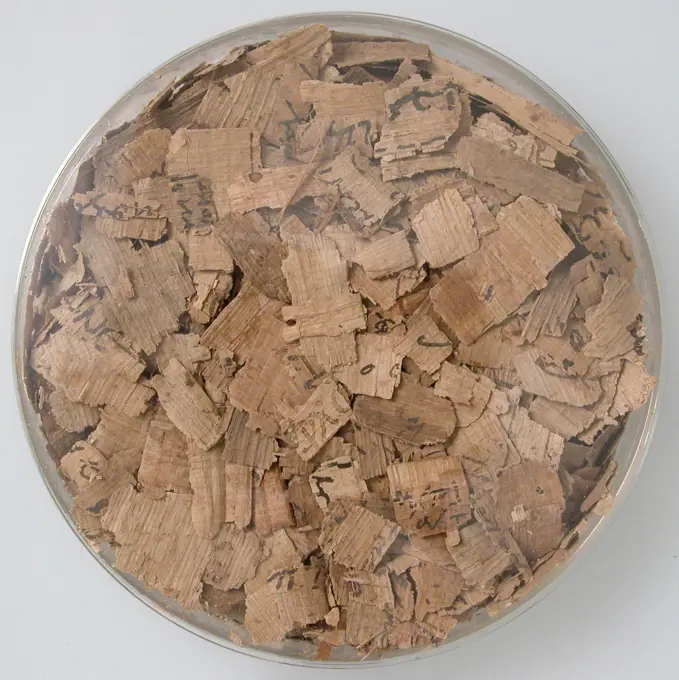
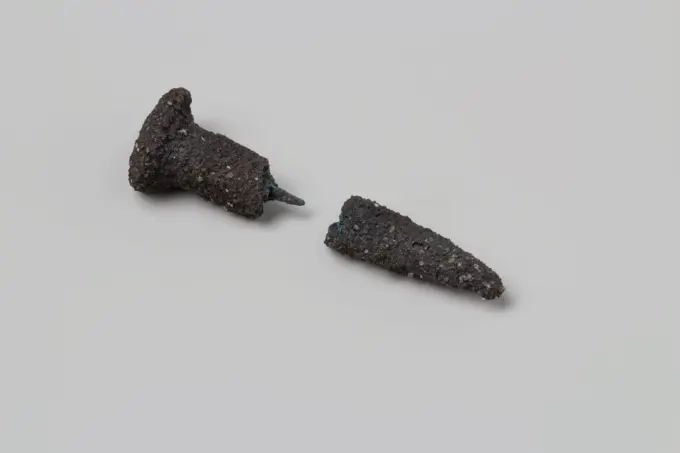
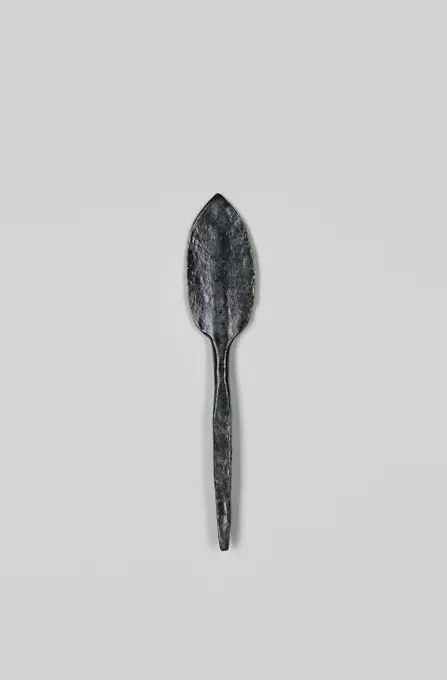
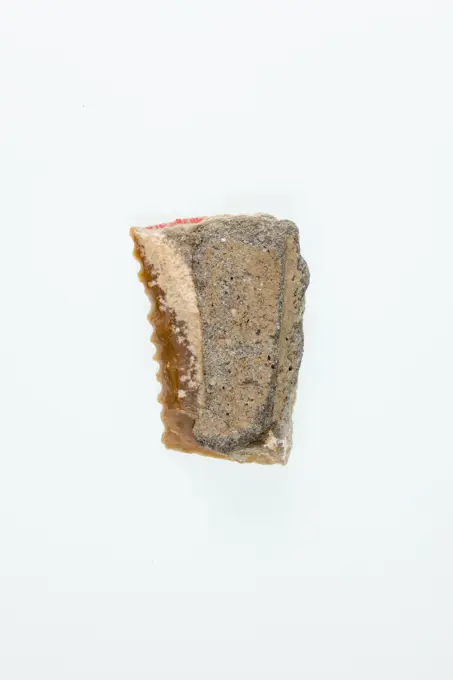
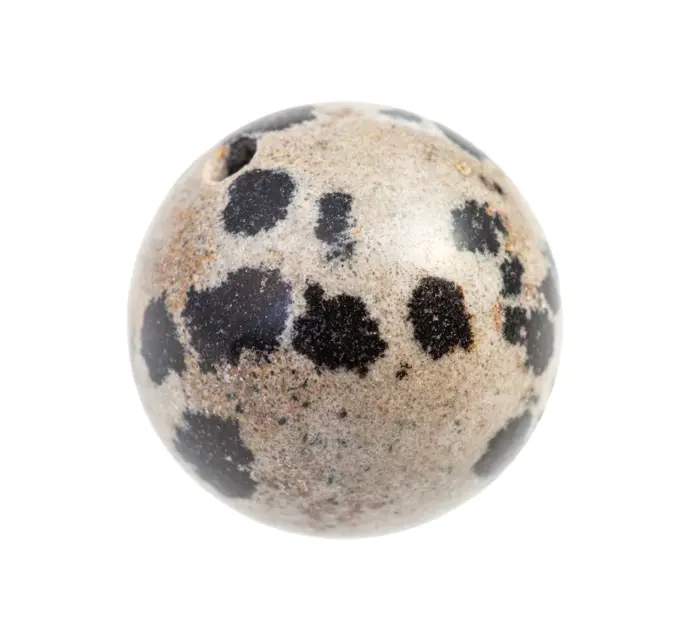
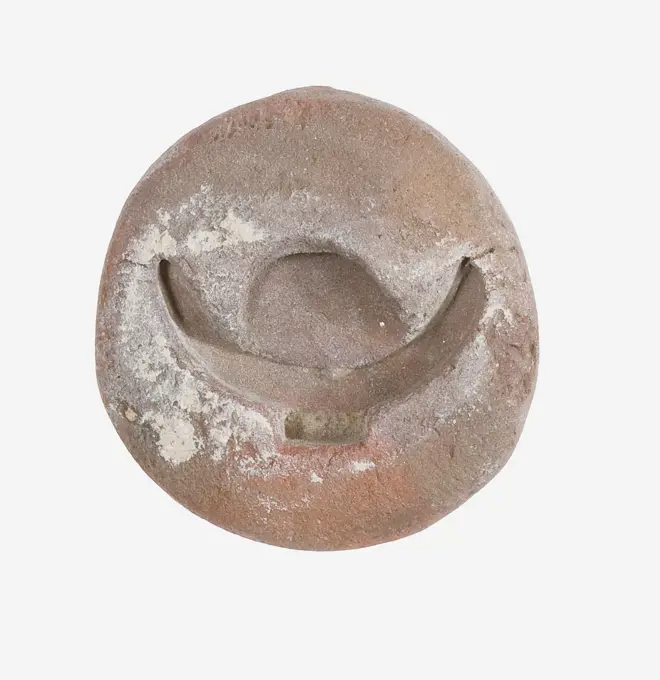
Spherical button of silver -plated copper, on which two crossed guns in relief; Part of an artillery uniform, P. Mansvelt & Zn, 1885 Marked as a margin: "P. Mansvelt & z. 'S Hage". The Hague copper (metal) Marked as a margin: "P. Mansvelt & z. 'S Hage". The Hague copper (metal)3d rendering of a decorative sphere ornament pattern isolated in white 3d rendering of a decorative sphere ornament pattern isolated in white background Copyright: xZoonar.com/HugoxKurkx 14546342Copper molded thimble, thimble sewing kit soil find copper metal, cast Copper thimble extra large spirally drawn on the top without groove in the shaft with groove on the edge archeology Rotterdam railway tunnel seamstress tailor sewing textile processing clothing needle and repairing wire Soil discovery: rail tunnel Rotterdam.Boss or appliqué 1st millennium B.C.-A.D. 1st century Iran. Boss or appliqué 326951Small graceful buckle, oval and decorated with rosettes, buckle fastener component soil find copper tin metal, Oval bracket slightly curved (not flat) archeology Rotterdam railway tunnel confirmation Soil discovery: railway tunnel Rotterdam.Sword Guard (Tsuba) ca. 1615-1868 Japanese A tsuba is a sword guard and part of a sword mounting. It is mounted between the swords blade and grip to protect the users hands.. Sword Guard (Tsuba) 34489Mexican Chia, sage (Salvia) hispanica, FoodCoins stack of soviet and russian money different times isolatedEngraved Gem. UnknownGlass Fragment. Culture: French. Dimensions: Overall: 3 1/2 x 3 1/4in. (8.9 x 8.3cm). Date: 13th century. Museum: Metropolitan Museum of Art, New York, USA.Pharmacist's spot, multi -colored painted., Anonymous, c. 1560 - c. 1625 Concave cylindrical pot of multicolored painted majolica, with a constricted neck and foot. The pot is painted with blue horizontal lines and in the middle a wide orange-yellow ring. Netherlands earthenware. tin glaze. lead glaze majolica Concave cylindrical pot of multicolored painted majolica, with a constricted neck and foot. The pot is painted with blue horizontal lines and in the middle a wide orange-yellow ring. Netherlands earthenware. tin glaze. lead glaze majolicaBox, shagreen, small spectical case, late 18th-early 19th century, Decorative Arts, BoxMessenlift ring from the wreck of the East Indians Hollandia, Anonymous, 1700 - in Or Before 1743  Knife-handle, ferrule; id. NG 1980-27H426. Netherlands copper (metal). wood (plant material)   SecondGlass Fragment. Culture: French. Dimensions: Overall: 2 3/4 x 2 3/4 in. (7 x 7 cm). Date: 15th-16th century. Museum: Metropolitan Museum of Art, New York, USA.Pieczęć stemplowa z przedstawieniem kozła. nieznany warsztat północno mezopotamski, workshopMetal letter O with small lamps on a dark background, 3d renderingSword-Hilt Collar (Fuchi) ca. 1615-1868 Japanese A fuchi is a collar that is mounted at the base of the grip of a sword hilt, usually made as part of a set with a matching kashira (pommel cap).. Sword-Hilt Collar (Fuchi). Japanese. ca. 1615-1868. Copper-silver alloy (shibuichi), copper-gold alloy (shakud), gold. Sword Furniture-Fuchi-KashiraSwan group (Swan Group). Set of miniature vases: "Exaleiptron without cover". Ceramics with black figures, without incisions, purplish red highlights, 550-540 BC. AD Museum of Fine Arts of the City of Paris, Petit Palais. 99932-21 Antiquity, ceramic with black figures, rehabilitated red purplish, vieme life VI 6th 6th 6th century before av. JC, ancientMirror. Culture: China. Dimensions: Diam. 7 1/2 in. (19.1 cm). Museum: Metropolitan Museum of Art, New York, USA.Accessory decorative circular bronze . Diameter 43 mm Thickness 2 mm Weight 17 grams ( 2nd - 3 rd CE ) Roman period, from the " Miracle Wall " ( Martyrdom of Saints Children ; Justo y Pastor ) - Archaeological site of Complutum in Alcala de Henares ( Madrid ). SPAIN.Nine mukhi Rudraksha Price Rs.2100 botanically Elaeocarpus Ganitrus Roxb, English Utrasum Copyright: xMxAmirtham/DinodiaxPhotoxBead ca. 3rd-7th century A.D. Sasanian. Bead 323065Bell 4th century B.C. Cypriot. Bell 244508Emilia-Romagna Ferrara Ferrara Museo Civico di Schifanoia25. Hutzel, Max 1960-1990 General Notes: INCOMPLETE RECORD--NEGATIVES PROCESSED, PRINTS FILED German-born photographer and scholar Max Hutzel (1911-1988) photographed in Italy from the early 1960s until his death. The result of this project, referred to by Hutzel as Foto Arte Minore, is thorough documentation of art historical development in Italy up to the 18th century, including objects of the Etruscans and the Romans, as well as early Medieval, Romanesque, Gothic, Renaissance and Baroque monuments. Images are organized by geographic region in Italy, then by province, city, site complex and monument.Mount, bronze (gilt), gold, Capital for a colonette, with intricate surface decoration arranged in bands., France, ca. 1820, metalwork, Decorative Arts, MountFragment of Vase Handle ca. 1390-1353 B.C. New Kingdom. Fragment of Vase Handle. ca. 1390-1353 B.C.. Faience. New Kingdom. From Egypt, Upper Egypt, Thebes, Malqata, Green Buildings, MMA excavations, 1910-11. Dynasty 18Weight from the wreck of the East Indies Hollandia, Anonymous, 1700 - in Or Before 1743 weight Disc-shaped weight, sim. NG 1980-27H851, corroded. Netherlands lead (metal)   SecondCylinder seal ca. 2960-2649 B.C. Early Dynastic Period. Cylinder seal. ca. 2960-2649 B.C.. Green steatite. Early Dynastic Period. From Egypt. Dynasty 2A buckle for a women's beltTAIPEI, TAIWAN - December 14 : Antiques are displayed in Taipei’s National Palace Museum on December 14, 2016 in Taipei, Taiwan, Asia.Lead Role from the wreck of the East Indies' t Vliegend Hart ,, 1700 - 1735 lead Tubes rolled plates. Silver gray of color. One is marked. Roll of Lead. Middelburg lead (metal)Disk China. Disk 42825Copper knot decorated with fleur de lis, knot clothing accessory clothing soil find copper brass metal, cast Copper knot Semicircular top. Eye in small bar at the bottom. Decorated with floral decor with fleur de lis archeology close dressSword Pommel (Kashira) ca. 1615-1868 Japanese A kashira is a pommel cap mounted at the end of a sword hilt, usually made as part of a set with a matching fuchi (hilt collar).. Sword Pommel (Kashira). Japanese. ca. 1615-1868. Copper, gold. Sword Furniture-Fuchi-KashiraBeaker (part of a set) 1848-49 Probably by Johann Bernhard Hertz (Hentz) The firm of Nicholls & Plincke was founded by members of the relatively large community of English silversmiths and craftsmen working in Saint Petersburg. After 1840 it was one of the most important retailers of luxury items before Carl Fabergé overshadowed all competitors. Several contemporary Saint Petersburg newspapers praised the high-quality products of the magasin anglais Nicholls & Plincke.According to the donor's family tradition, this rare set with more than fifty items bearing the monogram CMI was "originally made for and used by Colin Macrae Ingersoll 1819-1903, when he accompanied his father, Ralph Isaacs Ingersoll 1788-1872, to the Court of Czar Alexander II of Russia, where the latter served President James Knox Polk 1795-1849 as Minister Plenipotentiary from 1846 to 1848.. The family story has always been that the set and case were made for stagecoach travel in Russia."Plain silver objectsMedallion with a Horse and Rider. UnknownDrohiczyn seal. unknown, managerBrooch -Old brake pads and cylinder brake drum isolated Old brake pads and cylinder brake drum, isolated on a white background Copyright: xZoonar.com/OleksandrxKostiuchenkox 3457603Attic Red-Figure Vase Fragment. UnknownBird Plaque Ornament. Culture: Vicús. Dimensions: H. 2 x W. 2 in. (5 x 5 cm). Date: 3rd century B.C.-A.D. 2nd century. Museum: Metropolitan Museum of Art, New York, USA.Round mirror with flying cranes surrounded by chrysanthemums, 12th century, Unknown Japanese, 1/8 x 3 1/4 in. (0.32 x 8.26 cm), Bronze, Japan, 12th century, The Japanese first imported mirrors from China during the Kofun period (250-552). One surface of these bronze disks was polished to be reflective; the other side was embellished with designs in relief. Because mirrors were thought to be magical, the designs were often formal and geometric, and they were placed in tombs in the belief that they could illuminate the darkness. By the Heian period (794-1185), mirrors were a standard element within cosmetic sets and their embellishment reflected secular tastes.Golden egg isolated on white backgroundDisc ca. 1295-1070 B.C. New Kingdom, Ramesside. Disc 568388Penannular Earring ca. 1550-1295 B.C. New Kingdom. Penannular Earring. ca. 1550-1295 B.C.. Shell. New Kingdom. From Egypt; Probably from Northern Upper Egypt, Deir el-Ballas. Dynasty 18Glass bead 3rd-4th century A.D. Roman. Glass bead. Roman. 3rd-4th century A.D.. Glass. Late Imperial. GlassSword Guard (Tsuba). Culture: Japanese. Dimensions: H. 2 15/16 in. (7.5 cm); W. 1/8 in. (.3 cm); thickness 3/16 in. (0.5 cm); Wt. 4 oz. (113.4 g). Date: ca. 1615-1868. Museum: Metropolitan Museum of Art, New York, USA.Reclining calf: lid attachment ca. 9th-8th century B.C. Assyrian This small ivory figurine depicting a resting calf was probably blackened through exposure to fire when the palace complexes at Nimrud were sacked during the final defeat of Assyria at the end of the seventh century B.C. The bottom of the figurine is flattened and has a rectangular hole, into which a peg could be inserted as a means to attach the calf to another object. It was likely attached to the lid of a pyxis, a small round box used for precious goods including luxurious commodities such as spices, incense, cosmetics, perfumes or ointments. A fragment of such a lid, decorated with attached ivory calves and flower buds, was found in the Burnt Palace, where this calf was excavated, along with several additional calves with markings similar to this one. Another ivory lid from the Burnt Palace, which is carved with a rosette in relief and drilled with dowel holes used to attach elements, is in the collection of the MetroBlack marble cylinder seal 5th century B.C. Greek, Ionian Nude warrior hunting a lion and a stag.. Black marble cylinder seal. Greek, Ionian. 5th century B.C.. Marble, black. Classical. GemsStone font Letter C 3D Stone font Letter C 3D rendering illustration isolated on white background Copyright: xZoonar.com/MilicxDjurovicx 21521896Ring -shaped fragment from the wreck of the East Indians Hollandia, Anonymous, 1700 - in Or Before 1743 fragment Varied parts or fragments, rings or ring-shaped fragments; id. 80H946. Netherlands copper (metal)   SecondA church of a metal church sword (Fuchi); Kita, Takenori, Mito; 2nd nineteenth century (1850-00-00-1890-00-00);Room alpine violet (Cyclamen persicum Hybride), seed capsule immature and ripe, seeds eastern Mediterranean, Germany, EuropePot Scrubber, elevated viewCocoa tree (Theobroma cacao), cocoa beanBuckle Loop 14th century French, Haute-Savoie. Buckle Loop. French, Haute-Savoie. 14th century. Bronze, patina. Miscellaneous-Buckles & OrnamentPinhead. Pinhead. Glass. GlassSnuffbox 18th century () French, Paris In eighteenth-century Europe, Paris led the production of high-quality luxury goods. Parisian goldsmiths made a wide range of small, personal articles such as snuffboxes; étuis to hold sealing wax, tweezers, or utensils for sewing; souvenirs, which contained thin ivory tablets for note taking; and shuttles for knotting lace. Gold snuffboxes and boxes decorated with portrait miniatures were prized and frequently given as royal gifts, often to ambassadors or members of the court in lieu of cash payments for their services. Coveted and admired, these boxes were produced from a variety of materials. The best were skillfully made of gold and embellished with diamonds, enameled decoration, lacquer, and other luxurious materials. By the middle of the century, the taking of snuff had become an entrenched social ritual, and the snuffbox, too, had become an important social prop. Snuffboxes were considered highly fashionable accessories, with some merchantshield An image of a nice vintage shield Copyright: xZoonar.com/magannx 2475540Engraved Gem; Roman Empire; 1st century; Amethyst; 1.3 × 1.1 × 0.3 cm (1,2 × 7,16 × 1,8 in.)Attic Black-Figure Eye Cup Fragment. UnknownMordant ca. 50 B.C.-ca. 500 A.D. possibly Gallo-Roman. Mordant. possibly Gallo-Roman. ca. 50 B.C.-ca. 500 A.D.. Bronze. Miscellaneous-Buckles & OrnamentCuffs ca. 1800 Italian. Cuffs 170391Natural horn, c. 1750 - c. 1800 musical instrument. wind instrument. horn. natural horn Natuurhoorn in F. Traces of different repairs, mouthpiece is broken. 'Raoux' on the cup. Paris copper (metal)DumbbellsOld tree-bladed boat propellerMosaic glass fragment. The small glass fragment shows on red background Two blue petals framed white. The two leaves fade from the half. Roman times were used colored, ornamented glass for vessels, mosaics, wall decorations and furniture ornaments. For the production, different colored glasses were molded into tubes and rods. These were compressed and heated, causing a long bar. The glass sliced now had a wide variety of amorphous or floral patterns.Shard ca. 4th-5th century Pakistan. Shard 50875Rusty old fan. Vintage old rusted window fanharp piece of raw Obsidian volcanic glass rock closeup of sample of natural mineral from geological collection - sharp piece of raw Obsidian volcanic glass rock isolated on white background Copyright: xZoonar.com/ValeryxVoennyyx 14990715Naszyjnik - fragment. unknown, authorRiutal Stone (Pulidor) 15th-early 16th century Aztec. Riutal Stone (Pulidor) 316292Bronze star of quotation to the order of the regiment for the 1914-18 and 1939-45 war crosses. Metal, 1915-1990. General Leclerc Museum of Hauteclocque and the Liberation of Paris, Jean Moulin Museum.Askos czerwonofigurowy. unknown, authorInkwell.   Maker: Thomas Danforth II, American, 1731-1782Fragment. Culture: European or Middle Eastern. Dimensions: L. 2 1/4 in. (5.7 cm). Date: ca. 1150-ca. 1250. Museum: Metropolitan Museum of Art, New York, USA.Mosaic glass fragment. The small glass fragment shows several flowers in millefiori technology on dark violet background. The individual flowers are separated by white lines, which form a honeycomb grid. They consist of a white point as a core to lay a red and a white line. Therefore, a frame lays out of naked circles made of fine white lines. In Roman times, it used colored, ornamented glass for vessels, mosaics, wall decorations and furniture ornaments. For the production, different colored glasses were molded into tubes and rods. These were compressed and heated, causing a long bar. The glass sliced now had a wide variety of amorphous or floral patterns.Votive Plaque ca. 8th century or later Tibet. Votive Plaque 38854Mordant 15th-17th century European. Mordant. European. 15th-17th century. Bronze. Miscellaneous-Buckles & OrnamentPan 1800-1860 American. Pan 5492Sword Guard (Tsuba) possibly 18th century Japanese A tsuba is a sword guard and part of a sword mounting. It is mounted between the swords blade and grip to protect the users hands.. Sword Guard (Tsuba) 33404Papyri Fragments 7th century Coptic. Papyri Fragments 479234Loden role from the wreck of the East Indiesman 't flying heart. To tubularly loden pictures. Black-gray in color. One has been noticed. Roll or lead.Fragments of Spijkers from the wreck of the East Indians' t Vliegend Hart ,, 1700 - 1735  Two fragments of copper nails, one is a head, the other is a point. Nails. Netherlands copper (metal)Grot strzały. nieznany warsztat bliskowschodni, workshopBronze or brass ring, curved, decorated with few circumferential grooves, ring jewel clothing accessory clothing soil find bronze copper metal d 0.5, cast bronze or copper ring Smooth wall on the inside. Curved on the outside and decorated with few circumferential grooves on the back of the bulging archaeology Rotterdam railway tunnel adorn prosperity status Soil discovery: Railway tunnel 1988-1993.Pendant. Western Iran, circa 1000-650 B.C.. Jewelry and Adornments; pendants. Bronze, castArmlet. Culture: China. Dimensions: H. 2 15/16 in. (7.5 cm); W. 3/8 in. (1 cm). Date: 1796-1875. Museum: Metropolitan Museum of Art, New York, USA.Disk Brooch 6th century Frankish. Disk Brooch 464844 Frankish, Disk Brooch, 6th century, Silver over iron core, garnet or glass paste, gold foil, Overall: 7/8 x 7/16 in. (2.2 x 1.1 cm). The Metropolitan Museum of Art, New York. Gift of J. Pierpont Morgan, 1917 (17.191.151)Decorative batter from the wreck of the East Indies Hollandia, Anonymous, 1700 - in or Before 1743  Fitting, decorative fitting or fragment; eroded, heart-shaped, flat, solder on underside. Netherlands silver (metal)   SecondRetro cartoon with texture. Isolated on White.Button from black glass or git. Button from black glass or git.Wooden letter I on whiteSickle Insert ca. 1184-664 B.C. Probably New Kingdom, Ramesside-Third Intermediate Period This small piece of flint was a key element to a successful agricultural season in ancient Egypt. Grain was a staple of the economy, as bread and beer made from grain were consumed daily. They also formed the foundation of eternal sustenance, as funerary offerings. Ancient Egyptians used sickles made from flint and wood to reap grain. Pieces of flint such as this one were shaped to fit into a wooden haft along with a number of other such inserts, and secured with an adhesive. The flint pieces provided a sharp edge to cut the grain stalks. With use, the flint would wear down and develop a shiny gloss. The flint inserts could be re-sharpened or replaced as needed. Sickle inserts could be made in a variety of ways. The earliest were fully bifacially retouched, then later they were made on blades (long narrow pieces of flint). Starting in the 2nd millennium BC, some sickle inserts were made on large fRetro cartoon illustration. On plain white background.Pair Ear Ornaments, Three Plain Hoops 8th-12th century Indonesia (Central Java). Pair Ear Ornaments, Three Plain Hoops 64213Retro cartoon with texture. Isolated on White.isolated golden letter isolated golden letter Copyright: xZoonar.com/OxanaxRishnyakx 5214983bead from Dalmatian Jasper rock isolated closeup of sample of natural mineral from geological collection - bead from Dalmatian Jasper rock isolated on white background Copyright: xZoonar.com/ValeryxVoennyyx 14989796Mold for an Amulet of Horns and Sun Disk ca. 1390-1353 B.C. New Kingdom. Mold for an Amulet of Horns and Sun Disk. ca. 1390-1353 B.C.. Pottery. New Kingdom. From Egypt, Upper Egypt, Thebes, Malqata, Khor west of camp or E. side of S. Village, MMA excavations, probably 1911-12. Dynasty 18