Ancient Pendants and Artifacts

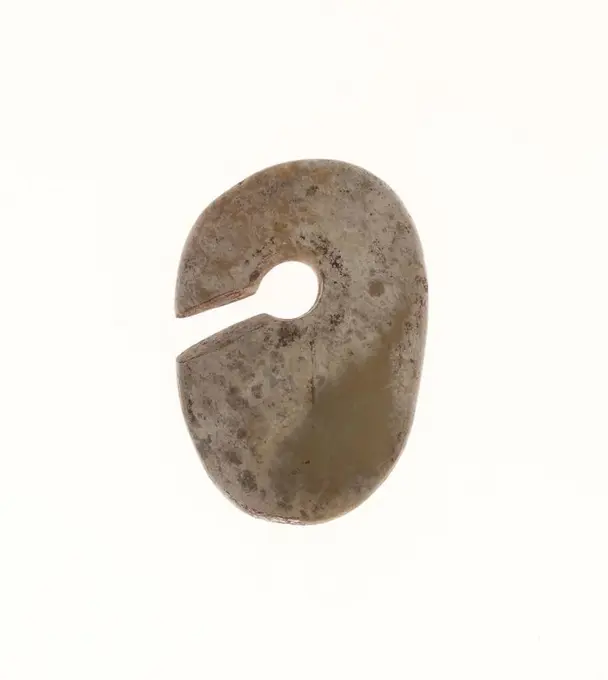
A collection of historical artifacts including jade and stone pendants, showcasing intricate designs and ancient craftsmanship.
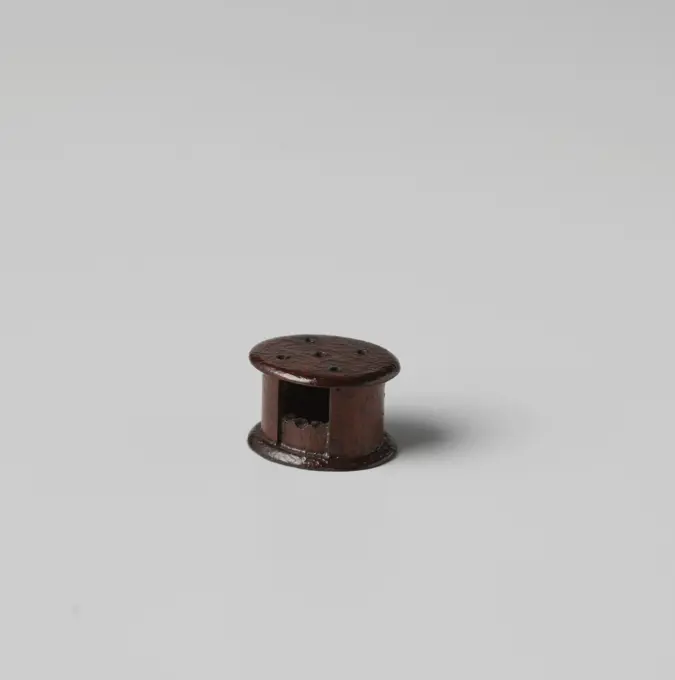
Stew, oval, with five holes in the top, anonymous, c. 1740 - c. 1760 Stew of mahogany, oval with five holes in the top, the opening for the fire test is finished with a scalloped front line. Amsterdam mahogany (wood) Stew of mahogany, oval with five holes in the top, the opening for the fire test is finished with a scalloped front line. Amsterdam mahogany (wood)
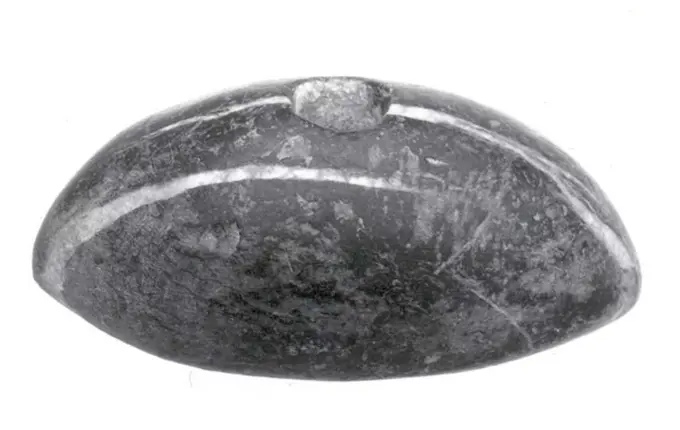
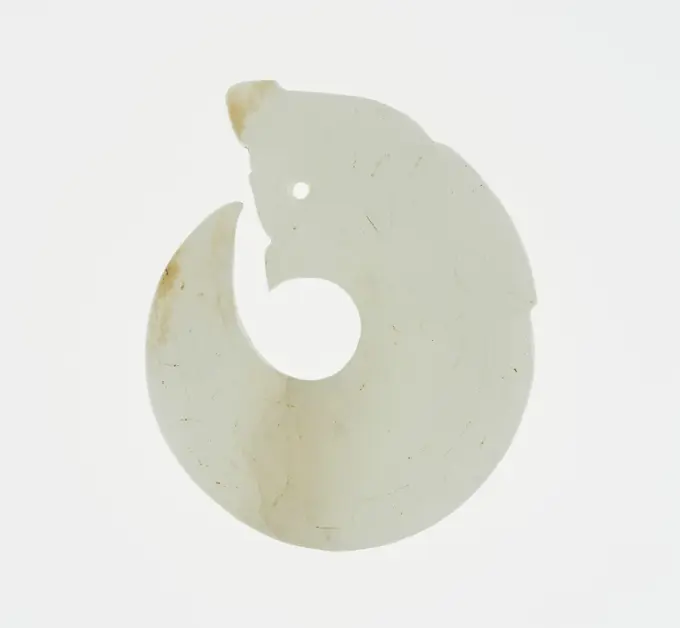
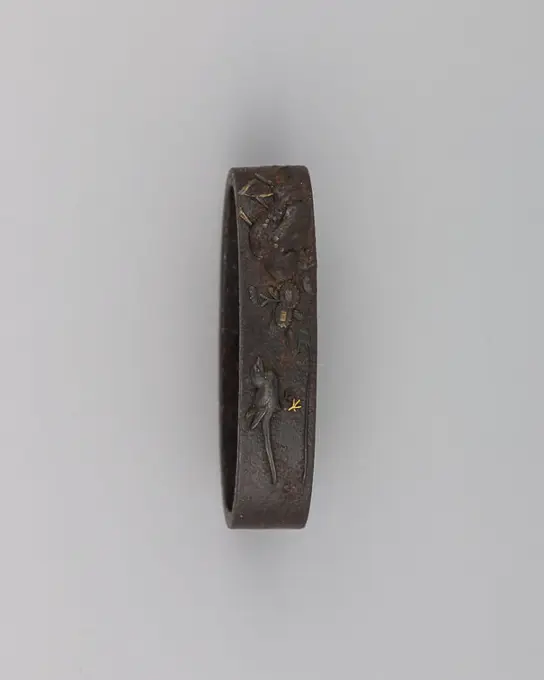
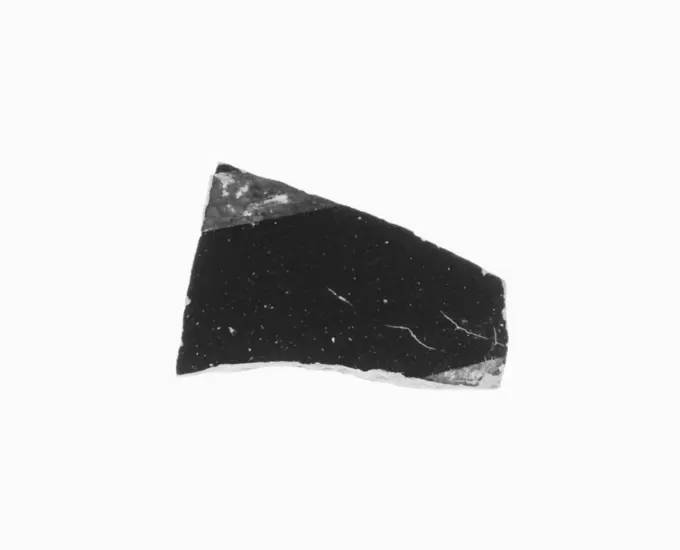
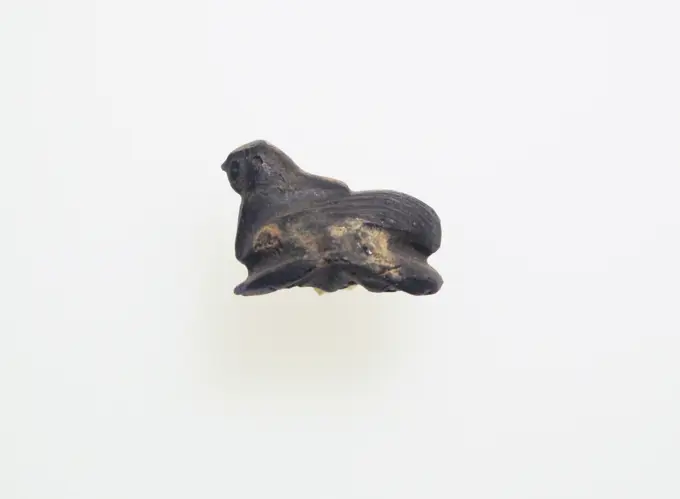
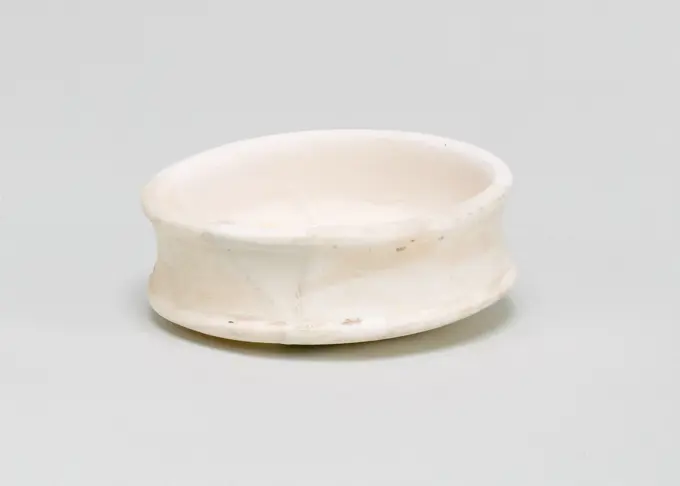
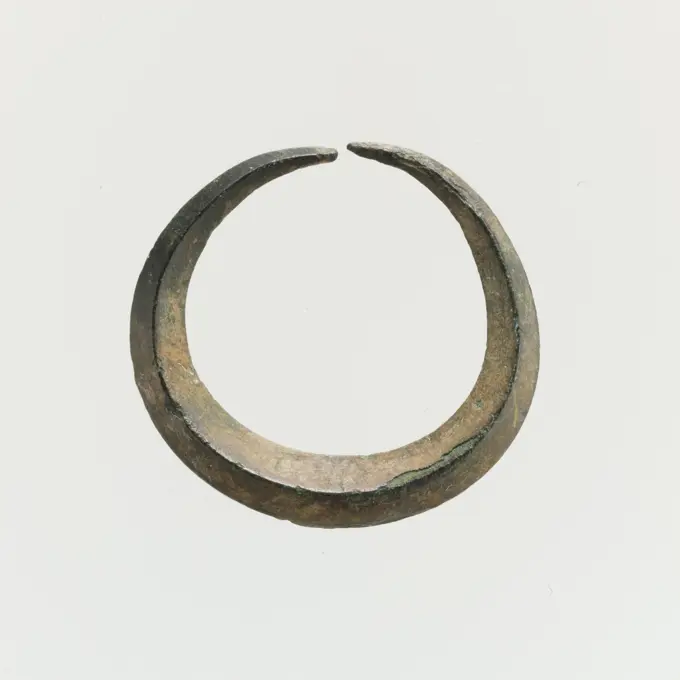
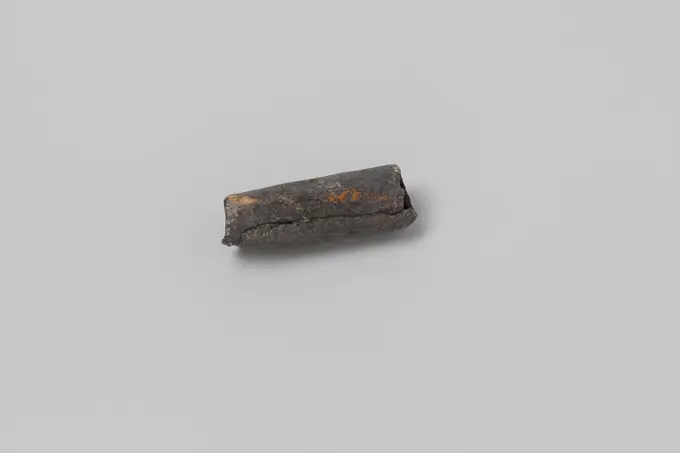
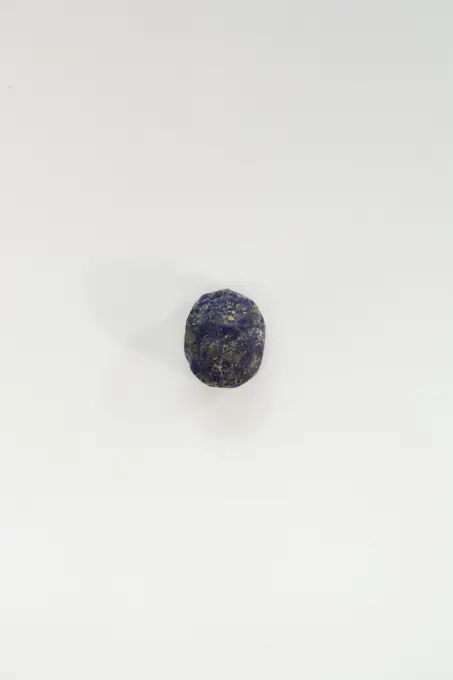
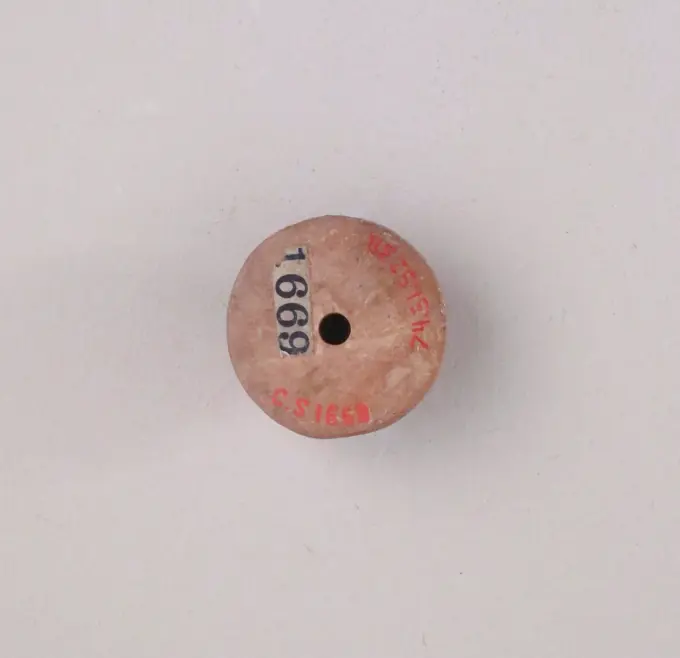
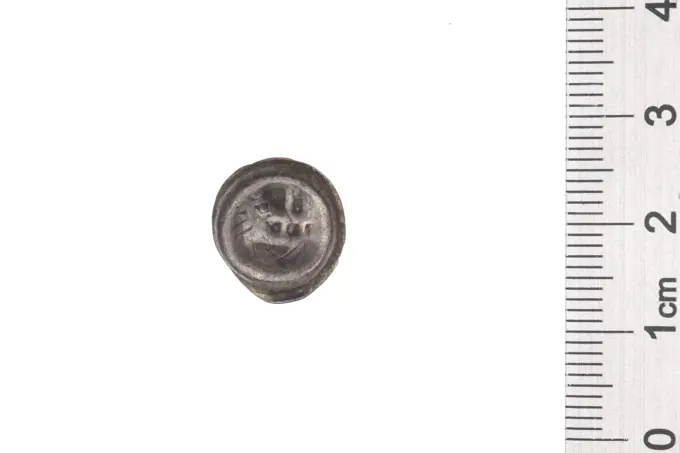
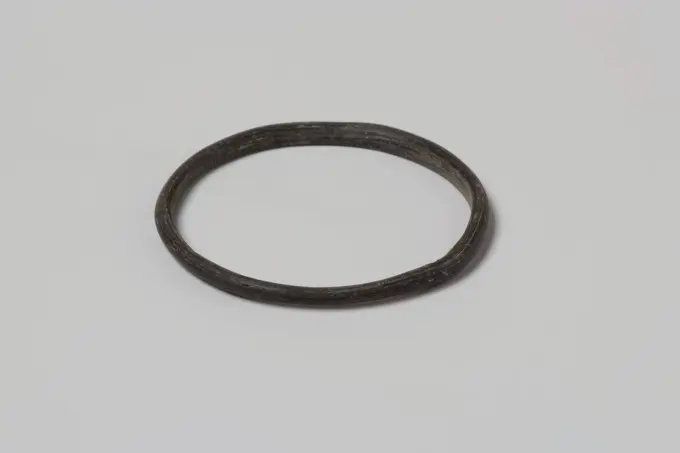
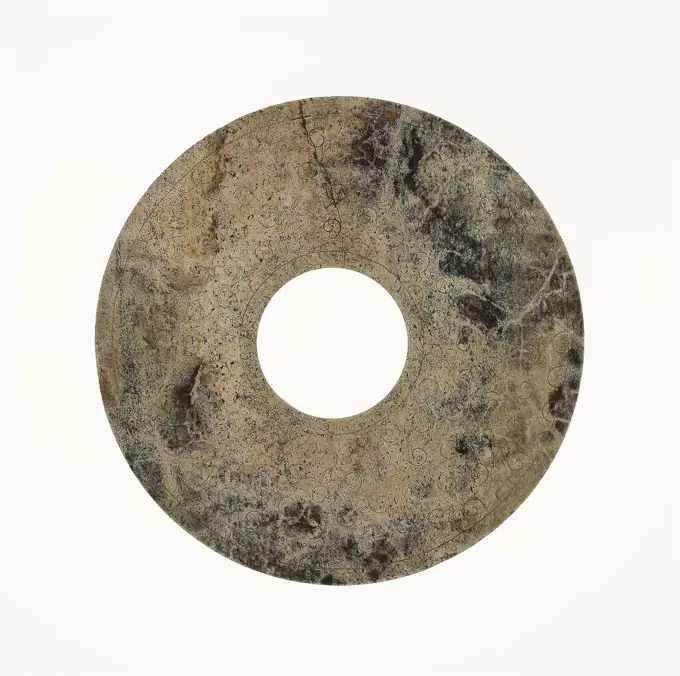
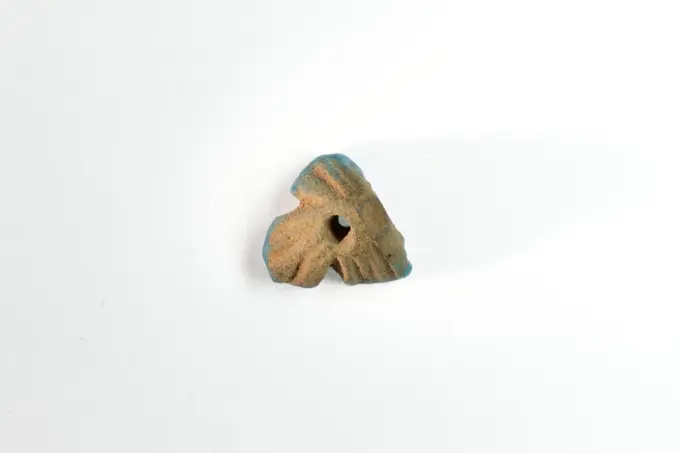
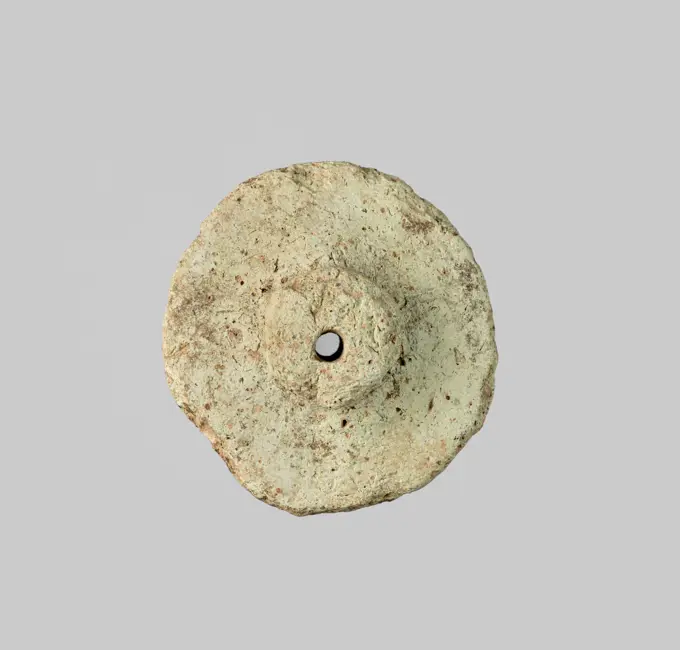
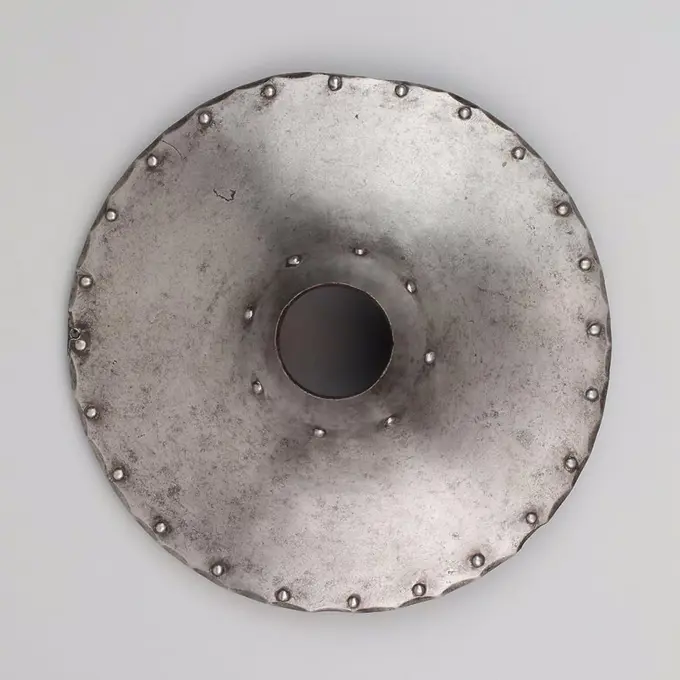
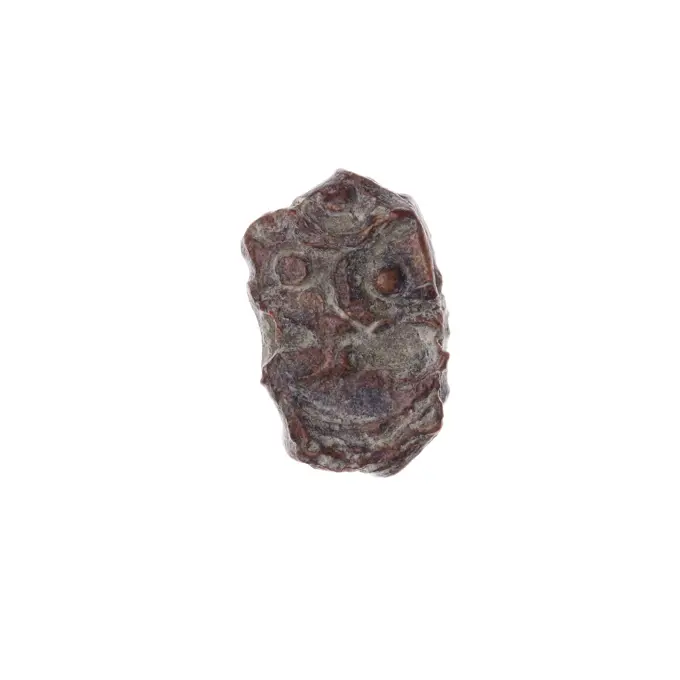
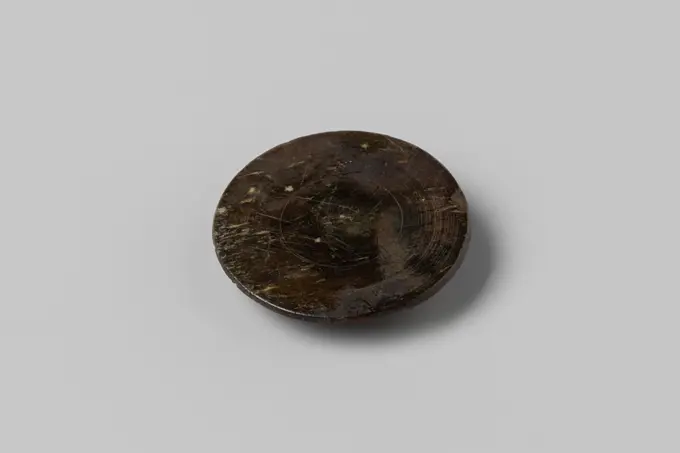
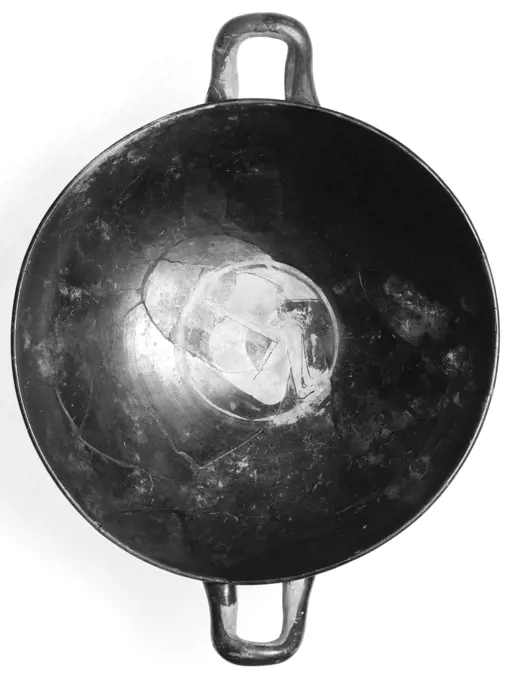
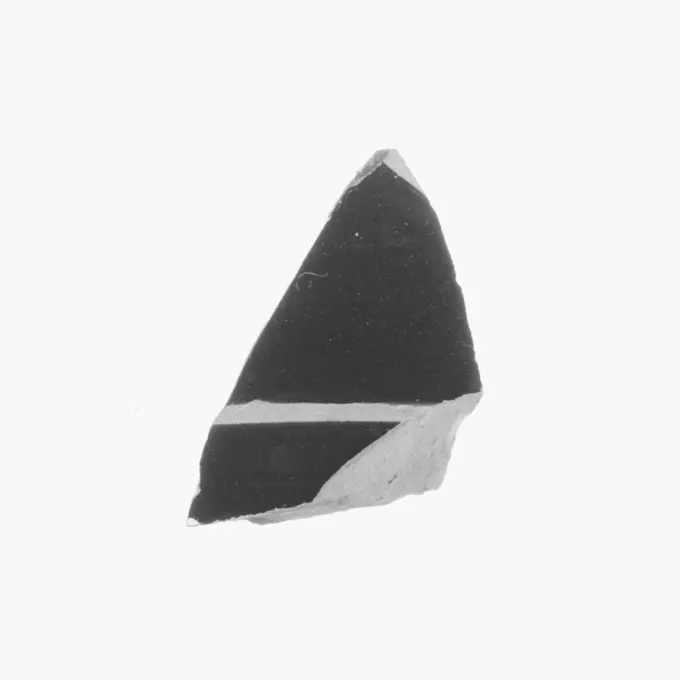
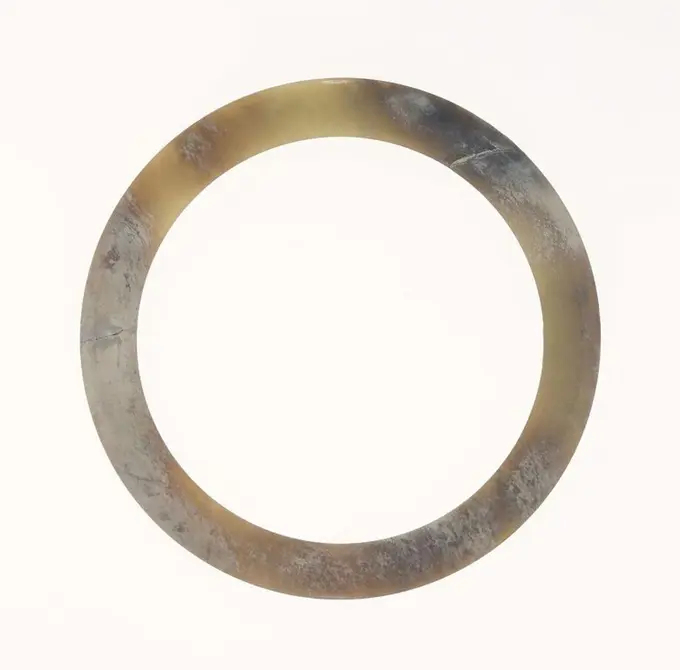
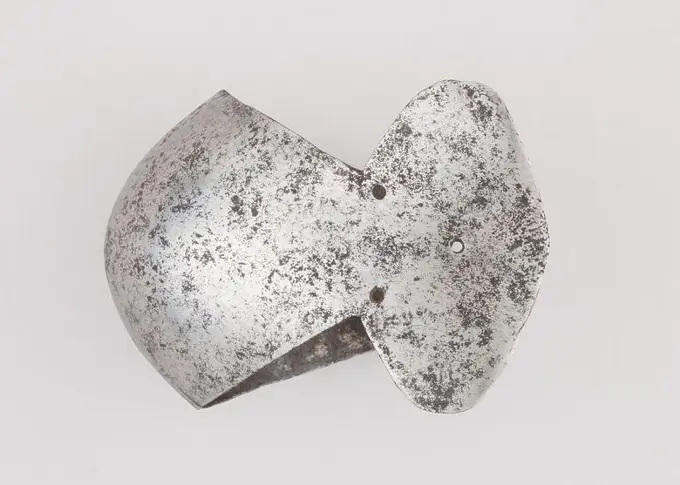
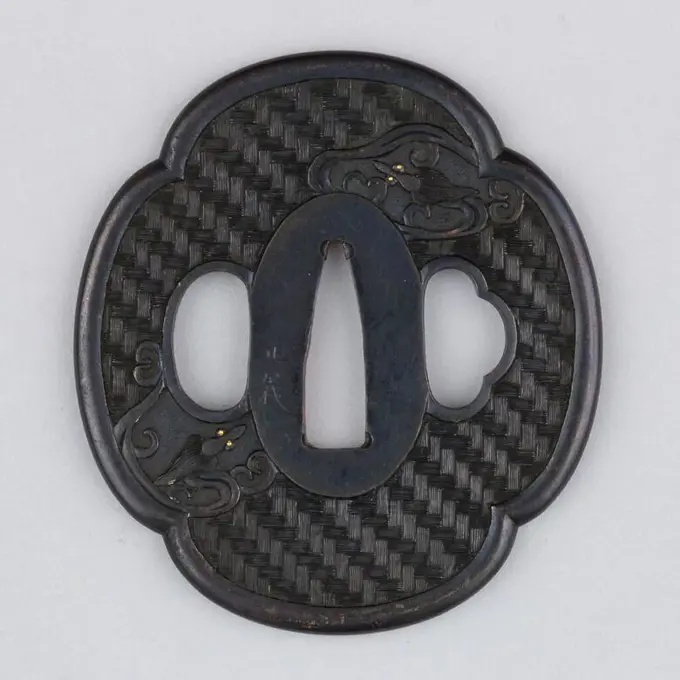
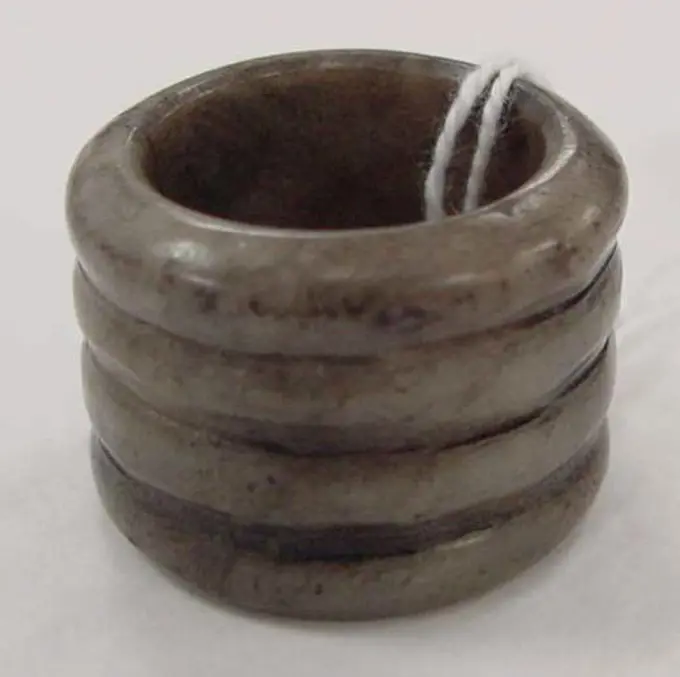
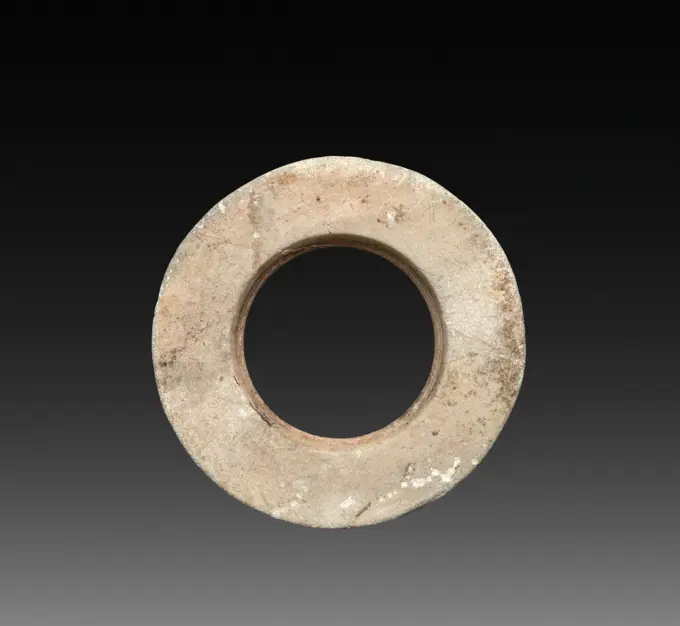
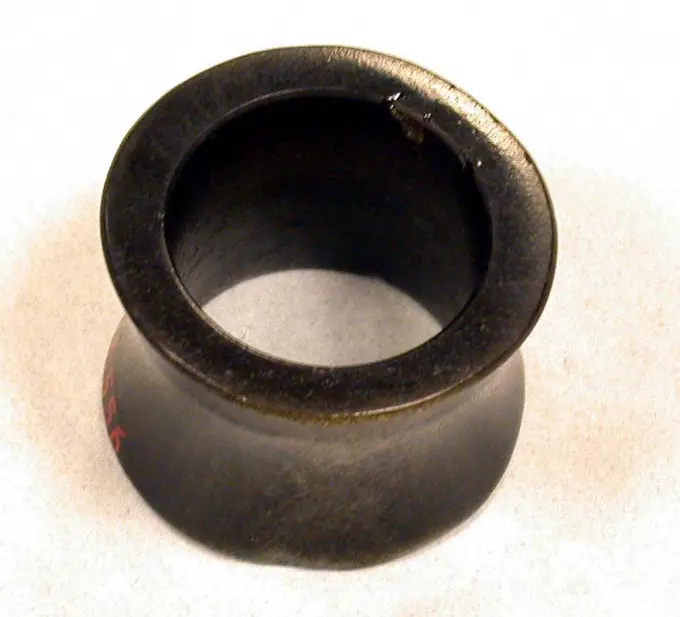
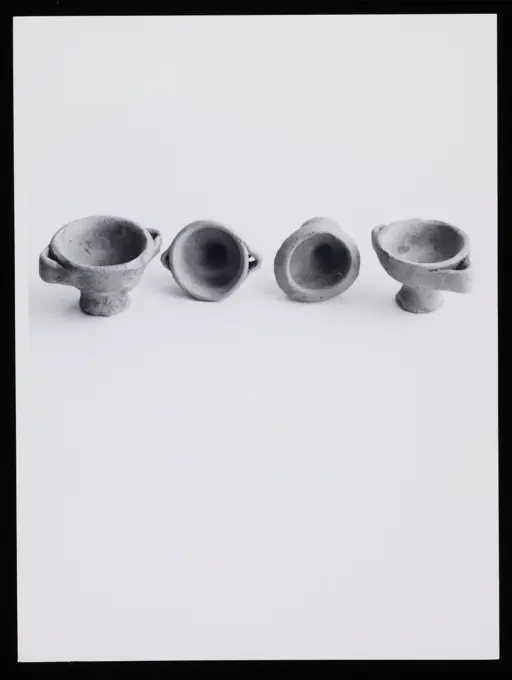
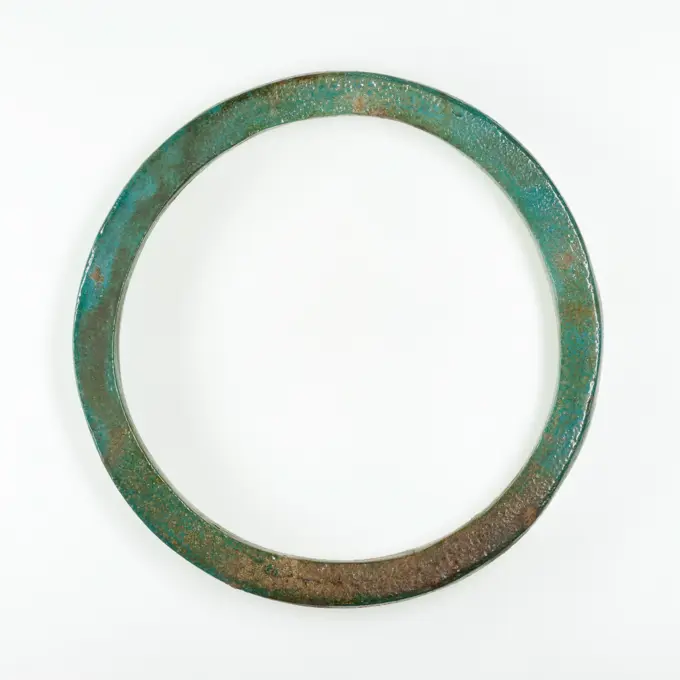
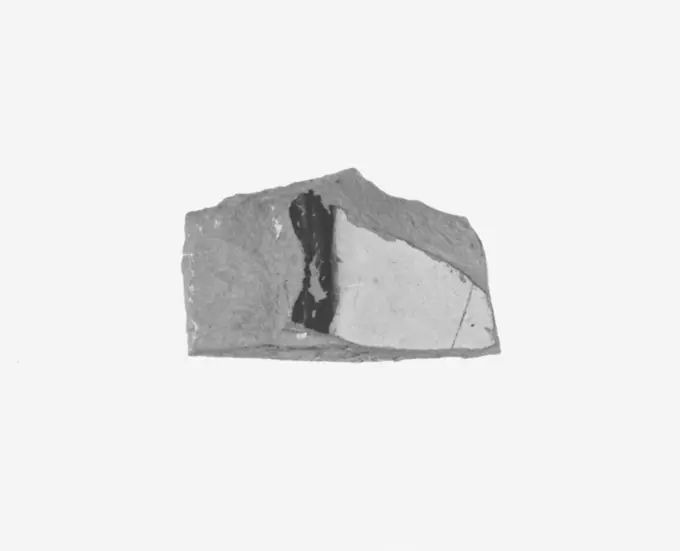
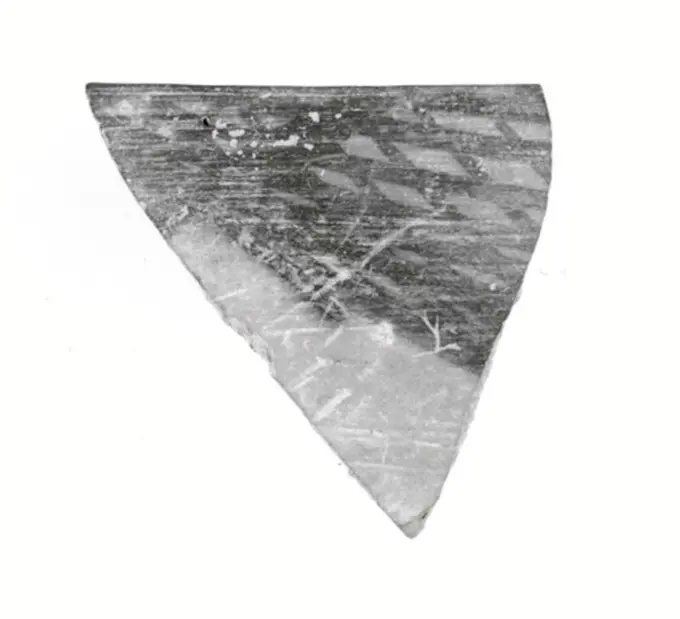
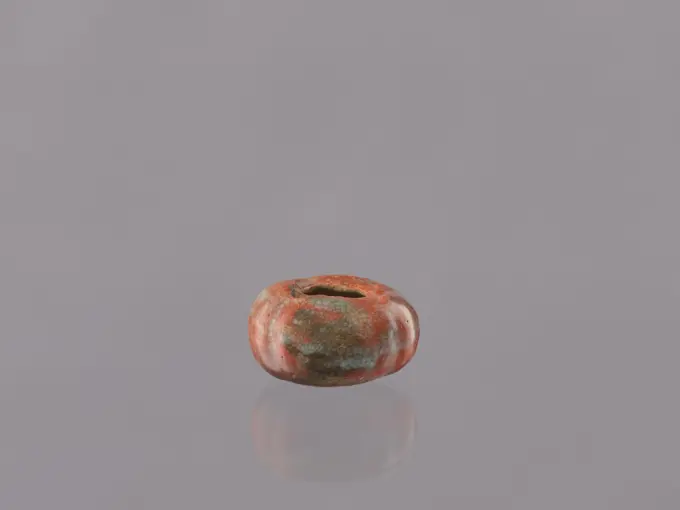
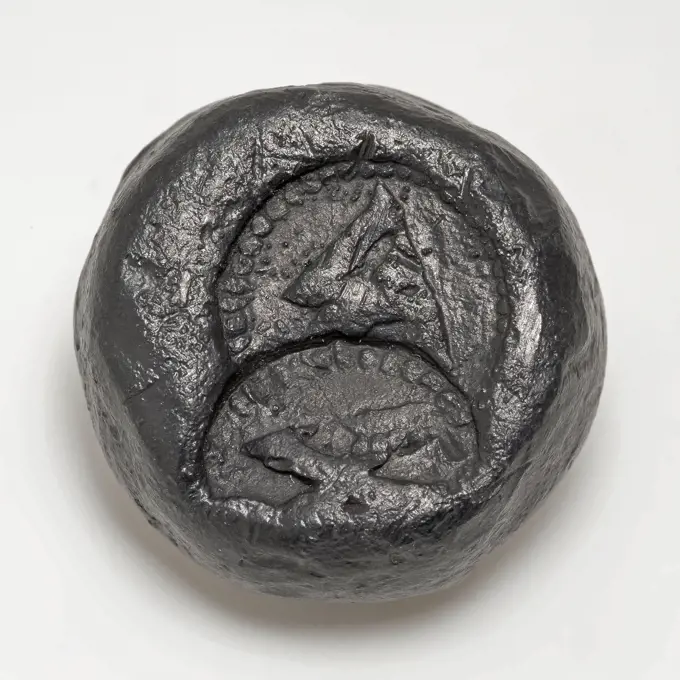
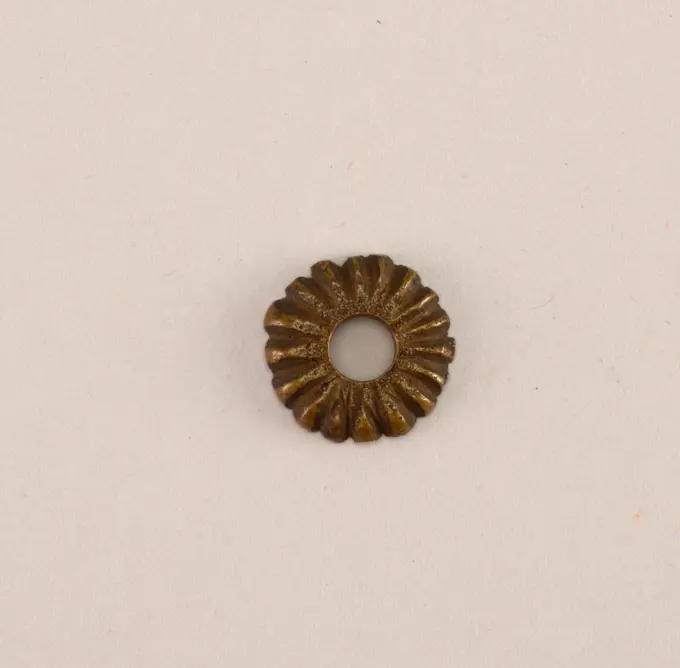
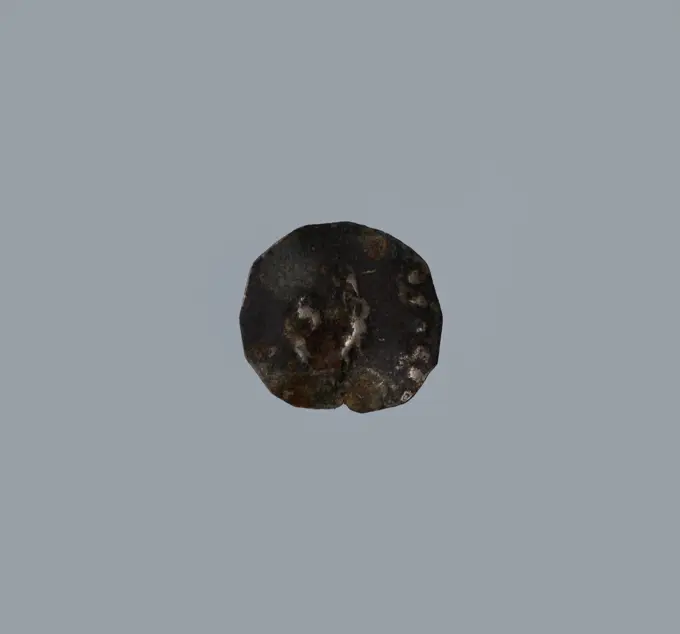
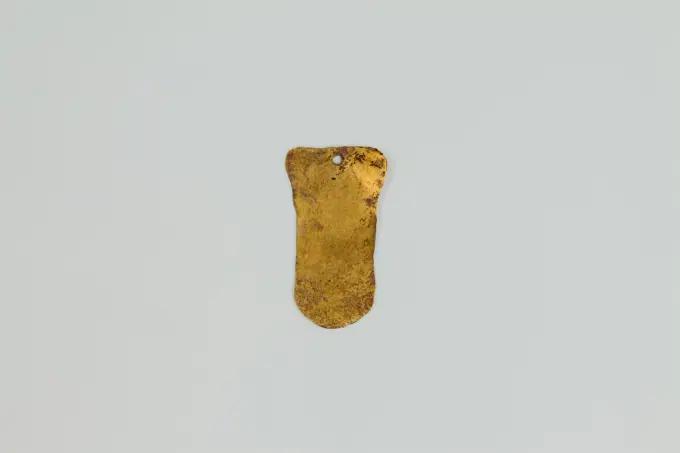
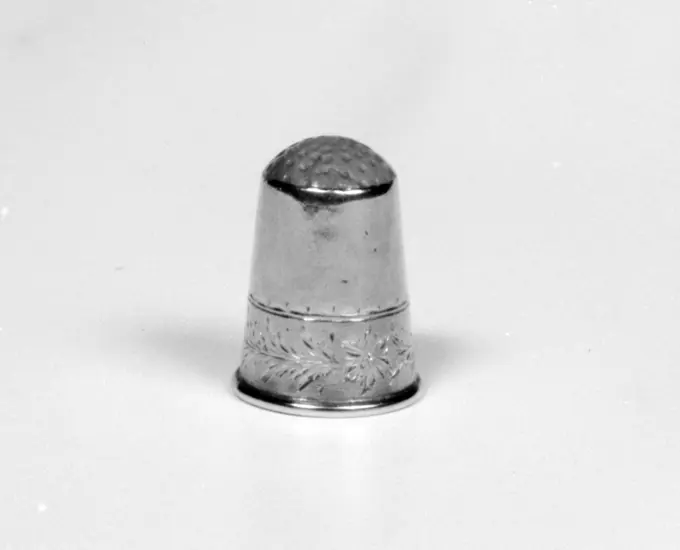
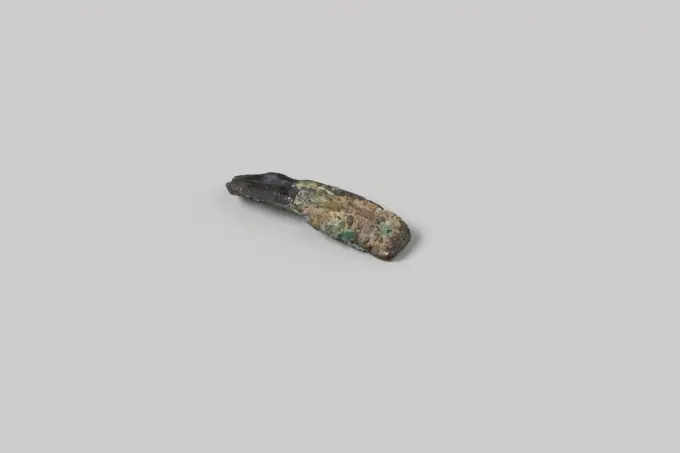
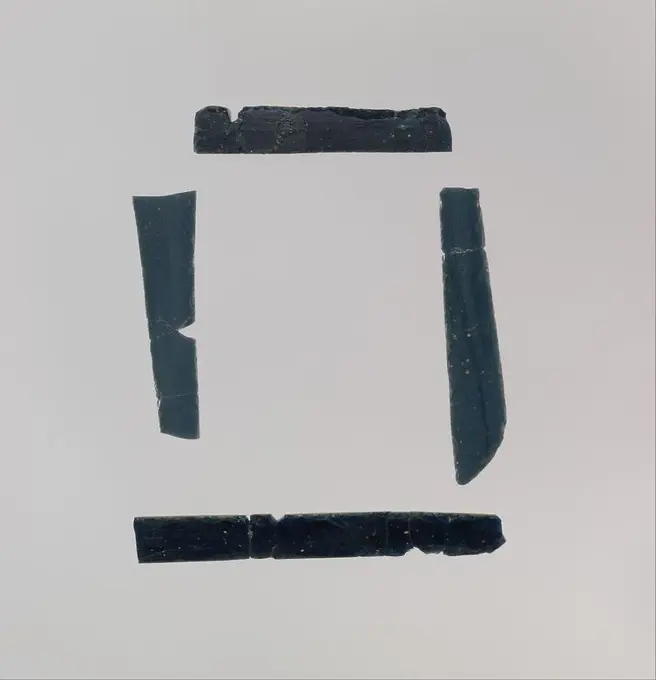
Pinhead. Pinhead. Glass. GlassToad Pendant 1300 BCE-900 BCE China. Jade .Mace head ca. 3rd century A.D. () Sasanian (). Mace head 323036Coiled Dragon Pendant 1100 BCE-900 BCE China. Jade .Fragment base of a candlestick from the wreck of the East Indians Hollandia, Anonymous, 1700 - in Or Before 1743 candlestick Candlestick, foot; fragm of moulded rim, sim. NG 1980-27H2812. Netherlands silver (metal)   SecondStew, oval, with five holes in the top, anonymous, c. 1740 - c. 1760 Stew of mahogany, oval with five holes in the top, the opening for the fire test is finished with a scalloped front line. Amsterdam mahogany (wood) Stew of mahogany, oval with five holes in the top, the opening for the fire test is finished with a scalloped front line. Amsterdam mahogany (wood)Glass finger ring 1st-2nd century A.D. Roman Translucent cobalt blue; bezel in same color.Circular hoop, flat in cross section, made from a rod and joined under bezel; globular bezel.On exterior of hoop, four parallel horizontal ribs.Intact; pinprick bubbles; pitting and iridescent weathering.. Glass finger ring 245305Ring. Green jade. Provenance: Vietnam. Paris, Cernuschi museum. 78817-9 Ring, jade, archeological object, hard stone, fine stone, precious stoneSword-Hilt Collar (Fuchi). Culture: Japanese. Dimensions: H. 1 1/2 in. (3.8 cm); Wt. 0.5 oz. (14.2 g). Date: ca. 1615-1868. Museum: Metropolitan Museum of Art, New York, USA.Miniature Vessel 15th-early 16th century Inca. Miniature Vessel 309390Attic Black-Figure Amphora Fragment. UnknownScarab Roman. Scarab. Roman. Glass. GlassPinhead Roman Amber spherical pinhead with a flat base and brown paste stars applied.. Pinhead. Roman. Glass. GlassPinangnut from v.o.c.-ship the 'white lion'. Pinangnut from v.O.c.-ship the 'white lion'Denar - Brakteat; approx. 1327/1328-OK. 1337/1338 (1327-00-00-1338-00-00);Engraved Gem Inset Into a Ring. UnknownClay pipe, unnoticed with smooth handle, clay pipe smoking equipment smoke floor pottery ceramics pottery, pressed finished baked Clay pipe with smooth handle unnoticed Radica ring under lip top edge only on side steel archeology Rotterdam City center Cool Schiedamse Vest Mainland City Triangle Runway indigenous earthenware smoking tobacco craft Soil discovery: Vasteland-Baan Schiedamse Vest Rotterdam complex of materials from the production of pottery and pipe making and house waste from the 17th century.Brooch -Fragment from a Lamellar Armor 14th-16th century Tibetan or Mongolian. Fragment from a Lamellar Armor. Tibetan or Mongolian. 14th-16th century. Iron, leather. Armor PartsFresh juicy blueberries isolated on white backgroundCatering - farting;  XXW. (1901-00-00-2000-00-00);Small Bowl or Cup ca. 1390-1353 B.C. New Kingdom. Small Bowl or Cup. ca. 1390-1353 B.C.. Indurated limestone. New Kingdom. From Egypt, Upper Egypt, Thebes, Malqata, Palace of Amenhotep III, MMA excavations, 1910-11. Dynasty 18Globen. Plated spherical body, one side of which is inserted.Bead ca. 6th-8th century A.D. Sasanian or Islamic. Bead 322794Slit Oval Ring (jue). China. Date: 5000 BC-3000 BC. Dimensions: 1 3/8 × 15/16 × 1/4 in. Jade. Origin: China. Museum: The Chicago Art Institute, Chicago, USA.Bronze annular earring 2nd millennium B.C. Minoan Bronze hoop earring.. Bronze annular earring 252386 Minoan, Bronze annular earring, 2nd millennium B.C., Bronze, Diameter 7/8 in. (2.1 cm). The Metropolitan Museum of Art, New York. Bequest of Richard B. Seager, 1926 (26.31.464)Loden role from the wreck of the East Indiesman 't flying heart. To tube rolled lead plate. Black-gray in color. Roll or lead.Scarab amulet of Nesenaset ca. 1070-945 B.C. Third Intermediate Period. Scarab amulet of Nesenaset 587570Attic Black-Figure Eye Cup Fragment. UnknownSpindle whorl Cypriot. Spindle whorl. Cypriot. Bone Attic Kylix Fragment. Unknownbracteate heller. Świdnica, issuerRing from V.O.C. ship De 'Witte Leeuw', Before 1613  Ring from V.O.C. ship the 'Witte Leeuw'. One of five rings from a Martavaan. Dark glass.  glass   Sint-HelenaDisc (bi). China. Date: 300 BC-100 BC. Dimensions: Diam. 5 1/4 in.; 1 7/8 in. flesh; 1/8 in. thickness. Jade. Origin: China. Museum: The Chicago Art Institute, USA.Helmet 15th-17th century Mongolian. Helmet 27805Bead ca. 1550-1295 B.C. New Kingdom. Bead. ca. 1550-1295 B.C.. Faience. New Kingdom. From Egypt; Probably from Northern Upper Egypt, Deir el-Ballas. Dynasty 18Coin China. Coin 61147Brooch -Koło z modelu wozu. nieznany warsztat północno mezopotamski, workshopbracteate heller. Świdnica, issuerDenar - Brakteat; approx. 1317/1318-OK. 1327/1328 (1317-00-00-1328-00-00);Jousting Lance with Vamplate. German. Date: 1400-1500. Dimensions: Wt. 3 lb. 3 oz. Steel and wood (linden). Origin: Germany. Museum: The Chicago Art Institute, Chicago, USA.Ring. Dimensions: diameter 2.49 cm.. Museum: Metropolitan Museum of Art, New York, USA.Drohiczy seal;  XI-XIII century (1090-00-00-1110-00-00);guild seals, customs seals, touches, seals of customs chambers, official seals, seals with a cross, seal with the image of the faceAttic Vase Fragment. UnknownButton from the wreck of the East India hollandia. Button. (1) Flat, Plain (1.8D, 0.1T)Slit Disc (jue). China. Date: 700 BC-600 BC. Dimensions: Diam. 5.2 cm (2 1/16 in.); Thickness: 0.2 cm (1/16 in.). Jade. Origin: China. Museum: The Chicago Art Institute, Chicago, USA.Juffer block from the wreck of the East Indians' t Vliegend Hart ,, c. 1700 - c. 1735  Flat cylindrian wooden disc, solid with three holes and a slot in the edge. Completely cool. Deadeye. Middelburg wood (plant material)Attic Red-Figure Kylix; Athens, Greece, Europe; about 500 - 490 B.C; Terracotta; 8 x 24.5 x 19 cm (3 1,8 x 9 5,8 x 7 1,2 in.)Sword Guard (Tsuba). Culture: Japanese. Dimensions: H. 3 1/16 in. (7.8 cm); W. 2 11/16 in. (6.8 cm); thickness 1/4 in. (0.6 cm); Wt. 5.2 oz. (147.4 g). Date: ca. 1615-1868. Museum: Metropolitan Museum of Art, New York, USA.Ring With Flat Bezel. UnknownAttic Red-Figure Vase Fragment. UnknownAttic Red-Figure Vase Fragment. UnknownAttic Red-Figure Vase Fragment. UnknownAttic Black-Figure Amphora Fragment. UnknownRing. China. Date: 500 BC-300 BC. Dimensions: Diam. 8.1 cm (3 3/16 in.); Thickness: 0.3 cm (1/8 in.). Jade. Origin: China. Museum: The Chicago Art Institute, Chicago, USA.Bead Roman. Bead. Roman. Glass. GlassAttic Black-Figure Cup Fragment. UnknownKnee Defense (Poleyn). Culture: Italian. Dimensions: H. 4 in. (10.2 cm); W. 5 1/4 in. (13.3 cm); D. 5 3/4 in. (14.6 cm); Wt. 8 oz. (226.8 g). Date: ca. 1430-40. Museum: Metropolitan Museum of Art, New York, USA.Fibula kolankowata z grzebykiem na główce. unknown, workshopSword Guard (Tsuba). Culture: Japanese. Dimensions: H. 2 7/8 in. (7.3 cm); W. 2 5/8 in. (6.7 cm); thickness 3/16 in. (0.5 cm); Wt. 3.5 oz. (99.2 g). Date: 18th century. Museum: Metropolitan Museum of Art, New York, USA.Tube China. Tube. China. Jade. Han dynasty (206 B.C.-A.D. 220). JadeSpindle Whorl, one of seven, 3/4 x 1 5/8 in. (1.91 x 4.13 cm), Clay, MexicoSword Guard (Tsuba) ca. 1615-1868 Japanese A tsuba is a sword guard and part of a sword mounting. It is mounted between the swords blade and grip to protect the users hands.. Sword Guard (Tsuba). Japanese. ca. 1615-1868. Lacquer, leather. Sword Furniture-TsubaBall bead ca. 1635-1458 B.C. Second Intermediate Period-Early New Kingdom. Ball bead 546923Small uniformed button Universal Service Organization (Pattern 1948)Ring probably 19th century Chinese This collection of largely ethnographic jewelry includes examples from cultures in South America, North America, Europe, Asia, and Africa and dates from the Pre-Columbian period to the twentieth century. Owned by renowned art collector and fashion enthusiast Muriel Kallis Newman, the collection represents her knowledge and appreciation of a wide range of jewelry design and making traditions. Numerous items in her collection are composite artifacts made from various cultures and time periods reappropriated as modern jewelry creations by or for Muriel. It is important to note that Newman wore many of the pieces in the collection, interpreting them to suit and express her own singular, often avant-garde style.. Ring 141649Ten penny, emergency coin from Pernambuco, beaten during the siege by order of the Dutch West India Company, Anonymous, 1654 coin. siege coin Unilateral, diamond -shaped, silver emergency coin. Front: Inside Round Pearl Edge: Monogram of Letters G, W and C under Roman number X. Championship: Blanco. Pernambuco silver (metal) striking (metalworking)  PernambucoGlass shard of a diamond or lantern from the wreck of the East India Flying Heart. The green, fairly flat glass fragment is triangular and shelled on a side. Misschien, given the flatness, it has ever been part of a diamond or lanterns.Anklet 500 B.C.-A.D. 300 Vietnam (North, Highlands). Anklet 53289Ring, AD 200 or later. China, Han dynasty (202 BC-AD 220) or later. Stone; diameter: 4.5 cm (1 3/4 in.).Silver pendant ring with agate scaraboid 6th-5th century B.C Cypriot Griffin with wings displayed stands before an ankh symbol.. Silver pendant ring with agate scaraboid 243581Coins on Simulated Alligator Skin Matchsafe; Manufactured by Gorham Manufacturing Company (United States); USA; silver; 6.6 x 3.7 x 1 cm (2 5/8 x 1 7/16 x 3/8 in. )Attic Red-Figure Cup Fragment. UnknownEar Spool before 16th century Mexican. Ear Spool. Mexican. before 16th century. Obsidian. Mexico, Mesoamerica. Glass-OrnamentsAbruzzo Alba Fucens General views. Hutzel, Max 1960-1990 Roman republican veteran colony, castrum plan, 1st century BC forum, amphitheatre, various civic and religious buildings, architectural fragments, community fountain; German-born photographer and scholar Max Hutzel (1911-1988) photographed in Italy from the early 1960s until his death. The result of this project, referred to by Hutzel as Foto Arte Minore, is thorough documentation of art historical development in Italy up to the 18th century, including objects of the Etruscans and the Romans, as well as early Medieval, Romanesque, Gothic, Renaissance and Baroque monuments. Images are organized by geographic region in Italy, then by province, city, site complex and monument.Bracelets or Anklets of Neferkhawet (3) ca. 1504-1447 B.C. New Kingdom. Bracelets or Anklets of Neferkhawet (3). ca. 1504-1447 B.C.. Stone. New Kingdom. From Egypt, Upper Egypt, Thebes, Asasif, Tomb of Neferkhawet (MMA 729), west chamber B, inside basket in northwest corner, MMA excavations, 1934-35. Dynasty 18, earlyAttic Black-Figure Amphora Fragment. UnknownScroll and ink stoneaging rusty nut on white backgroundRing from V.O.C. ship De 'Witte Leeuw', Before 1613  Ring from V.O.C. ship the 'Witte Leeuw'. One of five rings from a Martavaan. Two -tone glass, beige and light orange -red.  glass   Sint-HelenaHand guard with circle motif, anonymous, c. 1750 - c. 1850 Oval tsuba with openwork decoration in Ito Sukashi of the so -called "endless circles of the seven treasures" (Shippo Tsunagi); inside of the Ryo-Hitsu covered with gold; See also Mak 1037. Japan gold (metal) Oval tsuba with openwork decoration in Ito Sukashi of the so -called "endless circles of the seven treasures" (Shippo Tsunagi); inside of the Ryo-Hitsu covered with gold; See also Mak 1037. Japan gold (metal)Sherd ca. 4000-3500 B.C. Iran This sherd is made of a pale red clay, with black painted decoration. It is typical of Namazga I ceramics from Turkmenistan, dating to ca. 4000-3500 B.C. It was excavated in 1937 at a prehistoric site in the vicinity of Nishapur in northeastern Iran. While Nishapur itself was founded by the Sasanian king Shapur I (reigned ca. A.D. 241-272), this sherd shows that human habitation there goes back to the prehistoric period. Furthermore, the prehistoric pottery from Nishapur has close affinities with ceramic materials from Central Asia rather than with contemporary sites in Iran, meaning that in this period its inhabitants were likely culturally linked to their neighbors to the east. At the same time, Nishapurs location on what later became known as the Great Khorasan Road suggests that it was part of the trade network that facilitated the import of precious stones such as lapis lazuli, carnelian and turquoise from Central Asia to Mesopotamia.. Sherd 323624Glass bead mid-4th century B.C. Carthaginian. Glass bead. Carthaginian. mid-4th century B.C.. Glass. Late Classical. GlassUtensil. unknown, craftsmanWeight ca. 1295-1070 B.C. New Kingdom, Ramesside. Weight 568371Conical, lead weight of eighth pound with calibrations, gram cast Flat round disc. Tapered calibration marks Topside stamped markings in pearl edge W in pearl edge X archeology Rotterdam City triangle roads Schielandshuis Korte Hoogstraat Soil discovery: building site garden gallery Schielandshuis.StudFanciful bracteateAmulet 664-380 B.C. Late Period. Amulet 561532Thimble 1839 Carl Wilhelm Trozelius Swedish. Thimble. Carl Wilhelm Trozelius (Swedish, died 1840 Stockholm). Swedish, Stockholm. 1839. Gold, coral (). Metalwork-Gold and PlatinumExcerpt fox hat from the wreck of the East Indians Hollandia, Anonymous, c. 1700 - In or Before 1743  Tools and instruments, sewing and sailmaking, thimble; fragm of body, id. NG 1980-27H234. Netherlands copper (metal)   SecondFragment frame of a packaging from the wreck of the East Indians Hollandia, Anonymous, 1700 - in or before 1743  Container, rim; fragm, id. NG 1980-27H129, very eroded. Netherlands silver (metal)   SecondFurniture elements. Culture: Assyrian. Dimensions: 2.5 in. (6.35 cm). Date: ca. 9th-8th century B.C..These dark blue strips of glass were found at Arslan Tash, together with a large group of carved ivory furniture inlays. The color of these pieces suggests that a metal ore such as copper or cobalt was added to the glass matrix. They may have been intended to imitate lapis lazuli, a dark blue semiprecious stone mined in northeastern Afghanistan that was prized by the Assyrians. These pieces were probably manufactured by Phoenician craftsmen who were expert at inlaying glass into ivories. Two pieces take the shape of long feathers, although the tip of one does not survive. These pieces may have been inlaid into cloisons (walled cells) within the wing of a fantastic creature such as a sphinx on a carved ivory furniture inlay, which was then joined to a piece of wooden furniture. The two rectangular strips may have been set directly into a piece of furniture.Arslan Tash, ancient Hadatu, Plate Empty heritage plate in black marble stone Copyright: xZoonar.com/Baloncicix 7308362Pendant ca. 9th century B.C. Iran. Pendant 325631Wisteria seed vesselShard of a plate from the wreck of the East India hollandiaia. Porcelain, plate, type 3; Fragm or Rim, SIM. NG 1980-27H3202C.Pair ofBookendsMetal button, knot clothing accessory clothing soil find tin lead metal, cast Round knot with pewter or lead loop of yellow copper as eye. Stubby convex form archeology Rotterdam railway tunnel clutter closing Soil discovery rail tunnel.