Ancient Pottery and Artifacts

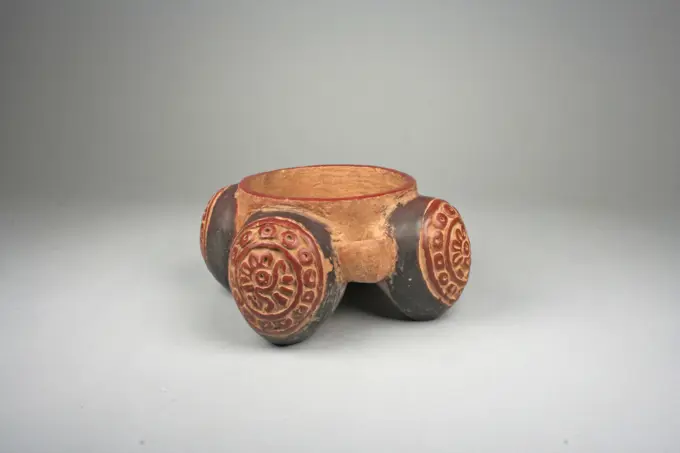
A collection of ancient pottery artifacts including a decorative container, a terracotta pot, and historical bowls showcasing varying shapes and textures.

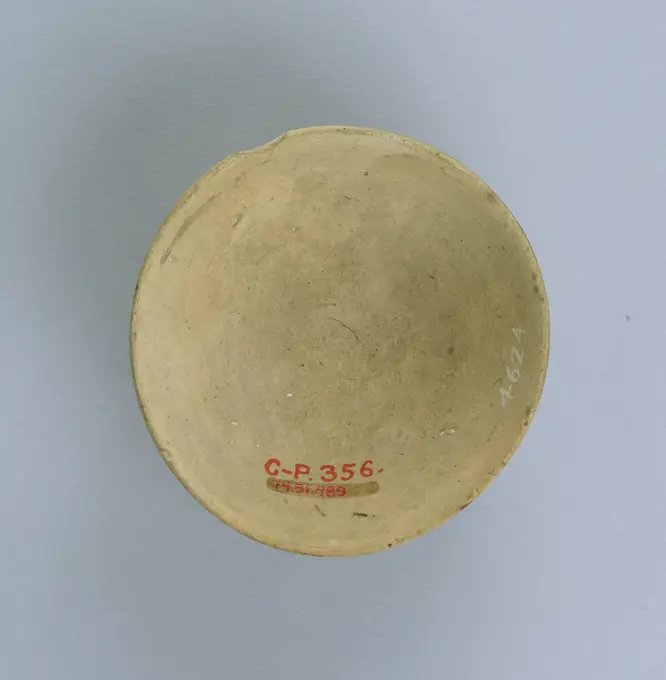
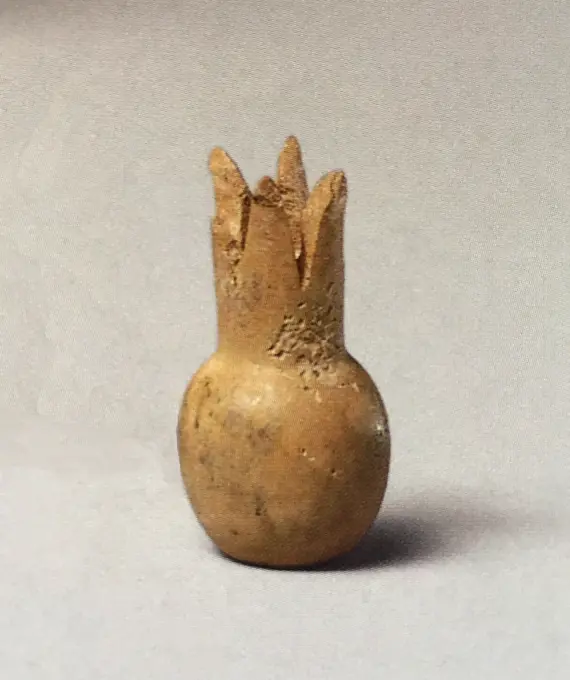
Stoneware ointment jar, white shard, entirely glazed in gray, ointment jar holder soil find ceramic stoneware glaze salt glaze, hand turned glazed baked Stoneware white ointment shard on stand surface Completely gray glazed Cylindrical model with narrowing above the foot irregularly shaped bottom very coarsely finished. Wide top edge. Turning beads on the inside archeology health care indigenous pottery import pharmacy store sell craft
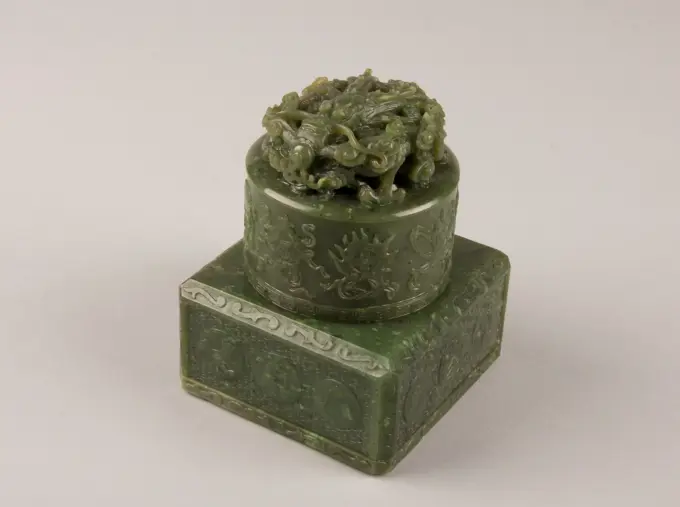
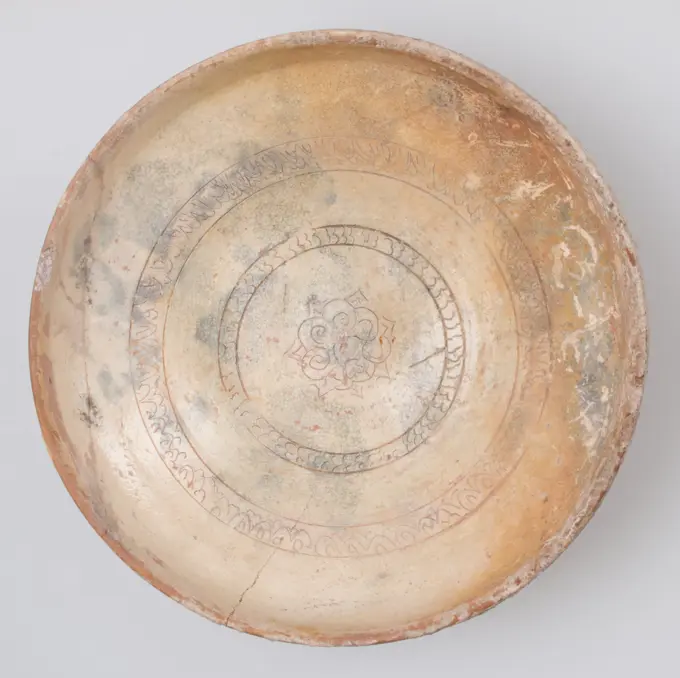
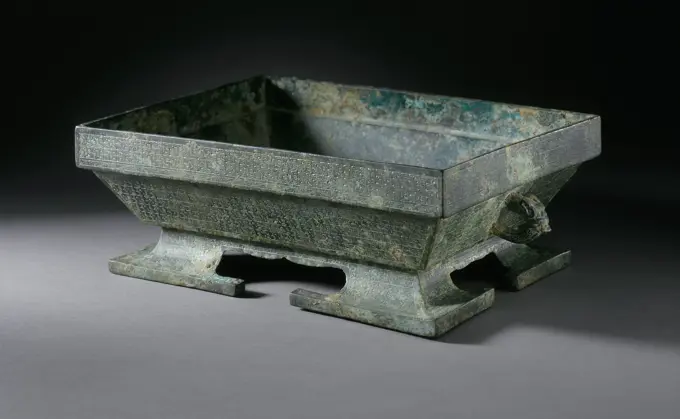
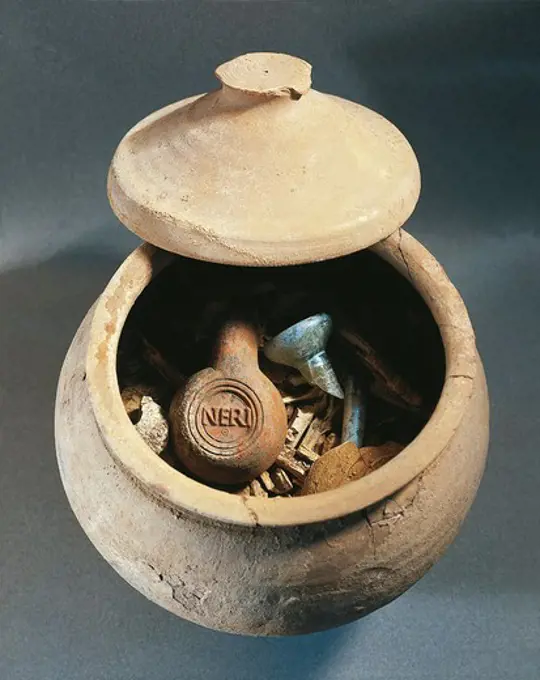
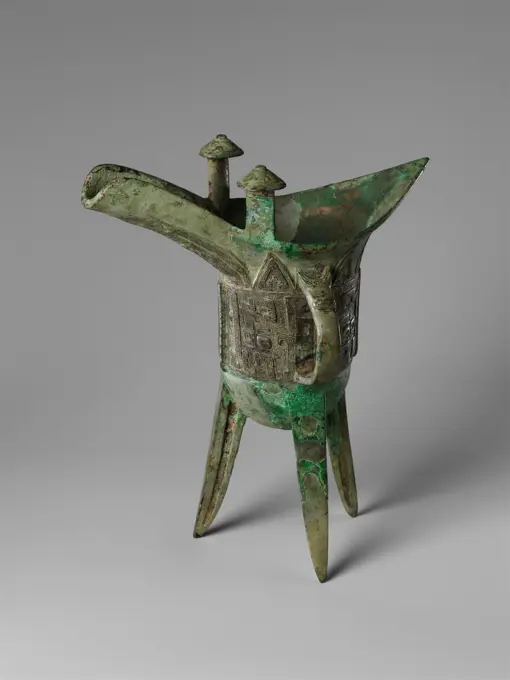
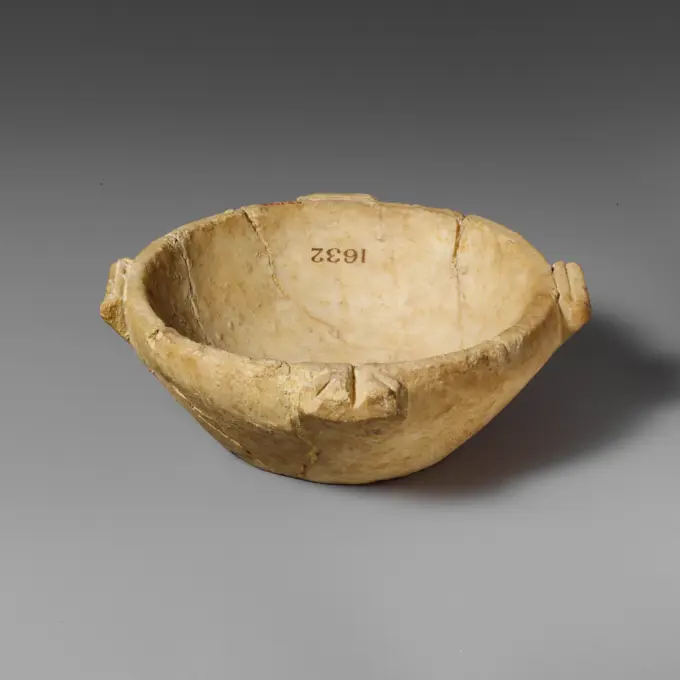
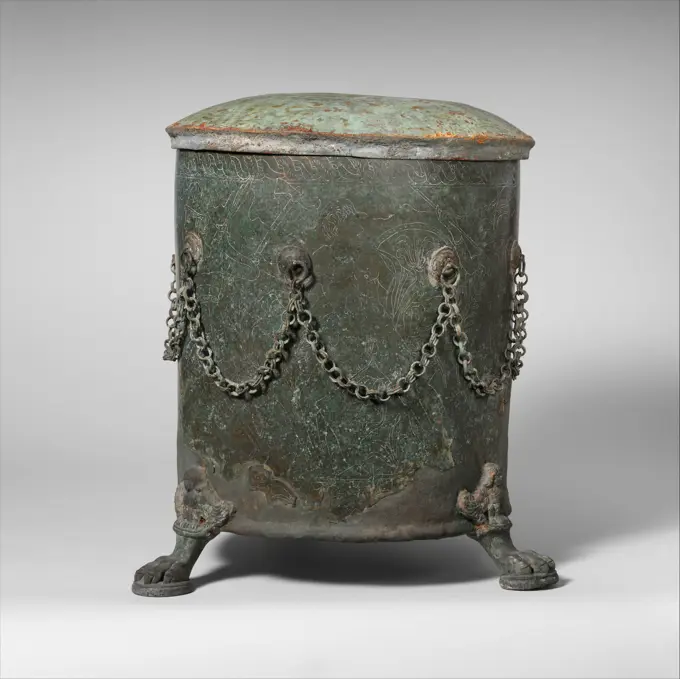
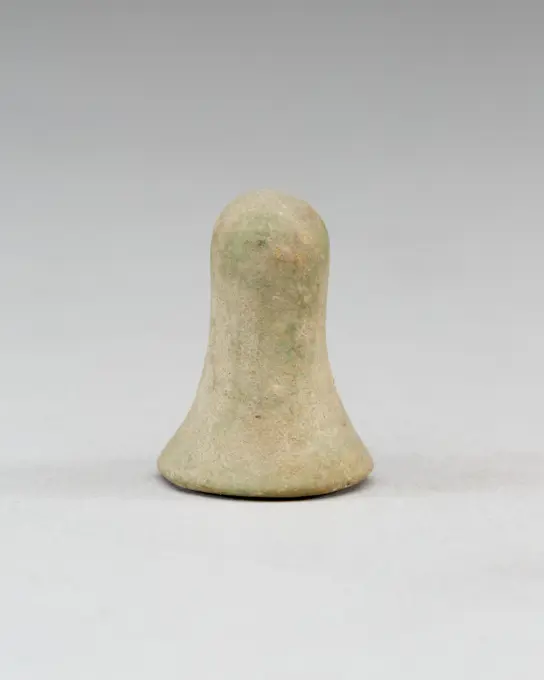
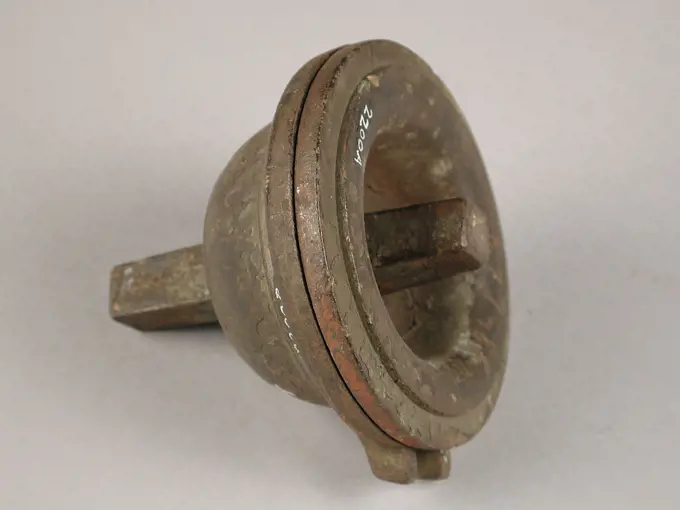
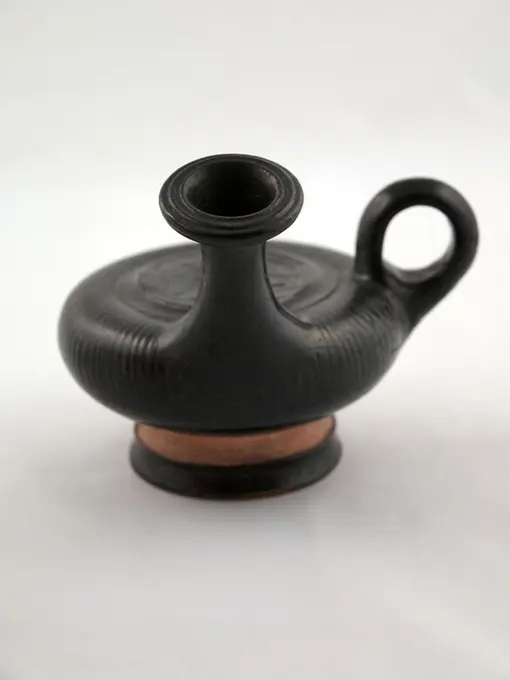
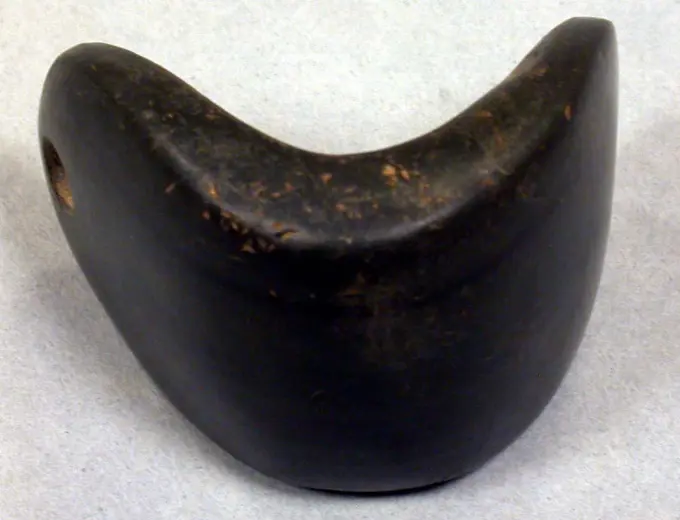
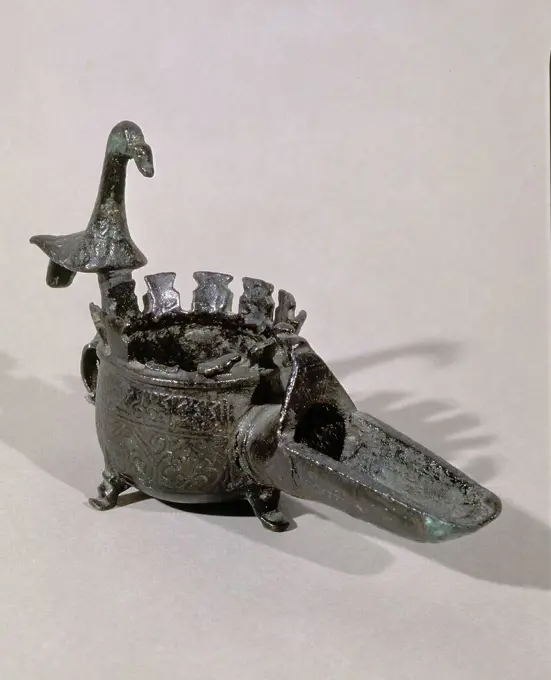
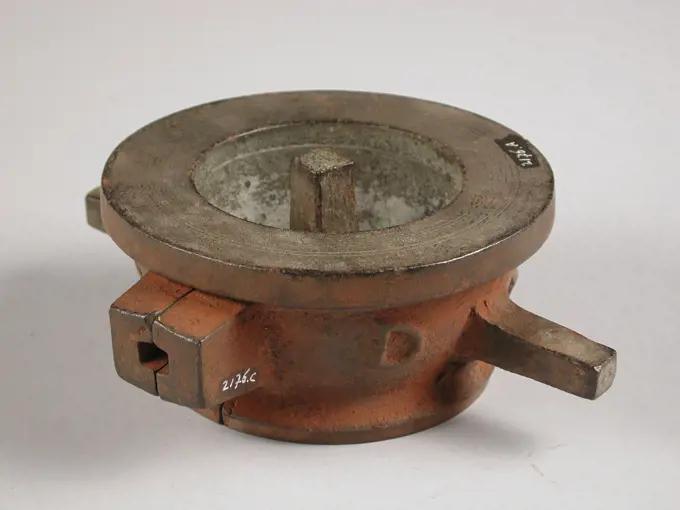
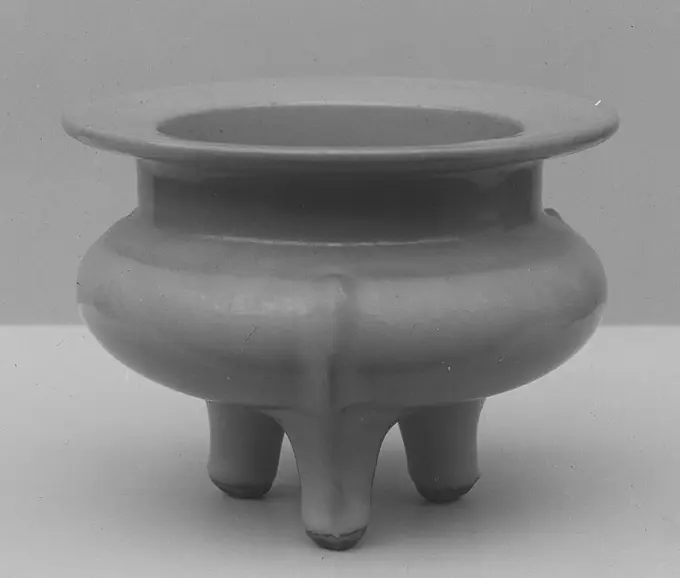
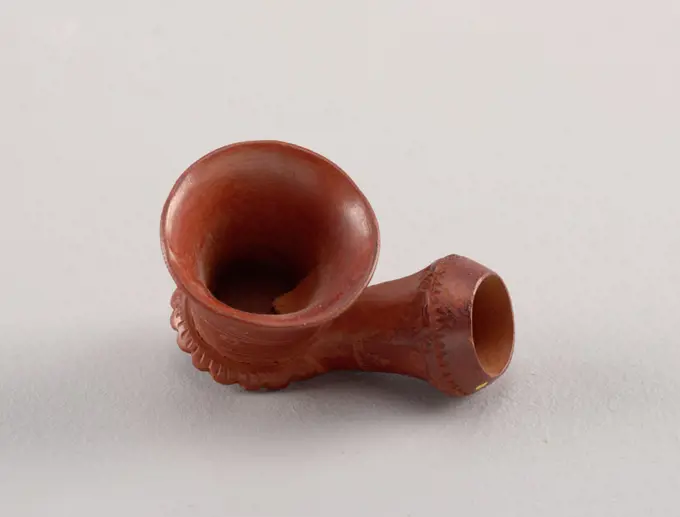
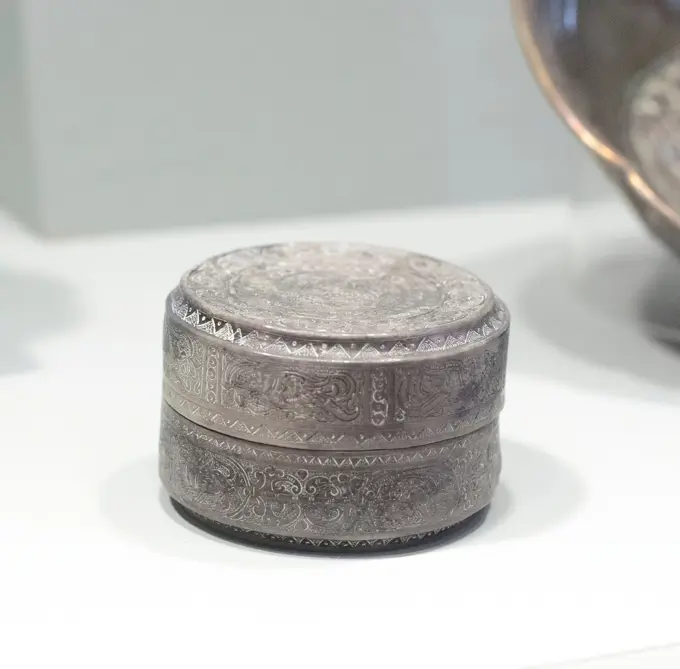
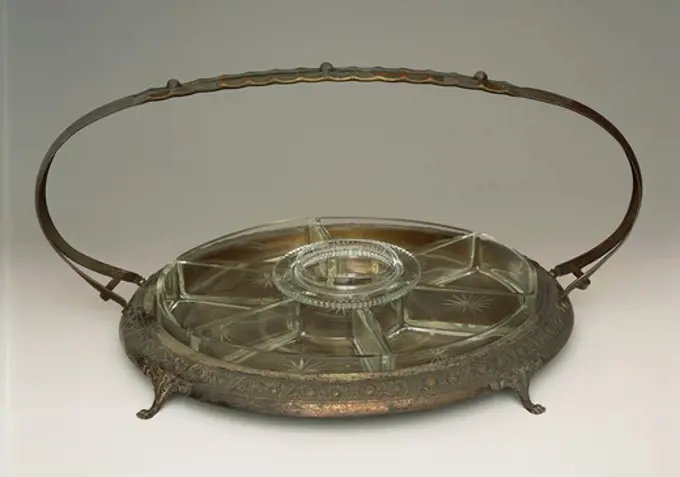
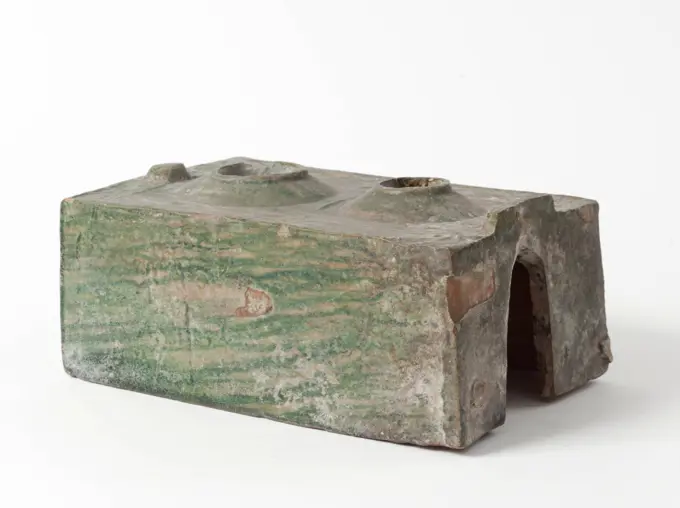
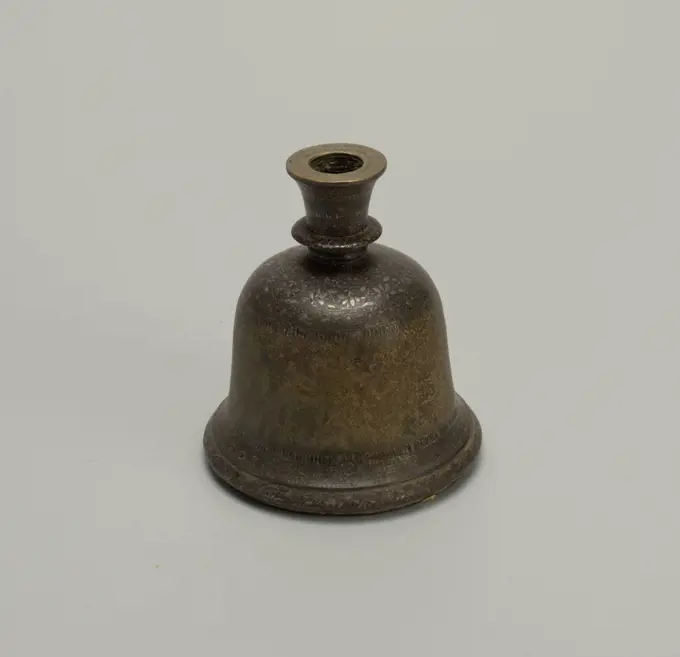
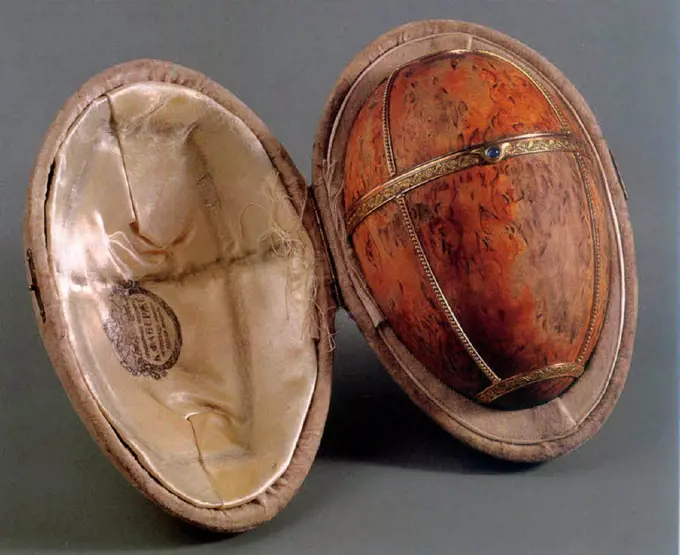
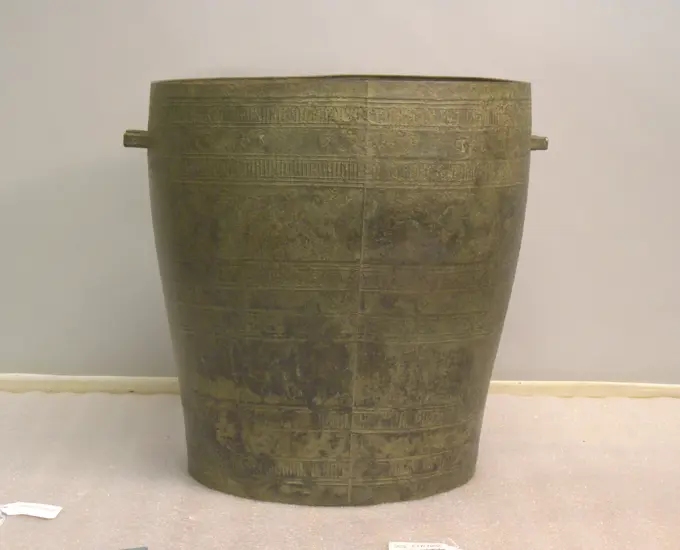
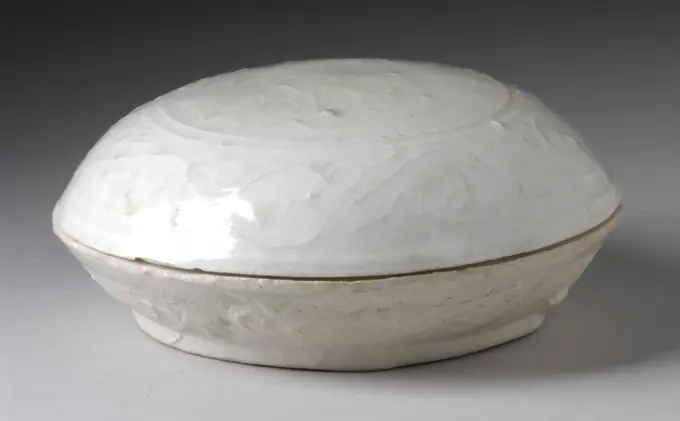
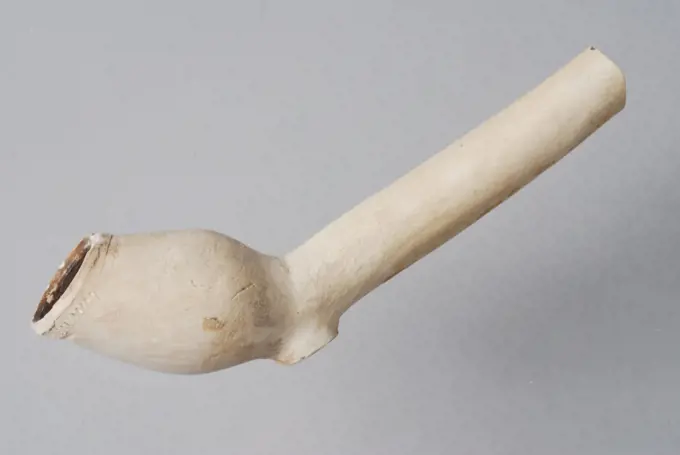
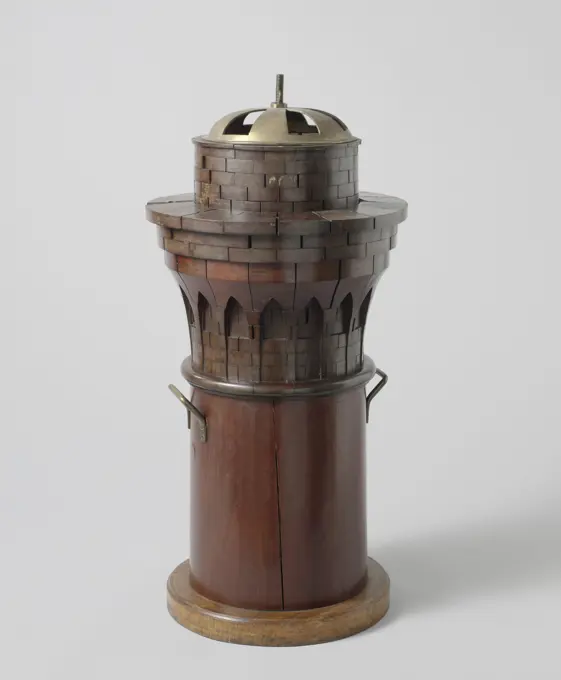
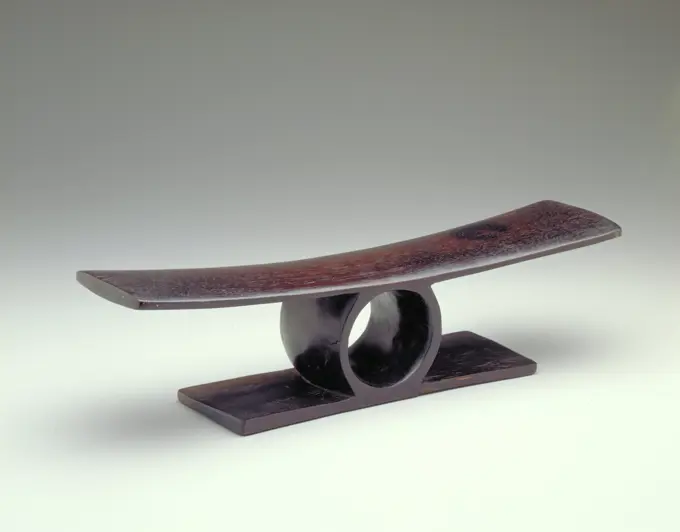
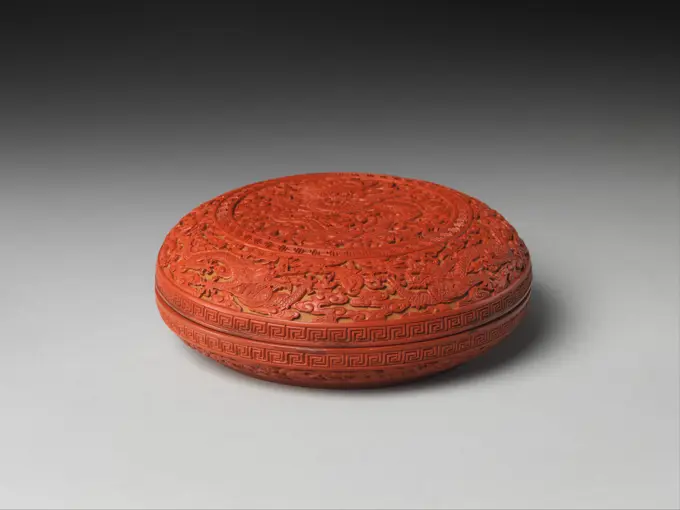
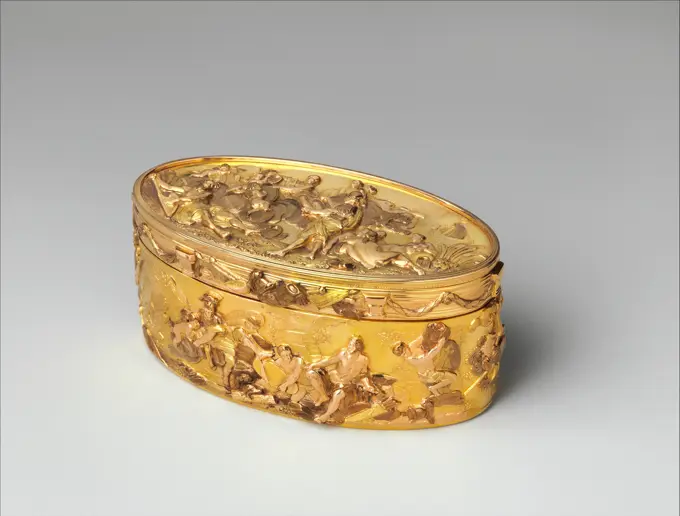
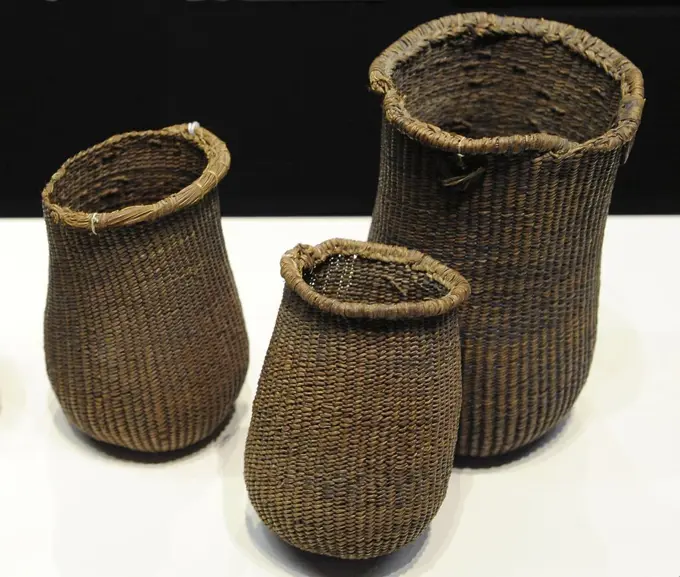
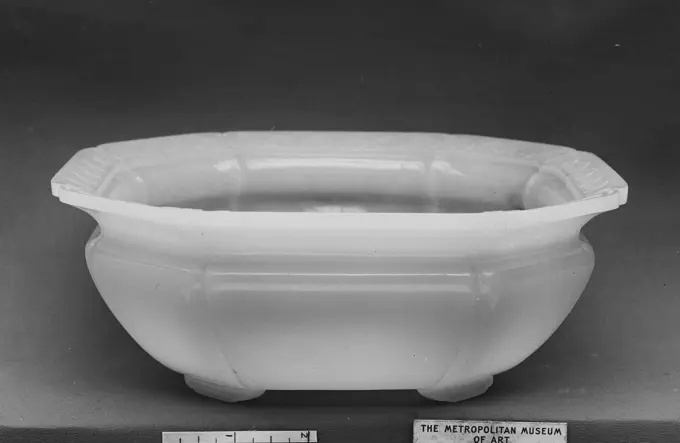
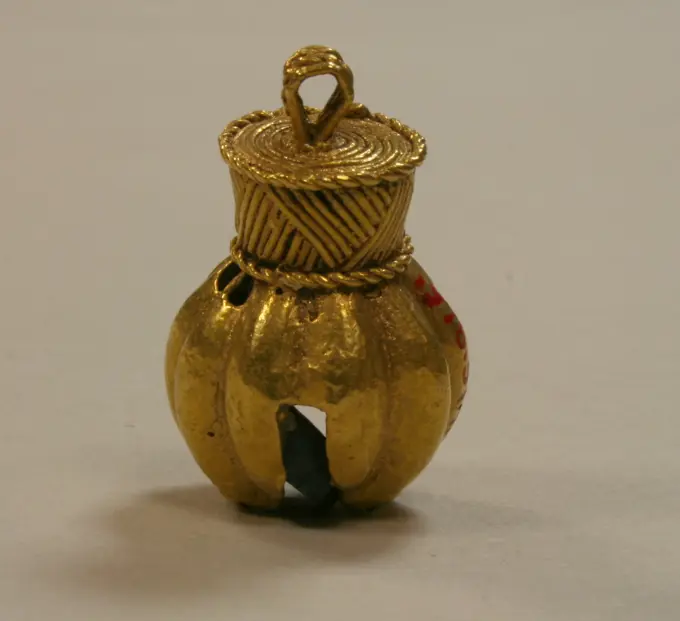
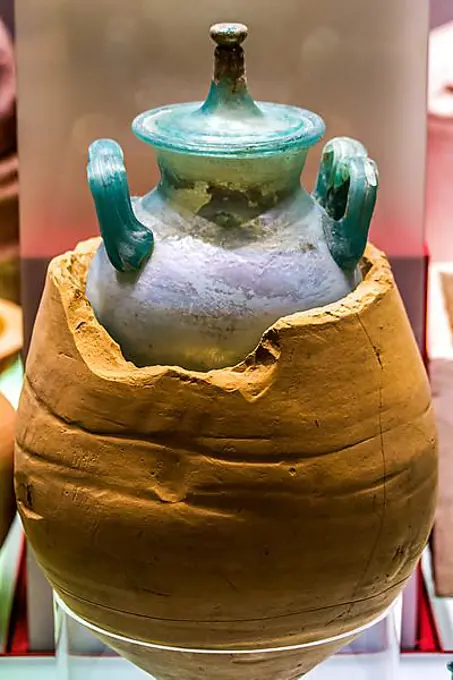
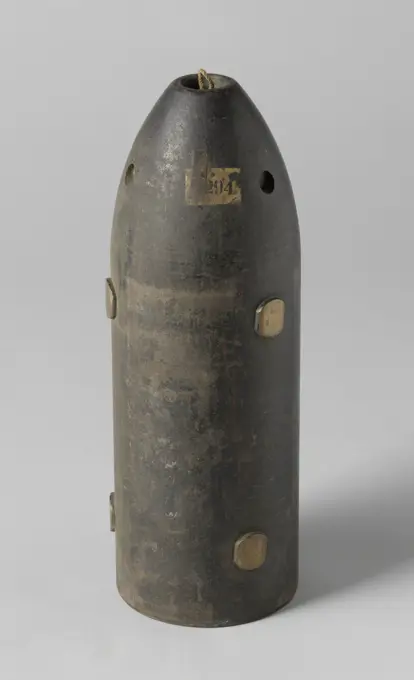
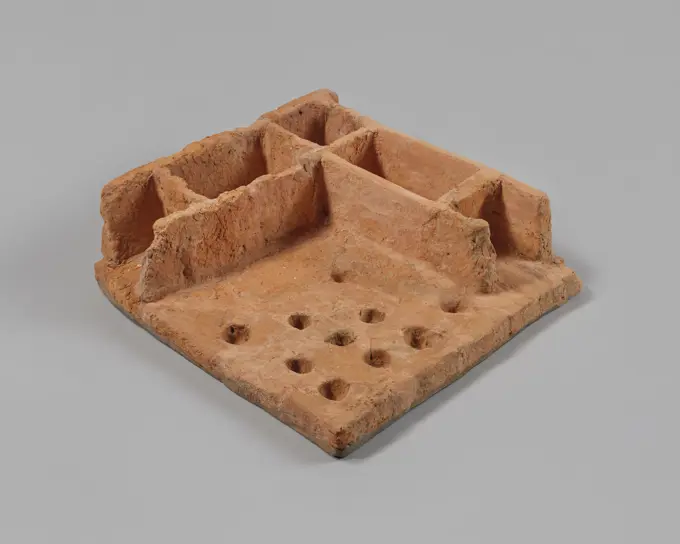
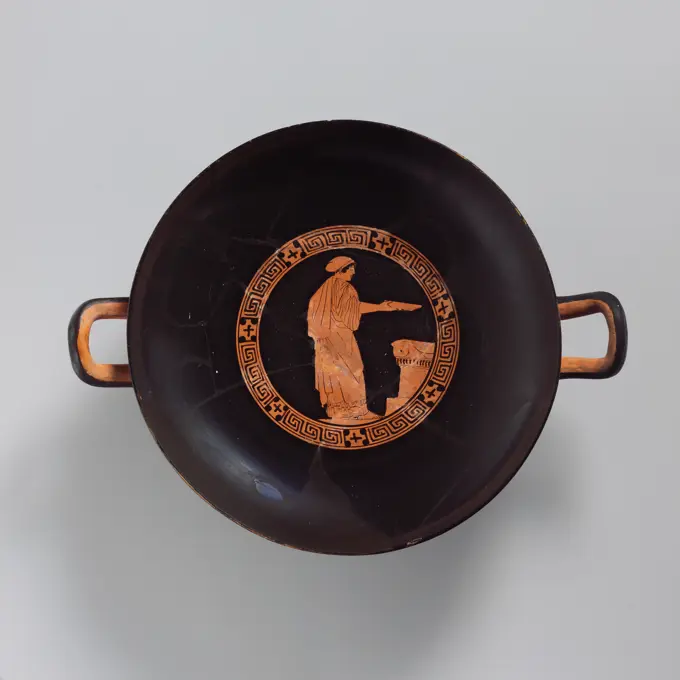
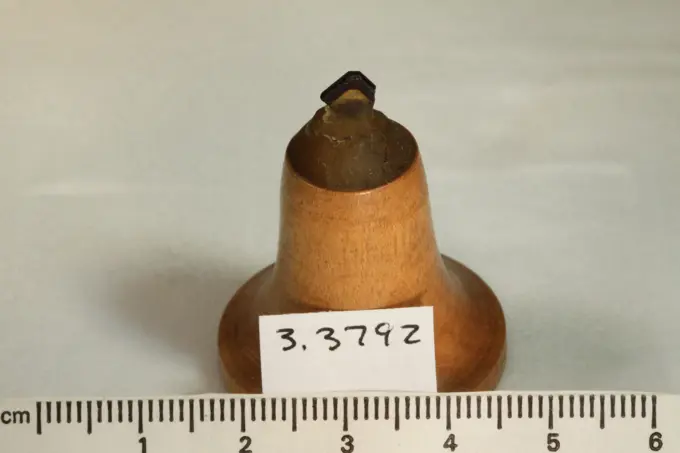
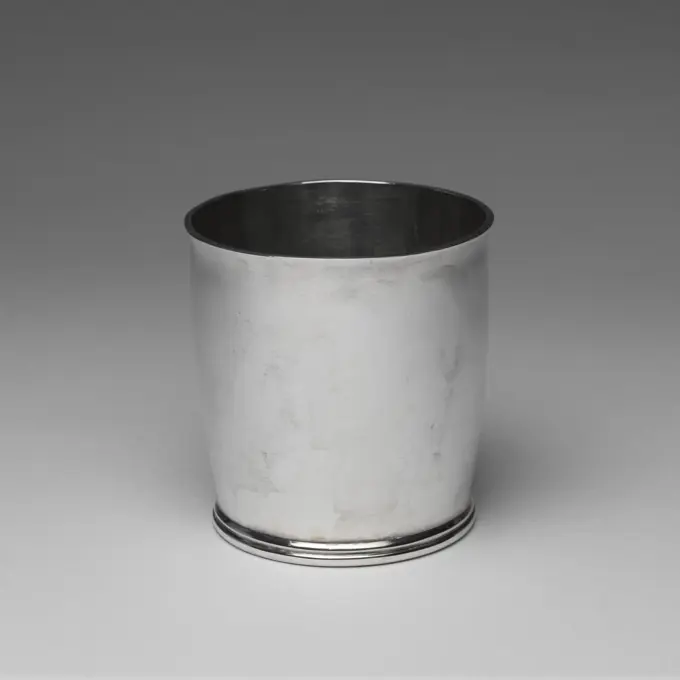
Beaker ca. 1776-96 Cary Dunn. Beaker 388Kyoto-based Japanese ceramist Seif Yohei III (1851-1914) admired the glaze colors found on Chinese porcelain and tried to replicate them through intensive experimentation. His green and creamy white glazes were particularly well received. The combinations of colors with subtle molded and incised decorations in his ceramics respond powerfully to changes in light, creating a dynamic viewing experience. Names for the glazes, written in ink with a brush on the lids of the custom-made storage boxes for the works, often indicate a specific glaze or ware that had inspired him, even when the resulting color was distinctively his own. Incense Burner, c. 1893-1914. Seifū Yohei III (Japanese, 1851-1914). Porcelain with tea-leaf colored glaze and molded design and geometric openwork silver lid; height with lid: 14 cm (5 1/2 in.); diameter: 14.4 cm (5 11/16 in.).Seal casket with cover 18th-19th century China. Seal casket with cover 44240Bowl with incised decoration 10th-13th century Byzantine Slipware vessels were widely produced in the Byzantine world for domestic use. Often, as here, the incised patterns were drawn from metalwork designs, suggesting that the ceramics were imitations of metalwork. The central interlace pattern on this work is also found in Byzantine manuscripts as a marker for readings in the Gospels.. Bowl with incised decoration. Byzantine. 10th-13th century. Earthenware, tin-glazed and sgraffito. Ceramics-PotteryGlass eye bead 4th century B.C. Greek, Eastern Mediterranean Opaque yellow ground; additions in opaque white and translucent cobalt blue.Cylindrical with rounded ends to large vertical hole.Four staggered horizontal rows of six eyes in white and blue.Intact, except for tiny chips at edges of hole; dulling and creamy iridescent weathering.. Glass eye bead 255270Cowter for the Left( ) Elbow from a Splint Rerebrace 1450-1550 Spain. Steel .Hookah Base (India); metal, silver (bidri ware)Messenheft from the wreck of the East Indians Hollandia, Anonymous, 1700 - in Or Before 1743  Knife, handle, cylindrical: tapering; id. NG 1979-403H. Netherlands wood (plant material)   SecondRectangular Grain Container (Fu) with Interlaced Dragons. China, Early Eastern Zhou dynasty, Spring and Autumn period, 771-481 B.C.. Furnishings; Accessories. Cast bronzeBronze strainer with loop handle. Culture: Etruscan. Dimensions: H. 1 13/16 in. (4.6 cm)diameter 5 1/2 in. (14 cm). Date: 5th century B.C..Strainers were part of the equipment for a symposium (drinking party), serving to strain the wine or additives mixed into it. This fine example has a delicately punched pinwheel pattern at the bottom of the bowl, vine leaves around the circumference of the lip on the exterior, and ducks' heads as finials for the handles. Museum: Metropolitan Museum of Art, New York, USA.. Bulb-shaped box of porcelain with lid, covered with a gray glaze. The box is covered with a continuous floral pattern in relief. Two cracks in the lid. Two old labels in the box with 'Van Lier'. Ming porcelain.Lid of turtle with Hertekop of silver (series of 28 pieces A to BB), Anonymous, c. 1700 - c. 1799 Turtle cover (28 pieces: A to BB) with silver's deer head as a button. Indonesia silver (metal) Turtle cover (28 pieces: A to BB) with silver's deer head as a button. Indonesia silver (metal)Shabti Coffin Middle Kingdom ca. 2124-1981 B.C. View more. Shabti Coffin. ca. 2124-1981 B.C.. Wood. Middle Kingdom. From Egypt, Memphite Region, Saqqara, Teti Pyramid Cemetery, in sand, Egyptian Antiquities Service excavations. Dynasty 11Glass bead ca. 1st-4th century A.D. Roman Translucent blue green.Small spherical bead without decoration.Intact; pitting, creamy white weathering, and iridescence.. Glass bead. Roman. ca. 1st-4th century A.D.. Glass; rod-formed. Imperial. GlassPreserve Jar. Dated: 1938. Dimensions: overall: 27.1 x 20 cm (10 11/16 x 7 7/8 in.) Original IAD Object: 6 1/4" High. Medium: watercolor and colored pencil on paper. Museum: National Gallery of Art, Washington DC. Author: Philip Smith.Funerary urn with votive offeringsPair of Tubular Beads. China. Date: 480 BC-221 BC. Dimensions: H. 9.8 cm; diam. 4.0 cm. Bone with painted decoration. Origin: China. Museum: The Chicago Art Institute, Chicago, USA.Spindle Whorl, 700s - 900s. Iran, early Islamic period, 8th - 10th century. Bone, incised; overall: 0.5 x 3 x 3 cm (3/16 x 1 3/16 x 1 3/16 in.).Vase 750-310 B.C. Cypriot Shallow vase with horizontal polychrome bands.. Vase. Cypriot. 750-310 B.C.. Terracotta. Cypro-Archaic or Cypro-Classical. VasesTemple with Figure 1st-8th century Mezcala. Temple with Figure 317479Wine Vessel (Jue) 12th century B.C. China A single character (clan sign) is cast on the body of the vessel beneath the handle.. Wine Vessel (Jue). China. 12th century B.C.. Bronze. Shang dynasty (ca. 1600-1046 B.C.). MetalworkACETRE DE BRONCE- S X-XI. Location: MUSEO ARQUEOLOGICO-COLECCION. Sevilla. Seville. SPAIN.Garnet. Two wooden supports, inlaid with leather, and on the round inside with a thin layer of leather. The carrier has an H shape and has two wooden handles on both outside.Alabaster mortar or deep bowl ca. 1600-1050 B.C. () Cypriot The bowl has a flat base, three lugs with an incised line along the top, and a small pouring spout. There are tool marks on the outside.. Alabaster mortar or deep bowl 244007Bronze cista (toiletries box) ca. 325-300 B.C. Praenestine The engraved frieze on the cylindrical container depicts a battle between Greeks and Amazons. The solid-cast feet are shaped like lion's paws but terminate in attachments depicting winged sirens. The engravings of two nude warriors on the lid, one standing and one seated, are modern additions, no doubt inspired by similar compositions frequently seen on mirrors. The cista handle is missing.. Bronze cista (toiletries box). Praenestine. ca. 325-300 B.C.. Bronze. Hellenistic. BronzesPrzeszo Przyszoci unknownPainted Bowl with Pointed Base 4th-6th century Nasca. Painted Bowl with Pointed Base 309718Hut-shaped urn, from Vulci, ItalyBasin early 14th century This large low basin is a familiar object produced by Mamluk metalworkers. Its decoration consists of inscriptional bands alternating with circular medallions. The Rasulid five-petaled rosette appears in the center of each of the six medallions. Three of the medallions contain an eulogy dedicated to the Rasulid sultan. The bold inscriptions in the elongated cartouches, which mention the name of the sultan, were copied in a less elegant thuluth than the inscriptions on the other objects dedicated to him (91.1.602, .605). The large medallion on the inside of the bowl is very finely carved and once was lavishly inlaid with silver. It is divided into sections by means of interlacing circles. All the sections are filled with peonies and alternating five-petaled and swirling rosettes against a botanical background. The center contains the same radial inscription that is in the smaller medallions on the exterior. Judging by its decoration, this bowl was probably produSpindle whorl. Spindle whorl. BoneRoller Seal 800 BCE-400 BCE México. Ceramic and pigment . OlmecBox -Conical Gaming Piece from Neferkhawet's Tomb ca. 1504-1447 B.C. New Kingdom A family tomb, established by a man named Neferkhawet, was excavated by the Egyptian Expedition of the Metropolitan Museum of Art in 1935. One of the last people buried in the tomb was a woman whose name was not recorded on any of the objects in the tomb. Inside her wooden coffin was a set of ten gaming pieces, five conical like this one and five spool-shaped. These would have been used to play the games senet and 20-squares. No trace of an accompanying game box was recorded by the excavators. The coffin itself was badly damaged by rot and insects, so remains of a wooden game box may have been indistinguishable from the coffin.The five conical game pieces are quite uniform in shape, size, and color. Four of the spool-shaped pieces are also quite similar, but the fifth is different enough that it may have been a replacement piece.. Conical Gaming Piece from Neferkhawet's Tomb. ca. 1504-1447 B.C.. Faience. New Ki. Square charcoal burner (hiire) of stoneware, covered with a cracked, cream-colored glaze and painted in underglaze black. On two silk stylized plants, one side with a framework and one side with a kind of compress. The edge is unglazed. Three preen on the bottom. Old label on the bottom with 'W762a'. Shino.Two-piece bronze mold for lid of jug, mold casting tool tools base metal bronze, molded turned Two-piece bronze mold for casting round lid with rings decorated and knob for jug top, Rotterdam tin casting tin tin Meeuws Druy craft Forms come from the originally 18th century Rotterdam tinnegieter J Druy. The large molds that were not signed or dated were the property of the tinker guild and were rented to the small tin caster.Drum 19th century Native American (Hopi). Drum 501205Guttus (Pouring Vessel). Greek; Apulia, Italy. Date: 330 BC-300 BC. Dimensions: 10.2 × 11.5 × 11/5 cm (4 × 4 9/16 × 4 9/16 in.). Terra-cotta, decorated in the black-glaze technique. Origin: Cales. Museum: The Chicago Art Institute, Chicago, USA. Author: ANCIENT GREEK.Finger Grip before 16th century Colima (). Finger Grip. Colima (). before 16th century. Stone. Mexico, Mesoamerica, Colima. Stone-ImplementsFrank Fumagalli, Pa German Dish, c 1937 Pa. German DishCANDIL DE BRONCE-PROC OSUNA-07X15 CM-S X. Location: MUSEO ARQUEOLOGICO-COLECCION. Sevilla. Seville. SPAIN.Models of shot bundles (grapeshot). A cannon could be loaded with a single cannonball or bundles of smaller projectiles, such as this grapeshot’. Grapeshot consisted of a canvas bag filled with iron balls or metal slugs, tied together so that it resembled a bunch of grapes. It was used to hit living targets - horses and soldiers - at close range. The Dutch word for machine gun (mitrailleur) comes from the French term for grapeshot (boîte à mitraille).Dirck Messchaert I of Dirck Messchaert II, Four-piece bronze mold for top of pot or jug with initials D.M, mold casting tool tools equipment raw metal bronze, Messchaert I or II) Rotterdam tingieterij tin stainer tin Meeuws Druy craft Shapes originate from the originally 18th century Rotterdam tinnegieter J Druy. The large molds that were not signed or dated were the property of the tinker guild and were rented to the small tin caster.Incense burner. Culture: China. Dimensions: H. 3 7/8 in. (9.8 cm); W. 5 1/4 in. (13.3 cm). Museum: Metropolitan Museum of Art, New York, USA.Ring, 700s - 900s. Iran, early Islamic period, 8th - 10th century. Bone; overall: 0.8 x 4 x 2.9 cm (5/16 x 1 9/16 x 1 1/8 in.).Pipe bowls 3, Molded and polished clay, Three red pipe bowls with molded decoration on exterior walls. Originally part of a set of 16 objects accession numbered: 1951-185-33-a/p - see records for 1951-185-33-a/h and 1951-185-33-l/p which are deaccessioned., North Africa, 19th century, ceramics, Decorative Arts, Pipe bowls 3Cask with floral ornaments, anonymous, c. 1680 - c. 1720 Vat of Maywijnvat of stoneware in the form of a wooden barrel. In the belly a hole for a stop and on the side a hole for a tap. The belly is completely covered with decorative tires; Alternating profiles and small printed and imposed medallions with floral motifs in relief. On the sides a pressed, wavy zigzag line (Knibis) and leaf motifs. Westerwald. Westerwald stoneware. glaze vitrification Vat of Maywijnvat of stoneware in the form of a wooden barrel. In the belly a hole for a stop and on the side a hole for a tap. The belly is completely covered with decorative tires; Alternating profiles and small printed and imposed medallions with floral motifs in relief. On the sides a pressed, wavy zigzag line (Knibis) and leaf motifs. Westerwald. Westerwald stoneware. glaze vitrificationCovered box, 9th century, Silver, China, 9th centuryPear-Shaped Nesting Toy, 1895-1905. Sets of nesting toys were popular playthings in the late nineteenth century. Although they were often sold for a few pence, they took considerable skill to make. This set of six nesting pears was made in Hungary around 1900. They were turned from beech wood and would originally have been painted. Some sets contained a miniature 'prize' in the smallest pear... Purchased from Edward H Pinto, 1965. .Iron helmet with silver inlaid, anonymous, 1600 - 1868 Iron helmet with silver inlaid, consisting of a forehead valve, an upper part that is divided into eight segments and a jealousy-shaped rear section. Japan iron (metal) Iron helmet with silver inlaid, consisting of a forehead valve, an upper part that is divided into eight segments and a jealousy-shaped rear section. Japan iron (metal)Etruscan presentation plate, from Necropolis of Marzabotto, Bologna Province, Italy, 6th Century B.C.Silversmith's Art, Italy 20th century. Crystal hors d'oeuvre dish with silver stand, beginning of 1900's.Mingqi: Fourneau ". Terracotta with Green lead glaze. Han dynasty (206 BC-220 AD). Paris, Cernuschi museum. Chinese art, Han dynasty, Han time, stove, mingqi, Chinese object, funeral substitute, terracottaHookah base, Metal, silver (Bidri ware), Campaniform with flanged flairing neck. About base, shoulder, and neck, bands of inlaid conventionalized floral designs in silver, between narrower conventional bandings., Hyderabad, Bedar, India, 19th century, nature studies, Decorative Arts, Hookah baseFood Vessel(Ding)Fragment of a PlateThe Birch Egg by Pershin, Michail, (Faberge manufacture) (19th century)/ State Armoury Chamber in the Kremlin, Moscow/ 1917/ Russia/ Gold, Birch/ Art Nouveau/ ObjectsBib necklace with bronze rings, Poland. Pomeranian Culture, 6th-5th CenturyBC.Hanging Bowl 15th-16th century Aztec. Hanging Bowl 316186Earplug, one of 15, 15th century, 1 x 1 11/16 in. (2.54 x 4.29 cm), Jade, Mexico, 15th centuryConical Game Piece. Dimensions: H. 2.7 cm (1 1/16 in.); Diam. 1.9 cm (3/4 in.). Dynasty: Dynasty 18, early. Reign: reign of Thutmose I-early sole Thutmose III. Date: ca. 1504-1447 B.C..The first room that the Museum's excavators cleared in the family tomb of Neferkhawet was the east chamber. In the northwest corner of this room they found a mis-matched partial set of gaming pieces. The two types, conical and spool-shaped, are common components of the board games senet and 20-squares which were usually combined in a single game box with the game boards on opposite sides, and a drawer for the gaming pieces and the throw sticks or knuckle bones that were used like dice to determine how the pieces were moved on the boards. The eight gameing pieces, five conical and three spool-shaped, were lying on their sides next to the outlined remains of an insect-eaten game box. Museum: Metropolitan Museum of Art, New York, USA.Large Situla 500 B.C.-A.D. 300 Vietnam (North). Large Situla. Vietnam (North). 500 B.C.-A.D. 300. Bronze. Bronze and Iron Age period, Dongson culture. MetalworkCovered Box. China, 13th-14th century. Furnishings; Accessories. Porcelain with white glazeColumn Base late 12th century French. Column Base. French. late 12th century. Stone. Made in Languedoc, France. Sculpture-ArchitecturalHendrick Jansz., Clay pipe from the waste from Rotterdam pipe making, clay pipe smoking equipment smoke floor pottery ceramics pottery, pressed finished baked Clay pipe from the waste from Rotterdam pipe making. Heel mark. heel mark: HI in bead-edge archeology Rotterdam Hillegersberg-Schiebroek Hillegersberg Noord Hillegersberg Zuid Right Rottekade indigenous pottery craft workshop smoking tobacco Hendrick Jansz Soil discovery: Judge Rottekade Rotterdam at number 71 in 1976.Ivory pinhead ca. 1450-1050 B.C. Cypriot The finial, in the shape of a pomegranate, formed the head of a pin, the exact purpose of which is unknown. Similar objects have been found in the Levant and Egypt.. Ivory pinhead. Cypriot. ca. 1450-1050 B.C.. Ivory. Late Cypriot II or IIICong, 1122-722 BCE, 2 3/4 x 2 3/4 x 2 3/4 in. (6.99 x 6.99 x 6.99 cm), Mottled pale ochre jade, China, 12th-8th century BCETerracotta lamp mold, top late 4th-first half of 5th century A.D. Roman. Terracotta lamp mold, top. Roman. late 4th-first half of 5th century A.D.. Terracotta. Late Imperial. TerracottasRing 9th-10th century This object was excavated at Nishapur.Nishapur was a vital city in the early and middle Islamic periods, located along one of the main trajectories that connected Iran and West Asia Islamic lands with Central Asia and China. These itineraries are often referred to by the term Silk routes’ but were in fact crucial to the movement of constellations of materials and objects, as well as people and ideas. The diverse population of Nishapur and its surroundings, from the better-researched elite groups of merchants, land-owning aristocracy, and literates, to the less-known artisans, farmers, miners, and servants, were instrumental in adapting global cultural trends to create their own distinctive visual languages. This is seen in the material remains of everyday life in medieval Nishapur - from pots and pans to lighting devices, inkwells, textiles and trimmings, jewelry, games and toys, talismanic devices, weapons, coins, and architectural fragments.Nishapur lost its poScandinavia. Shield bosses and Axs. 9th century. Grave. Torshov, Gjerdrum K., Akdershus. Historical Museum. Oslo. Norway.Model of the Capital of a Lighthouse, Petrus van der Loo, 1834 builder's model Model of the capital of the Van Speijk lighthouse for the island of Schouwen, on a round wooden base. The capital is made up of 294 pieces. At the bottom it has sixteen point arches, two of which have been opened to window. The wide stretch above is a round circulation without a balustrade, with a door on one side. Inside, the model is detailed with a floor and spiral staircase. The model is held together with a brass hood, which is attached to the base with a long screw with wing nut. Scale 1:20 (according to Obreen). Netherlands (possibly) wood (plant material). brass (alloy). iron (metal)RupeesAsuba Juju charm, from a witch-doctor's bag. From Uganda.Lazio Roma Frascati Episcopal Palace4. Hutzel, Max 1960-1990 Exterior views of the castle, formerly called Rocca, that is now the Episcopal Palace. Interior views of dining room and living room, along with paintings and frescoes. Antiquities: Assorted Roman and Etruscan antiquities in the courtyard, including two sarcophagi, statues, stele, an urn, busts. General Notes: There were two sets of prints made from the same set of negatives. One set is labelled Episcopio and the other Vescovado; they have now been integrated into a single numerical sequence. German-born photographer and scholar Max Hutzel (1911-1988) photographed in Italy from the early 1960s until his death. The result of this project, referred to by Hutzel as Foto Arte Minore, is thorough documentation of art historical development in Italy up to the 18th century, including objects of the Etruscans and the Romans, as well as early Medieval, Romanesque, Gothic, Renaissance and Baroque monuments. Images are organized by geogChamberstick anddouterNeckrest, 19th century, 4 7/8 x 18 1/8 x 4 3/16 in. (12.38 x 46.04 x 10.64 cm), Wood, Fiji Islands, 19th century, Headrests were used throughout Oceania. Often regarded as status objects, headrests were important because they support the head, believed to be a person's spiritual center. In Fiji, headrests were reserved for chiefs and possibly helped to protect their elaborate hairstyles. The abstract form, balance, and grace of this carved headrest are exemplary of the sophisticated craftsmanship in Fijian art.Box with dragons in clouds mid-18th century China The front-facing dragon on this boxs lid continues a late Ming-period tradition of depicting dragons frontally. In addition to the reign mark on the base, a title mark describes the piece as a “cloud-and-dragon treasure box” (yunlong baohe); its inclusion in the inscription reflects a new practice that appeared in the imperial workshop of the Qianlong period.. Box with dragons in clouds 40235Mof jar or weight of lead, oval-shaped with a ring on one side. Muffle jar or weight of lead, oval-shaped with an eye on one side, leaving a ring.Snuffbox 1768/69 Henry Bodson In eighteenth-century Europe, Paris led the production of high-quality luxury goods. Parisian goldsmiths made a wide range of small, personal articles such as snuffboxes; étuis to hold sealing wax, tweezers, or utensils for sewing; souvenirs, which contained thin ivory tablets for note taking; and shuttles for knotting lace. Gold snuffboxes and boxes decorated with portrait miniatures were prized and frequently given as royal gifts, often to ambassadors or members of the court in lieu of cash payments for their services. Coveted and admired, these boxes were produced from a variety of materials. The best were skillfully made of gold and embellished with diamonds, enameled decoration, lacquer, and other luxurious materials. By the middle of the century, the taking of snuff had become an entrenched social ritual, and the snuffbox, too, had become an important social prop. Snuffboxes were considered highly fashionable accessories, with some merchants advertisEsparto baskets. 5200-4600 BC. Neolithic. Los Murcielagos Cave (Albun_ol, province of Granada, Andalusia). National Archaeological Museum. Madrid. Spain.Incense burner 19th century China. Incense burner. China. 19th century. Bronze. Qing dynasty (1644-1911). MetalworkBowl 18th century China. Bowl. China. 18th century. Jade. Qing dynasty (1644-1911), Qianlong period (1736-95). JadeBell 15th century Mixtec. Bell 311264Two men playing Go inside a persimmon, 19th century, Unknown Japanese, 1 3/4 x 1 1/2 in. (4.4 x 3.81 cm), Wood, ivory, Japan, 19th centuryFirst World War (1914-1918). Austro-Hungarian army water bottle. Latvian War Museum. Riga. Latvia.recyclable cardboard cups for planting seedlings and seeds isolated on white background. Ecological items, zero waste. SetOld manual meat grinder and a white enamel bowl on a wooden tableTerracotta urn with glass jar inside, 1st century BC National Archaeological Museum, Taranto, Apulia, Taranto, Apulia, Italy, Europe18-cm Shell, Royal Laboratory, 1866 grenade (ammunition). chest Pointed 18 cm grenade. The grenade is 51 cm long and has a caliber of 176 mm. He has two rings of screws in for a drawn run with three pulling fields and a tube hole. At the top, three shallow holes for the ammunition crane have been installed. Woolwich iron (metal). bronze (metal). brass (alloy). lead (metal). wood (plant material)Drum, 1800 - before 1865 musical instrument. percussion instrument. drum Trom of the militia. The brass kettle is equipped with a veal sheet on both sides, held by a hoop and tense by means of a tension with tractors and screws. Both hoops are decorated with a motif of triangles in the colors red, white and blue. With engraved numbers: 1850-1898. Netherlands Kettle: Brass (Alloy). Hoop: Wood (Plant Material). Team resort: RopeAnonymous, reduced housing model: right front base, between 0 and 400. Terracotta. Cernuschi Museum, Asia Museum of Asia in the city of Paris.Spindle Whorl 10th-early 16th century Mexican. Spindle Whorl 307702Water Filter 10th-12th century. Water Filter 447447Terracotta kylix (drinking cup) ca. 460 B.C. Attributed to the Painter of London E 100 Interior, woman with phiale (libation bowl) at altarExterior, women at homeThe decoration shows scenes in the life of Athenian women. Libations were offered by both men and women. On the outside, women appear in their domestic quarterswith a casket, alabastron (perfume vase), and sandals hung on the wall, and with a male visitor.. Terracotta kylix (drinking cup) 246590Crupper with Tail Guard 1525-1575 Augsburg. Steel .Thumb Ring, 1736-95. China, Qing dynasty (1644-1911), Qianlong reign (1736-95). Spinach green jade; diameter: 3.5 cm (1 3/8 in.); overall: 2.5 cm (1 in.). Jade rings were worn by men on the thumb of the right hand to assist with holding and pulling the string of the archers bow. However, thumb rings were also fashionable accessories for civil officials in the late Qing dynasty.Stibiotantalite. minerals. North America; USA; California; San Diego County; Mesa GrandePalette. Egypt, New Kingdom-Ptolemaic Period, 1569-305 B.C.. Tools and Equipment; palettes. FaienceModel of a Metal Cartridge, H.J. Hugenholz, 1832 demonstration model. cartridge Empty cylindrical cardoos, black painted. The back is made of beaten copper and spherical; The sides and the flat front on the side of the bullet are of can. Netherlands copper (metal). tin plate. paint (coating)Model of a Metal Cartridge, 1832 demonstration model. cartridge Empty cylindrical cardoos, black painted. The back is made of beaten copper and spherical; The sides and the flat front on the side of the bullet are of can. unknown copper (metal). paint (coating)LatherBox.   Maker: Ashbil Griswold, American, 1784-1853