Ancient Pottery and Artifacts

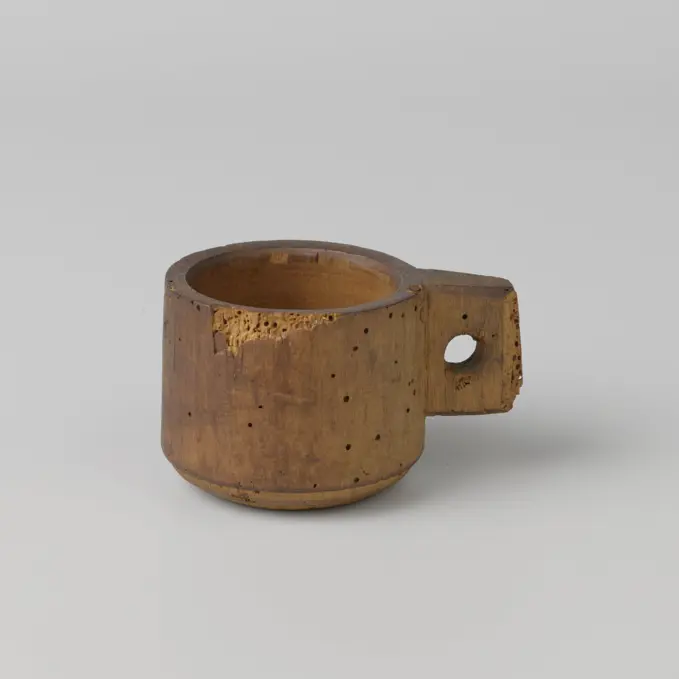
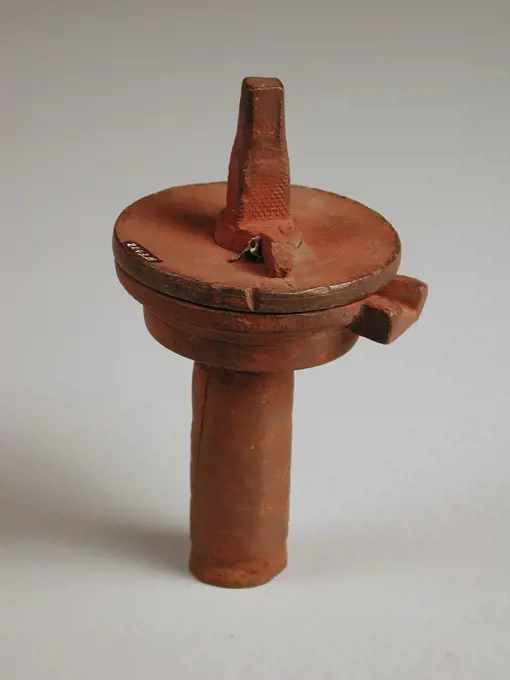
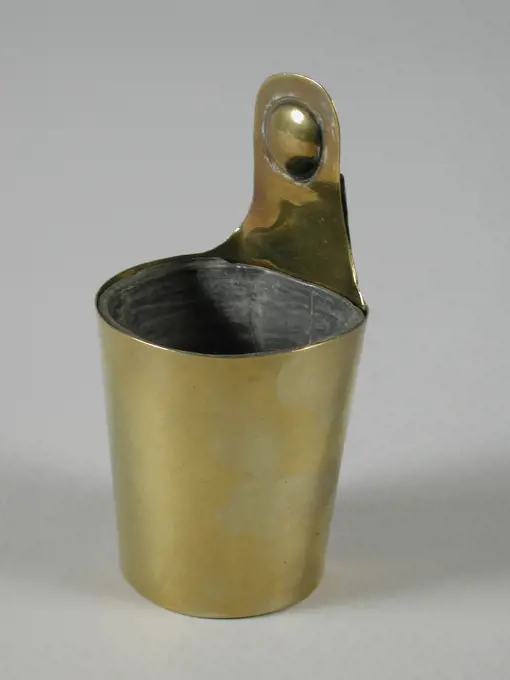
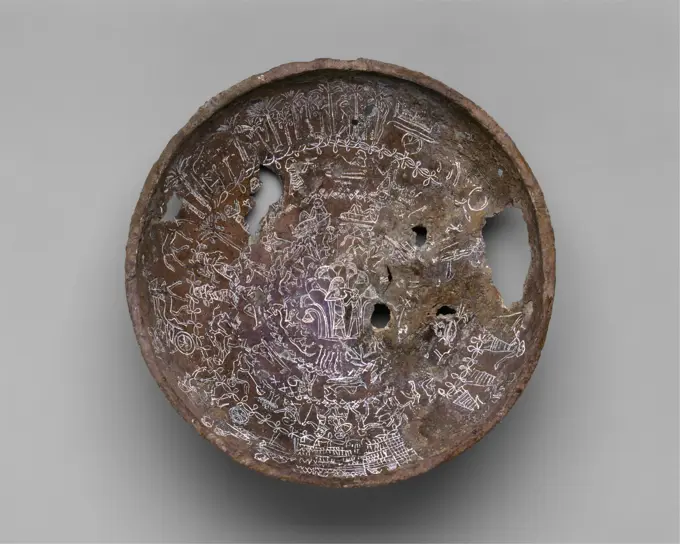
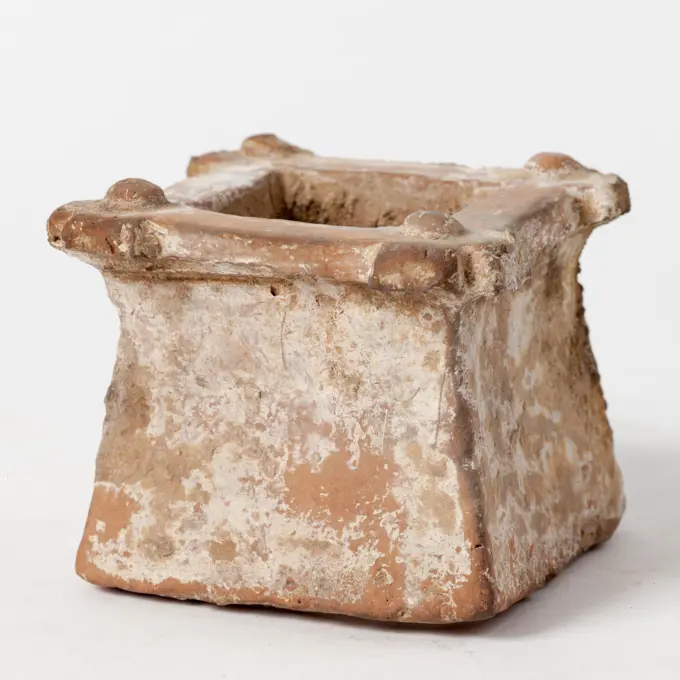
A collection of ancient pottery artifacts including a decorative container, a terracotta pot, and historical bowls showcasing varying shapes and textures.

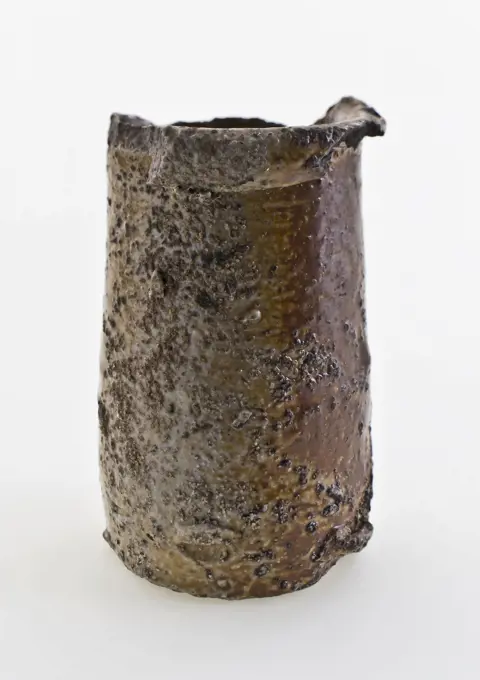
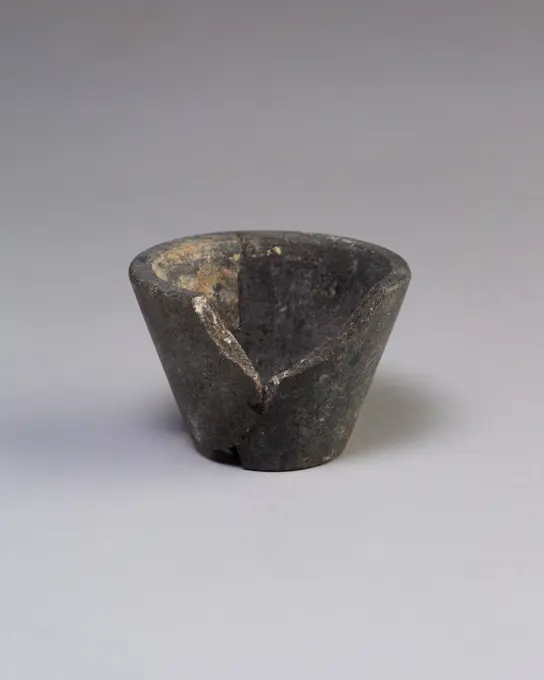
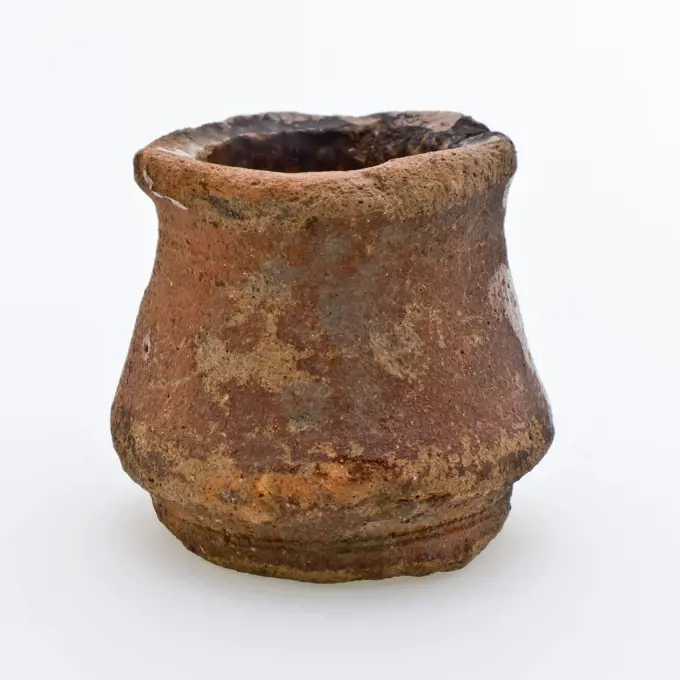
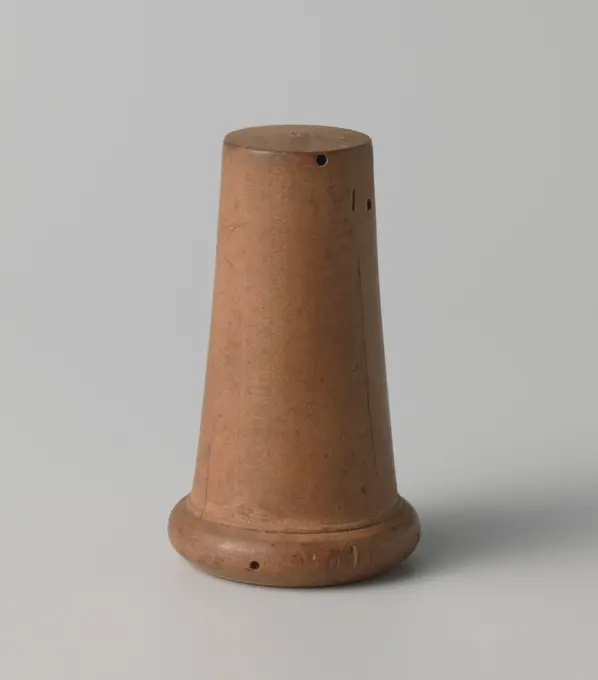
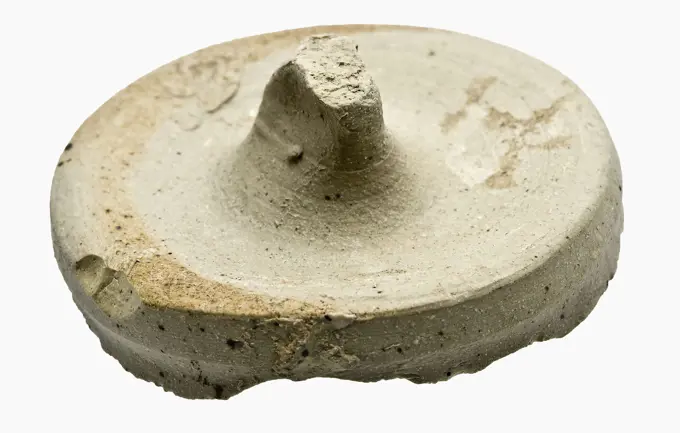
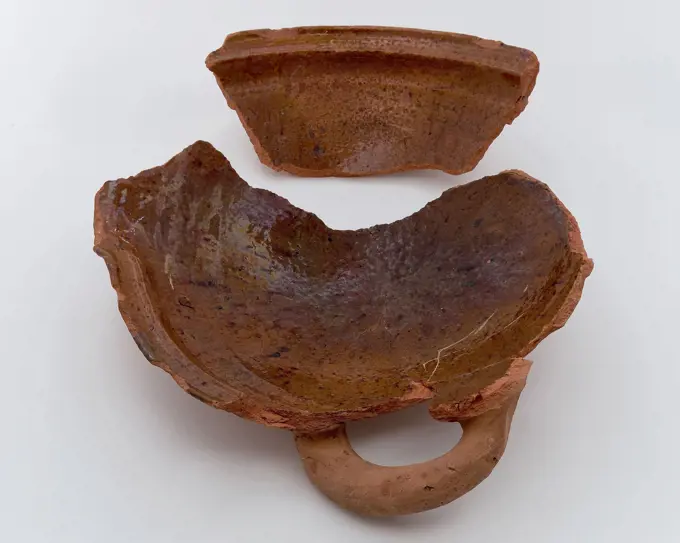
Stoneware ointment jar, white shard, entirely glazed in gray, ointment jar holder soil find ceramic stoneware glaze salt glaze, hand turned glazed baked Stoneware white ointment shard on stand surface Completely gray glazed Cylindrical model with narrowing above the foot irregularly shaped bottom very coarsely finished. Wide top edge. Turning beads on the inside archeology health care indigenous pottery import pharmacy store sell craft
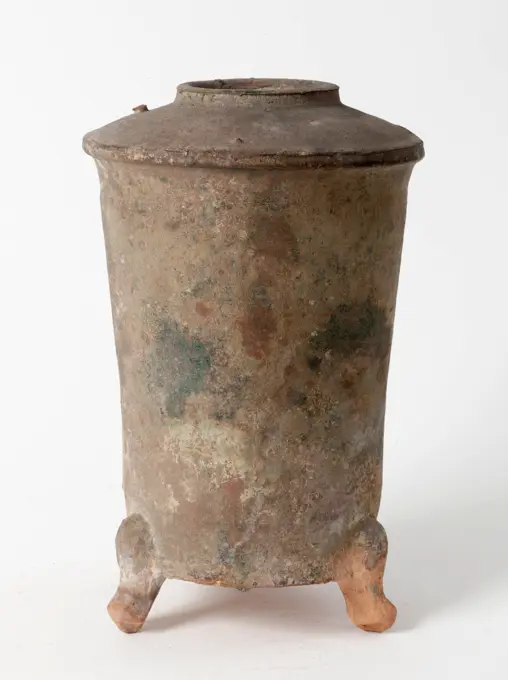
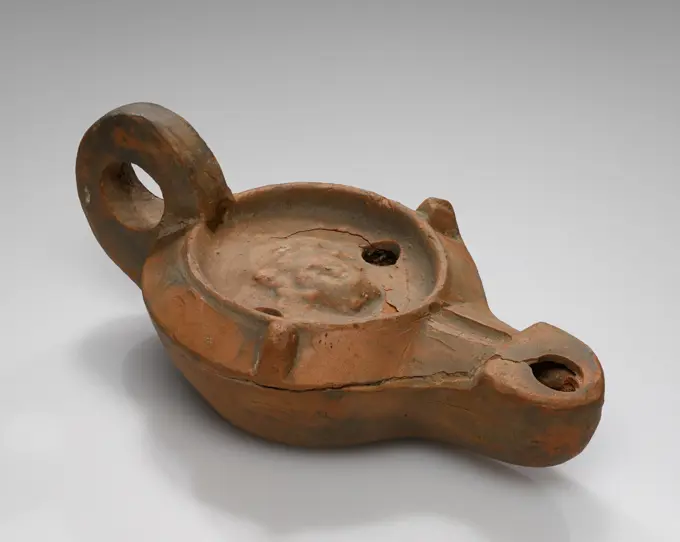
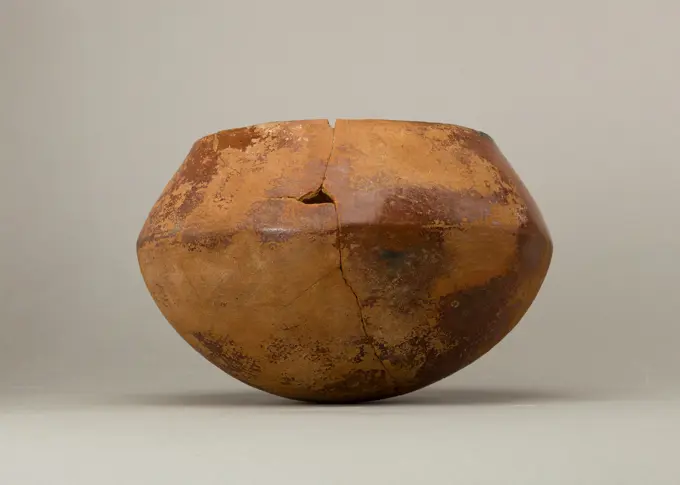
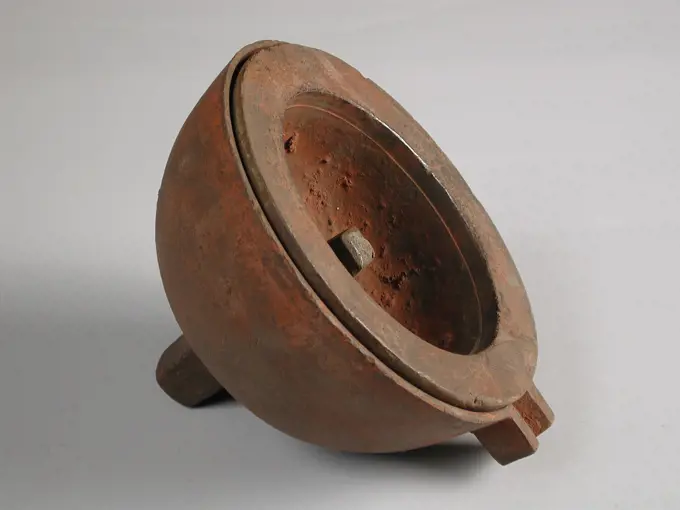
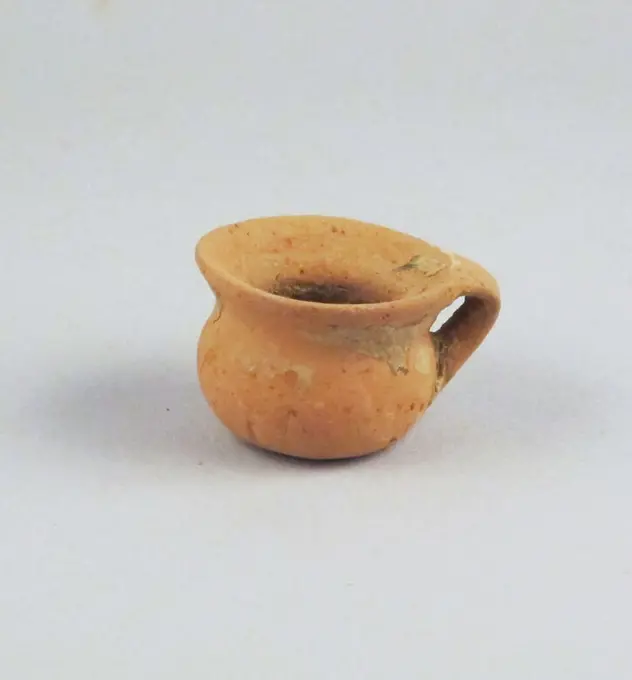
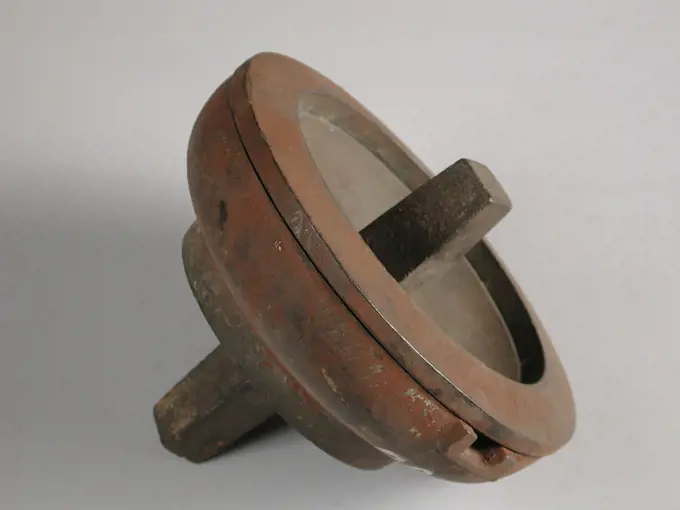
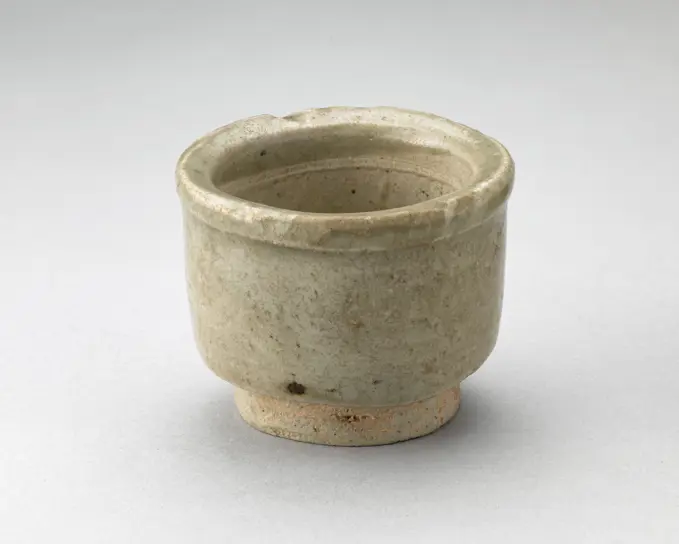
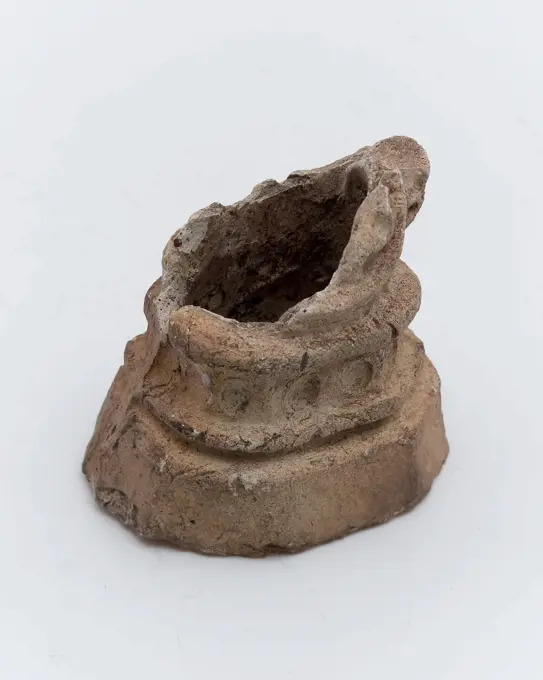
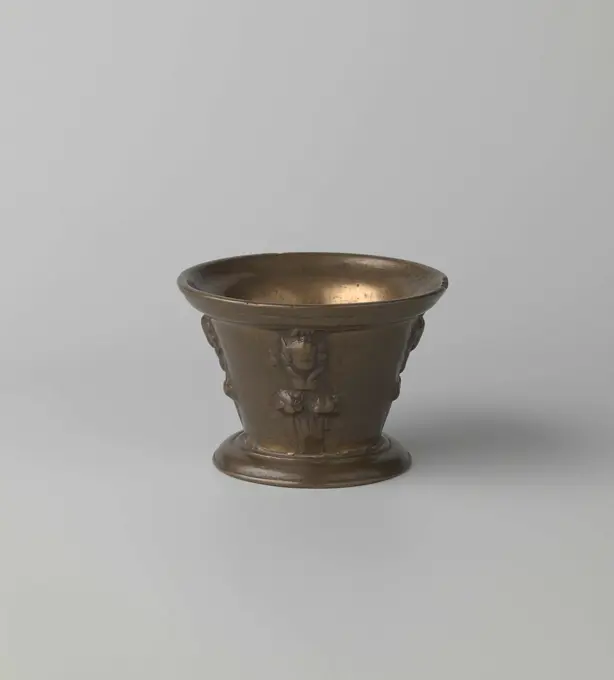
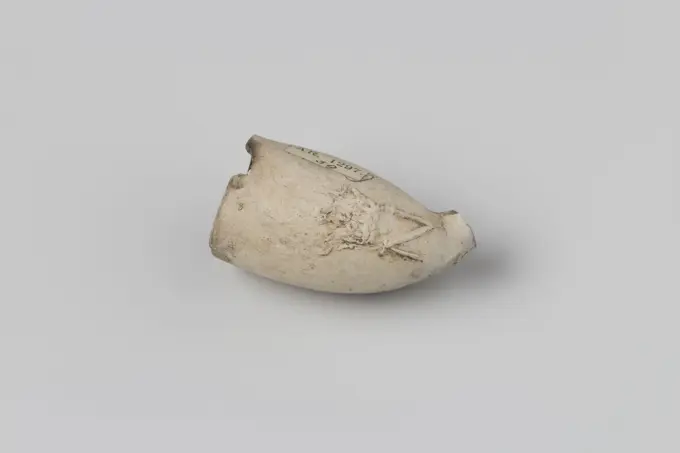
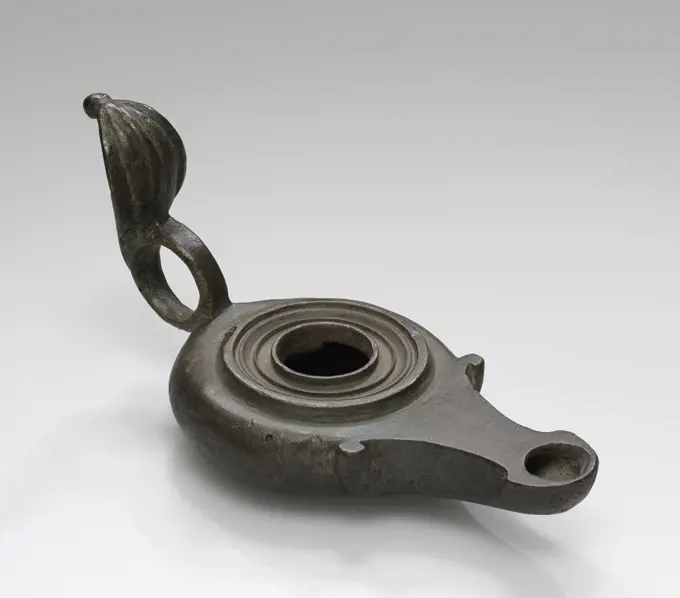
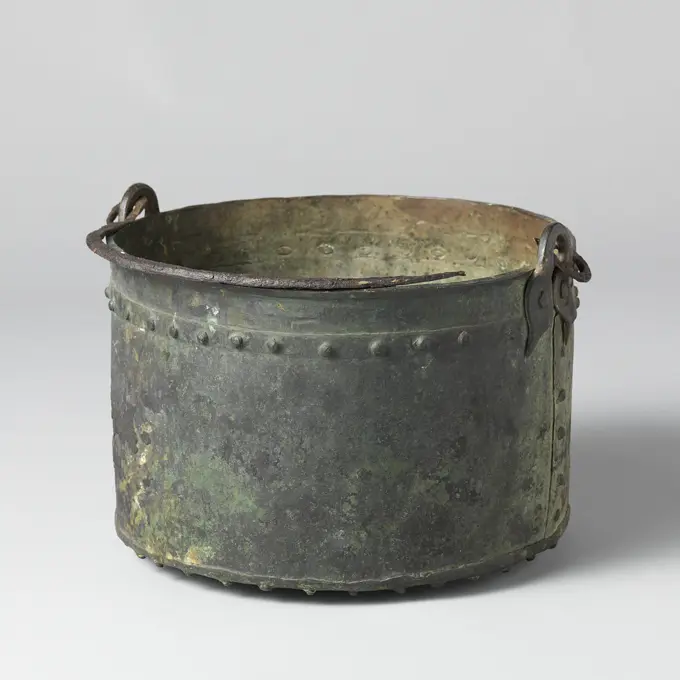
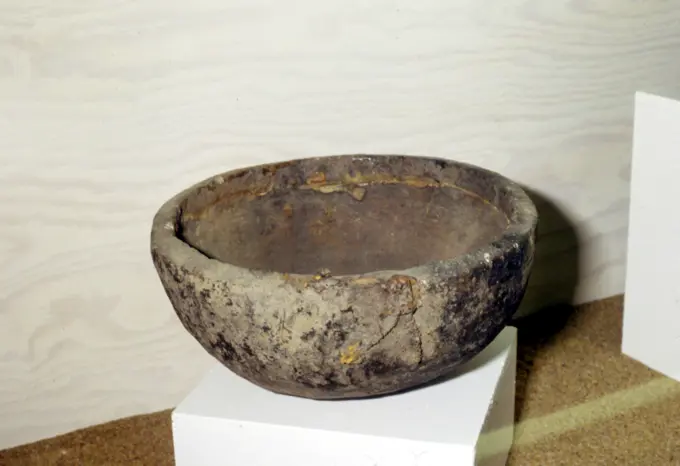
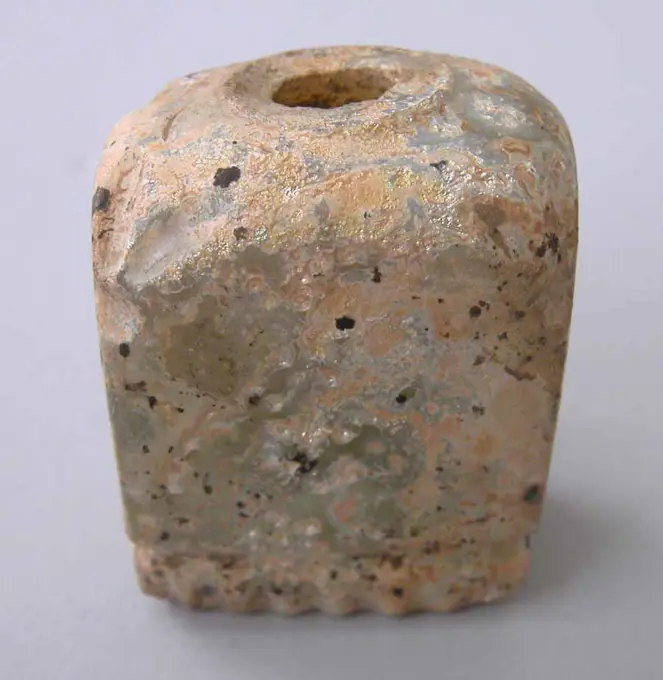
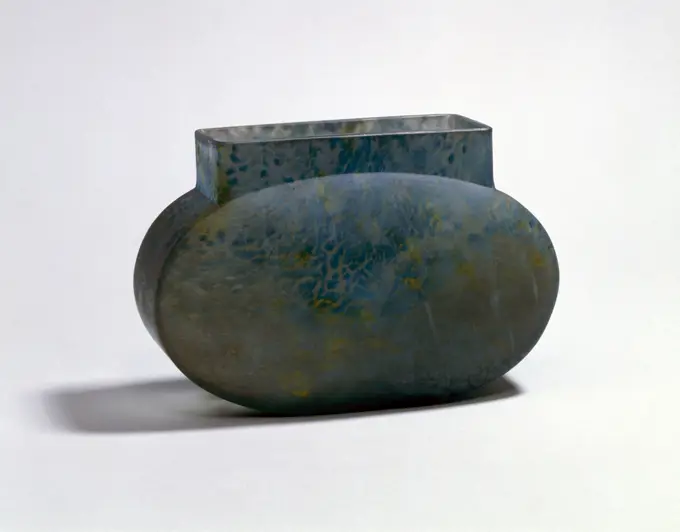
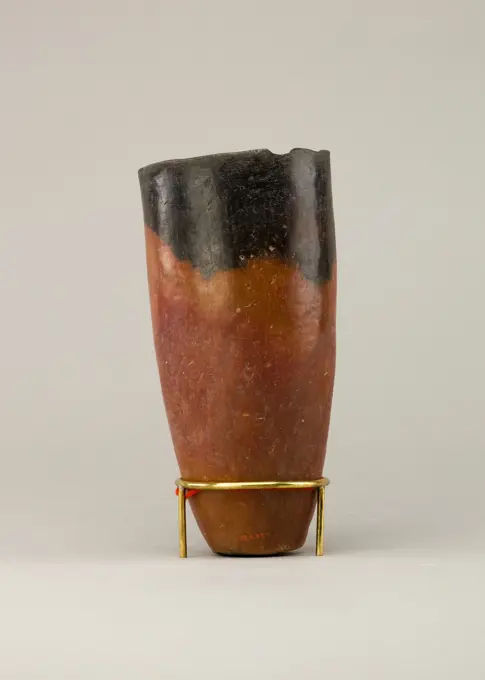
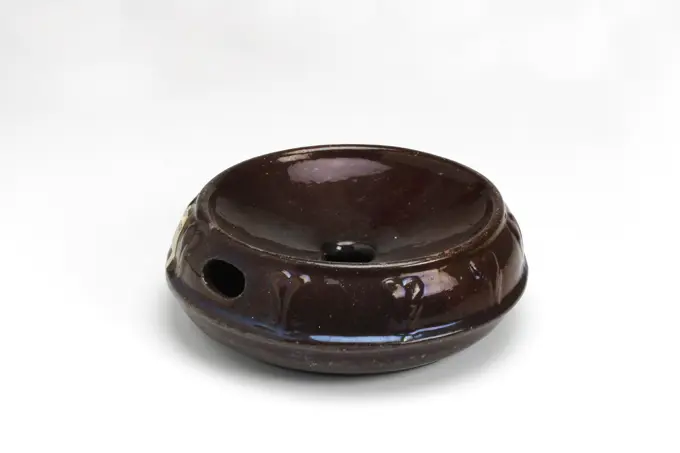
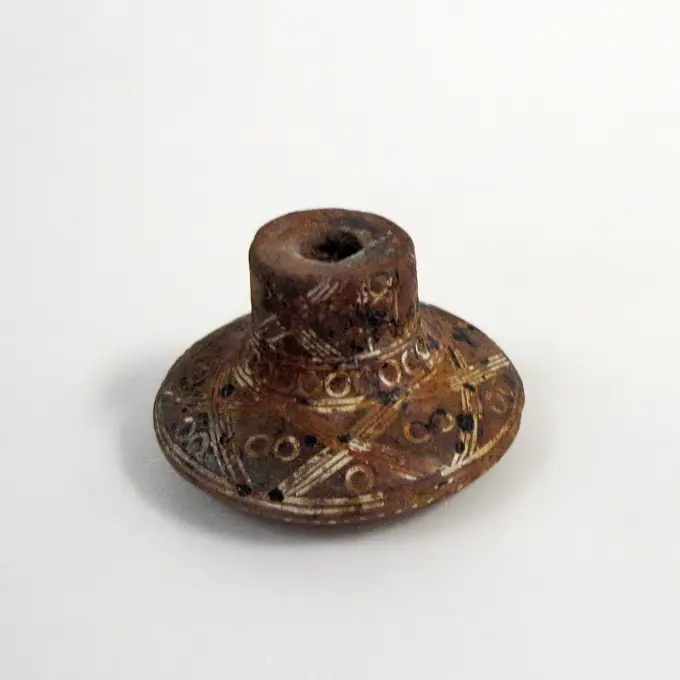
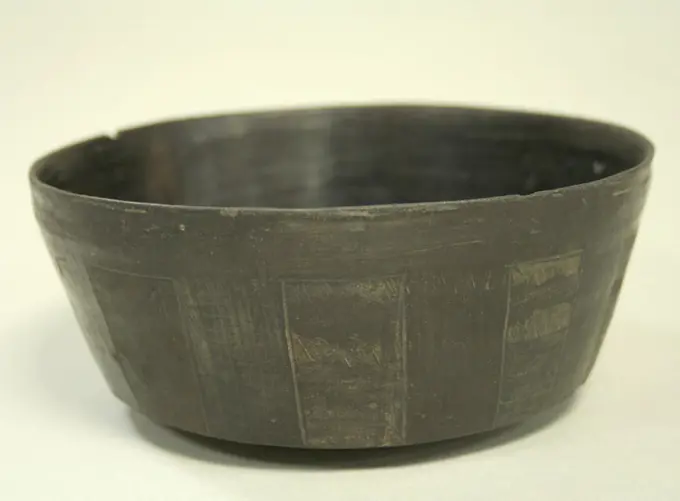
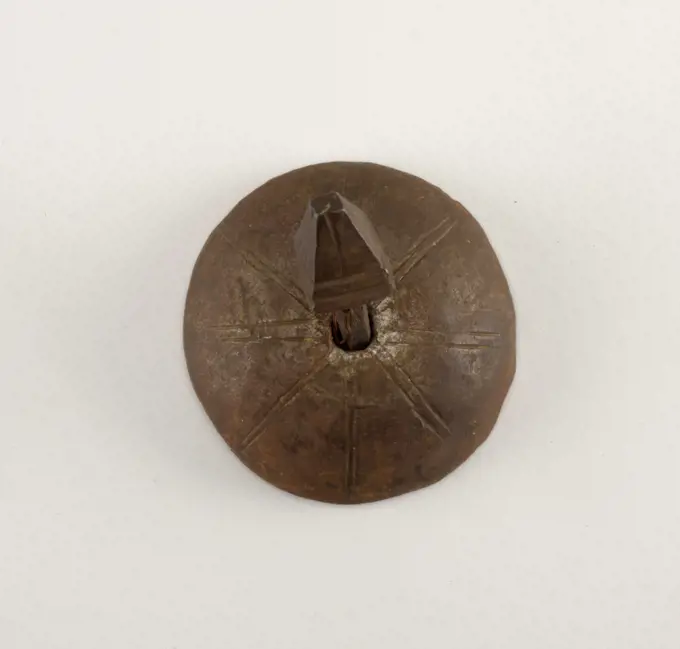
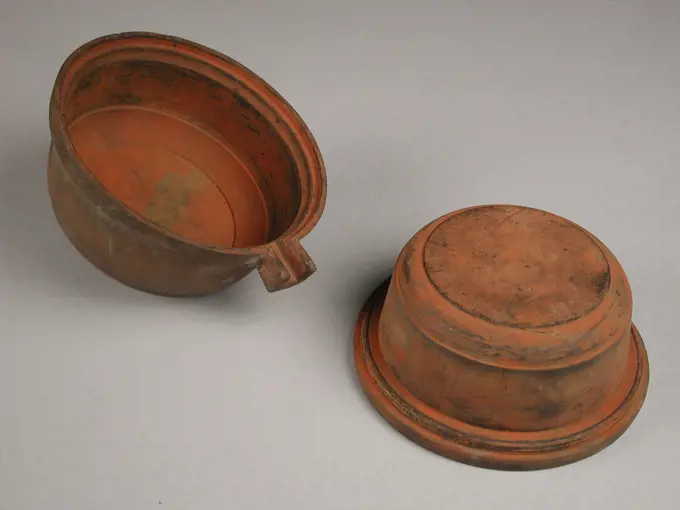
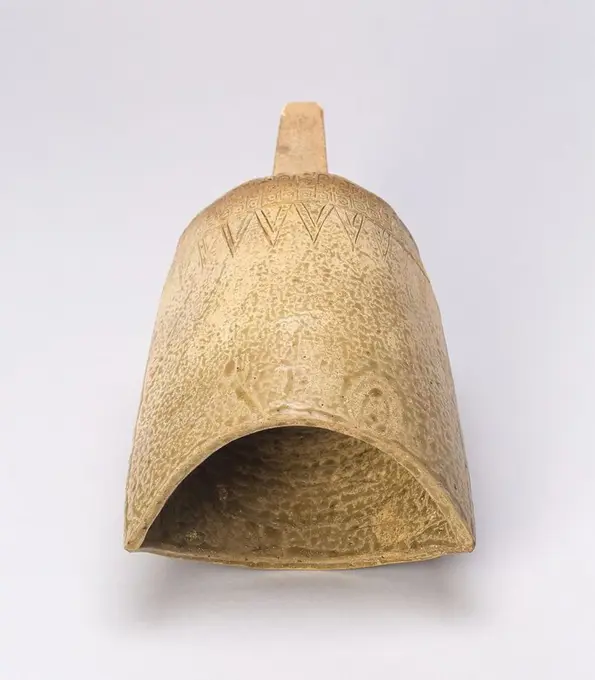
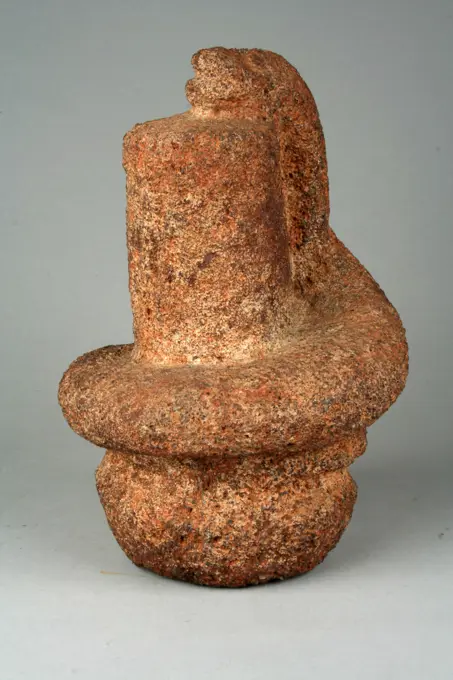
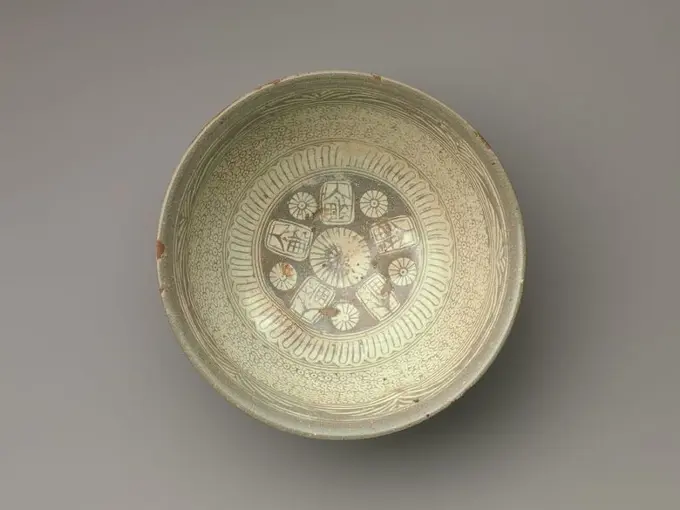
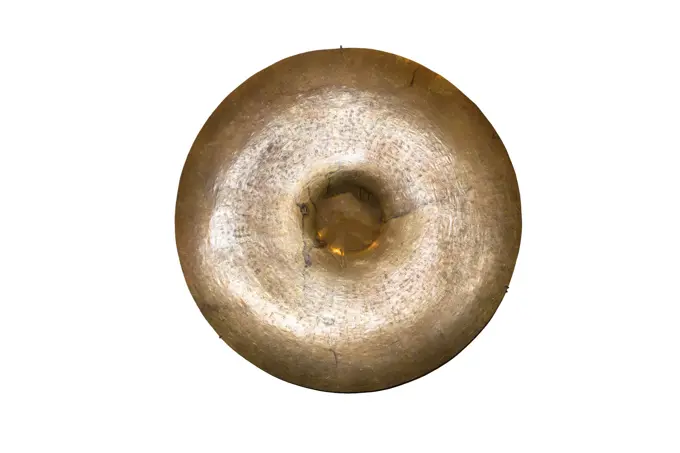
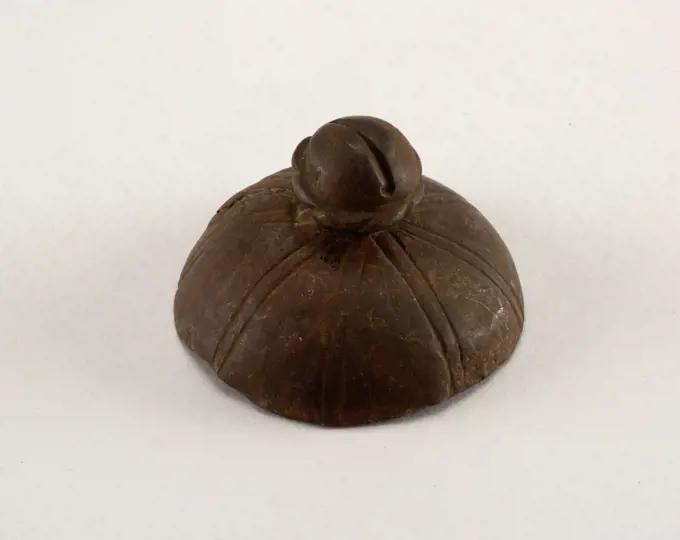
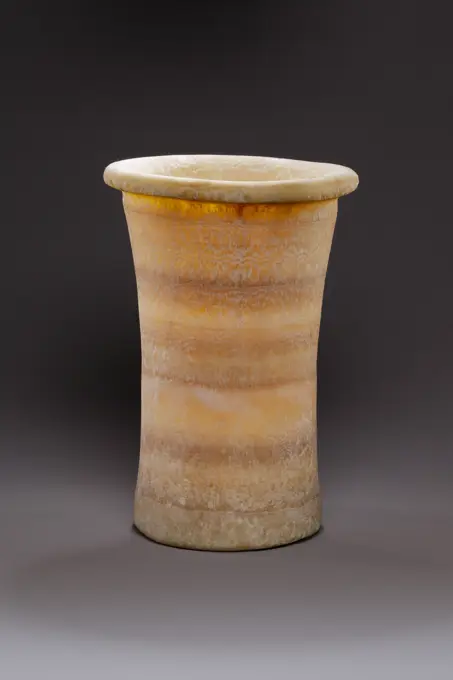
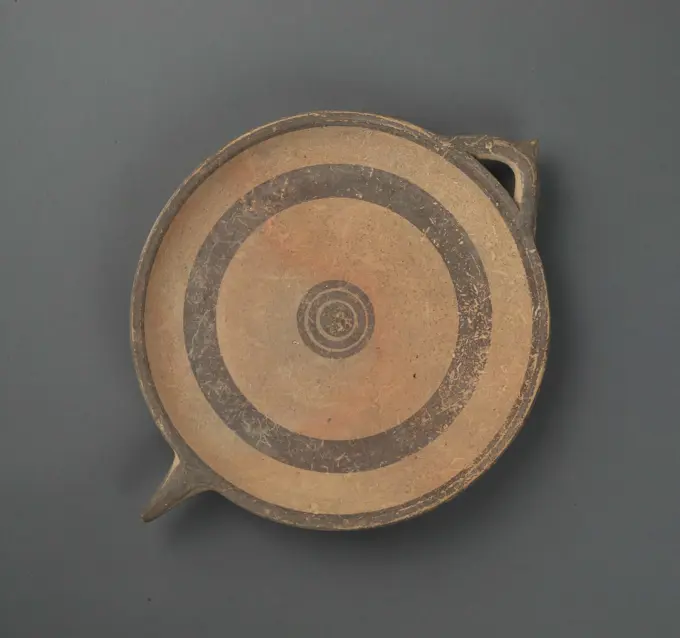
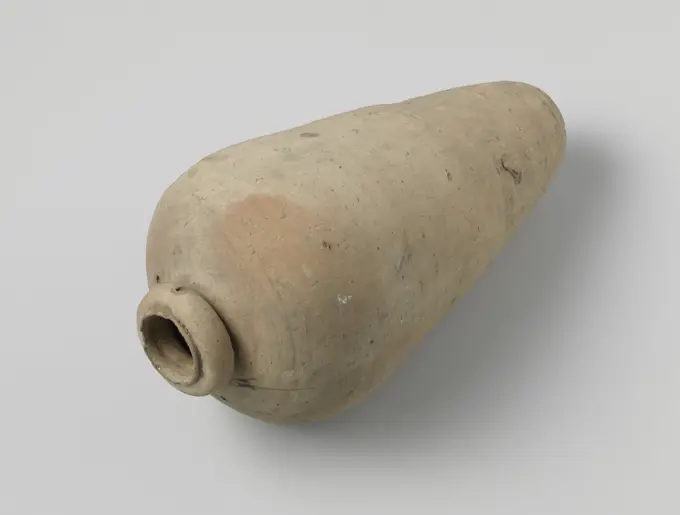
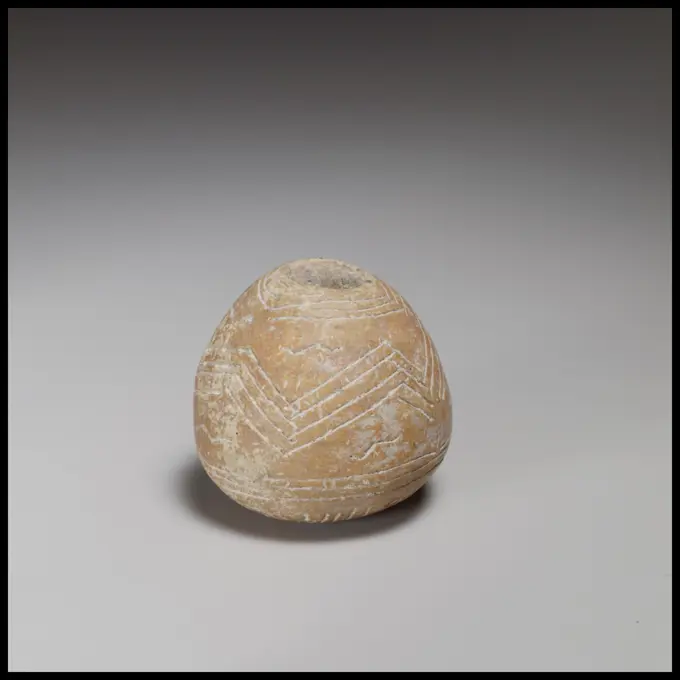
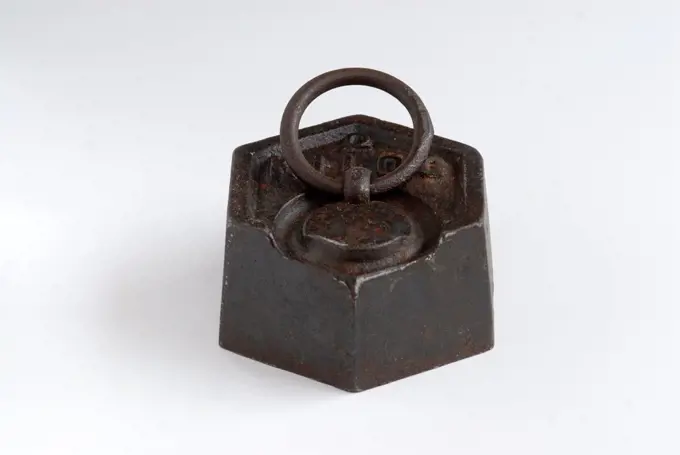
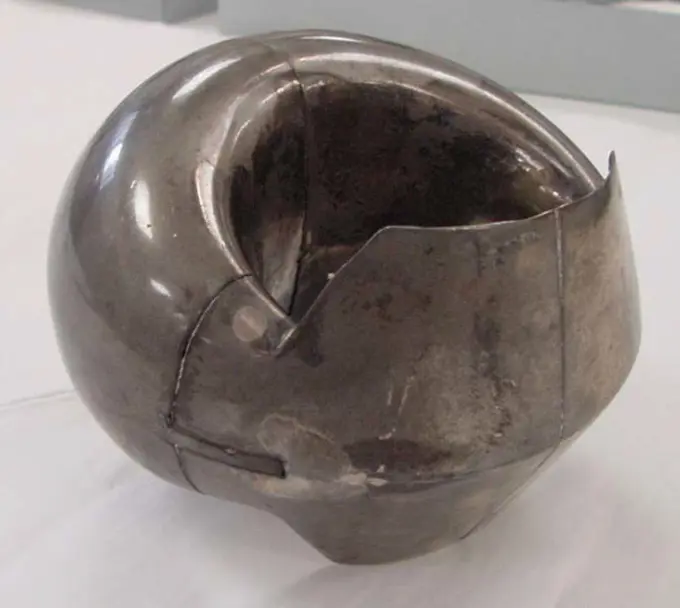
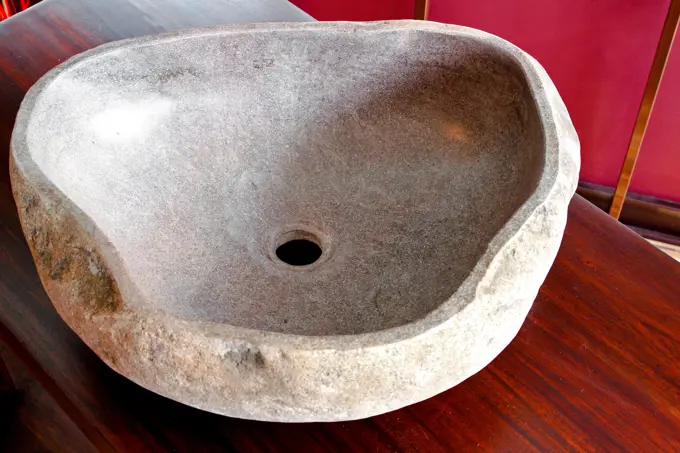
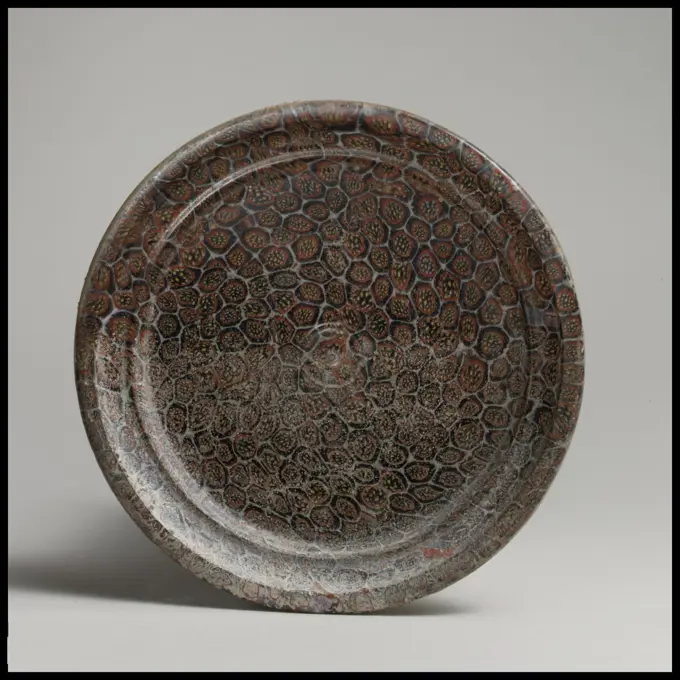
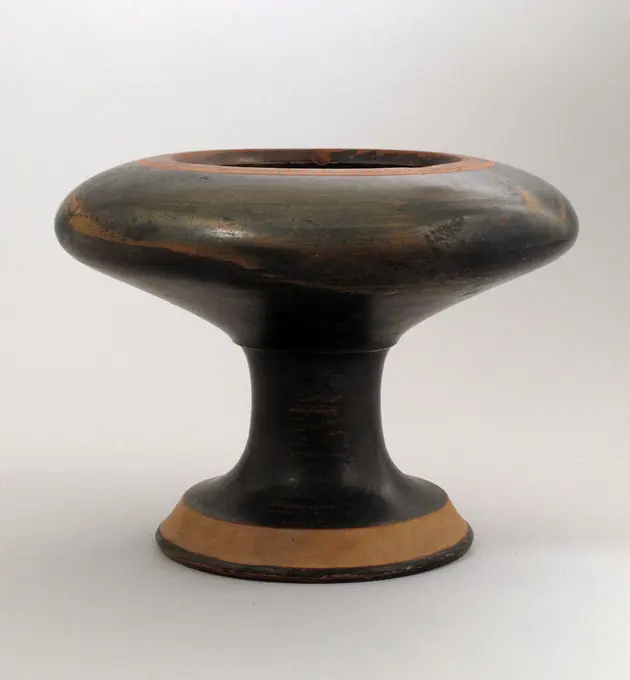
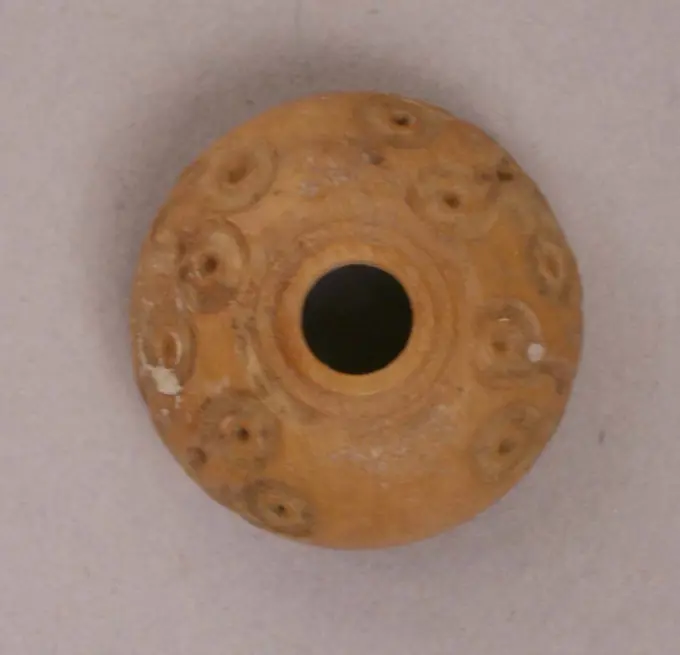
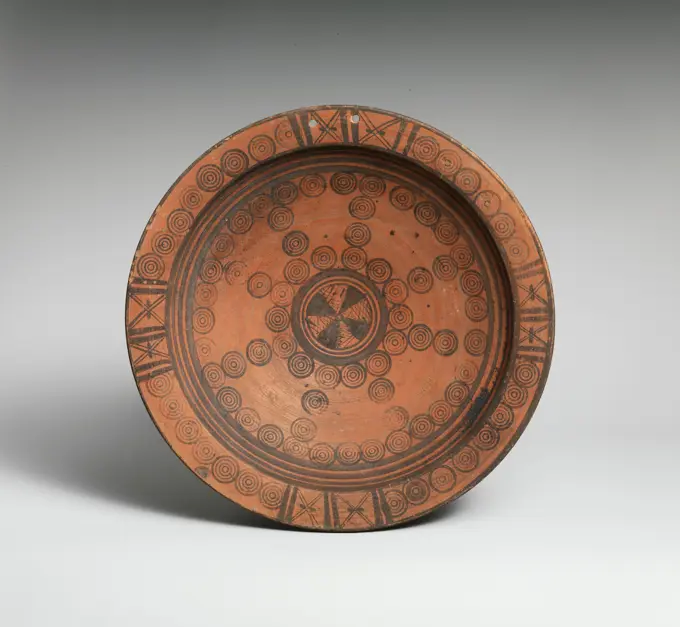
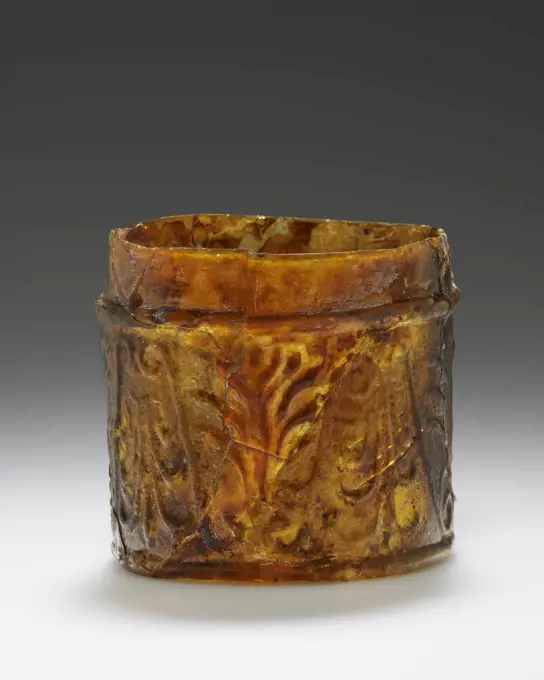
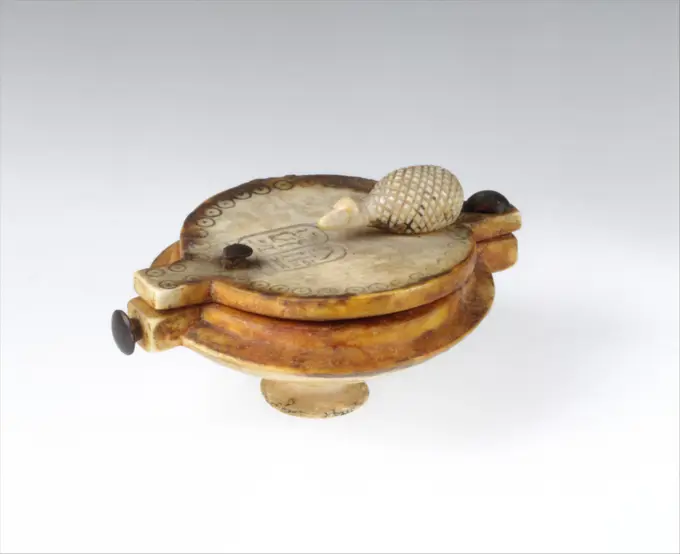
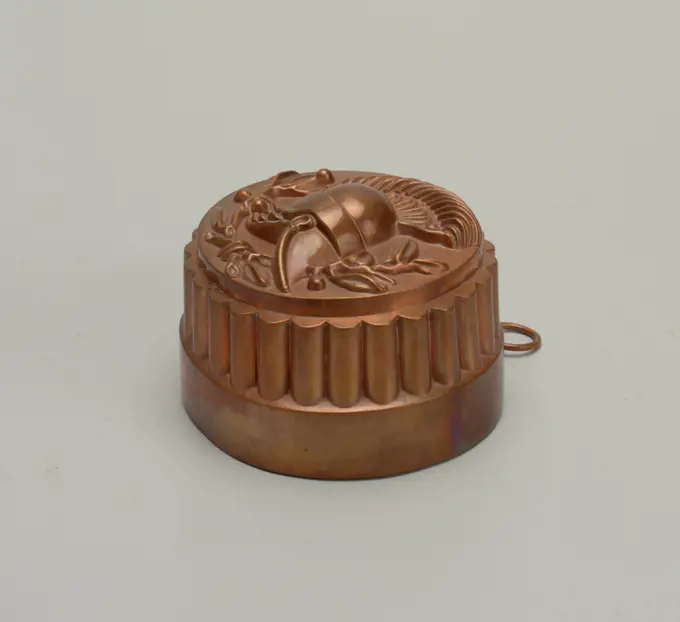
Mahora Thuk. Culture: possibly Thai. Dimensions: H. 13 1/8 x Diam. 18 1/2 in. (33.3 x 47 cm). Date: 14th-17th century. Museum: Metropolitan Museum of Art, New York, USA.Grenier ". Terracotta with green lead glaze. Han dynasty (206 BC-220 AD). Paris, Cernuschi museum. Chinese art, Chinese ceramic, han dynasty, han time, lengthening form, green lead glacure, granary, terracotta, tripodes, three feetPottery Retort, a container used for distilling liquids.. Found at Weoley Castle, Birmingham, a Birmingham Museums Trust heritage site .Lamp. UnknownBowl ca. 3850-2960 B.C. Predynastic Period. Bowl. ca. 3850-2960 B.C.. Pottery. Predynastic Period. From Egypt, Southern Upper Egypt, Hierakonpolis (Nekhen), MMA excavationsShard of coffin from v.O.c.-ship the 'white lion'. Shard of coffin from v.O.c.-ship the 'white lion', green glass bottle neck with twisted lines and coral-like attack.Mold for bottom of small tap jug, mold casting tool tools equipment metal-bronze bronze, cast turned Two-piece bronze mold for bottom of small tap jug top: Rotterdam tin foundry tinnegieter tin Meeuws Druy craft Forms come from the originally 18th century Rotterdam tinnegieter J Druy. The large molds that were not signed or dated were the property of the tinker guild and were rented to the small tin caster.Vase, miniature. Culture: Greek, Laconian. Dimensions: 1in. (2.5cm). Date: ca. 650-550 B.C..One handle, traces of white paint. Museum: Metropolitan Museum of Art, New York, USA.Lamp 11th century View more. Lamp. 11th century. Earthenware; monochrome glaze. Excavated in Iran, Nishapur. CeramicsStoneware ointment jar, white shard, entirely glazed in gray, ointment jar holder soil find ceramic stoneware glaze salt glaze, hand turned glazed baked Stoneware white ointment shard on stand surface Completely gray glazed Cylindrical model with narrowing above the foot irregularly shaped bottom very coarsely finished. Wide top edge. Turning beads on the inside archeology health care indigenous pottery import pharmacy store sell craftTwo-piece round bronze mold for plate or bottom of pot or jug, cast molding tool tools base metal bronze, turned molded Two-piece bronze mold for casting plate with stand or bottom of jug Rotterdam tin foundry tin stainer tin Meeuws Druy craft Shapes are from the van origins 18th century Rotterdam tinnegieter J Druy. The large molds that were not signed or dated were the property of the tinker guild and were rented to the small tin caster.Stoneware ointment jar, conical model, entirely gray and brown glazed, ointment jar pot holder soil find ceramic stoneware glaze salt glaze, hand-turned glazed Stoneware ointment conical model entirely gray and brown glazed Thick outstanding top edge. Stand surface. Pot is deformed; misbaksel the glaze is full of baked sand grains or other grit archeology health care indigenous pottery import pharmacy packaging store medicine drug sell craftChangsha (ceramic production center), cutting (common name), 0900. Gray covered. Cernuschi Museum, Asia Museum of Asia in the city of Paris.Money box 9th-10th century. Money box. 9th-10th century. Earthenware; slip covered, unglazed. Excavated in Iran, Nishapur. Ceramics"Opening of the Mouth" vessel of Perneb ca. 2381-2323 B.C. Old Kingdom An essential rite performed during the funeral ceremonies was the "Opening of the Mouth." Thought to have evoked the rituals carried out at the birth of a child, this served to restore the senses of the newly deceased (resident in spirit within the mummified body or a statue), so that he or she could once again breathe, speak, eat, drink, see, and hear.This vessel is part of a set used for this ceremony. It would have held milk, or salt or fresh water (see also 14.7.30; 14.7.92; and 14.7.93).For a complete set of implements for this ritual, see 07.228.117a-h.. "Opening of the Mouth" vessel of Perneb 547094Barrel and lid. Terracotta. Vietnam. Paris, Muse Cernuschi. Barrel and lid Asian art, art of extreme orient, art of Vietnam, Vietnamese art, terracotta, dishesDoorplate Fastener Knobbed Post; steel-plated wrought ironContent with ear, anonymous, c. 1800  Content with ear. Edge is broked. V.Z.V. Label. Netherlands wood (plant material)   NetherlandsTwo-piece bronze mold for lid of butter pot, cast molding tool tools base metal bronze iron, cast turned Two-piece bronze mold for pouring lid for butter pot Rotterdam tin foundry tin pewter Meeuws Druy craft Forms originate from the 18th century Rotterdam tinnegieter J Druy. The large molds that were not signed or dated were the property of the tinker guild and were rented to the small tin caster.Button from the wreck of the East India hollandia.knoop. (1) ID. NG 1979-176H1189 (1.5D)Foot fragment of pipes on pedestal, sculpture visual material soil finds ceramics pipe earth, in mold formed baked Fragment pipes. Pedestal of image. Hollow inside. Unequaled octagonal shaped Above some folds of robe archeology Rotterdam railway tunnel indigenous pottery devotion religion worshiping adorn archaeological find in the soil Rotterdam tracé rail tunnel."Opening of the Mouth" vessel of Perneb. Dimensions: H: 3.5 cm (1 3/8 in.); diam: 5.2 cm (2 1/16 in.). Dynasty: Dynasty 5. Reign: reign of Isesi-Unis. Date: ca. 2381-2323 B.C..An essential rite performed during the funeral ceremonies was the "Opening of the Mouth." Thought to have evoked the rituals carried out at the birth of a child, this served to restore the senses of the newly deceased (resident in spirit within the mummified body or a statue), so that he or she could once again breathe, speak, eat, drink, see, and hear.This vessel is part of a set used for this ceremony. It would have held milk, or salt or fresh water (see also 14.7.30; 14.7.92; and 14.7.93).For a complete set of implements for this ritual, see 07.228.117a-h. Museum: Metropolitan Museum of Art, New York, USA.Honey from bronze. The cast round auger widens strongly upwards, has a rounded edge and a flared round profiled base. The wall is decorated with a six-time repeated angel head above two hanging gathered ornamental streams.Pijpenkop, Anonymous, 1700 - 1799 Blowjob with a crown and the letters g h l and n. Of the excavations on the Hofstede Arentsburg 1827-1831 under the supervision of Professor Reuvens. Netherlands pipe clay Blowjob with a crown and the letters g h l and n. Of the excavations on the Hofstede Arentsburg 1827-1831 under the supervision of Professor Reuvens. Netherlands pipe clayLamp, Asia Minor; 1st century; Bronze; 1.3 × 5.1 × 10 cm (1,2 × 2 × 3 15,16 in.)metal worker: Gresnich, Yellow copper miniature soap dish, soapbox holder miniature toy relaxing agent model brass lead metal, hammered soldered filed Frontside conical backside flattened in hanging ring Loden inner box 1868 Sibilla van Embden play store kitchen soapRegistry to the lock;  XVII century (1601-00-00-1700-00-00);VASIJA DE LA NECROPOLIS DE PALENCIA. Location: MUSEO ARQUEOLOGICO NACIONAL-COLECCION. MADRID. SPAIN.MountContent measure of 10 liters. Chain seam of 10 liters (decalitre) with wooden measuring soil edge. At the bottom of v.z.v. Orange wax seal with inscription. V.Z.V. brands and stamps.Silver bowl ca. 675-625 B.C. Cypriot The particularly dense decoration consists of a tondo surrounded by four friezes. In the center, the Egyptian goddess Isis suckles her son Horus amid papyrus plants. The innermost frieze shows a shepherd, a horse, a cow and calf. The next frieze presents six banqueters attended by men and women. The third zone combines banqueters with tribute bearers. The outermost zone depicts figures in carts departing from a citadel to a palm grove and going back. The carts are particularly reminiscent of the terracotta models. The Isis motif and the fortifications derive from Egyptian and Assyrian sources.. Silver bowl 243824Pottery ointment jar, conical model, red shard, internally glazed, ointment jar pot holder soil find ceramic earthenware glaze lead glaze, hand turned glazed baked Pottery ointment jar conical model red shard internal glazed Flat sloping top edge. Narrowing of the boiler above the standing surface. Stand archaeology underground pit Rotterdam City Triangle Cool Coolsingel health care indigenous pottery store pharmacy sell craft Soil discovery Metro works Coolsingel Rotterdam 1964 Found by Rotterdam schoolboys.Mingqi: well ". Terracotta, traces of coating. Han Dynasty (206 BC-220 AD). Paris, Cernuschi museum. Chinese art, Chinese Ceramic, Han Dynasty, Carree form, Minqqi, wells, Funeral substitute, terracottaButton or Bead 9th-10th century The dot-in-circle motif recalls designs presumed to be of magical significance, most likely an abstract eye to ward off the evil-eye, which serves an apotropaic function. Easily reproduced with a tool and visible in many cultures and times, this symbol may have lost its meaning, and become simply a decorative pattern, or may have one that we have not yet discovered.. Button or Bead 449997Red Ware Stand or Brazier. UnknownAndiron with cooking pots and a pair of fire tongs, anonymous, c. 1590 - c. 1596  Copper boiler, cylinder -shaped with flat bottom, an iron handle, copper sheet metal and copper nails. The boiler consists of two plates of copper, a bottom and a top edge and has raised ears for the handle. The cooking kettle was hung on a hook above the fire. By Carlsen found on Cooker NG-NM-7651. The handle has been demolished on one side. The state is reasonable.  copper (metal). iron (metal) striking (metalworking)  Nova Zembla. Saving HuysStone Bowl. Viking period.Flask 7th-8th century. Flask 448701Daum brothers. "Gardinière", early 20th century. Glass. Museum of Fine Arts of the City of Paris, Petit Palais. Sports, Art Nouveau, Jardiniere, Vegetal Landscape, GlassBowl. Celadon coverage sandstone. Cernuschi Museum, Asia Museum of Asia in the city of Paris.Turned Armilla, c. 1500 BC. Hungary, Bronze Age, c. 2500-800 BC. Bronze, wrought; overall: 12.5 x 10.4 cm (4 15/16 x 4 1/8 in.).Glass cup with indented sides 1st-2nd century A.D. Roman Colorless with pale greenish tinge.Uneven, knocked-off rim; slightly bulging collar below rim; vertical sides, rounded at base; almost flat bottom.One horizontal wheel-cut groove on collar; twelve vertical indents in sides.Intact; pinprick bubbles; slight pitting, but most of surfaces covered with creamy, enamel-like weathering with brilliant iridescence.. Glass cup with indented sides 239806Clarinet Mouthpiece Cover. Clarinet mouthpiece cap to protect wicker. Horse with five cover pieces (BK-NM-11430-124-A T / M BK-NM-11430-124-F).Komfoor van Tin, hexagonal, anonymous, 1700 - 1800 Komfoor van Tin. On the three volute -shaped legs, the hexagonal bowl, the underside is decorated with a scalloped ornament edge with shell shapes. At the top, three sets in the form of shells are attached, as well as two loose handles. Traces of gold paint visible on the legs, the decorative edge and on the shells. West-Europa tin (metal) casting / painting Komfoor van Tin. On the three volute -shaped legs, the hexagonal bowl, the underside is decorated with a scalloped ornament edge with shell shapes. At the top, three sets in the form of shells are attached, as well as two loose handles. Traces of gold paint visible on the legs, the decorative edge and on the shells. West-Europa tin (metal) casting / paintingEmilia-Romagna Ferrara Ferrara Museo Civico di Schifanoia58. Hutzel, Max 1960-1990 General Notes: INCOMPLETE RECORD--NEGATIVES PROCESSED, PRINTS FILED German-born photographer and scholar Max Hutzel (1911-1988) photographed in Italy from the early 1960s until his death. The result of this project, referred to by Hutzel as Foto Arte Minore, is thorough documentation of art historical development in Italy up to the 18th century, including objects of the Etruscans and the Romans, as well as early Medieval, Romanesque, Gothic, Renaissance and Baroque monuments. Images are organized by geographic region in Italy, then by province, city, site complex and monument.Schijf from V.O.C. ship De 'Witte Leeuw', Before 1613  Wooden disc.  wood (plant material)   Sint-HelenaFooted Shallow Bowl with Lid. Korea, Three Kingdoms period, Old Silla kingdom (57 B.C.-A.D. 668), 5th-7th century. Furnishings; Serviceware. Coil-built and wheel-turned stoneware with incised and cut decoration and ash glazeDish with scalloped edge, c. 1700 - c. 1800 Tin dish. The edge is scalloped. Low Countries tin (metal) Tin dish. The edge is scalloped. Low Countries tin (metal)Glass Beaker 9th century. Glass Beaker 449468Oak cash box for church service. Oak cash box for the church service, collection bin, to which a short handle of walnut () And a sconce. On the standing shelf behind the sconce is a bust of Petrus sculpted in low relief. On the front is: "To maintain the = to maintain Godts".Jean Carriès (1855-1894). "Bottle". Enameled sandstone. Museum of Fine Arts of the City of Paris, Petit Palais. 24203-11 Bottle, ceramic, gres emailleBeaker ca. 3850-2960 B.C. Predynastic Period. Beaker. ca. 3850-2960 B.C.. Pottery. Predynastic Period. From Egypt, Northern Upper Egypt, Abadiya, Cemetery B, Tomb B150, EEF excavations 1898-99Spittoon -Chlorite pestle ca. 1600-1100 B.C. Cypriot Grinder.. Chlorite pestle. Cypriot. ca. 1600-1100 B.C.. Chlorite. Late Bronze Age. Miscellaneous-StoneSpindle Whorl, c. 800 BCE - 100 CE, 1 3/16 x 1 15/16 in. (3 x 4.92 cm), Terra cotta, pigment, Colombia, 9th century BCE - 2nd century CEPatterned Blackware Bowl 5th-4th century B.C. Cavernas. Patterned Blackware Bowl 308462Decorative door boss and nail, Wrought iron, Hemispherical boss divided into eight triangular sections by paired parallel wrought lines. Nail has a pyramidal head on a square shank., Spain, 15th century, metalwork, Decorative Arts, Decorative door boss and nailStoneware lid, untidy and twisted bud, lid closure soil found ceramic stoneware h 2,5, Around shallow container in the middle recessed reverse side raised tip Gray stoneware with bit of brown spotted glaze archeology Save Rotterdam rail tunnel Soil discovery: rail tunnel Rotterdam.Helmet possibly 16th-17th century Western Tibetan or Central Asian, possibly Oriat or Kalmyk Mongol. Helmet 26602Sjako Mans Marines M.1828, Anonymous, c. 1800 - c. 1850  Head cover of coarse fabric, black leather bottom, edges, valve. At the back of Corpus: yellow metal buckle, with Learning Label with No. 9. At the front remnant of Gergolde two plastered guns, in which iron wire reinforcement (copied). Top front Corpus a black leather loop. In the front corpus two holes (for mounting yellow metal sun). Left and right of Corpus a leather -drilled hole (for applying yellow metal rosettes and ditto storm tires). Interior; Soil on which 4235 D (= weapon number). Learning and fabric sweat band. Netherlands felt (textile). leather. copper (metal). cardboard. linen (material). gypsumTwo-piece bronze mold for pot or jug, mold casting tool tools equipment base metal bronze, cast turned Two-piece bronze mold for bottom of pot or jug Rotterdam tin foundry tin stainer tin Meeuws Druy craft Shapes come from the originally 18th century Rotterdam inkwell J Druy. The large molds that were not dated or signed were the property of the tinkering guild and were rented to the small tin caster.Jar 4th-7th century Coptic. Jar 475750Button or Bead 9th-10th century The dot-in-circle motif recalls designs presumed to be of magical significance, most likely an abstract eye to ward off the evil-eye, which serves an apotropaic function. Easily reproduced with a tool and visible in many cultures and times, this symbol may have lost its meaning, and become simply a decorative pattern, or may have one that we have not yet discovered.. Button or Bead 4492651 Schepel from Harderwijk, Anonymous, c. 1800  Spans and iron content measure for dry wares of 1 scoop, v.z.v. Labels. Harderwijk wood (plant material). iron (metal)   HarderwijkButton, before 1921. Colombia. Black ware; diameter: 3.2 cm (1 1/4 in.); overall: 2 cm (13/16 in.).Hat ca. 1800 British. Hat 116119Model of a Bell (Goudiao). China, probably Zhejiang or Jiangsu province. Date: 480 BC-221 BC. Dimensions: 23.6 × 12.5 cm. Buff stoneware with incised decoration. Origin: China. Museum: The Chicago Art Institute, Chicago, USA.Figure: Snake 15th-19th century Nigeria. Figure: Snake 312265Bowl with inscription and chrysanthemums and tortoiseshell decoration. Culture: Korea. Dimensions: H. 3 1/8 in. (7.9 cm); Diam. 7 1/4 in. (18.4 cm); Diam. of foot 2 3/4 in. (7 cm). Date: mid-15th century.The stamped inscription indicates that this bowl was made for Naeseom-si, a court bureau that supervised, among other things, tributary products sent to the royal palace from the provinces. Museum: Metropolitan Museum of Art, New York, USA.Old brass bowl isolated Antique brass bowl in front of white background Copyright: xZoonar.com/JFsxPicxFactory xThielemannx 12903412Decorative door boss and nail, Wrought iron, Hemispherical boss divided into eight triangular sections by parallel lines. Rounded nail head with single line indented across top above a serrated circling band. On square shank., Spain, 15th century, metalwork, Decorative Arts, Decorative door boss and nailMarble mortar and pestle isolated on white backgroundCylindrical jar ca. 2750-2649 B.C. Early Dynastic Period. Cylindrical jar. ca. 2750-2649 B.C.. Travertine (Egyptian alabaster). Early Dynastic Period. From Egypt, Memphite Region, Saqqara, Tomb 2322, Egyptian Antiquities Service/Quibell excavations, 1910-11. Dynasty 2, second halfPlate 1050-950 B.C. Cypriot. Plate. Cypriot. 1050-950 B.C.. Terracotta. Cypro-Geometric I. VasesPot, anonymous, c. 1600 - c. 1800 Elongated, striker to the bottom of the tissue pot of pottery. The pot belongs to two pots with invnr. BK-KOG-484 and BK-KOG-486. All three pots are soil finds. Spain (possibly)Italy (possibly)France (possibly) earthenware Elongated, striker to the bottom of the tissue pot of pottery. The pot belongs to two pots with invnr. BK-KOG-484 and BK-KOG-486. All three pots are soil finds. Spain (possibly)Italy (possibly)France (possibly) earthenwareTerracotta conical-hemispherical spindle-whorl with rounded base ca. 2000-1800 B.C. Cypriot Spindle whorls aided in the making of cloth for garments and bedding. They were placed in tombs, perhaps so that the deceased could continue to spin wool in the afterlife.. Terracotta conical-hemispherical spindle-whorl with rounded base 240507Bowl ca. 3500-3300 B.C.. Bowl 326504Wall plaque with knob ca. 9th century B.C. Iran. Wall plaque with knob 325815Hexagonal weight for Roberval's balanceBracelet with Wavy Pattern 300 B.C.-A.D. 400 Thailand. Bracelet with Wavy Pattern 53266Bracelet late 19th century Indian This collection of largely ethnographic jewelry includes examples from cultures in South America, North America, Europe, Asia, and Africa and dates from the Pre-Columbian period to the twentieth century. Owned by renowned art collector and fashion enthusiast Muriel Kallis Newman, the collection represents her knowledge and appreciation of a wide range of jewelry design and making traditions. Numerous items in her collection are composite artifacts made from various cultures and time periods reappropriated as modern jewelry creations by or for Muriel. It is important to note that Newman wore many of the pieces in the collection, interpreting them to suit and express her own singular, often avant-garde style.. Bracelet 141596Two incomplete heads, found at V.O.C. -Schip Witte Leeuw, possibly from Zeelelie, 1775 - 1800  Two incomplete heads, one of which is out of two fragments glued together, found at V.O.C. ship De 'Witte Leeuw'. This object is 18th century and cannot therefore be from the freight of the Witte Leeuw. It is unclear whether the object will come from the site or whether it was mixed later, possibly with material from the Zeelelie. China porcelain   Sint-HelenaTerracotta rim fragment with boss ca. 4000 B.C. Greek Neolithic From Nemea in the Peloponnese. Terracotta rim fragment with boss 253249 Greek Neolithic, Terracotta rim fragment with boss, ca. 4000 B.C., Terracotta, length 2 7/8in. (7.3cm). The Metropolitan Museum of Art, New York. Anonymous Gift, 1930 (30.119.44)Emilia-Romagna Ferrara Ferrara Museo Civico di Schifanoia26. Hutzel, Max 1960-1990 General Notes: INCOMPLETE RECORD--NEGATIVES PROCESSED, PRINTS FILED German-born photographer and scholar Max Hutzel (1911-1988) photographed in Italy from the early 1960s until his death. The result of this project, referred to by Hutzel as Foto Arte Minore, is thorough documentation of art historical development in Italy up to the 18th century, including objects of the Etruscans and the Romans, as well as early Medieval, Romanesque, Gothic, Renaissance and Baroque monuments. Images are organized by geographic region in Italy, then by province, city, site complex and monument.Nature stone sink Nature stone sink in unusual rough shape Copyright: xZoonar.com/Baloncicix 14712394Spindle Whorl, 700s - 900s. Iran, early Islamic period, 8th - 10th century. Bone, incised; overall: 1 x 1.4 x 1.4 cm (3/8 x 9/16 x 9/16 in.).Stool weight from the wreck of the East Indians Meresteijn, Anonymous, 1690 - 1702 weight Crank weight: Round solid tapered block of metal, bottom and top flat. Without handles. There is a brand in the collar. Very corroded. Netherlands lead (metal). iron (metal)   Cape of Good HopeGlass mosaic dish late 1st century B.C.-early 1st century A.D. Roman Translucent purple, colorless, opaque white, opaque red, and opaque yellow; base ring in uncertain color.Horizontal rim with rounded edge; carinated, shallow side, with two convex curves; flat bottom; low applied base ring, formed from a single round trail.Composite mosaic pattern formed from polygonal sections of two similar canes: one in a purple ground outlined in white, each with a red circle surrounded a cluster of yellow rods, the other in a purple ground outlined in white, each with a red circle surrounded a cluster of white rods. On interior, central relief knob and small raised circle.Intact; half of interior covered with dulling and iridescent weathering; all of exterior covered with briiliant iridescence; limy encrustation around rim.. Glass mosaic dish. Roman. late 1st century B.C.-early 1st century A.D.. Glass; cast and cut. Early Imperial, Augustan. GlassPair of Upper Arm Canons, 1800s. Attributed to Negroli Workshop (Italian, c. 1500-1561). Steel; overall: 14 x 14 cm (5 1/2 x 5 1/2 in.).Headrest of Harmose ca. 1479-1458 B.C. New Kingdom Found lying next to Hormose's coffin (36.3.172), this wooden headrest was carved with the octagonal shaft and wide oval base typical of examples of early Dynasty 18.. Headrest of Harmose. ca. 1479-1458 B.C.. Wood, linen. New Kingdom. From Egypt, Upper Egypt, Thebes, Sheikh Abd el-Qurna, Tomb of Senenmut (TT 71), below, burial of Singer Harmose, at left side of coffin, MMA excavations, 1935-36. Dynasty 18Plemochoe. Culture: Greek, Attic. Dimensions: H. 11.10 cm.. Date: 5th century B.C..Round the edge of the lip, a band of tongues separated by relief lines; outside this, three red rings. Museum: Metropolitan Museum of Art, New York, USA.Fragments of red earthenware and stoneware neck from cesspool in Groenendaal, storage jar pot holder soil find ceramic earthenware glaze lead glaze, hand turned decorated glazed baked Fragments pottery and stoneware from cesspit Fragments of large storage pot with comb decoration over the shoulder bottom fragment with standlob of plate edge fragment of baking pan. Wall fragment with half ear of unglazed earthenware neck fragment of stoneware jug. brown and gray salt glaze archeology Rotterdam City center Stadsdriehoek Groenendaal underground pit earthenware stoneware underground pit Groenendaal 11 September 1975 from cesspool Rotterdam.Teabowl with a red glaze, anonymous, anonymous, c. 1800 - c. 1899 Teaom van Steengoed, covered with a cracked red glaze. Raku (red). Japan stoneware. glaze vitrification Teaom van Steengoed, covered with a cracked red glaze. Raku (red). Japan stoneware. glaze vitrificationInkwell, rectangular, decorated with cartouches on the sides. Inkwell, rectangular with a round hole on the top for a container for the ink and a hole for the pen. The sides are decorated with two different cartouches, one of the two ornaments represents a four-pass. The ink container is missing.Ushnisha Cover Second half of the 8th-second half of the 10th century Indonesia (Java). Ushnisha Cover 49686Button or Bead 9th-10th century This object was excavated at Nishapur.Nishapur was a vital city in the early and middle Islamic periods, located along one of the main trajectories that connected Iran and West Asia Islamic lands with Central Asia and China. These itineraries are often referred to by the term Silk routes’ but were in fact crucial to the movement of constellations of materials and objects, as well as people and ideas. The diverse population of Nishapur and its surroundings, from the better-researched elite groups of merchants, land-owning aristocracy, and literates, to the less-known artisans, farmers, miners, and servants, were instrumental in adapting global cultural trends to create their own distinctive visual languages. This is seen in the material remains of everyday life in medieval Nishapur - from pots and pans to lighting devices, inkwells, textiles and trimmings, jewelry, games and toys, talismanic devices, weapons, coins, and architectural fragments.Nishapur lPlate ca. 750-600 B.C. Cypriot. Plate 240576Pyxis; Eastern Mediterranean; 1st century; Glass; 5.2 cm (2 1,16 in.)Ivory Unguent Box of Queen Nefertari ca. 1279-1213 BC New Kingdom, Ramesside This lenticular box with a sharp shoulder and flat swivel lid sits on a cylindrical foot. Around the outer edge of the lid and on one of the flat surfaces for the knobs used to close the container are incised circles. The tiny figure of a hedgehog, associated with the cycle of death and rebirth, sits in front of the other knob. On the lid are the cartouches of Ramesses II and his first principal wife, Nefertari. The purpose of the box is uncertain, but it was likely used for cosmetics.. Ivory Unguent Box of Queen Nefertari 549372Food mold, Copper, Decorated on bottom with repoussé trophy composed of helmet of laurel; on sides, with repoussé hemicylinders., France, ca. 1830, metalwork, Decorative Arts, Food mold