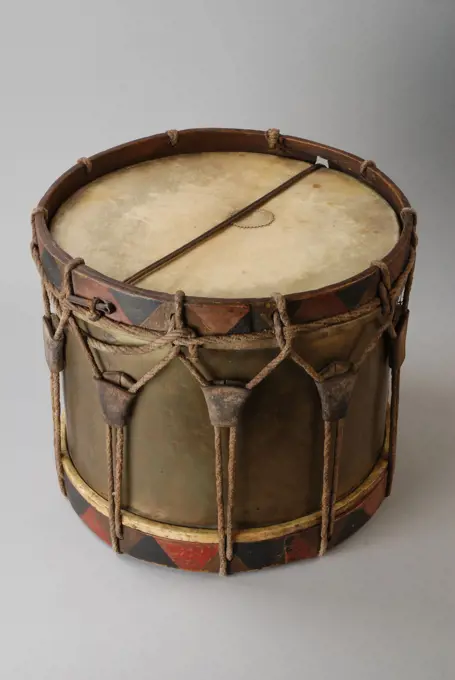
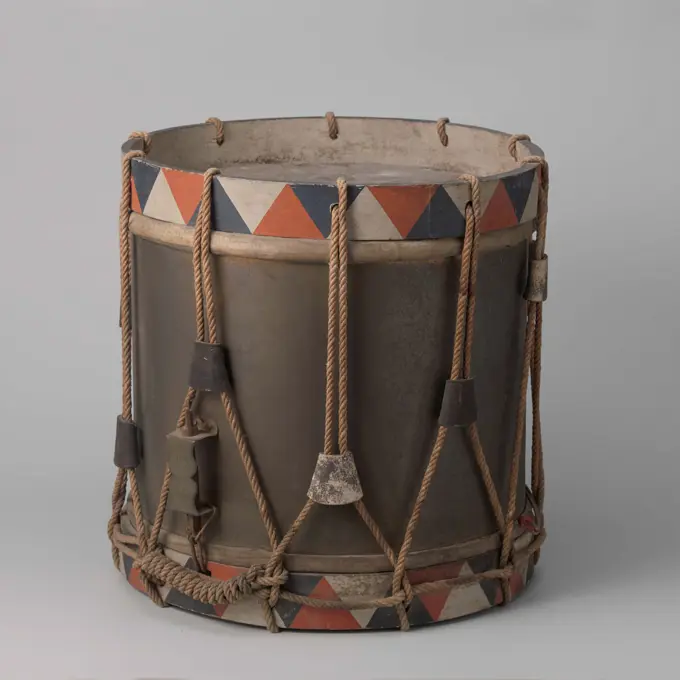
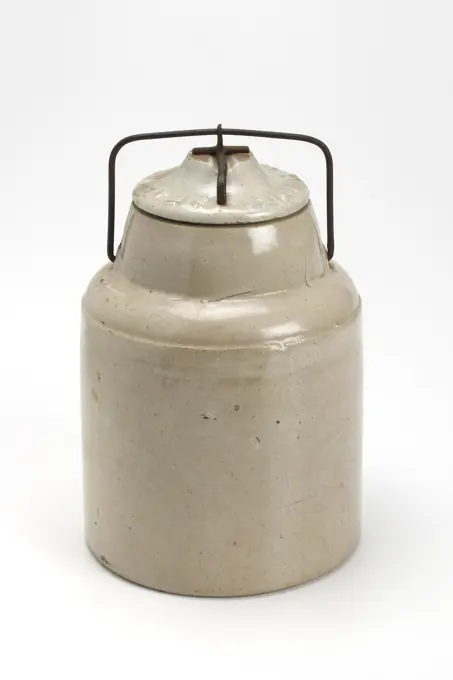
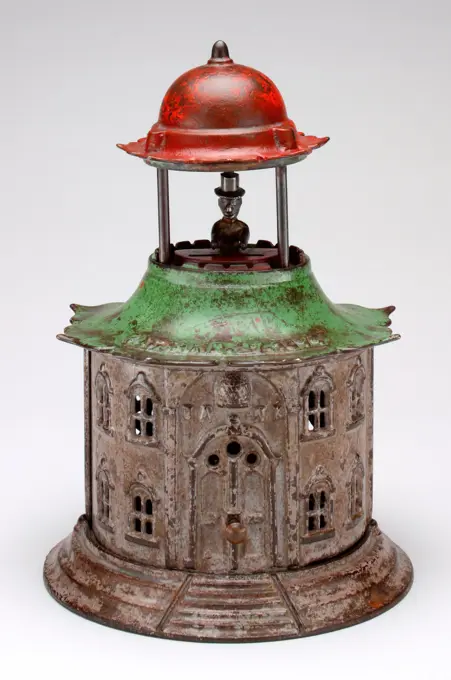
Ancient Pottery and Vessels

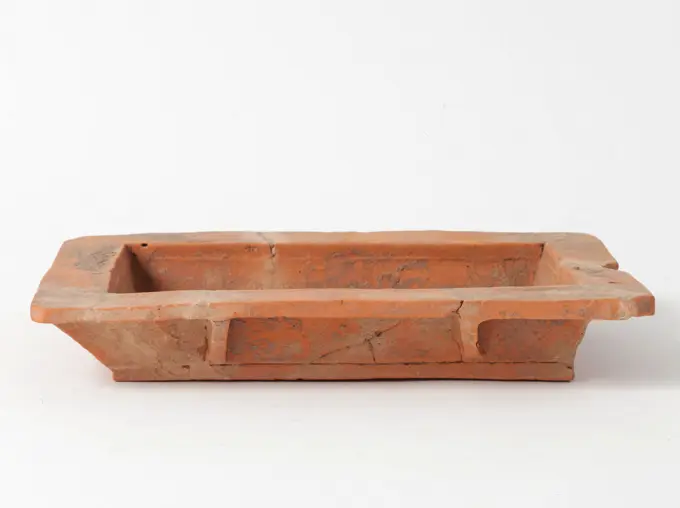
A collection of archaeological pottery pieces including jars and mortars, highlighting the craftsmanship and historical significance of ancient ceramics.

Pottery saucepan, red shard, internally glazed, on three legs, saucepan pan crockery holder kitchenware soil discovery ceramics earthenware glaze lead glaze, hand-turned glazed baked Pottery saucepan forerunner of the stove pan red shard inside and mouth rim with lead glaze three-legged scraps on the bottom archeology indigenous pottery food prepare cooking eat kitchen
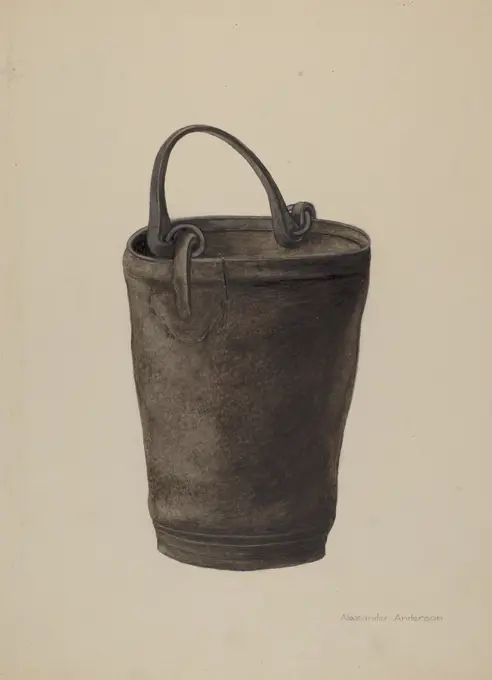
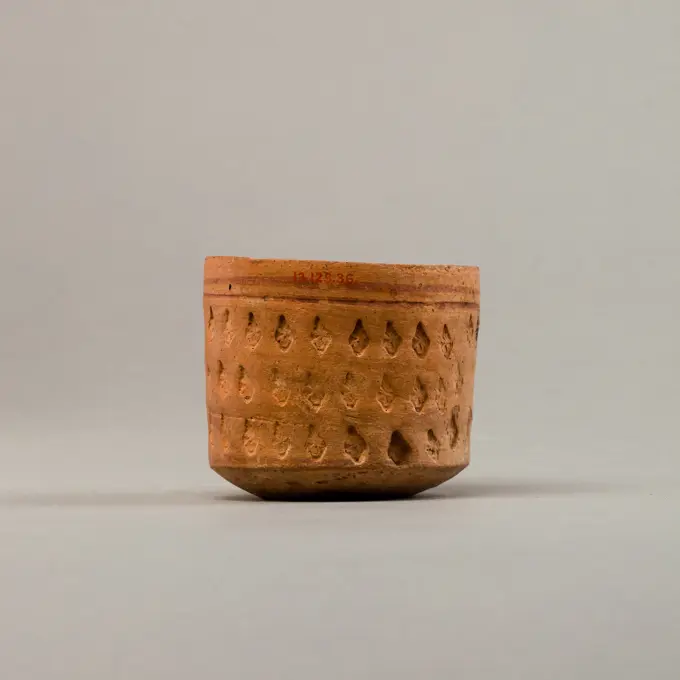
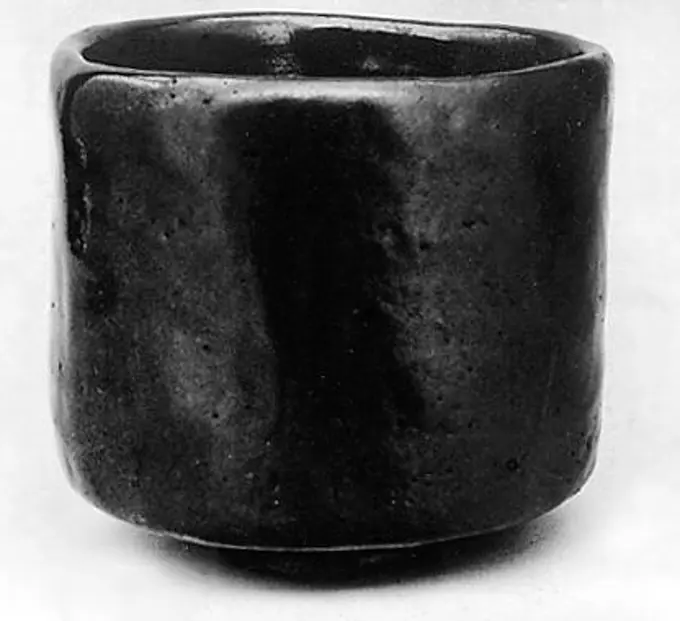
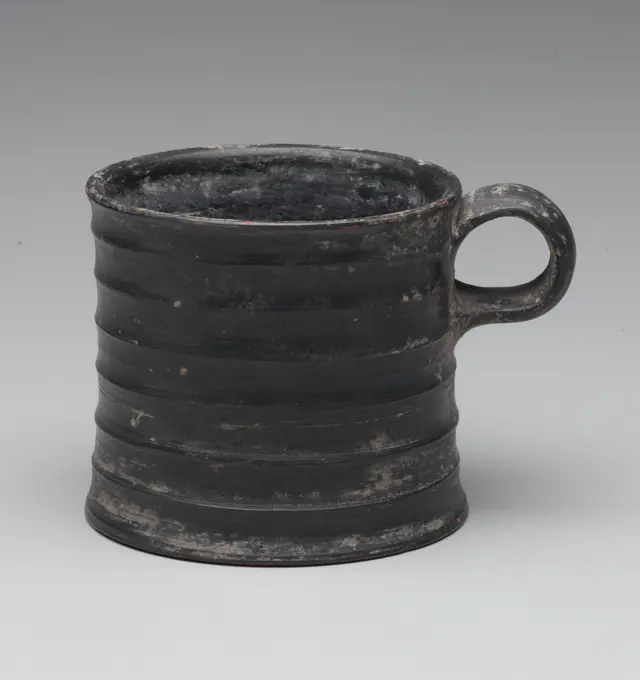
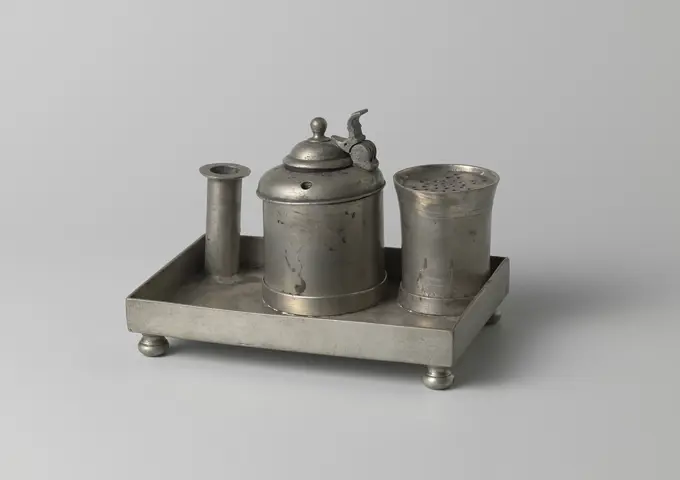
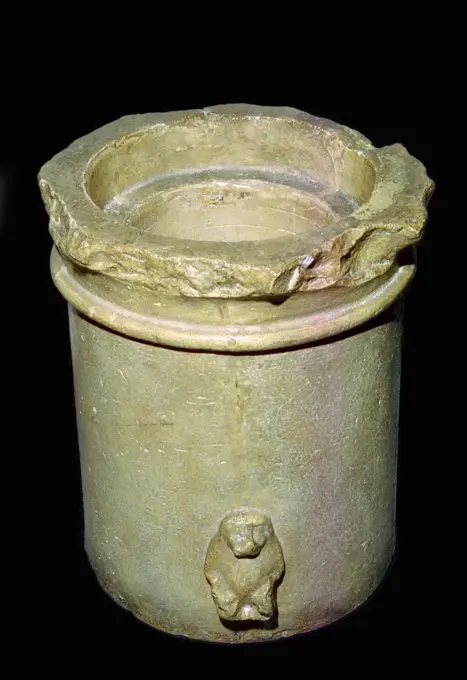
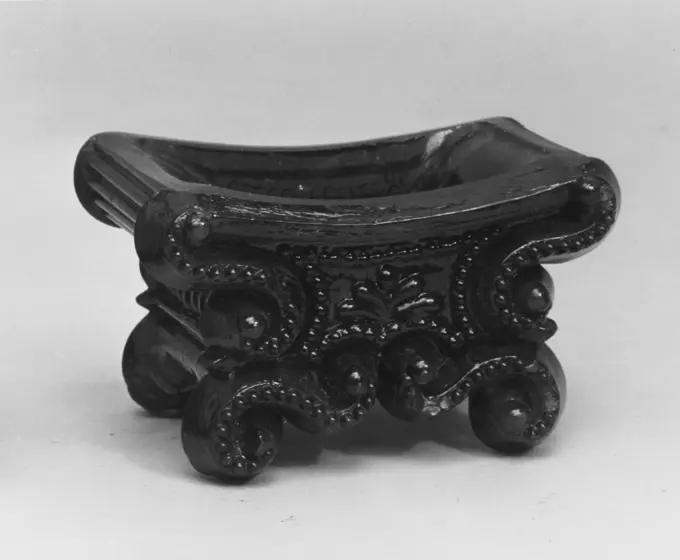
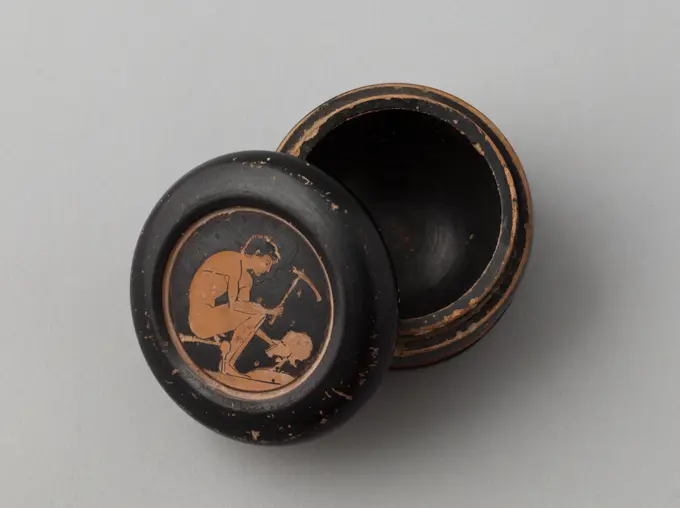
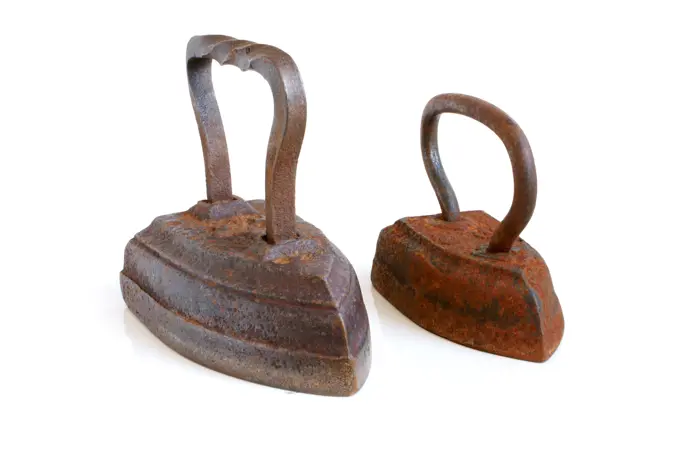
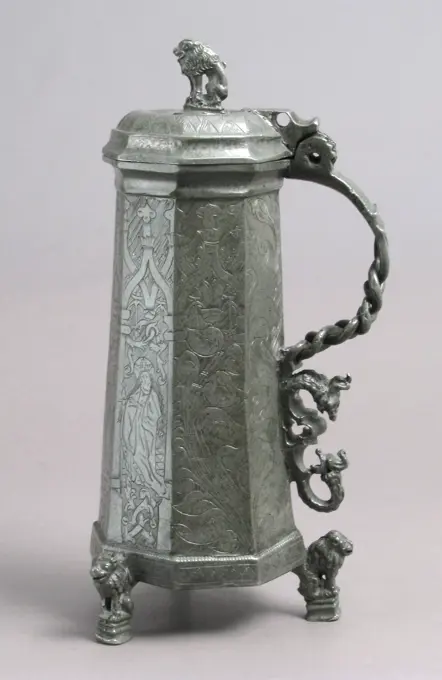
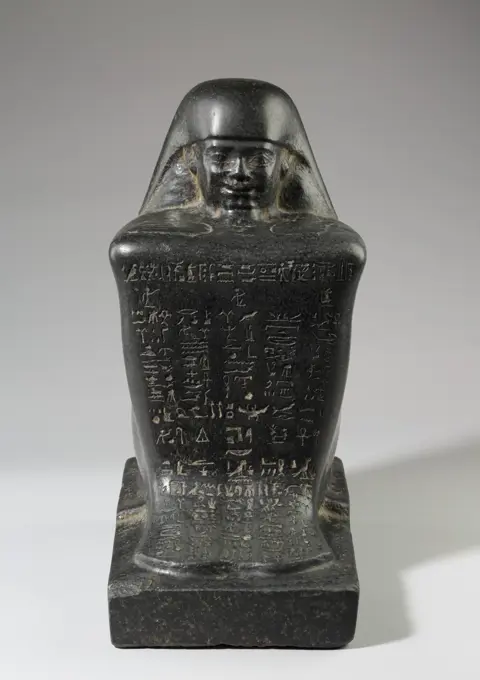
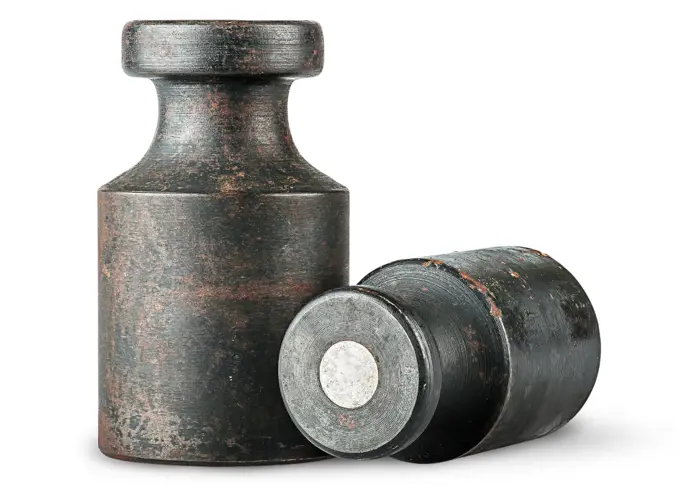
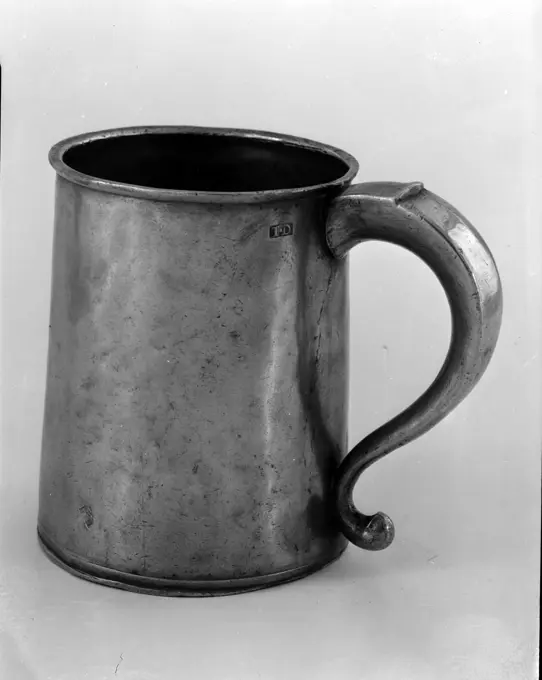
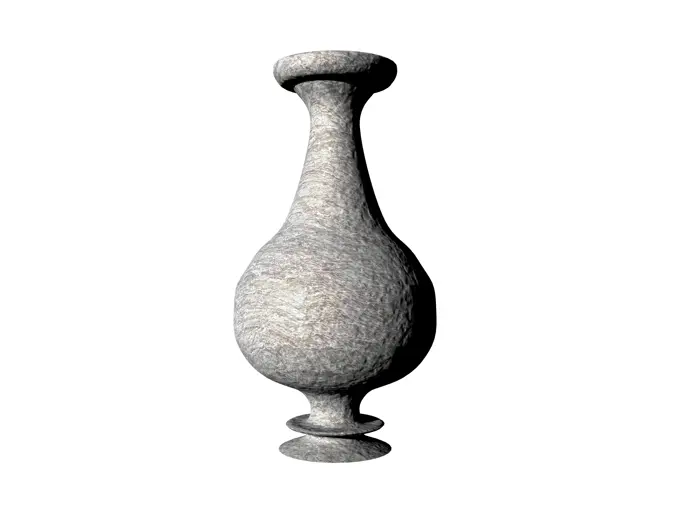
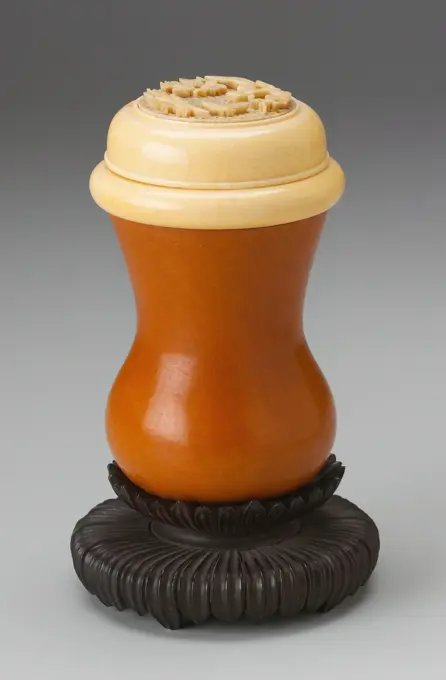
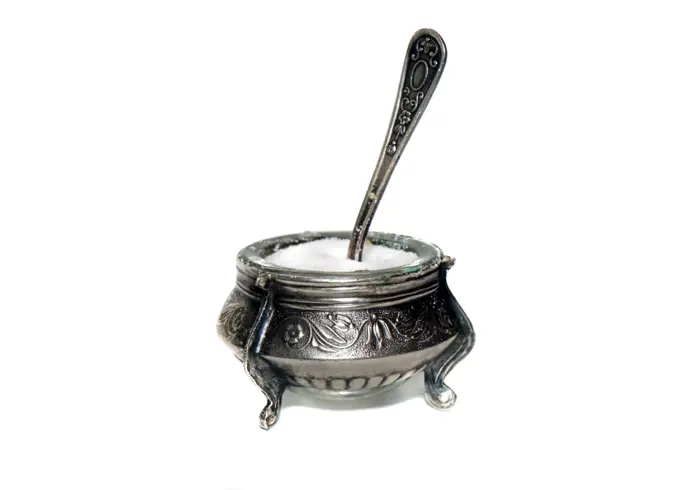
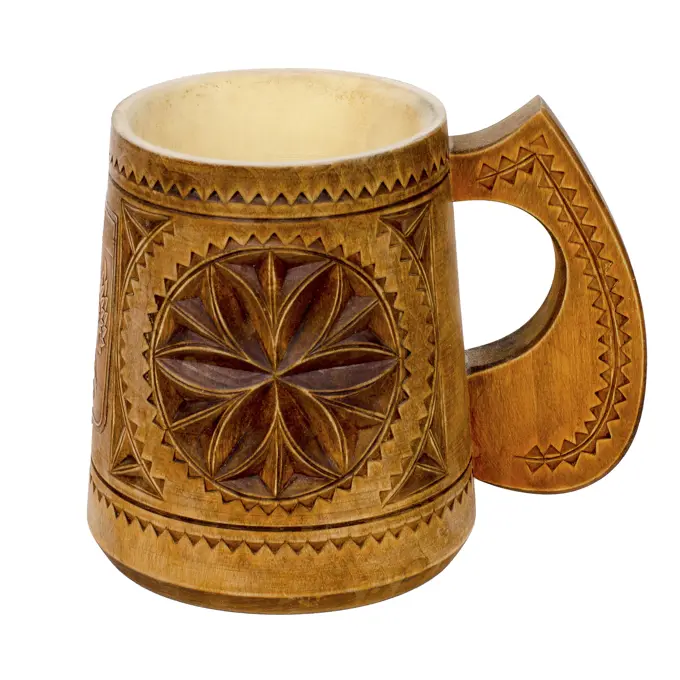
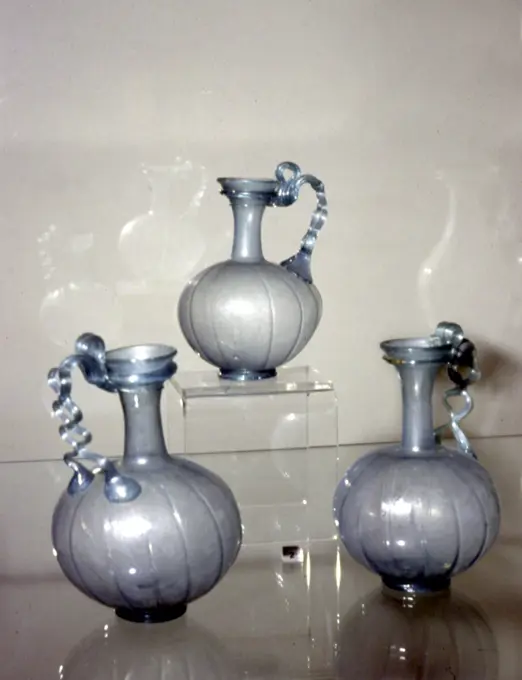
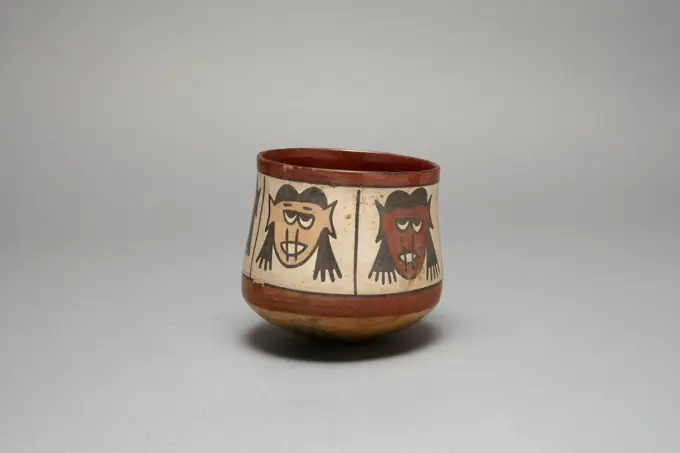
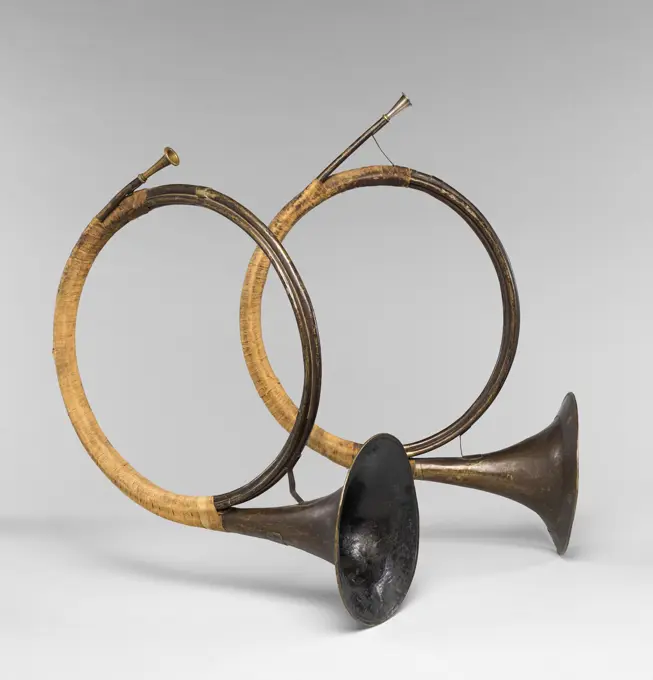
Stone Temple Model 1st-8th century Mezcala. Stone Temple Model. Mezcala. 1st-8th century. Stone. Mexico, Mesoamerica, Guerrero, Balsas River region. Stone-SculpturePouring vessel with handle Japan Muromachi period (1392-1573) View more. Pouring vessel with handle. Japan. Red lacquer and exposed wood (Negoro ware). Muromachi period (1392-1573). LacquerFolding chair, front legs, armresters and styles inlaid with window motif within which alternating stars and checkerboard motif., Anonymous, 1500 - 1600 Folding chair of elm wood with leather back and seat and resting on semi -circular legs, which are connected to semi -circular styles. The legs are on connecting bobbins. The armrests end in volutes and walk up in the backstyles. The front of the legs, the styles and the top of the armresters are inlaid in a windscreen with checkerboard motif, interspersed with windows with star fields and concentric circles, in the Certosina technique executed in leg, pearl and various types of wood. Northern Italy (Possible) Spain (Possible) wood (plant material). elm (wood). bone (material). mother of pearl Folding chair of elm wood with leather back and seat and resting on semi -circular legs, which are connected to semi -circular styles. The legs are on connecting bobbins. The armrests end in volutes and walk up in the backstyles. The front of theAlexander Anderson, Leather Water Bucket, c 1938 Leather Water BucketCup with three rows of impressed decoration 1st-3rd century Meroitic Period. Cup with three rows of impressed decoration. 1st-3rd century. Pottery, paint. Meroitic Period. From Nubia (Sudan), Lower Nubia, Faras, Cemetery 1, Grave 1160, University of Oxford Excavations in Nubia 1911-1912Flask. Culture: Islamic. Dimensions: H. 12 cm; diam. of rim 1.7 cm; diam. of shoulder 4.2 cm. Date: 9th-11th century. Museum: Metropolitan Museum of Art, New York, USA.Teabowl 18th century Japan. Teabowl 62631Inkstand/ Pen Tray/ Pen Holder, 1840-60. Carved by William Gibbs Rogers. Social History - Pinto Collection - Purchased from Edward H Pinto, 1965.. This ink stand was carved by William Gibbs Rogers (1792-1875) for the Great Exhibition of 1851. He has used lime wood, which is soft and easy to carve. Rogers was one of the most prominent wood carvers in Victorian England. His work can be seen in a number of churches and public buildings including St. Paul's Cathedral and the House of Lords. .Mingqi: Farm and pond courtyard ". Terracotta reddish. Han dynasty (206 BC-220 AD). Paris, Cernuschi museum. Chinese art, Chinese Ceramic, Farm Court, Han, Mare, Minqqi dynasty, funeral substitute, terracottaBlack-glazedmugterracotta pot for slow cooking, isolated, clipping pathSand spreader from a tin ink set. Sand spreader of tin with cylindrical body. The top is opened with small circles that form a star.PORTA PESAS ABIERTO CON LAS PESAS DENTRO.Egyptian water-clock. Artist: UnknownCandlestick of brass. The object is composed of two parts: the foot and the trunk with candle holder. They are poured and then turned. The high profiled konic foot is provided at the top of a raised edge, so that he can also serve as a fat catcher. The stem is riveted on the conical center part and then turned off at the bottom. The strain, which is decorated with four knots and one of which is slightly larger, is at the top of a profiled cylinder-shaped holder with two rectangular openings. Foot and holder are decorated with shivers.Clay wine jug isolated on whiteGlass cup with indented sides. Culture: Roman. Dimensions: 2 5/8 in. (6.7 cm)Diameter: 2 7/8 in. (7.3 cm). Date: 1st-2nd century A.D..Colorless with pale greenish tinge.Uneven, knocked-off rim; slightly bulging collar below rim; vertical sides, rounded at base; almost flat bottom.One horizontal wheel-cut groove on collar; twelve vertical indents in sides.Intact; pinprick bubbles; slight pitting, but most of surfaces covered with creamy, enamel-like weathering with brilliant iridescence. Museum: Metropolitan Museum of Art, New York, USA.Pair of saltcellars 1743-44 Edward Aldridge I. Pair of saltcellars 197405Salt 1830-40 American. Salt. American. 1830-40. Lacy pressed glass. Possibly made in Bohemia; Possibly made in New England, United Statesempty wooden rustic scoop on a textured handmade bark paperThaliarchos painter. Pyxide. Red figures. Athens (Greece), 510-500 BC. AD Museum of Fine Arts of the City of Paris, Petit Palais. 58804-2 Greek antiquity, ancient art, Greek art, seated, box, ceramics, red figure, man, tool, ancient period, character, pottery, pyxideLamp 30 B.C.-A.D. 364 Roman Period. Lamp. 30 B.C.-A.D. 364. Copper alloy. Roman Period. From EgyptOld kettleCampania Napoli Naples S. Lorenzo Maggiore67. Hutzel, Max 1960-1990 Medieval: Sculpture, architecture, architectural sculpture (including Roman spolia) 13-14th century Chapter house; sarcophagi, gravestones; wall painting. Fragment of mosaic; sculptural fragments in the Sala Capitolare. Post-medieval: Architecture, architectural sculpture, ceiling painting fresco cycle; prints depicting Venice c. 1845 (4), sculpture; life-size creche figures dressed in original Neapolitan costume Church restored in 1882, 1926, 1944; excavations under the transept undertaken between 1958-1962, and in the cloister in 1976, have revealed remains of a Roman macellum (market), street, and the paleochristian basilica of the 6th c. AD. Antiquities: Pottery: black-glazed, archaic banded, domestic wares, bucchero; architectural terracottas, statuettes, lamps, sculpture fragments Object Notes: 3 color negatives with no prints at the end. General Notes: Most objects/paintings/frescoes unidentified. Three batches acupuncture needlesRussian National Wooden Tableware Russian national handmade wooden container on an isolated studio background Copyright: xZoonar.com/AndreyxSkatx 8079780Basket 19th century Japan. Basket 62169Attic Black-Figure Neck Amphora Fragment (part of 81.AE.200.39.1). UnknownHonduras, Maya, Copan, Dazzler Vessel, 450 ADFrank J Mace, Eardley Jar, 1938 Eardley Jar1/4 Boisseeau from Deventer. Chain chain with iron fittings for dry goods of 1/4 boisseeau with bridge and style, v.z.v. Brand and labels.Wine Bottle 19th century Japan. Wine Bottle. Japan. 19th century. Clay with glaze and spots (Bizen ware, Imbe style). Edo (1615-1868) or Meiji period (1868-1912). CeramicsWine Cooler (Germany); Manufactured by WMF Aktiengesellschaft (Germany); brass, copper; height 32, width 38, depth 24.5 centimetersOld flatirons Old flatirons on a white background Copyright: xZoonar.com/OlgaxPopovax 1661943Brass and copper design fitting on antique elephant wooden pot, Jodhpur, Rajasthan, India Copyright: xSafatxAli/DinodiaxPhotoxFlagon late 15th century German Although by the late fifteenth century, pewter vessels had come into sufficiently common usage as to be eschewed by the nobility who had once promoted them, they were by no means always relegated to strict utilitarian usage. This handsome flagon was used primarily for exhibition or ceremonial use. Although of a type related to the flagons of the Silesian school, especially in Breslau - several examples of which are extant - this particular flagon bears the town mark of Villach, located in present-day southern Austria. It has also been suggested that the piece was made in Lüneburg, in northern Germany, and subsequently marked in Villach. Whatever the place of origin, the high qualify of the engraving of the figures (derived in the style from the Master E.S.), the lack of wear, and particularly the nonutilitarian nature of the fantastic late Gothic braided handle, although designed for drinking, was ordinarily displayed on a cupboard.. Flagon 468678Passive defense protection mask. Metal, rubber, canvas, ink, paper, 1939-1945. General Leclerc Museum of Hauteclocque and the Liberation of Paris, Jean Moulin Museum.Brass design fitting on antique wooden pot with cap , Jodhpur, Rajasthan, India Copyright: xSafatxAli/DinodiaxPhotoxGlass. huty szkła hr Buquya (ca 1600-1914), creatorGas meter, Brunt & C., 1868 demonstration model Removal demonstration model of a gas gauge of can. With copper nameplate with inscription. Paris Meter: tin plate. Plate: Copper (Metal)   NetherlandsModel of A Match Barrel With Linstock. Model of a lontvaat, made of twenty equalizing different width, held together by five tires, and a wooden bottom. At three-quarters height is applied in the ton a brass cross, attached to the evening. A row of ventilation holes is applied in the wall. The model belongs a leak stick with wick and point at the bottom, with which the stick could be punished in the deck. The burning base was stored between firing in such a lont vessel. Scale 1:10 (Obenen).Terracotta oil lamp 1st century A.D. Roman. Terracotta oil lamp. Roman. 1st century A.D.. Terracotta. Early Imperial. TerracottasGold sauce boat; 2200 BC Cycladic GreekColumn Base late 12th century French. Column Base. French. late 12th century. Stone. Made in Languedoc, France. Sculpture-ArchitecturalBowl with Braided Attachment, 20th century, 4 3/4 x 8 1/2 in. (12.07 x 21.59 cm), Earthenware, raffia, wood, Democratic Republic of Congo, 20th centuryLazio Frosinone Veroli S. Andrea Apostolo, Cathedral8. Hutzel, Max 1960-1990 Views of metalwork objects housed in Treasury of S. Andrea Apostolo, including busts, reliquaries, crosses, polittico, boxes. Antiquities: relief sculpture; busts General Notes: Museum, which contains Treasury, is located in the last chapel of the right nave. Thirteen views of (non-metalwork) sculpture from Museum have been assigned numbers at end of Treasury sequence, but there are no negatives corresponding to these prints, nor is there authoritative evidence that these objects are housed in the Cathedral Museum. German-born photographer and scholar Max Hutzel (1911-1988) photographed in Italy from the early 1960s until his death. The result of this project, referred to by Hutzel as Foto Arte Minore, is thorough documentation of art historical development in Italy up to the 18th century, including objects of the Etruscans and the Romans, as well as early Medieval, Romanesque, Gothic, Renaissance and Baroque Teapot of Red Stoneware with filter and wire handles. Teapot of red stoneware with curved spout and iron handles. The high, cylindrical pot is equipped with a filter and a flat lid. Marked on the underside with a printing mark. Yixing.Drom, old model of the arches. Groom of the militia. The brass boiler is provided with a veal sheet on both sides, held by a hoop and tense by means of a tensioner with tractors and screws. Both hoops are decorated with a motif of triangles in the colors red, white and blue. With engraved numbers: 1843-16.Metal cup with ear, protruding upper edge, lead or tin, cup holder soil find lead tin metal, cast soldered Tin or lead cup Almost cylindrical side wall and protruding upper edge Narrow upright ear. Stand surface. Heavily damaged by staying in the soil archeology native product drinking serving serve measuringBlock Statue of Nespamedu, son of Paiunhor and Tanethut 305-30 B.C. Ptolemaic Period. Block Statue of Nespamedu, son of Paiunhor and Tanethut. 305-30 B.C.. Gabbro. Ptolemaic Period. From Egypt, Upper Egypt, Thebes, Karnak, Temple of Amun, CachetteDish;  XVIII/19th century (1791-00-00-1810-00-00);Measure early 18th century French or Flemish. Measure 193297Copper pressed thimble, thimble sewing kit soil find copper metal, pressed Copper pressed thimble with pits at the top going over without groove in the shaft with right rotating spiral and the board without groove archeology Rotterdam railway tunnel seamstress tailor sewing textile repair needle and thread Soil discovery: Rotterdam tunnel trajectory.Netsuke of Frog on Old Well Bucket 19th century Japan. Netsuke of Frog on Old Well Bucket. Japan. 19th century. Wood. Edo (1615-1868) or Meiji period (1868-1912). NetsukeJug, Minster” pattern.   Maker: Charles Meigh, British, active ca. 1835-49Incense Burner with Trigram Design in Openwork. Korea, Korean, Joseon (1392-1910), 18th century. Tools and Equipment; burners. Wheel-thrown porcelain with pierced and applied decoration and clear glazeTerracotta cup. Culture: Roman. Dimensions: H. 3 11/16 in. (9.4 cm). Date: 1st century B.C.-1st century A.D.. Museum: Metropolitan Museum of Art, New York, USA.Tankard 18th century Richard Going. Tankard. British. 18th century. Pewter. Metalwork-PewterVintage binoculars. Vintage binoculars isolated on white backgroundLying and standing old rusty weights isolated on white backgroundCastorium box -Prosperity Bank' still bank, 20th century, 2 5/16 x 3 x 3 in. (5.87 x 7.62 x 7.62 cm) (without handle), Tin, pigment, Japan, 20th centuryRussian Folk Container Wooden traditional Russian handmade container on isolated background Copyright: xZoonar.com/AndreyxSkatx 9861177Ceramic vessel Lima-Nieveria culture 1AC-800AC Perú.Hot Water Pot 1392-1573 Japan. Likely used during Zen temple meals, this pot has a fixed black handle and small black feet. The top of the rectangular lid handle was carved in the shape of a chrysanthemum blossom. As a result of prolonged use, the red outer lacquer surface of Negoro wares such as this pot gradually and irregularly wore away, exposing the black lacquer underneath; this effect of natural aging became prized among vessels of this kind.. Lacquer on wood .Pixis of copper with email, with the four evangelist symbols, anonymous, c. 1850 - c. 1900 Pixis of gilded copper and email champlevé. The body cylindrical. The cone -shaped lid is crowned by a cross on a sphere. The lid is connected to the body with a hinge and has a closure on the opposite side, whereby a pen can be applied to the body between two eyes. The lid and body are decorated with dark blue soil of enamel, on which a simple rank ornament, which encloses four medallions on both the body and on the lid. The medallions on the lid alternately show the letters Shi against a light blue-green background and an angel against a red background. The medallions on the body show the four evangelist symbols against a red or light blue-green background. France (possibly) copper (metal) Pixis of gilded copper and email champlevé. The body cylindrical. The cone -shaped lid is crowned by a cross on a sphere. The lid is connected to the body with a hinge and has a closure on the opposite side, QUEIMADA.Content of 1/2 liter, Anonymous, 1825  Spans contents of 1/2 deciliter (Demi Litre) with wooden bottom edge. On the bottom of Orange paint stamp with inscription. V.z.v. brands and stamps. Netherlands wood (plant material)   NetherlandsQuart Mug 1777-1818 Thomas Danforth, III. Quart Mug. American. 1777-1818. Pewter. Possibly made in Philadelphia, Pennsylvania, United States; Possibly made in Stepney, Connecticut, United StatesTankard.   Maker: John Hastier, American, 1692-1771Attic Red-Figure Cup. Attributed to the Brygos Painter (Greek (Attic), active about 490 - 470 B.C.)Tiered Box 19th century China. Tiered Box. China. 19th century. Painted enamel on paktong (German silver). Qing dynasty (1644-1911). MetalworkWooden Bowls Isolated Exotic wooden bowls in a stack isolated over white Copyright: xZoonar.com/TimxHesterxPhotographyx 3136588triple candlestick with one lighted candle isolated on white backgroundStone slim vase stone slim vase copyright: xzoonar.com/DR.XNORBERBERTXLANGEX 14141419Cricket Container, 4 3/8 x 2 11/16 x 2 11/16 in. (11.11 x 6.83 x 6.83 cm) (overall), Gourd, ivory, ChinaDrum, c. 1846 - c. 1861 musical instrument. percussion instrument. drum Trom of the militia. The brass kettle is equipped with a veal sheet on both sides, held by a hoop and tense by means of a tension with tractors and screws. Both hoops are decorated with a motif of triangles in the colors red, white and blue. With engraved numbers: 1861-5-1846. Netherlands Kettle: Brass (Alloy). Hoop: Wood (Plant Material). Team resorts: RopeOld vintage silver salt cellar with spoon                               Depth drum to color of the Corps Mariniers 1814-1856 of the Rotterdam Schutterij, depth drum trumpet instrument musical instrument acoustic brass leather iron hemp, sheets 41.0 Gold-colored drum with white sheets and red-white-blue tensioning edges in triangle pattern On the tensioning bracket of the strings: ... (unreadable probably manufacturer's mark) G 3198 1814 Rotterdam percussion drum tambour music fanfare procession militaria militiaBrass design fitting on antique wooden pot with cap , Jodhpur, Rajasthan, India Copyright: xSafatxAli/DinodiaxPhotoxDrom, old model of the arches. Groom of the militia. The brass boiler is provided with a veal sheet on both sides, held by a hoop and tense by means of a tensioner with tractors and screws. Both hoops are decorated with a motif of triangles in the colors red, white and blue. With engraved numbers: 1854-8.Preserving jar -The Valle d Aosta grolla. Friendship Cup. Valle d Aosta coffee *** The Valle D Aosta grolla friendship Cup Valle D Aosta Coffee 1104309464Old clay beer mug isolated on whiteCupola' mechanical bank, c. 1874, Deidrich Diekmann; Manufacturer: J. & E. Stevens Company, Cromwell, Connecticut, 1843-1950s, American, 8 1/8 x 5 7/8 x 5 7/8 in. (20.64 x 14.92 x 14.92 cm), Iron, pigment, 19th centuryLazio Roma Grottaferrata Museo03. Hutzel, Max 1960-1990 German-born photographer and scholar Max Hutzel (1911-1988) photographed in Italy from the early 1960s until his death. The result of this project, referred to by Hutzel as Foto Arte Minore, is thorough documentation of art historical development in Italy up to the 18th century, including objects of the Etruscans and the Romans, as well as early Medieval, Romanesque, Gothic, Renaissance and Baroque monuments. Images are organized by geographic region in Italy, then by province, city, site complex and monument.British can 2nd GM. Enamelled iron, canvas and sheet sewn machine, copper, web, ink, cork. 1939-1945. General Leclerc Museum of Hauteclocque and the Liberation of Paris, Jean Moulin Museum. 78980-19 Military equipment, 1939-1945 war, war 39-45, Second World WarStone Temple Model 1st-8th century Mezcala. Stone Temple Model 317536Arthur Stewart, Beer Bottle, c 1938 Beer BottleBrass design fitting on antique wooden candle stand, Jodhpur, Rajasthan, India Copyright: xSafatxAli/DinodiaxPhotoxLarge Oval Storage Basket. Dimensions: Basket: L. 55 cm (21 5/8 in.); W. 40 cm (15 3/4 in.)Lid: L. 46.5 cm (18 5/16 in.); w. 33 cm (13 in.)Overall: H. 24.5 cm (9 5/8 in.). Dynasty: Dynasty 18, early. Reign: reign of Thutmose II-Early Joint reign. Date: ca. 1492-1473 B.C..This storage basket was discovered in the tomb of Senenmut's mother, Hatnofer (36.3.1), who lived into the reign of Hatshepsut. The basket is made of halfa grass coils sewn together with strips of palm leaf. It was tied shut using pieces of linen cords attached around the top edge of the basket. Then a mud seal was pressed over the knot at the center of the lid. The basket had been filled with soiled bandages that had probably been used in the embalmiing process for one of the mummies in the tomb. Museum: Metropolitan Museum of Art, New York, USA.Sword Pommel Made 1570-1600 Europe. Iron and silver .Wooden mug. Isolated on white Wooden mug. Isolated on white Copyright: xZoonar.com/PavelxSytilinxxxxxVolgograd,xRussia.x 22009652Roman glass ITALY.Jar with Repeating Depiction of Trophy Heads 180 BCE-500 CE Peru. Ceramic and pigment . NazcaStupa. Sri Lanka, 19th century. Sculpture. Ebony1/2 Schepel from Enkhuizen, Anonymous, c. 1800  Spans and iron content measurement for dry wares with bridge and style of 1/2 Schepel, v.z.v. Labels. Enkhuizen wood (plant material). iron (metal)   EnkhuizenEscurridor de cubiertos, Olot. Museu Català de les Arts i Tradicions Populars.Pair of horns 1729 This pair of horns is of a transitional design that spans the instruments journey from the hunt to the orchestra. Although they could have been used in an outdoor context, they are representative of the more compact form of the horn that appeared with increasing frequency in orchestras in the first decades of the 18th century. It is likely that Handels horn players, most of whom hailed from Germany, would have played the Water Music on instruments similar to this. Made from brass and pitched in 16 foot D, this pair of horns is identical in all details of design and construction. The bell and mouthpiece receiver stays are fashioned of flat metal. The flange of the bell stay is cut in an elongated cup shape. The body tubing of the instruments is coiled 3 ½ times. The two horns are wound identically, with the mouthpiece receiver on the left-hand side of the tubing when the horns are held in playing position, thus the instruments are "right handed" (although they coulSpice box - GINGER Patent Package Co. Patent Package Co.