Ancient Pottery and Vessels

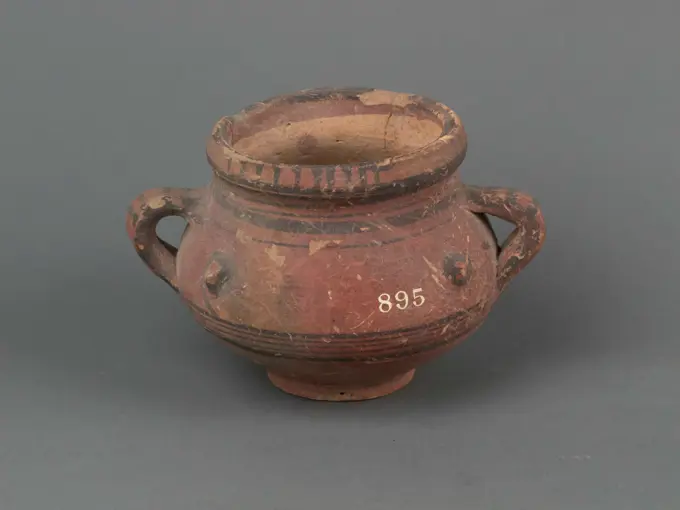
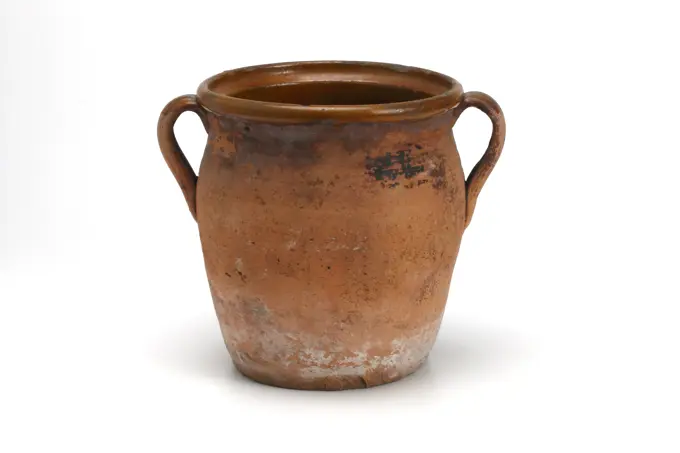
A collection of archaeological pottery pieces including jars and mortars, highlighting the craftsmanship and historical significance of ancient ceramics.

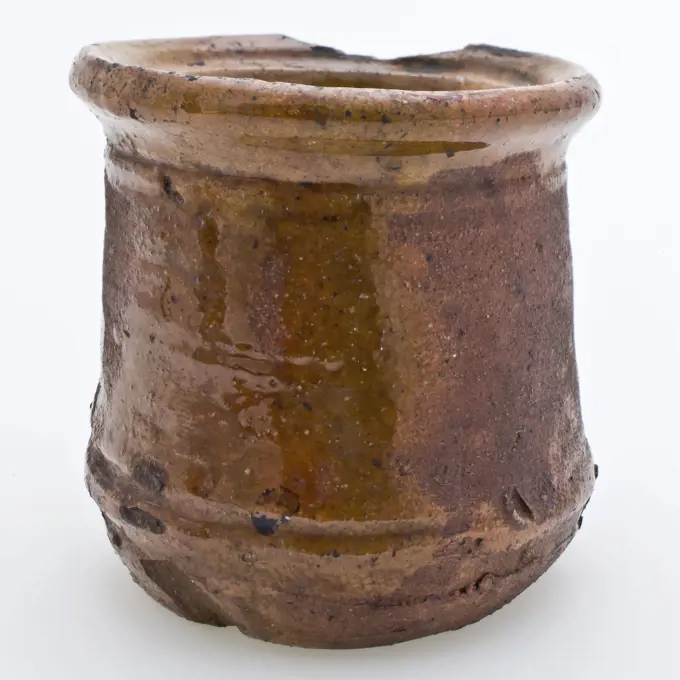
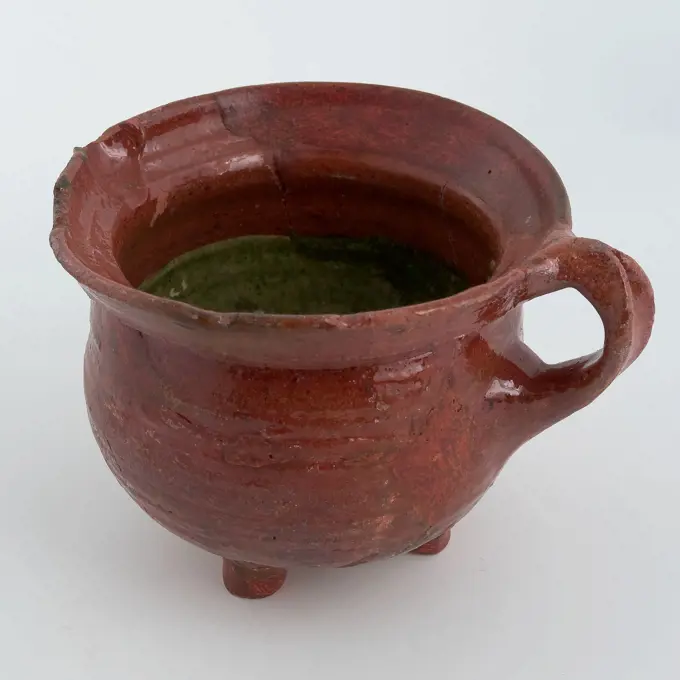
Pottery saucepan, red shard, internally glazed, on three legs, saucepan pan crockery holder kitchenware soil discovery ceramics earthenware glaze lead glaze, hand-turned glazed baked Pottery saucepan forerunner of the stove pan red shard inside and mouth rim with lead glaze three-legged scraps on the bottom archeology indigenous pottery food prepare cooking eat kitchen
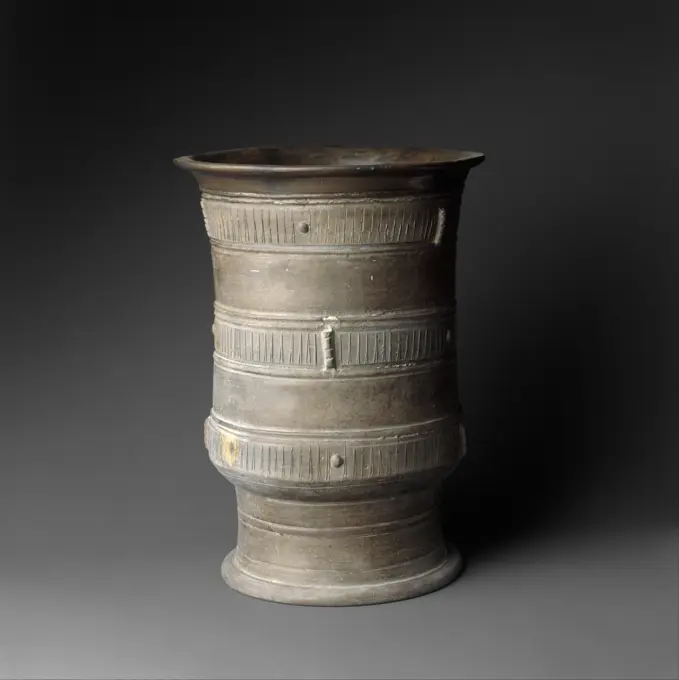
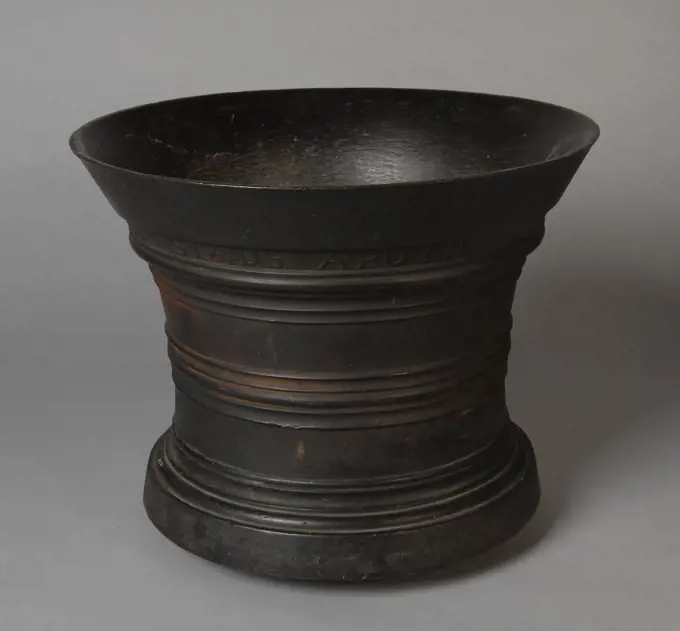
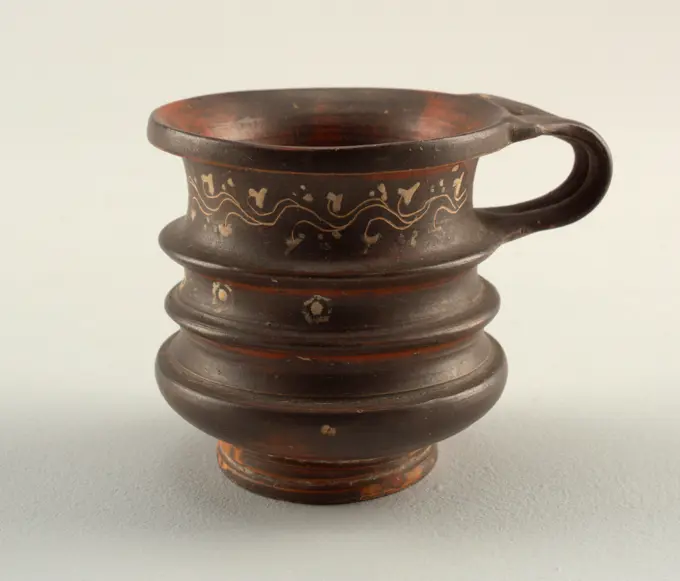
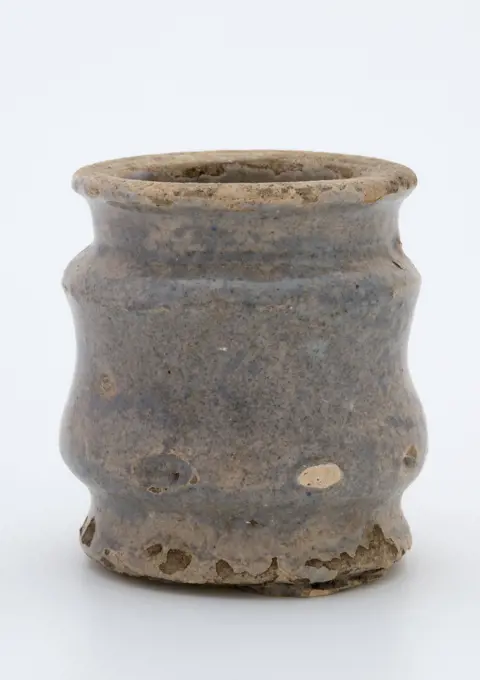
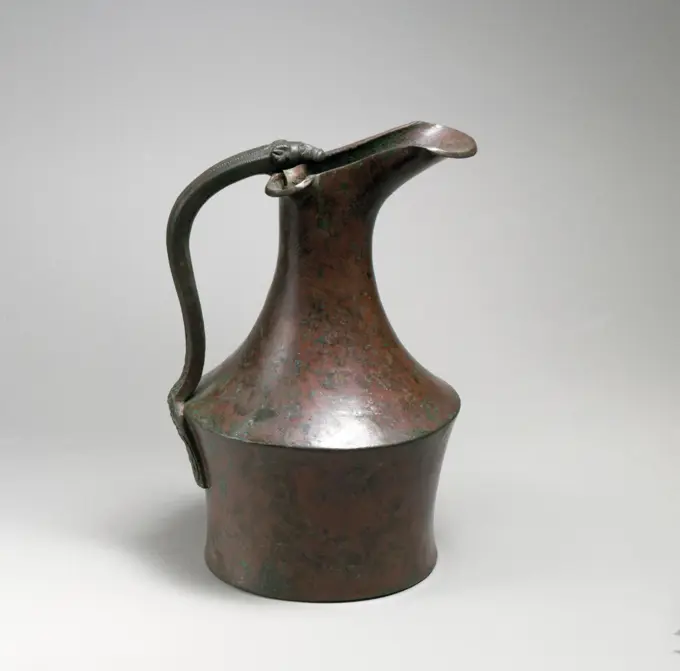
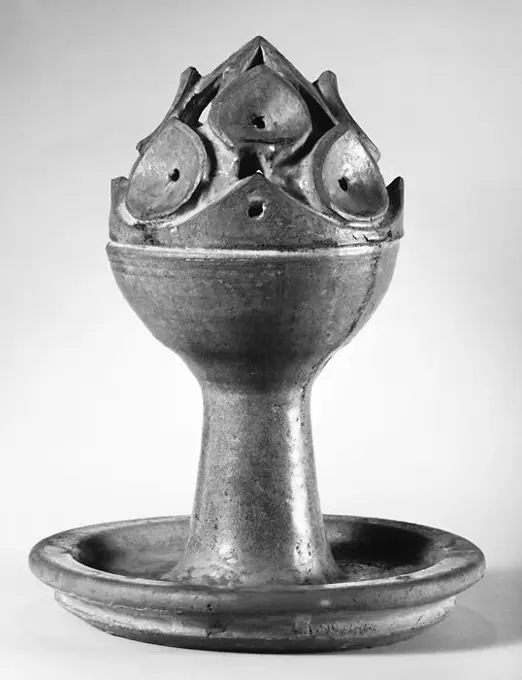
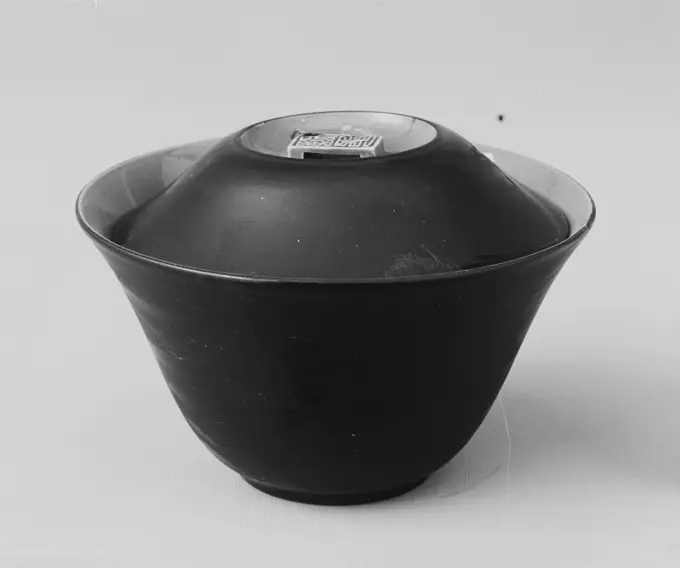
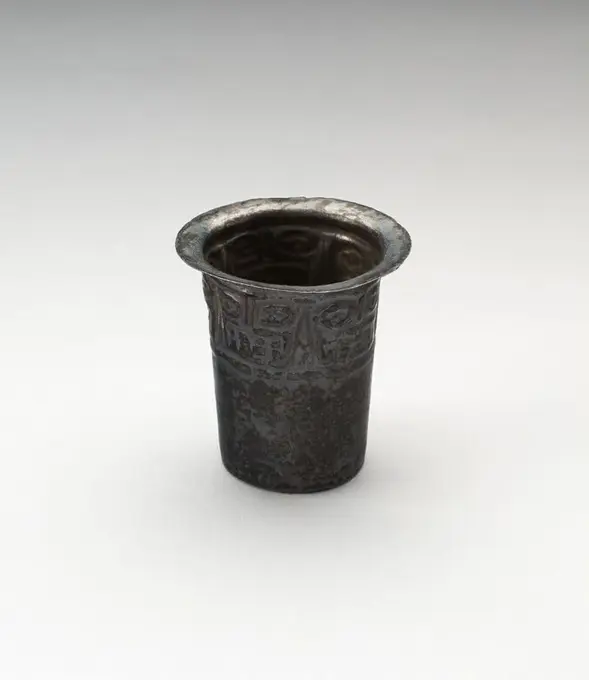
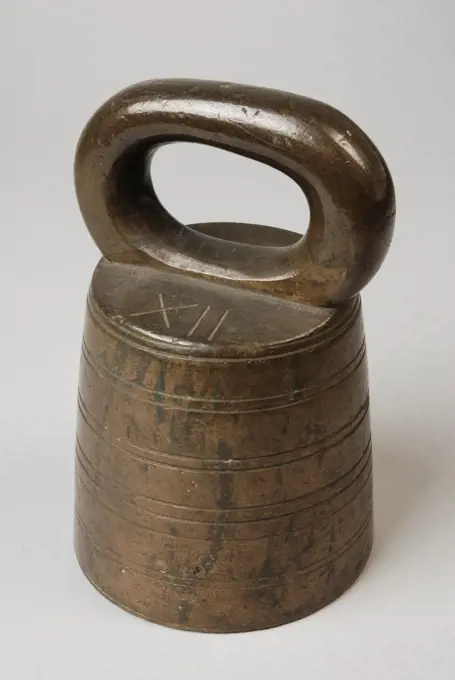
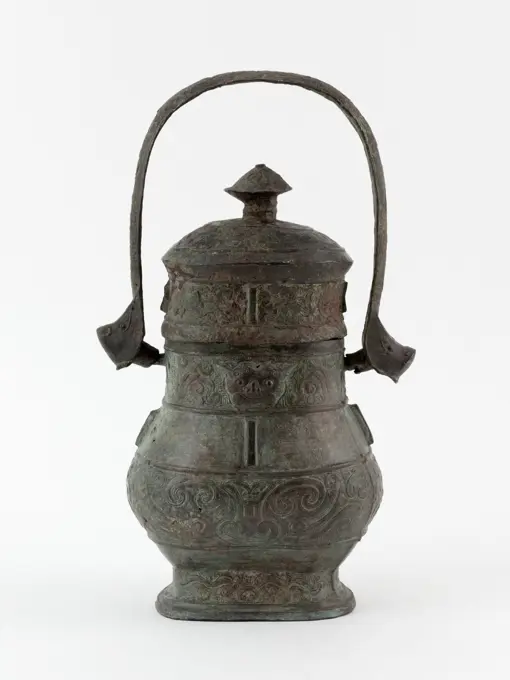
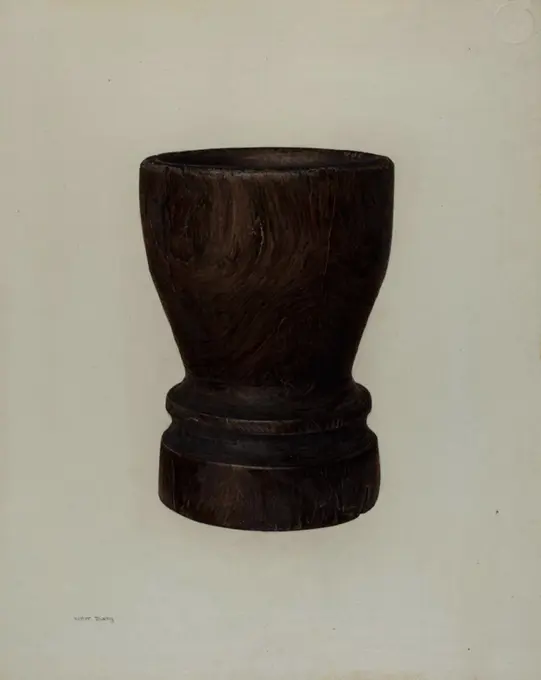
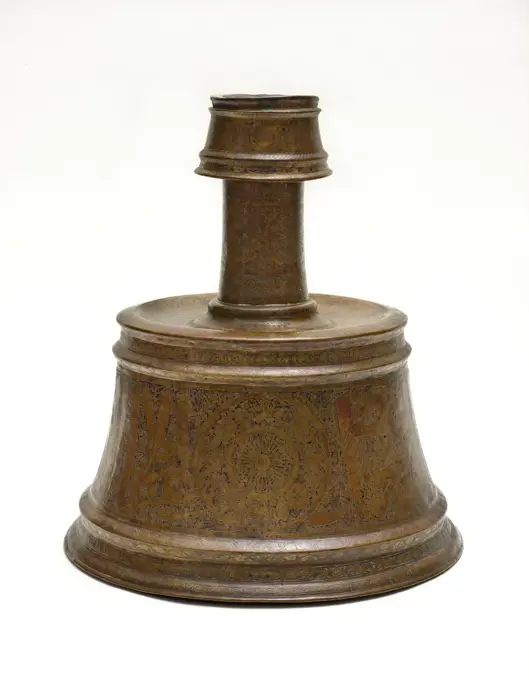
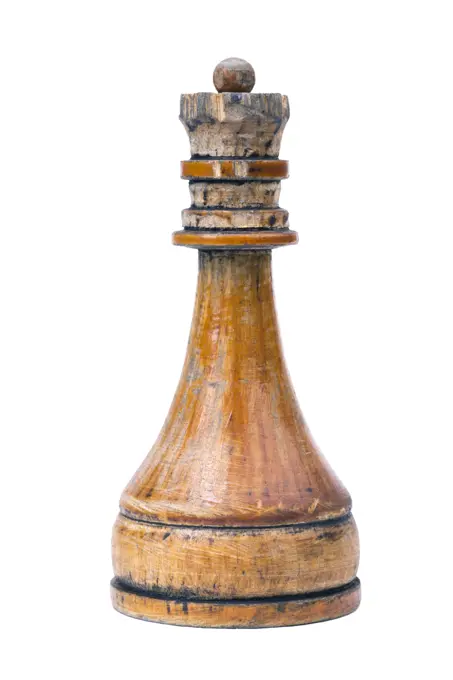
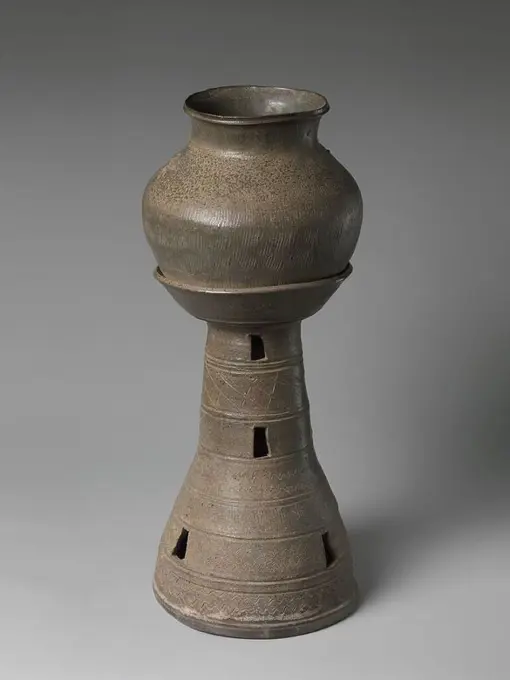
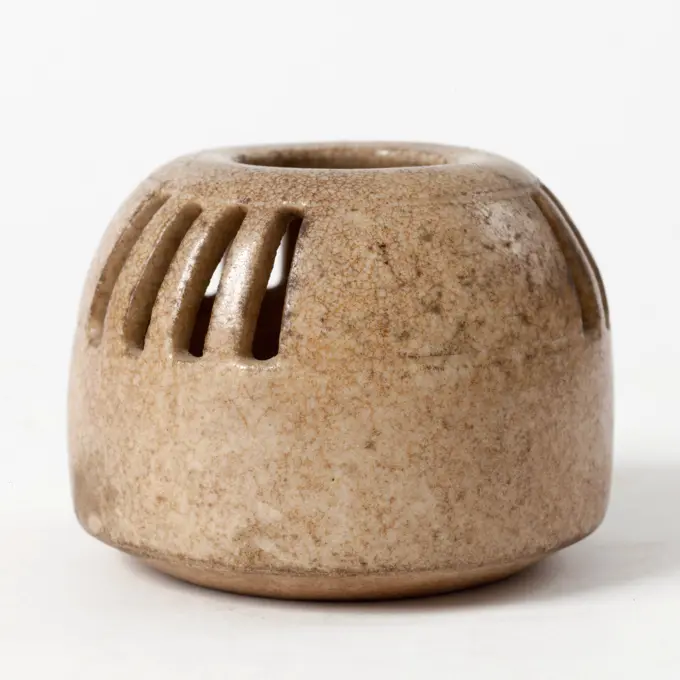
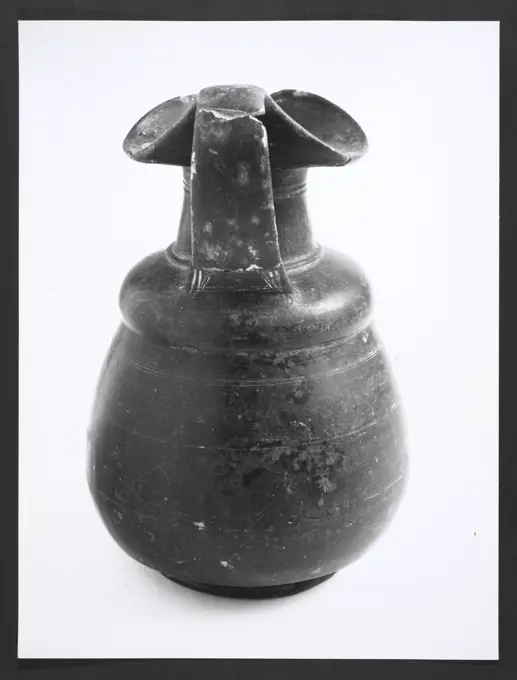
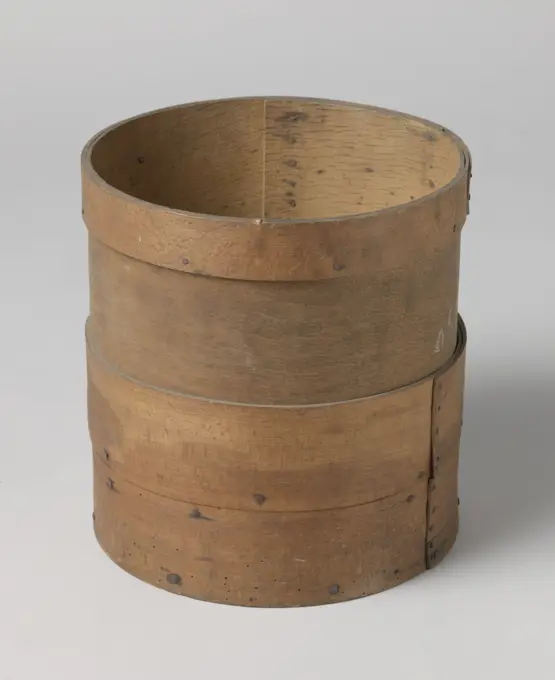
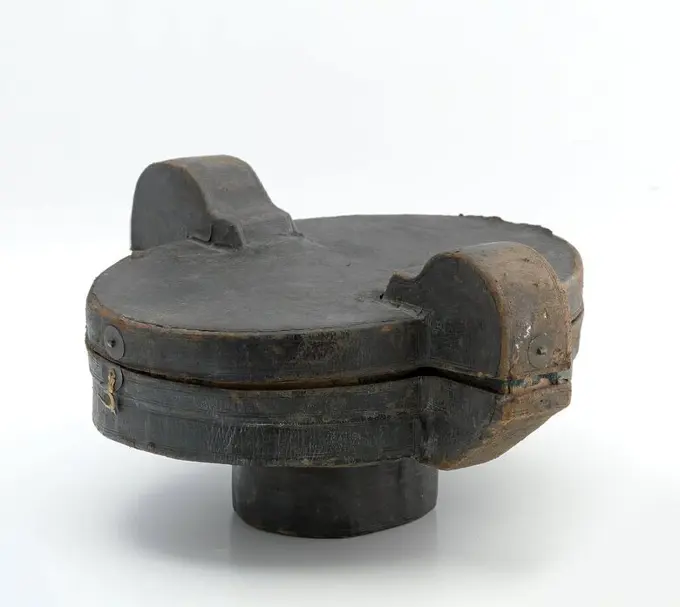
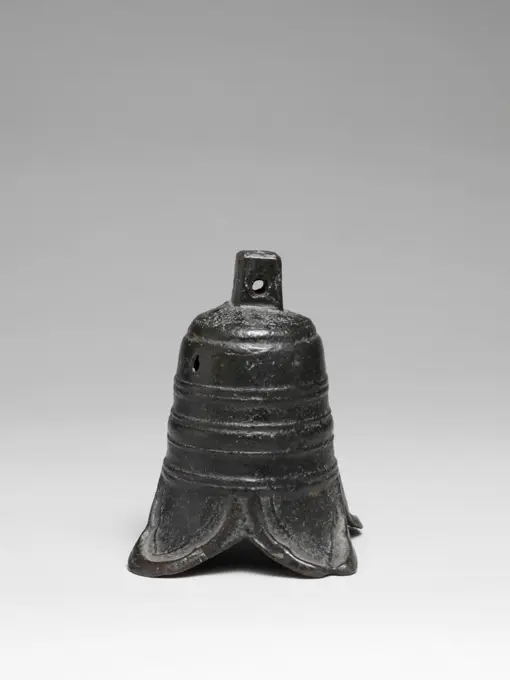
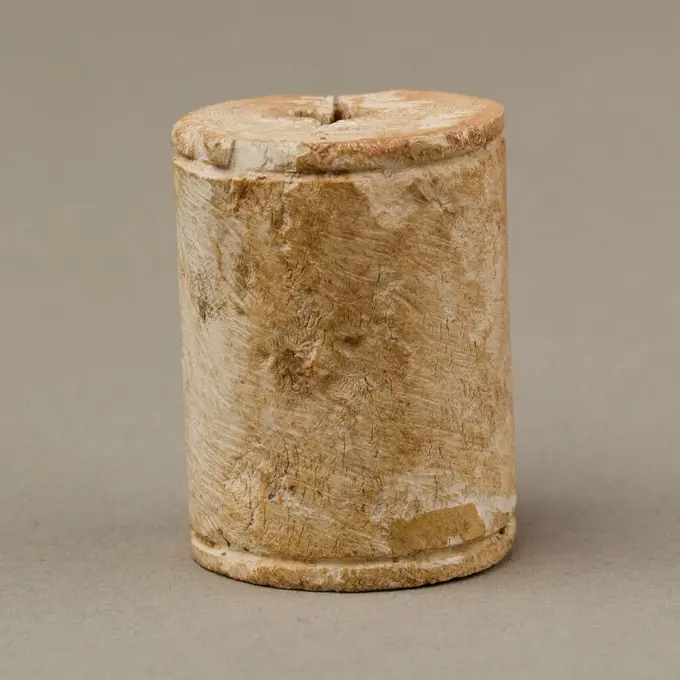
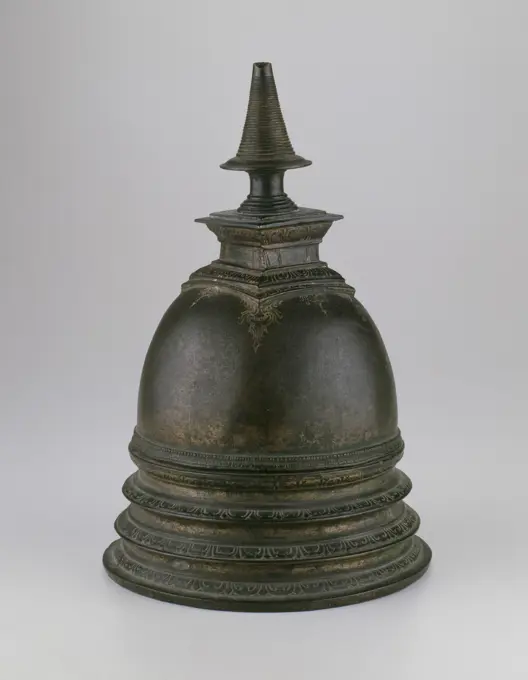
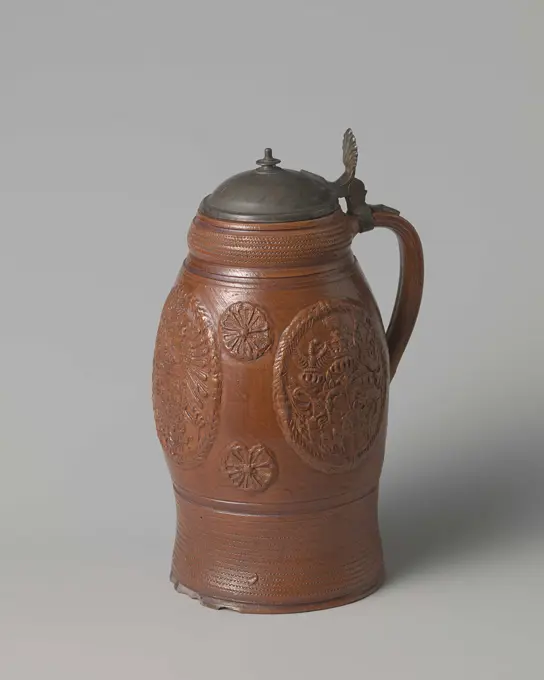
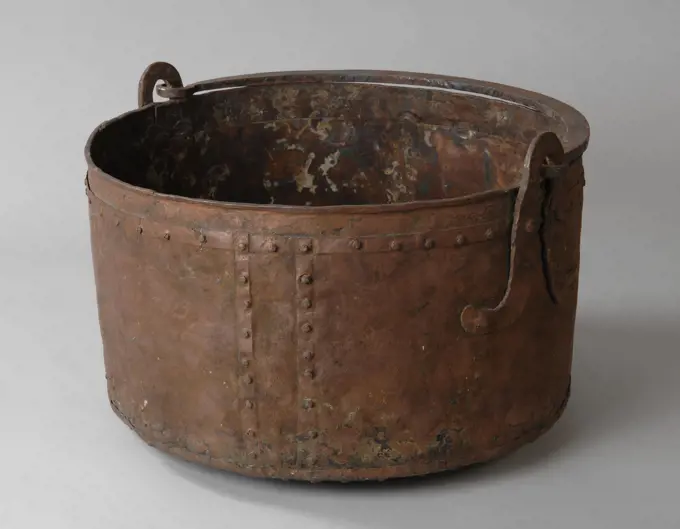
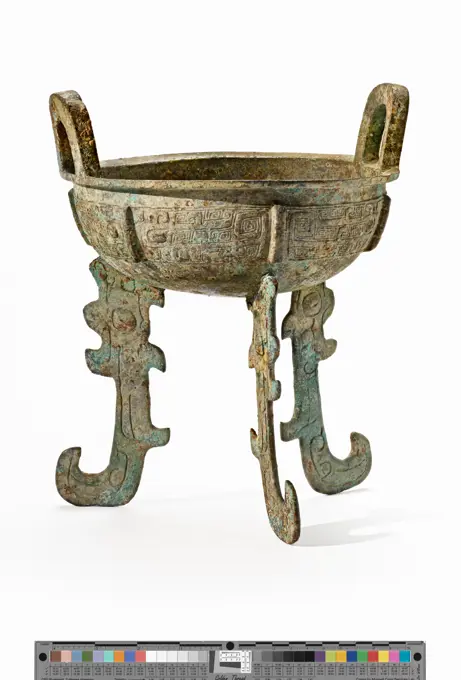
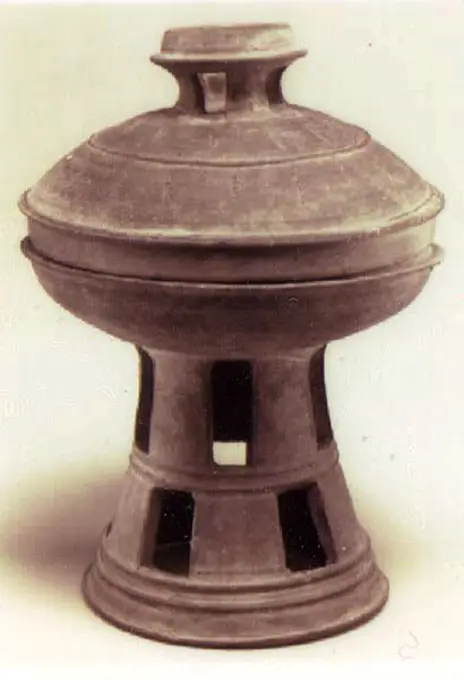
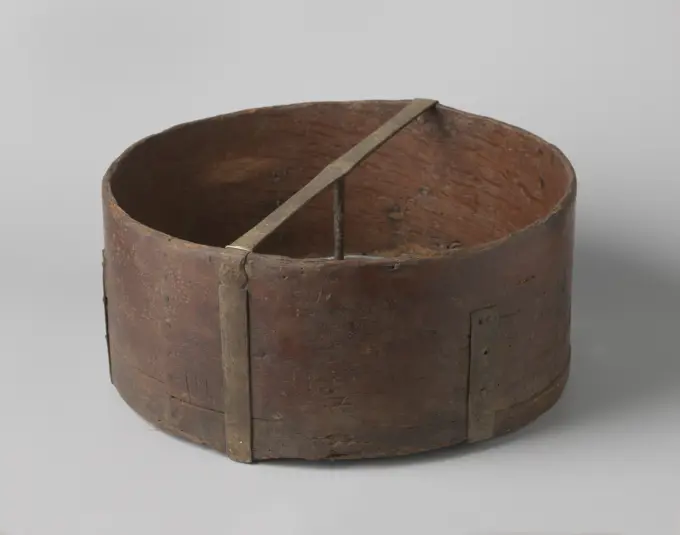
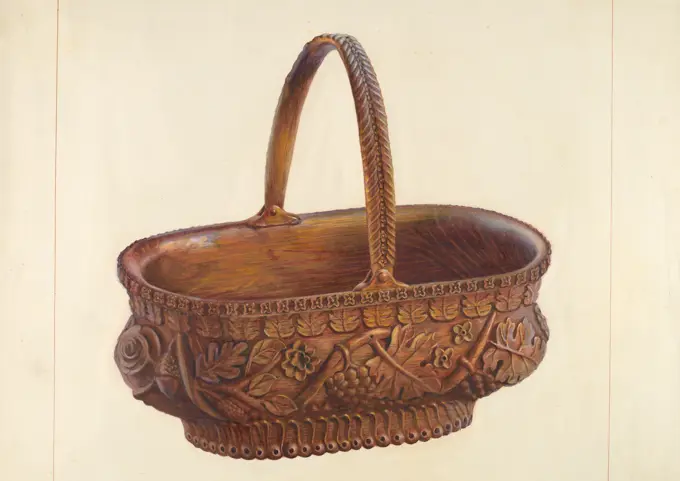
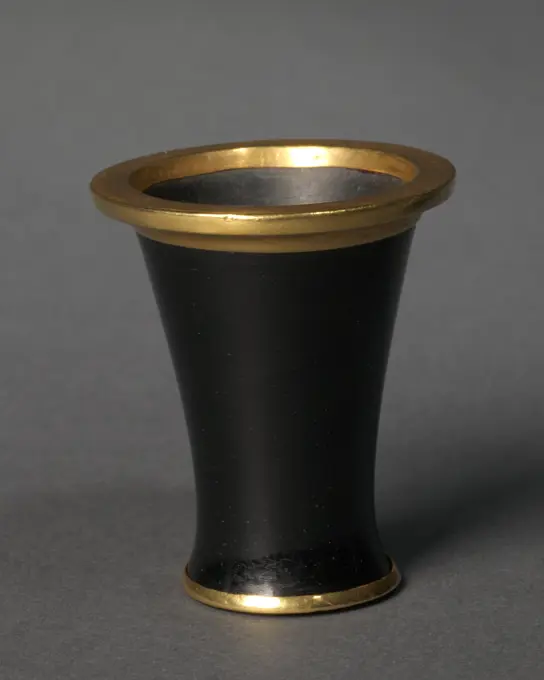
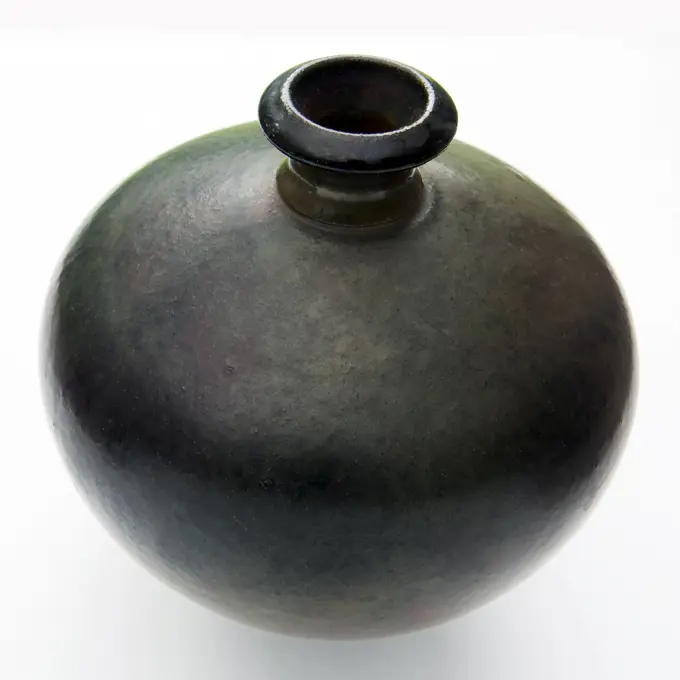
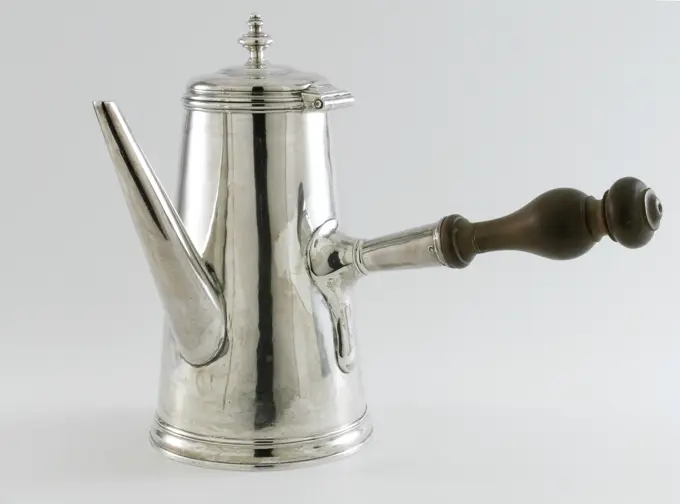
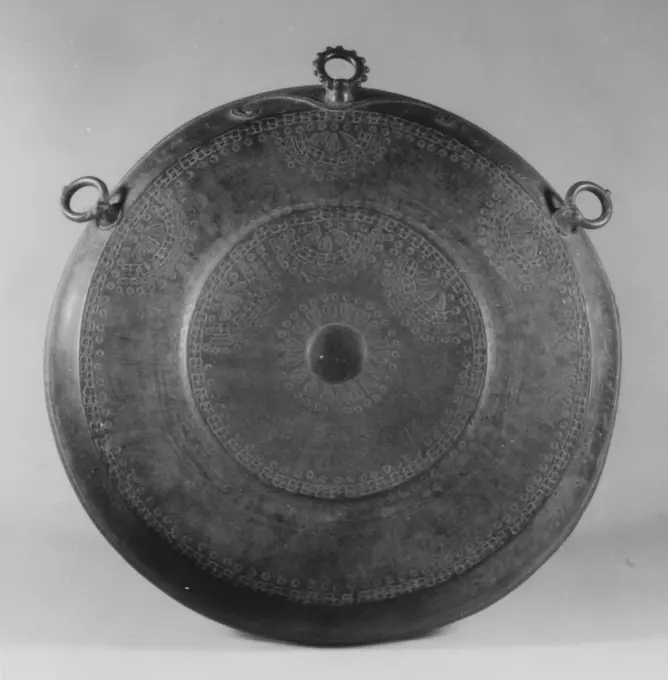
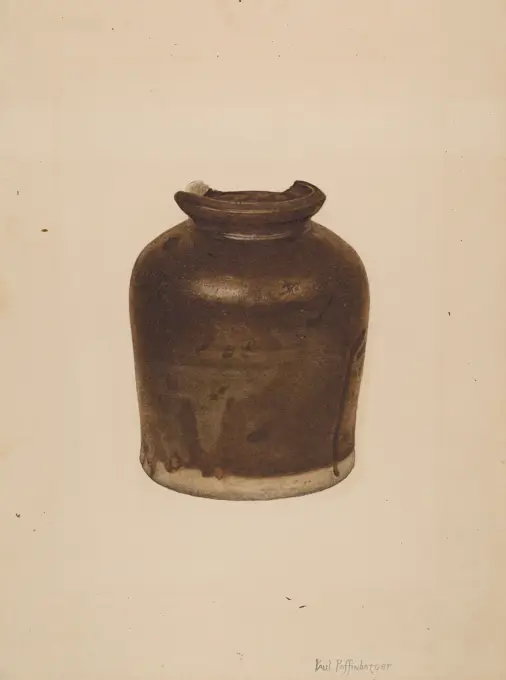
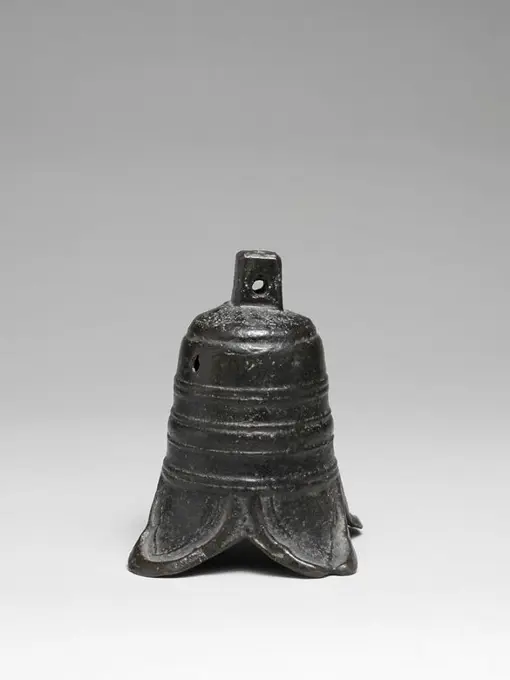
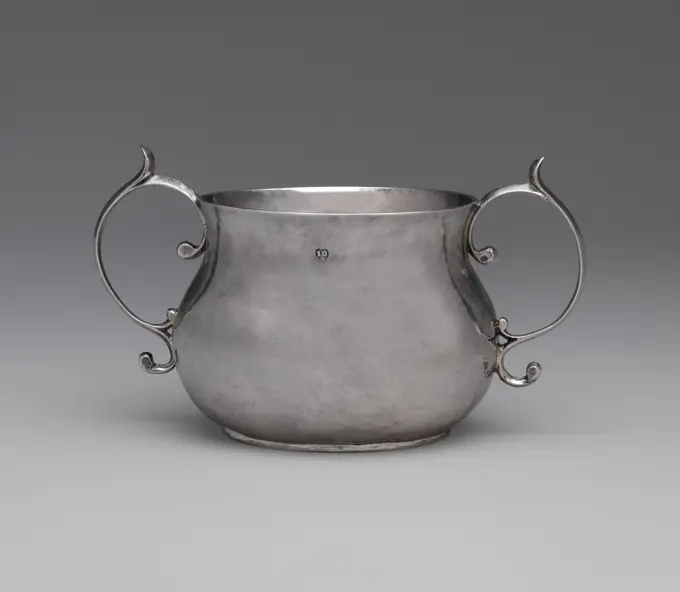
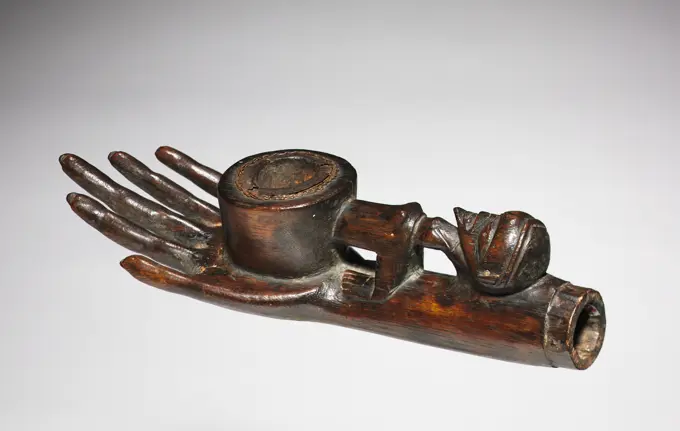
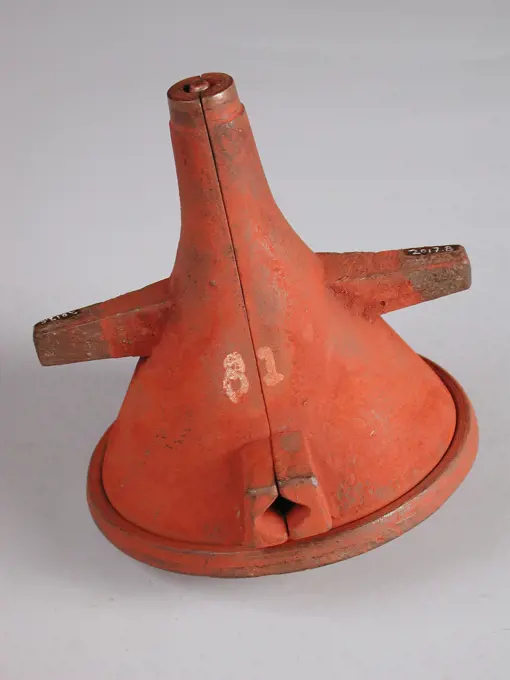
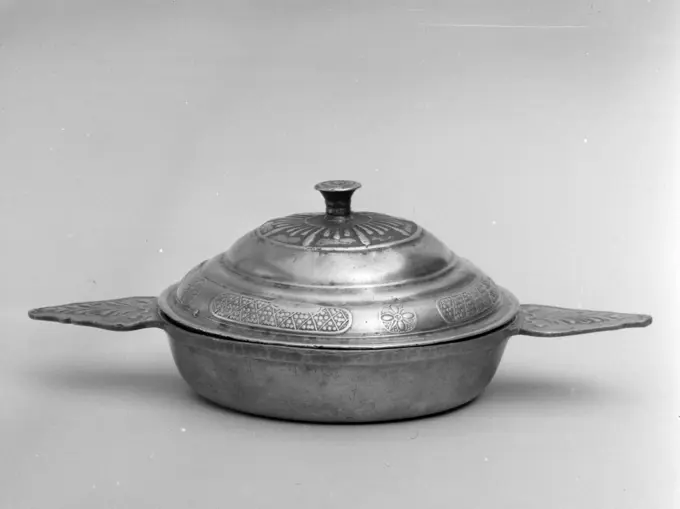
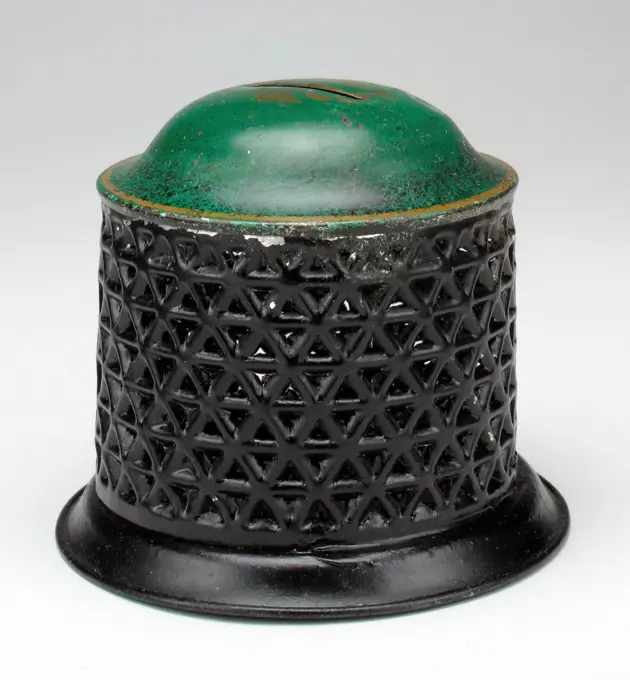
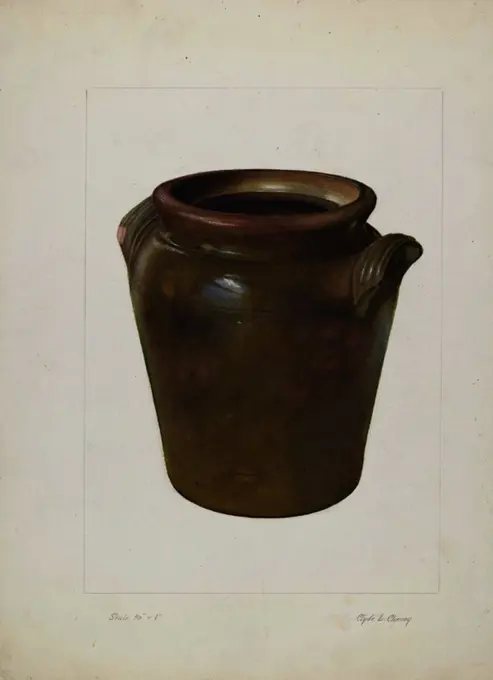
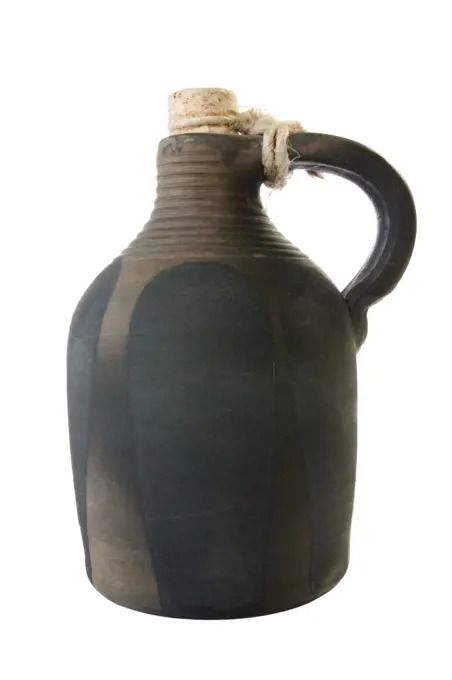
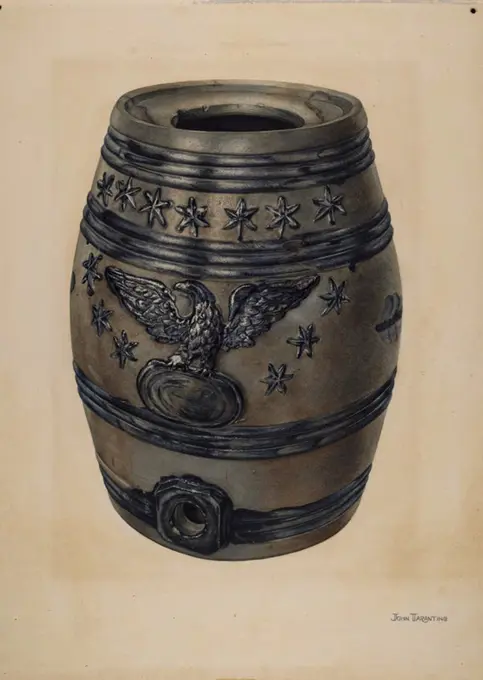
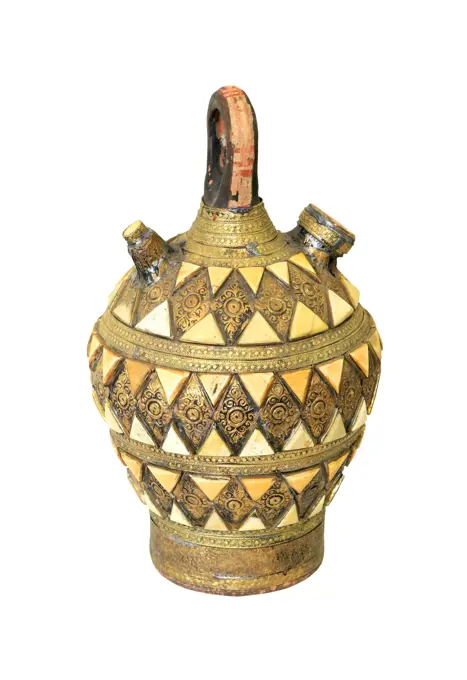
Pottery saucepan, red shard, internally glazed, on three legs, saucepan pan crockery holder kitchenware soil discovery ceramics earthenware glaze lead glaze, hand-turned glazed baked Pottery saucepan forerunner of the stove pan red shard inside and mouth rim with lead glaze three-legged scraps on the bottom archeology indigenous pottery food prepare cooking eat kitchenPottery ointment jar, conical model, red shard, internally glazed, ointment jar pot holder soil find ceramic earthenware glaze lead glaze, hand turned glazed baked Pottery ointment jar conical model red shard internal glazed Thick oblique inwardly directed little top edge. Narrowing of the boiler above the standing surface at the bottom of the boiler pronounced ring. Turning loops on the inside Stand surface coarsely finished archeology health care indigenous pottery pharmacy store sell craftJar (Zun) 13th-11th century B.C. China. Jar (Zun) 49138Bronze mortar from city pharmacy Hoogstraat with, GEGOTEN TEN DIENSTE DER STADSAPOTHEEK TE ROTT: 1776, CAST AT THE SERVICE OF THE CITY STUDY IN ROTT: 1776, auger equipment bronze, cast Cylindrical upwardly widening body built up from raised profiled base smooth wall with ribs high in the middle high cantilever edge with inscription In Latin majuskels cast in the upper rim: war Second World War I Health Care Public Health Pharmacy Municipal Pharmacy City Pharmacy GGD GG and GD Rotterdam City Triangle Hoogstraat Baan Schiedamsedijk Building for Public Health The municipal pharmacy in Rotterdam (1603-1993) was part of the GG and GD from 1938 until privatization (later GGD) of the municipality of Rotterdam. In 1940 the building of the municipality pharmacy on the Hoogstraat was destroyed during the bombing. Only several jacks have been saved from the rubble according to the sources. In 1941 new pharmacy was involved in the Building for Public Health on the Baan (and later on SchiedamsedijkCup; terra-cottaPottery ointment jar, cylindrical with three nests, glazed gray-blue, ointment jar pot holder soil find ceramic earthenware glaze tin glaze, hand turned baked 2x glazed earthenware ointment jar cylindrical in shape with three noses Completely gray-blue mottled glazed. Stand with soul and traces of trash untidy finished So called Delftware in the form of an albarello archeology health care indigenous pottery packing pharmacy store selling medicine drug craftBronze oinochoe (jug) and handle attachment ca. 425-400 B.C. Etruscan This type of jug, with sharply pronounced shoulder and beak spout, is often found with a basin or patera with a figural handle, objects that may have been used in a hand-washing ritual. The type began to appear in Etruscan tombs as early as the first quarter of the fifth century B.C. and remained popular until the late fourth century B.C. This example has a ram's head at the upper attachment and a plaque with a fallen warrior at the bottom one. The adjacent plaque (43.11.5) comes from a similar piece.. Bronze oinochoe (jug) and handle attachment 254510 Etruscan, Bronze oinochoe (jug) and handle attachment, ca. 425400 B.C., Bronze, H.: 9 7/16 in. (24 cm). The Metropolitan Museum of Art, New York. Rogers Fund, 1944 (44.11.4)Incense Burner with Cover China. Incense Burner with Cover 50710Vat van twisted, solid wood, anonymous, c. 1700 - c. 1799 A barrel of solid maple wood. Amsterdam (possibly) maple (wood) A barrel of solid maple wood. Amsterdam (possibly) maple (wood)Fast from earthenware. Brown fast from pottery. A decoration of a high window in which a crowned weapon has been pressed on the abdomen.Water jar ca. 1610 Japan. Water jar 63942Bowl and Cover 1840 Minpei Japanese. Bowl and Cover. Minpei (active 19th century). Japan. 1840. Porcelaneous ware covered with a finely crackled glaze over which is a black enameled glaze (Awaji ware). Edo period (1615-1868). CeramicsJar -Beaker with Repouse Motifs Under Rim. Possibly Tiwanaku-Wari; South coast, Peru or northern Bolivia. Date: 600 AD-1000. Dimensions: 5.6 × 5.4 cm (2 3/16 × 2 1/8 in.). Silver. Origin: Bolivian Highlands. Museum: The Chicago Art Institute, Chicago, USA.Pedestal dish with cover 5th-6th century Korea. Pedestal dish with cover 39502Cup 2nd and 3rd quarter of the 6th century B.C. Etruscan High foot with circles in relief and vase-shaped ornaments on lip.. Cup. Etruscan. 2nd and 3rd quarter of the 6th century B.C.. Terracotta; bucchero pesante. Archaic. VasesFogón pequeño de cerámica, Caldes de Montbui. Museu Català de les Arts i Tradicions Populars.Lime Container(Tagan)Bronze stool weight with caliper S and weight XII, stool weight weight bronze, Weight slightly conical with rounded lines. Inscription in upper gauge letter S Roman numeral XII roadsVase yu. Bronze. China, Zhou dynasty. Paris, Cernuschi museum. 71127-11 Anse, Asian art, Chinese art, bronze, cover, zhou dynasty, decorative motif, container, ritual vase, vase you, vase yuLamp. UnknownCampania Caserta Capua Museo Campano019. Hutzel, Max 1960-1990 Medieval: Byzantine architectural fragments; parchment fragments with miniatures (12th century) from Montecassino; painted wooden crucifix (13th century); Carolingian crucifixes; Bishop's miter (11th century) of gold and silver damask; fresco (13th century). Post-medieval: Architecture (15th century). Formerly the Palazzo Antignano. Unusual Catalan/Moorish-style portal; Paintings on panel and canvas (15th-18th centuries); marble intarsia (16th century); marble sculpture: busts of Christ and Mary (17th century); sculpture of saints in marble and in wood (15th century); painted and gilded sculpture in wood; marble grave sculpture (16th century); sarcophagus with allegorical carvings; gold reliquary "Rosa d'Oro"; crucifix made of elephant tusk Specific Location: Pianterreno Antiquities: Italic sculpture (seated women holding babies); inscription. Photo campaign #1: 533 photos. Roman relief and sculpture; cinerary urns; Greek aMortar. Dated: c. 1940. Dimensions: overall: 36.2 x 29 cm (14 1/4 x 11 7/16 in.) Original IAD Object: 5 7/8" in diameter; 7 15/16" high. Medium: watercolor and graphite on paperboard. Museum: National Gallery of Art, Washington DC. Author: Hester Duany.Drum, 1800 - before 1865 musical instrument. percussion instrument. drum Trom of the militia. The brass kettle is equipped with a veal sheet on both sides, held by a hoop and tense by means of a tension with tractors and screws. Both hoops are decorated with a motif of triangles in the colors red, white and blue. With engraved numbers: 1855-55-49. Netherlands Kettle: Brass (Alloy). Hoop: Wood (Plant Material). Team resort: RopeBasket 19th century Japan. Basket. Japan. 19th century. Bamboo. Edo (1615-1868) or Meiji period (1868-1912). BasketryCandlestick. Egypt or Syria, about 1342-46. Metal. Brass, originally inlaid with gold and silverBottle 19th century Japan. Bottle. Japan. 19th century. Clay with glaze (Takatori ware). CeramicsBracelet of Ogoni Society. Africa, Nigeria, Yoruba peoples. Jewelry and Adornments; bracelets. Bronzequeen chess piece vintage wooden queen chess piece isolated on white Copyright: xZoonar.com/YuryxZapx 1053977150st,  ,  , Jar and tall stand with perforated base. Culture: Korea. Dimensions: H. 21 1/2 in. (54.6 cm). Date: mid-5th century.This combination of a round jar and an elongated stand with a perforated design is representative of high-fired, wheel-thrown gray stoneware from the Silla kingdom and the neighboring Gaya federation. Vessels of this type seem to have functioned primarily as burial objects. Museum: Metropolitan Museum of Art, New York, USA.Hand warmer ". Crackled cream covered sandstone. Suis dynasty (581-618). Paris, Cernuschi museum. Asian art, Chinese art, Chinese Ceramic, container, suis, GRES, GRES, Hand reheats, container, terracottaAmphoriskos 600-480 B.C. Cypriot Miniature krater with horizontal bands and moulded knobs.. Amphoriskos. Cypriot. 600-480 B.C.. Terracotta. Cypro-Archaic II. VasesStand Etruscan Three legs, terminating in shape of small cup.. Stand. Etruscan. Terracotta. VasesLazio Viterbo Viterbo Museo Civico73. Hutzel, Max 1960-1990 Views of paintings (Middle Ages through 18th c.), frescoes, a tabernacle, coffin, sculpture reliefs, portal fragments, busts, sculpture, tapestry found in the Pinacoteca, Second floor gallery and Second floor cloister sequences. Antiquities: Many views of Etruscan and Roman fragments, sculpture, sarcophagi, pottery, masks, jewelry and other objects found in the Storeroom sequence (inventory numbers on back of prints), and the Cloister, Second floor Cloister, Valle Giulia, Sala Romana and Sala Etrusca sequences. General Notes: There are eight separate numerical sequences for this location. The cloister as an architectural structure, rather than museum site, is documented in the record and file for S. Maria della Verita, Cloister, all views of which are stored in Medieval core collection. Five views from the Museo Civico Second floor cloister sequence are stored in Medieval. German-born photographer and scholar Max Hutzel (1911-Ancient China: Wine Jug (Jia), Shang Dynasty, 1600 -1027 BC, Tripod vessel in bronze.Content measurement of 20 liters (), Anonymous, c. 1825  Spans contents of 20 liters with wooden measurement and 2 soil edges. Numbered with chalk on the outside wall. Netherlands wood (plant material)   NetherlandsExaleiptron. UnknownJar -Vase (base), early 1900s. Japan, Meiji period (1868-1912) or Taishō period (1912-26). Wood; base: 1.7 x 4.9 cm (11/16 x 1 15/16 in.).Content measure of 1 hectoliters. Chips and iron content sizes for dry goods with bridge and style of 1 hectolitre, v.z.v. inscription.Covered Flagon with Spout. Sweden. Date: 1820. Dimensions: 20.3 x 13.3 x 17.2 cm (8 x 5 1/4 x 6 3/4 in.). Pewter. Origin: Sweden. Museum: The Chicago Art Institute, Chicago, USA.Anonymous / 'Case for low gadrooned chalcedony tazza'. XVI century. Leather, Wood, Metal, Cloth. Museum: Museo del Prado, Madrid, España.Glass jar 1st century A.D. Roman Translucent light bluish green.Vertical rounded rim with slight inward turn below; shallow, angular shoulder expanding downwards; folded horizontal flange; cylindrical body with slightly convex sides tapering downwards; another folded horizontal flange, forming base ring; convex bottom, pushed in at center, with small off-center kick and traces of round pontil mark.Intact; a few bubbles; dulling, patches of creamy brown weathering, and iridescence.. Glass jar 245283Bell ca. 1875-89 European This is a cast bronze bell missing its internal clapper. The bell has four pointed scallops around the rim and is decorated with bead that decorate the circumference of the bell.. Bell. European. ca. 1875-89. Bronze. Idiophone-Struck-bell-clapperUninscribed cylinder seal. Dimensions: H: 3.3 cm (1 1/4 in.); diam: 2.3 cm (7/8 in.). Dynasty: Dynasty 0-1. Date: ca. 3100 B.C.. Museum: Metropolitan Museum of Art, New York, USA.Tea Jar 18th century Japan. Tea Jar. Japan. 18th century. Clay covered with glaze (Takatori ware). Edo period (1615-1868). CeramicsBowl with Pouring Lip 5th-4th century B.C. Paracas. Bowl with Pouring Lip 307612Case, wood, brass, rope, 19th century, Decorative Arts, CaseStupa Reliquary 1301-1500 Sri Lanka. Bronze .Beer mug with pewter lid, decorated with three weapons whose middle carel v. beer mug from stoneware with pewter lid. Cylindrical with a thickening in the middle and a narrowing on the neck. On the belly 3 weapons in laurel wreath, that of Charles V in the middle and on either side of Saxony. Between the weapons, rosettes.Copper kettle or aker with nailed bottom and tires, iron handle, kettle cooking pot tableware holder kitchenware soil find copper iron metal, whipped molded riveted Large copper kettle or aker. Cylindrical container Reinforced top edge. Heavy iron handle. Riveted Old repair on the side archeology Capelle aan den IJssel House in Capelle castle kitchen food food preparation Soil discovery: House in Capelle well house demolished 1393 Capelle aan den IJssel 1964.Vase. unknown, craftsmanTea residence of wood and brass, anonymous, c. 1800 - c. 1850 The oval tea residence consisting of two parts: the bucket and an inner box. The bucket is made of wood, decorated with brass tires that are riveted on the top and top and two brass tires over the center of the bucket, which are also sounded, but with larger nails. The round handle is connected to the bucket by two handle. The soil has two iron plates for reinforcement in the corners. Inside the bucket there is a separate brass container made, which is made from three plates, the corners of which are folded over and branched. Netherlands wood (plant material). brass (alloy). iron (metal) The oval tea residence consisting of two parts: the bucket and an inner box. The bucket is made of wood, decorated with brass tires that are riveted on the top and top and two brass tires over the center of the bucket, which are also sounded, but with larger nails. The round handle is connected to the bucket by two handle. The soil has two iHexagonal Pilgrim's Jar with Jewish Symbol ca. 578-636 Byzantine These vessels were made for Jews and Christians, possibly as tokens for pilgrims visiting the holy sites in Jerusalem or for use in burial rites. They appear to have been mass-produced in a single workshop, since the vessels for the two religions closely resemble each other in shape and style and differ only in the symbols decorating them. The Jewish vessels depict the menorah (candelabrum), shofar (rams horn), incense shovel, and lulav (palm branch). The Christian vessels are decorated with several types of crosses. The relief designs were produced by blowing molten glass into a mold.. Hexagonal Pilgrim's Jar with Jewish Symbol. Byzantine. ca. 578-636. Mold-blown glass. Glass-VesselsMarble mortar and pestle on dark wood backgroundWater jar probably 17th century Japan. Water jar. Japan. probably 17th century. Clay covered with glaze and iron-brown splashes; black lacquer cover (Ki yellow Seto ware). Edo period (1615-1868). CeramicsShallow Ritual Food Cauldron (Ding) with Legs in the Form of Dragons. China, Late Shang dynasty, middle or late Anyang phase, about 1200-1050 B.C.. Furnishings; Cookware. Cast bronzeVessel, 1st century BCE - 1st century CE, 2 5/16 x 2 7/16 x 2 7/16 in. (5.87 x 6.19 x 6.19 cm), Glazed ceramic, Thailand, 1st century BCE - 1st century CECandlestick of brass. The object is composed of two parts: the foot and the tribe riveted on it. The base is poured and then on the turn of very narrow ribs. He has a Konsiche form with a raised edge, so that he can also serve as a fat catcher. The stem is riveted on the raised middle part. This has a round profiled button in the middle. In addition, the trunk continues around, whereby a thread applied in the lower part above the knot.Footed Dish with Cover 5th-6th century Korea This type of covered dish, which was used in daily life as well as in mortuary rituals, is typical of stoneware produced in the kingdom of Silla and the Gaya Federation (42-562). These vessels are still being excavated in large amounts from tomb sites along the Nakdong River, in southeast Korea, the area of the former territories of Silla and Gaya.. Footed Dish with Cover 42262Pottery cooker on three legs with pouring lip and bandoor, internal green glazed, cooking jug kitchen utensils earthenware ceramics earthenware glaze lead glaze, hand-turned glazed baked Pottery cooking jug on three legs. Semi-circular bottom Almost cylindrical in shape With neck opening the size of the circumference of the kettle. Schenklip. Red shard entirely glazed External brown interior green glazed with copper oxide Green on the lower half of the jug Restauration is repainted archeology Rotterdam City triangle Oostplein underground pit indigenous pottery cooking kitchen preparing food Soil discovery Rotterdam underground pit Oostplein from schervenlaag 1976.Mallet 1600-1699 Germany. Hardwood and pewter inlay .Bushel. Chain chain with metal tires for dry goods from 1 scoop with bridge and style. Carved on the soil and crosses. Calibration data ().Glass perfume bottle. Culture: Roman. Dimensions: H.: 7 7/8 in. (20 cm)Diam.: 2 1/2 x 1 1/8 in. (6.4 x 2.9 cm). Date: 2nd-3rd century A.D..Colorless with yellowish tinge.Rim folded out, round, and in, with top pressed down around mouth; tall cylindrical neck, expanding towards base with horizontal tooling around base; rounded shoulder; bell-shaped body with tooled horizontal concavity in upper side; broad, concave bottom.Intact; pinprick and elongated bubbles; slight dulling, some pitting, and most of surfaces covered with iridescent weathering, one thick patch of soil encrustation under rim. Museum: Metropolitan Museum of Art, New York, USA.Regina Henderer, Carved Wooden Basket, c 1938 Carved Wooden BasketCosmetic Vessel (Beaker), c. 1859-1814 BC. Egypt, Middle Kingdom, Dynasty 12, reign of Amenemhat III, 1918-1884 BC. Obsidian and gold; diameter: 4.2 cm (1 5/8 in.); overall: 4.9 cm (1 15/16 in.); diameter of base: 2.6 cm (1 in.).Trenchersalt.  Maker: David Northee, 1709-1778Round Vase An older style round vase in dark shades on white Copyright: xZoonar.com/TimxHesterxPhotographyx 3137851Coffee Pot. William Williamson (Ireland, Dublin, active 1726-1782). Ireland, Dublin, 1732-1733. Sculpture. SilverTin ink, rectangular leaf on four lion's legs, Anonymous, 1700 - 1800 Tin ink set. There is a rectangular leaf with low, raised edge on four lion's legs. The front part is separated from the rear part with a low, raised edge and can be locked with a lid with two one -into -a -sweet hinges and battery -shaped handle. The rear part has two rounds, raised edges, in which the ink and sandy pot could stand. A short candle holder has been installed on the left next to these two circles.  tin (metal) casting Tin ink set. There is a rectangular leaf with low, raised edge on four lion's legs. The front part is separated from the rear part with a low, raised edge and can be locked with a lid with two one -into -a -sweet hinges and battery -shaped handle. The rear part has two rounds, raised edges, in which the ink and sandy pot could stand. A short candle holder has been installed on the left next to these two circles.  tin (metal) castingCricket Sleeping Container, H.4 x Dia.5-1/2 in. (overall), Pottery, ChinaCup, Tumbler or Salt Holder, 1650-1700. Pinto Collection - Purchased from Edward H Pinto, 1965.. This walnut tumbler holder, made around 1675-1700, would most likely have been the work of a rural craftsman working on a pole lathe. The marks of the lathe can be clearly seen on the underside of the vessel. The sharply pointed interior of the bowl is characteristic of this type of vessel which was used to hold the pointed tumblers which were not able to stand up by themselves. Although the ring turning on the stem is quite heavy, it is interesting to see that the stem has been made up of two different widths.Nutmeg Grater 1789-1800 Birmingham. Silver and iron .Pots made of traditional clay for use in the kitchen. On a white backgroundVase 7th-8th century. Vase 452509Gong with Three Ring Supports 10th-12th century Burma or Thailand. Gong with Three Ring Supports 37731Box and cover with inner cover. Culture: probably British. Dimensions: 5 1/2 × 3 3/8 in. (14 × 8.6 cm). Date: 18th century. Museum: Metropolitan Museum of Art, New York, USA.Clay pot of manual work. It is possible to store milk or other liquidPaul Poffinbarger, Fruit Jar, c 1939 Fruit JarBell. Culture: European. Dimensions: Overall: H: 8.8 cm (3-7/16 in.), Wt.: 253 grams (.55 lb.), Greatest Diam. : 7.8 cm (3-1/16 in.). Date: ca. 1875-89.This is a cast bronze bell missing its internal clapper. The bell has four pointed scallops around the rim and is decorated with bead that decorate the circumference of the bell. Museum: Metropolitan Museum of Art, New York, USA.treasure conceptTwo-Handled Cup ca. 1690 Jeremiah Dummer This small two-handled cup was made for the First Church of Christ Congregational in Farmington, Connecticut by Jeremiah Dummer, the first native-born New England silversmith. One of seven silver drinking vessels originally owned by the Church, it is a particularly fine example, with lively S-scroll handles on a generous pear-shaped body, simply engraved with the initials F.C. With barely a roof over their heads, Colonists endowed their churches with communion silver that befit the simpler form of worship they embraced. This cup retains a beautiful patina, accentuating the hammer marks struck in concentric circles around its body.. Two-Handled Cup. Jeremiah Dummer (American, 1645-1718). American. ca. 1690. Silver. Made in Boston, Massachusetts, United StatesPipe bowl, early to mid-1900s. Africa, Central Africa, Democratic Republic of Congo, Luluwa or Luntu maker. Wood, iron, and copper alloy; overall: 25 cm (9 13/16 in.).Miniature Bottle 11th-late 15th century Chimú or Chancay. Miniature Bottle 308935Stupa (Tibetan: Chöten) with Relics. Central Tibet, 15th century. Sculpture. Copper alloy; terracottaCandlestick with long tribe and candle holder. The object is composed of two parts: the foot and the trunk with candle holder. They are poured and then turned. The foot, which also serves as a fat catcher has a spherical increase in the middle, on which the trunk provided with one knot has riveted. This is then turned off at the bottom. The almost cylinder-shaped candle holder has two rectangular openings in the wall, which are extended in each other. Foot and trunk are decorated with profiles. The object, which is damaged at the foot, is a soil find.Three parts of four-piece bronze mold for funnel, mold casting tool tools equipment raw metal bronze, cast turned Four-piece bronze mold for pouring funnel top: Rotterdam tin foundry tin stain tin Meeuws Druy craft Shapes are from the from origin 18th century Rotterdam tinnegieter J Druy. The large molds that were not signed or dated were the property of the tinker guild and were rented to the small tin caster.Black-Glazed Pyxis orPlemochoeTerracotta Little Master cup ca. 550-525 B.C. Greek, Attic Little Master cups represent a refined and delicate miniature style of vase painting common in Athens in the first half of the 6th century B.C.. Terracotta Little Master cup 247101Dish with cover (écuelle) 18th century French. Dish with cover (écuelle). French. 18th century. Pewter. Metalwork-PewterPierced tin still bank, c. 1870, 3 1/4 x 3 7/8 x 3 7/8 in. (8.26 x 9.84 x 9.84 cm), Tin, pigment, United States, 19th centuryVase;  XVIII/XIXW (1760-00-00-1800-00-00);Wooden vases ,  a nice home decoration isolated on whiteBrush container unknownPreserving Jar. Dated: c. 1938. Dimensions: overall: 35.5 x 26.2 cm (14 x 10 5/16 in.) Original IAD Object: 9" High. Medium: watercolor, colored pencil, graphite, and gouache on paperboard. Museum: National Gallery of Art, Washington DC. Author: Clyde L. Cheney.Blue Faience 18th Dynasty vessel found in the Tomb of Tutankhamen. Egyptian, circa 1323 BC. found in Tutankhamen's tomb by English archaeologist and Egyptologist, Howard Carter in 1922. Ancient wine jug isolated on white backgroundWine Keg. Dated: c. 1939. Dimensions: overall: 53.3 x 40.6 cm (21 x 16 in.) Original IAD Object: 14" High 7 5/8" Dia(top) 7 1/4" Dia(base). Medium: watercolor, graphite, colored pencil, and gouache on paperboard. Museum: National Gallery of Art, Washington DC. Author: John Tarantino.Ancient pottery Traditional Moroccan pottery isolated with clipping path included Copyright: xZoonar.com/Baloncicix 7309271Tankard 17th-18th century German. Tankard. German. 17th-18th century. Pewter. Metalwork-Pewter