Ancient Pottery Artifacts

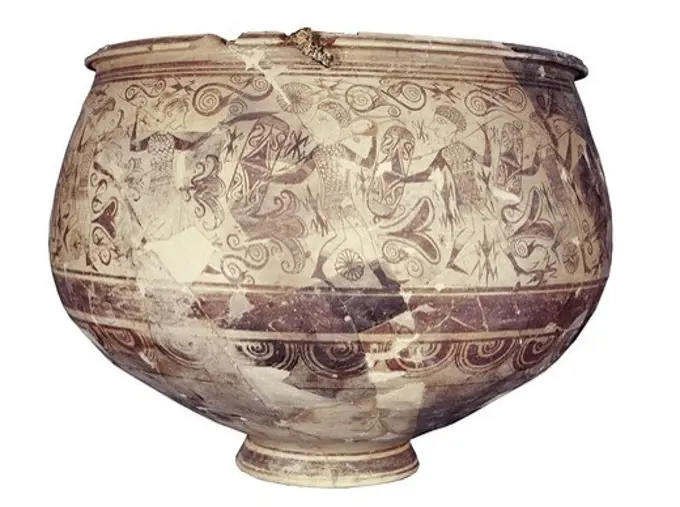
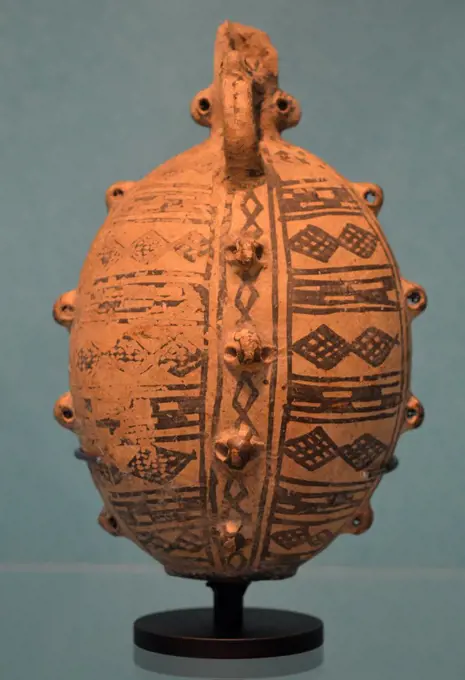
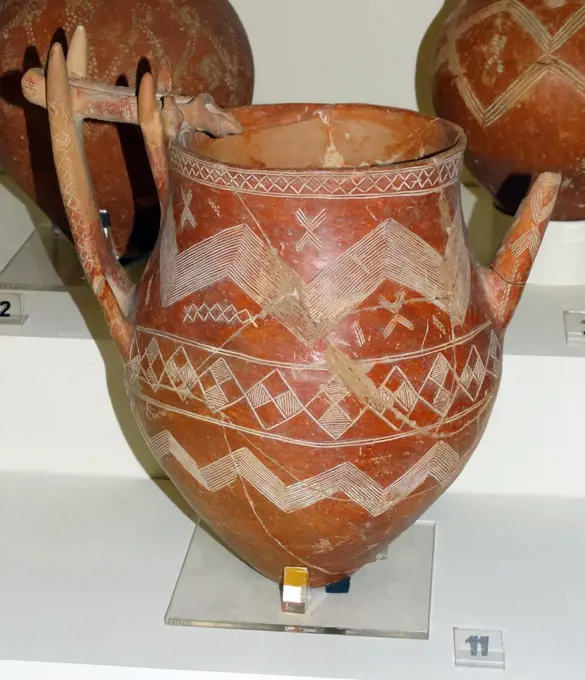
A collection of ancient pottery pieces from various civilizations, showcasing geometric designs and varied shapes, highlighting the craftsmanship of cultures like Etruscan and Piceno.

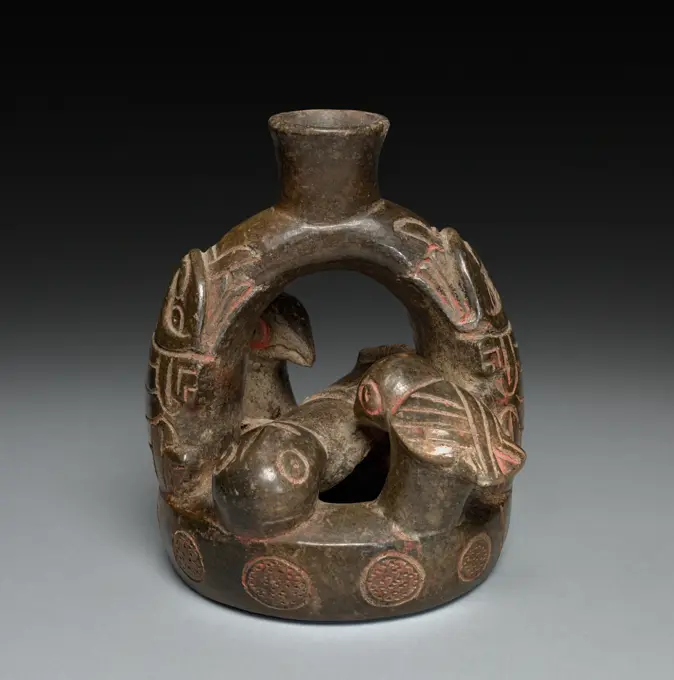
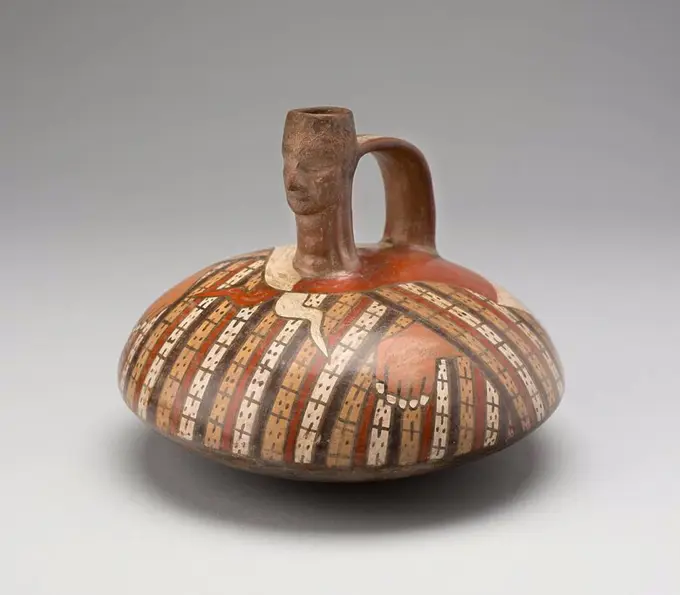
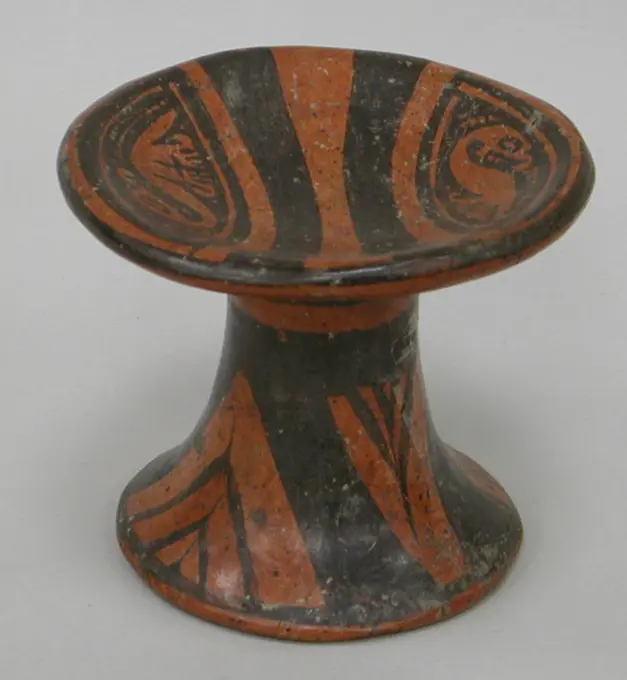
Polychrome vessel, 3rd-15th century, 8 1/4 in. (21 cm), Polychromed earthenware, Peru, Pre-Columbian
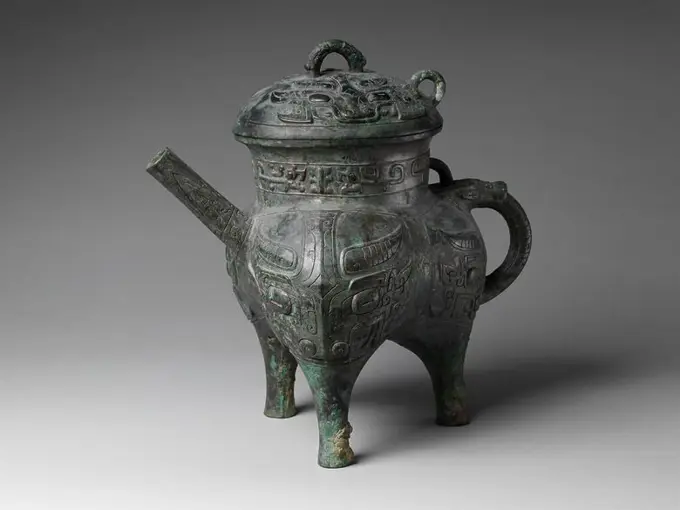
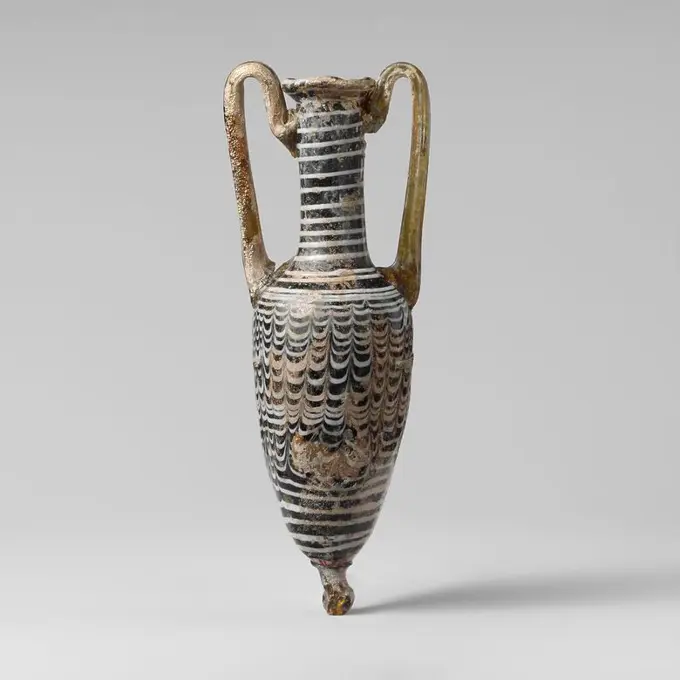
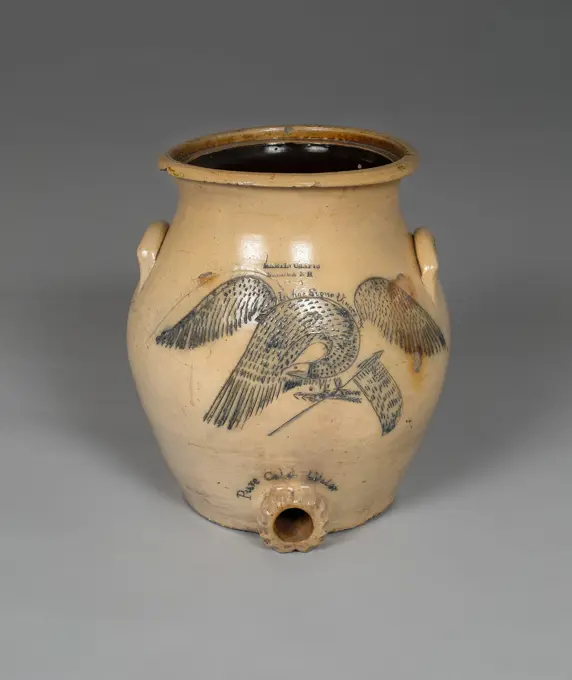
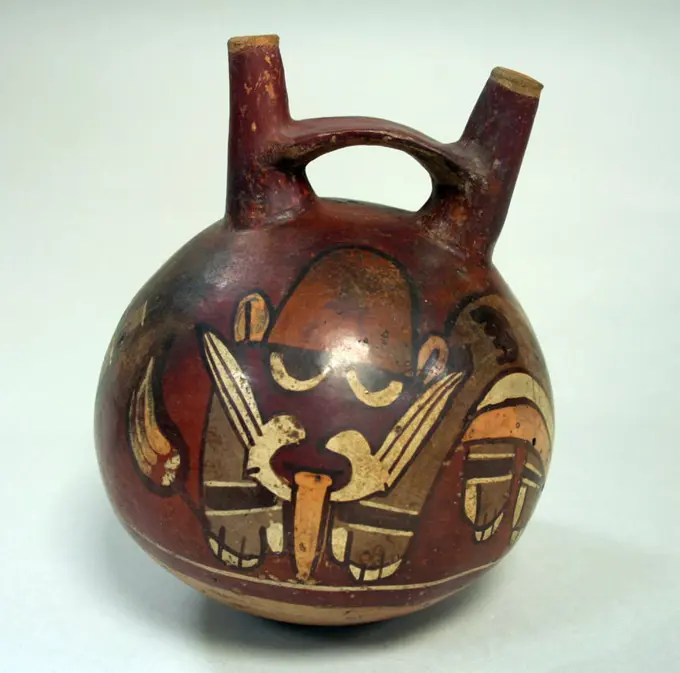
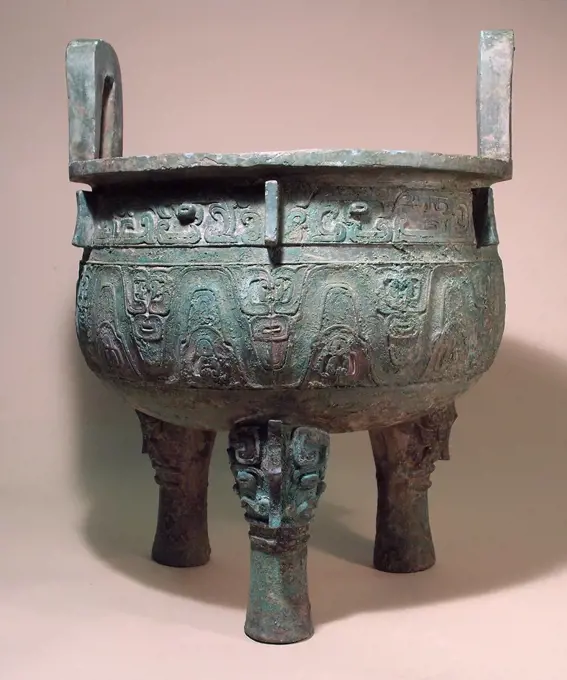
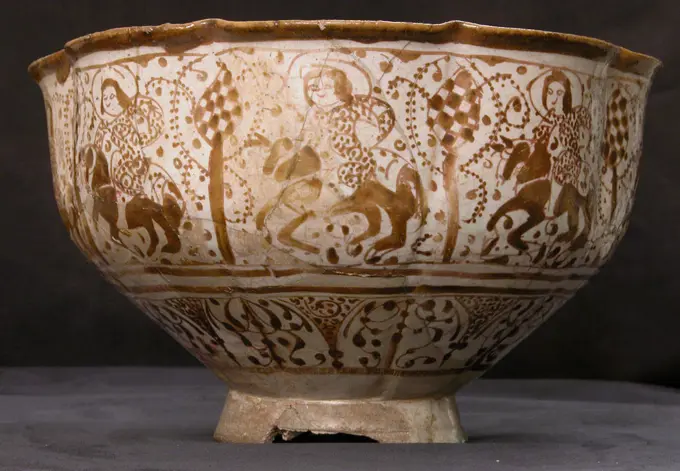
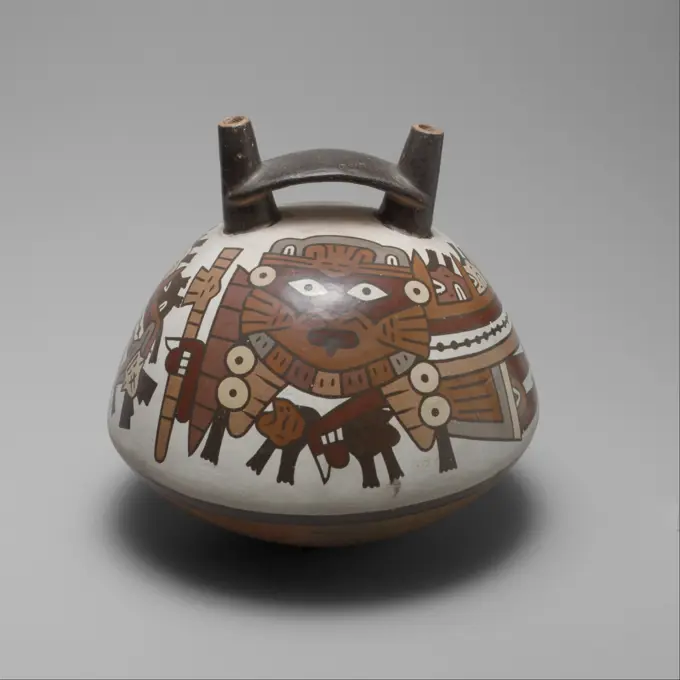
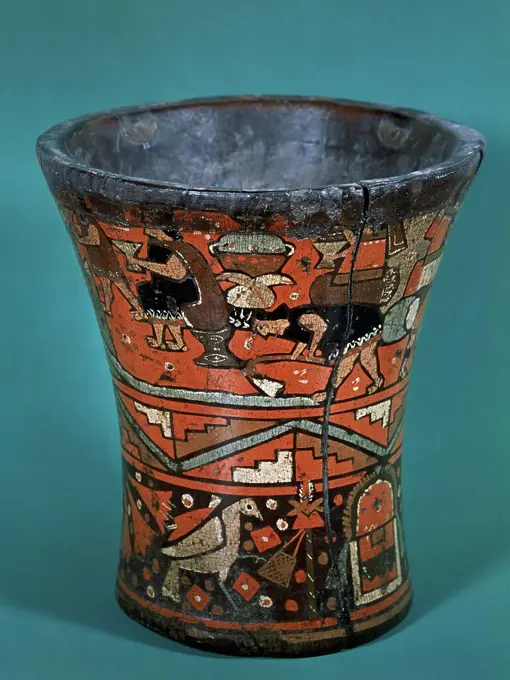
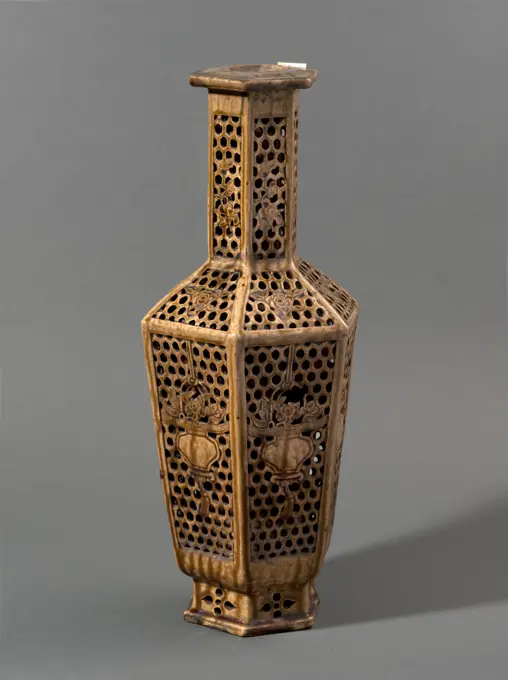
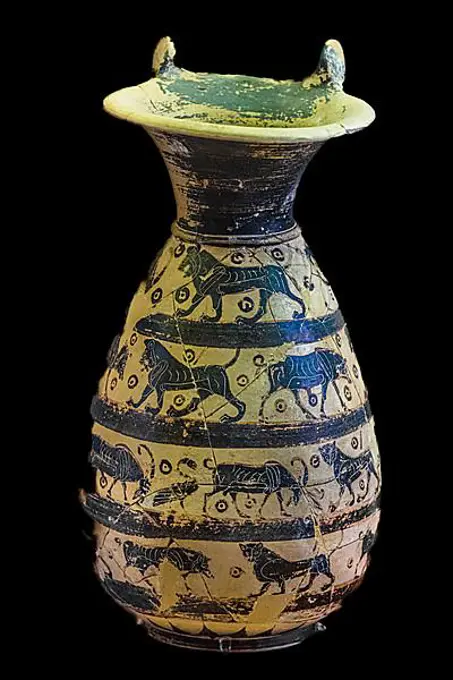
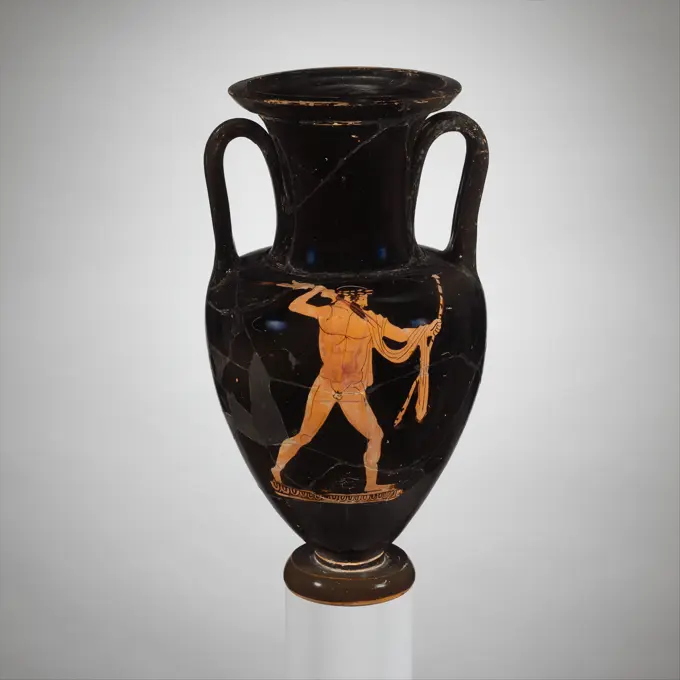
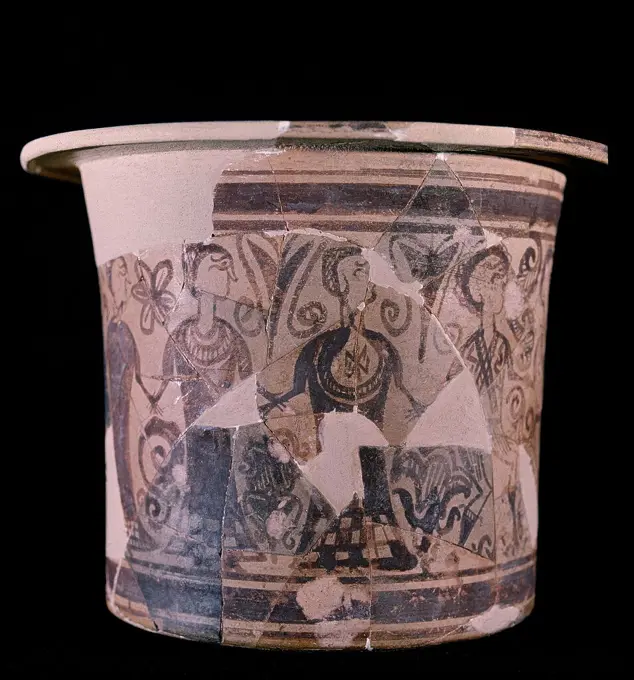
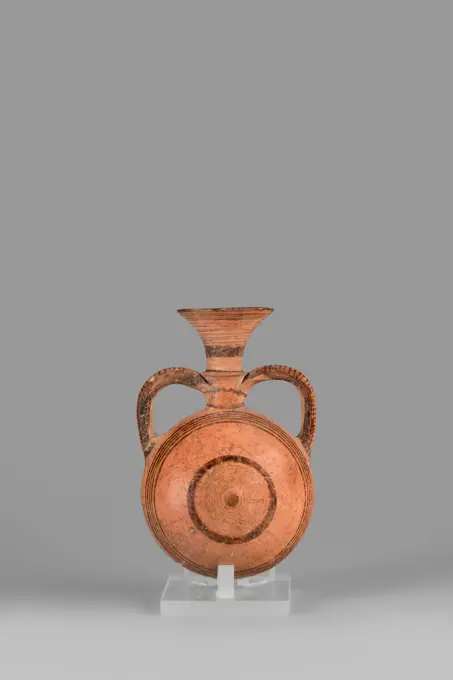
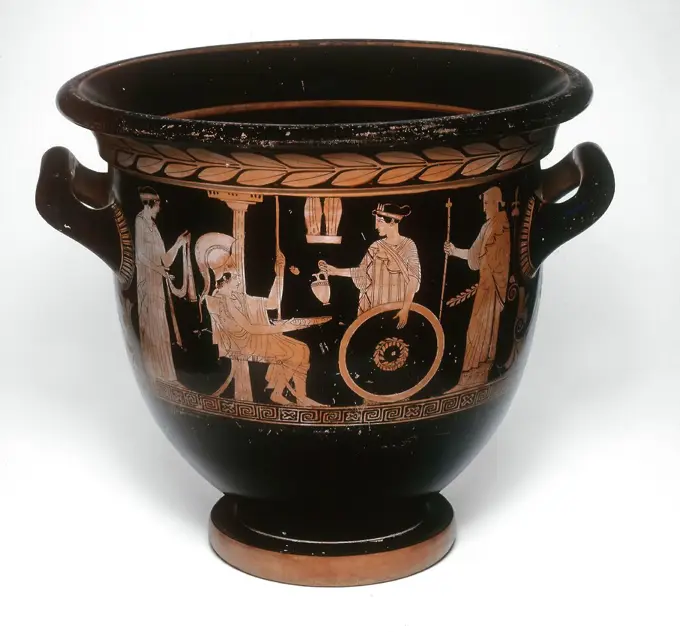
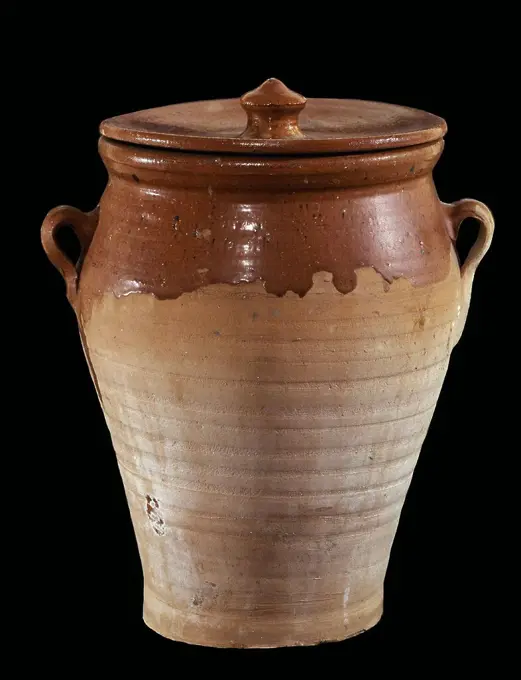
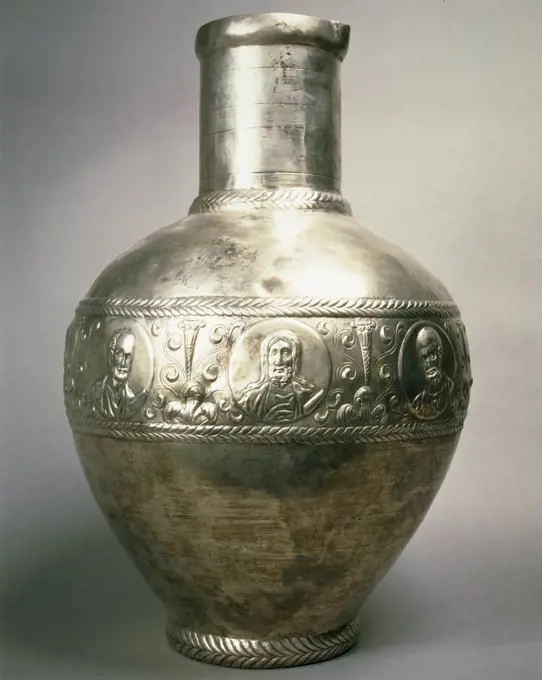
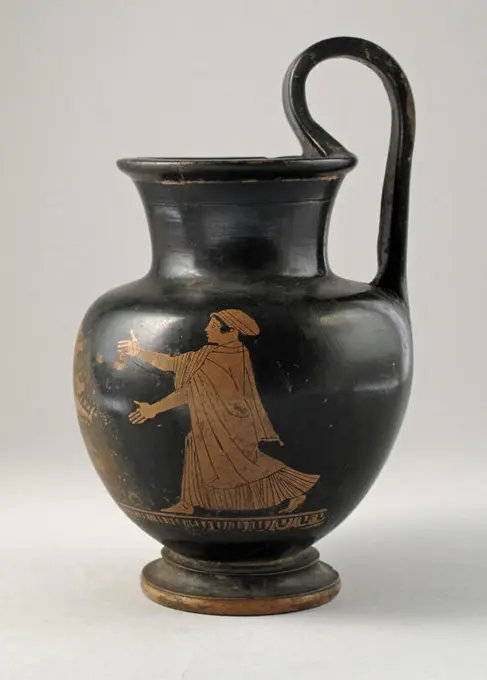
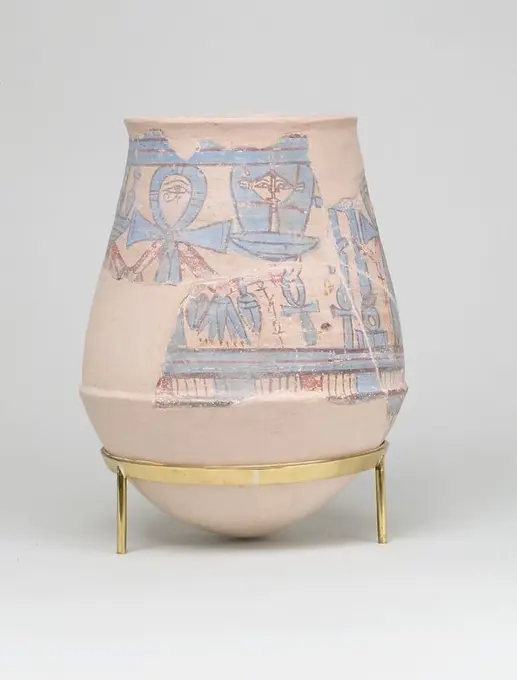
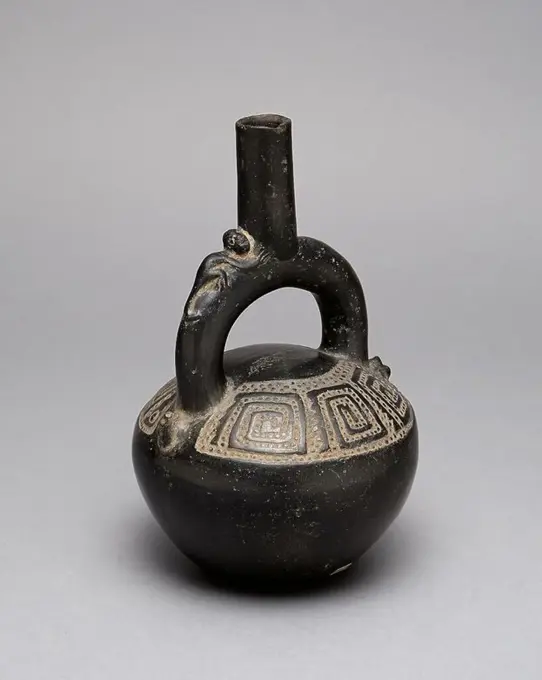
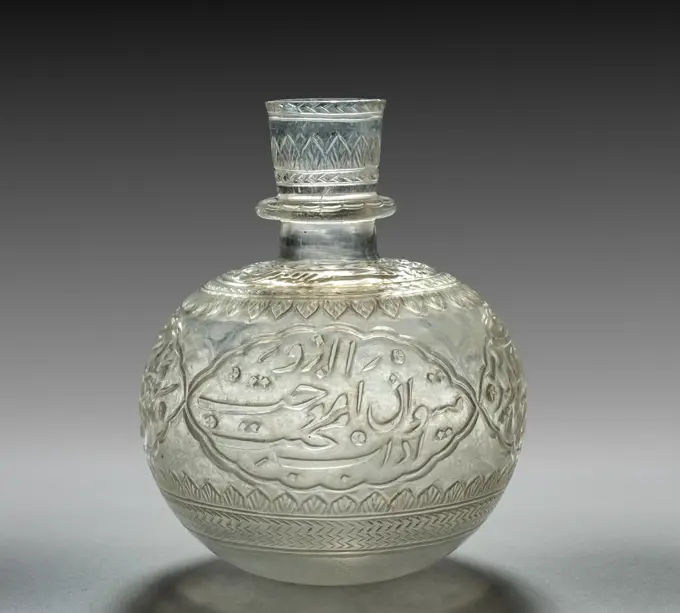
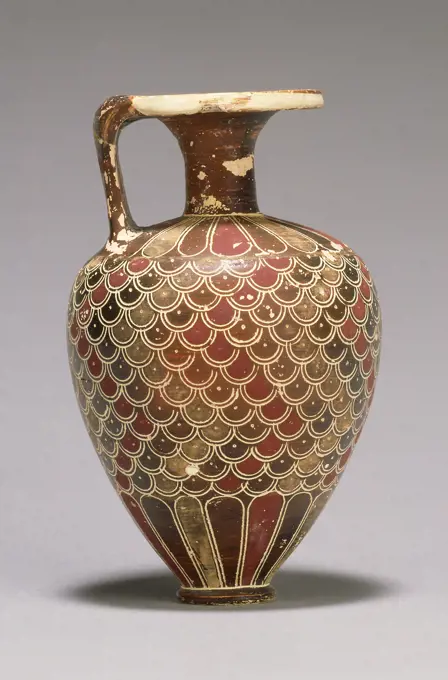
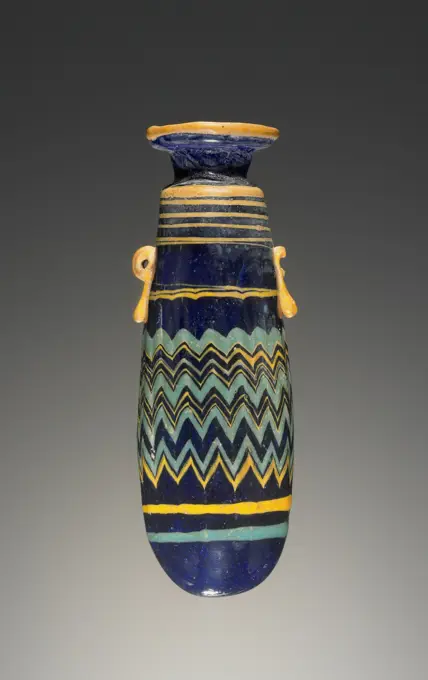
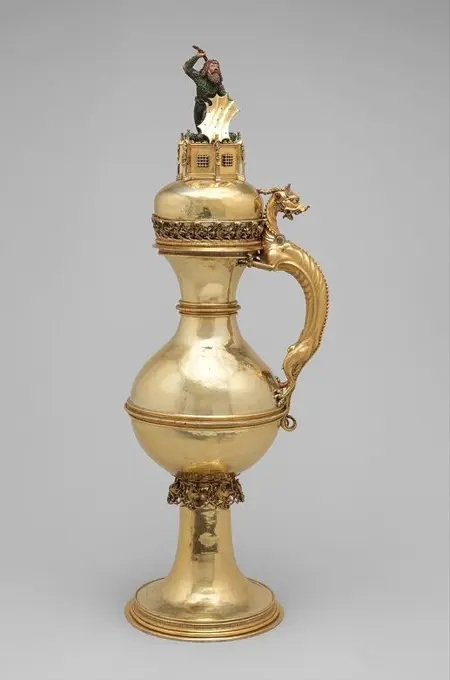
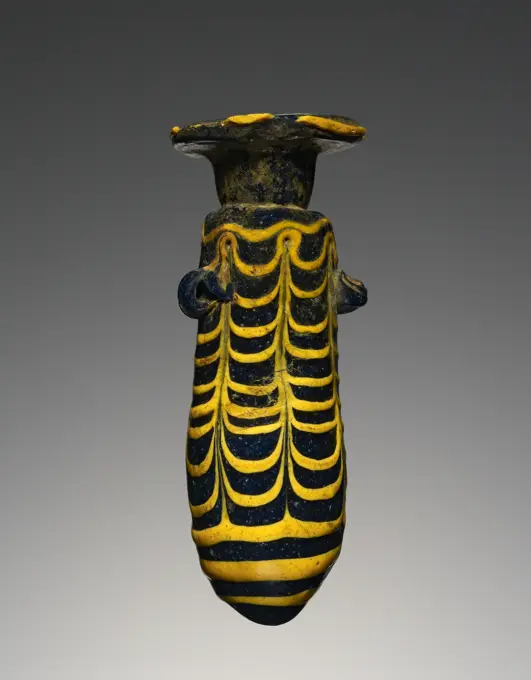
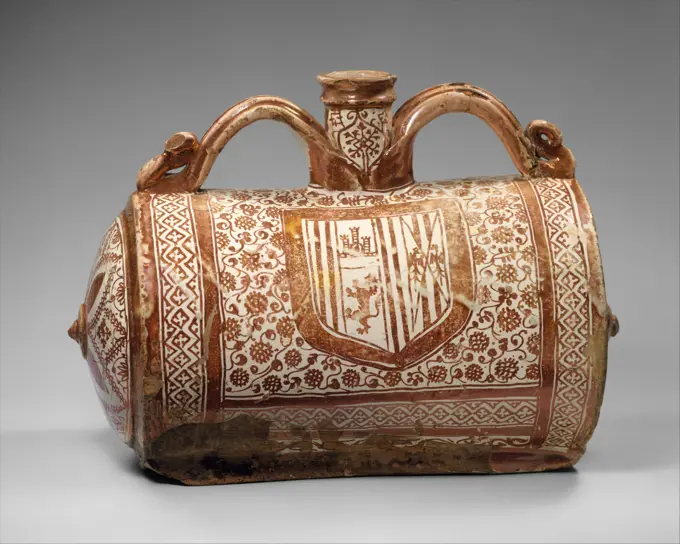
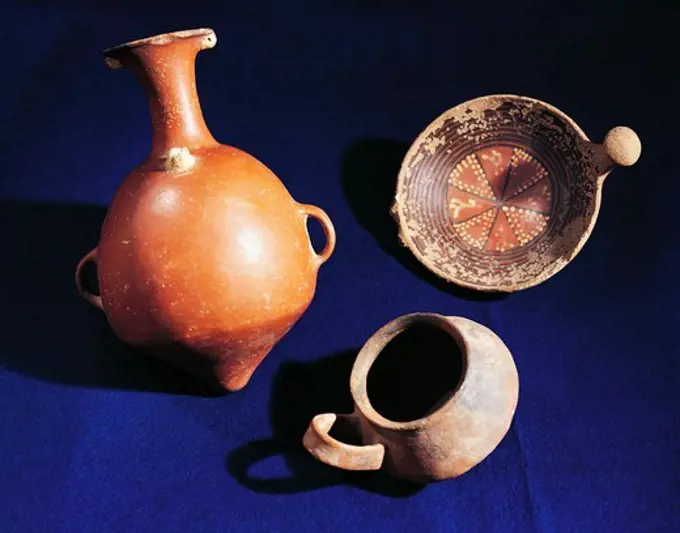
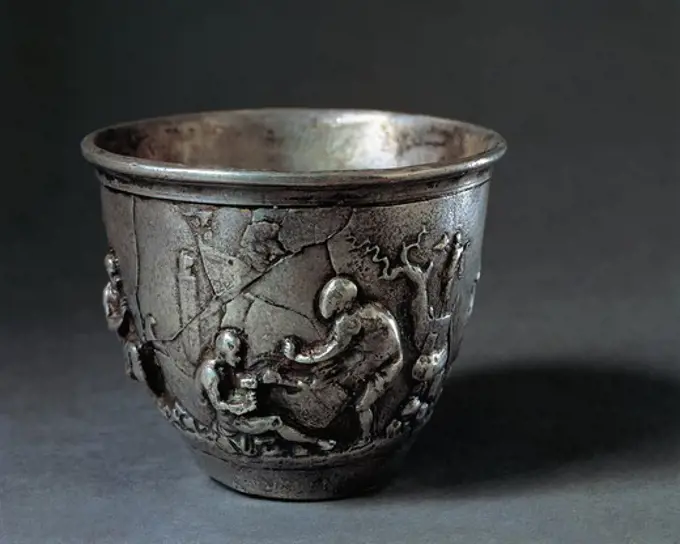
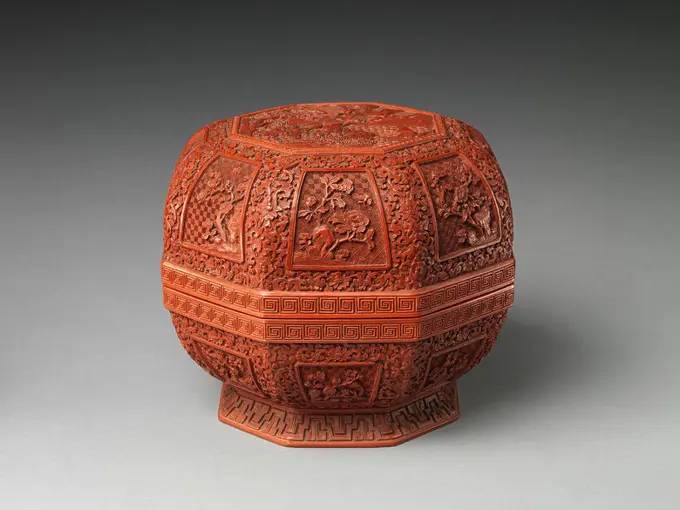
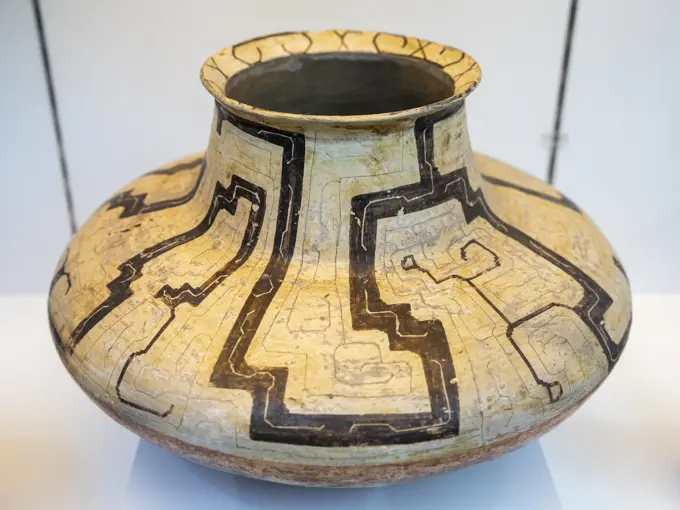
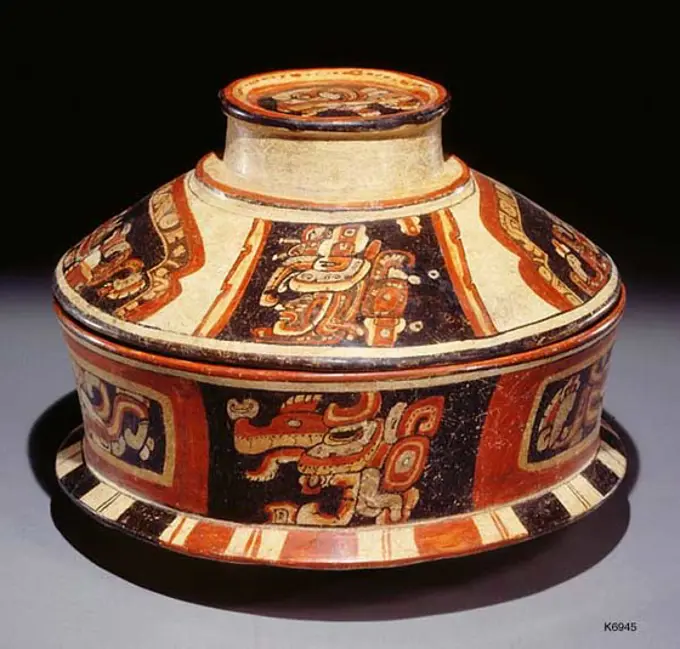
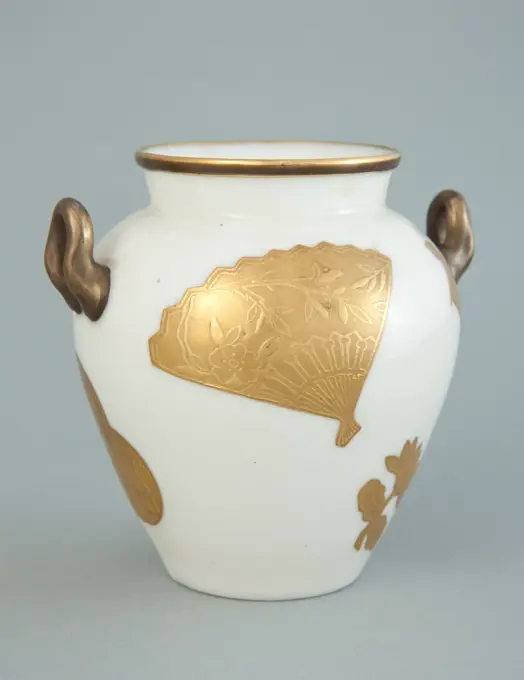
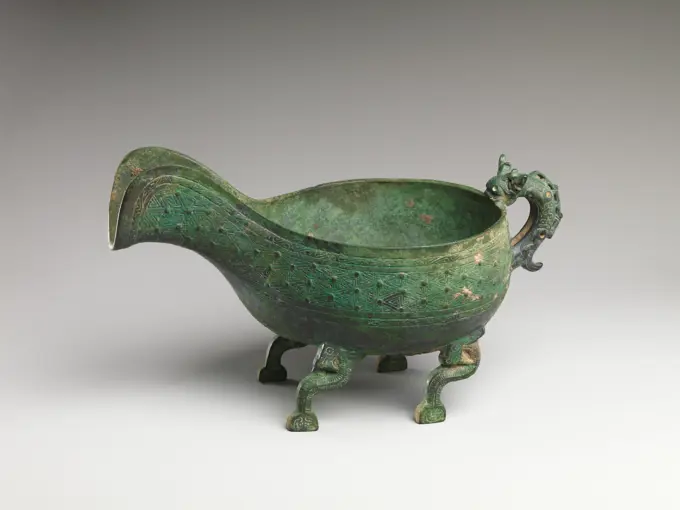
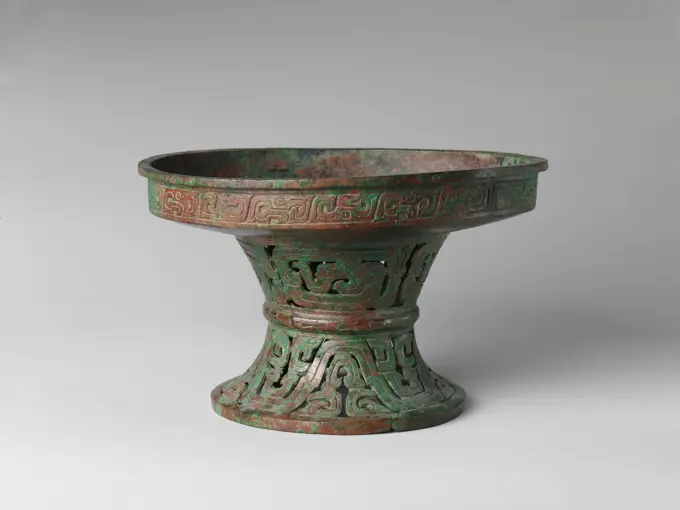
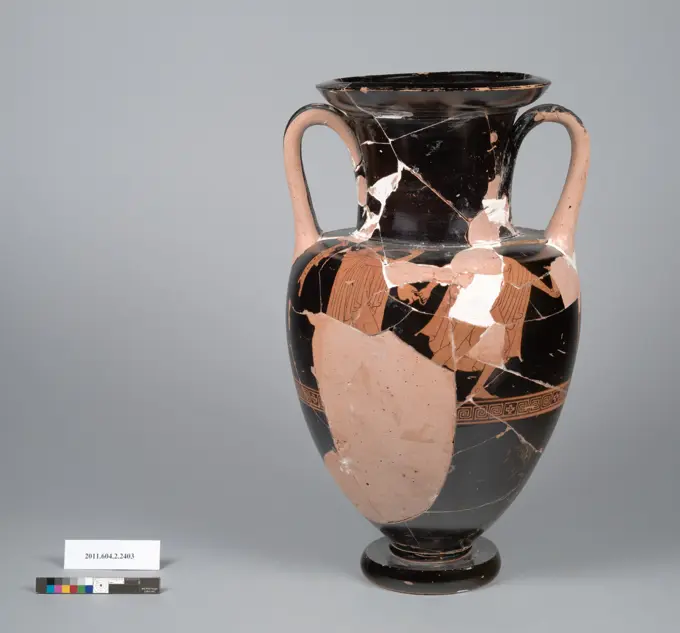
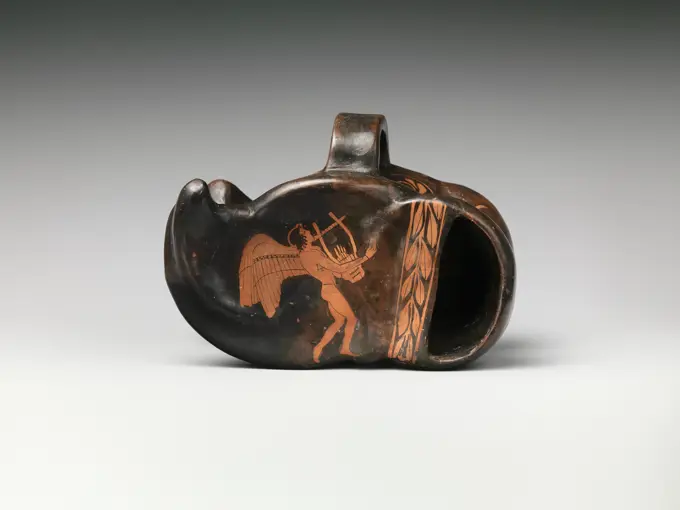
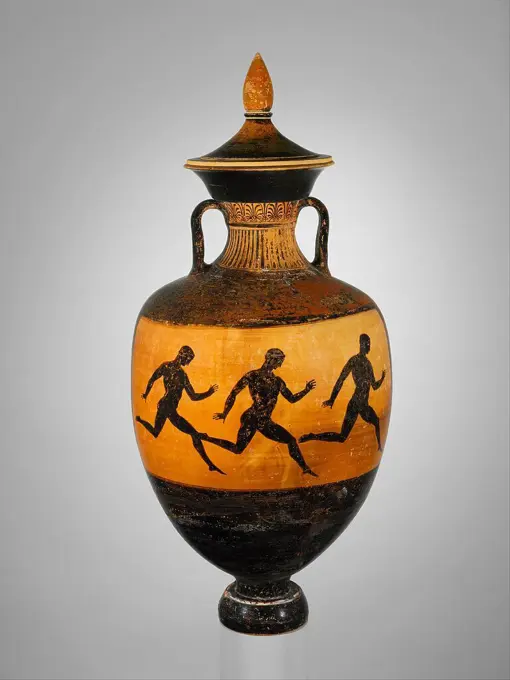
Terracotta amphoriskos (flask) in the form of a bird-man. Culture: Greek, Attic. Dimensions: Overall: 7 x 3 1/4 in. (17.8 x 8.3 cm). Date: late 5th century B.C..This extraordinary vase of a bird-man, of high technical quality, is unique among the examples of Attic black-glazed pottery known today. It almost certainly relates to Aristophanes' well-known comedy The Birds (first produced in 415/414 B.C.) and may represent the costume that would have been worn by members of the chorus in the fifth century B.C. Museum: Metropolitan Museum of Art, New York, USA.Lekanis, Lekanis lid;  1. PO. 5th century BC (-500-00-00--451-00-00);Jug 17th century German, Westerwald. Jug 190648 German, Westerwald, Jug, 17th century, Salt-glazed stoneware, H. 7 in. (17.8 cm). The Metropolitan Museum of Art, New York. Rogers Fund, 1908 (08.56.2)Cup from Liria. 4th-2nd c. BC. Iberian art. Ceramics. SPAIN. Valencia. Valencia's Prehistory and Cultures Museum. Proc: SPAIN. VALENCIAN COMMUNITY. Llria. Cerro de San Miguel.Jug with three handles and a coat of arms, Hubert Schiffer (possibly), c. 1887 Jug of stoneware on high foot with an egg -shaped body and wide neck. Three C-shaped ears are attached to the neck and shoulder. Profiles on the neck, shoulder and foot. The basis of the ears extends in an increasingly narrower profile vertically to halfway through the abdomen. In the ears in relief twice a printed and imposed medallion with a weapon consisting of a rider including 'I.E.' In a shield surrounded by leaf vines and a prancing horse as a helmet sign. Around the helmet sign the date '1594'. The third medallion is larger and shows the weapon of Bentheim-Tecklenburg with the date '1588'. On each ear a band with stylized flowers and the date '1590' in relief. Copy based on the 16th century Raerense type. Raeren. Rae stoneware. glaze vitrification Jug of stoneware on high foot with an egg -shaped body and wide neck. Three C-shaped ears are attached to the neck and shoulder. Profiles on the neck, shouSpouted Wine Vessel (He). Culture: China. Dimensions: H. 12 1/2 in. (31.8 cm); W. 8 1/2 in. (21.6 cm); D. 12 1/2 in. (31.8 cm). Date: late 11th-early 10th century B.C..The animal motifs on most Shang and Western Zhou bronzes are composites of different animals and birds, as if these creatures were undergoing a continuous metamorphosis. Here, bovine horns have been attached to a feline face. The same eight-character inscription is cast on the body of the vessel beneath the handle and on the inside of the lid: "clan sign Yi have had a precious sacred vessel made for deceased father.". Museum: Metropolitan Museum of Art, New York, USA.Spouted Wine Vessel (He) late 11th-early 10th century B.C. China The animal motifs on most Shang and Western Zhou bronzes are composites of different animals and birds, as if these creatures were undergoing a continuous metamorphosis. Here, bovine horns have been attached to a feline face. The same eight-character inscription is cast on the body of the vessel beneath the handle and on the inside of the lid: [clan sign Yi [have had a precious sacred vessel made for deceased father.”. Spouted Wine Vessel (He) 49397Glass amphoriskos (perfume bottle). Culture: Greek, Cypriot. Dimensions: 6 3/4 in. (17.1 cm)Other: 1 15/16 in. (4.9 cm)Diam. of rim: 1 1/16 in. (2.6 cm). Date: 1st century B.C..Translucent green, appearing black; one handle and base-knob in yellow brown, the other handle in yellow green; trail in opaque white.Inward-sloping rim-disk, with tooling indent underneath; tall, slightly concave, cylindrical neck; sloping shoulder; elongated piriform body; large applied base-knob; two rod handles applied in pads across shoulder, drawn up and slightly out to above rim, then looped in and down, and attached to neck below rim in a double fold over trail decoration.Single white trail applied around lip of rim and then wound in a spiral around neck and shoulder to body, then tooled into a festoon pattern with twenty-eight upward strokes, continuing in a plain spiral around lower part of body, ending under base-knob.Intact, except for part of knob; areas of deep pitting and dulling, with brillAnonymous / 'Cases for a lost vessel with Emperors, the Virtues and Fame'. 1670 - 1711. Leather, Wood, Cloth. Museum: Museo del Prado, Madrid, España.Vessel with a hieratic inscription;  around 2686- 2181 BC ; Old state (-2686-00-00--2181-00-00);Water Cooler c 1839-1852 Nashua. Stoneware . Martin Crafts PotteryDrinking Vessel (Kero) with Floral and Animal Motifs 1450-1532 Peru. Wood and pigment . IncaDouble Spout and Bridge Bottle with Faces 1st-6th century Nasca. Double Spout and Bridge Bottle with Faces 309133Vase with Rounded Bottom and Leaf Imprint Design Around NeckAncient China: Large cauldron (Ding), Western Zhou Dynasty, 1027 - 771 BC. Bronze. Decorated with taotie motifs.Terracotta goblet ca. 1050-950 B.C. Cypriot The shape, with an articulated stem, came to Cyprus from the Aegean and lasted only through the Geometric period.. Terracotta goblet 240848Fragment of a Bowl 12th-13th century. Fragment of a Bowl 445013Tripod BowlJug. Culture: Cypriot. Dimensions: 4 1/16in. (10.3cm). Date: 850-750 B.C.."Bird-Jug" type with stag and swastikas. Museum: Metropolitan Museum of Art, New York, USA.An amphora (English plural: amphorae or amphoras) is a type of container of a characteristic shape and size, descending from at least as early as the Neolithic Period. Amphorae were used in vast numbers for the transport and storage of various products, both liquid and dry, but mostly for wine. It is most often ceramic, but examples in metals and other materials have been found. Stoppers of perishable materials, which have rarely survived, were used to seal the contents. Two principal types of amphorae existed: the neck amphora, in which the neck and body meet at a sharp angle; and the one-piece amphora, in which the neck and body form a continuous curve. Neck amphorae were commonly used in the early history of ancient Greece, but were gradually replaced by the one-piece type from around the 7th century BCE.Bowl 12th-13th century. Bowl 447169Vessel with Reclining Figure and Birds, 2200 - 200 BC. Andes, north coast, Cupisnique style. Ceramic, pigment (cinnabar); overall: 14.3 x 14.9 cm (5 5/8 x 5 7/8 in.). This ceramic vessel features a supine human being pecked by two birds that perch on the vessel’s doughnut-shaped chamber. The identity of the apparently mythical creature modeled in low relief on the sides of the stirrup-shaped spout is unknown. Little can be said about meaning beyond pointing out an obvious reference to death.Ritual Wine Storage Jar (Zun) with Masks and Dragons. China, Early Western Zhou dynasty, about 1050-950 B.C.. Furnishings; Serviceware. Cast bronzeAmphora. Iran, 225 - 650. Furnishings; Serviceware. CeramicVessel with Wahy Entities. Guatemala, Northern Petén, Maya, 700-850 CE. Ceramics. Slip-painted ceramicEgyptian civilization, Small vase with colored geometric motifs. From Egypt, Bahariya Oasis, Valley of the Golden Mummies, 1st-2nd century a.d.Jar with a drooping spout ca. 3500-3100 B.C.. Jar with a drooping spout 327489Terracotta stemmed kyathos (single-handled cup) 6th century B.C. Etruscan The cup with a short stem and single, high handle is typically Etruscan. It served as a ladle or dipper. Like the Nicosthenic amphora, this shape was taken into the Attic ceramic repertoire in the second half of the sixth century B.C. and produced for export to Etruria. The name given to the shape is that of the Greek variety.. Terracotta stemmed kyathos (single-handled cup). Etruscan. 6th century B.C.. Terracotta; bucchero. Archaic. VasesBlackware Incense Burner with Relief Depicting Felines. Chimú; North coast, Peru. Date: 1200-1450. Dimensions: H. 19.7 cm (7 3/4 in.). Ceramic. Origin: North Coast. Museum: The Chicago Art Institute, Chicago, USA.Tripod Vessel (Li Ding) China. Tripod Vessel (Li Ding). China. Bronze. Shang dynasty (ca. 1600-1046 B.C.). MetalworkDouble-Spout Bottle: Guardian 2nd-4th century Nasca The Nazca people of Peru's southern coast produced quantities of ceramic vessels in a variety of shapes. The surfaces of these vessels are usually very smooth and shiny, andunlike contemporary wares from the north coastthey are painted in as many as thirteen colors, including white, red, brown, gray, yellow, orange, and pink. The vibrant tones were achieved by applying slips colored with mineral-based pigments, outlined in black, to the hardened, smooth surface before firing. This bottle is dome-shaped with two spouts joined by a straplike handle, hence the name "double-spout-and-bridge" bottle, a vessel type with a long history in the area. Two identical figures grasping heads in one hand, presumably trophy heads, and a staff in the other are represented. Their short bodies float sideways on a clean white background. They wear elaborate costumes consisting of a forehead ornament, mouth mask, pendant disks, necklace, tunic, loinclotMortar ca. 1451 Austrian. Mortar 468676KERO DE MADERA - ARTE INCA (PERU). Location: MUSEO DE AMERICA-COLECCION. MADRID. SPAIN.Vase. Porcelain, Qing dynasty (1644-1911). Provenance: China. Paris, Cernuschi museum. 78847-13 Decorative art, Chinese ceramic, Qing dynasty, lengthening form, porcelain, vaseJug with miniature scenes in black-figure technique, Proto-Corinthian phase 720-550 BC, Archaeological Museum in the former Order Hospital of the Knights of St. John, 15th century, Old Town, Rhodes Town, Greece, EuropeTerracotta Nolan neck-amphora (jar) ca. 460-450 B.C. Greek, Attic Obverse, ZeusReverse, Ganymede. Terracotta Nolan neck-amphora (jar) 246589Toad Effigy Vessel. Guatemala, Coastal Piedmont, Maya, 900-1200 CE. Ceramics. Fine orange ceramic with plumbate slipItaly, Como, Urn with cover in form of bowl from Golasecca CultureTripod Cauldron (Ding) 11th century B.C. China Four characters are cast on the inner wall of the vessel: X [Zu? Ce [clan sign [made for deceased father Gui.”. Tripod Cauldron (Ding). China. 11th century B.C.. Bronze inlaid with black pigment. Shang dynasty (ca. 1600-1046 B.C.). MetalworkVASO DE LA DANZA CERAMICA PROCEDENTE DE LIRIA - KALATHOS. Location: MUSEO DE PREHISTORIA Y ARQUEOLOGIA. Valencia. SPAIN.Cypriot tick -plated jug;  Cypro-geometric period III (-900-00-00--750-00-00);Flask. unknown, authorTerracotta chalice ca. 550-525 B.C. Etruscan Goblet-shaped with four boars in relief.. Terracotta chalice 246178Bell Krater (Mixing Bowl). Greek; Athens; Manner of the Niobid Painter. Date: 450 BC. Dimensions: H. 38.4 cm (15 1/8 in.); diam. 41.2 cm (16 1/4 in.). Terra-cotta, decorated in the red-figure technique. Origin: Athens. Museum: The Chicago Art Institute, USA. Author: ANCIENT GREEK.Terracotta bowl ca. 1900-1725 B.C. Cypriot Lime, used to fill the grooved decoration, enhances the contrast between the surface of the vessel and the linear decoration.. Terracotta bowl 240835ORZA CON TAPA EN ARCILLA SEMI-VIDRIADA -CERAMICA POPULAR DE BAILEN- JAEN.Tripod Vessel with Image of Goggle-eyed Figure in Profile. Mexico, Basin of Mexico, Teotihuacan, Teotihuacan, 450-650 CE. Ceramics. Stuccoed ceramic with post-fire applied pigmentsVase with coiled dragon 1884-90 Old Hall Works. Vase with coiled dragon. British, Hanley, Staffordshire. 1884-90. Earthenware with gilding. Ceramics-PorcelainPedestalled Cup 5th-7th century Korea. Pedestalled Cup. Korea. 5th-7th century. High-fired pottery (proto-porcelain). Three Kingdoms period (57 B.C.-A.D. 676). CeramicsBronze age red pottery from Cyprus, circa 1900-1600 BCCovered Vase (one of a pair), c. 1850. Josiah Wedgwood and Sons (British, Staffordshire, est. 1759). Jasper ware with relief decoration; overall: 29.9 cm (11 3/4 in.). Wedgwood's tricolor jasperware first became popular in the 1770s during a period of fascination with neoclassical decoration. This vase was probably made around 1850 during the period when this type of decoration was revived. The relief medallions depict two versions of the Greek god Apollo, the god of music, next to his harp or lyre.ARTE IRANI- JARRA DE COBRE-DECORACION CINCELADA CON MOTIVOS DE CACHEMIRA-. Location: MUSEO ARQUEOLOGICO NACIONAL-COLECCION. MADRID. SPAIN.Jar from the Vounous Cemeteries, Cyprus. From the Early Bronze Age. 1900 BC.Vessel in the Form of the Head and Torso of a Figure. Nazca/Tiwanaku-Wari; South coast, Peru. Date: 600 AD-1000. Dimensions: 13.3 × 16.7 cm (5 1/4 × 6 9/16 in.). Ceramic and pigment. Origin: Peru, southern. Museum: The Chicago Art Institute, Chicago, USA.France, Paris, Musee Du Louvre, Silver vase from Syria, 6th centuryVase 18th century. Vase 444451Vessel, 7th-9th century, 6 1/8 in. (15.56 cm), Ceramic, pigment, Mexico or Guatemala, 7th-9th centuryOlpe. Culture: Greek, Attic. Dimensions: 5 3/16 × 3 9/16 in. (13.2 × 9 cm)Diam. of rim: 2 1/2 in. (6.4 cm)Diam. of foot: 2 1/8 in. (5.4 cm). Date: ca. 430 B.C.. Museum: Metropolitan Museum of Art, New York, USA.Blue-painted Jar from Malqata with Hathor Emblem. Dimensions: h. 21 cm (8 1/4 in). Dynasty: Dynasty 18. Reign: reign of Amenhotep III. Date: ca. 1390-1353 B.C..This jar has been decorated with a series of personified ankh hieroglyphs. Each ankh has an eye of Horus, or "wedjat" eye, painted in the loop at the top, and two outstretched arms painted red. The best preserved ankh holds two baskets, one of which contains an emblem of the goddess Hathor (see also 11.215.472). Museum: Metropolitan Museum of Art, New York, USA.Blackware Stirrup Spout Vessel with Incised Squared Spiral Motif. Chimú; North coast, Peru. Date: 1200-1450. Dimensions: 23.5 x 13.2 cm (9 1/4 x 5 13/16 in.). Ceramic. Origin: North Coast. Museum: The Chicago Art Institute, Chicago, USA.Hookah Bowl, 1700s. India, Mughal. Glass; overall: 17 cm (6 11/16 in.). The inscription around the body of the base speaks to the use of the hookah in the decadent life of the Mughal court. The hookah is commended for being a proper, refined servant who will not respond unless drawn upon” or, produce water bubbles when smoke is drawn through the hose. Undoubtedly the witty, poetic allusions would have been appreciated at banquets and other courtly gatherings. The use of wheel-cut glass for this hookah base may have been influenced by English glass and lead crystal that was exported to IndiaTwo-handled Vessel, 16th-10th century BCE, 7 7/16 x 5 3/4 x 5 1/16 in. (18.89 x 14.61 x 12.86 cm), Ceramic, pigment, China, 16th-10th century BCEVASIJA DE CERAMICA TRONCO-CONO CON DOS ASIDERAS Y PINTADA CON CIRCULOS - CERAMICA GUANCHE. Location: ARCHAEOLOGICAL MUSEUM. LAS PALMAS. GRAN CANARIA. SPAIN.Bottle in Shape of a Building, with Monkey on RoofScale Pattern; Greece (Corinth); 650 - 640 B.C; Terracotta; 11 × 6.8 cm (4 5,16 × 2 11,16 in.)Lime Container Topped by a Warrior ca. 500 B.C.-A.D. 300 Indonesia (Java, Lumajang, Pasiran). Lime Container Topped by a Warrior. Indonesia (Java, Lumajang, Pasiran). ca. 500 B.C.-A.D. 300. Bronze. Bronze and Iron Age period. MetalworkPrehistory, Italy, Bronze Age. Ceramic vase, Sant'Angelo Muxaro (Agrigento) type.Ovoid container ". Japan. Lacquered wood. Paris, Cernuschi museum. 100764-27 Asian art, Extreme-East art, Japanese artTing (Ritual Food Vessel), 12th century BCE, 7 3/8 x 6 15/16 x 6 15/16 in. (18.73 x 17.62 x 17.62 cm), Bronze, China, 12th century BCEStorage Jar 14th century The main center for ceramics of this type was Damascus, although other places in Syria and Egypt produced it as well. The decoration of this jar reflects the popularity of Chinese motifs after about 1320; note the peony in the diamondshaped cartouches and the abstract birdinflight motif on the neck, both Chineseinspired.. Storage Jar 450460Alabastron. UnknownTripod Cylindrical Jar (Lian or Zun) with Creatures Amid Hills, Bear-Shaped Feet. China, probably Shaanxi province. Date: 25 AD-220 AD. Dimensions: H. 18.4 cm (7 1/4 cm); diam. 24.8 cm (9 3/4 in.). Earthenware with lead green glaze. Origin: China. Museum: The Chicago Art Institute, Chicago, USA.Ewer with Wild Man Finial. Culture: German. Dimensions: Overall: 25 x 8 1/4 in. (63.5 x 21 cm). Date: ca. 1500.These ewers long have been thought to be the pair mentioned in the 1526 and 1585 inventories of the Order of the Teutonic Knights, which were emblazoned with the arms of Hartmann von Stockheim, the German grand master of the order between 1499 and 1510 or 1513. Both works shown here are unmarked, and the attribution to Nuremberg is based on stylistic comparisons. For instance, the small cast figures against the buttresses are similar to examples by the Nuremberg goldsmith Sebastian Lindenast the Elder. The enameled and painted wild men are heraldic supporters but also can be understood as symbols of virility and procreation. Museum: Metropolitan Museum of Art, New York, USA.. Jug of pottery. Brown-black colored with multicolored tires and ornaments. The foot and lid of silver. A drinking farmer is driven on the lid.Alabastron. UnknownBottle (Refredador) first half 16th century Spanish, Valencia This bottle, possibly a version of the hanging leather pilgrim flask used during journeys, would have been used to cool wine in a larger container of water and, although few have survived, was presumably quite a commonly seen form at one time. The arms within a shield on the side are those of Enrique of Aragon-Segorbe, lord of Paterna, or of his son Alfonso, who succeeded him as lord of Paterna in 1516.. Bottle (Refredador) 187863 Spanish, Valencia, Bottle (Refredador), first half 16th century, Tin-glazed and luster-painted earthenware, 8-3/4 x 11-1/2 in. (22.2 x 29.2 cm). The Metropolitan Museum of Art, New York. Gift of Henry G. Marquand, 1894 (94.4.358)Ceramic vessels from Lake Titicaca (Copacabana), Bolivia, Inca civilizationBowl and coins from Cyprus Crusader forces which took control of Cyprus from the Byzantine Empire in 1191. shows Byzantine influences. Earthenware vessel decorated with characteristic incised designs circa 1218-53Goldsmithery. Silver cup depicting construction of ship, Greek civilizationOctagonal Box with Scene of Immortals and Vignettes of Flowers. Culture: China. Dimensions: H. 8 5/8 in. (21.9 cm); Diam. 11 in. (27.9 cm). Date: 18th century.Boxes of this type were often fitted with an interior tray with recesses for holding cups; the tray rested on a ledge at the top of the box but under the cover. The gathering of Daoist immortals pictured on the lid was appropriate for a box used to serve wine at birthday banquets. Museum: Metropolitan Museum of Art, New York, USA.yuca chicha vessel yuca chicha vessel, Shipibo culture, Peruvian Amazon, collected in 1933-34, clay, natural pigments and varnish, Anthropology National Museum, Madrid, Spain Copyright: xZoonar.com/BartomeuxBalaguerxRotgerx 21997615AmphoriskosLidded BowlCylinder Vessel with Cormorants and Fish. Guatemala, Northern Petén, Maya, 700-850 CE. Ceramics. Slip-painted ceramicVase Royal WorcesterSpouted Water Vessel (Yi) 7th-6th century B.C. China. Spouted Water Vessel (Yi). China. 7th-6th century B.C.. Bronze. Eastern Zhou dynasty (770-256 B.C.). MetalworkGrain Serving Vessel (Pu) late 9th-early 8th century B.C. China. Grain Serving Vessel (Pu) 44782Small Black figured Hydra (Water Jar), depicting warriors fighting. Greco-Italian made in Italy 550-540 BCTerracotta fragment of a Nolan neck-amphora (jar) 480-470 B.C. Greek, Attic Obverse, hanging on the wall, a flute case and glottokomeion; filled youth to right, with a chlamys, playing the aulos; filleted youth to right with his chlamys draped around his shoulder and down his back, holding an oinochoe in his right hand, and a skyphos in his left; Reverse, filleted youth to left, wearing a himation, with his extended right arm holding a stick, and his left hand holding a skyphos; the ground line around the amphora is comprised of a meander with cross squares; the handles are triple reeded. Terracotta fragment of a Nolan neck-amphora (jar). Greek, Attic. 480-470 B.C.. Terracotta; red-figure. Early Classical. Vasesfine arts, ancient world, Celts, ceramics, bag-shaped vessel with ornaments, 1st half 1st millenium, Fischbach (Nittenau), Upper Palatinate, State Archaeological Collection, Munich,Glass alabastron (perfume bottle). Culture: Greek, Eastern Mediterranean. Dimensions: H.: 3 7/8 in. (9.8 cm). Date: 5th century B.C..Translucent pale blue green, with handles in same color; trails in opaque yellow and opaque turquoise blue.Broad horizontal rim-disk; short cylindrical neck; narrow rounded shoulder; straight-sided cylindrical body with upward taper; convex bottom; two large vertical ring handles with knobbed tails, applied over trail decoration.Yellow trail attached at edge of rim-disk; another yellow trail overlaid with turquoise blue applied under rim-disk, wound down in a spiral, then both tooled into an uneven, close-set zigzag pattern on lower two-thirds of body to bottom, where the trails end in irregular swirls.Complete, except for most of one handle; dulling, pitting, and iridescent creamy weathering. Museum: Metropolitan Museum of Art, New York, USA.Large Decorated Jar 1353 B.C. Amarna. Fired Clay.Pedestal Plate 8th-12th century Coclé (Macaracas). Pedestal Plate 315711Skyphos or kotyle showing dancingdwarfsTerracotta stirrup har with octopus. Helladic (Mycenaean), Late Helladic IIIC, ca. 1200-1100 B.C.ACETRE NAZARI O SITULA DE LA ALHAMBRA DE GRANADA, S.XIV (Nº INV. 50888). CALDERO, CUBO O VASIJA. ALTURA 17 CM. MUSULMAN. (EXPOSICION: ARTE ISLAMICO ESPAÑOL) (DEPOSITO: MUSEO ARQUEOLOGICO NACIONAL).Terracotta vase in the form of an astragal (knucklebone) ca. 460 B.C. Attributed to an artist recalling the Painter of London D 12 ErosAstragals were popular toys in antiquity. As each side of an astragal is distinctive, what mattered in a game was how the pieces fell. Such games of chance also acquired prophetic or erotic aspects. The poet Anacreon wrote about the astragals of Erosthe dice of Love. It is entirely appropriate that this large example is decorated with a lyre-playing Eros.. Terracotta vase in the form of an astragal (knucklebone). Greek, Attic. ca. 460 B.C.. Terracotta; red-figure. Classical. VasesKantharosTerracotta Panathenaic prize amphora. Culture: Greek, Attic. Dimensions: H. with lid 34 in. (86.3 cm); H. without lid 27 3/4 in. (70.5 cm); diameter of mouth 9 in. (22.9 cm); diameter of foot 5 1/2 in. (14 cm). Date: ca. 366/365 B.C..Obverse, AthenaReverse, footraceOfficial prize amphorae in the Panathenaic games are always identified by an inscription. Beginning in the early fourth century B.C., an additional inscription gives the name of the archon, the civil magistrate during whose tenure the oil for the succeeding festival was harvested. Because other sources provide the dates of their tenures, the vases can be dated exactly. The archon named here is Polyzelos, who held office in 367/366 B.C. This vase is also important for having its lid. Museum: Metropolitan Museum of Art, New York, USA.Bowl