Ancient Pottery Artifacts

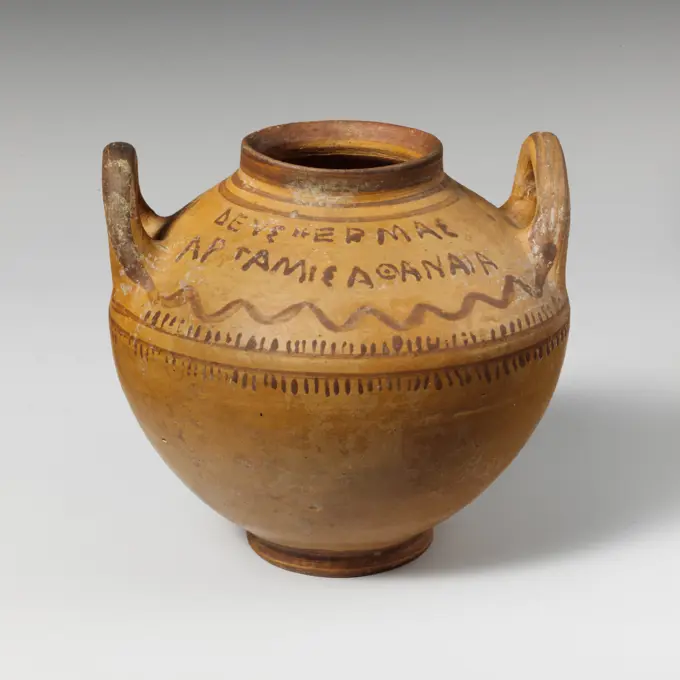
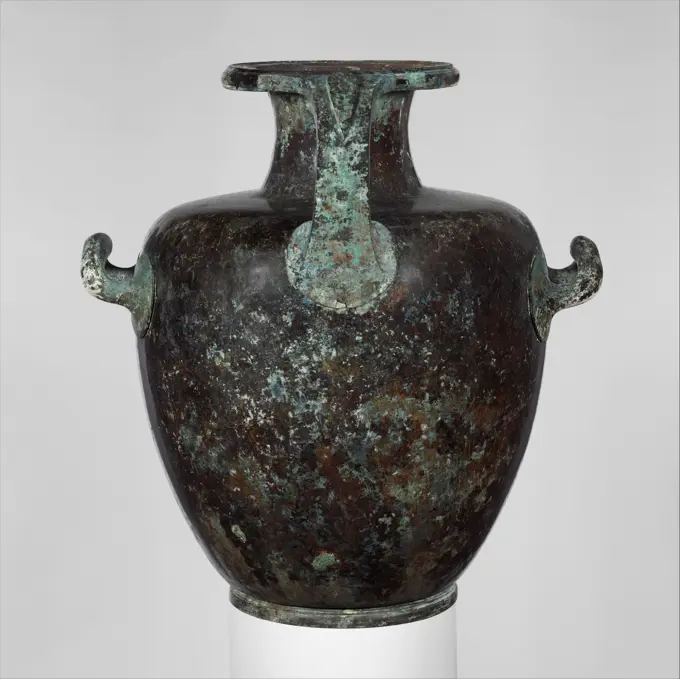
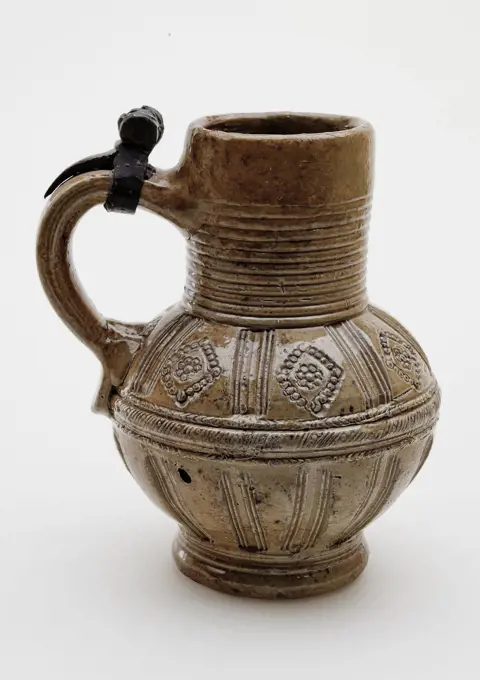
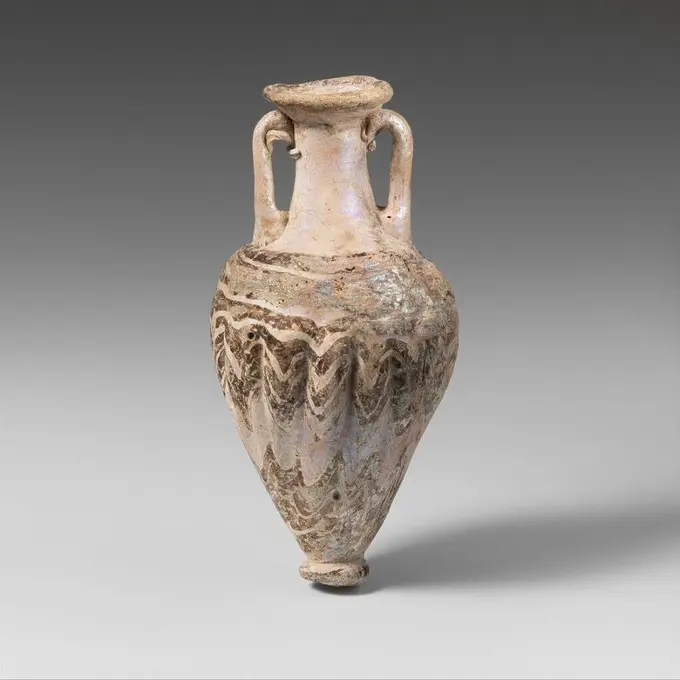
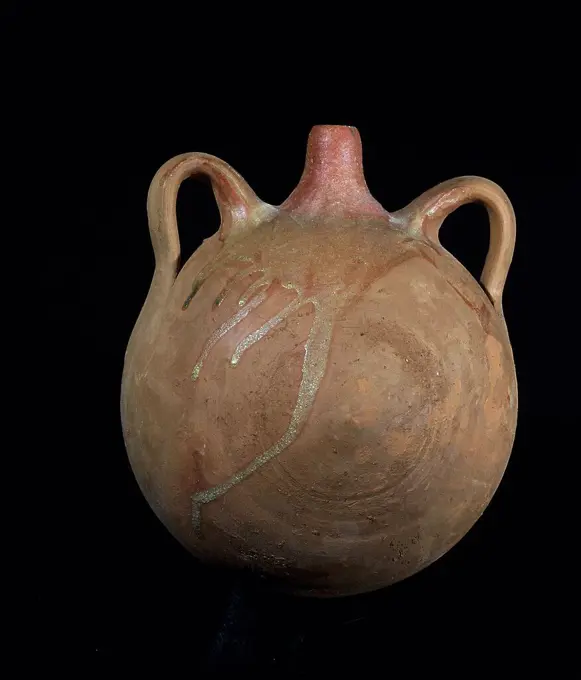
A collection of ancient pottery pieces from various civilizations, showcasing geometric designs and varied shapes, highlighting the craftsmanship of cultures like Etruscan and Piceno.

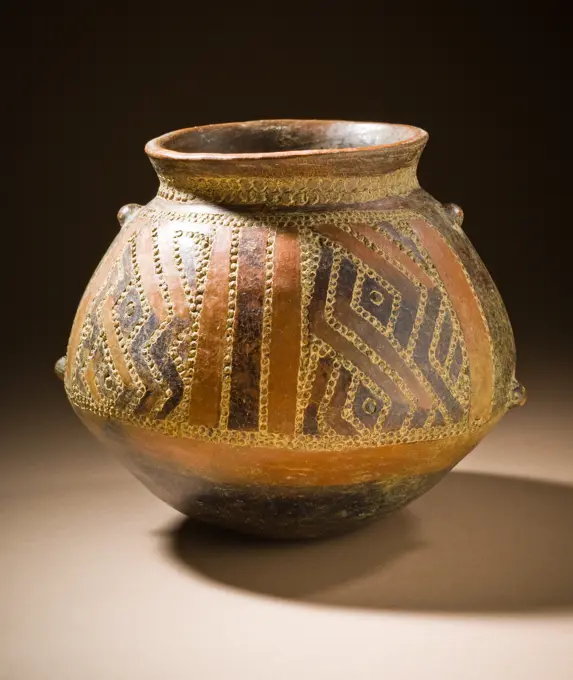
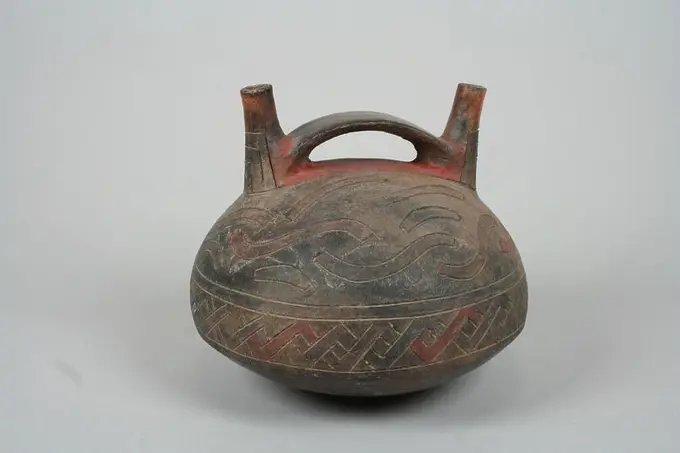
Polychrome vessel, 3rd-15th century, 8 1/4 in. (21 cm), Polychromed earthenware, Peru, Pre-Columbian
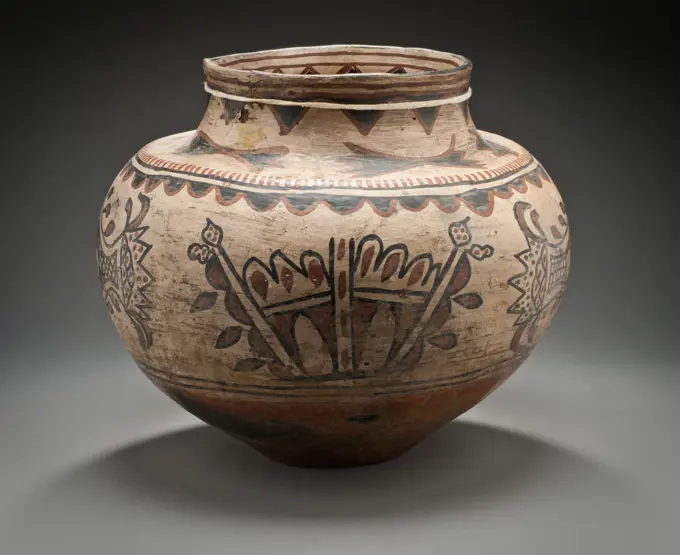
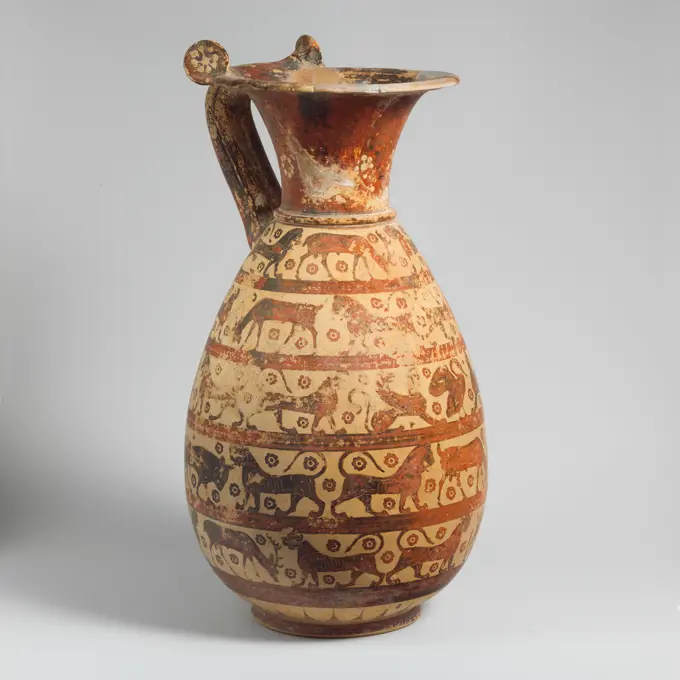
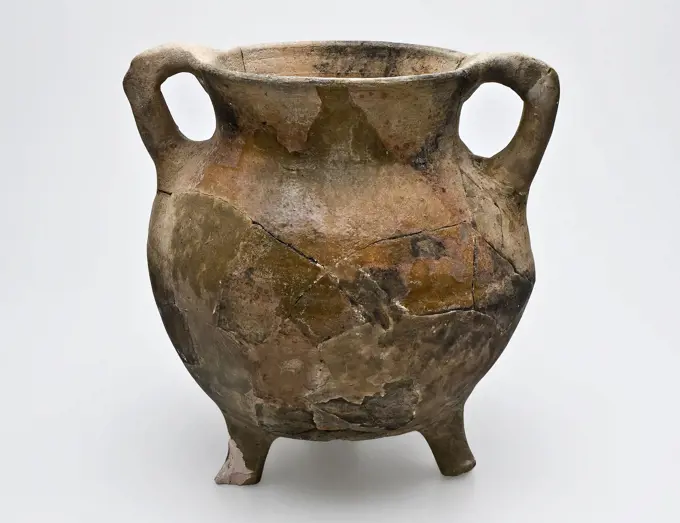
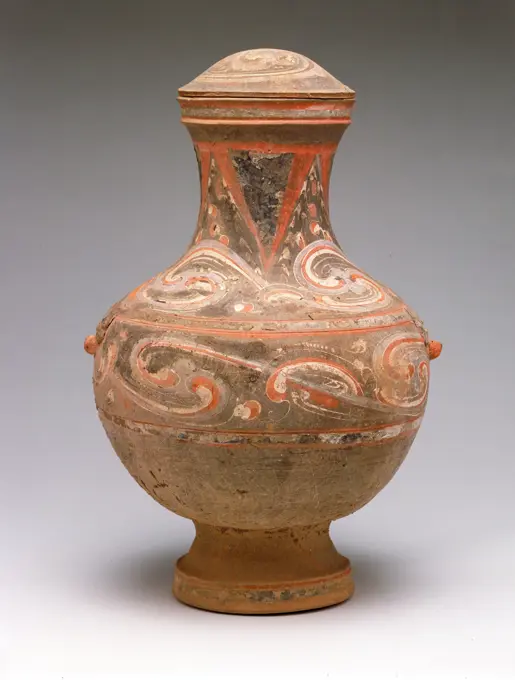
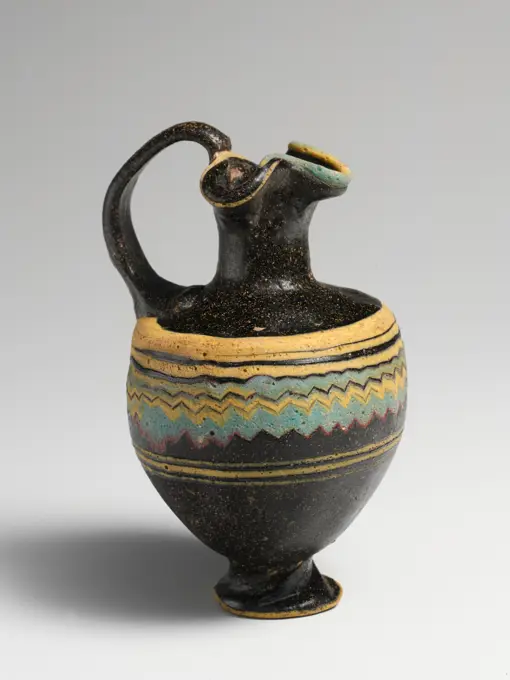
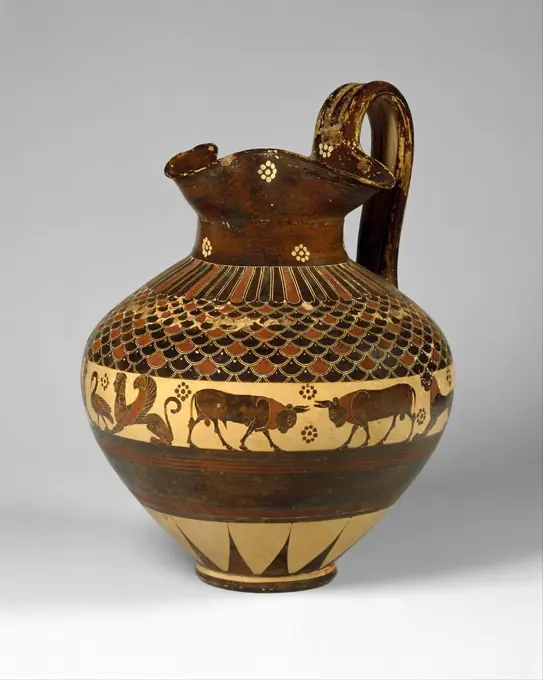
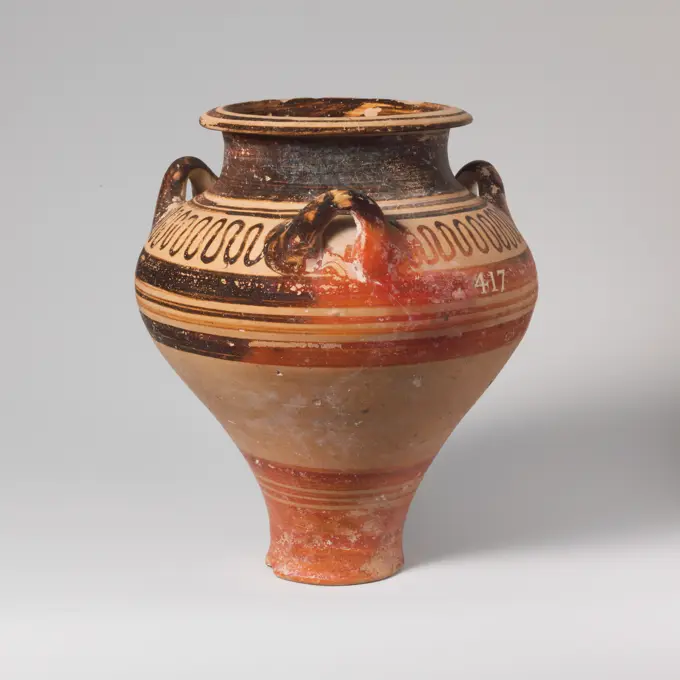
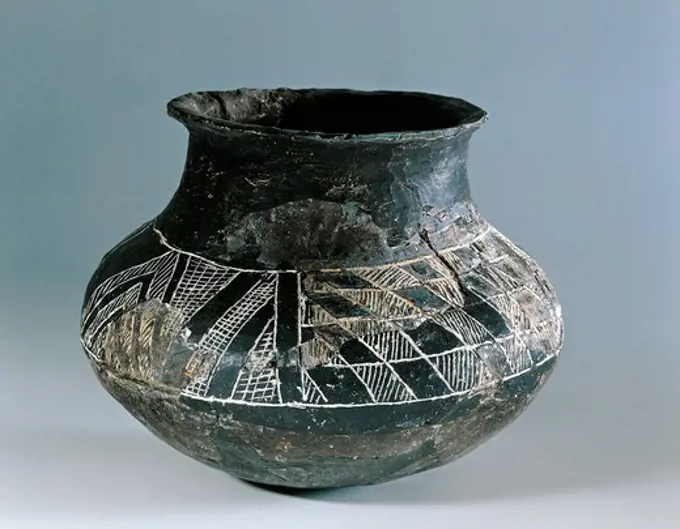
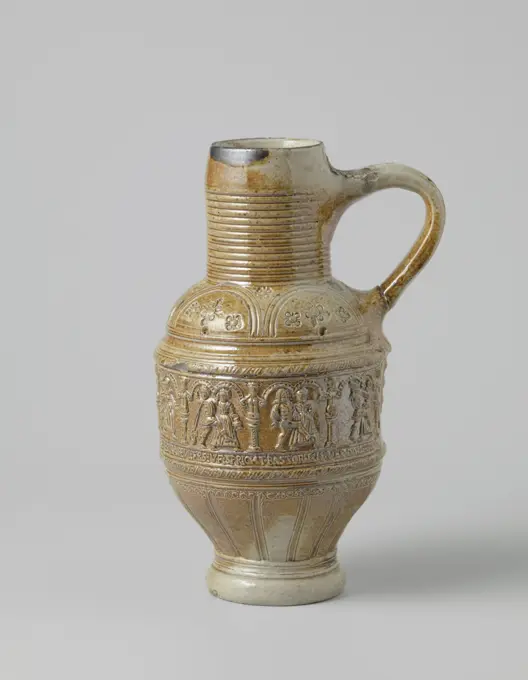
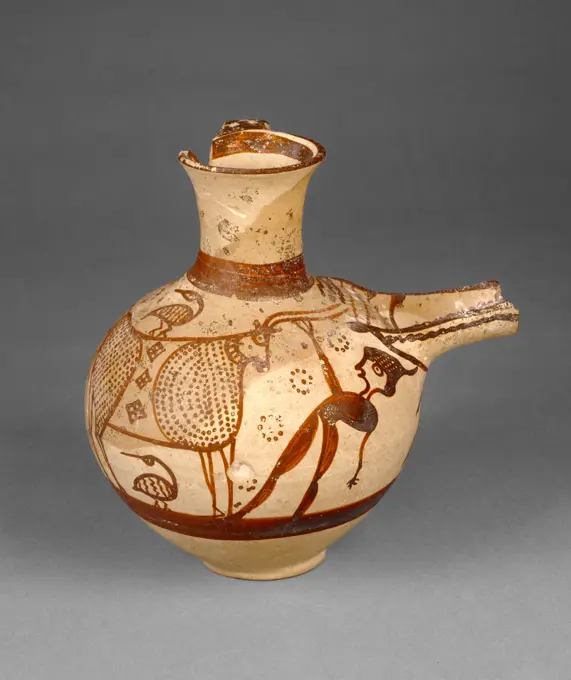
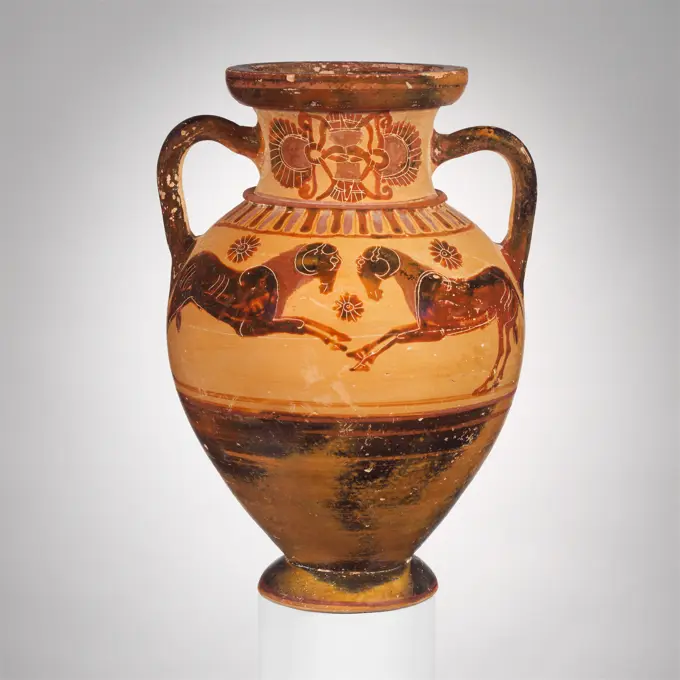
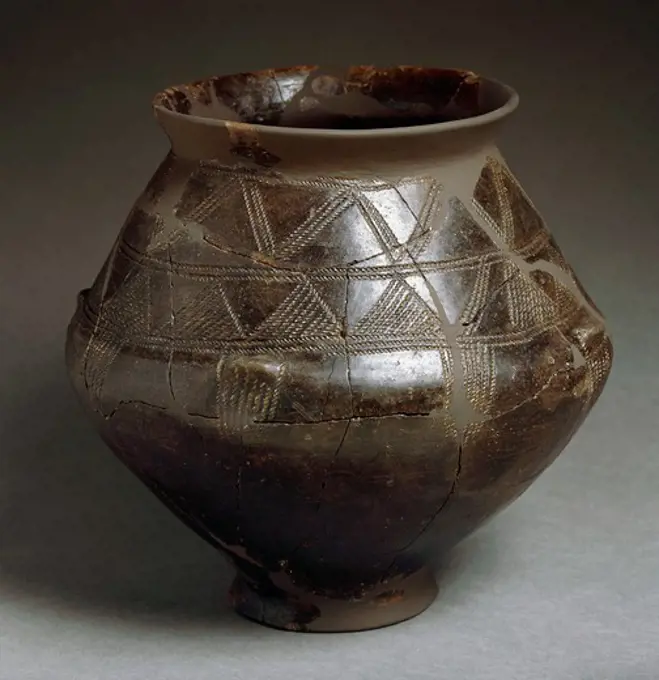
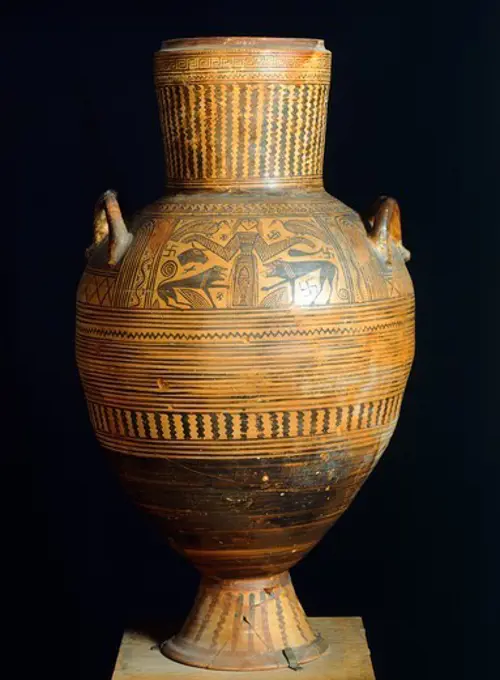
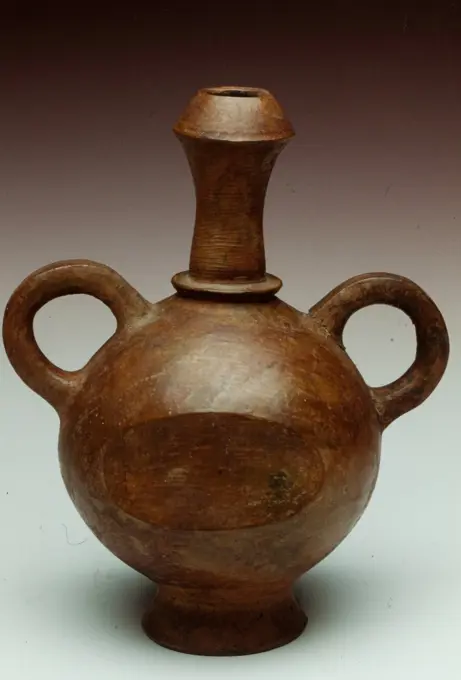
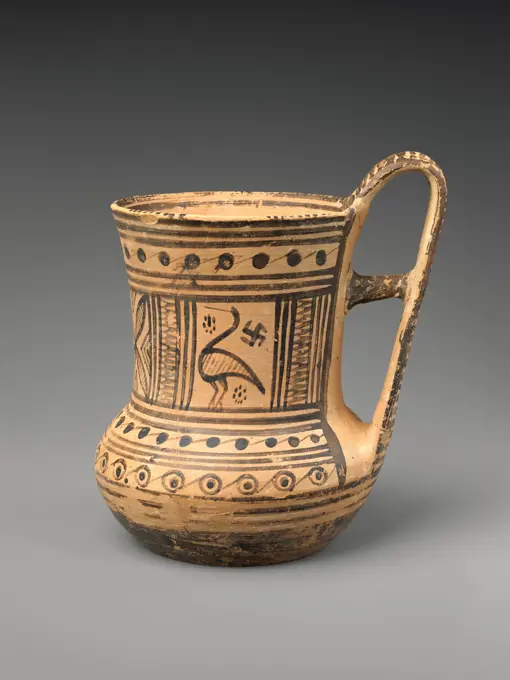
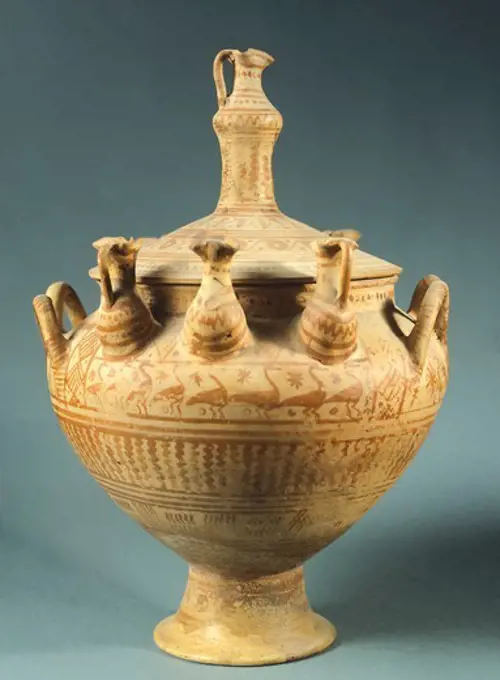
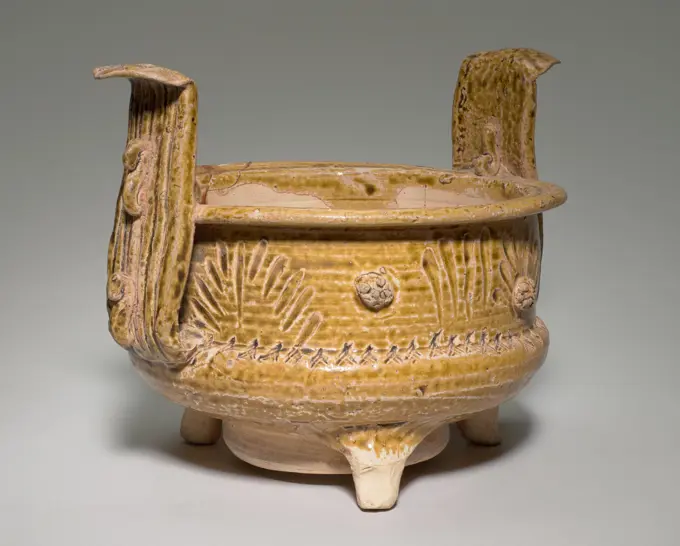
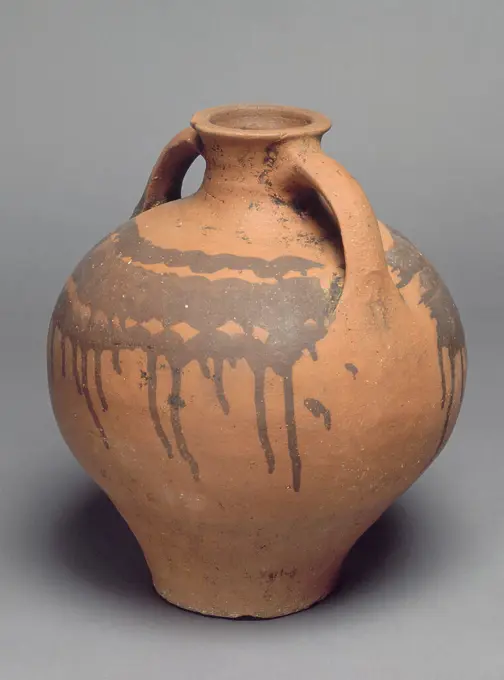
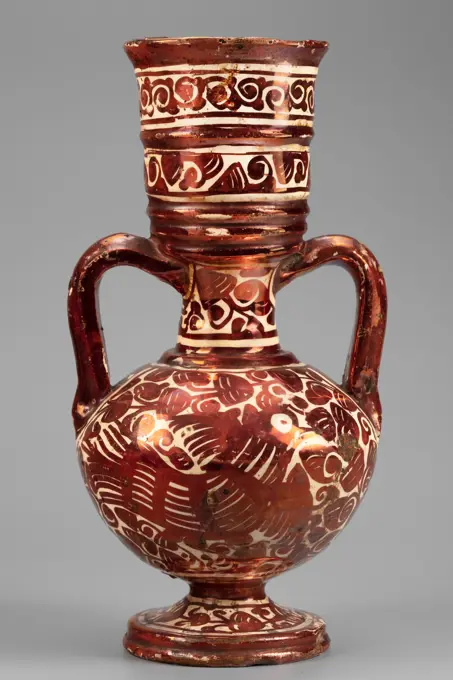
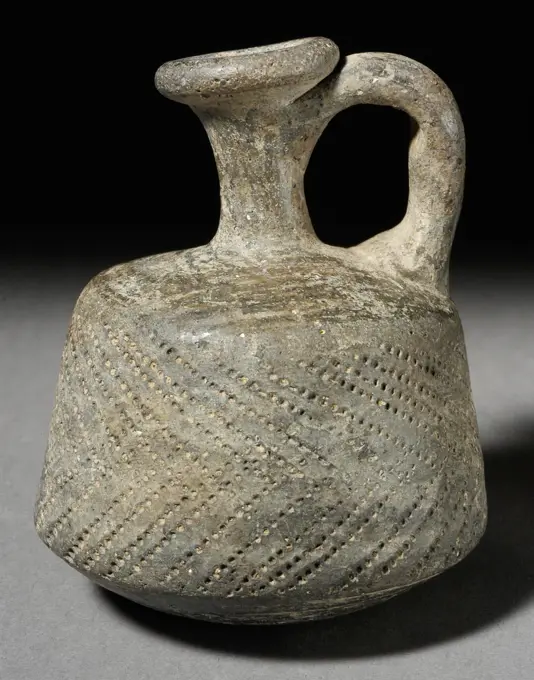
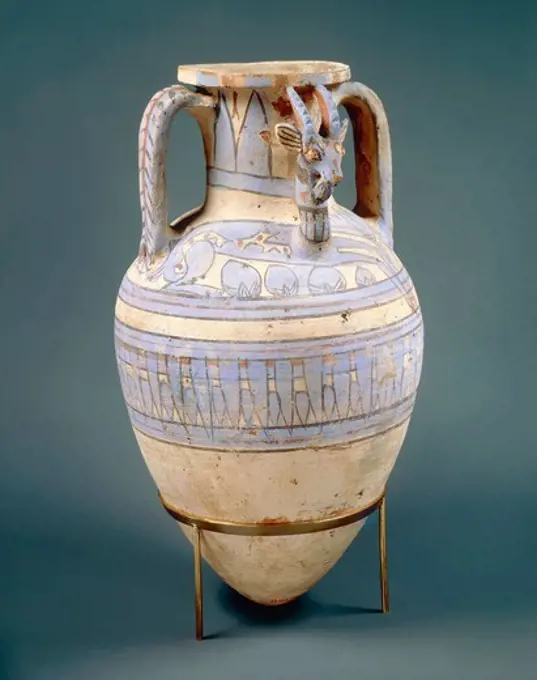
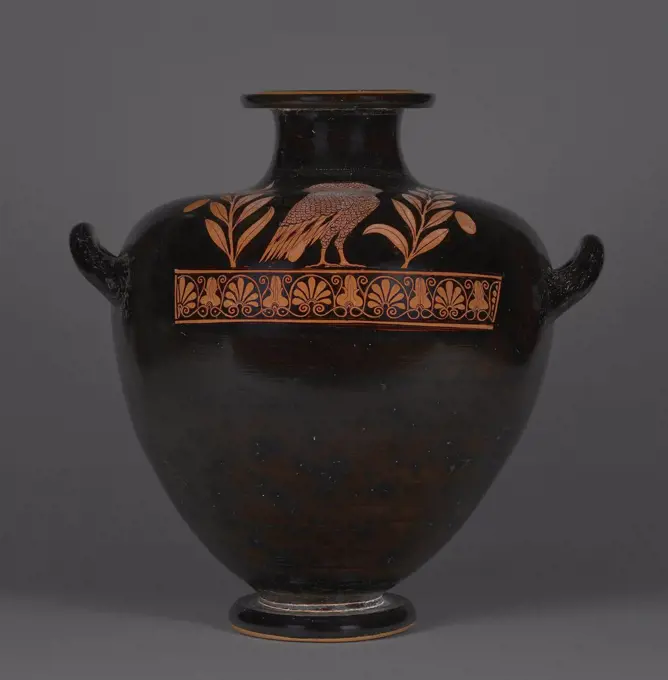
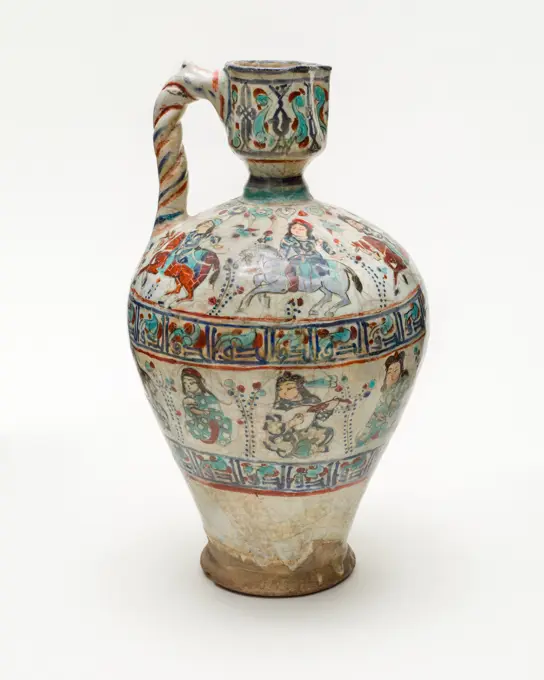
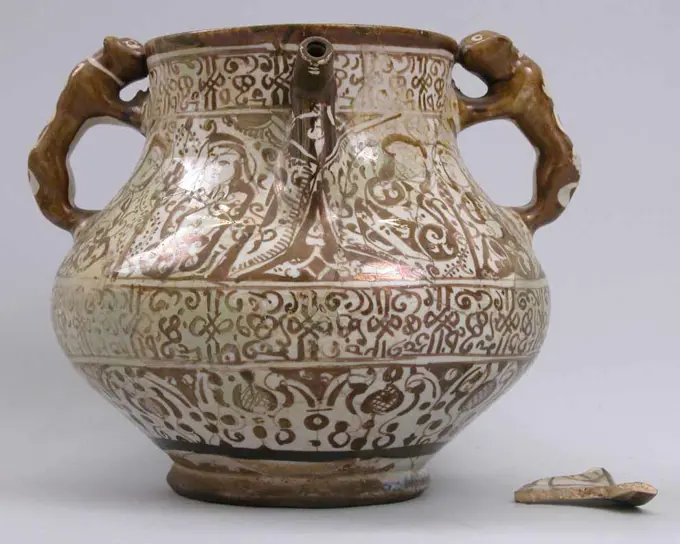
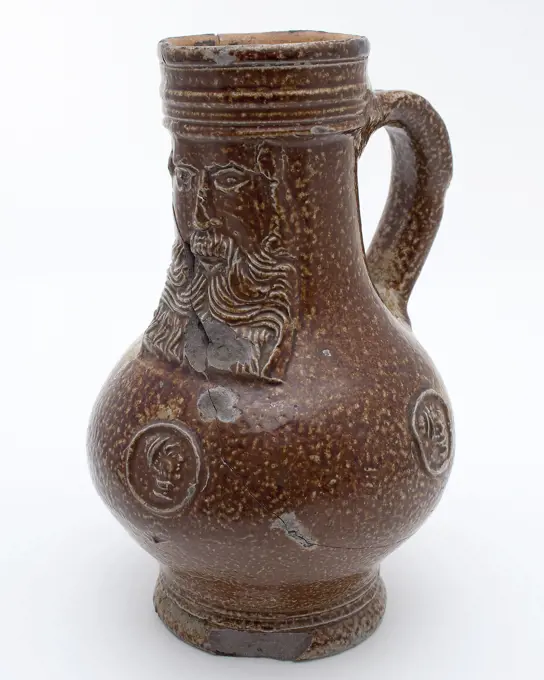
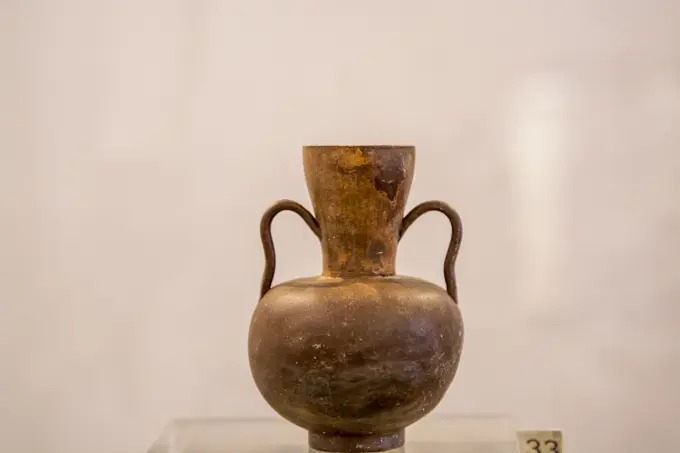
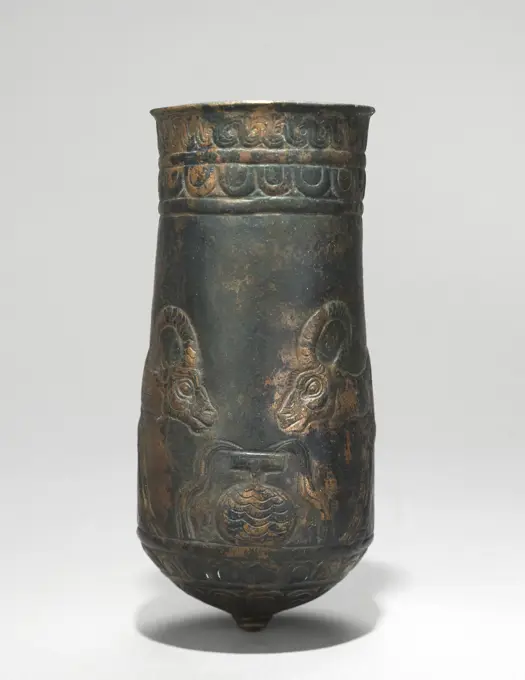
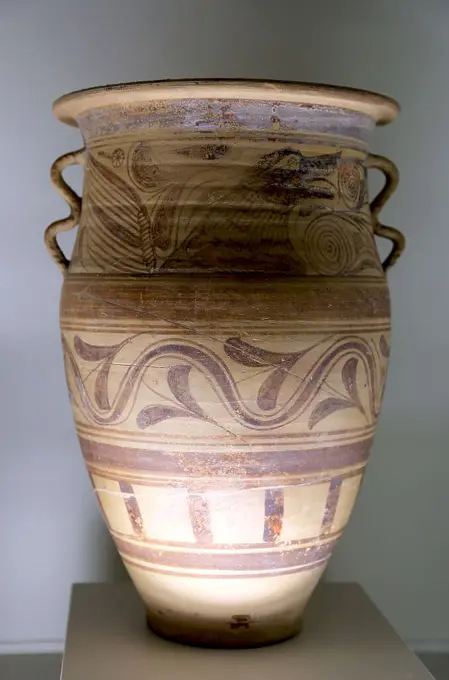
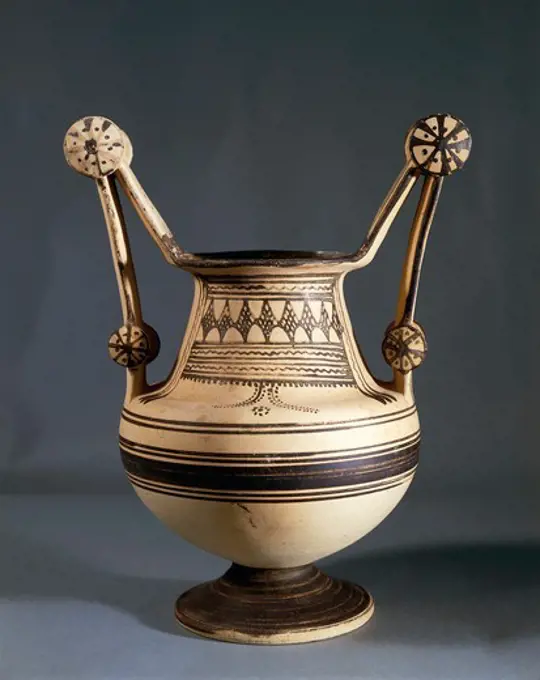
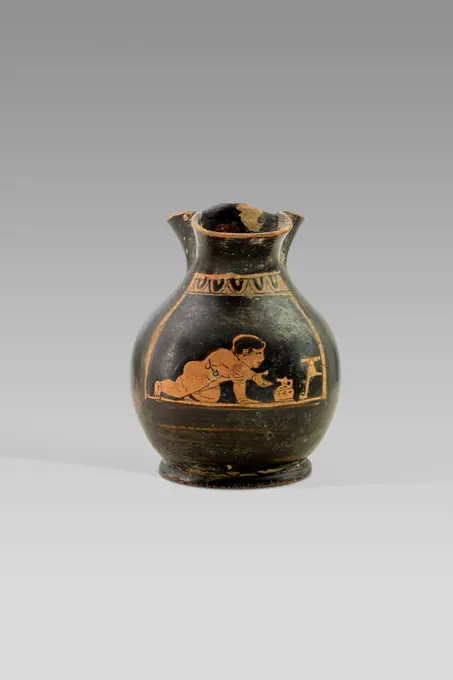
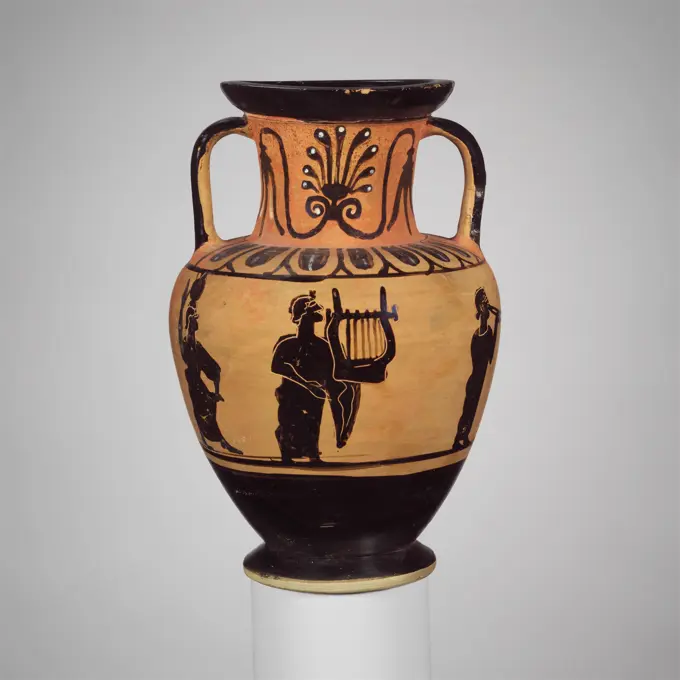
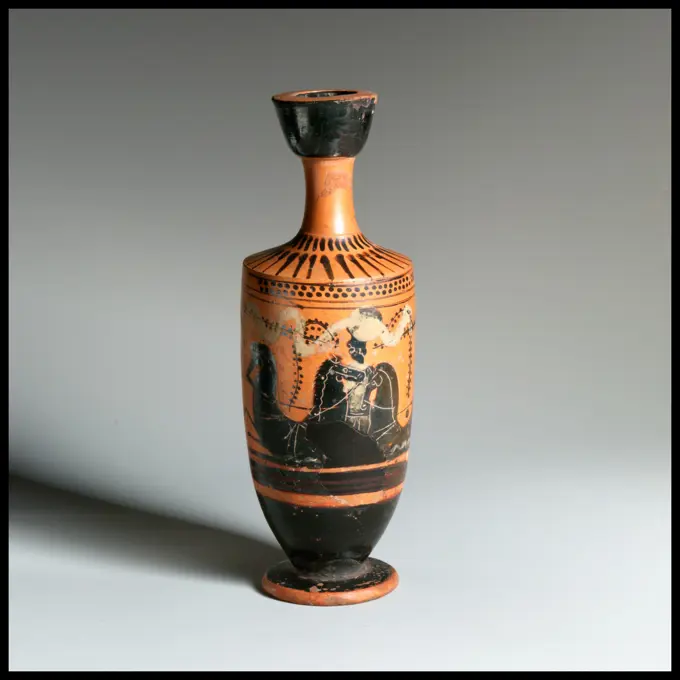
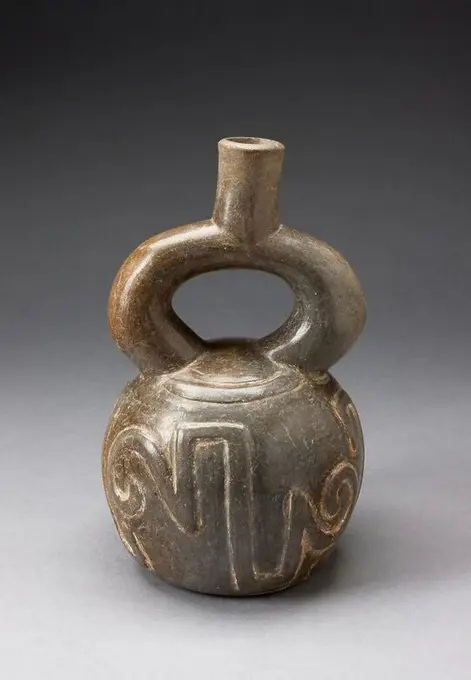
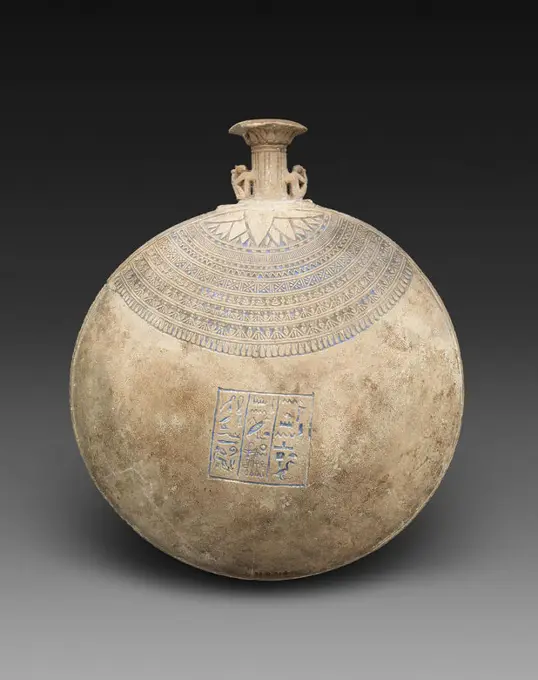
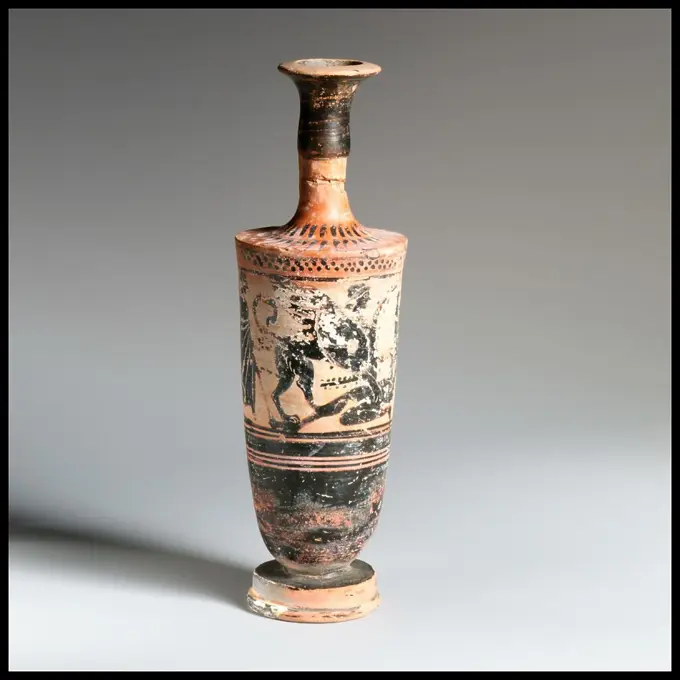
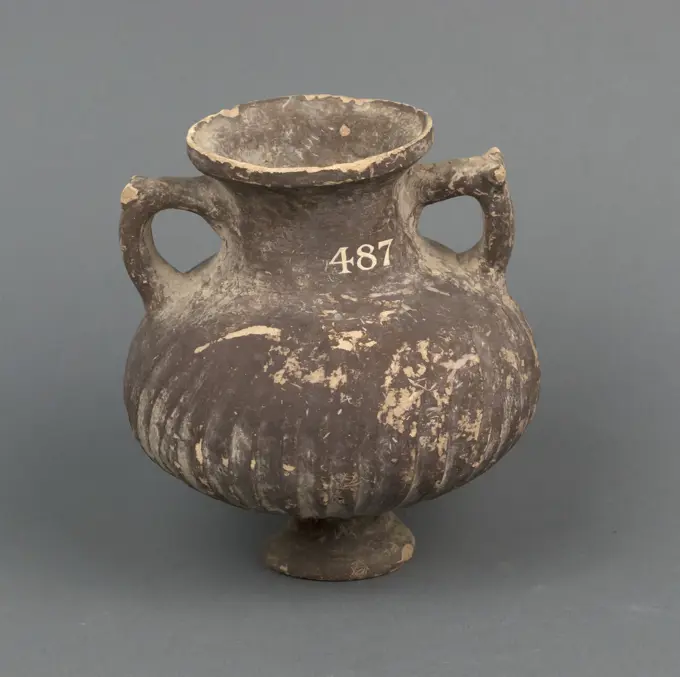
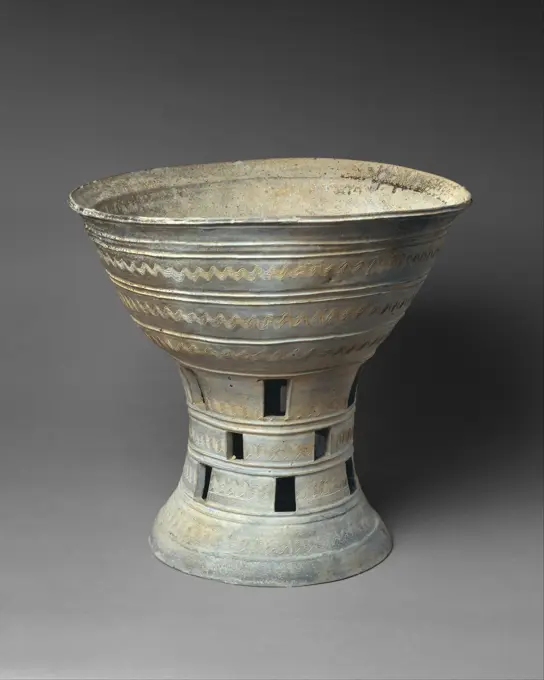
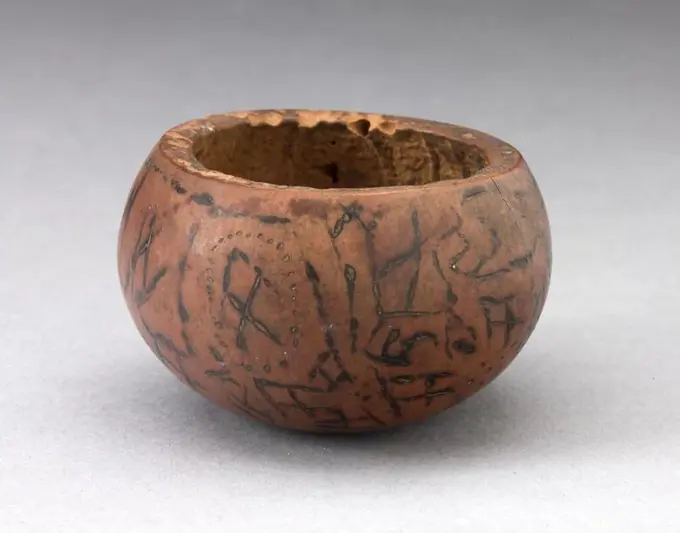
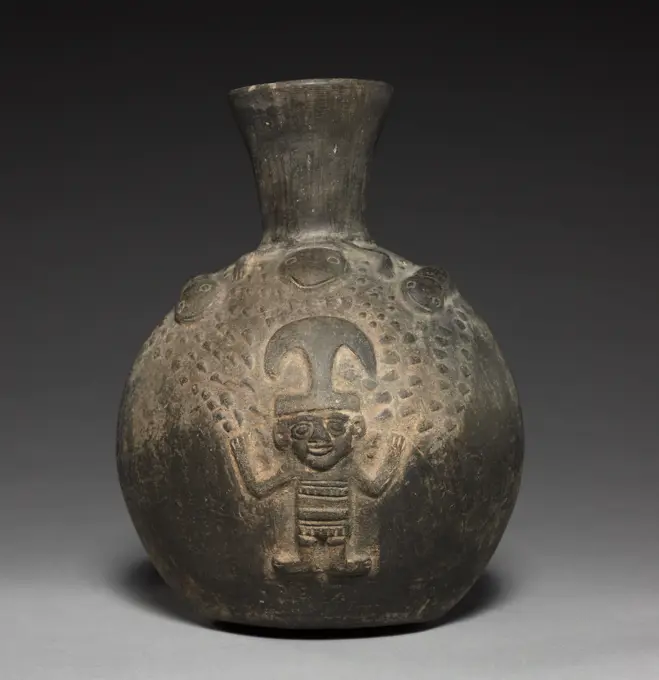
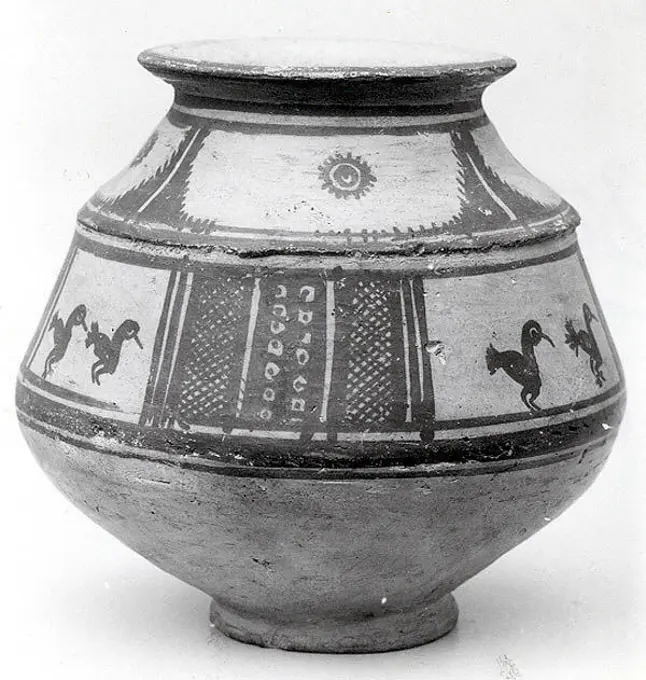
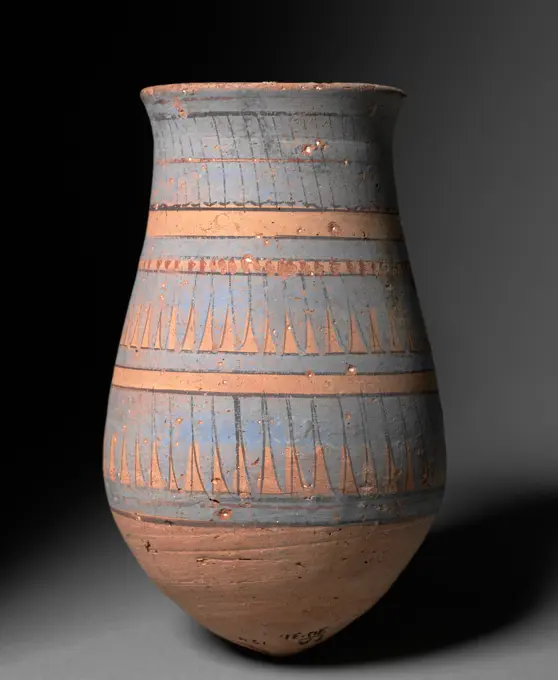
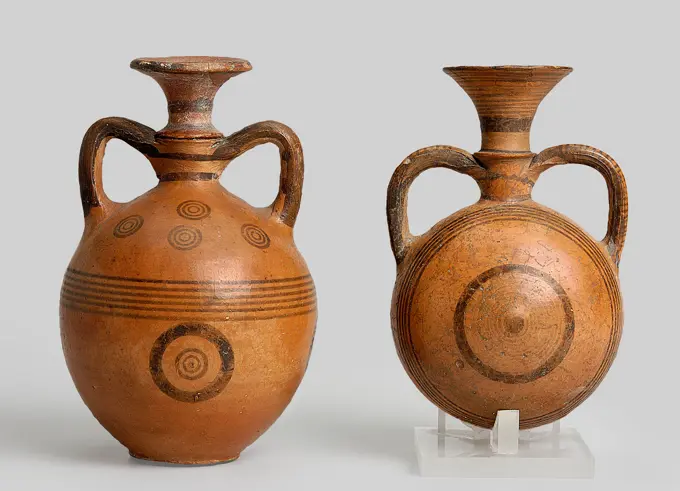
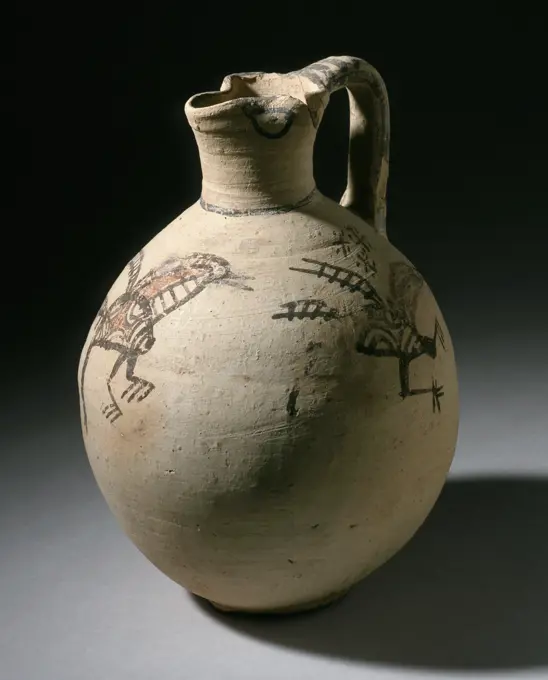
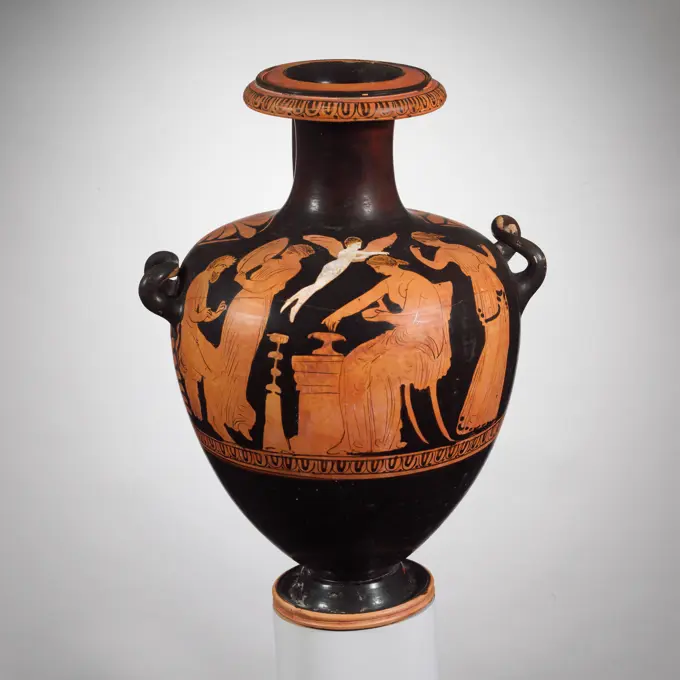
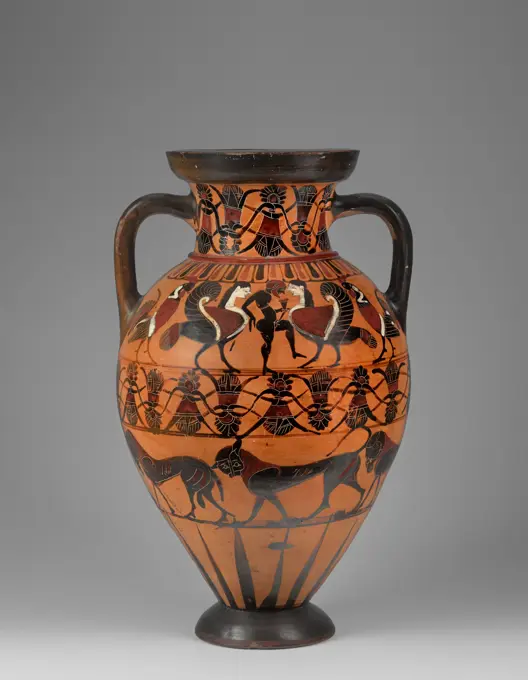
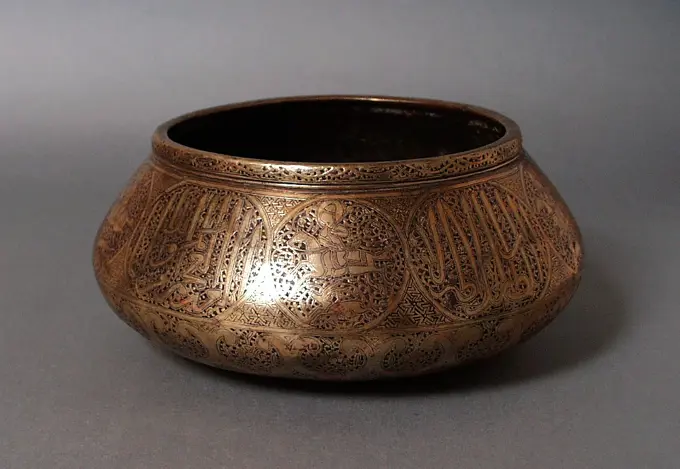
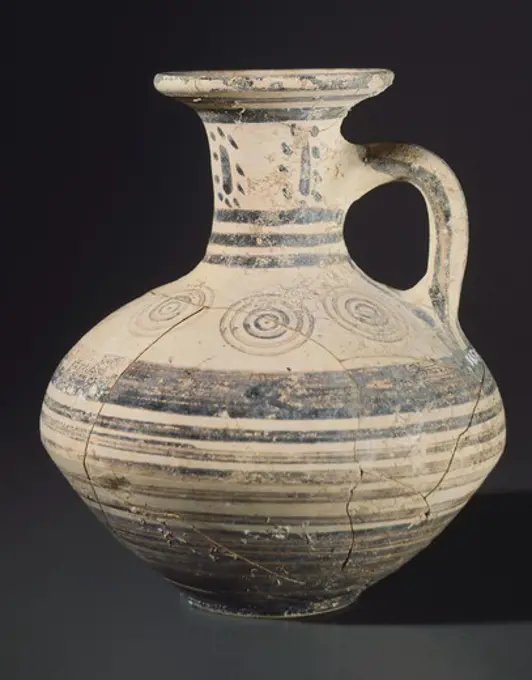
Oinochoe with round opening. Geometric pottery the Necropolis of Casal del Fosso, Veio (Lazio). Etruscan Civilization, ca 750-725 BC.Coloured vase showing geometric pattern, from Novilara, Marche, Italy. Piceno Civilization, 9th-3rd Century BC.Water Jar. United States, New Mexico, Tesuque (Tatungue) Pueblo, Tesuque (Tatungue), circa 1880-1890. Furnishings; Serviceware. Earthenware and pigmentsPolychrome vessel, 3rd-15th century, 8 1/4 in. (21 cm), Polychromed earthenware, Peru, Pre-ColumbianDinos 600-480 B.C. Cypriot Bands, guilloche, and two zones of curl ornament.. Dinos. Cypriot. 600-480 B.C.. Terracotta. Cypro-Archaic II. VasesTerracotta oinochoe:olpe (jug) ca. 630-610 B.C. Attributed to the Sphinx Painter Five friezes of animalsThe Sphinx Painter was a competent artist who is closely associated with the Polyteleia Painter, to whom the very fine dinos (deep bowl; 1997.36) exhibited in the Belfer Court is attributed.. Terracotta oinochoe:olpe (jug) 246565Trefoil Oinochoe. UnknownGlass amphoriskos (perfume bottle). Culture: Greek, Eastern Mediterranean. Dimensions: H.: 4 5/8 in. (11.8 cm). Date: late 6th-5th century B.C..Opaque white, with handles and base-knob in same color; trails in translucent purple.Broad, inward-sloping rim-disk; cylindrical neck tapering upward; broad, sloping shoulder; elongated ovoid body; circular base-knob with rounded edge; two vertical strap handles drawn up from shoulder, turned in, and pressed on to underside of rim-disk.One thick, rounded trail attached at edge of rim-disk; another trail applied on shoulder and wound round spirally, at first in horizontal lines, then tooled into a zigzag pattern with rounded tops and close-set vertical tooling indents, ending in irregular, thick line around bottom; another thick trail applied to knob-base.Complete, except for part of rim-disk and two-thirds of knob-base; dulling, pitting, and iridescent creamy weathering. Museum: Metropolitan Museum of Art, New York, USA.Jar, 14th century, 6 1/2 x 6 1/4 in. (16.5 x 15.88 cm), Earthenware clay, pigments, Panama, 14th centuryPottery grape on three legs, funnel neck and two hook ears, sparing glaze, grape cooking pot tableware holder utensils earthenware ceramics pottery glaze lead glaze, rim 12.8 hand turned glazed baked Pottery grape or cooking pot on three legs Rounded belly and flattened bottom. Funnel-shaped neck without profiling. Two standing ears of hook ears Red shard and sparingly glazed archeology Blicksteyn Heenvliet Bernisse indigenous pottery cooking kitchen food preparation nutrition Soil discovery Heenvliet Blicksteyn 1967-68.Hu (Covered Storage Jar), 2nd century BCE, 22 1/8 x 14 1/2 x 13 1/4 in. (56.2 x 36.83 x 33.66 cm) (with handles), Earthenware with traces of pigment, China, 2nd century BCE, During the Han dynasty, food became both abundant and varied. Even the common people enjoyed great improvements in their standard of living. Han tombs nearly always included storage jars (hu) full of cereals and wine for the afterlife. This large, lidded jar painted in red, white and purple pigments with spiral patterns can be seen as a less expensive substitute for the similarly decorated lacquer containers that likely inspired its decor.Pitcher with Handle, AD 300s or later. Roman, Syro-Palestinian. Glass, mold-blown; diameter: 5.7 cm (2 1/4 in.); overall: 15 x 8.9 cm (5 7/8 x 3 1/2 in.).Fragment of stoneware field bottle, brown, protruding neck, flask holder soil find ceramic stoneware glaze salt glaze h 10.0 neck 2.9 belly 8.8 hand turned fried glazed Stoneware field bottle gray shard brown salt glaze with lighter spots narrow neck with dilated mouth edge two ears Ears on the shoulder intended for circumferential cord. On one side flattened archeology import pottery drink transporting keep packagingPot 4th-7th century Coptic. Pot 476302AmphoraGlass oinochoe (perfume jug) late 6th-5th century B.C. Greek, Eastern Mediterranean Opaque dark purple, with handle and foot in same color; trails in opaque yellow and opaque turquoise blue.Applied broad trefoil rim-disk, with tooling indents at sides; cylindrical neck; broad angular shoulder; large ovoid body; applied irregular outsplayed foot with pushed-in bottom; handle attached to shoulder in a pad, drawn up and out, and turned in, forming an arch slightly above rim-disk, then dropped down and pressed on to back of neck below rim.Yellow and turquoise trails, mixed together, attached at edge of rim-disk; a second yellow trail applied under handle, wound horizontally two and a half times around top of body, then tooled into a close-set zigzag pattern, intermingling with a turquoise blue trail; below zigzag, a fine yellow trail wound horizontally three times around body; a yellow trail wound around edge of foot.Intact, but some of trails deeply weathered, leaving hollows in body; whiTerracotta oinochoe (wine jug). Culture: Greek, Corinthian. Dimensions: H. 10 1/4 in. (26 cm). Date: ca. 625 B.C..On the mouth and neck, rosettes; on the shoulder, above, red and black tongues; below, red and black scales. Around the belly, bulls, birds, panthers, stags and a lion. Rays above the foot. Museum: Metropolitan Museum of Art, New York, USA.Vase, c. 200-500. Eastern Mediterranean, Roman, possibly 3rd - 5th Century. Glass; diameter: 2 cm (13/16 in.); overall: 6.9 x 5.5 cm (2 11/16 x 2 3/16 in.).Terracotta pithoid jar ca. 1400-1050 B.C. Mycenaean Pear-shaped vase with three handles and loop pattern on shoulder.. Terracotta pithoid jar 240352Jug (Bartmann jug) with portraits, leaves and an inscription, anonymous, c. 1530 - c. 1570 Jug (beard fancier bush) of stoneware on a high base with a spherical body and wide neck. The C-shaped ear is attached to the neck and shoulder. Profiles on the neck. Covered with a brown Engobe. On the belly in relief a printed and imposed bond with an inscription in mirror image 'the Lords Wart bleft in Ewig ...', repeated 2.5 times. On either side of the inscription medallions with portraits and profil, leaf motifs and rosettes. On the neck, continuously on the shoulder, a bearded man. Cologne/ Frechen. Cologne stoneware. glaze. engobe vitrification Jug (beard fancier bush) of stoneware on a high base with a spherical body and wide neck. The C-shaped ear is attached to the neck and shoulder. Profiles on the neck. Covered with a brown Engobe. On the belly in relief a printed and imposed bond with an inscription in mirror image 'the Lords Wart bleft in Ewig ...', repeated 2.5 times. On either siDecorated jug, from the region of Cerkassy, Ukraine. Cimmerian Civilization, 8th-7th Century BC.Jug with scenes of a dancing couple, anonymous, c. 1597 - c. 1610 Jug of stoneware on high foot with a cylindrical body, round shoulder and wide, ribbed neck. Profiles on the body and the foot. Covered with a brown Engobe. On the belly in relief a printed and laid bond with arches. Under the first arch the musicians are depicted, the other bows with a dancing pair. In the second box from the left the date '1597'. Under the band the inscription 'Gerhet dv mvs daper blasen so dances di bvren as weren si rasen frs vf spricht bastor ich far dance di k ...'. The lower part of the abdomen runs slanted to the foot and has entered courses. Bent with rosettes on the shoulder. Raeren. Rae stoneware. glaze. engobe vitrification Jug of stoneware on high foot with a cylindrical body, round shoulder and wide, ribbed neck. Profiles on the body and the foot. Covered with a brown Engobe. On the belly in relief a printed and laid bond with arches. Under the first arch the musicians are depicted, the othGeometric pottery, Amphora, Figured and meander ornamentationJug of stoneware. Jug of stoneware. The neck is ribbed. The belly is decorated with rosettes. With one ear.Mycenaean Sieve Jug. Attributed to Painter 20 (Mycenaean, active 1250 B.C. - 1225 B.C.)Terracotta neck-amphora (storage jar) ca. 570-560 B.C. Attributed to the Prometheus Painter Obverse, warrior between two roostersReverse, two rams chargingVases of the Tyrrhenian Group, such as this one, are interesting for the transition that they document from an earlier tradition favoring animal subjects to later convention that made figural subjects predominant on black-figure neck-amphorae.. Terracotta neck-amphora (storage jar) 254846 : Attributed to the Prometheus Painter, Terracotta neck-amphora (storage jar), ca. 570560 B.C., Terracotta, H. 12 1/8 in. (30.8 cm). The Metropolitan Museum of Art, New York. Rogers Fund, 1956 (56.11.4)Vessel or aryballos, used to contain or transport water or chicha (corn beer). Inca culture. Late Horizon (1400-1532 AD). Peru. Museum of the Americas. Madrid, Spain. Globular Jar with Four Lugs. Colombia, Middle Cauca, Middle Cauca, 700-1600 CE. Ceramics. Punctate design on resist-painted ceramicPrehistory, Italy, Iron Age. Golasecca culture. Cinerary urn decorated with engravings.Amphora from Thebes, Boeotia (Greece). Greek Civilization, 8th Century BC.Vessel. Egypt, New Kingdom 19th Dynasty (1315 - 1201 BCE). Furnishings; Serviceware. CeramicVase, 20th century, 11 x 6 1/4 in. (27.9 x 15.88 cm), Ceramic, Democratic Republic of the Congo, 20th centuryChinese Green Vase with Gilded Decoration,  Qing Dynasty, Kangxi Period, early 18th centuryTerracotta tankard 4th quarter of the 8th century B.C. Greek, Attic The tankard was used as a jug. It is an antecedent of the mug and olpe.. Terracotta tankard. Greek, Attic. 4th quarter of the 8th century B.C.. Terracotta. Geometric. VasesTerracotta aryballos (oil flask) ca. 595-570 B.C. Attributed to the Otterlo Painter Herakles attacking a centaur, probably NessosThe Otterloo Painter favored a type of aryballos with a flattened bottom. The narrative, mythological subject is unusually ambitious in his work. The centaur Nessos offered to help Deianeira, Herakles' wife, ford a stream and, in so doing, attacked her. Herakles here draws his sword against the aggressor.. Terracotta aryballos (oil flask) 247193Terracotta pyxis (cosmetic box) 1st half of 5th century B.C. East Greek The pyxis is inscribed in the Doric dialect of Greek, used in south-west Asia Minor and the neighboring island of Rhodes. Although there are difficulties in interpreting the metrical text, it may be taken to say "Brasia is the most beautiful on earthso it seems to me," followed by the names of four Greek gods, Zeus, Hermes, Artemis, and Athena. Brasia may be the name of a well-known hetaira (courtesan).. Terracotta pyxis (cosmetic box). East Greek. 1st half of 5th century B.C.. Terracotta; red-figure. Classical. VasesAmphora. Culture: Cypriot. Dimensions: 5 1/16in. (12.9cm). Date: 600-480 B.C..Lattice and lotus panels. Museum: Metropolitan Museum of Art, New York, USA.Bronze hydria (water jar) 5th century B.C. Greek This hydria is said to come from Galaxidi, a site in central Greece that has yielded many bronzes of the Classical period; the larges number are in the British Museum. However it may have served previously, the last use of this example was as a cinerary urn; it was found with the bones still inside.. Bronze hydria (water jar) 247496Storage Jar, 1300s. Thailand, Sawankhalok, 14th century. Stoneware; diameter: 25.1 cm (9 7/8 in.); overall: 33 cm (13 in.).Stoneware jug, ball model with cylindrical neck, band ear with pewter lid hinge, jug crockery holder soil find ceramic stoneware glaze salt glaze tin metal, hand turned glazed fried High neck with rings Bullet shaped belly flat foot On ear remains of pewter lid. Gray shard archeology Rotterdam City center Stadsdriehoek Schielandshuis indigenous pottery import donate drinking serve table Soil discovery: Schielandshuis during restoration 1982.Jug ca. 1400 Italian. Jug 463709Terracotta jug with spirals. Culture: Minoan. Dimensions: Total height 18 7/8 in. (48 cm.). Date: ca. 1700-1600 B.C..Numerous examples of this type of jug were excavated in the Temple Repositories at Knossos. Museum: Metropolitan Museum of Art, New York, USA.Terracotta jar with lid. Culture: Cypriot. Dimensions: H. 12 1/8 in. (30.8 cm). Date: 310-30 B.C..Two-handled vase with spout and cover, the knob in form of a miniature vase.The shape and decoration of this unusual vessel combine to give it a rather exotic appearance, which may be taken to reflect the eclecticism of Cypriot art. Museum: Metropolitan Museum of Art, New York, USA.Glass amphoriskos (perfume bottle). Culture: Greek, Cypriot. Dimensions: Overall: 5 5/8 x 1 15/16in. (14.3 x 4.9cm). Date: 1st century B.C..Translucent light blue; opaque yellow and white trail; handles and knob base in translucent yellowish green.Inward-sloping rim-disk; thick-walled neck, tapering slightly downward, then expanding to join sloping shoulder; elongated ovoid body, tapering in to pointed bottom, with applied knob base; two strap handles applied to shoulder and upper part of neck.Trails applied at rim, drawn down in a spiral around neck, across shoulder, down body and trailed off at bottom, with plain spiral at top and bottom, but tooled into an even, narrow festoon pattern around sides with 25 upward strokes. Yellow applied first and white overlaid.Broken and repaired around rim and neck with some areas missing; knob base and both handles missing; a few bubbles; slight dulling, pitting, and iridescent weathering.Very narrow opening at base of neck. Museum: MetropoliGlass amphoriskos (perfume bottle). Culture: Greek, Eastern Mediterranean. Dimensions: H.: 4 7/8 in. (12.4 cm). Date: late 6th-5th century B.C..Opaque white, with handles and base-knob in same color; trails in translucent purple.Deeply inward-sloping rim-disk; cylindrical neck tapering upward; uneven, sloping shoulder; tall conical body; large, slanting circular base-knob with rounded edge and slight indent on bottom; two vertical strap handles drawn up from shoulder, turned in, and pressed on to underside of rim-disk and top of neck.One thick, rounded trail attached at edge of rim-disk; another trail applied on shoulder and wound round spirally, at first in horizontal lines, then tooled into an irregular zigzag pattern from the greatest diameter of the body to the base-knob, with deep vertical tooling indents around upper body; another trail applied to edge of knob-base.Complete, except for weathered chip in base-knob; some pitting of large bubbles, and iridescent creamy weatherinKrater with decorated lid. Geometric pottery. Etruscan Civilization, 700-725 BC.Censer, 1st century BCE - 1st century CE, 5 1/2 x 7 9/16 x 6 1/8 in. (13.97 x 19.21 x 15.56 cm), Stoneware with carved and appliqued decor under a light brown glaze, Vietnam, 1st century BCE - 1st century CE, Metalware had an important influence on the shapes and decoration of both Chinese and Vietnamese ceramics. Chased silver and cast bronze vessels were often imitated in less expensive ceramics for utilitarian use and as tomb furnishings. Shown here is a small, circular stoneware censer intended for the ritual burning of incense. Next to it is a rare bronze censer which is the sort of vessel that stood as the model for the ceramic version. The tall handles on both vessels are typical of Vietnamese tostein censers.CANTARO CON DOS ASAS Y DECORADO CON RAYAS ANCHAS HECHAS CON PINCEL-ARTE POPULAR. Location: ALFARERIA. Calanda. TERUEL. SPAIN.Amphora vase; Manises (ceramic family; Ca 1400-); XVII century (1601-00-00-1700-00-00);plant decorations, mirrors, birdsDecorated Amphora with Ibex Head, Before 1920. Egypt, Modern pastiche. Marl clay ware; diameter: 21.2 cm (8 3/8 in.); overall: 32.4 cm (12 3/4 in.).Juglet. Egypt, Second Intermediate Period (1640 - 1532 BCE). Furnishings; Serviceware. CeramicPainted amphora with neck ornament in shape of ibex from Thebes, Egypt, New Kingdom, Dynasty XVIIIRed-Figure Kalpis; Group of the Floral Nolans, Greek (Attic), active about 470 B.C.; Athens, Greece, Europe; 480 - 470 B.C.; Terracotta; Object: H: 36 to 36.8 x Diam. (body): 29.6 cm (14 3/16 to 14 1/2 x 11 5/8 in.), Object (mouth): Diam. (outside): 13.3 to (inside): 9.7 cm (5 1/4 to 3 13/16 in.), Object (foot): Diam.: 12.8 cm (5 1/16 in.)Ewer. Iran, Kashan, late 12th century - early 13th century. Ceramics. Fritware, inglaze- and overglaze-painted (mina'i)Ewer late 12th-early 13th century. Ewer 452615Brown speckled Bartmann jug, also called Bellarmine jug, on the belly three round portrait medallions, wide and high neck, Vessel holder soil find ceramic stoneware glaze salt glaze, hand turned stamped glazed glazed baked stoneware jug gray shard salt glaze largely brown brindled bandoor groove under mouth rim profiled neck and foot subtraction traces at the bottom. Bartmann jug mask on the neck around the belly three identical round medallions with man's head Ball-shaped jug on stand foot with relatively long and wide neck archeology Rotterdam Delfshaven Lage Erf import pottery wine beer serve serve drinks Soil discovery Rotterdam: Lage Erf Delfshaven 1925.Footed Vessel with Jaguar FaceArtifacts in Castelo de Silves Museum. SIlves, Algarve, Portugal. (Editorial Use Only)Jug with the Four Evangelists, Emonds Mennicken, 1586 Jug of stoneware on high foot with a cylindrical body with round shoulder and a wide neck. The C-shaped ear is attached to the neck and shoulder. Profiles on the neck, belly and foot. Covered with a brown Engobe. The cylindrical abdomen with a printed and laid bond in relief with the four evangelists in medallions between rolling and human figures. Below the inscription 'Dit dei Veir Evangelisteen Mattevs Marcvs LVCAS IOHANNIS' with the date '1584' and the 'C.P' brand. The lower part of the abdomen runs slanted to the foot and, like the, slightly narrower shoulder, is divided into entered courses. On the neck a band in relief with 'Y.H.S.' Surrounded by medallions and leaf vines. Here the brand 'E.M.' and the date '1586'. Attached to the ear a pewter frame with lid. Raeren. Rae Stoneware. Glaze. Engobe. frame: tin (metal) vitrification Jug of stoneware on high foot with a cylindrical body with round shoulder and a wide neck. The C-sButton-Based Situla, 900-700 BC. Iran, Luristan, 9th-7th Century BC. Bronze, repoussé, punched, incised; diameter: 6.2 cm (2 7/16 in.); overall: 13.1 cm (5 3/16 in.). The metalworkers of Luristan provided the Assyrian empire with elaborate bronze ornaments and vessels. These two situla are decorated symmetrically---one with ibexes drinking from an overflowing water jar; the other, with sphinxes.Iberian painted ware vase. Iberian culture. Elx-Archena style (Cent. 3rd- 2nd BC). Archaeological Museum of Catalonia, Barcelona, Spain.Bottle 6th-7th century Moche. Bottle 309444Beaker 'trichterhalsbecher' with a coat of arms, anonymous, c. 1860 - c. 1880 Cup (funnel neck cup) of stoneware on wavy foot with a spherical body and funnel -shaped neck. The C-shaped ear is attached to the shoulder and abdomen. Profile on the neck. On the abdomen in relief three times a printed and imposed medallion with a weapon and the date '1567'. False to a 16th century Siegburg funnel cup. Germany stoneware. glaze vitrification Cup (funnel neck cup) of stoneware on wavy foot with a spherical body and funnel -shaped neck. The C-shaped ear is attached to the shoulder and abdomen. Profile on the neck. On the abdomen in relief three times a printed and imposed medallion with a weapon and the date '1567'. False to a 16th century Siegburg funnel cup. Germany stoneware. glaze vitrificationItaly, Apulia, Manduria, Messapian vase from a tomb, terracottaSlender stoneware jug with rosettes on the neck, wide flutes on the belly, ear, jug crockery holder soil find ceramic stoneware glaze salt glaze, hand turned baked glazed stoneware jug dark gray shard with salt glaze curled tail profile rings and cord bands around neck and foot. Slim model with conical neck and rather large neck opening archeology import pottery serve serve drinking beer wineTerracotta chous late 5th century B.C. Greek, Attic Toward the end of the 5th century B.C., Athenian potters and painters created a large number of miniature vessels decorated with scenes involving young children. They are connected with the Anthesteria, a three-day celebration of the new vintage of wine and the arrival of spring, in which children also participated. These little vessels are called choes (sing. chous), which means libations, after the name of the second day of the festival. It is noteworthy that the scene on this example depicts a chous and a kline, suggesting a symposium.. Terracotta chous. Greek, Attic. late 5th century B.C.. Terracotta; red-figure. Classical. VasesVase, 1000-1550. Costa Rica, Filadelphia. Earthenware; diameter of mouth: 13.4 cm (5 1/4 in.); overall: 23.5 x 18.8 cm (9 1/4 x 7 3/8 in.); diameter of base: 16.6 cm (6 9/16 in.).Jug. Culture: American. Dimensions: H. 10 in. (25.4 cm). Maker: John Crolius (1733-1812). Date: 1775.This jug was probably made by John Crolius, whose family worked in New York City in an area known as Pot Baker's Hill, just north of what is now City Hall Park. He and his brother, William, were among the area's first potters. Their father had emigrated from Germany and founded a pottery, which the family ran until the mid-nineteenth century. The jug is signed and dated, which is rare in eighteenth-century American stoneware. Museum: Metropolitan Museum of Art, New York, USA.Terracotta neck-amphora (jar) 5th century B.C. Greek, South Italian, Campanian Around vase, procession of figures to an altarOf the major regions in Southern Italy producing painted vases, only Campania had a significant black-figure output. As the present example indicates, the technique employs a minimum of incision, making it closer to silhouette than actual figure. While dependent on Attic models, a piece such as this one is distinct in the decoration that circles the vase rather than being divided by the handles into front and back.. Terracotta neck-amphora (jar) 247214Lekythos 1st quarter of 5th century B.C. Greek, Attic. Lekythos. Greek, Attic. 1st quarter of 5th century B.C.. Terracotta; black-figure. Late Archaic. VasesStirrup Spout Vessel with Raised Geometric Scroll Motif. Chavín; North coast, Peru. Date: 600 BC-400 BC. Dimensions: H. 14.6 cm (5 3/4 in.). Ceramic. Origin: North Coast. Museum: The Chicago Art Institute, Chicago, USA.BARRIL REDONDO CON VIDRIADO PARCIAL EN BOCA Y ASAS- ARTE POPULAR- S XX - FOTO AÑOS 60. Location: ALFARERIA. TAGARABUENA. Zamora. SPAIN.Czark with decoration Barbotine;  2. PO. 1st century (51-00-00-100-00-00);Lentoid Bottle ("New Year's Bottle") inscribed for the God's Father Amenhotep, son of the God's Father Iufaa. Dimensions: H. 21 cm (8 1/4 in); diam. 18 cm (7 1/16 in). Date: 664-525 B.C..This lentoid flask, inscribed for a priest named Amenhotep, is an example of a New Year's bottle. Filled perhaps with perfume, oil, or water from the Nile, it would have been a gift associated with the celebration of the beginning of the year. Around the shoulders of the vase are incised bands of floral patterns, meant to echo the vegetal collar that would have been worn by a participant in a ceremonial or festival event or draped around the neck of a jar of wine or oil. Two baboons flank the tall neck of the bottle, which is made to echo a bundle of papyrus and lotus plants. The inscription on the front asks that the Theban triad (Amun, Mut, and Khonsu) give protection to the God's Father, Amenhotep, son of the God's Father} Iufaa; additional inscriptions on the shoulders ask the gods Montu and AmunTerracotta lekythos (oil flask). Culture: Greek, Attic. Dimensions: Overall: 7 1/16in. (18cm)Diameter: 2 3/16 × 1 5/16 × 1 11/16 in. (5.5 × 3.3 × 4.2 cm). Date: 1st quarter of 5th century B.C..Sphinx seizing youth. Museum: Metropolitan Museum of Art, New York, USA.Jar with the year 1647. Jug of stoneware. Decorated with 3 medallions in which 'the spies of Canaan' and the year 1647. The middle medallion between 2 crowned lions.Amphoriskos 1050-950 B.C. Cypriot Grooved body and horned handles, light clay under dark slip.. Amphoriskos. Cypriot. 1050-950 B.C.. Terracotta. Cypro-Geometric I. VasesCalyx-Cup with Ivy DecorationStand 5th-6th century Korea This large footed stand is an example of the gray stoneware vessels found in tombs from the fifth to sixth centuries and is the product of important technological advances in Korean ceramic production. With the exception of Chinese stoneware, the Korean stoneware (kyōngjil t'ogi) of the Three Kingdoms period is the earliest known high-fired ware in the world, requiring kiln temperatures in excess of 1000°C. These wares were produced in a wood-fired climbing kiln, a tunnel-shaped structure typically built up the side of a hill. This closed-kiln design, in contrast to the earlier open or semi-open kiln, produces intense and steady heat and allows control of the oxygen flow into the firing chamber. The characteristic gray color of Three Kingdoms stoneware is the result of the reduction of oxygen in the chamber. Unlike the soft, low-fired earthenware (wajil t'ogi) of earlier periods, stoneware is hard, dense, and impervious to liquids.High-fired glazes representTerracotta cup with lid ca. 650 B.C. Etruscan The wide, flat handles are decorated with stamped sphinxes, popular hybrid creatures associated with protection. 96.9.67a, b shown at left, together with 96.9.110.. Terracotta cup with lid. Etruscan. ca. 650 B.C.. Terracotta; bucchero sottile. Archaic. VasesWater Container (Ganga-Jumna Lota) 19th century This lota, or water container, is probably based on earlier models of seventeenth-century India that also survived after the beginning of British rule in the region. Its checkerboard pattern, perhaps derived from early Hindu decoration, reflects Islamic influence as wellspecifically, the prominance of geometric patterns in the Islamic world. The square unit exists not only in the checkerboard design but also as a repeated sequence of diamond shapes in the band above the vessel's belly. The technique of employing brass and copper together on the same object, unique to India, is called ganga-jumna, after the contrasting colors of the Ganges and Jumna rivers. The Museum's lota most likely was made in Thanjavur, known for its superior brass production in the nineteenth century.. Water Container (Ganga-Jumna Lota) 444557JARRITO DE LOZA DORADA-ALMOHADE S XII-XIII. Location: MUSEO DE ARTE. CIUDAD REAL. SPAIN.Single Spout Bottle 5th-3rd century B.C. Paracas. Single Spout Bottle 308625Bowl (Tas) with Attached Handles, Decorated with Horsemen and Solar Motif. Iran; probably Fars. Date: 1301-1400. Dimensions: 10.3 × 20.3 cm (4 1/16 × 8 in.); height with handle up 20.8 cm (8 3/16 in.). Brass inlaid with silver. Origin: Iran. Museum: The Chicago Art Institute, Chicago, USA. Author: Islamic.Double Spout and Bridge Bottle with "S" Designs. Culture: Paracas. Dimensions: Overall: 5 1/4 in. (13.34 cm)Other: 5 7/8 in. (14.91 cm). Date: 7th-4th century B.C.. Museum: Metropolitan Museum of Art, New York, USA.Miniature Bowl Incised and Painted with Geometric Motifs. Possibly Inca or Ica; South coast or southern highlands, Peru. Date: 1400-1450. Dimensions: 4 x 6.4 cm (1 9/16 x 2 1/2 in.). Gourd and pigment. Origin: Peru. Museum: The Chicago Art Institute, Chicago, USA.Vi guy. Bronze. Chine. Par musée musée malée. 70005-10 Anse, Chinese art, bronze, decorative motif, container, relief, head, guy vase, animalBottle with Figure in Relief, 1200s-1400s. Peru, probably Chiclaya, Chimú, 13th-15th century. Black ware; overall: 21.5 x 16.3 x 14.5 cm (8 7/16 x 6 7/16 x 5 11/16 in.).Terracotta cup with lid ca. 650 B.C. Etruscan Two flat handles on which are two sphinxes facing.. Terracotta cup with lid. Etruscan. ca. 650 B.C.. Terracotta; bucchero. Archaic. VasesBell crater;  4th century BC (-400-00-00--301-00-00);Jar with paired birds in panels ca. 1600-1400 B.C. Iran This jar has a flat base, squat body, a carinated shoulder, and everted rim. It is made of buff clay, and has dark brown painted decorations in two registers. The lower register alternates geometric decorations, namely crosshatching and vertical rows of circles, with images of birds. The birds have short, bent legs, big heads and long beaks. The upper register has panels whose lower corners are filled with studded triangles, perhaps meant to indicate wooded slopes. The panels each contain one to three suns.Vessels with very similar decoration have been found at Tepe Giyan and Godin Tepe in western Iran. At both sites they come from graves, and it is difficult to say whether these vessels served a ritual purpose or were objects of everyday life (or both). This jar was formerly in the possession of the archaeologist Ernst Herzfeld, who briefly excavated at Tepe Giyan. Herzfeld published the jar as coming from Giyan, but he never proDouble Spout and Bridge Bottle with Incised Design 7th-5th century B.C. Paracas. Double Spout and Bridge Bottle with Incised Design 308585Can with farmer's dance. Brown can of stoneware. Belly with a straight-handed center piece decorated with a frieze on which a tree dance is displayed and above the text "Gerhet du Sparrow Blasen SO danssen dei neighbors as well as weir SI rasen FRS UF Sprise . Astor Ich Verdans thigh cap . Ko .  "." Around the neck an ornamented Frisian.Blue-Painted Jar, 1353-1337 BC. Egypt, El-Amarna, house T.36.54. Excavations of the Egypt Exploration Society, 1930, New Kingdom, Dynasty 18, reign of Akhenaten, 1353-1337 BC. Nile silt ware; diameter of mouth: 10.4 cm (4 1/8 in.); overall: 23 cm (9 1/16 in.).Bottle, cylinder;  1050-750 BC (-1050-00-00--750-00-00);Cesnoli-collection, Cyprus, Działyńska, Izabela (1830-1899), Działyński, Jan (1829-1880)Bichrome Pitcher. Cyprus, Archaic Period (circa 700-600 B.C.). Furnishings; Serviceware. CeramicMORTERO PINTADO Y VIDRIADO AL MODO ARABE DEL S XV-ARTE POPULAR. Location: ALFARERIA. SPAIN.Terracotta hydria: kalpis (water jar) 4th century B.C. Greek, Attic Woman seated by an altar and thymiaterion (incense burner) being crowned by Eros, satyr and woman with tympanon (tambourine), and womanSet outdoors, this scene shows a woman burning incense and a satyr with a woman, who may be a maenad. The woman at the right runs away in fright. The powers of Dionysos and Eros are evidently at work.. Terracotta hydria: kalpis (water jar) 252539 Greek, Attic, Terracotta hydria: kalpis (water jar), 4th century B.C., Terracotta, H. 12 in. (30.5 cm). The Metropolitan Museum of Art, New York. Fletcher Fund, 1926 (26.60.75)Tyrrem amphora with decoration belt - cells with women, sirens, animals; Goltyr painter (575-550 BC); 560-550 BC (-560-00-00--550-00-00);Działyńska, Izabela (1830-1899), Działyński, Jan (1829-1880), Portales, James (1776-1855)-collection, rams, chitoniskos, rooster (iconogr.), Corinthizing (style), archaic period, siren (mitol .), dancersBowl