Ancient Pottery Artifacts

Historical ceramic bottles and figurines from ancient cultures, featuring intricate designs and textures, showcasing craftsmanship across centuries.
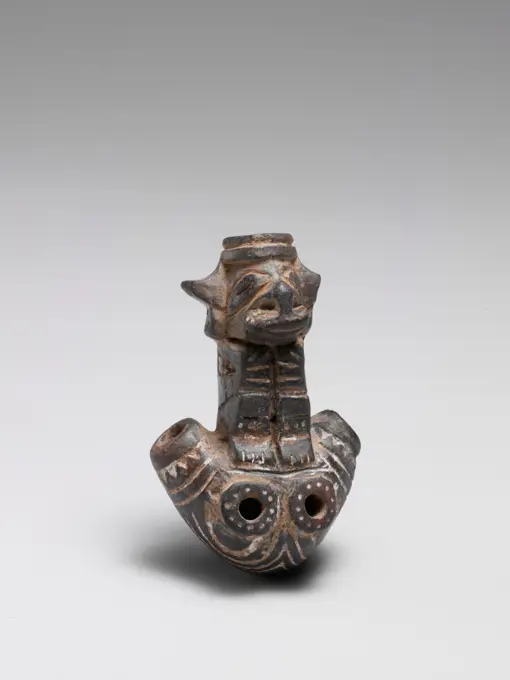
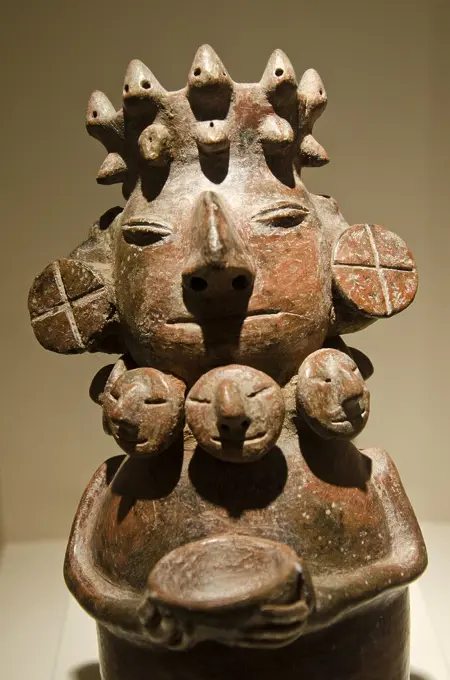
Ocarina 1300-1500 Tairona People; La Aguja Style. Ocarina. Tairona People; La Aguja Style. 1300-1500. Ceramic. Pre-Columbian. Sierra Nevada de Santa Marta, Colombia. Aerophone-Whistle Flute-vessel flute
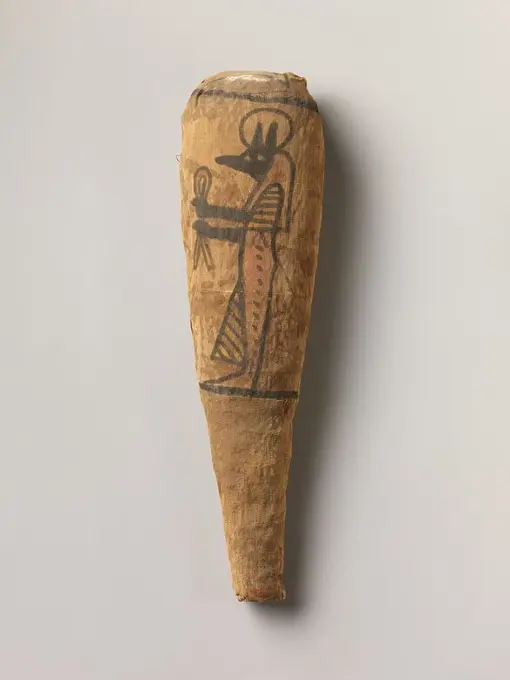
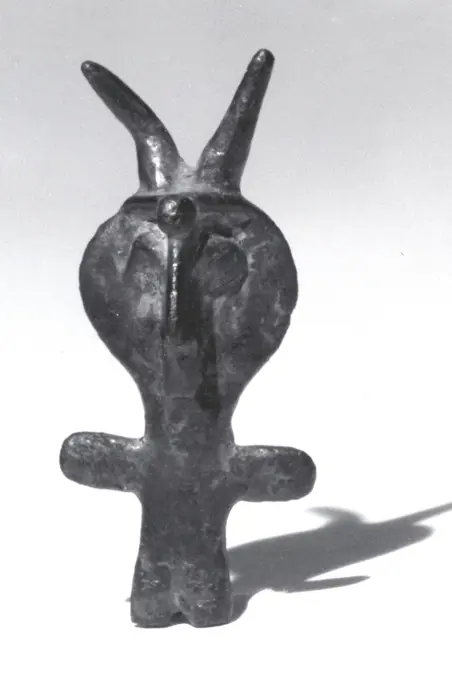
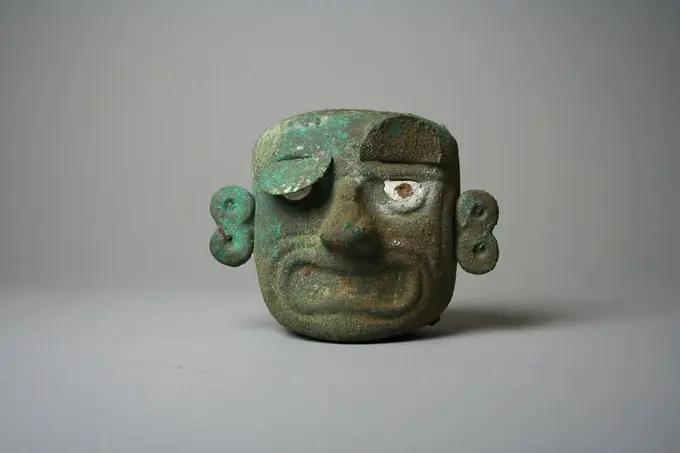
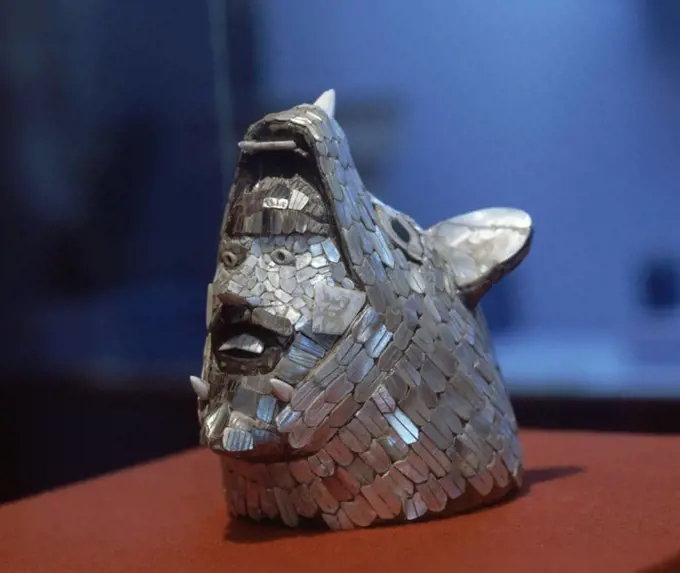
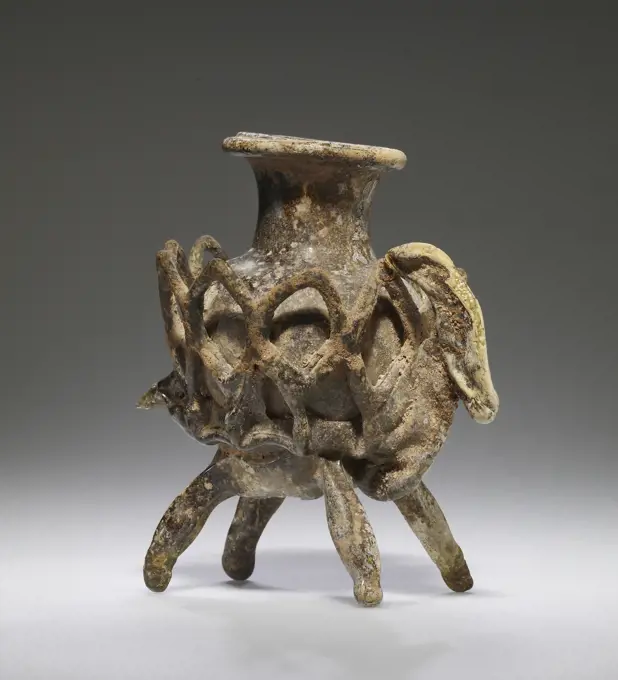
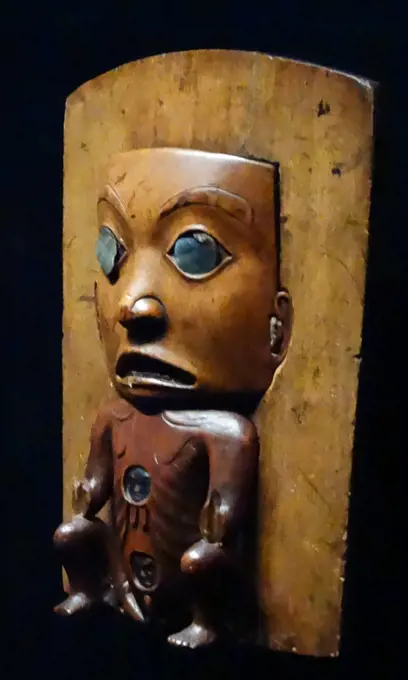
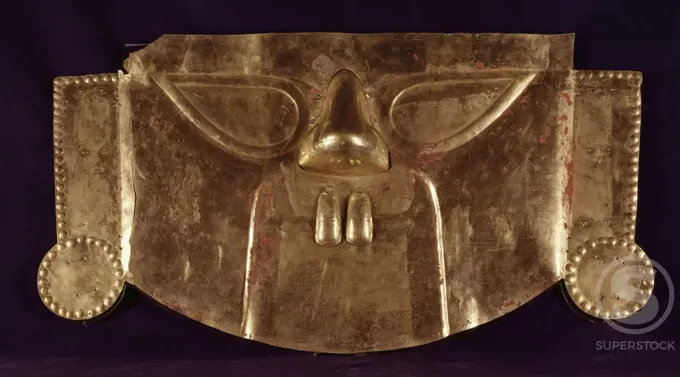
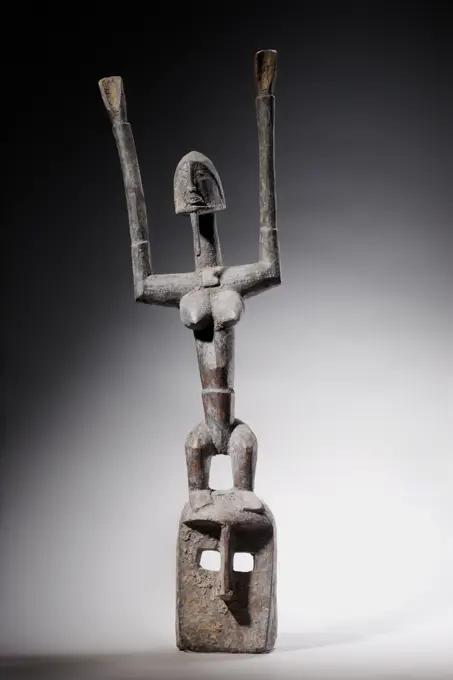
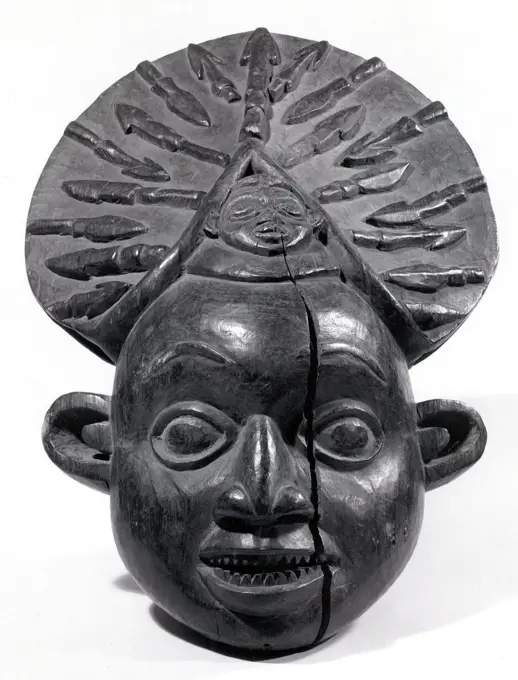
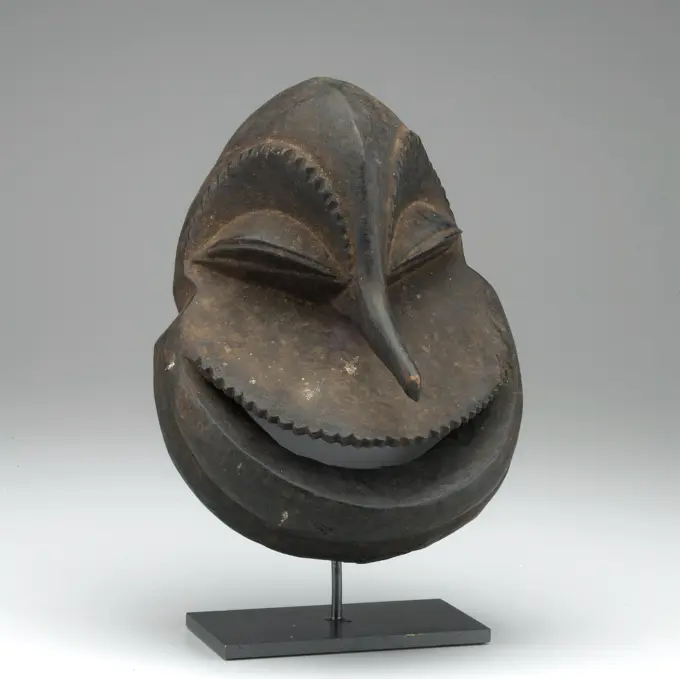
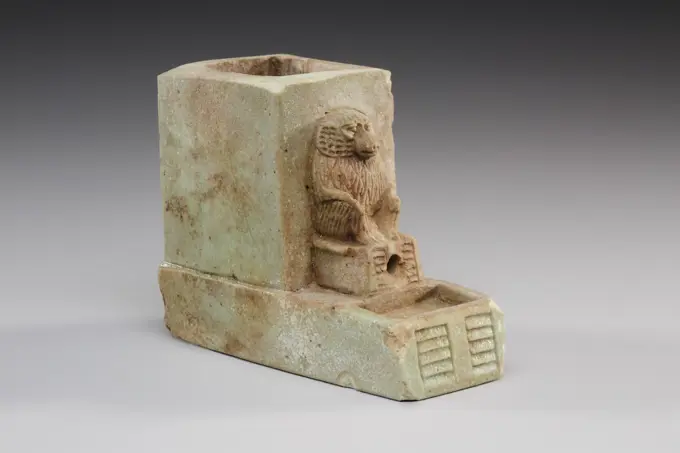
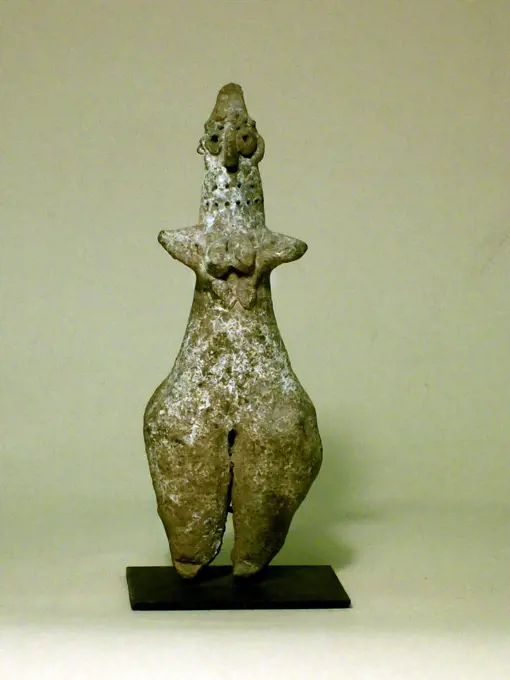
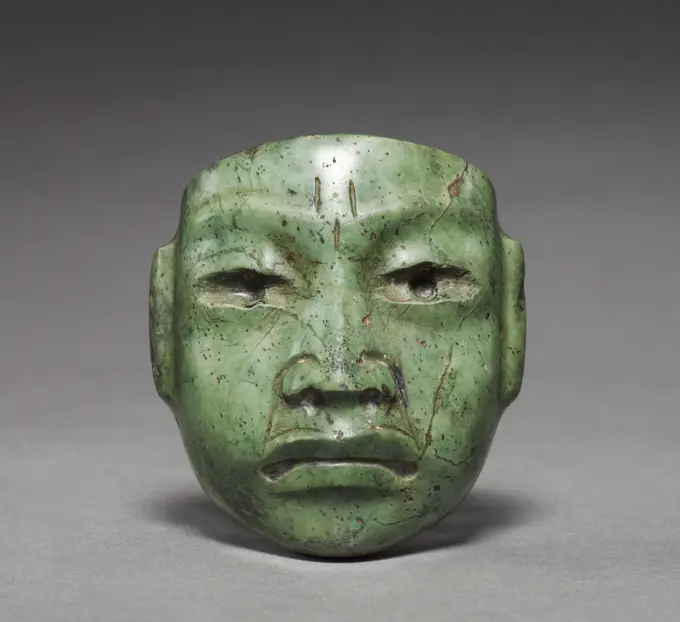
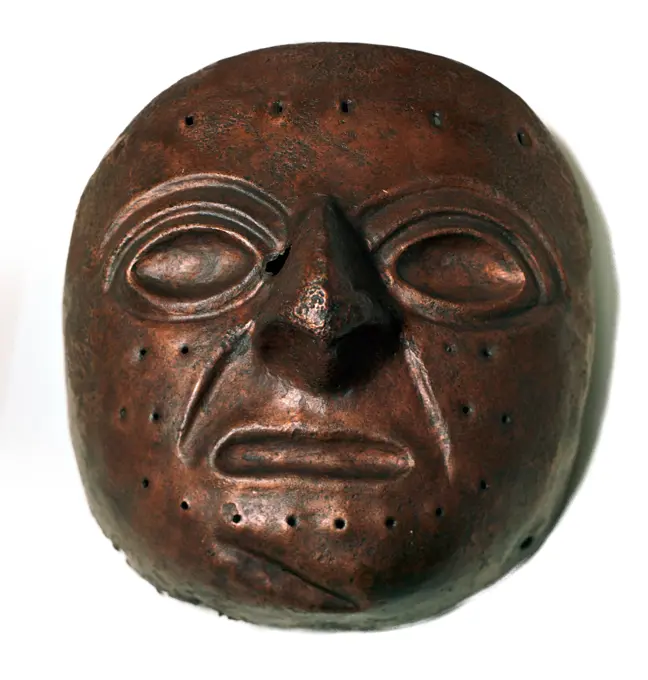
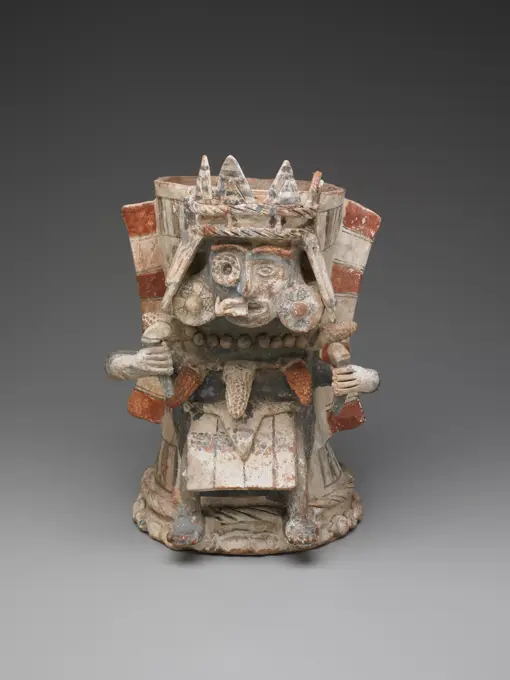
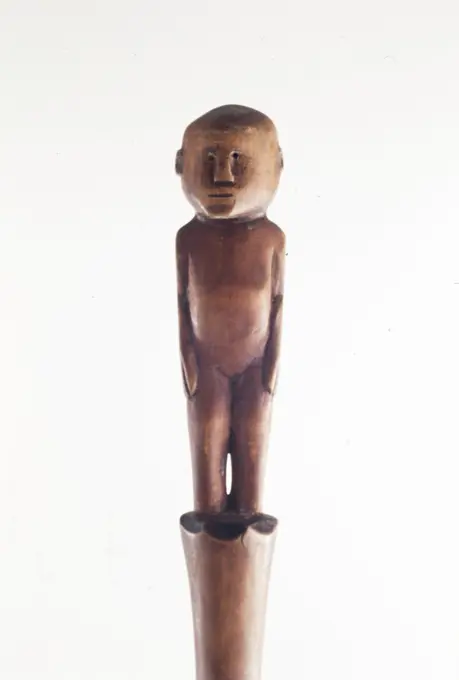
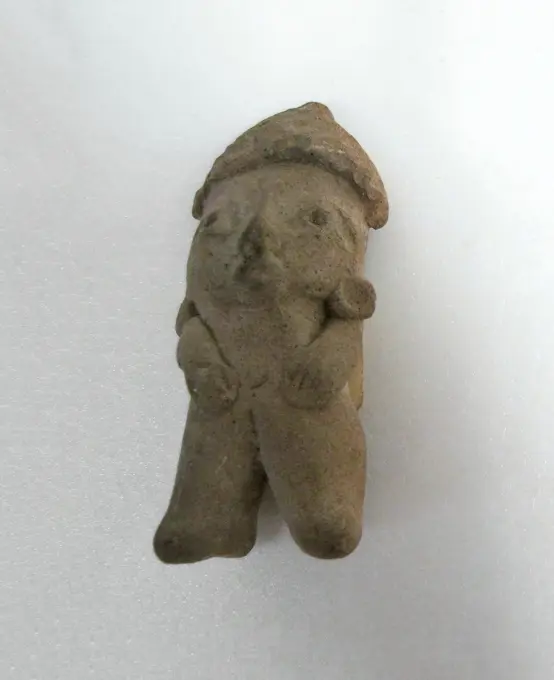
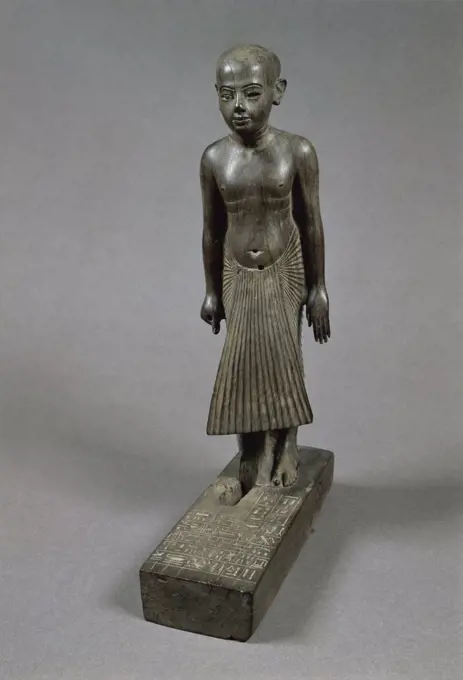
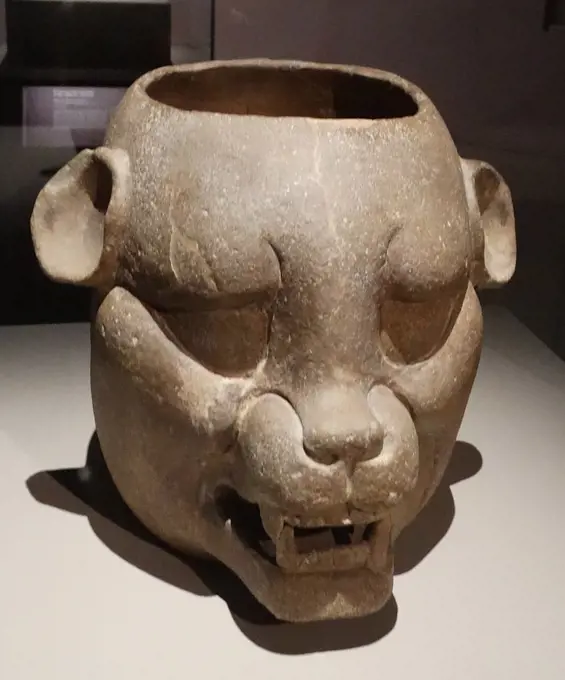
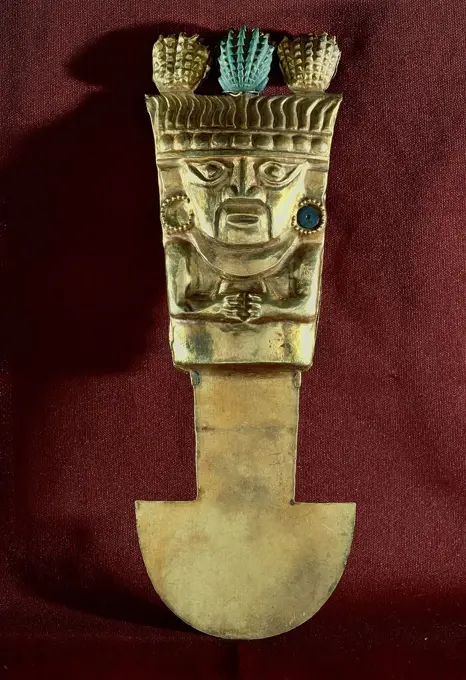
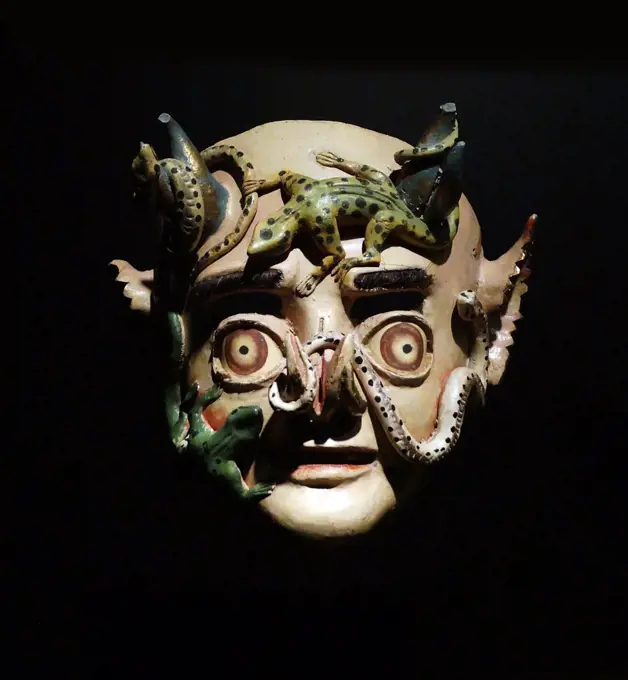
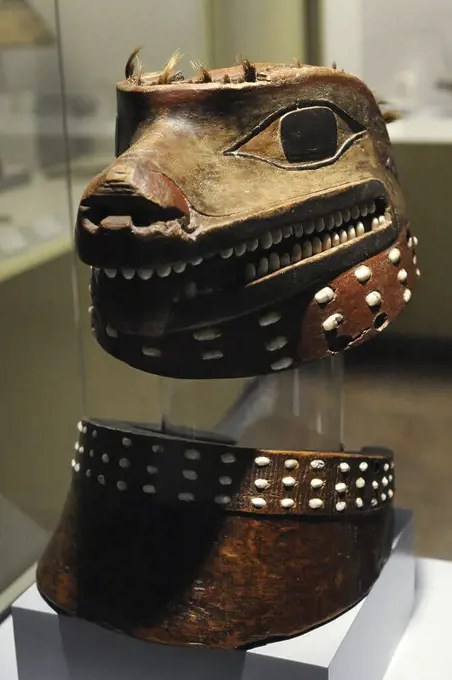
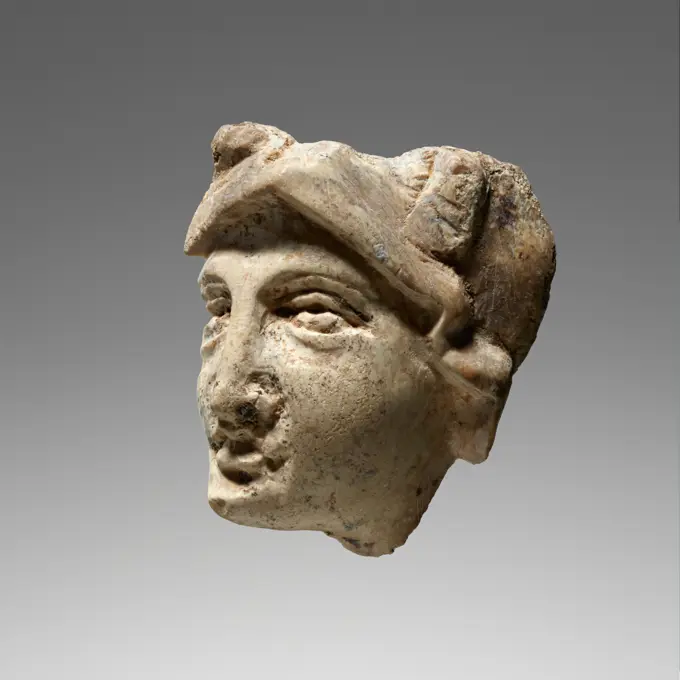
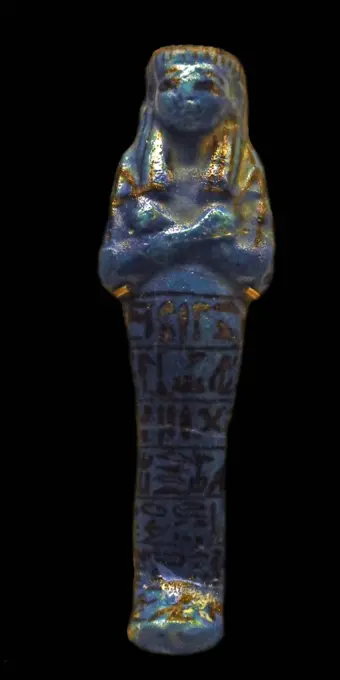
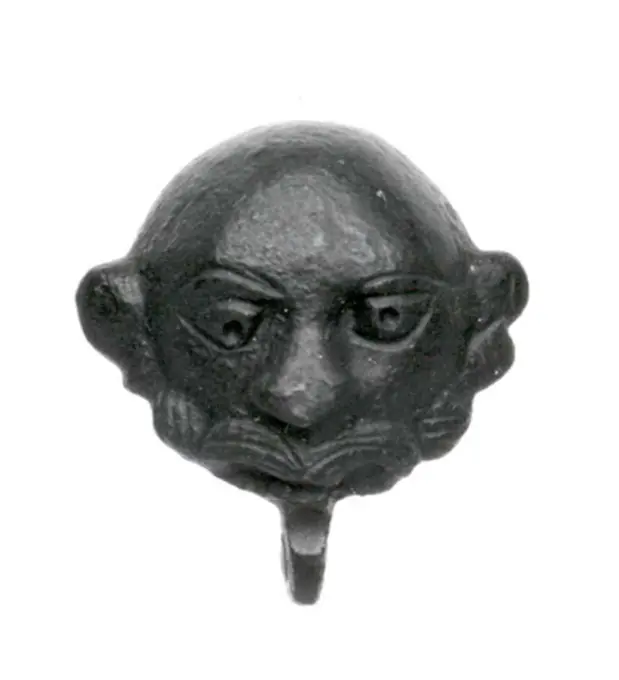
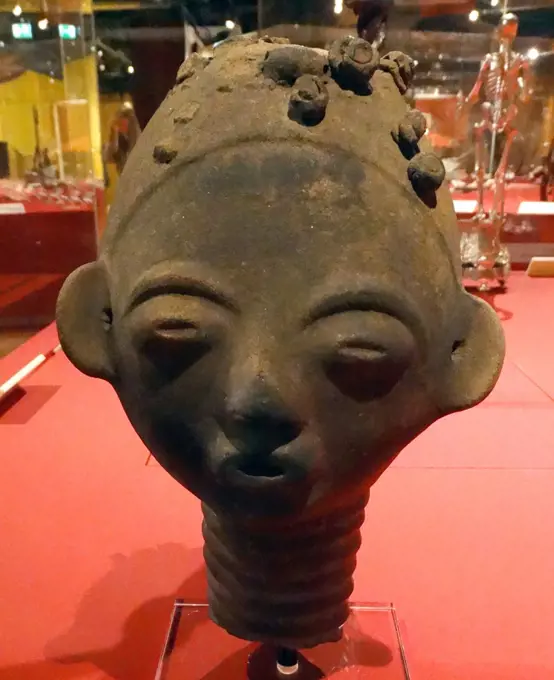
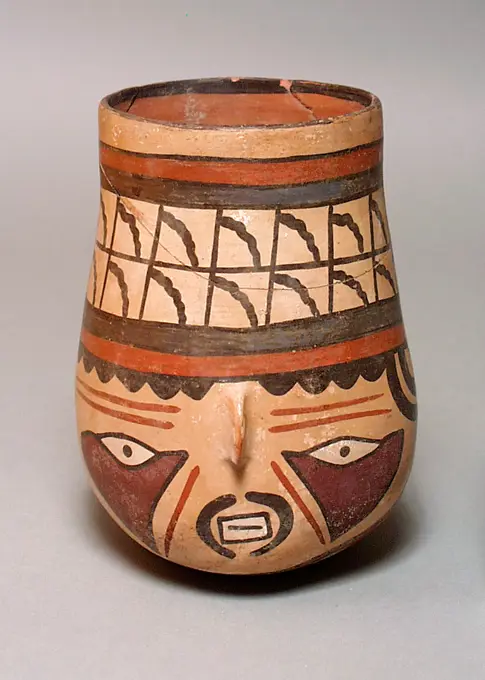
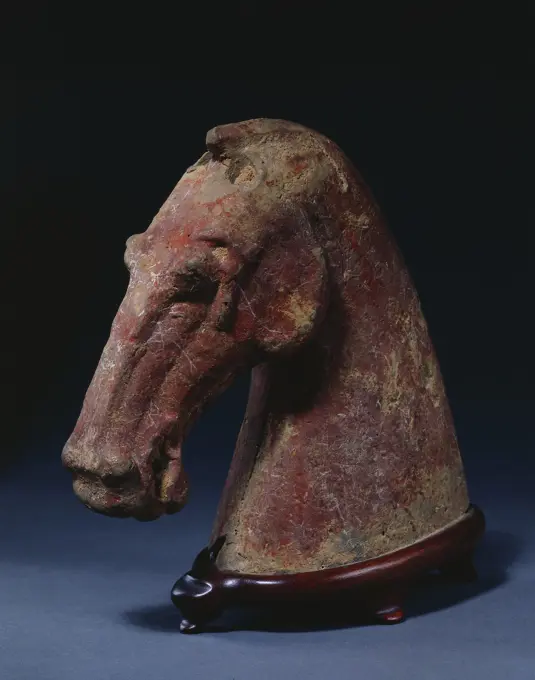
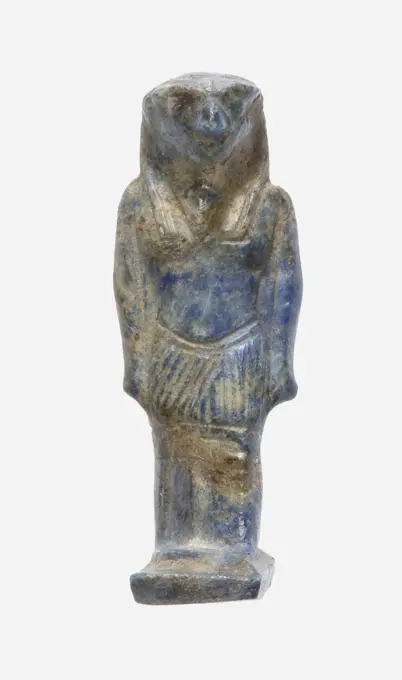
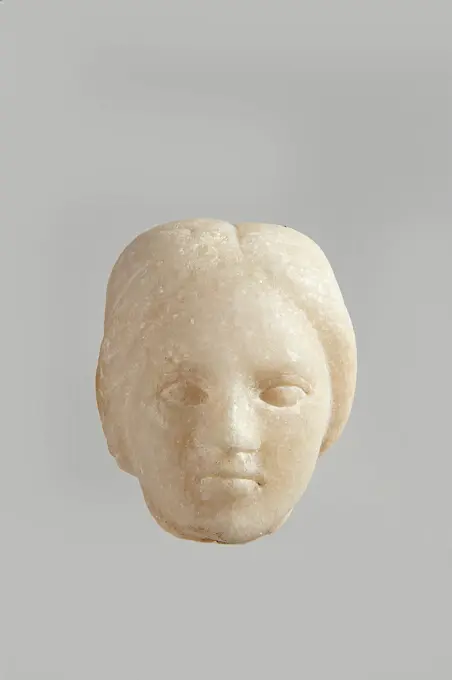
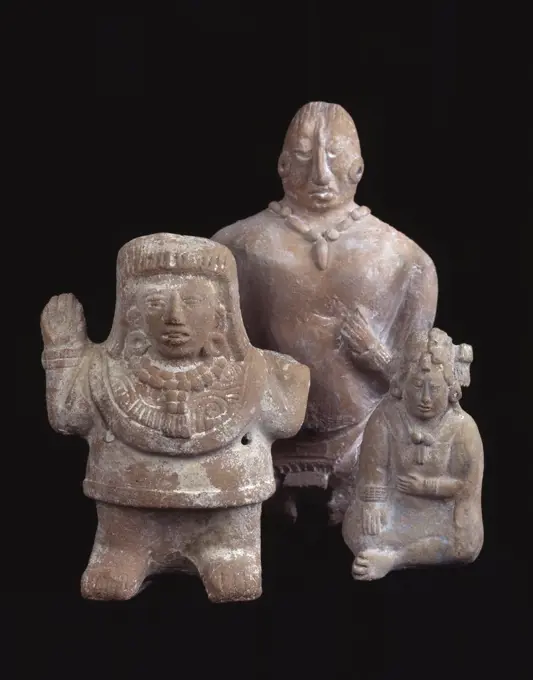
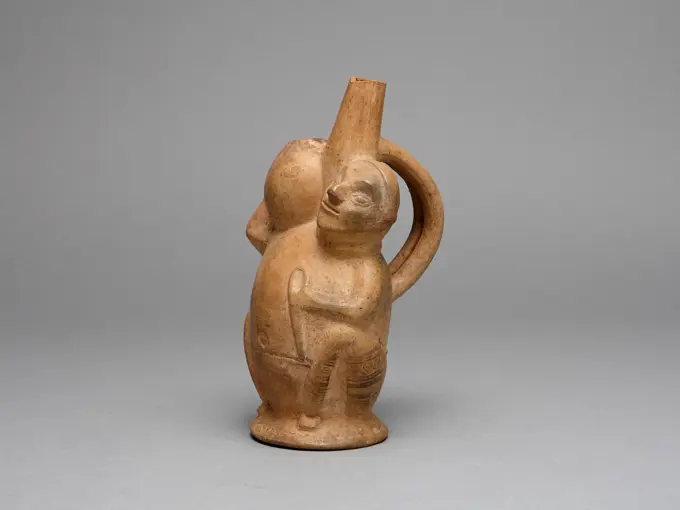
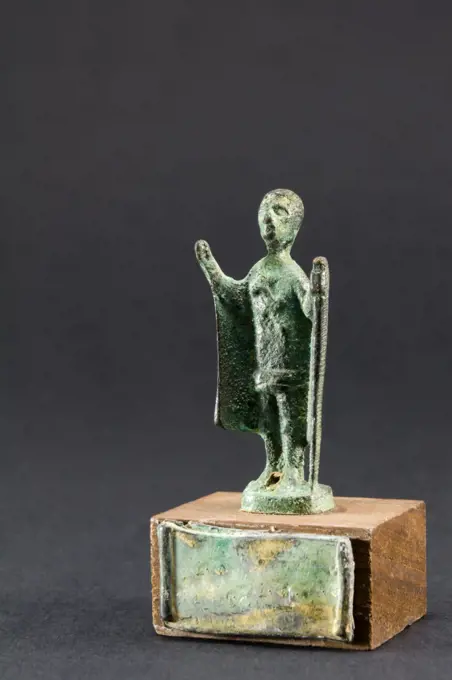
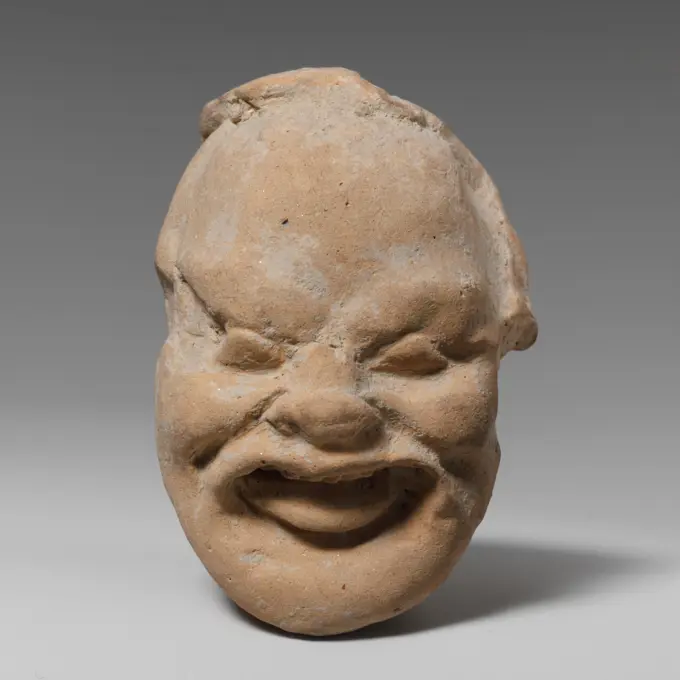
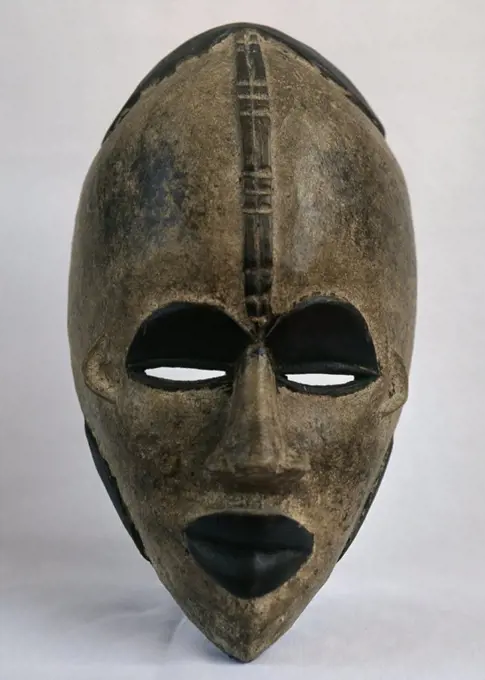
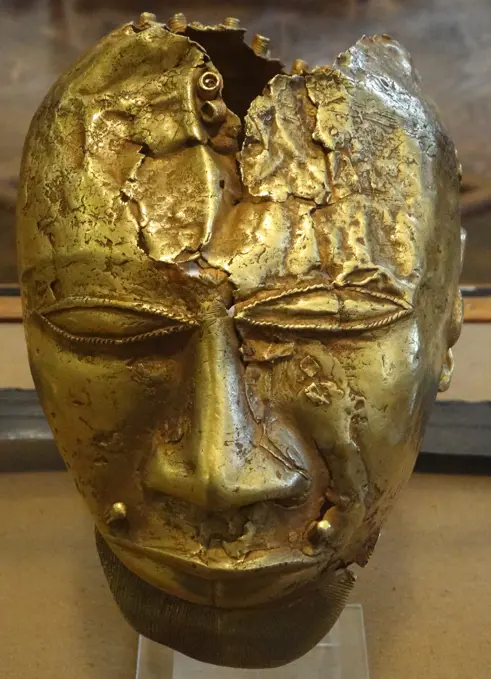
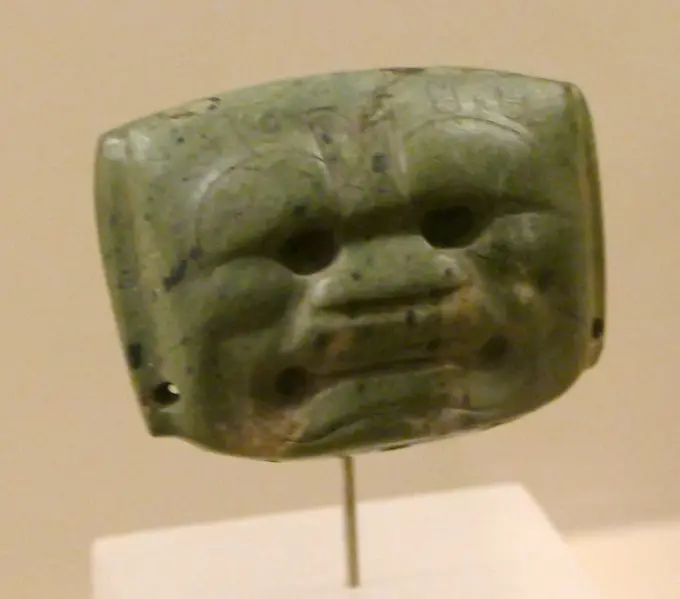
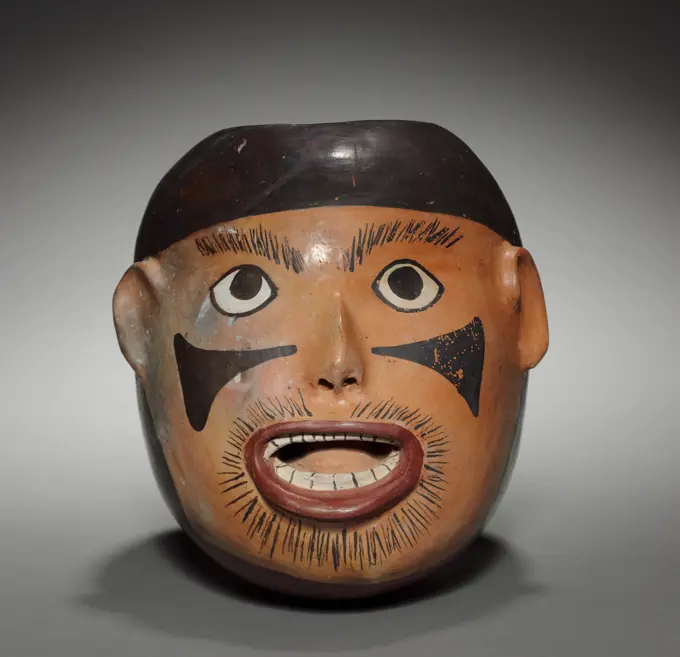
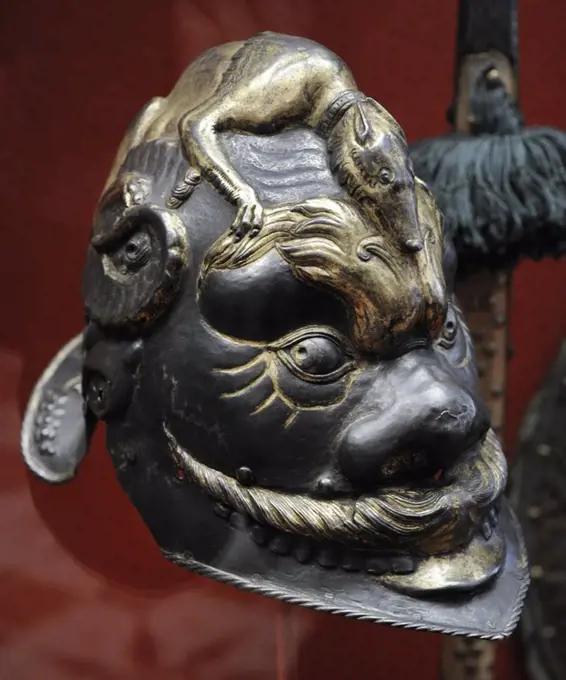
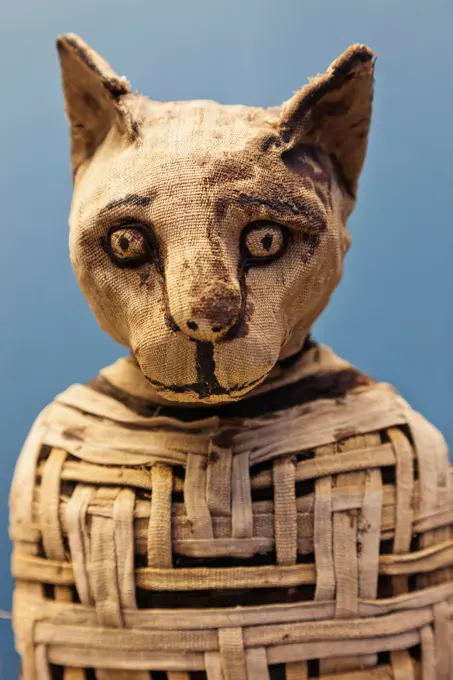
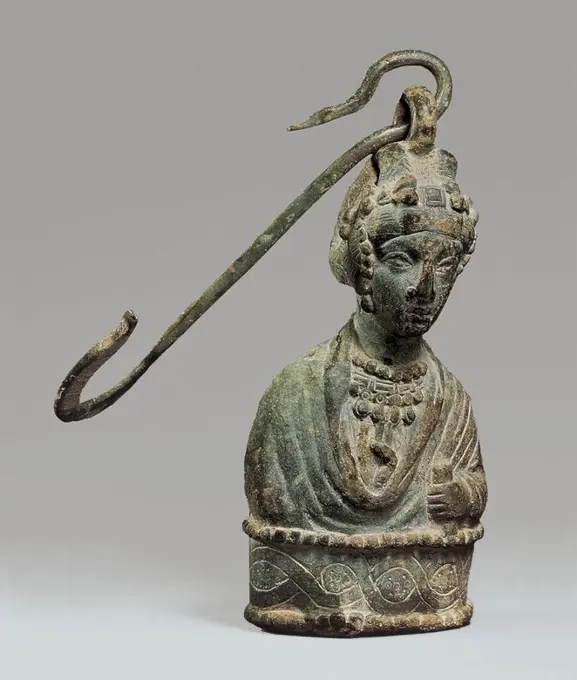
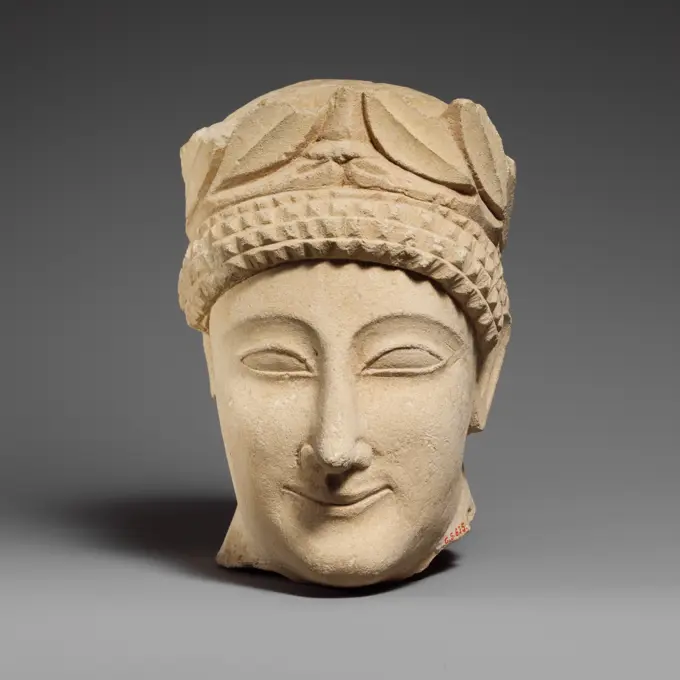
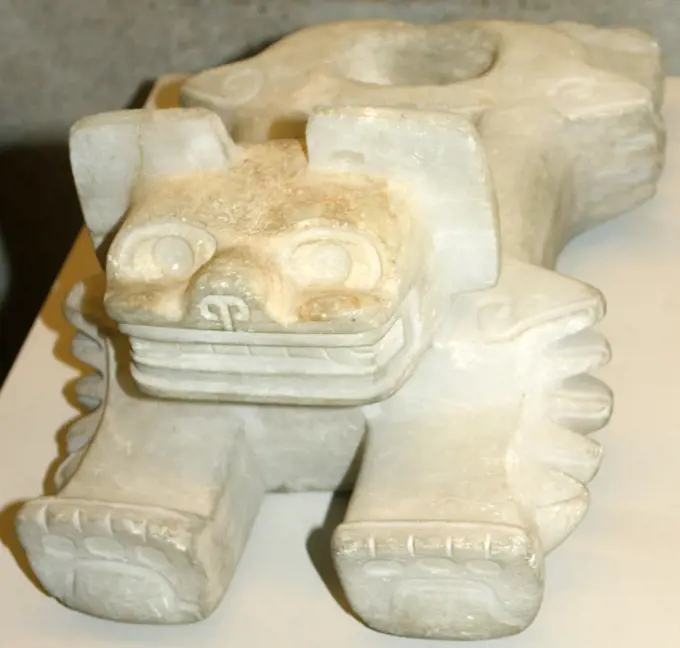
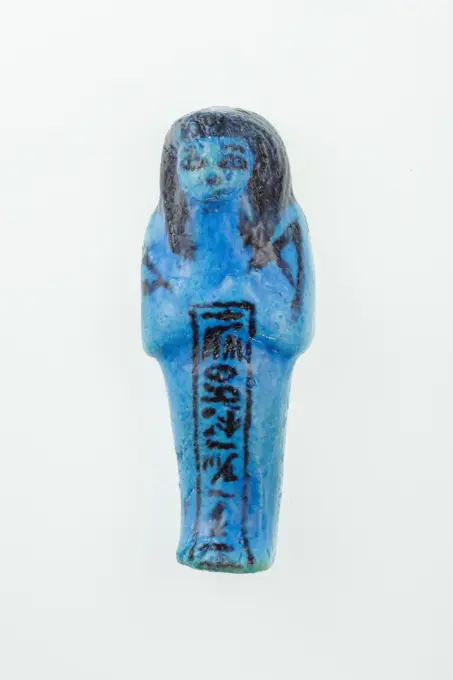
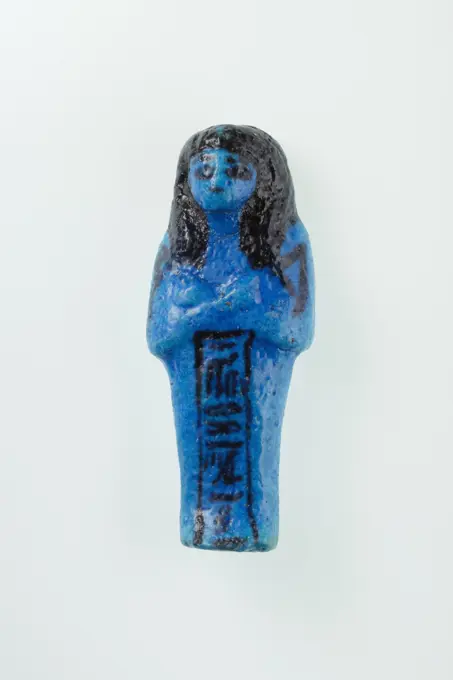
Osiris figure with Coffin. Egypt, 22nd-26th Dynasty (945-525 B.C.). Sculpture. Wood, linen, wax, barley seedSacred animal mummy in the form typical of a wrapped ibis, decorated with a figure of Duamutef. Dimensions: H. 40.5 cm (15 15/16 in.); W. 10.2 cm (4 in.); D. 8.7 cm (3 7/16 in.). Date: ca. 400 B.C.-100 A.D..Animal cults The Egyptians considered certain individual animals to be living manifestations of a god, such as, since earliest times, the Apis bull . Those individuals were duly mummifed when they died and buried for eternal life, then replaced by another single living manifestation. During the first millennium BC, many multiples of animals associated with certain gods were specially raised in temple precincts as simultaneous avatars of that god and then mummified in large contingents and deposited in catacombs for eternal life. The ancient perception of these multiples, the evolution of the practice in this direction, and variations within the practice are not easily accessible to us. But the hundreds of thousands of often elaborately prepared animal mummies found in catacombs anTerracotta horse's head with harness. Culture: Cypriot. Dimensions: H. 3 15/16 in. (10 cm). Date: ca. 600-480 B.C..The hollow head is probably from a fairly large quadriga group, judging from the harness. Museum: Metropolitan Museum of Art, New York, USA.Figurine 1st millennium B.C.. Figurine 327278Temple Model. Culture: Mezcala. Dimensions: H. 3 3/4 x W. 2 3/4 in. (9.5 x 7 cm). Date: 1st-8th century. Museum: Metropolitan Museum of Art, New York, USA.Storage Jar 7th-3rd century B.C. Paracas. Storage Jar 312928Face Mask Ornament. Culture: Moche (Loma Negra). Dimensions: H x W: 3 1/2 x 3 3/8in. (8.9 x 8.5cm). Date: 390-450. Museum: Metropolitan Museum of Art, New York, USA.Ceramic vessel Vicús culture 100 BC-400 AC Perú.Tribal mask: Balega tribe, Congo, Africa. White-painted, carved wood. Whte spirit mask.CABEZA DE JABALI CON LA EFIGIE DE UN HOMBRE EN SUS FAUCES ABIERTAS O CARA HUMANA CON TOCADO DE COYOTE - BARRO Y MOSAICO DE CONCHA - TOLTECA. Location: MUSEO NACIONAL DE ANTROPOLOGIA. MEXICO CITY. CIUDAD DE MEXICO.Flask atop a Donkey; Eastern Mediterranean; 6th - 8th century; Glass; 10 x 11 cm (3 15,16 x 4 5,16 in.)Wooden clan headdress from the Tlingit tribe of indigenous people from Pacific Northwest Coast of North America. Dated 19th CenturyGold Mask  14th C., Chimu Culture, Peru Pre-Columbian  Face Mask, early-mid 1900s. Western Sudan, Mali, Dogon, early-mid 20th century. Wood and organic materials; overall: 111.1 cm (43 3/4 in.).Helmet Mask 19th century Kom peoples, Tikar group. Helmet Mask. Kom peoples, Tikar group. 19th century. Wood, pigment. Cameroon, Grassfields. Wood-SculptureMexico.Mexico city.National Museum of AntHropology.Mexica-Aztec culture. Ceramic skull.Roller Stamp 5th-6th century Atlantic Watershed. Roller Stamp 313059Misi gwa so'o (Chimpanzee Mask), 20th century, 8-7/8 x 6-3/4 x 4-7/16 in. (22.5 x 17.1 x 11.3 cm), Wood, Democratic Republic of the Congo, 20th century, Chimpanzees are rarely featured in African art because their resemblance to humans can be unsettling. Exceptions are the misi gwa so'o masks of the Hemba. The exaggerated features of the half-human, half-chimpanzee mask contrast greatly with the noble and reserved ancestral figures of the classic Hemba style. The wide, open mouth and raised eyebrows were not meant to be comical, but rather fearsome and terrifying. Misi gwa so'o masks were used at funerals to symbolize the presence of death.Water Clock Decorated with a Baboon 664-30 B.C. Late Period-Ptolemaic Period This piece is considered to be a model of a water clock. Water within could drain from a hole between the baboons legs over a measured time. This object was likely a temple offering to the god Thoth in his role as overseer of knowledge and measurement.. Water Clock Decorated with a Baboon. 664-30 B.C.. Faience. Late Period-Ptolemaic Period. From Egyptbronze votive offering, 4th-3rd centuries BC, archaeological museum of Seville, Andalusia, Spain.Terracotta female figurine, Amlash, Northern Iran, 1000 BC.Miniature Mask, c. 900-400 BC. Mexico, Olmec, 1200-300 BC. Greenstone; overall: 6.9 x 6.2 cm (2 11/16 x 2 7/16 in.).Jar in the Form of a Seated Warrior Holding a Sling and Club Made 180 BCE-500 CE Peru. Ceramic and pigment . NazcaLimestone votive pine cone 3rd-1st century B.C. Cypriot The pinecone ends in a square tenon, for insertion into a funerary cippus. The scales are represented by a lozenge motif.. Limestone votive pine cone 242331Monographic Museum of Pollentia, element of domestic religion,, Alcudia, Mallorca, Balearic Islands, Spain.Funerary Cone of the Wab-Priest Amenemhab. Dimensions: Preserved L. 12 cm (4 3/4 in); diam. 7.1 cm (2 13/16 in). Dynasty: Dynasty 18. Reign: reign of Amenhotep I. Date: ca. 1525-1504 B.C.. Museum: Metropolitan Museum of Art, New York, USA.Turkey, Mediterranean Region, Turquoise Coast, Pamphylia, Antalya, Archeological MuseumMagical figurine of foreigner. Dimensions: H. 7.1 × W. 6.5 × D. 3.1 cm (2 13/16 × 2 9/16 × 1 1/4 in.). Dynasty: Dynasty 12-13. Date: ca. 1981-1650 B.C.. Museum: Metropolitan Museum of Art, New York, USA.Chimu culture copper mask. Artist: UnknownBrazier in the Shape of a Figure with Split Tlaloc Mask andMaize. Artist: UnknownVessel leg in the form of a bird 5th-3rd century B.C. China. Vessel leg in the form of a bird 61246Pre-Columbian art. Mesoamerica. Western Mexico coast. Nayarit culture. 200 BC-500 AD. Figurine. Terracotta. 13 x 18 cm. Private collection.Staff, 19th-20th century, 53 3/8 x 1 1/2 x 1 9/16 in. (135.6 x 3.8 x 4 cm), Wood, Tanzania, 19th-20th centuryStanding female figure, 200-700, 2 5/8 x 1 1/8 x 3/4 in. (6.7 x 2.9 x 1.9 cm), Earthenware, Mexico, 3rd-8th centuryStatue of a Young Man Named Thai  Egyptian Art  Musee du Louvre, Paris Mask, 550 BC. Greece, Sicily, Selinus, 6th Century BC. Terracotta; overall: 10.8 x 9.6 x 7 cm (4 1/4 x 3 3/4 x 2 3/4 in.).Upper right arm, bent, Aten cartouches ca. 1353-1336 B.C. New Kingdom, Amarna Period. Upper right arm, bent, Aten cartouches 549844A zoomorphic pot from Tabasco, Mexico. Feline images are a popular sight in Mayan sculptures as their relationship with the feline family was a close and complex thing. The feline in this sculpture is thought to be a jaguar thanks to its face shape. From around 600-900 A.D.TUMI DE ORO ESTILO CHIMU PREHISPANICO. Location: MUSEO DEL ORO COL MUJICA. Lima. PERU.China Supay Mask from Bolivia, Peru. Dated 20th CenturyGłowa starszego mężczyzny. unknown, authorHelmet and collar representing a wolf. Animal admired and feared for its strength and violence. Wood, shell and horsehair. Made by Tlingit indigenous people, from the North American Pacific Northwest Coast. 18th century. Museum of the Americas. Madrid, Spain.ARTE PRECOLOMBINO. PERU. MASCARA FUNERARIA DE PLATA Y ORO. ARTE VICUS. MUSEO DEL ORO DE PERU. LIMA.Mask, 20th century, 12 1/2 x 10 1/2 x 10 1/2 in. (31.75 x 26.67 x 26.67 cm) (without beard), Wood, animal fur, nut shells, beads, cloth, copper, pigment, Democratic Republic of the Congo, 20th centuryTemple Model. Culture: Mezcala. Dimensions: H. 6 1/8 x W. 5 3/8 in. (15.6 x 13.7 cm). Date: 200 B.C.-A.D. 500.Stone models in the Mezcala style come largely from the present-day state of Guerrero, in southwest Mexico. A particularly long-lived tradition, these works may have been produced over some one thousand years, from as early as 500 B.C. Little is known about their archaeological contexts, and there are few points of reference with surviving architecture in the region. It is possible that these models emulate buildings with stone columns, such as those from Cuetlajuchitlán; alternatively they could recall above- or below-ground funerary structures, in which case the columns would represent wood supports of a tomb or a funerary pyre. Mezcala models may have served multiple functions over time, in keeping with the Mesoamerican custom of repurposing or recarving stone objects. Oblong models, for example, may have been recarved from celts, ritual tools of great symbolic importance.Appliqué for a funeral couch. UnknownOwl inlay Late Period-Ptolemaic Period 664-30 B.C. View more. Owl inlay. 664-30 B.C.. Faience, Paste. Late Period-Ptolemaic Period. From EgyptGilded silver greaves from the Agighiol treasureMonkey Vessel 10th-13th century Mixtec The ancient Mexicans used many kinds of stone for the manufacture of ritual and sumptuary objects. Onyx marble, of which this vessel is carved, occurs in many parts of Mexico, where it is known as tecali. During the florescence of the great city of Teotihuacan in the first half of the first millennium A.D., tecali was used primarily to carve masks. Centuries later, perhaps a result of improved carving skills, lapidary artists were able to produce vessels from it, some plain and some effigy figures as here. A frequent subject of such bowls is a monkey holding its tail above its head. The vessel retains its globular form, the limbs, head, and tail projecting from it abruptly. The interior of the container was laboriously hollowed out with tubular drills, probably of bamboo, and then polished smooth. The eyes and teeth are inlaid with shell and obsidian. The function or meaning of the image is not known, although monkeys feature in creation myths of A zoomorphic pot from Mexico. The animal represented on this one is produced in a realistic manner and has a breastplate with evident religious symbolism displayed on it. Produced in the coastal region of Chiapas and Guatemala where it was imported from. 900-1250 A.D.Faience Shabti of Masaharta 21st DynastyCover in the form of a man's head ca. 3rd-7th century A.D. Sasanian. Cover in the form of a man's head 323043Stirrup spout bottle with figure with llama headdress 3rd-6th century Moche. Stirrup spout bottle with figure with llama headdress 308417Standing female figurine ca. 1390-1186 B.C. New Kingdom. Standing female figurine. ca. 1390-1186 B.C.. Pottery. New Kingdom. From Egypt. Dynasty 18-19Memorial head. From the Akan people, Ghana, made from clay, 1890-1920.Amulet of the Goddess Bastet 1070 BCE-656 BCE Egypt. Faience . Ancient EgyptianIca BowlOinochoe Handle. UnknownHorse's Head, 206 BC-AD 220. China, Han dynasty (202 BC-AD 220). Earthenware; overall: 15.3 cm (6 in.).Horus Amulet 664-332 B.C. Late Period. Horus Amulet. 664-332 B.C.. Lapis lazuli. Late Period. From Egypt. Dynasty 26-30Fragment figurki kobiety. unknown, authorMayan Clay Figurines c. 700-1000 A.D. Campeche, Mexico Pre-Columbian Collection of The Museum of Contemporary Art, Jacksonville, FloridaFigure of a Seated Musician. Culture: China. Dimensions: H. 3 1/4 in. (8.3 cm).The musical instruments depicted among this group of pottery figures (36.12.1, .2, .10-.13, .16) are typical of those used in popular music of the Han period (206 B.C.-A.D. 220). The instruments all had long histories, having existed for centuries, in the case of the zither, or millennia, in the case of the flute (now missing from the figure of the flutist). Museum: Metropolitan Museum of Art, New York, USA.Handle Spout Vessel in the Form of a Seated Man Carrying a Jar 700 CE-1000 North Coast. Ceramic and pigment . LambayequeChieftain praying with cloak and stick, bronze figurineTerracotta head of a man 4th century B.C. Greek, South Italian, Tarentine The grotesque appearance of the head is heightened by its present condition, with most of the hair and other possible attributes missing.. Terracotta head of a man. Greek, South Italian, Tarentine. 4th century B.C.. Terracotta. Classical. TerracottasARTE AFRICANO. MASCARA BAMILEKE. Foumban. Colección particular. Camerún.MEDALLA CONMEMORATIVA EN BRONCE DE LA CONSTITUCION - 1985 - REVERSO. Author: JULIO LOPEZ HERNANDEZ. Location: CONGRESO DE LOS DIPUTADOS-BIBLIOTECA. MADRID. SPAIN.Inlay Depicting the Face of a King 700 BCE-1 BCE Egypt. Figures of the king or the gods made of pieces of brightly colored glass appeared about 1350 B.C. and continued to be made into the Ptolemaic period. The color follows the tradition in Egyptian art of depicting the skin of men as red.. Glass . Ancient EgyptianHead of Vishnu. India, Gujarat, circa 7th century. Sculpture. Black stone with traces of paintFigure, 1000-1532. Peru, Lambayeque. Silver; overall: 6 x 1.6 cm (2 3/8 x 5/8 in.).Canopic jar depicting jackal-headed Duamutef, protector of stomachPart of the Treasure of Kofi-Karikari, King of Ashanti, present-day GhanaJade pectoral, Olmec civilisation, Mexico 1200-400 BCSevered Head Effigy Vessel, c. 100-350. Peru, South Coast, Nasca. Earthenware with colored slips; overall: 22 x 20.5 x 24.5 cm (8 11/16 x 8 1/16 x 9 5/8 in.).Burgonet helmet. Steel. Chased and gilded. By Filippo Negroli (1510-1579), Ca.1530-1540, Milan, Italy. Knights' Hall. The State Hermitage Museum. Saint Petersburg. Russia.,.Fragment of a Male Figurine, anonymous, c. -206 - c. 9 Fragment of a men's figure; The complete figure was provided with loose arms. China loam Fragment of a men's figure; The complete figure was provided with loose arms. China loamEngland,London,British Museum,Egyptian Room,Display of Egyptian Mummified CatOuter Coffin of the Singer of Amun Nany. Dimensions: l. 228 cm (89 3/4 in); w. 83 cm (32 11/16 in). Dynasty: Dynasty 21. Reign: reign of Psusennes I. Date: ca. 1050.Nany was buried in a set of nesting coffins which included an outer coffin (30.3.23a, b), an inner coffin (30.3.24a, b), and the mummy cover (30.3.25). The faces may originally have been gilded, which would explain why each was removed in ancient times. Museum: Metropolitan Museum of Art, New York, USA.Steelyard Weight with a Bust of a Byzantine Empress and a Hook. Culture: Byzantine. Dimensions: 9 1/2 × 4 1/2 × 2 13/16 in., 12.5 lb. (24.2 × 11.5 × 7.1 cm, 5664g)Other (Hook): 8 7/8 × 3 × 1 1/4 × 1/4 in., 0.4 lb. (22.6 × 7.6 × 3.2 × 0.7 cm, 176g). Date: 400-450.Steelyard weights often took the shape of busts of Byzantine empresses. This unusually detailed image may depict an empress of the Theodosian dynasty, which ruled from 379 to 450. The weight--itself about five pounds, or seven Byzantine litrae--would have been used for heavier goods. Museum: Metropolitan Museum of Art, New York, USA.Limestone head of a beardless male votary with a wreath of leaves 2nd quarter of the 5th century B.C. Cypriot. Limestone head of a beardless male votary with a wreath of leaves 242233Leele rubbing oracle, 20th century, 6 1/8 × 12 1/2 × 4 3/16 in. (15.56 × 31.75 × 10.64 cm) (including attached base), Wood, string, Democratic Republic of Congo, 20th centuryBone doll with articulated limbs late 4th or 3rd century B.C. Greek Moveable arms and legs.This doll was found together with the terracottas, acc. nos. 11.212.16-.53, displayed in the same shelf.. Bone doll with articulated limbs. Greek. late 4th or 3rd century B.C.. Bone. HellenisticStirrup Spout Bottle with Seated Figure. Culture: Salinar (). Dimensions: Height 7-1/2 in. (19.1 cm). Date: 1st century B.C.-A.D. 2nd century. Museum: Metropolitan Museum of Art, New York, USA.Kifwebe Mask with Frog, 20th century, 19-1/4 x 8-1/8 x 9-1/4 in. (48.9 x 20.6 x 23.5 cm), Wood, pigment, feathers, plant fibers, Democratic Republic of the Congo, 20th centuryShabti of Khabekhnet ca. 1279-1213 B.C. New Kingdom, Ramesside This shabti is inscribed with the names of both Khabekhnet and his mother Iineferty. Other objects in the collection that were discovered in the same tomb can be viewed here.. Shabti of Khabekhnet 551120Calcite Onyx Ocelot offering vessel. Teotihuacan, 150 BC-AD 750. British Museum.Plover. Japan, late 18th century. Costumes; Accessories. Ivory with staining, sumi, inlaysSleeping Figure Bottle. Culture: Chimú. Dimensions: H. 9 x W. 4 13/16 in. (22.9 x 12.2cm). Date: 12th-15th century. Museum: Metropolitan Museum of Art, New York, USA.Ornamental Mask 6th-7th century Moche (Loma Negra). Ornamental Mask 314344Spain, Tabarca, Fictile female figurines from Illa Plana, terracottaWorker Shabti of Nany ca. 1050 B.C. Third Intermediate Period Seven shabti boxes were interred with Nany; five came to New York in the division of finds (30.3.26-.30), two of them are now in the Egyptian Museum in Cairo. All are made of sycamore wood and have high ends and flat lids. A white stucco wash was applied after the lids were closed. The shabtis, made of faience, were packed tightly in each box, in an upright position. They are of two types: foremen and workmen, with a ratio of one forman to ten workers (see 30.3.28a-h).. Worker Shabti of Nany. ca. 1050 B.C.. Faience. Third Intermediate Period. From Egypt, Upper Egypt, Thebes, Deir el-Bahri, Tomb of Meritamun (TT 358, MMA 65), first corridor, burial of Nany, MMA excavations, 1928-29. Dynasty 21INTERIOR-RESTOS DE BUSTOS. Location: MUSEO ESTADO-CONV STO DOMINGO. Oaxaca. CIUDAD DE MEXICO.Plastered skull, Kefar Hahoresh and Beisamun. From the Tahunian culture 9,000 years ago, made from skulls, plaster and pigment. It is believed that they thought that this practice may have given special treatment after death.Dog on Wheeled PlatformMarble head of a female statuette 1st-2nd century A.D. Roman. Marble head of a female statuette. Roman. 1st-2nd century A.D.. Marble. Imperial. Stone SculptureMask Depicting Coquero. Colombia, Nariño Highlands, or Ecuador, Carchi, Nariño or Carchi, 1250-1600 CE. Ceramics. CeramicThe Kuna Nuchu, or medicine doll, cut from the branches of a sacred tree and kept in the house as a protection from evil spirits. From the Kuna Indians of the San Blas archipelago on thenorth coast of Panama.Wooden figure for ancestor worship; Bakongo Tribe; Yombe Group; Democratic Republic of Congo; Africa 20th centuryWorker Shabti of Nauny ca. 1050 B.C. Third Intermediate Period See 30.3.27.1a, b. Worker Shabti of Nauny. ca. 1050 B.C.. Faience. Third Intermediate Period. From Egypt, Upper Egypt, Thebes, Deir el-Bahri, Tomb of Meritamun (TT 358, MMA 65), first corridor, burial of Nauny, MMA excavations, 1928-29. Dynasty 21